Jade Rose, from Harvard to Manchester City We interviewed the Canadian footballer ahead of the start of the Barclays WSL
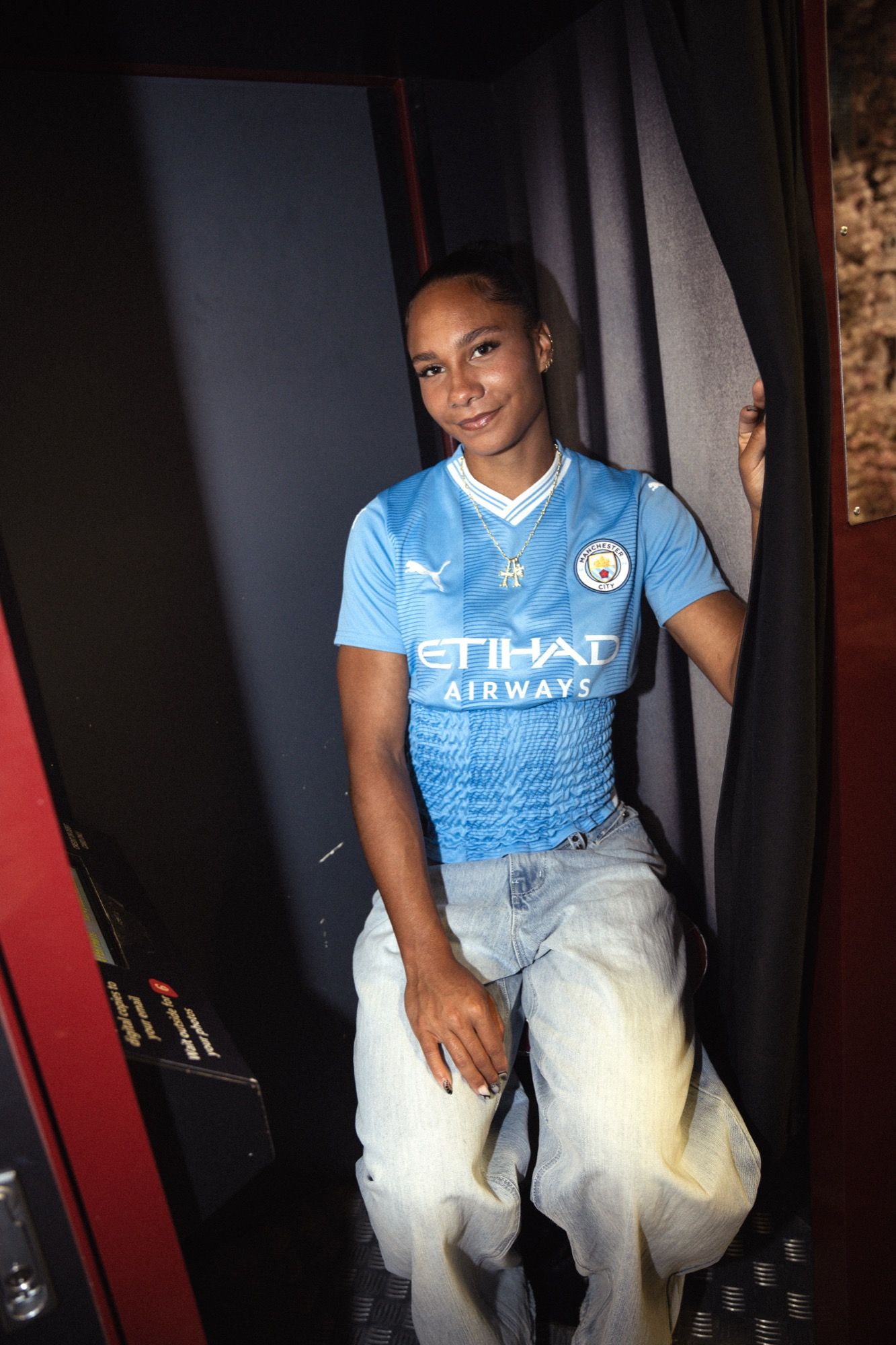
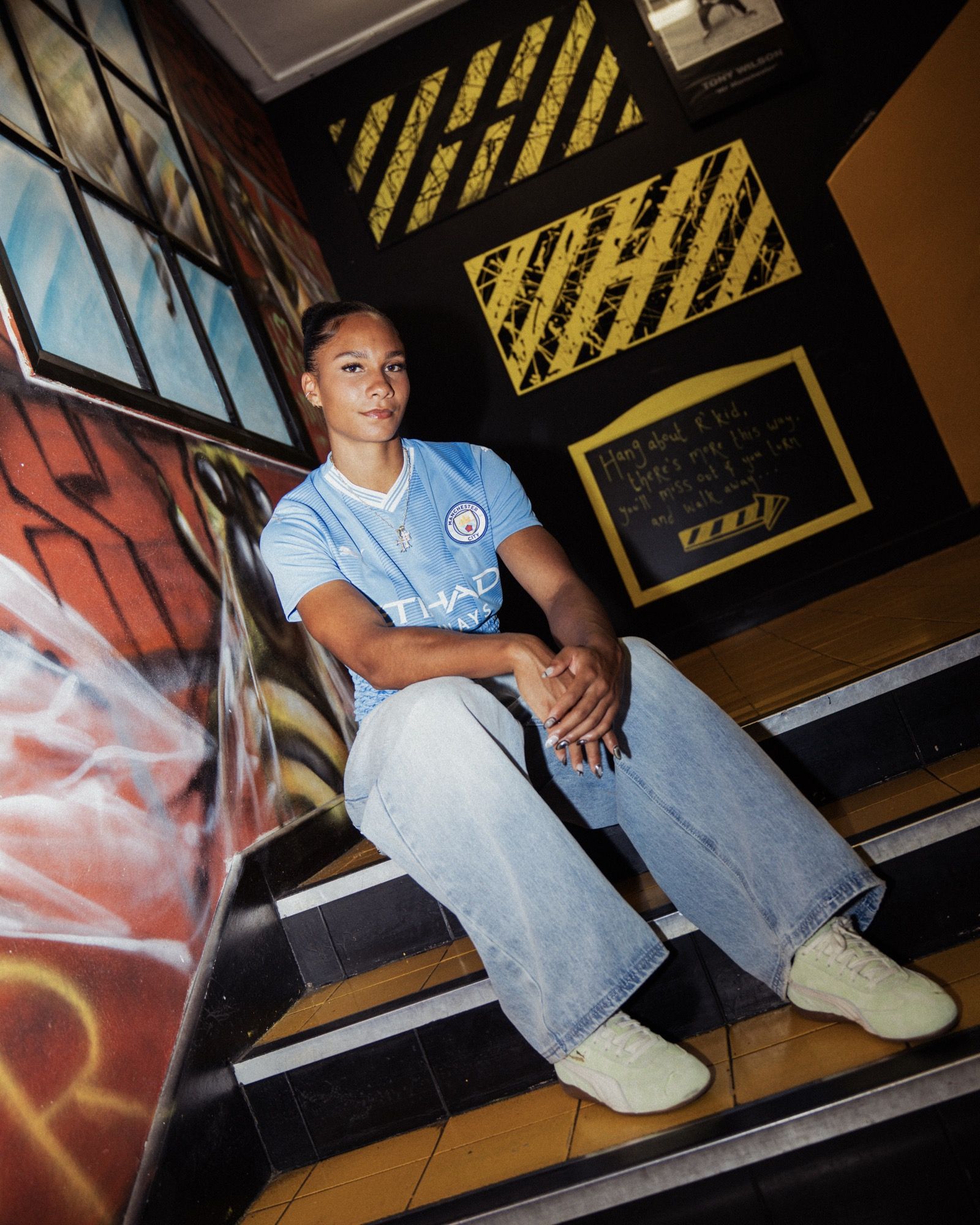
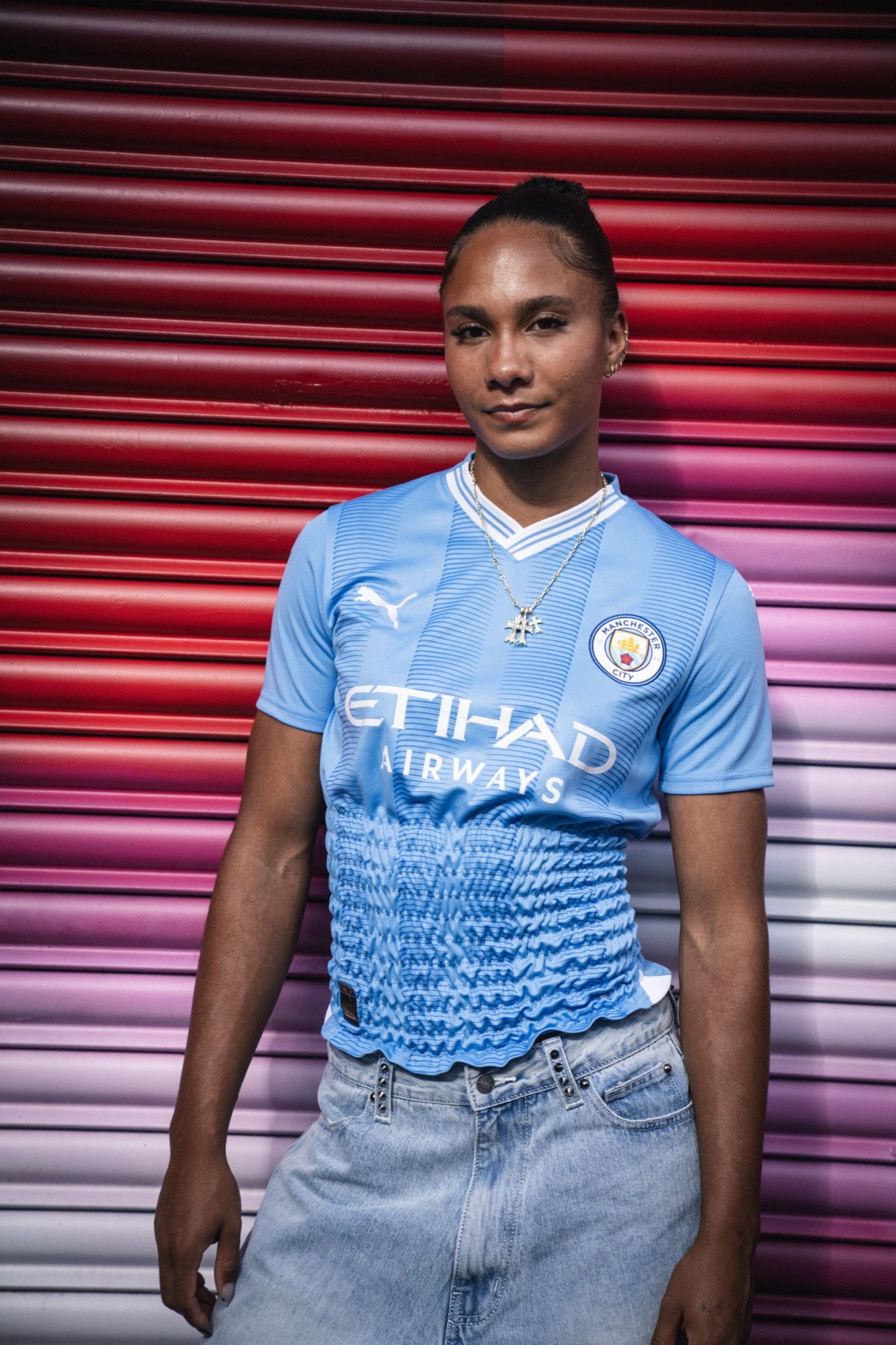
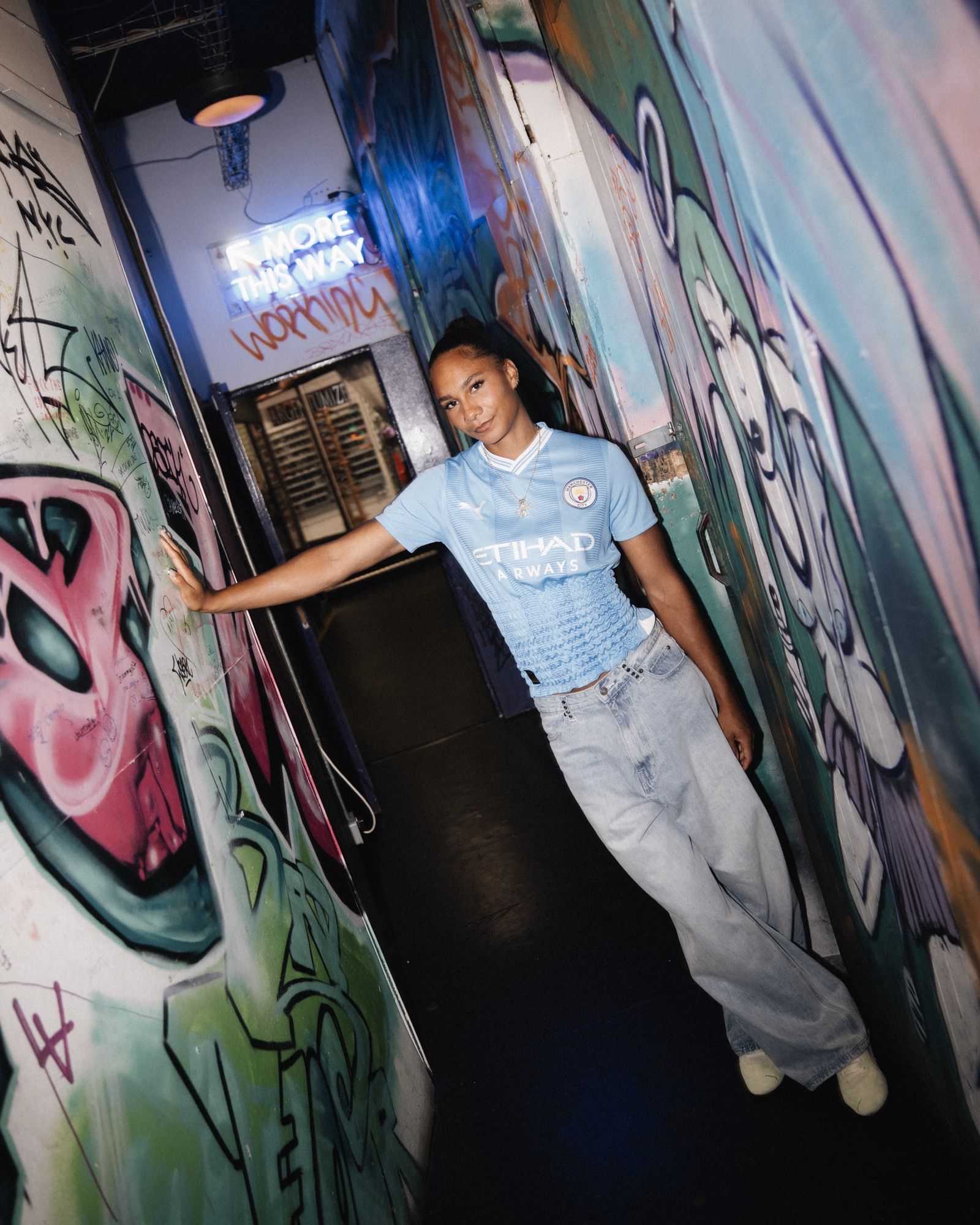
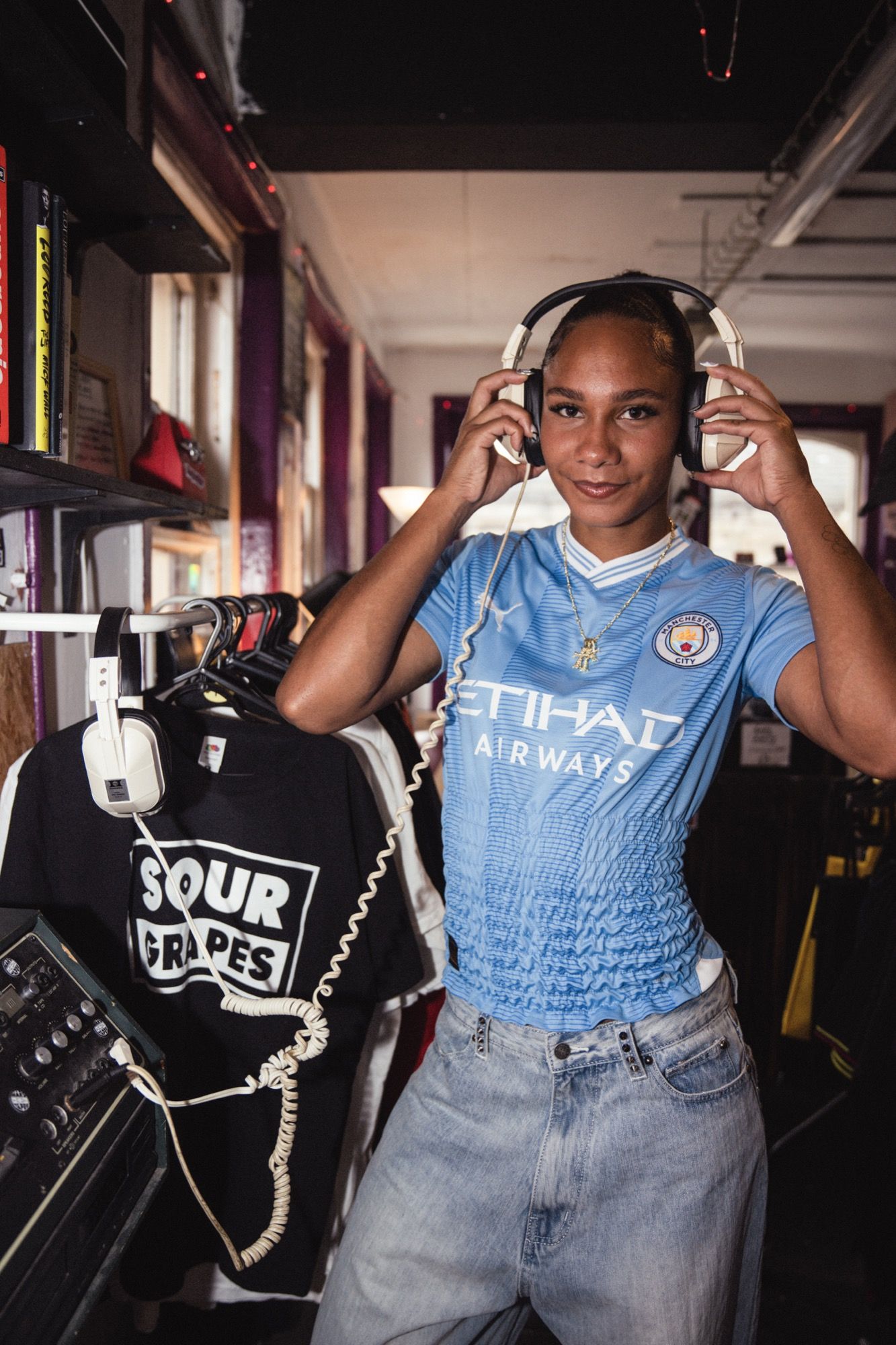

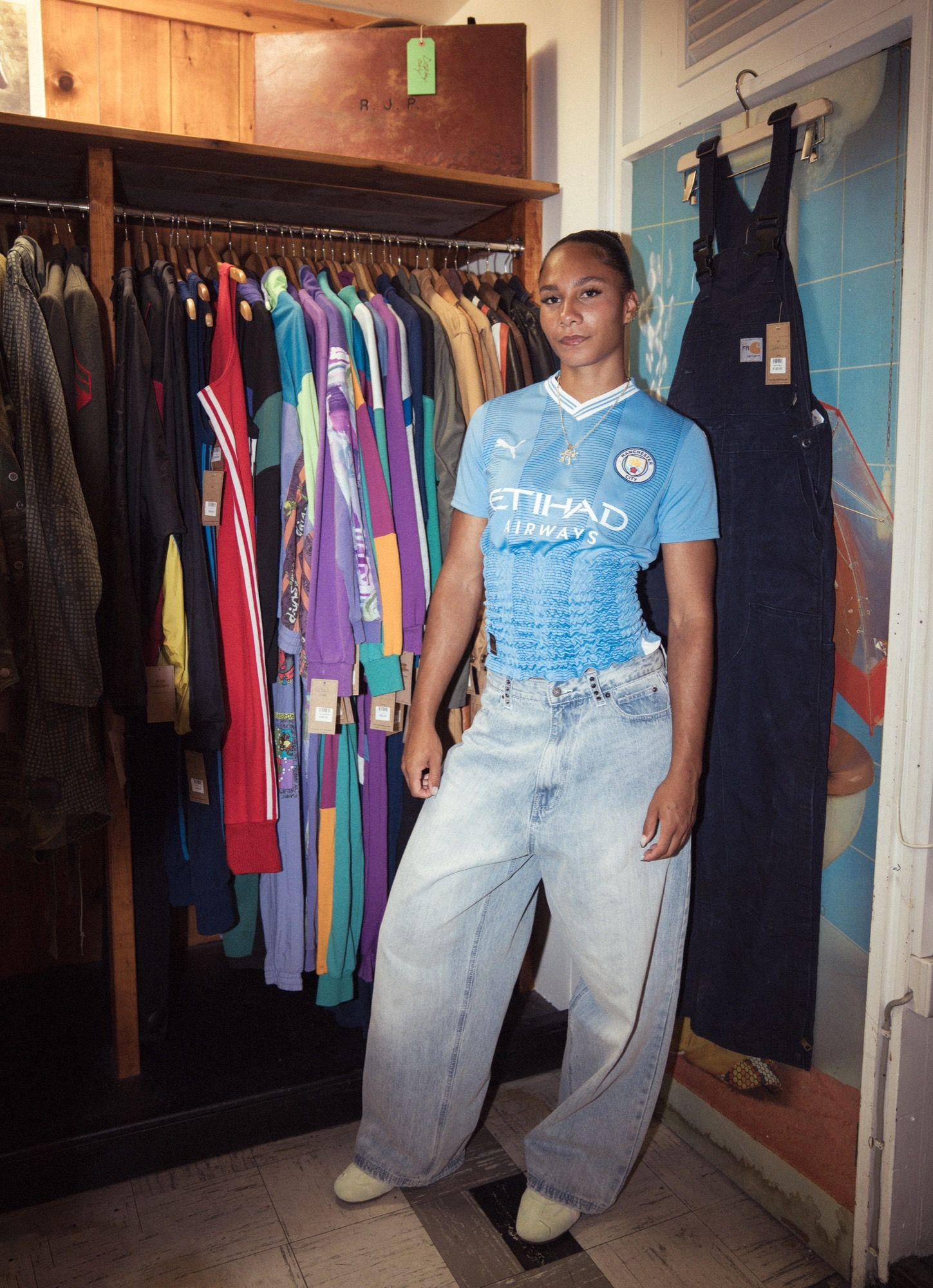
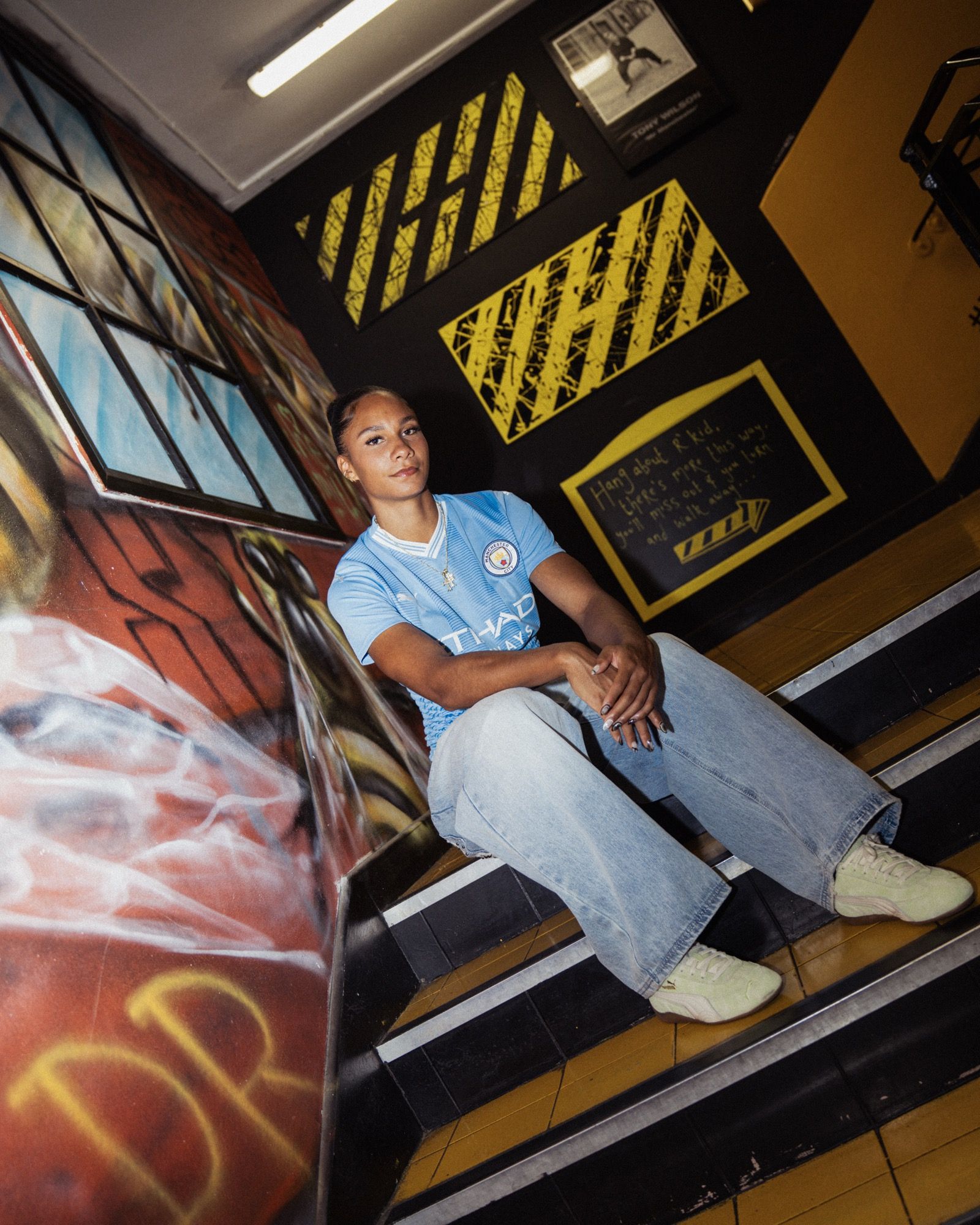
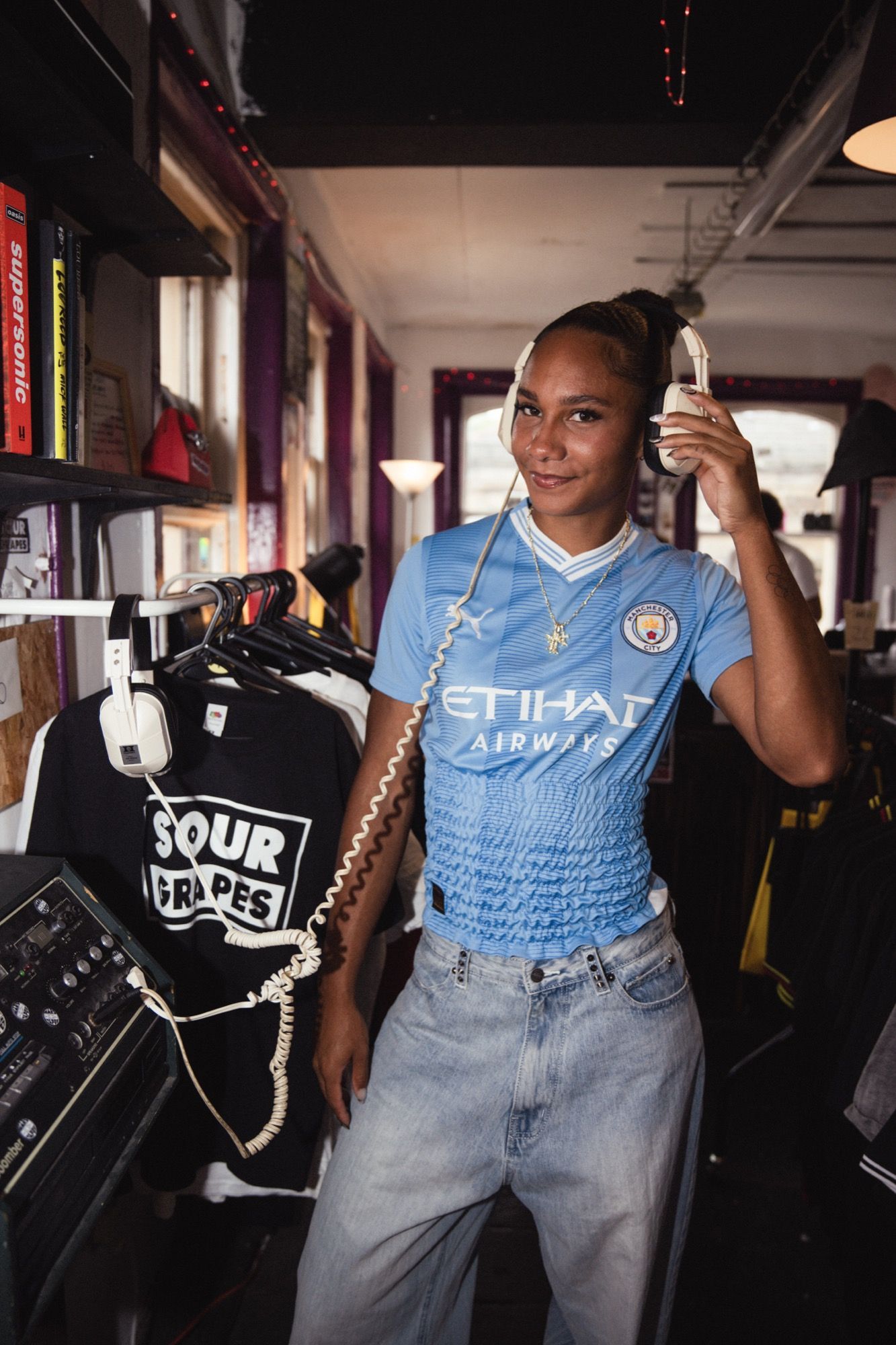
The Barclays WSL is about to begin, and we couldn’t have found a better way to sweeten the wait: by interviewing one of the top signings of the Manchester City transfer window, winners of the penultimate edition of the English top flight. We’re talking about Canadian Jade Rose, an athlete often in the spotlight more for her recent journey than for her sporting qualities. Jade Rose is unconventional; her story stands in sharp contrast to that of her new teammates.
That’s precisely why she fits perfectly with our editorial vision: telling the stories of athletes who have something extra to share, something that makes them truly unique. And Jade Rose, having studied at Harvard, is often considered a remarkable personality – even before being an athlete.
It’s also interesting to reflect on the fact that the top women’s football division in England still carries the name Barclays, a name that once branded the Premier League and symbolized the era of extravagance and uniqueness in the competition. Think of the #BarclaysEra trend, which went viral between 2024 and 2025 on TikTok and Instagram – a nostalgic look at the flamboyant footballers who defined the league during its peak of aesthetic splendor.
This summer, in the heat of August, we interviewed Jade Rose with the goal of getting her story.
How does a footballer manage to balance studying at Harvard and football commitments?
I grew up in a family where education was always very important. My parents never asked for much except commitment: having a university education opens so many doors and opportunities, allowing you to live the life you want. Growing up with this awareness was a “non-negotiable” point in my family.
Knowing from a young age that football was my passion often confronted me with the idea of having to choose between studying and becoming a footballer, which is a tough choice considering how young we are when faced with such complex decisions. That’s why the U.S. college system helped me a lot: it gives players the chance to pursue both passions and develop both aspects of their identity.
Of course, years ago I never really thought I would attend Harvard, and honestly, I had never considered it. But when they reached out to me and presented the opportunity to attend such a prestigious institution, it was really hard to say no.
What was a typical day like when you were at Harvard?
It changed a lot from my first to my fourth year. In the first two years, you have less control over classes and schedules, while in the third and fourth years I had more autonomy. Usually, I woke up at 7 a.m. and went to the facilities to receive treatment – either for injuries or for maintenance – and prepare for training.
Then I had breakfast and an individual training session with my coaches around 10 a.m. Afterwards, I would grab a takeaway lunch and eat it during my first class, usually around noon. The first class lasted from 12:00 to 1:15 p.m., the second from 1:30 to 2:45 p.m. After that, I returned to the facilities for team training and weightlifting. After practice came dinner, and I spent the rest of the evening studying, doing homework, writing papers, preparing presentations, or doing research. My days started at 7 a.m. and ended around midnight.
You’ve always been used to moving for study or work: how are you finding Manchester?
Going to college and moving away from home at 18 prepared me, in a way, for moving to a different and more distant country from Canada. The staff and team have been incredible in supporting me and helping me with the little challenges of relocating to a new country.
Manchester is still all to be discovered. Being in a new city, immersed in a different culture and surrounded by new people, gives you the chance not only to explore your environment but also to explore yourself and the person you want to become. At university it’s easy to be influenced by others, in how you dress or your interests, but being in such a diverse city really allows me to understand who I am and who I want to become.
It’s going to be an experience full of new things, like your debut in the Women’s Super League…
I’m incredibly excited to play in the Women’s Super League, to fight to get back into the Champions League, to compete for titles, and to play meaningful matches week after week.
Do you think the city of Manchester will influence your style?
Every environment I’ve been in has influenced my style, especially Harvard, where it’s normal to wear comfortable clothes like hoodies and sweatpants. Manchester will influence my aesthetic too. Right now, my favorite brand is Acne Studios, but I also shop second-hand a lot, at thrift markets. I buy second-hand clothes because I believe recycling and doing your part can have a positive impact. I think my wardrobe will evolve with the influence of English culture. One thing I noticed during my first week here is that people always go out looking put together, unless they’re going to the gym.
Is thrifting better in Canada or in the UK?
It depends on the area you’re in. For most of my life, I thrifted and bought second-hand only in Canada. I haven’t explored Manchester much yet, but I’m curious to see what it has to offer. I hope Manchester is better than Canada: not that Canada was bad, but if it’s better, I’ll be happy.
Does Canada have the potential to become relevant on a global scale?
Football in Canada has changed drastically in recent years. Having so many national team players abroad has drawn attention to our level of play. Many teams underestimate us, but historically we’ve proven ourselves on the world stage, and we want to keep doing so in the World Cup, the Olympics, and other competitions. Coming to Manchester and showing who I am as a player also means showcasing the value of the Canadian football system and its ability to develop players. A domestic women’s league, launched last year, is making huge strides and progressing faster than Canadian football has ever done before.
This league will grow not only the national team but also the many players who otherwise wouldn’t have had a domestic context. It’s still in its first year, but in the next decade, with growth and the attraction of new talent, it will help develop football in Canada and build that football culture we see in Europe.