
















Are fans becoming cringe? The United Strand is just the latest example
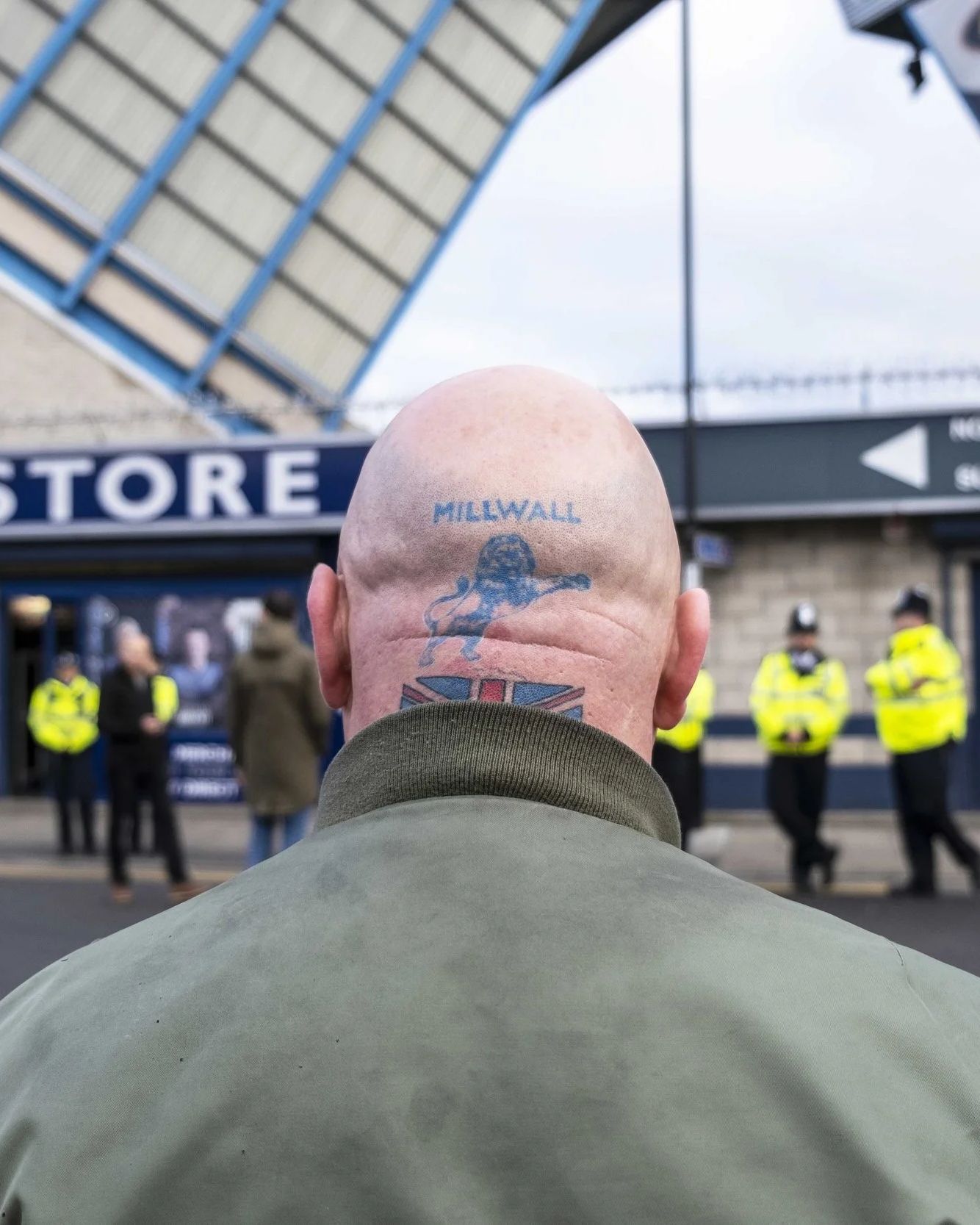
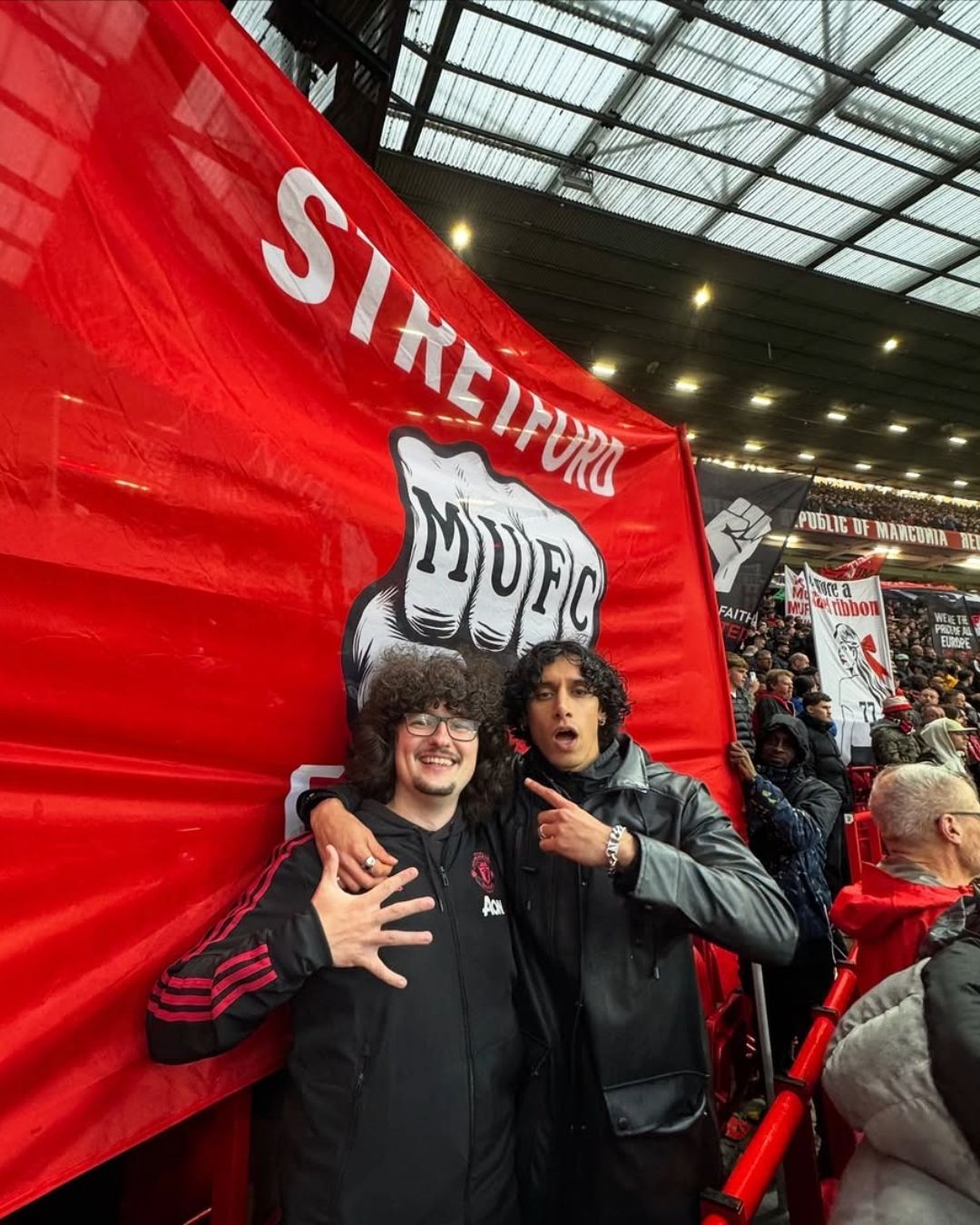
Fan culture has ventured into uncharted territory. The perception of the line between what is mortifying and what is acceptable has seemed to move, or even vanish completely, in a way never experienced until now. One of the latest cases involves Frank Ilett, the fan who decided not to cut his hair until Manchester United wins five consecutive matches across all competitions, documenting the journey with daily posts on his Instagram page, The United Strand. Since he started on October 5, 2024, the Red Devils have yet to achieve that winning streak, and in the meantime, Ilett has become a sort of social cult figure, amplified by the media who discovered his story, due to his unkempt hair that continues to grow day by day. Ilett was clever enough to turn this notoriety into a small business: he has an e-commerce store and a Cameo page to record paid greetings. Perhaps this was the goal from the beginning—to become a viral social phenomenon, gaining followers and creating a community around the most popular team in the world—but now that his stunt has been legitimized by the mainstream, one can only wonder how far fan devotion can go. Can one really humiliate oneself in this way? Are we really forced to make every aspect of our lives ridiculous?
The art of standing out from the crowd has deep roots: in the 1940s, Oreste Bolmida was the man in charge of playing three trumpet blasts as a signal to start the Quarto d’ora granata, the moment in the match when Il Grande Torino would break the opponents’ resistance to secure victory. While this example carries a dose of romanticism, an early memory of folkloric fandom belongs to Didi Senft, the man dressed as a Devil who at his own expense followed the Giro d’Italia and Tour de France to run behind the cyclists. Another case is Mario Fiore, the fan who would show up at San Siro or Pino Zaccheria in Foggia dressed as a Devil with full Rossoneri makeup. Finally, the most incredible story, that of Clipper Darrell: a man who dedicated his entire life to the Los Angeles Clippers, always dressing in a half-red, half-blue suit, driving a half-red, half-blue BMW. For decades, the Clippers were the only point of interest—until the team decided to cut all ties due to inappropriate use of the name.
Tunnel is the new weekly newsletter from nss sports. Click here to subscribe.
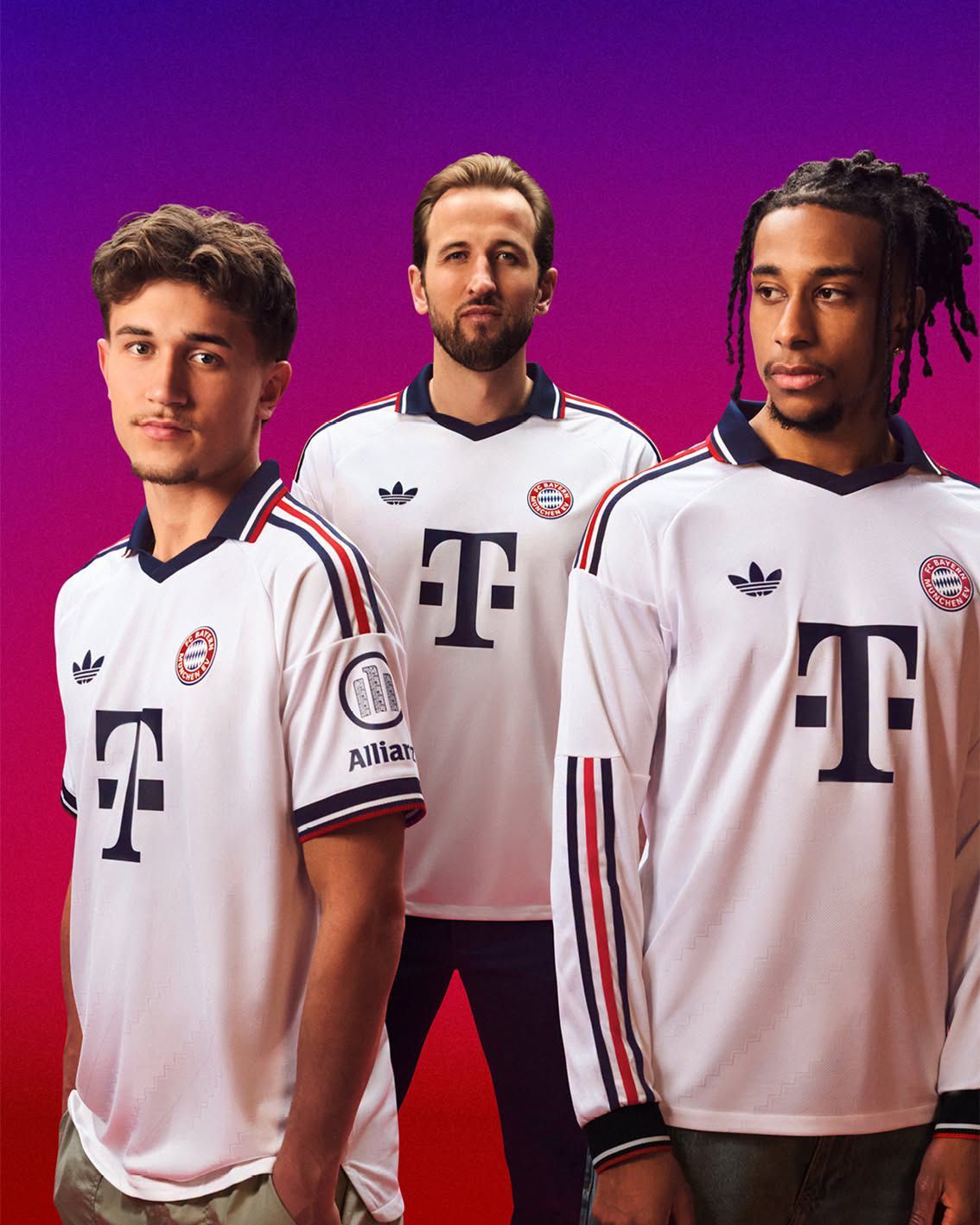
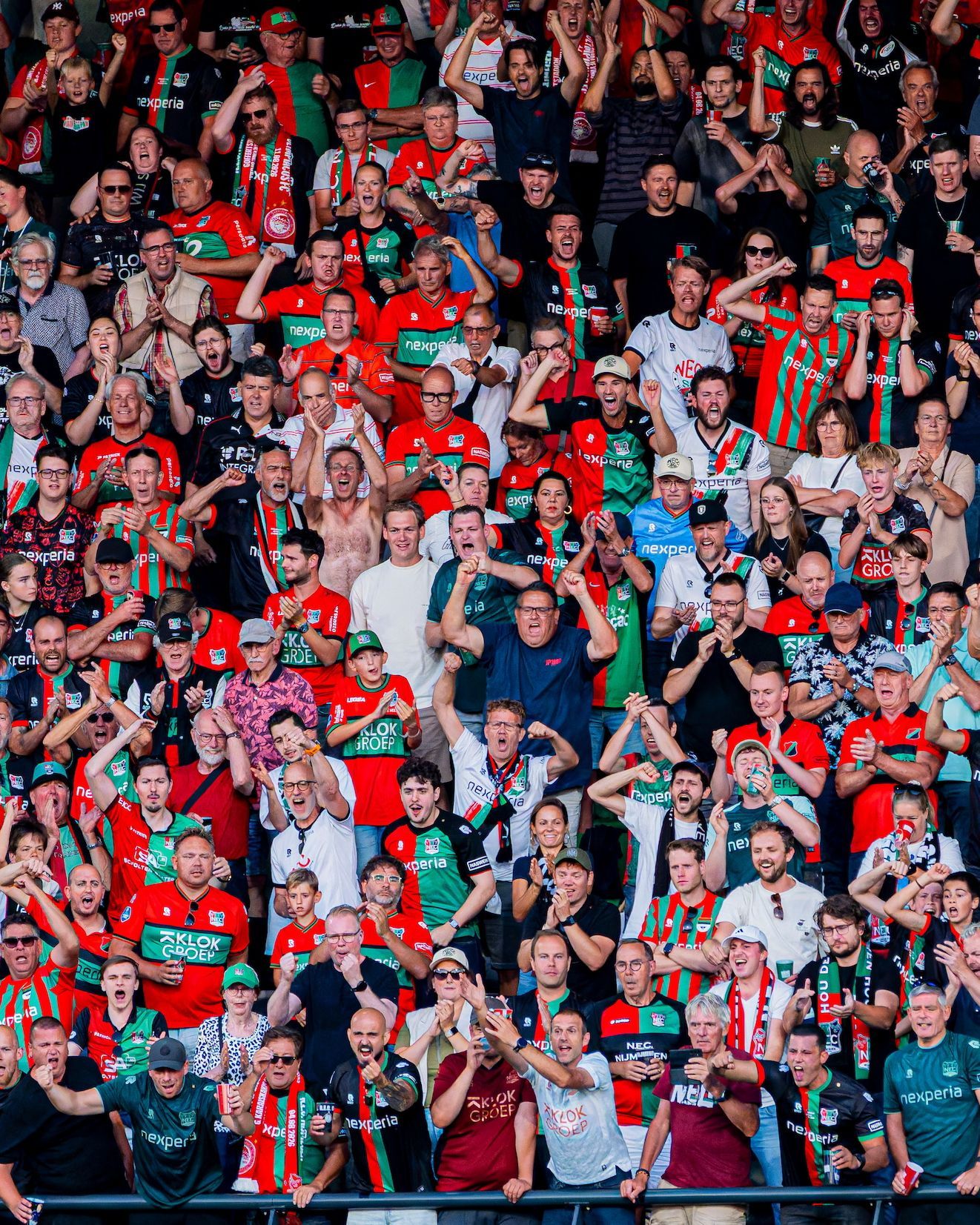
Ilett is not the only case in football. Real Madrid created La Grada, an entire section of the Santiago Bernabeu stadium where entry is allowed only in white attire after signing a contract with the club, committing to always support the team without protesting or displaying symbols of any political ideology. A similar situation exists at the Allianz Arena in Munich, where Deutsche Telekom employees can enter for free, either through a lottery or by receiving a ticket directly from the company, provided they wear a white poncho so that the brand's T logo can be displayed in a precise spot in the stadium. Not to mention the hundreds of children who go to the stadium armed with signs requesting a jersey from their favorite player, a practice that has spread across Europe to the point that Ajax and PSV have banned it in their venues. Finally, there is a group of fan broadcasters like Mauro Suma, whose celebrations become memes on TikTok.
Similar cases exist outside football. In American football, especially at the college level, fans often appear shirtless, painted in the team’s colors, sometimes with a letter drawn on their chest. This custom has also been adopted in collegiate basketball in the United States. At Formula 1 Grand Prix events, it is not uncommon to encounter eccentric fans, such as the six young men who dressed as Popes during the last Monza Grand Prix, wearing hats featuring the Ferrari logo. In tennis, the Carota Boys can be considered the ultras of Jannik Sinner, a group of fans who follow the Italian player around the world dressed in carrot costumes. In their official bio, they explain that what started as a game, with the help of sponsors, transformed: "into a community of fans, friends, enthusiasts. An idea that unites, entertains, and tells tennis from a new perspective: that of those who experience it with heart, humor, and a whole lot of passion". Once again, this shows the skill of seizing the moment and turning an idea into a profitable activity with merchandise, watch parties, and collaborations. But there is a downside: is it still possible to be a fan today without having to invent something cringe?