






















The history of arm sleeves in sports When medical supports become fashionable


Jannik Sinner has added a new aesthetic detail to his look. In addition to the iconic cap, the Italian has now chosen to wear a compression sleeve on his left arm. An aesthetic novelty that dates back to the 2025 edition of Wimbledon when he suffered an elbow problem after a fall during the match against Grigor Dimitrov, which he eventually won following the Bulgarian’s retirement. In order to compete in the following rounds despite the injury, Sinner used a white Nike compression sleeve with a black Swoosh. He was also wearing it on the day of the final, which he won against Carlos Alcaraz, and the general belief was that this would have been the last snapshot of Sinner with his arm covered. Instead, in Cincinnati, at his first official appearance after Wimbledon, Sinner was still wearing the same white sleeve. Questioned about it after the match against Gabriel Diallo, Sinner emphasized that it was not a fashion choice and added that he wears it because it allows him to have a better impact on the ball as it increases the arm’s sensitivity.
The sleeve is a brace that relieves pain as it improves blood circulation and consequently allows faster healing from tendon or muscle inflammation. It also minimizes vibrations and microtraumas that occur in every rally shot in tennis. Sinner is not the first tennis player to use this solution to address an elbow problem, but he has certainly become the most prominent ambassador of this tool. A medical support that unintentionally, yet inevitably, has become a style element and consequently fueled the phenomenon of emulation. Nike has not released sales data regarding sleeves from Wimbledon until now, but there is little doubt that the numbers are more than positive.
The aesthetic curiosity related to Sinner is linked to the sleeve’s color. At Wimbledon, it seemed natural that he wore a plain white one due to the strict dress code imposed by the All England Lawn Tennis and Croquet Club. What was surprising, however, was that he used the same shade in Cincinnati first, and then on the hard courts of Flushing Meadows for the 2025 US Open, despite wearing a plain maroon kit. Sinner initially admitted he had also tested a black sleeve, but due to the heat and high temperatures, he immediately decided to abandon it because it didn’t provide the same sensitivity as the white sleeve. A black sleeve that, however, reappeared during the match against Aleksandr Bublik in the round of 16, when Sinner showcased a solid purple kit. This choice removed the medical-support aura that accompanied the all-white sleeve, turning it definitively into a fashion item. Moreover, it is reasonable to expect that Nike might develop sleeves matching the Italian player’s kits, or at least in shades that won’t disrupt the aesthetics of the Swoosh outfits.
The history
When thinking about the history of sleeves in sports, the first name that comes to mind is undoubtedly Allen Iverson. Here too, it was a medical necessity turned into a style icon. On January 21, 2001, due to a troublesome bursitis, Allen Iverson wore an elbow guard specifically created by the medical staff of the Philadelphia 76ers. That night, against Vince Carter’s Toronto Raptors, The Answer scored 51 points and from that moment decided he would never abandon the sleeve again. He wore it during the Finals that same year against the Los Angeles Lakers, when he gifted the NBA with one of its most iconic moments—the step over against Tyronn Lue—and he wore it for the rest of his career, always matching it with his jersey, becoming a fashion icon for all subsequent generations.
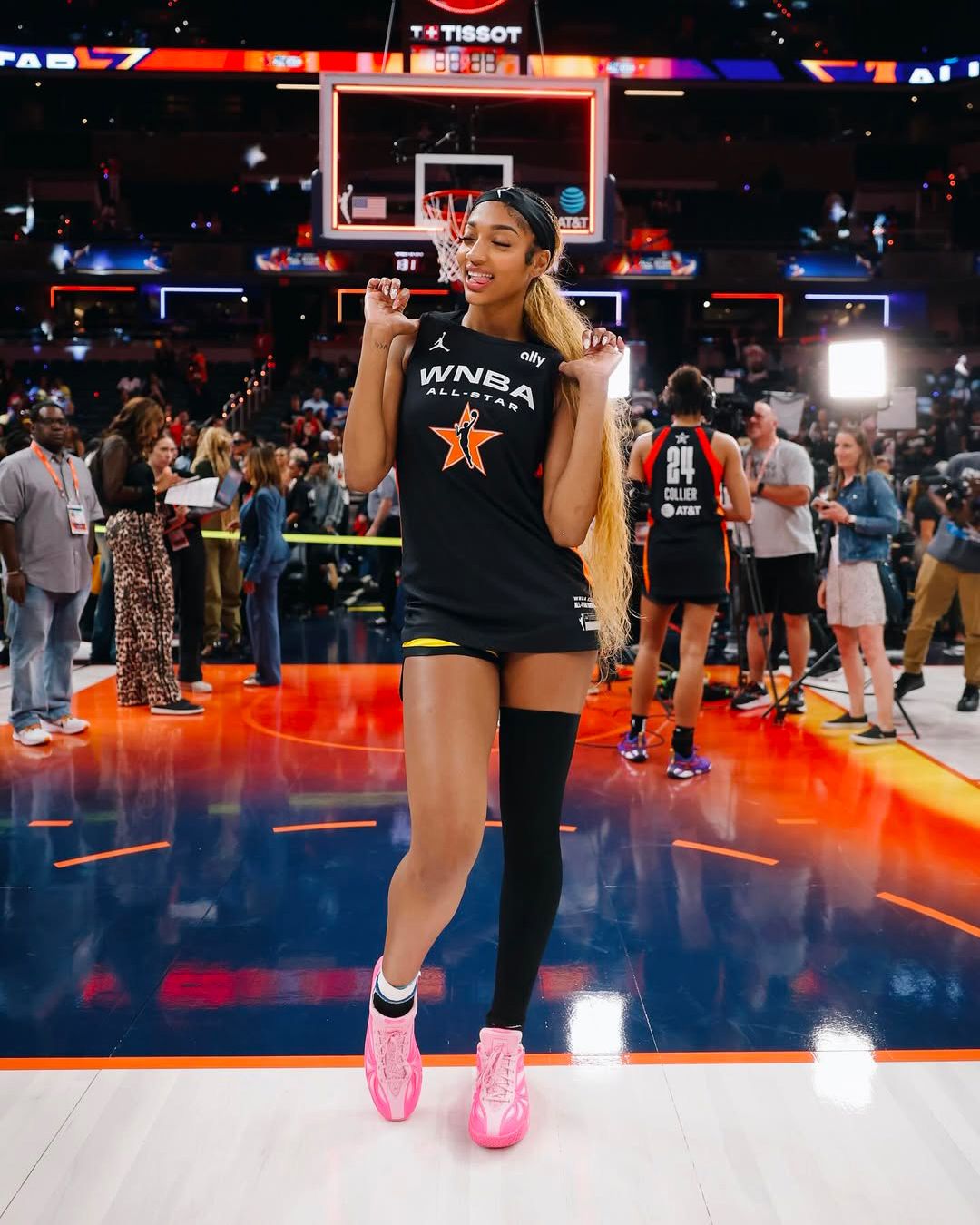
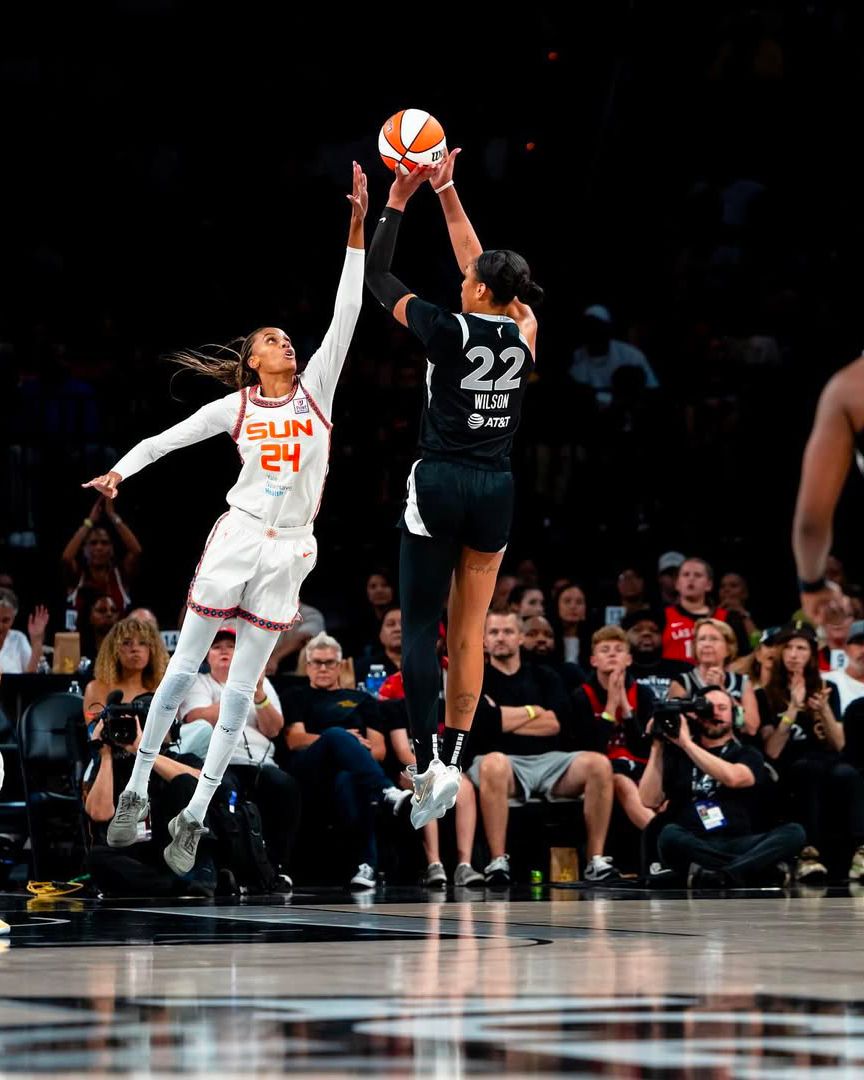
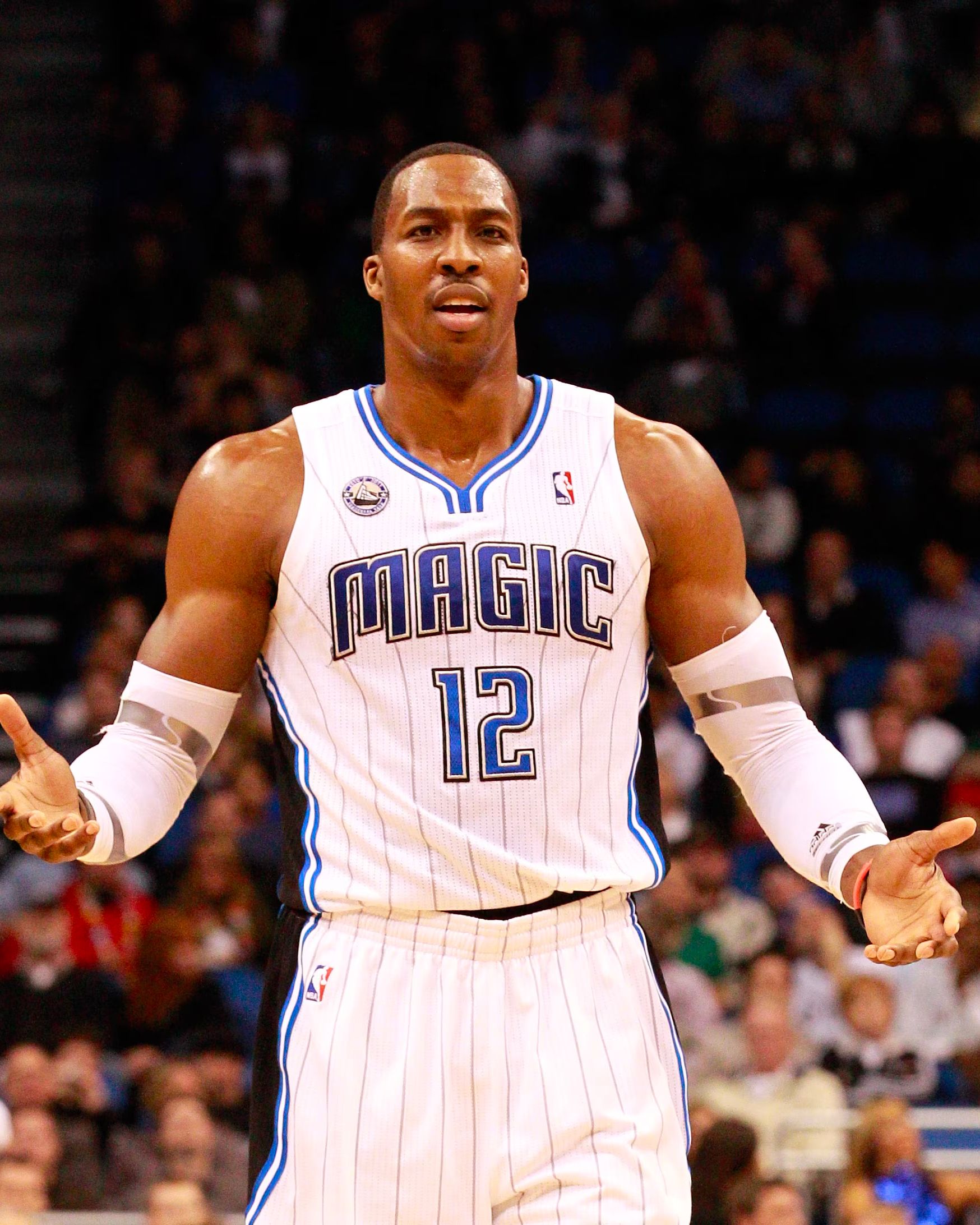
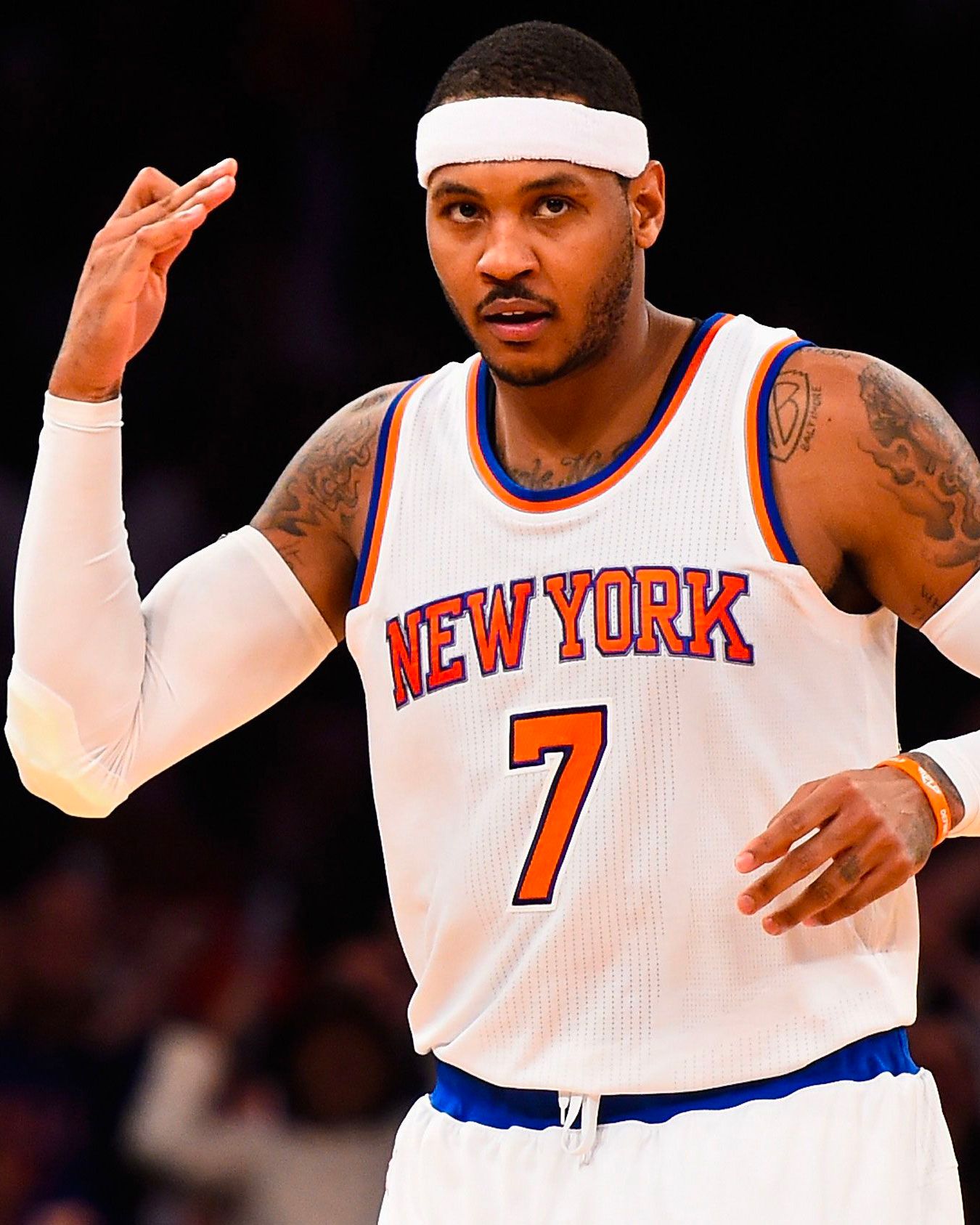
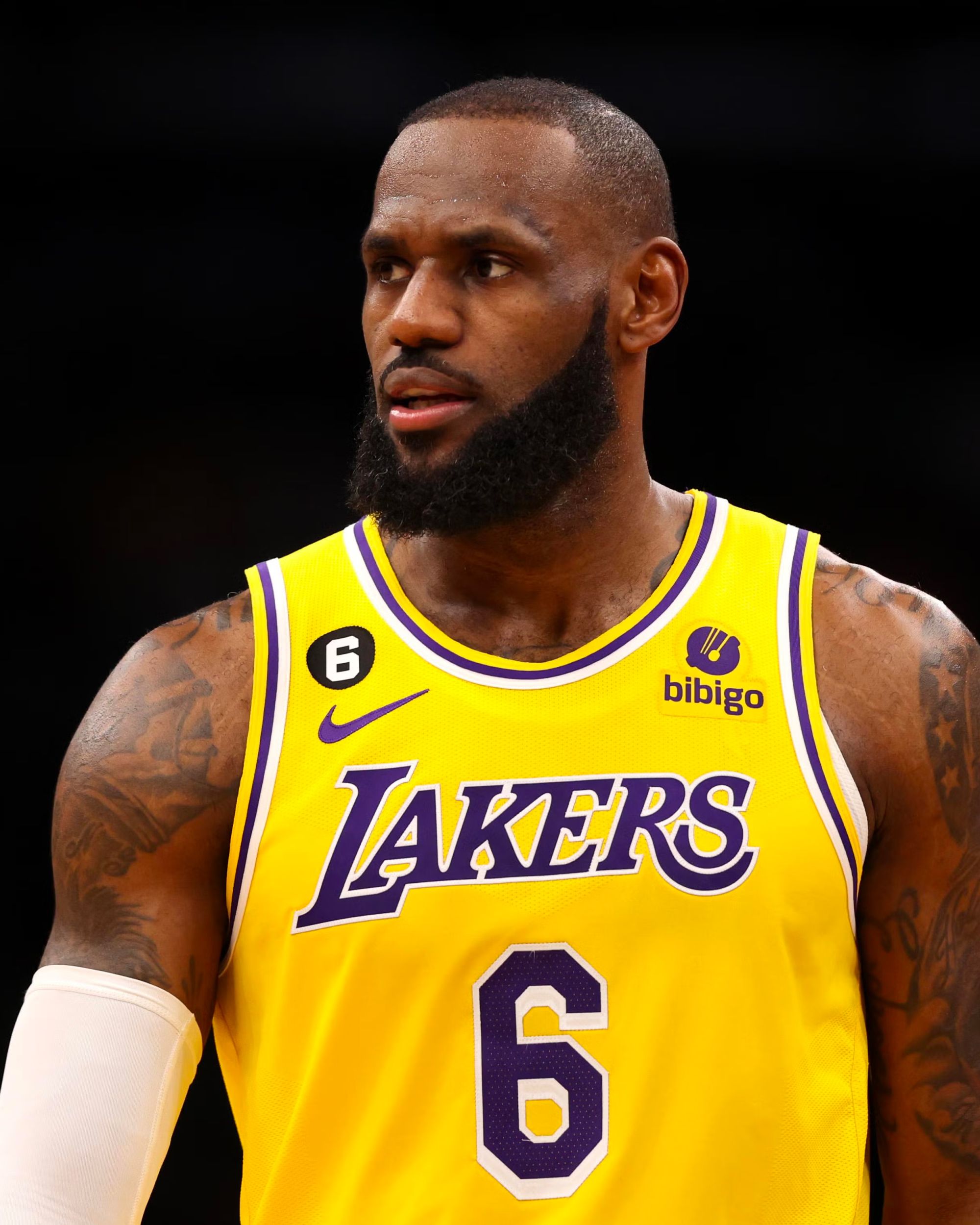
The sleeve indeed has been part of LeBron James’ wardrobe for much of his career. Carmelo Anthony made it a trademark along with his unmistakable headband and the celebration with three fingers pointed at his temple. Dwight Howard wore one that looked ready to burst given the size of his biceps. Today, the most famous representatives of this trend are Victor Wembanyama and Shai Gilgeous-Alexander. In the WNBA, in recent years, there has been a twist on the theme with A’ja Wilson and Angel Reese responsible for the spread of leg sleeves, again worn on just one leg.
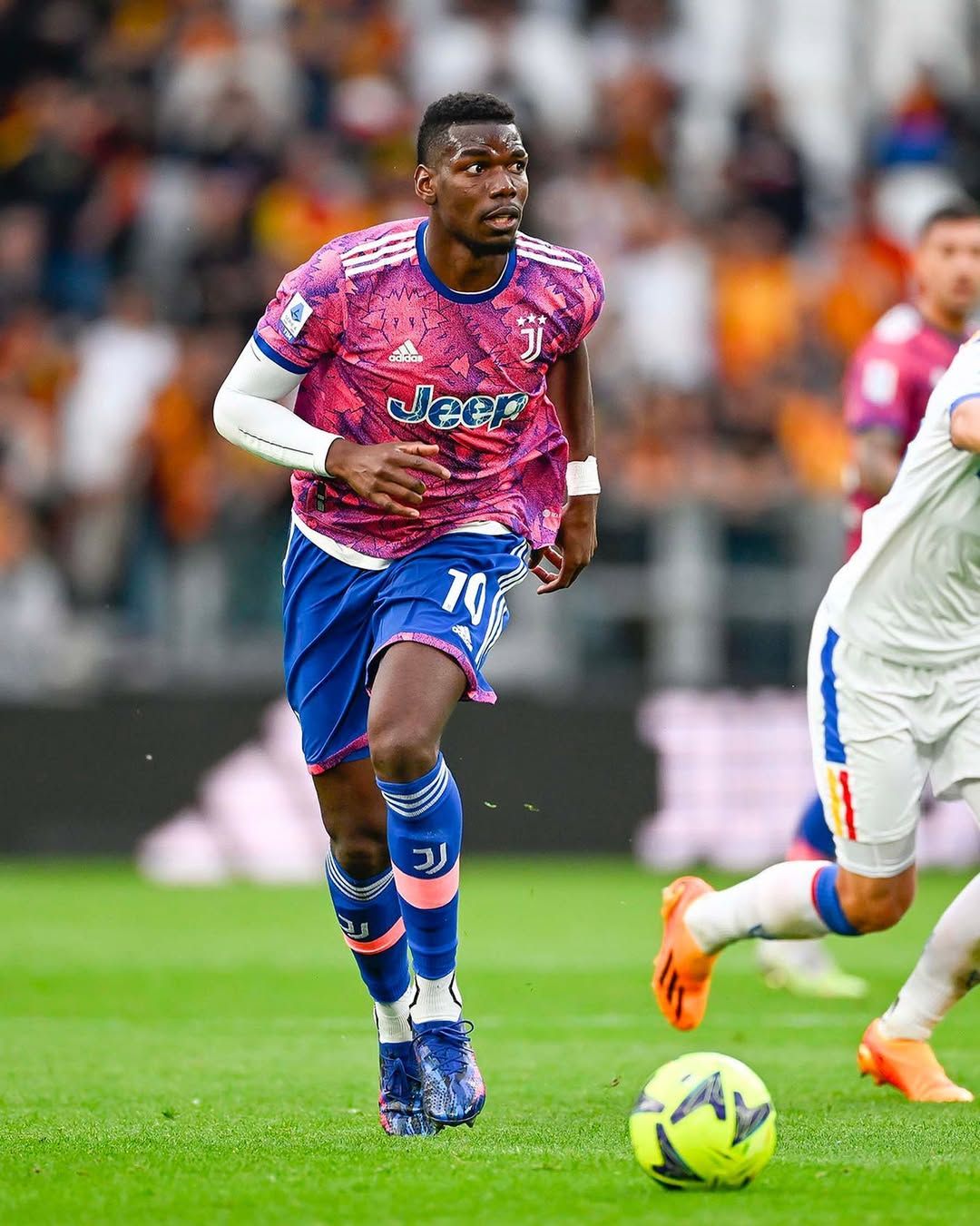
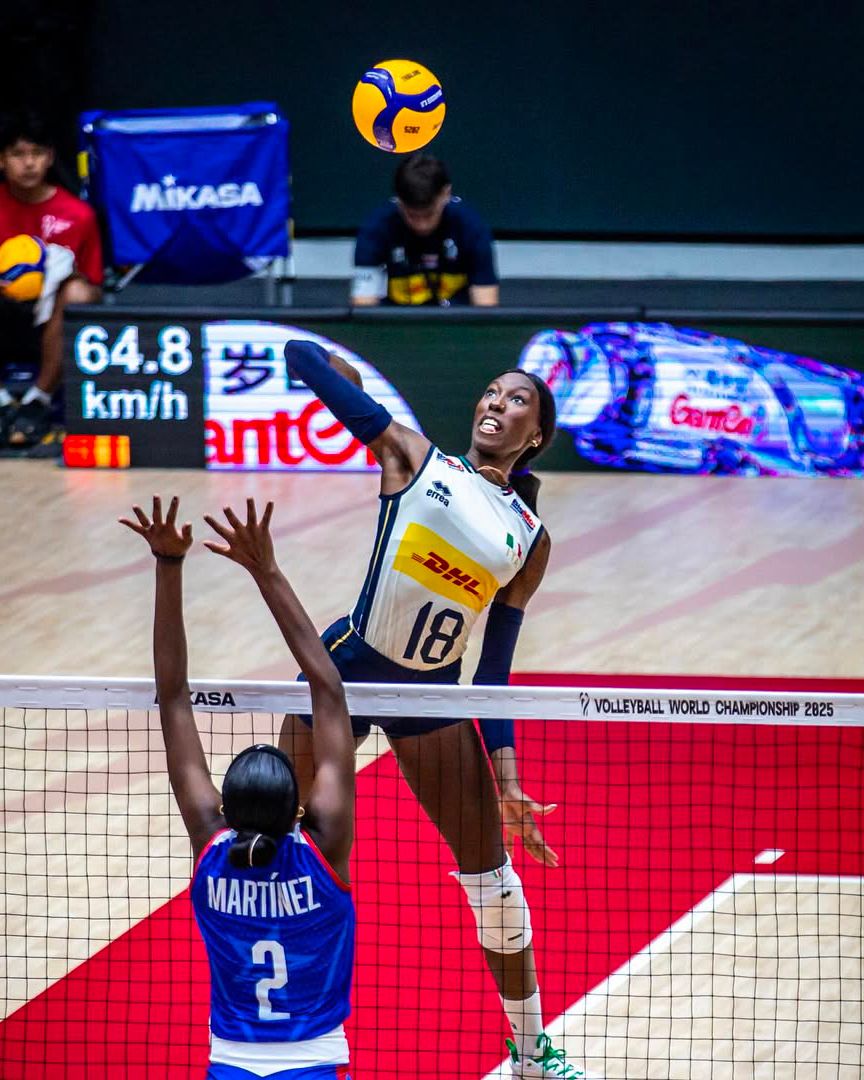
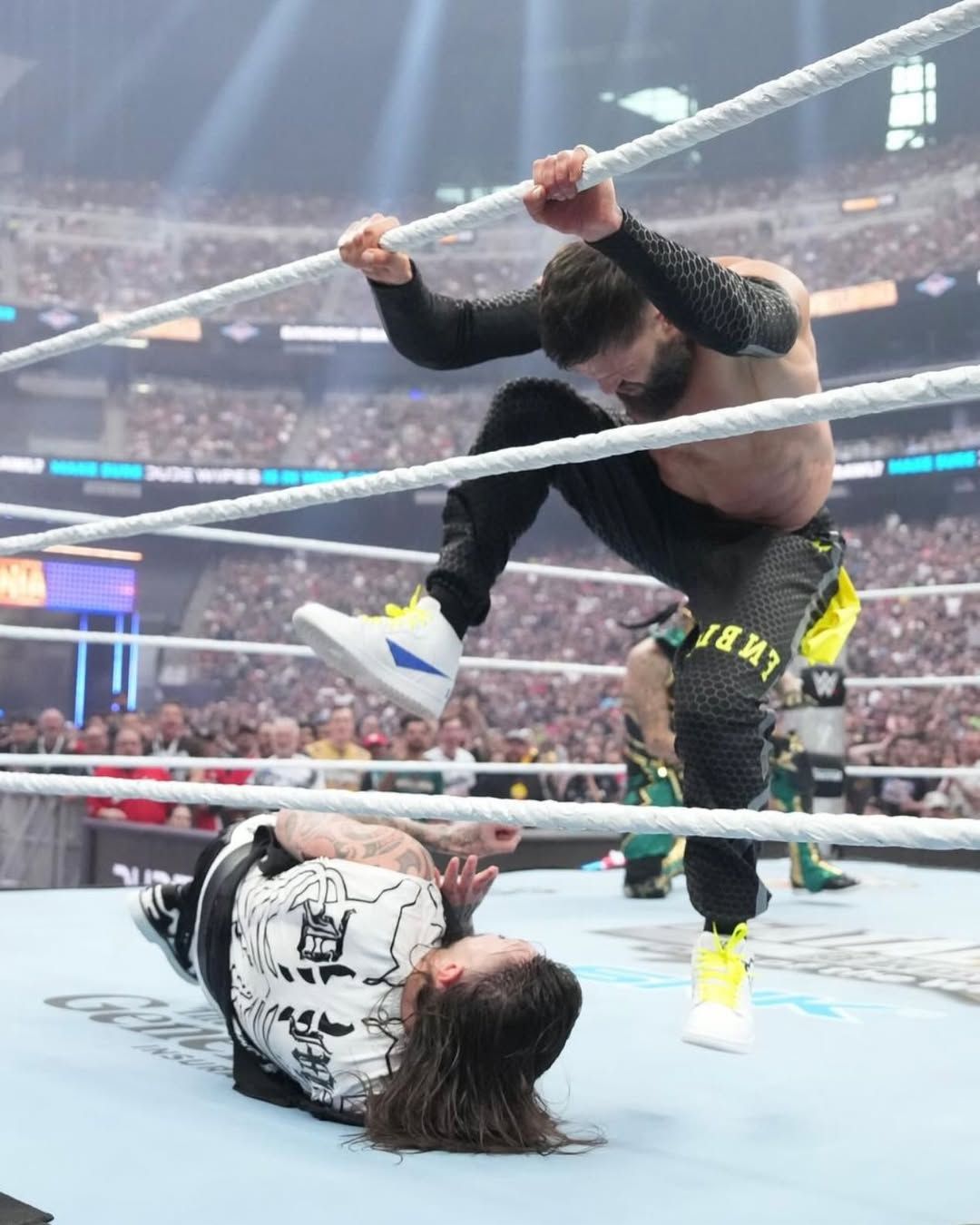
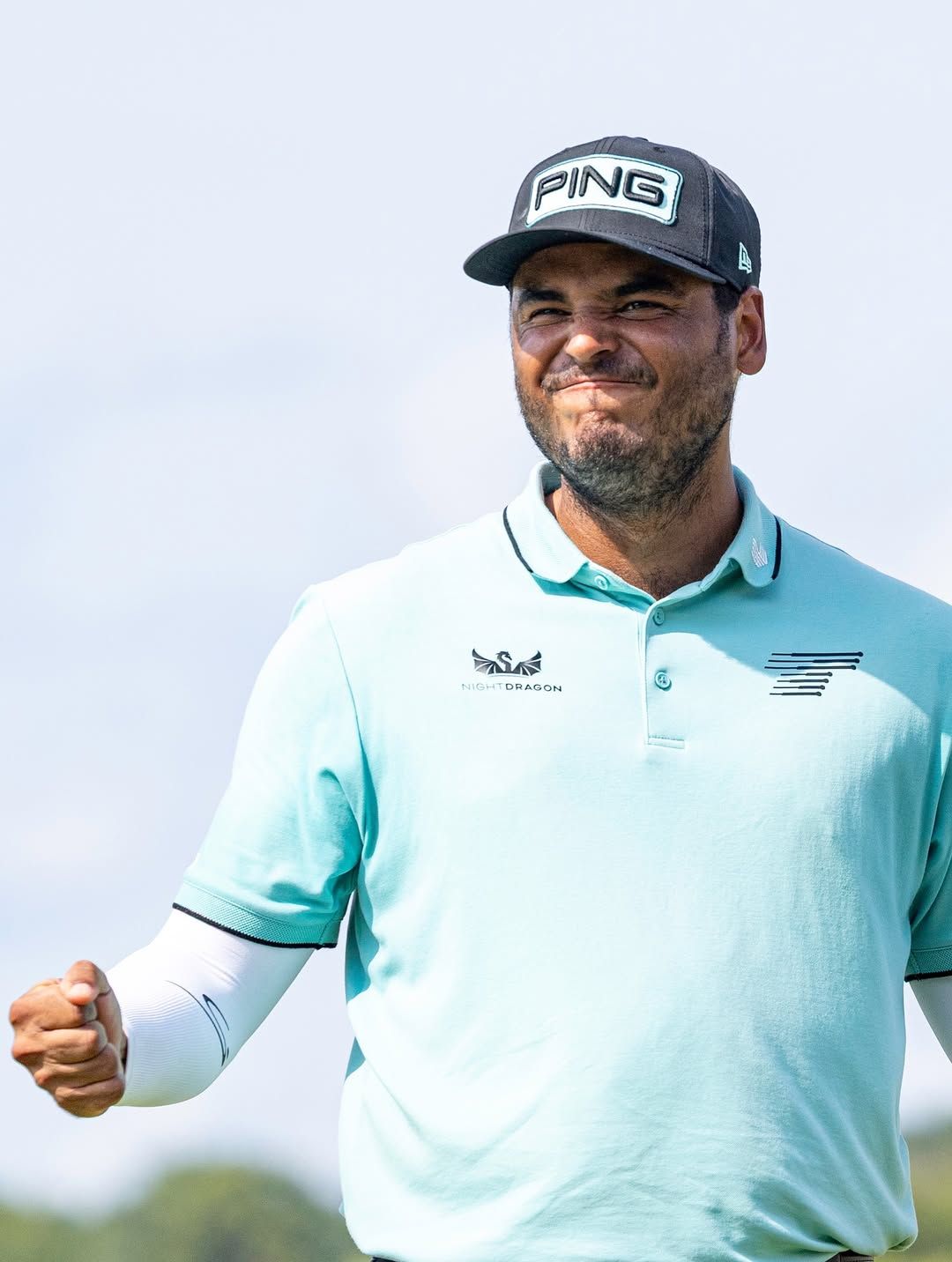
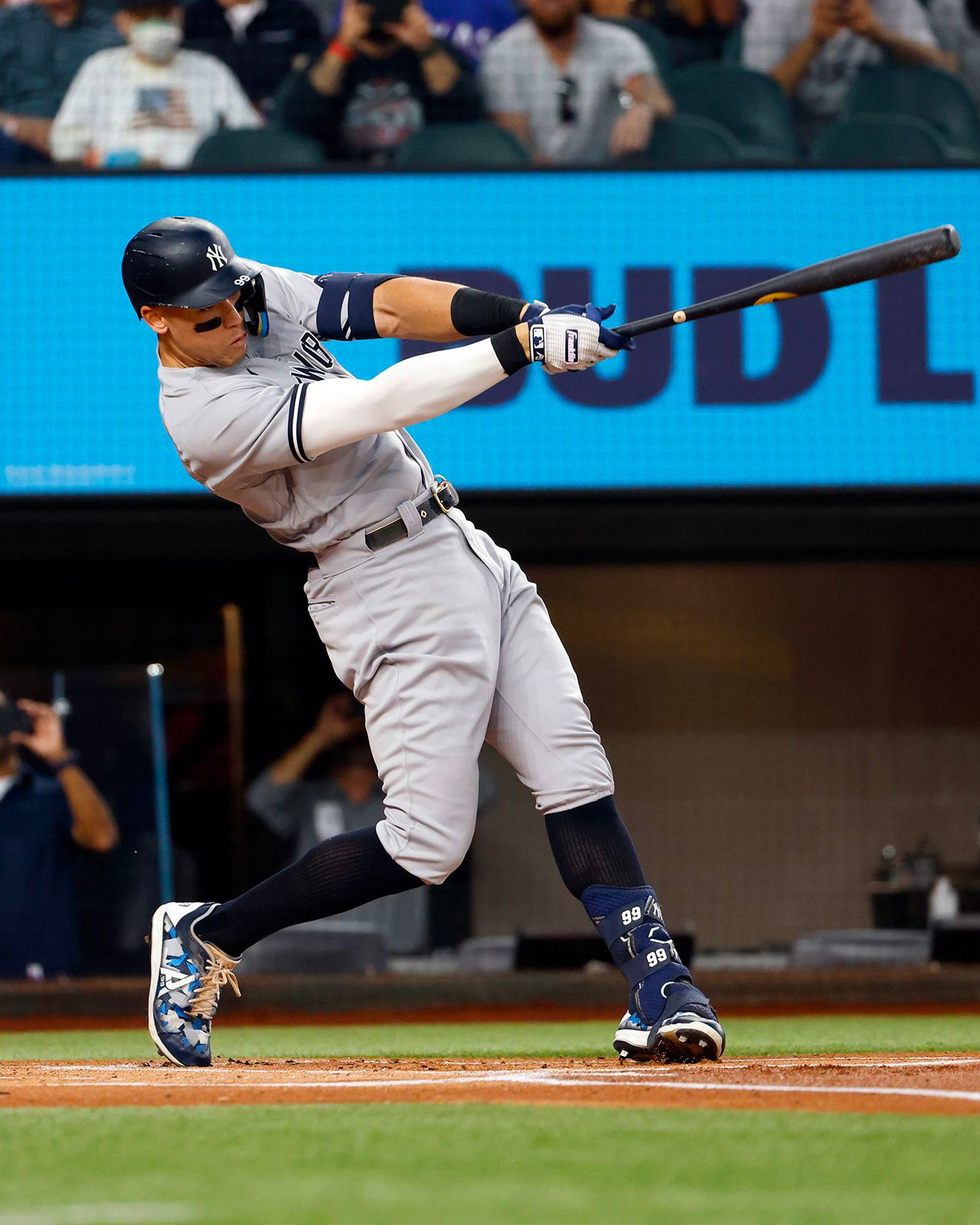
Arm sleeves are present in every sport. In MLB they have become common since they also provide protection during slides. Their spread in the NFL is widespread, with Kansas City Chiefs’ Patrick Mahomes as the main representative of this trend. The popularity of arm sleeves knows no boundaries. Juan Sebastián Muñoz has recently endorsed them in golf, Finn Balor has worn them since his WWE debut, and Miriam Sylla and Paola Egonu are just two of the Italian national volleyball players who take the court wearing a sleeve on both arms. Even football has embraced this trend thanks to Paul Pogba: the Frenchman began wearing one during his time at Manchester United in the 2020/21 season due to an elbow issue and, once comfortable, never abandoned it, replicating the style even in the few matches he played with Juventus between 2022 and 2023. Today, the most prominent figure is Neymar, who wears one on his left arm.
Placebo effect
Arm sleeves are not the only medical supports that have turned into fashion items. Take the case of Victor Osimhen: in January 2022, the Nigerian striker returned to the field two months after fracturing his left cheekbone and orbital socket, wearing a mask to absorb impacts. From that moment, he decided never to give it up, claiming it made him feel safer, transforming it into his main aesthetic feature. Napoli’s Scudetto victory in 2023, with Osimhen’s 26 league goals, only amplified the aura of this medical prosthesis, which during those months became the most sought-after gadget among fans.
The most extreme case, however, concerns Karim Benzema. In 2019, the French striker fractured the little finger of his right hand. To speed up his return to the field, and thus avoid surgery that would have required a longer absence, Benzema played the following week with his hand bandaged like a boxer’s. That decision was followed by a positive streak of six goals in four games, which pushed Benzema from then on to always play with his hand bandaged. It became his trademark, so idealized in fans’ minds that when he won the Ballon d’Or in 2022, adidas celebrated with a campaign featuring Benzema’s hand wrapped in golden bandages.
Today, the hand bandage is undoubtedly the medical support that more than any other has been turned into a fashion item. Luis Suarez has worn one since he fractured his wrist during his time at Liverpool. The very same bandage has become part of Phil Foden’s look. Jamie Vardy abandoned it, but in 2016 his bandaged hand became one of the symbols of Leicester’s Premier League title, and who knows if he might revive it now that he’ll play in Serie A with Cremonese. The spread of hand bandages is so widespread among Barcelona players—from Lewandowski and Raphinha to Lamine Yamal—that they were even accused of hiding a system that allowed them to take performance-enhancing substances. A very long list of examples that could also include wrist bandages of various sizes or knee tape like Juan Sebastián Verón. Athletes are very superstitious, and when they hit a positive streak, they tend not to change their routine for fear of breaking the magic. The result is that they sometimes turn into style icons.