






The tough path of the World Cycling Championships to Rwanda Kigali 2025 had to overcome all kinds of challenges


"In every country in the world there are aspects that can be improved", said a few months ago the president of the UCI (Union Cycliste Internationale) David Lappartient, in response to media insistence on the awarding of the 2025 World Championships to Kigali, Rwanda, the first ever on African soil. "But when I look at where Rwanda was in the past and where it is today, I see something big". Lappartient may be right: no nation is perfect, and least of all Western democracies that aspire to that label while openly supporting the genocide taking place in Gaza; and it is also true that today’s Rwanda is no longer the Rwanda of the 1990s, that is the scene of some of the most tragic and bloody pages of contemporary history. Leaving these obvious points aside, however, in Lappartient's words one can notice the classic search for an impossible neutrality, and also a certain embarrassment in justifying the controversial choice of the world championship venue.
This is not only about politics. The general discontent that has marked the Road to Kigali 2025 also has competitive, logistical and practical consequences, including the complications and costs that such a trip has imposed on many delegations. The criticisms poured in over recent months, together with some high-profile withdrawals and certain teams present in Kigali with reduced squads, have roots in a wide range of issues, and have united sporting and political actors. So much so that not earlier than a few months ago, between February and March, it even seemed possible to move the Road World Championship at the last minute to Switzerland.
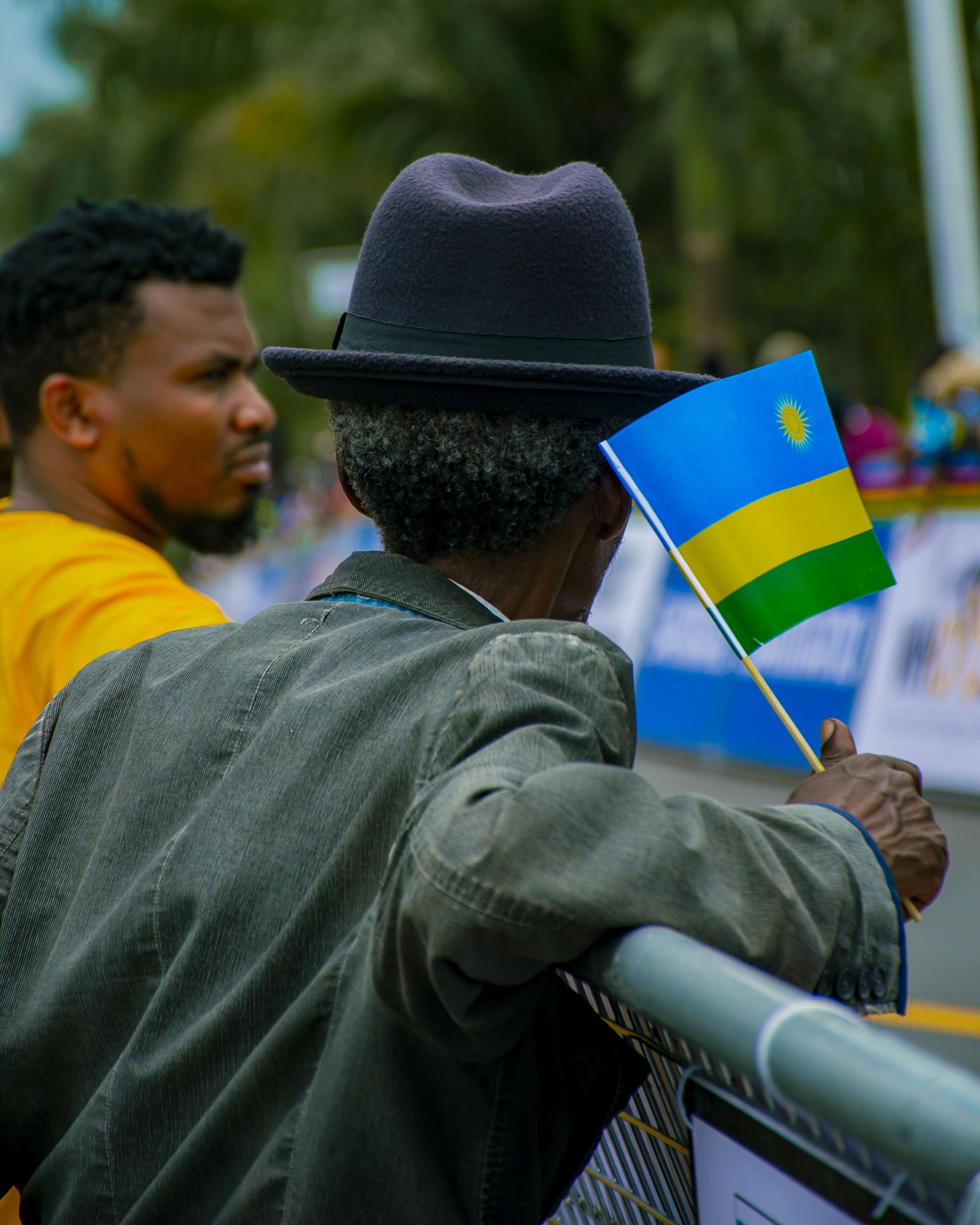
Photos: Shalom Hozabarira
In short, if the route that Tadej Pogacar and company will face promises to be one of the most demanding ever for the World Championship, the path that brought the event to these latitudes has been a long, tortuous and exhausting stage race. In the end, however, Kigali 2025 withstood the turbulence, and after resisting calls for boycott of all kinds, the UCI has now landed in Rwanda. For a historic, iconic edition that promises to be spectacular and particularly photogenic, but also full of uncertainties and contradictions.
Political tensions
From a socio-political point of view, the margin of improvement mentioned by Lappartient is rather wide. Led for over thirty years by Paul Kagame, who in 2024 won the elections with 99% of the vote (does one need to add more?), Rwanda is a country with limited democratic standards. For years Kigali has appeared in United Nations reports for its restricted civic space, while NGOs and international observers such as Freedom House and Human Rights Watch describe it as a not free state. The most recurrent allegations are: arbitrary arrests, intimidation, media surveillance, suspicious disappearances of dissidents abroad, limits to freedom of expression and association. In short, many elements that blur the line between democracy and authoritarian regime.
Just across Rwanda’s western border, in the territory of the Democratic Republic of Congo (DRC), a dramatic humanitarian crisis is unfolding, in which Kigali is actively involved. And, according to the Kinshasa government, largely responsible. Despite numerous denials by President Kagame, international pressure and a series of meetings — the last two in Doha and Washington — to calm hostilities, the situation in the Kivu region, along the border between Rwanda and the DRC, remains dramatic today. And the violence, occurring daily, is increasingly alarming, with a number of civilian victims that according to ACLED data are about 2,500 in the last two months and some seven million internally displaced persons according to the UN. Most of these acts of violence are attributable to militias of the M23 rebel group, whose ties with Kigali are now well documented.
Tunnel is nss sports’ new weekly newsletter. Click here to subscribe.
The sum of all these factors — to which tensions with other states in the region like Uganda, Burundi and Mozambique can be added — has pushed many delegations, athletes, sponsors and even the European Union to formally request the revocation of the award. And it has given Kigali the sportwashing label that we have often seen in the last decade attached to major events held in politically controversial destinations. At the same time, when discussing the presence within the Israel-Premier Tech circuit, a more indulgent term is preferred: sport diplomacy.
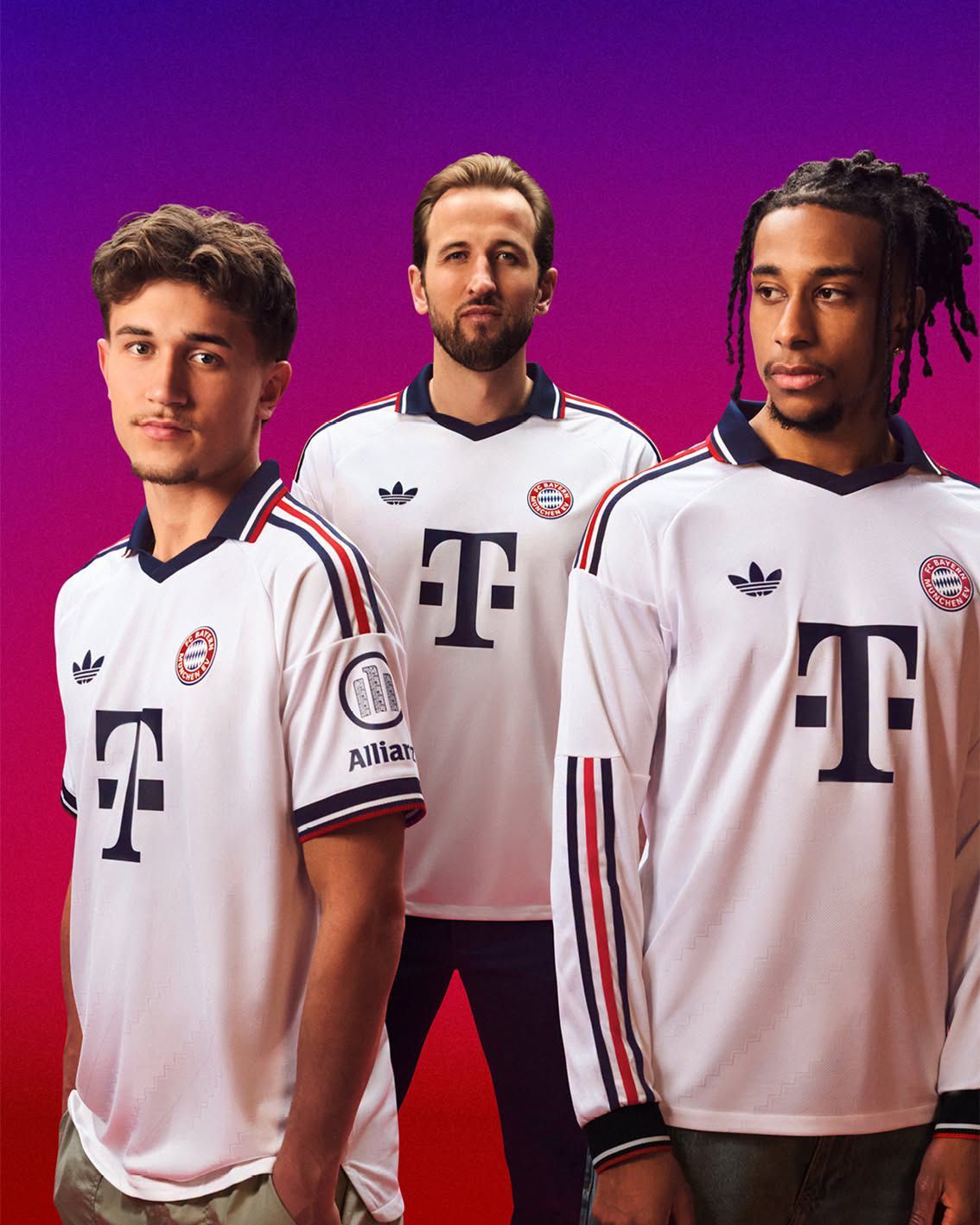
Kigali is following the now well-known trail of other players accustomed to this practice, for example those in the Persian Gulf. A pattern that includes some recent government-sponsored sponsorships, such as the Visit Rwanda logo on the shirts of Arsenal and Bayern Munich, or synergies with BAL — the NBA’s African league — and IRONMAN 70.3 for triathlon. And then candidacies for other global-appeal events, with the idea of using the UCI Road World Championship as a springboard to attract a Formula 1 Grand Prix.
Complicated logistics
Taking a World Championship so far off course also means multiplying the moving parts. Kigali is geographically and logistically distant, with warehouses, hubs and mobile workshops of the cycling world that usually operate in this period on the European map. The African trip forced two- or three-stop itineraries, tight slots for flights with equipment and a complex handling of oversized extra baggage: bikes, wheels, rollers, time trial equipment, and so on. On the ground, pressure on race hotels has raised rates and squeezed options for riders, staff and especially, unfortunately, junior athletes. Several federations have in fact cut youth selections and reduced time trial programs. Then there is the security chapter, inevitable in light of what is happening across the border with the DRC. In recent months, amid escalations and controversies, some preferred to withdraw from a trip to a region where tensions and violence are the norm, even if not in the area adjacent to Kigali. The UCI, for its part, stood firm, reaffirming the safety of the capital, while local authorities guaranteed a heavy deployment of law enforcement, with specific devices, routes and security posts.
On the sporting front, the price and logistical problems have produced a less full starting grid than usual. Some big names are missing, both among men and women, and in some countries we will not see entire categories. It is a shame, but more for those who stay at home than for Kigali. For example, we will not see Mathieu van der Poel, Wout van Aert and Jonas Vingegaard, all absent from the men’s road race; in the women’s race, reigning champion Lotte Kopecky will not be present, while Great Britain has chosen to forgo the elite women’s road team entirely. And beyond names, cuts of entire categories weigh, as in the cases of Denmark and the Netherlands which have zeroed out juniors and U23.
Other controversies
Alongside the political dossiers and practical issues, there is also a package of technical topics that have sparked debate. The debut of mandatory GPS is the most visible: a change of philosophy, safety as a priority, but also a test bench for networks and technical direction that the UCI would probably have preferred to run elsewhere. Kigali offers wide mobile coverage, however the reliability will have to be impeccable at moments of maximum stress between rain, wind and shaded areas.
The discussion continues on health and prevention. At the time of the award there were fears about generalized mandatory vaccinations, but in reality in Rwanda yellow fever is required only for those arriving from endemic areas, while everything else — malaria, typhoid, hygiene and food precautions — falls within the standards for those traveling to sub-Saharan Africa. More concrete, if anything, is the issue related to the climate: Kigali is at about 1,500 meters, late September is the threshold of the short rains: possible sudden downpours, with increasing humidity and greasy tarmac on ramps and cobbles. According to the latest indications, however, Kigali seems to have a week of stable weather on the horizon.
Finally, on local governance, the scandal related to Benoit Munyankindi weighed heavily, which resurfaced in the international media in recent months. The affair dates back to 2023, when a series of internal investigations into cost transparency and abuses of office led to the arrest of the then secretary general of FERWACY, the Rwandan cycling federation, and the exit of the president. A precedent that raised uncomfortable questions about the reliability of the organizers.
In short, there is a flip side to the spectacular images that will reach you from Rwanda and to the sporting achievements that will fill the headlines. Certainly there is some of that usual, cumbersome prejudice typical of Eurocentric sporting criticism that has flooded Kigali 2025; but there is also truth, of course, and it is a part we cannot dismiss as David Lappartient did, clumsily. Because if it is true that sport should not be an exclusively Western preserve, it is equally true that human rights are not a margin of improvement.