The first ever hockey jersey created by ACG A special one for Hafro Cortina Hockey
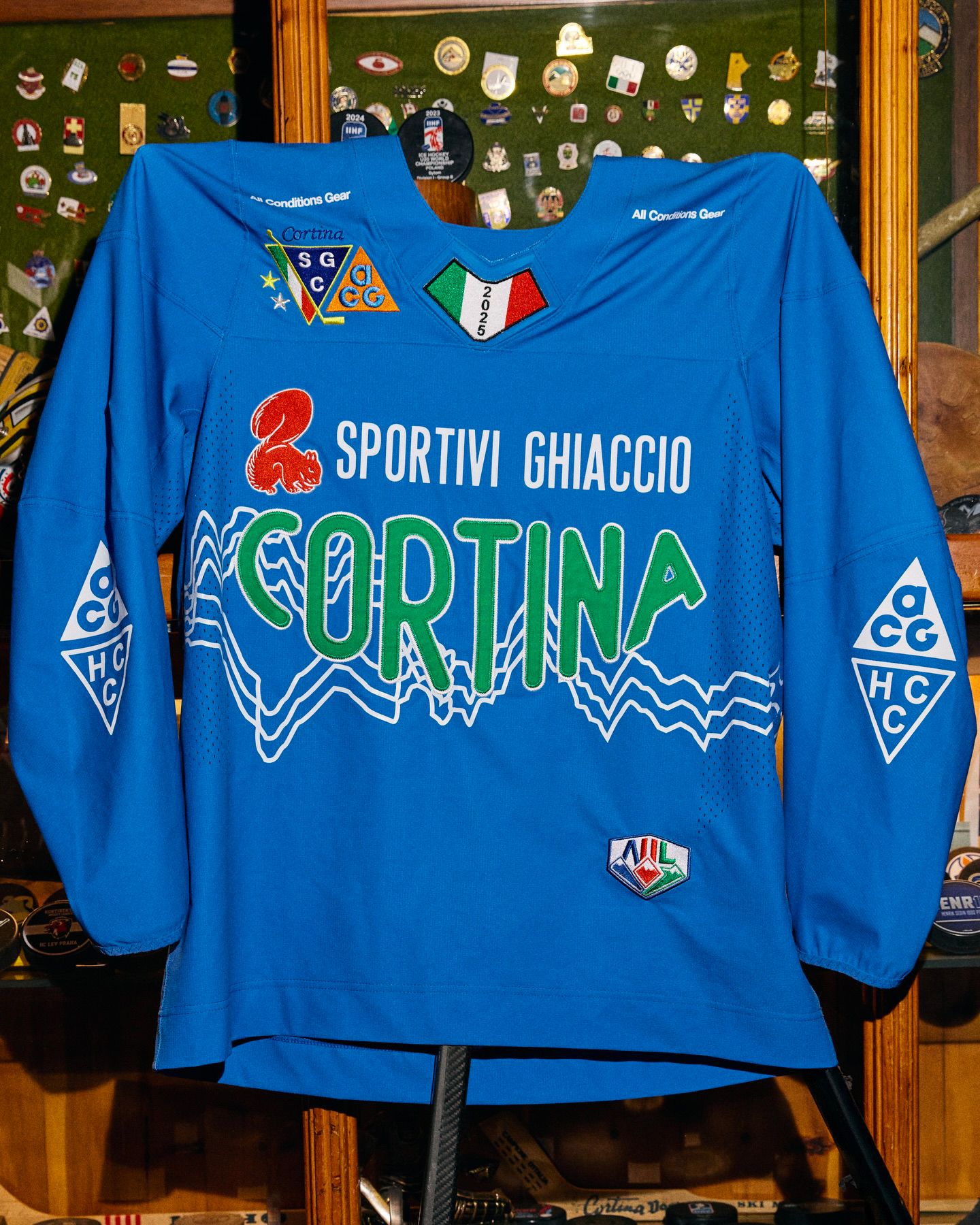
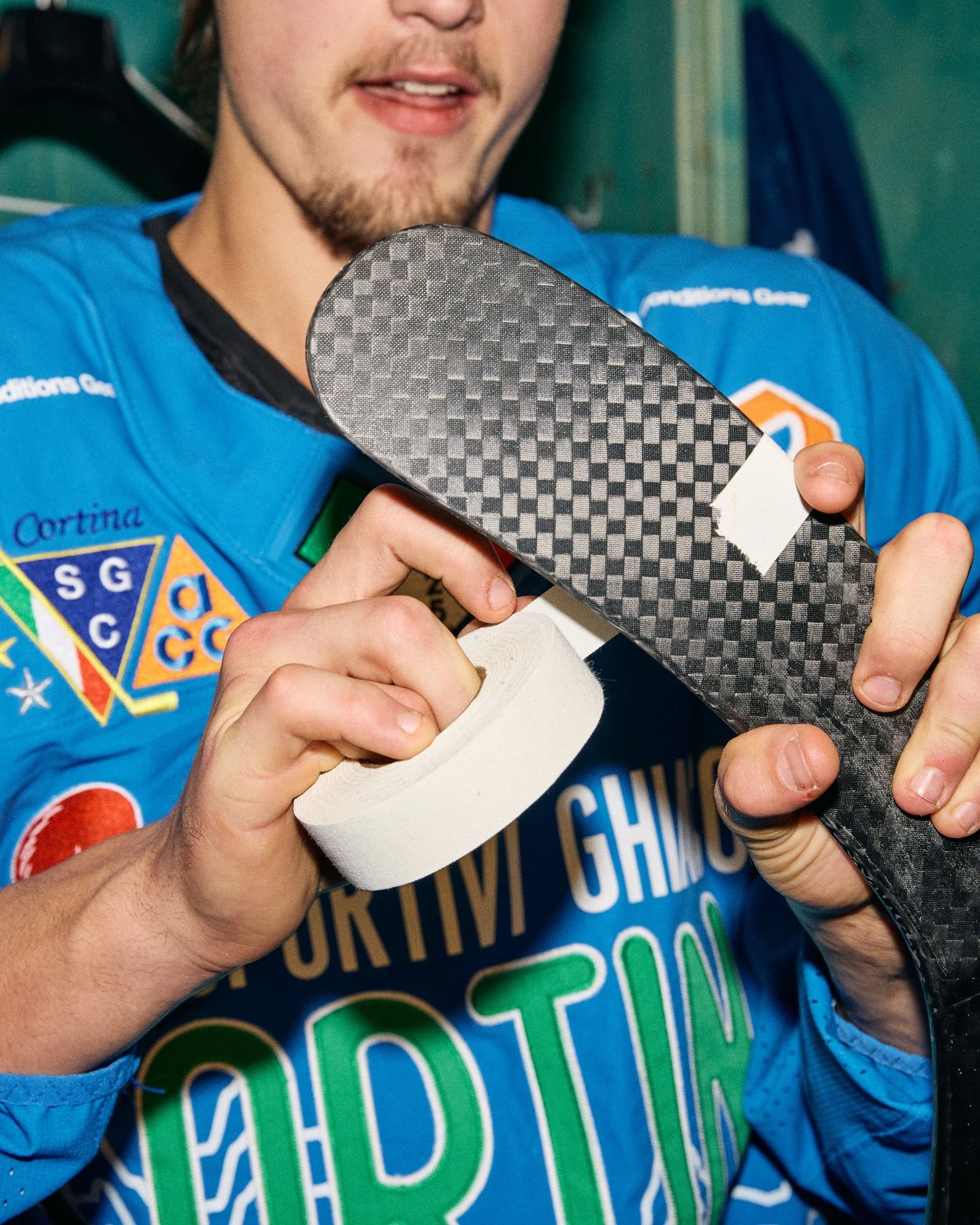
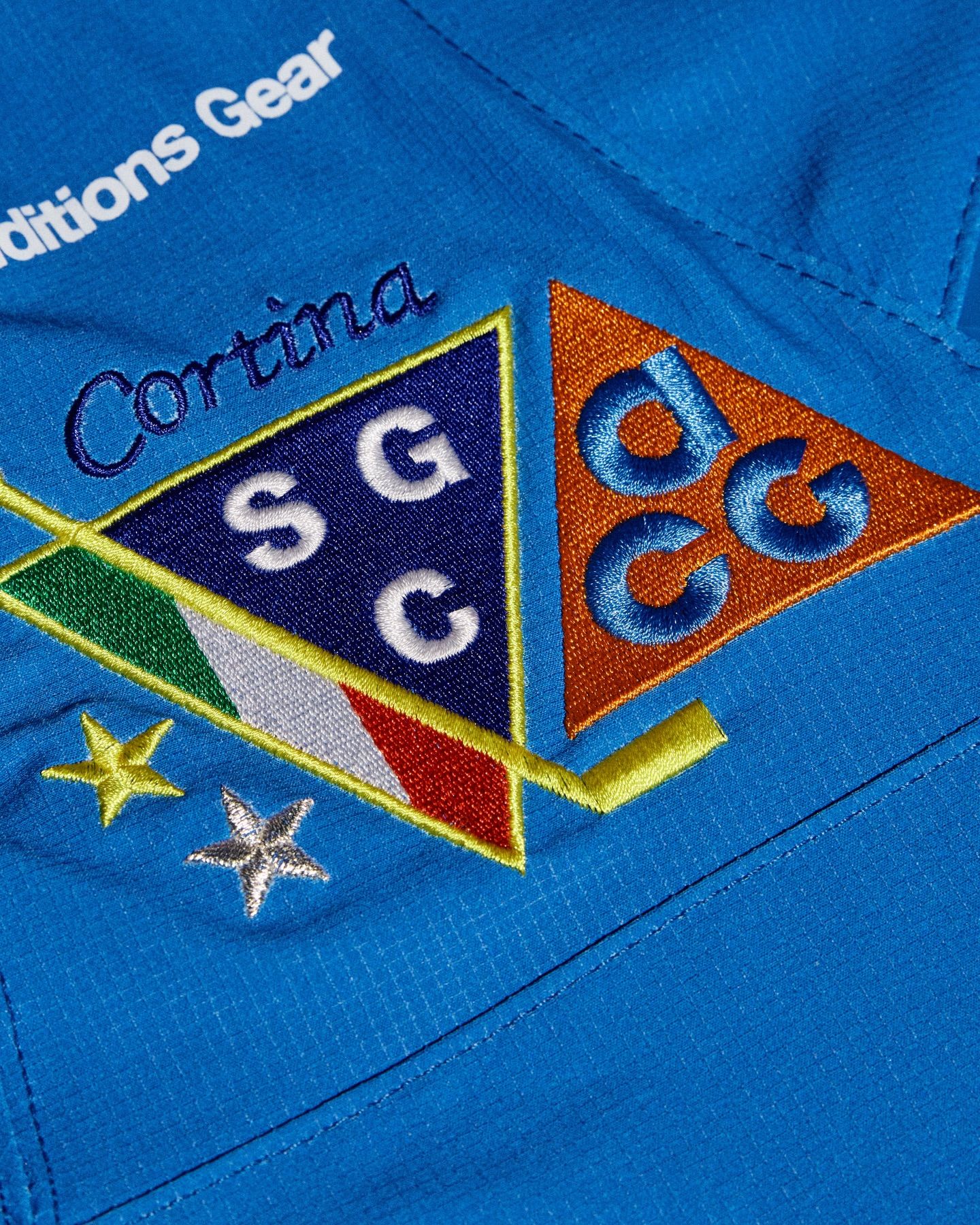
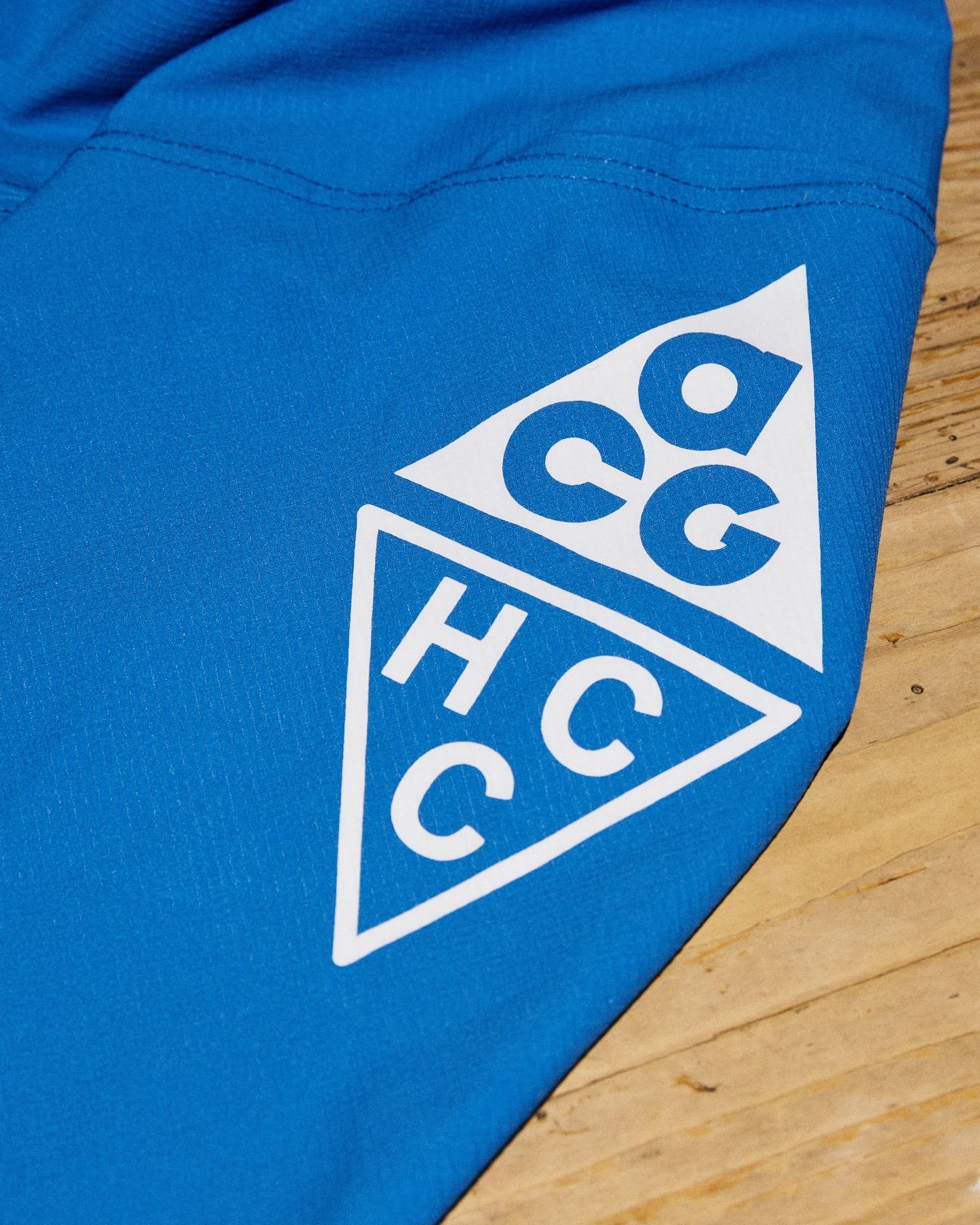
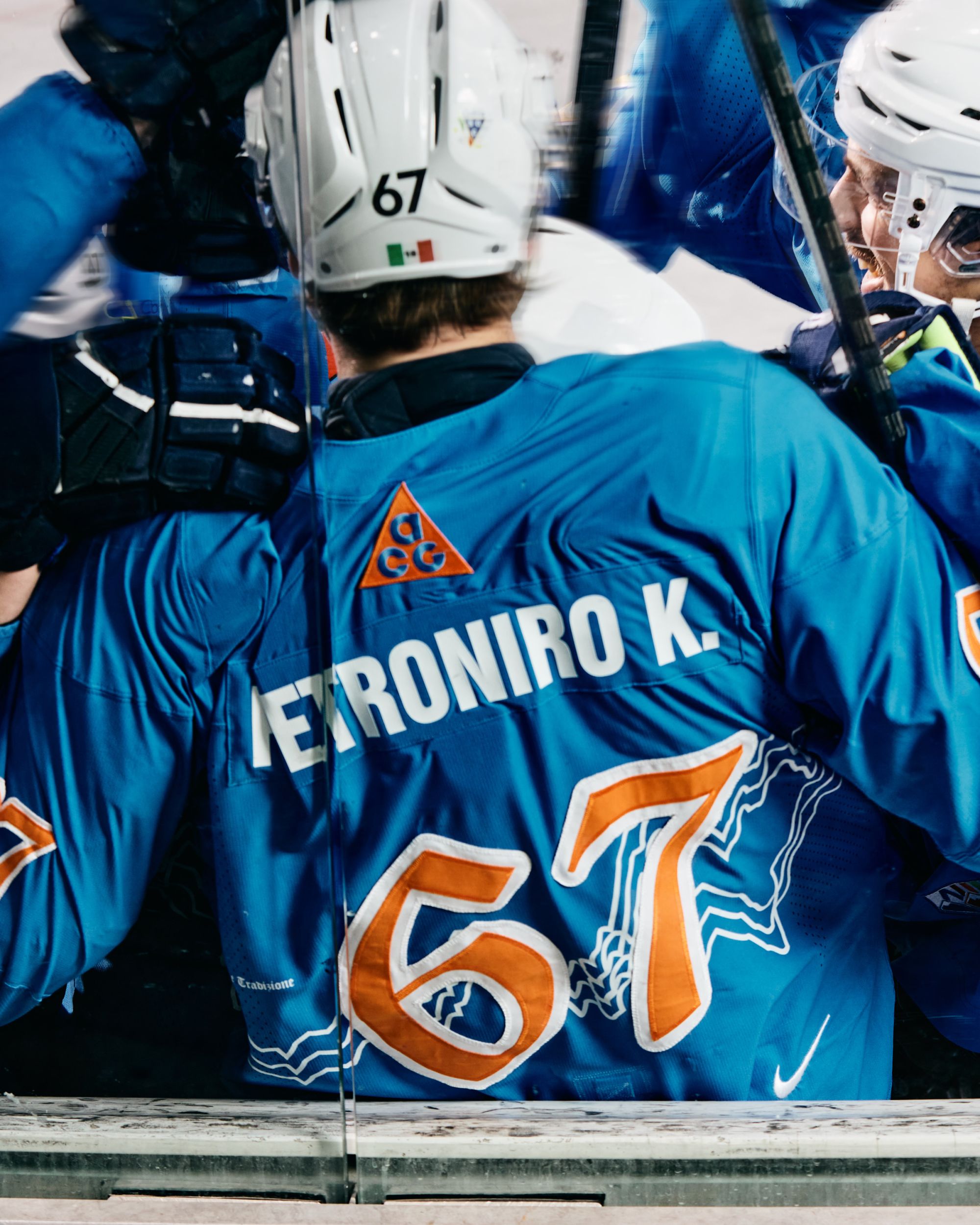
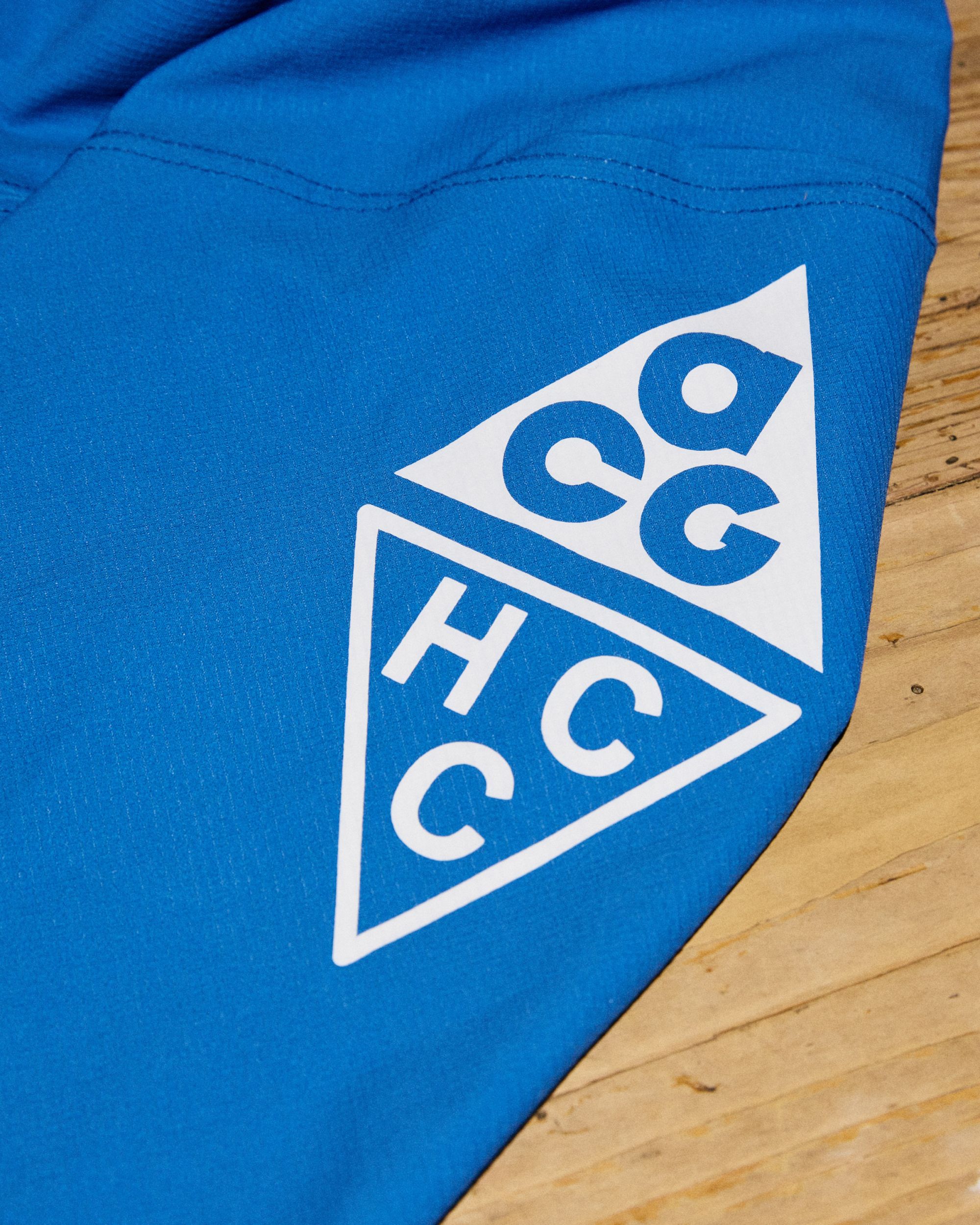
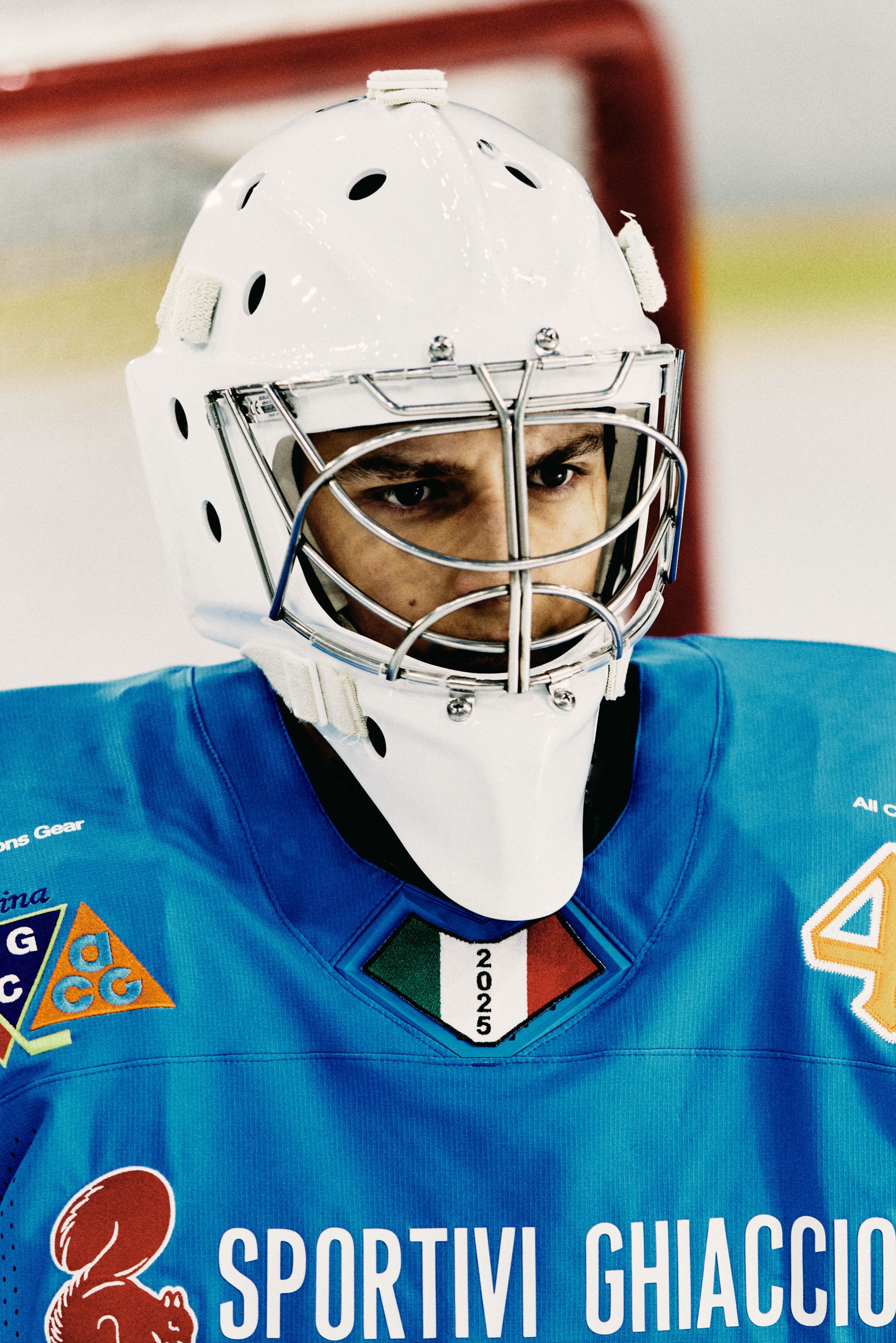
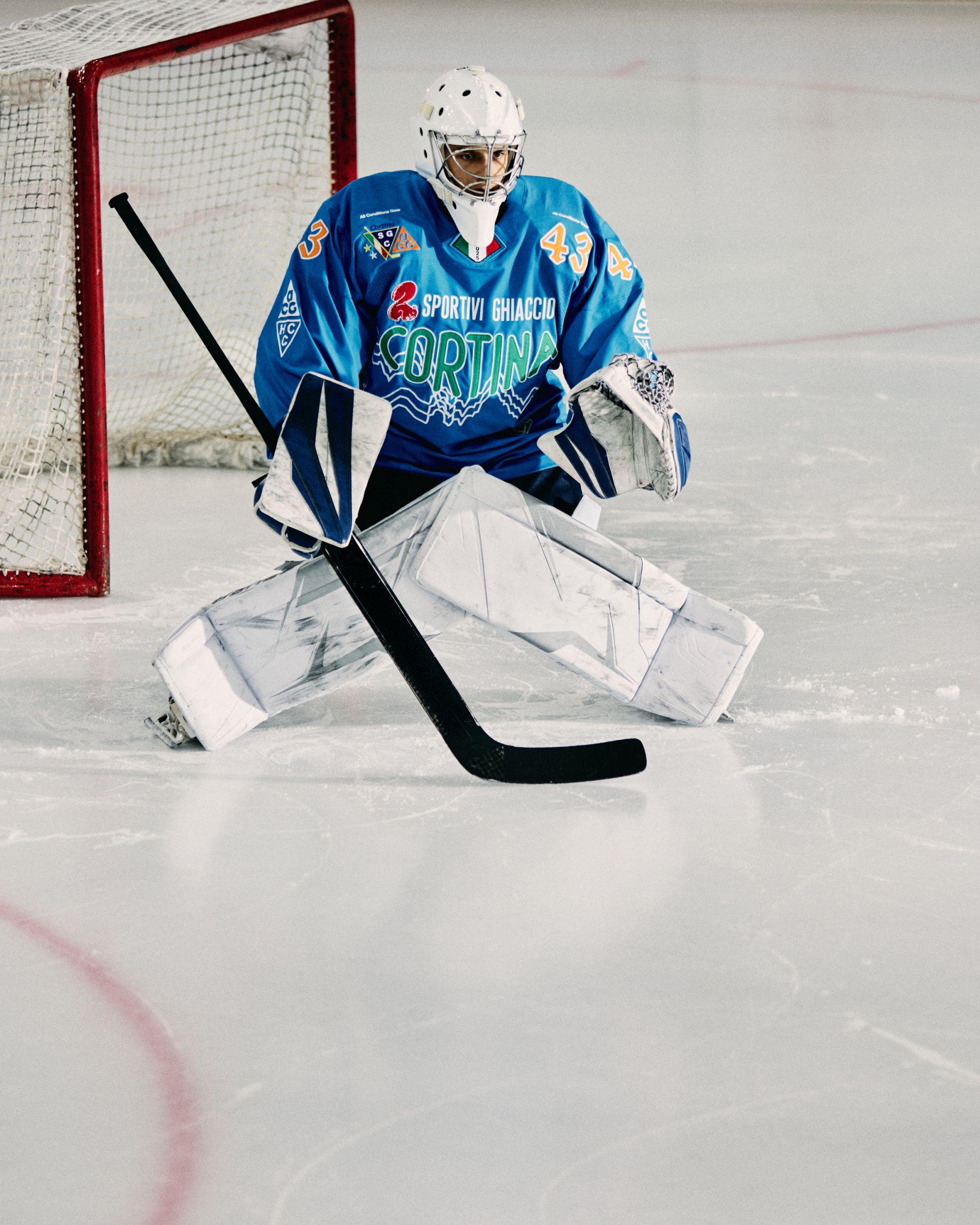
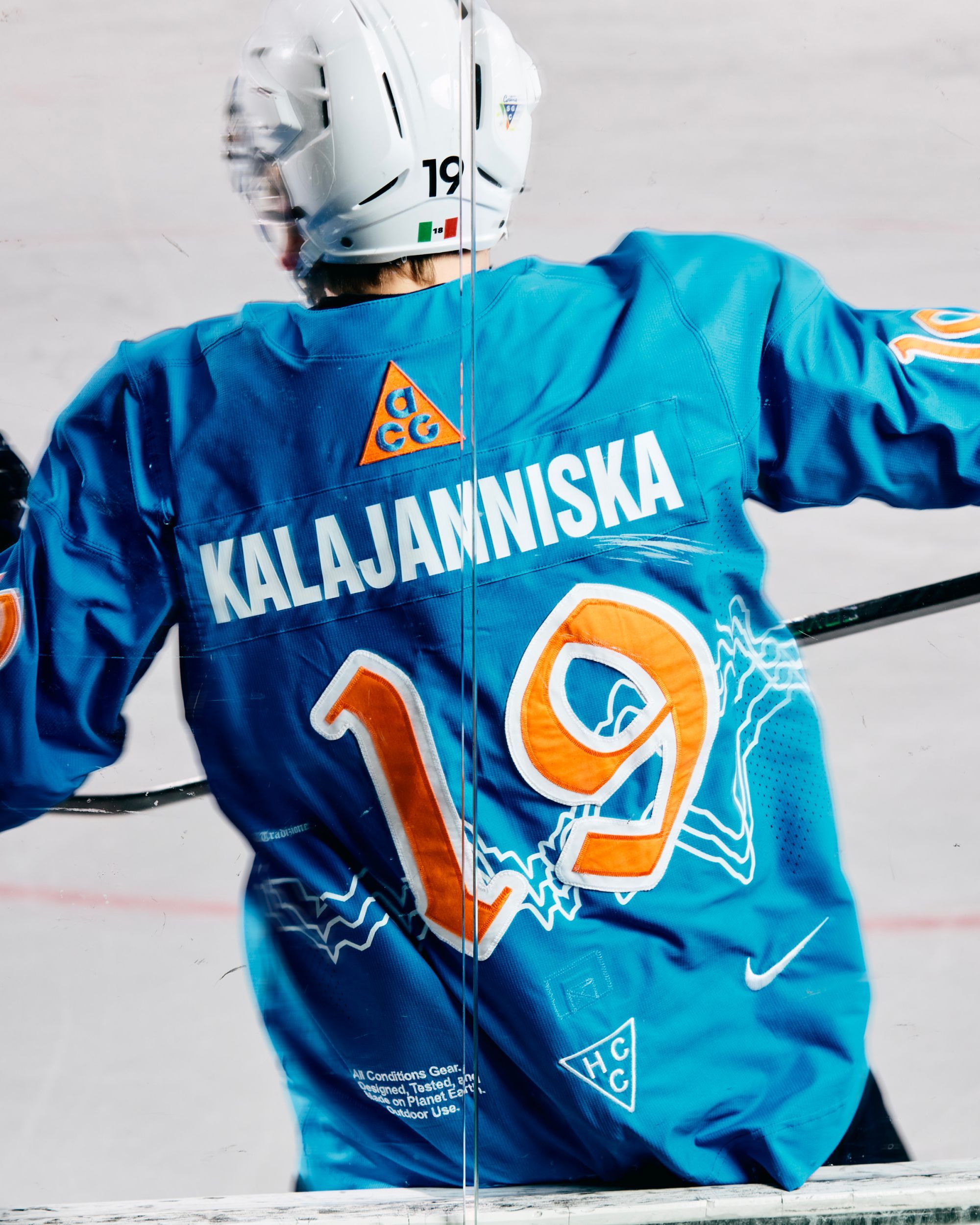
Nike ACG has brought its revolutionary aesthetic into the world of ice hockey as well, creating a special jersey for Hafro Cortina Hockey that made its debut in the match against HC Gherdëina. The brand, long linked to an outdoor imagery that mixes functionality and creativity, reinterpreted the visual identity of the Ampezzo club with an entirely new approach. The jersey is born from the meeting between the team's colors and a series of graphic elements that evoke the mountain landscapes of Cortina, an iconic winter-sports destination and one of the venues for the upcoming Winter Olympic Games.
Dolomite-inspired graphics
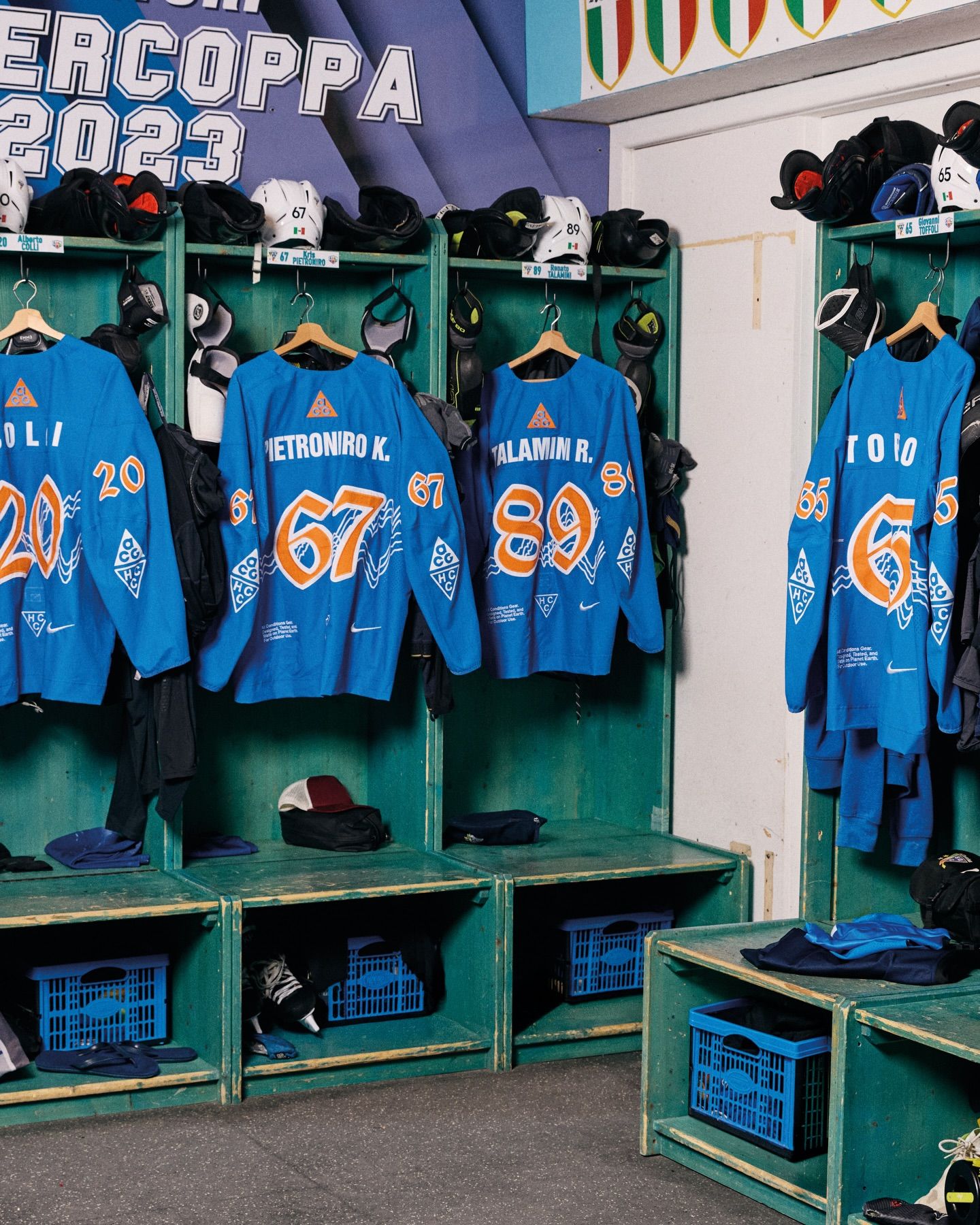
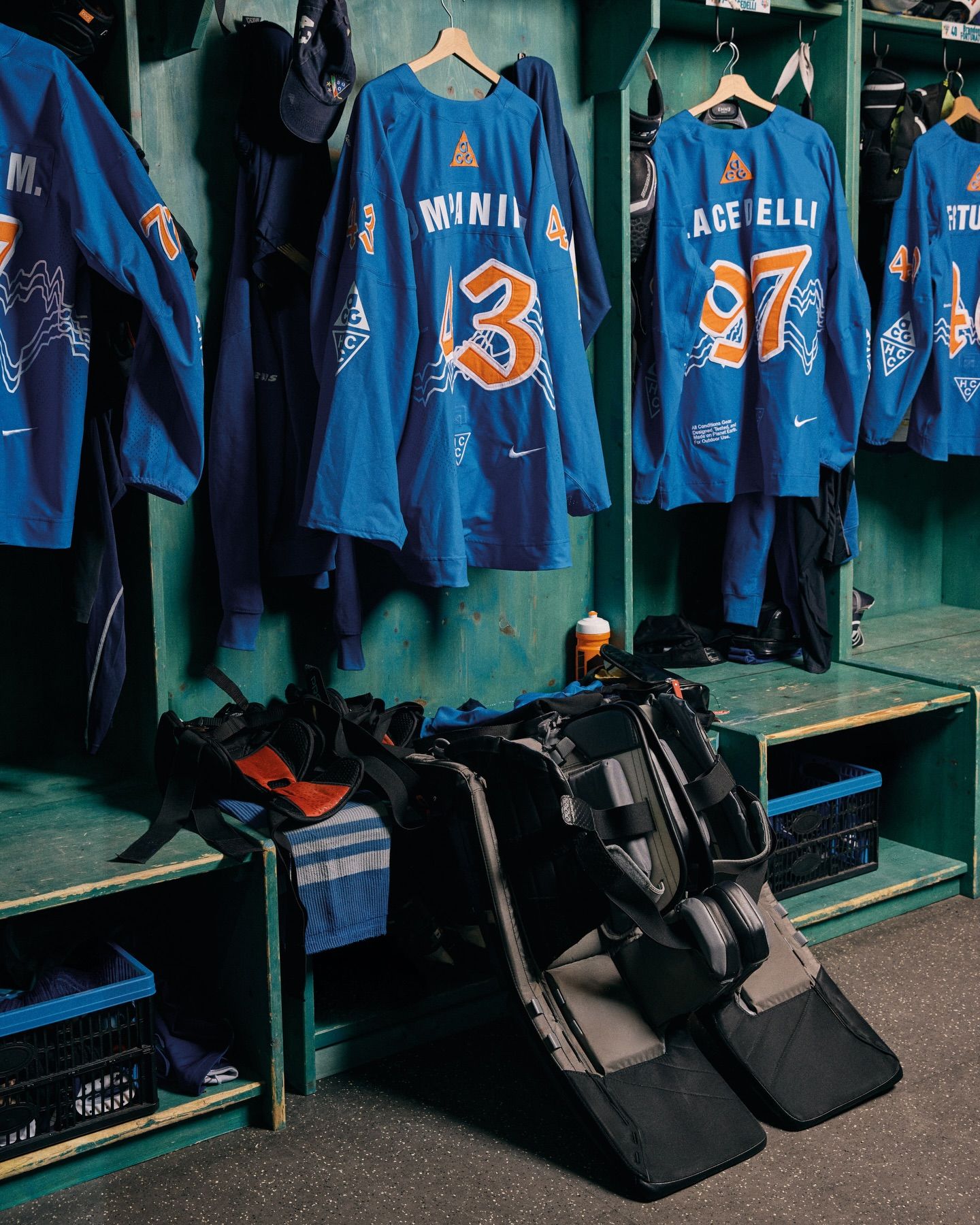
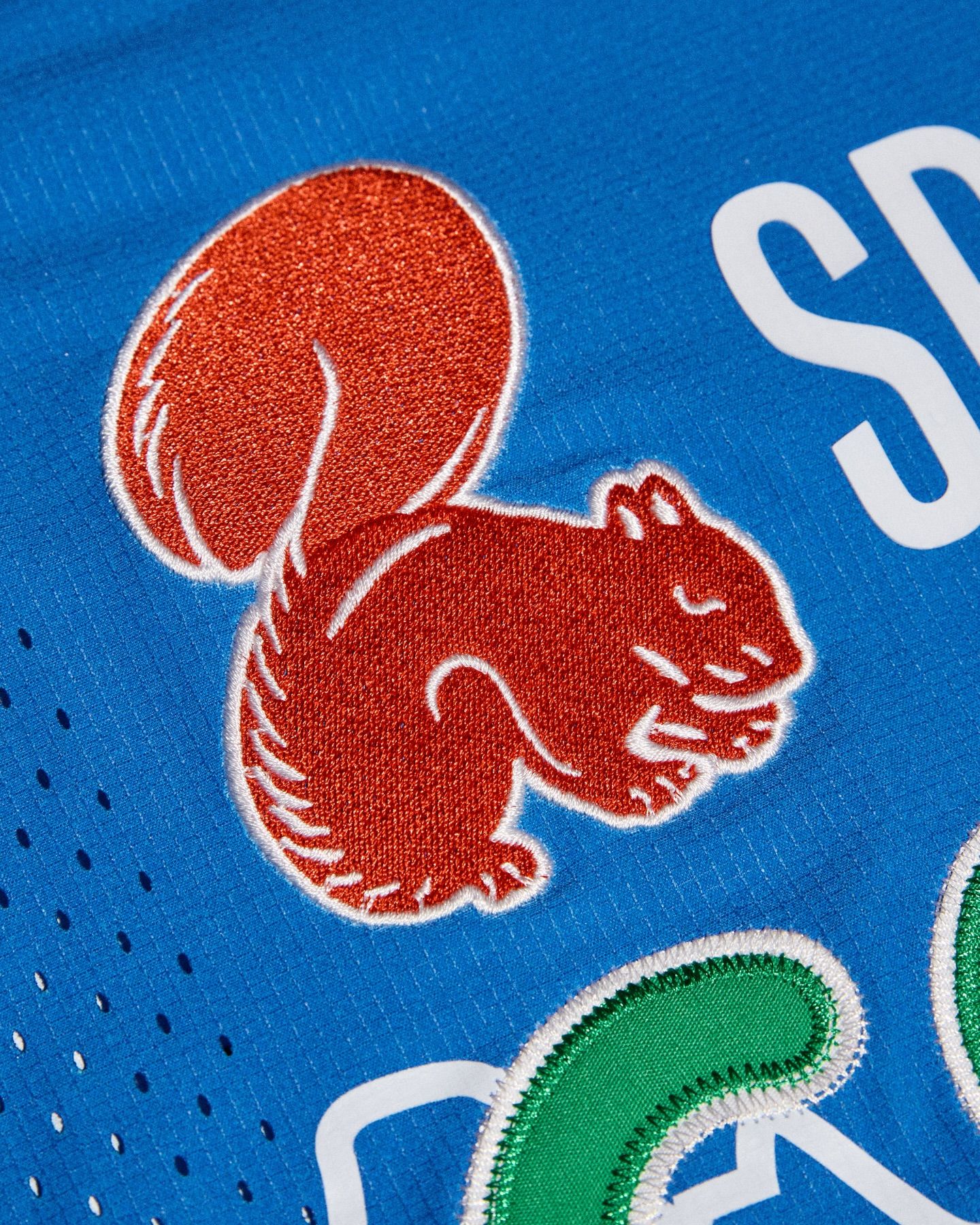
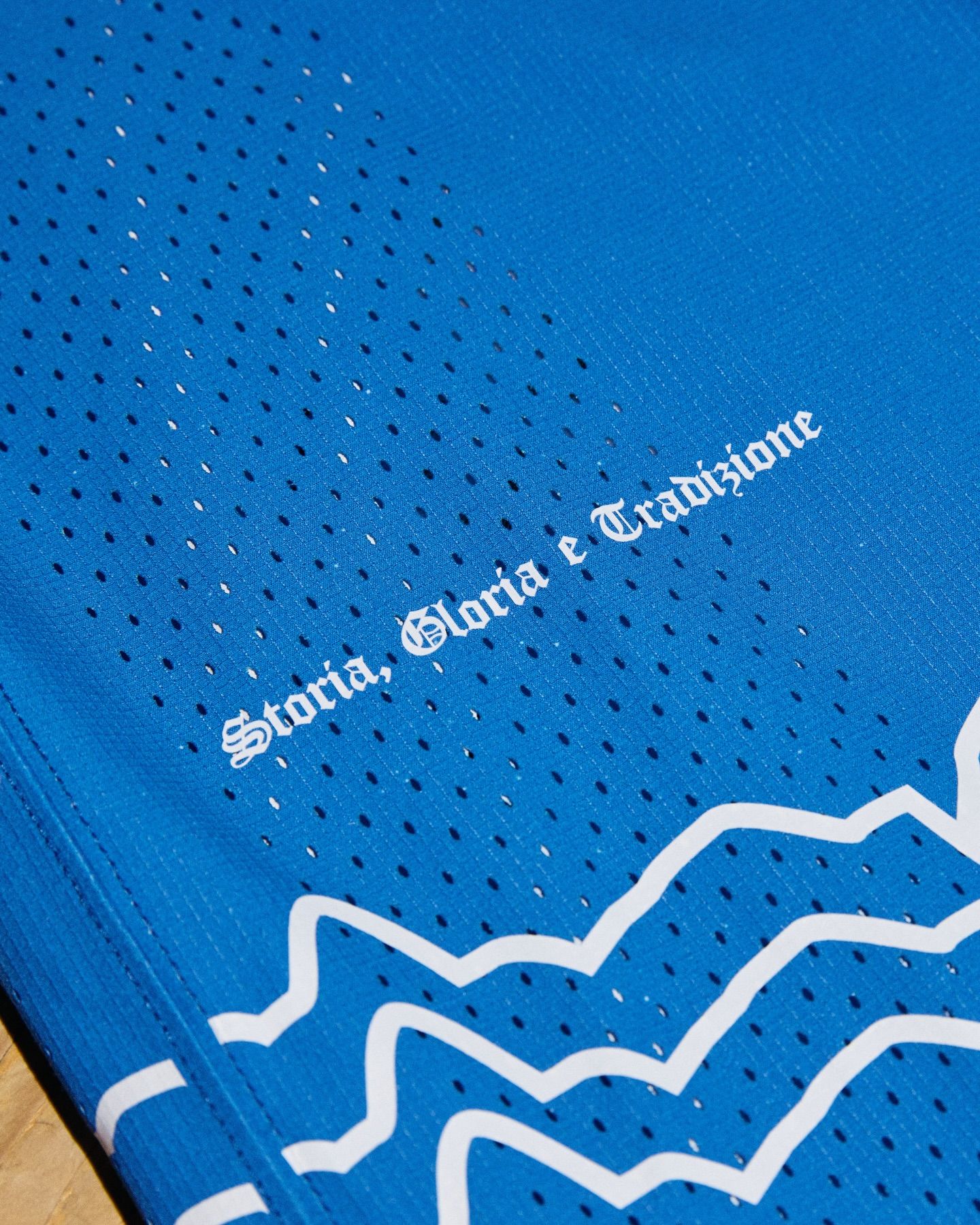
The outlines of the Dolomite peaks, normally depicted in a traditional style, are transformed into clean and dynamic lines, almost like trails gliding across the ice. This play of shapes gives movement to the kit and contributes to a modern and minimalist aesthetic. At the same time, however, ACG wanted to retain a connection to the club's history and to the visual codes of the past: the green embroidered lettering on the front is proof of this, a clear nod to 1980s visuals, reinterpreted with a contemporary, more technical touch. Also on the back of the jersey the mountain motif finds space, repeating harmoniously and creating a graphic balance that further highlights the special font used for names and numbers.
Special font and 1980s references
The font is characterized by angular and decisive shapes yet seen through a modern lens. The shade of orange used gives the jersey a vibrant note, an energetic accent that brightens the overall design without weighing it down. On the front, meanwhile, the numbers are stitched using traditional techniques, as are all applied logos, confirming the artisanal attention and the desire to embellish the uniform with tangible details. Completing the garment, along the side there is an insert inspired by the ventilated design of holey t-shirts, now prominent in the running world. This technical detail is not merely an aesthetic element: it improves breathability and introduces a language closer to performance-wear, creating a bridge between two sporting universes that at first glance seem distant.
What to read next
Australia is expected to steal the spotlight at the 2026 Paralympics
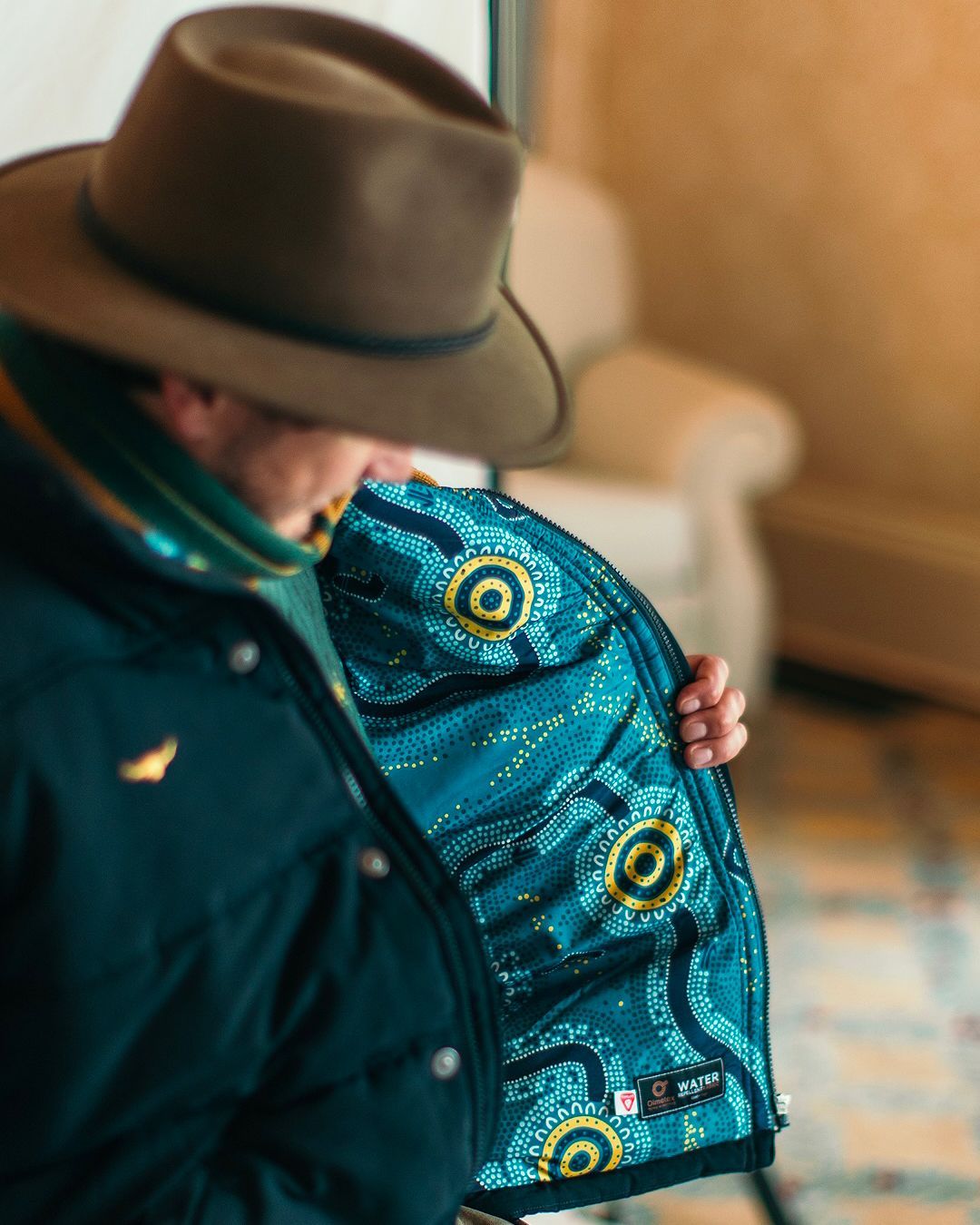
Thanks to a refined look designed by R.M.Williams
From podium to partnership: the Milano Cortina effect on athletes
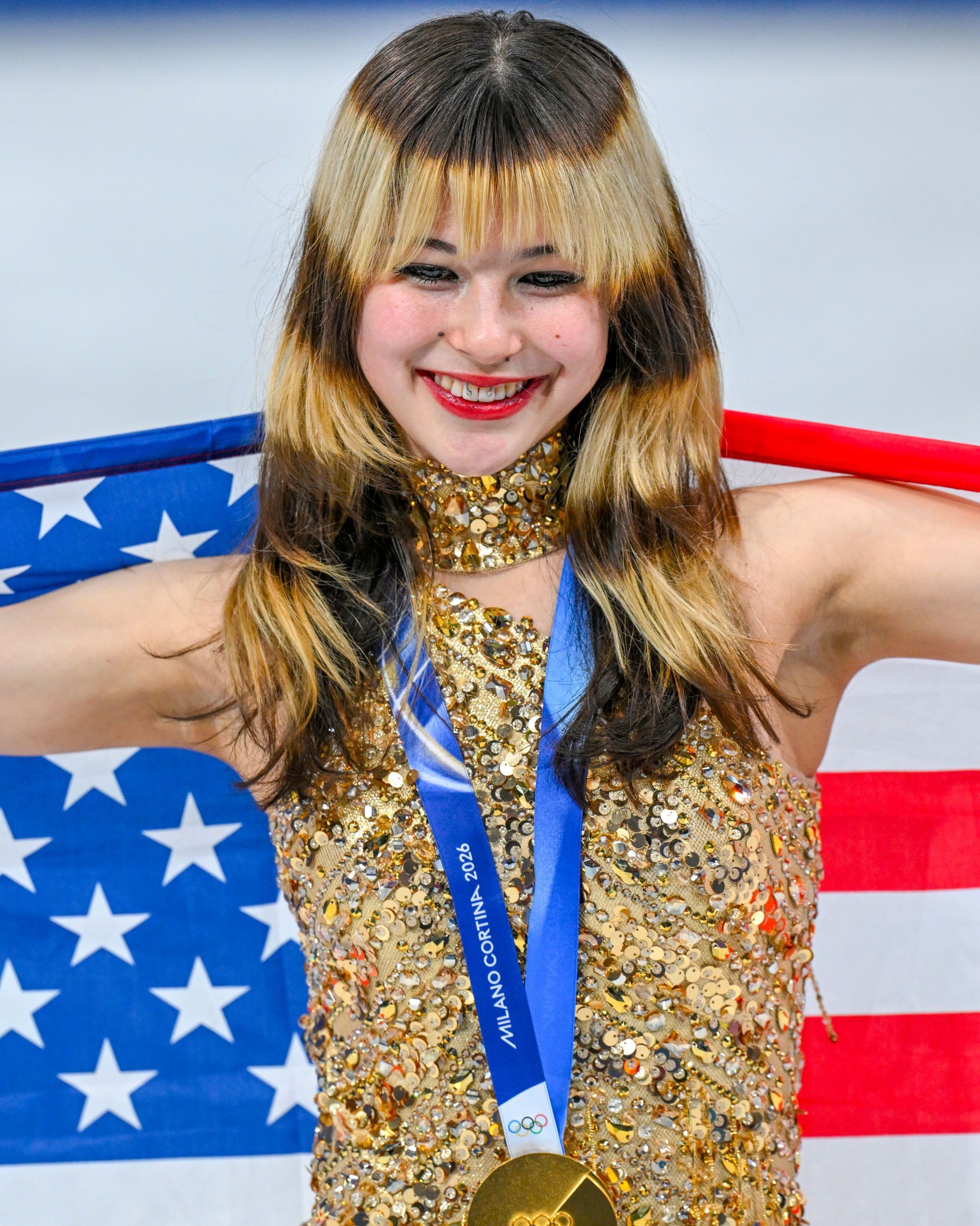
When medals turn into media value