





The history of running holey t-shirts From Nike and Satisfy to the collaboration between Salomon and Mental Athletic

For decades, athletes have faced some of the most extreme weather conditions in endurance sports along the legendary Western States Endurance Run 100 (an ultratrail race that takes place in the Sierra Nevada mountains in California), held every June. 100 miles with temperatures that can exceed 40°C; a course where runners have always had to find innovative solutions to manage the heat and maintain their performance. One of these solutions, adopted in recent years, has quickly become a true design code in the running world: the act of punching small holes in the chest area of their singlets to increase airflow and regulate body temperature. A simple yet effective measure that has been repeated over time—from the legendary victories of Scott Jurek to Ryan Sandes’ triumphs and the records pursued by marathoner Jim Walmsley. In all these scenarios, the perforated singlet has been a symbol of ingenuity and adaptation to extreme race conditions.
Salomon x Mental Athletic
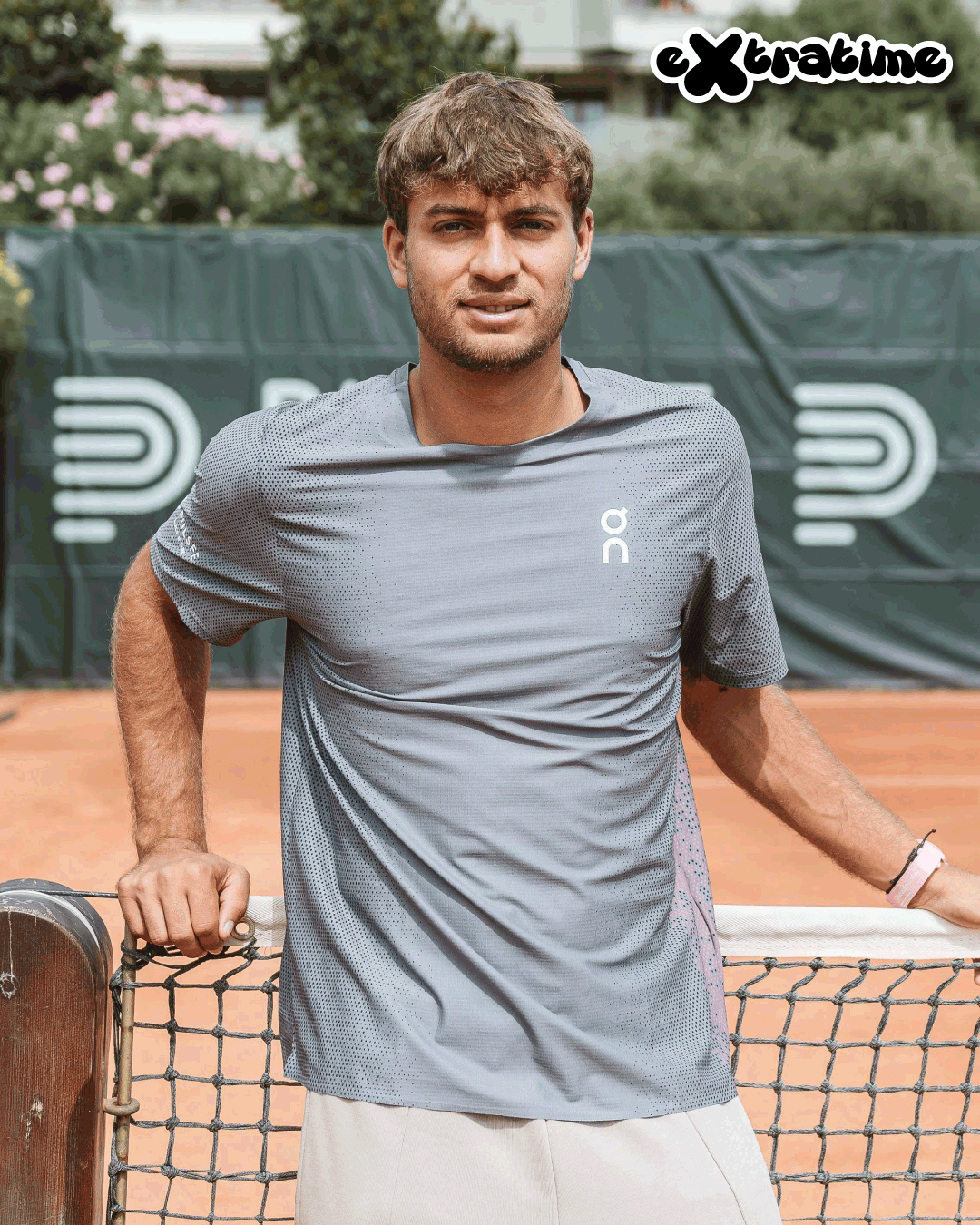
It is precisely from this small design detail that Salomon chose to start, working closely with South African runner Ryan Sandes and the Annecy Design Center team (where Salomon's headquarters are located) to develop a dedicated prototype singlet, specifically designed for the Western States Endurance Run 100. This collaboration, combining the athlete's experience with Salomon's design expertise, produced a product that contributed to Sandes’ historic victory at the Western States. Therefore, what Salomon created with Mental Athletic is just the latest chapter in the evolutionary story of ventilated designs—essentially, a term we will now use for all running apparel featuring specific chest-area perforations (as if the products were riddled with bullets), which we discovered are not merely aesthetic details. If Salomon and Mental Athletic are the latest to explore this design type, which other brands have made it their hallmark?
Satisfy
The French running brand has been one of the main proponents of this design over the past decade. The technology is called MothTech, which has become synonymous with the brand since its launch in 2015 by founder Brice Partouche. Inspired by the holey t-shirts of old rock bands he used to run in, Partouche mapped the body to isolate key areas of human perspiration and aid them through micro-perforations reminiscent of moth holes in old clothes. The combination of performance-driven functionality and second-hand grunge aesthetics ignited the running community at a time when this usually solitary activity transformed into a communal experience, thanks to the proliferation of running clubs. These social spaces were crucial for overcoming the post-Covid period and embracing a new sociality, often centered on after-work runs.
Satisfy vs Nike
Ventilated designs have become such an influential and significant trend that everyone wants a piece of it—sometimes overreaching, as in the case of Nike, which between late 2024 and early 2025 went too far in creating a product too similar to Satisfy’s. The perceived wrongdoing was further amplified by the power dynamics between the two brands, reminiscent of David vs Goliath. On one side, the worldwide sportswear giant, one of the most recognizable brands in the world; on the other, a boutique-scale company with no board or stakeholders but a large number of followers, as proclaimed in one of the brand's famous slogans, Running Cult Member. This scale difference also reflects profoundly different approaches, which Satisfy clarified in a LinkedIn response to the alleged Nike copy.
“This incident highlights the change SATISFY has triggered in the running world, where independent brands are driving innovation at the intersection of sport, style, and culture. Our designs resonate with runners seeking gear that meets their performance needs while reflecting their identity, challenging the status quo. We are grateful to our community for their vigilance and unwavering support as we continue to push the boundaries of running culture.”
This happened because, at the end of 2024, Nike uploaded a t-shirt designed by the Nike Running Division to its online store, without particular expectations. It was a technical model, available in blue and light grey, made with proprietary Dri-Fit material, similar to many others sold for years. The only real difference compared to Satisfy’s MothTech—which is not just a technology, but a technology integrated with a precise design—was the presence of holes on the chest and back, as if the shirt had been struck by a burst of bullets. An unusual detail that immediately caught the attention of a specific segment of the running community: those who had made Satisfy their cult reference.
Nike & Nike ACG
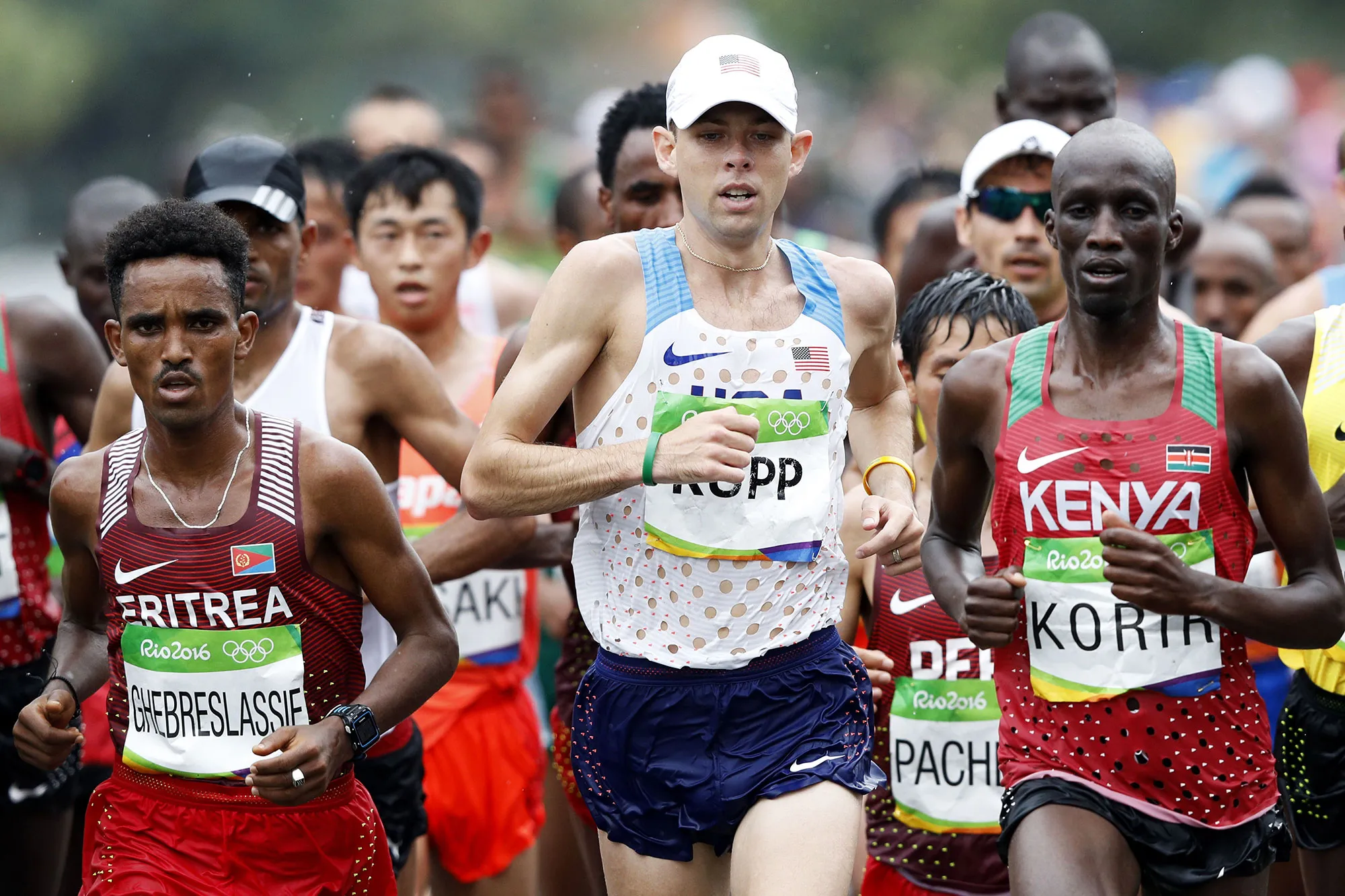
The criticism came from Satisfy, as these were two products released by the respective brands. Satisfy accused Nike not only of producing a product very similar to theirs but also of doing so for commercial purposes. Nike had previously developed a ventilated design: at the 2016 Rio de Janeiro Olympics, runners Meb Keflezighi and Galen Rupp competed in a perforated singlet. However, that model was intended exclusively for performance and was never commercially released.
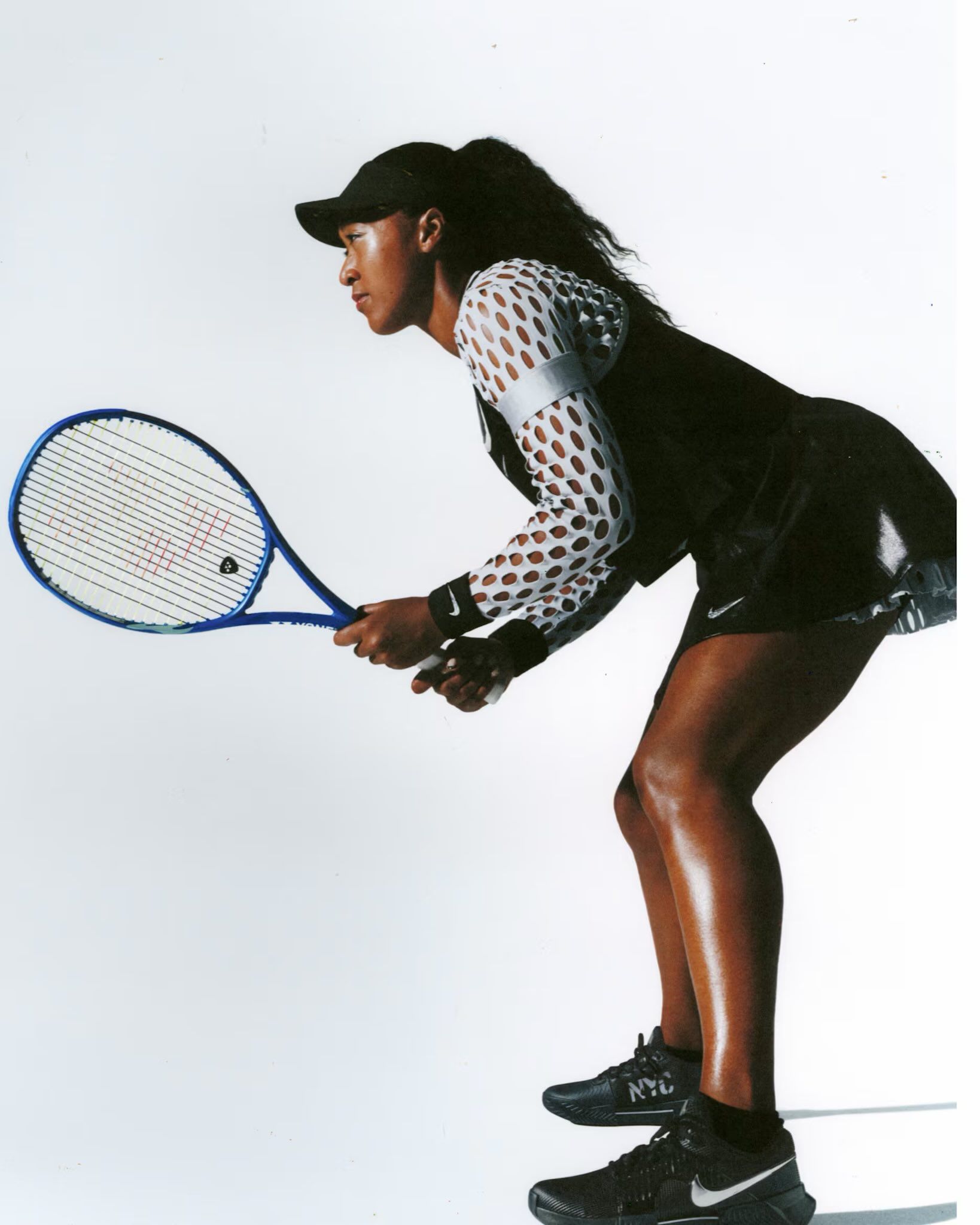
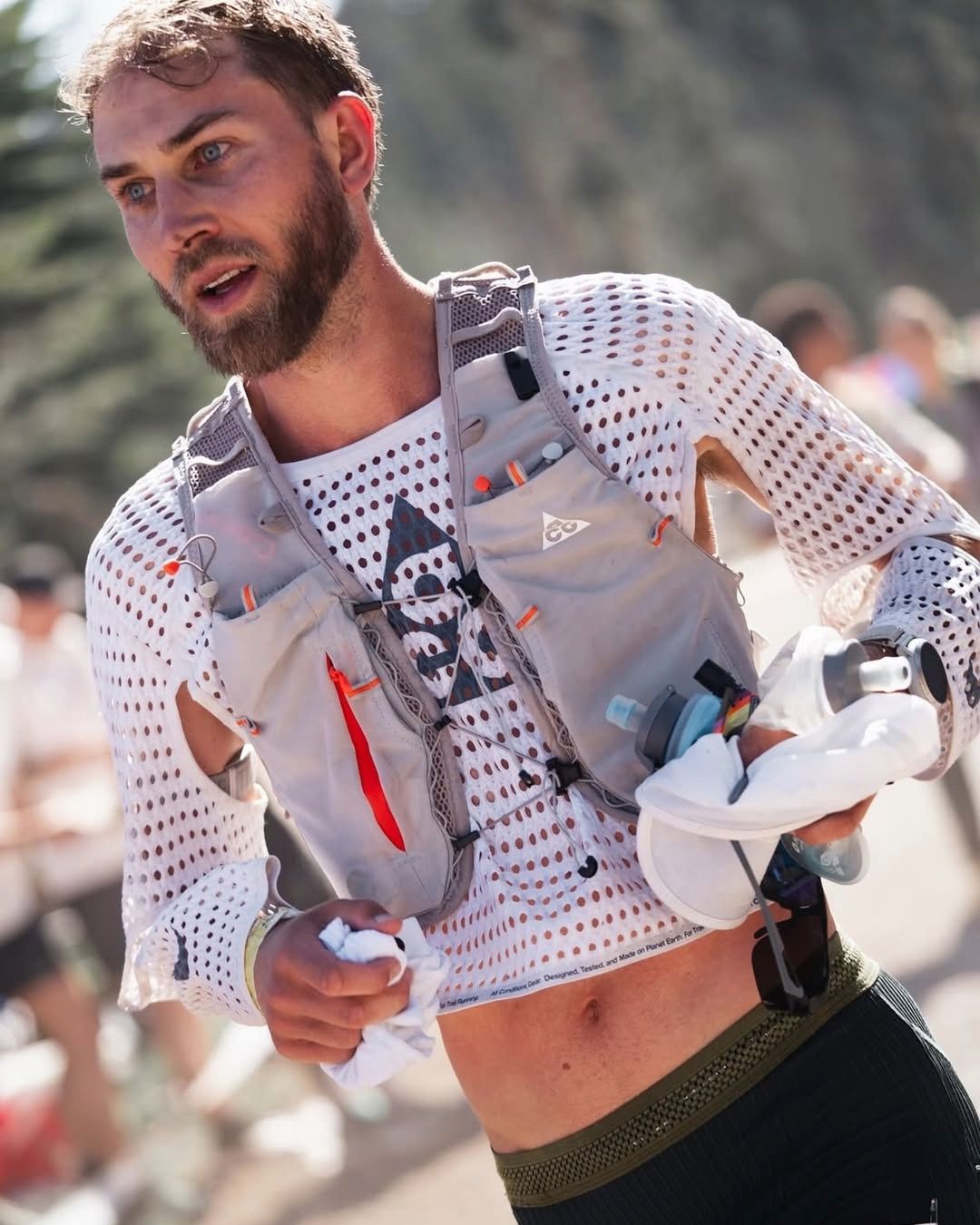
Nike, particularly with the Nike ACG line, seems to have taken this challenge even more seriously recently, deploying once and for all all the innovation that distinguishes it worldwide and the financial power for technological investments that makes it still the cutting-edge sportswear brand we all know. The Swoosh launched Radical AirFlow, a technology inaugurating a new era for technical apparel. Designed to face extreme conditions like the 100 miles of the Sierra Nevada, where heat and humidity challenge athletes, this innovation uses engineered air ducts and a Bernoulli-inspired construction to accelerate airflow over the skin and enhance sweat evaporation.
The result? A constant feeling of freshness. The first versions, tested for two years in the field and in Nike's NSRL laboratories, have convinced even the most demanding ultrarunners thanks to their lightness, breathability, and a design aimed at eliminating chafing and distractions. The debut will feature a long-sleeve shirt with strategic openings and dynamic ventilation zones. But the vision is much broader: Nike plans to apply this innovation across different sports, from outdoor to road running, and even team sports. To date, in terms of design and "finished" product, the technology is expressed in a perforated longsleeve of unique beauty.
In short, from now on, whenever you see more perforated designs among vintage rock band t-shirts and running apparel, you will know the backstory behind them.