




















The most spectacular Tunnels in Bundesliga Where tradition meets stadium design
The Bundesliga is without doubt the European league most devoted to preserving its traditions. The famous 50+1 rule, which requires clubs to keep majority ownership in the hands of their members, has never been abolished despite repeated attempts to dismantle it and open the door to investment funds in Germany. While La Liga and Serie A are planning to stage league matches in the United States and Australia respectively, DFL president Hans-Joachim Watzke has made it clear that as long as he remains in charge, Bundesliga games will be played exclusively in Germany. But, even for a second, don't think that this strong attachment to tradition has turned the Bundesliga into a boring league. Quite the opposite.
According to Kicker, German clubs are set to earn almost €4.5 billion over the next four years from domestic TV rights alone, with a further €263 million per year coming from international sales, as reported by The Athletic. While that international figure leaves the Bundesliga behind other European leagues, its domestic deal is the second most lucrative after the untouchable Premier League contract (£6.7 billion between 2025 and 2029). Tradition, values, and heritage remain central—but the league is also working to refresh its image, as seen in the partial rebrand this summer and the decision to sell part of its UK broadcasting rights to YouTube channels rather than traditional TV platforms.
Tunnel is the new weekly newsletter from nss sports. Click here to subscribe.
And then, of course, there are the stadiums—one of the Bundesliga’s greatest strengths. According to official DFL figures, the 2024/25 season has seen an average attendance of 38,082 fans per match, with stadiums operating at 95.9% capacity and 15 of the 18 clubs reaching or surpassing 90% occupancy. These numbers only confirm what anyone watching can see: the atmosphere inside German stadiums is extraordinary, elevated by the attention to detail. One in particular? The players’ tunnels.
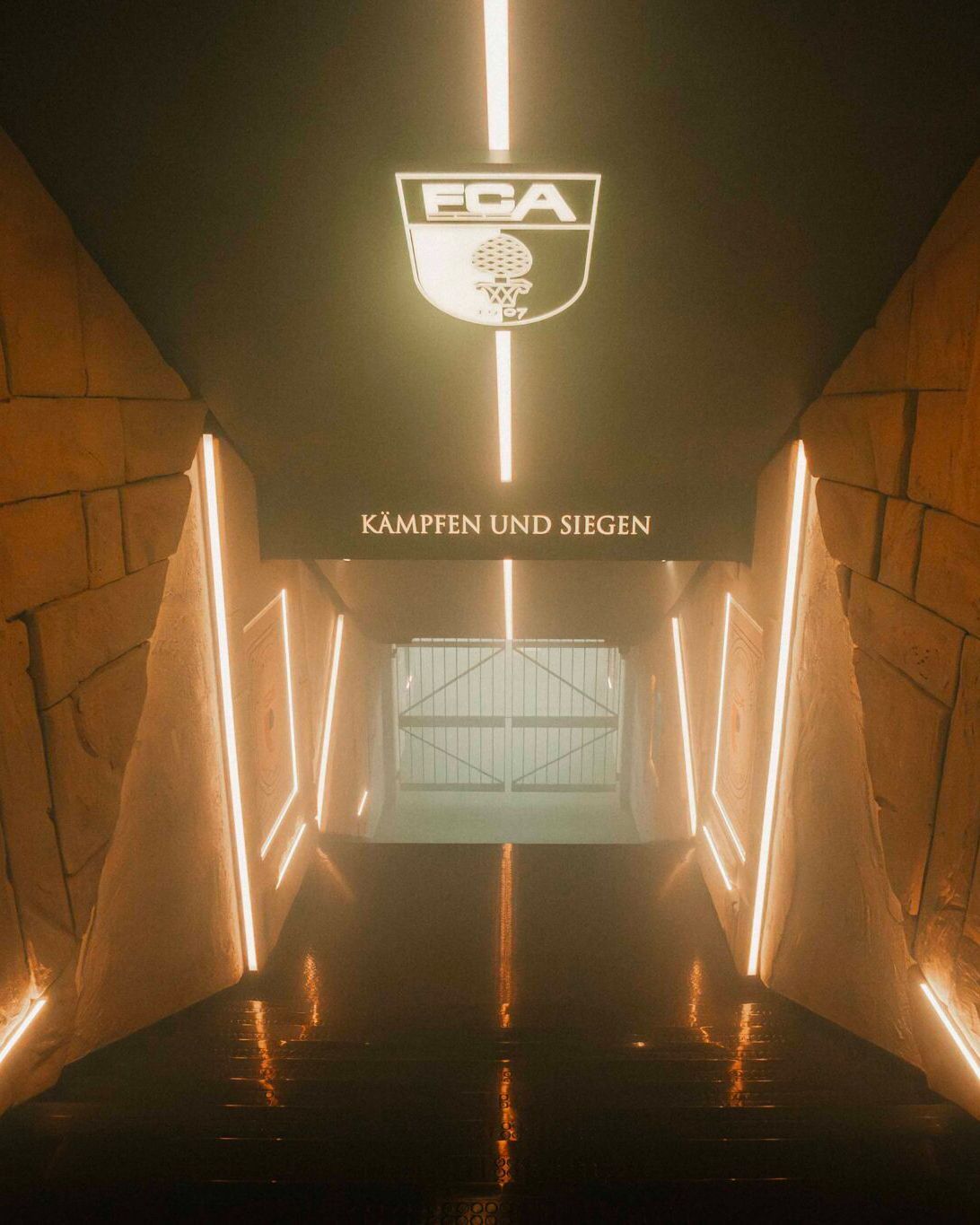
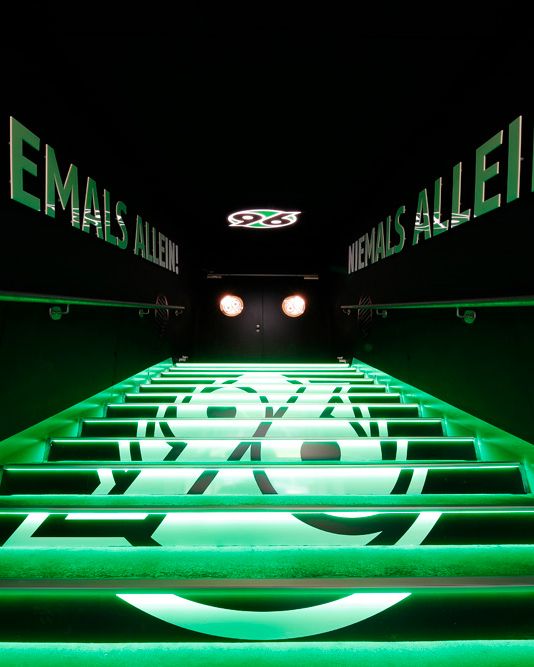
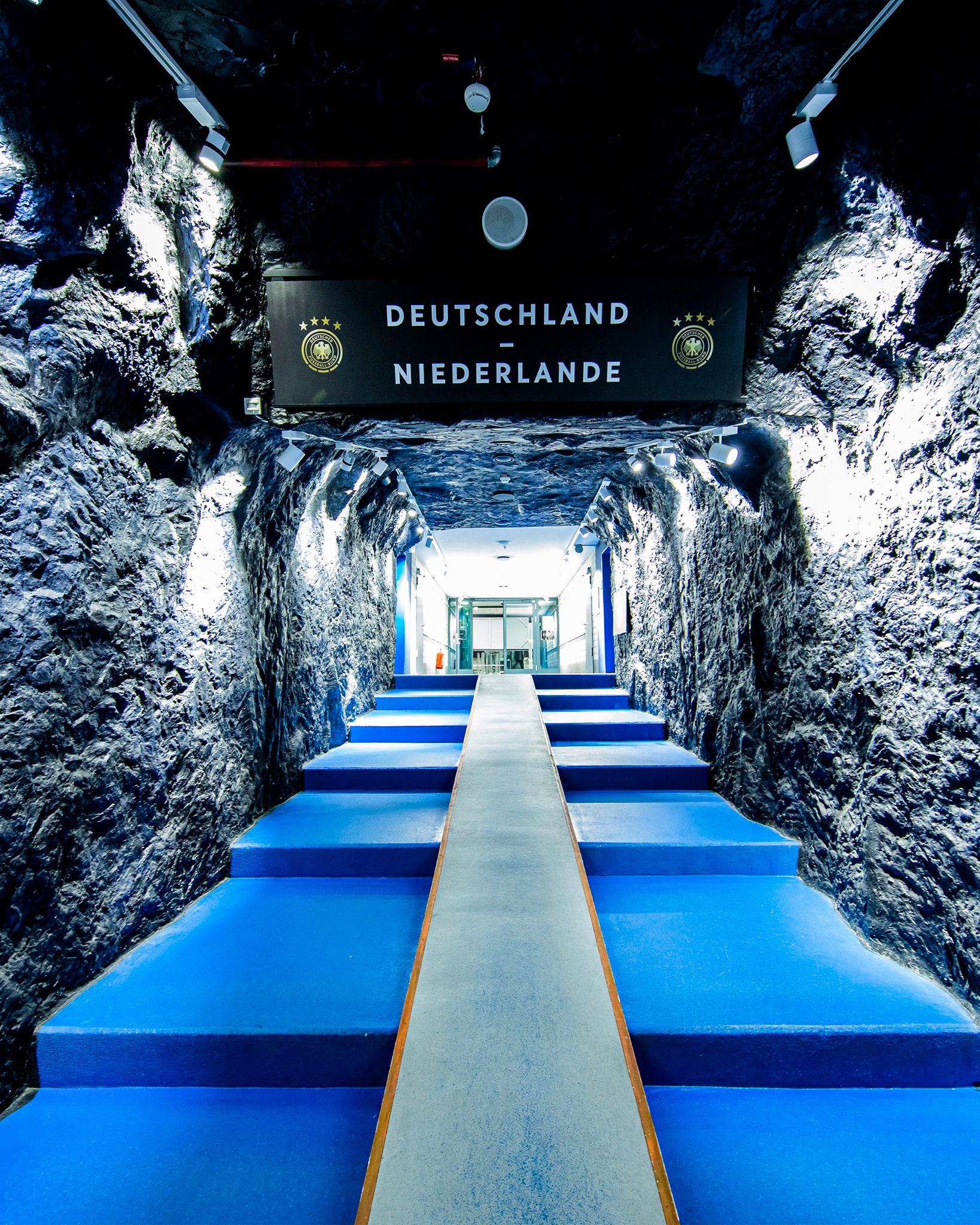
No league celebrates the walk to the pitch quite like the Bundesliga. The most recent club to unveil a spectacular tunnel is Augsburg: to honor the city’s origins and its ties to the Roman Empire, the club created a passageway inspired by the amphitheaters of Rome and Verona, featuring a mosaic of white stone with the Zirbelnuss—the club crest—embedded at its center. The scene is capped off by a gate at the end of the staircase, which opens only when the teams step onto the field.
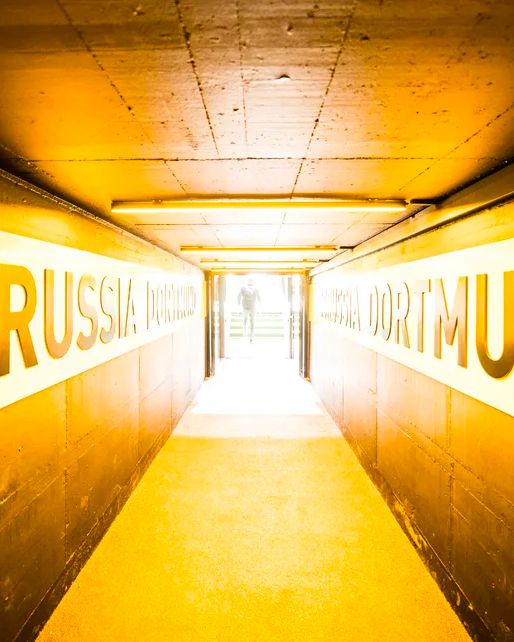
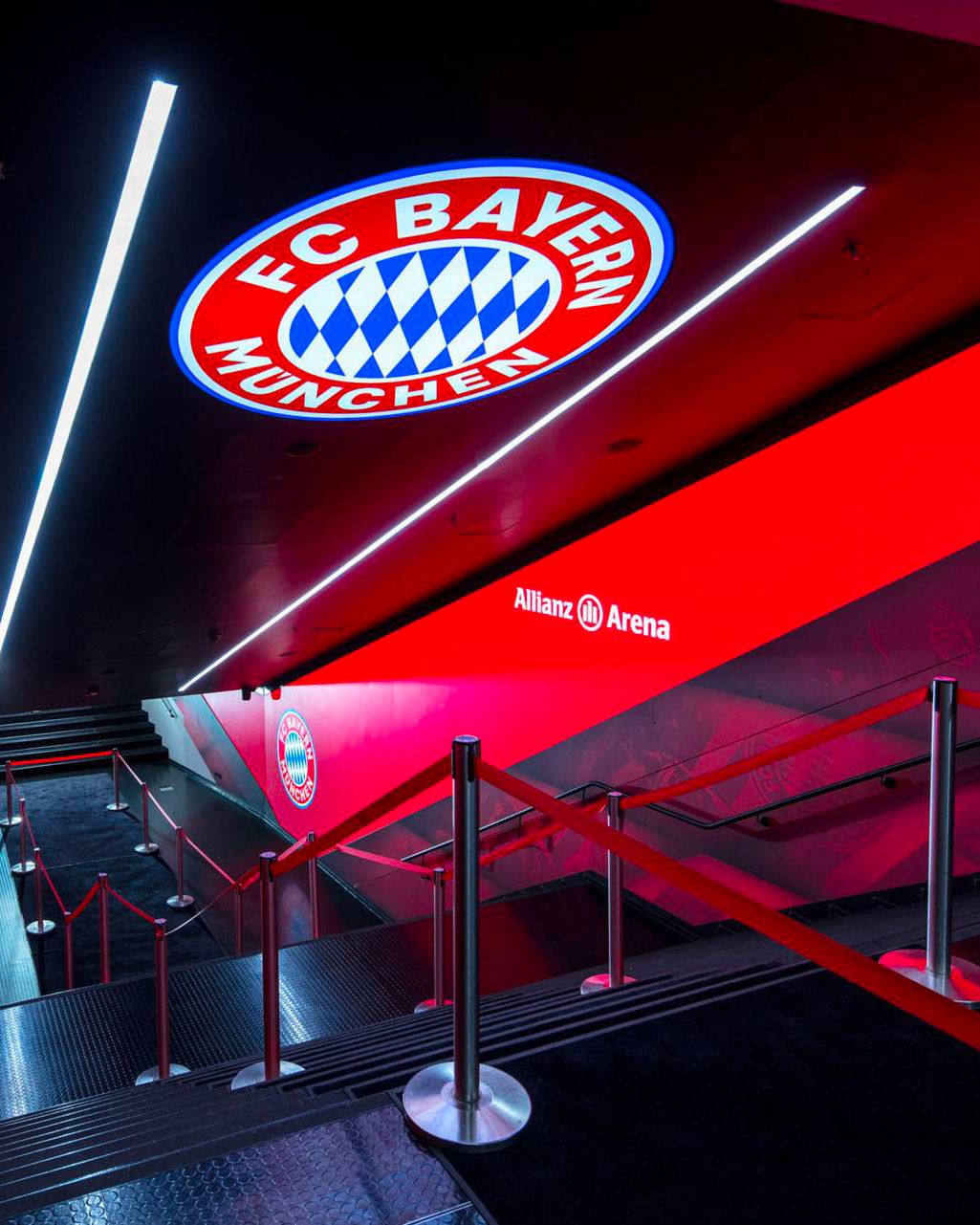
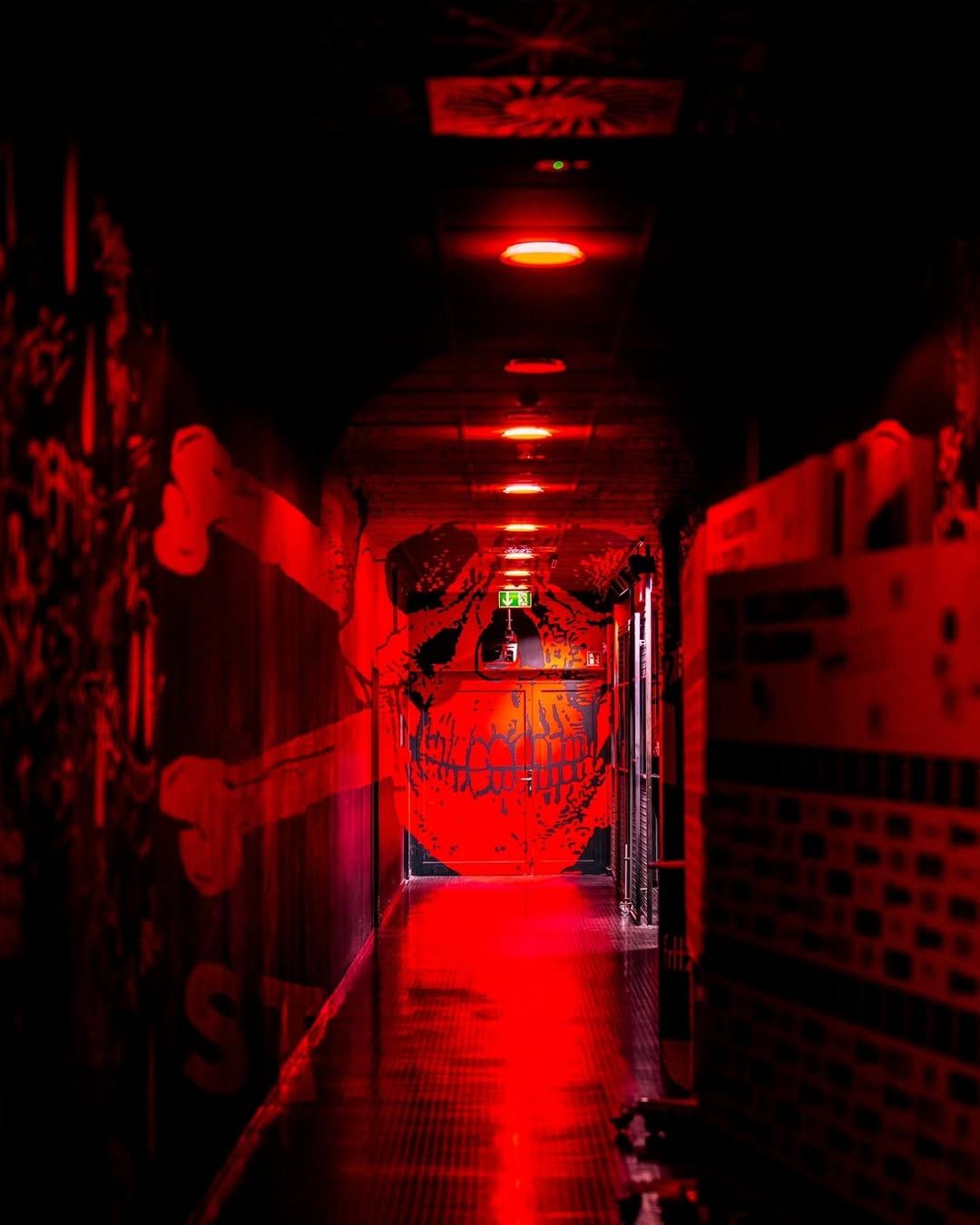
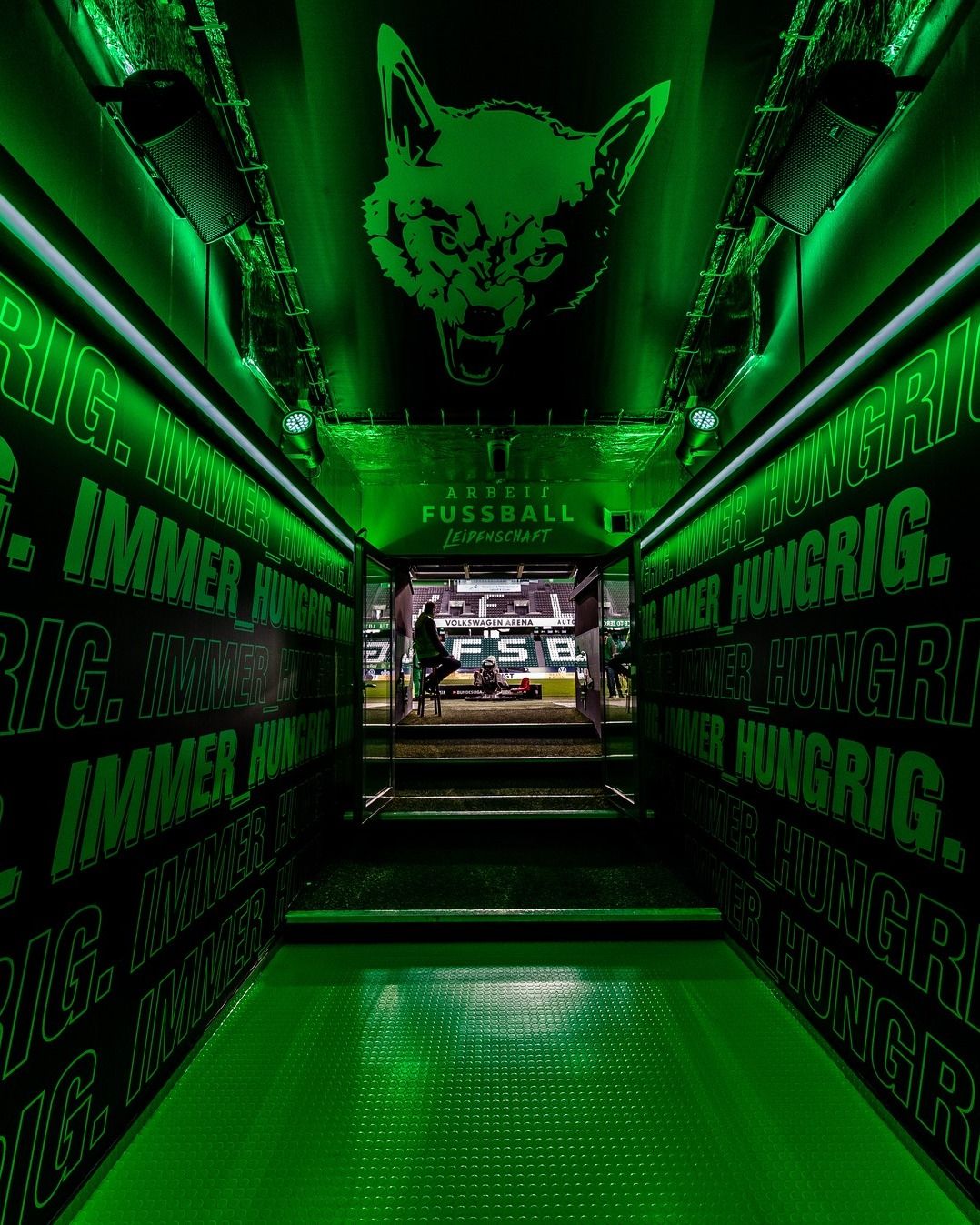
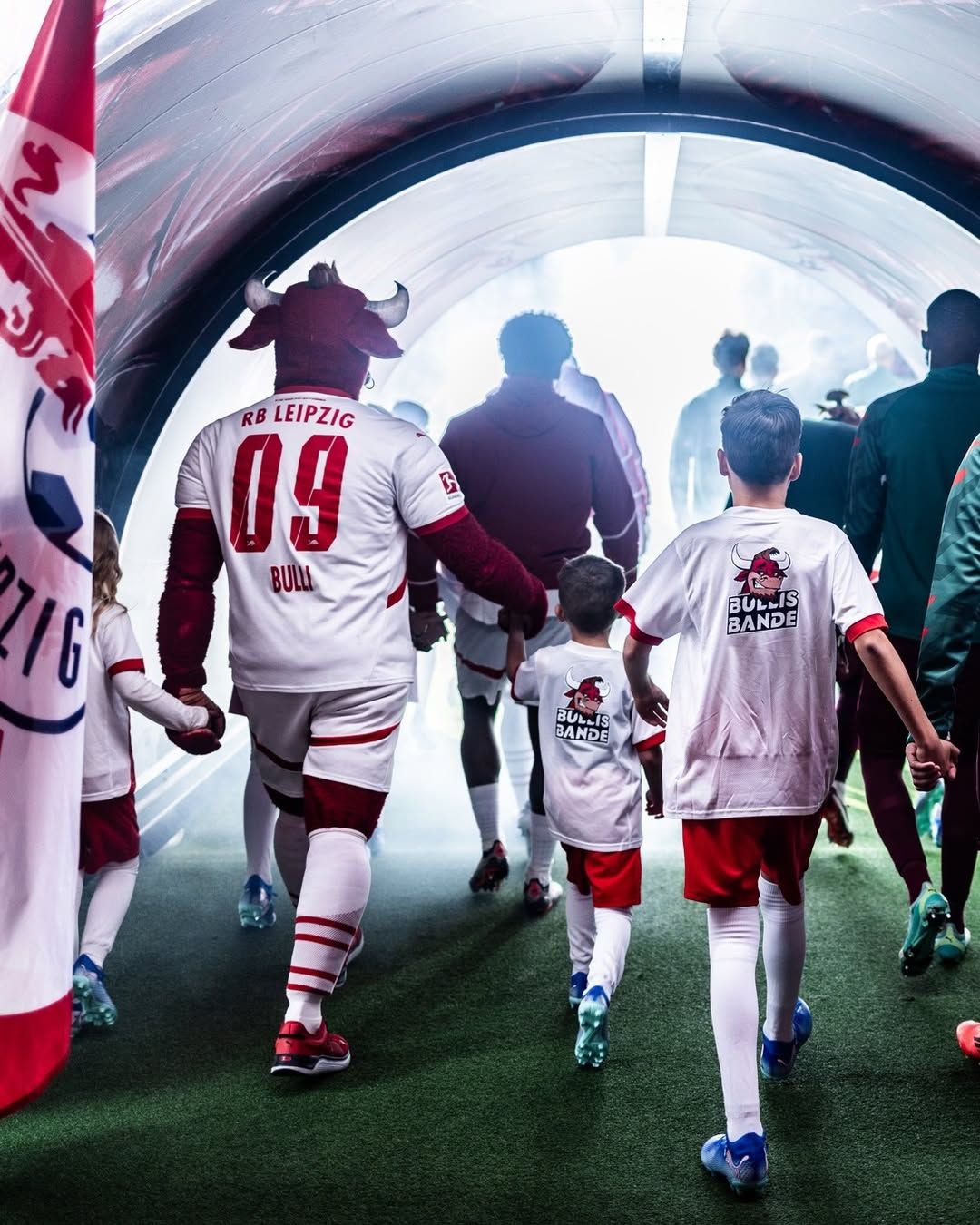
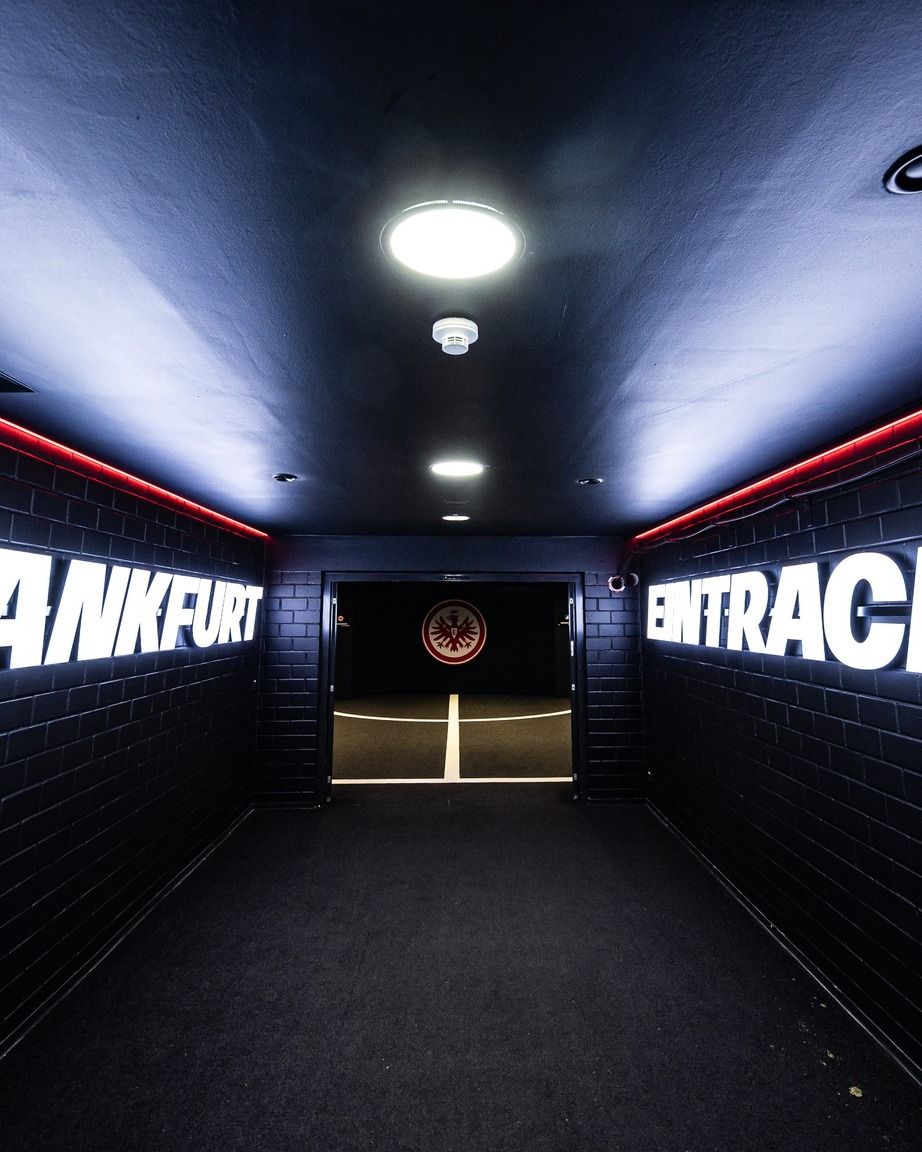
And that’s just one example. Perhaps the most iconic is the coal mine-inspired tunnel inside Gelsenkirchen’s Veltins Arena, home of Schalke 04. At Hamburg’s Millerntor-Stadion, home of St. Pauli, players’ last sight before kick-off is a skull glowing red against a black wall. In Wolfsburg, the tunnel glows with green neon and the outline of a wolf. Frankfurt’s Deutsche Bank Park features stark black walls, Dortmund’s Signal Iduna Park bursts with flashes of yellow, while Leipzig’s RedBull Arena is decorated with bulls charging across its walls. At Munich’s Allianz Arena, red neon lights remind visiting players of Bayern’s imposing stature. These are not random aesthetic choices but part of a deliberate creative process where the power of history is amplified rather than overlooked. Design solutions that elevate the product, strengthen ties to tradition, and avoid becoming monotonous or merely folkloric.