Why Basque managers are dominating modern football Andoni Iraola is the latest example
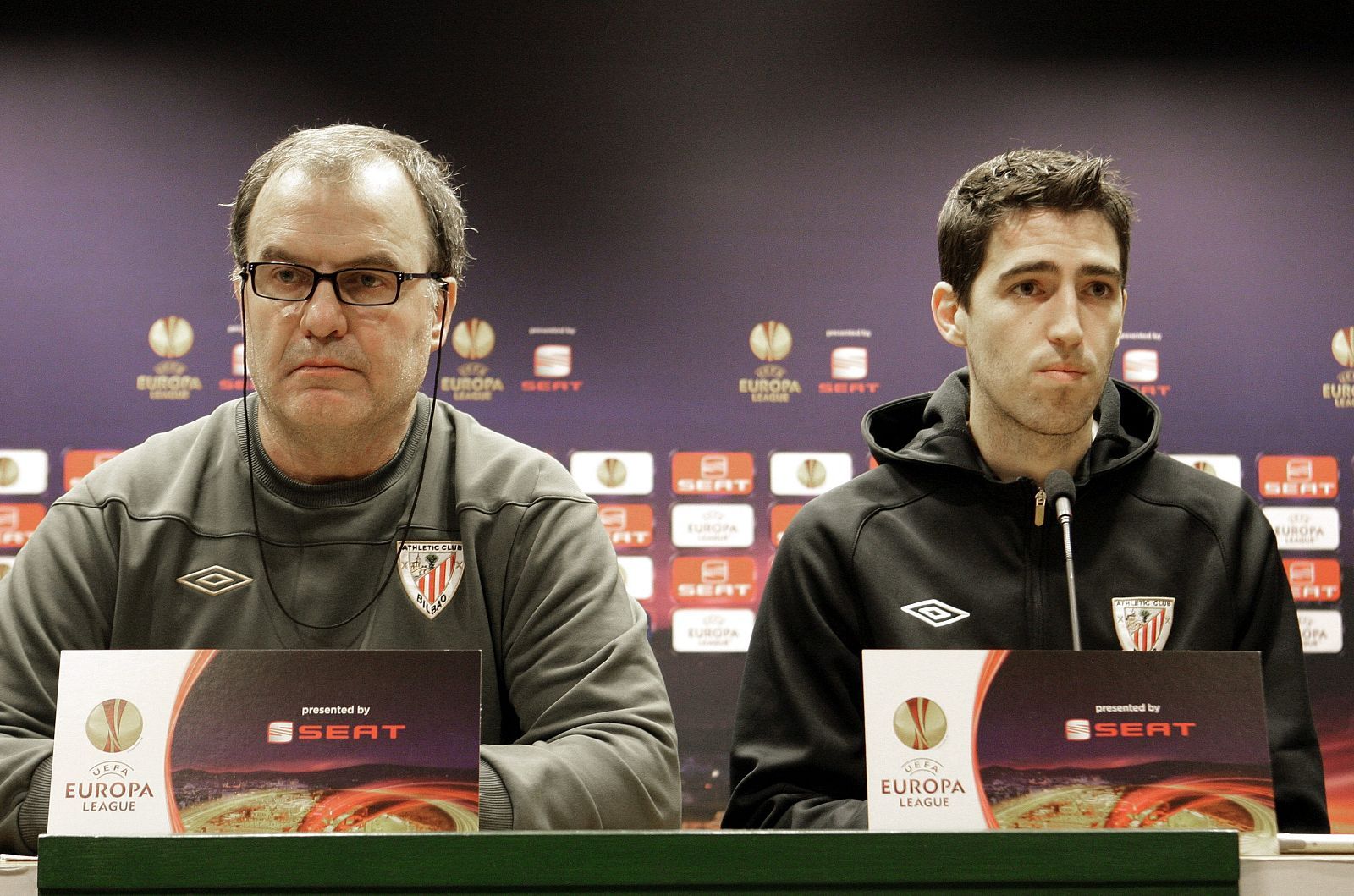
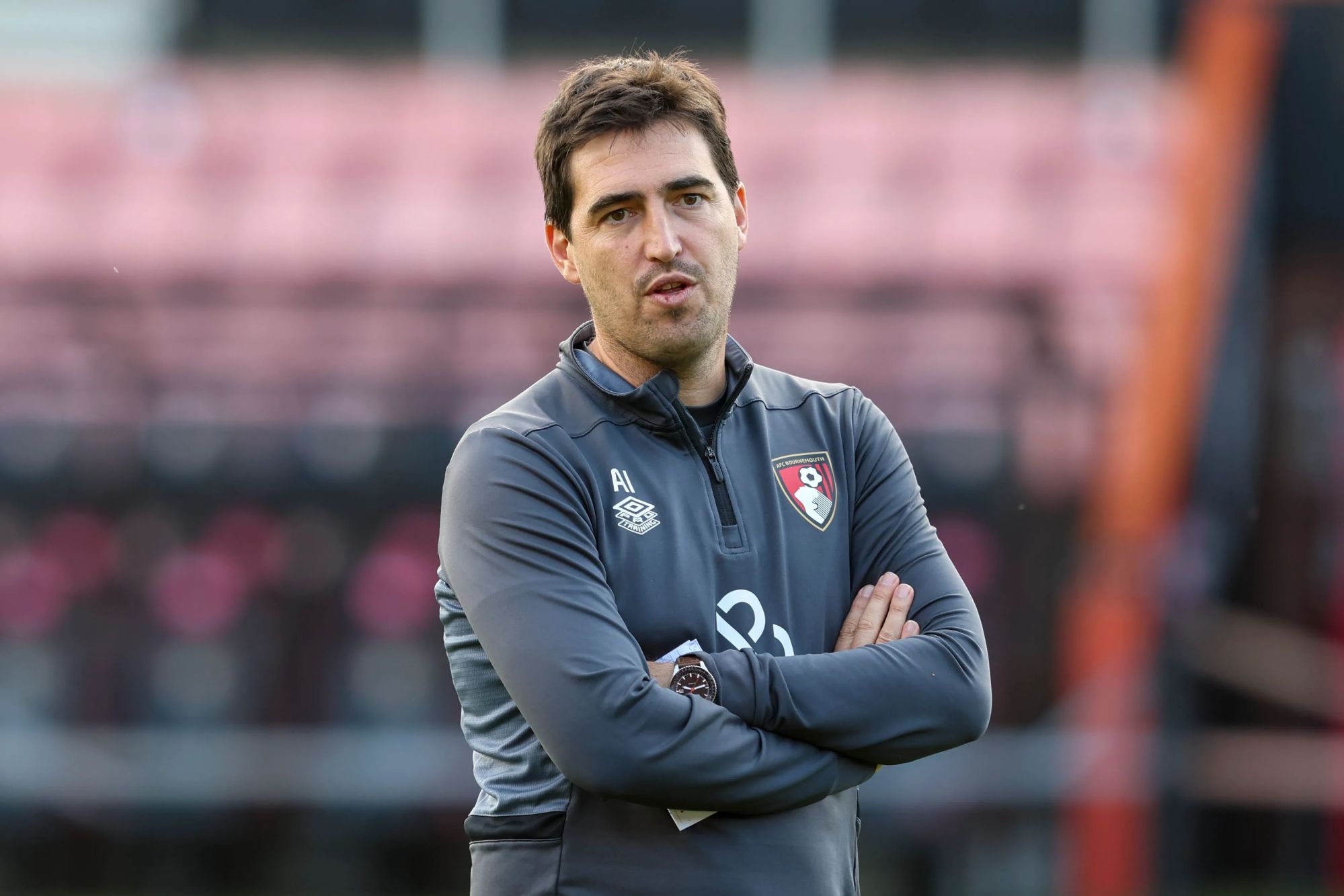
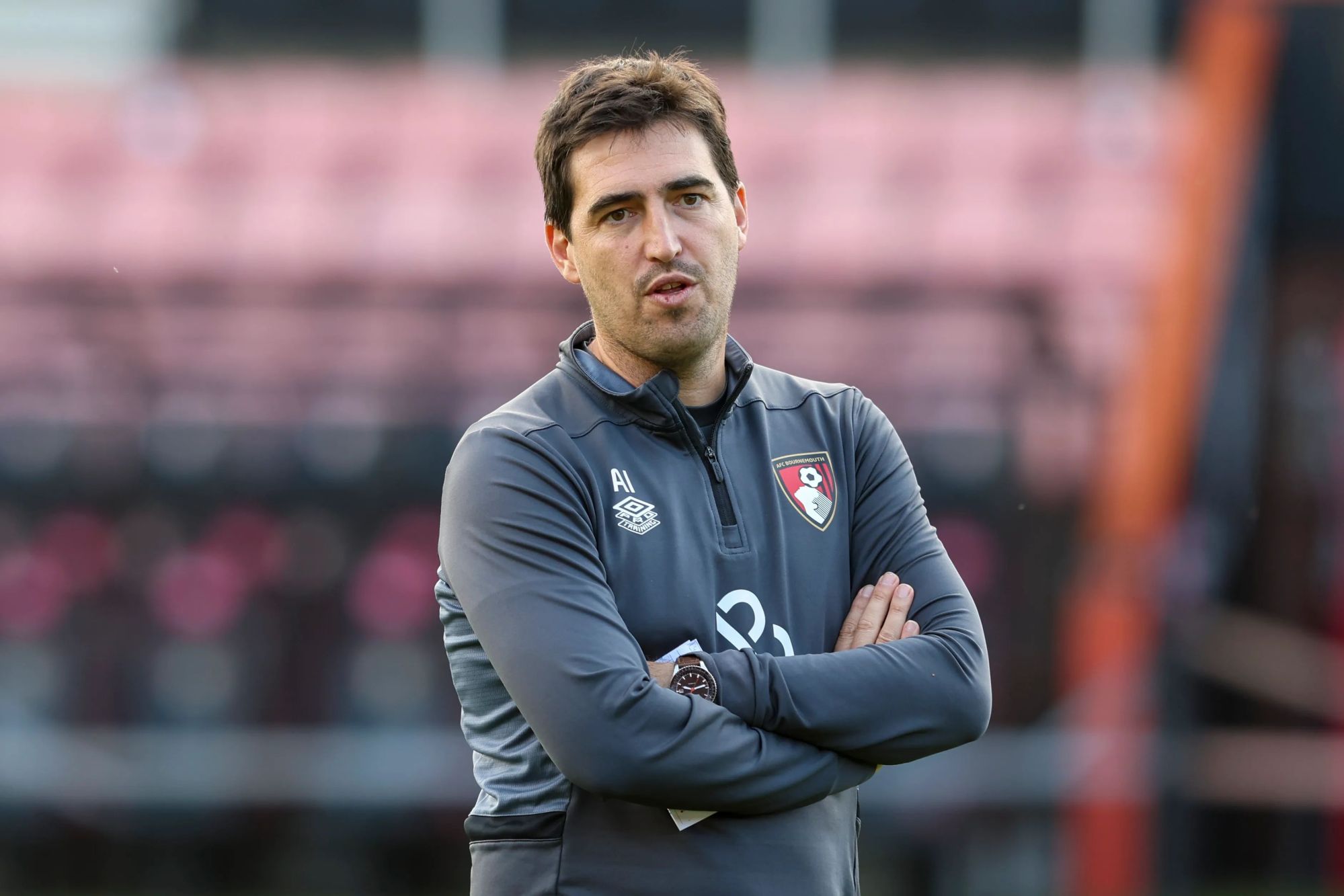
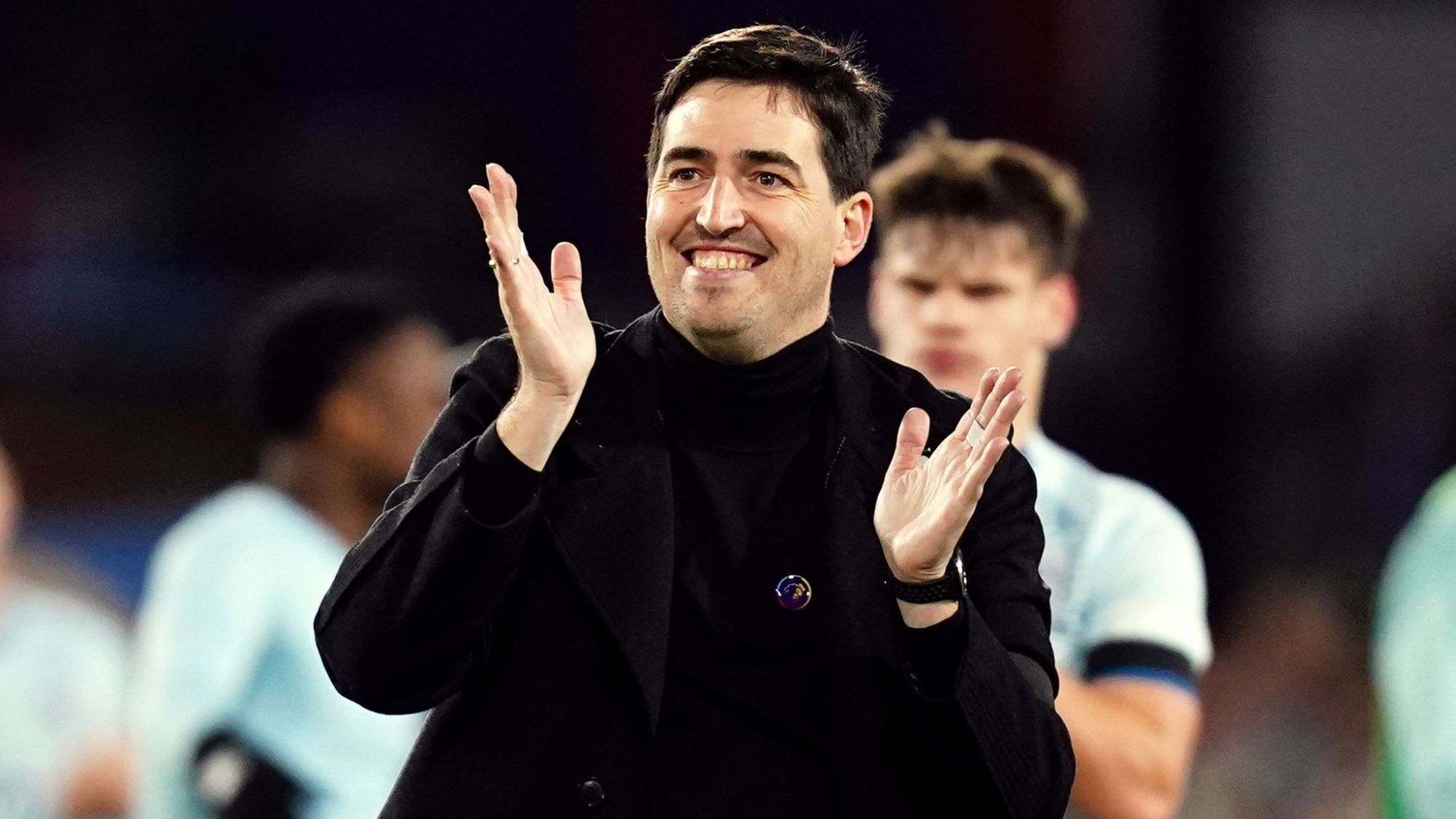
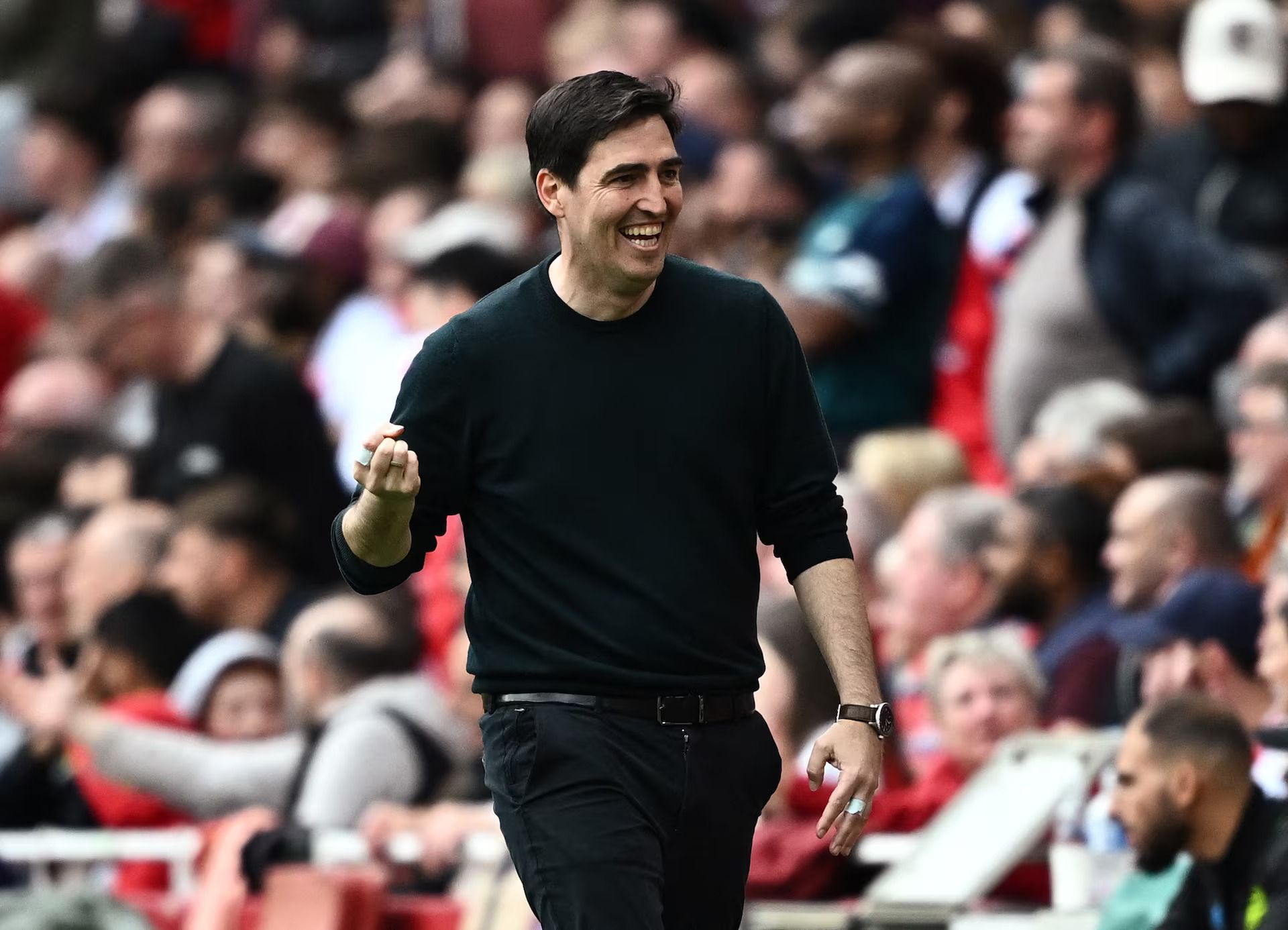
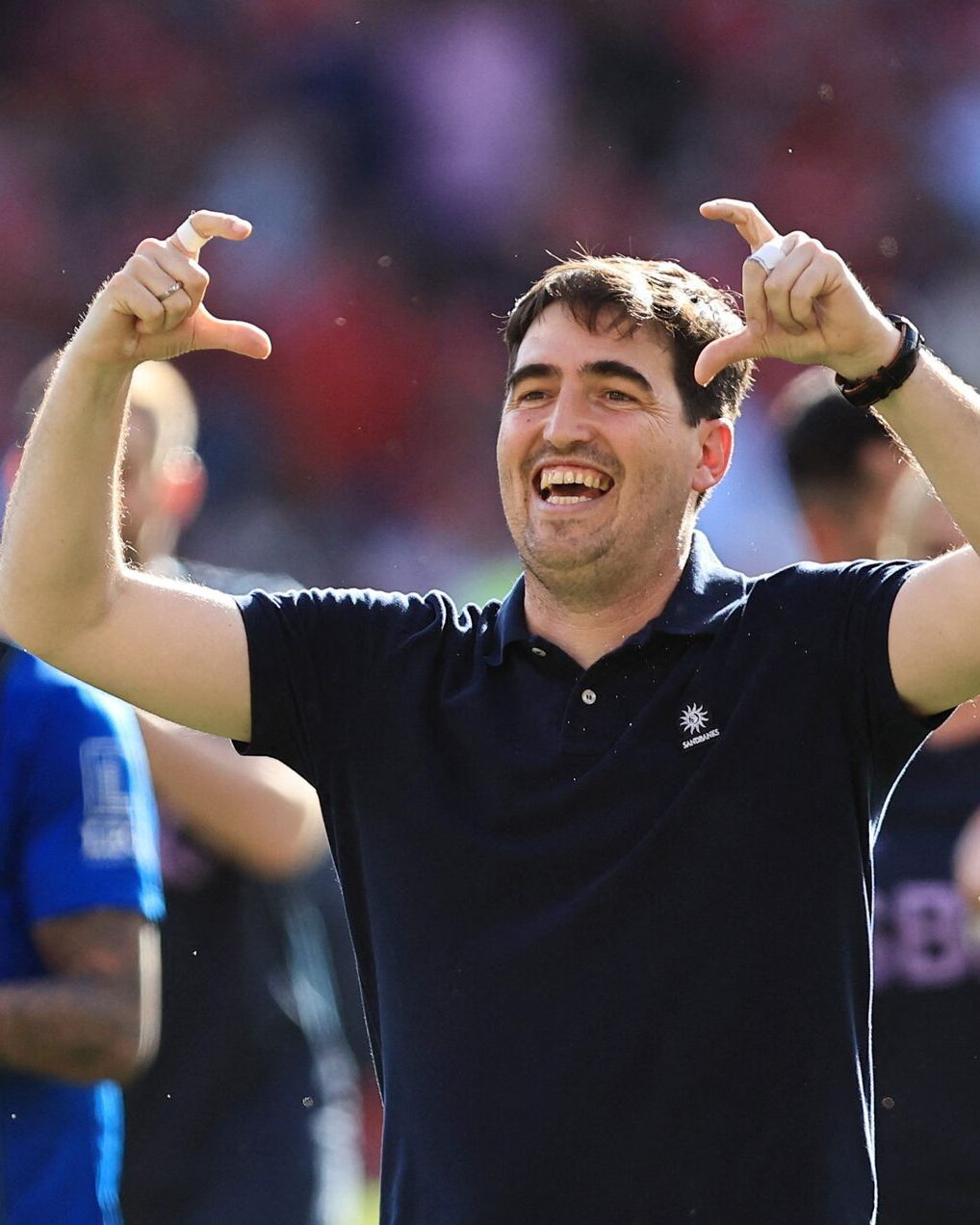
Andoni Iraola: this is the name of the Spanish coach who, somewhat unexpectedly, has found himself at the center of transfer market speculation as a possible successor to Massimiliano Allegri at AC Milan. Such is the magic of the transfer market, capable of captivating and seducing with the exotic appeal of surprise names pulled out of the hat by football journalists, leaving supporters stunned. Andoni Iraola perfectly embodies this phenomenon, given that his name remains relatively unfamiliar outside circles of devoted English football followers. In Italy, however, he has been strongly championed by Antonio Cassano, who admires him to the point of having proposed him to Fiorentina at the beginning of the 2025/26 season.
Who Is Andoni Iraola? From Athletic Club Legend to Elite Coach
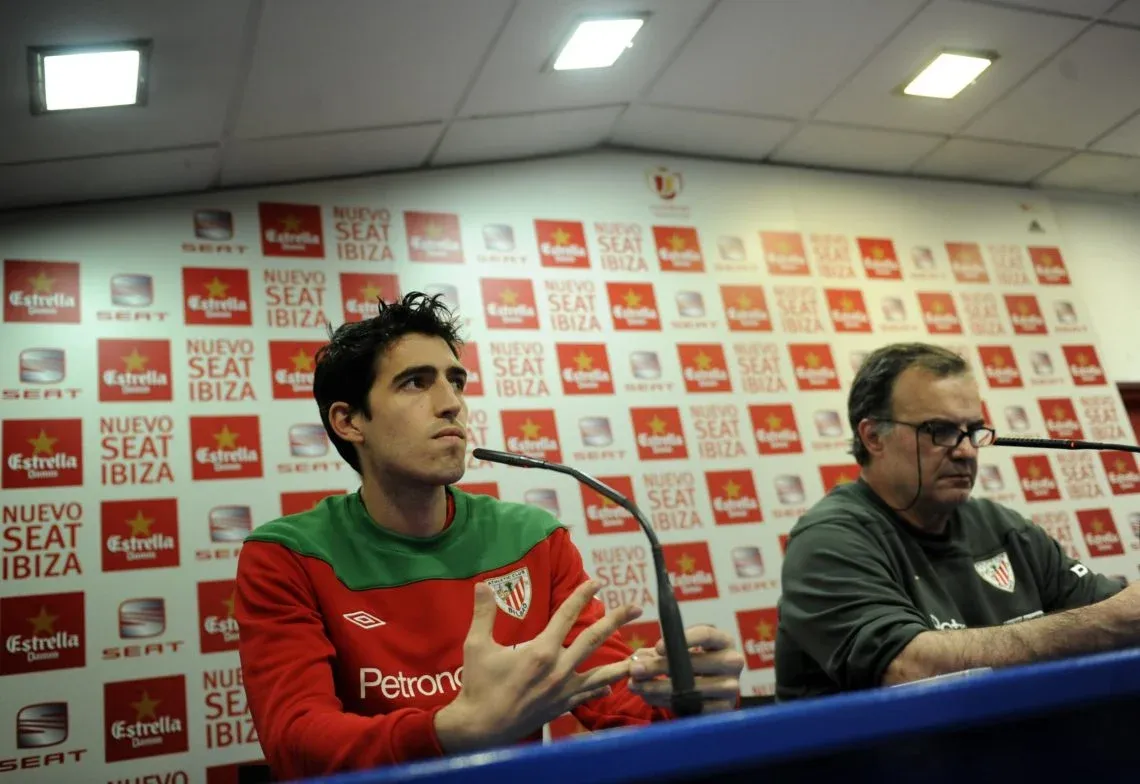
With more than 500 appearances for Athletic Club — where he also served as captain under Marcelo Bielsa — the 43-year-old is currently without a contract after leaving Bournemouth following two Premier League seasons that culminated in a historic qualification for the Europa League in 2026. Yet Iraola is not simply a highly regarded figure within the European football landscape. Above all, he represents a broader coaching movement that is profoundly shaping — if not outright dominating — the European game today: the Basque school.
The Basque Coaching School Taking Over European Football
This trend is reinforced by other prominent names such as Iñigo Pérez, a Conference League finalist with Rayo Vallecano; Unai Emery, winner of this season’s Europa League with Aston Villa; Mikel Arteta, Premier League champion with Arsenal; and Xabi Alonso, ready to begin a new chapter at Chelsea after his dismissal from Real Madrid. The defining characteristic of this coaching school is that, unlike others, it does not translate into a single footballing philosophy. While the German school is associated with gegenpressing, the Spanish school with tiki-taka, and the Italian school with catenaccio, the Basque school encompasses them all. Some coaches advocate a more expansive and expressive style of football, others adopt a more pragmatic approach, while others still push the importance of key moments and marginal gains to the extreme in pursuit of results.
From Bielsa to Arteta: The Tactical Roots of Basque Managers
The common thread linking these different footballing visions lies in the journey that brought these coaches to the summit of European football — or at least offers a way to make sense of this new wave of managerial talent. Pride, determination, and resilience are recurring traits among those who, after their playing careers, became coaches at clubs such as Athletic Club or Real Sociedad. Beginning at these clubs almost inevitably means embracing the role of the underdog, which in turn demands the mental flexibility required to develop new ideas and tactical solutions capable of overcoming stronger opponents. Achieving this also requires intellectual openness and a willingness to absorb and integrate concepts originating from different technical and footballing ecosystems.
Iraola in Serie A: Cultural Resistance and Tactical Innovation
The combination of these elements has produced a generation of coaches that has established itself as the dominant current in contemporary European football. What remains to be seen is whether this trend will manage to penetrate Serie A, considering that the Italian system has not traditionally shown itself particularly receptive to external influences and often struggles to embrace innovative ideas. Milan’s rejection — fueled in large part by the Italian media — of figures such as Ralf Rangnick and, more recently in 2024, Julen Lopetegui, serves as a telling example. Another clear demonstration of this resistance can be found in the case of Cesc Fabregas’ Como. For this reason, Iraola’s potential arrival would represent a significant break from the current paradigm of Italian football.
What to read next
Why Serie A is targeting Australia with Calcio Italiano
It explains Serie A's global ambitions
Milan vs Torino - Residency w/ Serie A
A gaze suspended between the curva and the Slam Jam Fourth kit