























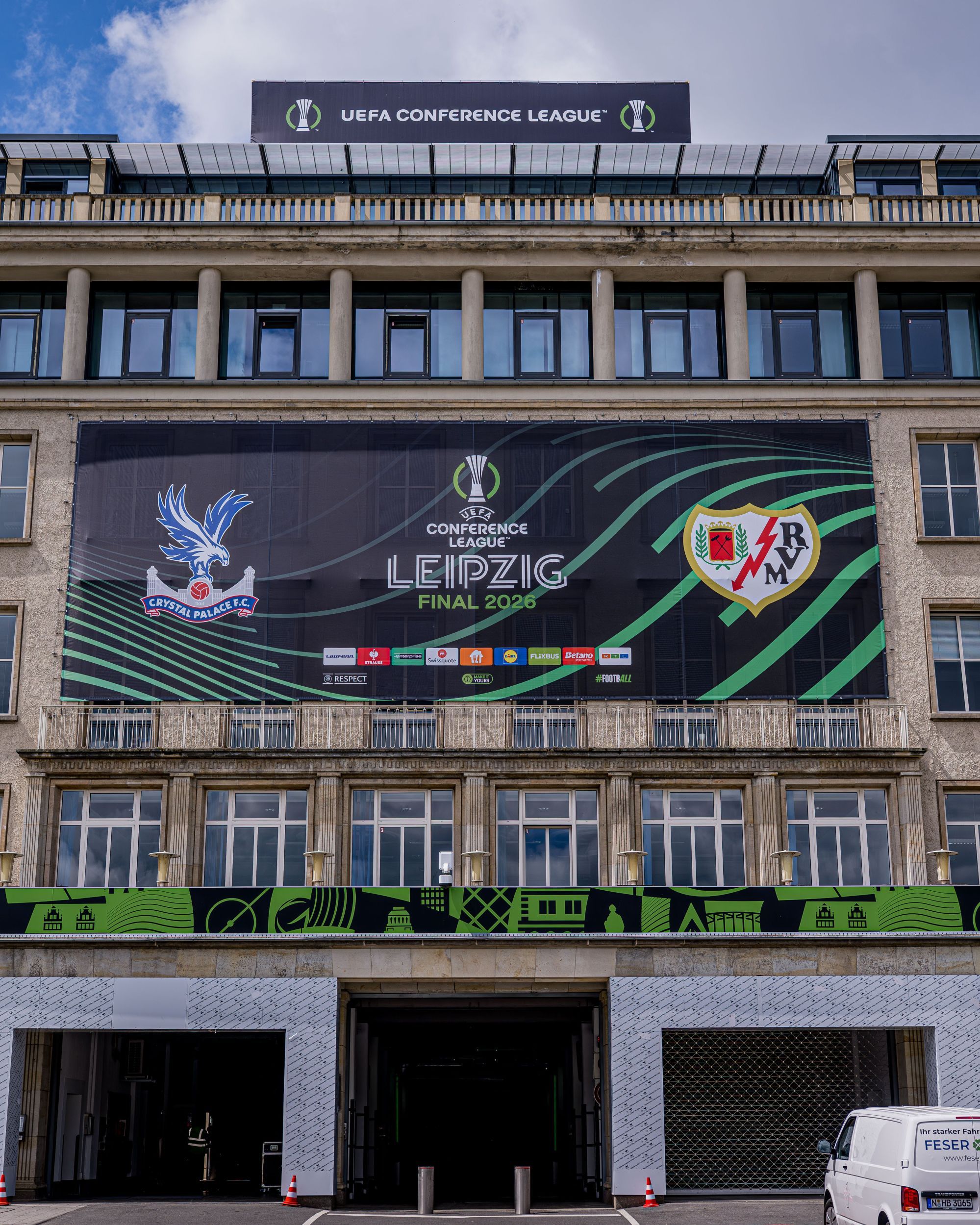
The Conference League final heads to the most iconic stadium in former East Germany Everything you need to know about the Red Bull Arena in Leipzig
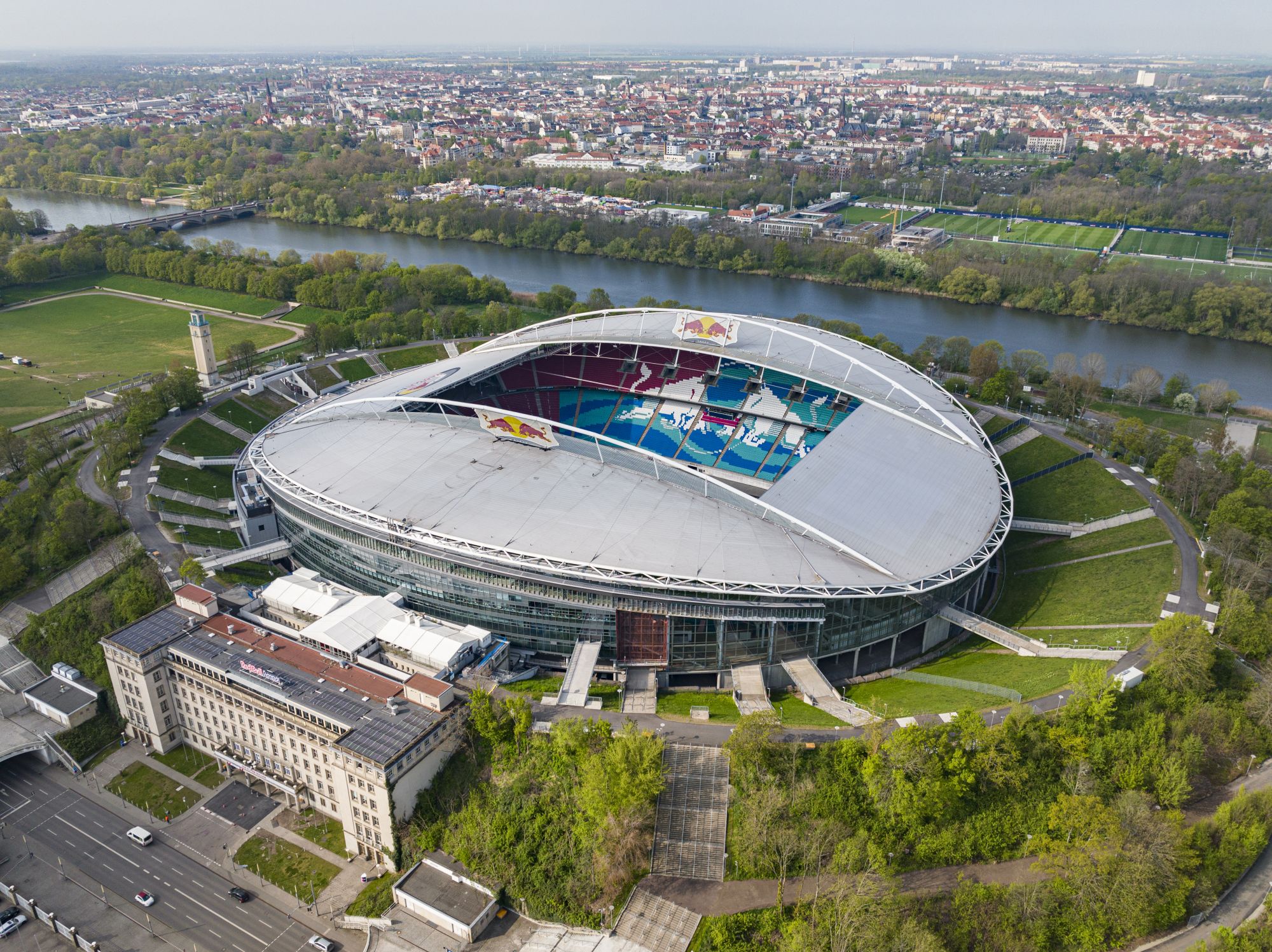
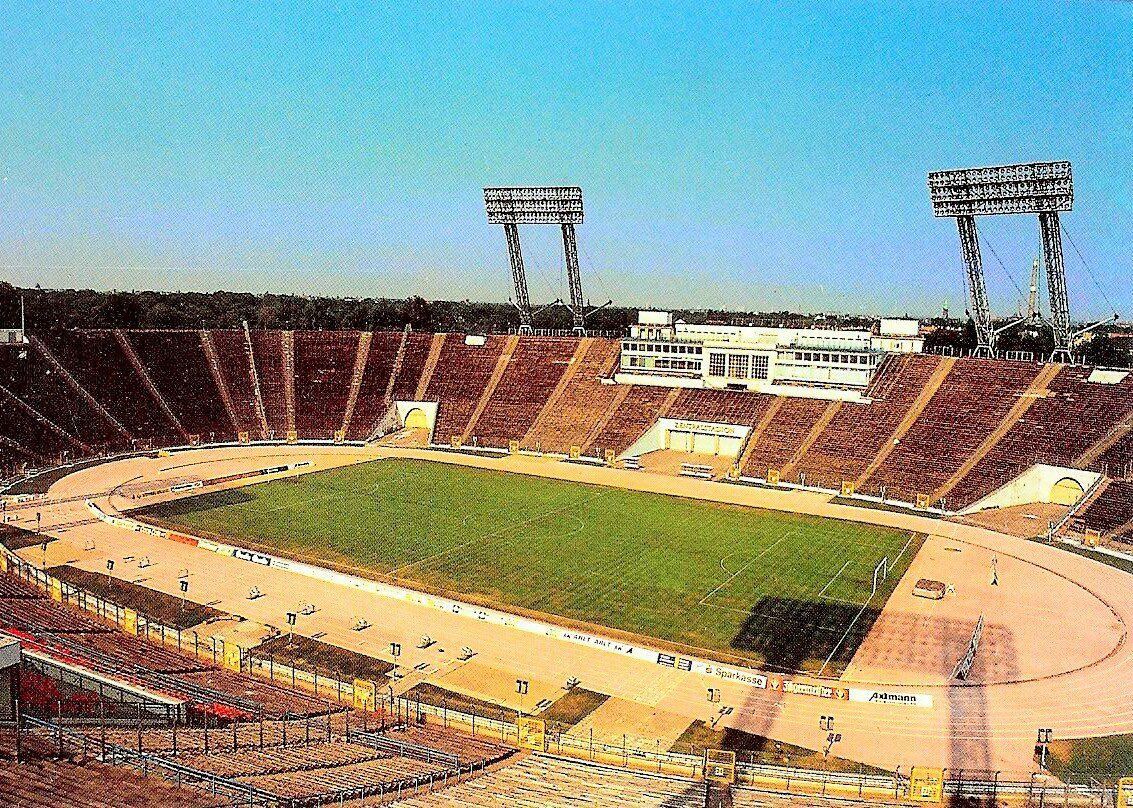
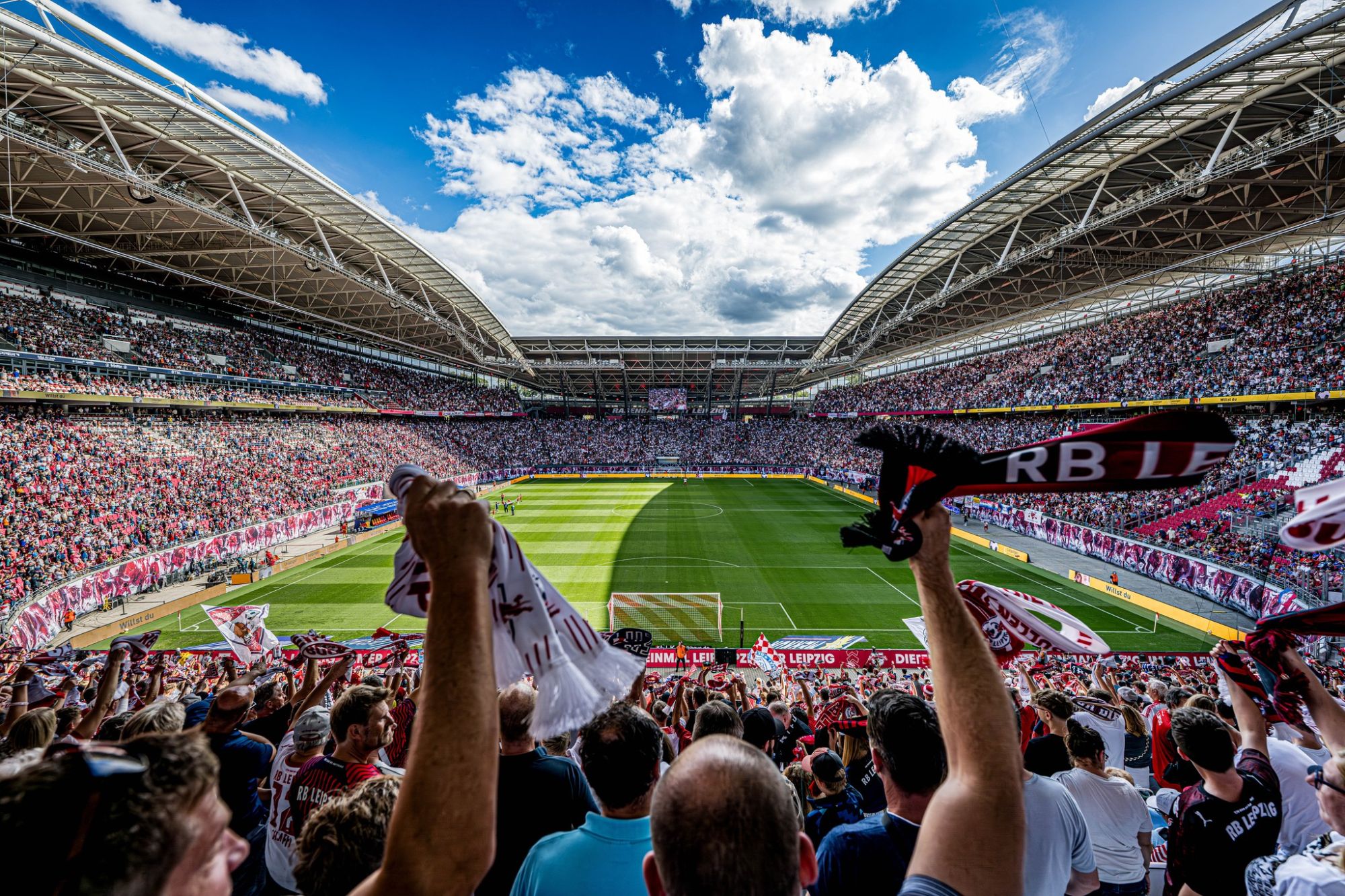
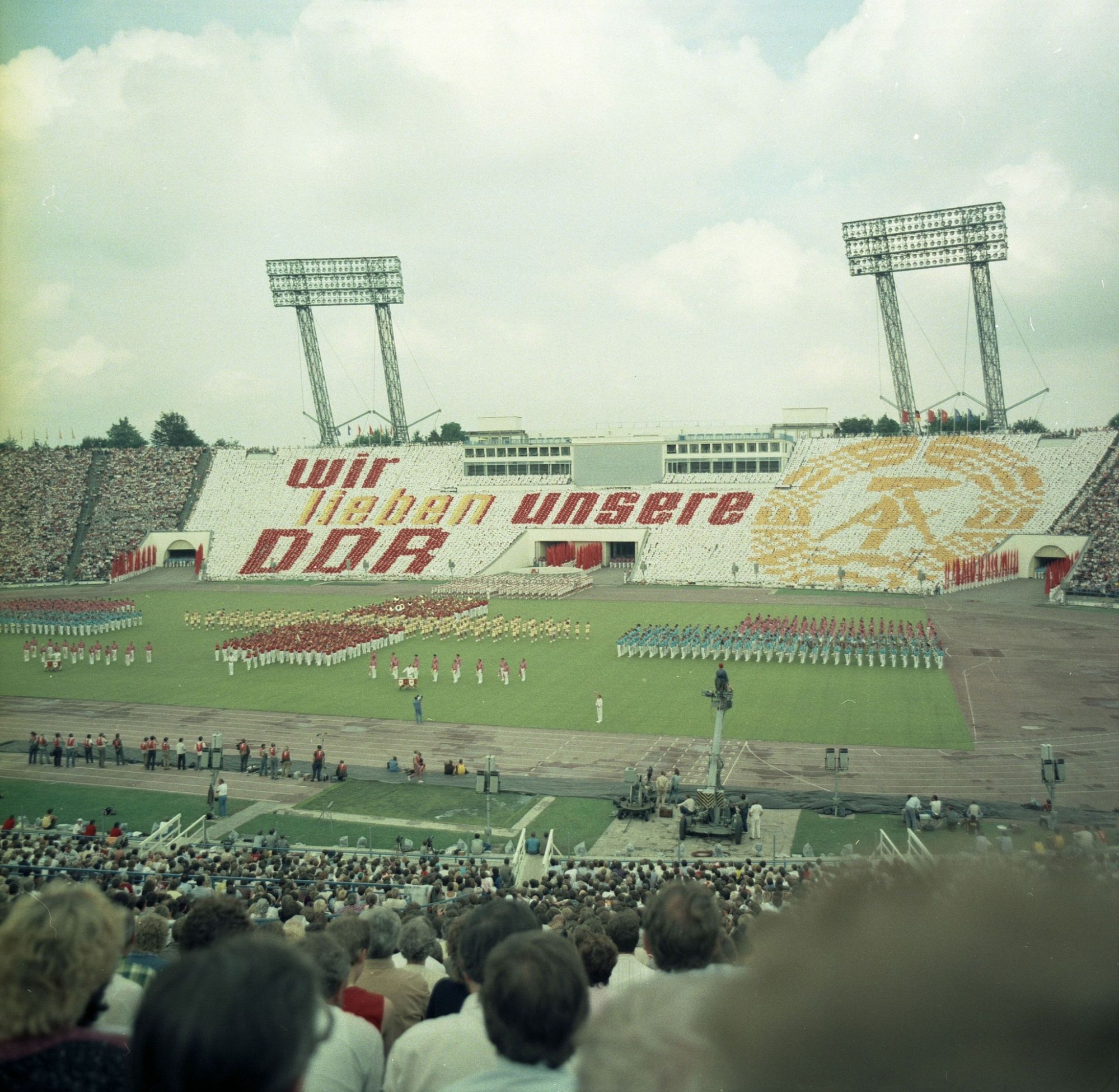
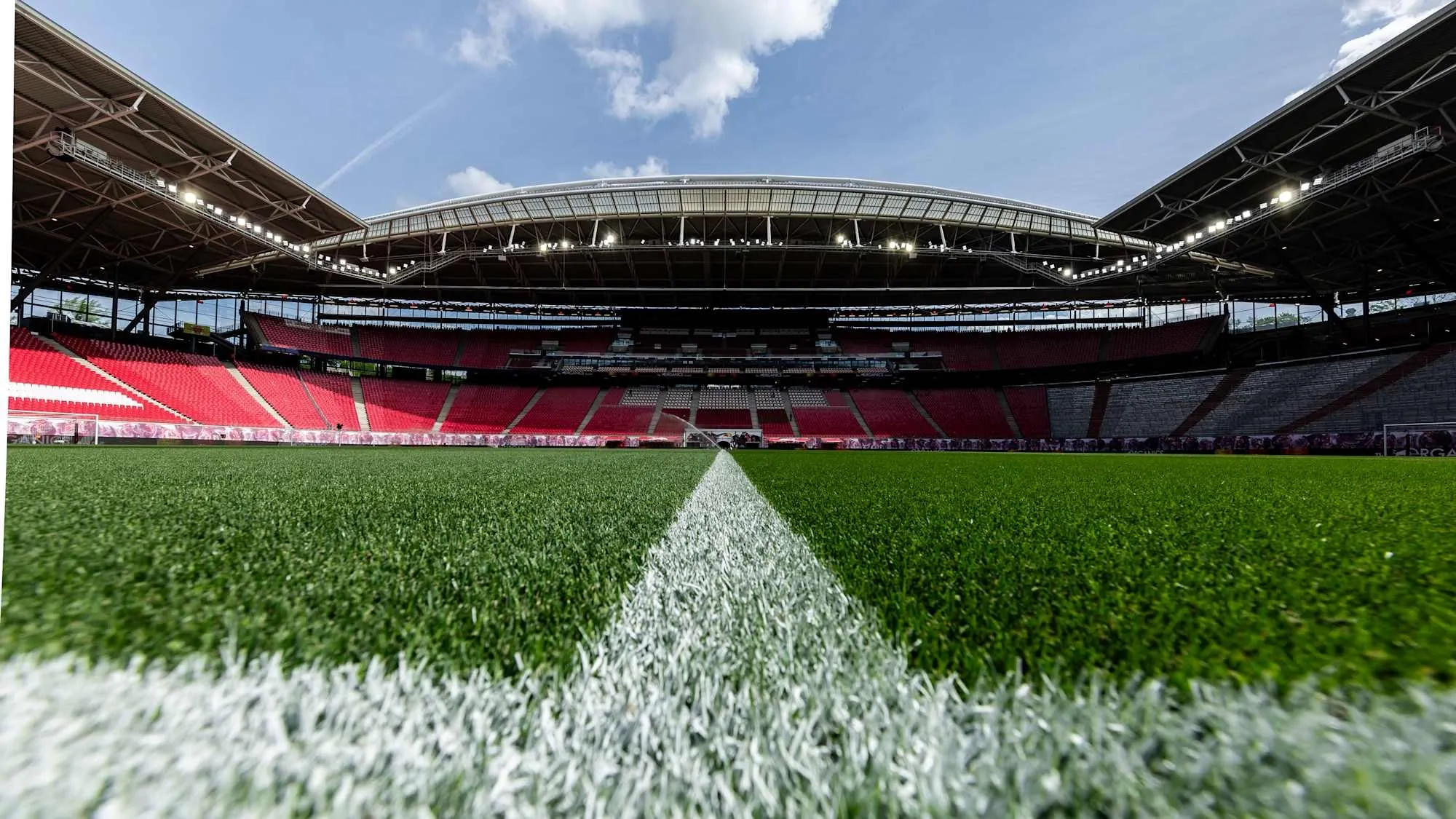
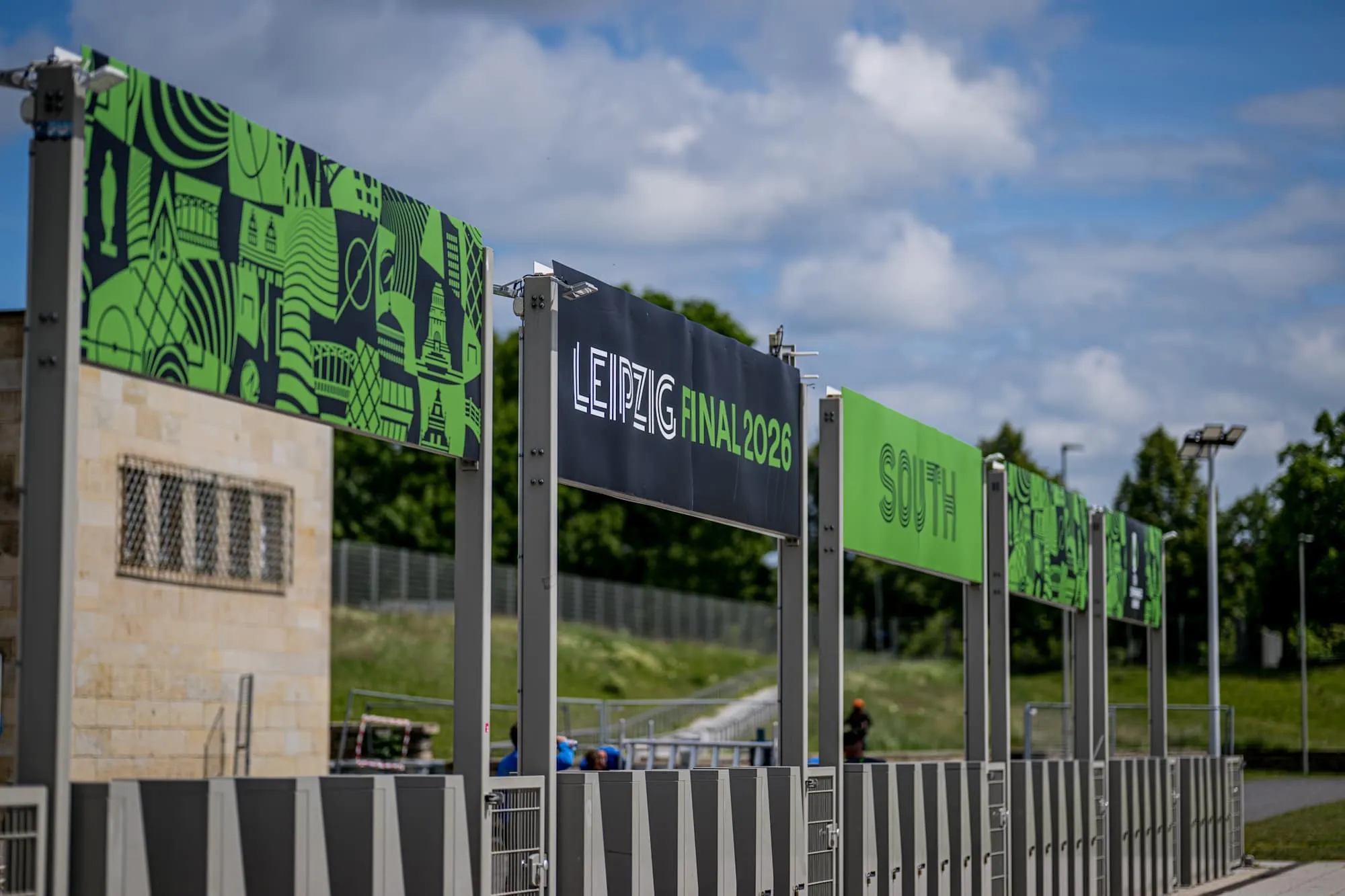
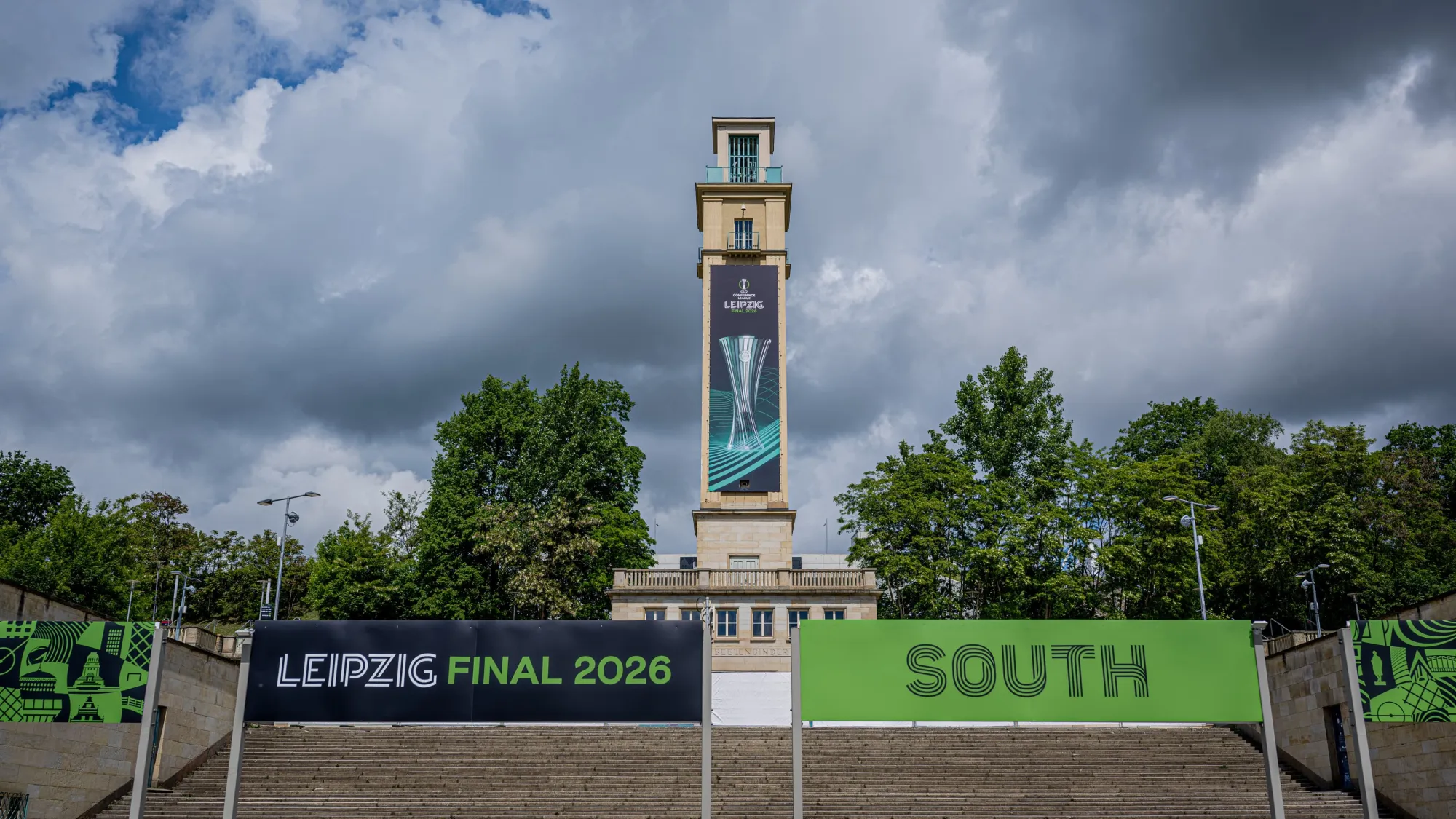
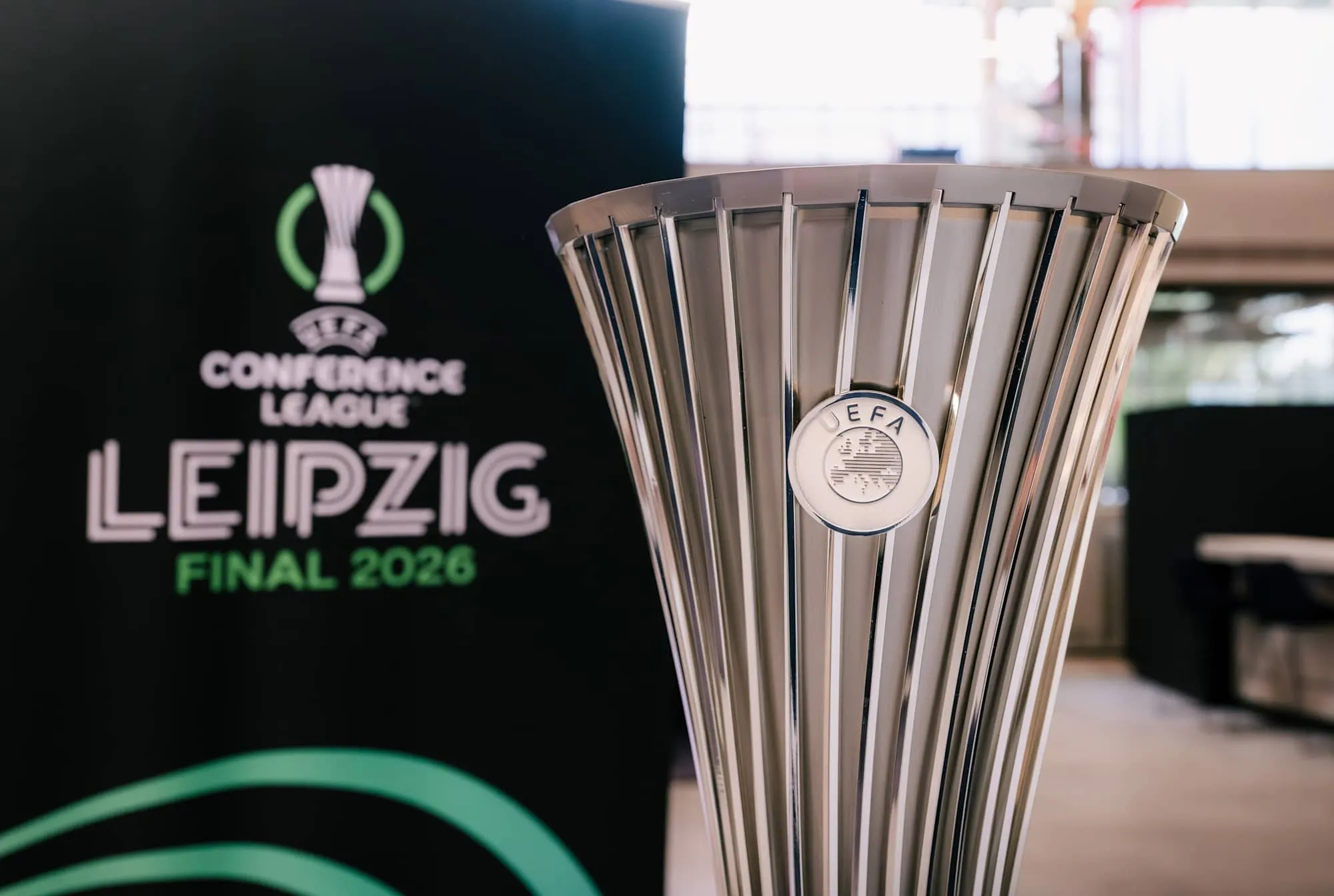
Leipzig will host the 2026 UEFA Conference League final between London’s Crystal Palace and Madrid side Rayo Vallecano. A first-ever European final for both clubs, staged in a venue steeped in history. Today, a modern arena built for the 2006 FIFA World Cup stands where an older stadium once witnessed decades of political and sporting drama. The Zentralstadion, once the pride of East Germany, was for a time the largest stadium in the country and a powerful propaganda symbol for the socialist regime. After years of decline and partial abandonment, it has repeatedly reinvented itself and now serves as the home of RB Leipzig, firmly established on the European stage. Following this final, the stadium built inside what resembles an artificial crater will add yet another chapter to its long and remarkable story.
The origins of the stadium
The sporting history of the site now occupied by the Red Bull Arena dates all the way back to 1867, when newly founded club TSV Leipzig opened a multi-sport facility on the Frankfurter Wiesen meadows in Leipzig’s Zentrum-Nordwest district. Over the decades the area expanded with additional venues and gymnasiums, until an urban redevelopment plan transformed the landscape with the construction of an artificial flood basin, completed in 1920. In 1927, during the Weimar Republic era, the first plans were unveiled to develop the Frankfurter Wiesen into a large sports complex including a stadium, though the project never materialised. The idea resurfaced in the 1930s but was put on hold by Adolf Hitler until after the 1936 Berlin Olympics, as a major stadium in Leipzig risked overshadowing the capital’s showcase event. Instead, a military parade ground honouring the Führer was inaugurated on the site, becoming a gathering place for Nazi Party rallies. New proposals followed in 1939 from architect Werner March, designer of Berlin’s Olympiastadion, who was the first to envision a record-breaking arena in Leipzig. Once again, history intervened, as the outbreak of World War II halted the project entirely.
Zentralstadion: the birth of a legend
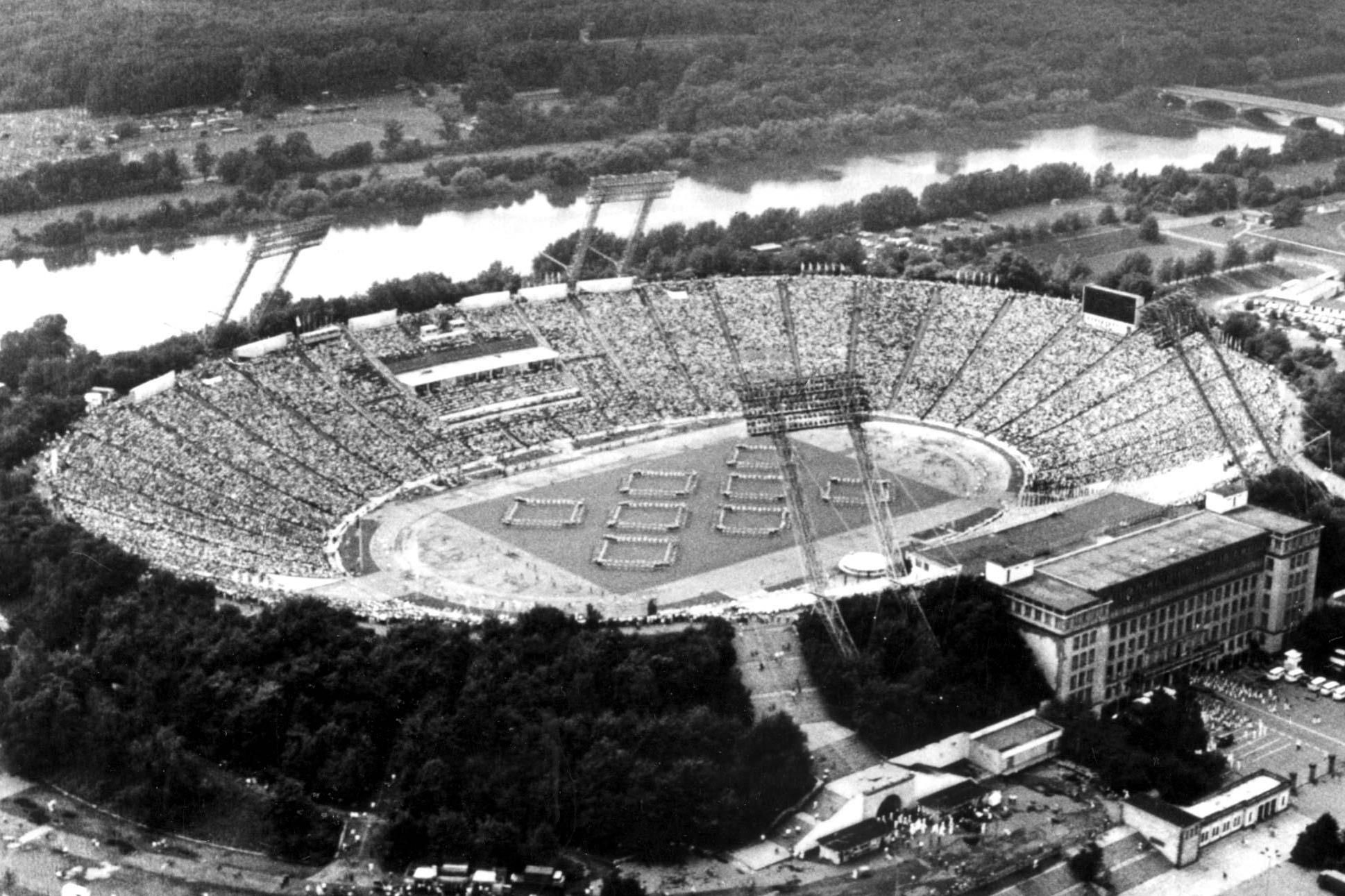
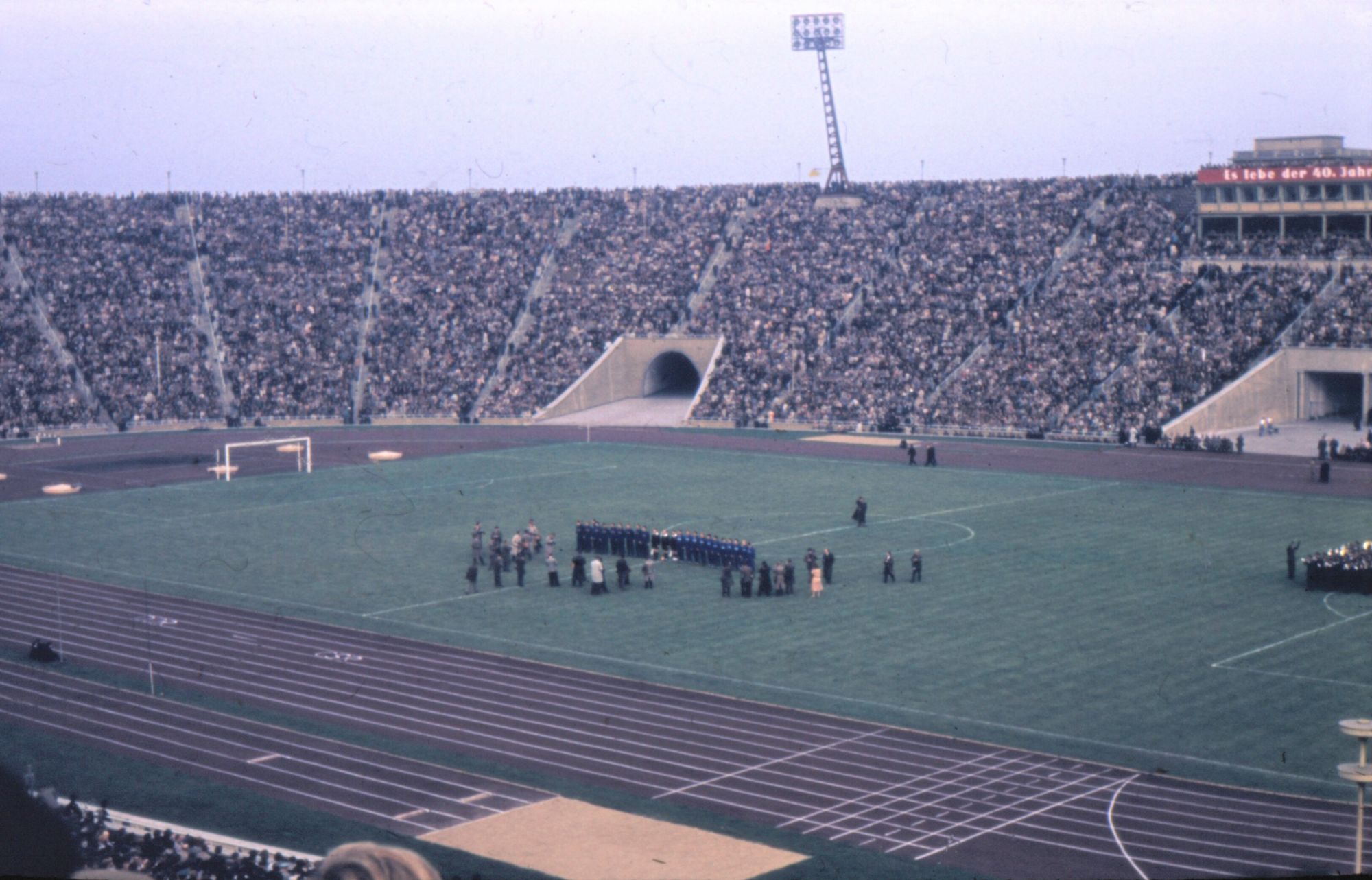
Years passed before the vision returned. From 1948 onward, nearby areas began to see the construction of a swimming pool, an ice hockey rink, and other sports facilities. Then came 4 August 1956, the day the Zentralstadion was officially inaugurated. Built under the direction of Karl Souradny, who cleverly incorporated several of Werner March’s earlier concepts, the stadium was completed in just 15 months thanks to the efforts of countless unpaid volunteers, including local citizens and soldiers. Constructed within a vast bowl-shaped hill 23 metres high and 100 metres wide — itself formed from the rubble of Leipzig’s bombed city centre — the arena immediately became a landmark for its sheer scale and imposing appearance. Its nickname said it all: Stadion der Hunderttausend, the Stadium of One Hundred Thousand. At the time it ranked among Europe’s largest venues alongside Prague’s Velký Strahovský Stadion and Barcelona’s Camp Nou.
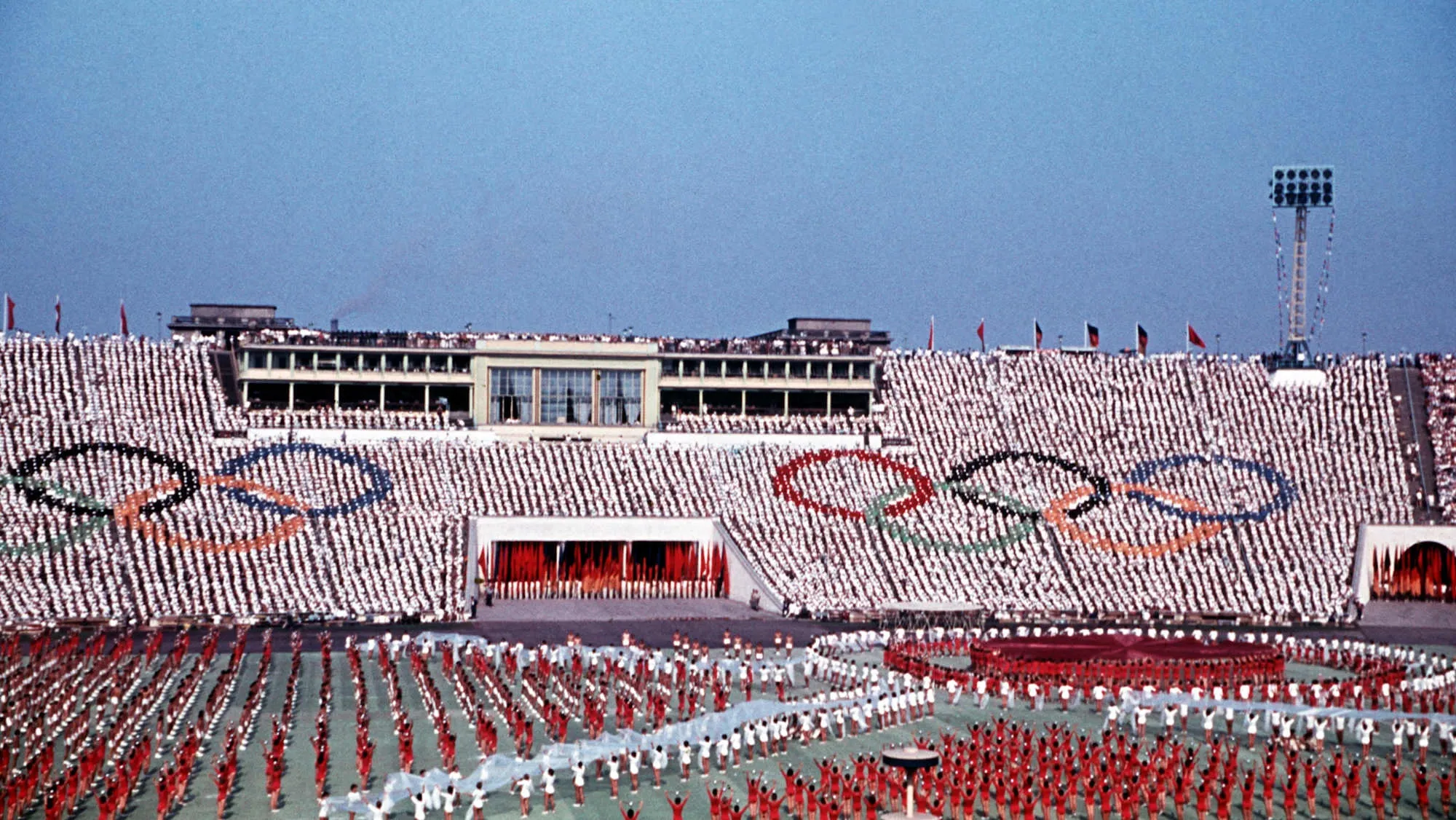
The opening event was the DDR Festival of Sport and Gymnastics, while the inaugural football match featured SC Wismut Karl-Marx-Stadt against Ferenc Puskás’ Honvéd. Originally, West German champions Kaiserslautern had been invited, but their players — many of them world champions with the German national team two years earlier — were denied entry visas. The monumental stadium quickly became a powerful propaganda tool for East Germany, the socialist state that existed until reunification in 1990. Beyond football and athletics, the venue regularly hosted political rallies and government celebrations, cementing Leipzig’s status as a symbolic centre of the DDR. An Oberliga derby between Rotation and Lokomotive reportedly drew 100,000 spectators, while an East Germany vs Czechoslovakia qualifier attracted an astonishing crowd of 110,000.
Decline and reconstruction
A major renovation took place in 1977, but following German reunification the stadium’s future became uncertain. With local clubs struggling and attendances falling far short of the venue’s enormous capacity, maintenance costs soon became unsustainable. Ironically, the Zentralstadion had once been considered for a symbolic match between East and West Germany, though the fixture was ultimately cancelled to avoid political tensions. As Leipzig’s football fortunes declined, entire sections of the vast oval stadium were gradually closed off. Without a roof to protect the stands, deterioration accelerated. By the turn of the millennium the once-iconic arena had become a crumbling shell, overtaken by vegetation and decay.
Germany’s successful bid to host the 2006 World Cup offered Leipzig a chance for renewal. Authorities decided to build a brand-new football-specific stadium of around 42,000 seats directly within the remains of the old Zentralstadion, making Leipzig the only former East German host city selected for the FIFA World Cup. Even before completion, the partially built venue hosted a gymnastics festival in 2002. Construction was finished in 2004, while the first major football matches staged there came during the 2005 Confederations Cup, serving as a prelude to the World Cup itself. Five matches of the 2006 FIFA World Cup were eventually played in the stadium.
The new era of the Red Bull Arena
After the World Cup, the stadium entered another difficult phase due to the lack of a major football club capable of fully utilising the state-of-the-art venue. Discussions about selling the stadium emerged, but owner Michael Kölmel personally sought serious investors for Leipzig football and eventually found the ideal partner in Red Bull. With the foundation of RB Leipzig, the new Zentralstadion became the club’s permanent home after an initial transitional season elsewhere. In 2010 Red Bull acquired the naming rights and secured a 30-year lease agreement, later converted into full ownership in 2016.
One of the stadium’s most memorable occasions came on 5 June 2013, when it hosted Michael Ballack’s farewell match. The German football legend, originally from Saxony — the federal state where Leipzig is located — bid farewell in front of a packed crowd. Today, the Red Bull Arena has become a regular fixture on the UEFA stage thanks to RB Leipzig’s consistent qualification for European competitions. The stadium also hosted four matches during UEFA Euro 2024.
The architecture of the RB Arena
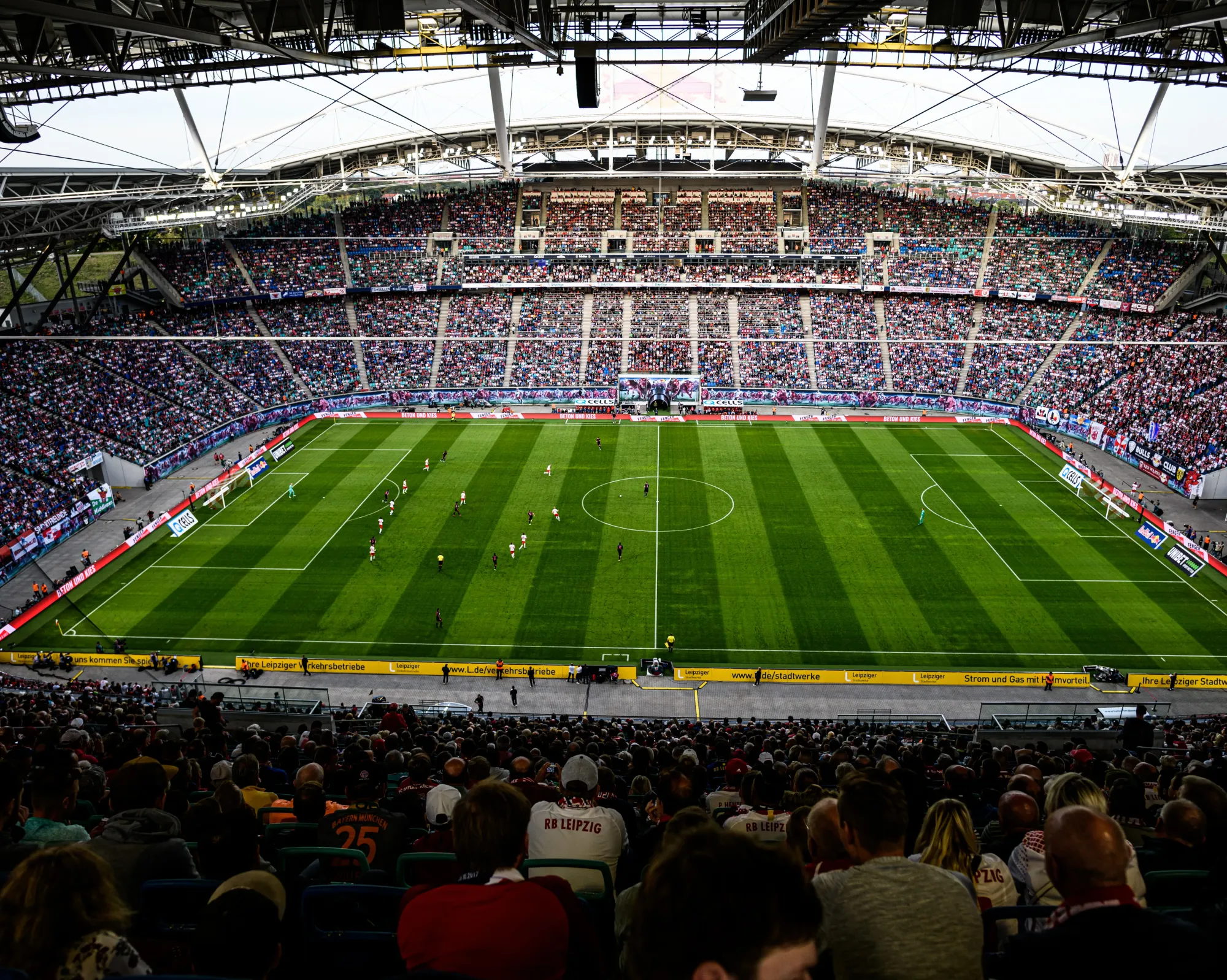
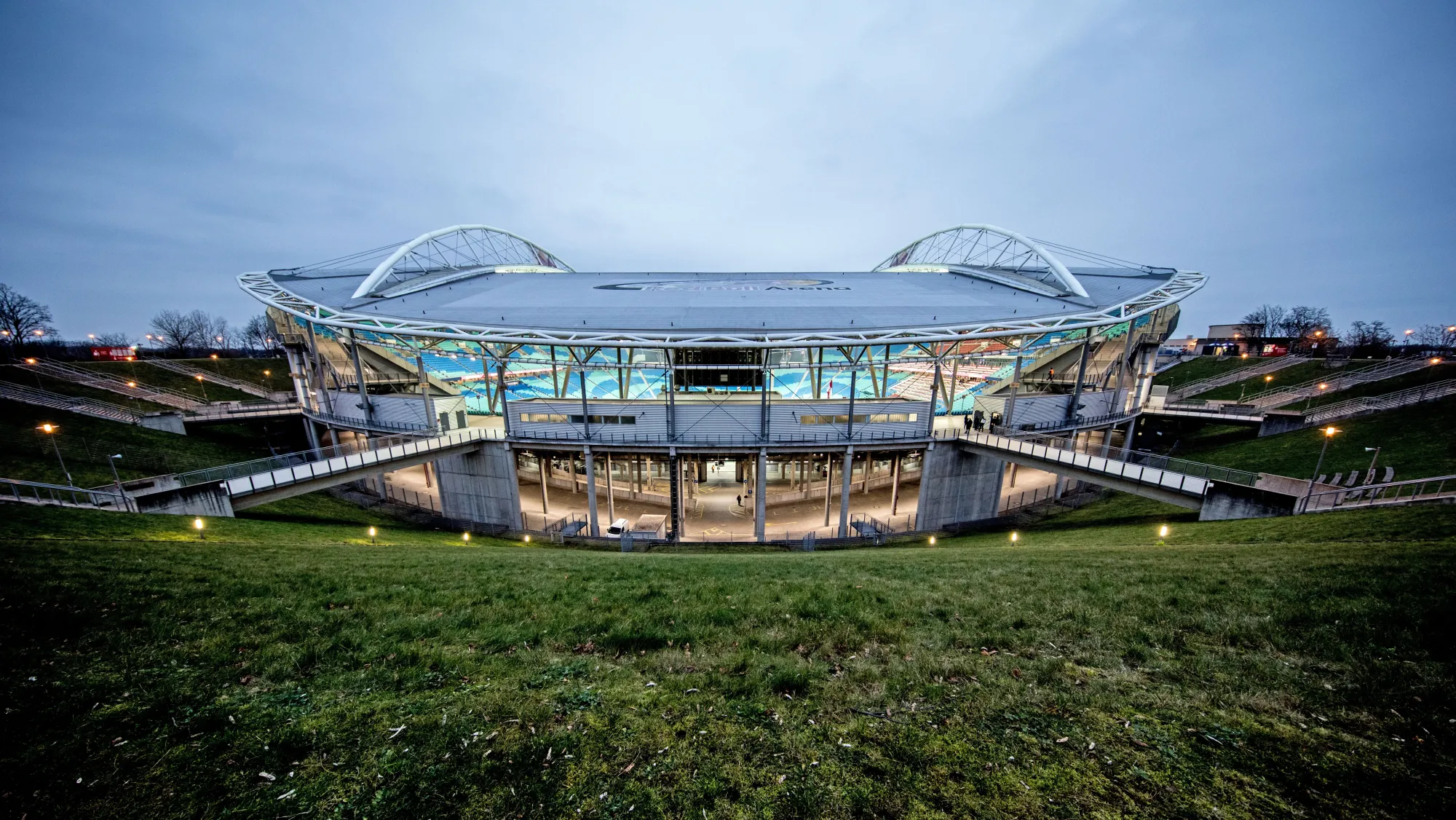
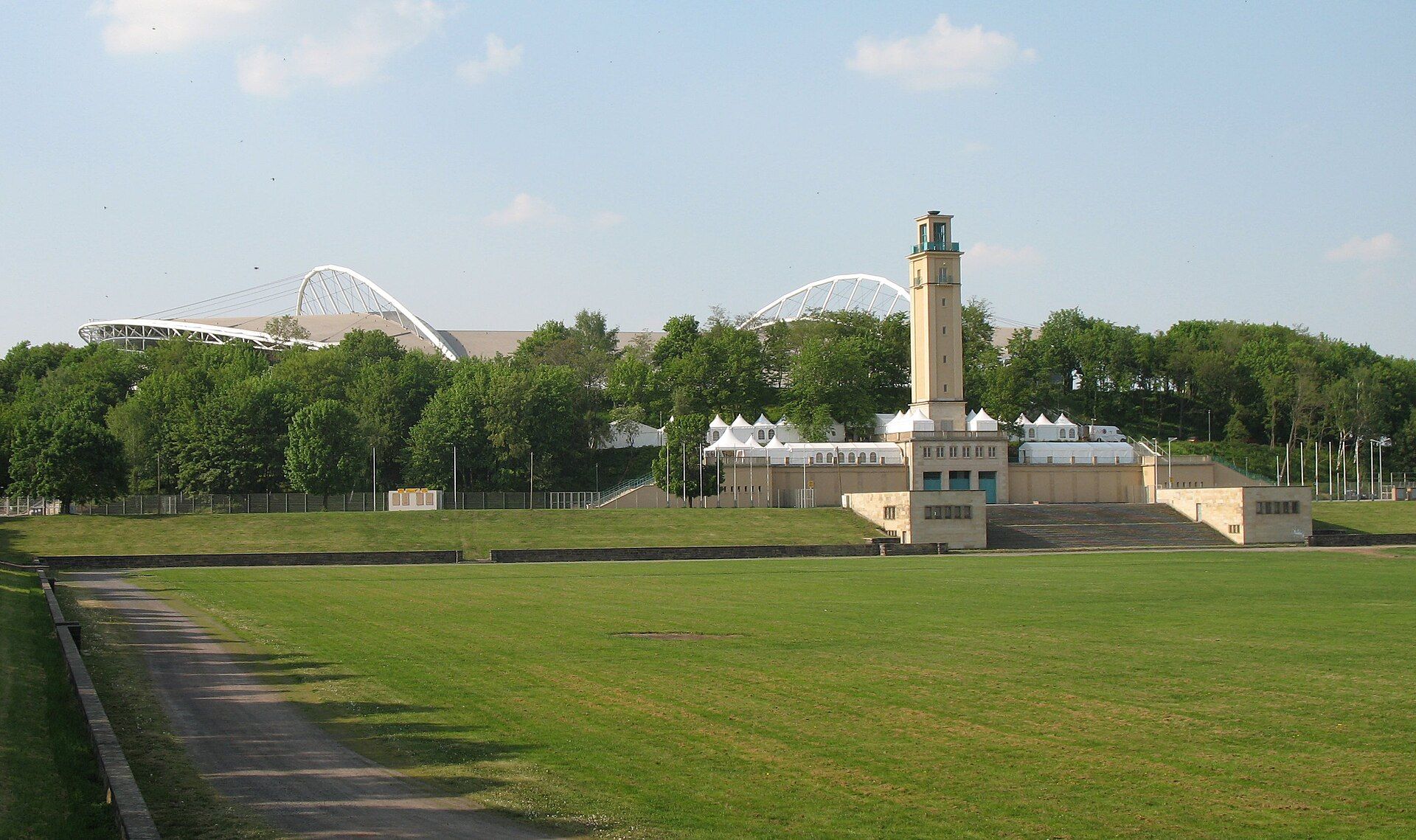
As mentioned, the Red Bull Arena rises within the historic embankment of the old Zentralstadion, whose original outline can still be recognised from above. Aerial views emphasise the arena’s striking central position inside the wider complex, comparable in some ways to Bari’s Stadio San Nicola or Turin’s former Stadio delle Alpi. The rectangular design, with heavily rounded corners, features a fully covered roof divided into four sections. Running along either side of the structure are two giant arch trusses tilted outward and supported by cables. The roof itself stands out not only for its integrated lighting system but also for the intense acoustic atmosphere it creates inside the arena. The iconic bell tower at the foot of the hill, already present in 1956, has also been carefully preserved.
Architectural firms Wirth+Wirth, Glöckner und Körber, Barton, and Fahle played key roles in the stadium’s design, coordinated by Wirth+Wirth’s commercial management team. The roof structure and engineering analysis were handled by IPL Ingenieurplanung Leichtbau, while detailed planning was completed by Zech Planungs GmbH Leipzig. Plans have long existed to expand the stadium’s capacity to around 57,000 spectators, though so far only structural reinforcement work has been carried out.
Leipzig prepares for its first UEFA final
This year’s match will mark the first major European final ever hosted in Leipzig. The stadium has long possessed the infrastructure and UEFA Category 4 status required for such occasions. Capacity will be reduced from the 47,800 seats available for domestic matches to around 45,000 for UEFA competitions. In line with UEFA regulations, the venue will also temporarily change its name from Red Bull Arena to Leipzig Stadium for the final.
As mentioned earlier, the fifth edition of the Conference League final will see Crystal Palace face Rayo Vallecano — two clubs appearing in their first-ever European final. Excitement is enormous, especially given the relative lack of international spotlight usually afforded to both teams and their neighbourhood identities. Palace represent South London, a footballing metropolis dominated globally by Chelsea and Arsenal. Even beyond them, there is Tottenham, winners of the 2025 Europa League, and West Ham, who lifted the Conference League trophy in 2023.
The situation is arguably even more challenging for Rayo Vallecano, rooted in Madrid’s working-class Vallecas district and overshadowed by both the world-famous Real Madrid and the increasingly global force of Atlético Madrid. Yet for the first time in more than 120 years of football history in the Spanish capital, Rayo stand as Madrid’s only club still competing for a European trophy. Leipzig, as the destination at the end of this extraordinary journey, has been firmly in the sights of Rayo supporters for months. The city is even referenced in a fan chant inspired by Bad Bunny’s CAFé CON RON, in which supporters plead with cult hero Isi Palazón to take them all the way to Leipzig.