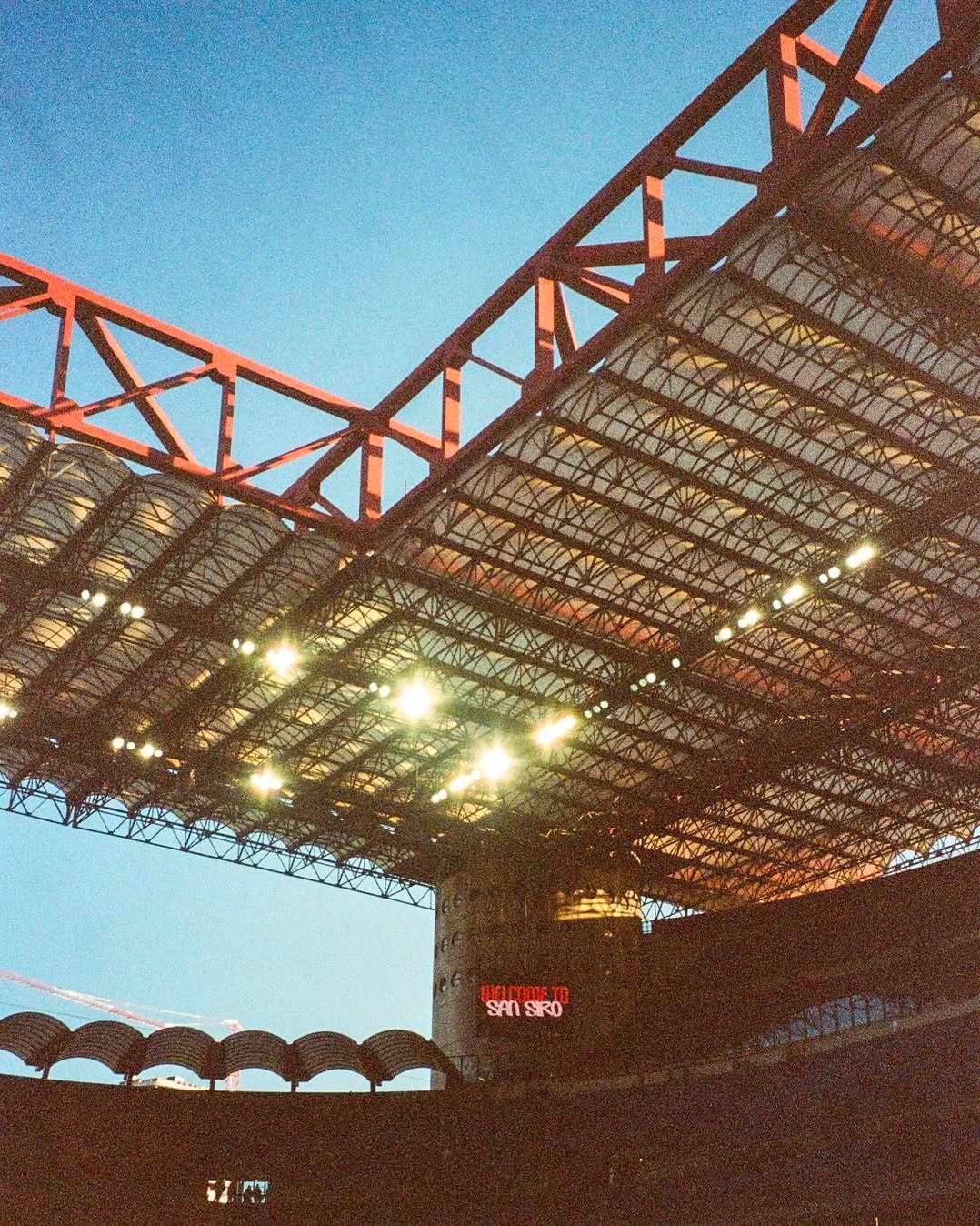
The story of stadiums demolished and then rebuilt San Siro before San Siro
With a decision reached in the middle of the night, the City Council of Milan approved the sale of the San Siro stadium to AC Milan and Inter. The two clubs will therefore be able to purchase the facility and the surrounding areas for €197 million. Barring surprises, San Siro will be demolished to make room for a new stadium since the two Milan clubs have already commissioned the architectural firms Foster + Partners and MANICA to design the new Milan stadium. "The city of Milan risks playing a marginal role in a European and world scenario, because San Siro is no longer able to host Champions League finals and is no longer able to participate as an Italian host city for Euro 2032", Inter president Giuseppe Marotta declared just a few days ago, stressing two aspects that have put the Municipality with its back to the wall. The first is that to date San Siro does not meet the requirements to host any UEFA event and the second that both AC Milan and Inter were ready to leave Milan in order to build a new stadium. And so after a back-and-forth that lasted years, the opening ceremony of the Milano Cortina 2026 Winter Olympic Games will be the last gala event that San Siro will host before making way for a new facility.
The Wembley Case
San Siro is only the latest example of a historic stadium demolished to be completely rebuilt from scratch. The most famous case is undoubtedly Wembley. In 2002 the facility, which still featured a dirt track for dog racing along the entire inner circumference, was demolished to make way for a modern-generation new stadium. Not without battles and controversy, of course. There was even an attempt to keep at least one detail of the old stadium in the new structure, in particular the two towers that decorated the main entrance. Initially they were left standing but in the end it was decided to demolish them and replace them with a new architectural element: an arch that towers over the facility and makes Wembley easily recognizable even from great distances.
Also in London there is the case of the Tottenham Hotspur Stadium, a state-of-the-art facility that replaced the historic White Hart Lane allowing the Spurs to enter a new dimension: not just football but also concerts, boxing events and above all NFL games, so much so that the London team can be considered the European franchise of the league.
And in Italy?
Returning to Italy, the most important example is undoubtedly Allianz Stadium, Juventus' home ground built on the same site where the Delle Alpi once stood. A stadium born old, designed for the 1990 World Cup with an athletics track used in a single official event. It never won over the Bianconeri fans, who were forced to watch matches from a great distance since the stands were very far from the pitch. The atmosphere suffered accordingly: with the exception of rare instances, such as Champions League semifinals or big title-deciding matches, the Delle Alpi always felt empty.
Add very high operating costs and it’s easy to understand why Juventus already in the mid-'90s began to pressure the Municipality to build a new stadium, even threatening to leave the city of Turin—anticipating the recent moves of AC Milan and Inter. In some cases threats were followed by actions: Juventus played some European matches away from Turin precisely to secure greater revenue, notably in 1996 when they decided to hold the second leg of the European Super Cup in Palermo against PSG.
Tunnel is the new weekly newsletter from nss sports. Click here to subscribe.
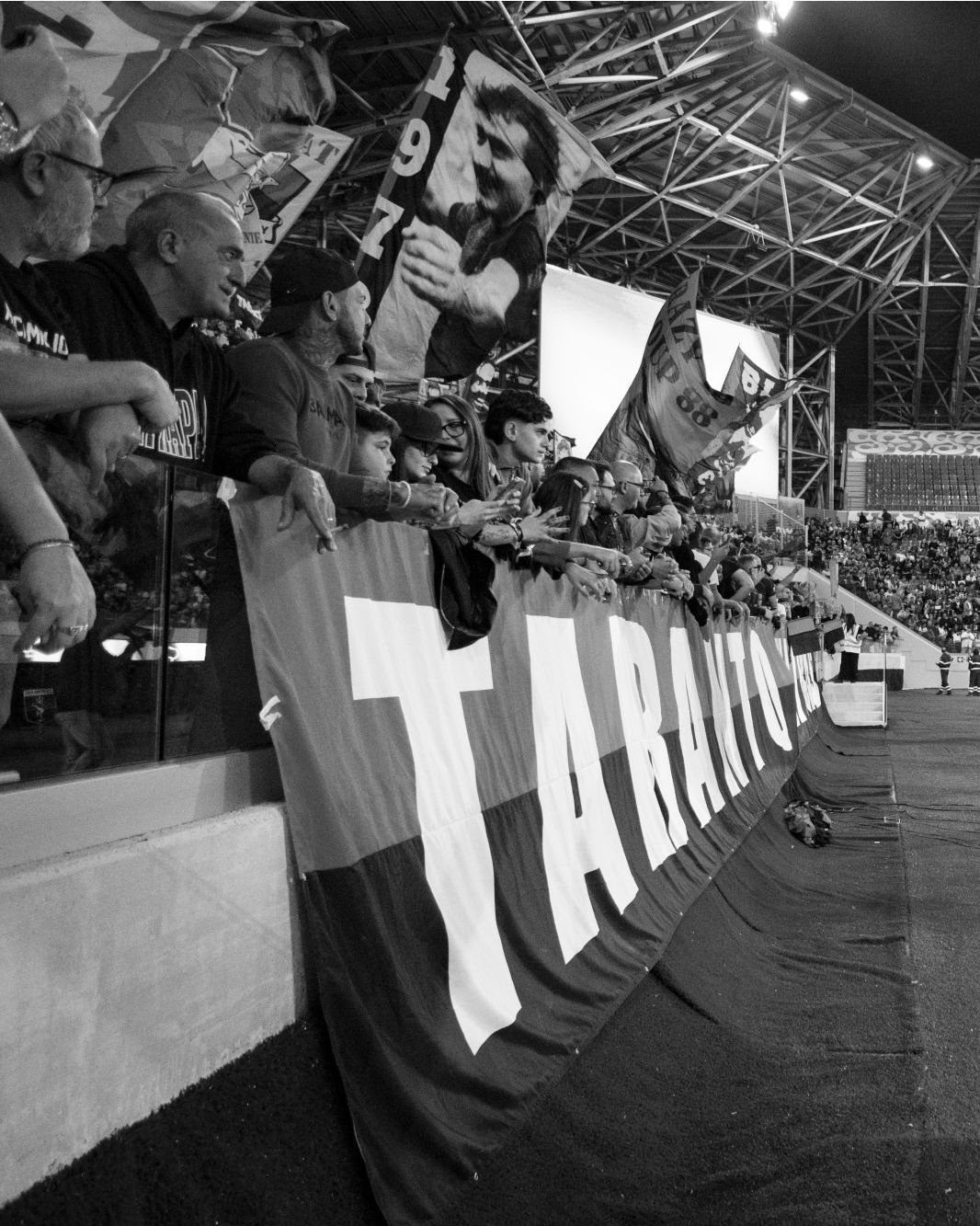
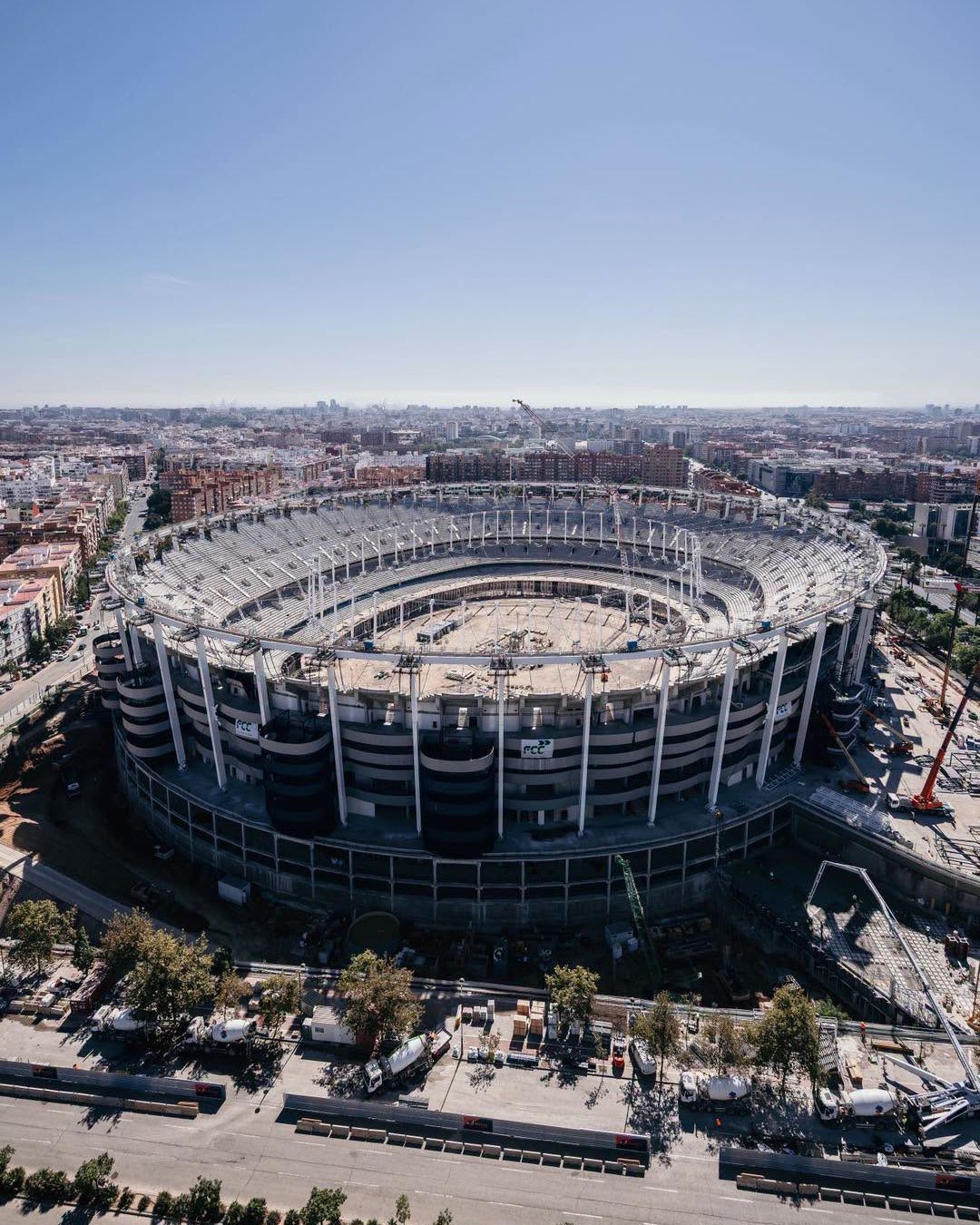
In the end the City of Turin yielded, allowing the Bianconeri to develop the Continassa area, where today stands what remains one of the very few stadiums owned by a Serie A club. Like the Bluenergy Stadium in Udine, which is nothing more than the old Friuli dismantled stand by stand to create a modern facility that in August 2025 was able to host the UEFA Super Cup between PSG and Tottenham. And that is precisely the paradox. The condition of most stadiums in Italy is so backward that San Siro, one of the most iconic football stadiums in the world, does not meet the minimum parameters to host a UEFA event, unlike the Udine stadium. This is not the place to debate whether it is right or wrong to demolish San Siro, or whether a massive renovation that protects and renews history — as happened with the stadia of Real Madrid and Barcelona — would be preferable. The point is that something had to be done, otherwise San Siro would have truly become like the Colosseum, turning into an archaeological monument.
What to read next
Experiencing a matchday at the New Balance Arena
We visited the Bergamo stadium for Atalanta-Venezia
Why is Villarreal's stadium entirely yellow?
The Estadio de la Cerámica is something different