


















Do World Cups still need official theme songs? Shakira's comeback turned out to be a huge disappointment
Nothing fuels the collective imagination of entire nations quite like a World Cup. Granted, every generation experiences this tournament differently, and consequently, the way World Cup memories remain etched in everyone's mind varies. Yet, it is certain that the World Cup holds a unique power compared to other global events, first and foremost due to the sheer scale of the event: a competition that returns once every four years and brings together, albeit sometimes in a slightly loose fashion, the most diverse (some today would say exotic) national teams on the planet. Added to this are nothing short of massive tourist flows, which in this unusual, co-hosted North American edition across the United States, Mexico, and Canada, are painting the streets of every host city with color.
But above all—and this naturally depends on your home country and how you experience the season—for instance in Italy, the World Cup coincides with the beginning of summer and therefore with that wave of lightheartedness that characterizes those months. A lightheartedness that at thirty years old might no longer be the same as when you experienced the World Cup at twelve, but which still manages to bring back memories of when we were younger. And it is precisely for this reason that the magic remains, just as all the expectations before the World Cup's opening whistle rightly remain intact.
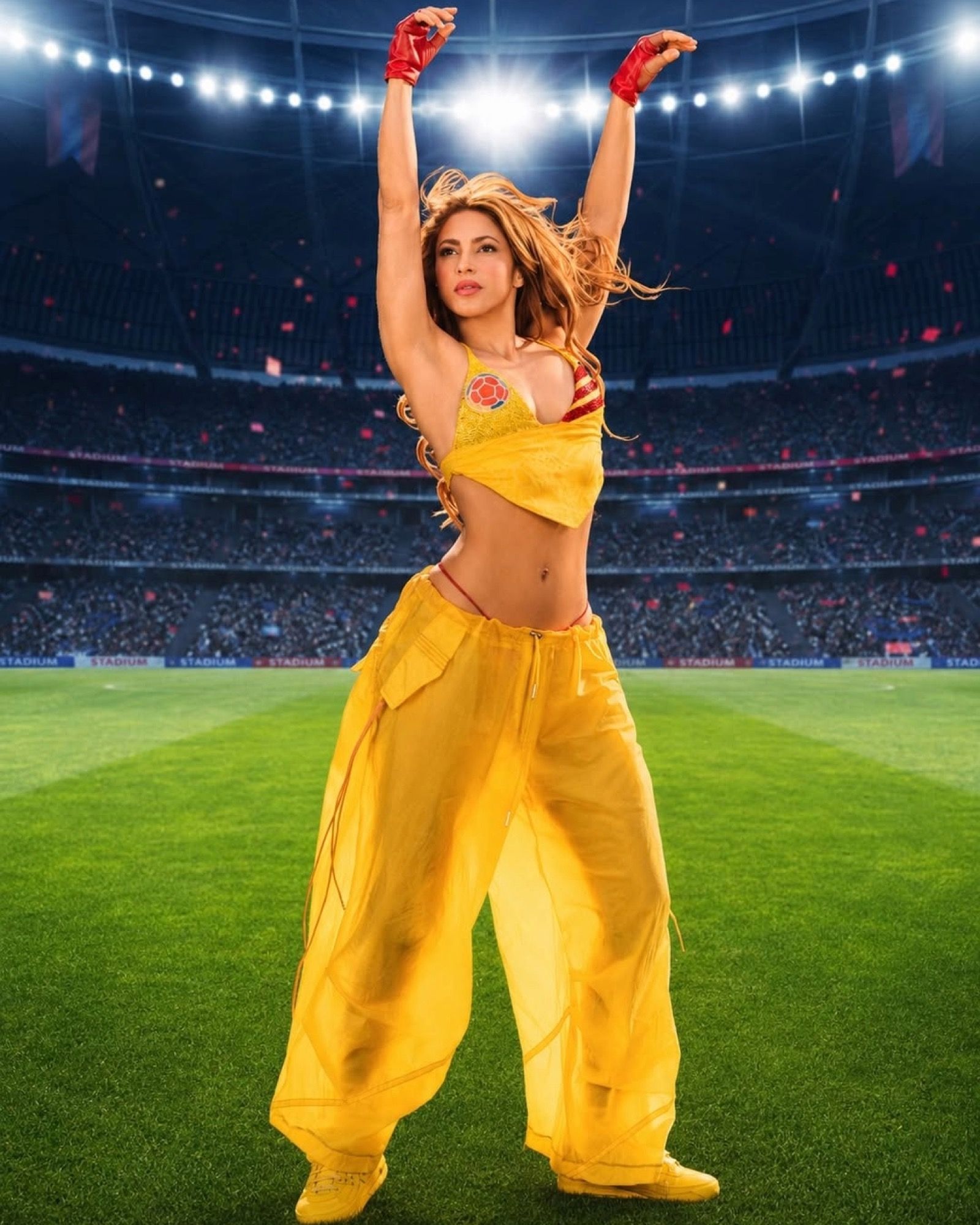
The Shakira 2.0 failure
@dazn_it Pulisic canta con i suoi tifosi #Pulisic #USAAustralia #FIFAWorldCup #DAZN #TikTokCalcio audio originale - dazn_it
An ingredient that over the past 36 years has often been crucial for a World Cup to become memorable is the musical component. While the 2010 World Cup probably represents the peak of this phenomenon, thanks to not just one but two tracks capable of leaving a mark—first Waka Waka by Shakira and then Wavin’ Flag by K’naan, which served as the official Coca-Cola song—for this World Cup, the highly anticipated return of Shakira, alongside Burna Boy on the track Dai Dai, has already proven to be a flop. By this, we don't mean to pass judgment on the technical quality or content of the song, though to be completely honest, we'd have a thing or two to say about that as well. And speaking of which, if you want to dive deeper into the topic, Ultimo Uomo covered it brilliantly in one of their articles.
The lack of relevance surrounding the theme song, as well as the absence of buzz—along with the corresponding nostalgia effect—sparked by Shakira's return, can however serve as a good pretext to observe how official songs for major sporting events are progressively being stripped of the cultural weight and impact they once held. You can sleep soundly, though: it's nothing particularly earth-shattering. The critical issues of this star-spangled World Cup lie elsewhere.
World Cup theme songs: A phenomenon with Italian roots
The 1990 World Cup in Italy marked a major turning point for the duality between the World Cup and music tracks: for the first time, there was an official soundtrack for the tournament. Un’estate italiana by Gianna Nannini became the official FIFA soundtrack and, as if that weren't enough, even the BBC (the main UK broadcaster for the tournament) adopted an Italian song of its own, namely Pavarotti's Nessun dorma. From that moment on, FIFA began commissioning an official track for every World Cup, effectively upending the initial paradigm shortly after. Indeed, while the 1990 World Cup theme song remains highly cherished to this day, alongside Ricky Martin's La Copa de la Vida for the 1998 World Cup, you have to skip three editions to find the next major hit, leading right back to Waka Waka, followed by the reasonably decent success of Pitbull and Jennifer Lopez's We Are One for the 2014 World Cup in Brazil.
Yet after Waka Waka, which brought global success (4.5 billion views on YouTube is an insane stat), a shift in direction occurred. The World Cup song permanently stopped being an anthem tied to the identity of the host nation, turning instead into a track built on onomatopoeic sounds, subpar choruses, and universally understood exclamations—which, at the same time, means they are hollowed out of any real meaning. Here we point back to We Are One or, even more current, to Dai Dai from the 2026 World Cup. Below are a few excerpts from the tracks:
We Are One: Show the world we are one (One, love, life) / Ole ole ole ola / Ole ole ole ola / Ole ole ole ola / Ole ole ole ola
Dai Dai: What broke you once made you strong / Dai dai, ikou, dale, allez, let’s go / Dai dai, ikou, dale, allez, let’s go / Come follow your desire
The relevance of theme songs today
The World Cup currently being played in the United States is also giving us a clear answer regarding theme songs: national teams are effectively overshadowing FIFA's official track, creating ad hoc moments for their own fanbases. We've seen English players getting emotional in front of their supporters' section to the notes of Wonderwall, or US players crooning Take Me Home, Country Roads inside Seattle's Lumen Field after sealing qualification. And, after all, how could you not envision such a patriotic moment in a World Cup being played in the United States?
The connection is only partial, because it's not the first time an unexpected song has gained near-official status, replacing the designated one: just look back to 2006 and Seven Nation Army. But the point here is broader. These moments, which have gone viral especially on social media and not just in front of those present in the stadium, show how there is less and less need for a single theme song to collectively identify with.
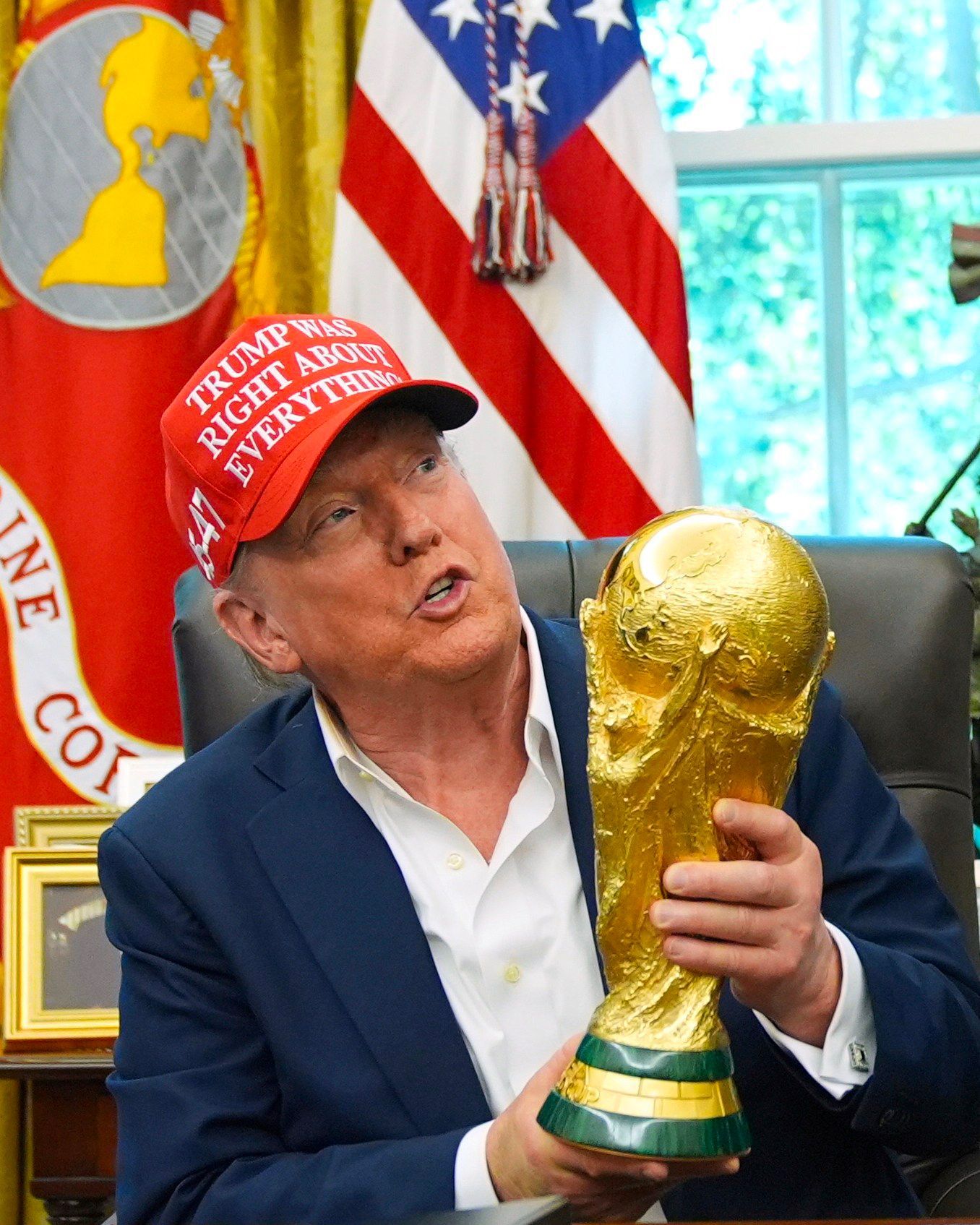
This is especially true when considering a World Cup that, up to this point, has done very little to foster a genuine connection between nations, partly due to the choices of the Trump administration. Perhaps, then, it's only right not to seek refuge in yet another official song that tries to invoke unity and brotherhood through classic World Cup clichés; one only needs to re-read a line from We Are One (the theme song of a World Cup played a mere 12 years ago) to realize just how devoid of meaning those words can seem: «Show the world where you're from, show the world we are one».