









The aesthetics of summer football trophies When cups become design
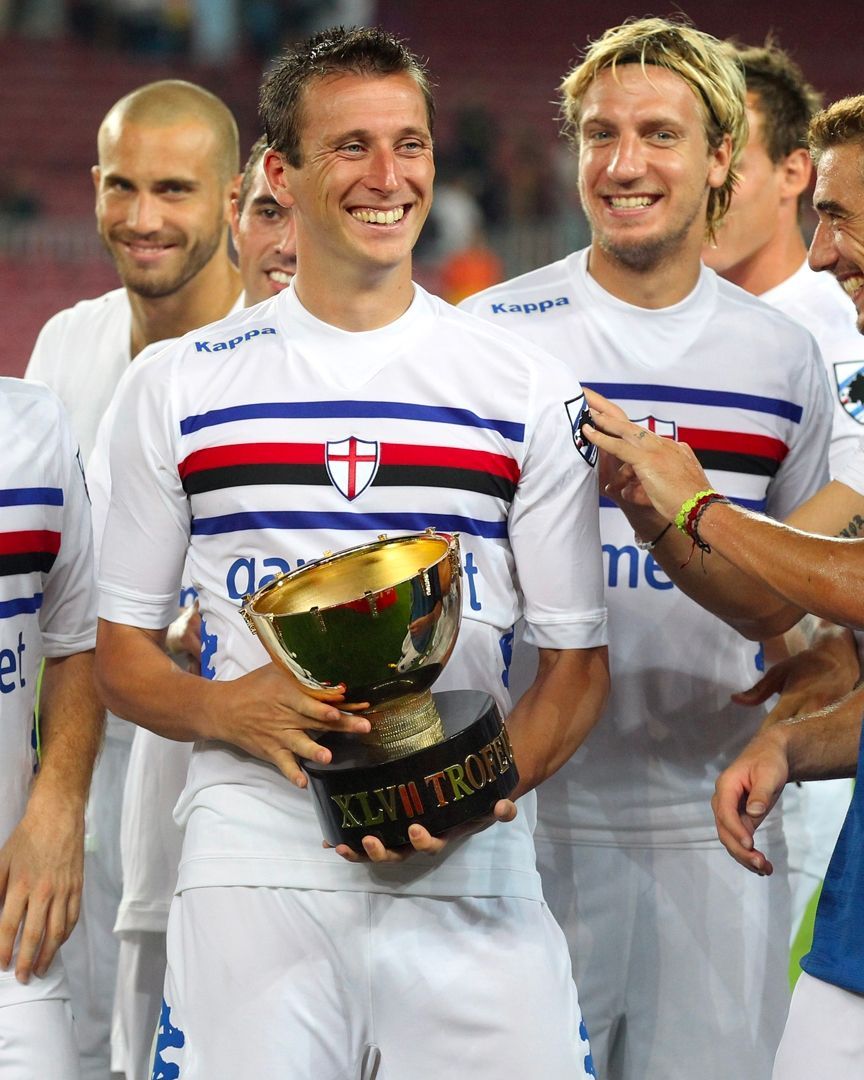
Summer in the world of football is the season of change: new signings, new kits being unveiled, and fresh hopes for what lies ahead. Even pre-season friendlies offer the chance to bring together teams that would rarely meet during the official campaign. Some of these fixtures, paradoxically, preserve their own sense of tradition through long-standing summer tournaments that have become part of football’s seasonal ritual. While this custom has somewhat faded in Italy, it remains deeply rooted and continuously celebrated in Spain. One of the most fascinating aspects of these matches is the trophy ceremonially lifted at the end: these cups are often lavish, carefully designed, imaginative, and sometimes extravagant. In other words, they can be seen as symbols of identity. Some feature distinctive elements connected to the local culture and territory, while others pay tribute to the person or figure the tournament is named after, creating a diverse collection of unique designs.
Italian trophies
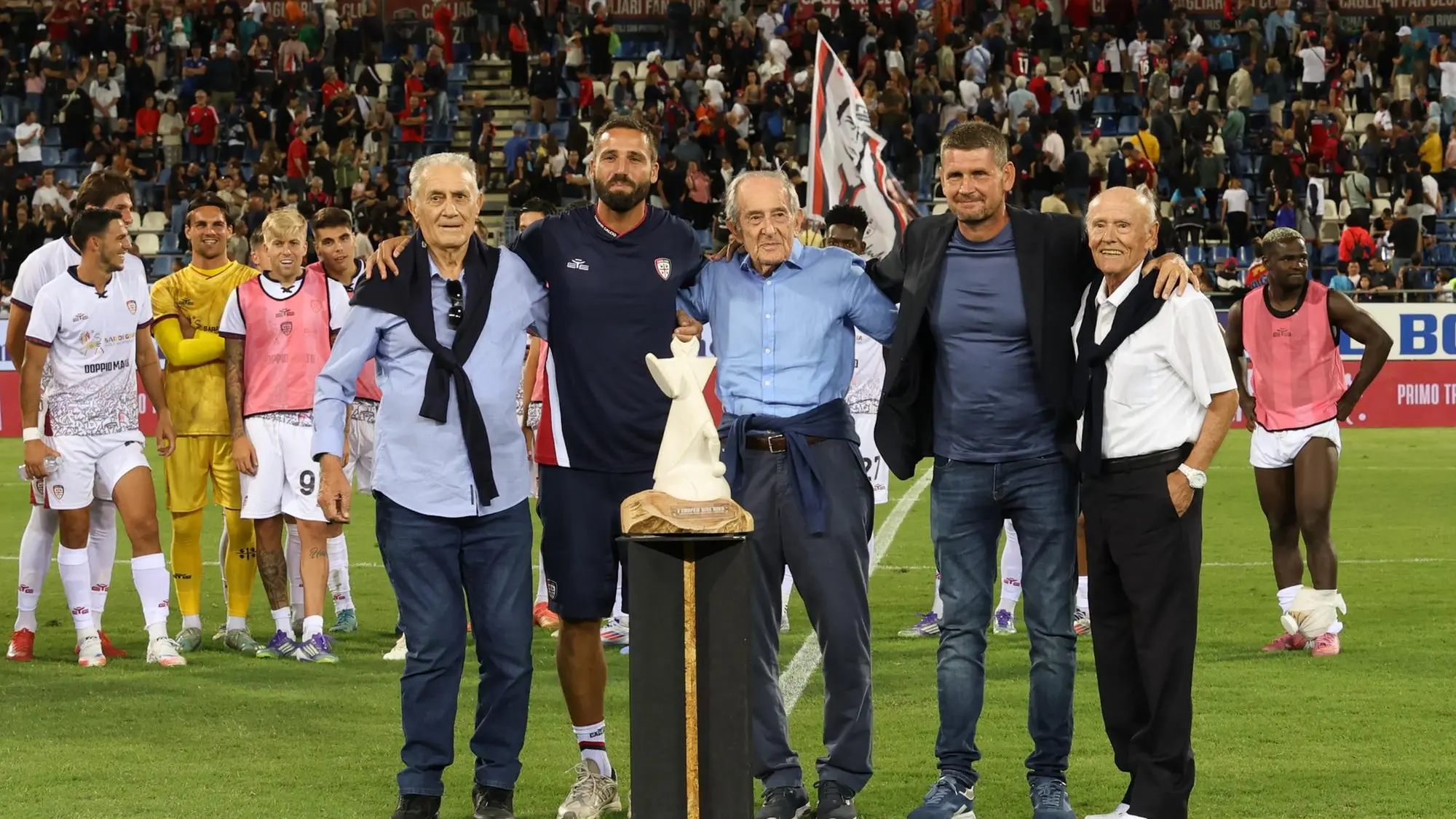
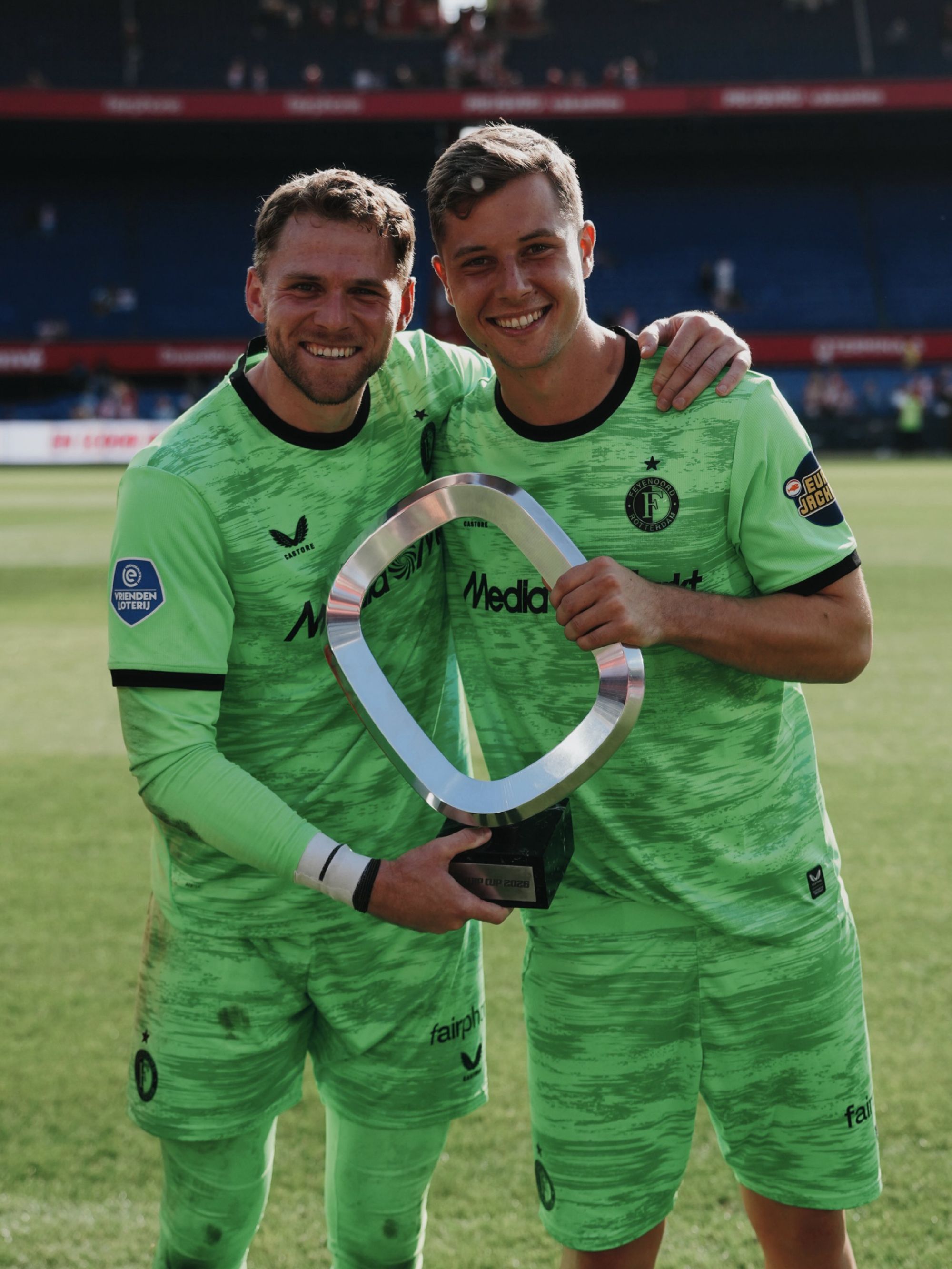
On August 2, Atalanta travelled yo Rotterdam to face Feyenoord in the inaugural edition of the new De Kuip Cup, named after the iconic stadium of the Dutch club. The trophy echoes the distinctive "kuip" (bathtub) shape of the stadium itself. The Gigi Riva Trophy, now in its second edition, will see Cagliari host OGC Nice. For the occasion, Sardinian artisan Fernando Mussone was commissioned by Cagliari Calcio to create a bespoke trophy. The result is a contemporary work of art featuring a juniper wood base and Orosei marble sculpture, inspired by the Bull God, a symbol of strength and courage. The references to the legendary Cagliari striker are subtle yet deeply meaningful.
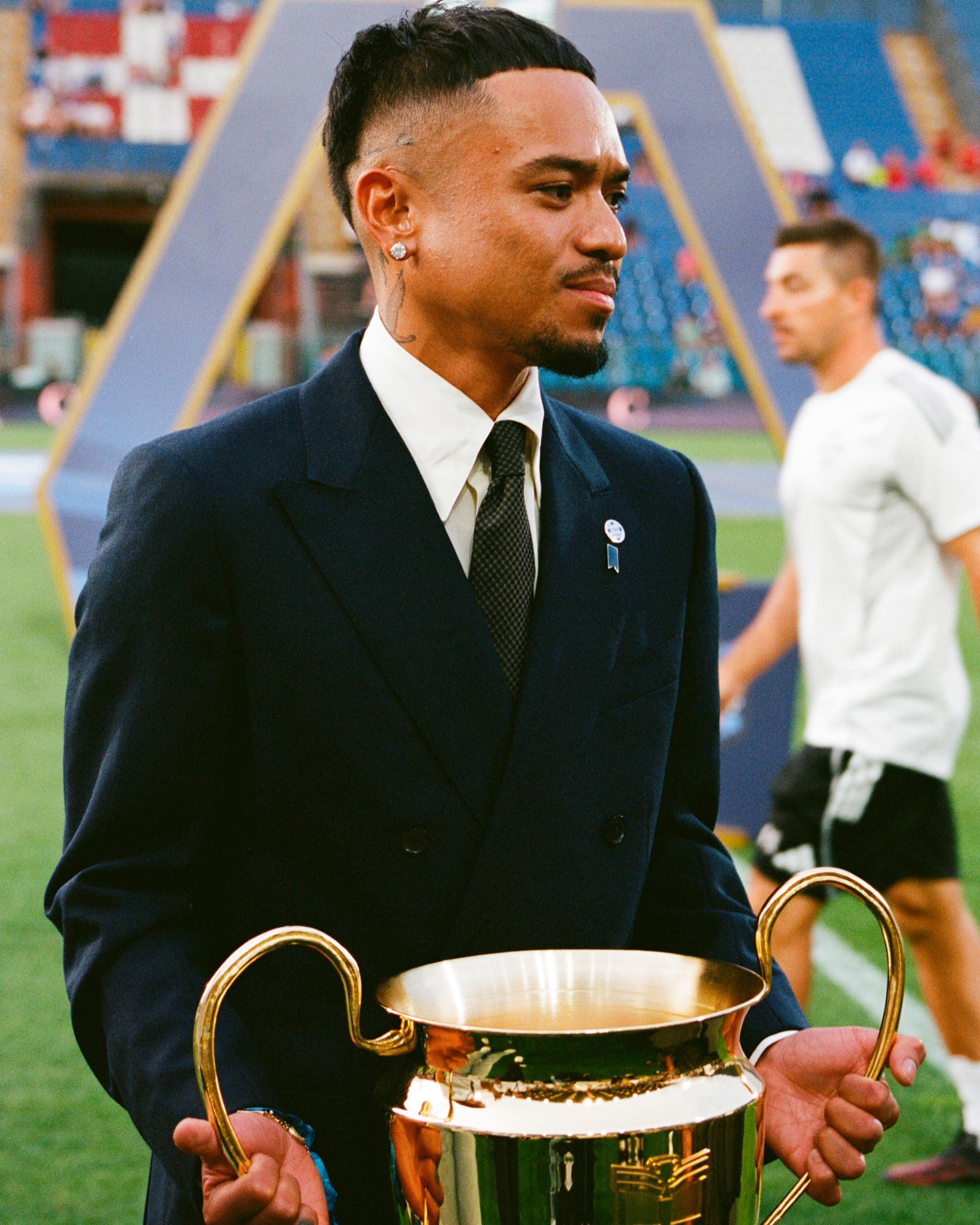
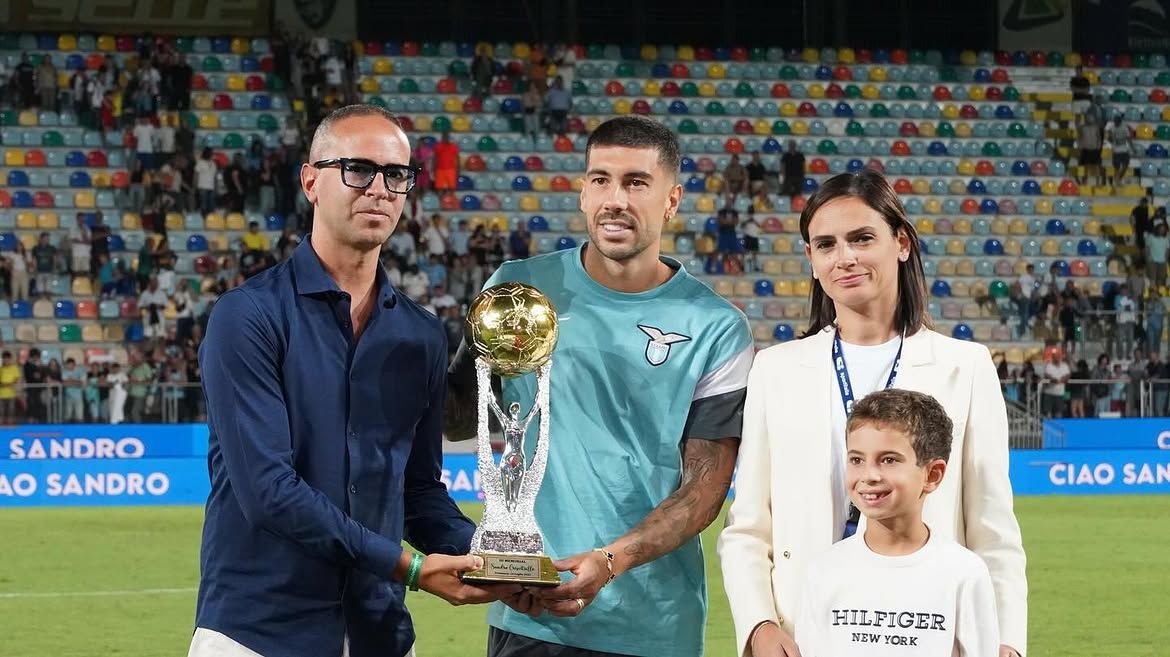
Heritage and ambition define the trophy created for the Como Cup. Crafted by the master artisans of CEDAP, the historic metalworking workshop based in the Como area, it seamlessly blends tradition with contemporary design. Made entirely from a brass alloy, it features two oversized handles reminiscent of the UEFA Champions League trophy—a fitting nod to Como's historic debut in Europe's premier competition. Avellino and Torino, meanwhile, will contest the fourth edition of the Sandro Criscitiello Memorial, named after the father of journalist Michele Criscitiello. The trophy awarded at the Partenio Stadium features a golden football framed by an elegant arch, with a central statuette completing its distinctive silhouette.
It's impossible not to mention three legendary preseason competitions that shaped decades of Italian summers: the Birra Moretti Trophy, the TIM Trophy and the Berlusconi Trophy. The Birra Moretti Trophy ran annually between 1997 and 2008, introducing the now-iconic shootout format to settle drawn matches. Its trophy featured an elongated football mounted on a rectangular base, visually recreating the trajectory of a shot. The TIM Trophy, played from 2001 to 2016, brought together AC Milan, Inter and Juventus, although its silverware remained fairly conventional in design. The Berlusconi Trophy, dedicated to Luigi Berlusconi and traditionally contested between Milan and Juventus, instead offered a far more elaborate cup: an octagonal base supporting a richly decorated body, topped by a laurel wreath and a football.
Spain's trophy masterpieces
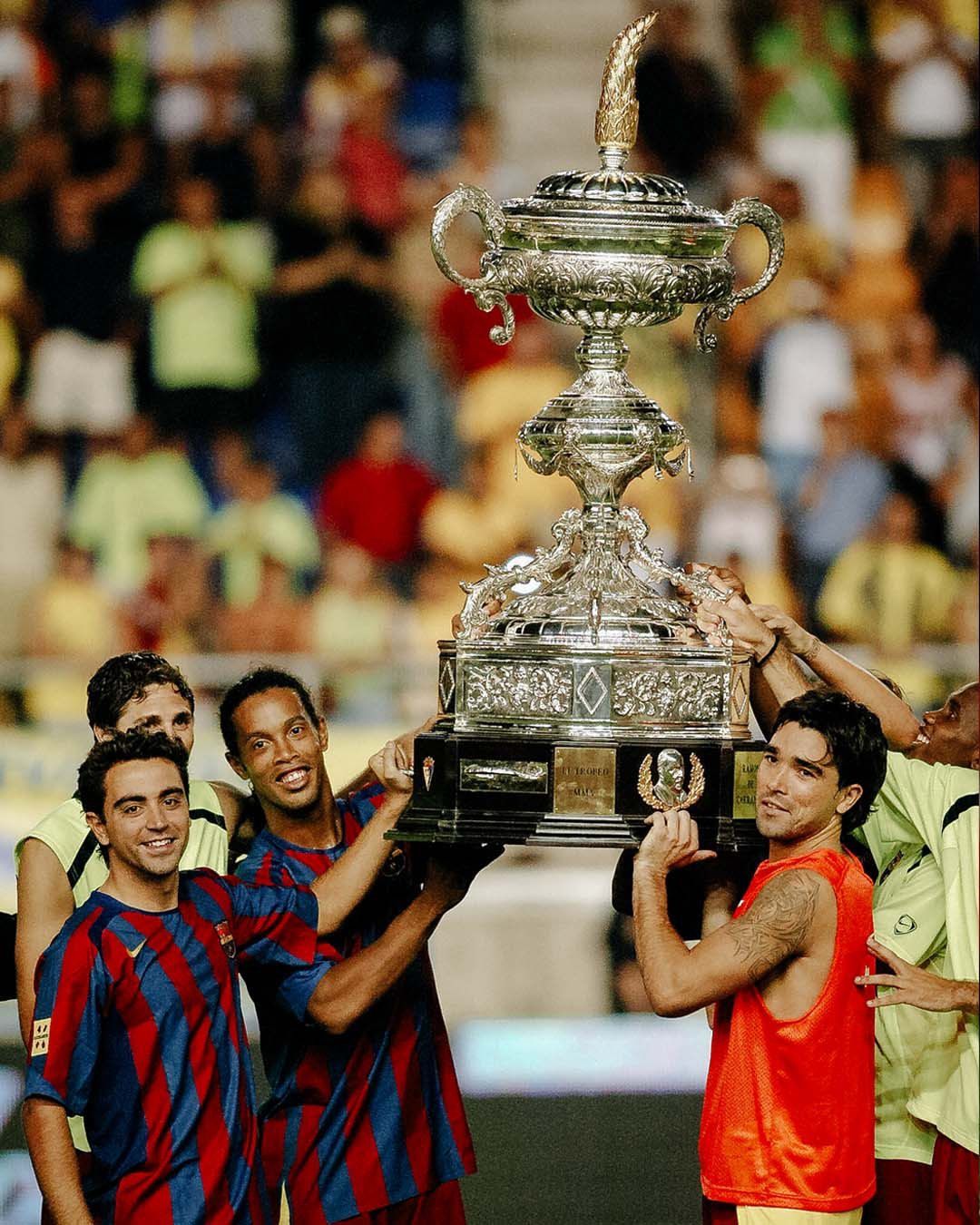
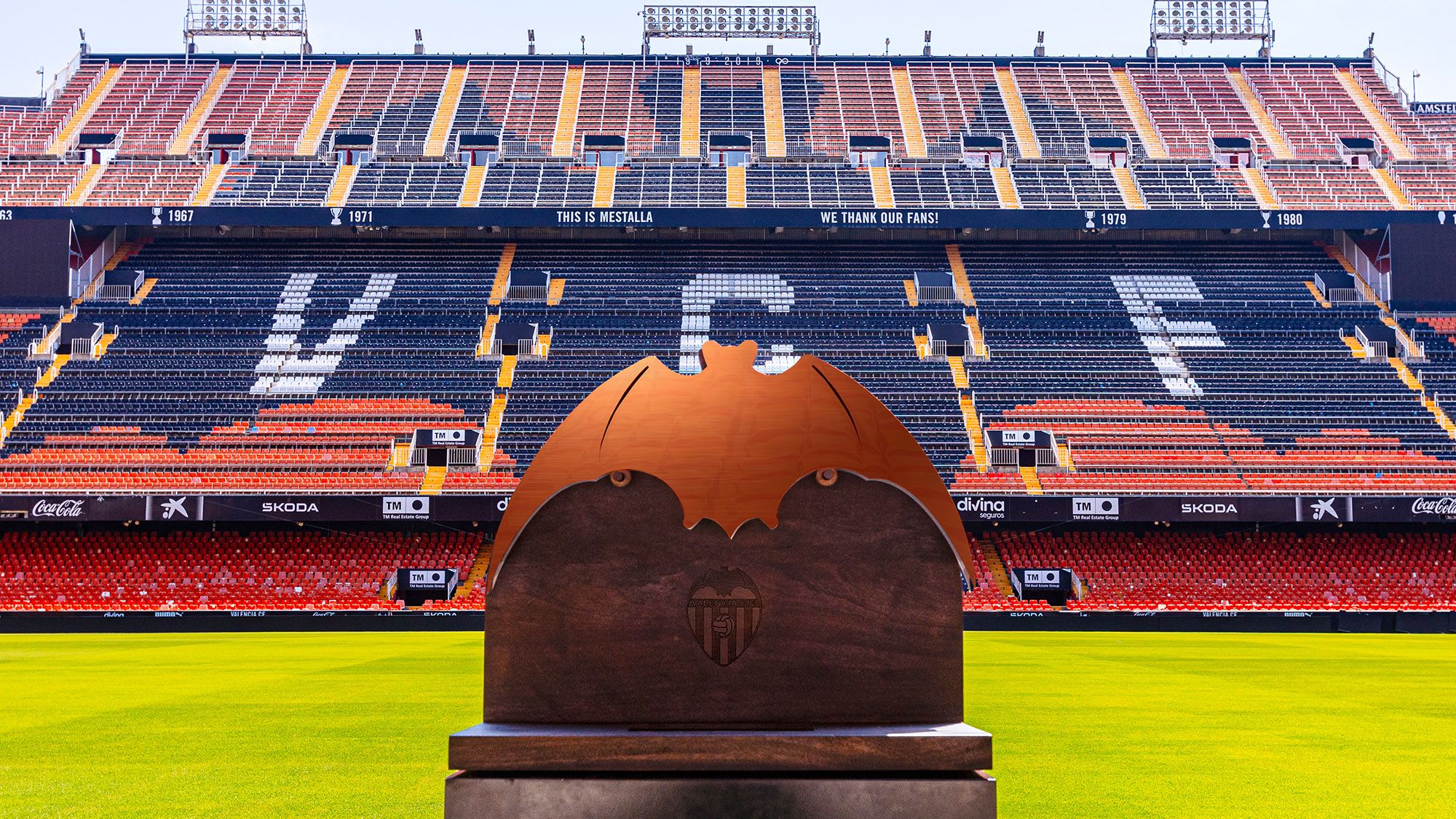
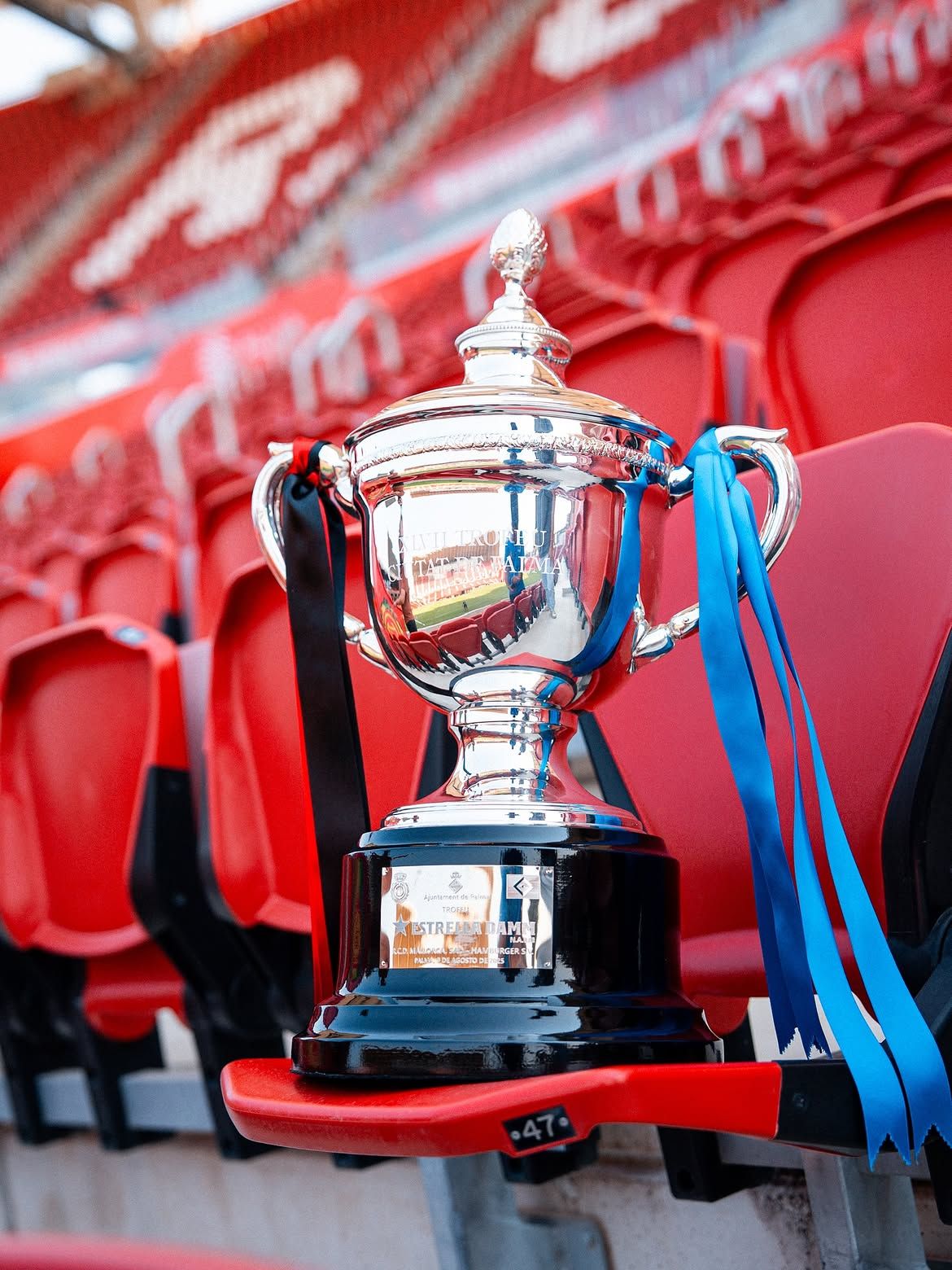
Spain, however, remains the undisputed master of summer tournaments and trophy design. This year, Mallorca welcomes European champions Paris Saint-Germain for the 48th edition of the Trofeu Ciutat de Palma. The trophy awarded today is considerably smaller and easier to lift than its predecessors. Earlier editions featured a truly colossal silver cup that required at least two people to raise it, making sheer grandeur its defining characteristic. Intricately sculpted and almost impossible to describe, it culminated in a bat perched on its summit—a symbol also found on Palma's historic civic crest. The Ciutat de Palma is not the only Spanish trophy featuring a bat. The creature also stars on the famous Trofeu Taronja, hosted by Valencia at Mestalla since 1970. Since 2024, the trophy has been produced using 80% recycled materials, with wood sourced from the benches of Plaza Redonda. The Valencia crest is carefully inlaid alongside the city's iconic murciélago. While its shape has evolved over the years, the current version feels like the competition's definitive visual identity.
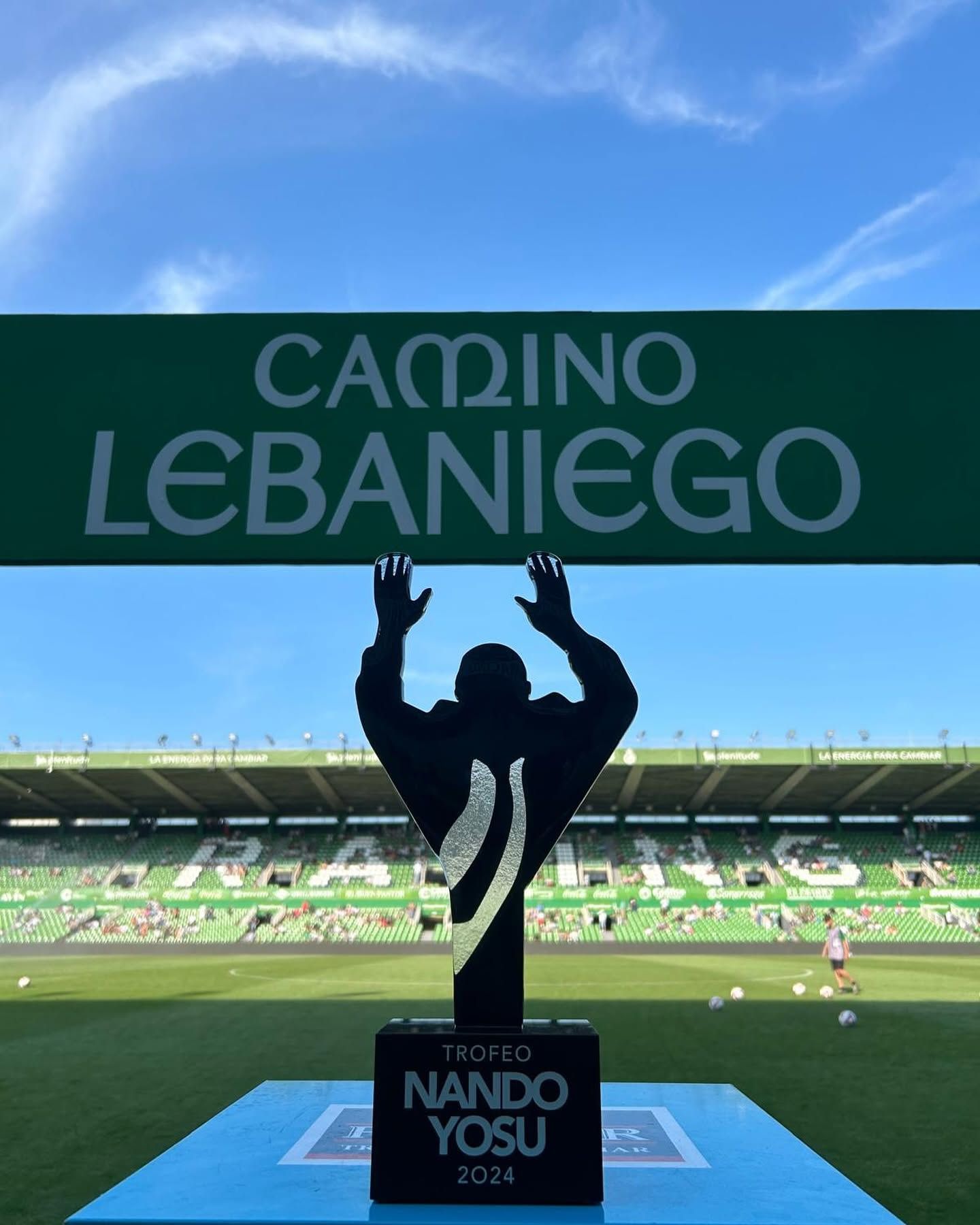
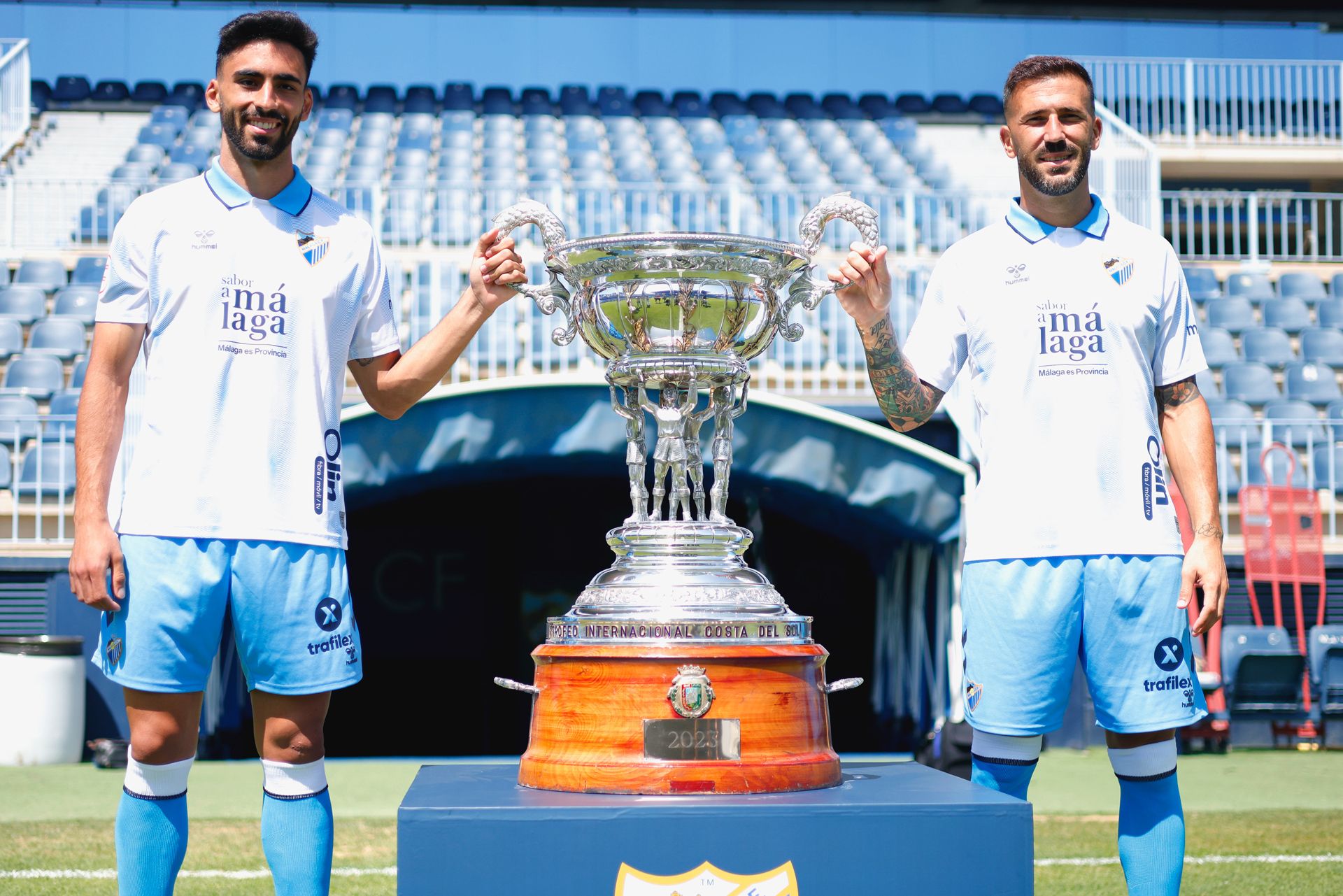
Another trophy celebrated for its design is the Nando Yosu Trophy, organised by Racing Santander in honour of one of the club's greatest figures, first as a player and later as a legendary coach. This year's third edition will pit Racing against Deportivo Alavés, with the winners lifting an elegant glossy-black sculpture depicting Yosu from behind, arms raised in greeting. The figure tapers into a funnel-shaped pedestal resting on a rectangular base, creating one of the most distinctive silhouettes in European football. Speaking of monumental trophies, the Costa del Sol Trophy, now in its 36th edition, deserves a place of honour. Every summer Málaga host a different opponent at La Rosaleda to compete for a 137-centimetre trophy valued at around €30,000. Its dramatic visual impact comes from the sculpted footballers supporting the upper cup—a truly imposing creation.
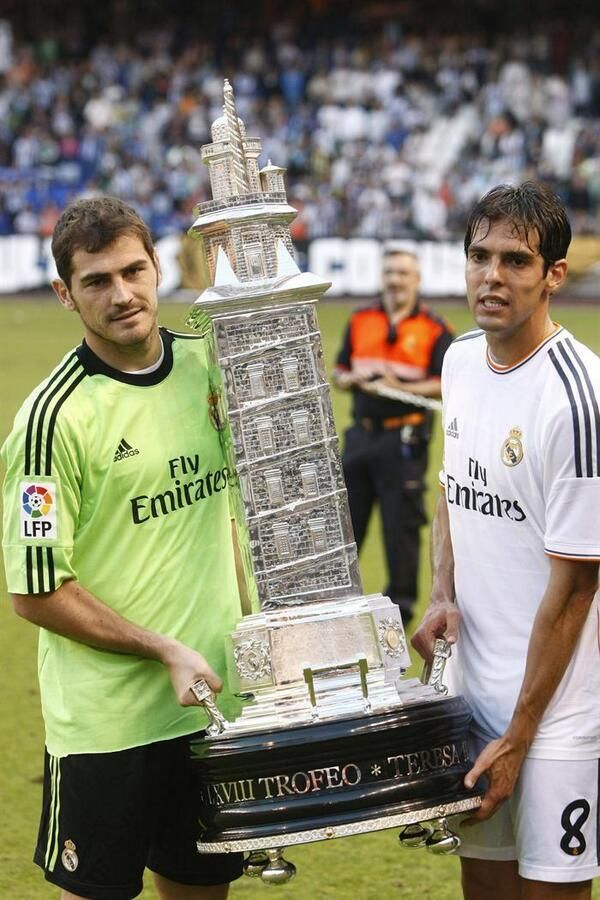
The undisputed king of summer tournament trophies, however, is the one awarded at the Teresa Herrera Trophy, held every year in A Coruña. It is a faithful scaled-down reproduction of the city's most iconic landmark, the Tower of Hercules, crafted from 10 kilograms of silver. Today's 120-centimetre version is actually smaller than those of previous decades, when even more silver was used by Galician jeweller Joyería Malde to produce the trophy through an extraordinarily meticulous process. Since the early 1970s, its unmistakable silhouette has become one of the most recognisable trophies not only in Spain but across European football. Few, if any, can rival it in terms of originality. While Barcelona's Joan Gamper Trophy has never been particularly celebrated for the aesthetics of its silverware, the same cannot be said of the Villa de Gijón Trophy. Its prize is a miniature rendering of Elogio del Horizonte, Eduardo Chillida's monumental sculpture overlooking the Cantabrian Sea from the cliffs of Gijón.
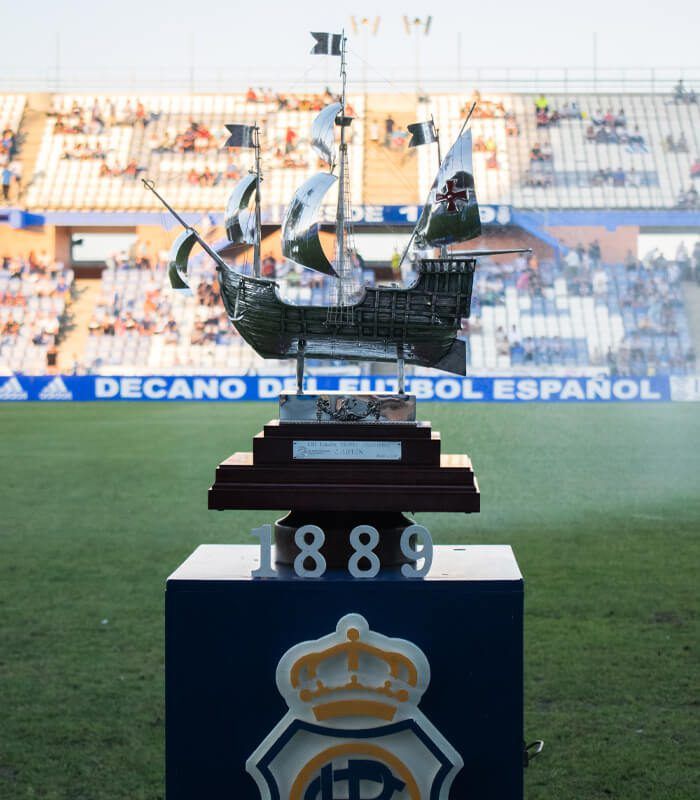
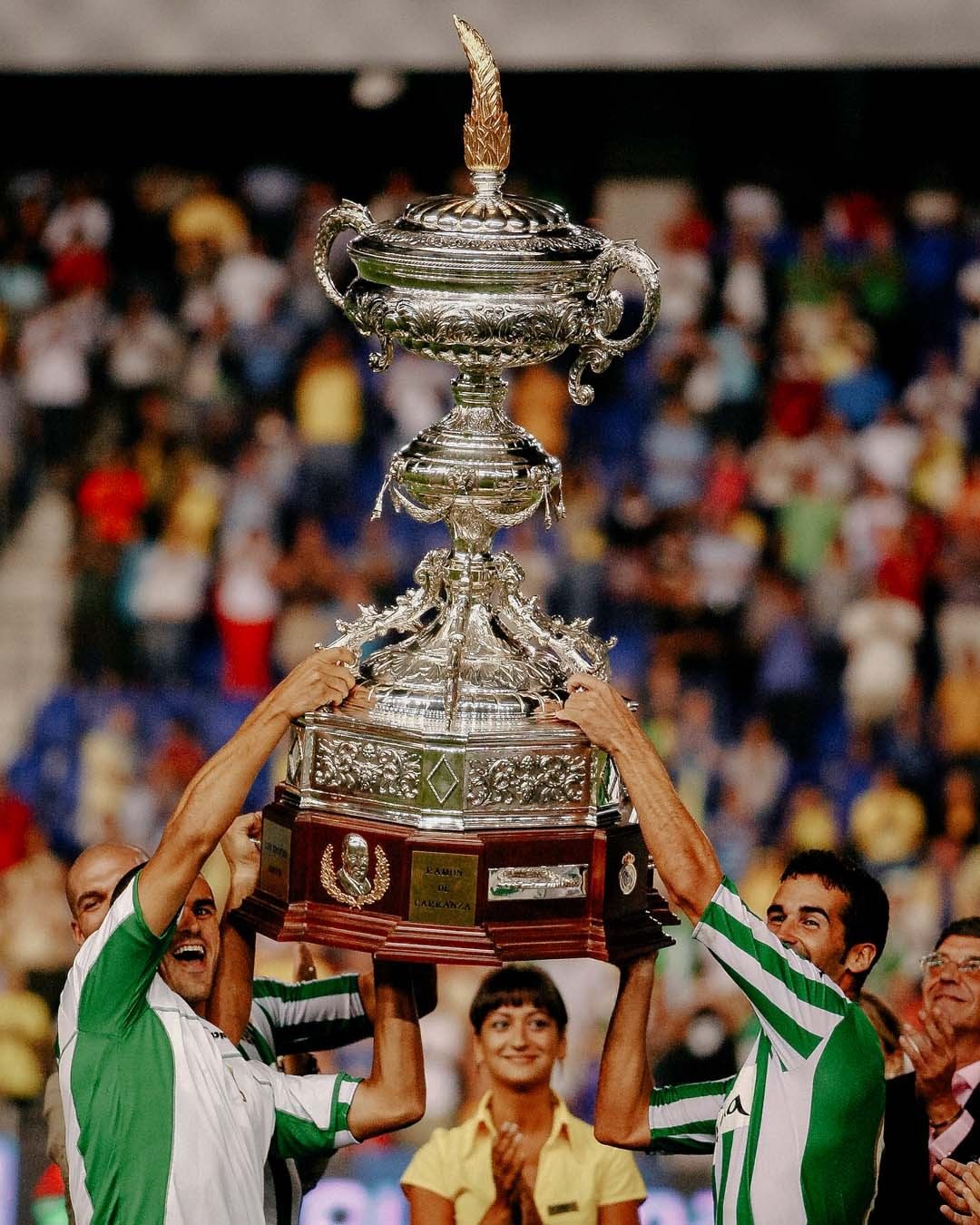
Remaining by the sea, another spectacular creation is the Colombino Trophy, staged every summer in Huelva, home of Recreativo, Spain's oldest football club. The winners receive a finely crafted silver replica of one of Christopher Columbus' caravels, paying tribute to the ships that crossed the Atlantic centuries ago. Spain's remarkable collection concludes with the Ramón de Carranza Trophy, played in Cádiz since August 1955. Its dimensions are almost record-breaking: a trophy standing one and a half metres tall and weighing more than 12 kilograms. One final mention must go to a tournament that sadly no longer exists: the Santiago Bernabéu Trophy, whose gigantic cup tipped the scales at an astonishing 67 kilograms.
The rest of Europe
Spanish craftsmanship may well be unmatched, but the rest of Europe still offers a number of memorable trophies. Staying on the Iberian Peninsula, Lisbon hosts the Eusébio Cup, dedicated to the Portuguese legend who passed away in 2014. The trophy takes a literal approach, depicting Eusébio in the act that defined his career better than anything else: striking the ball towards goal. In France, meanwhile, Lens' Trophée 1906 stands out thanks to the powerful social and historical symbolism embedded in its design. The golden founding year of the club rests upon a piece of coal alongside two miners' pickaxes, paying tribute to the mining heritage of Lens and the surrounding region, an identity that remains deeply rooted in both the club and its supporters.
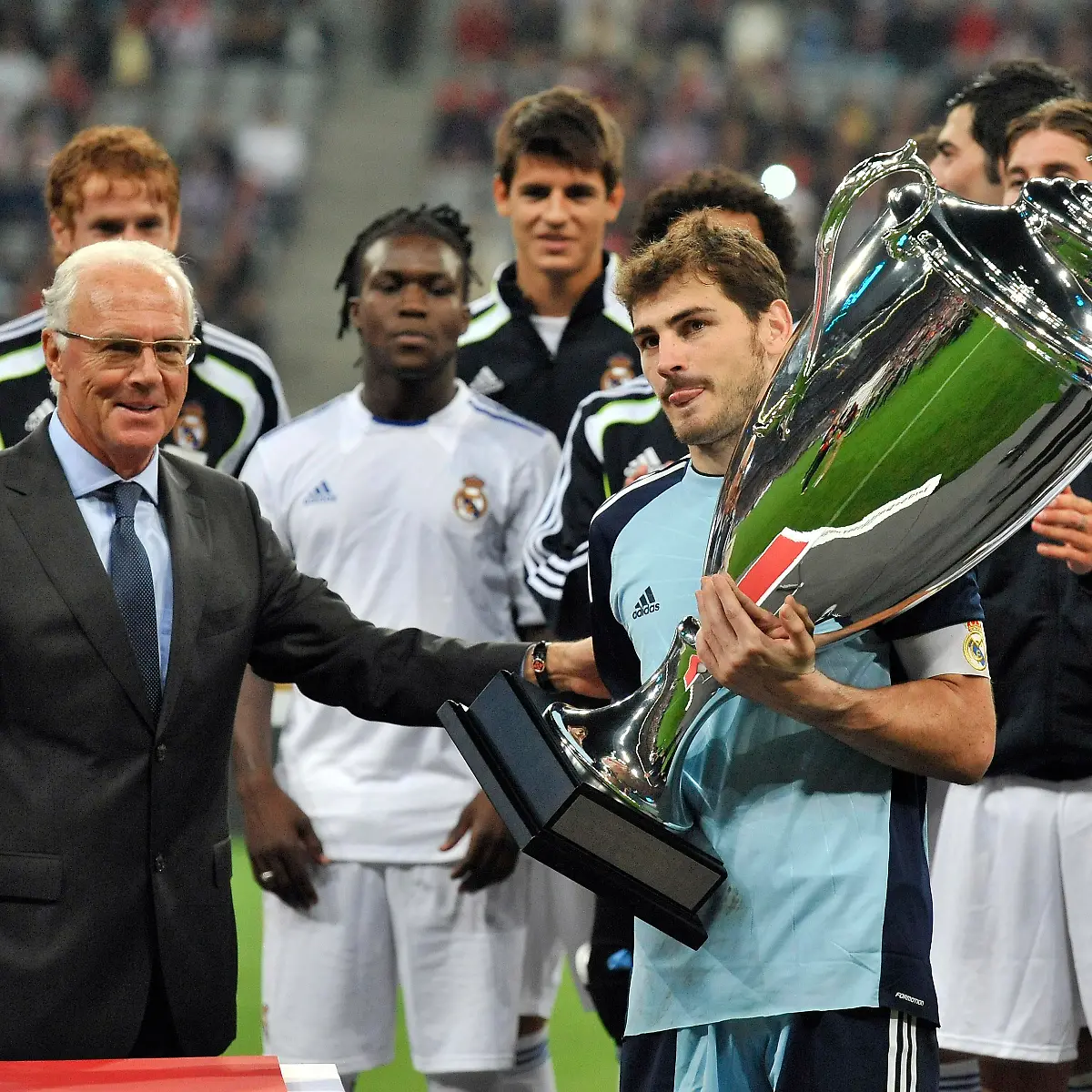
In Germany, preseason traditions generally revolve around fan days organised before the official start of the campaign, rather than tournaments with elaborate trophies. There was, however, a brief period between 2007 and 2010 when the Allianz Arena hosted the Franz Beckenbauer Cup, the predecessor of today's Audi Cup. The winners of its three editions lifted a remarkable trophy standing 115 centimetres tall and featuring a cup with a capacity of 25 litres.
@onefootball Richi isn’t letting go off Spurs’ Herbalgy trophy #footballtiktok #spurs #tottenham #trophy #richarlison original sound - OneFootball
Our journey ends in the United Kingdom, although some of its most curious summer trophies are actually contested abroad. In Hong Kong, for example, the Herbalgy Trophy pits at least one Premier League club against international opposition. The winners lift an unusual sky-blue letter "H", which last year Richarlison celebrated as though it were the Champions League trophy. Then there are the recently introduced Premier League Summer Series in the United States, whose trophy follows a more traditional design, distinguished mainly by its colourful ribbons. Finally, the only trophy actually lifted on British soil worthy of mention is the Emirates Cup, held every year at Arsenal's home stadium. Its sleek silver design resembles a pair of wings extending from a slender central body engraved with the Fly Emirates logo—a fitting conclusion to one of football's most fascinating collections of preseason silverware.