
Why football kits are becoming tributes to stadium architecture From Anfield and the Emirates to the BayArena and Parc des Princes







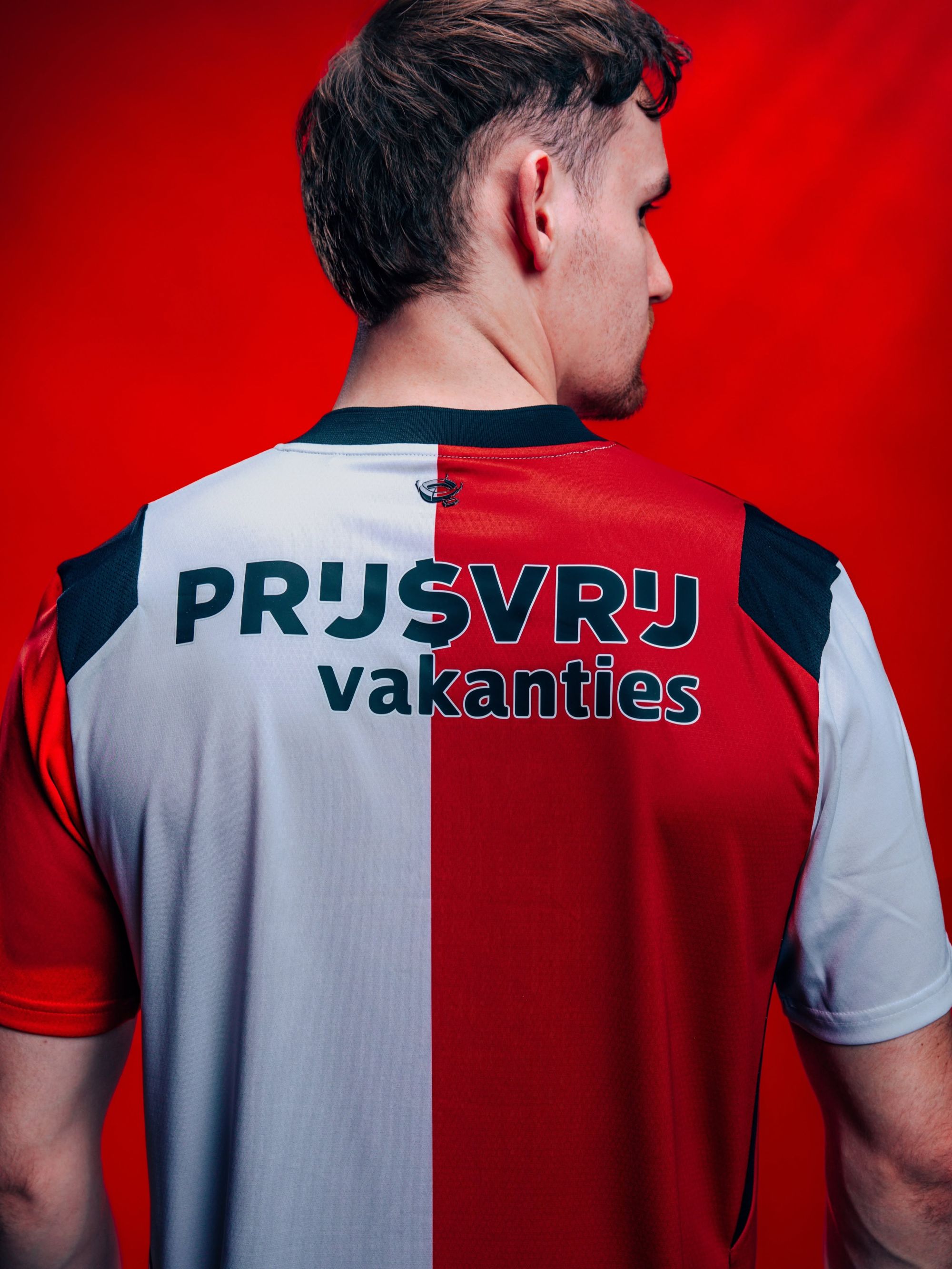
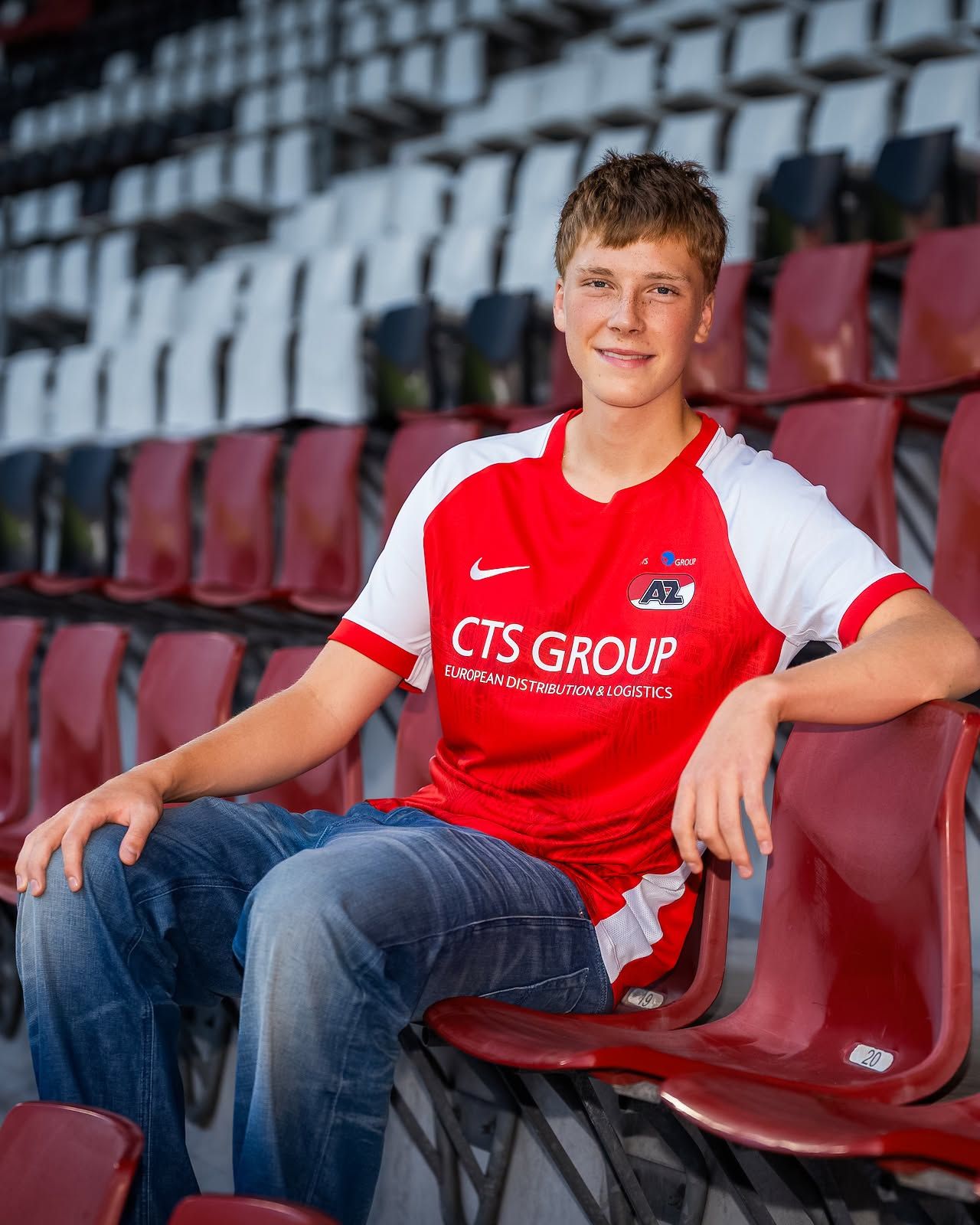
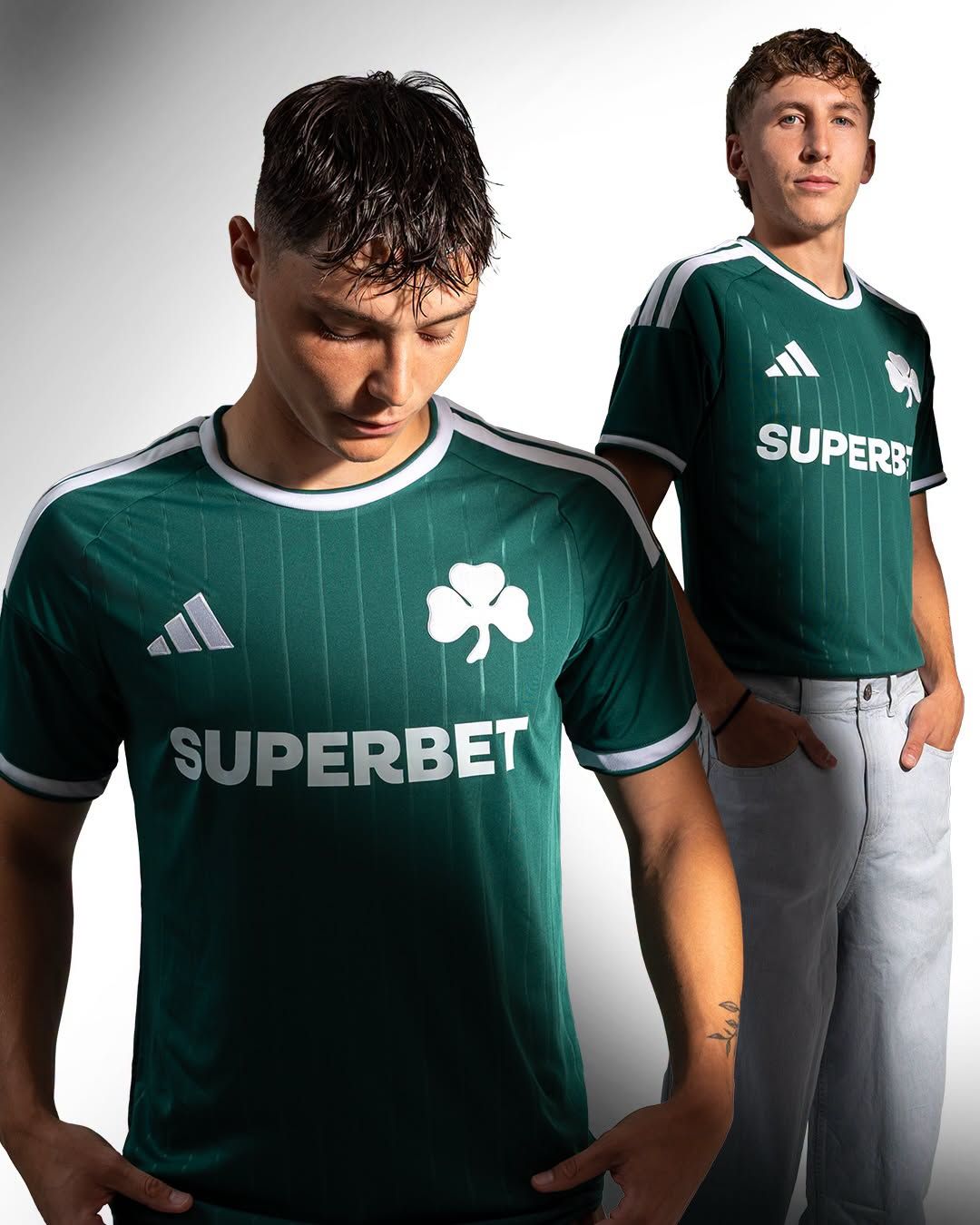
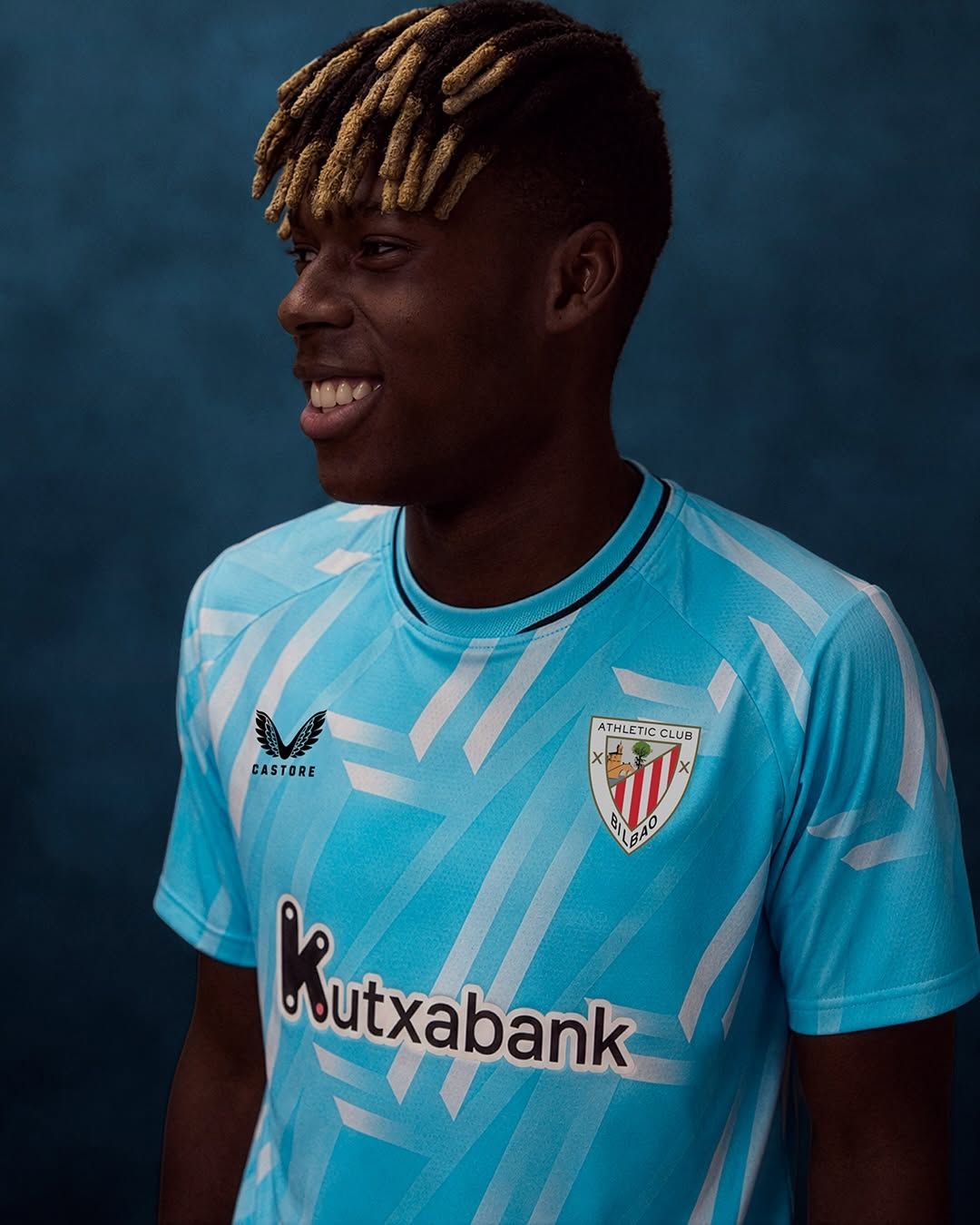
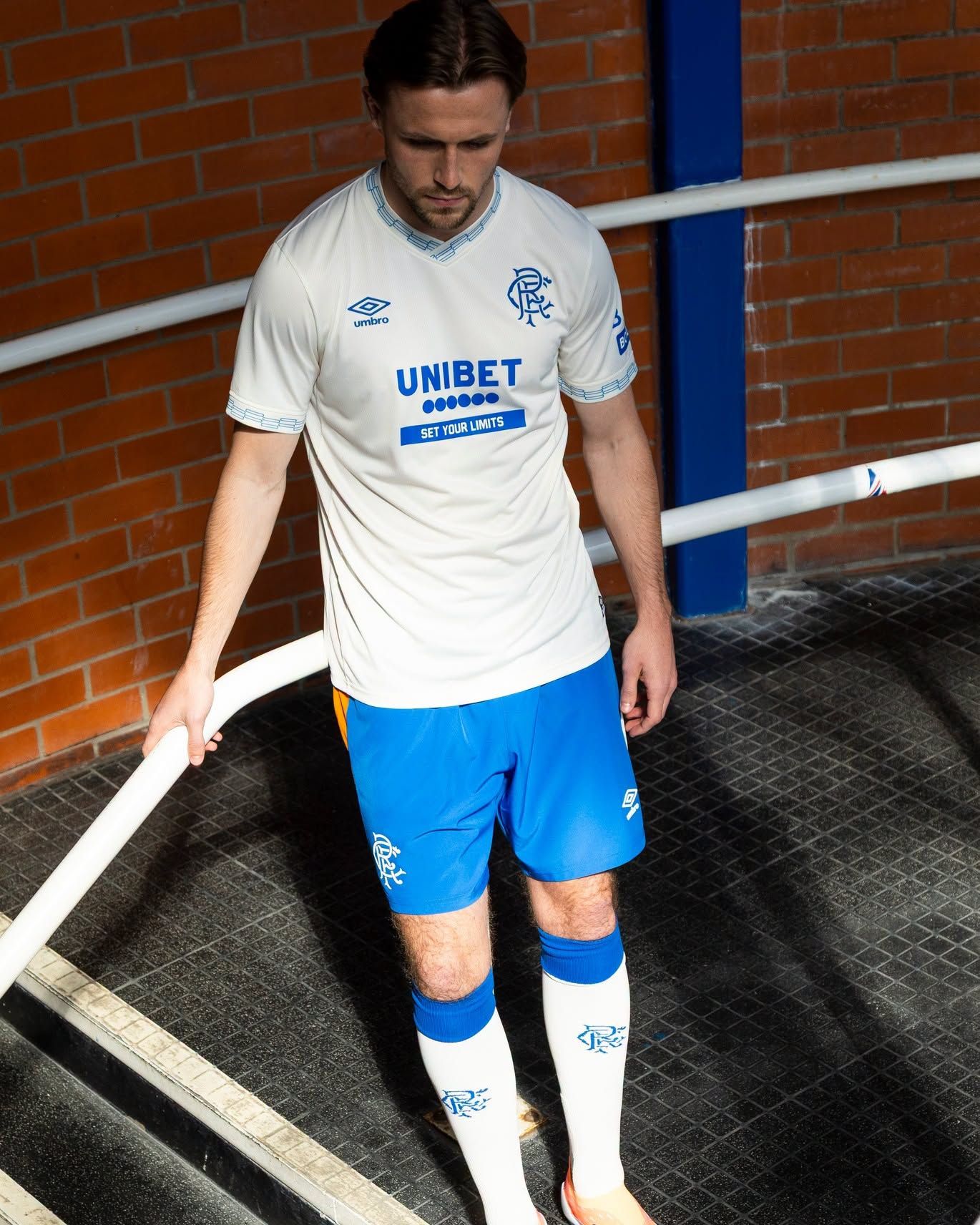
Stadiums have become the defining feature of the kits we'll see on the pitch throughout the 2026/27 season. Whether celebrating landmark anniversaries or highlighting distinctive architectural elements, this design trend that first emerged a couple of years ago is now taking over this summer's jersey releases. Home, away and third kits are increasingly featuring visual references to their clubs' grounds, with patterns inspired by roof trusses, historic façades, floodlight towers and other iconic structural details. The idea is clear: to strengthen the bond between a club and its home stadium, reinforcing one of the most powerful symbols of its identity. At the same time, suppliers are embracing increasingly sophisticated graphic details, transforming every jersey into a unique design object with real collector's appeal. And judging by this summer's releases, the trend is only just beginning.
Tributes across Serie A and Ligue 1
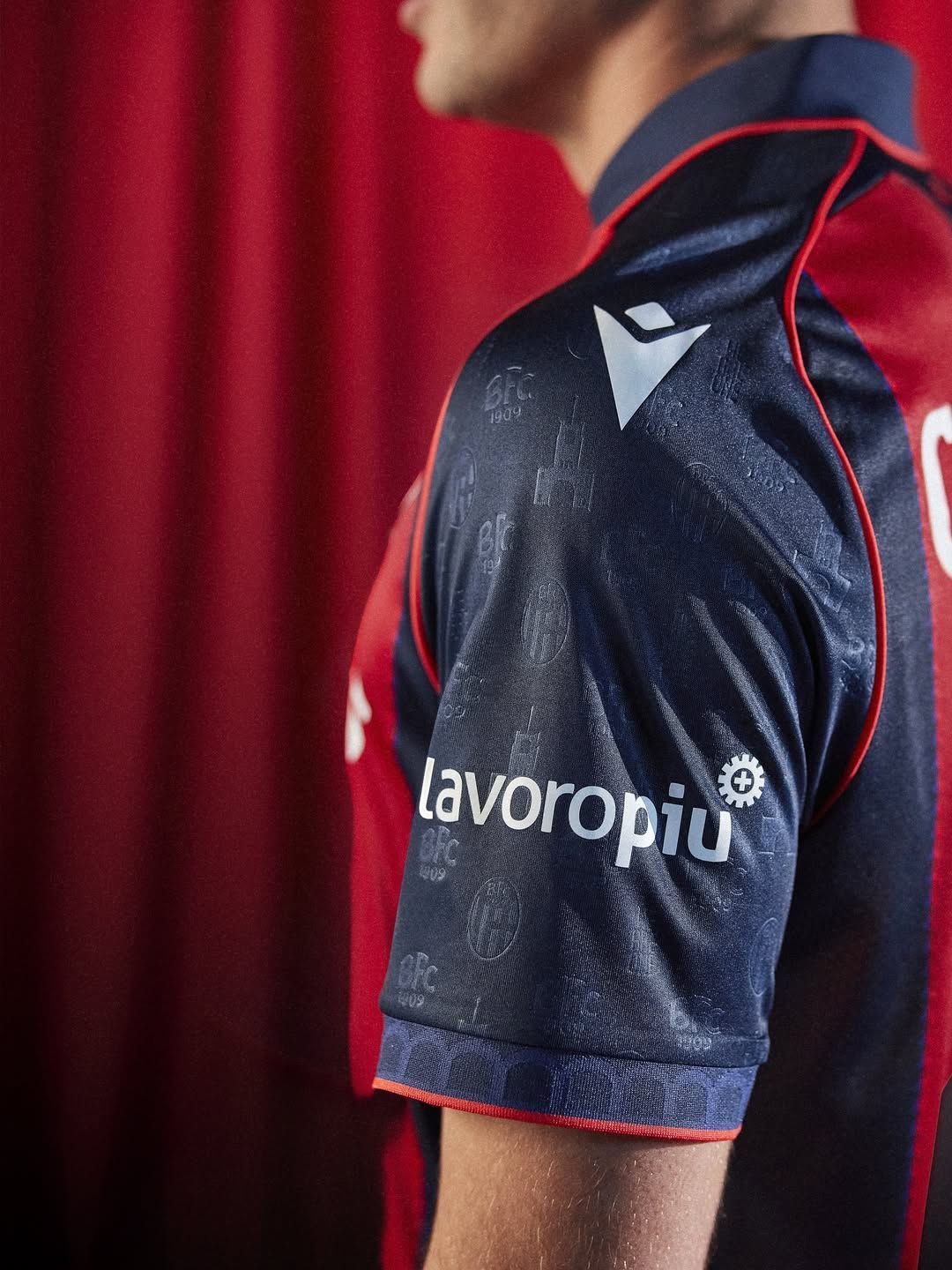
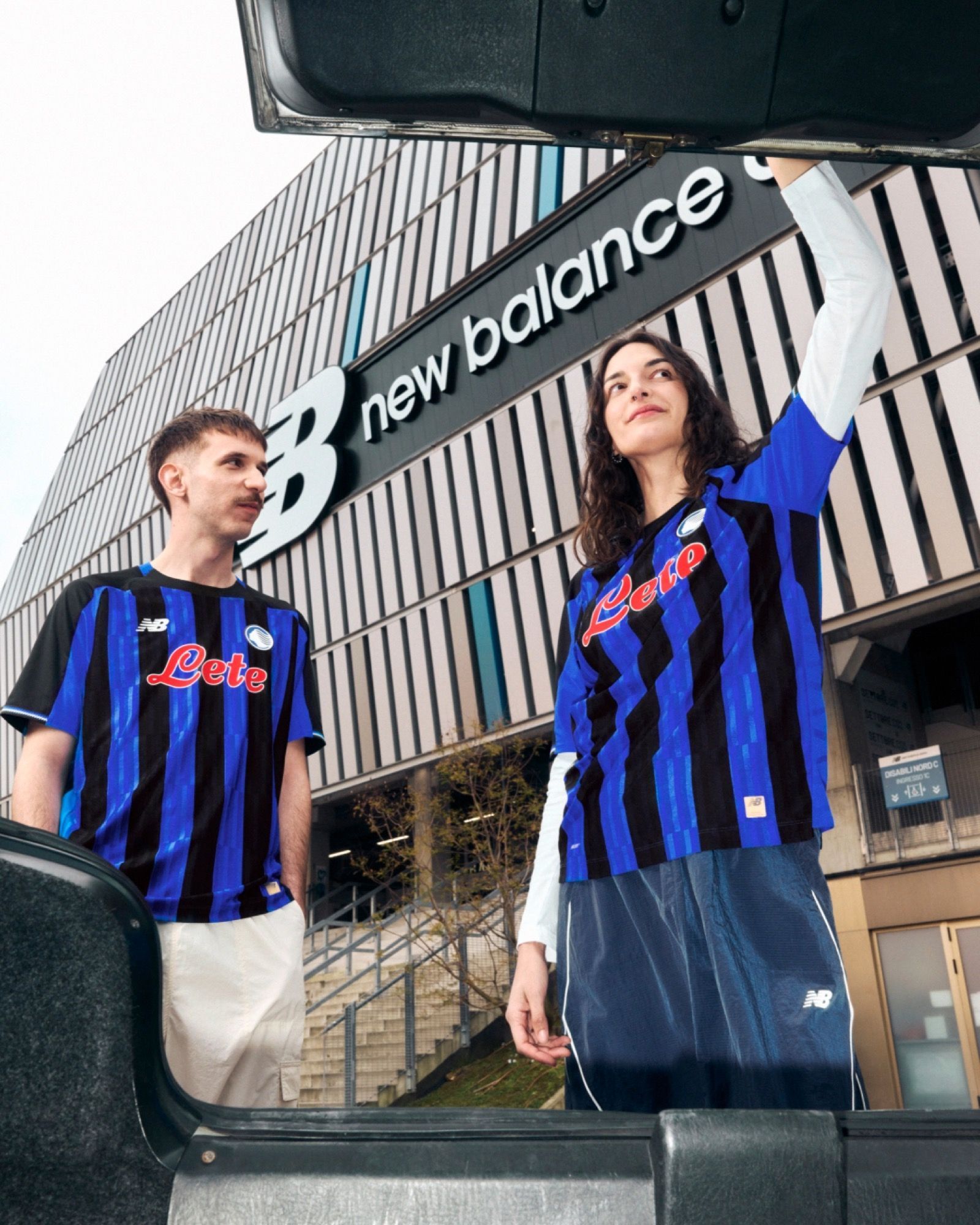
Atalanta's Home jersey features subtle details across its black-and-blue stripes inspired by the metallic steel cladding of the New Balance Arena. The embossed pattern echoes the distinctive panels that cover the stadium's façade along Viale Giulio Cesare as well as its upper roof structure, translating one of the venue's defining architectural elements into the club's new kit. The result has been warmly received by the Bergamo faithful. In Bologna, meanwhile, the club celebrates the centenary of the Renato Dall'Ara Stadium by placing the iconic Torre di Maratona at the heart of its Home jersey design. Completed in 1929, the tower stands 42 metres high and 42 metres wide. Beneath its arch once stood an equestrian statue of Benito Mussolini, which was melted down after the Second World War. Today, its silhouette appears throughout the jersey in a tone-on-tone graphic running through the red and blue stripes, embossed on the sleeves and featured once again on the back of the collar.
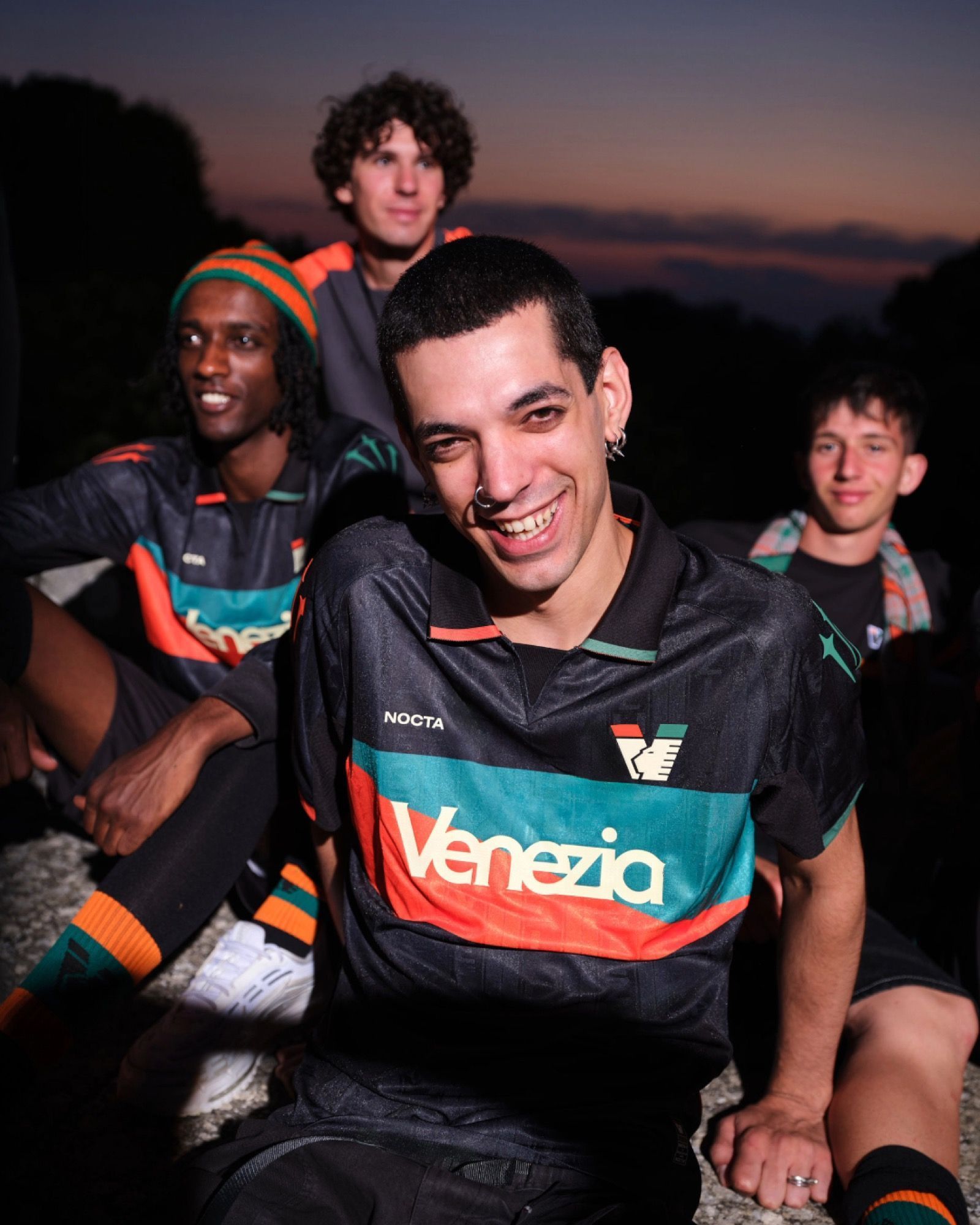
In Ligue 1, AS Monaco has incorporated the nine iconic arches of the Stade Louis II into the upper back of its Away jersey. Tall and slender, the arches rise above the harbour at the border between the Principality and France, and since 1985 they have become the unmistakable symbol of the stadium, itself built on land reclaimed from the sea. On the kits, the arches are reinterpreted through clean, minimalist lines that remain instantly recognisable—rendered in red on the Home jersey and gold on the Away version. PSG and Venezia, on the other hand, looked to the flags that fill the stands of their respective stadiums—the Parc des Princes in Paris and the Stadio Penzo in Venice—as symbols of heritage and tradition. The central red stripe with white borders remains inseparable from PSG's identity, just as Venezia's iconic orange, black and green colour palette continues to define the club and its supporters.
Bundesliga stadiums take centre stage
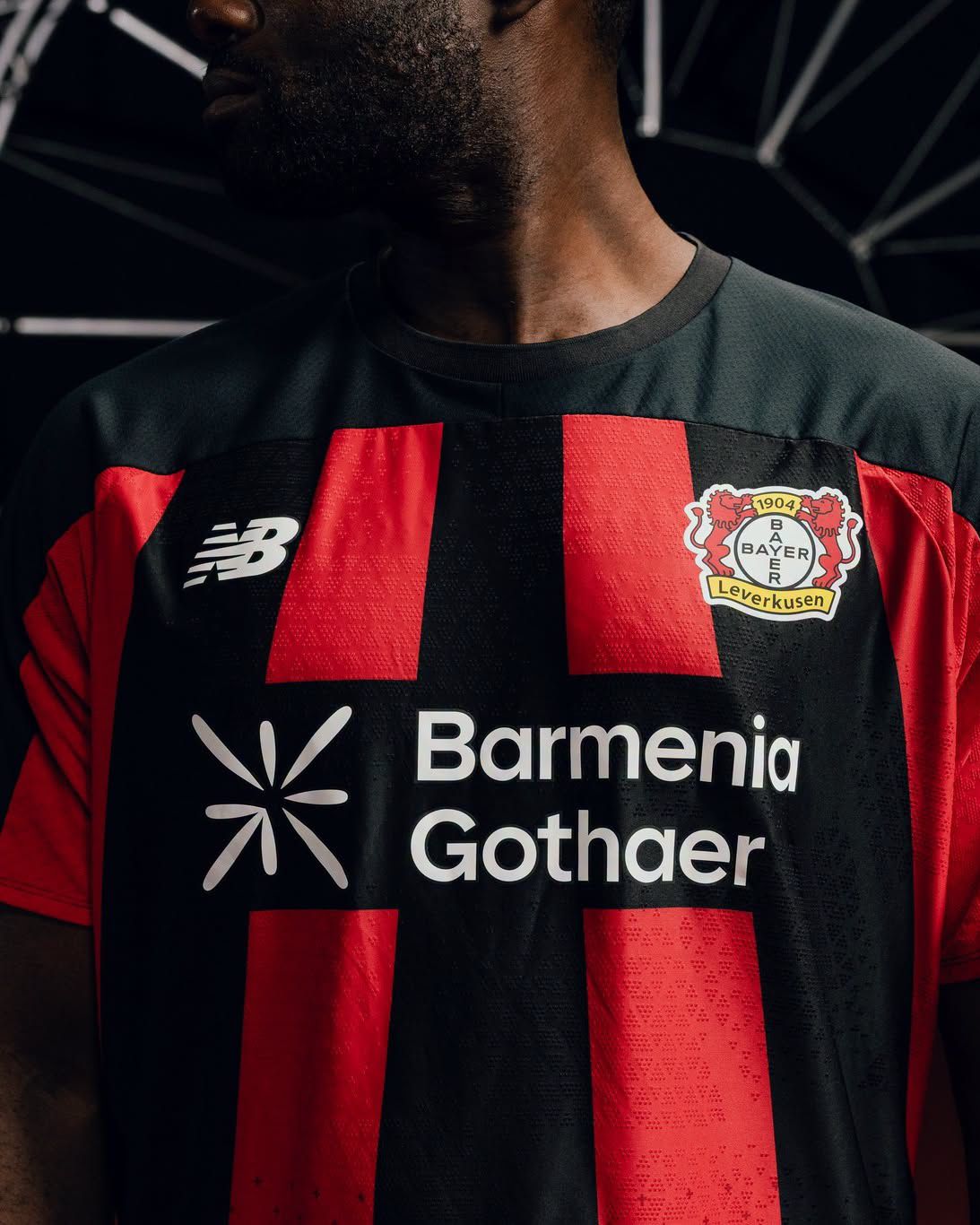
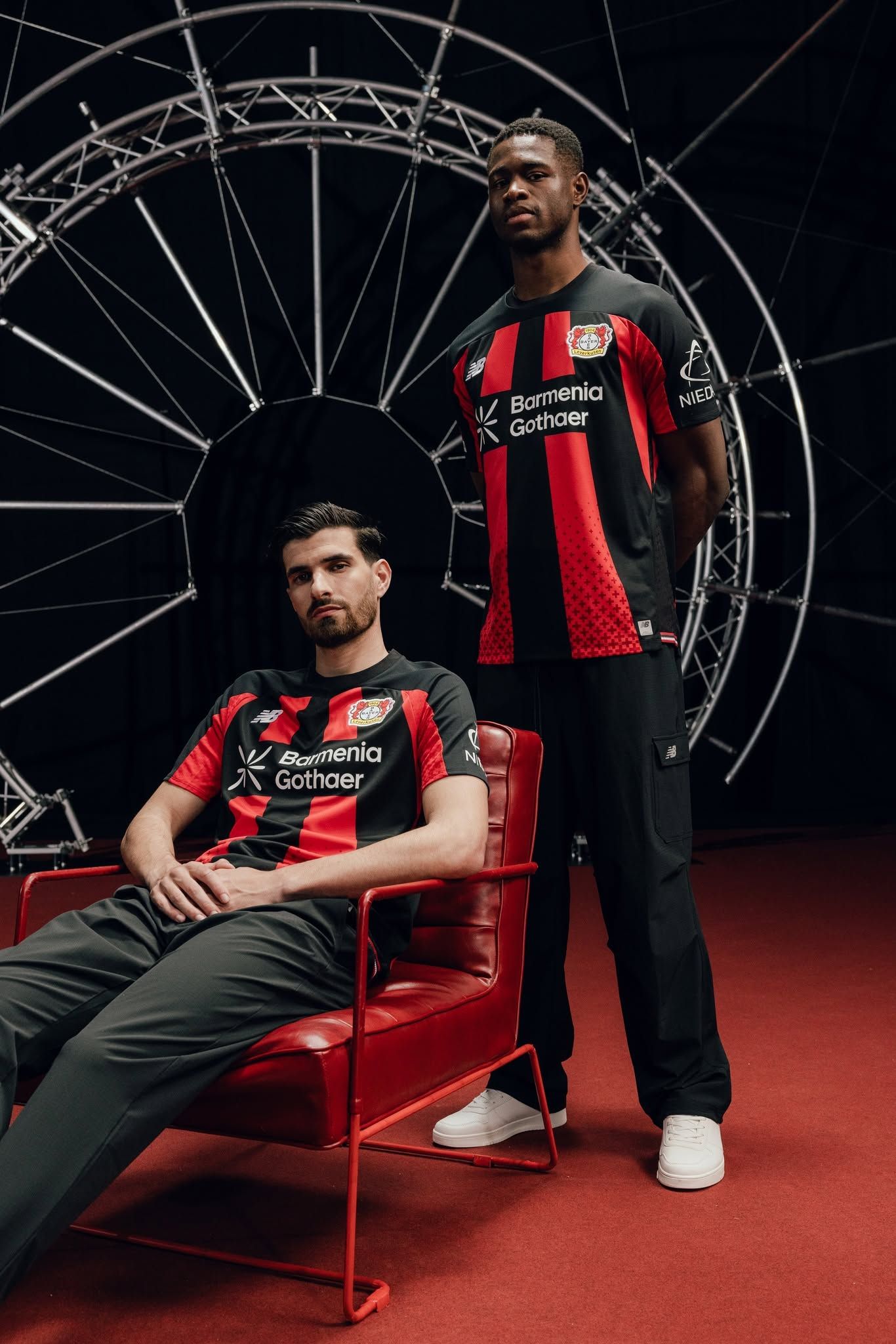
Bayer Leverkusen's Home jersey, which brings back the club's iconic vertical stripes after five seasons, pays tribute to the architecture of the BayArena, with a particular focus on its roof structure. The red and black stripes converge almost in perspective towards the neckline, mirroring the way the stadium's roof sections meet at a central point. Measuring 217 metres in diameter, the circular roof is made up of steel cables and translucent Makrolon polycarbonate panels, creating one of the Bundesliga's most distinctive architectural features. Schalke 04, meanwhile, celebrates the 25th anniversary of the VELTINS-Arena by making it the inspiration behind its 2026/27 Home jersey. The geometric pattern running through the different shades of blue echoes the stadium's roof, inaugurated in 2001, while a white silhouette of the venue appears on the back of the shirt. The celebrations surrounding Schalke's iconic home will culminate with a prestigious friendly against Real Madrid on 16 August, when the Spanish giants return to Gelsenkirchen more than eleven years after the unforgettable Champions League Round of 16 that shook Los Blancos.
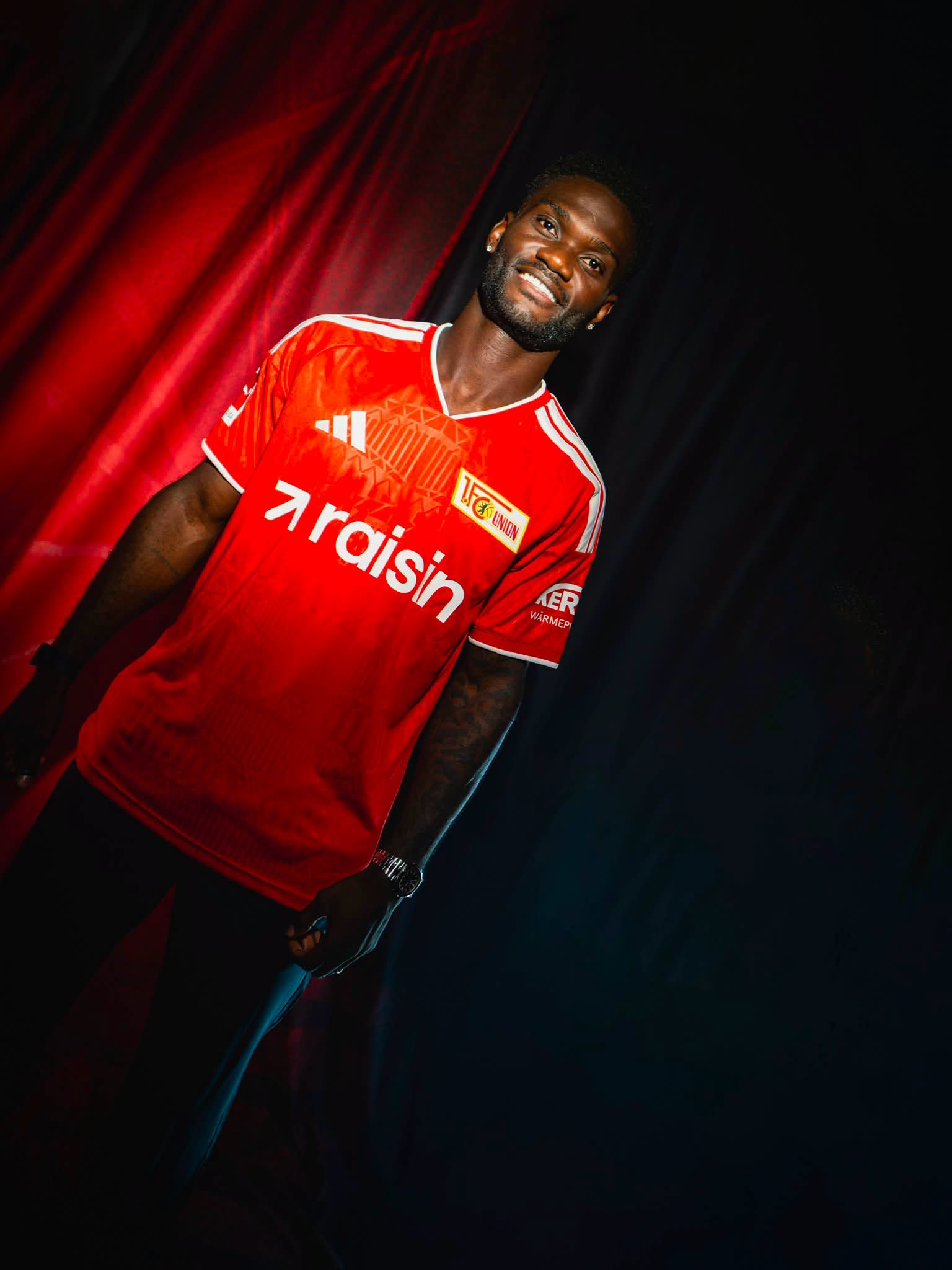
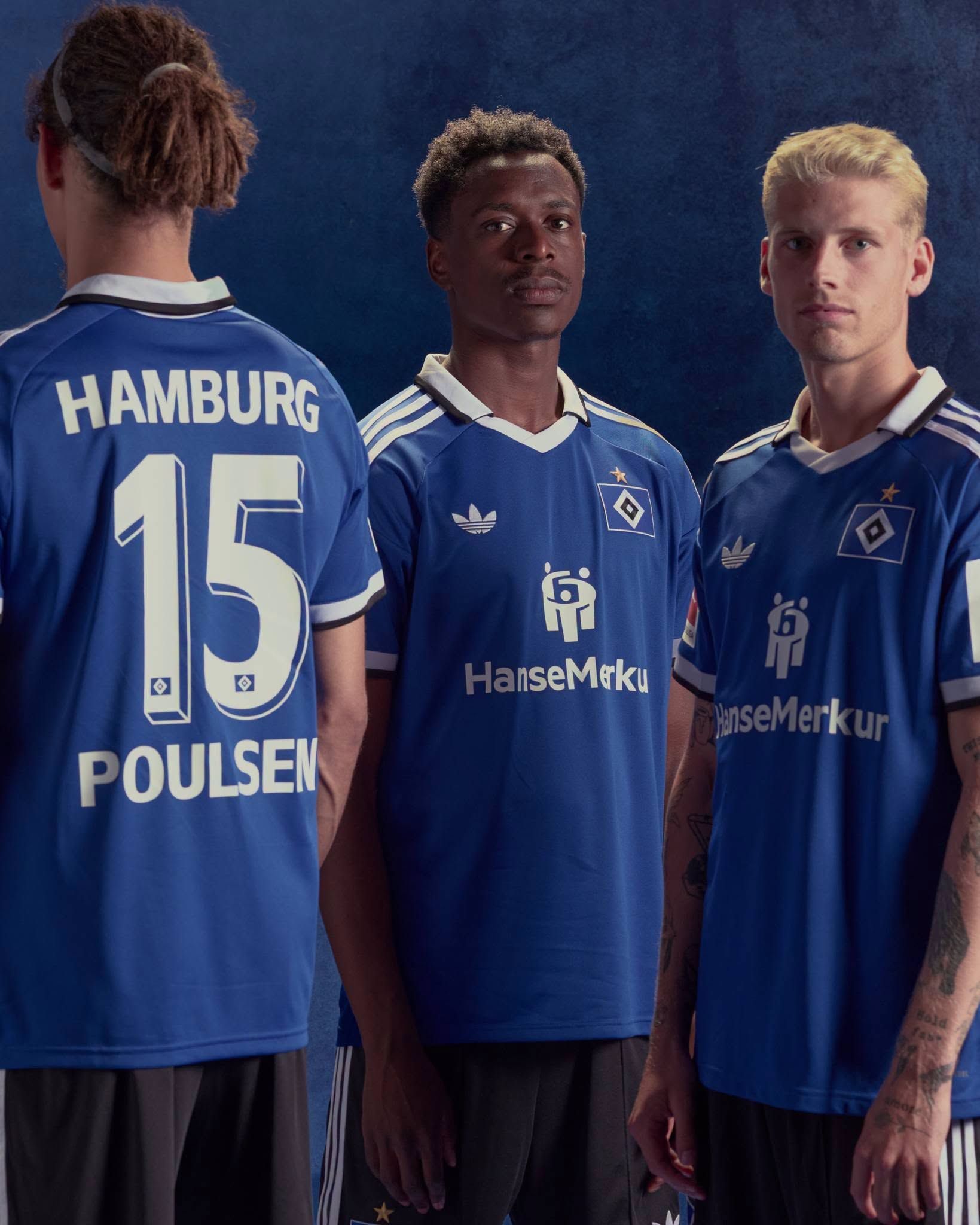
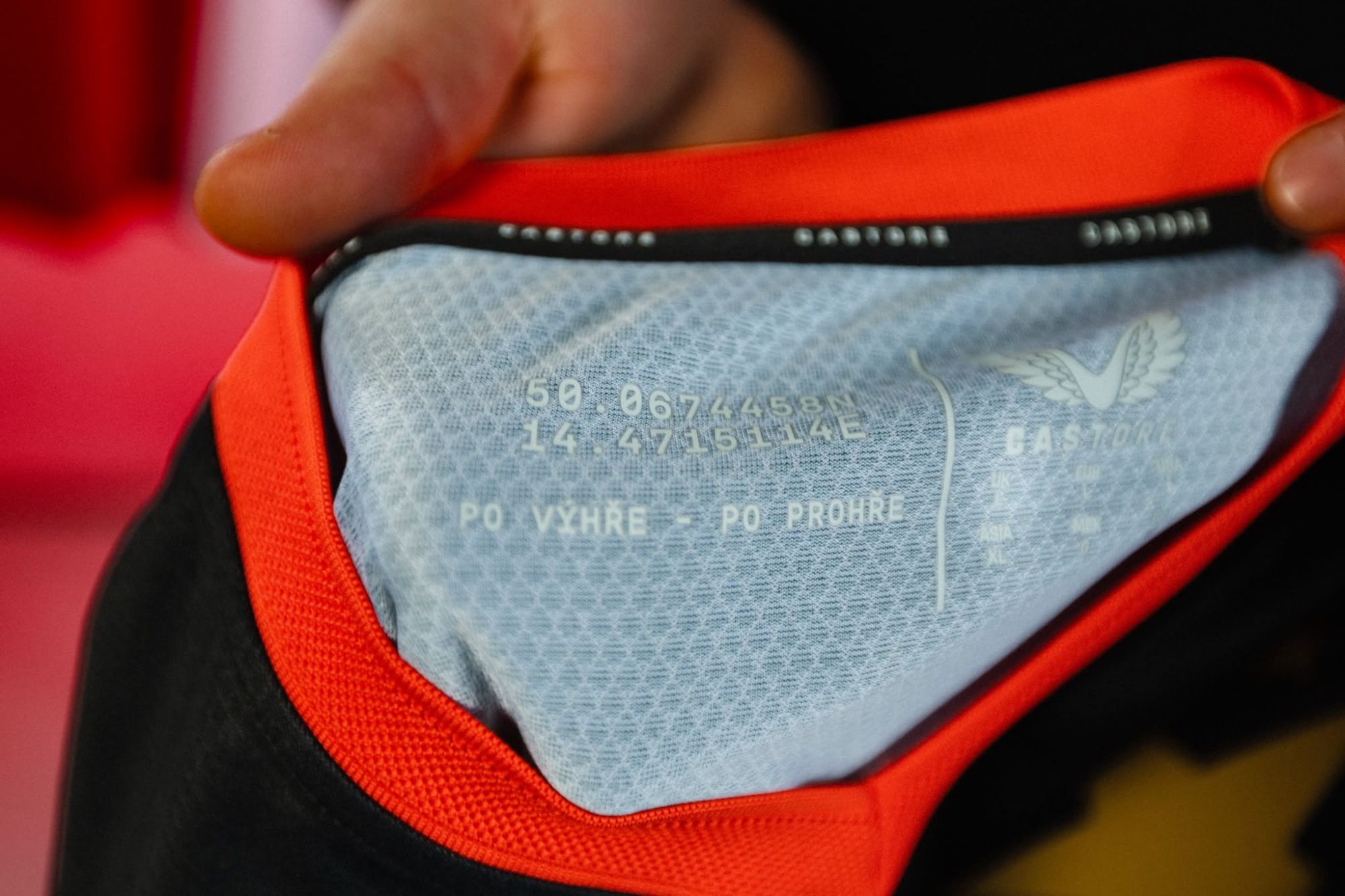
The architectural beauty and heritage of Hamburg's Volksparkstadion are woven into HSV's new jersey. The geographical coordinates of the historic ground are printed on the back of the collar, while digitally printed illustrations of the stadium subtly emerge from the shirt's white pattern. Union Berlin, meanwhile, translates the architecture of the Stadion An der Alten Försterei into its Home jersey through a series of intricate details. Across the all-red shirt, a tone-on-tone pattern of zigzagging lines recreates the stadium's unmistakable steel roof along with other architectural features surrounding the ground. Few stadiums share such a deep bond with their club and supporters. Around fifteen years ago, when the venue had fallen into such poor condition that hosting matches was no longer possible, more than 2,000 volunteers took part in its renovation. Their work made it possible to reopen the stadium, whose name literally translates as "Stadium by the Old Forester's House", a testament to the unique identity that continues to define Union Berlin today.
Tributes to England's iconic stadiums
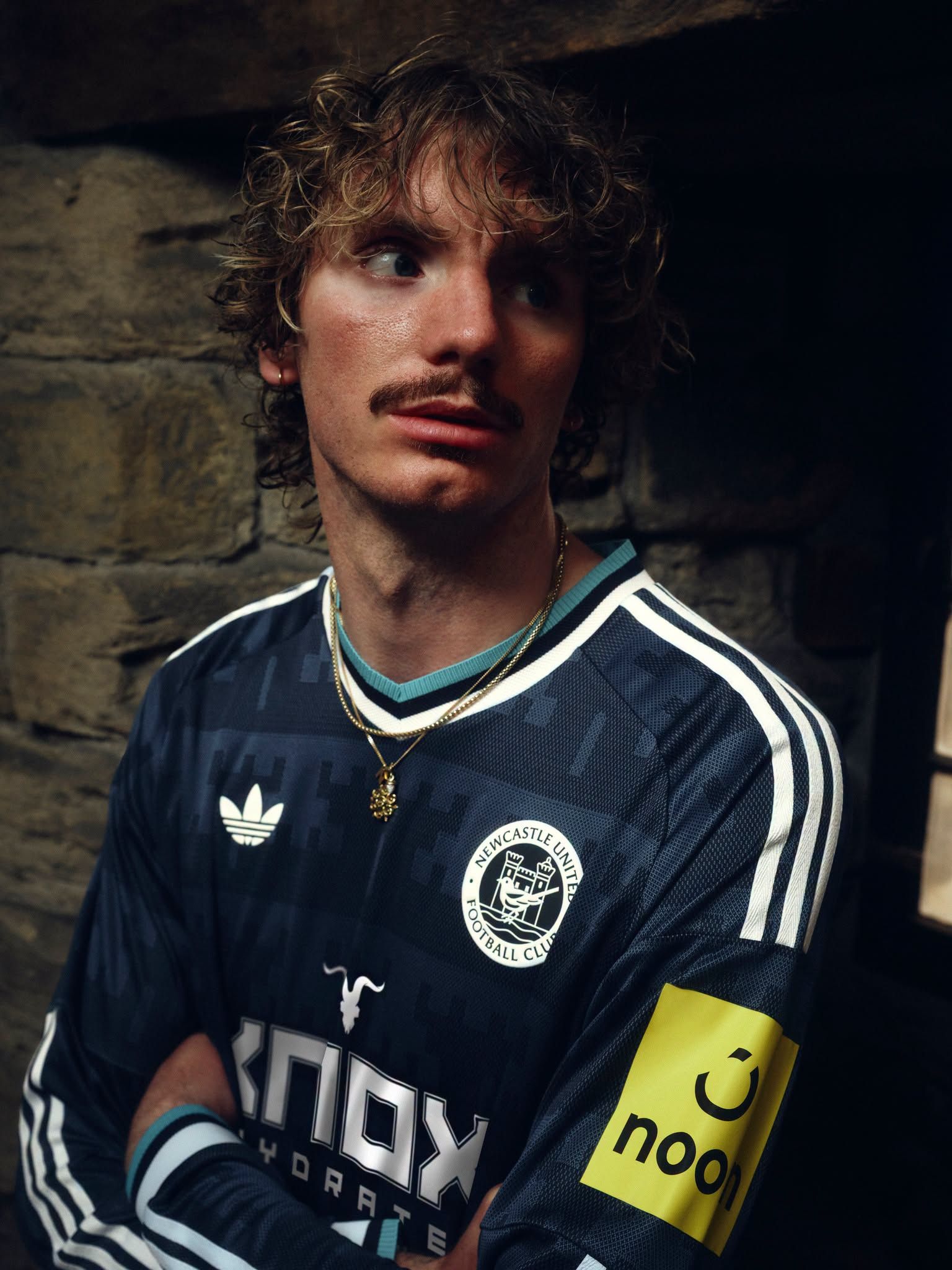
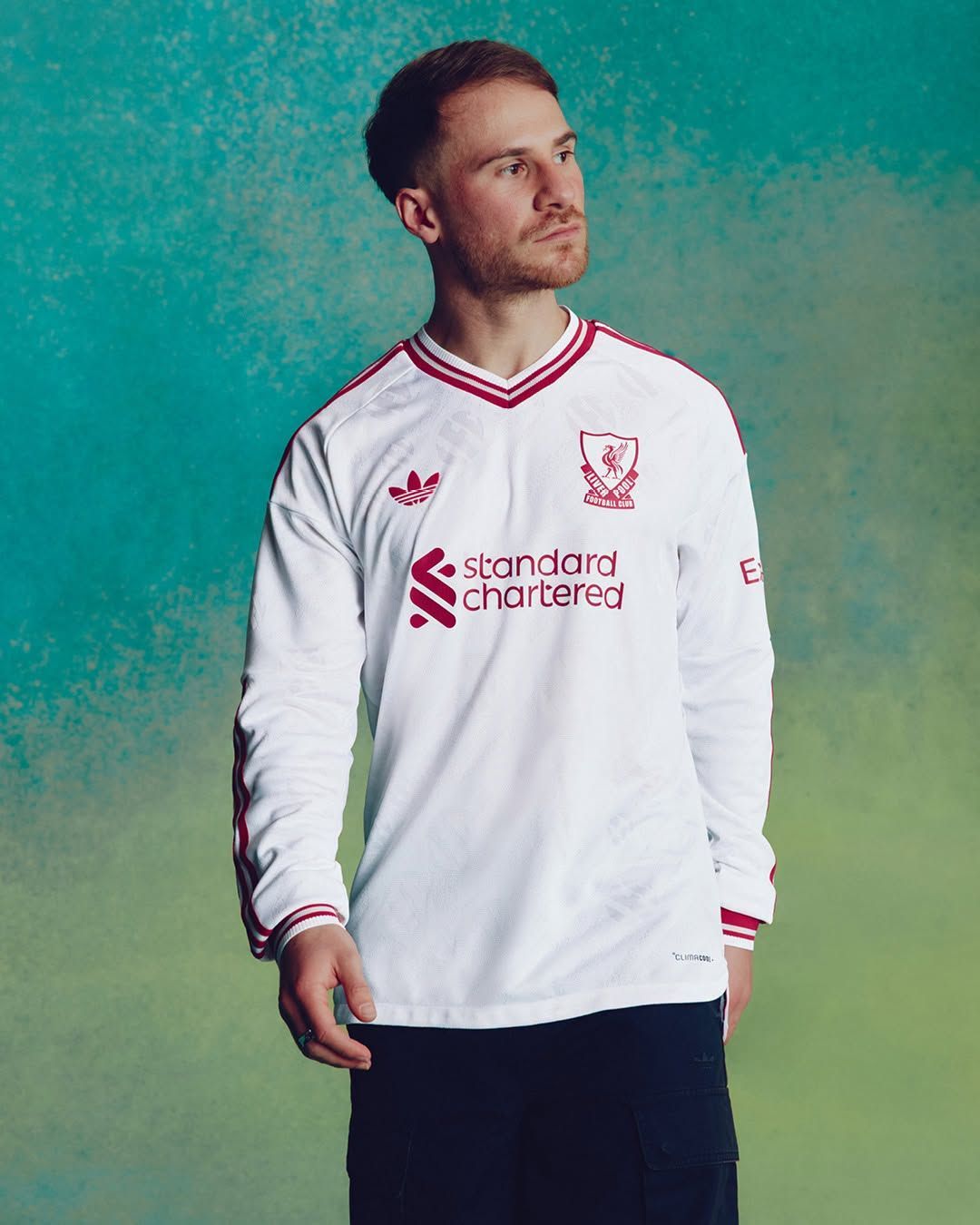
Twenty years have now passed since Arsenal left Highbury for the Emirates Stadium, closing one chapter of the club's history and opening another. To mark the anniversary, the Gunners have woven a series of architectural references to their "new" home into the 2026/27 Home jersey. The collar and sleeve cuffs, for instance, echo the sweeping curves of the stadium's roof. A leaked image has also revealed Aston Villa's upcoming Third jersey, expected to arrive in sky blue and featuring patterns inspired by the mosaics and historic brickwork of the Holte End façade at Villa Park. Ipswich Town, meanwhile, has translated the atmosphere of floodlit nights at Portman Road into its new 2026/27 kit. The embossed graphic recreates the beams of light cast by the floodlights above the Sir Bobby Robson and Sir Alf Ramsey Stands, paying tribute to the ground the Blues have called home since 1884. Liverpool's Away jersey is instead a nostalgic throwback to the club's golden era of the 1970s and 1980s at Anfield. The crest used is the same one that once appeared on match tickets and season passes, back when the Kop was more than just a stand—it was a cultural movement. It is one of this season's most original and thoughtful stadium-inspired references. Sticking with Away kits, Newcastle United's night-navy shirt incorporates into its pattern the distinctive brick walls that surround St James' Park, another true cathedral of English football.
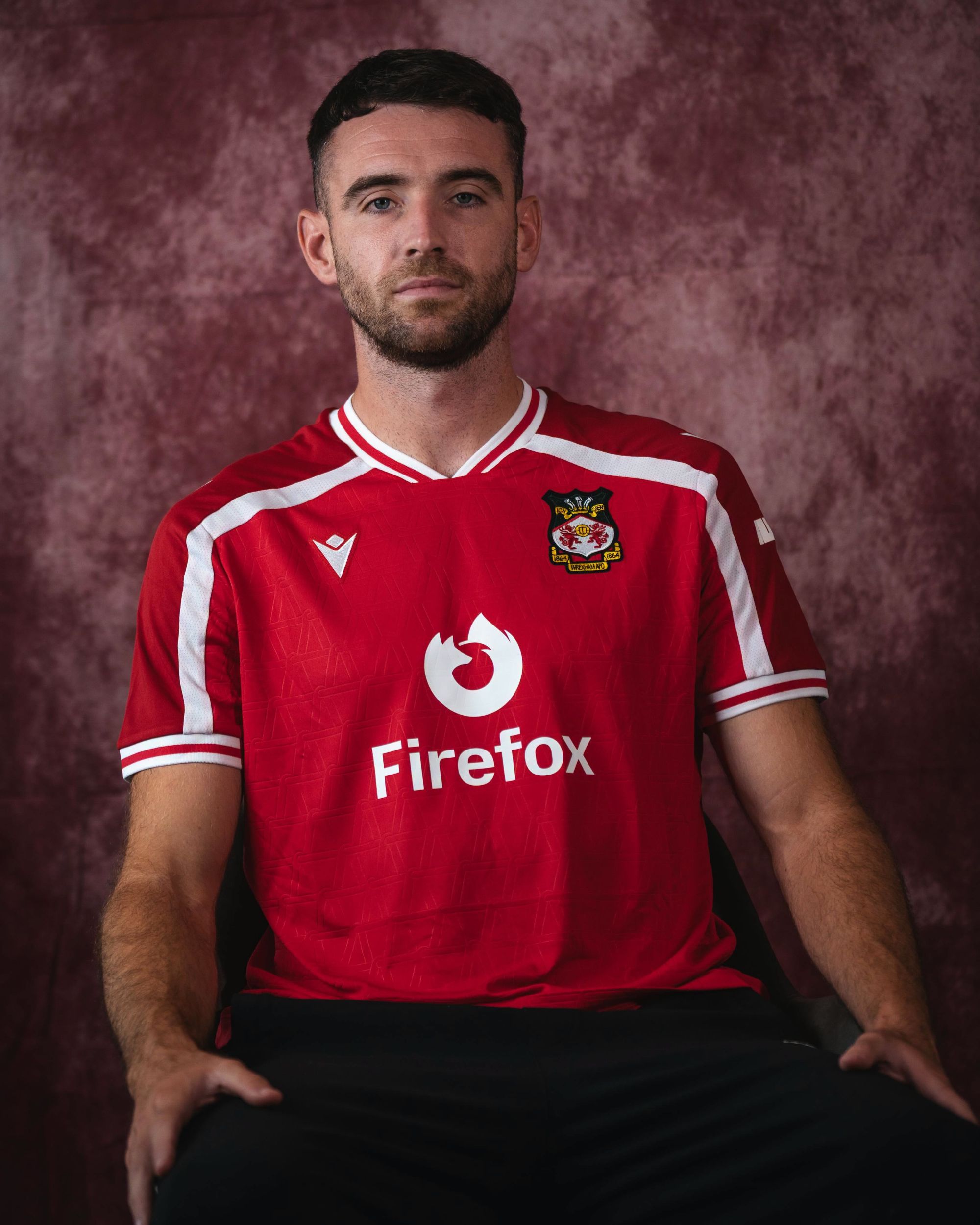
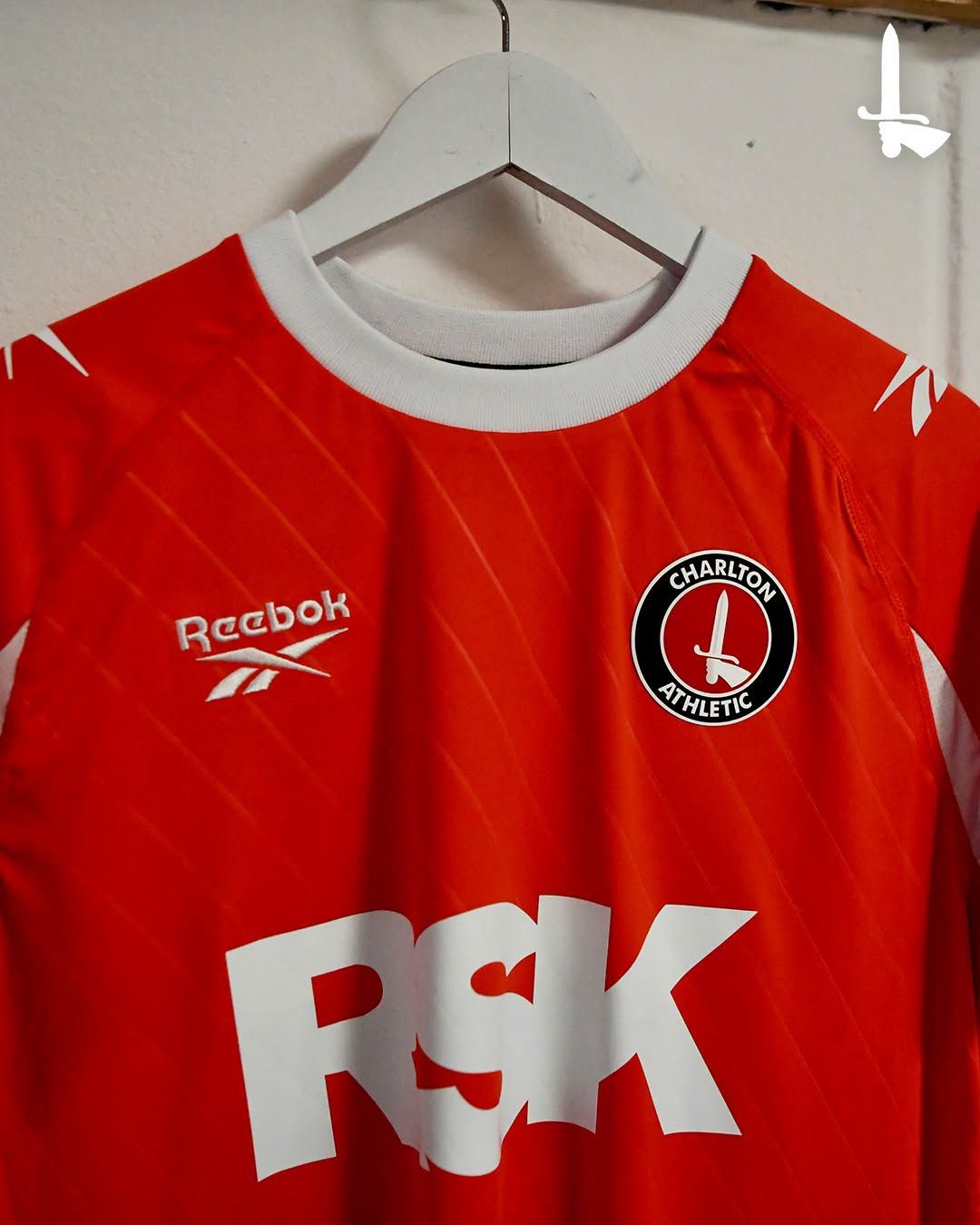
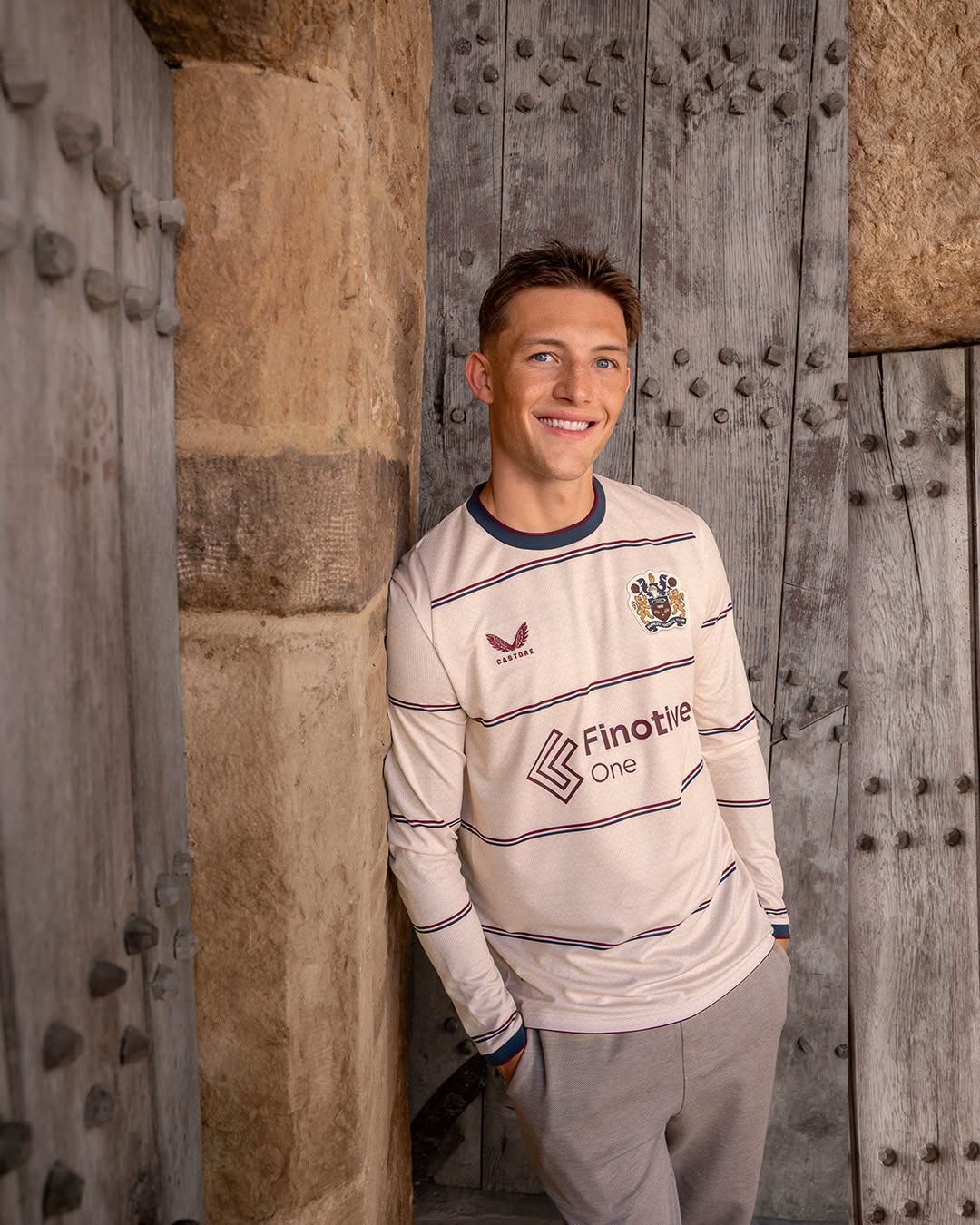
The trend extends beyond the Premier League and into the Championship. Charlton Athletic, for example, pays tribute to the Covered End at The Valley with embossed vertical stripes set at a 34-degree angle—the same incline as the famous stand occupied by the club's most passionate supporters. Celebrating the 30th anniversary of Pride Park, Derby County honours its home ground on this season's pink Away jersey through graphics inspired by the stadium's unmistakable roof support masts, while the venue's geographical coordinates appear on the back of the collar. Finally, Wrexham's Home jersey takes inspiration from the barriers that once stood in the old Kop Stand at the Racecourse Ground, widely recognised as the oldest international football stadium still in use. The stadium's Welsh name, Cae Ras, is printed on the back of the shirt alongside the club's founding year.
Stadium-inspired kits: where the trend began
The rise of stadium-inspired football kits may be one of this summer's defining design trends, but its origins go back much further. Over the past few years, an increasing number of clubs have turned their home grounds into a source of inspiration for their matchday shirts. In 2012, AIK, and in 2015, West Ham, both bid farewell to their historic stadiums with commemorative kits before moving into new homes. AIK opted for a clean, traditional design featuring inscriptions celebrating the Råsunda Stadion, while the Hammers paid tribute to the Boleyn Ground in much the same way. Chelsea followed in the 2019/20 season by incorporating the architecture of Stamford Bridge into the pattern of its Home jersey. Two years later, Atlético Madrid's 2021/22 Third kit drew inspiration from the three-coloured seating of the Vicente Calderón, while in 2023 Hellas Verona celebrated the 60th anniversary of the Bentegodi with a jersey featuring colour blocks inspired by the stadium itself.
The 2024/25 season was the moment this design language truly took off. Lens celebrated the structure of the Stade Bollaert-Delelis, Crystal Palace marked the centenary of Selhurst Park, and Everton brought the floodlights of Goodison Park onto its Away kit. Elsewhere, Parma unveiled a Fourth jersey dedicated to the 100th anniversary of the Stadio Ennio Tardini, complete with the venue's iconic monumental entrance printed on the back. Sevilla referenced the famous mosaic decorating the façade of the Ramón Sánchez-Pizjuán on its Home shirt, while Köln paid tribute to the roof structure of the RheinEnergieSTADION.
Last season continued to build on the trend. Borussia Dortmund celebrated the centenary of the Rote Erde with one of the year's standout shirts, featuring a stunning pattern dedicated to the club's former home. The Art Deco architecture of Highbury appeared across Arsenal's Third kit, Fulham recreated the wrought-iron railings of the unmistakable Craven Cottage on its Home jersey, while Old Trafford's architecture was woven into the sleeves of Manchester United's Home shirt. In Spain, meanwhile, Real Madrid's Third kit took inspiration from the seating of the Santiago Bernabéu, complete with the legendary Juanito quote reminding opponents that "90 minutes at the Bernabéu are a very long time."