














The Italian dream that changed the America’s Cup forever The legacy of Il Moro di Venezia
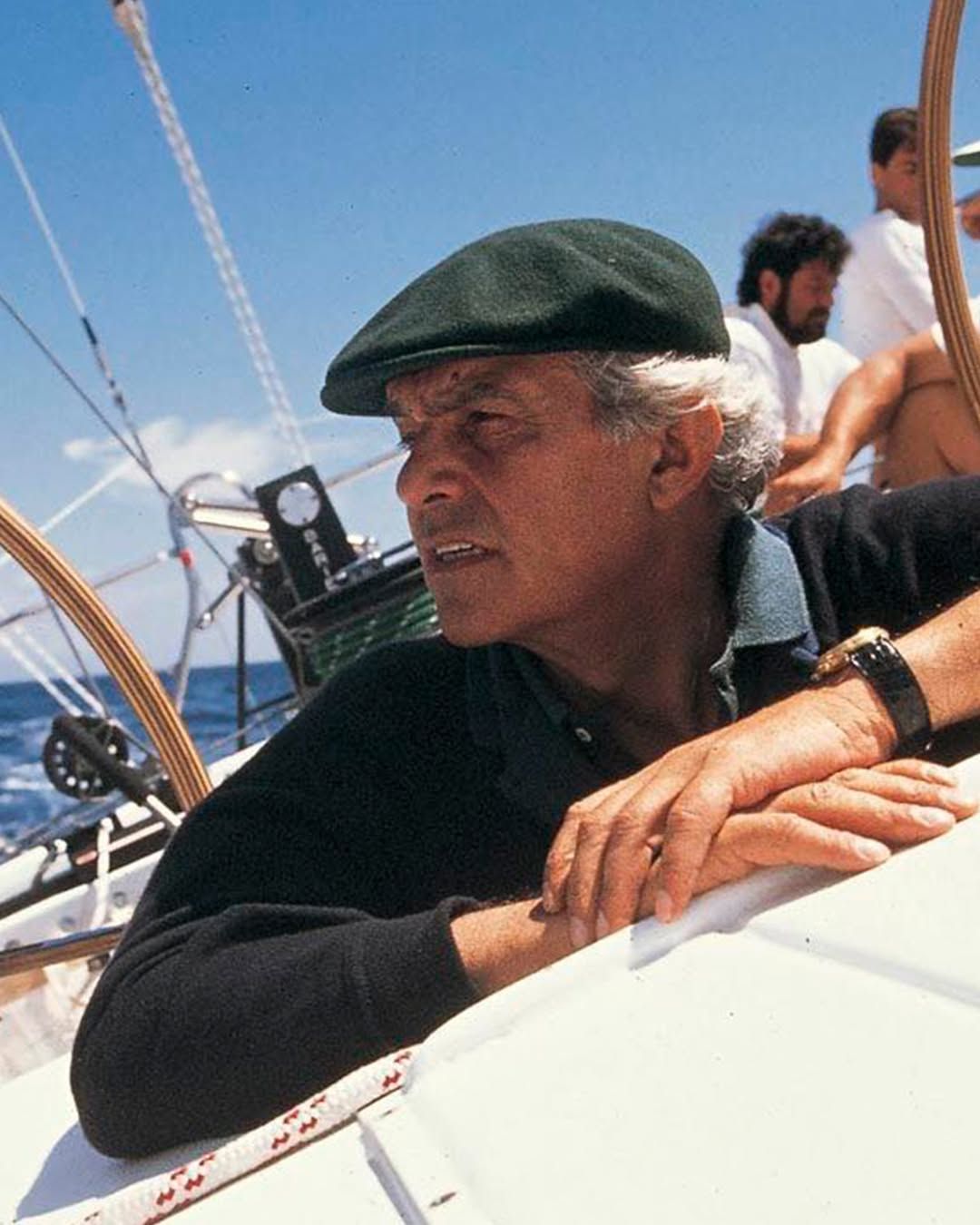
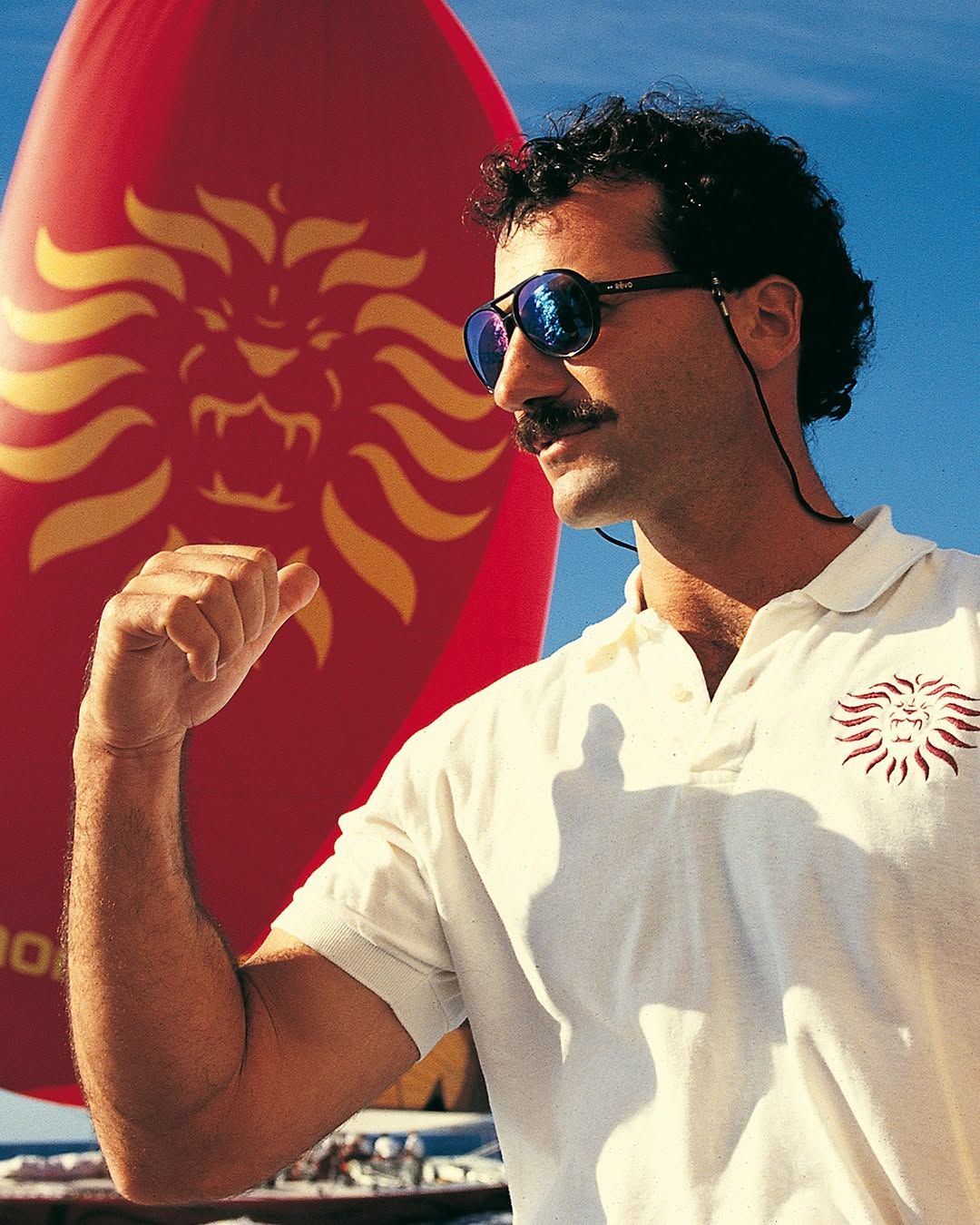
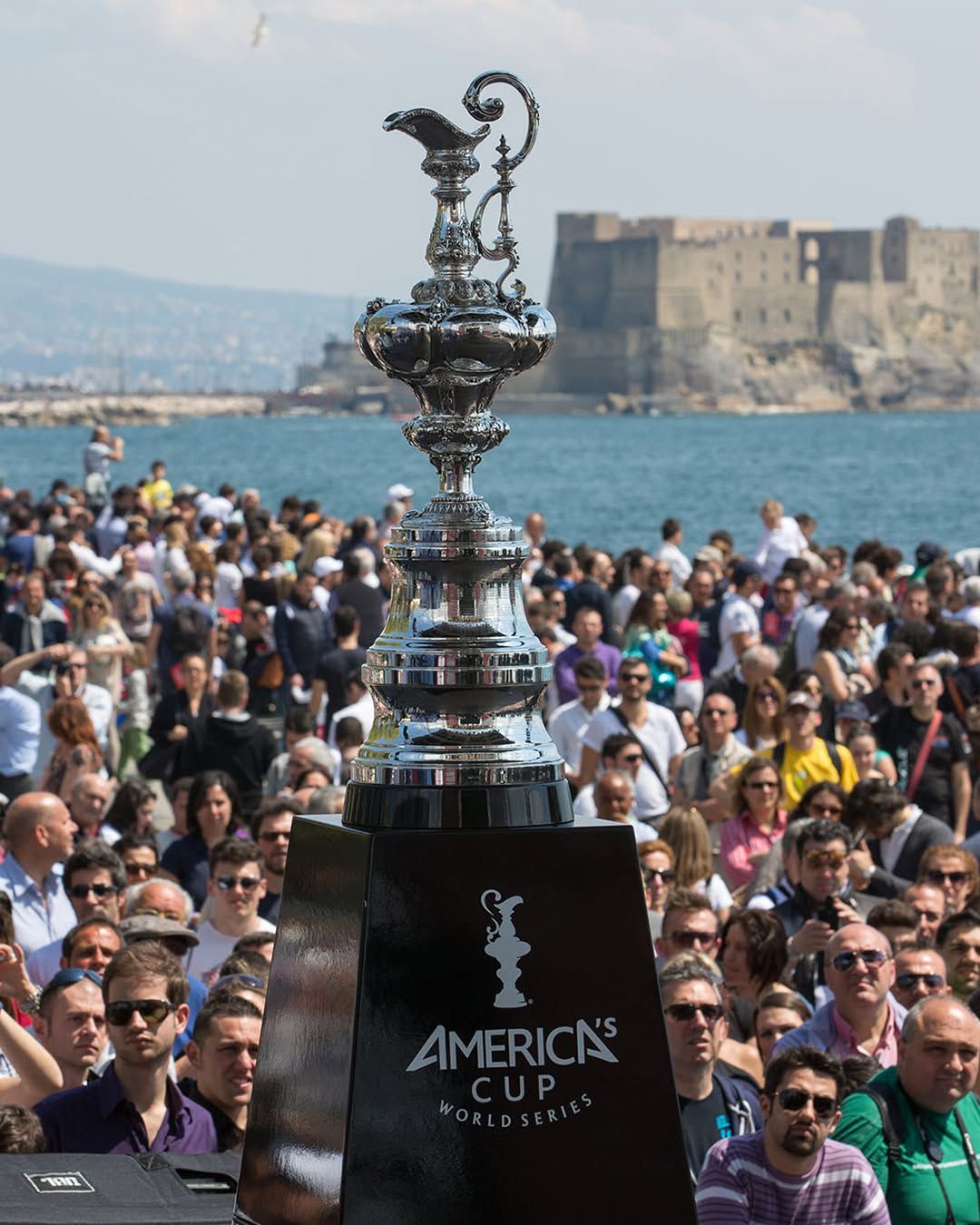
Next year, the America’s Cup will land in Italy for the first time, with Naples set to host the world’s oldest international sporting trophy. Once again, Luna Rossa will carry Italy’s hopes of finally lifting the silver jug. The team has come close on several occasions, most recently in 2021, and is approaching the 2027 challenge with more concrete ambitions than ever, as Max Sirena explained to us. But that dream did not begin with Luna Rossa. Before it, there was Azzurra, which paved the way in the Eighties, and then Il Moro di Venezia, which in 1992 reached the final series in San Diego.
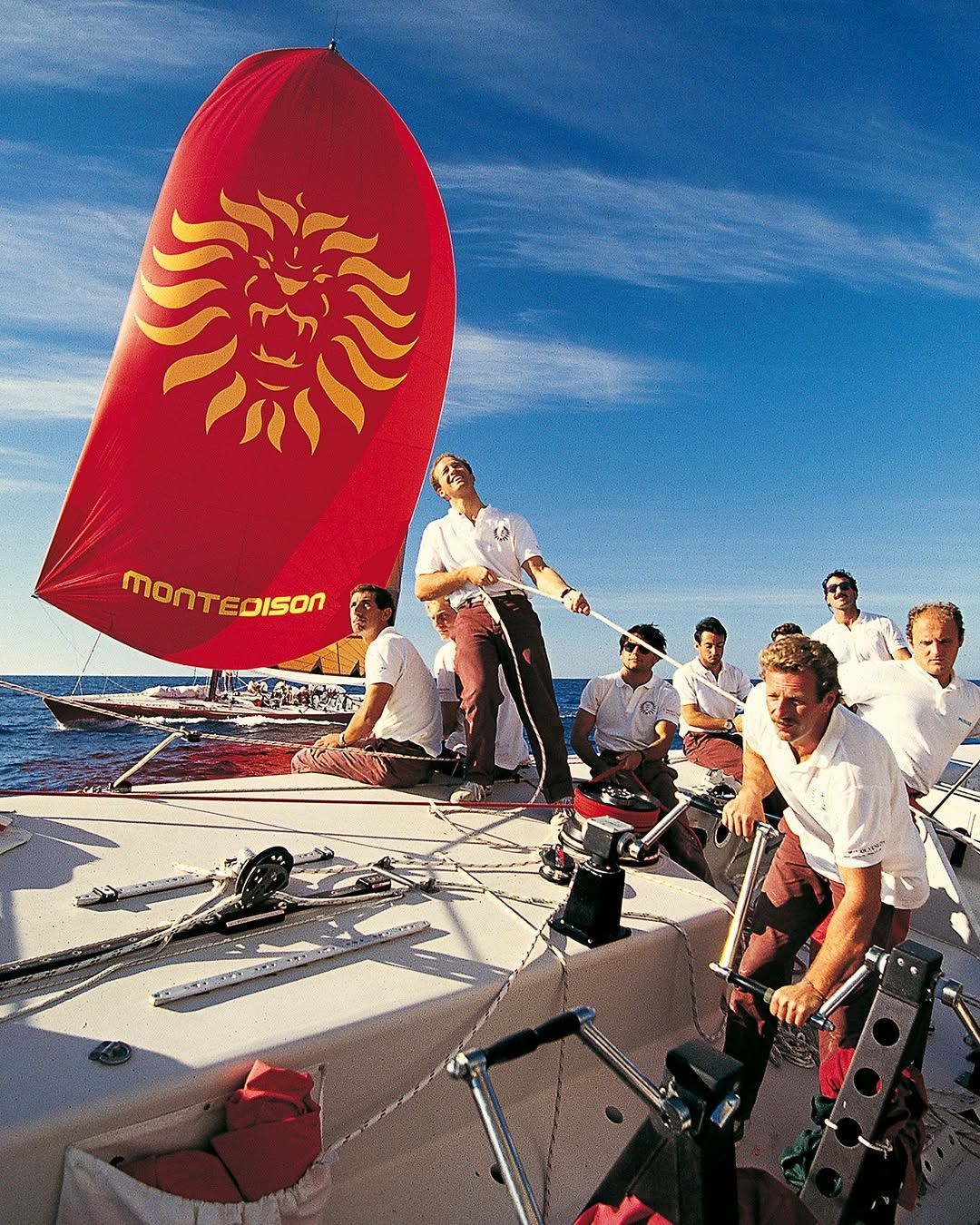
Red, with a golden lion emblazoned on its hull and Montedison across its sails, Il Moro was already a symbol before it even entered the water. It was the creation of Raul Gardini, the Ravenna-born entrepreneur and a figure as ambitious as he was controversial, who built his challenge around a project combining technology, investment, identity, and a very specific vision of Italy at the beginning of the Nineties. The launch ceremony in Venice captured that ambition, transforming the city into a stage directed by Franco Zeffirelli and accompanied by a soundtrack composed by Ennio Morricone. Then came San Diego, where Il Moro failed to win the silver trophy, but managed to inspire an entire country with a dream that, ten editions and almost thirty-five years later, continues to fuel Italy’s passion for sailing.
The Origins of Il Moro di Venezia
Il Moro di Venezia was born from Raul Gardini’s personal passion for sailing. He was not simply a wealthy backer who turned to the sport for visibility: he was a true owner, a man of the sea, as well as one of the most powerful and controversial entrepreneurs in Italy during that era. He led Montedison, a huge chemical and industrial group, and was nicknamed “the Farmer” because of his roots and his connection to the agricultural world. His relationship with sailing had started long before the America’s Cup campaign: in 1971 he commissioned Dick Carter to design a boat called Orca, then in 1975 he moved into the Maxi Yacht world with the first Moro di Venezia. From that moment, the name became a sort of personal brand, giving rise to other boats and increasingly ambitious projects. The key designer was Argentine naval architect German Frers, one of the most respected figures in international sailing, while on board was a young Californian sailor, Paul Cayard, whom Gardini would later choose as the central figure of this adventure.
The idea of competing in the America’s Cup began to take shape at the end of the Eighties, after Gardini’s successes in Maxi Yachts and Italy’s first experiences in the competition, first with Azzurra and then with Italia. Gardini wanted to take things to another level, creating a project capable of truly challenging the dominance of American and New Zealand teams. This ambition transformed Il Moro into a massive campaign, backed financially and technologically by Montedison, with the Compagnia della Vela di Venezia as its reference yacht club and the Tencara shipyards in Marghera as its first construction base. The programme would eventually produce five boats, developed between Italy, Spain and the United States, culminating with Moro V (ITA-25), the yacht selected to compete in San Diego in 1992. A true technological laboratory: carbon fibre, advanced materials, cutting-edge sails, expertise and processes inspired by the culture of Formula 1.
This ambition was presented to the Italian public through an almost theatrical language. In March 1990, in Venice, the launch of the first Moro built for the America’s Cup became a spectacular celebration of Italian identity. The boat arrived from Marghera covered by white sheets, carried on a platform through the Grand Canal, while the city was transformed into a huge open-air stage. There were musicians wearing historical costumes, hundreds of journalists and distinguished guests, with Franco Zeffirelli directing the scene like a Venetian blockbuster, and Ennio Morricone’s music giving the ceremony a solemn and cinematic atmosphere. When the covers finally dropped, revealing the red hull with the golden lion, Gardini stated his ambition clearly: “I want to win the America’s Cup.” He added that, if he failed, he would try again, and then again. A perfect snapshot of what Il Moro was becoming: a declaration of ambition, identity, and imagination.
The 1992 America’s Cup
In San Diego, host city of the 28th America’s Cup, Il Moro di Venezia arrived with its fifth hull, ITA-25, the one considered the most reliable contender for the challenge ahead. The format was largely the same as the one we know today: first, the team had to win the Louis Vuitton Cup, defeating the other challengers and earning the right to face the defender in the final series of races.
The campaign did not begin as a straightforward path to victory. Il Moro finished the opening stage in third place, struggling at times to find its rhythm, but eventually managed to shift gears. It overcame Le Défi Français and Nippon Challenge, securing a place in the final, where it would face New Zealand Challenge, one of the most powerful teams in international sailing. Even there, the Italian boat came close to elimination against an opponent with more experience at that level and widely considered the favourite. Then came a comeback built on fiercely contested races and controversial rule disputes, turning the challenge into an increasingly popular phenomenon back home in Italy.
The impact of the campaign represented the first major victory beyond the water: making mainstream a world that had always seemed reserved for insiders. Italians began following updates, reading race reports, and watching a red boat compete on the other side of the world through their television screens. Technical terms such as bowsprit and spinnaker suddenly became almost familiar. And Gardini’s adventure quickly transformed into a national obsession.
In the end, Il Moro defeated New Zealand 5-3 and won the Louis Vuitton Cup, becoming the first Italian boat to compete in the America’s Cup Match. Waiting on the other side was America³, Bill Koch’s yacht, a project backed by huge financial resources and cutting-edge technology, built to defend the trophy on home waters in the United States. The final began on 9 May 1992, with America³ winning the opening race by around thirty seconds, confirming the predictions of those who considered them favourites. In the second race, however, Il Moro claimed victory thanks to a decisive final manoeuvre just metres from the finish line, briefly making the dream of winning the America’s Cup feel within reach. From the following day, though, the Americans regained control and closed the series 4-1. But Il Moro had achieved something that went beyond the final score: it had taken Italian sailing to the highest point in its history.
The Legacy
After San Diego, however, Il Moro di Venezia remained an unfinished story. Raul Gardini had said that, if he failed to win, he would try again — but that promise never had the chance to become a new campaign. In July 1993, just over a year after the final against America³, Gardini took his own life in his office at Palazzo Belgioioso in Milan. He was involved in the investigations surrounding Mani Pulite and the Enimont case, the joint venture between Eni and Montedison that became one of the biggest scandals of Italy’s Tangentopoli era. Three days earlier, Eni president Gabriele Cagliari had also died by suicide while in prison.
This is also why Il Moro was never just a boat or a sporting project. It was a reflection of an entire era: faith in technology, the power of industrial groups, the desire to challenge worlds that seemed unreachable, and the uniquely Italian ability to turn a launch ceremony into a spectacle and a regatta into a national story. But it also represented the other side of that same period: the blurred connections between industry, politics and finance, which would soon bring down many of the protagonists of that generation.
The five boats themselves went on to represent a fragmented legacy. Moro II returned to the water, remaining connected to Venice and events linked to the Nautical Show; Moro III became an urban landmark in Ravenna, displayed in the city’s Darsena; while the others left behind scattered traces between the United States and Canada. The most melancholic chapter belongs to Moro V, the boat that made Italy dream in 1992, which in 2021 was reportedly abandoned in a private marina in Massachusetts.
The Moro’s dream may have ended too soon, but it left behind a lasting fascination. Sporting, technological, cultural, and perhaps even aesthetic. And this story would somehow continue through Luna Rossa. Not as a direct continuation — Patrizio Bertelli’s project was born in a different era, with a different structure and a different vision — but with part of the same DNA and, above all, with the belief that an Italian boat could compete among the elite of the America’s Cup. Luna Rossa inherited that legacy and transformed it into a project capable of crossing generations, one that in 2027 will attempt to finally fulfil the same great dream.