
How Umbro is rewriting the meaning of football heritagejavascript:cms.showLanguage('IT'); An interview with Helene Hope, Head of Global Brand Marketing
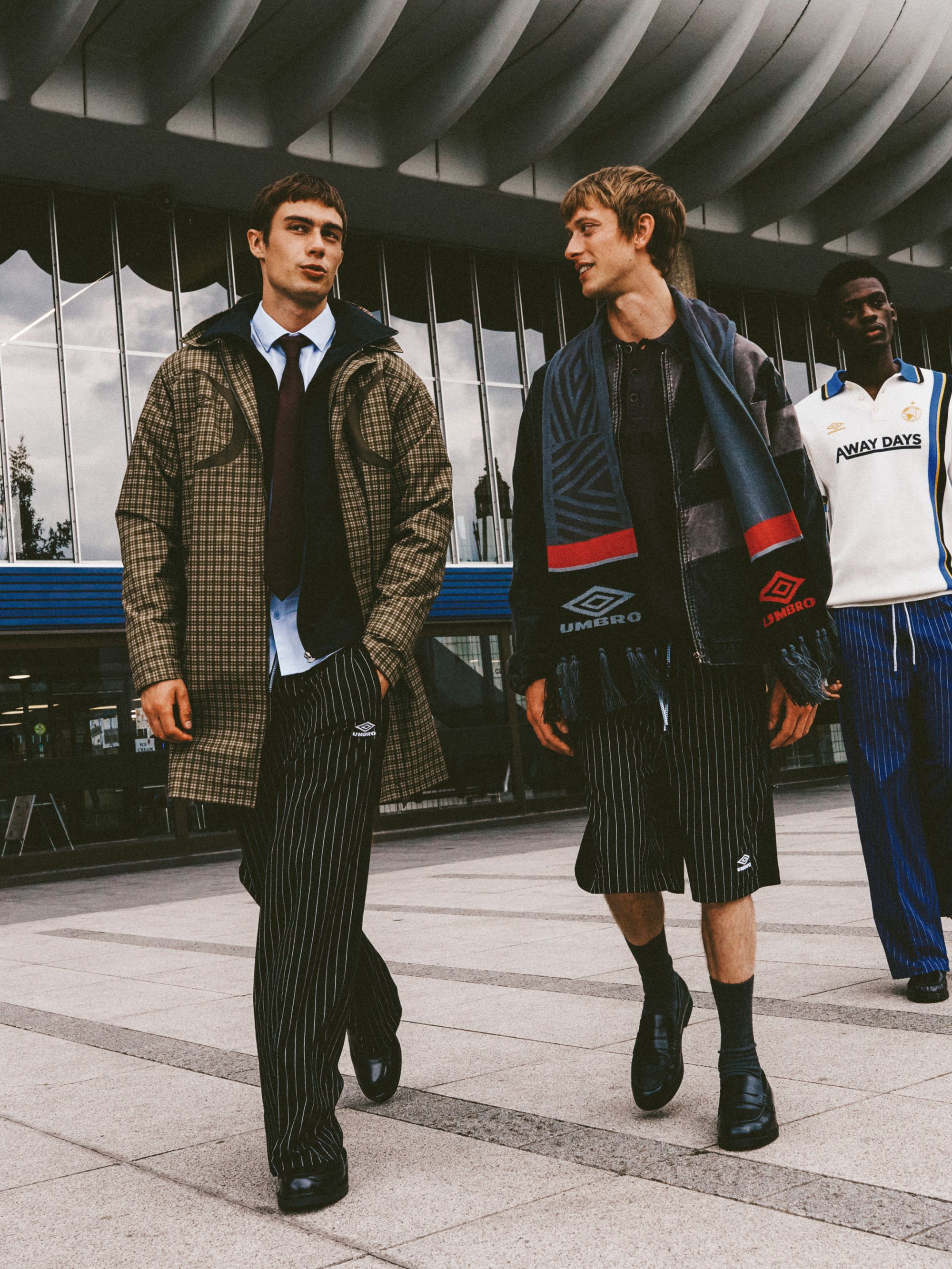
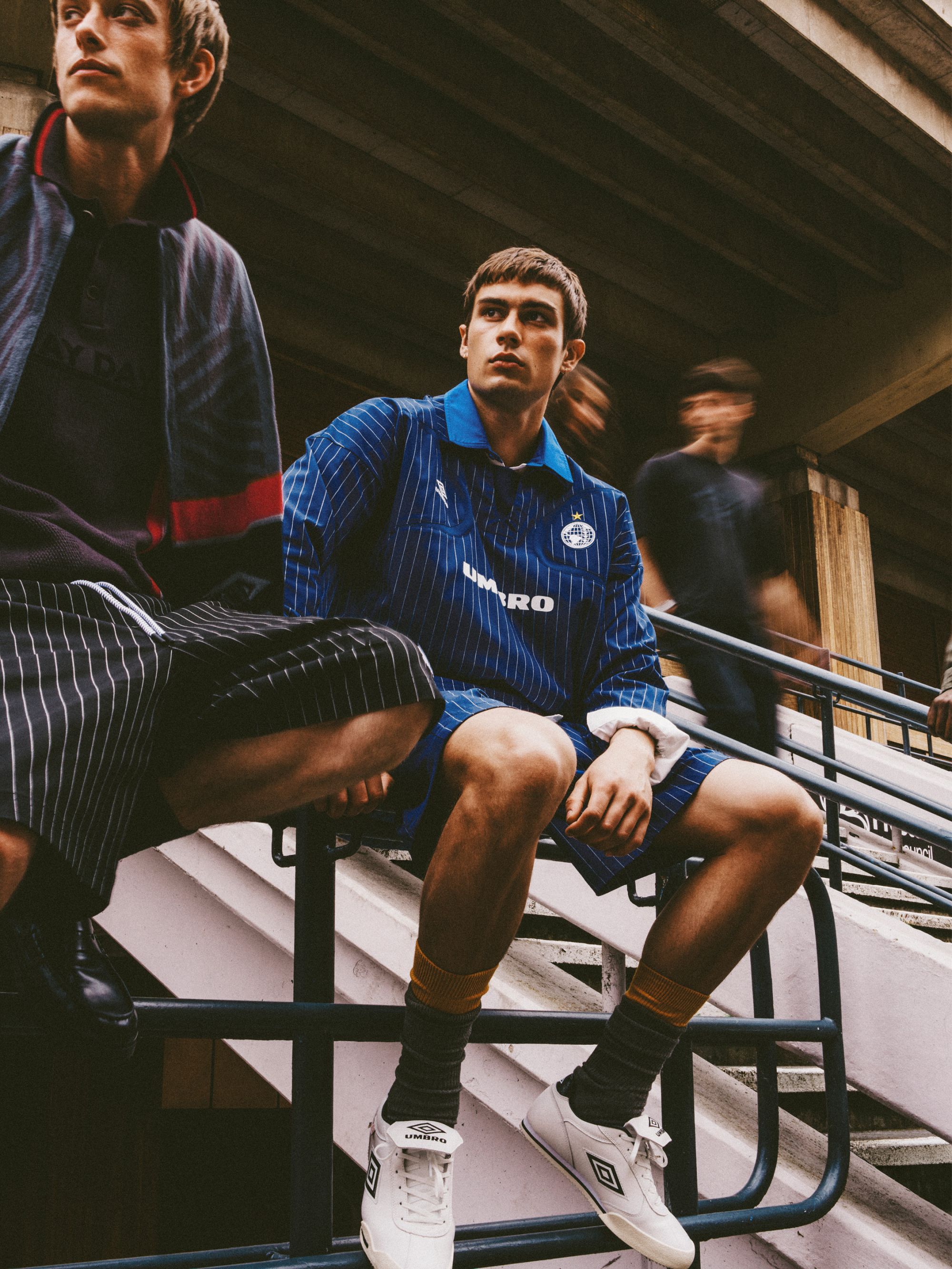
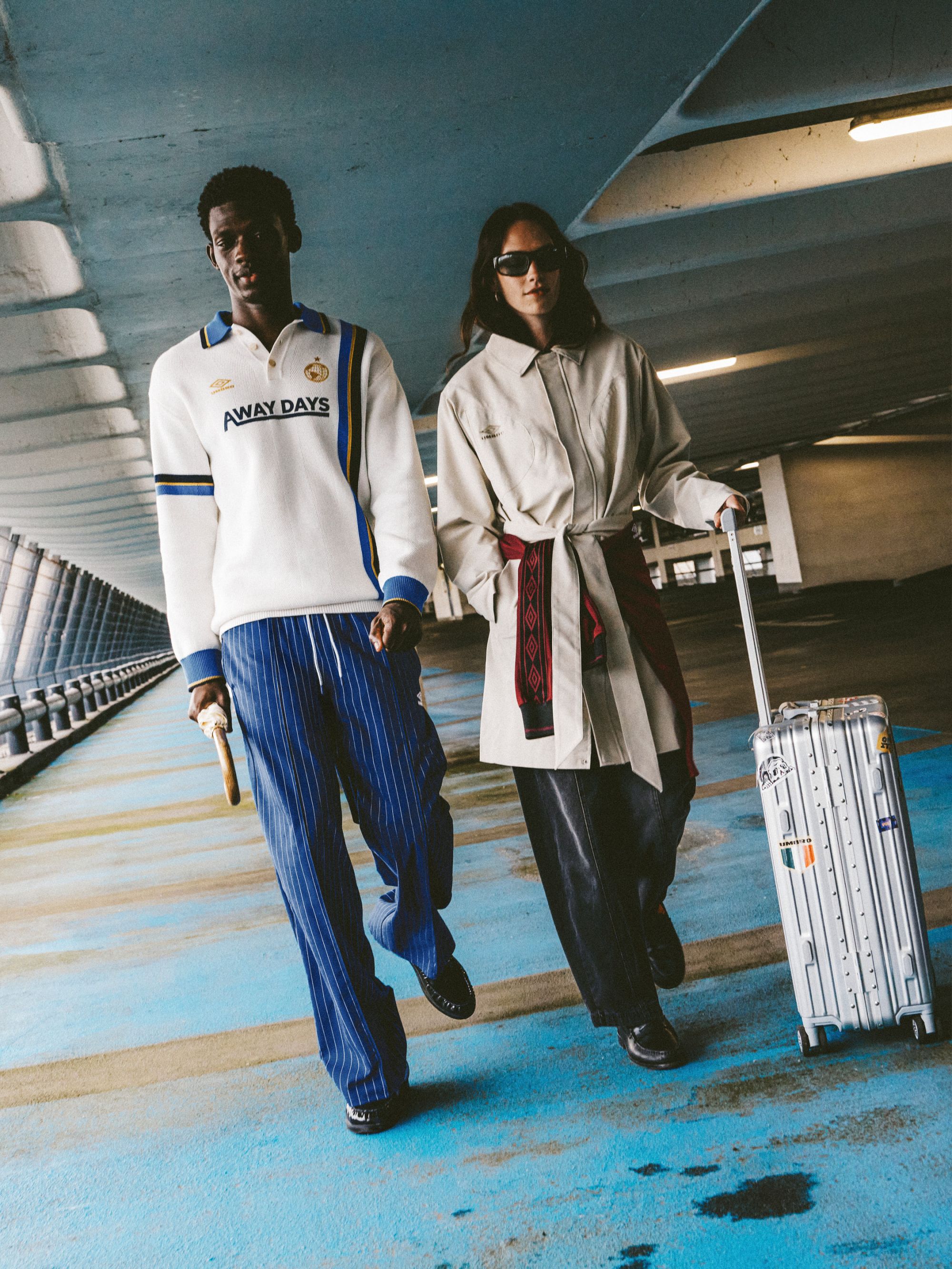
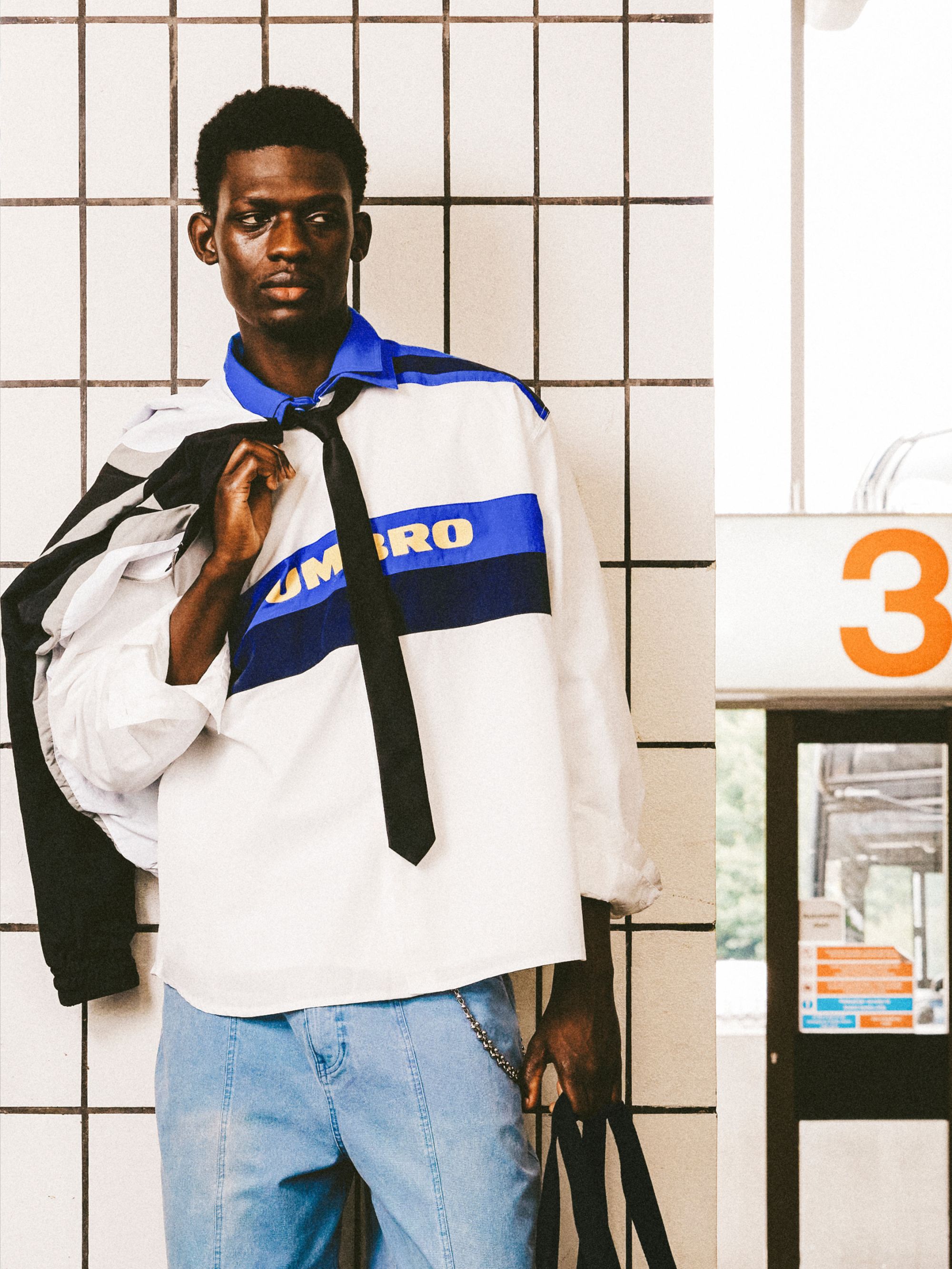
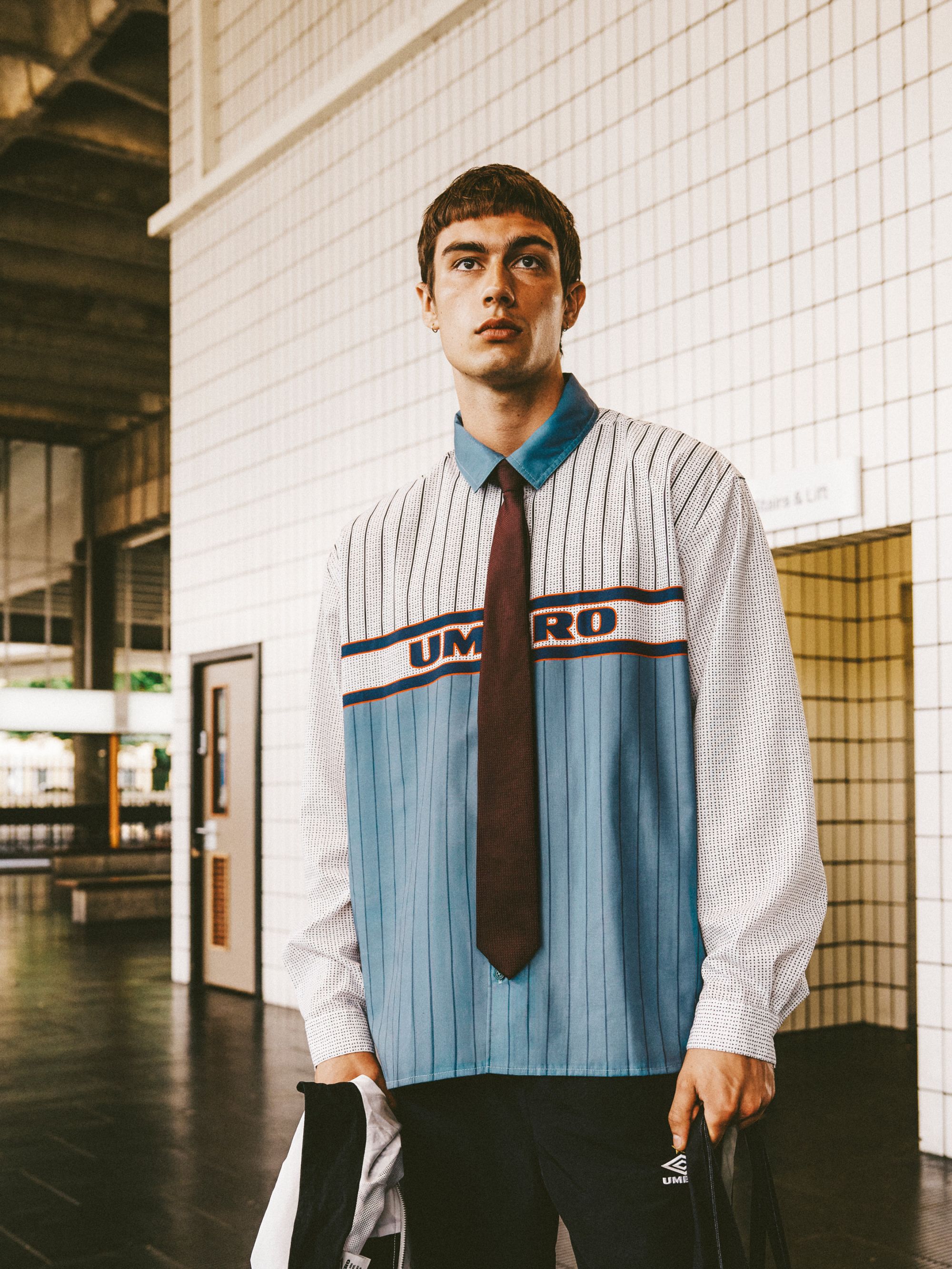
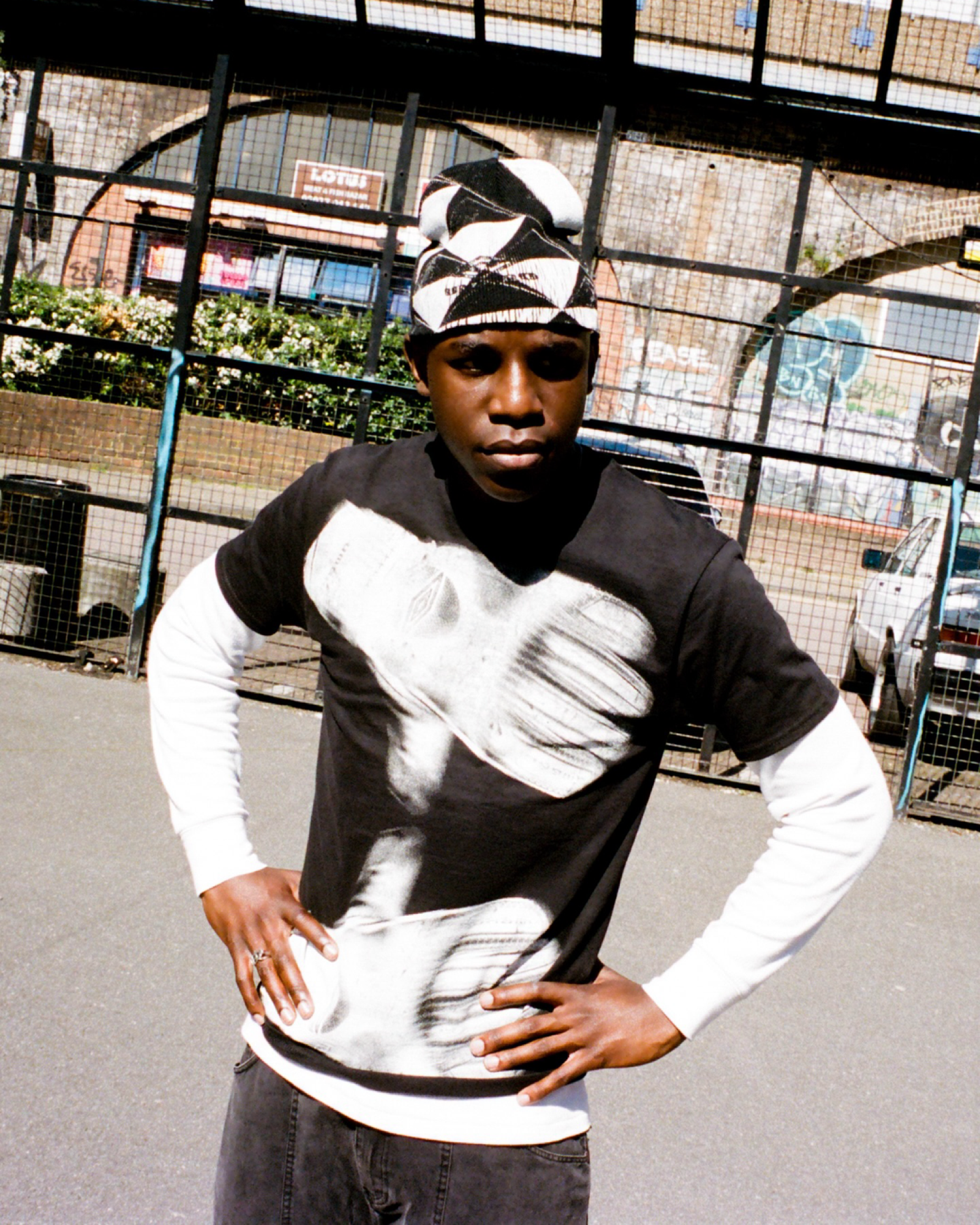
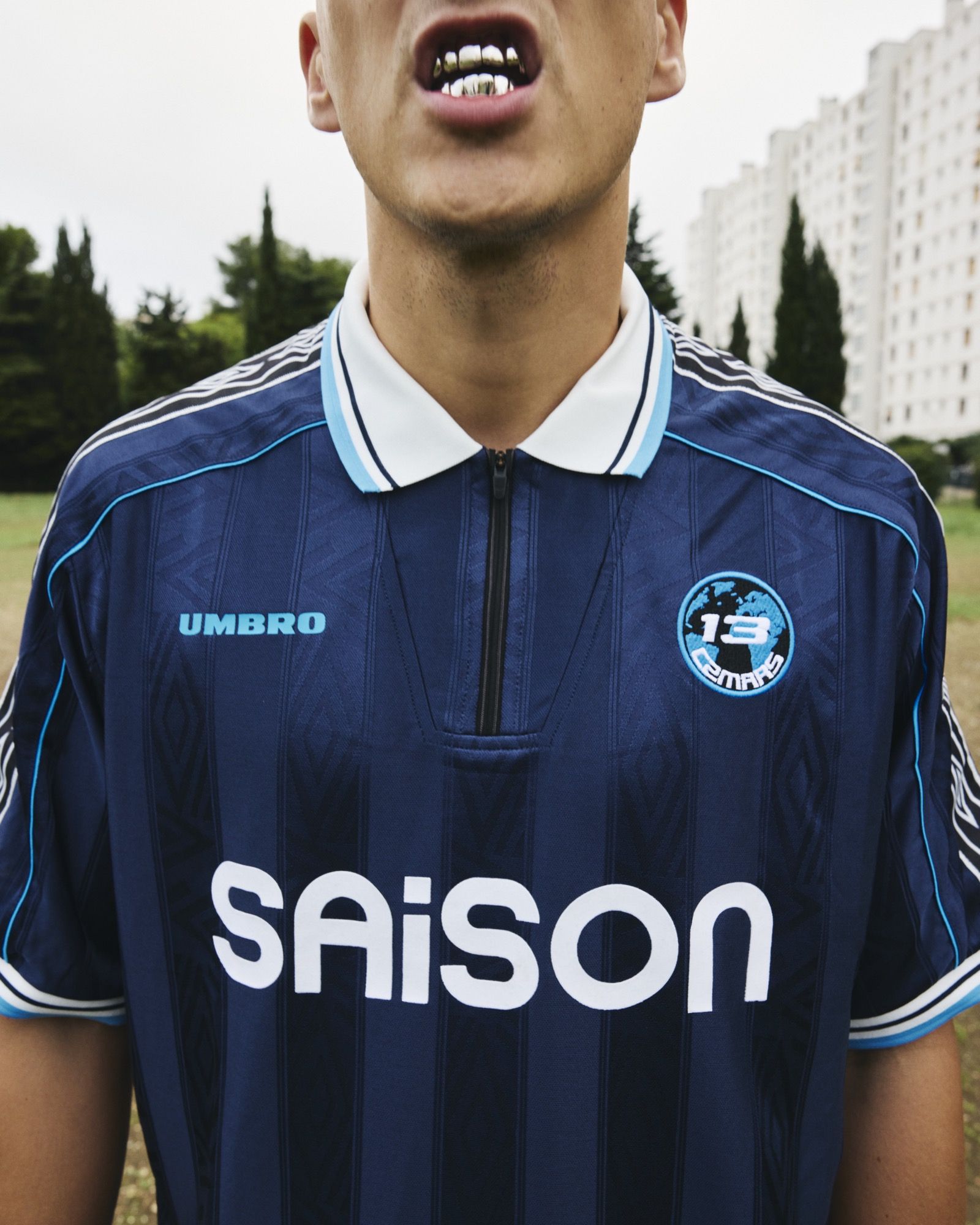
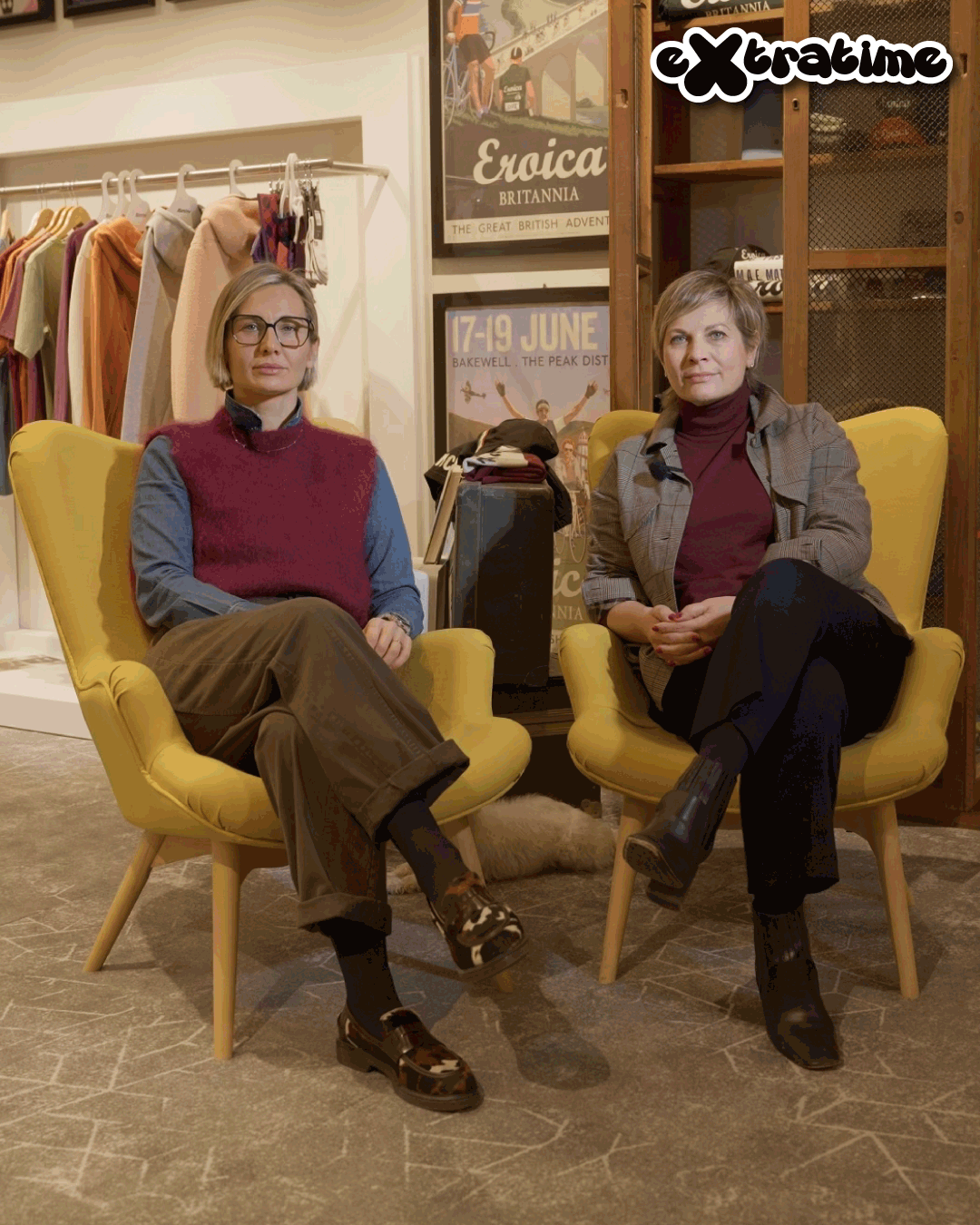
"Umbro is, first and foremost, a sport and a football brand. What is relatively new for Umbro is the greater emphasis we are placing on sports culture—the world beyond the pitch." This is the first answer we received from Helene Hope, the brand’s Head of Global Brand Marketing, when we sat down with her to better understand the culture and philosophy behind the brand’s latest collections. Over the past few months, Umbro has released a number of collections that have merged football heritage with lifestyle in a unique way. The brand has opened its archive to revisit iconic kits, reworking its most recognisable codes while adapting them to a new aesthetic.
"For any brand operating at the intersection of fashion and football, authenticity is essential - adds Helene -. The most powerful brands stay true to who they are while responding to the emotional needs of their audience. We do not simply sell garments; we offer emotion, identity and, ultimately, a sense of belonging. Heritage only matters if it can be made emotionally relevant to a new generation. We are continually searching for fresh insight—examining evolving consumer behaviours and emerging cultural trends, then identifying the elements that connect most authentically with our brand DNA. Our history is embedded in our DNA; it has shaped who we are as a brand. Rather than following the direction of others, we focus on expressing our own point of view. That sense of identity guides everything we do and creates a meaningful distinction between Umbro and other brands”.
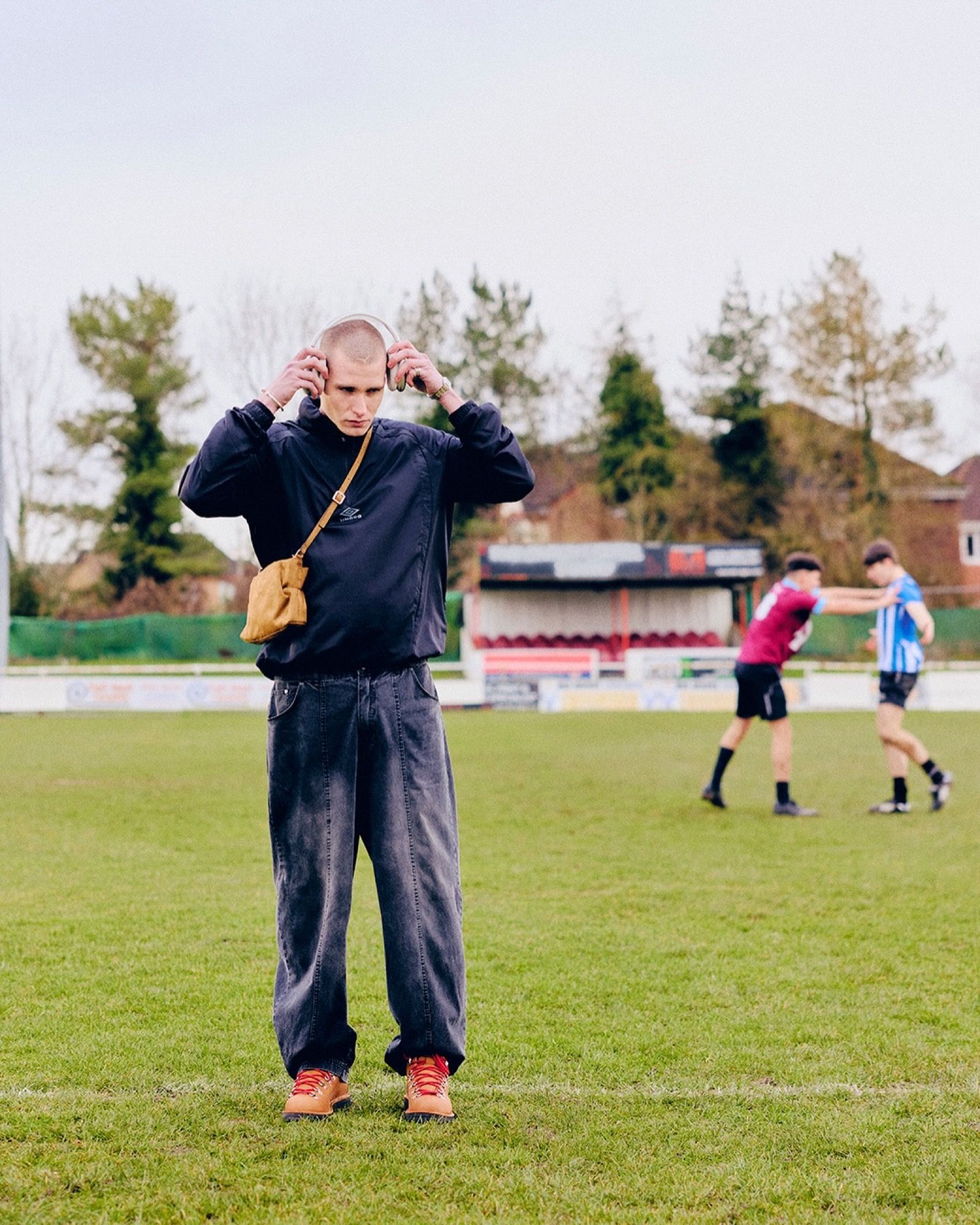
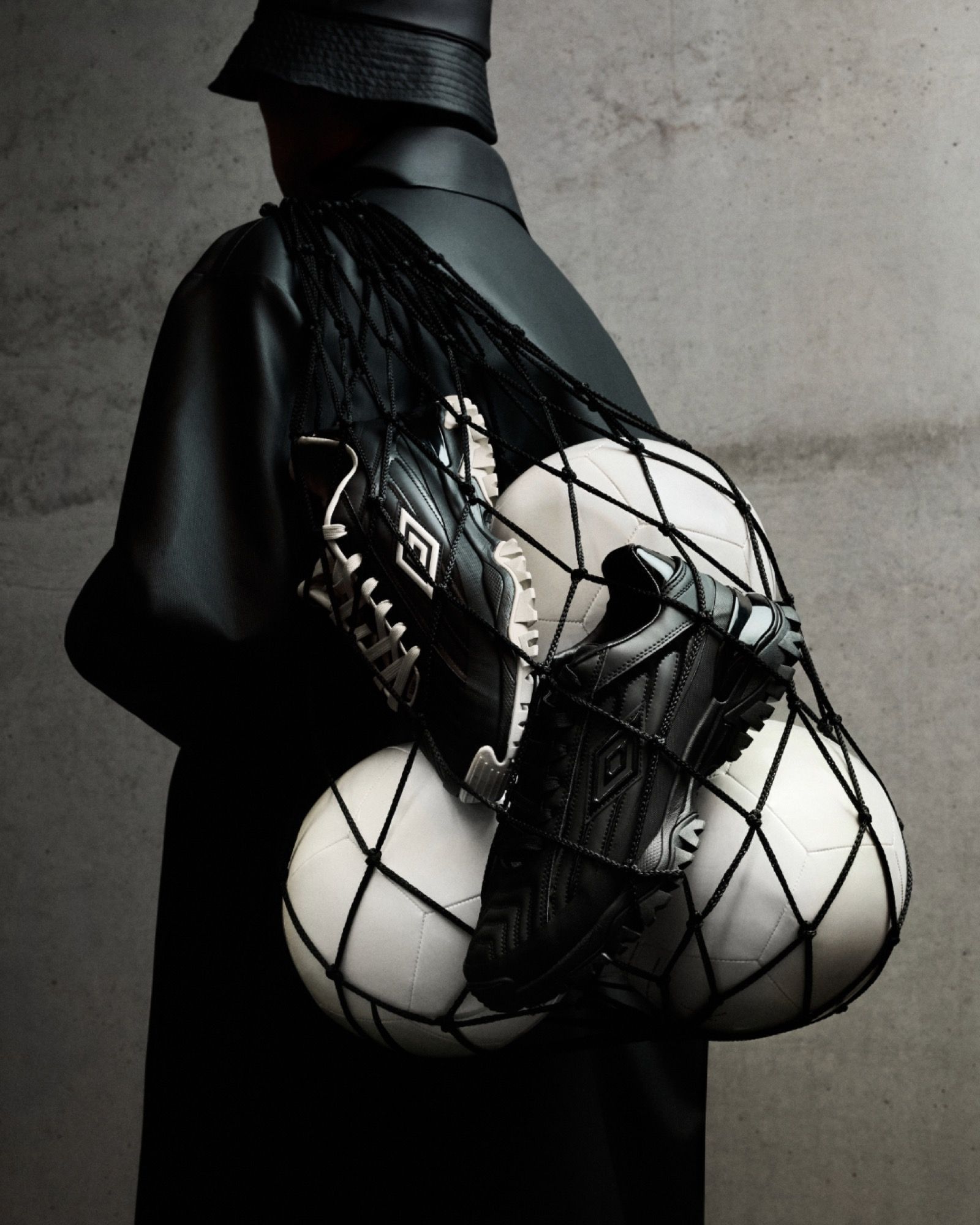
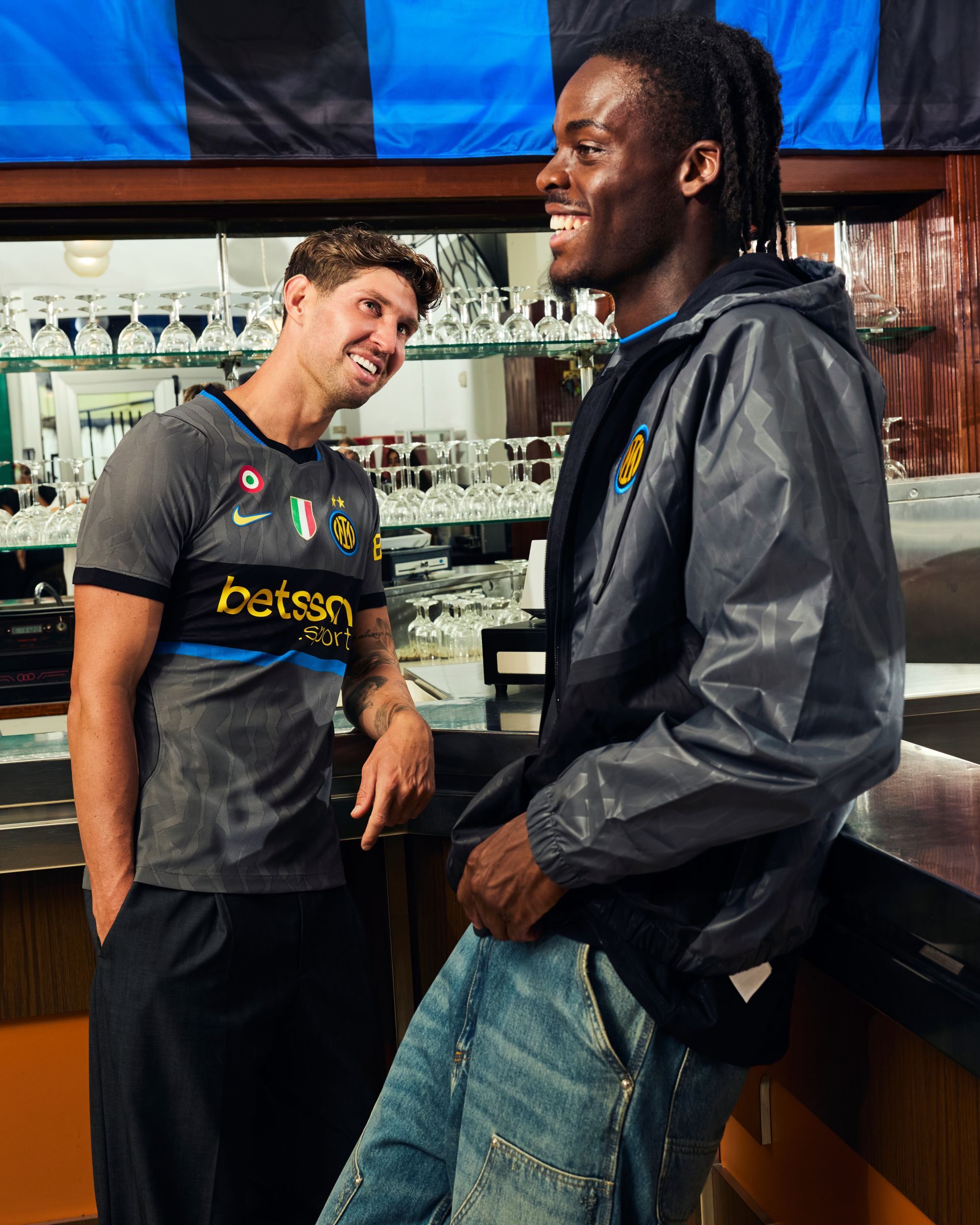
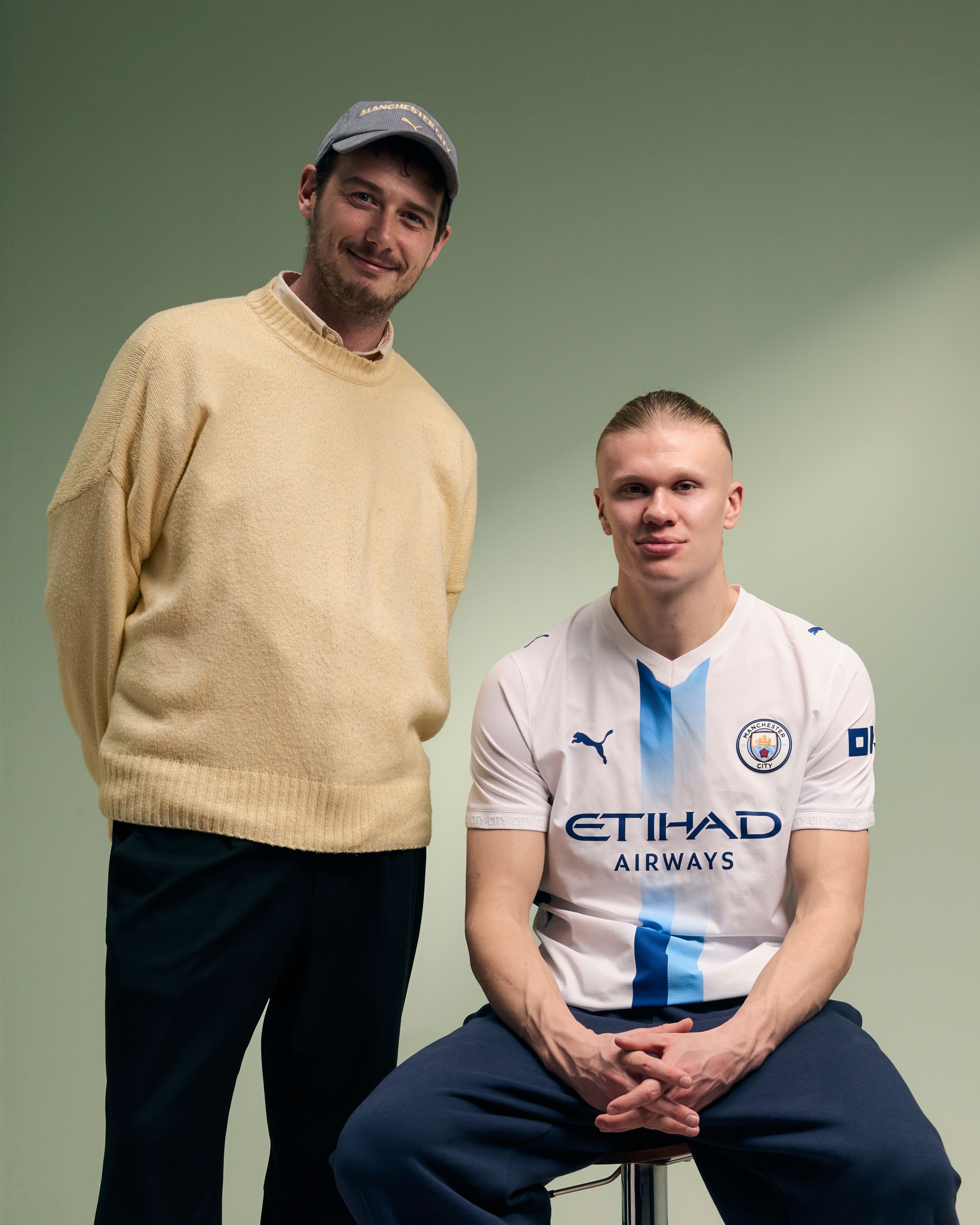
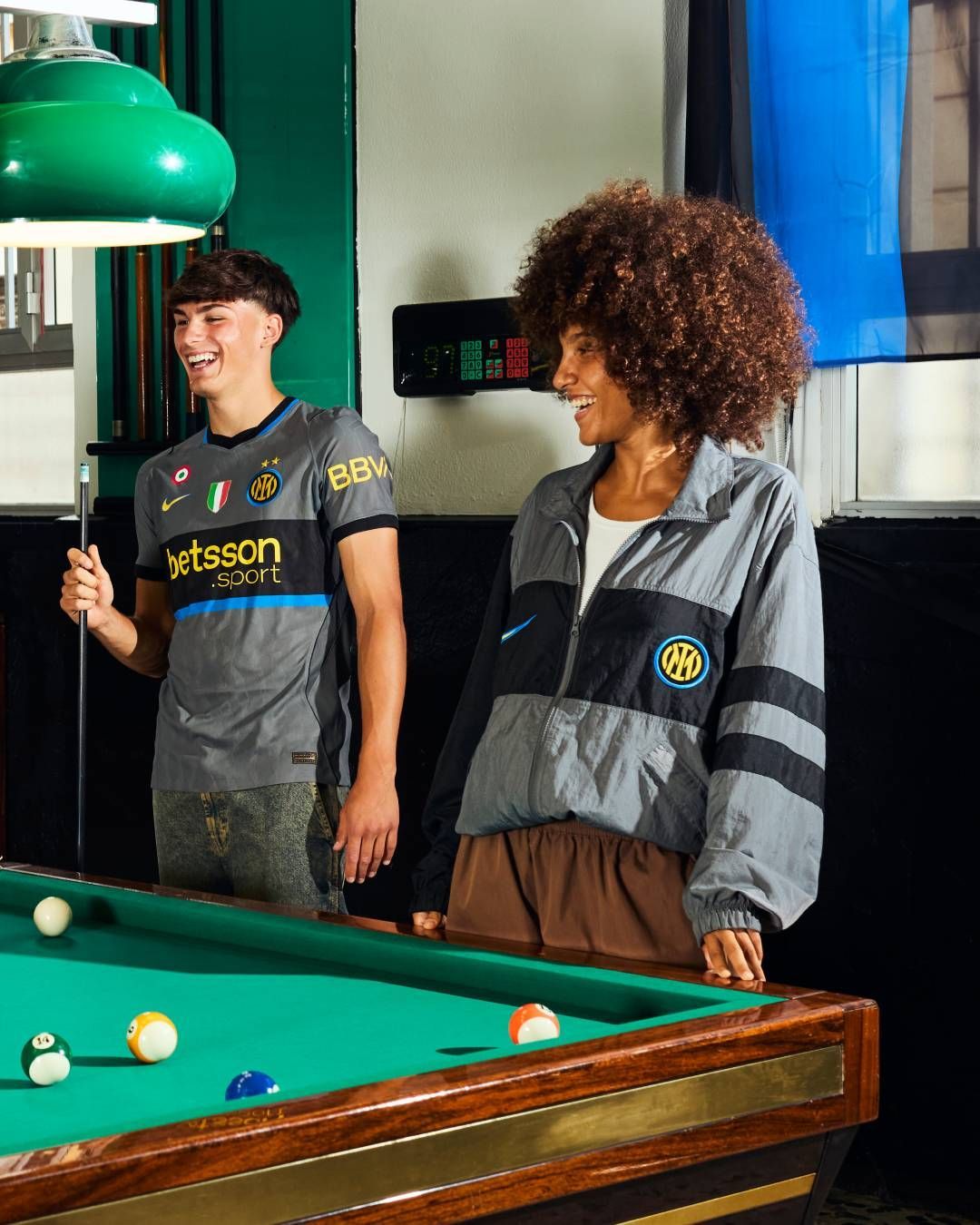
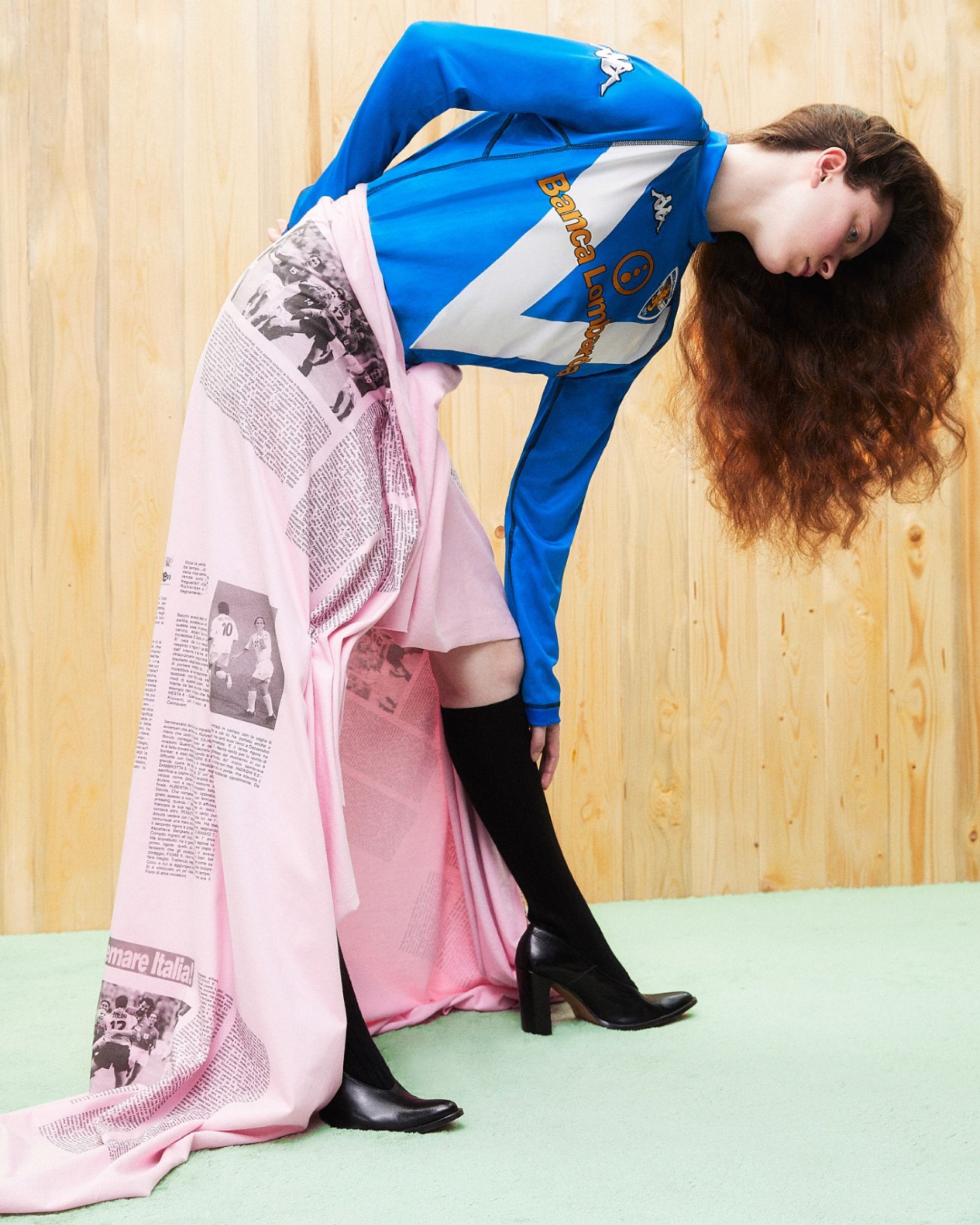
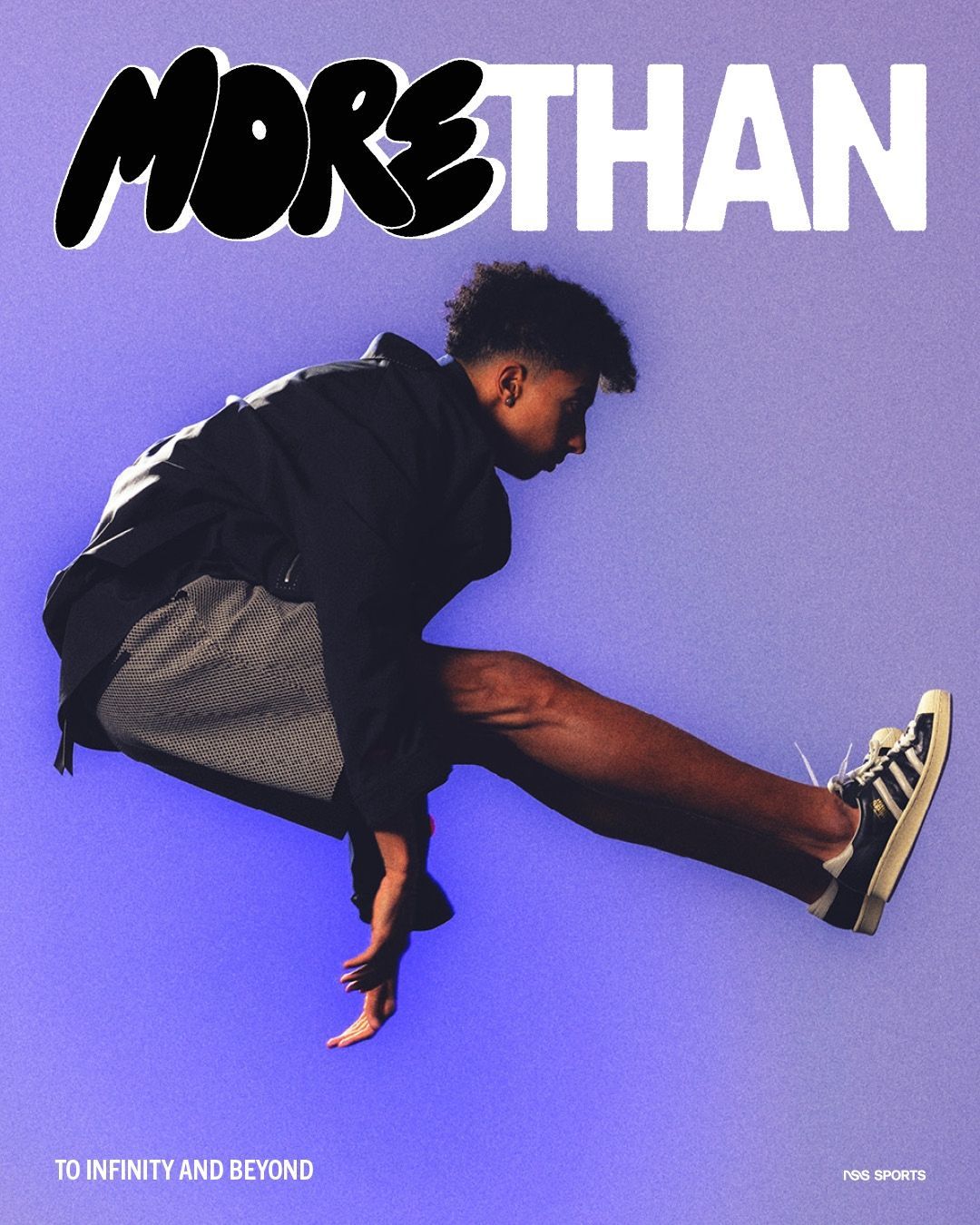
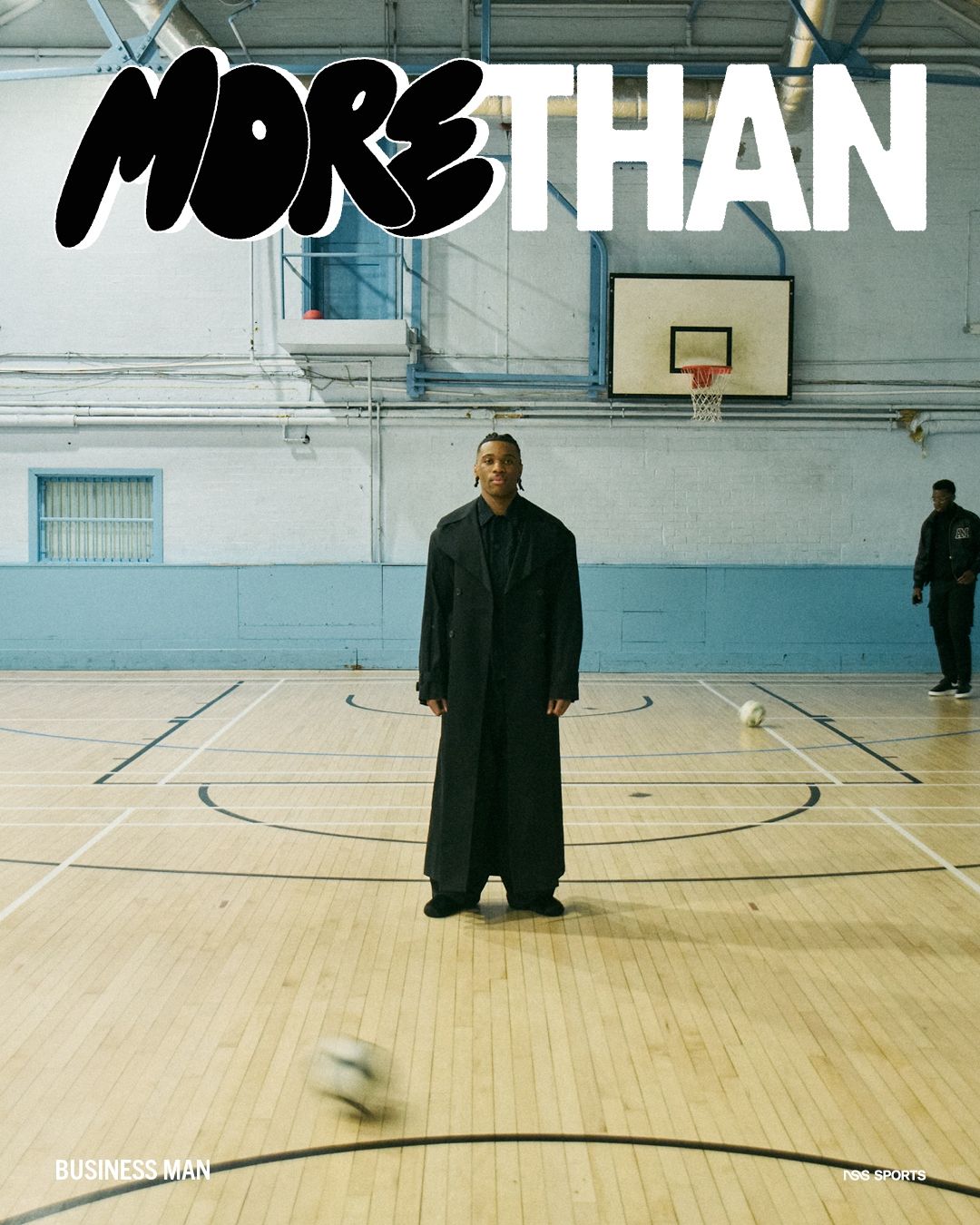
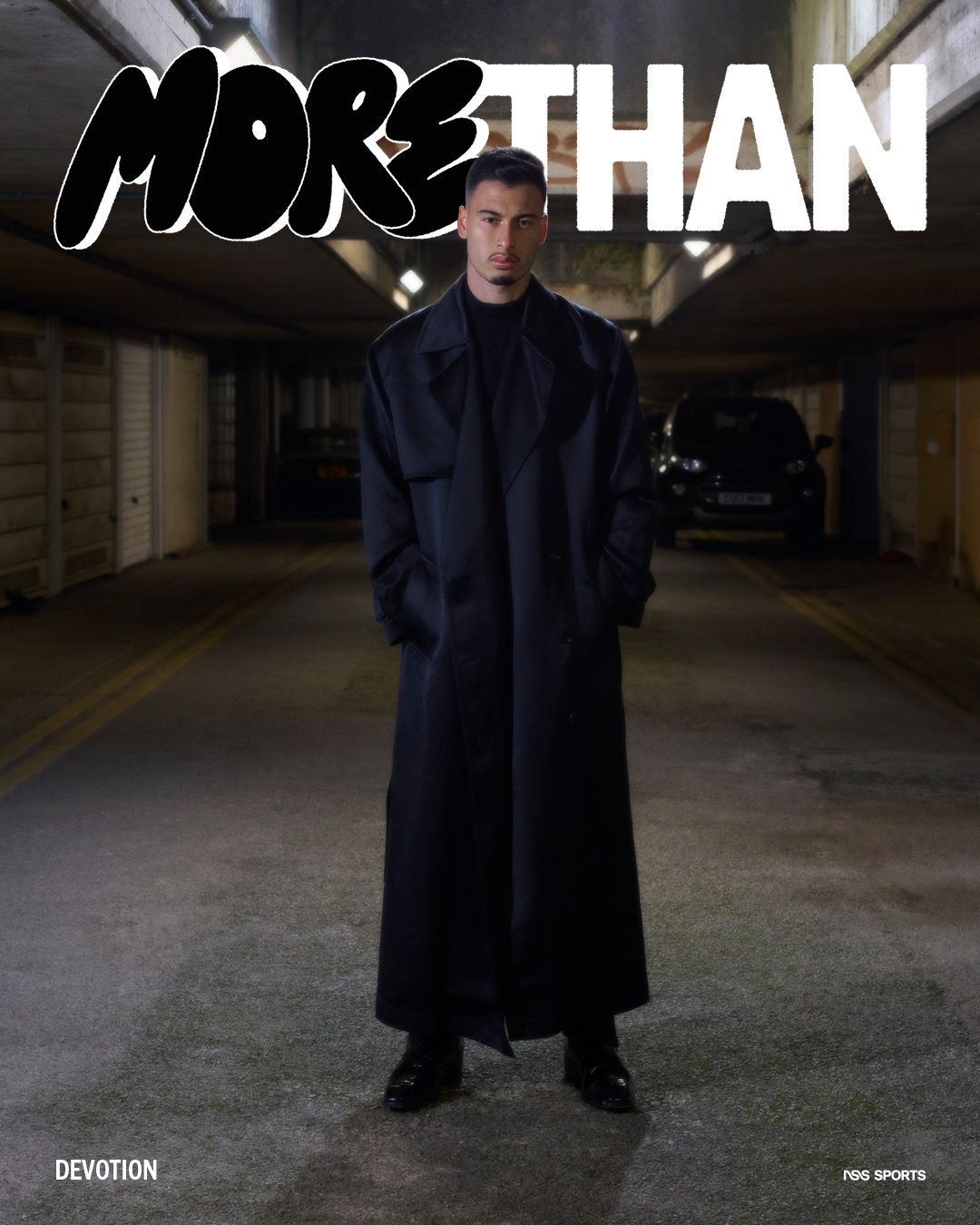
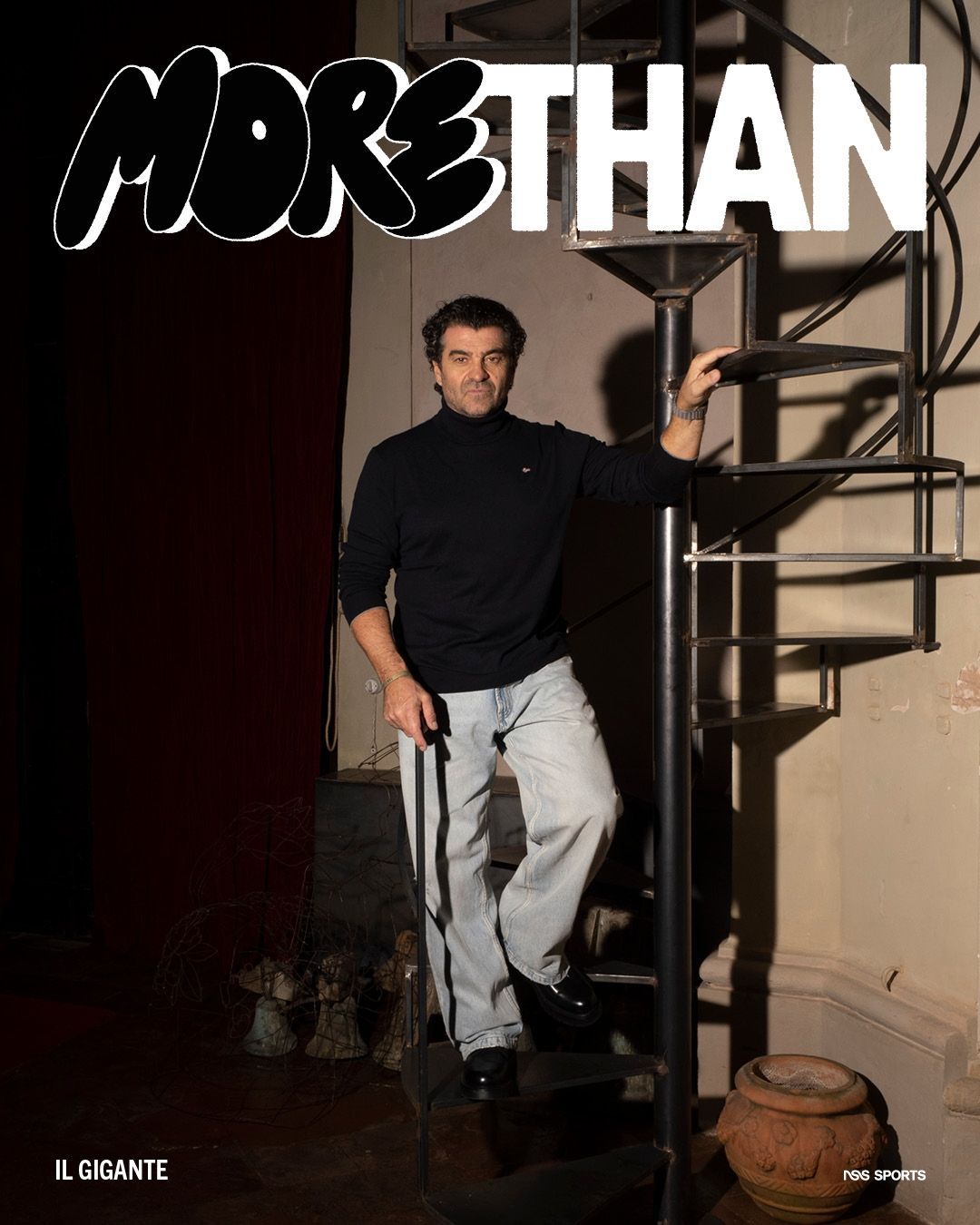
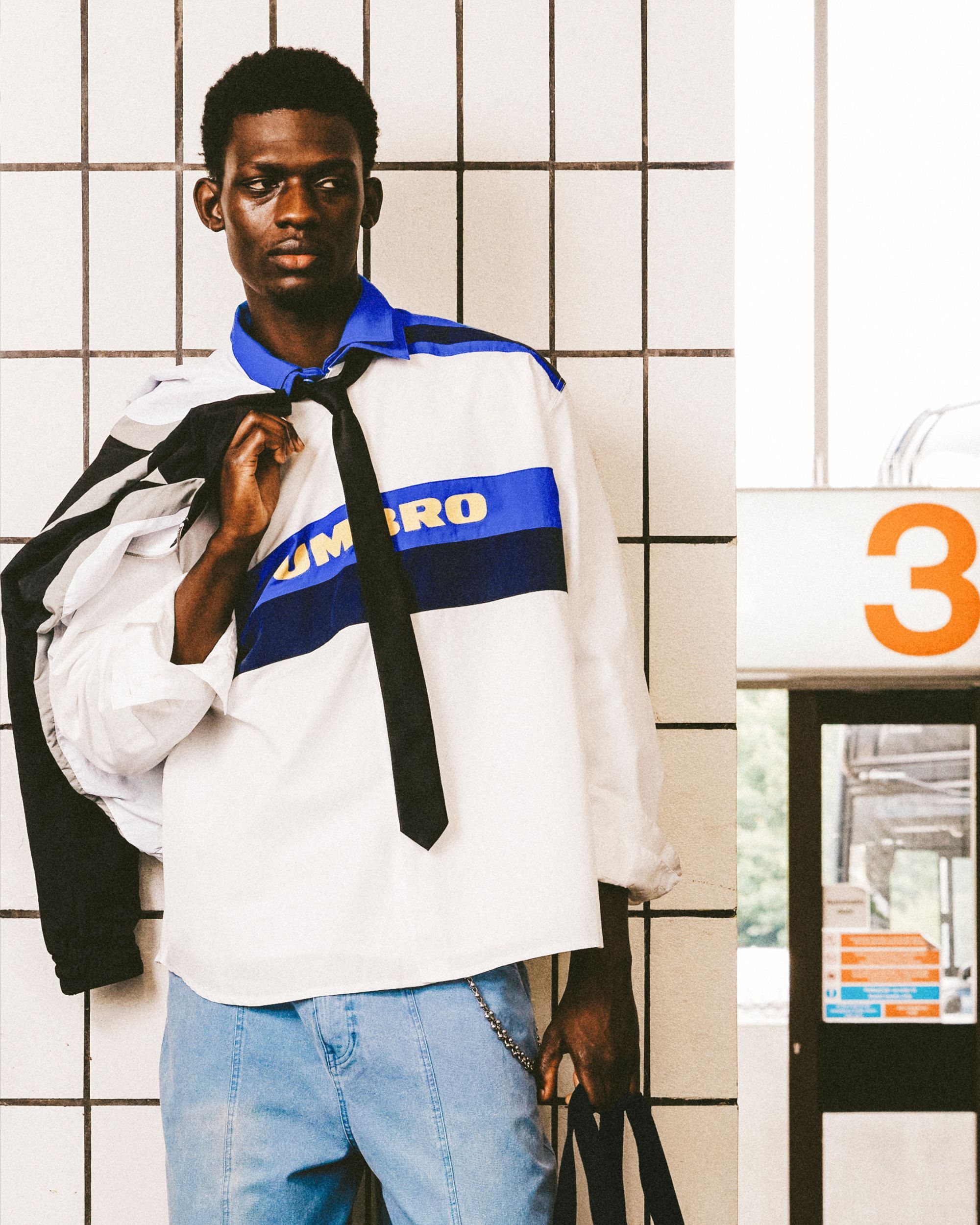
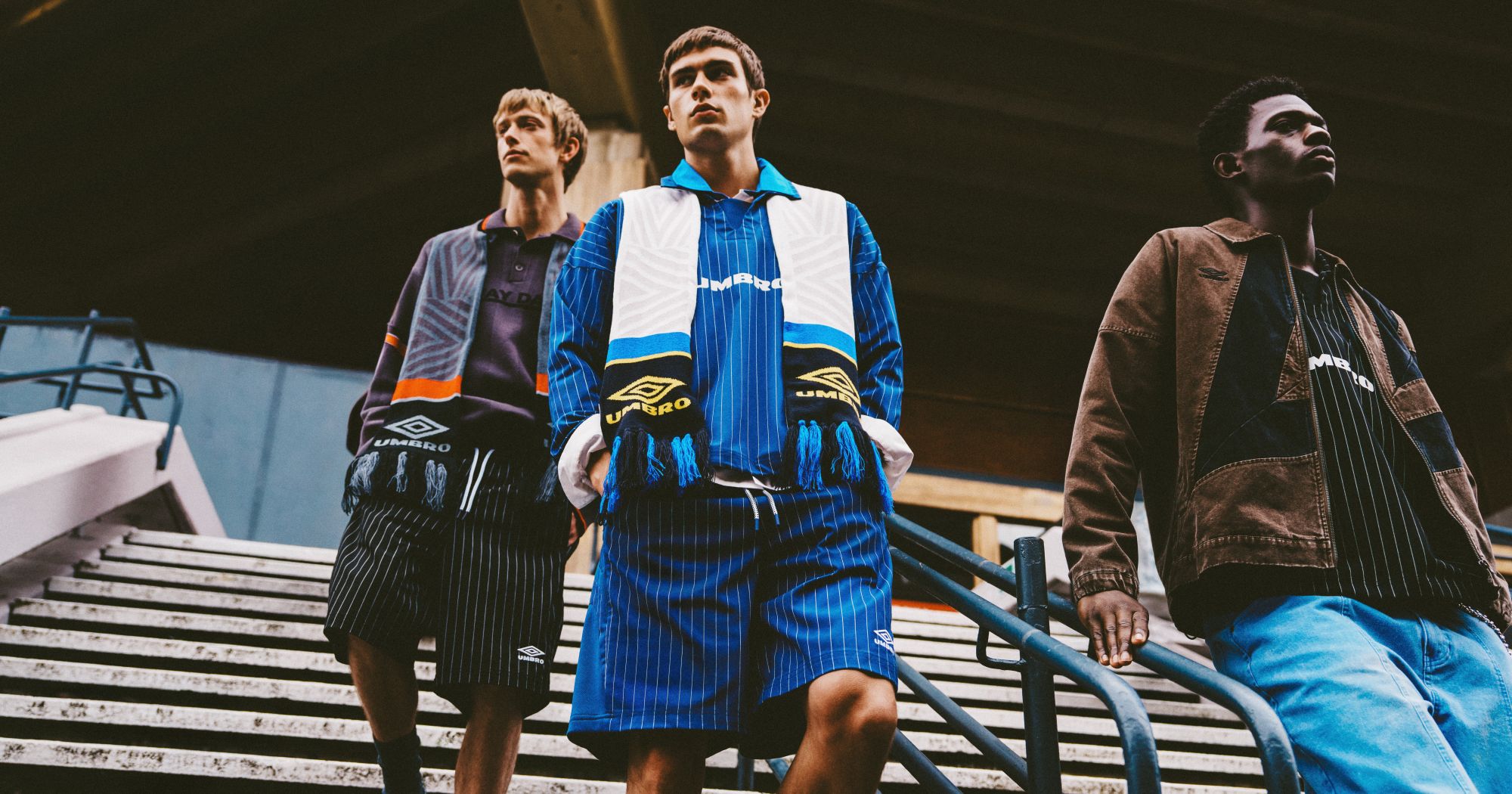
One of the hottest collections has undoubtedly been Away Days, a new capsule that draws from the brand’s archive to reinterpret its codes through a contemporary lens. The elegance of its lifestyle garments meets Umbro's football heritage, with inspiration being taken from references to the iconic jerseys of Inter and Manchester City. "Consumer behaviour and cultural shifts naturally inform how we revisit the archive, but the starting point is always authenticity. Umbro has never taken a one-size-fits-all approach to kit design; every shirt is created as a distinctive expression of a club, its supporters, and its identity. That philosophy has produced unique, memorable kits that continue to resonate today. With Away Days, we have drawn on archive references from English and Italian clubs of the 1980s and 1990s, paying homage to the casuals movement and to the way football style travelled from the terraces into wider culture.
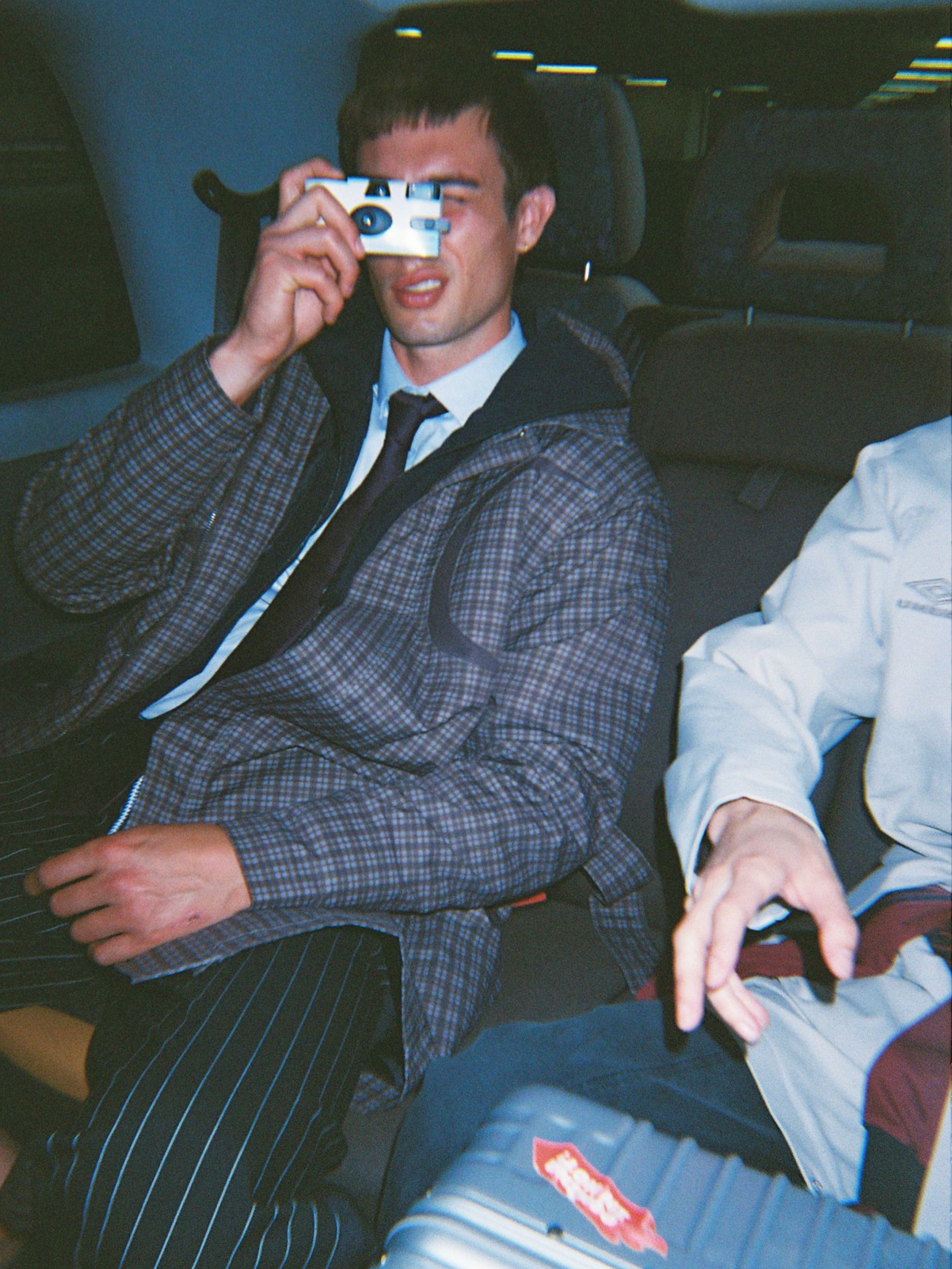
With AW26 AWAY DAYS, we wanted to capture the spirit of football beyond the pitch. An away day begins with the decision to go, and every detail—from the journey to what you wear—becomes part of the ritual. The collection places Umbro’s sporting DNA within a sharper, contemporary fashion context while remaining true to our football heritage. Inspired by terrace culture and the Casuals movement of the 1980s and 1990s, the collection revisits the enduring relationship between football and fashion, shaped by English supporters travelling across Europe. The collection brings together Umbro’s sporting pedigree and football’s wider cultural influence, celebrating devotion, destination and a distinctive sense of style."
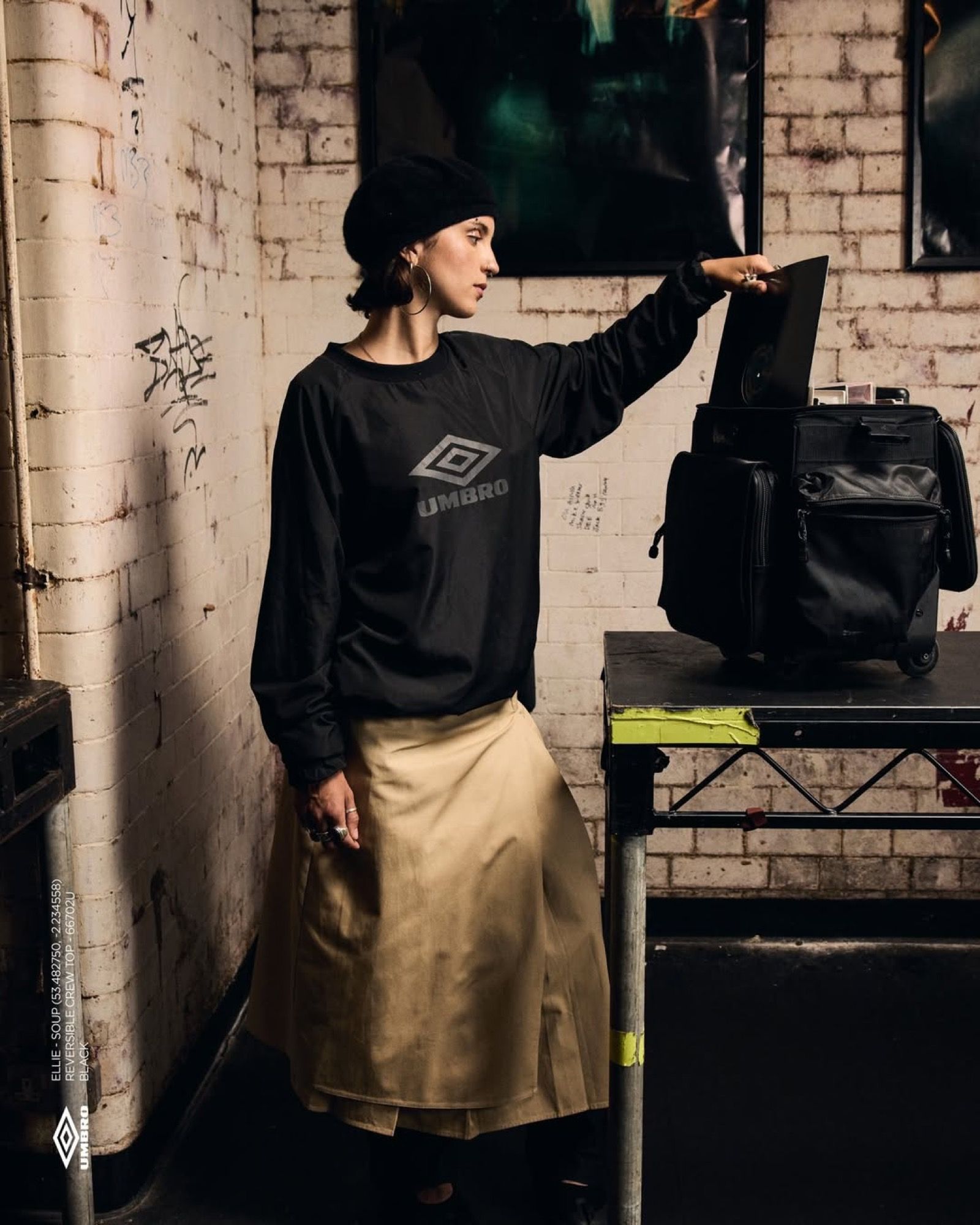
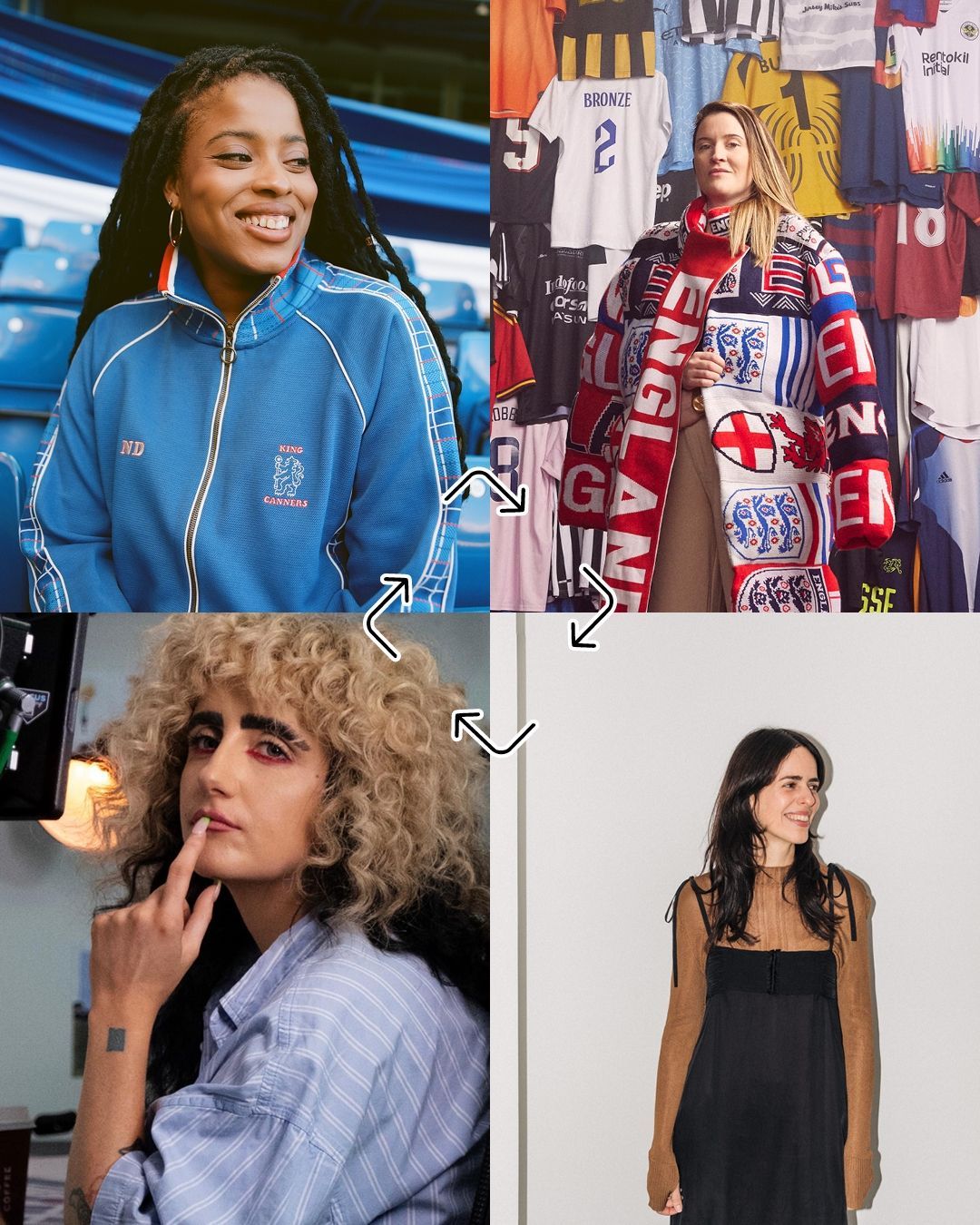
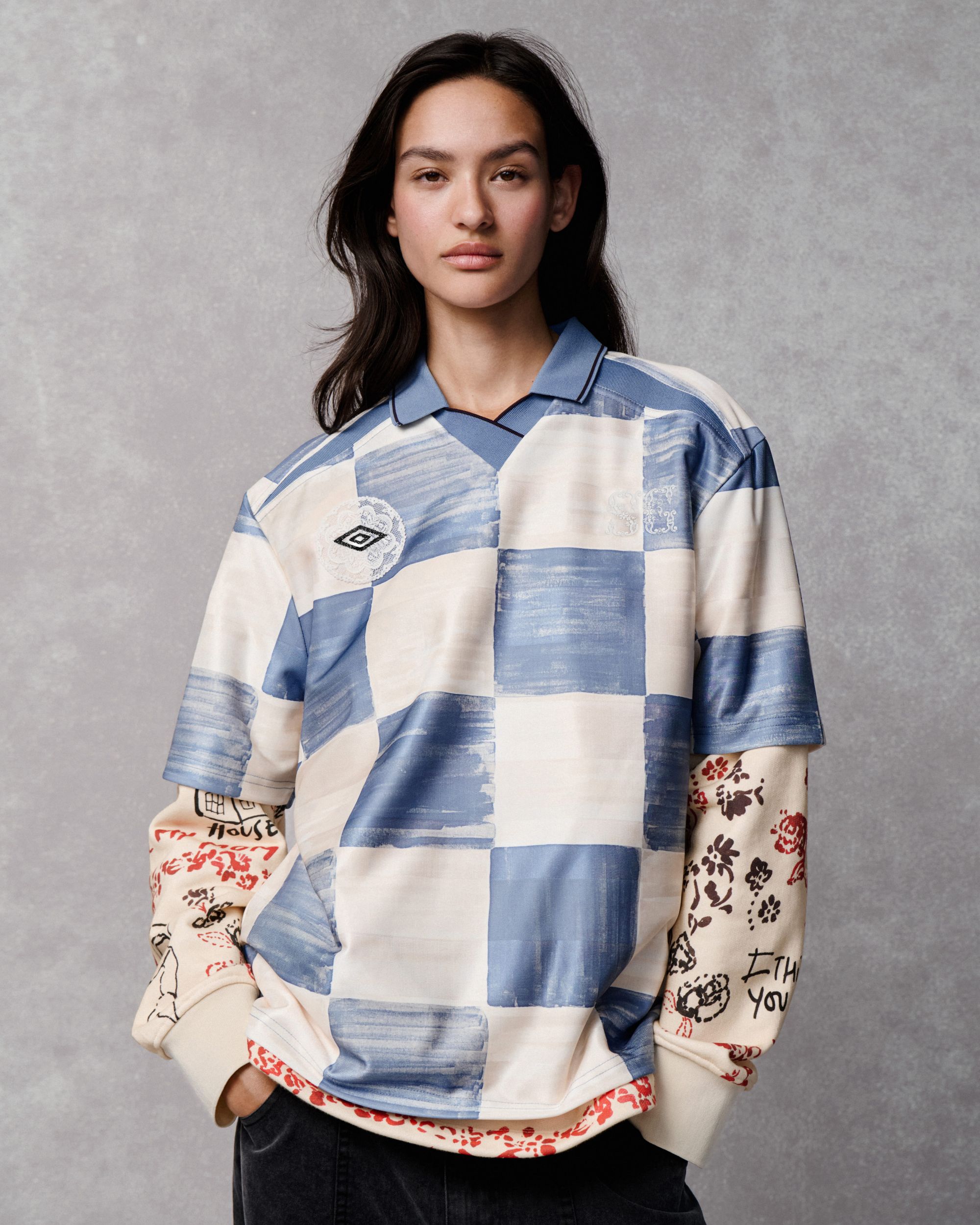
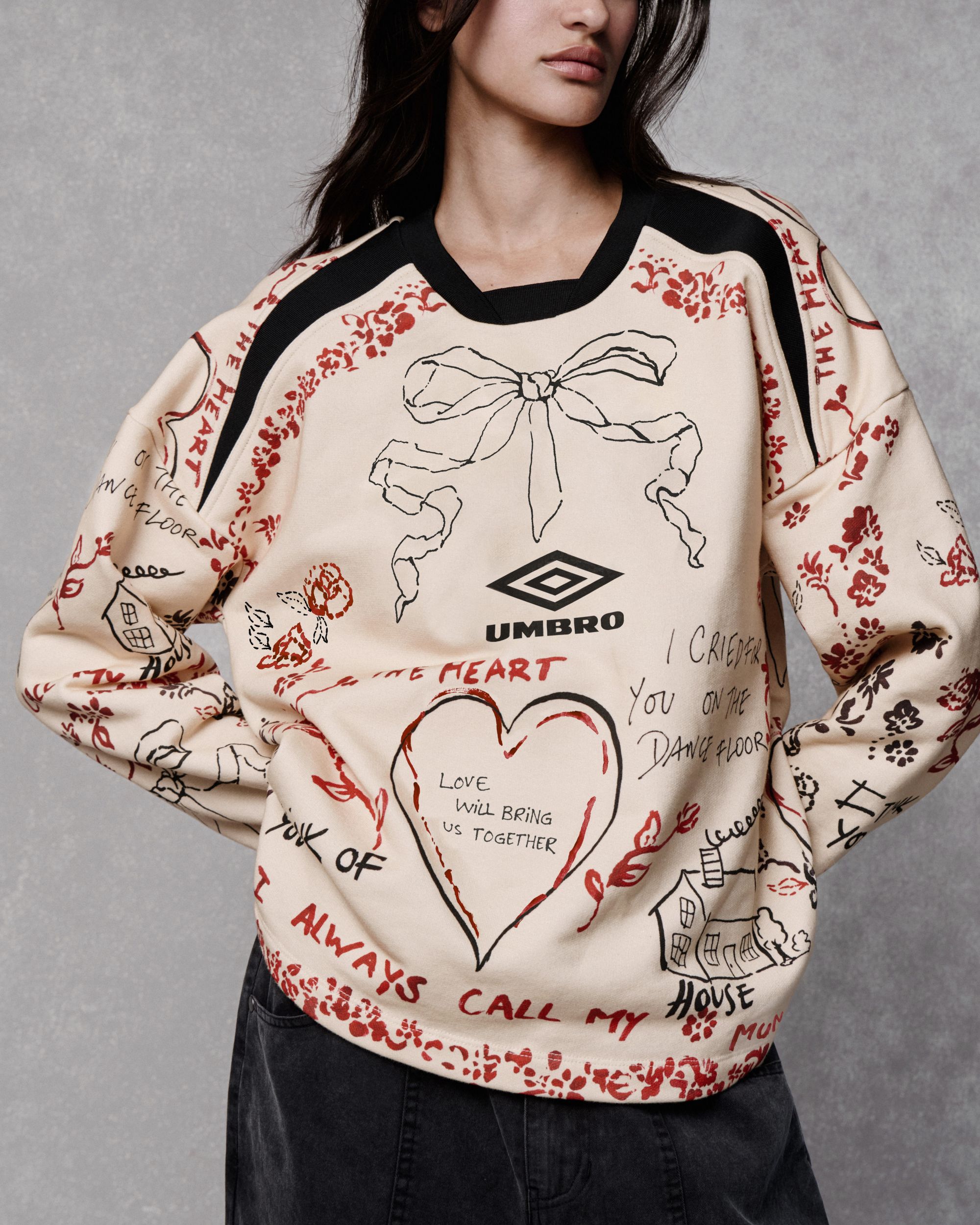
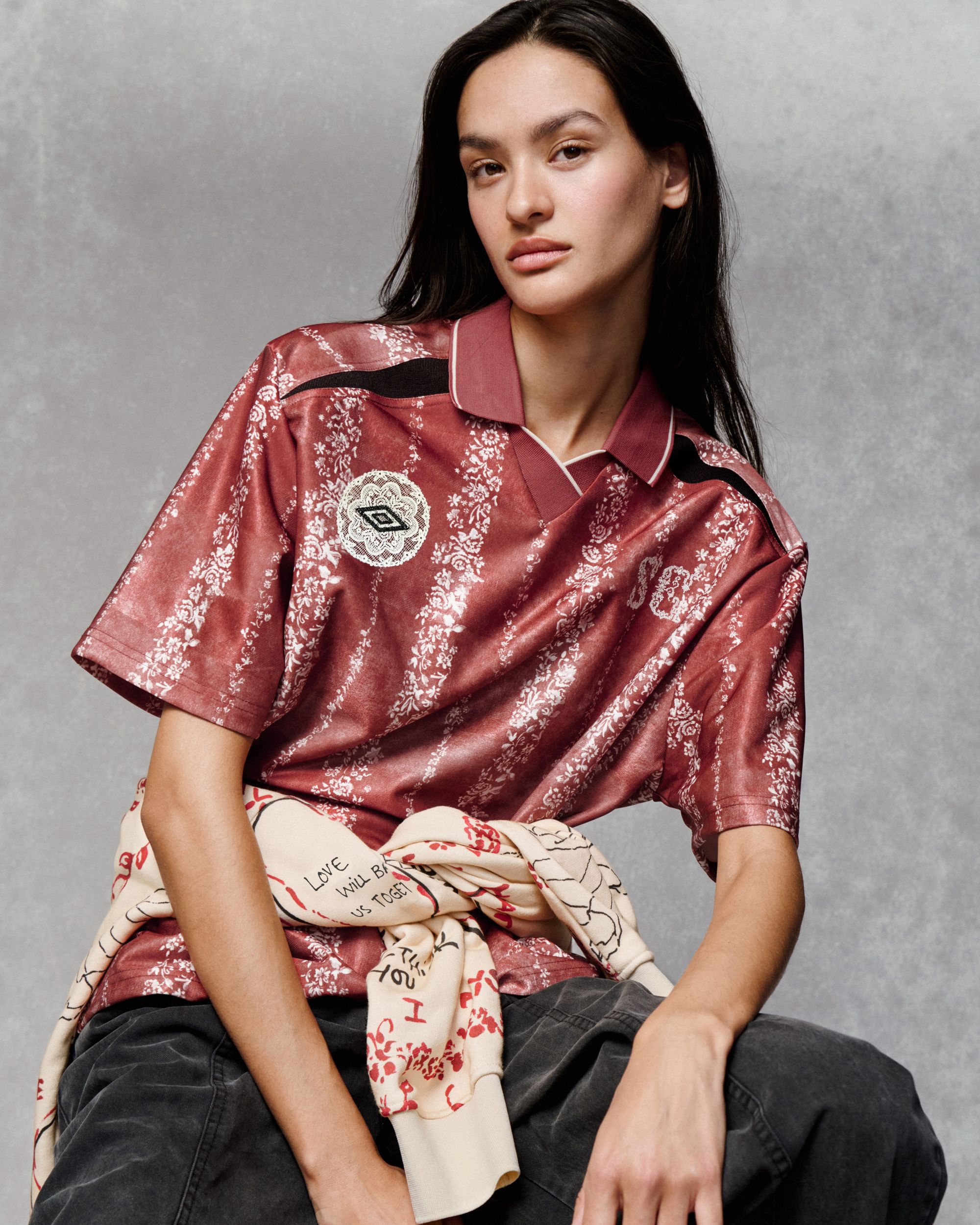
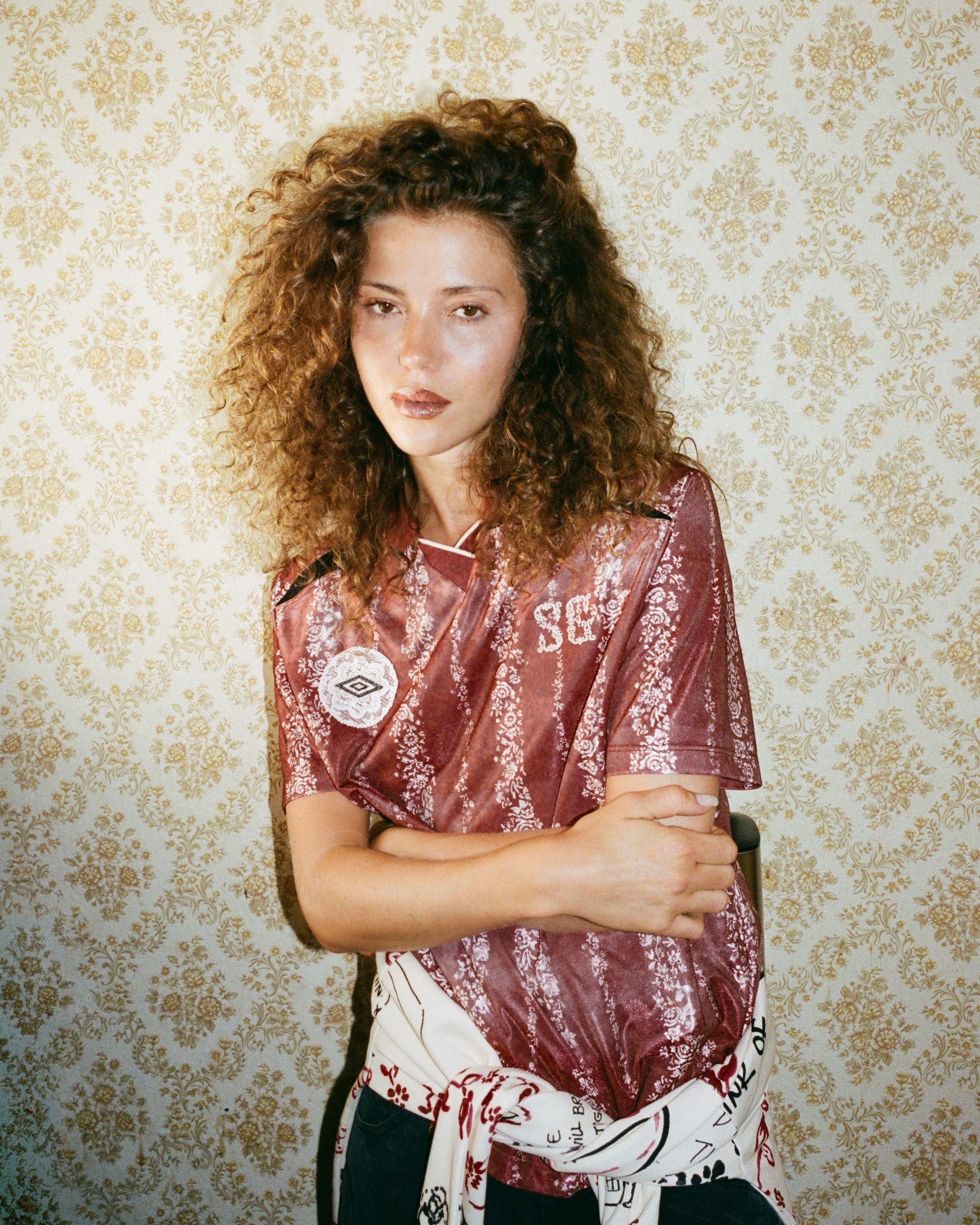
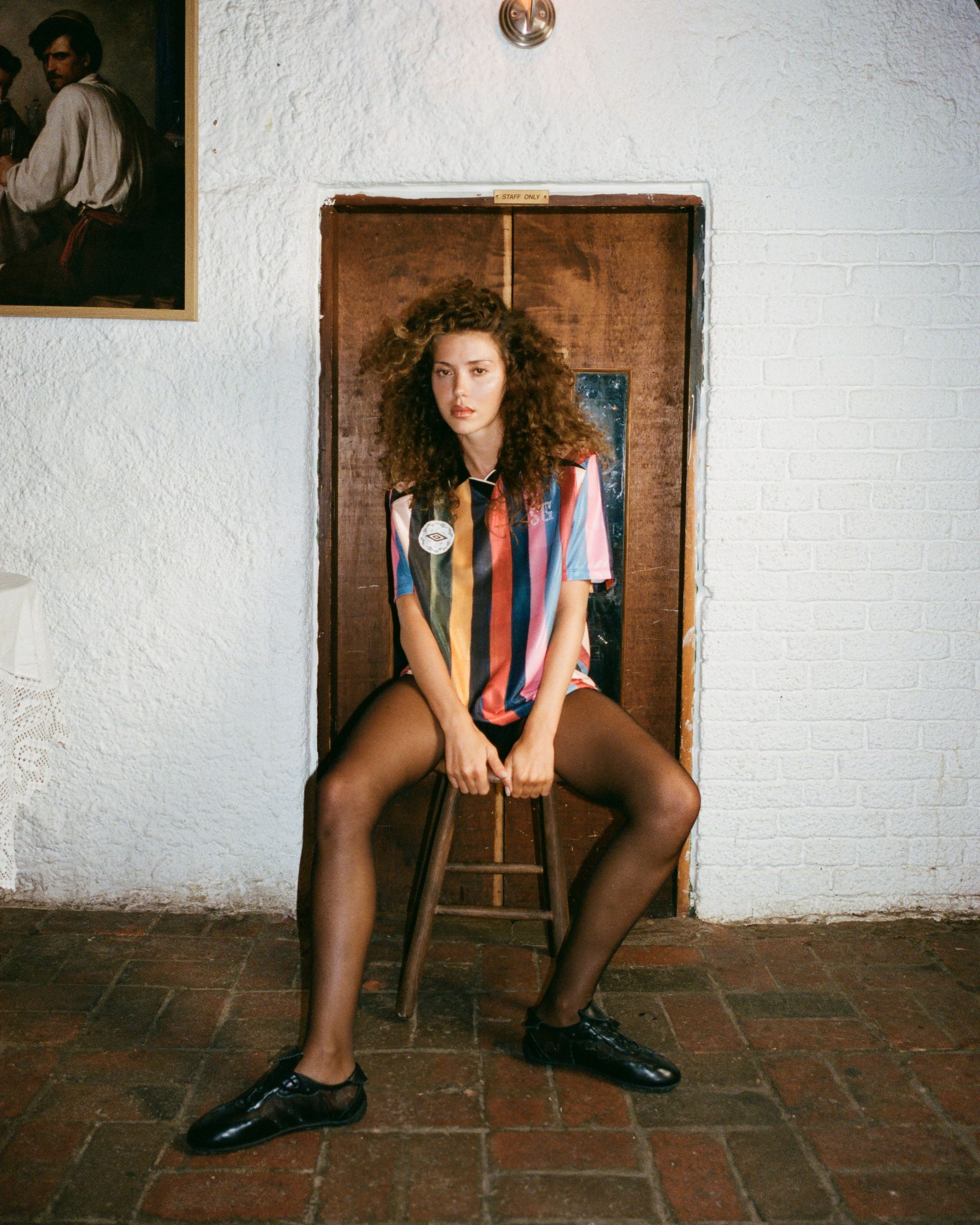
And if that wasn’t enough, Umbro doubled down by collaborating with Scandinavian fashion brand Stine Goya on a collection inspired by the places, rituals and communities that shaped 1990s British pub culture. The result is a series of tees that bring a more feminine touch to classic sportswear. "Our first collection was created around the Women’s EURO 2025, - explains Helene. - At the time, we saw a clear opportunity: there were very few football-culture collections designed specifically for women. The response was a collection that combined vintage references with Stine Goya’s vibrant, fashion-forward sensibility—championing confidence, individuality and the unstoppable momentum of women’s football. For Autumn/Winter 2026, we came together again to explore the emotional connection between sport, fashion and community—this time moving beyond the football pitch and into the lived-in spaces where culture takes shape. The second collaboration draws on the spirit of 1990s Britain: cafés with chipped mugs and chequered floors, pubs, and tiled club bathrooms layered with graffiti, lipstick messages, confessions and declarations. These transitional spaces were where football, rave and youth culture converged—informal stages for connection, self-expression and belonging".
Yes, heritage is key. Celebrating what made you different from any other brand is essential. At the same time, you cannot get stuck in the past. You have to move forward, otherwise you lose touch with the present—and with the future. So, what will the next chapter of Umbro look like? "To borrow a line from American football icon Mike Ditka, “If you live in the past, you die in the past.” For a brand with more than a century of history, evolution is essential to remaining relevant to each new generation. It is a principle that has guided Umbro since 1924—and one we intend to carry forward.
We sponsor more than 100 clubs worldwide, create high-performance apparel, engineer pro-level boots and produce FIFA Quality Pro footballs. With Project[3], our latest collaboration with Aitor Throup, we are pushing the design language of performance wear into a new territory. Alongside our collaborations and partnership with Slam Jam, we have introduced inline collections that draw on the brand’s authentic sporting heritage while speaking directly to today’s consumer."