







































Juventus deflated the balls ahead of the match against NEC An unusual choice, but fully permitted by the rules
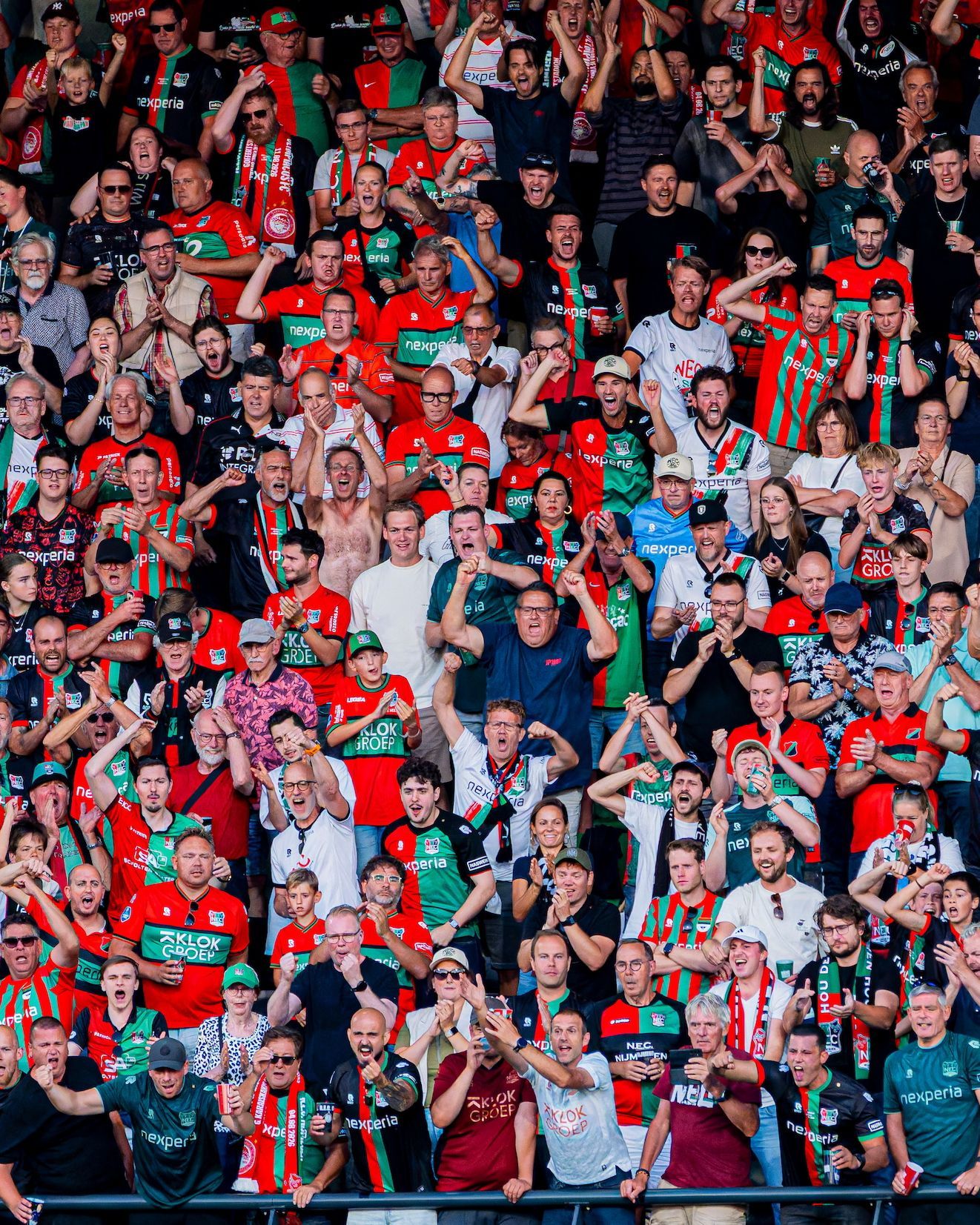
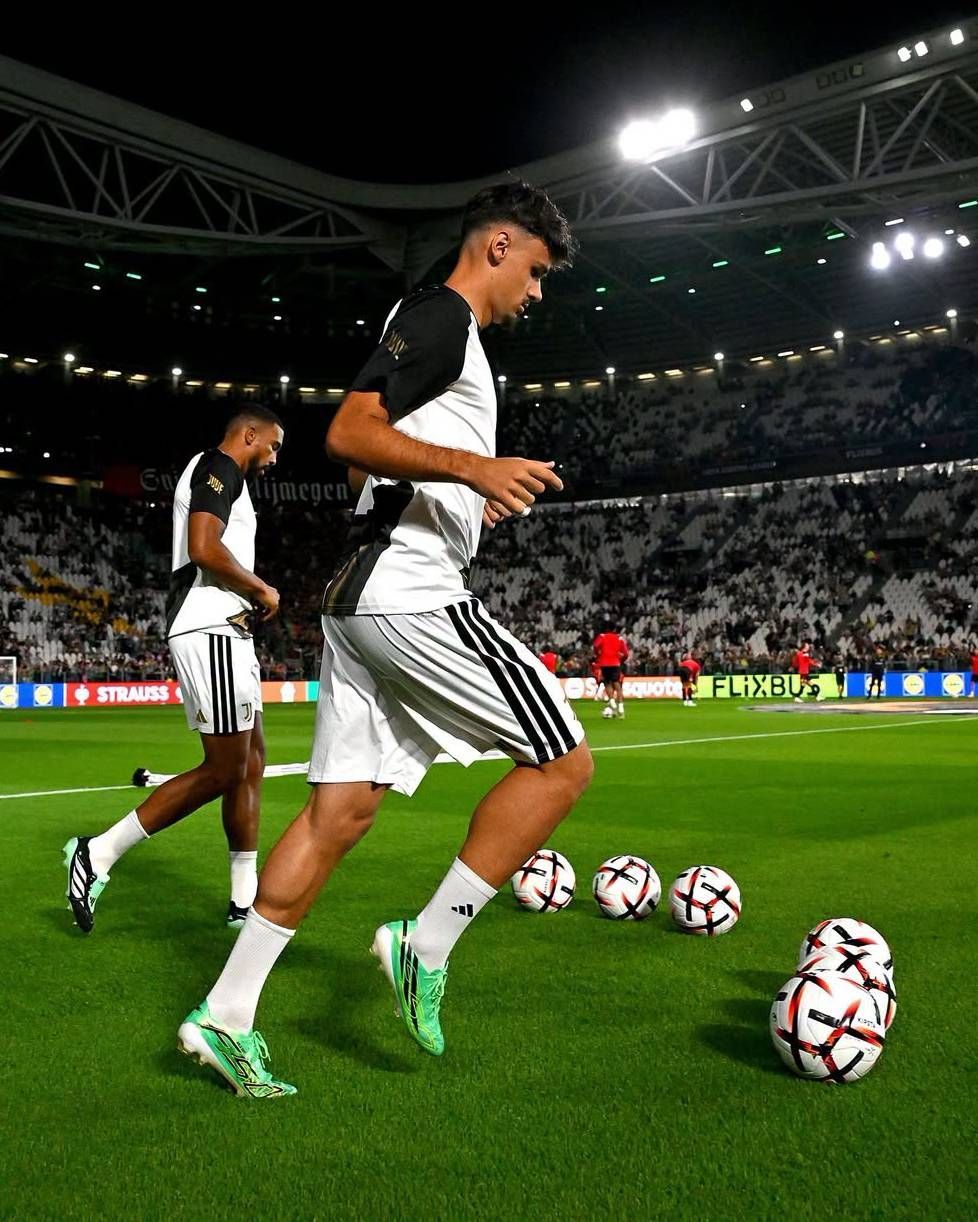
Ahead of last night’s game against NEC Nijmegen, Juventus lowered the pressure of the match balls. The story was first reported by Sky Sport’s Paolo Aghemo and later picked up by Gianluca Di Marzio, sparking plenty of discussion online and across social media.
The decision was linked to the characteristics of the ball used in the Europa League and to the sensations experienced by the Juventus players before the game. Lower pressure generally makes a ball slightly less rigid and reduces its bounce, two factors that can affect how it feels when controlling and handling it.
Can you deflate match balls?
During the warm-up, the KIPSTA ball adopted by UEFA for the Europa League was reportedly perceived by Juventus players as more rigid and with a more pronounced bounce than, for example, the adidas ball used in the Champions League or the PUMA ball used in Serie A. That is why Juventus decided to lower its pressure, making the ball behave in a way that felt more familiar to the players.
There is nothing irregular about this. The IFAB (International Football Association Board) Laws of the Game do not prescribe a single pressure for match balls, but instead set a permitted range: between 0.6 and 1.1 atmospheres of pressure, approximately 8.5-15.6 psi. Juventus therefore simply opted for the lower end of the permitted range.
The Europa League balls
One of the differences between the Champions League and the Europa League is the supplier of the match ball itself. Europe’s premier club competition uses an adidas model, with the brand being a long-standing partner of the tournament, while the Europa League and Conference League switched to a KIPSTA ball in 2024. KIPSTA, Decathlon’s football brand, has been UEFA’s official match ball supplier for the two competitions for the past two seasons.
The KIPSTA ball used in the 2026/27 Europa League is FIFA Quality Pro certified and features thermally bonded seamless panels, a textured microfibre foam component and an embossed surface. UEFA describes it as “a ball designed above all to deliver stable trajectories”. The adidas ball used in the Champions League also features a thermally bonded, seamless construction, but uses different materials, structure and technologies. Although both are approved to similar standards, they can produce different sensations in terms of rigidity and bounce. And it was precisely this difference that prompted Juventus to adjust the ball pressure last night.