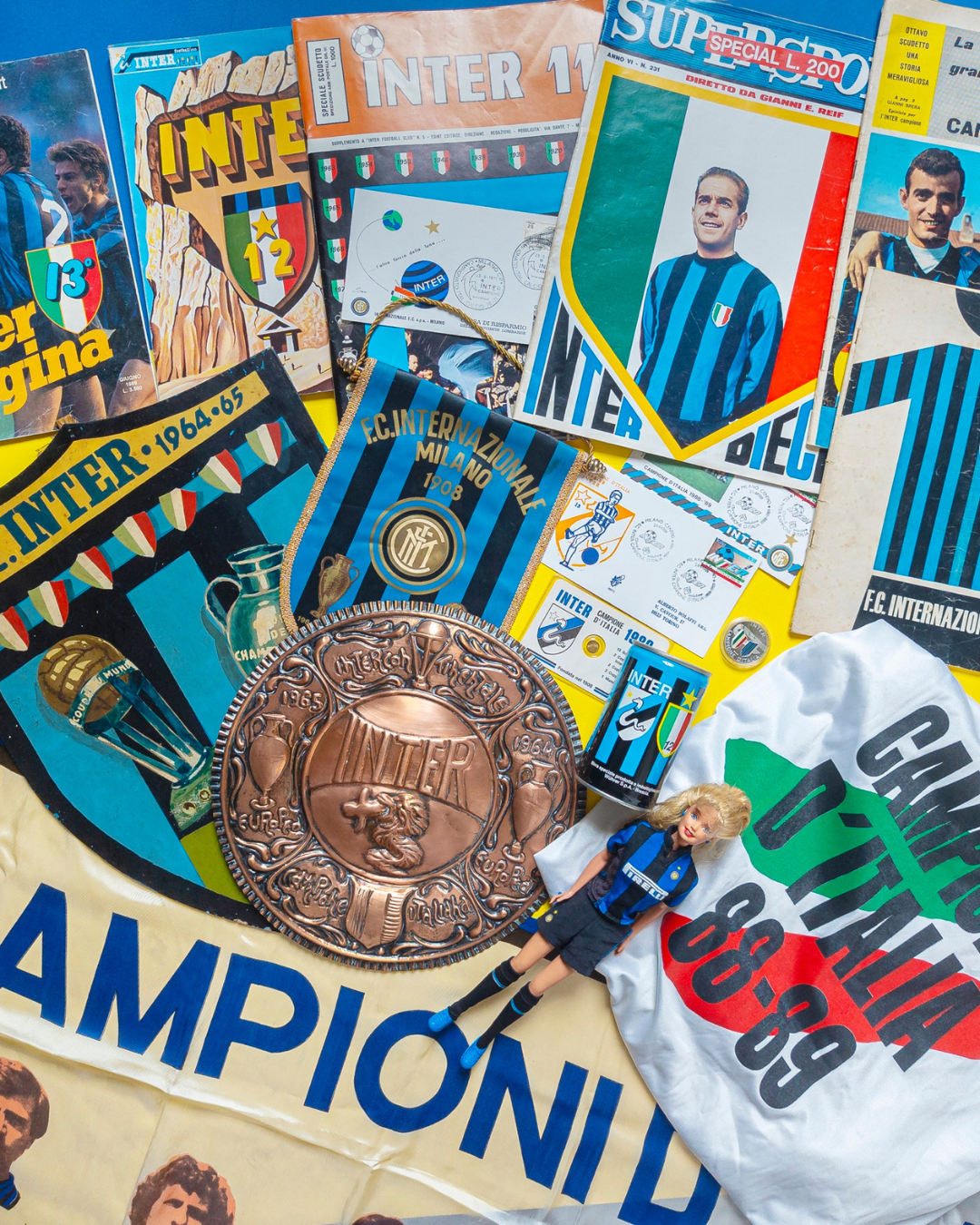
How nostalgia is killing creativity in football Will it be able to make an impact on future generations?
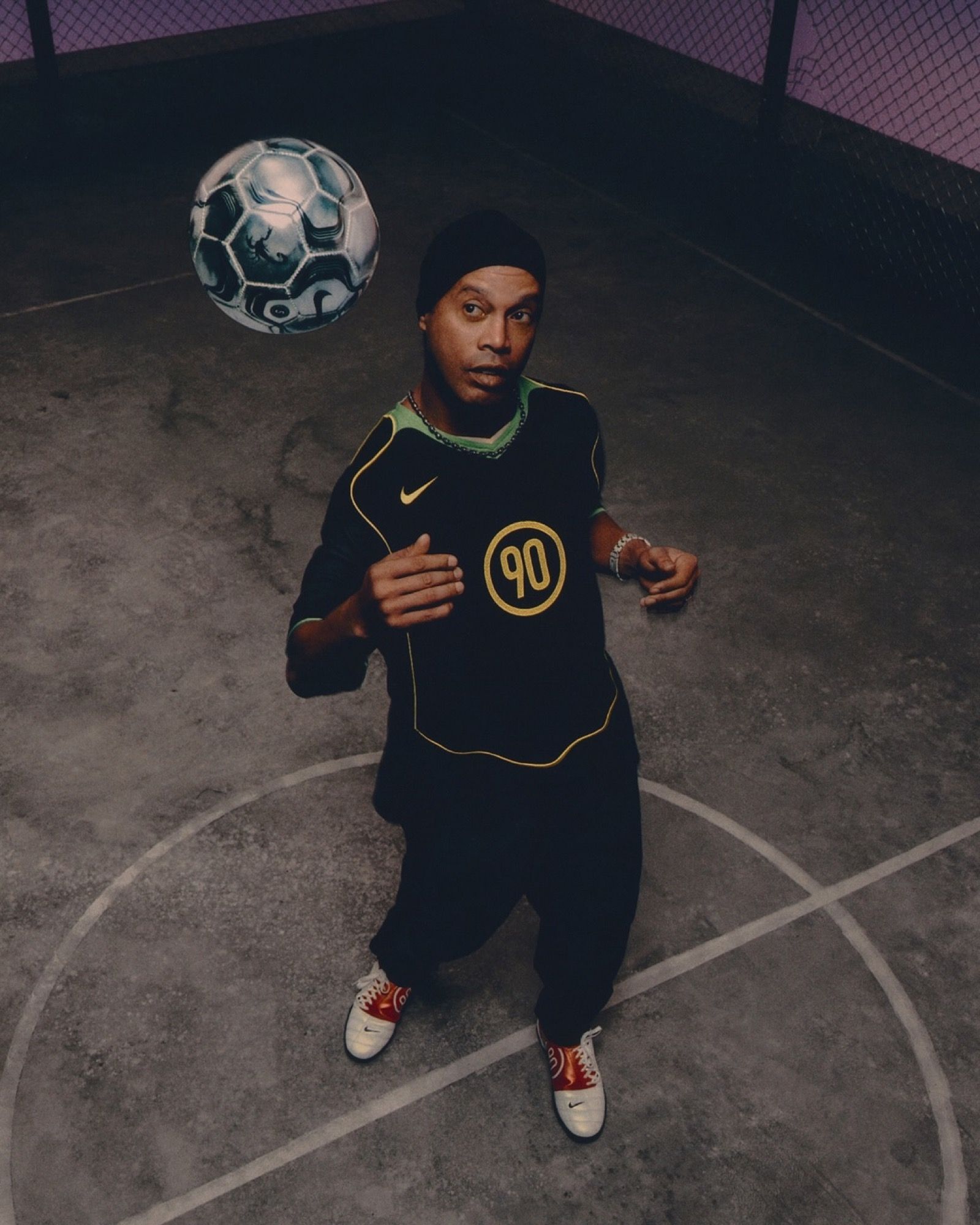
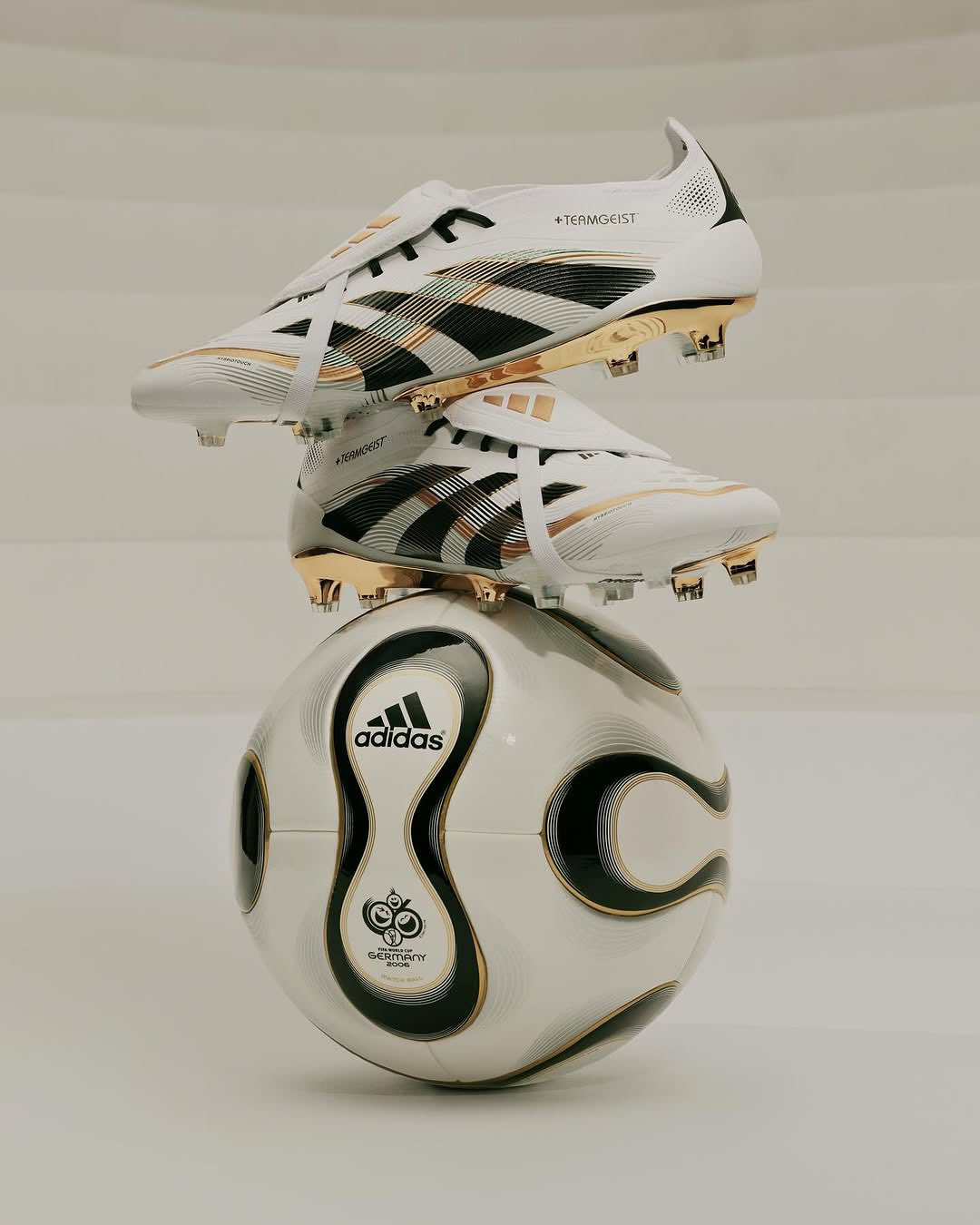
Total 90, Teamgeist, Predator, the reissues of the old Mercurial and Hypervenom. It’s almost automatic to refer to adidas and Nike when analyzing and giving examples of major sportswear brands to understand how they operate in football — but it's become cliché. The 2000s and 2010s were dominated by Nike, which left a significant, probably unprecedented impact on those who discovered and fell in love with football between 2000 and 2015. If we look even further back, adidas becomes the inevitable reference. The release of the first Predator boots and the start of their saga — thanks to a colossal figure like David Beckham in the late ’90s — marked a historic milestone that’s hard to surpass for generations who, even today, are still considered "young." And this is a fact that's hard to dispute.
However, it’s also true that these same brands seem to be stuck in a standstill, clinging to those moments when everything was working perfectly: the top athletes were true generational icons, poster boys capable of inspiring millions of young people, and football and sport were experienced in a completely different way than today. For this very reason, that period has become such a key part of brand storytelling that surpassing it now seems not only difficult but almost blasphemous. Why step out of that comfort zone that brought so much success? Is it really worth investing in new design and innovation efforts if they can just re-release old models? And this applies not only to football boots, but also to kits and, more broadly, to every type of football gear — both professional and amateur.
A Watershed Season
The upcoming season, starting in August, is clearly a watershed moment: adidas has revived the Teamgeist — the famous template that debuted in 2006 — using it for the kits of its top-tier teams, those we know as Tier A and A+. Nike, meanwhile, is reportedly bringing back Total 90 on some third kits of its most important clubs: a clear clash between the two most iconic brands in sportswear, battling it out with waves of nostalgia. But what are the problems or possible consequences of this standstill that seems to envelop sportswear brands in the football world? The first major issue is inevitably the target audience. Nike and adidas are producing the same products as 20 years ago, without considering that this well-protected comfort zone could actually turn into a trap.
Assuming the goal is to win over the new generations — especially kids aged 12 to 18 — in the same way they won over their peers two decades ago, there's a risk of overlooking a crucial point: the impact could be much more limited, and the new generations may have radically different standards of taste and criteria for appreciation. In this context, adidas and Nike’s reasoning might be very simple: if a new strategy offers no guaranteed success (of course) with today’s youth, then it’s safer to target an already loyal audience. That is, users now aged between 28 and 35, who back then were captivated by stories centered around athletes and the items associated with them — which, as a result, became true best-sellers.
The Lack of Competitors as a Key Issue
Despite PUMA’s significant efforts in recent years, the brand still lacks the allure and solid foundations needed to truly compete with Nike and adidas. One of the biggest challenges is its smaller budget and, consequently, a roster of athletes that is nowhere near comparable. It’s impossible to ignore the fact that the success of a football boot — more than any other item — largely depends on the success and aura of the athlete wearing it. And PUMA simply doesn’t have players of that caliber: Griezmann and Neymar Jr. have, unfortunately, turned out to be failed experiments for the brand.
The absence of real competition in this space has undoubtedly contributed to a flattening of creativity and a general decline in stimulation. It’s no coincidence that football — especially men’s football — has progressively lost a strong element of innovation. Once upon a time, Nike represented the future: it was the brand that broke the mold, that innovated. Today, that drive seems lost. Why? Because Nike no longer really needs to invest in men’s football like it once did. It believes its name and status are still strong enough to be reinforced simply by dipping into its archives. Nostalgia collections — like the return of the T90 kits and historic remakes — are the clearest example of this strategy.
Women’s Football and Sports as the “Next Big Thing”
The Women’s European Championship in Switzerland is underway, and for Nike (less so for adidas), it represents an important stage: the new kits designed for the Swoosh-sponsored teams bring a breath of fresh air. From the design — note the attention given to the collars, especially that of the French National Team — to the crest that combines aesthetics and performance (crafted using LiteFlex technology), and the swoosh and sleeve trims made with Nike Grind, a collection of recycled materials. The approach to women’s football clearly has to be different from that of the men’s game, and the brand knows it well. With a sport aiming to become increasingly relevant on the global stage, perhaps now is the right time to experiment and create new standards, designed for an audience that is just now forming and growing.
To be clear: if Total 90 and Teamgeist represented the archetype of football kits for entire generations, all the aesthetic and performance innovations debuting now in women’s football will help build — in the collective memory of fans — a new visual standard. Perhaps the first truly recognizable one, because big stages bring big designs.
What to read next
Bring back the vintage font in Premier League
For the first time, it will be possible to print on the jerseys the font from the period 2007-2017
For sports brands, nostalgia is a trap
What will remain when the last retro release will be dropped?