

























Bienvenue à La Cipale A visit to the famous velodrome that used to be the Tour de France finish line
Death, taxes, and Tour de France finishing on the Champs-Élysées: it feels like it's always been this way, even for lifelong cycling fans. And apart from 2024, when Olympic construction works rerouted the final stage to the French Riviera, the Grande Boucle has indeed ended in the heart of Paris since 1974. But it wasn’t always like that. For more than sixty years prior, the finish line was inside the Parc des Princes velodrome, from 1905 until 1968, when the original stadium was demolished to make way for reconstruction. During the handful of years in between, the honor fell to La Cipale, now officially named Vélodrome Jacques Anquetil.
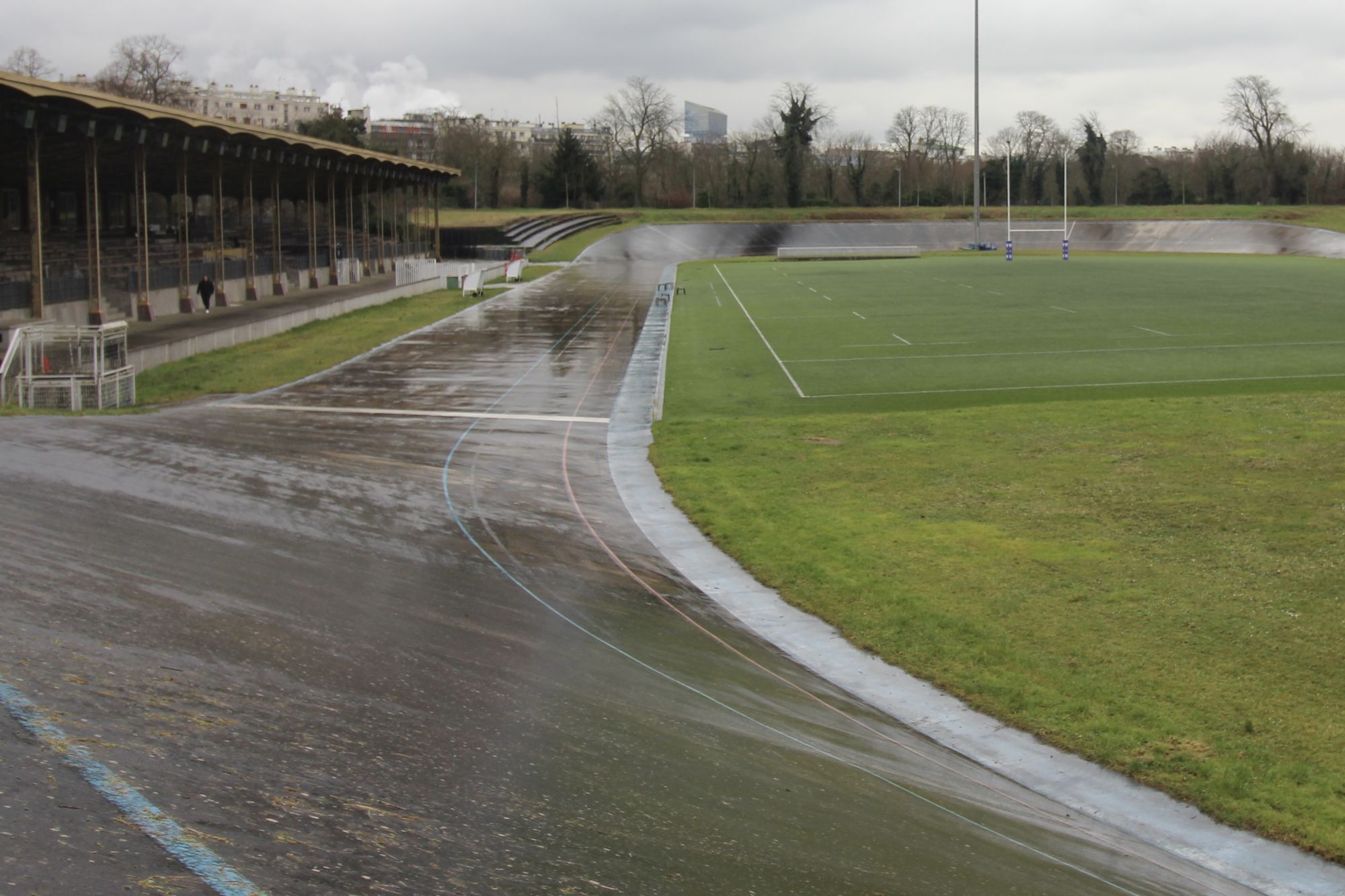
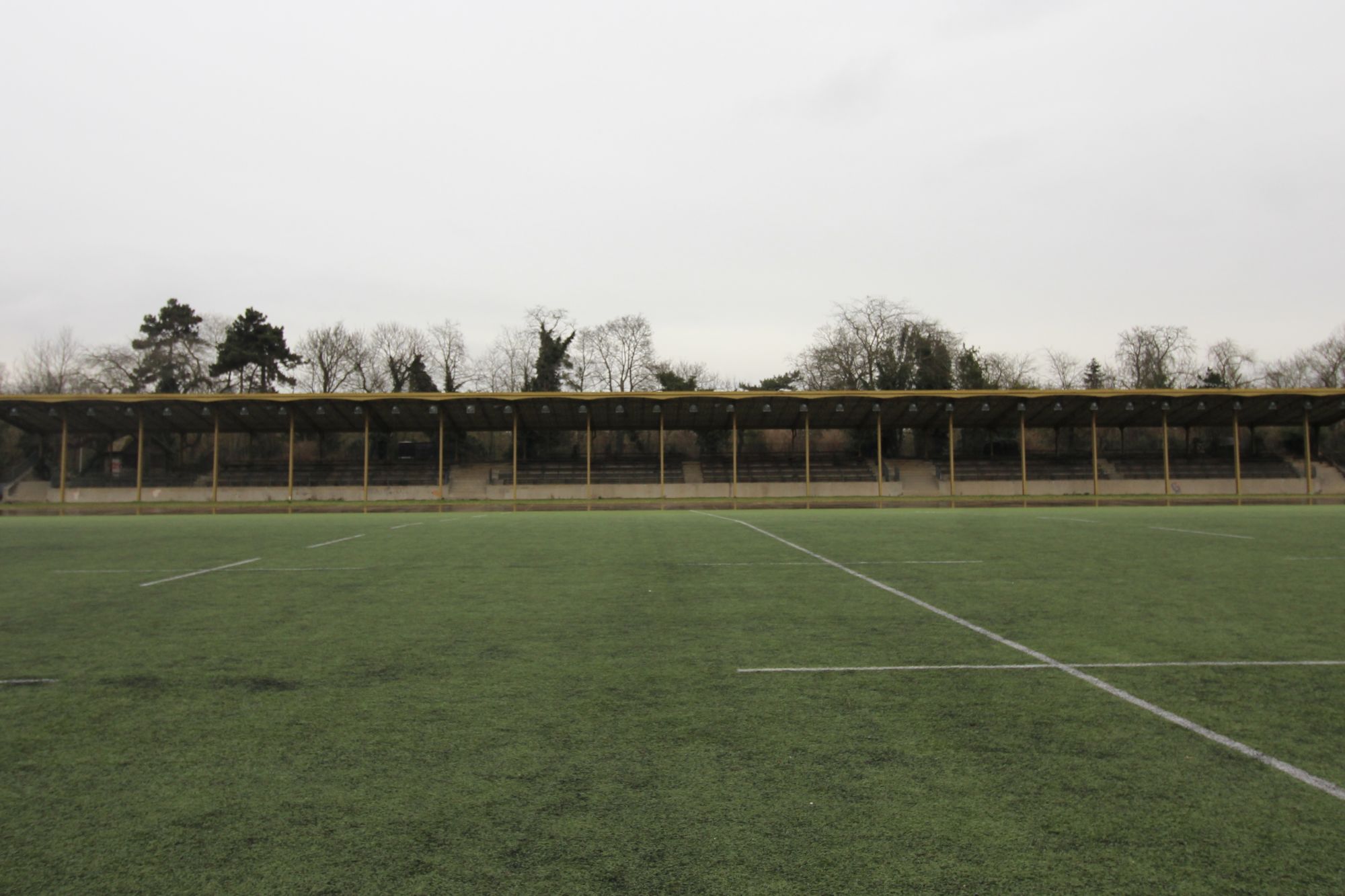
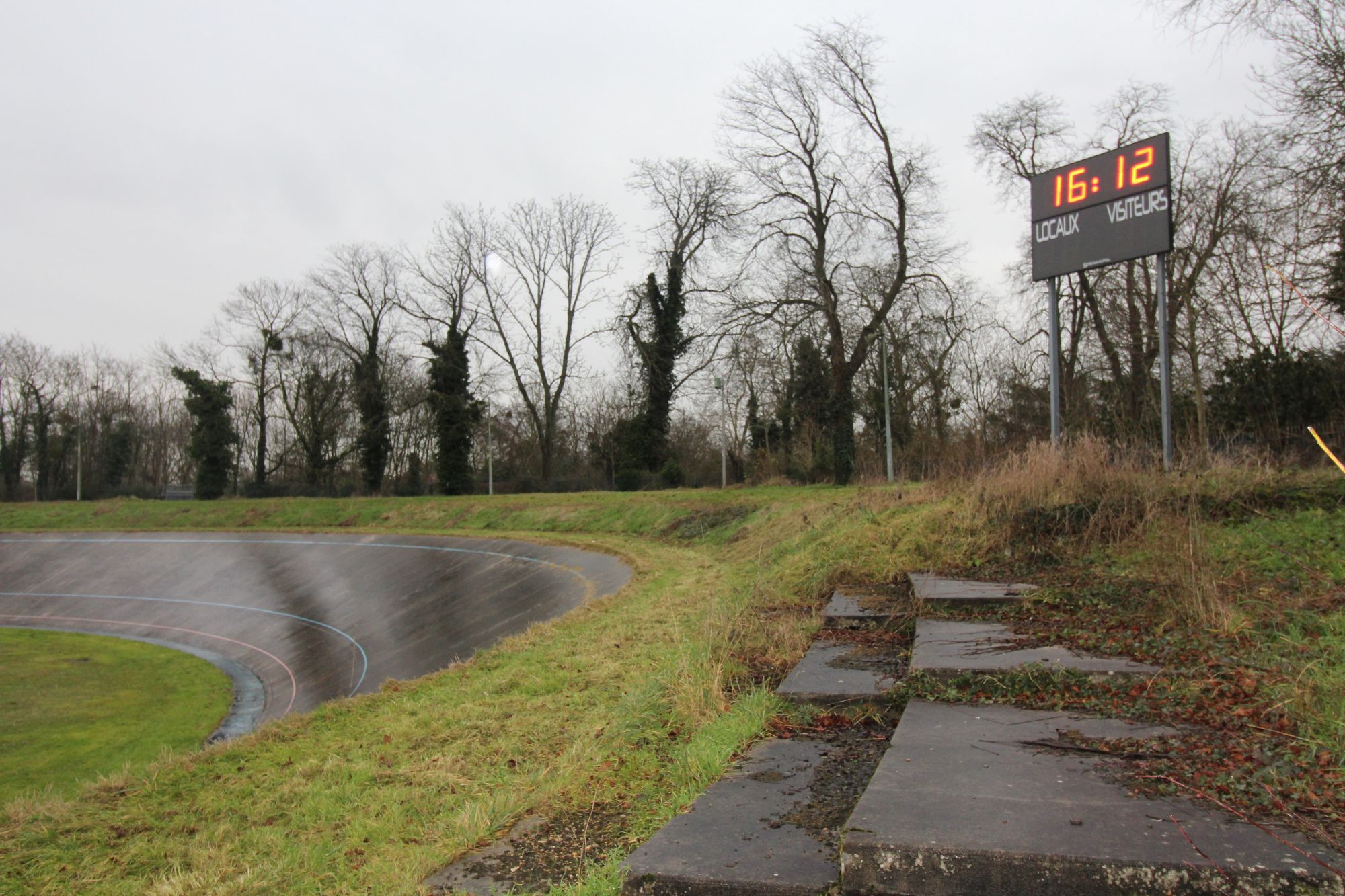
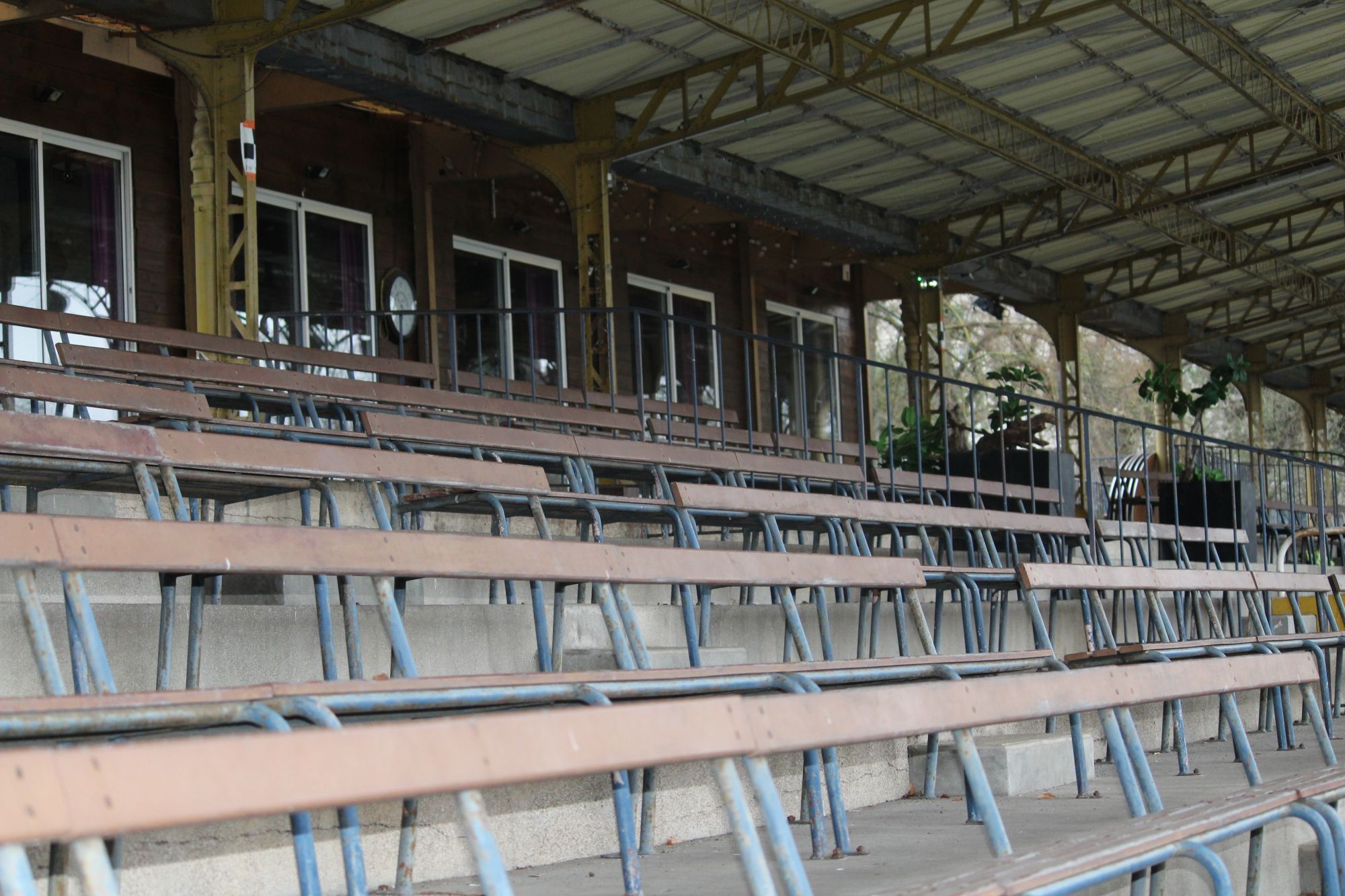
Little known outside the Île-de-France region, this century-old venue is located in the 12th arrondissement, southeast of Paris, surrounded by the greenery of the Bois de Vincennes. A 500-meter concrete oval bordered by two wrought iron grandstands in classic Belle Époque style, featuring rows of benches and terraces that once held up to 30,000 spectators. A true place of worship for French track cyclists, it preserves unforgettable stories and moments of Sport with a capital S. More recently, it has also been the setting for films like "La rafle" and "Elle s'appelait Sarah". And yet, it appears bare and decaying, forgotten by time—unlike those who, thankfully, have kept its memory alive.
A temple for two wheels
La Cipale, a contraction of Vélodrome Municipal to reflect its public ownership, first opened in 1896, in connection with the 1889 Expo and during the golden age of velodromes. From the very beginning, it was a focal point in the city’s sports scene and beyond: the second modern Olympics in 1900 opened here with six disciplines; and by the time the Games returned in 1924, it had become a full-fledged track cycling temple, known internationally thanks to prestigious races like the Grand Prix de Paris.
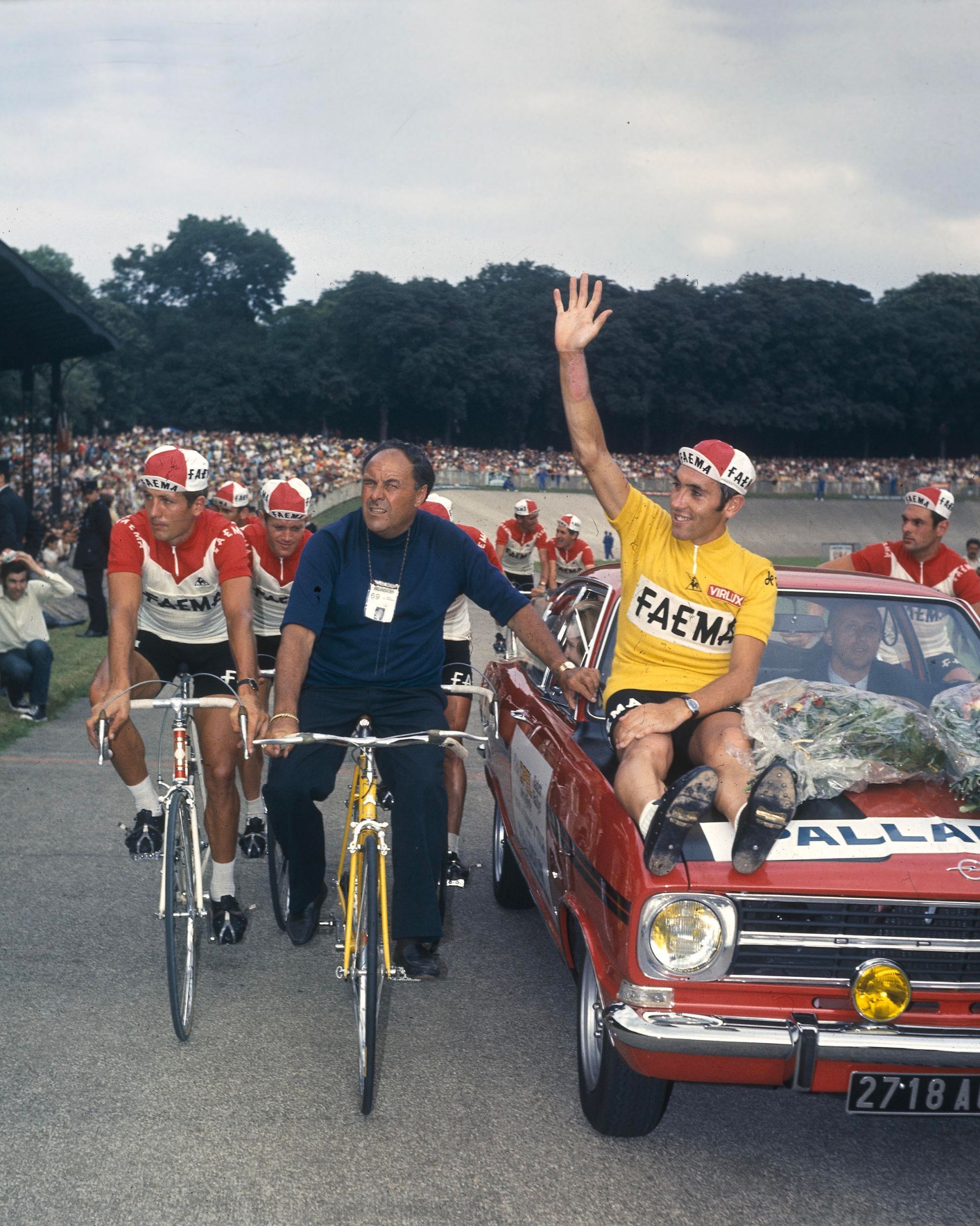
Half a century later—after ups and downs, especially during the wartime years when it hosted gymnastics shows and student rallies—it became the stage for Eddy Merckx’s triumphs with the arrival of the Tour de France. The five yellow jerseys won by "The Cannibal" between 1969 and 1974 were all celebrated in front of the crowd at La Cipale. Fittingly, it was here that he equaled Jacques Anquetil’s record—a coincidence, as the velodrome would later be named after Anquetil in 1987.
Eddy Merckx arrive en triomphateur au vélodrome de la Cipale : étape et général pour le jeune Belge (Tour 1969). pic.twitter.com/ZLioufv05h
— David Guénel (@davidguenel) April 25, 2022
That’s why sports historians and the local community are so fond of it—especially the members of Paris Cyclisme Olympique and the Vélo Club des Vétérans Parisiens, who have preserved its cultural and sporting heritage for over a century. Over that long stretch of time, the center has swung between extremes: periods of glory and prolonged neglect, especially after major competitions were relocated to nearby Bercy arena, which met Olympic standards with its indoor 250-meter wooden track. The deterioration of the concrete surface, exposed to the elements, pushed the velodrome dangerously close to permanent closure on multiple occasions. One notable low point was the failed renovation of the past decade, which dragged on for over three years and, according to those who have tested the track, did little to resolve the facility's issues.
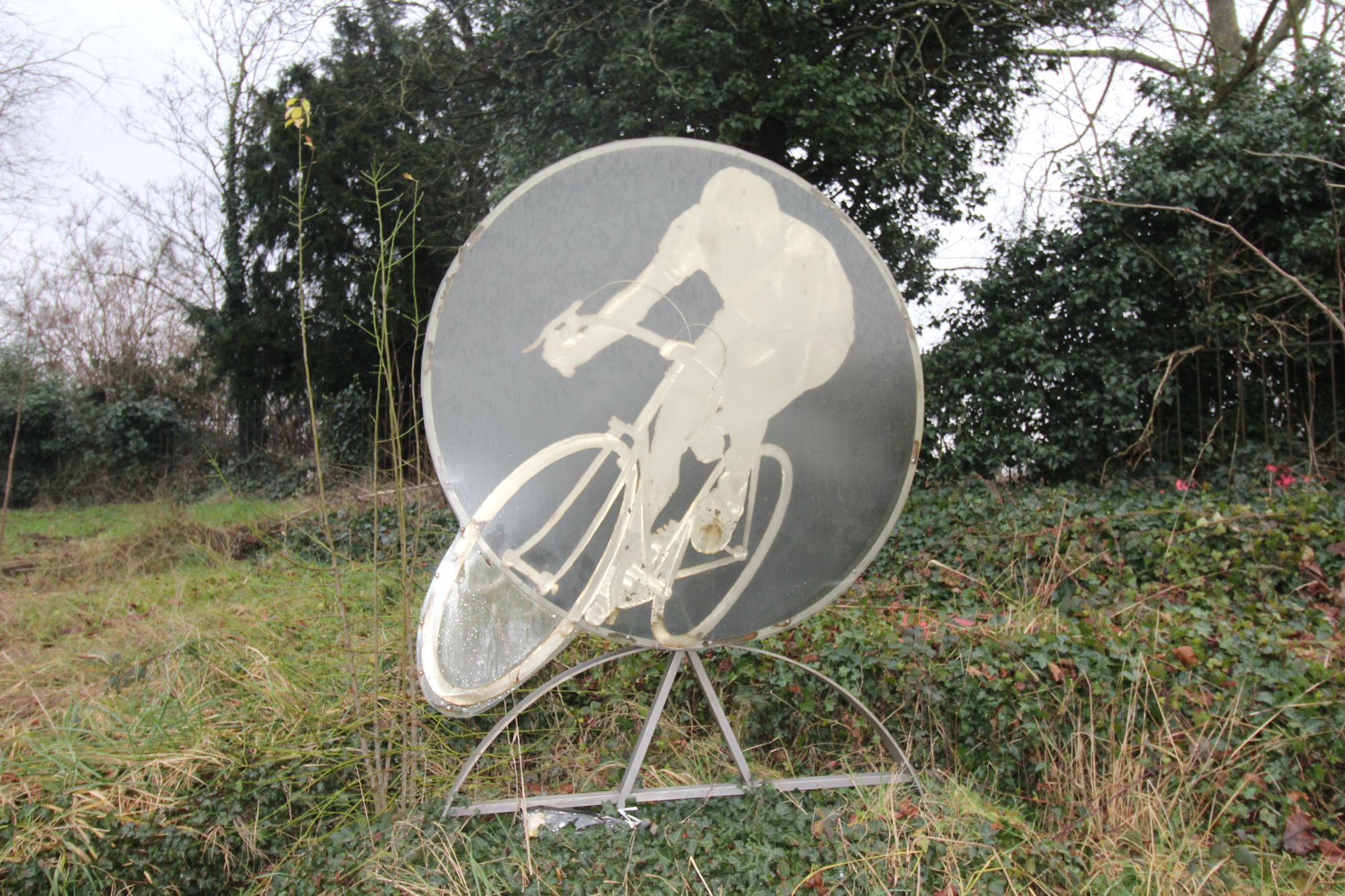
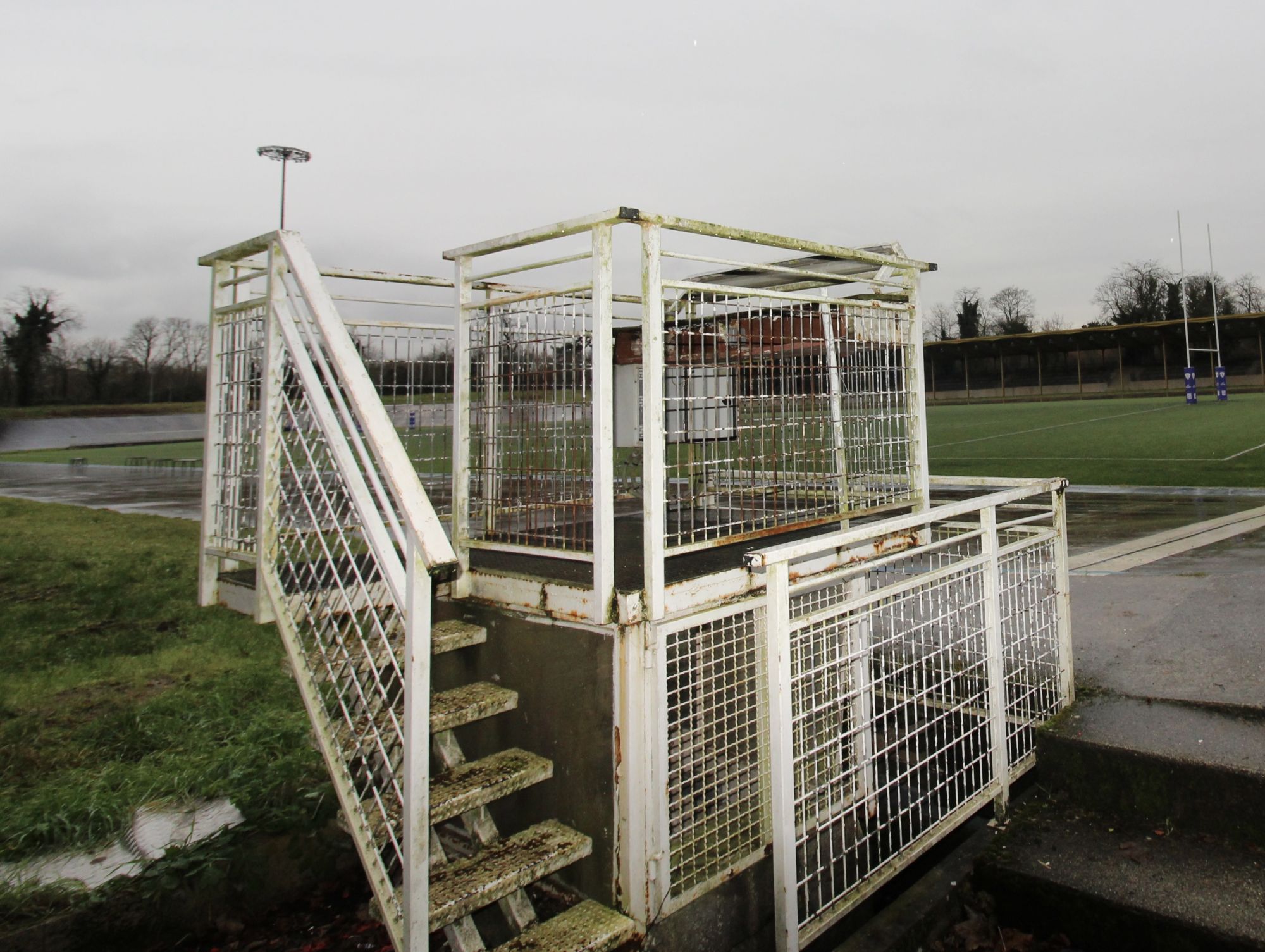
Visiting the venue today, it’s hard to imagine the glittering stage it once was. The place retains its charm, but it clearly bears the marks of time: abandoned areas, creeping vegetation, visible cracks, mold patches, and a general lack of maintenance. However, in the coming months, a major restoration project is scheduled to begin, promising to breathe new life into the velodrome. The announcement came last November: thanks to €1.2 million in funding from the Conseil de Paris, Fondation du Patrimoine, and Française des Jeux (FDJ), the effort to preserve this historic gem is finally being rewarded. Construction is set to begin in the early months ahead, as reported by *Le Parisien*, which emphasized the project’s goal: to modernize the structure without altering its defining architectural features.
Bienvenue à La Cipale
Now that the velodrome's decline no longer threatens its survival, we felt it was the right moment to visit. Upon entering the center, we were greeted by an atmosphere—typical of such places—a mix of decay, nostalgia, and mystique, depending on your perspective. And undeniably human in scale: it feels more like a local club than the site of once-historic sports events. Especially with the warm welcome of the caretaker who opened the gate and let us in for a look around.
At the center of the track lies a rugby field, home to the first team of the Paris Université Club, which plays in Fédérale 2 (sixth division) and has helped preserve the venue over the decades. On the concrete track, activities are now limited to youth competitions and amateur events organized by the Vélo Club des Vétérans Parisiens. "We try to keep the tradition of this mythical place alive," says Jean Delahousse, current club president. "From March to October, every weekend (weather permitting) we organize an open track race. Each event gathers 30 to 50 participants: men, women, Paralympic athletes... Sure, there’s no audience, but it brings life to this track, which is part of the city’s heritage."
Walking along the track, you can spot cracks and patches where grass has begun to reclaim the concrete. But the truly evocative part lies all around. Even though the entrance on Avenue de Gravelle has lost its once-imposing look, the interior structures remain intact, offering a sensory journey into the Belle Époque. Scattered along the entrance path beside the "gatehouse" are small wooden cabins that once housed the racers, and today still serve as changing rooms for amateur club members. The main building, in red and white brick with a panoramic glass façade facing inward, has been transformed into a restaurant—fittingly named La Cipale.
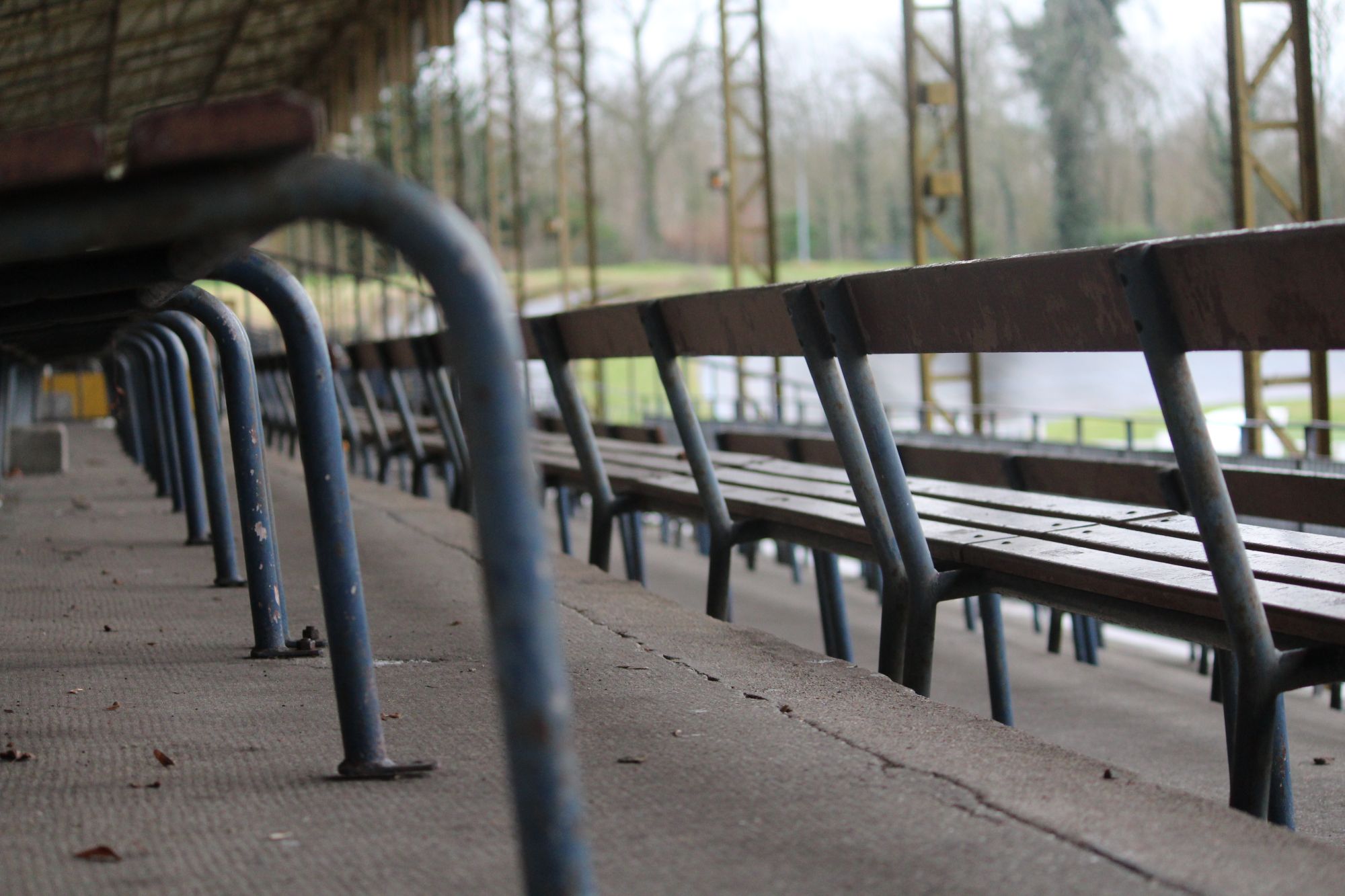
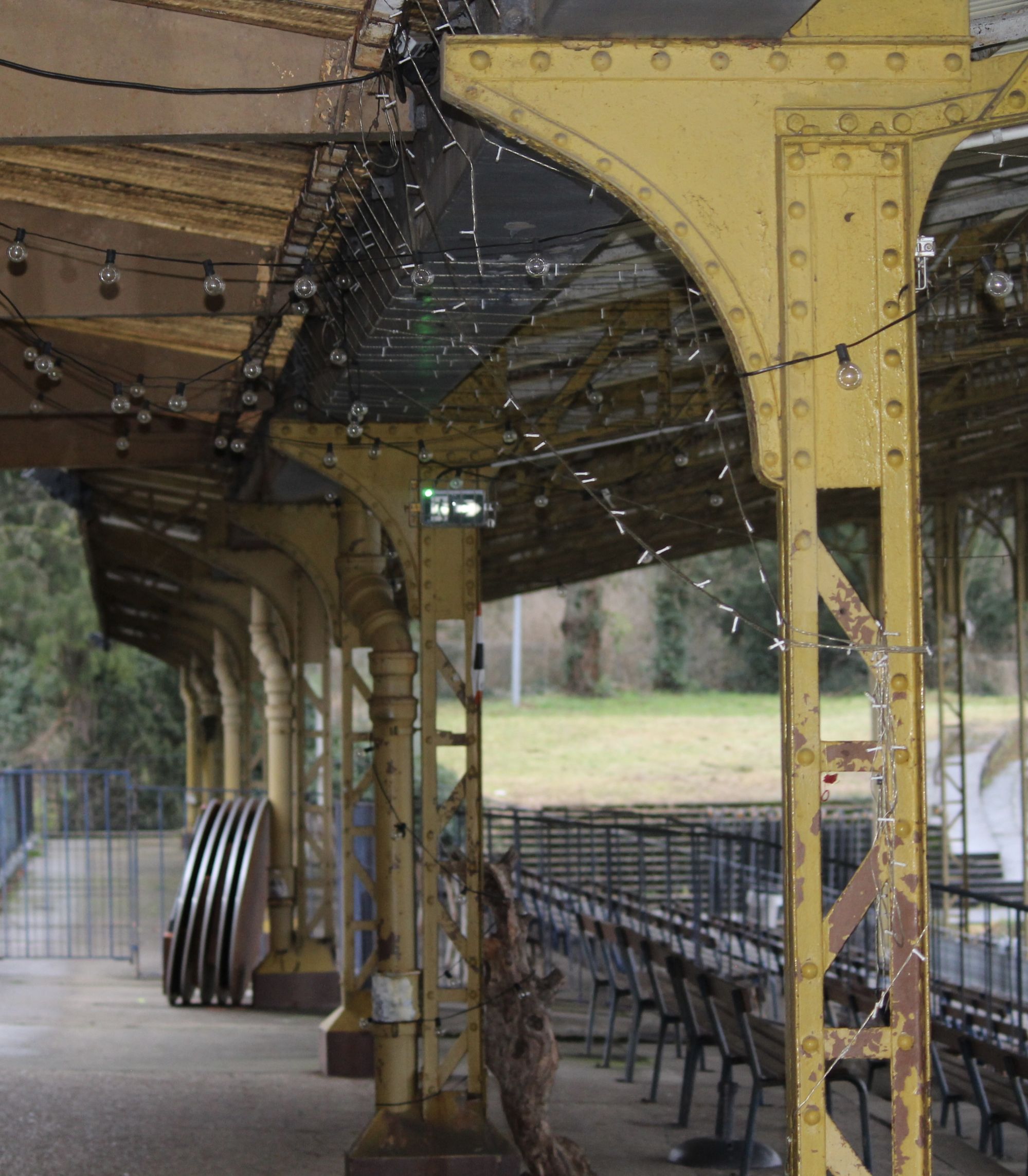
But the highlight and most distinctive element remains the two central grandstands, which—unlike the track’s curved ends—have resisted the advance of nature. The stands are set beneath elegant ironwork structures designed by architect Jean Camille Formigé, in classic Eiffel style, now draped in rust, cobwebs, and climbing plants. Underneath the canopy, divided into sectors, are rows of wooden benches with wrought iron frames. Sitting here and taking it all in, one feels surrounded by a testament to a bygone and fascinating era of sport. A heritage that must not—and cannot—be left to rot, especially in a city like Paris that takes pride in its past and its identity. "Now, finally, it seems all uncertainty about the velodrome’s future has been swept away," writes *Le Parisien*. The hope is that on our next visit, we’ll find what La Cipale still lacks today: its soul—the passion of the people who once filled the stands and lived unforgettable days of sport there.