

Football managers continue to sign contracts with technical sponsors The latest is Mikel Arteta with Under Armour
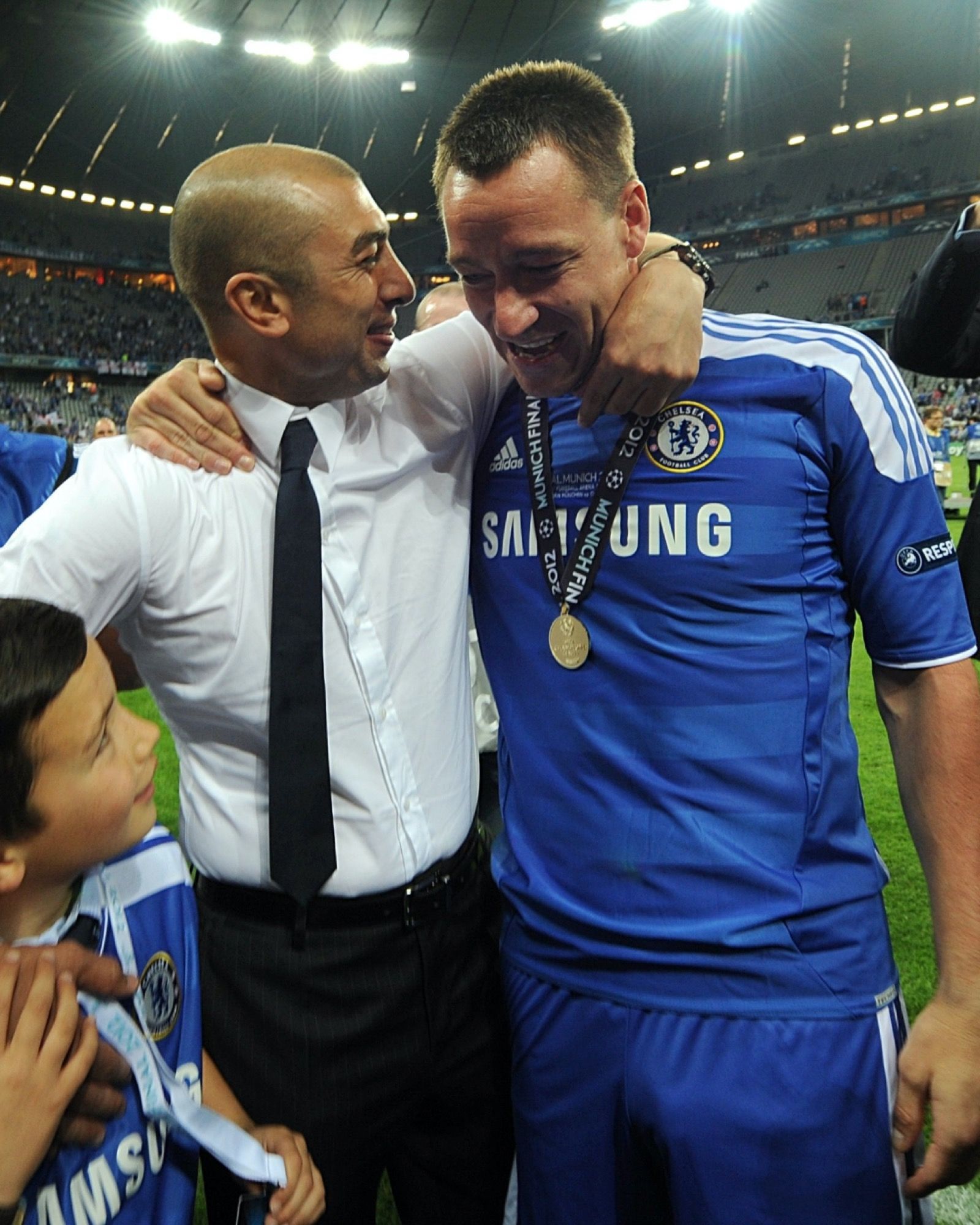
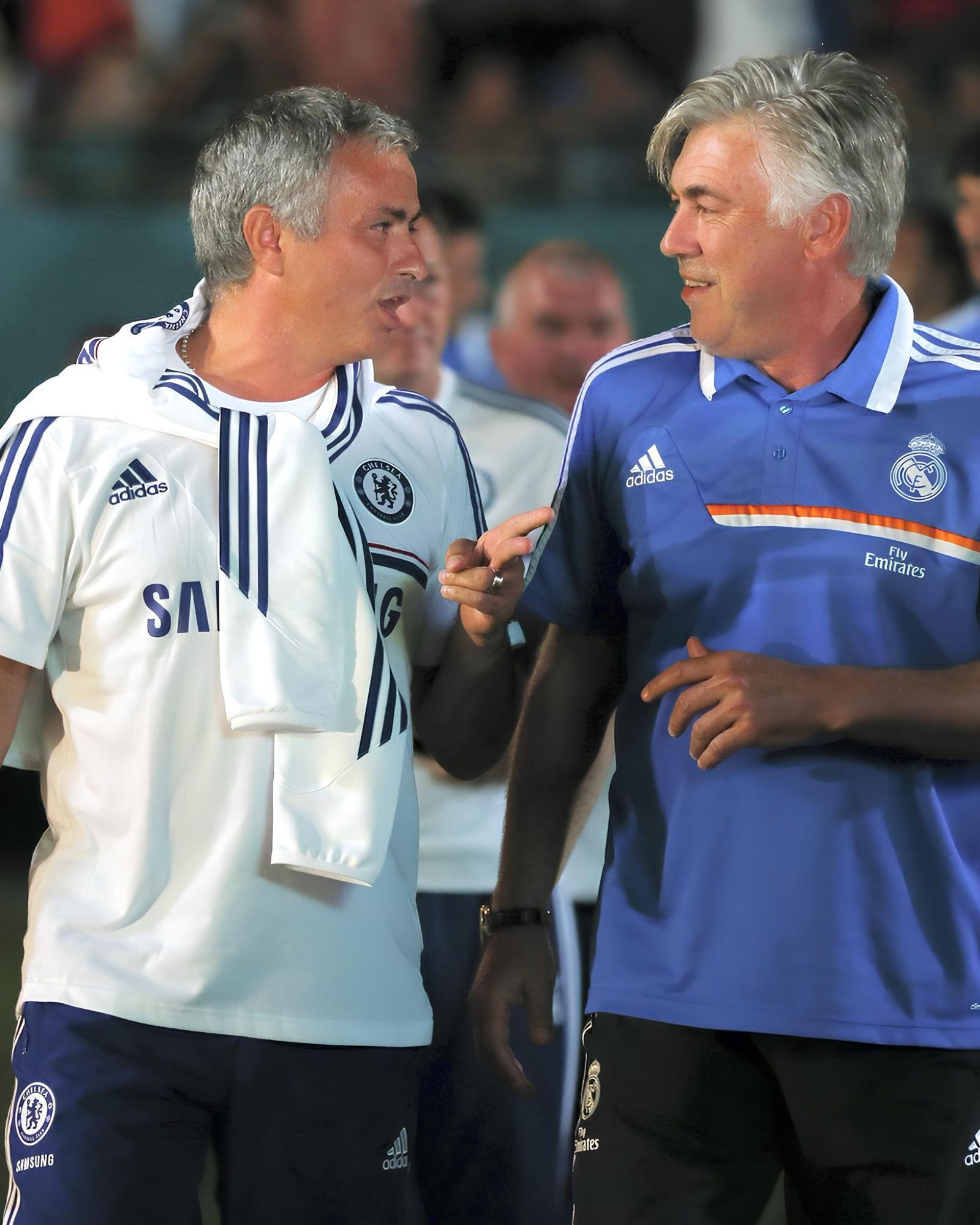
The 2020 marked a turning point for football sponsorships, as brands began to notice that some managers were becoming more famous, representative, and iconic than most players worldwide. A few months later, Julian Nagelsmann and Jürgen Klopp signed contracts with Nike and adidas respectively, following the agreement signed in 2019 by Pep Guardiola with PUMA; the first contract between a brand and a coach dates back to 2005 with José Mourinho and adidas.
It is no coincidence that the managers who have secured these sponsorships are the most media-visible of the last decade: the most attractive and appealing to brands, also thanks to the high-profile benches they occupy. Sportswear brands, in fact, have historically been very selective in collaborating with managers: contracts of this kind are rare because the brand’s image return is limited, considering that in 99% of cases managers do not wear the brand’s clothing during matches, which are the moments of maximum visibility. While 2019 and 2020 were certainly crucial years, it is also because, during that period, football punditry began to emphasize more strongly the importance of managers, both tactically and in terms of charisma and leadership, giving them perhaps higher recognition than ever before: thus the coach becomes a full-fledged influencer, both in the literal and marketing sense: a figure capable of influencing thanks to their charisma and personality. Personality that, in the case of managers, as mentioned, is often "shaped" by TV programs and football media, which tend to build a narrative centered precisely on the coach as a unique character.
Managers and sponsors today
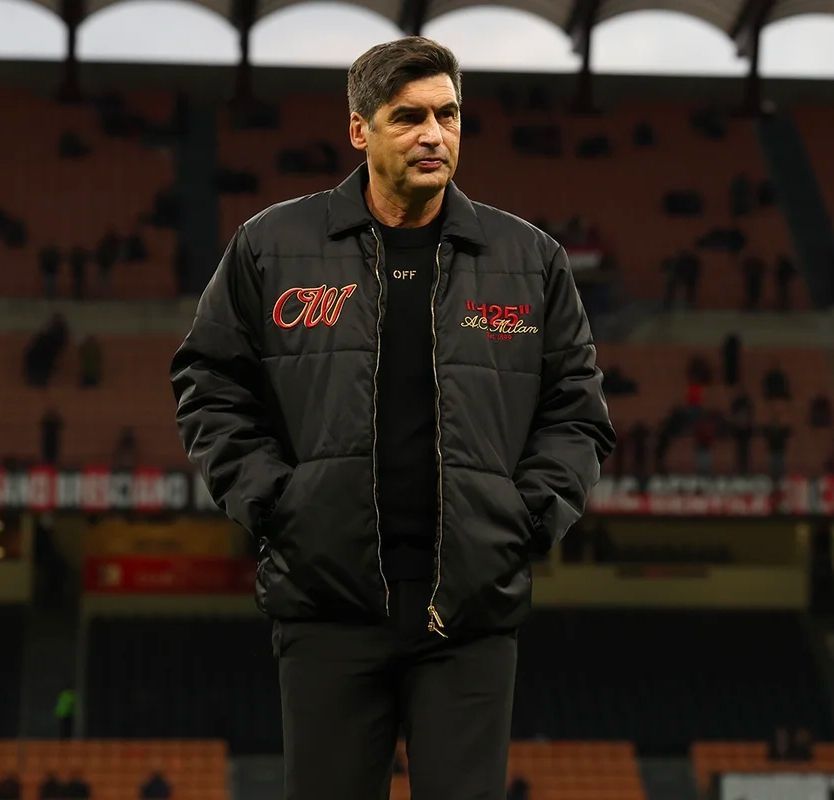
There are also historical reasons: for example, sportswear brands have noticed over the years how strong the association between Arsène Wenger and his iconic overcoat—first Nike, then PUMA—has become, even though today there is no equally iconic item immediately linked to a coach. Speaking specifically of Arsenal and high-profile managers, it is the Gunners’ manager, Mikel Arteta, who is the latest big name to have signed a contract with Under Armour in August 2025: a brand that continues to expand its roster of big names and chose the Spaniard as a global ambassador. This is further proof that there is no correlation between the sponsor managers wear at the team they manage and the one they choose to wear—just like players.
It should be noted, however, that there is a major difference between brand sponsorships with players and those with managers. In most cases, players have standard sponsorship contracts, which include the supply of boots, at most sportswear, and a monetary compensation, or they are defined as simple ambassadors. Managers, on the other hand, sign contracts with much more varied and specific roles, sometimes challenging the actual meaning of the title—but that is another story.
For example, Pep Guardiola with PUMA is not limited to promoting the brand but also participates in the development of technical products; José Mourinho is described as a Global Coaching Ambassador for adidas. Finally, Mikel Arteta, with Under Armour, holds the role of Director of Performance, going beyond simple logo promotion: he contributes to the development and design of the brand’s football lines, thanks to his experience as a coach, or at least that is the brand’s intention.