What's wrong in Nike's kits for Jannik Sinner at the Australian Open? Carlos Alcaraz definitely won the outfit battle
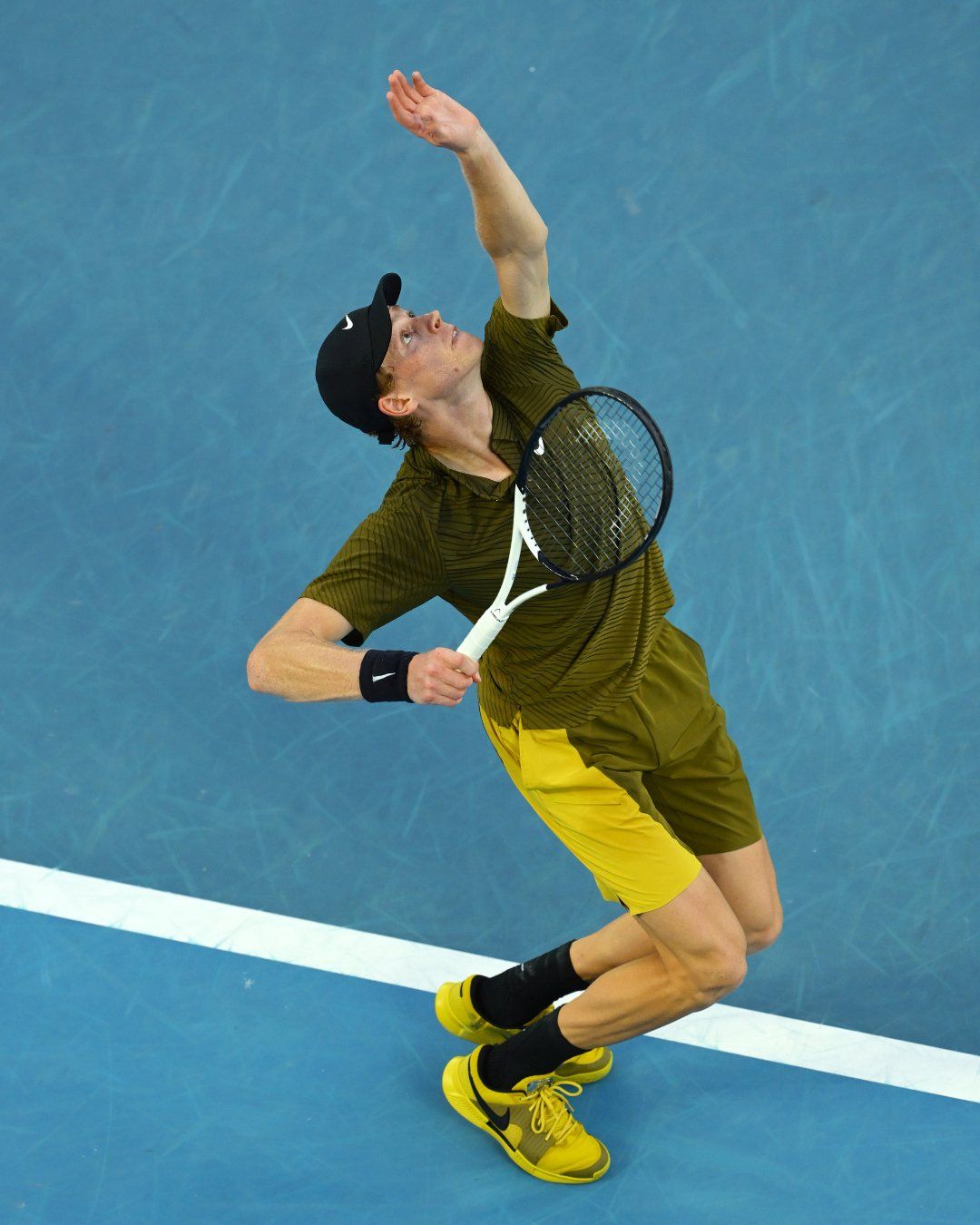
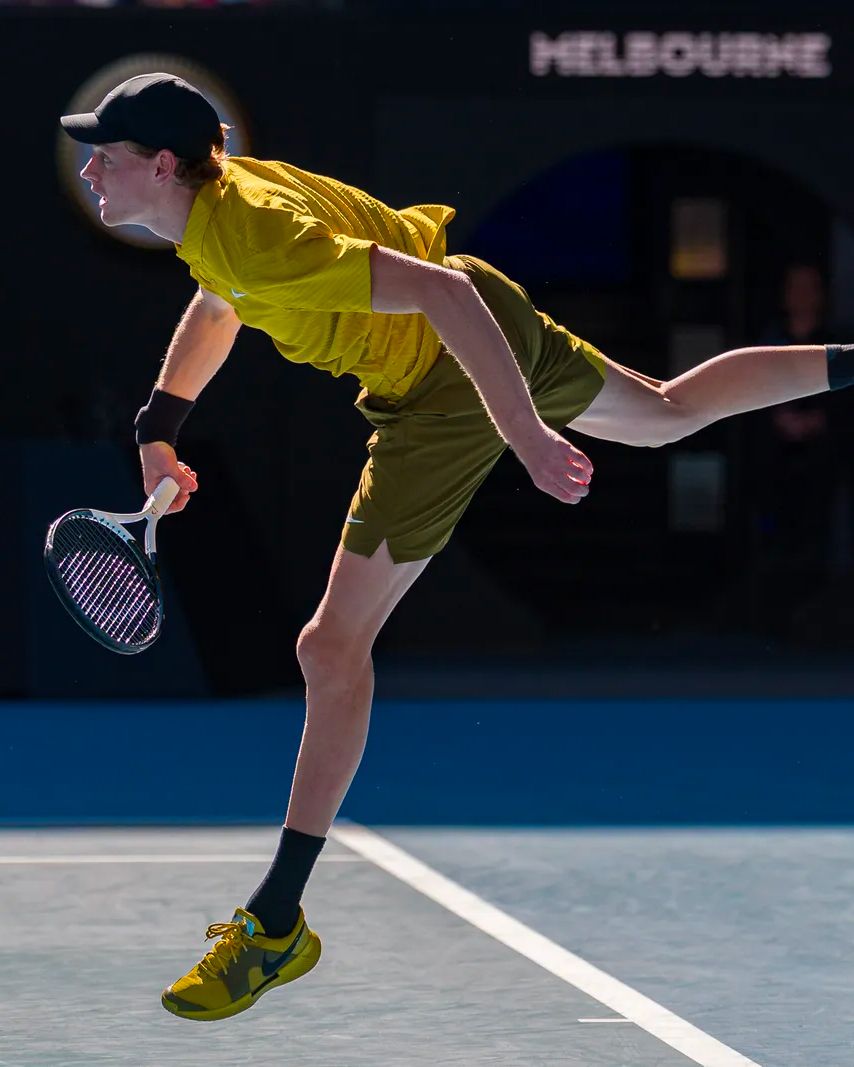
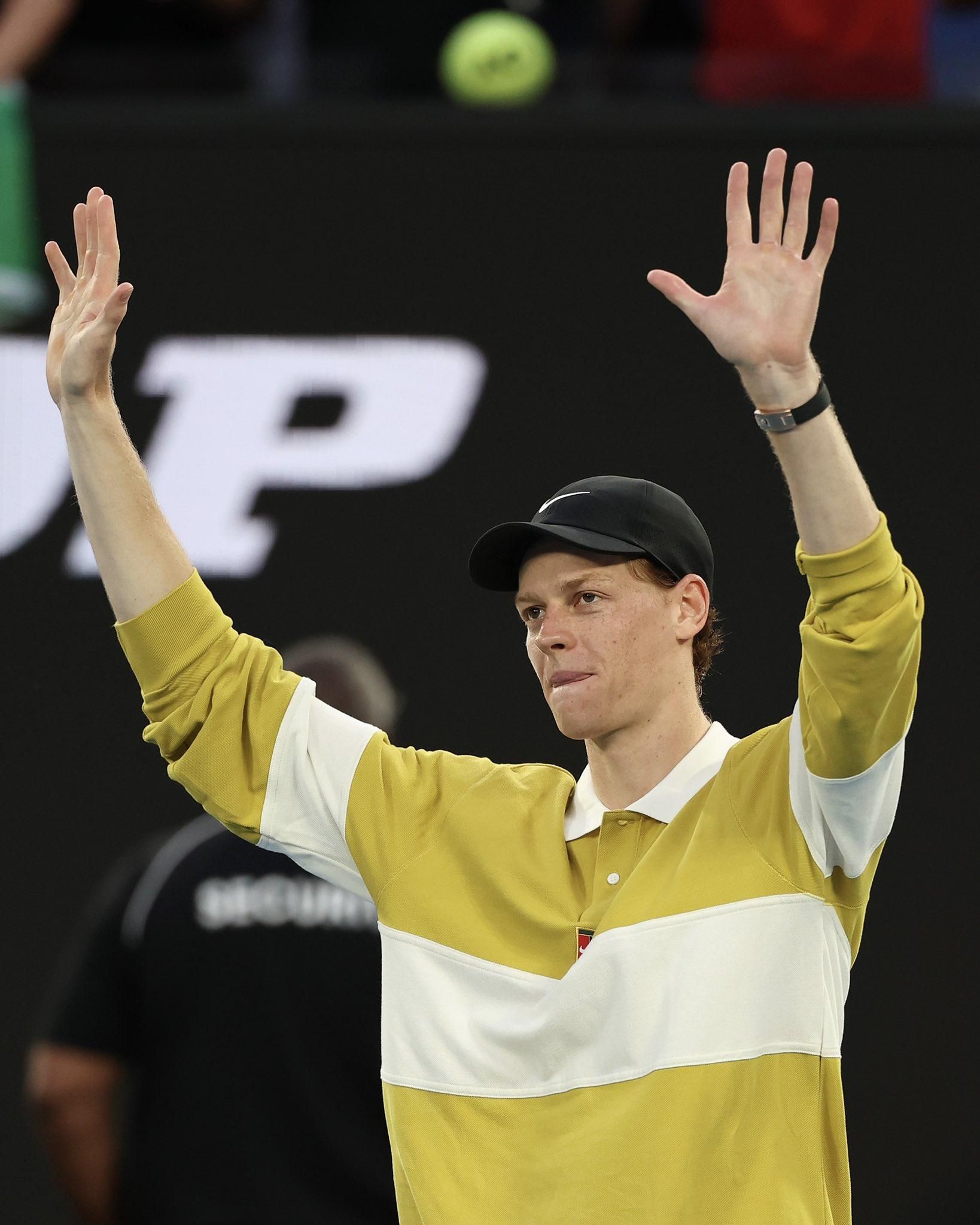
On the eve of the 2026 Australian Open, Jannik Sinner played an exhibition match against Félix Auger-Aliassime. For the occasion, he wore a kit consisting of a mustard-yellow shirt and olive-green shorts. After the match, during the customary on-court interviews, he was asked whether he was happy with the kit and, more specifically, whether he had any say in the choice of colours. With his trademark diplomatic restraint, Sinner suggested that he was not entirely satisfied with what Nike had provided, while also revealing that starting next season he will be more closely involved in the creative process behind his kits. Just a few days later, for his first-round debut at the Australian Open against France’s Hugo Gaston, Sinner wore the same kit seen in the exhibition match but with the colours reversed: an olive-green shirt paired with mustard shorts. A combination that stood in stark contrast to the prevailing aesthetic of the season’s first Grand Slam, defined by fluorescent hues and bold, high-energy tones.
Nike’s Contrasting Vision for Sinner and Alcaraz
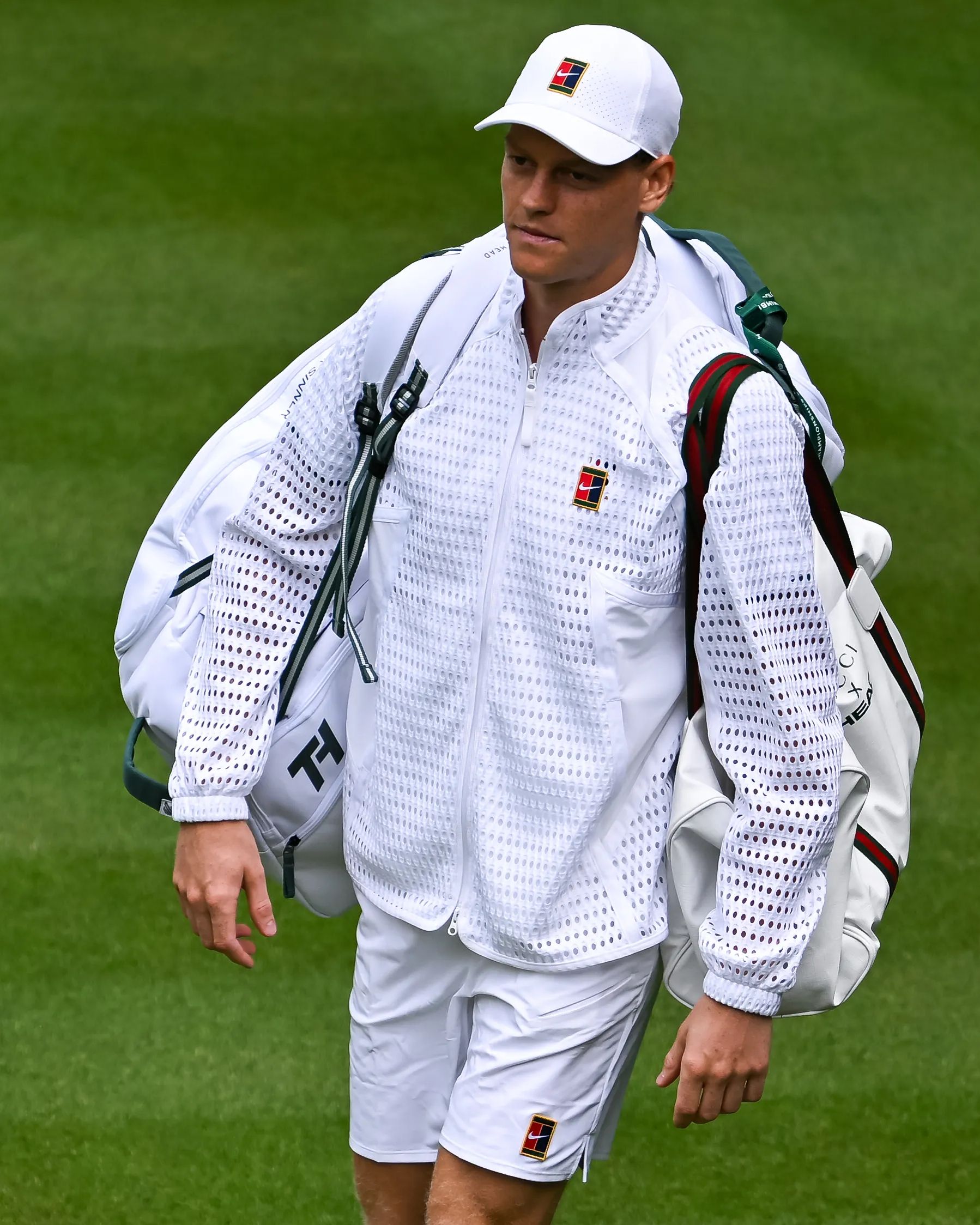
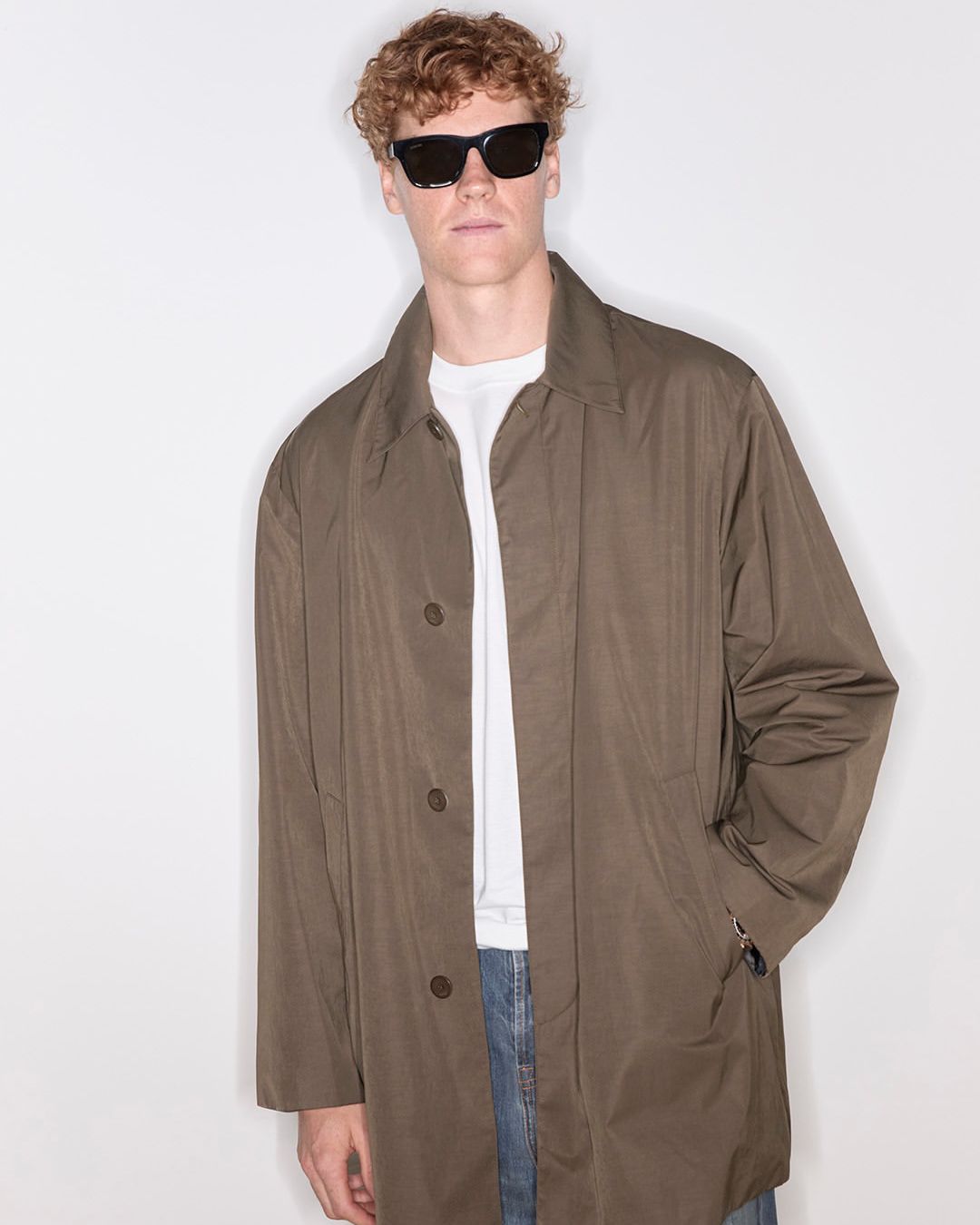
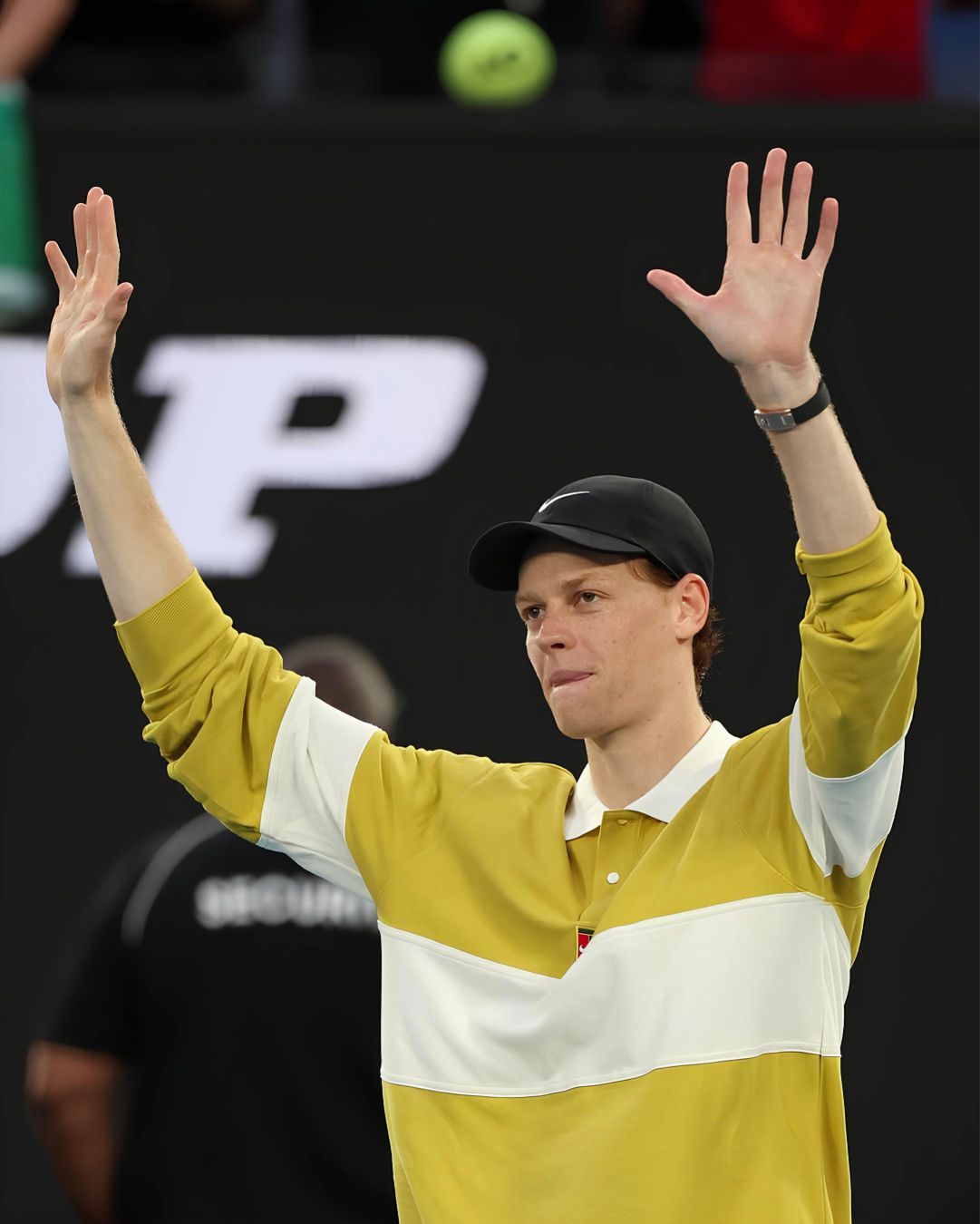
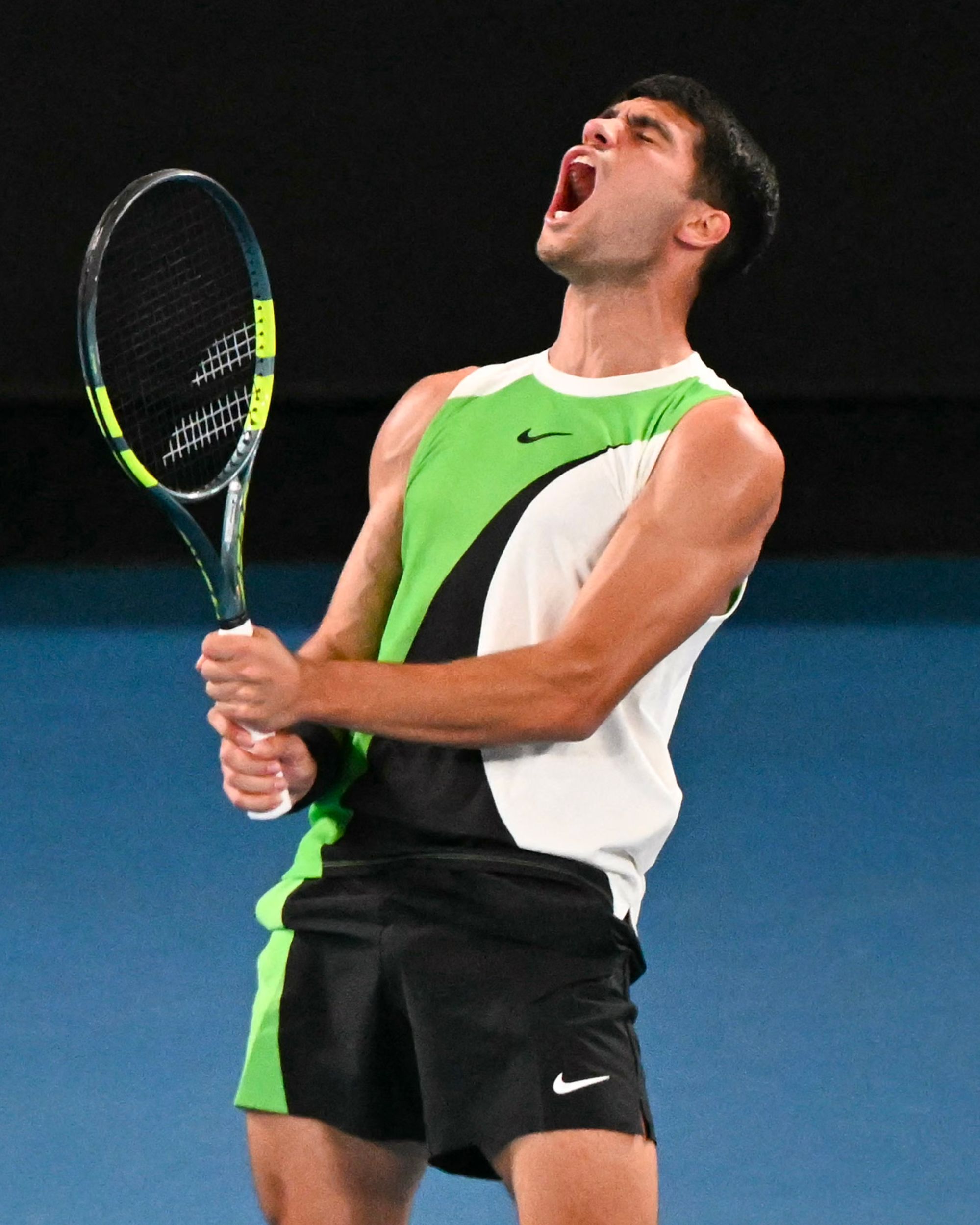
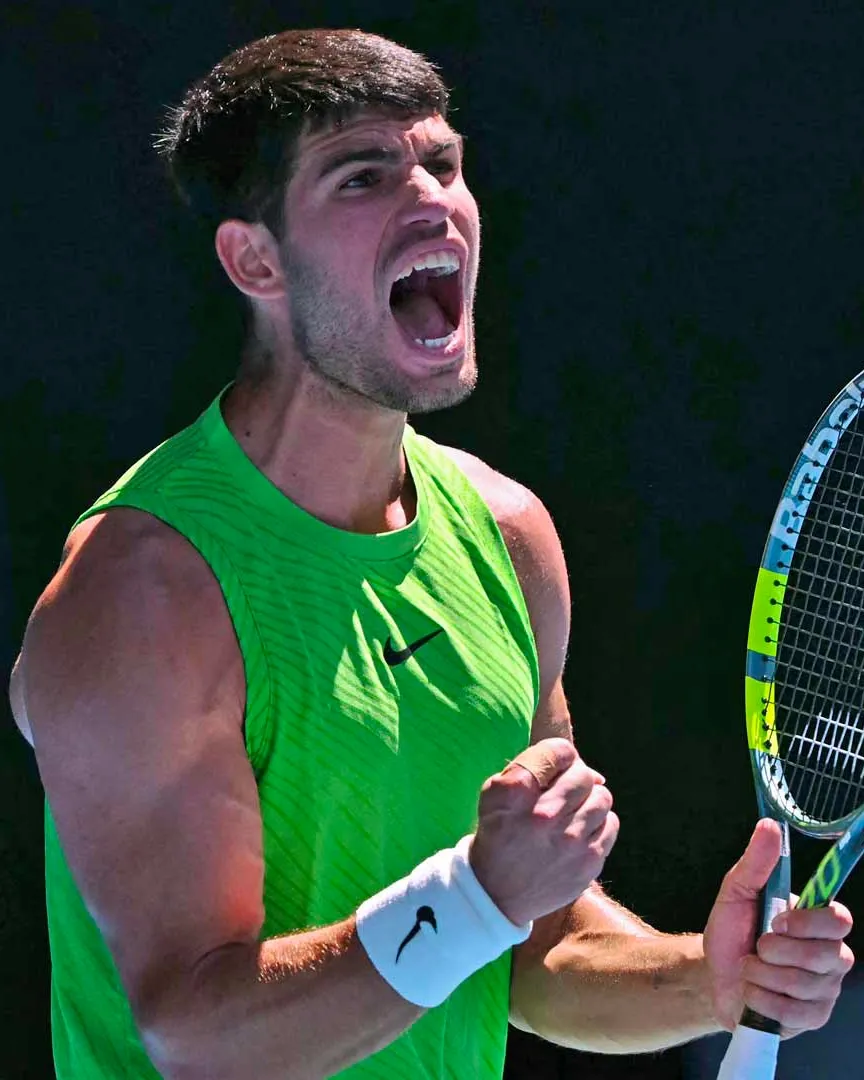
The contrast in how Nike has treated Carlos Alcaraz and Jannik Sinner at this year’s Australian Open is striking. In Alcaraz’s case, the brand has embraced a contemporary approach, putting him on court in colourful sleeveless tops perfectly suited to his sculpted, almost bionic physique, alongside a fluorescent heritage suit jacket and a grey windbreaker for on-court interviews. For press conferences, he opts for a classic black Jordan T-shirt. The result is a modern, forward-looking aesthetic that clashes sharply with the more traditional looks reserved for Sinner. Beyond the already mentioned mustard kit, Nike has dressed Sinner for on-court interviews in the same rugby-style polo first seen at the 2025 Roland Garros, naturally reworked in the same colour palette as his match kit, as well as an olive-green ACG jacket worn during press conferences.
Carlos Alcaraz as Nike’s Pop-Culture Athlete
Carlos Alcaraz and Jannik Sinner project two completely opposite public personas. Alcaraz comes across as instinctive and expressive, while Sinner appears almost robotic. The Spaniard smiles and plays to the crowd after hitting a spectacular winner that sends fans leaping from their seats; the Italian, by contrast, follows a meticulously defined routine, returning to his corner to retrieve his towel after every single point—whether it ends with a failed drop shot or a two-handed backhand clipped perfectly onto the line. For the first time, this vast behavioural gap seems to be reflected in how Nike styles the two players. Until now, kits aside, Alcaraz and Sinner had largely worn mirrored outfits, differentiated only by colour choices. Now, a genuine stylistic divide has emerged.
Let’s be clear: Nike is not overlooking Sinner. On the contrary, over the years the brand has worked closely with him, paying close attention to detail and successfully creating a direct connection between Sinner and his millions of fans, particularly in Italy. And yet, this is precisely where the misunderstanding lies. As much as Sinner has become the most globally recognised Italian sports figure since Valentino Rossi, the true star of this rivalry, in terms of perception, remains Alcaraz. This does not mean that Sinner is any less cool—he simply embodies a different kind of charisma. At Wimbledon, Seal sits in Sinner’s box; for Alcaraz, it’s Spike Lee cheering courtside. The Spaniard flirts openly with pop culture: if we didn’t already know him as Rafa Nadal’s heir, we might easily imagine him as a singer or an actor. Sinner, on the other hand, is the embodiment of discretion. A low-profile presence that cannot afford to go unnoticed precisely because he keeps winning. A definition that aligns perfectly with the idea of quiet luxury—and it’s no coincidence that Gucci has not only chosen him as a brand ambassador but also as the face of the launch campaign for Gucci Altitude.
What's next?
Unless something truly unexpected happens, 2026 will be the year in which the rivalry between Sinner and Alcaraz definitively establishes itself as the most compelling duel in sport, overshadowing every other narrative, Winter Olympic Games and FIFA World Cup included. The opening chapter, however, fell short of expectations—at least when it comes to Sinner’s looks. While Alcaraz’s styling represented a coherent step forward, aligned with the aggressive cuts and colours carefully crafted around his image, Sinner’s felt like a step backward, rather than a progression in the visual management of the tour’s most elegant player. On the other hand, there is genuine curiosity surrounding how the aesthetic relationship between Sinner and Nike might evolve from 2027 onwards, once he gains greater creative input into his on-court wardrobe—especially considering the freedom the brand grants its athletes, as demonstrated once again by Naomi Osaka’s Melbourne looks. We may be approaching a turning point. It will take time, but we could soon witness the launch of fully personalised kits—perhaps even designed by the two best tennis players in the world themselves.