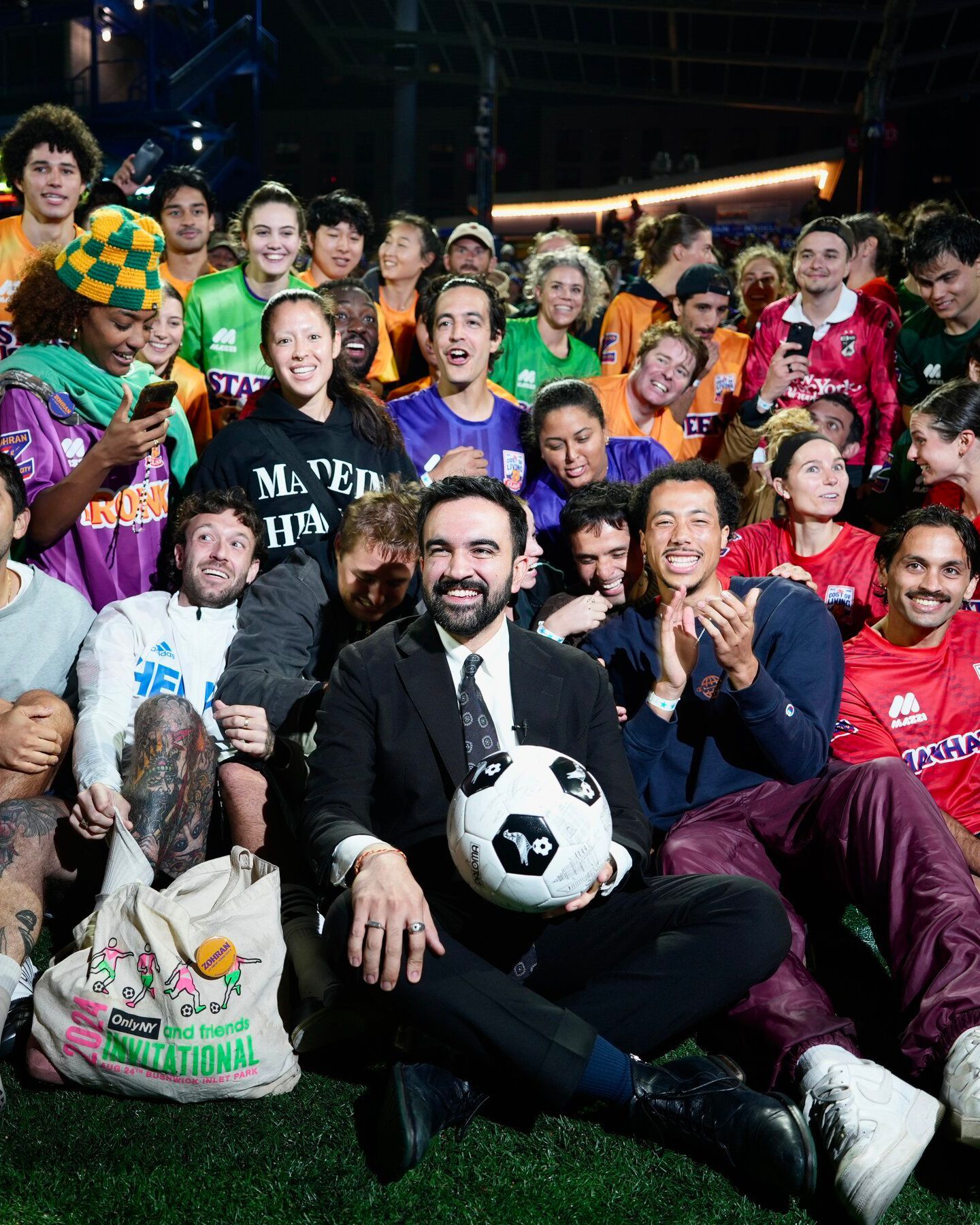
Could Mamdani's election result in lower 2026 World Cup ticket prices? For the first time, FIFA is facing a non-allied politician.
Zohran Mamdani will be the new mayor of New York and this news also has implications for the world of football, particularly regarding ticket sales for the 2026 World Cup to be held across the United States, Mexico and Canada. Mamdani is a great football fan, an Arsenal supporter, and in an interview with The Guardian he recounted that as a child in Uganda he had stuck an Invincibles magnet from the 2003/04 season on his fridge. He was also an amateur footballer, having played in the West Side Soccer League while at university. The points of contact between football and Mamdani—the first Muslim mayor of New York and the youngest since 1892—are therefore many, but the most important is yet to materialize.
The New York issue
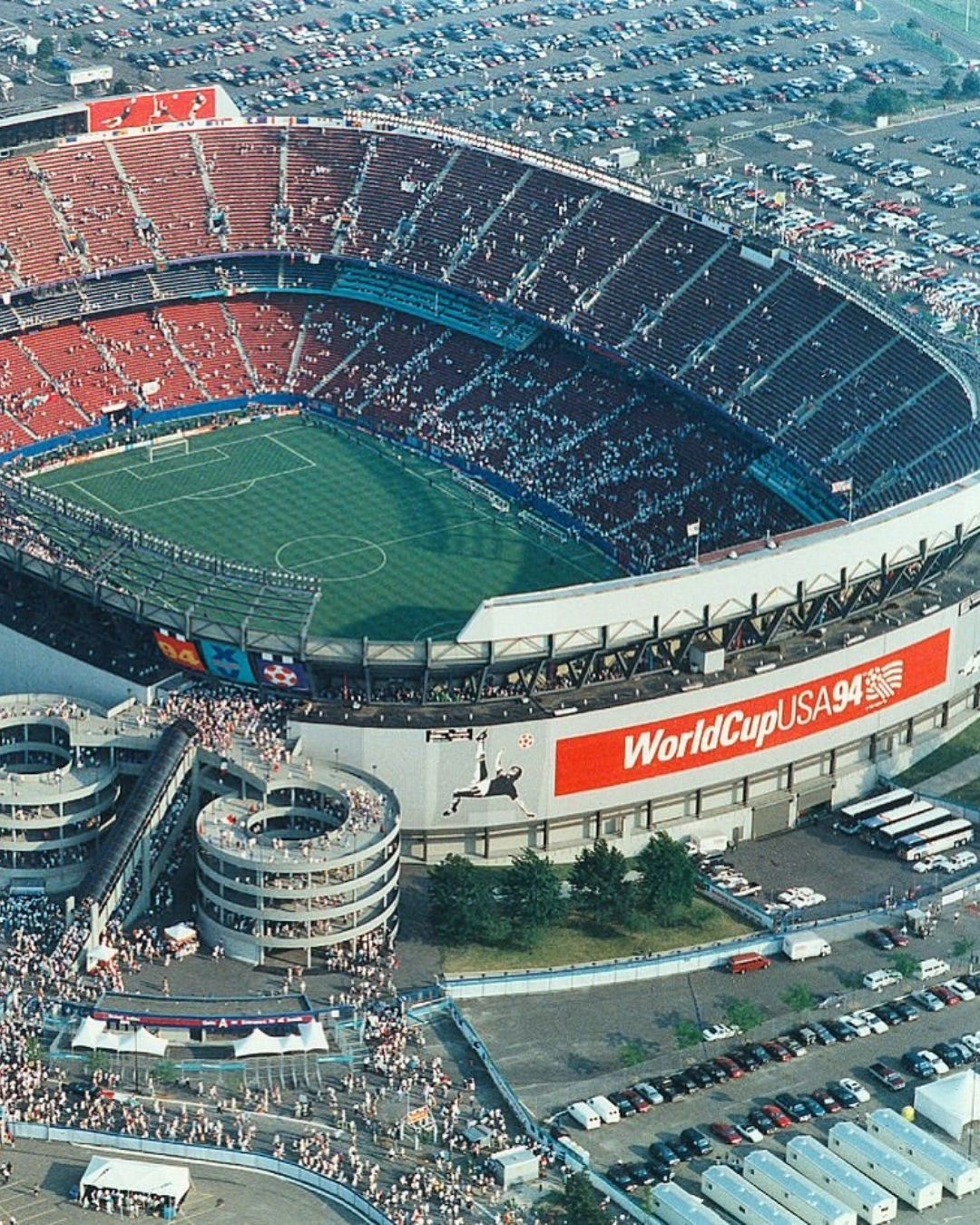
New York will in fact be one of the eleven U.S. cities hosting matches of the 2026 World Cup. Moreover, MetLife Stadium will host eight matches in total, including the final of the tournament scheduled for July 19. All eyes in the world will be on it, and there is already great interest in this event since Mamdani did not spare criticism of FIFA for how ticket sales have been handled. Specifically, FIFA, as already done previously for the first edition of the Club World Cup, has introduced dynamic pricing—that system which makes a ticket’s price fluctuate up or down depending on demand. The first sales phase began in recent weeks and the first effect of dynamic pricing is that, to date, the 2026 World Cup is already the edition with the most expensive tickets ever, despite the fact that not all participating teams are known yet and, above all, the group-stage draw that will determine the first-phase schedule has not yet been held.
To give an idea of the amounts involved: the minimum cost for the United States' opening match, which will take place in Los Angeles at SoFi Stadium on June 12, 2026 regardless of the opponent, was $560. For a Category 1 ticket, which guarantees the best seats, on opening day one would pay $2,735, prices that of course have risen in this phase of extreme demand. Faced with these figures, Mamdani publicly attacked FIFA, accusing it of caring only about its own interests and not those of the fans, having collected over 400% more for tickets compared to what was collected for the 2022 World Cup in Qatar.
Mamdani's challenge
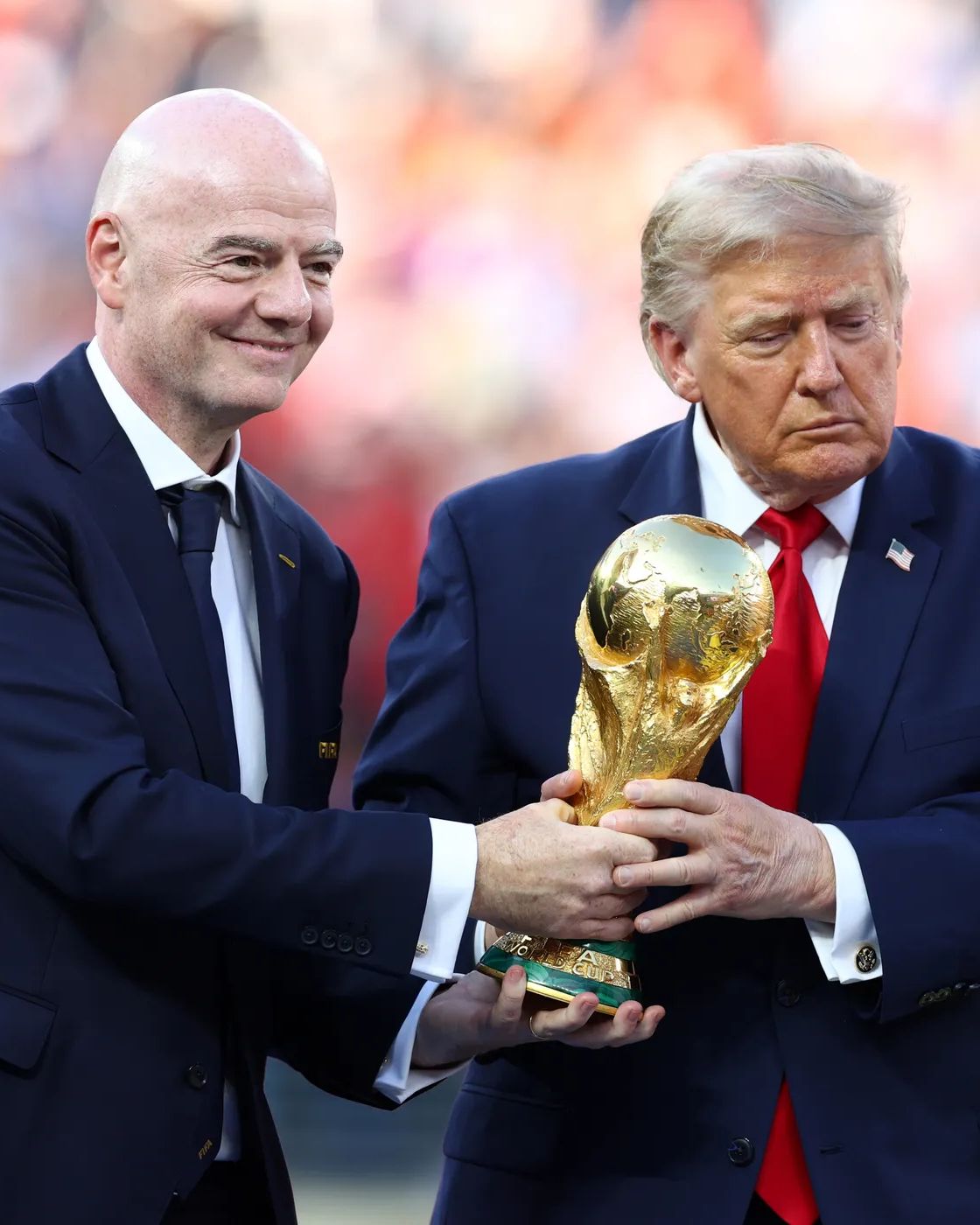
Amidst the electoral campaign, a challenging message emerged as Mamdani utilized social media to not only gather support for his petition to enforce a maximum resale price on secondary ticket platforms—also overseen by FIFA—but also to urge FIFA to dedicate a 15% ticket quota for local communities for every match. "But are any working-class New Yorkers actually going to be able to watch any of the matches?", Mamdani asked in the video, and his request, unsurprisingly, fell on deaf ears. Buoyed by his bromance with Donald Trump, FIFA president Gianni Infantino pushed ahead with dynamic pricing and the secondary ticketing approach. The only concession was a sort of priority access for residents of the United States, Mexico and Canada during the second phase of ticket sales, which nonetheless remained open to anyone wishing to participate regardless of their country of residence.
To be brief. The problems surrounding ticket sales have not been resolved and at the moment there are no major new developments on the horizon, with prices expected to keep rising at least until the full group-stage schedule is published and, at that point, for low-interest matches we might see price drops similar to what happened at the Club World Cup. It should be noted, however, that with Mamdani's election, for the first time FIFA and Gianni Infantino will have a political interlocutor who will not be their ally. This argument can also be extended to U.S. President Donald Trump, already criticized regarding non-citizens and visa issuance. Will Mamdani save the 2026 World Cup?
What to read next
Erling Haaland gained almost 30 million Instagram followers during the 2026 World Cup
It's all about goals, viking row and memes
The ultimate 2026 World Cup Glossary
In ten years' time, we'll still be talking about the hydration break and the Viking row