Tickets for the 2026 World Cup are the most expensive ever This is due to dynamic pricing and secondary ticket
Even football is dealing with dynamic pricing, that is the practice whereby ticket prices for an event are not fixed but vary, increasing or decreasing depending on demand. FIFA had already introduced this system for the Club World Cup and has confirmed this policy for the 2026 World Cup scheduled for next summer across the United States, Mexico and Canada. Ticket sales started a few days ago even though not only has the draw that should define the tournament schedule not yet taken place, but the 48 participating teams in this first expanded format of the tournament — already destined to disappear in favor of an even larger 64-teams format that FIFA is discussing for the 20230 edition — are not yet known for certain.
How much does a ticket cost?
As reconstructed by The Athletic, the first phase of ticket sales began last October 1st involving a group of people who won a lottery organized by FIFA and who were allowed to exclusively choose the match they wanted to attend in person in one of the sixteen host cities. Most match tickets were divided into four categories and the lowest price was $60 for 57 of the 104 matches on the schedule, all included in the group stage. The cities involved are Atlanta, Boston, Mexico City, Dallas, Guadalajara, Houston, Kansas City, Los Angeles, Miami, Monterrey, New York, Philadelphia, San Francisco, Toronto and Vancouver.
The minimum cost for the United States' debut, which will take place in Los Angeles at SoFi Stadium on June 12, 2026 regardless of the opponent, was $560. For a Category 1 ticket, which guarantees the best seats, on opening day you would have paid $2,735 — prices that of course have risen in this phase of extreme demand. For example, The Athletic also reported that the first batch of tickets made available for the final scheduled for July 19 sold out, while overall during the first week there had been a 5% increase in the price of tickets for the United States’ group-stage matches and for the quarterfinals.
Secondary ticket
Tunnel is the weekly newsletter from nss sports that brings together the best of sportainment. Click here to subscribe.
According to FIFA rules, each lottery winner was entitled to purchase 4 tickets per match for a total of 40. This latitude has mainly fueled the market for secondary tickets. This scenario did not catch FIFA unprepared: the federation has in fact set up its own platform for ticket resales. On this platform, unlike in past editions, FIFA has decided not to impose a maximum price on tickets because of U.S. and Canadian market rules which allow other resale platforms like StubHub to set any sale price. The Athletic adds that on its platform FIFA charges a 15% fee borne by both the seller and the buyer for a gain of $30 for every $100 exchanged on the platform. A second source of ticket-related revenue that should allow FIFA to reach the projected $11 billion in ticket revenues.
Blockchain
Part of the ticket sales for the 2026 World Cup also involves FIFA Blockchain, that is the ticket exchange system using tokens. On the subject Bloomberg reported that the Swiss gambling regulator has opened a preliminary investigation into this blockchain to clarify its legitimacy. Specifically, it wants to determine whether the system is not gambling disguised by the guaranteed promise of obtaining a ticket for a World Cup match.
Some of these tokens are in fact tied to a single national team. For example the token Right to Final tied to England sold out with fans spending $999 to secure the right to buy a ticket for the World Cup final but only if England reaches that stage of the tournament. If England were eliminated before the last match, the token would lose value and therefore users would lose their bet, and consequently their money. In the case England did reach the final, it is currently unclear how much additional expense users would have to pay to formally purchase the ticket. On the first day of sales, final tickets ranged from a minimum of $2,030 to a maximum of $6,730. Prices that inevitably have shot up.
How did it go at the Club World Cup?
The introduction of dynamic pricing is a gamble for FIFA as well. A gamble that did not entirely yield the expected results at the Club World Cup. For example, at one of the two semifinals — the one involving Chelsea and Fluminense — prices within a few days dropped from $473 to $13 after during the quarterfinal that involved the Brazilian team against Al Hilal ticket prices had collapsed to $11. Comparing the Club World Cup and the World Cup would be unfair since we are talking about a competition in its very first edition versus the most well-known national football tournament in the world. In any case, expanding the format to 48 teams increases the likelihood that during both the group stage and the knockout stage there may be matches with little appeal to the public, with the consequence that ticket demand could suddenly plummet.
The flip side, and what FIFA hopes for, is that the best teams might make it all the way to the end causing ticket demand to skyrocket and generate another price increase. Recently, tickets for the final appeared on the federation's official platform for a maximum price of $30,000. Today those prices may seem insane and we might think that when the day of the final arrives, three digits will be enough to define the cost of a ticket. That’s not necessarily so, or at least the scenario in which the average price does not fall but instead increases is not to be excluded. Just imagine if the possible last-ever confrontation between Cristiano Ronaldo and Lionel Messi were to happen, perhaps right in the final.
What to read next

Erling Haaland gained almost 30 million Instagram followers during the 2026 World Cup
It's all about goals, viking row and memes
The ultimate 2026 World Cup Glossary
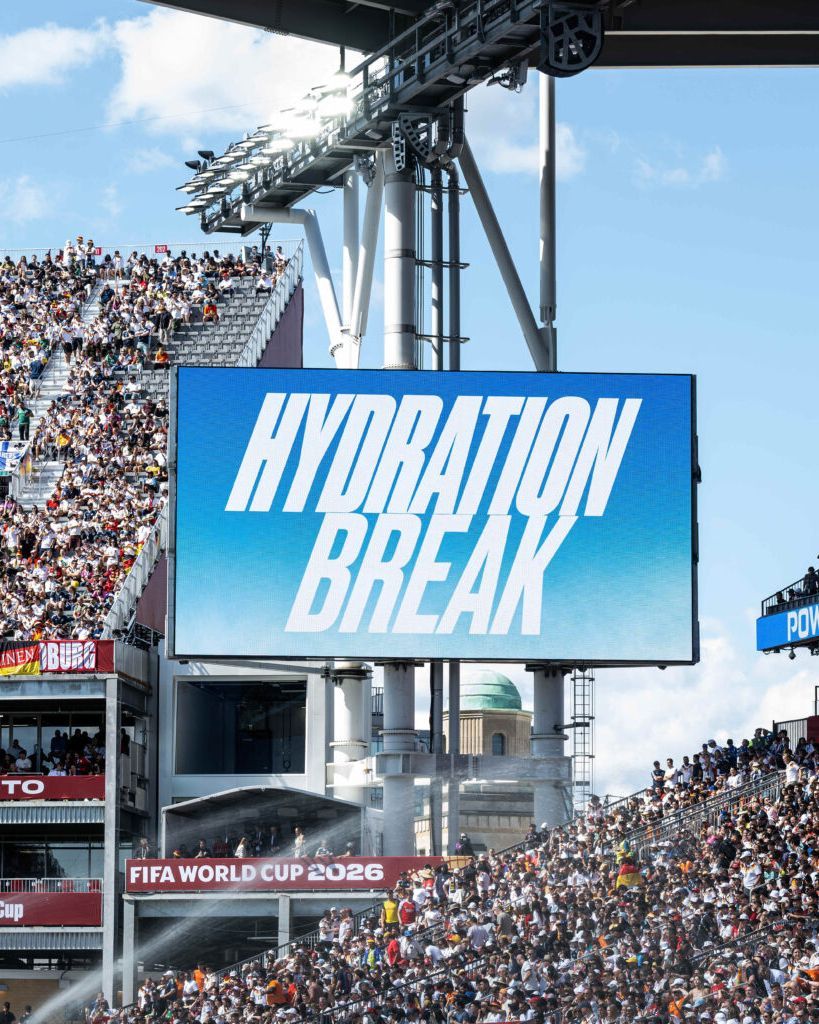
In ten years' time, we'll still be talking about the hydration break and the Viking row