

«Footballers are not machines» - Interview with Julian Brandt Football, One Piece and other stories
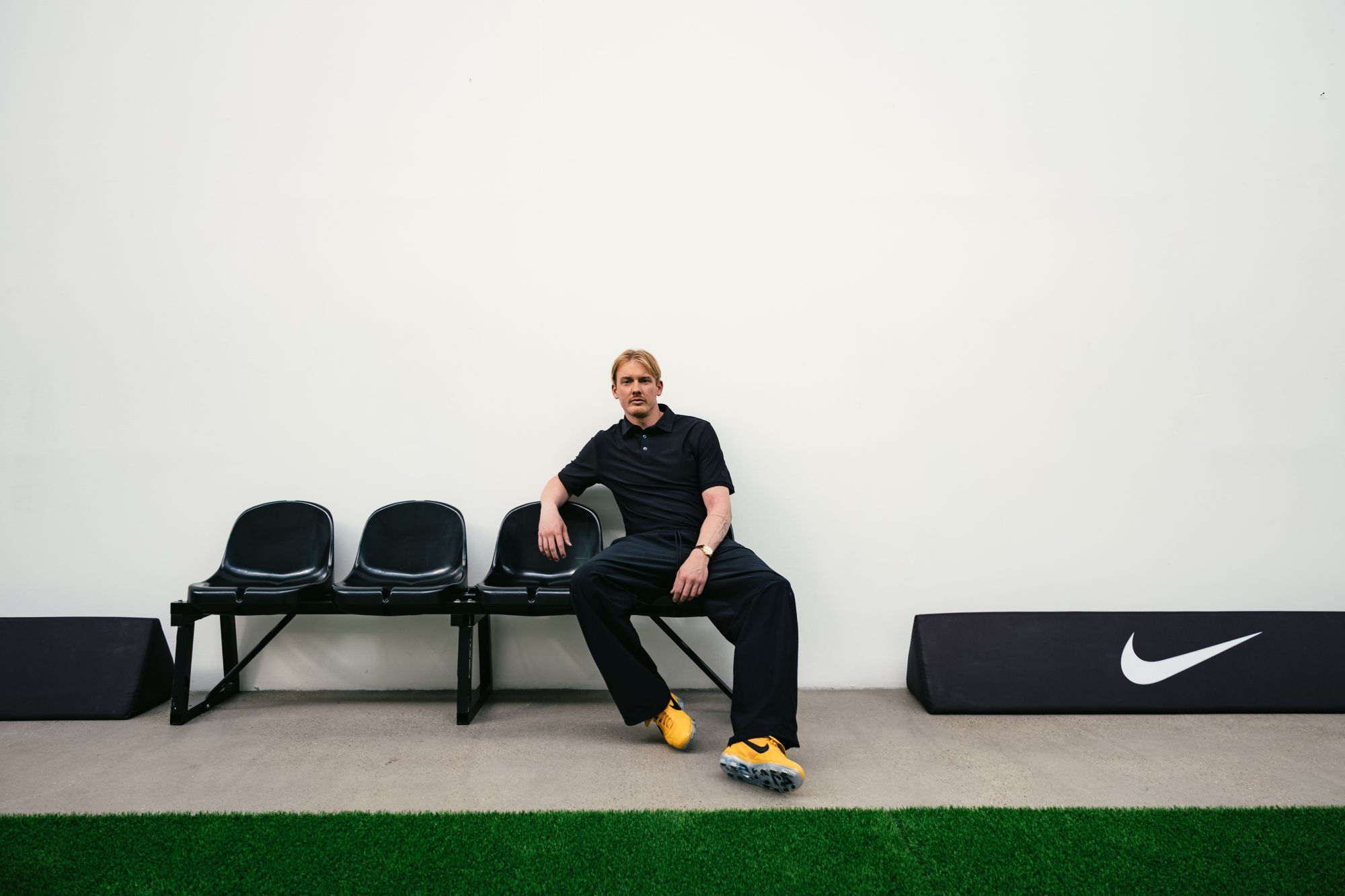
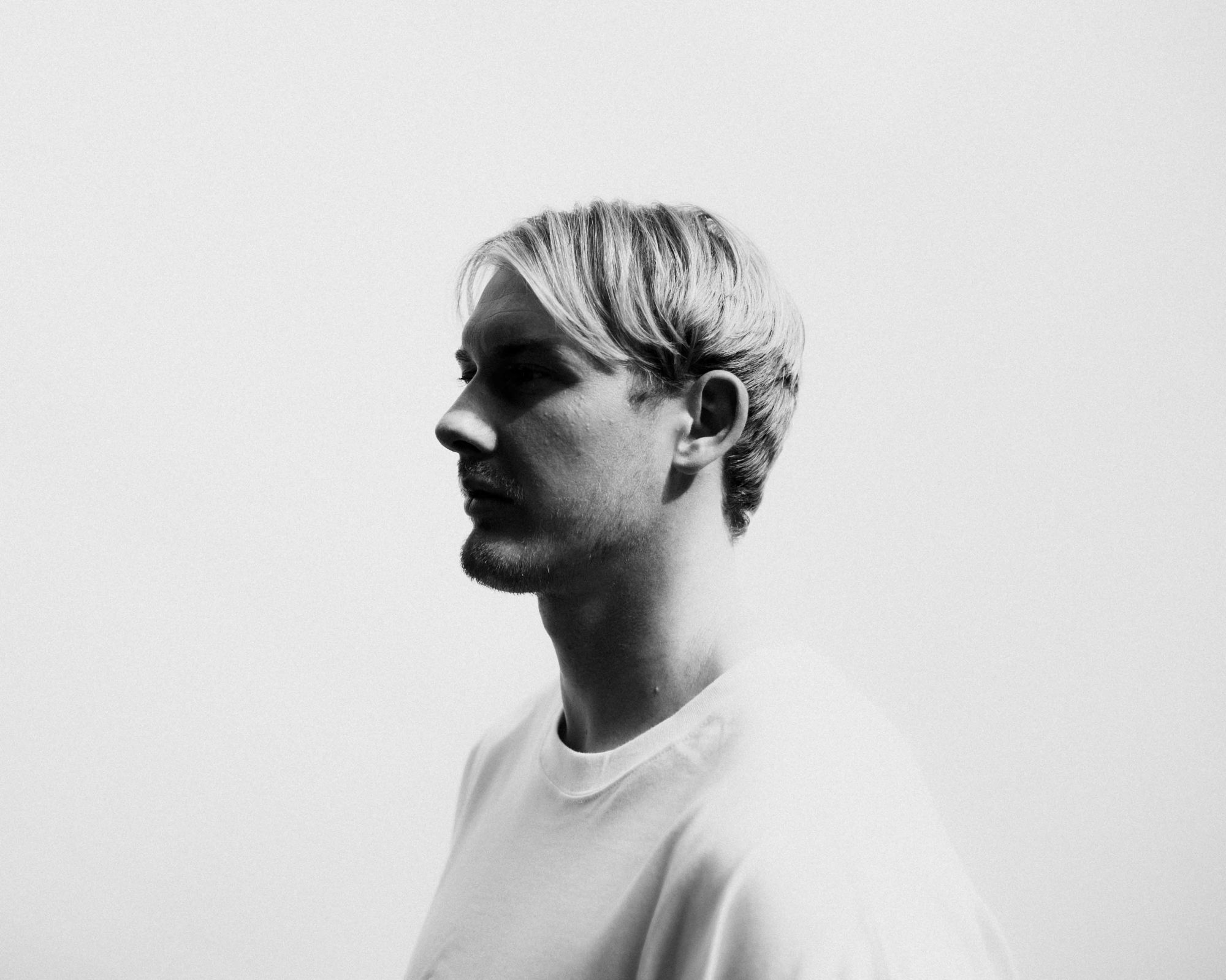
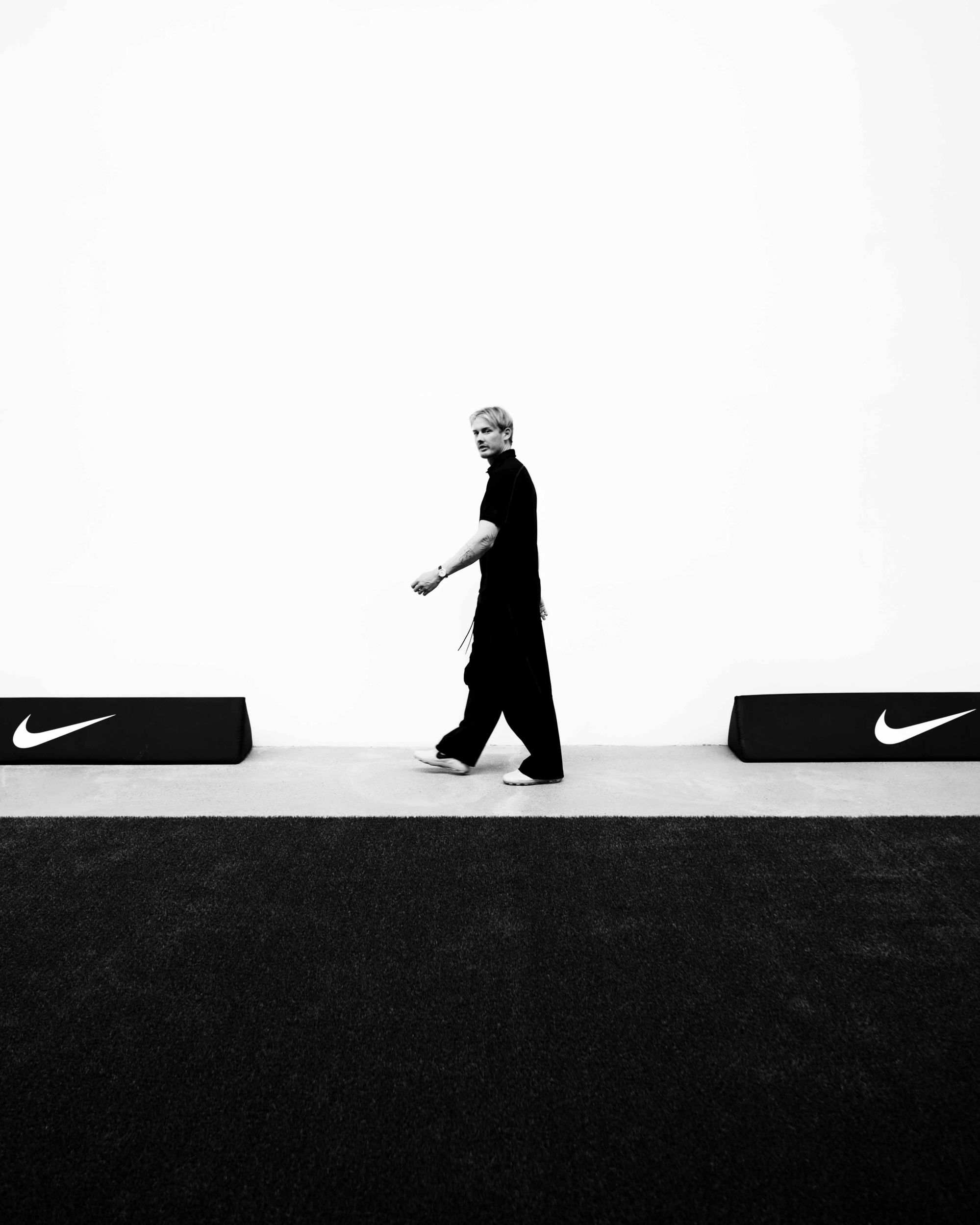
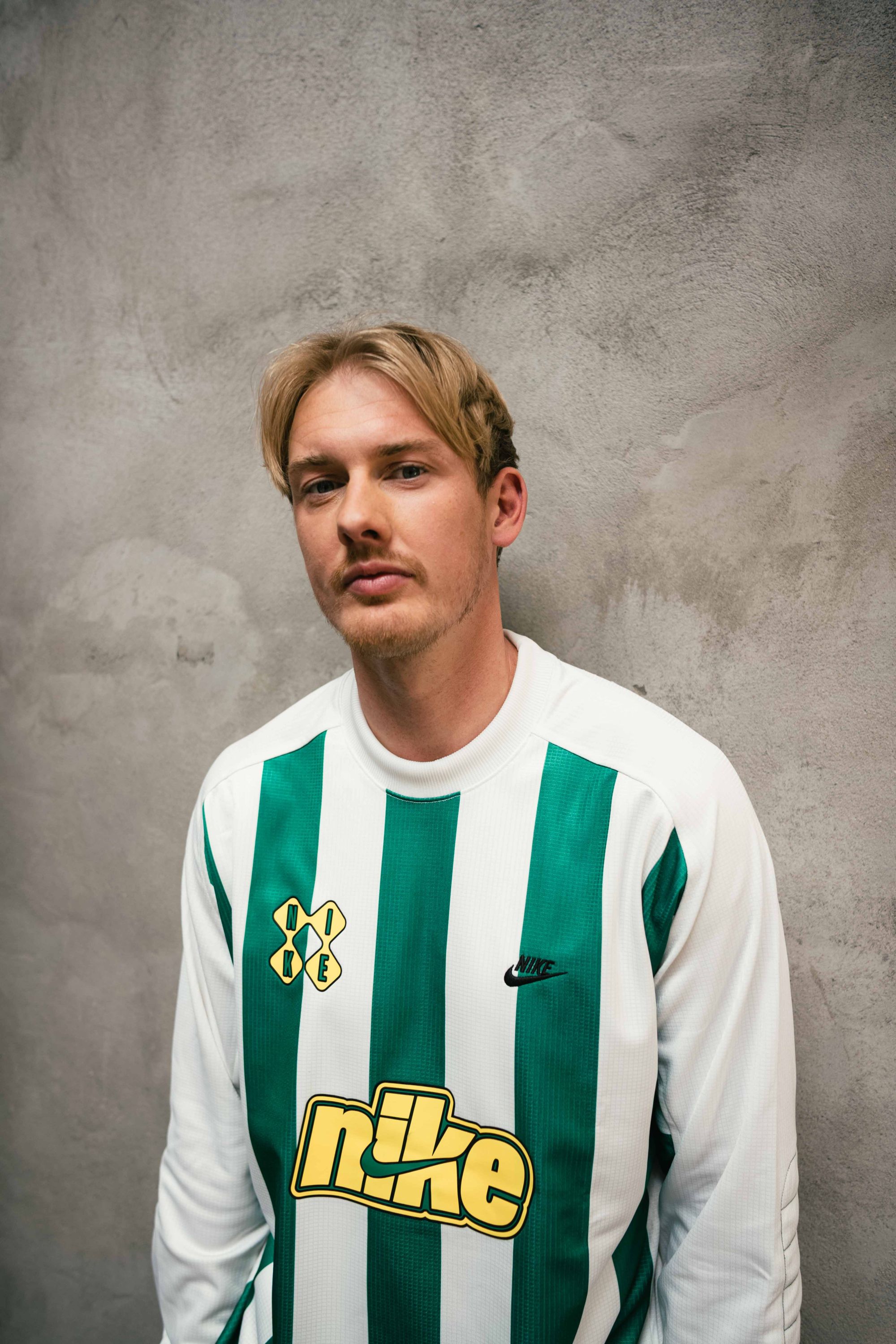
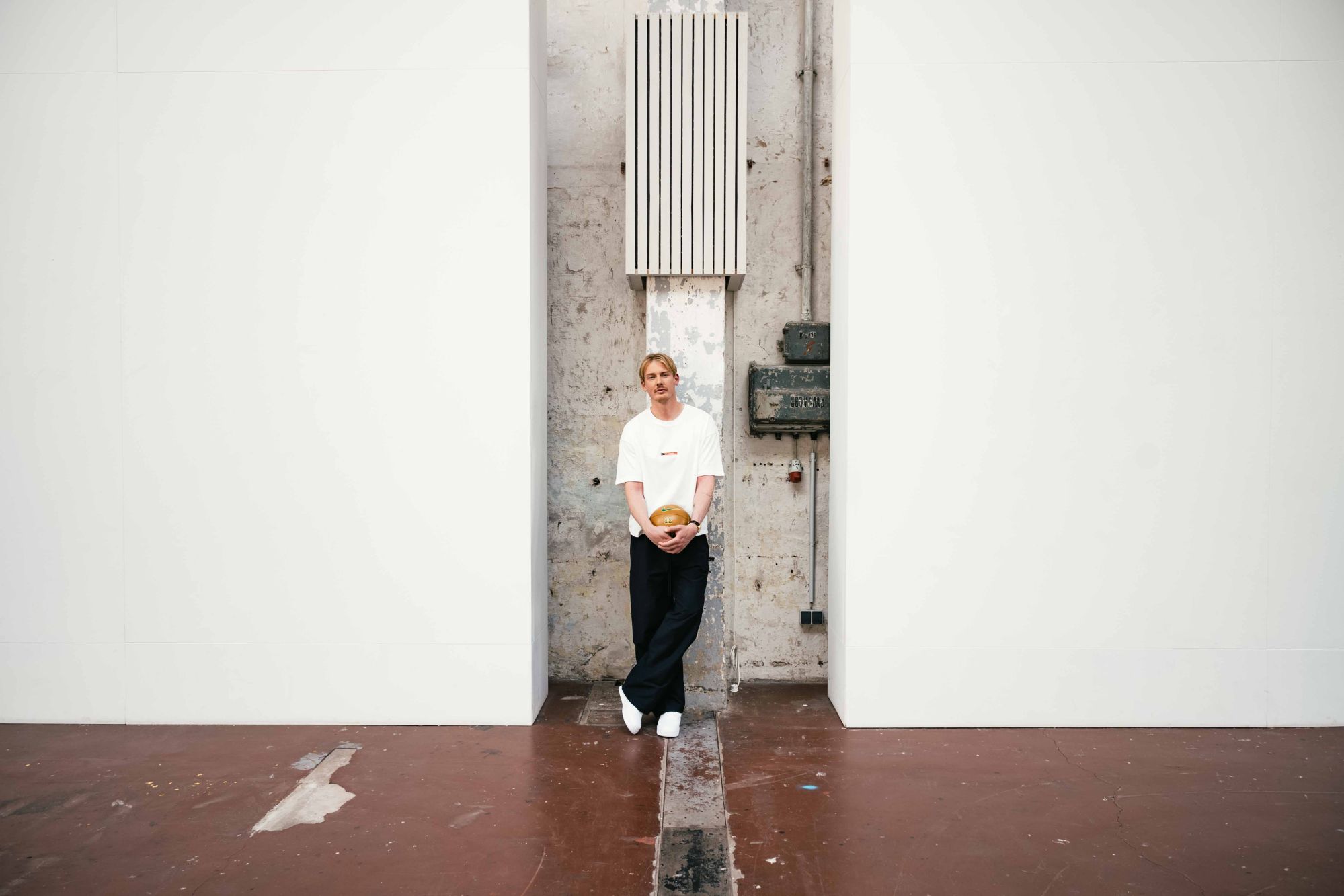
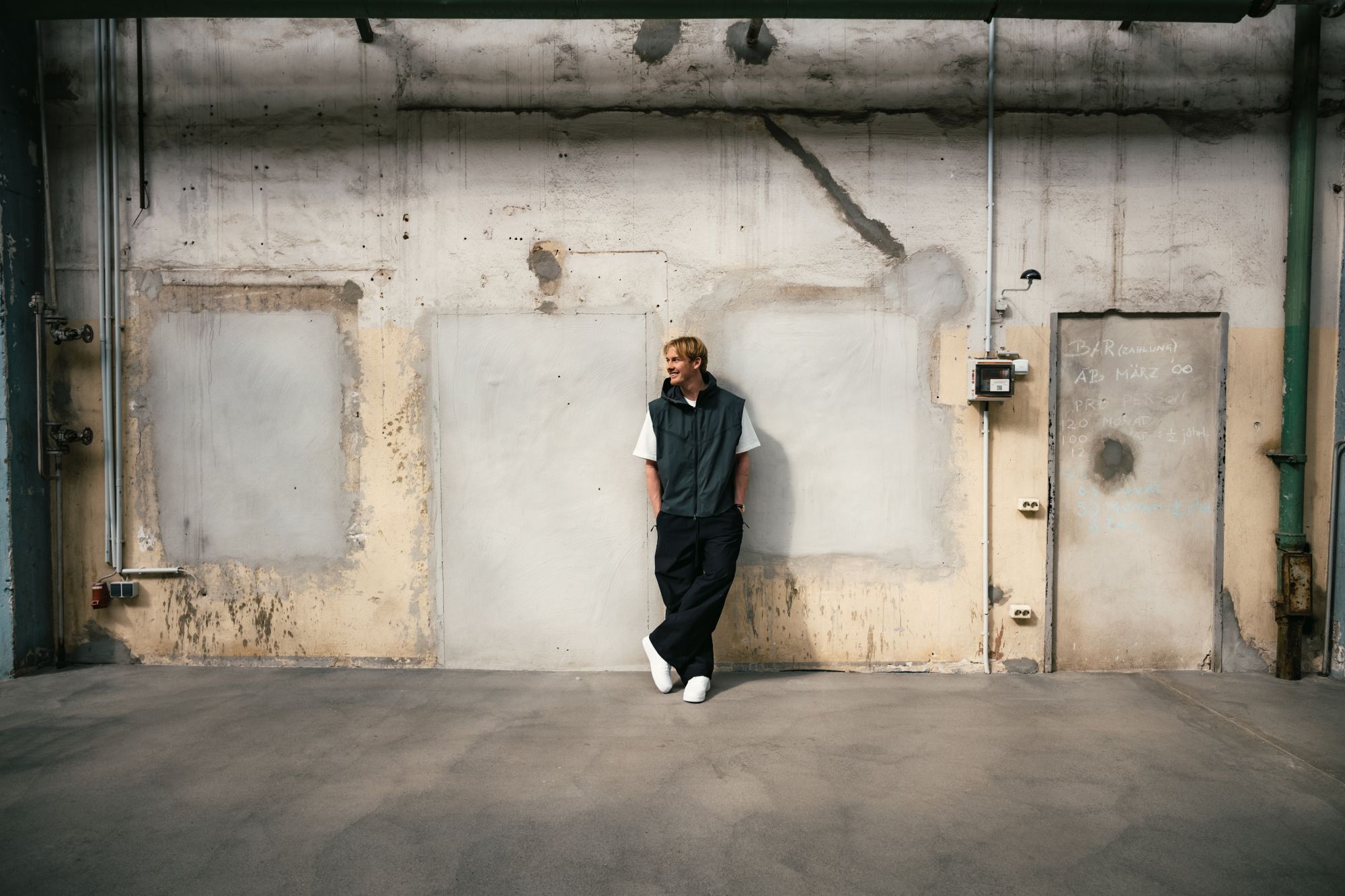
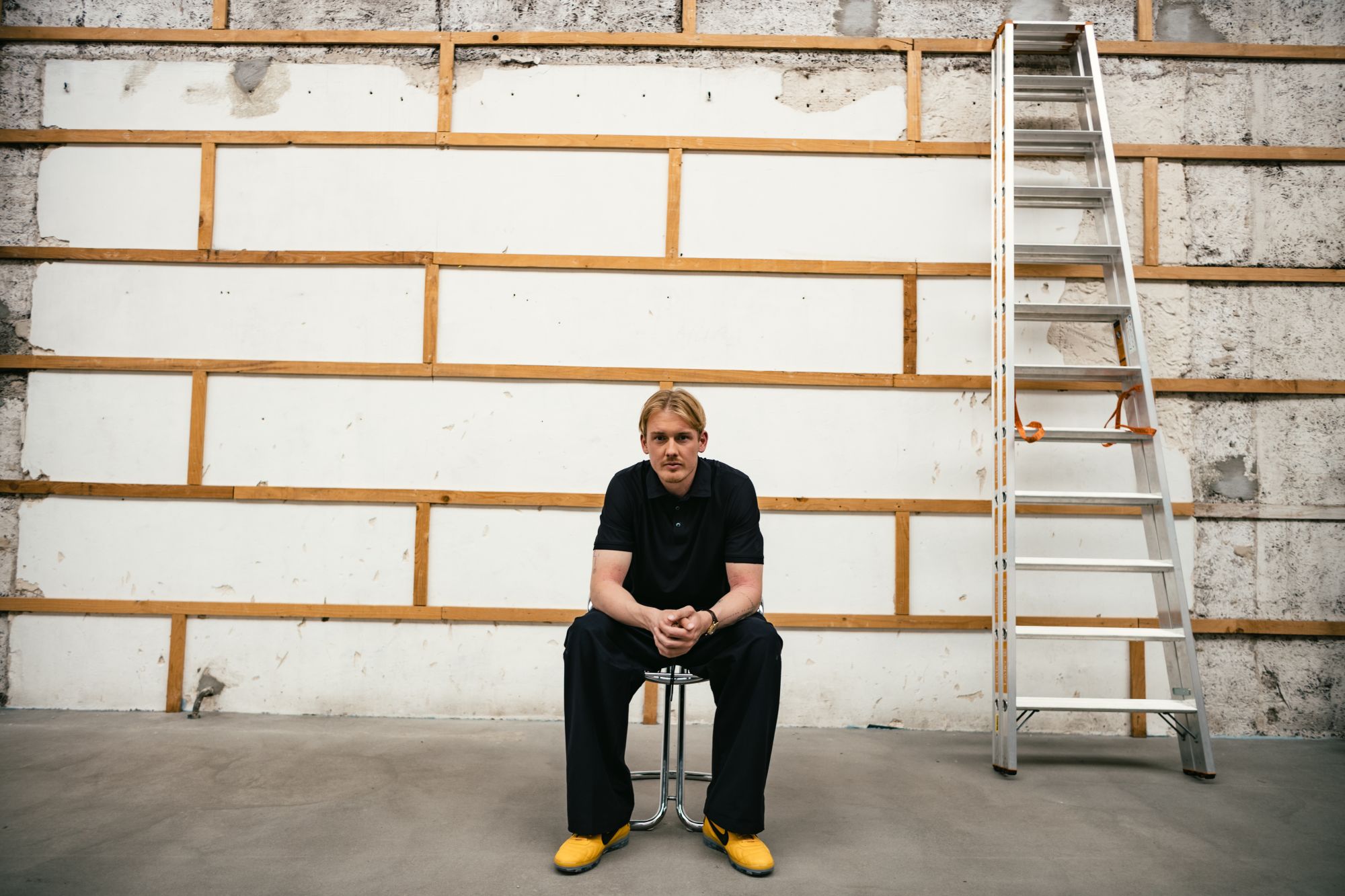
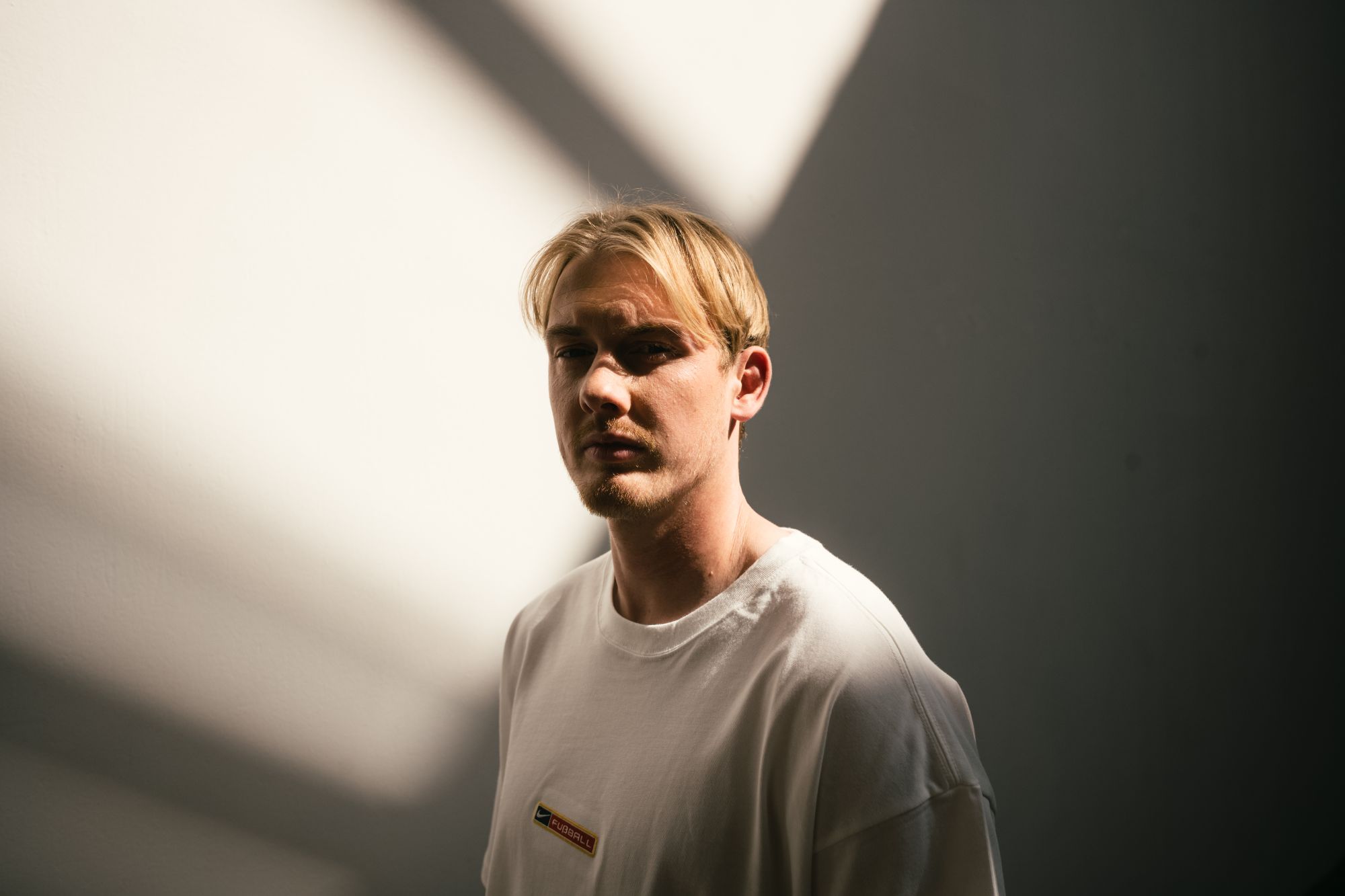
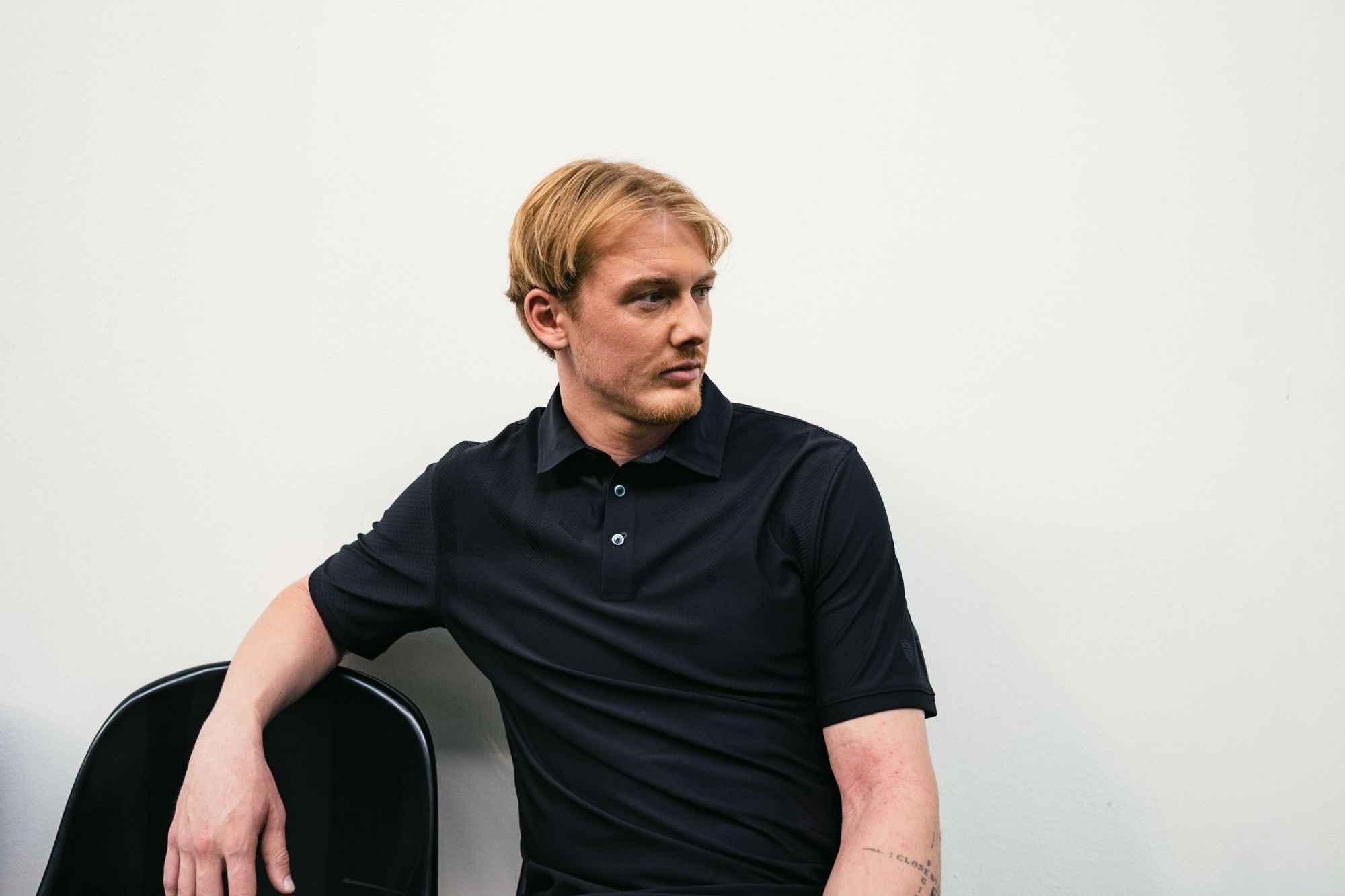
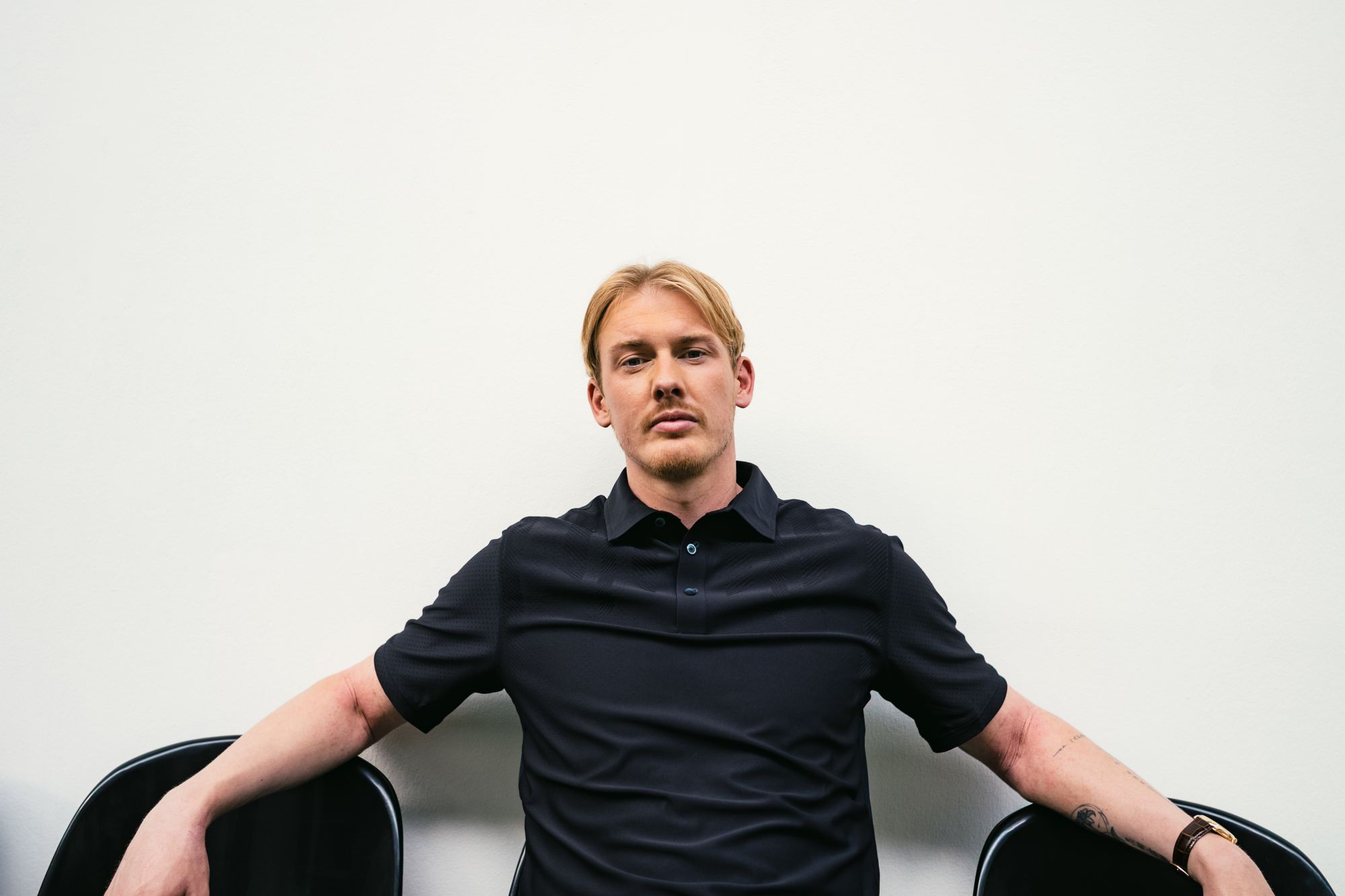
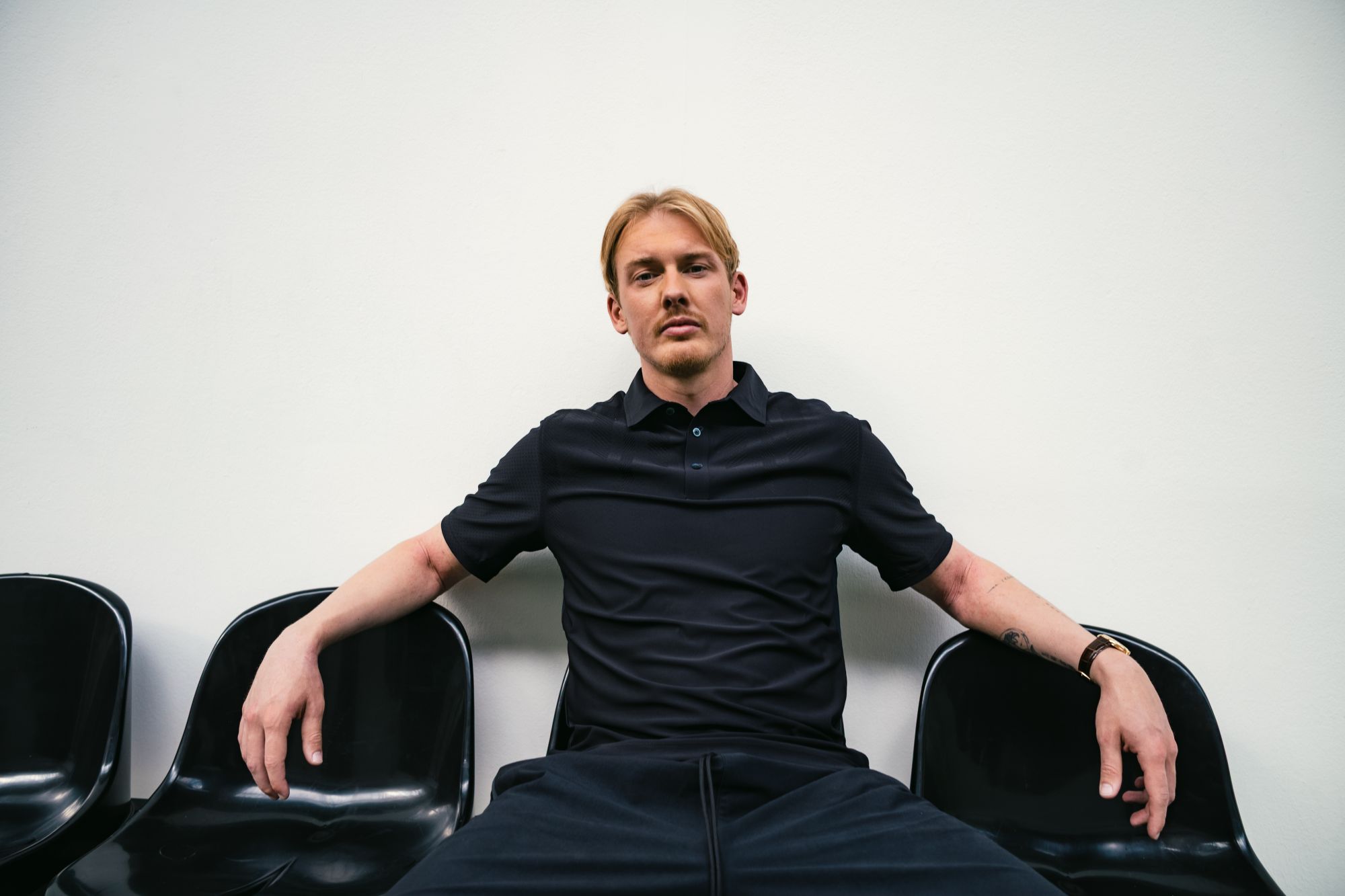
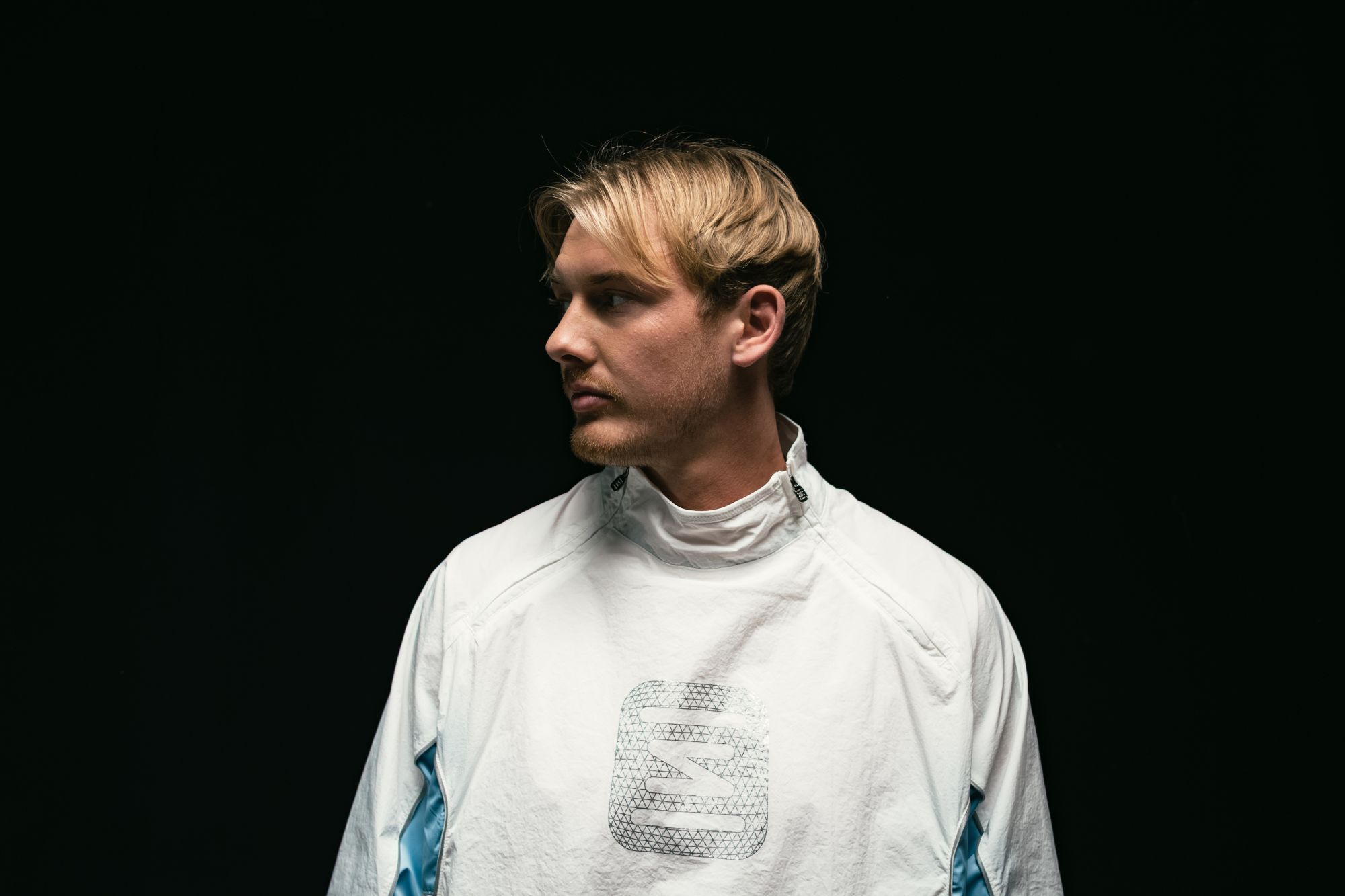
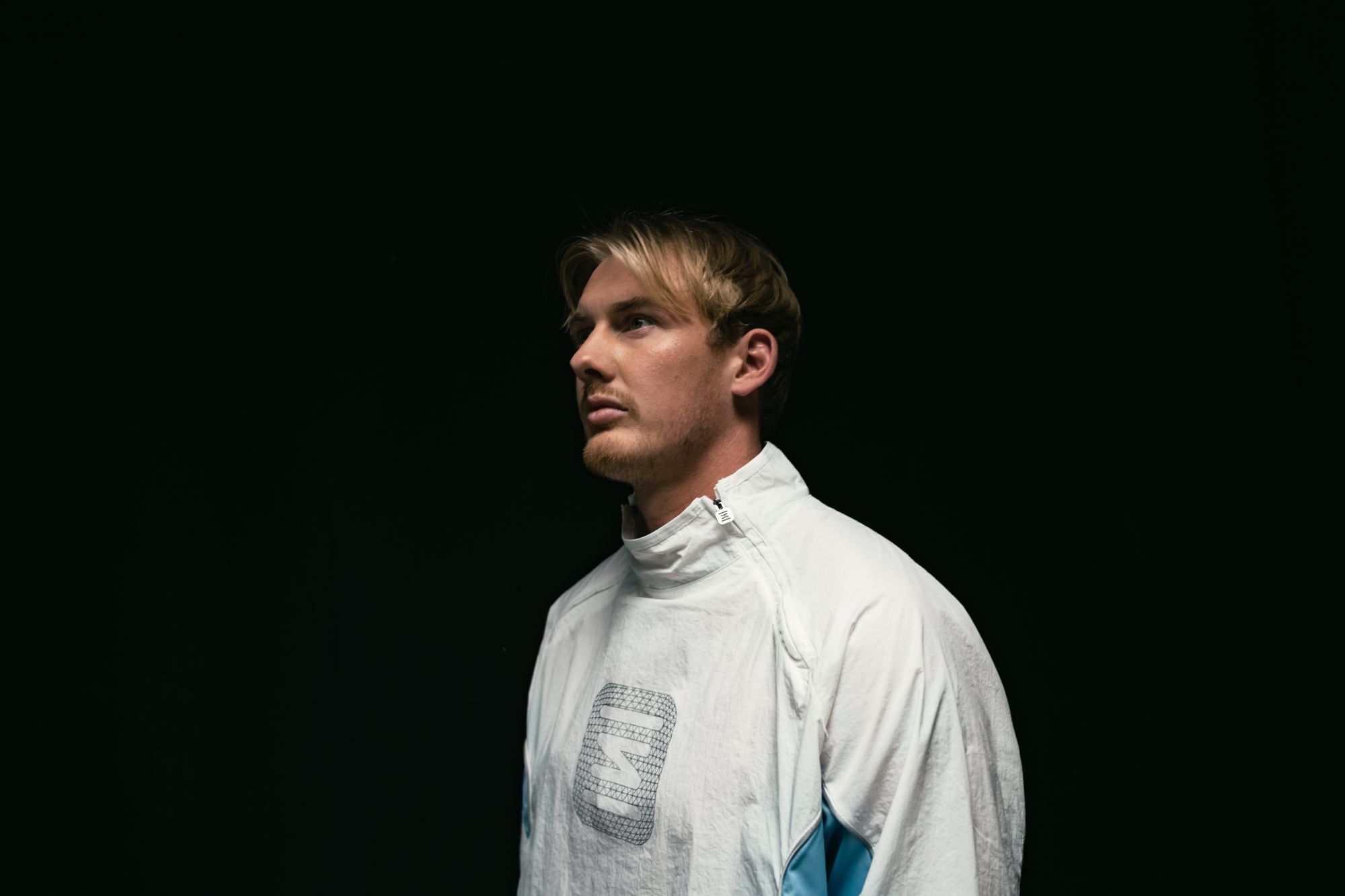
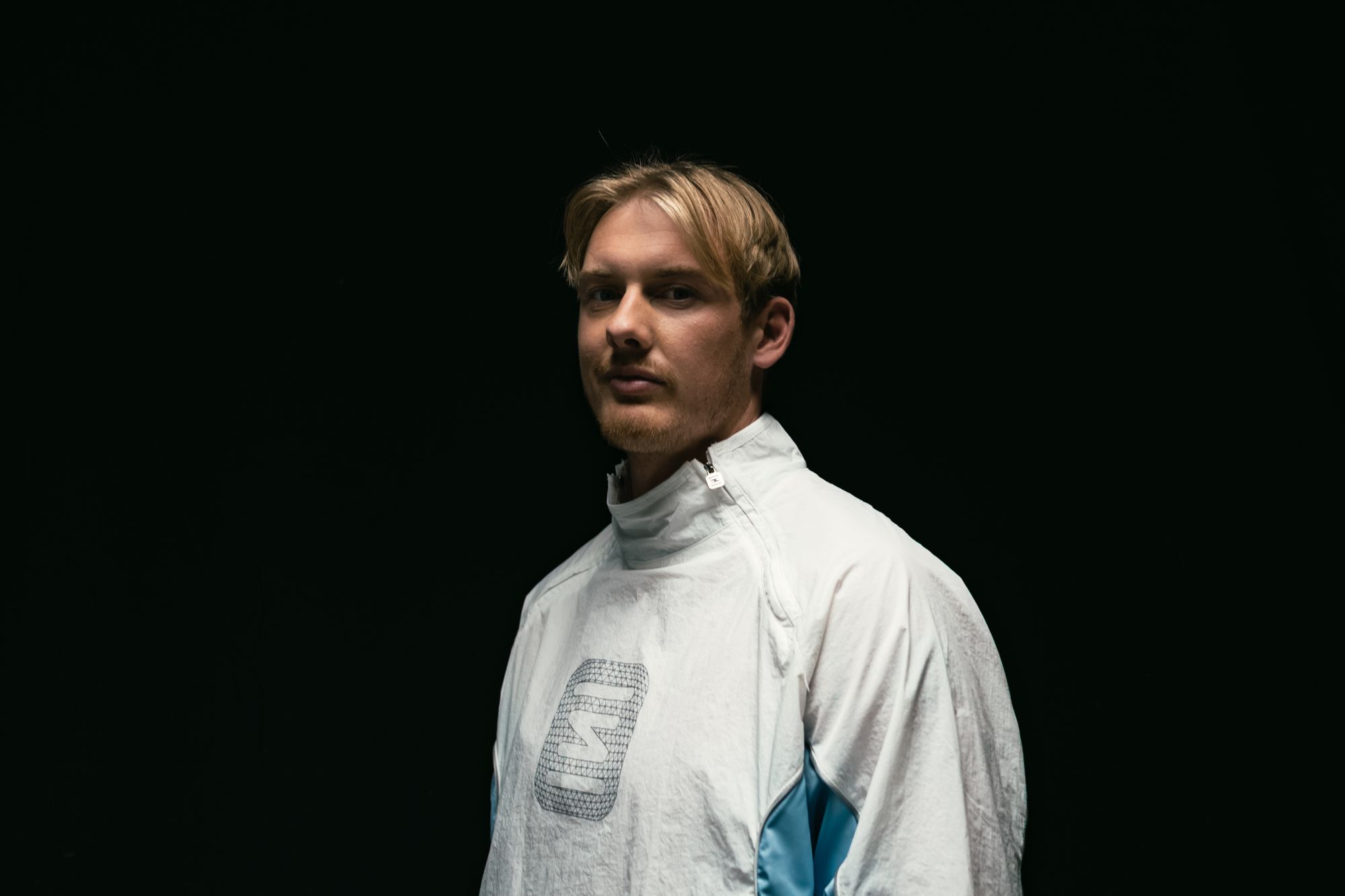
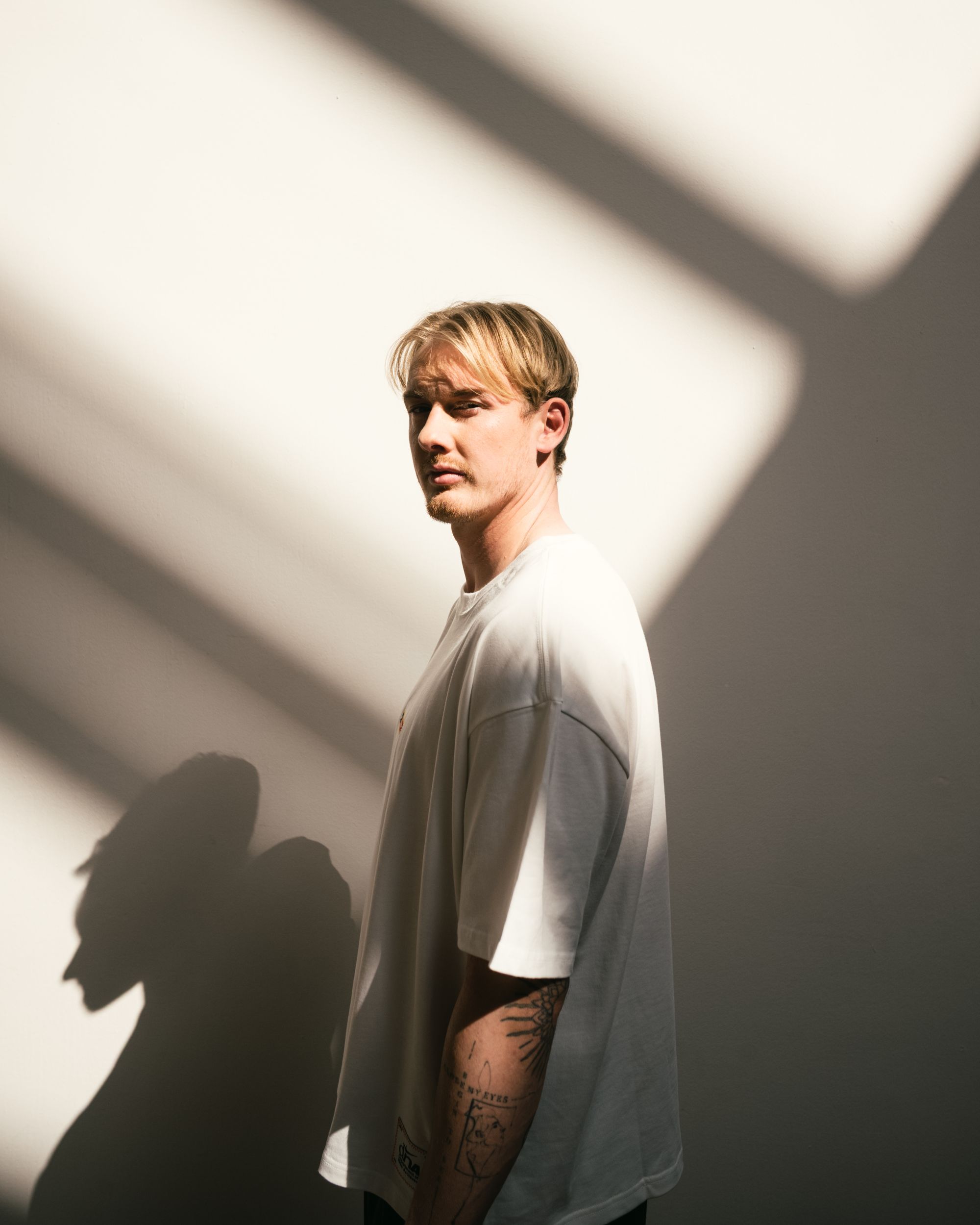
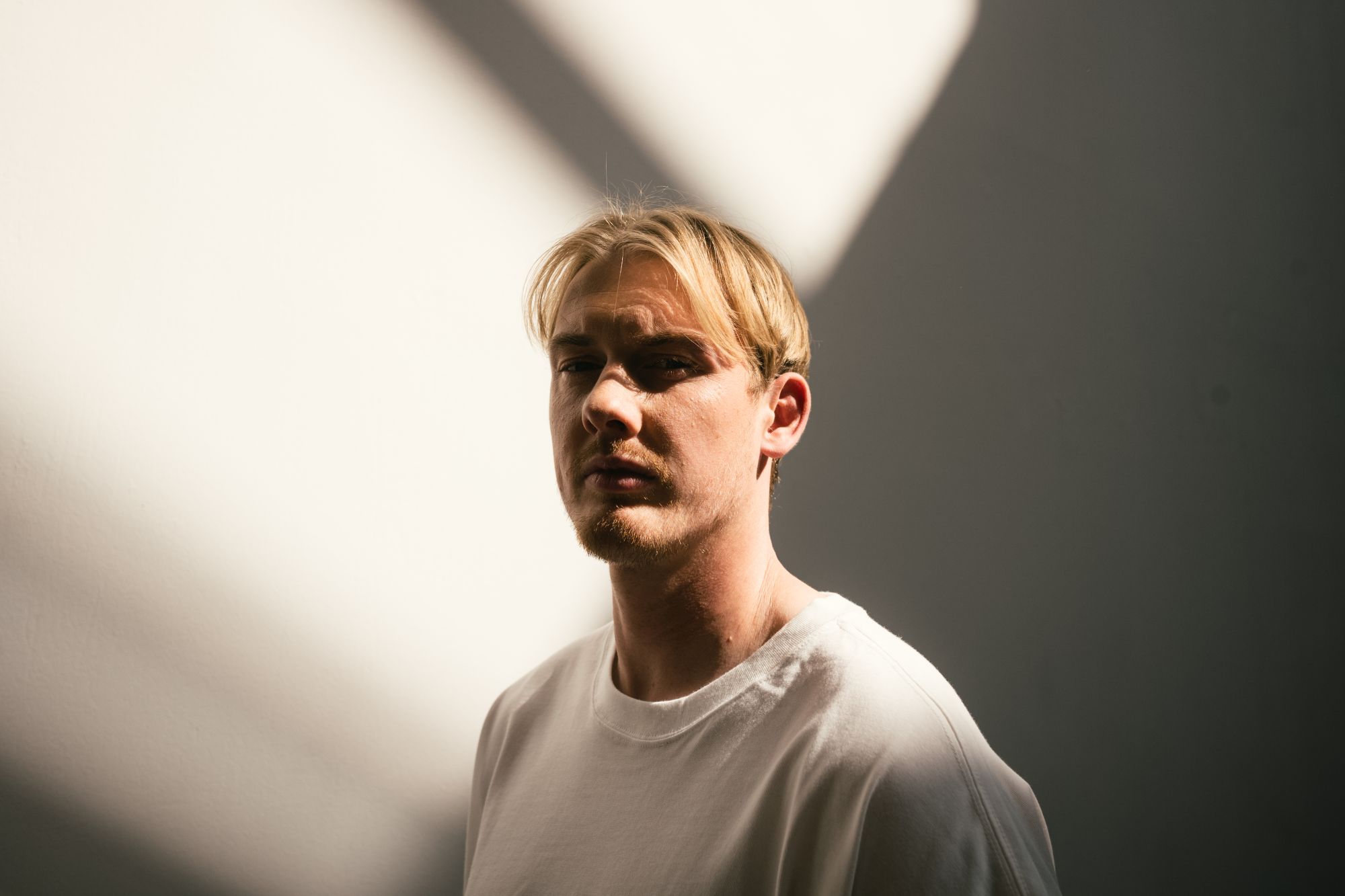
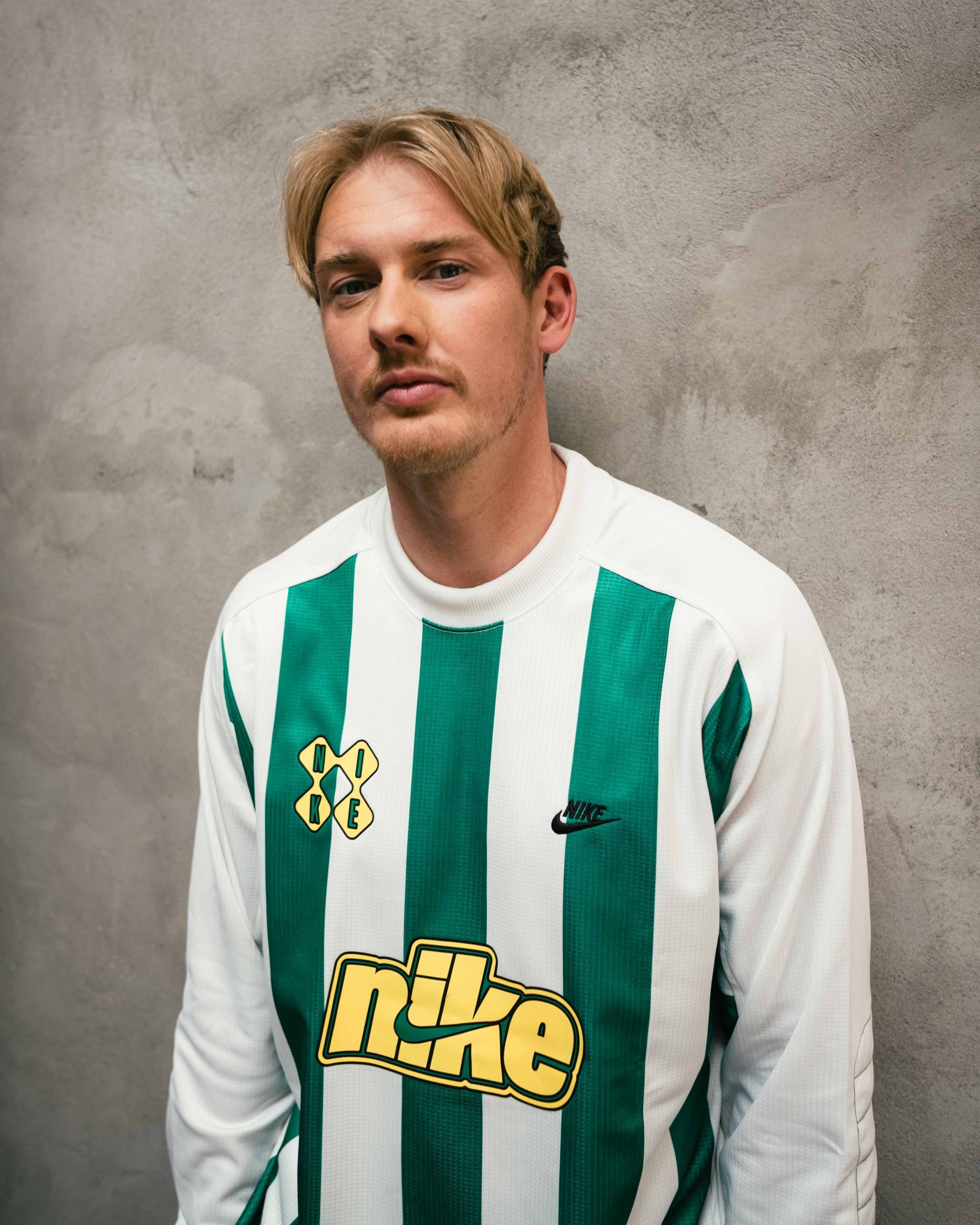
383 Bundesliga appearances between Bayer Leverkusen and Borussia Dortmund. 82 matches in the UEFA Champions League. 48 caps for Germany, winning the 2017 FIFA Confederations Cup and a silver medal at the 2016 Olympic Games in Rio. Julian Brandt has built the kind of career that every young footballer dreams of when they first start chasing a ball. Yet beyond the numbers, the trophies and his sponsorship deals with Nike, it quickly becomes clear that Brandt's story extends far beyond the pitch.
Over the past few years, the former Borussia Dortmund midfielder has become one of the defining faces of a new generation of footballers who see the game as part of a much broader creative universe. His One Piece-inspired goal celebrations, his passion for photography and videography, and his deep interest in music and storytelling reveal a thoughtful, curious personality that breaks away from many of the clichés traditionally associated with elite footballers.
What's a side of your personality that fans rarely get to see, something that would genuinely surprise people?
«The side people get to see the least is everything that goes beyond football, my private life, essentially. Of course, I've mentioned my hobbies in interviews here and there, but it never really goes that deep. People see me as someone who tries to stay upbeat, who can be serious, reflective, even down after things that didn't go well. But I think what fans truly don't see is: what am I actually like at home? That's probably the most hidden part of who I am».
What do you think is the biggest misconception people have about footballers when they're away from the pitch?
«I think most people know it, but they often forget: footballers are not machines. At the end of the day, we function exactly like any other human being. We're tired after training, tired after a game, we play through pain. We can take criticism, but that doesn't mean criticism doesn't land. Just because you play in front of tens of thousands of people doesn't make you any different from anyone else out there».
When you look back at your younger self, the kid who first fell in love with football, what do you think he would say about the life you're living now?
«The little Julian would probably be standing there with eyes wide open and say: 'Wow, the games I used to watch on TV as a kid, I've now earned my place in those games myself. And other kids are watching you now.' Everything I used to look up to with stars in my eyes, watching your club, watching the pros, you've made that happen for yourself».
You've always had a calm, thoughtful presence on the pitch. Where does that composure come from? Is it personality, experience, or something you actively work on?
«I think it's character, something you partly inherit from your parents. But it's also experience. When you've been through many phases over the years, you develop a mix of character and a certain kind of self-protection. Being calm, staying grounded, going through every phase. It's also authenticity: I'm not going to start being someone I'm not on the pitch, screaming, gesticulating wildly. That was never me and it never will be. But that doesn't mean I don't feel things just as deeply as players who express themselves that way. I do. It just comes out differently».
What's the last thing you discovered, a book, a place, a person, an idea, that genuinely inspired you?
«There are a lot of small things that inspire me. Certain places. But especially, and I keep coming back to this, the series One Piece and its creator Eiichiro Oda. I was also in Osaka with Dortmund once, and the Japanese people in general inspire me deeply. The way they live, the respect they show others, their discipline, the whole culture. Other cultures outside of Germany that simply approach living together differently also move me. And honestly, inspiration is everywhere in daily life. You can get invited to a neighbour's place for dinner and find yourself inspired by the way they've set up their home».
Away from football, which passion currently takes up most of your time and energy? Do you have projects next to football that keep you busy and excited?
«There are a lot of things beyond football that excite me. Photography and videography, largely because of my brother Jannis, I find that world genuinely fascinating. And there are projects I enjoy supporting, like a small lifestyle project called À Ce Soir, which Jannis and I both think is really cool. I'm a big music fan, and that ties in a lot with the project too. DJs, artists, a whole world that's simply different from football. It makes every day feel a little more layered».
What does a perfect day off look like for you, from morning to night?
«If I had everything my way, the location, the weather, the people, I'd probably wake up around 8:30 or 9, go do something active: a run, the gym. Then a good breakfast, not alone, but with the people I love. After that, enjoy the season. Maybe drive to the coast, sit somewhere beautiful with friends, see a little, explore. In the afternoon, maybe a good padel match with the boys. And in the evening, a relaxed dinner, good conversation, music. That can never be missing. Always with the right people. I love being alone, genuinely. But I also love being in the right place with the right people, because it creates something real, a warmth. I always find it better to share things than to experience them alone. That said, I'm not someone who wants the same day on repeat, so tomorrow it might look completely different and be just as good».
Do you think creativity can make you a better footballer? If so, in what moments does it show up most clearly for you?
«I do think creativity opens a door. It's what separates one player from another. Football is hard work, ambition, concentration, focus, and a bit of luck, because your body has to carry all of it. But creativity is what elevates you. And I think you can develop creativity, but you can't really teach it. As for when it shows up for me, I don't think you can define those moments, because they just come. Like in a game: you're in a situation, you have milliseconds to decide, and the creativity comes from the gut. You don't press a button that says 'creative mode on from minute ten to fifteen.' It's always situational. But I do think when I'm really feeling it and genuinely want to be on the pitch, it comes out more strongly».
Can you tell me when you first had the idea to celebrate by tributing One Piece? What sparked that connection?
«I think every footballer at some point asks themselves: the next time I score, do I just celebrate normally, or do I use that moment of attention to say something, to show something? For me, that question came up, and I started working on it together with my brother Jannis. We created this video that we posted on Instagram, animated in an anime style. The idea was to find a way to send a message through One Piece. My favourite character in One Piece is Law, so I started thinking about how to translate that into a celebration that actually looks good rather than just random. Then in Bremen, the moment came. There was enough space on the pitch to actually execute it without teammates jumping in front of me. And from there it all followed: the celebration, the video, the whole connection to One Piece and everything that grew from it».
Football culture is evolving fast, fashion, music, gaming, storytelling. Which part of that culture resonates with you the most and why?
«I appreciate fashion, up to a certain point. There are people who take it further than I do. Gaming, honestly, isn't really my thing. But what I find extremely compelling is storytelling. Because I feel like football has become increasingly surface-level: who's on the scoresheet, what are the stats, and then on to the next game. Nobody really looks at the person, the character, what makes someone who they are. And there are so many fascinating people in football, and in sport generally, in life generally, whose stories barely get told because storytelling takes time and effort. I think it's a space that could be developed much more, and it could be a way to rebuild a genuine closeness between players and fans».
If you had to tell the story of your career through three songs, which ones would you choose and what moments would they represent?
«I'd actually approach this differently. Rather than matching specific songs to specific moments, which feels almost impossible because moments are personal and songs are personal, I think about artists whose way of making music reflects something of who I am. There's a German artist called Schmyt, who makes quite melancholic music. Not because I'm melancholic, but there's a depth to his lyrics, a reflectiveness that I connect with. Then there's the French duo PNL, still melancholic in a way, but more atmospheric, a mood you can feel even through the rap. And then there's the other side: when I think about creativity, about playing with freedom, I always think of Ronaldinho, and from there my mind goes to Brazil, to Spain, to J Balvin, Ozuna, Bad Bunny. Music where it doesn't even matter what the lyrics say, you just nod your head and you feel like doing something. Like playing football with joy. I think that combination describes me better than any three individual songs could».
If you could freeze one moment from your career so far, a feeling, not just a goal, which moment would you choose?
«Probably the moment Marcel Sabitzer scores the 4-2 against Atletico Madrid. And it's not about who scored, what the scoreline means, which round it sends you through. It doesn't matter who the opponent is. What matters is that everything, the whole story of that journey, came together in that single moment. I remember watching him score and not even knowing where I ran to. But in that instant, you feel like you scored the goal yourself. Everyone loses it completely. That's the kind of moment where I think: even if you win a title at some point, this feeling might actually be bigger. That one was something else».