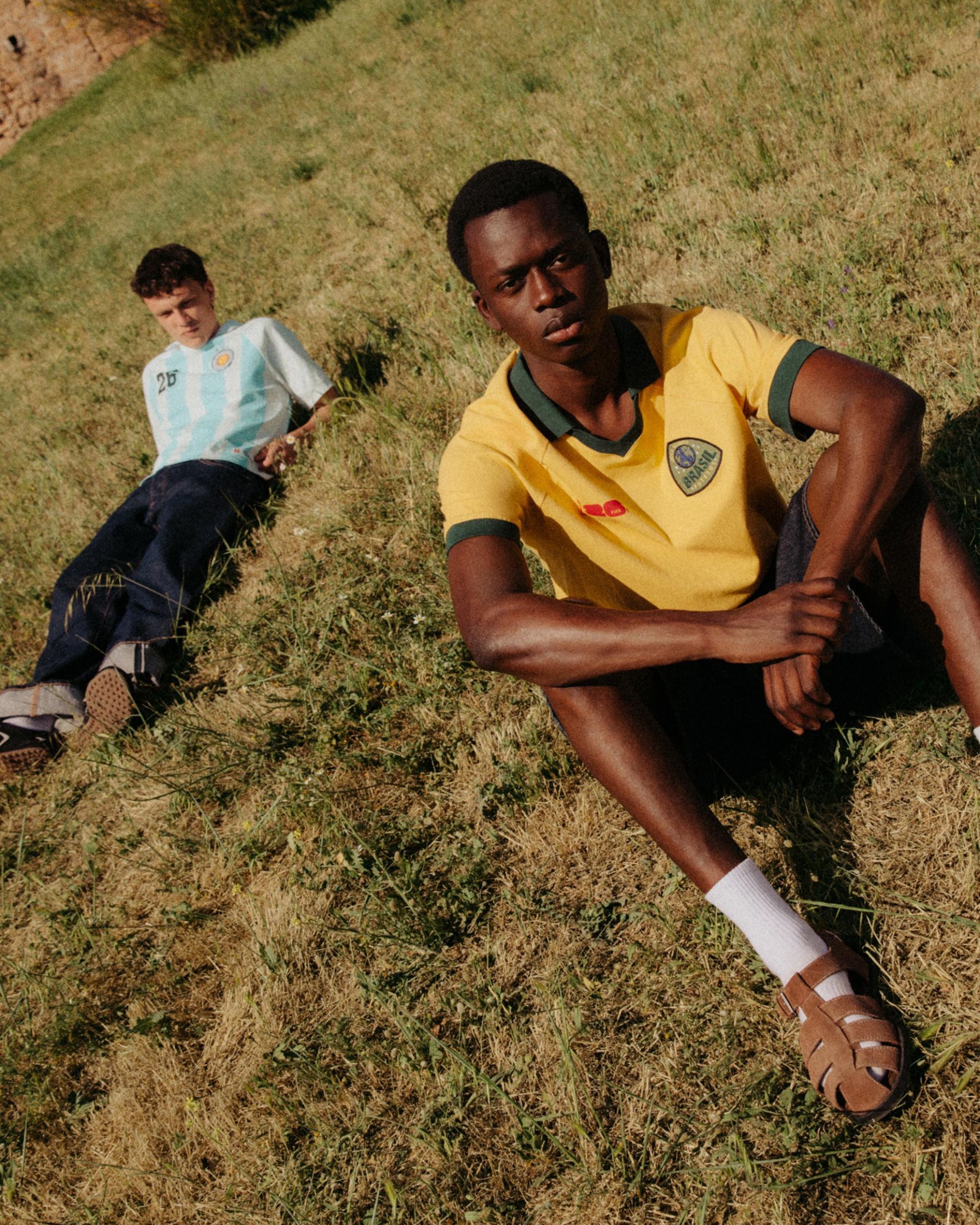
Fast fashion is capitalizing on the 2026 FIFA World Cup How a market traditionally dominated by the sportswear industry is changing
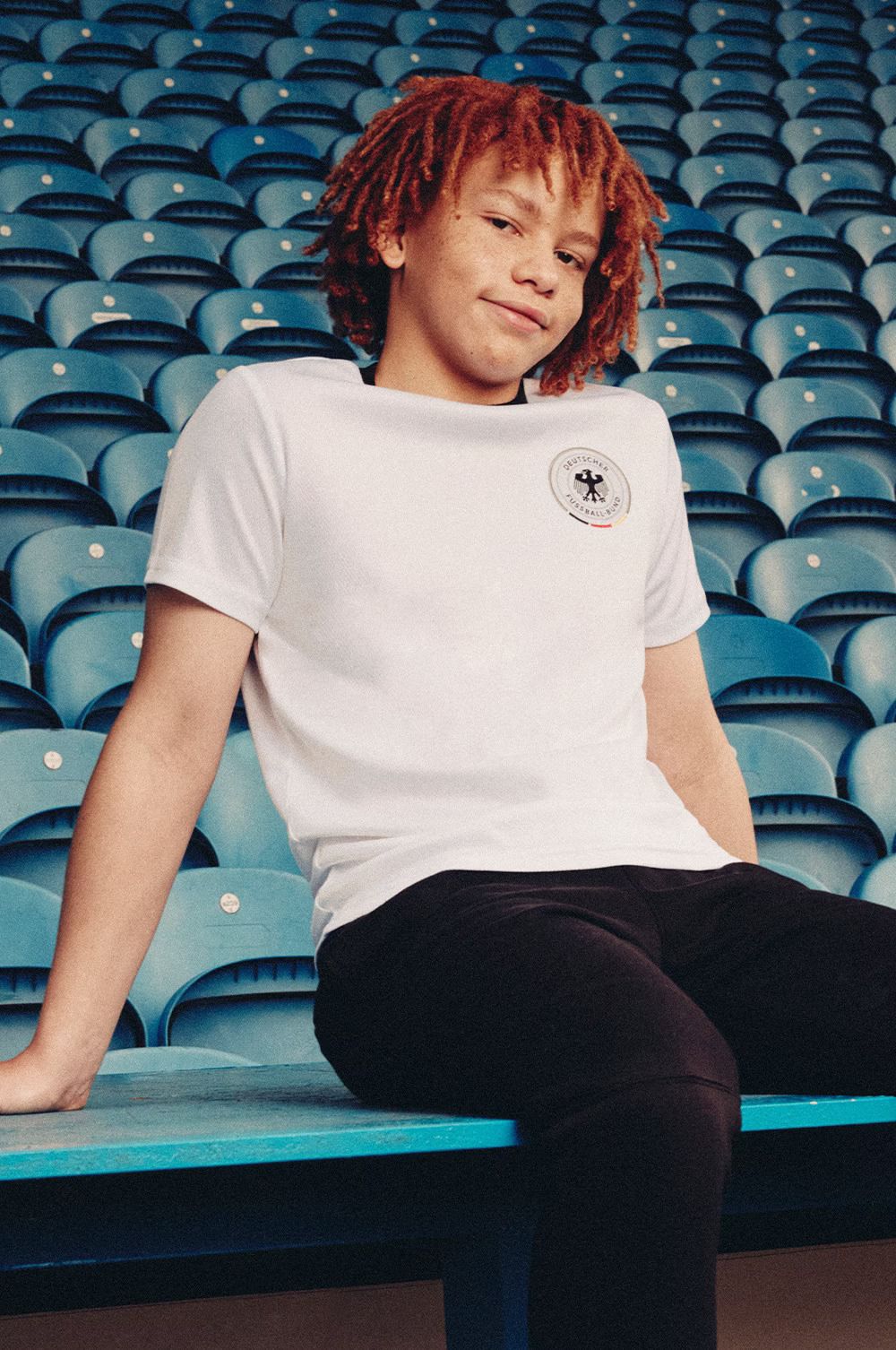
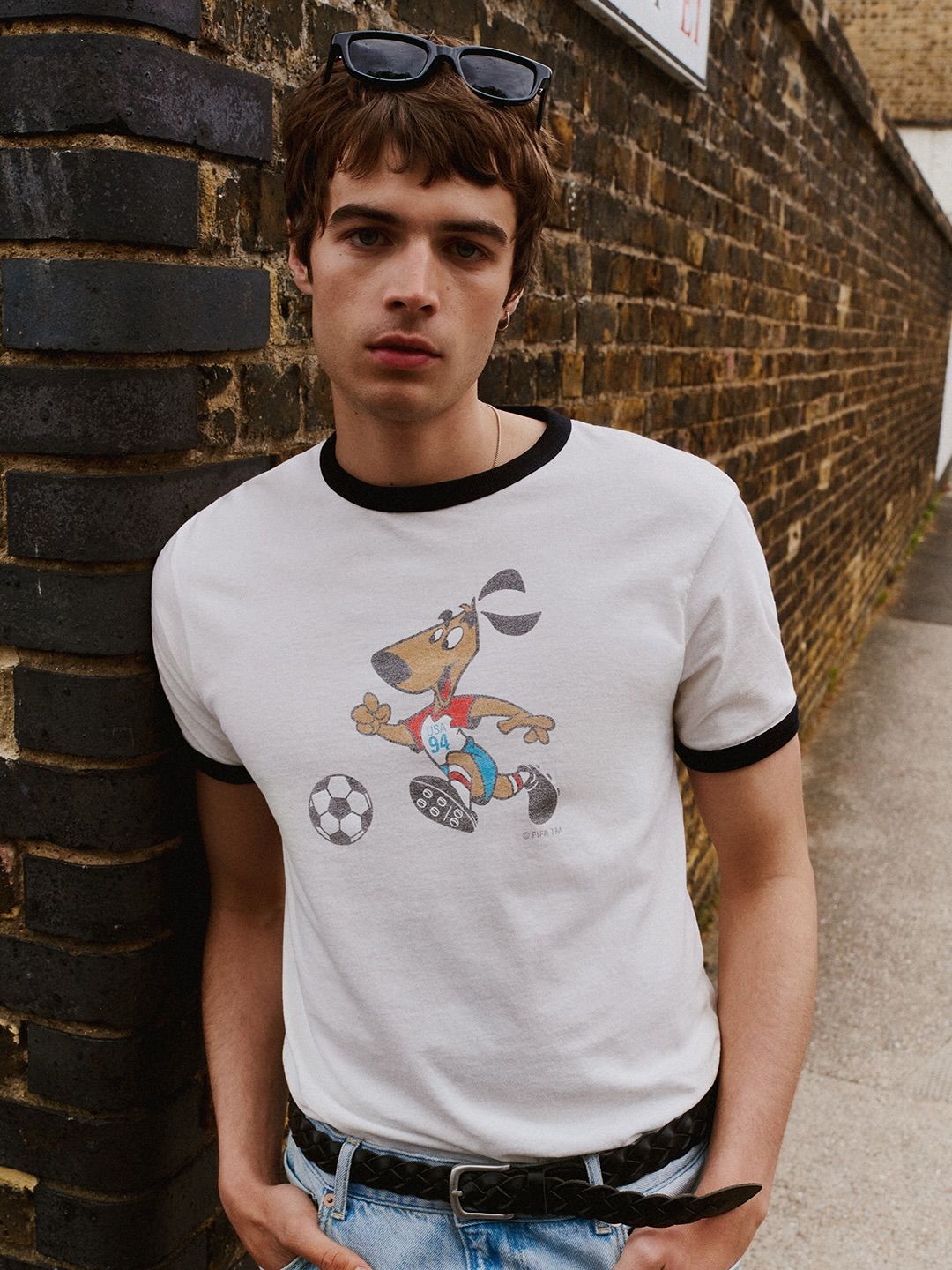
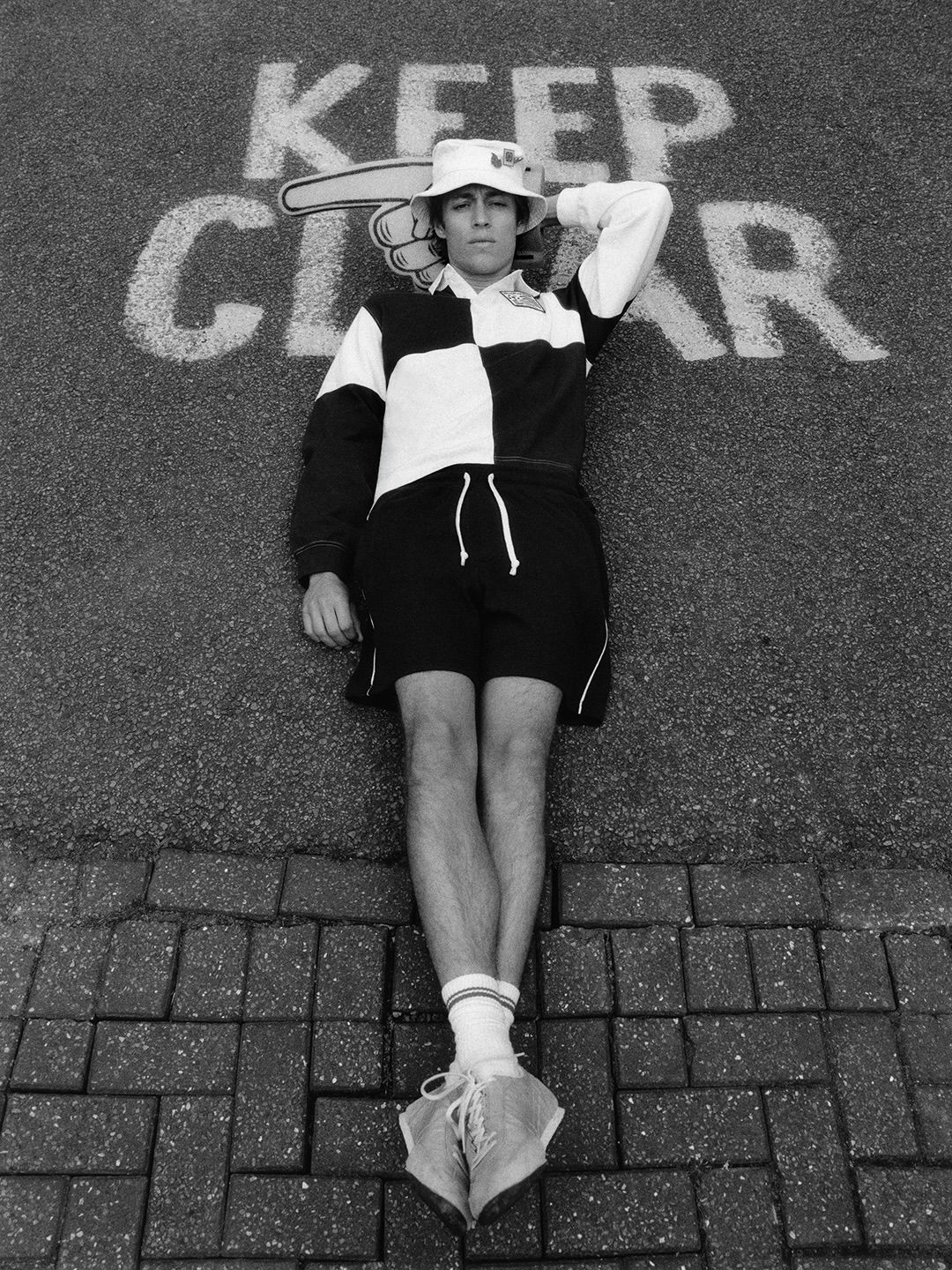
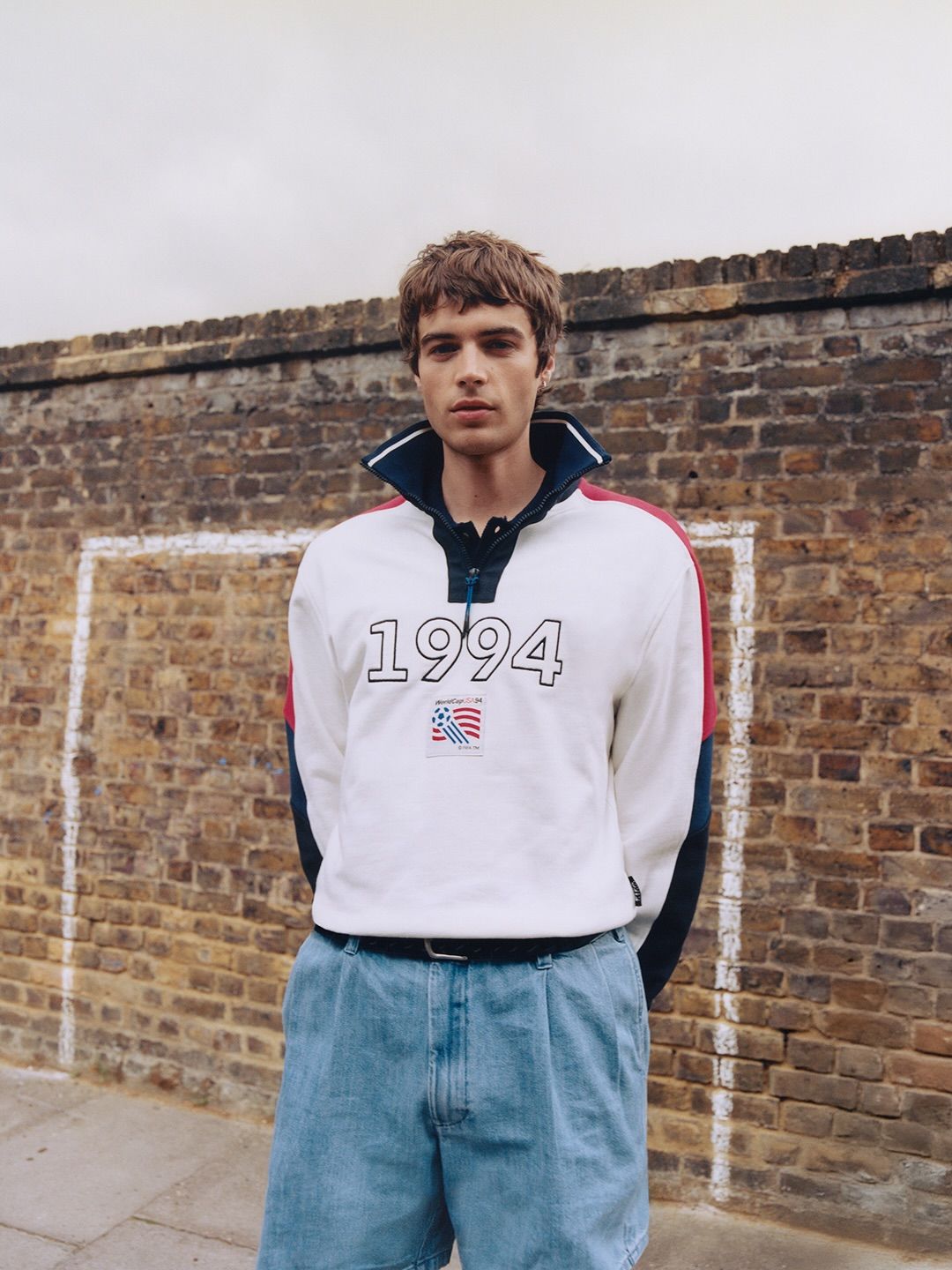
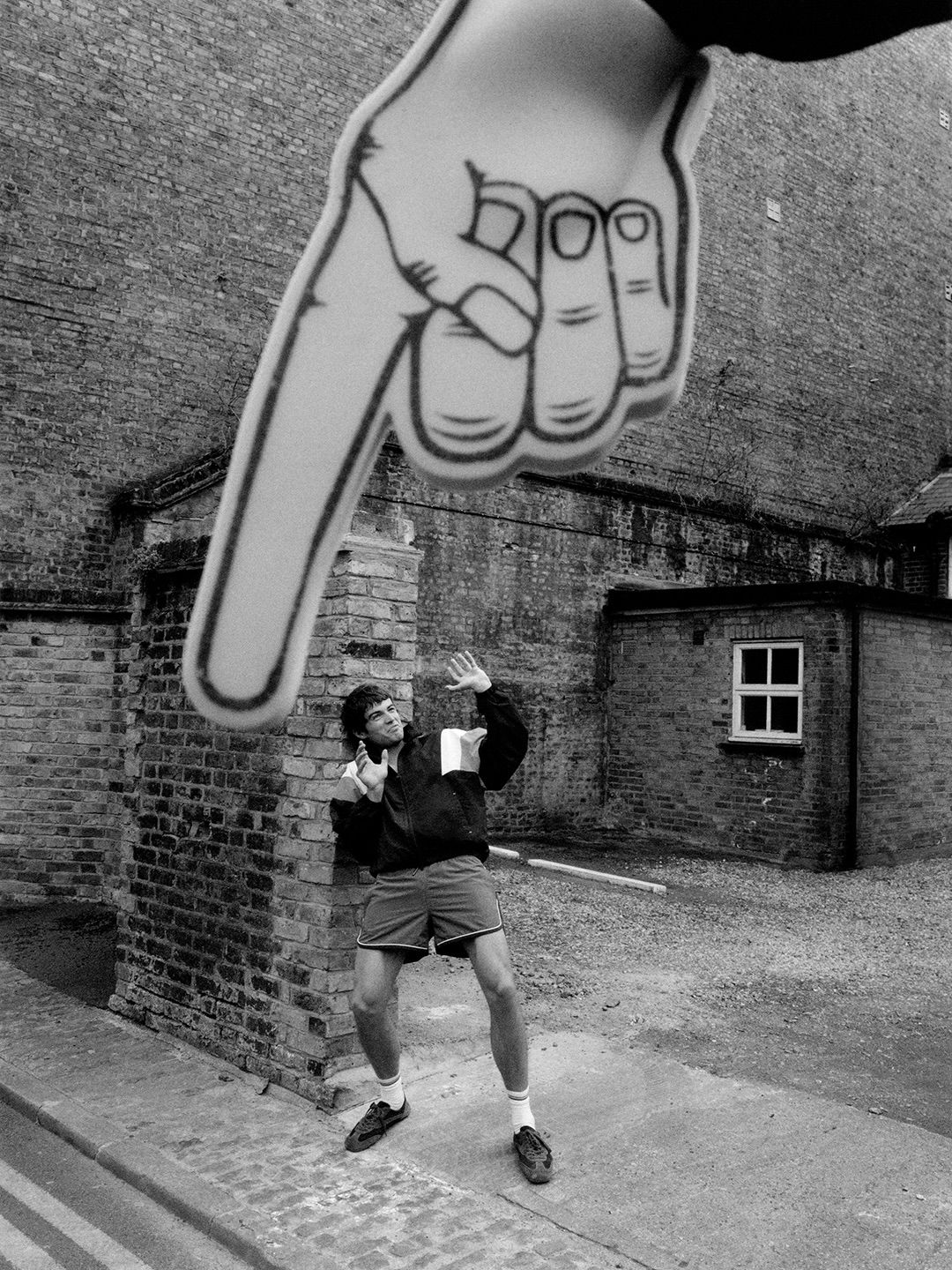
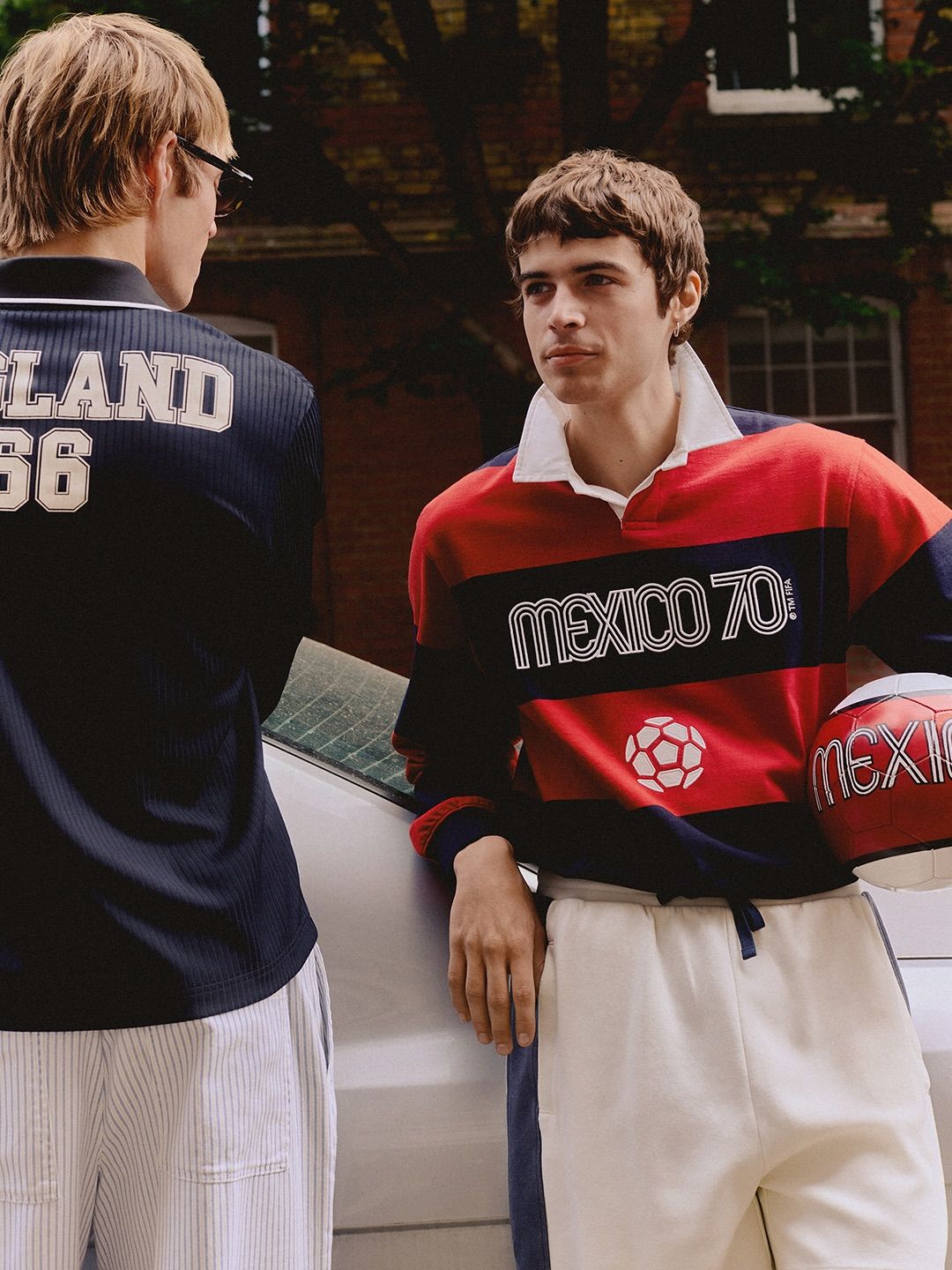
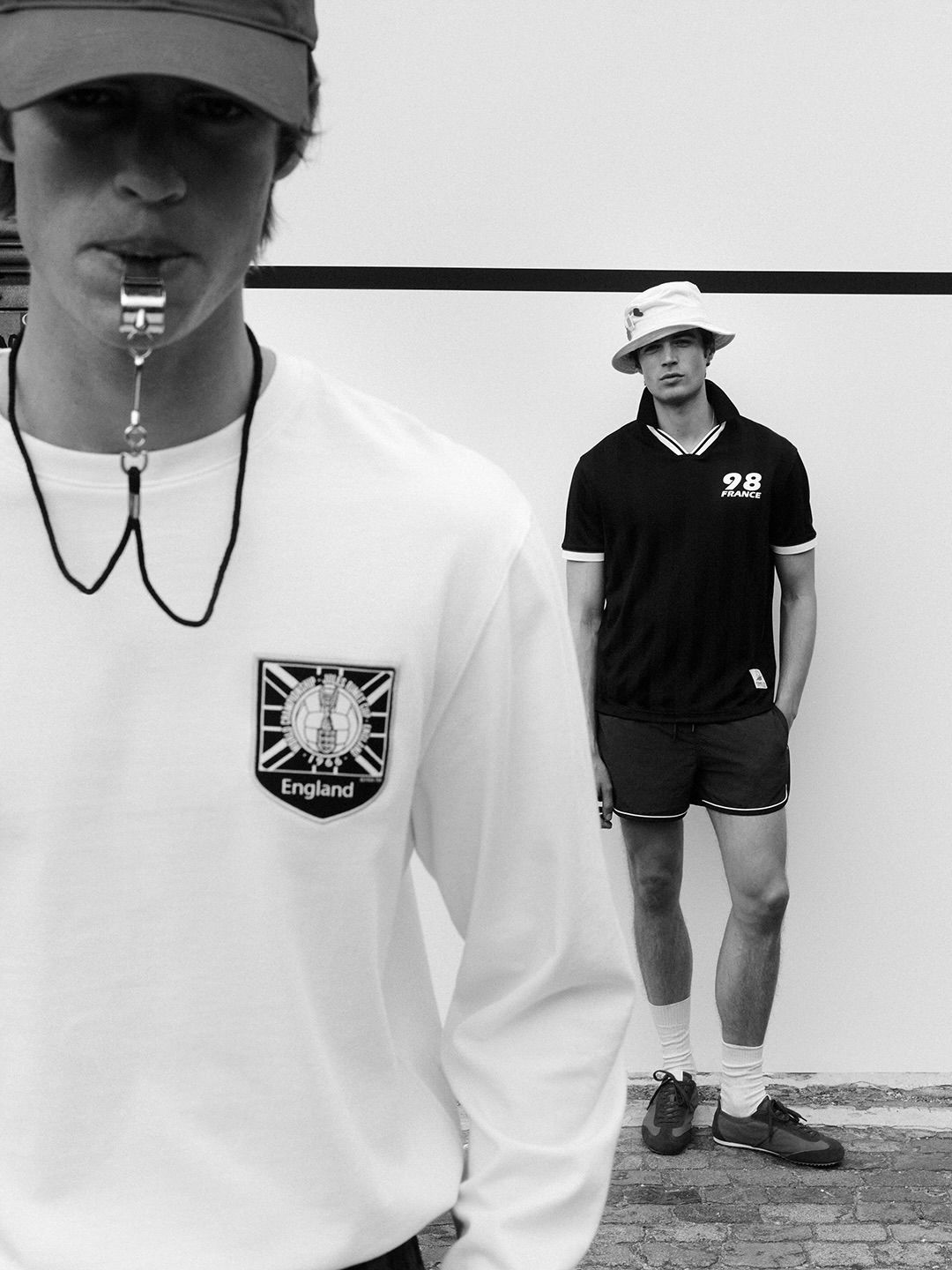
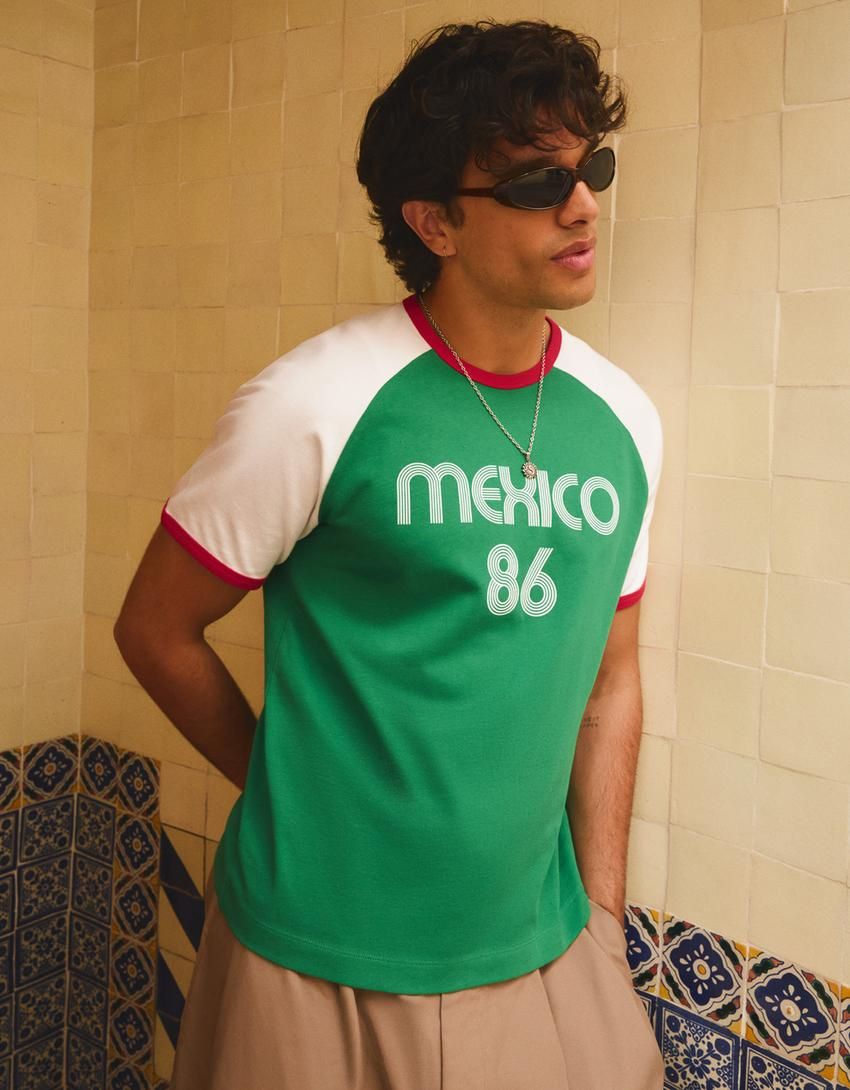
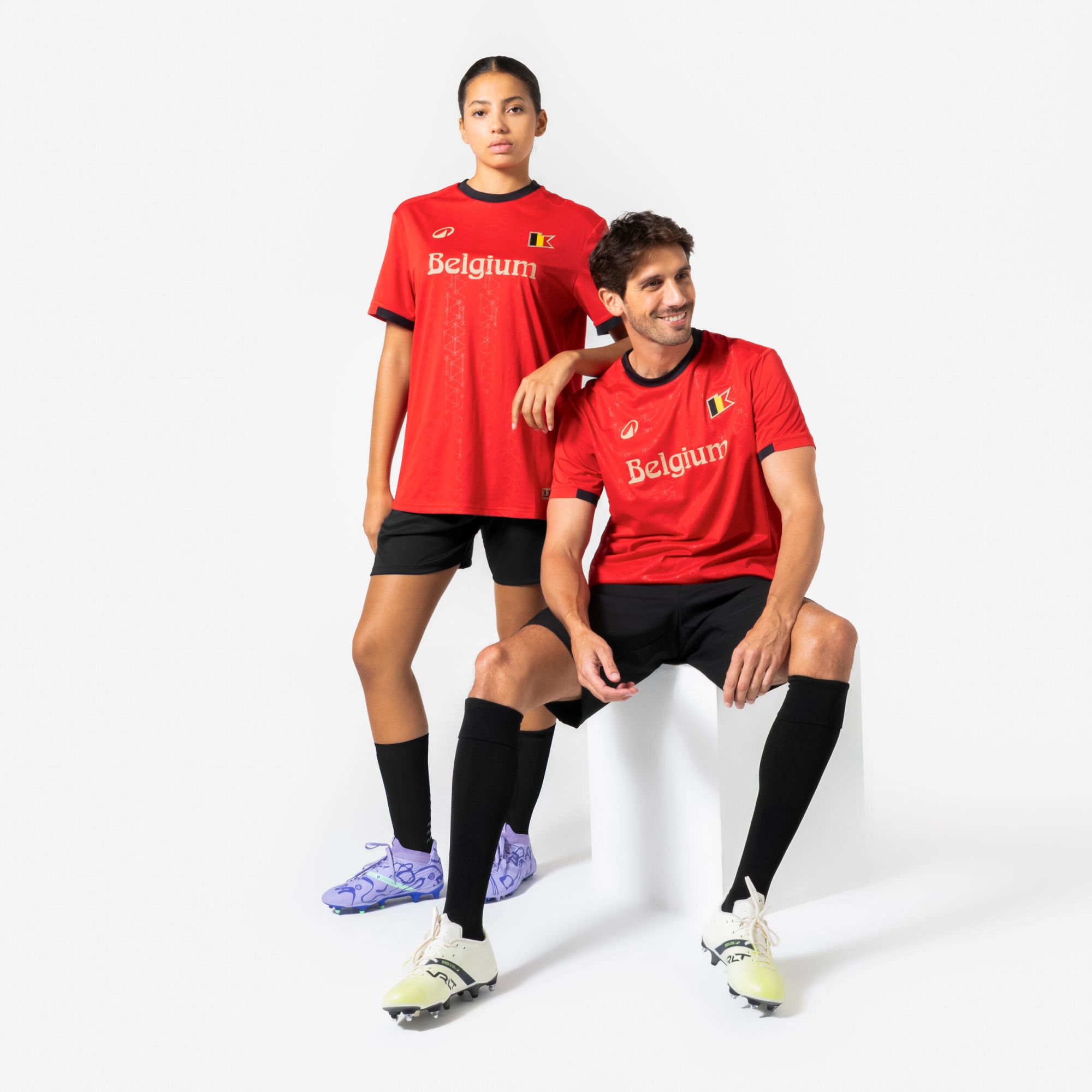
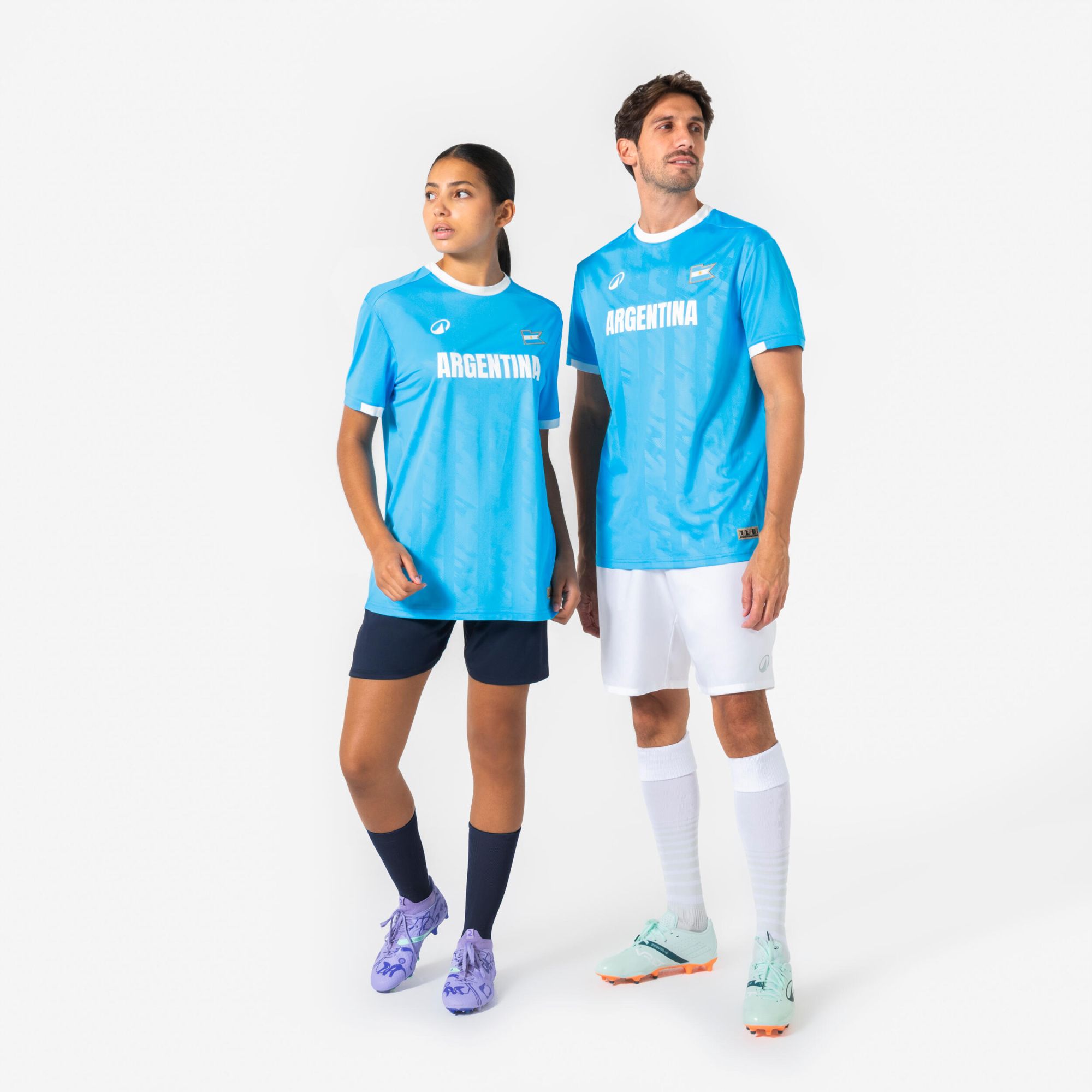
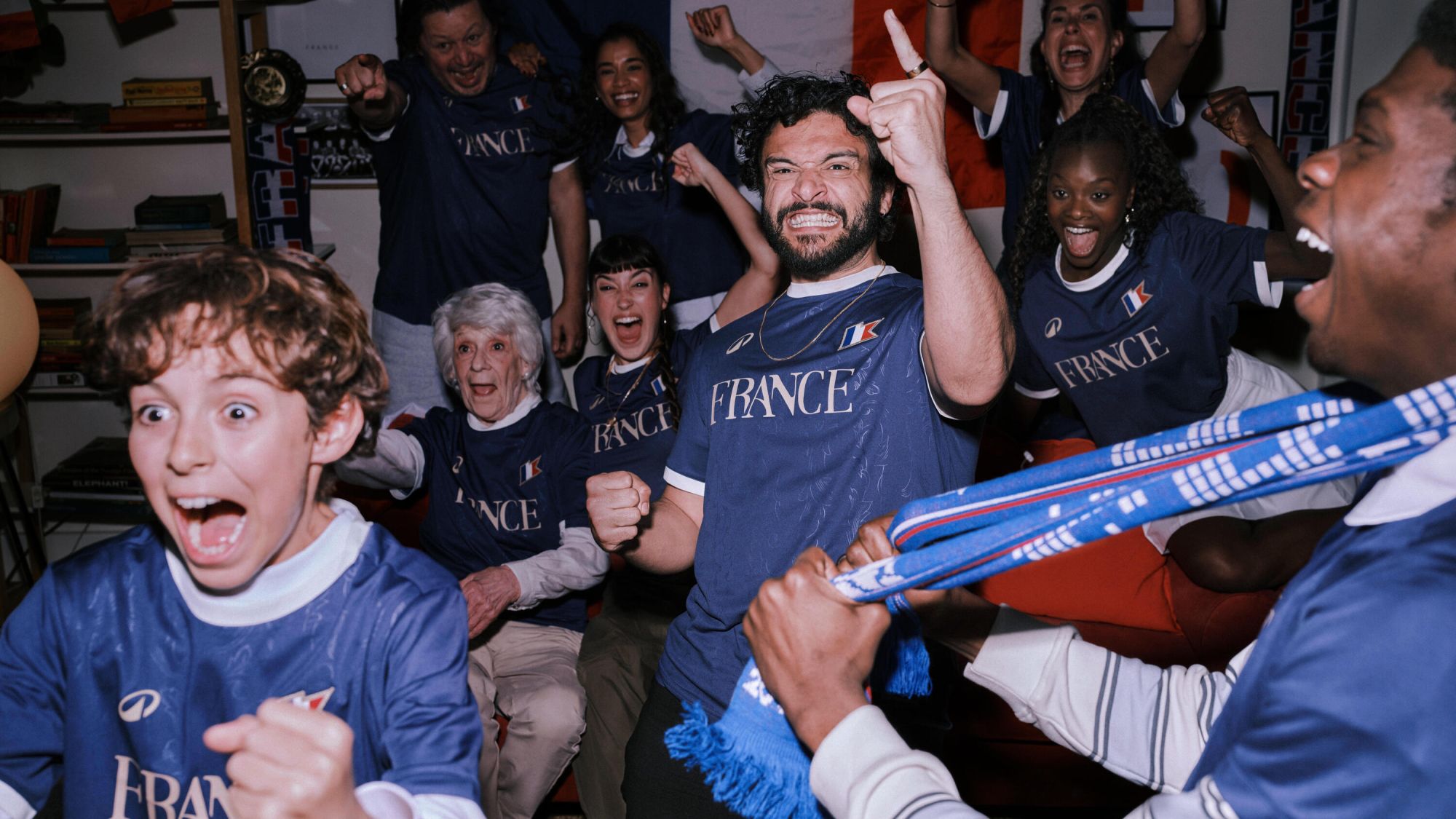
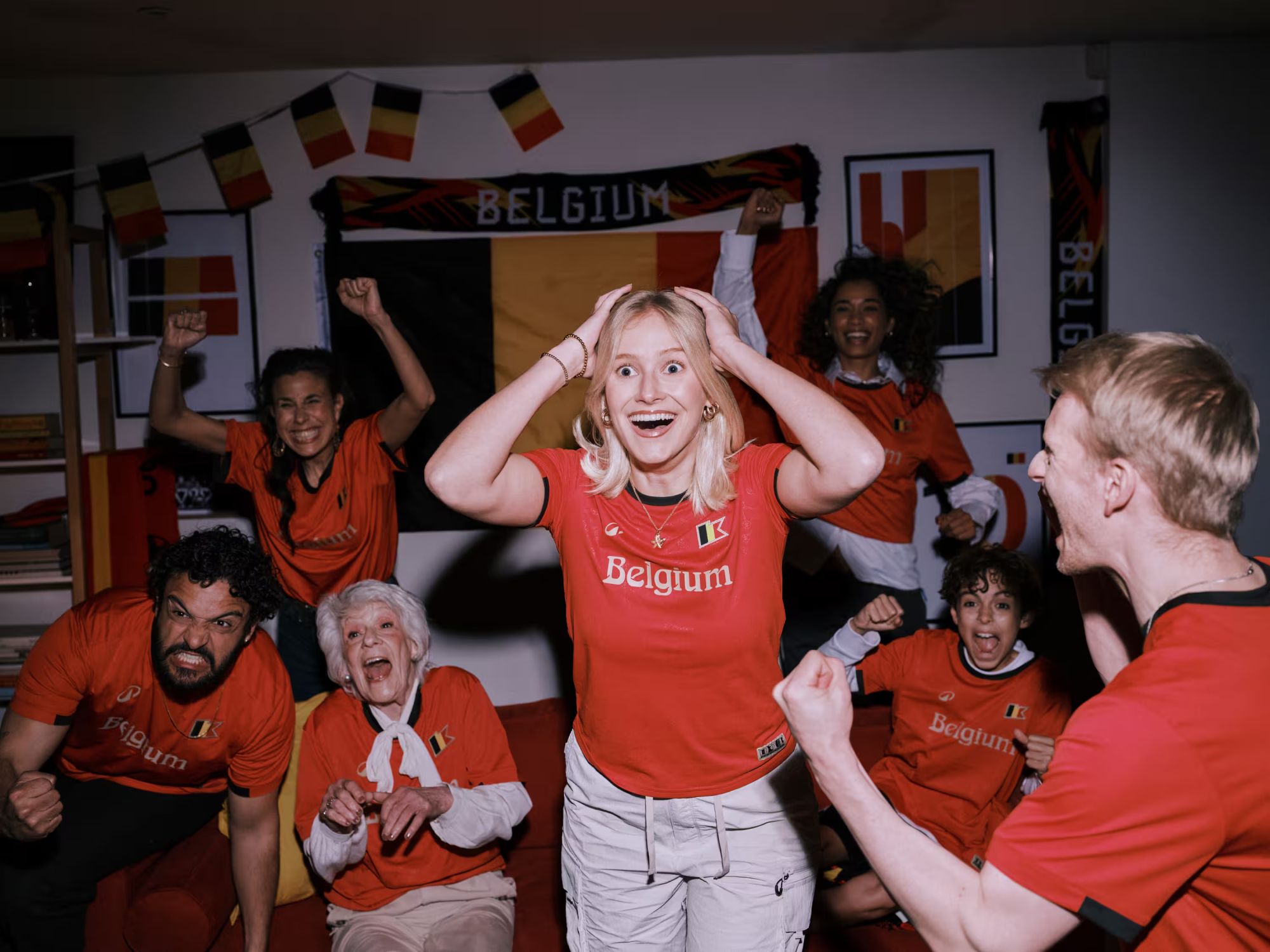
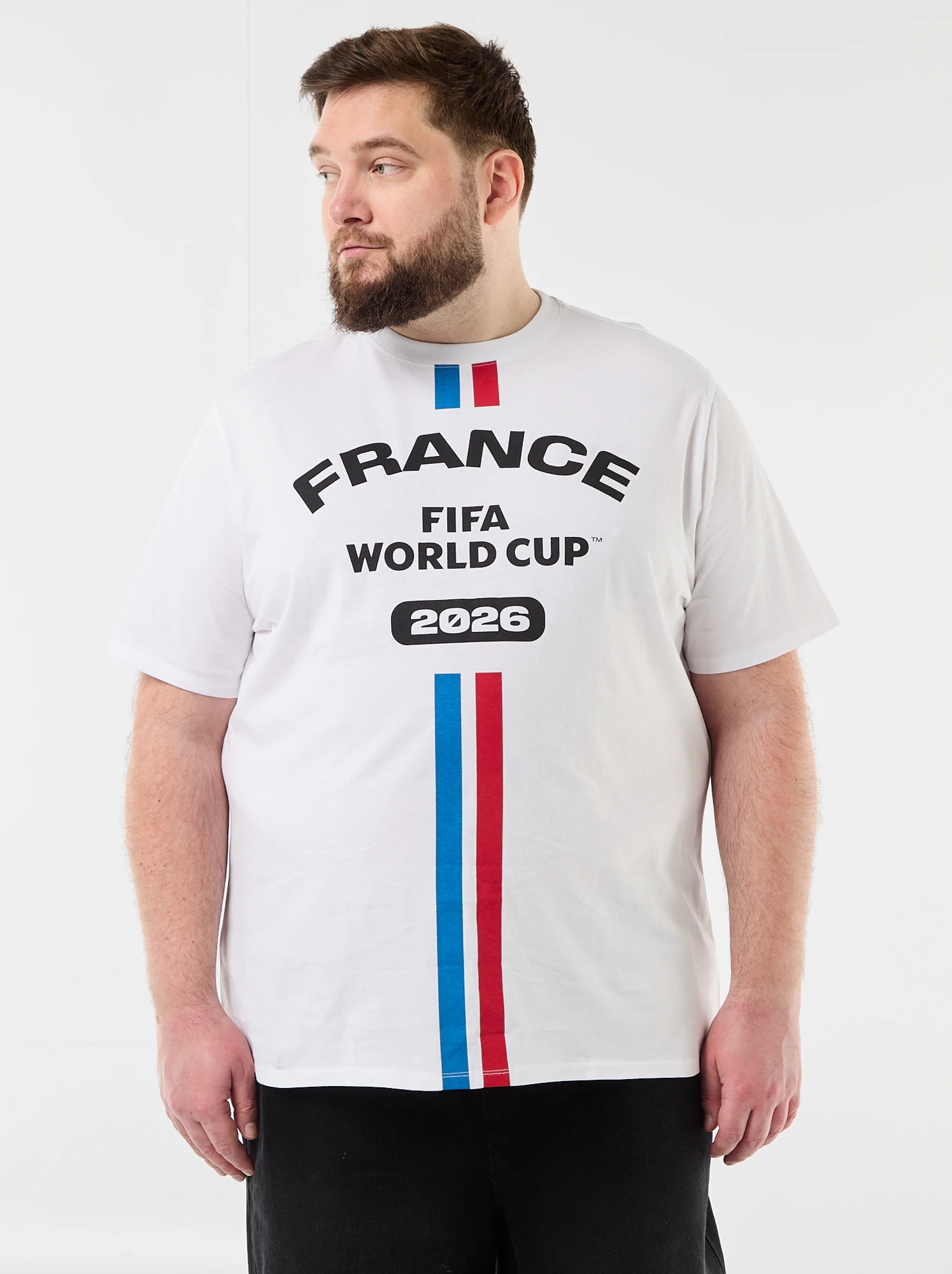
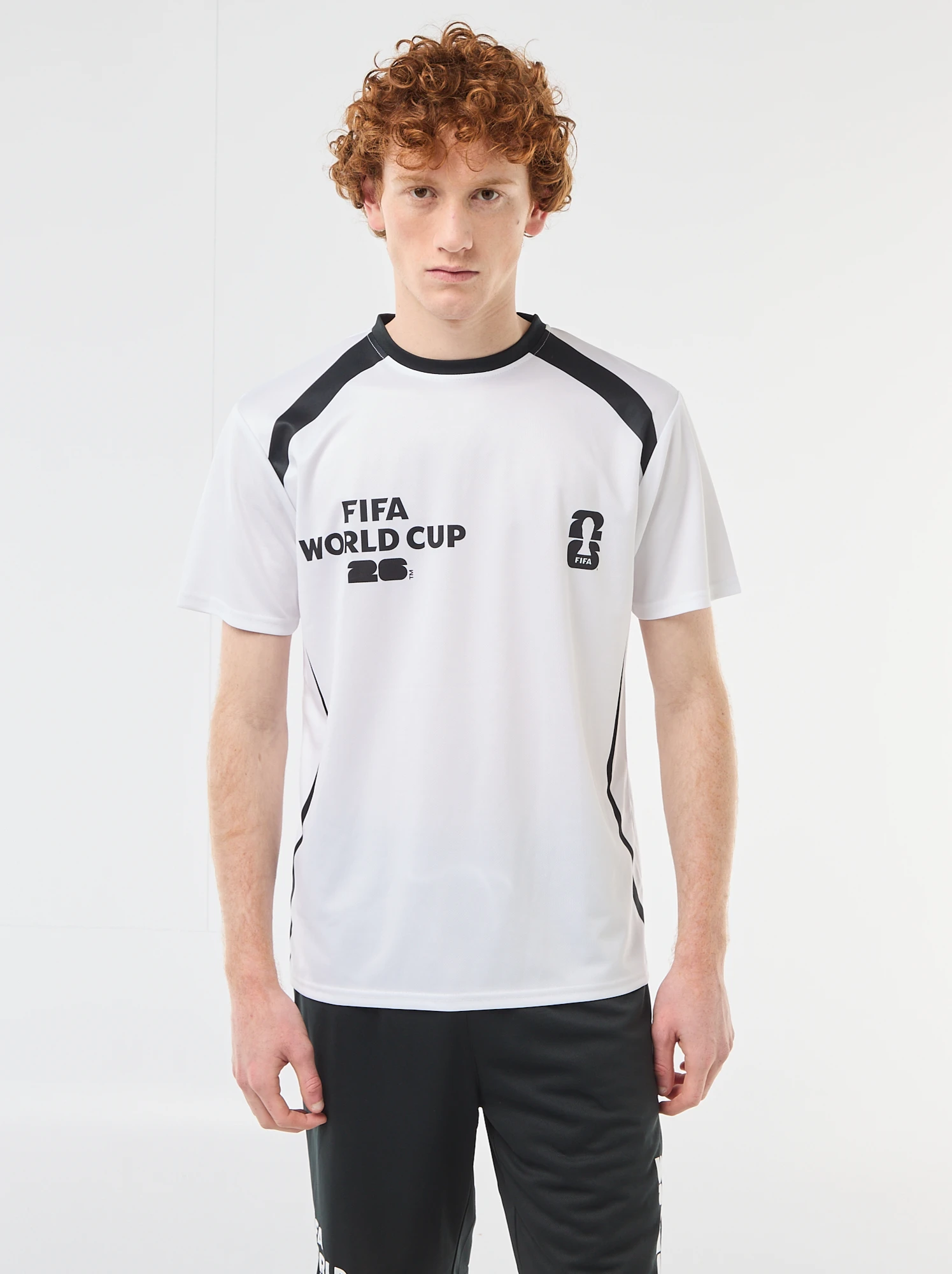
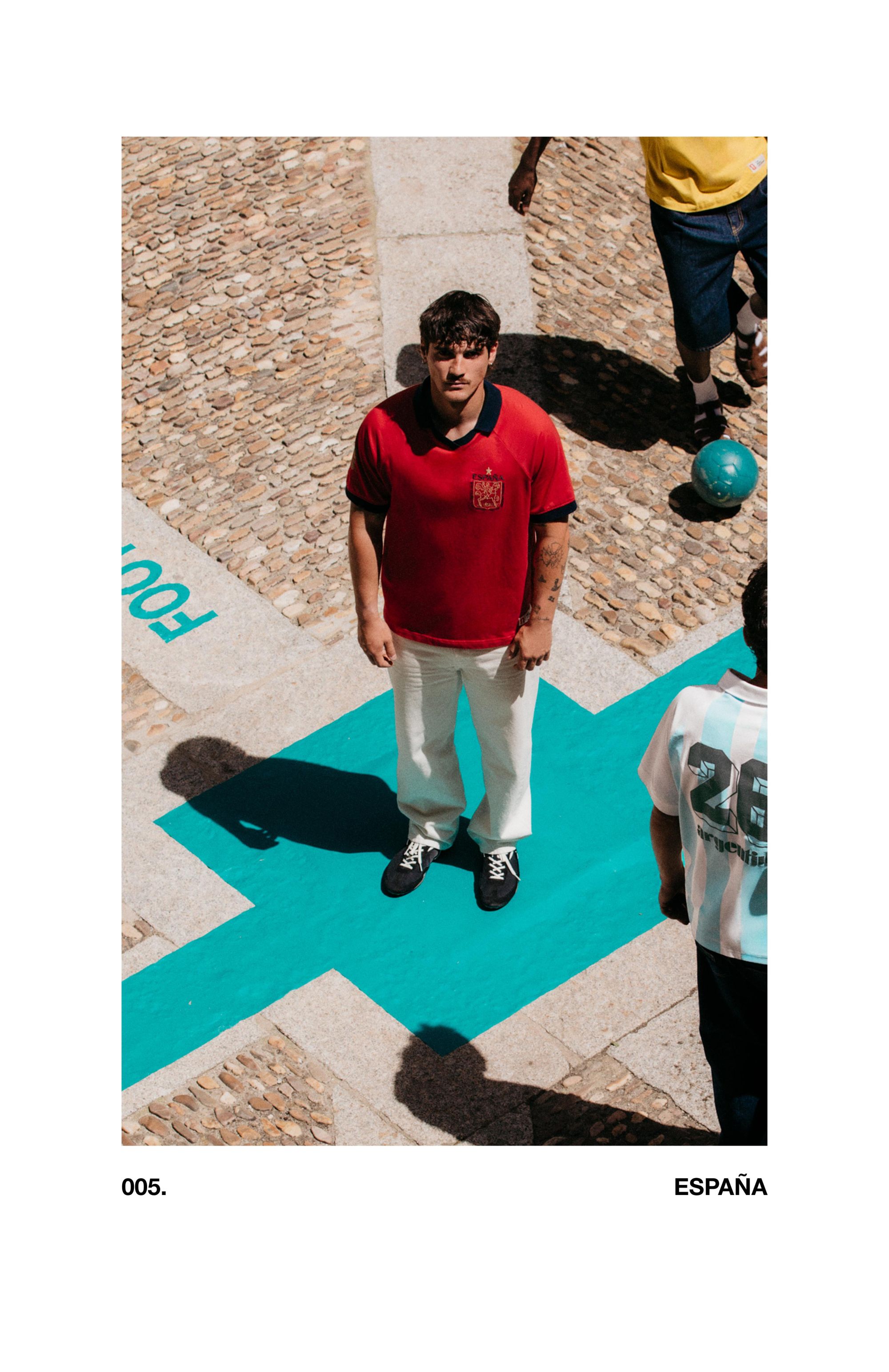
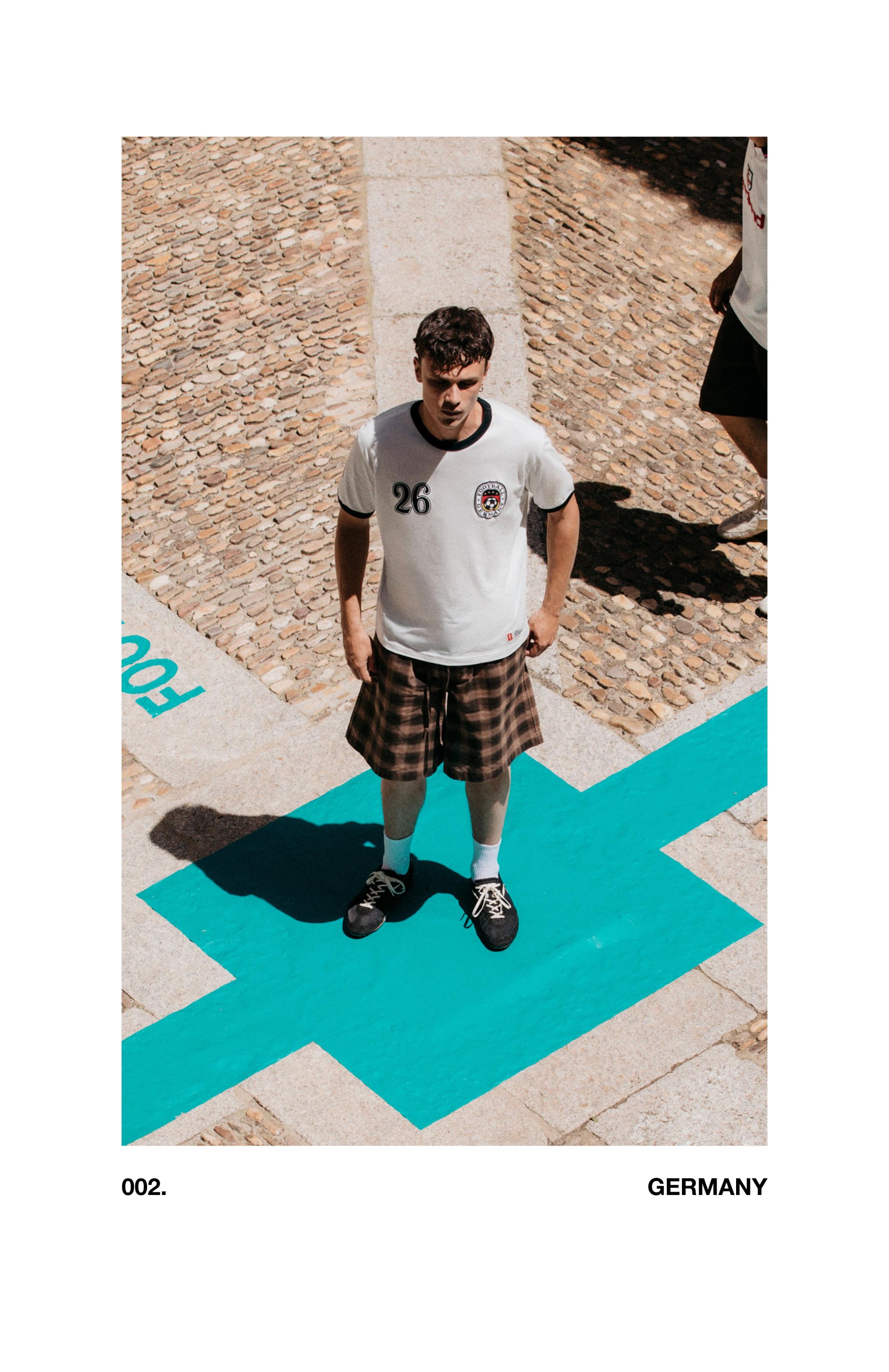
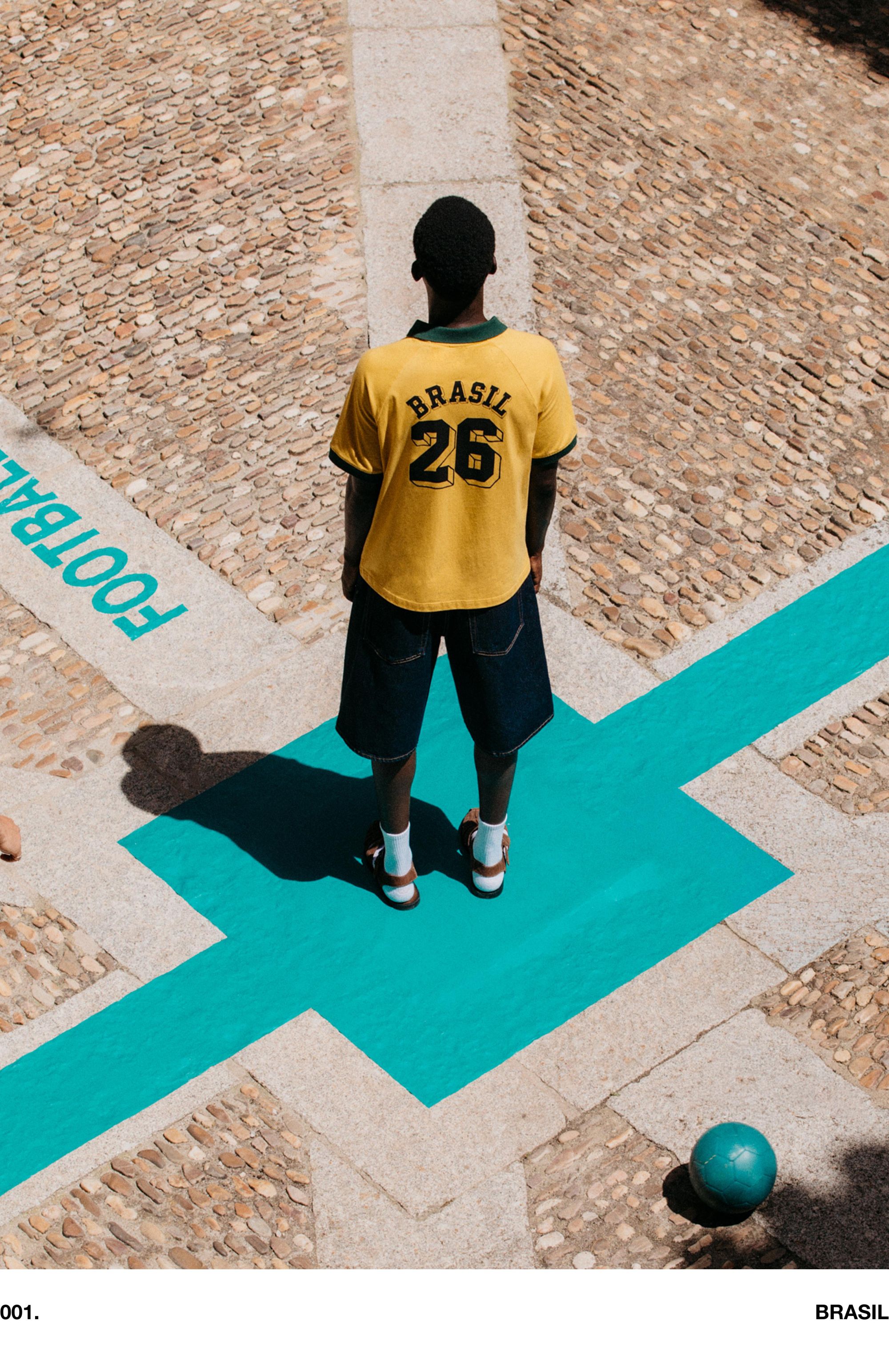
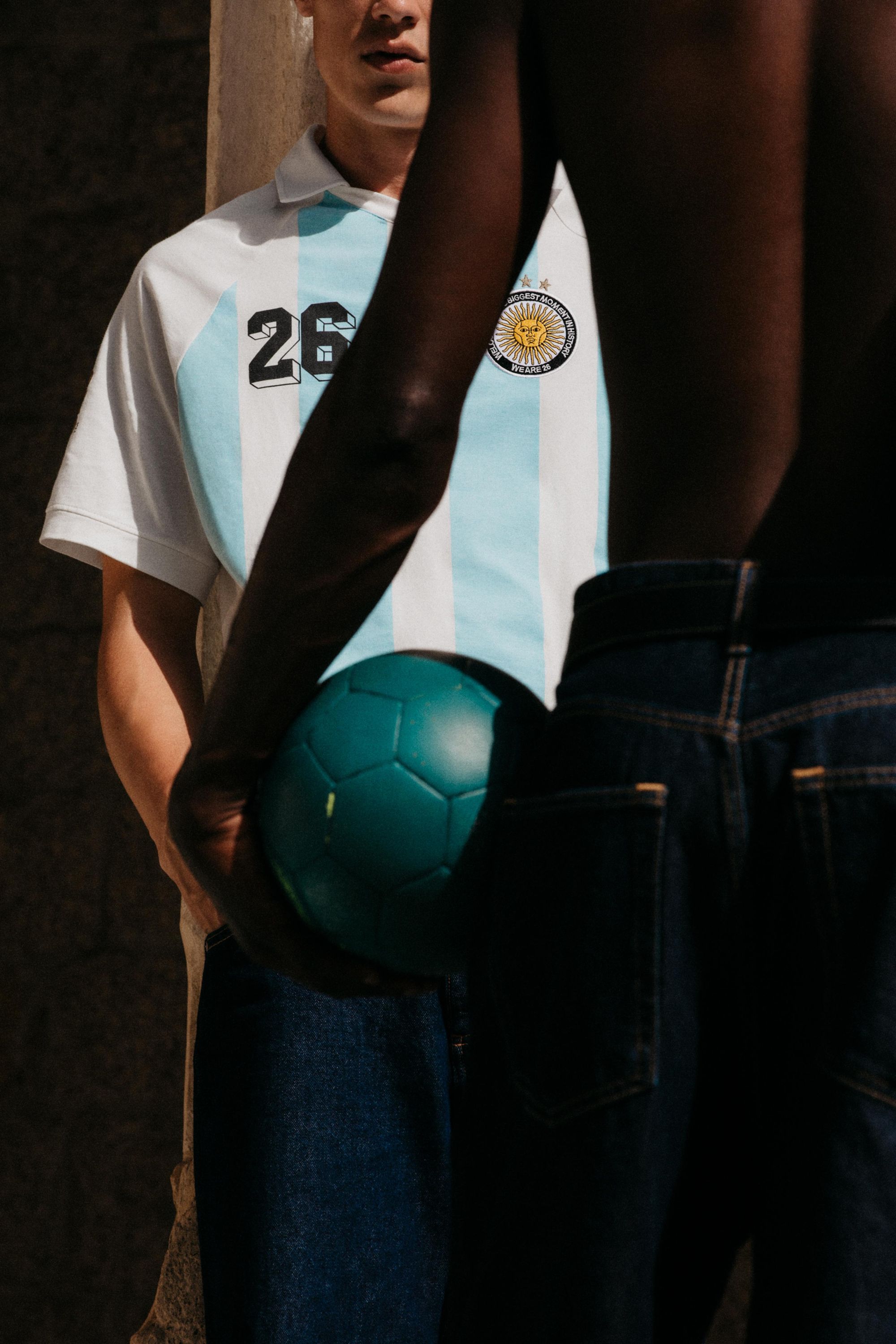
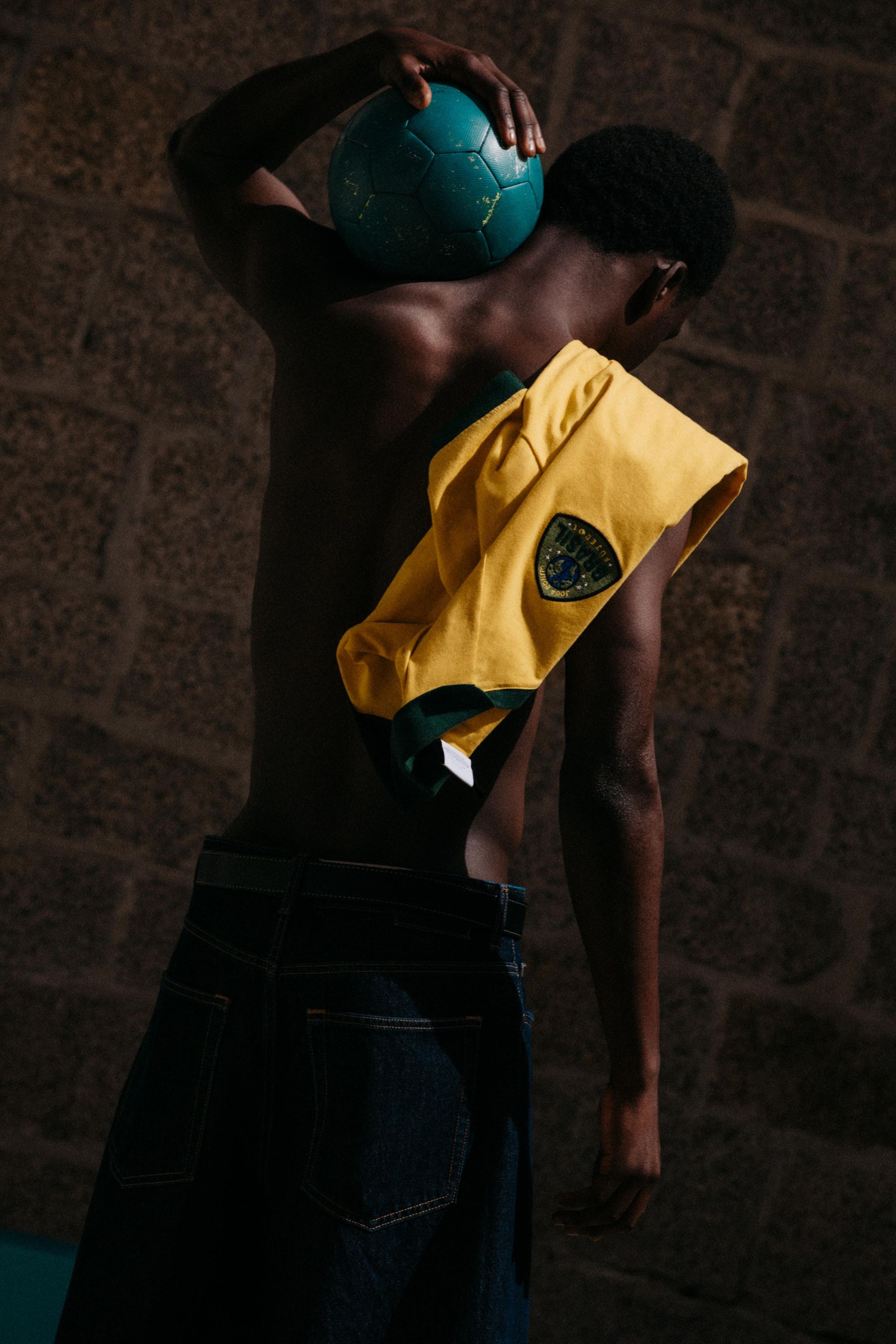
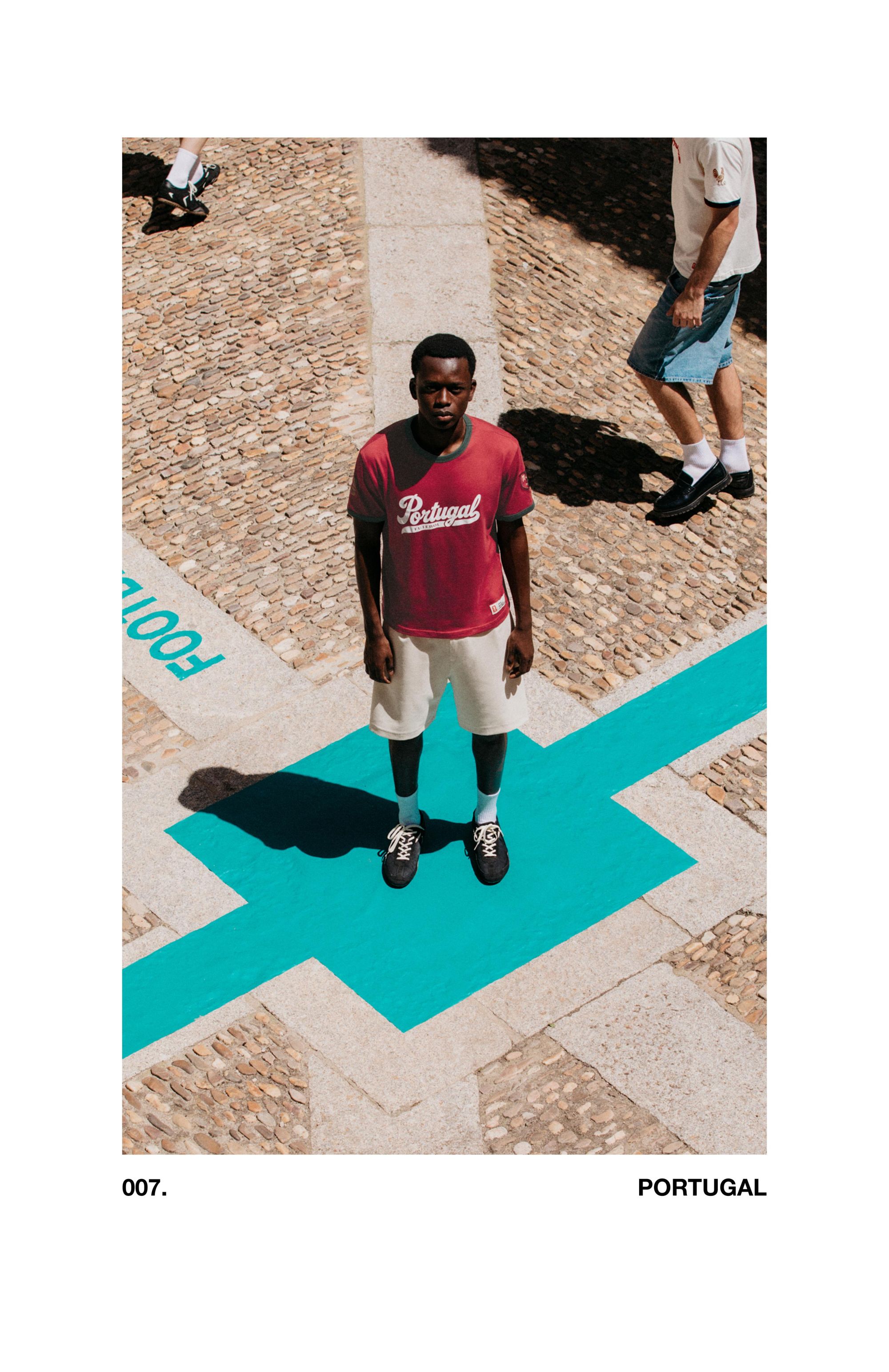
With just days to go before the 2026 FIFA World Cup kicks off, the tournament has already begun far beyond the pitch. As with every major global sporting event, the World Cup has steadily expanded into the worlds of geopolitics, retail and consumer culture—particularly in the case of a tournament that remains one of the most controversial editions in recent memory. Over the past few months, it has become impossible to ignore its presence across storefronts, e-commerce platforms, social feeds and advertising campaigns, fueling the vast commercial ecosystem that surrounds football’s biggest stage.
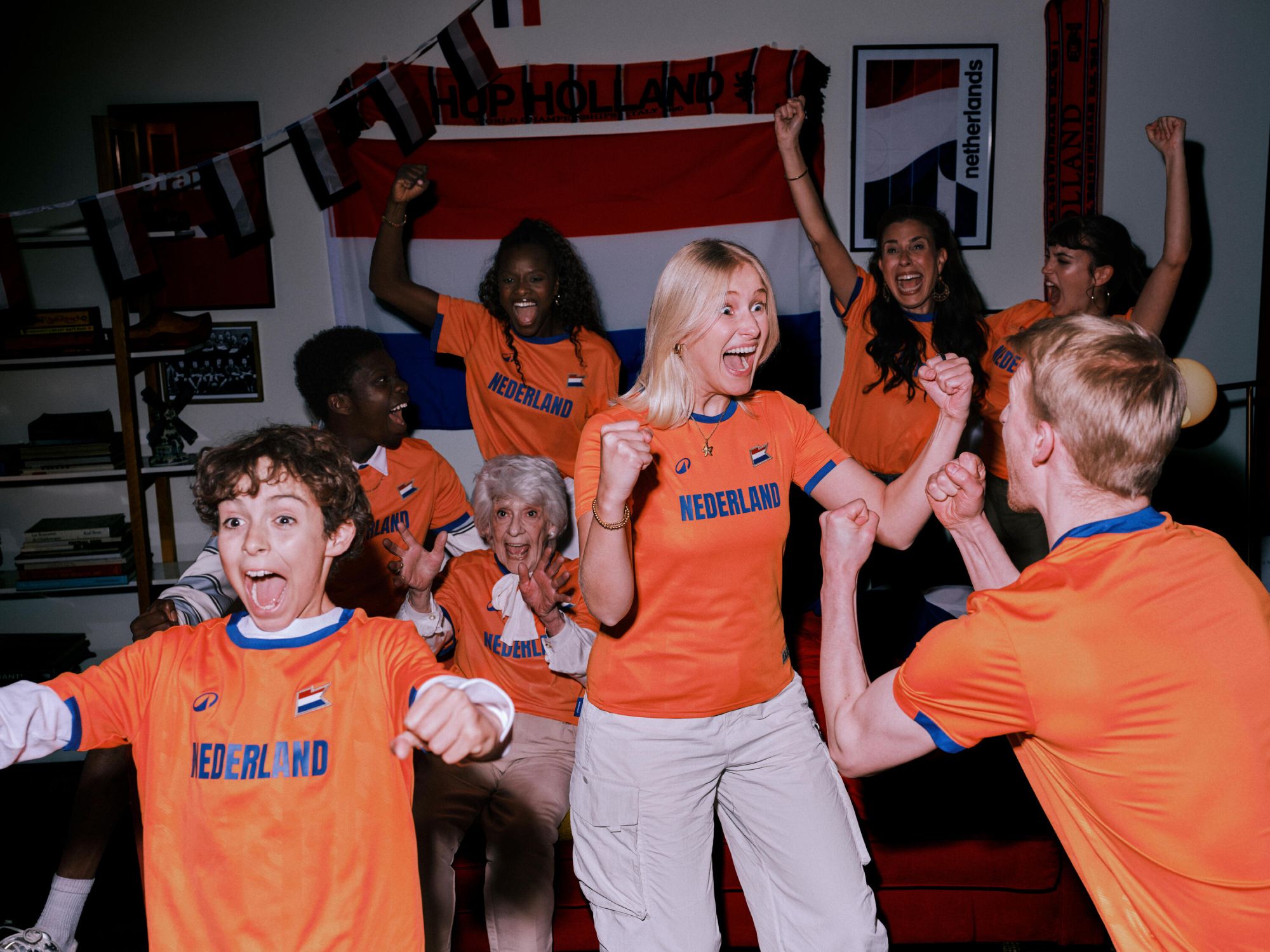
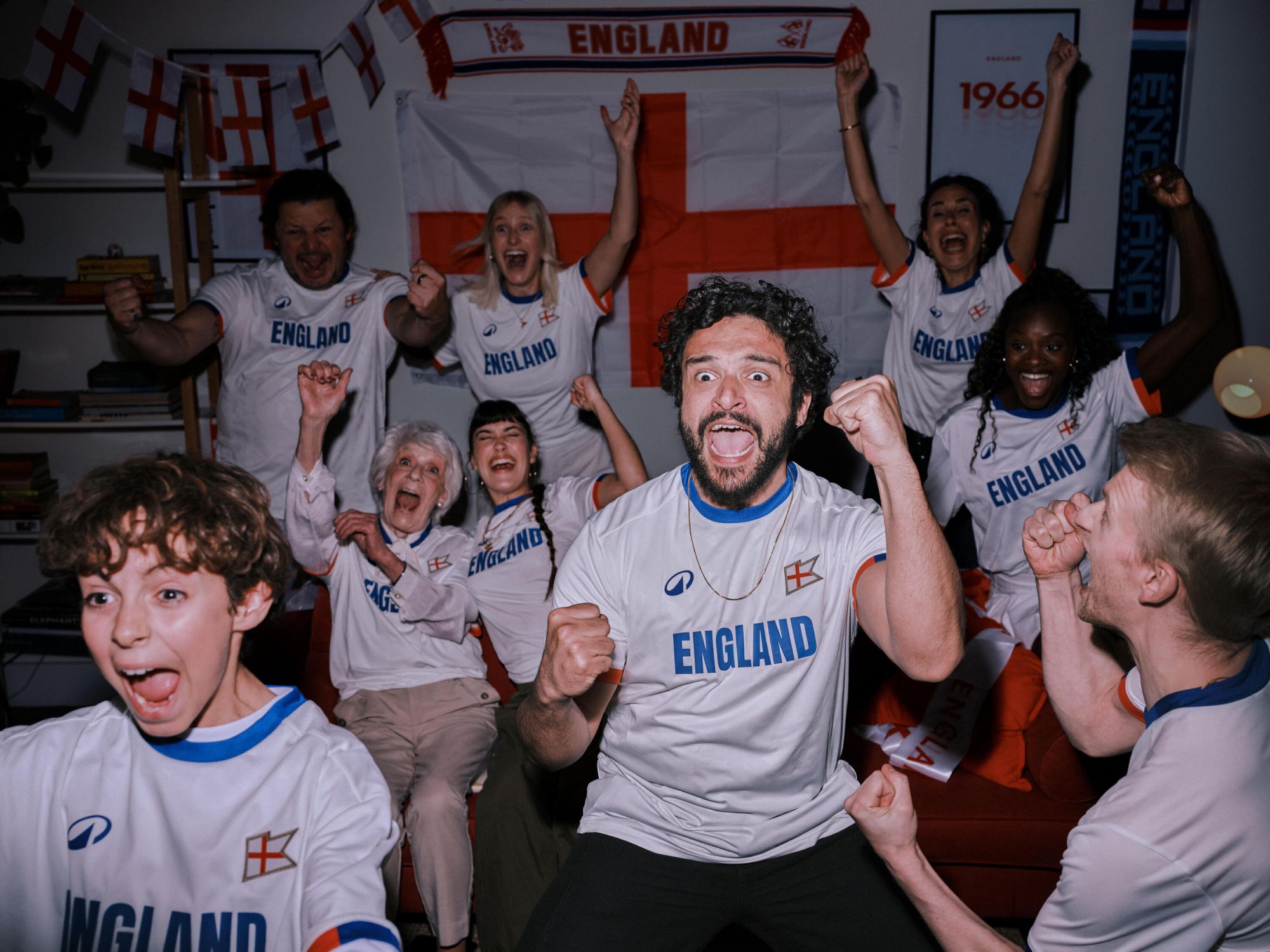
While jerseys, T-shirts, hoodies, caps and limited-edition capsules have long been part of the World Cup experience, this edition is revealing something new. Alongside the traditional sportswear giants, an increasing number of fast-fashion retailers are positioning themselves within the World Cup conversation, launching collections inspired by the tournament, participating national teams and the broader visual language of international football.
This is not entirely unprecedented. Similar dynamics have accompanied major sporting events in the past, while in the United States, leagues such as the NBA and NFL have coexisted with fashion-driven interpretations of sports merchandise for years. Yet as the 2026 World Cup approaches, the scale of these initiatives feels larger than ever—driven not only by the growing relevance of football jerseys within contemporary fashion, but also by broader shifts in consumer behavior and licensing strategies.
The trend highlights a transformation occurring simultaneously within both fast fashion and sports merchandising. On one side is the demand for more accessible alternatives to official products; on the other, a new generation of licensing agreements and commercial partnerships is reshaping the way consumers engage with the tournament.
Why Zara, H&M and Primark Are Entering the World Cup Conversation
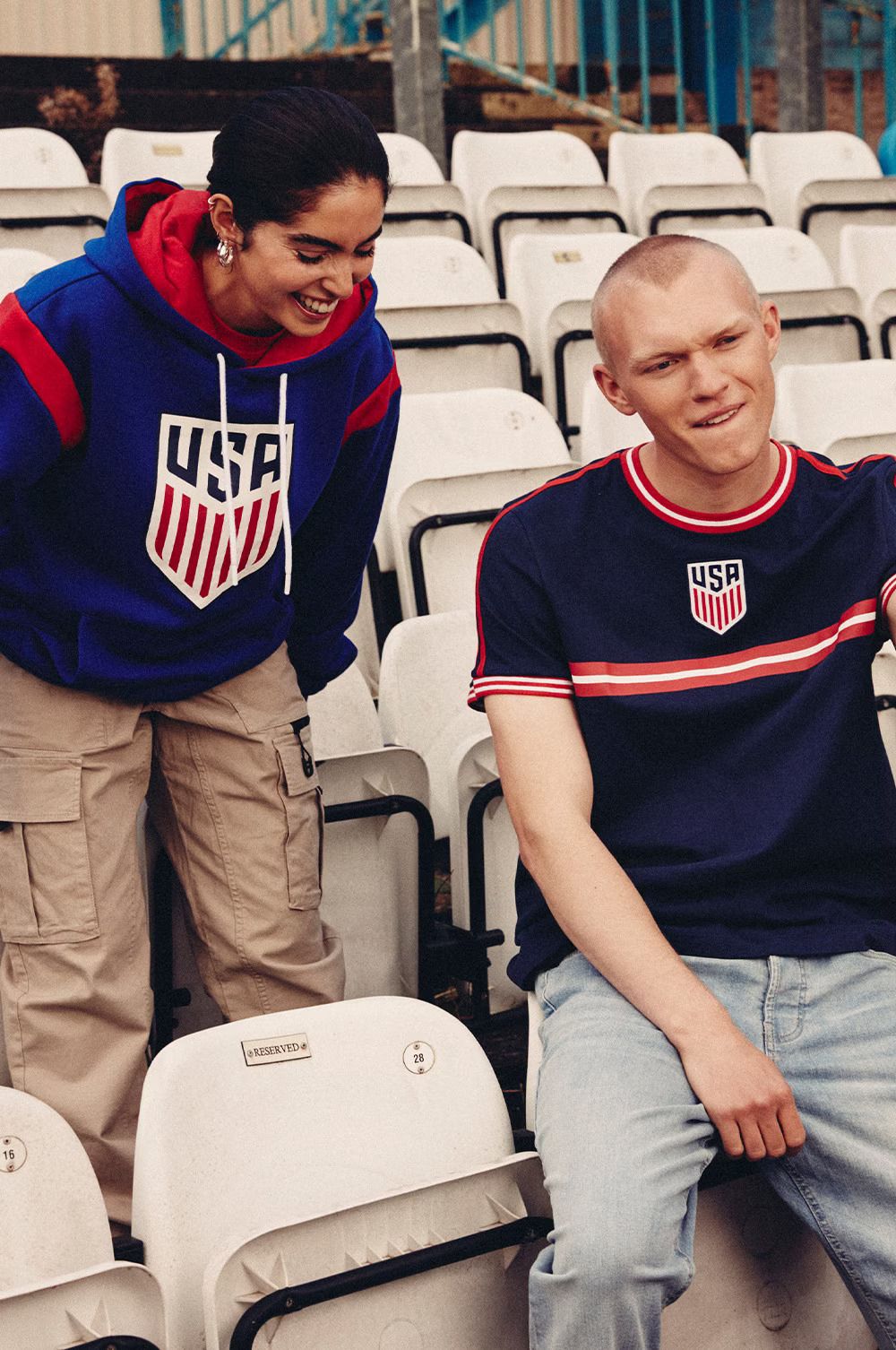
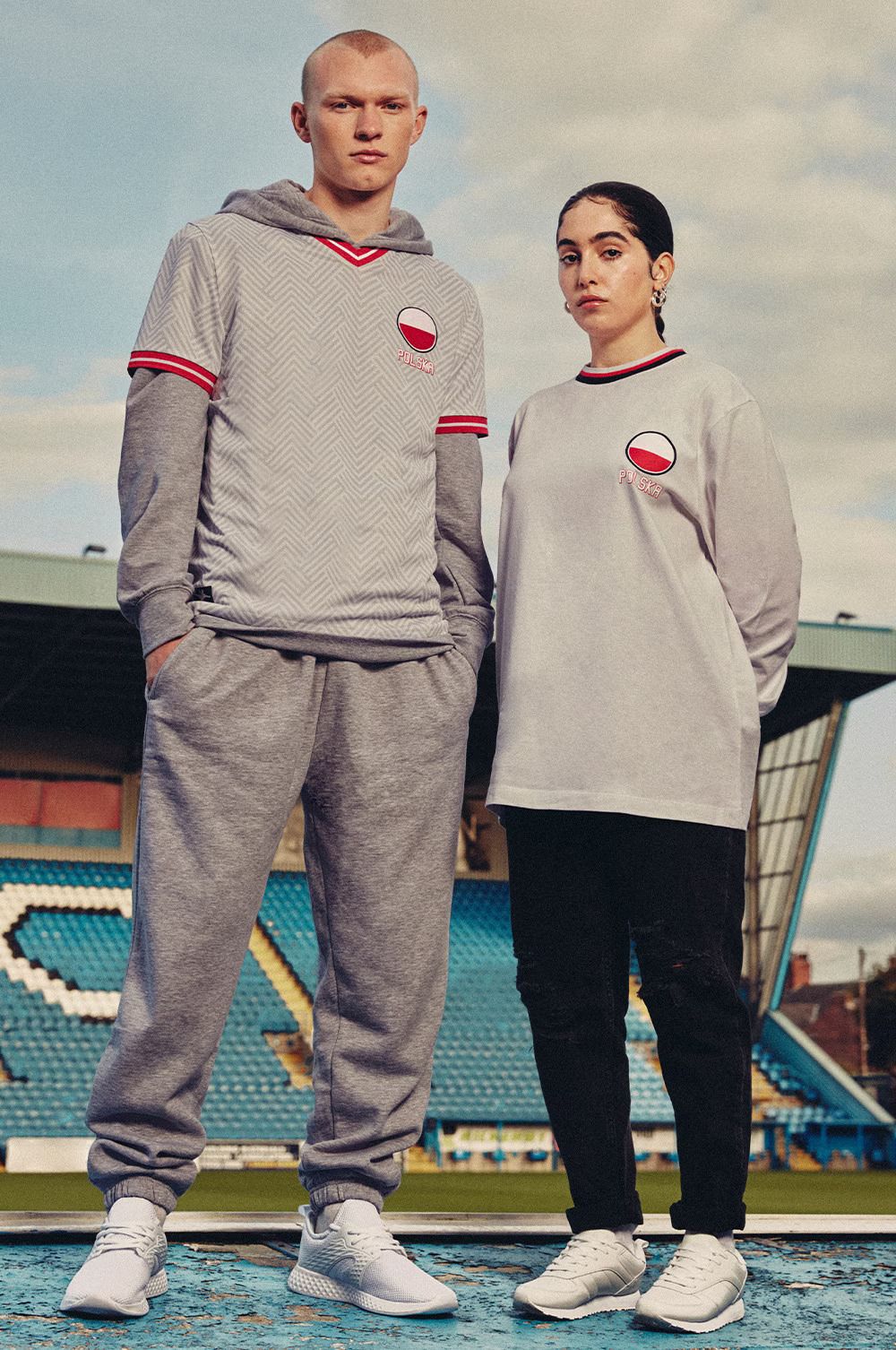
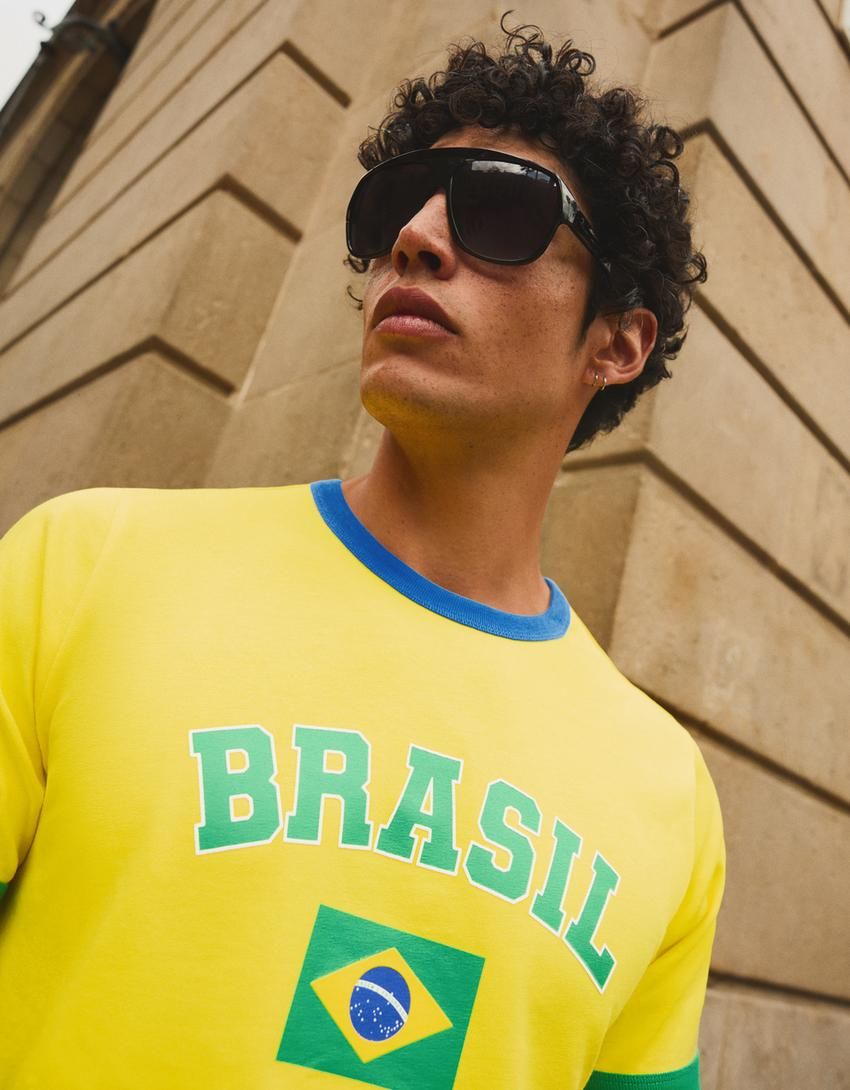
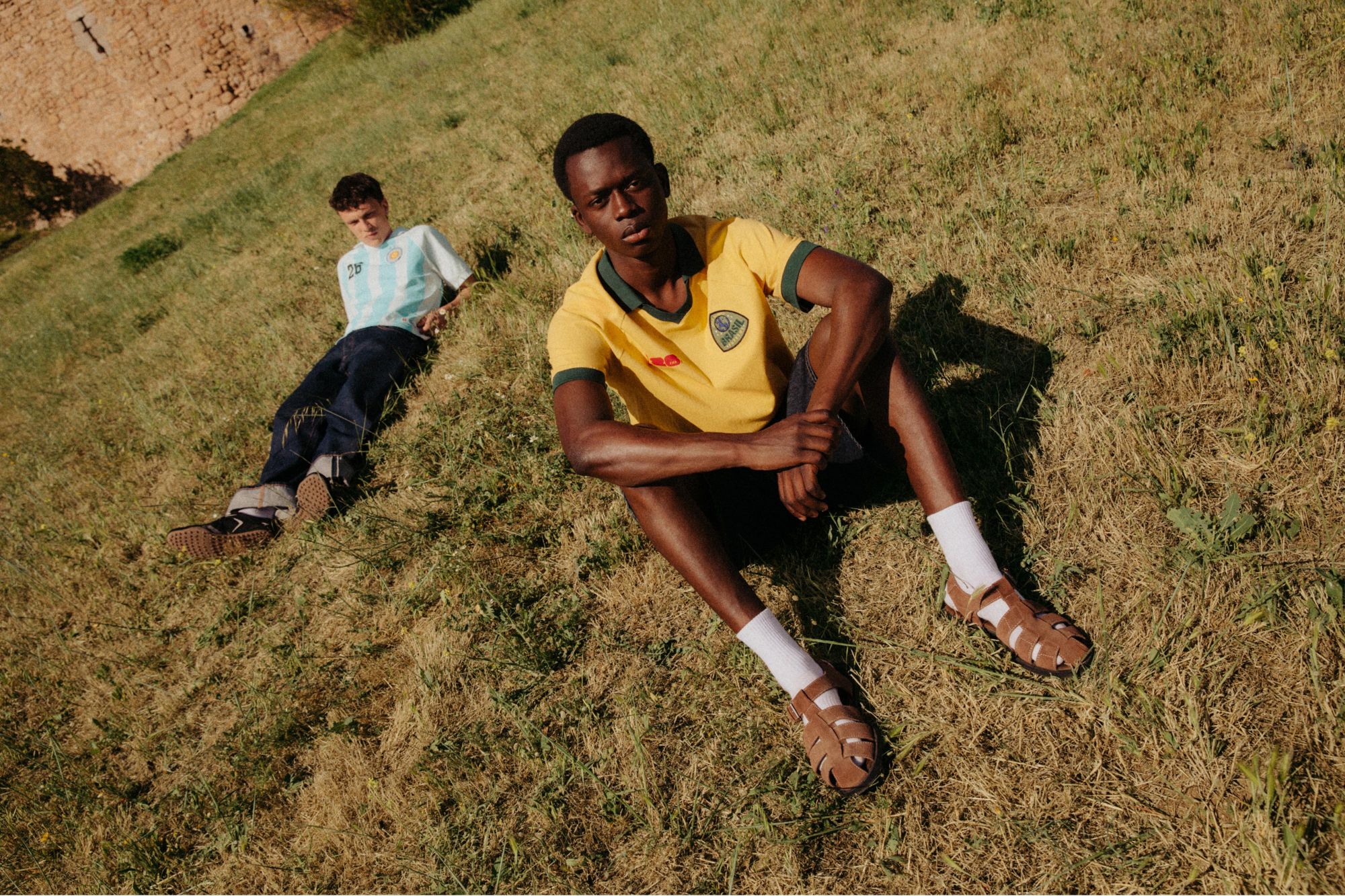
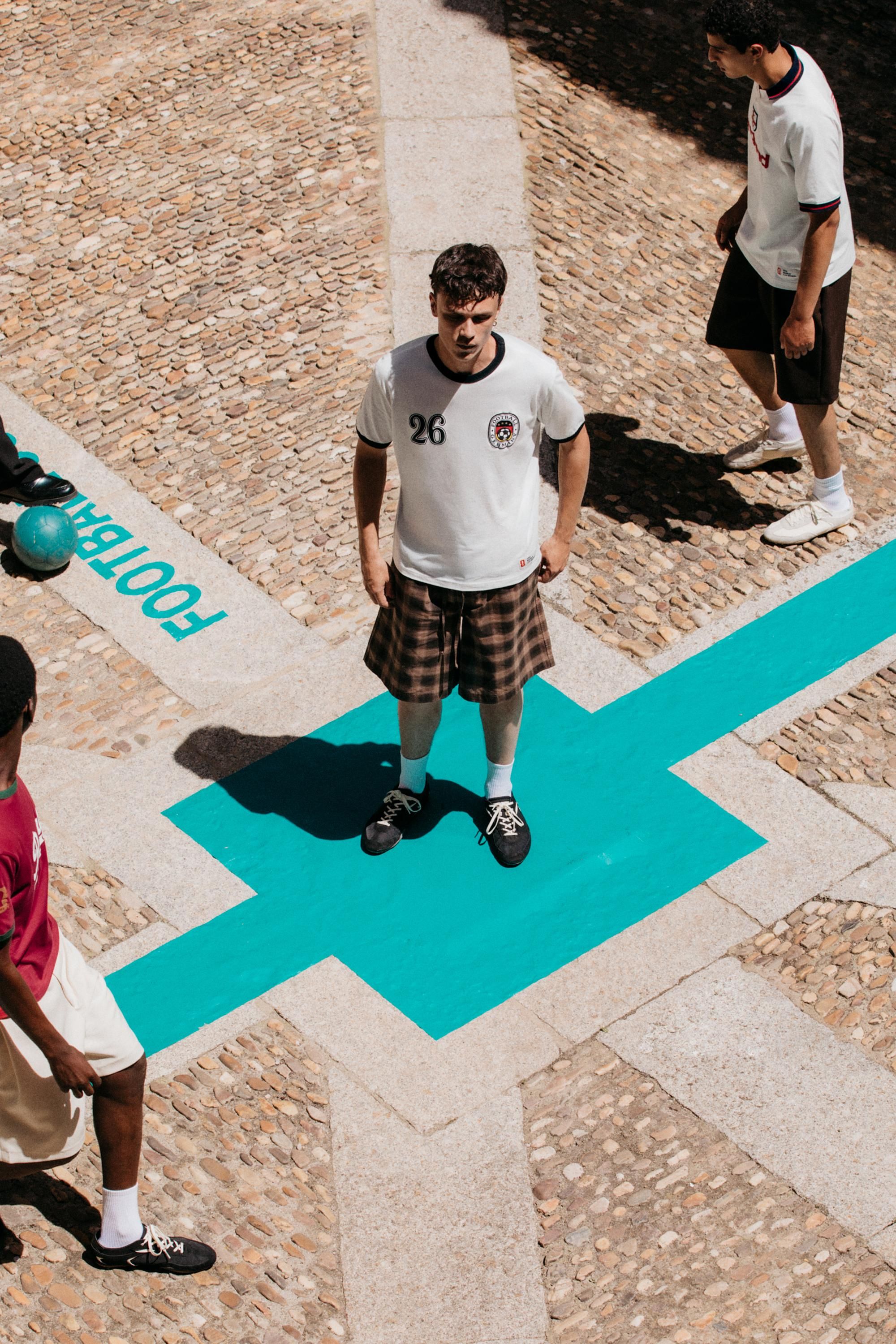
A quick walk through any shopping mall makes it clear that the World Cup has become a battleground for brands that, until recently, had little involvement in sports merchandising. In recent weeks, Zara has introduced a range of tournament-inspired pieces, including T-shirts, polos and matching sets referencing the visual identities of Argentina, Brazil, France, Germany, Japan, Mexico and the United States.
H&M, meanwhile, has unveiled its FIFA World Cup 2026 collection under the slogan “We All Play Together,” featuring oversized T-shirts, football shirts and childrenswear. Bershka has launched a capsule spanning graphic tees and lightweight outerwear, while fellow Inditex label Pull&Bear has developed its own collection inspired by several participating nations. GAP has also entered the conversation with its dedicated World Cup Apparel Collection.
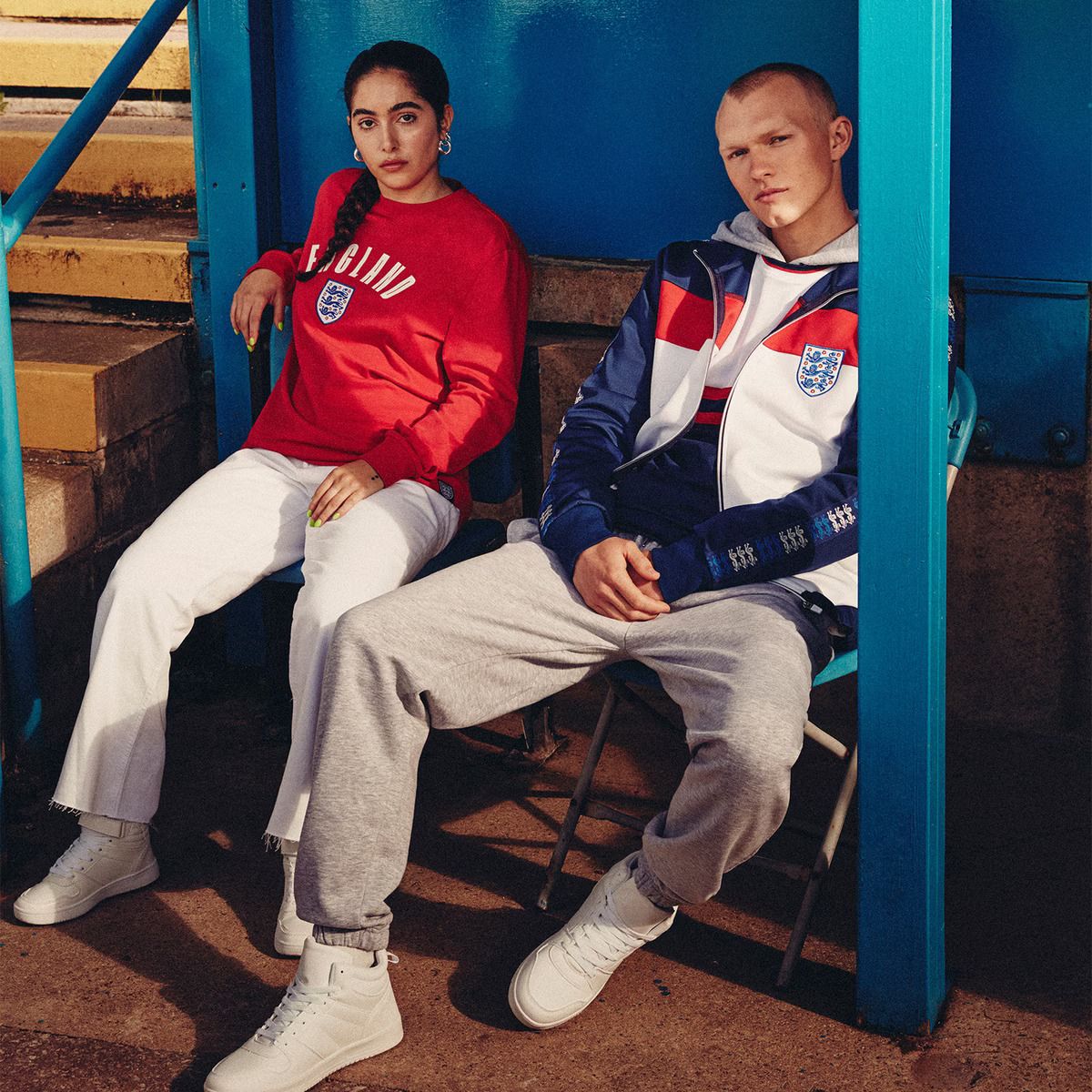
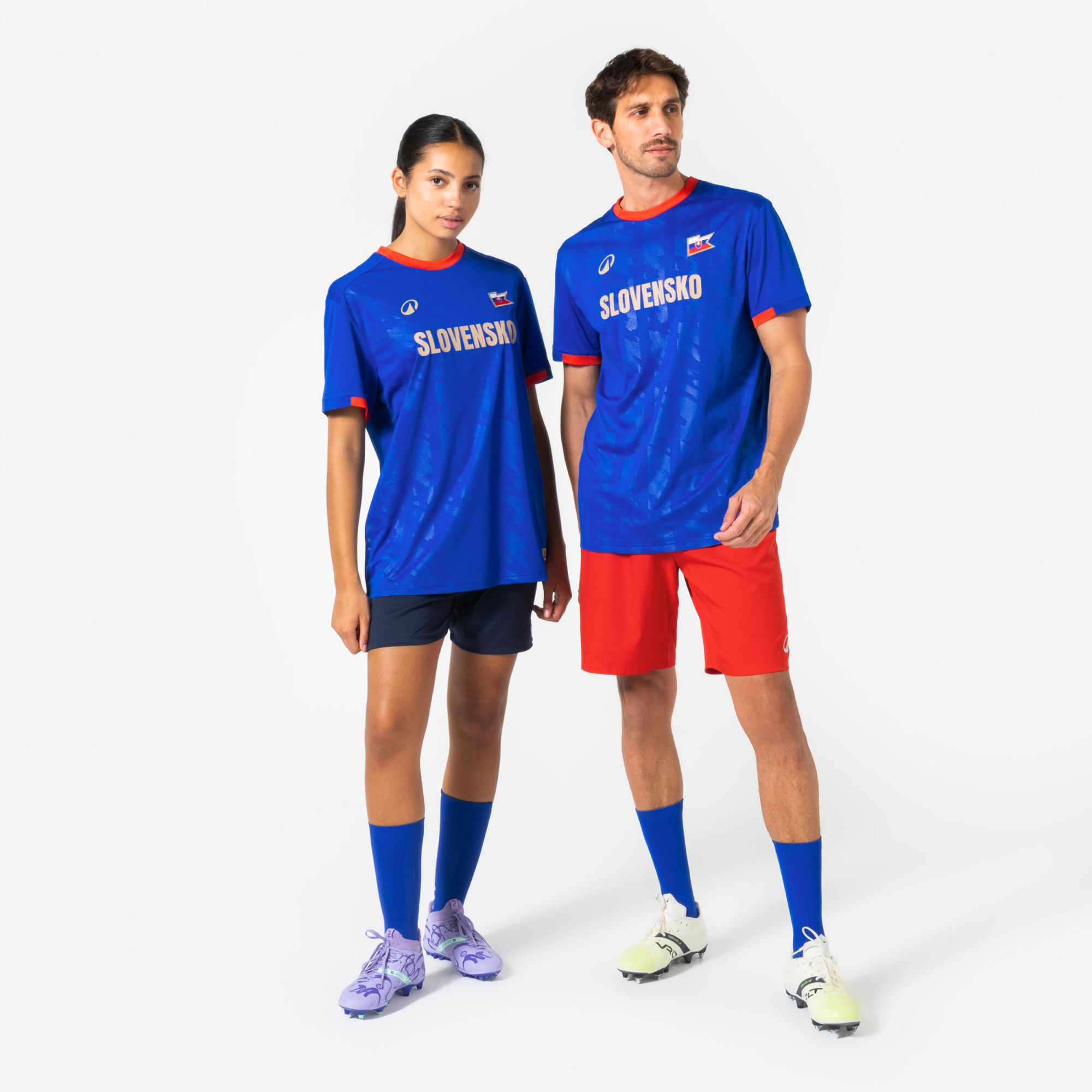
The phenomenon extends beyond global fast-fashion heavyweights. Retailers such as Kiabi and Reserved have introduced tournament-themed products, while Decathlon has created a dedicated World Cup section within its online store, combining official jerseys from major technical sponsors—including adidas, Nike and Puma—with alternative fan-focused offerings. Then there is Primark, which has long embraced sports-inspired lifestyle merchandise, from basketball and American football franchises to football itself, and is now centering its latest offering around some of the tournament’s most popular national teams.
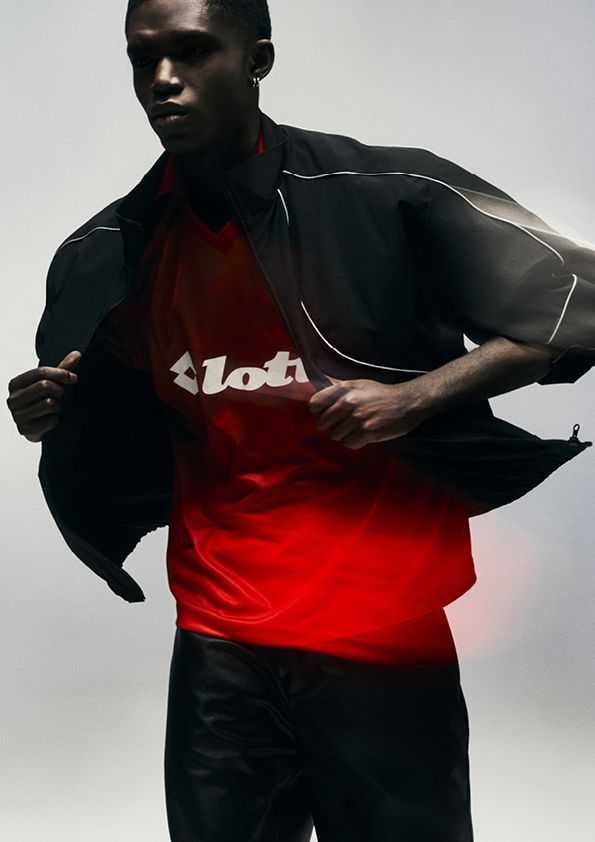
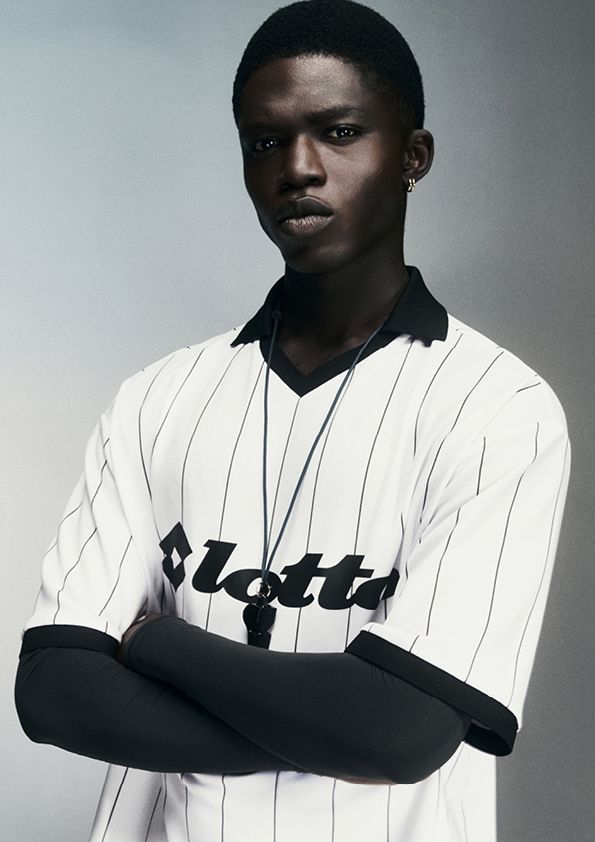
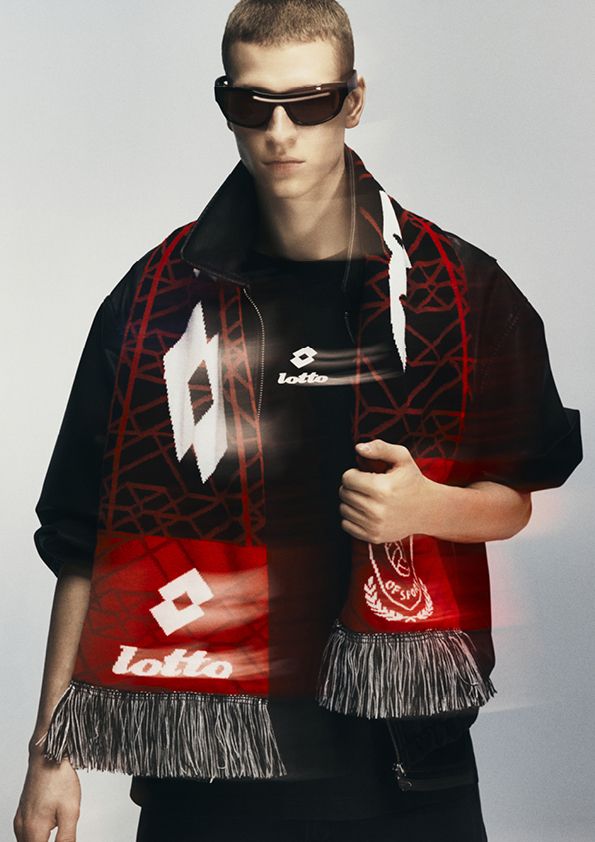
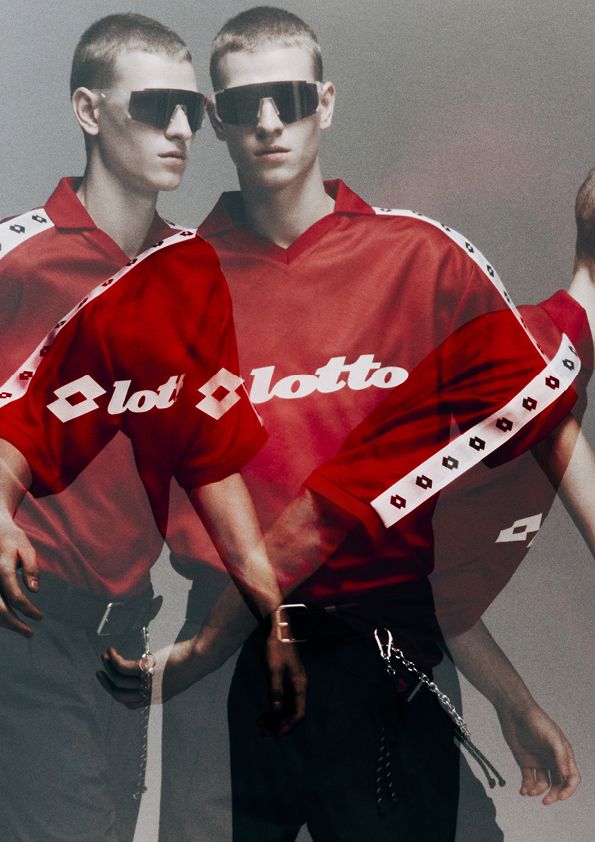
Also worth noting is the recent collaboration between Lotto and H&M. Although not officially linked to the FIFA World Cup, the partnership arrives just weeks before kickoff and draws heavily from football culture. As the brands describe it, the collection is about “bringing sportswear heritage into contemporary fashion.” Drawing from Lotto’s archives, it revives vintage graphics, classic kits and terrace-culture references. More than a World Cup collection, it reflects football’s growing influence on fashion as a whole.
What stands out is not the existence of these collections, but their sheer ubiquity. For years, World Cup merchandising was viewed as an almost exclusive extension of sportswear brands and national federations. Today, however, it appears to have evolved into a visual language that can be reinterpreted by brands with vastly different identities. In some cases the connection is direct and officially licensed; in others, it emerges through color palettes, silhouettes and broader football references. A subtle distinction for consumers, but a significant one from both a legal and commercial standpoint.
FIFA Licensing, Intellectual Property and Brand Partnerships
The difference between a World Cup-inspired collection and one officially associated with the tournament largely comes down to intellectual property. In guidelines released ahead of the 2026 edition, FIFA explains that its global licensing program allows authorized partners and licensees to use a range of official assets, including the FIFA World Cup™ and FIFA World Cup 26™ names, the tournament emblem, mascot, slogans and host-city branding elements.
That is why not every football-themed product operates in the same space. Some items sold by Zara, H&M, Bershka, Pull&Bear and Kiabi explicitly reference terms such as “FIFA World Cup 26™” or “Official FIFA World Cup 2026 Licensed Product,” indicating authorized use of FIFA intellectual property.
At the same time, FIFA’s guidelines make clear that national colors, geographic references, flags and football-inspired design cues can be used without infringing on protected assets. This creates a second pathway for brands seeking to tap into football culture and World Cup excitement without becoming official licensees. It is a distinction that may seem minor to consumers, but remains crucial from a business perspective.
The Rise of Football Fashion Beyond Sportswear
If the rise of fast fashion suggests a challenge to the traditional merchandising model, market data tells a more nuanced story. Recent forecasts for the global licensed sports merchandise industry continue to point toward steady growth over the coming years. Sports merchandising is not disappearing—it is evolving.
Over the last decade, official jerseys for clubs and national teams have become increasingly technical, design-driven and culturally relevant. What were once primarily sports products are now lifestyle items, collectible objects and, in some cases, genuine fashion pieces. This transformation has naturally pushed them into a more premium market segment—and with that comes higher prices.
At the same time, the World Cup continues to generate enormous demand for products connected to the event, creating space for more affordable alternatives. A recent Reuters report highlighted how, in Argentina, the vast majority of football jerseys in circulation are counterfeit products sold at a fraction of the cost of official versions.
Counterfeiting is, of course, a separate issue from fast fashion, particularly from a legal standpoint. Yet both phenomena reveal the same underlying reality: the desire to visually participate in the tournament—to wear a national team, to signal support, to belong to the moment—is often greater than consumers’ willingness or ability to purchase official merchandise.
This is precisely the space that fast-fashion retailers are moving into. Brands such as Zara and H&M are not necessarily attempting to compete directly with major sportswear companies or capture their market share. Instead, they are offering accessible alternatives that align more closely with everyday wardrobes and contemporary fashion sensibilities. In doing so, they are expanding a parallel segment of the market—and bringing to the World Cup many of the same dynamics that have made fast fashion such a powerful force across the broader retail landscape.
What to read next
Erling Haaland gained almost 30 million Instagram followers during the 2026 World Cup
It's all about goals, viking row and memes
The ultimate 2026 World Cup Glossary
In ten years' time, we'll still be talking about the hydration break and the Viking row