













History and aesthetics of MetLife Stadium The venue of the 2026 FIFA World Cup final
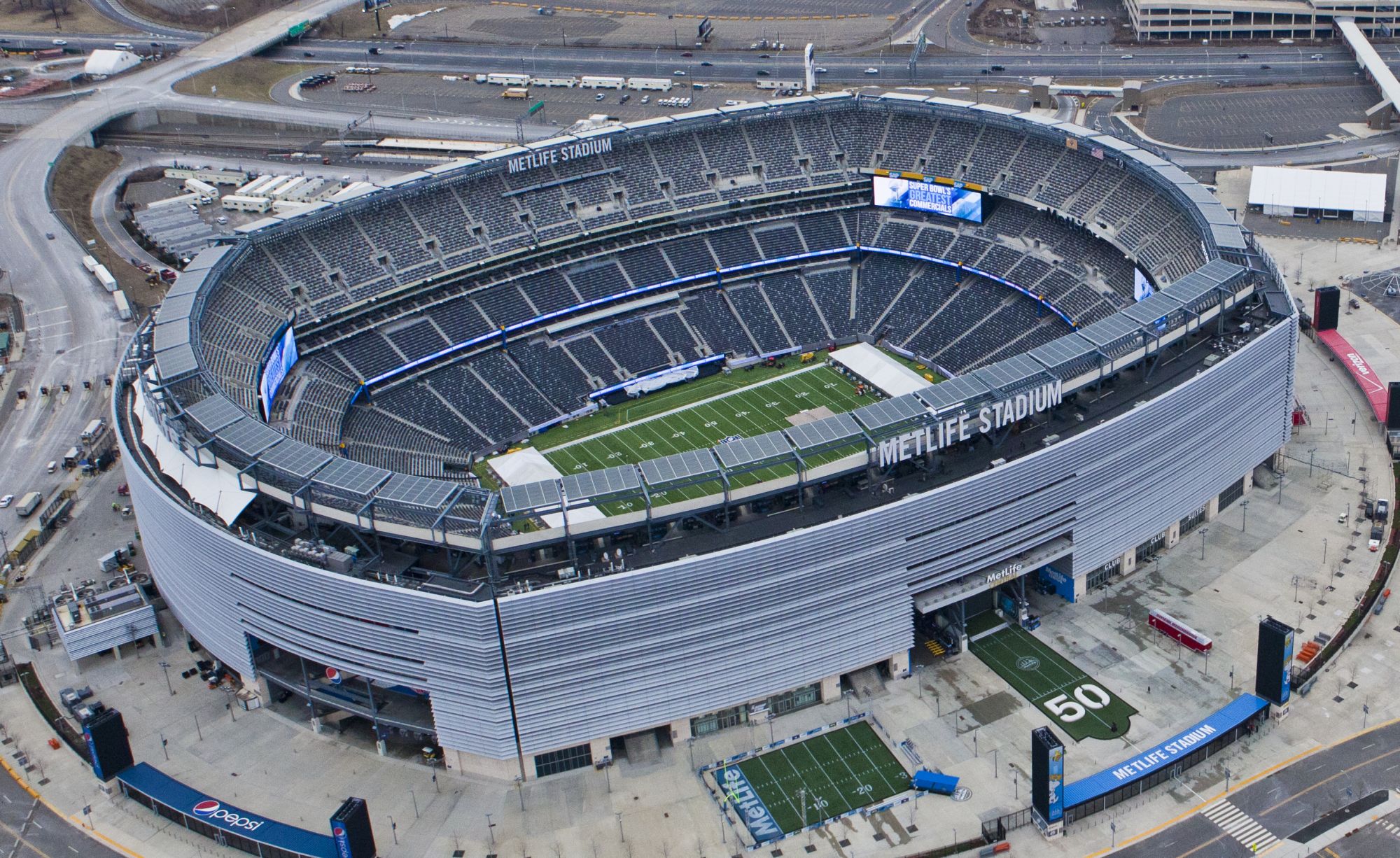
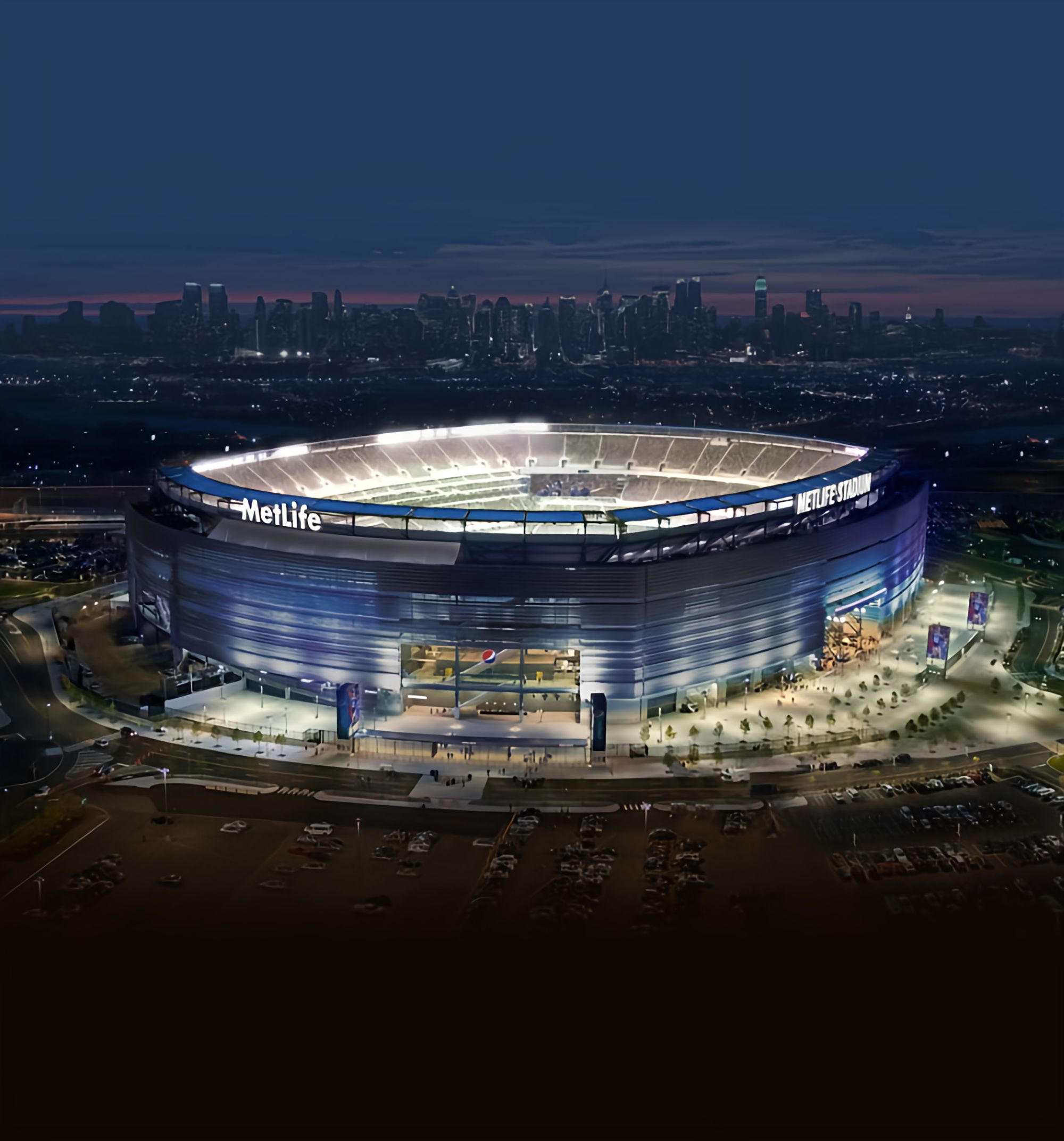
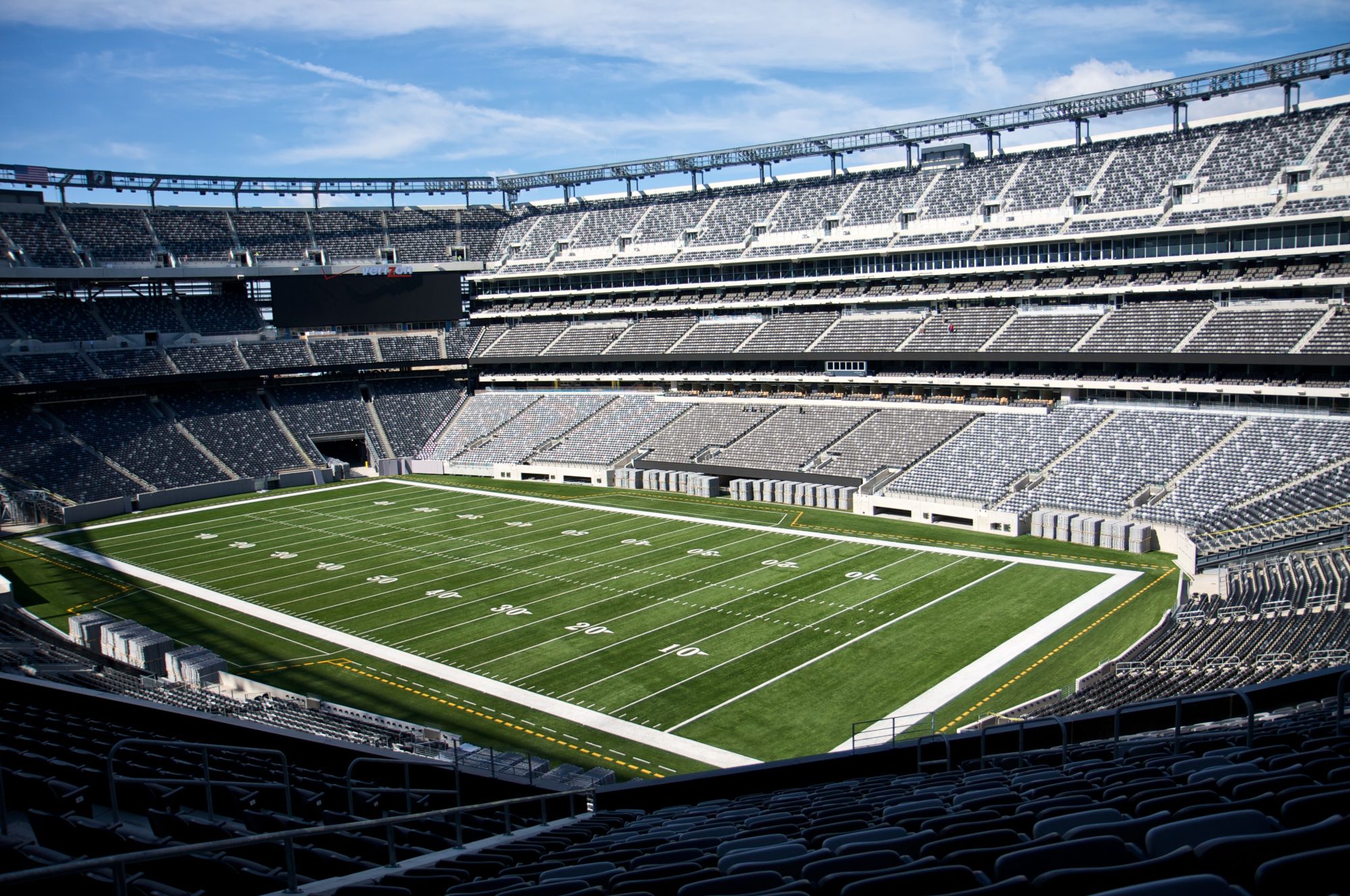
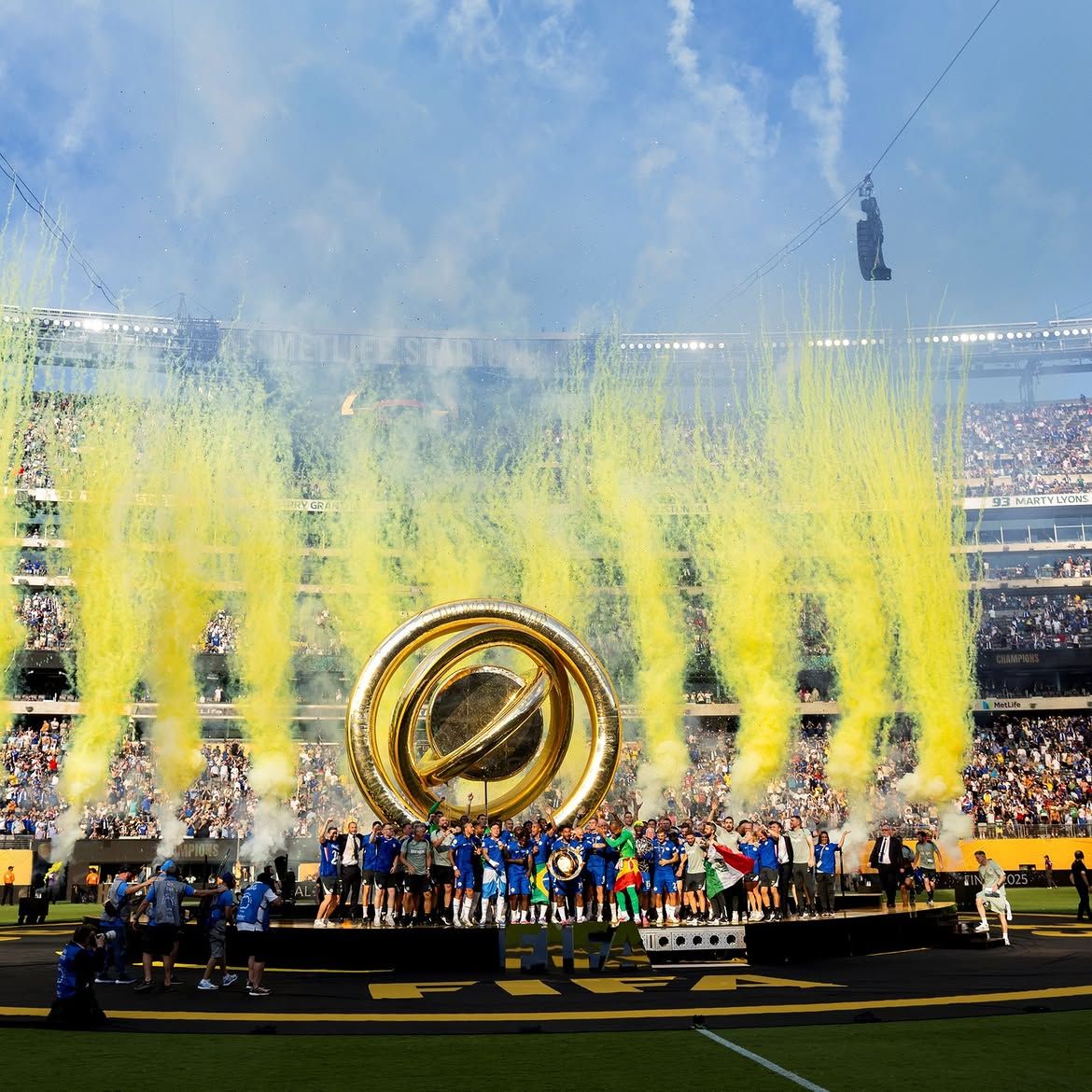
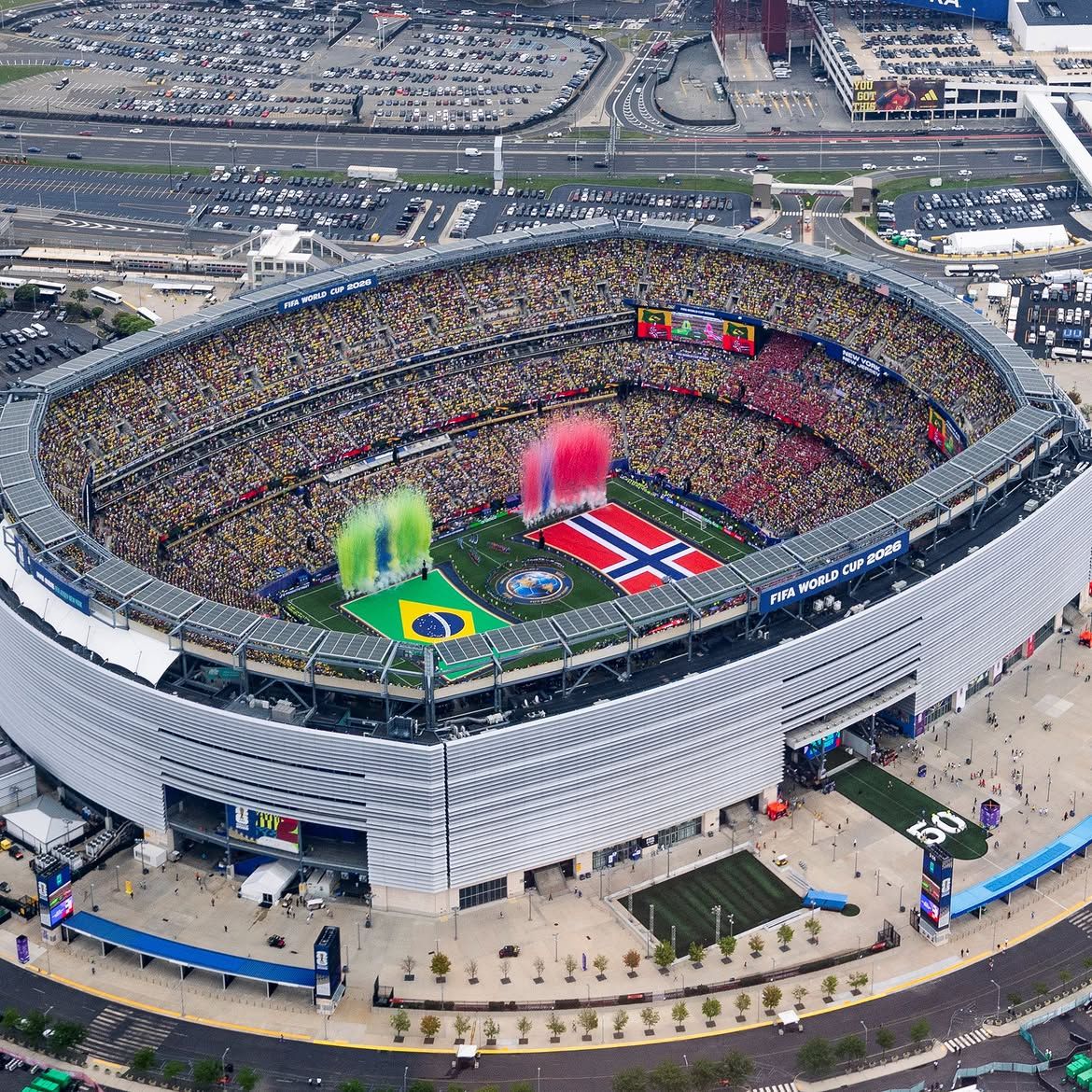
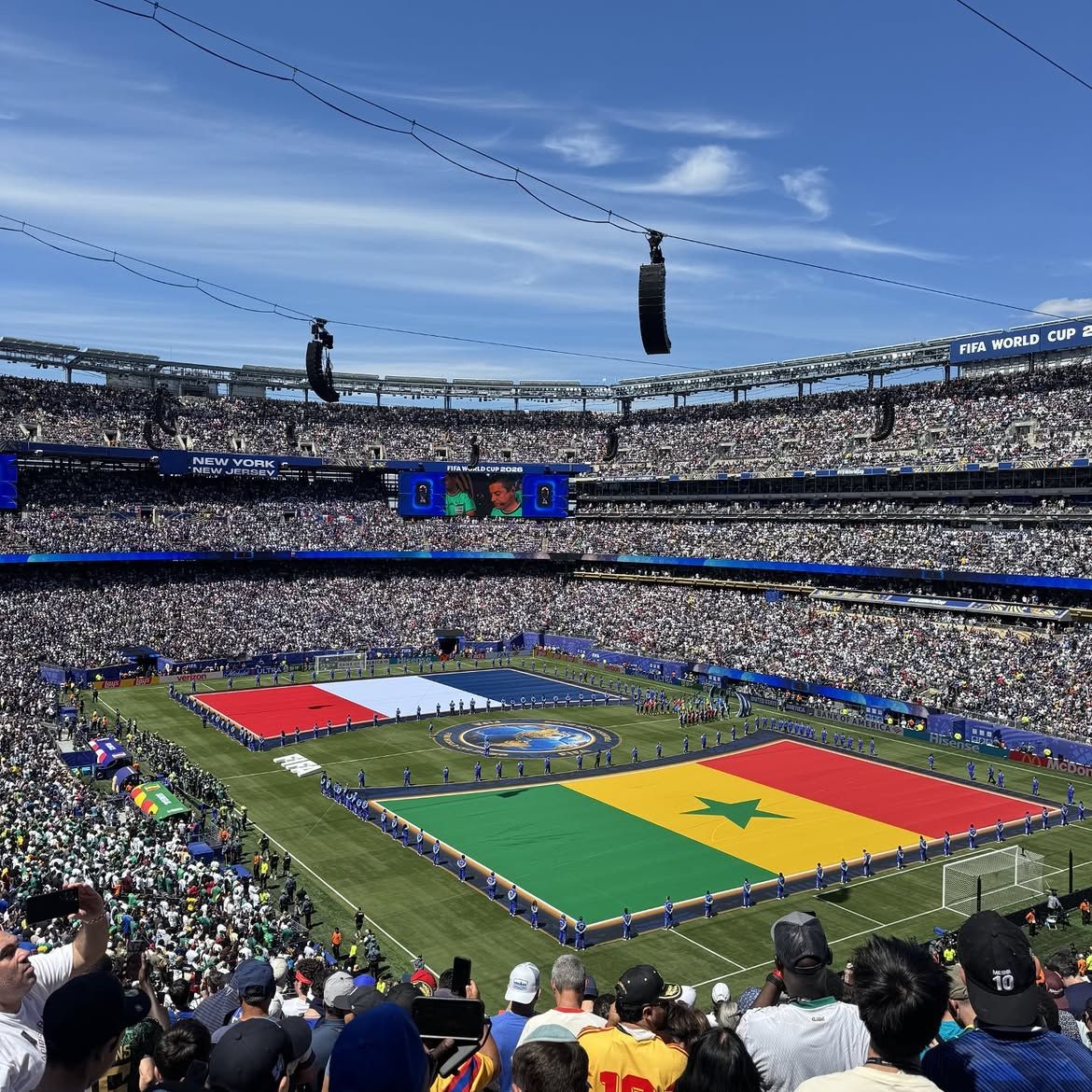
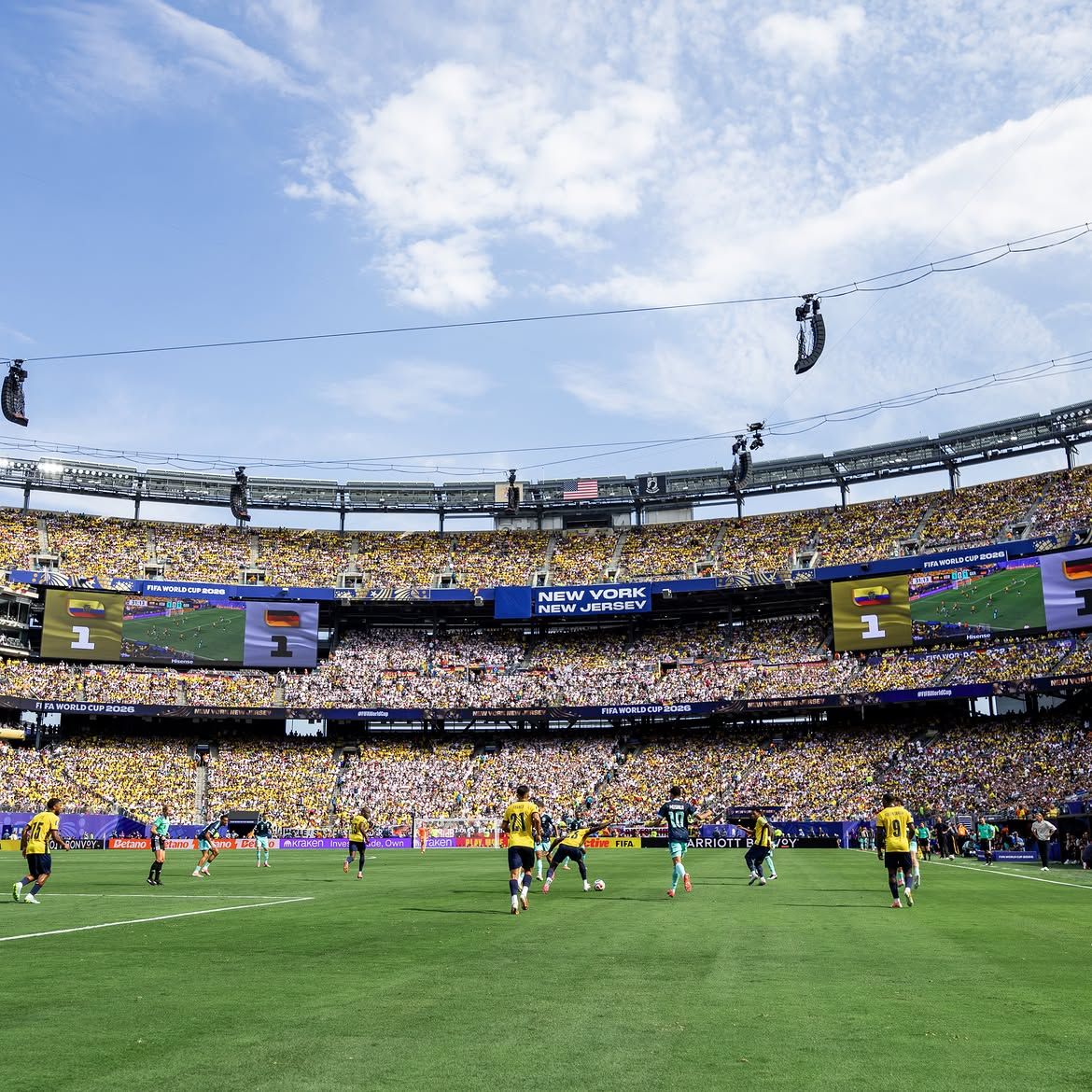
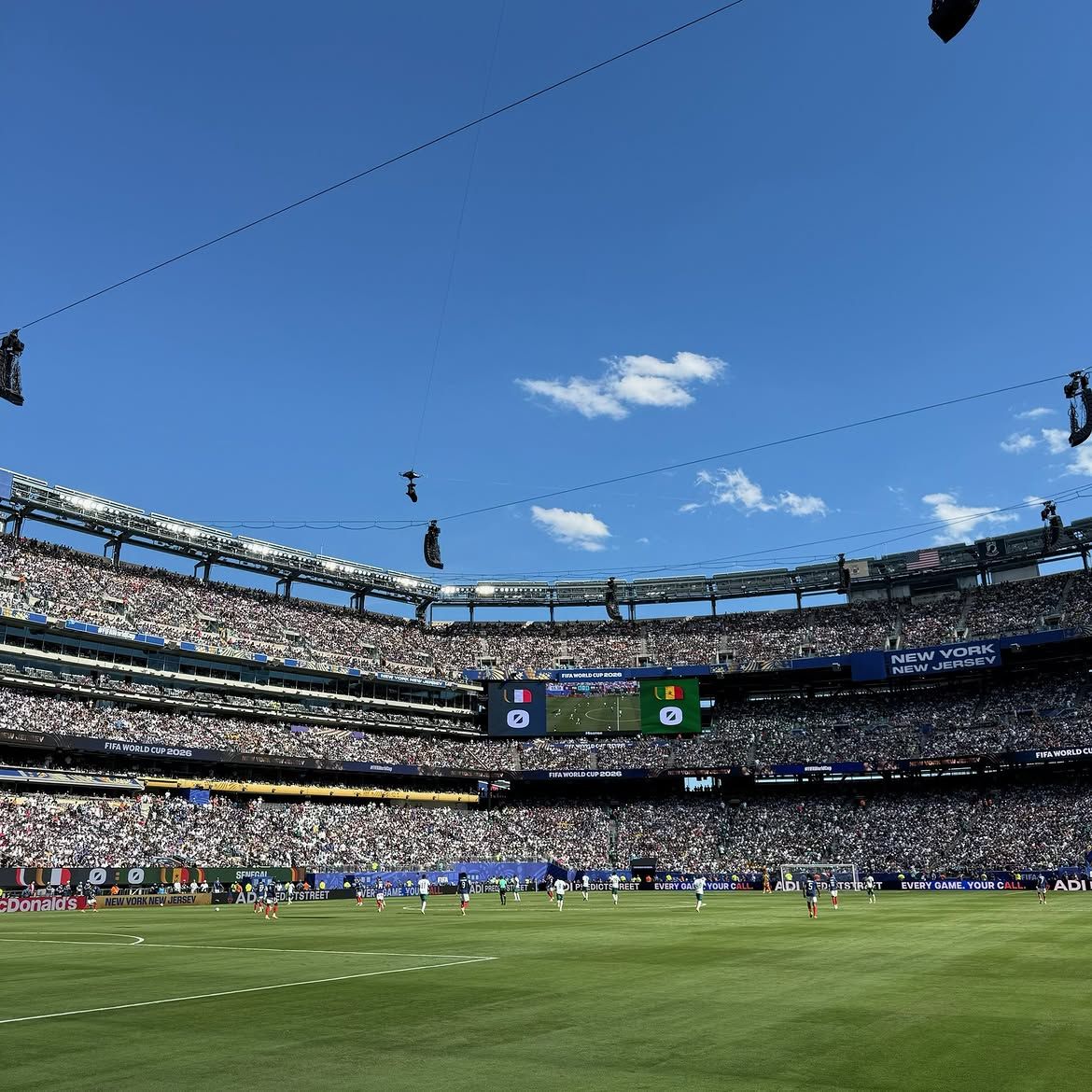
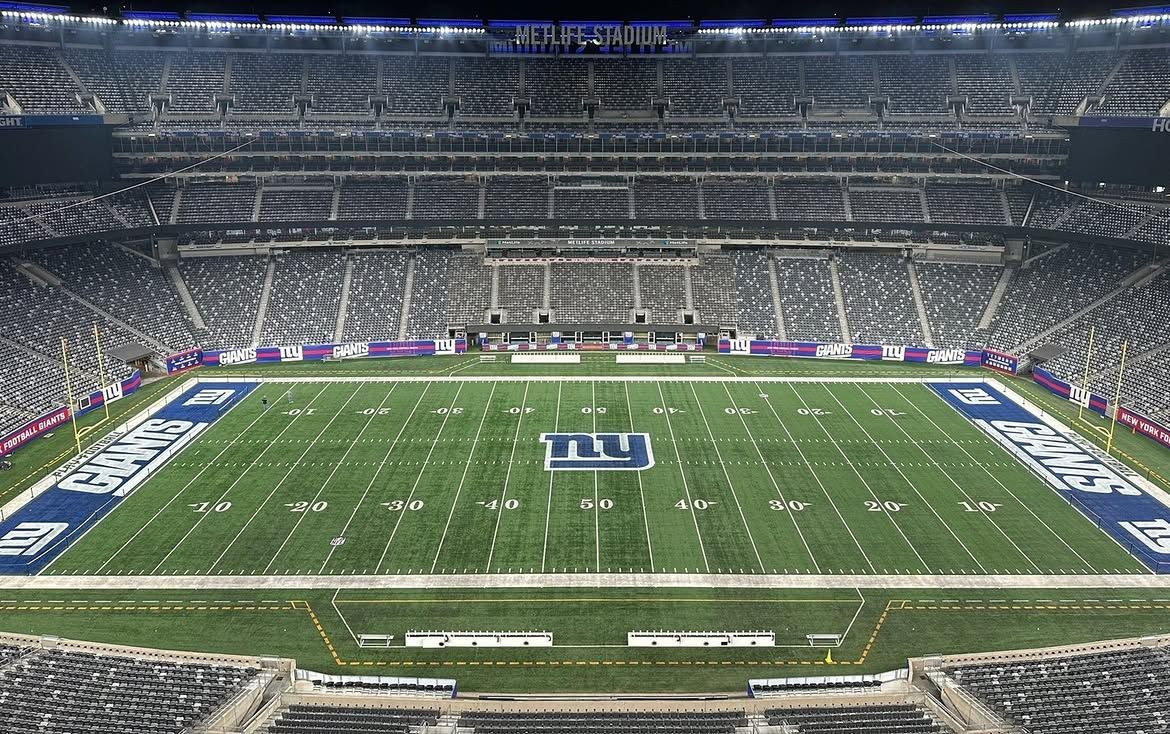
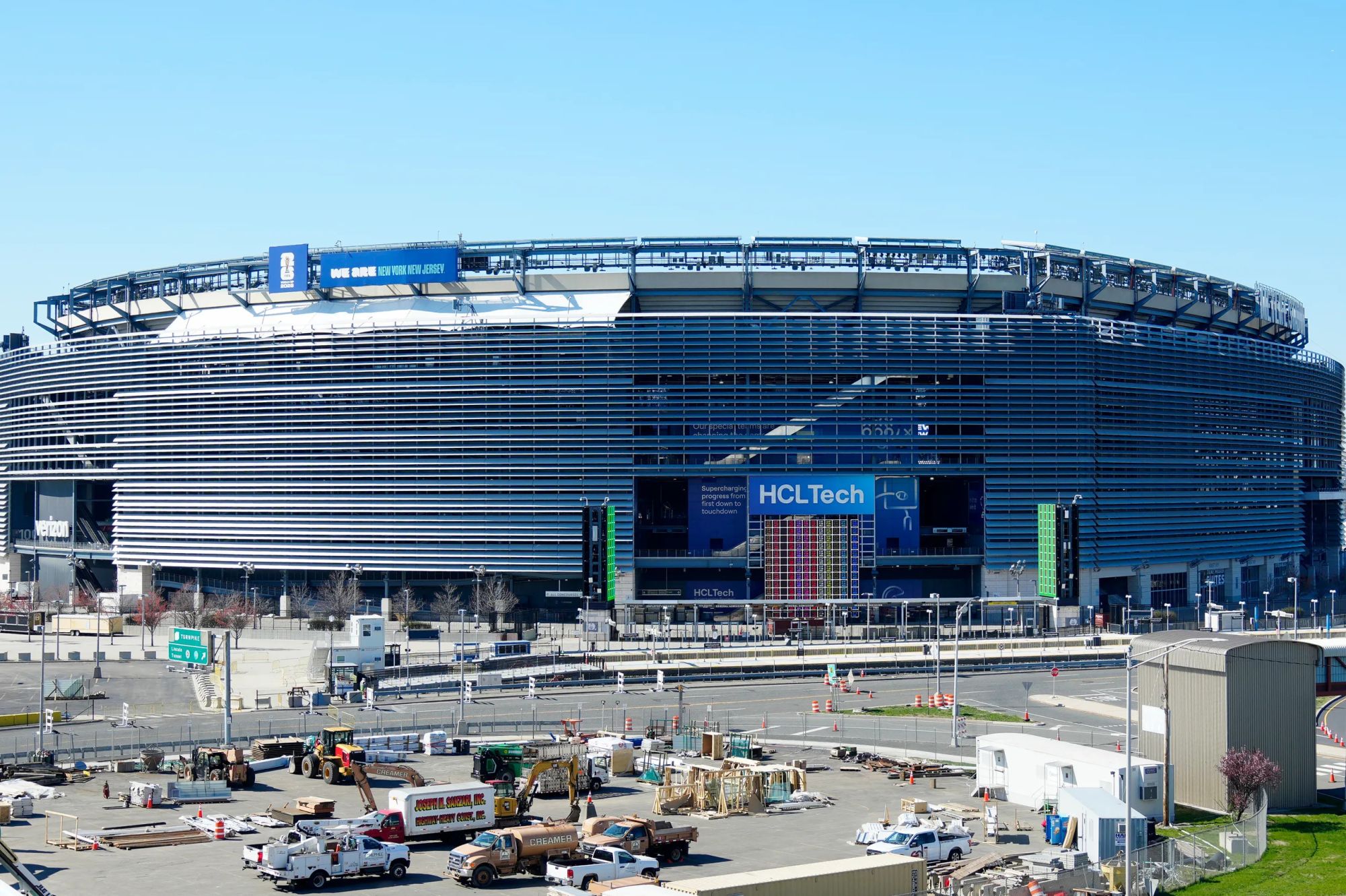
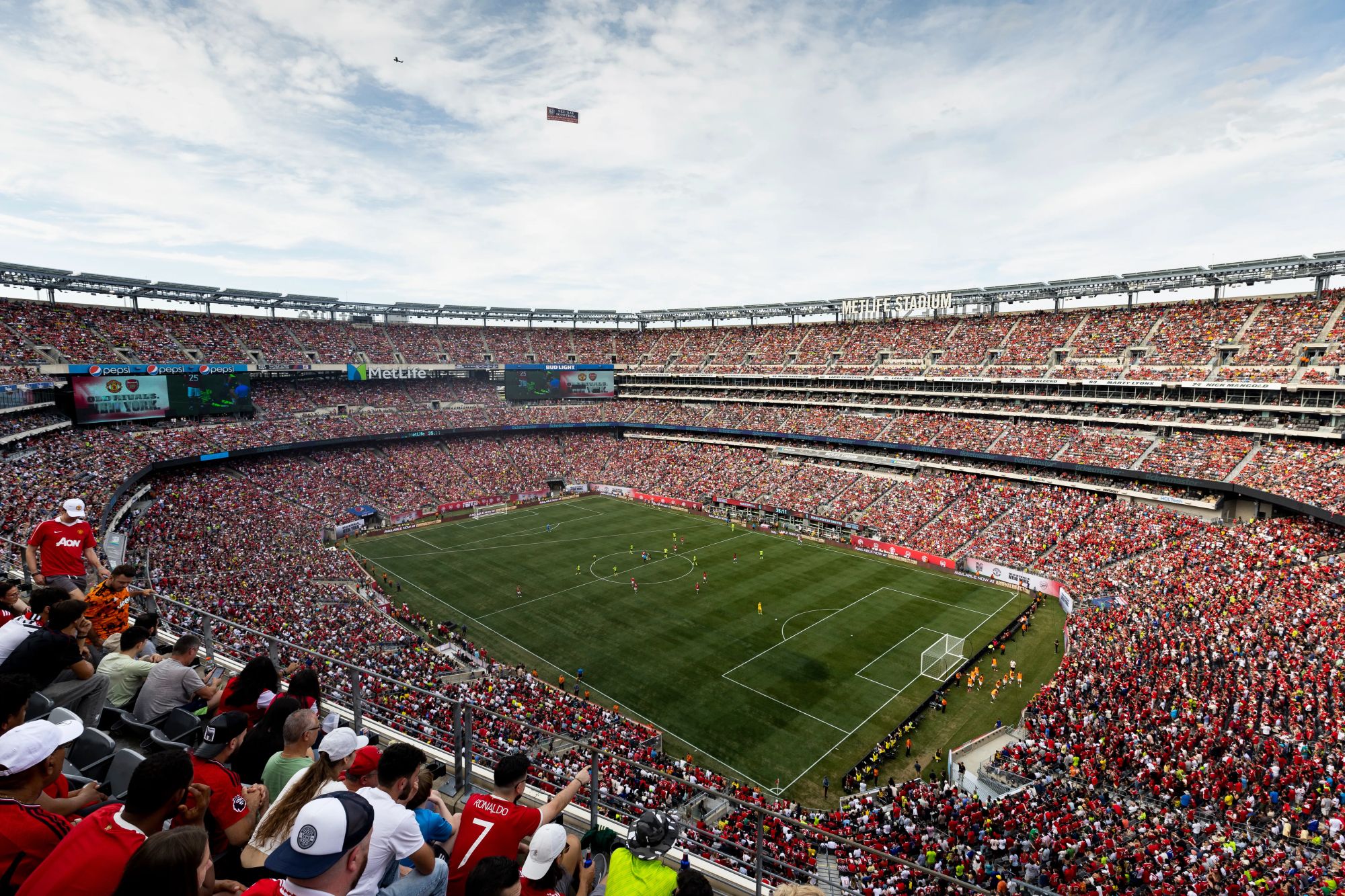
The MetLife Stadium is the stage for the 2026 FIFA World Cup final. As imposing as it is controversial, the venue was chosen to host the tournament's showpiece event because of the enormous economic impact it can generate thanks to its location just 11 kilometres from New York City. For the past 16 years, it has been the largest stadium in the NFL, serving as the home of New York's two American football franchises after replacing the historic Giants Stadium. Amid criticism over its aesthetics, the condition of its playing surface and the lack of a roof, the venue—temporarily renamed New York New Jersey Stadium at FIFA's request—must now deliver a flawless performance and shake off its damaged reputation.
The History Behind MetLife Stadium
The idea of building a new stadium for the New York area's two NFL franchises was born from a joint agreement between the five-time Super Bowl champions, the Giants and the Jets. Around 2006, the former Giants Stadium—despite being only in its 30th year of operation—was already considered outdated by American standards, making it one of the oldest venues in the league. After plans to build the publicly funded West Side Stadium in Manhattan were abandoned, the two franchises created a joint venture and privately financed a new arena, in a process similar to the one recently adopted by Inter and AC Milan for the new San Siro stadium.
The stadium is located in East Rutherford, a borough in Bergen County, New Jersey, within the Meadowlands Sports Complex, which also includes a horse racing track. Positioned in the first ring of suburbs surrounding New York City, it sits just seven miles from Midtown Manhattan. To make room for the new venue, the neighbouring Giants Stadium was demolished and replaced by a parking area serving the new complex. Initially named New Meadowlands Stadium as a tribute to its predecessor, the venue officially opened in 2010. A year later, in June 2011, insurance company MetLife acquired the stadium's naming rights for 25 years, securing them through 2036. Earlier, around 2008, Allianz had also expressed interest in purchasing the naming rights, as it had done with several stadiums across Europe. However, strong opposition from New York's Jewish community—stemming from the company's historical ties to the Nazi regime during World War II—ultimately brought the negotiations to a halt.
The criticism surrounding the stadium has never really subsided. In fact, it remains one of the least popular venues in the NFL, the competition it was primarily designed for. The reasons are numerous, ranging from the recurring injuries suffered by players to its rather uninspiring location and the inadequate public transport system for getting fans to and from the stadium. On top of that, despite its overall modern design, it still lacks any form of roof, limiting its potential as a world-class multi-purpose arena with a retractable cover.
The biggest events hosted at the stadium
As previously mentioned, the stadium officially opened on April 10, 2010, with the Big City Classic lacrosse tournament, following three years of construction. Less than a month after its inauguration, the friendly between Ecuador and Mexico marked the venue's football debut in front of 77,000 spectators. In February 2014, it reached one of the highest milestones in its history by hosting Super Bowl XLVIII, where the Seattle Seahawks defeated the Denver Broncos, accompanied by a spectacular halftime show featuring Bruno Mars, the Red Hot Chili Peppers and a special guest appearance by Nicki Minaj. Since then, because of updated NFL requirements favouring stadiums with a roof, it has not been selected to host another Super Bowl despite remaining the league's largest venue by capacity. After staging two quarter-finals of the 2015 Gold Cup, the stadium welcomed matches from the Copa América Centenario the following year, including the tournament final between Argentina and Chile, which the Chileans won on penalties.
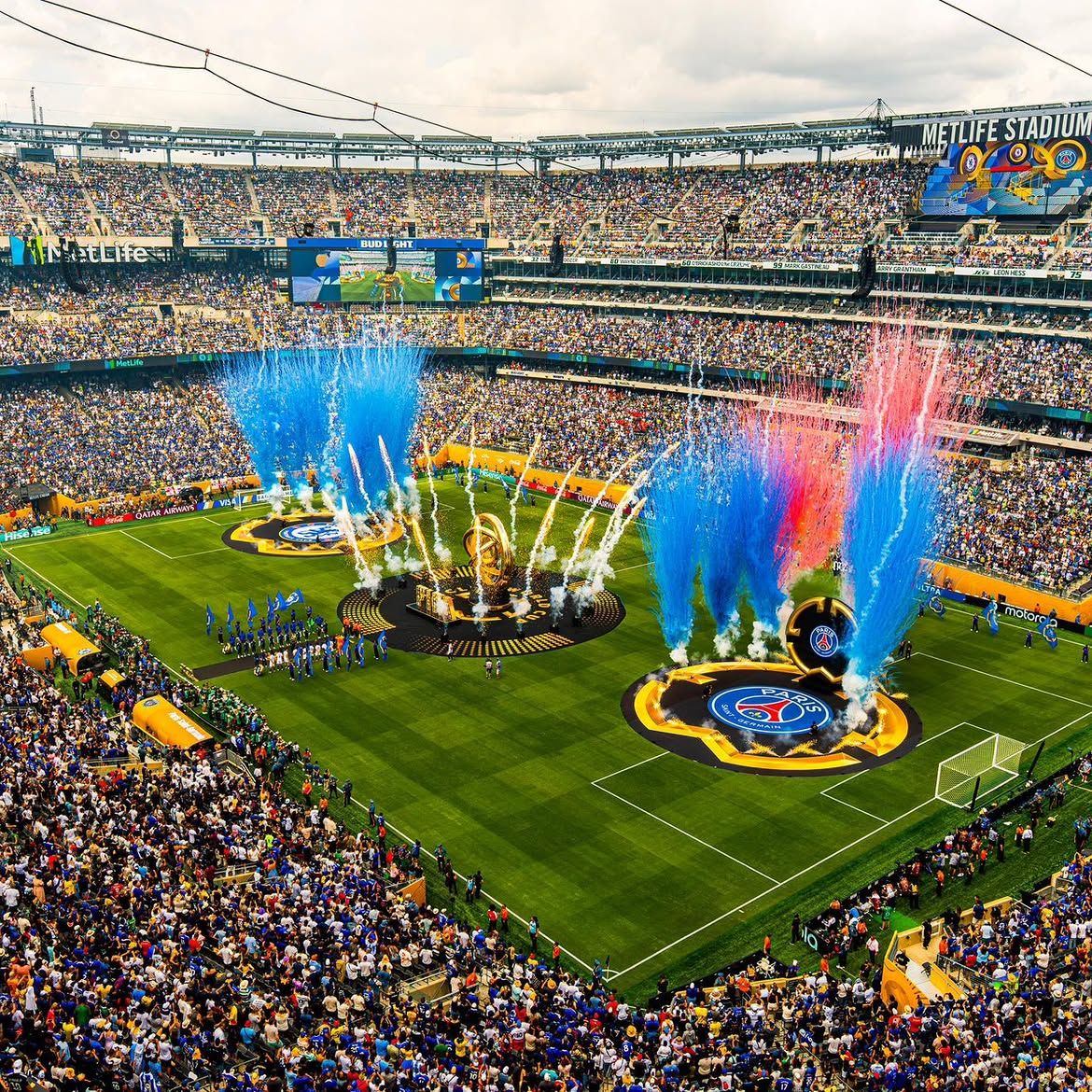
The stadium's football legacy continued through a series of summer friendlies involving Europe's biggest clubs, before the Copa América returned in 2024 with two group-stage matches and the semi-final between Argentina and Canada. Last year, the MetLife Stadium also served as the perfect dress rehearsal for a World Cup final by hosting the first-ever FIFA Club World Cup final, where Chelsea defeated Paris Saint-Germain 3-0. Now, after staging five group-stage matches at the 2026 FIFA World Cup, the Round of 32 clash between France and Sweden, and the Round of 16 meeting between Brazil and Norway, it is ready to write another chapter in football history by hosting the World Cup final itself.
Among the various adjustments required for the tournament, the MetLife Stadium was temporarily renamed New York New Jersey Stadium due to FIFA's commercial sponsorship regulations. The same process applied to every other World Cup venue, all of which were stripped of their commercial names in favour of neutral geographical designations. The stadium's calendar extends far beyond football. It has hosted countless concerts, outdoor NHL games, college football matchups, the annual Army–Navy Game, wrestling events and even climate-focused conventions, confirming its status as one of the most versatile venues in the United States.
Inside the stadium
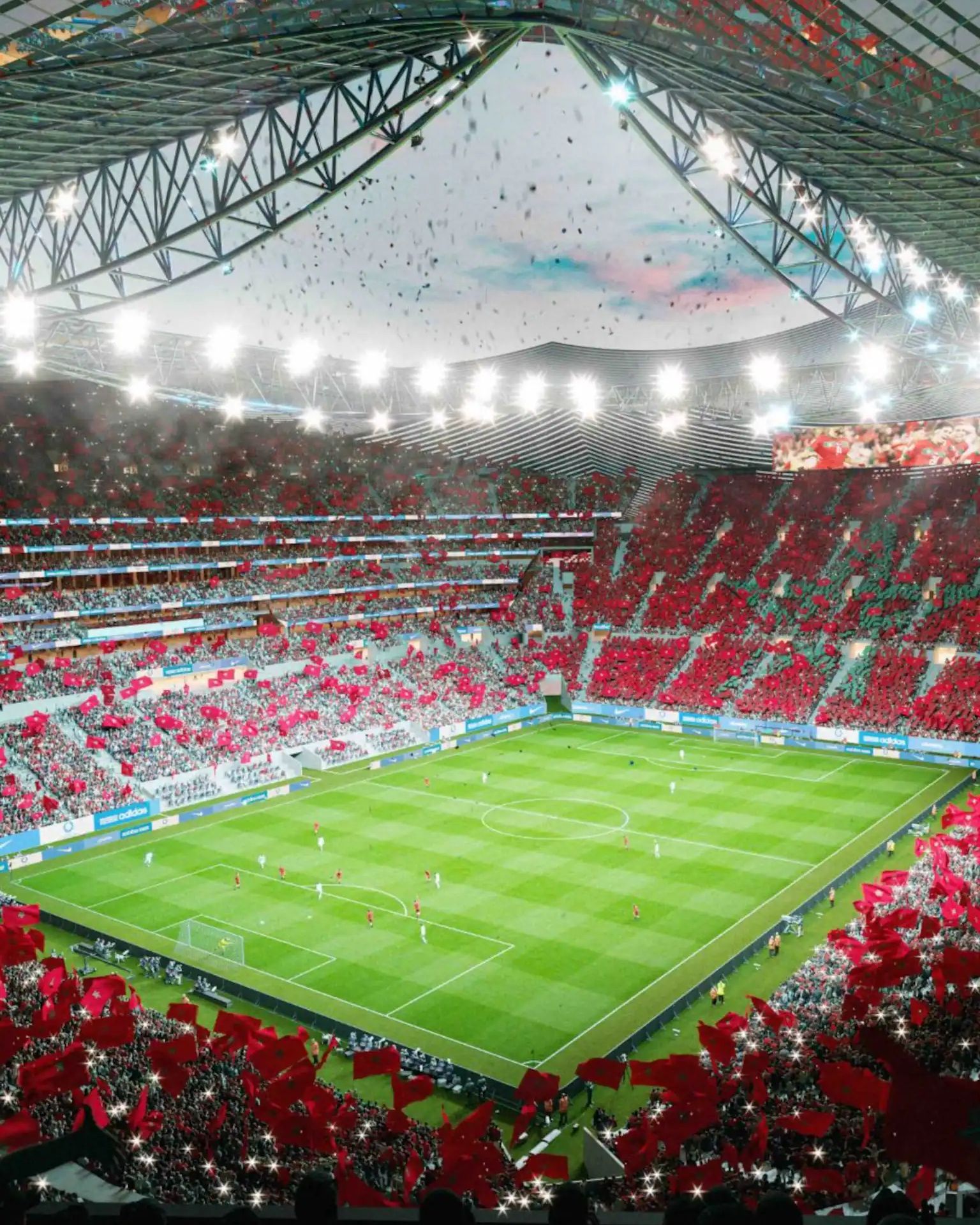
From an architectural perspective, the stadium remains one of the most debated venues in the United States, dividing opinion between supporters and critics. Its enormous capacity reaches 82,566 spectators, spread across three largely symmetrical tiers that also include 218 luxury suites. Despite its modern facilities, it still lacks any type of roof, limiting its potential as a fully enclosed, world-class arena with a retractable cover.
The exterior façade is one of the venue's defining features, the result of a compromise devised by the architects to satisfy the contrasting visions of its two tenants. The Giants, the older and more traditional franchise, wanted a façade showcasing exposed steel and stone, while the Jets—founded in the late 1950s—preferred a sleeker combination of glass and metal. The final design draws inspiration from the New York skyline, where towers and columns of varying heights create a dynamic urban landscape. The stadium's exterior therefore begins with a six-metre-high limestone-inspired stone base, above which rises a skin of aluminium louvres and glass panels. Solar panels line the upper perimeter of the building, contributing to its energy efficiency.
Every architectural element is finished in different shades of grey to avoid favouring either franchise visually. On game weekends, depending on whether the Giants or the Jets are playing at home, the stadium lights up in each team's colours through a sophisticated LED lighting system integrated into the façade, taking inspiration from Munich's Allianz Arena. On the field, the painted turf sections featuring each team's branding at either end of the pitch can be replaced within 24 hours. Previously, the logos were positioned at midfield, requiring the replacement of the most heavily used sections of grass. Today, however, they are applied using water-soluble paint. Thanks to the continuous bowl of seating surrounding the field, the stadium also offers a much louder atmosphere than the average NFL venue, many of which feature open corners that allow crowd noise to escape.
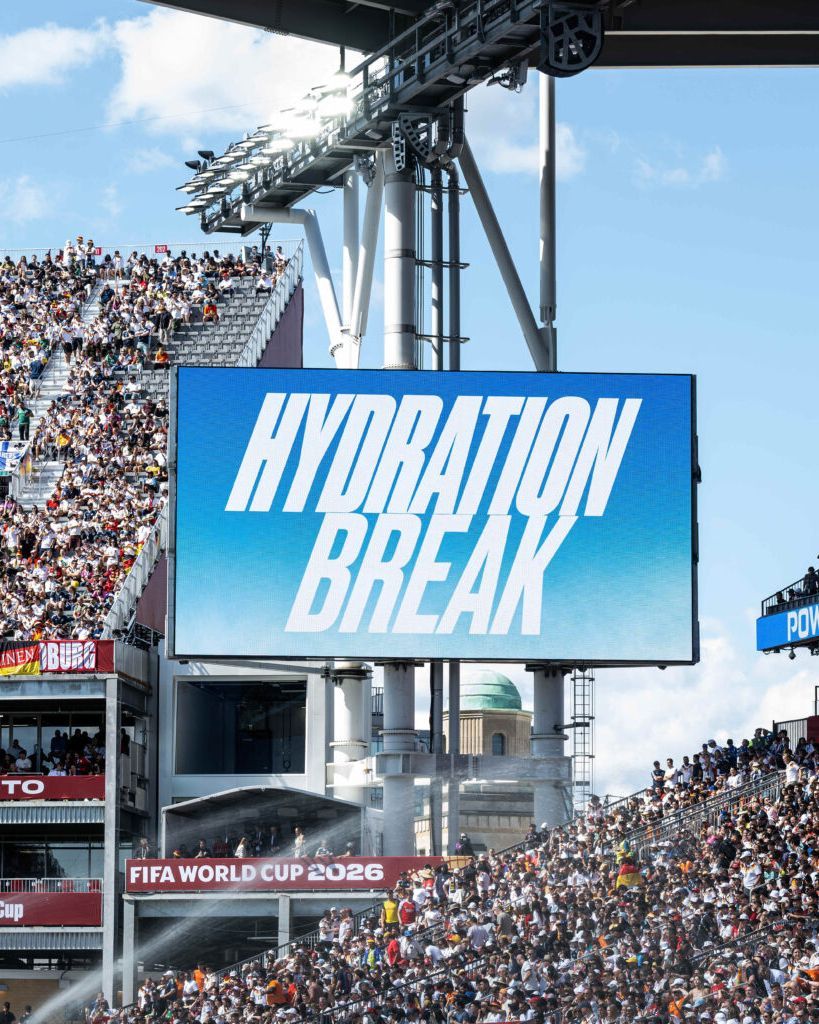
For the past three years, the stadium's permanent playing surface has been the artificial FieldTurf Core System, a dual-polymer monofilament turf designed to reduce player injuries. For the World Cup, however, a natural grass surface was installed, drawing criticism from Didier Deschamps, Adrien Rabiot and Vinícius Júnior, who described it as too hard. Four giant 9x35-metre video boards, positioned at each corner of the stadium, ensure spectators never miss a replay. Overall, the venue cost $1.6 billion to build, with construction beginning on September 5, 2007. The architectural consortium behind the project consisted of 360 Architecture, EwingCole, Rockwell Group and Bruce Mau Design.
The historic Giants Stadium
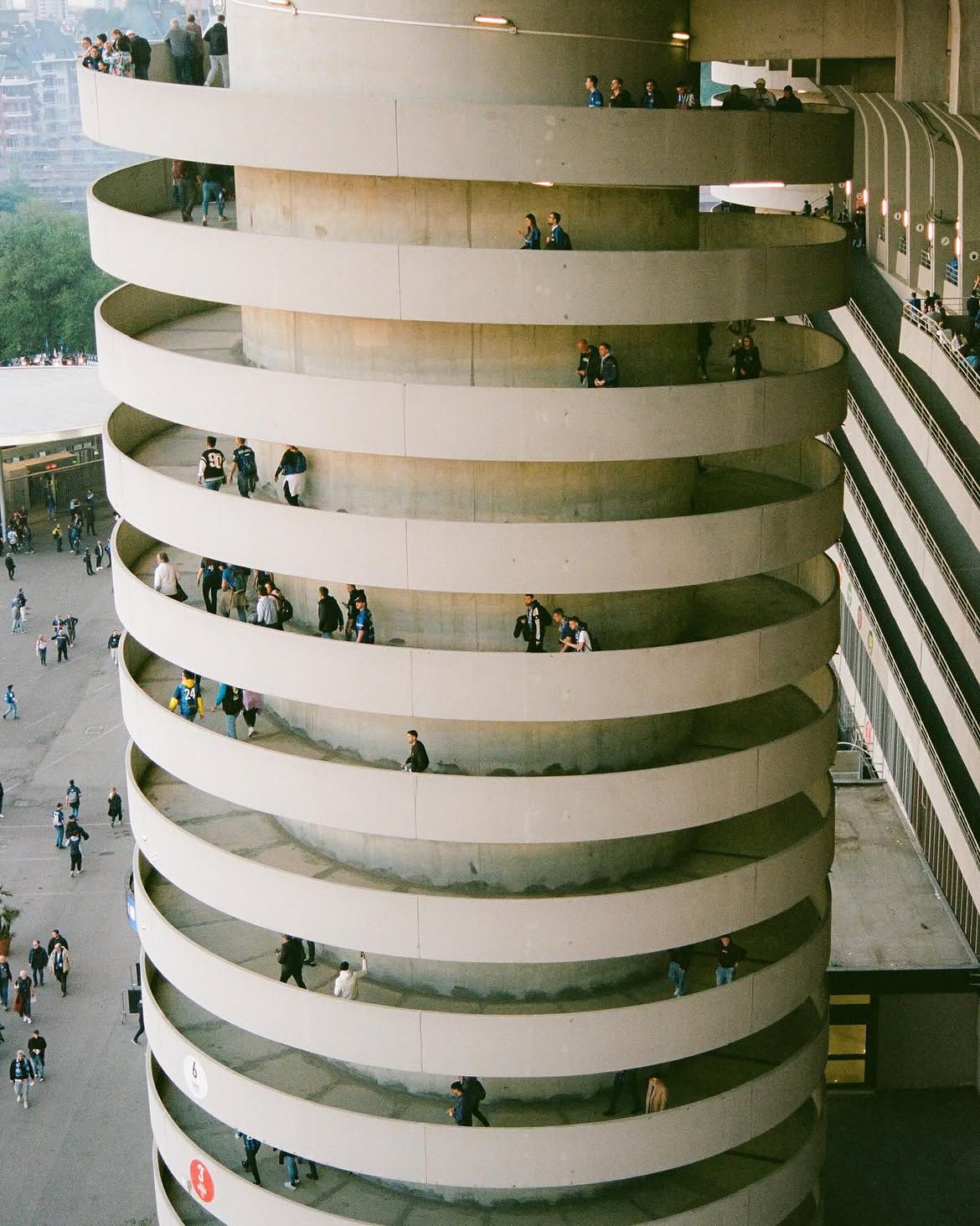
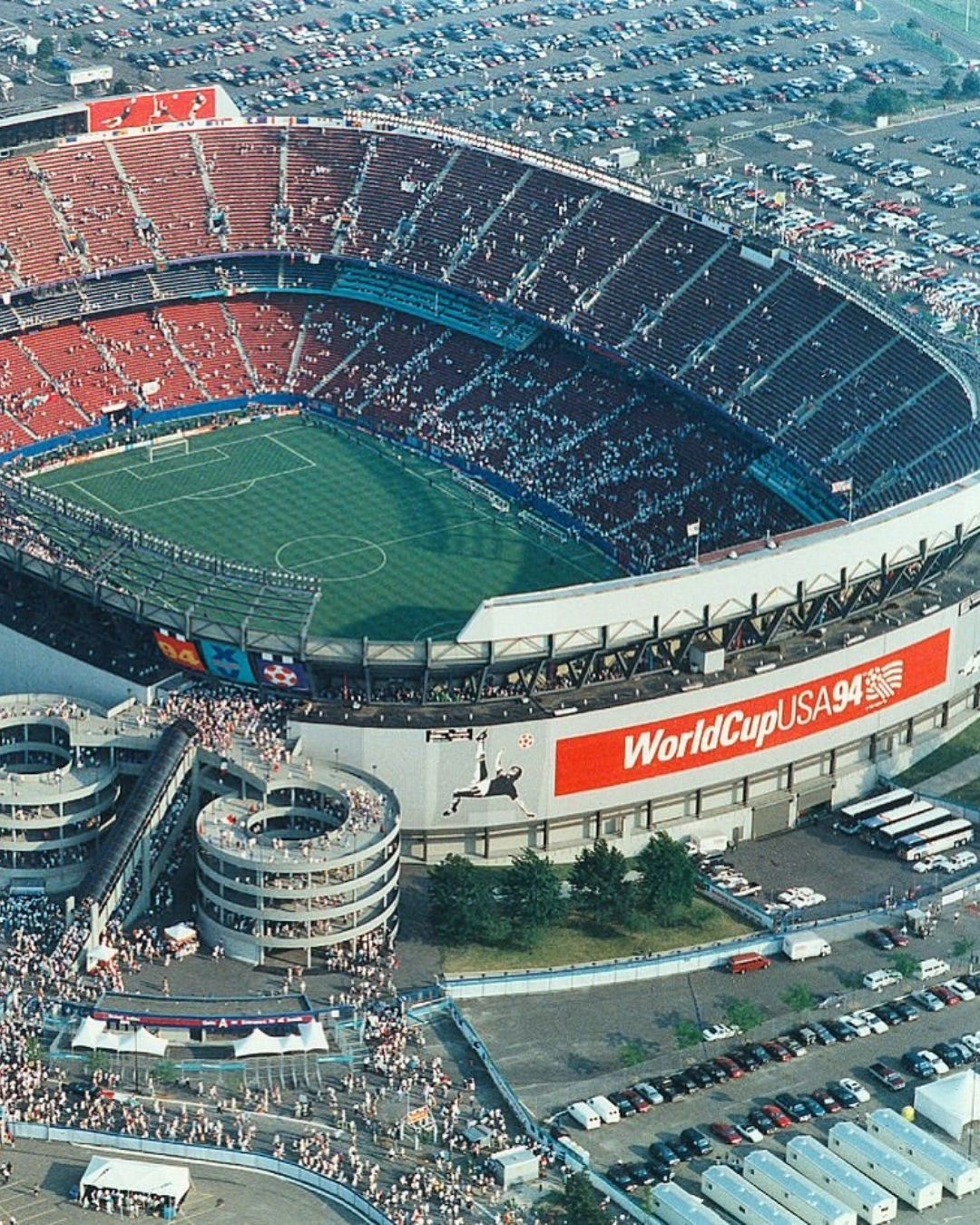
As its name suggests, the previous venue was first and foremost the home of the Giants. With a capacity of more than 80,000 spectators, it featured two large seating bowls connected by a smaller intermediate tier, with eight circular towers positioned at each corner. The Jets, by contrast, had never truly been able to call a stadium their own before moving to MetLife. From 1964 to 1983 they shared Shea Stadium with Major League Baseball's New York Mets, before spending the next 25 years in a venue that was, in every respect, synonymous with the Giants.
Beyond its primary role as an American football stadium, the venue—also known as the Meadowlands—enjoyed a remarkable footballing history. Between 1977 and 1984 it was home to the legendary New York Cosmos of Franz Beckenbauer, Giorgio Chinaglia and Pelé. It was here, on October 1, 1977, that O Rei bid farewell to professional football in an exhibition match against his beloved Santos, with sporting icons such as Muhammad Ali and Bobby Moore watching from the stands.
The stadium was later used seven times during the 1994 FIFA World Cup in the United States, while in 2003 it hosted the Italian Super Cup between AC Milan and Juventus. It also served as the home of the New York Red Bulls for 14 years during the club's early MLS era. Yet Giants Stadium also became the centre of one of America's most enduring urban legends. For years, many believed that the remains of labour union leader Jimmy Hoffa had been buried beneath midfield, largely because his disappearance coincided with the stadium's construction. An episode of MythBusters dedicated to the story, along with the complete absence of any human remains during the stadium's demolition in 2010, ultimately laid the myth to rest.