History and aesthetic of Champions League's special kits From 1992 to present day
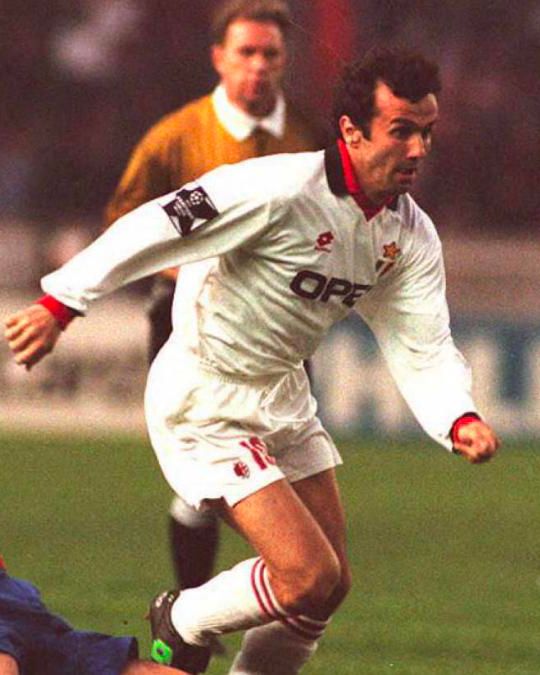
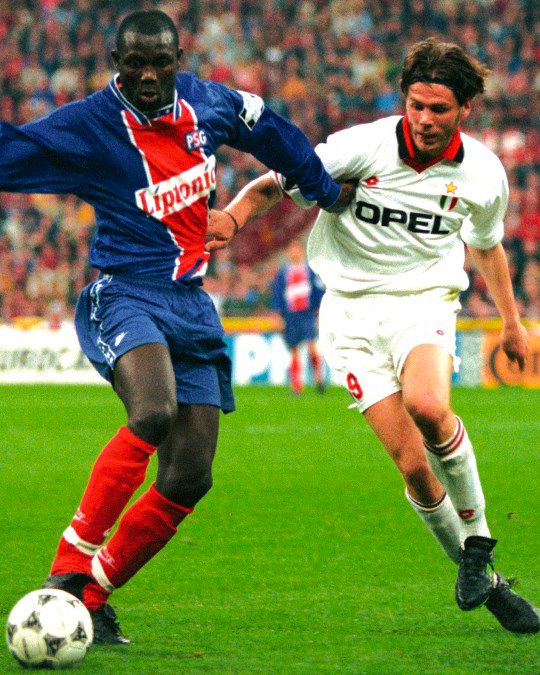
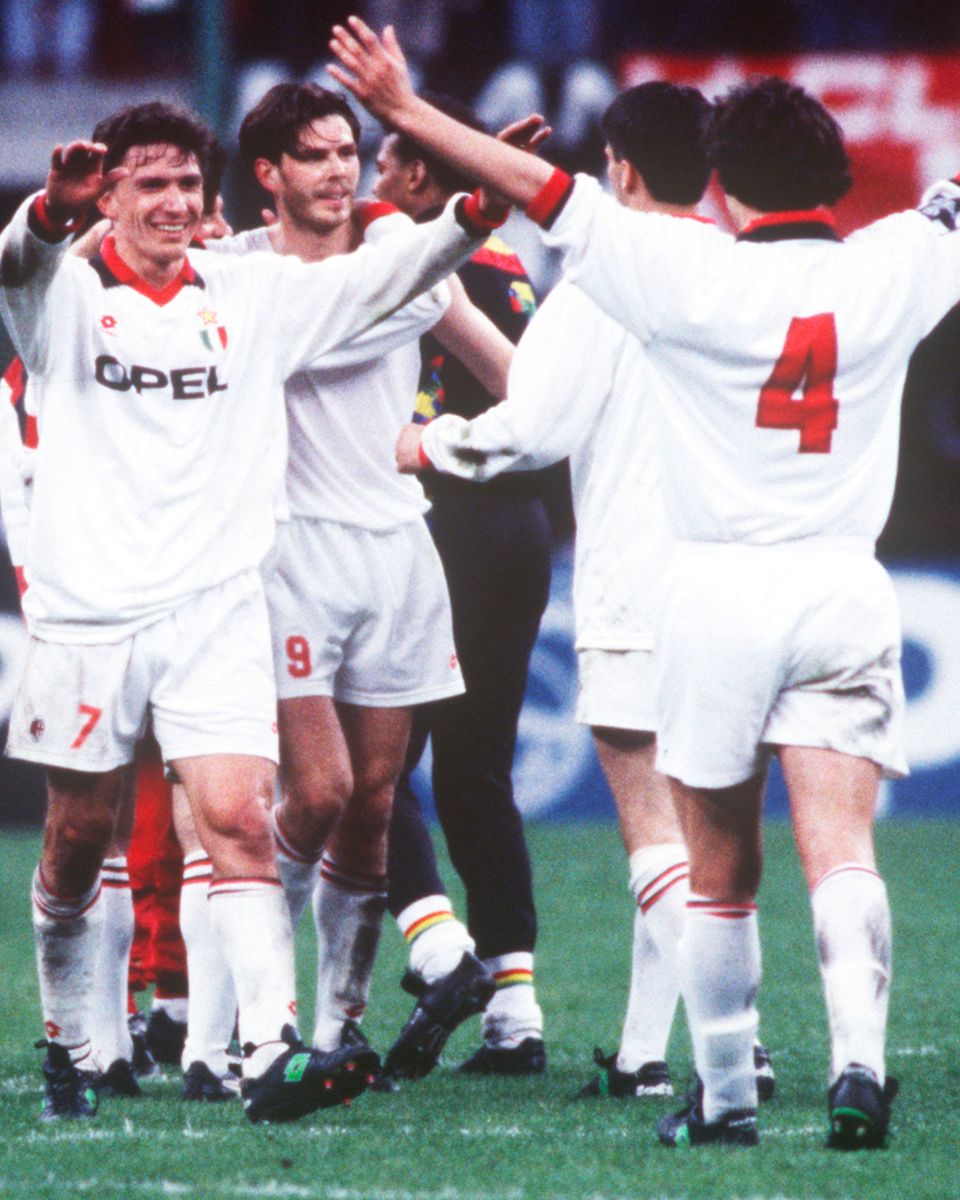

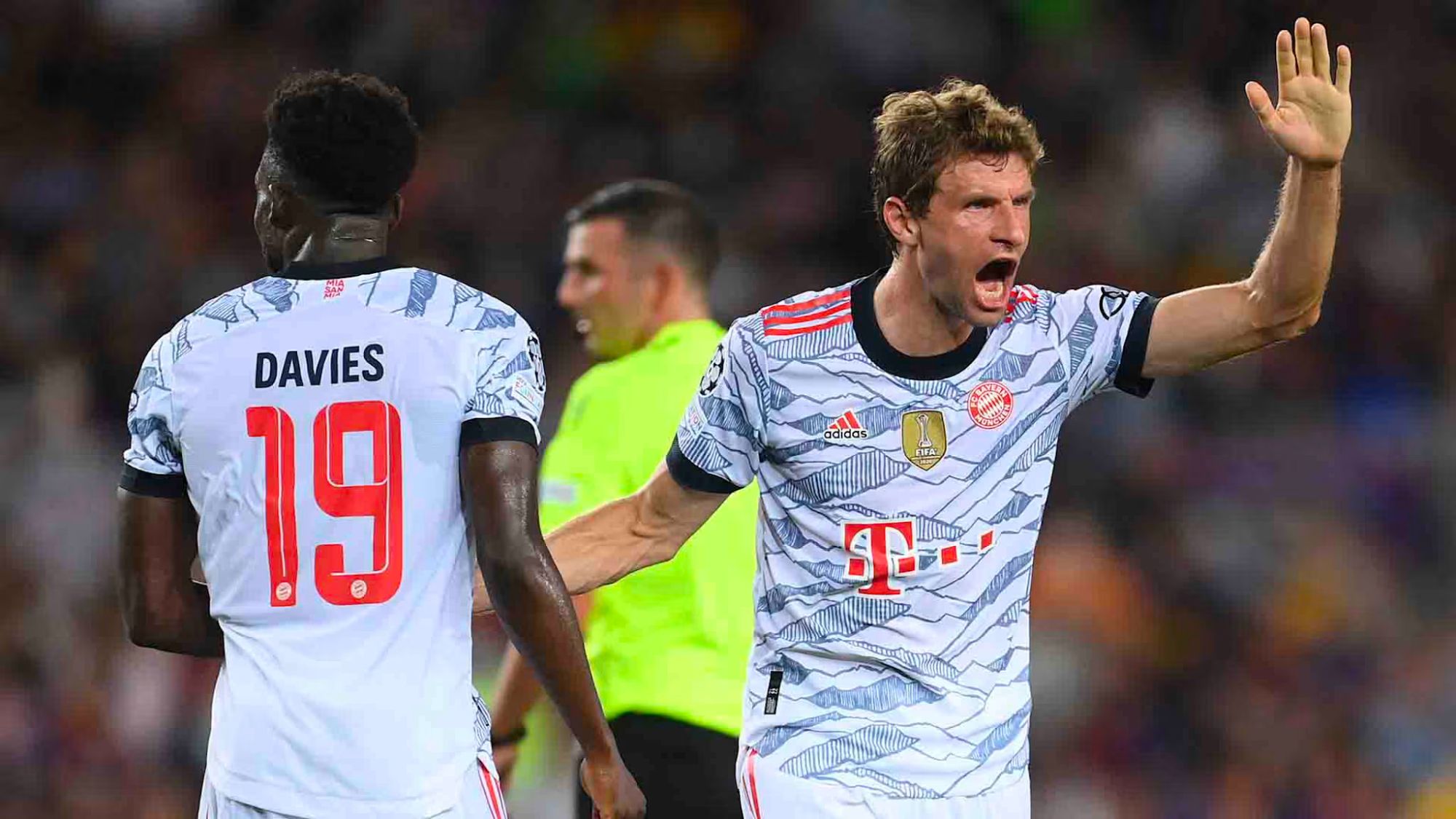
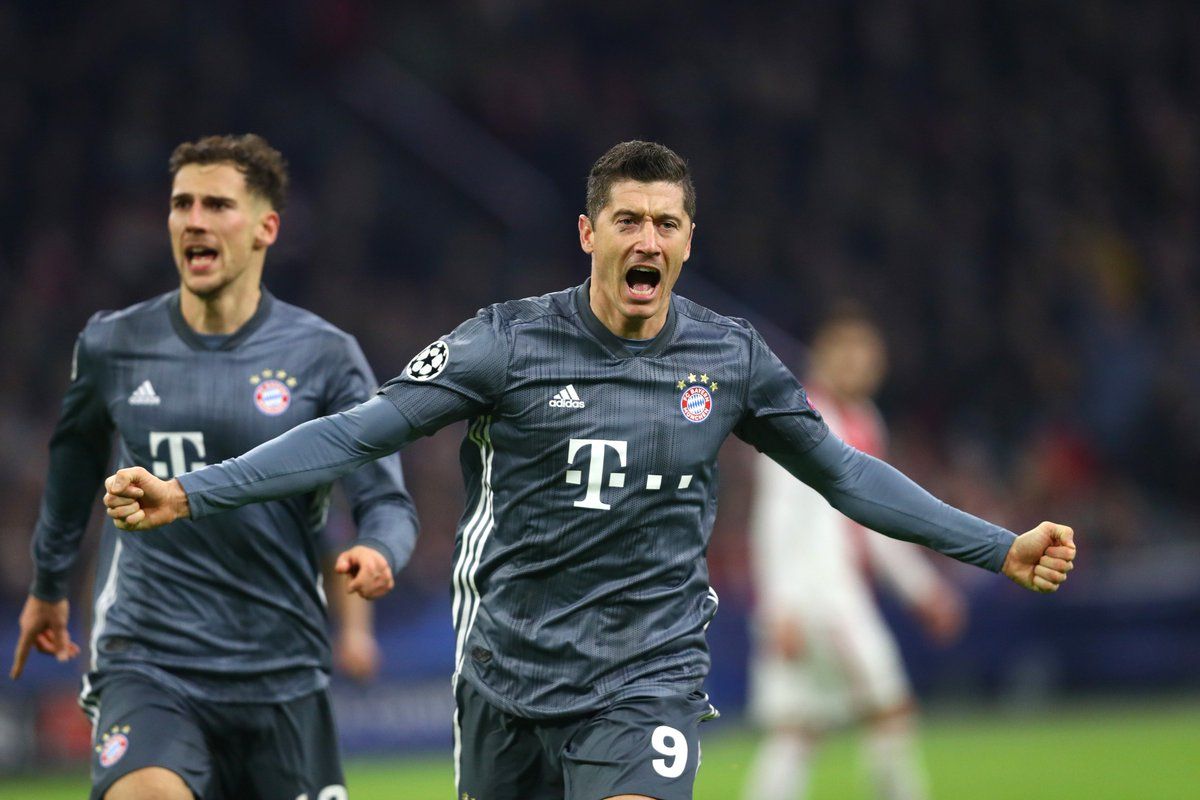
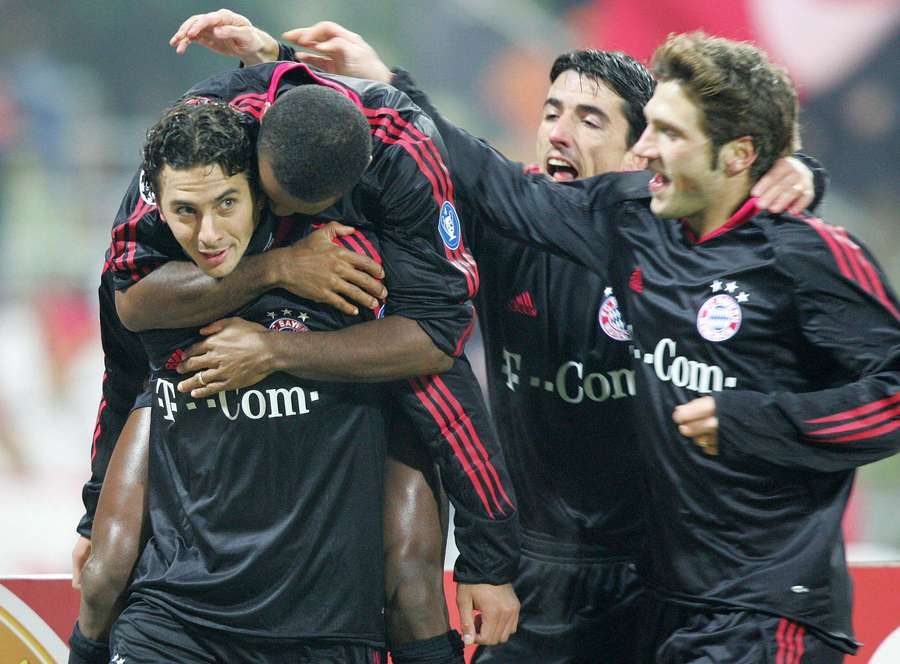
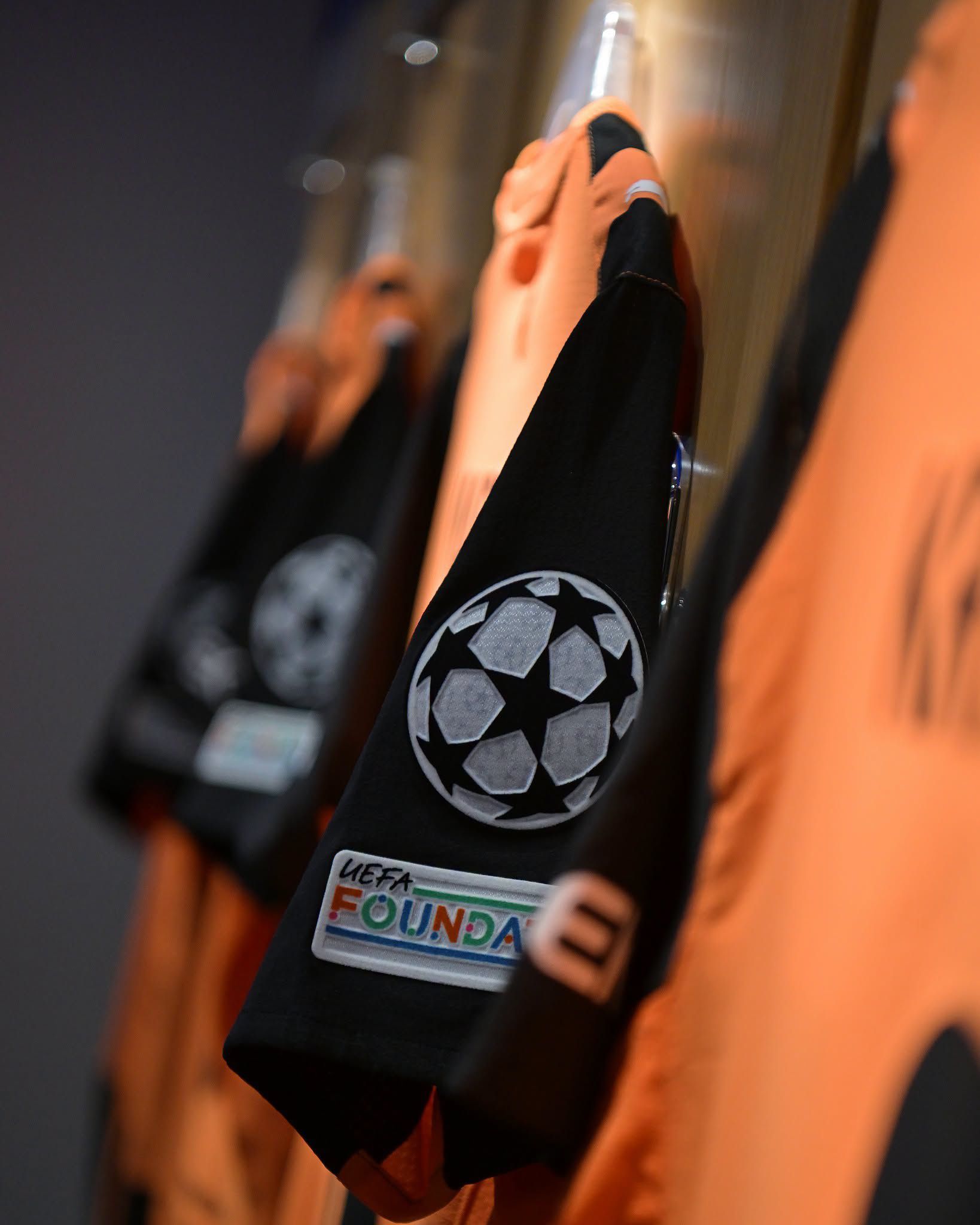
The history of the Champions League is marked by iconic moments, extraordinary goals, legendary matches, and special jerseys. Jerseys that brands and clubs have developed to be worn exclusively in this competition, without being reused in the domestic league or in any other competition. A tradition that has its roots in the mid-1990s, coinciding with UEFA’s decision to carry out the most important rebranding in football history, renaming the old European Cup with the name of the tournament that is now the most recognized worldwide.
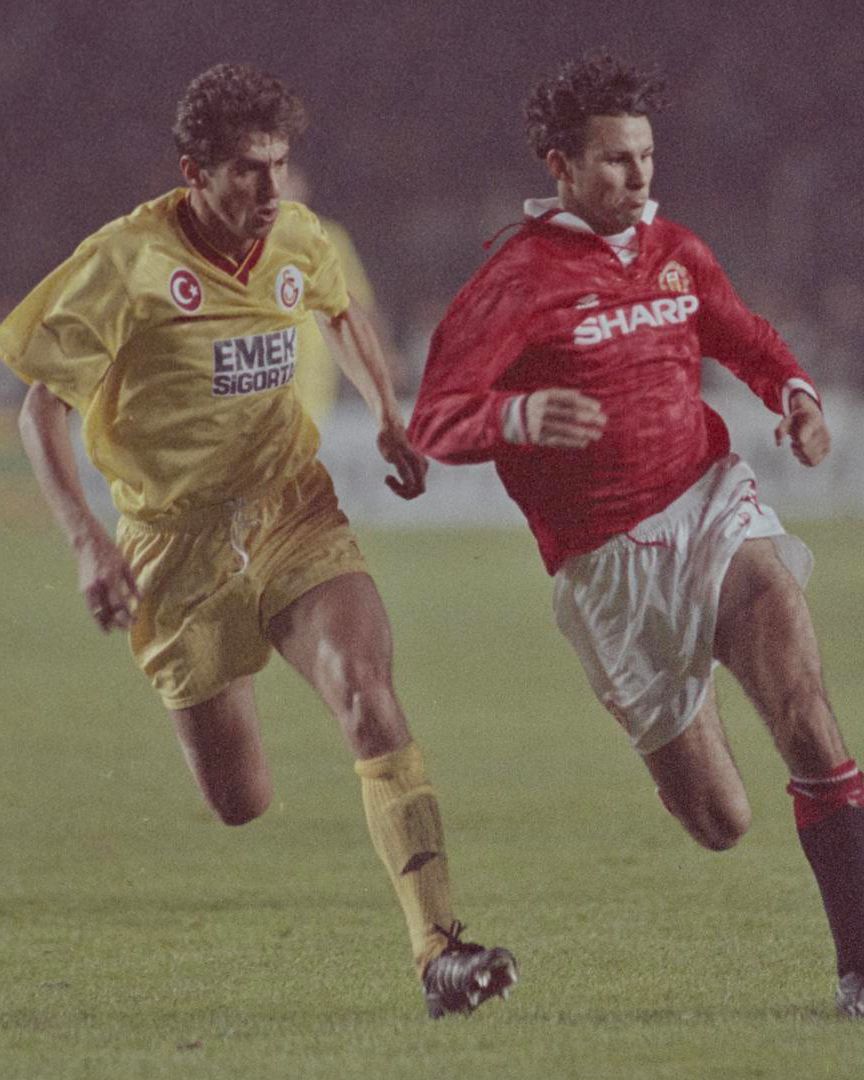
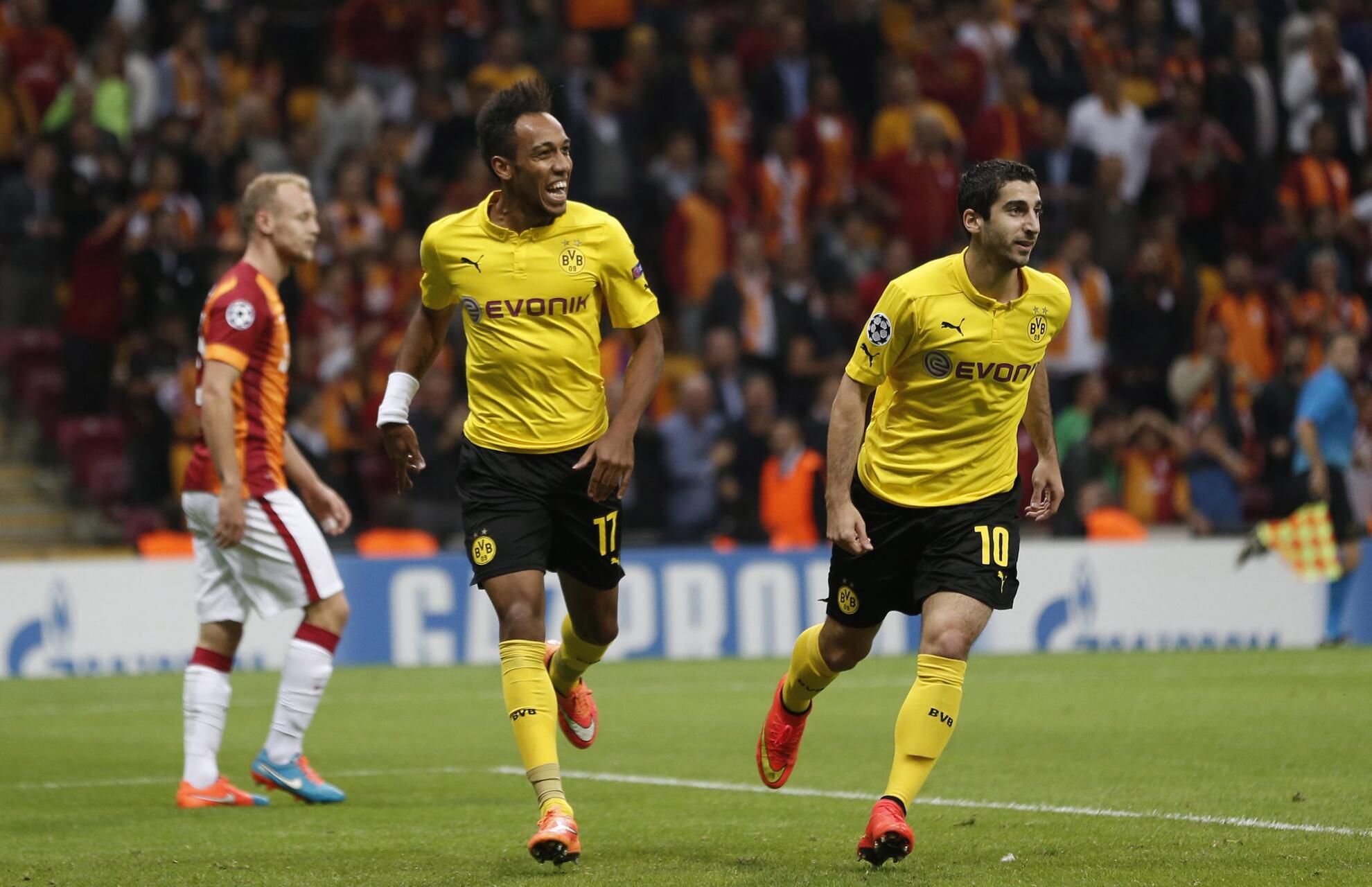
Galatasaray was one of the first teams to use a special jersey dedicated to the Champions League when Umbro, in the 1993/94 season, created a solid yellow jersey to be worn on European nights instead of the yellow-and-red bicolor kit that the Istanbul team usually wore in the domestic league. That same jersey was also used during the 1994/95 season, a season in which AC Milan also decided to introduce a special jersey for the Champions League: an all-white kit worn in all the matches from the quarter-finals up to the final in Athens against Ajax, which replaced both the classic red-and-black striped jersey and the Away kit of that season — also white, but featuring a red stripe with black details at the top, used during the group stage and throughout the league season.
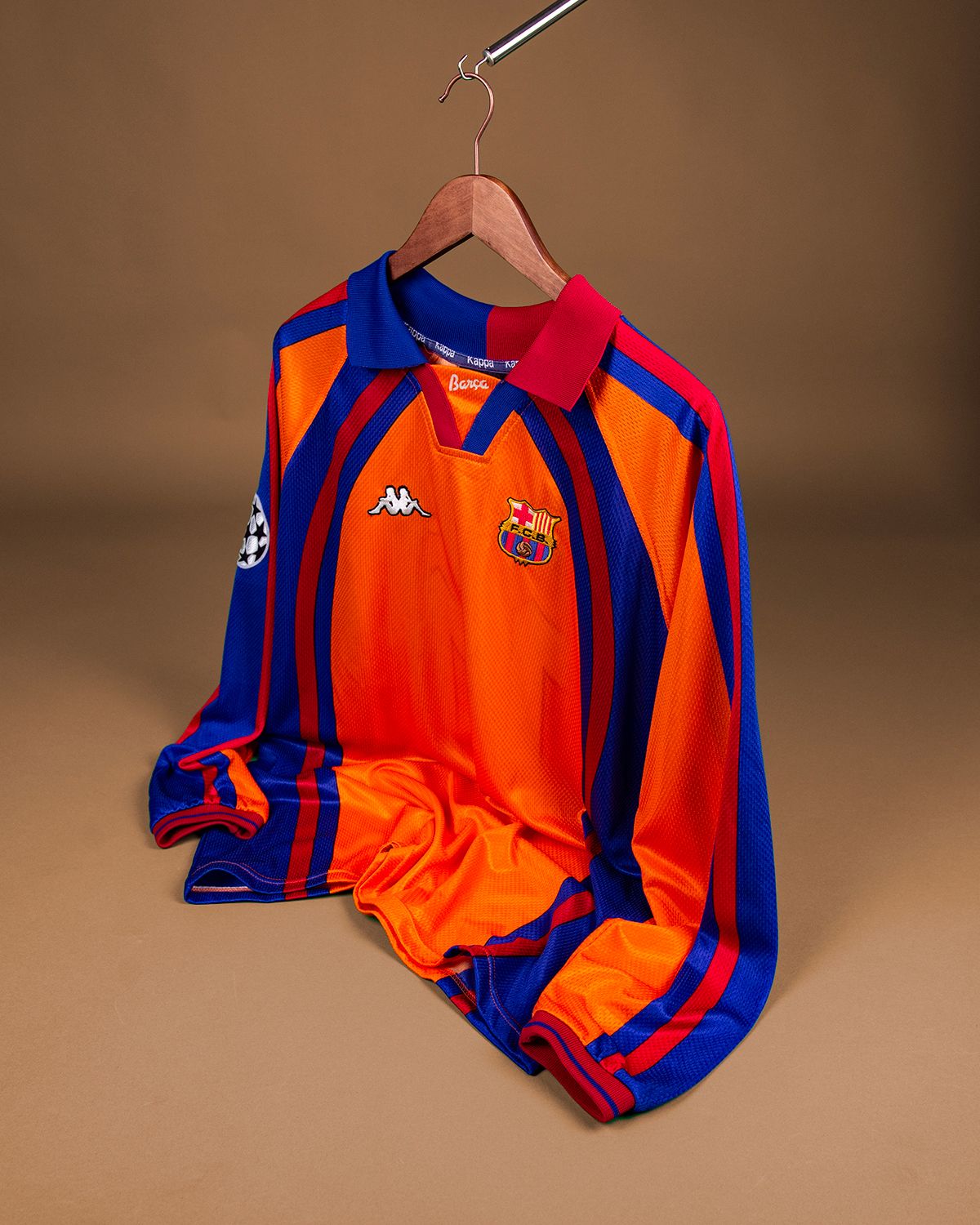
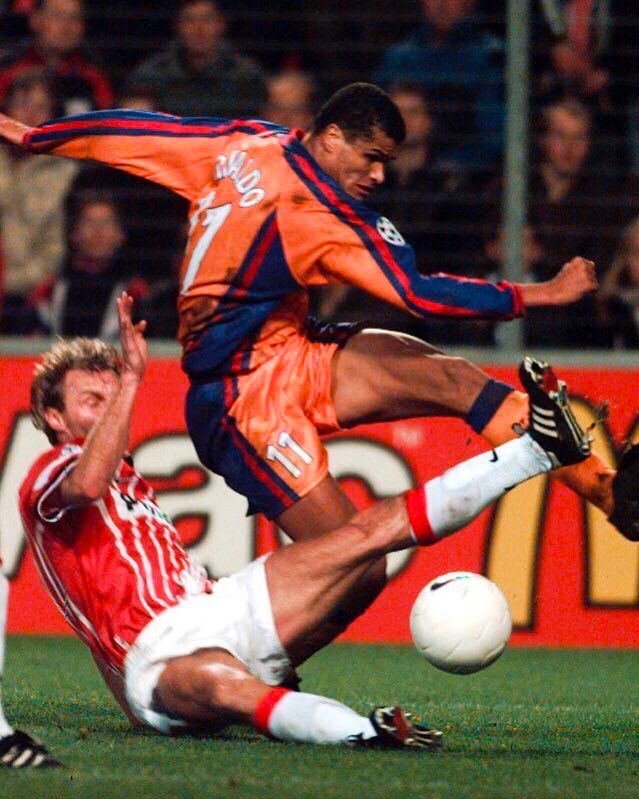
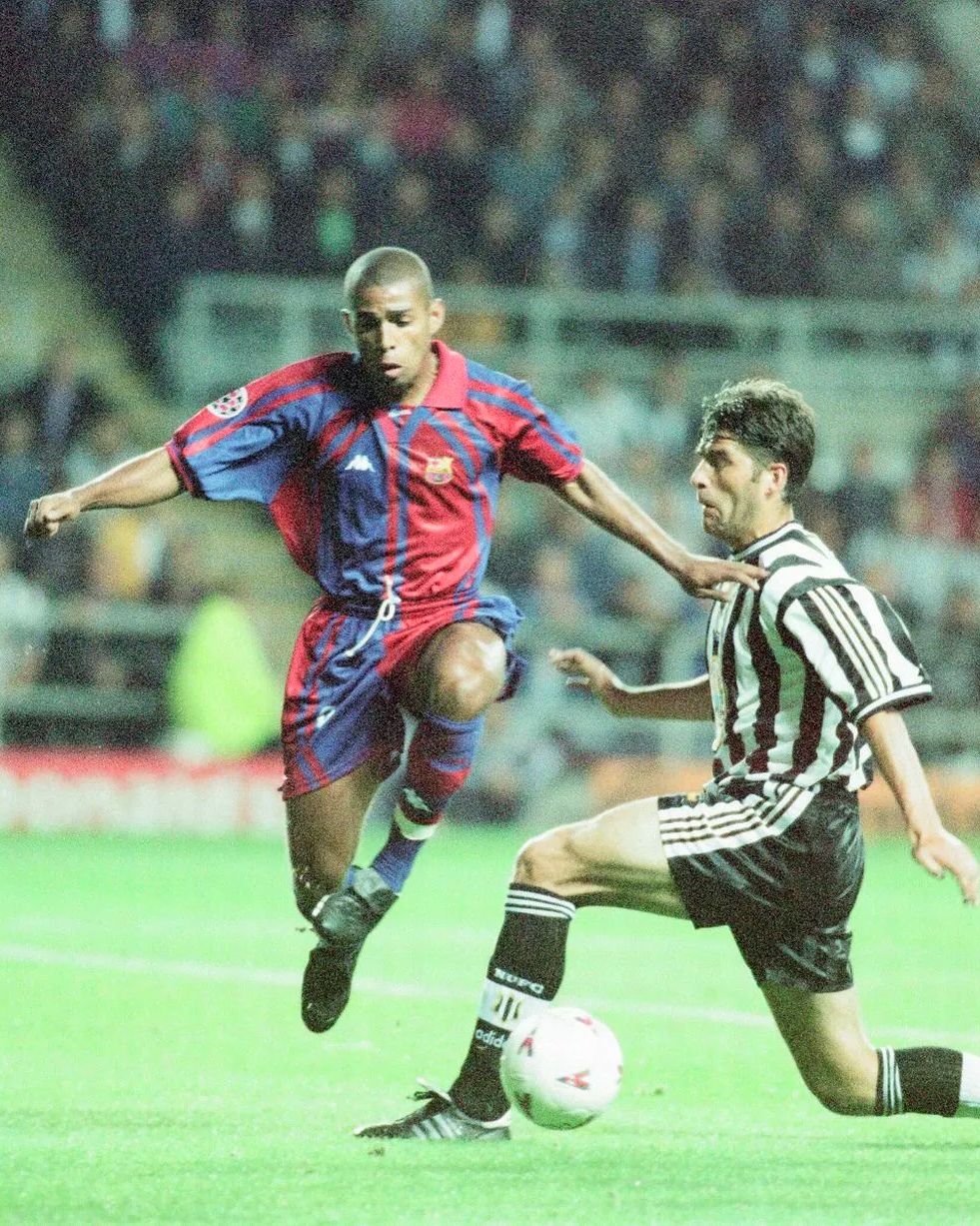
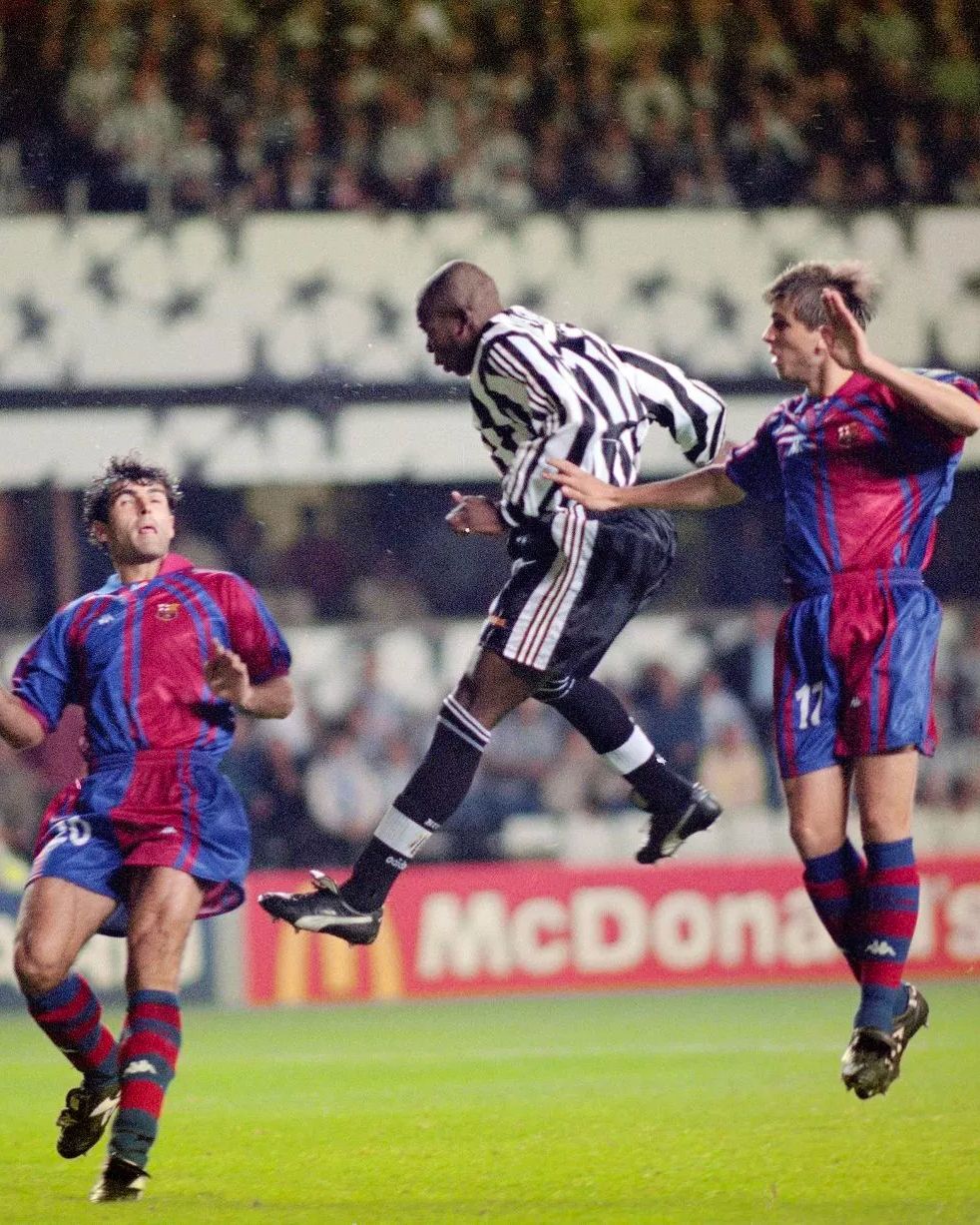
In the 1997/98 season, Barcelona also used a special jersey for the Champions League. In reality there were two kits since Kappa, the technical sponsor of the Blaugrana at the time, redesigned both the Home and Away kits. The first kit, already revolutionary that year as the club had abandoned the classic vertical stripes, was recreated with a surprising design that featured wider stripes in the middle and thinner ones on the sides. A design partly reused for the orange Away jersey, worn only once during the away match against PSV. In the same season, there were also variations from Manchester United, with a solid red jersey that replaced the Home kit with shades and geometric patterns on the sleeves.
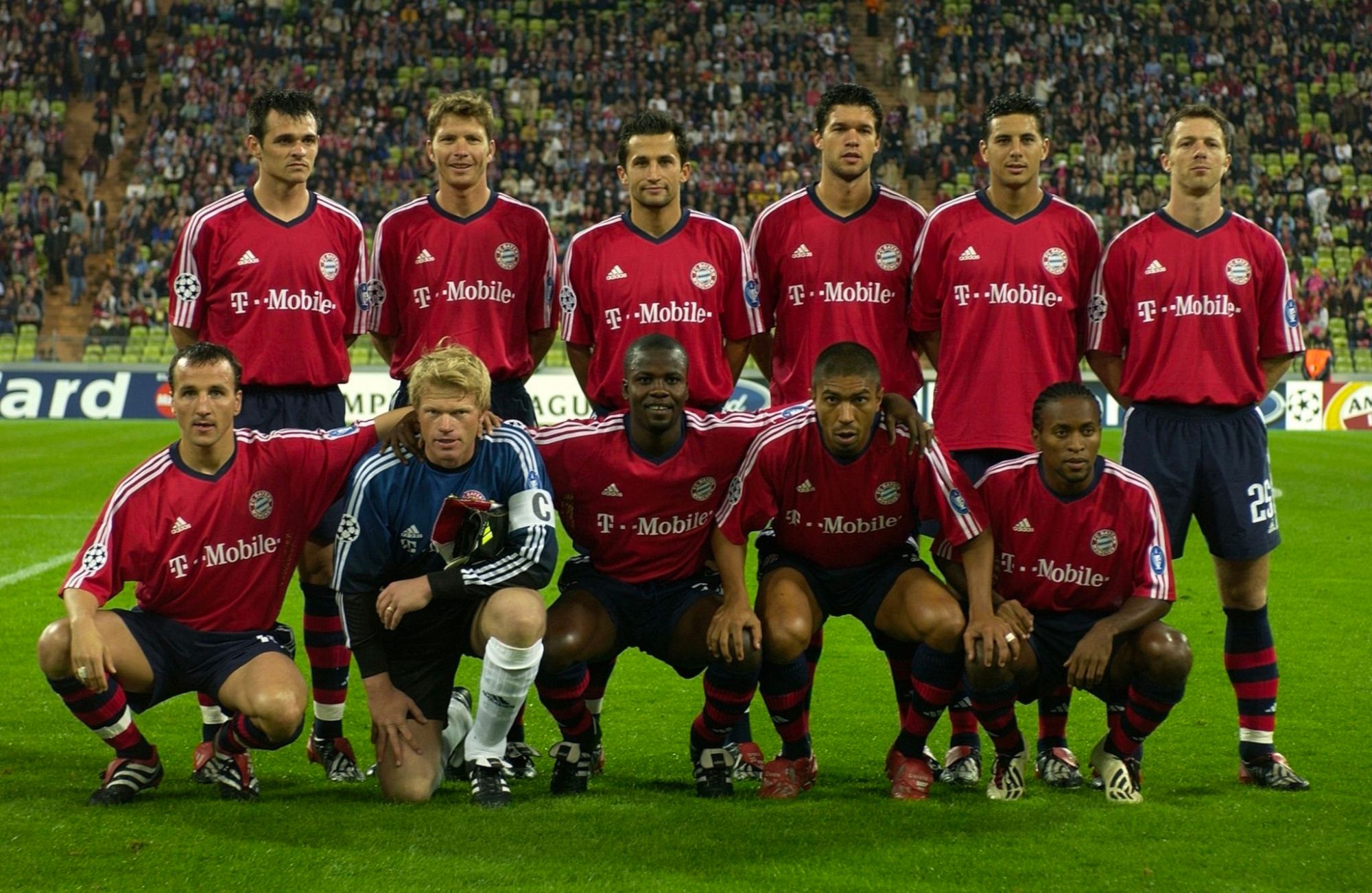
In general, in this historical phase, the first special jerseys were always in line with the club’s colors or tradition. The jersey that changed the aesthetic standards was worn by Bayern Munich in the 1998/99 season: a silver kit with maroon inserts and a navy-blue collar, featuring the soft shapes typical of the 1990s. In the collective imagination, it remains tied to the night in Barcelona when Bayern Munich lost the final 2–1 against Manchester United, conceding two goals in the final minutes. However, that jersey had the merit of completely breaking the aesthetic standards of the era, pushing other clubs to follow that example.
Examples from Serie A
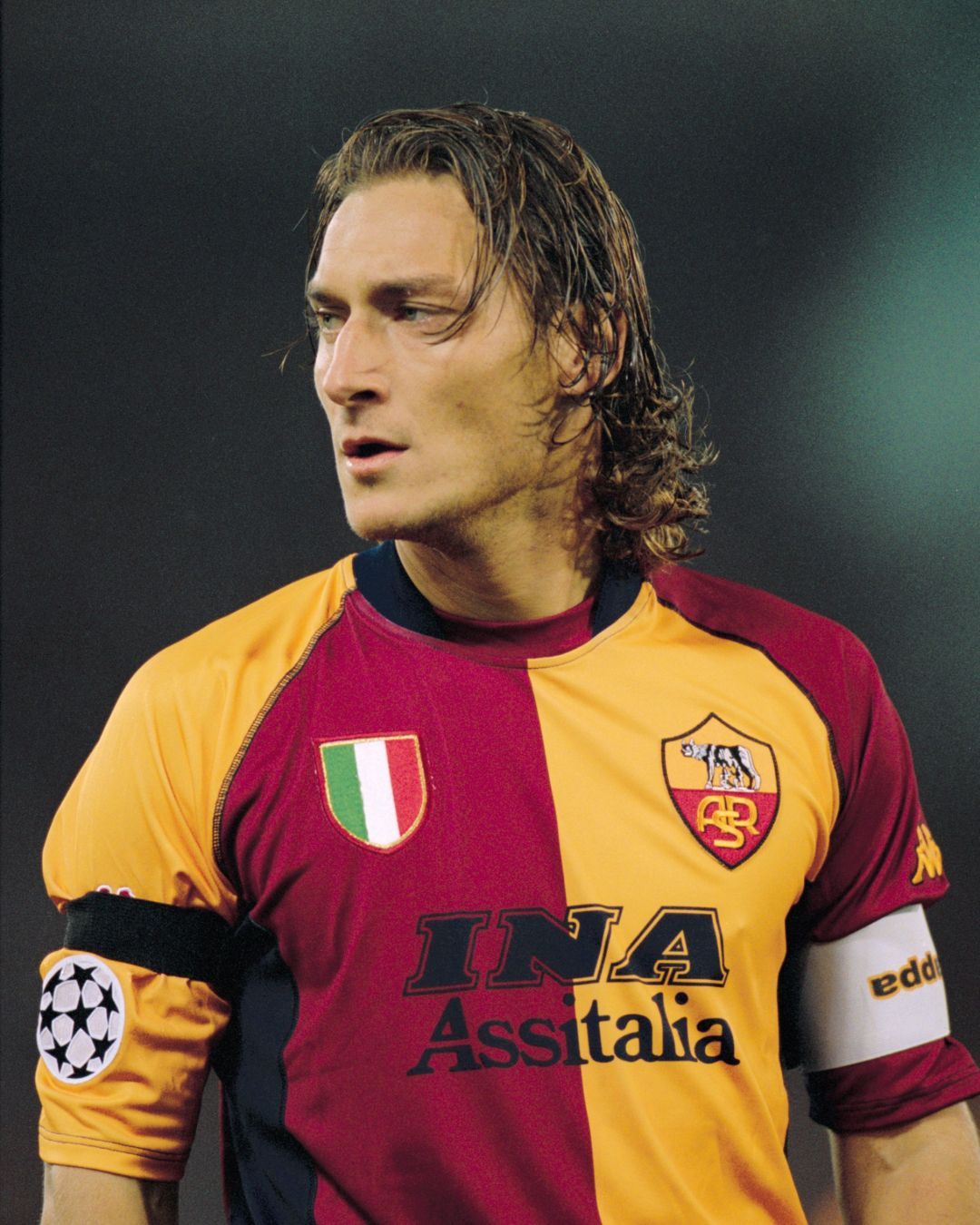
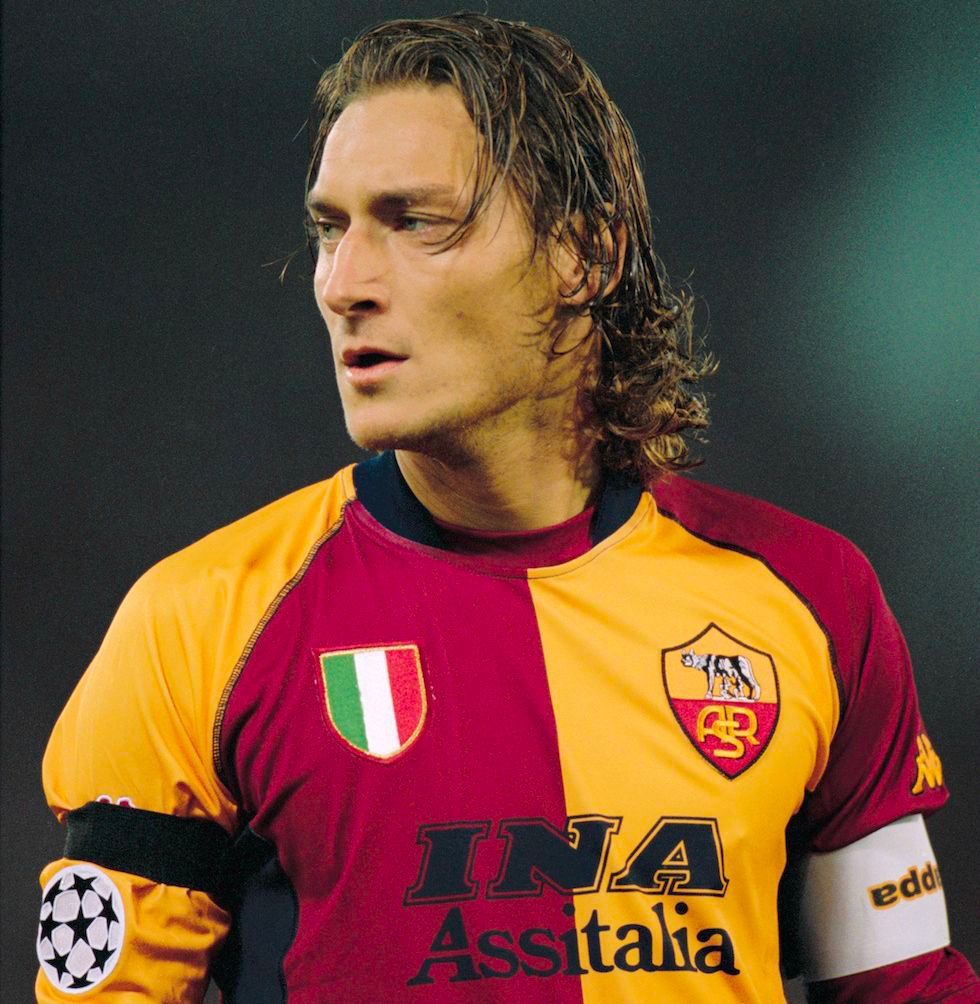
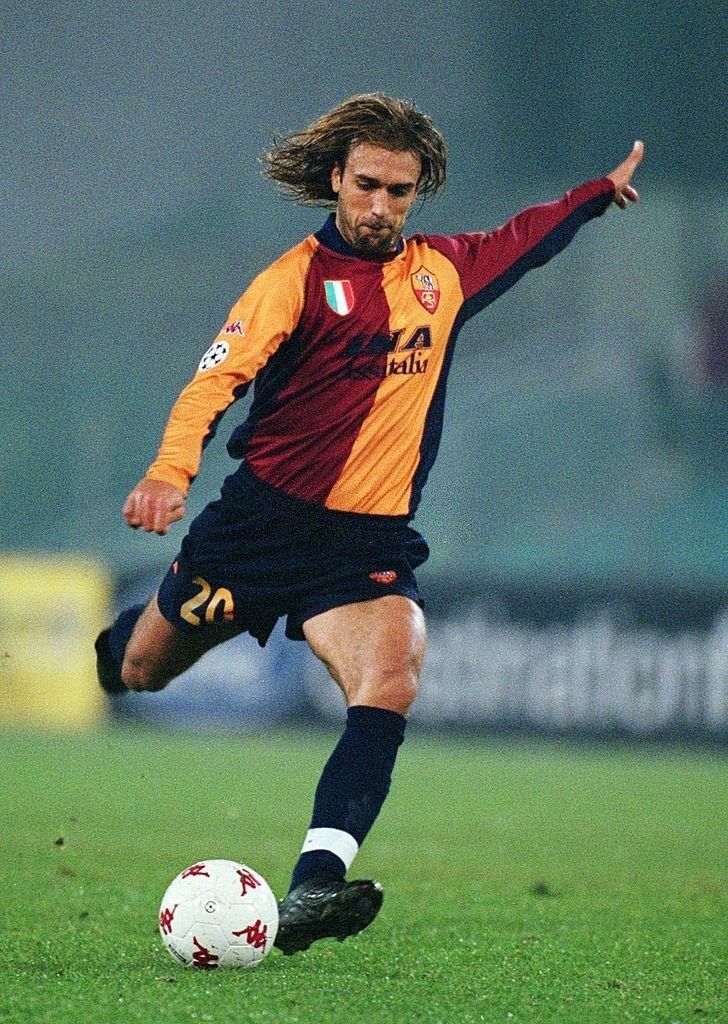
The message came through loud and clear in Italy where Roma and Lazio, also encouraged by the example of Inter who won the 1998 UEFA Cup wearing the iconic jersey with grey horizontal stripes and light-blue details, decided to wear special jerseys in the Champions League. Kappa, for Roma, riding on the success of the Kombat, created an instant classic: a half-yellow, half-red jersey completed by blue shorts and socks, remembered in history for two reasons — the Tricolore to recall the Scudetto won the previous season, and because it was the jersey Daniele De Rossi wore on the day of his first-ever match with Roma. The idea of a special jersey was also taken up the following season with fluorescent orange sleeves on the Home jersey pattern, and when Diadora replaced Kappa as technical sponsor, the tradition of a special jersey for the Champions League was maintained in 2004 with two kits, one black and one white, both with green details.
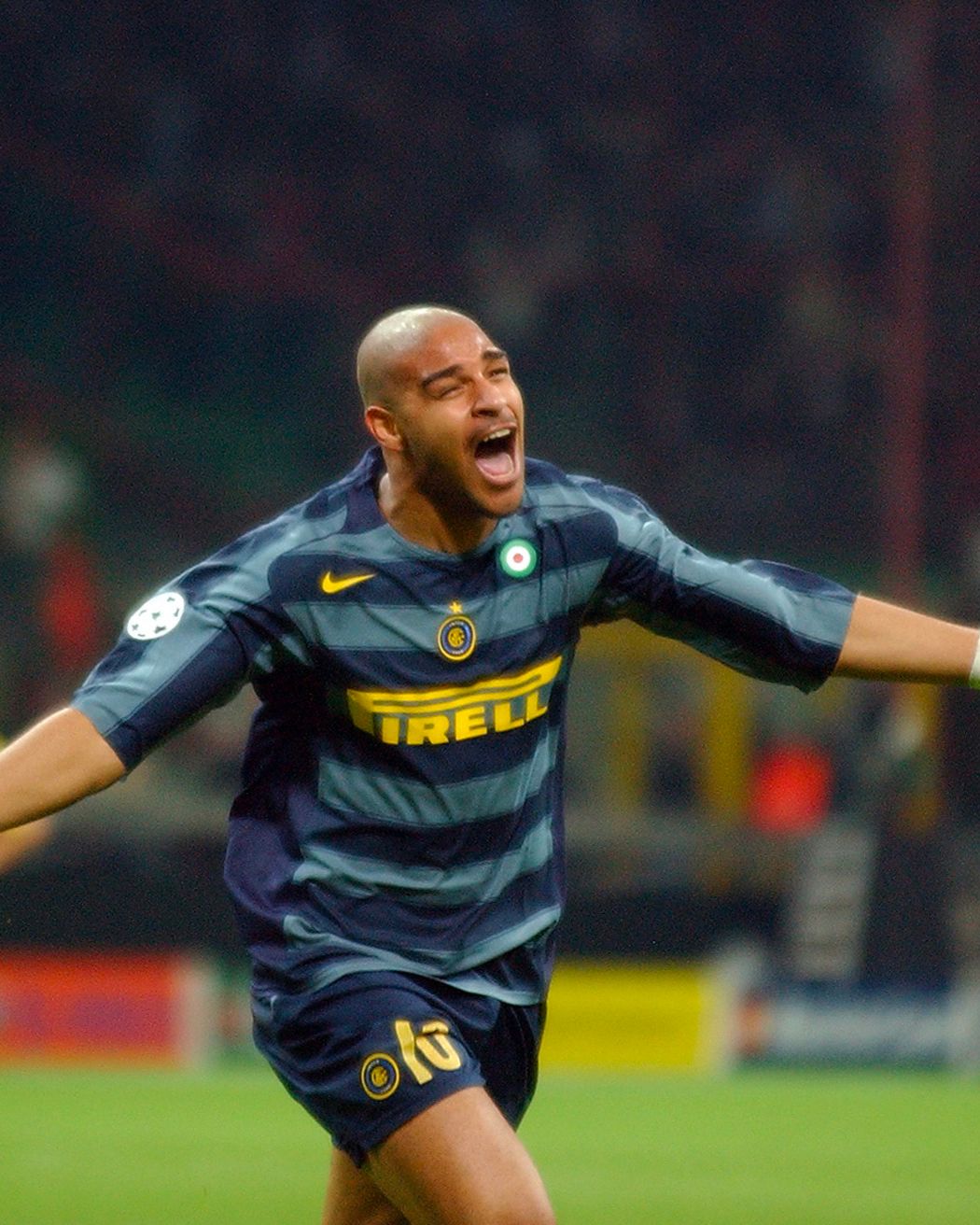
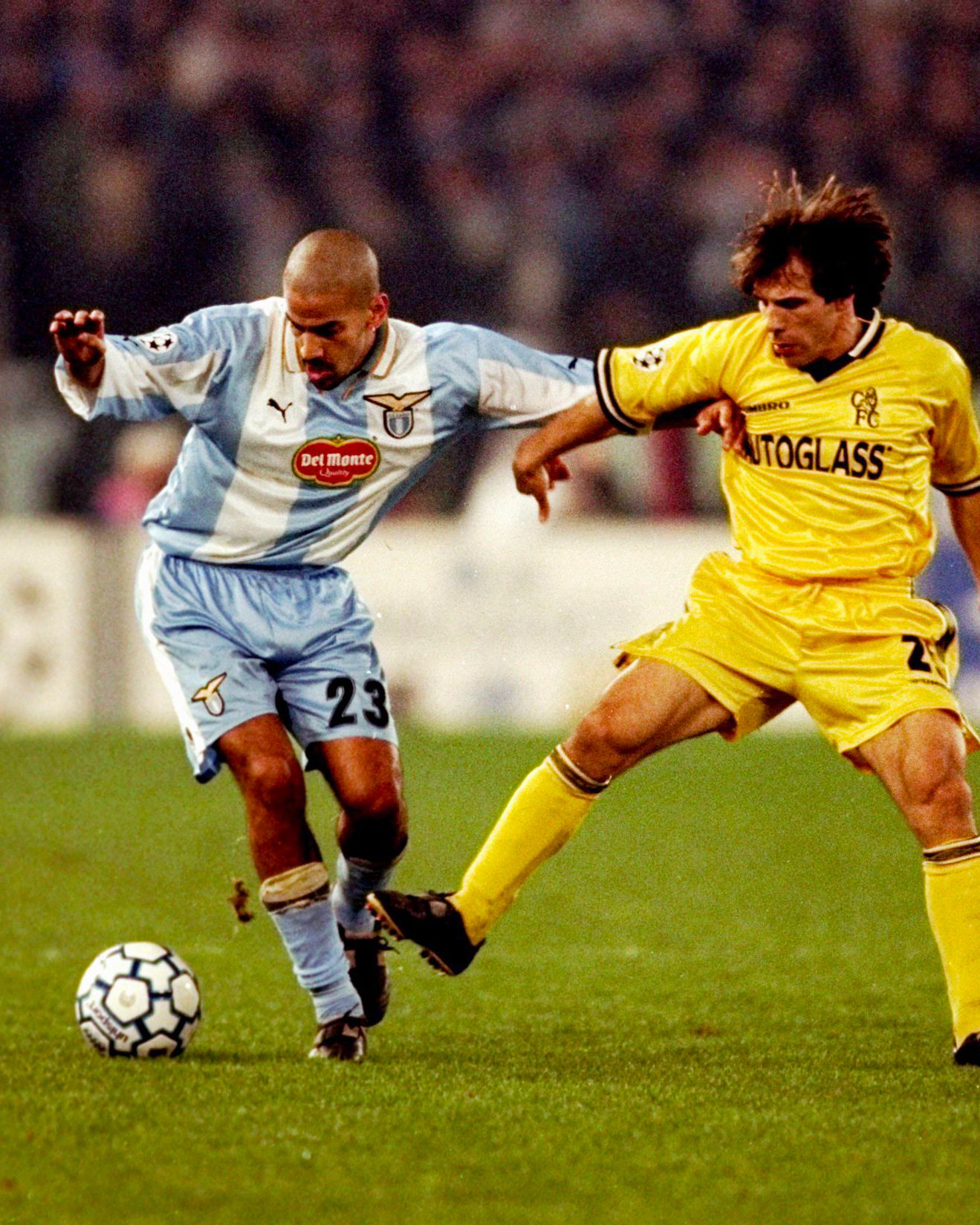
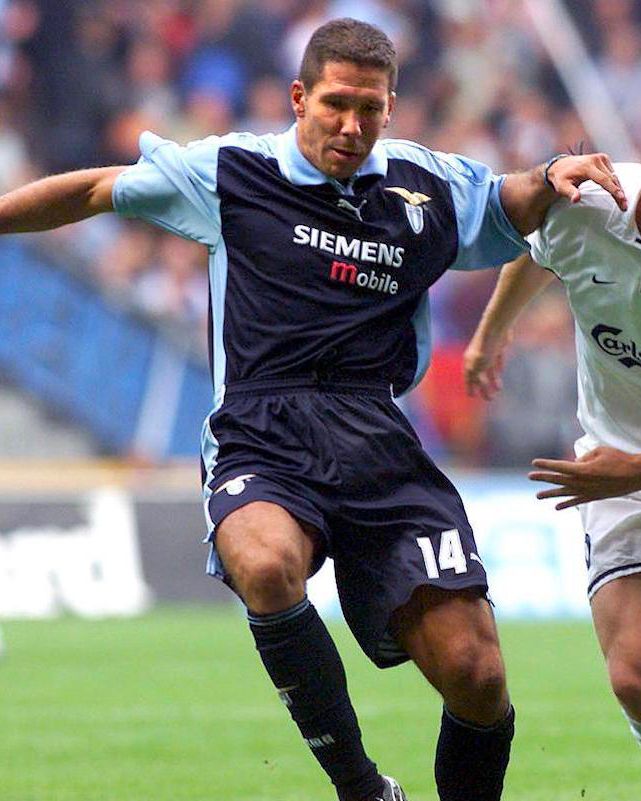
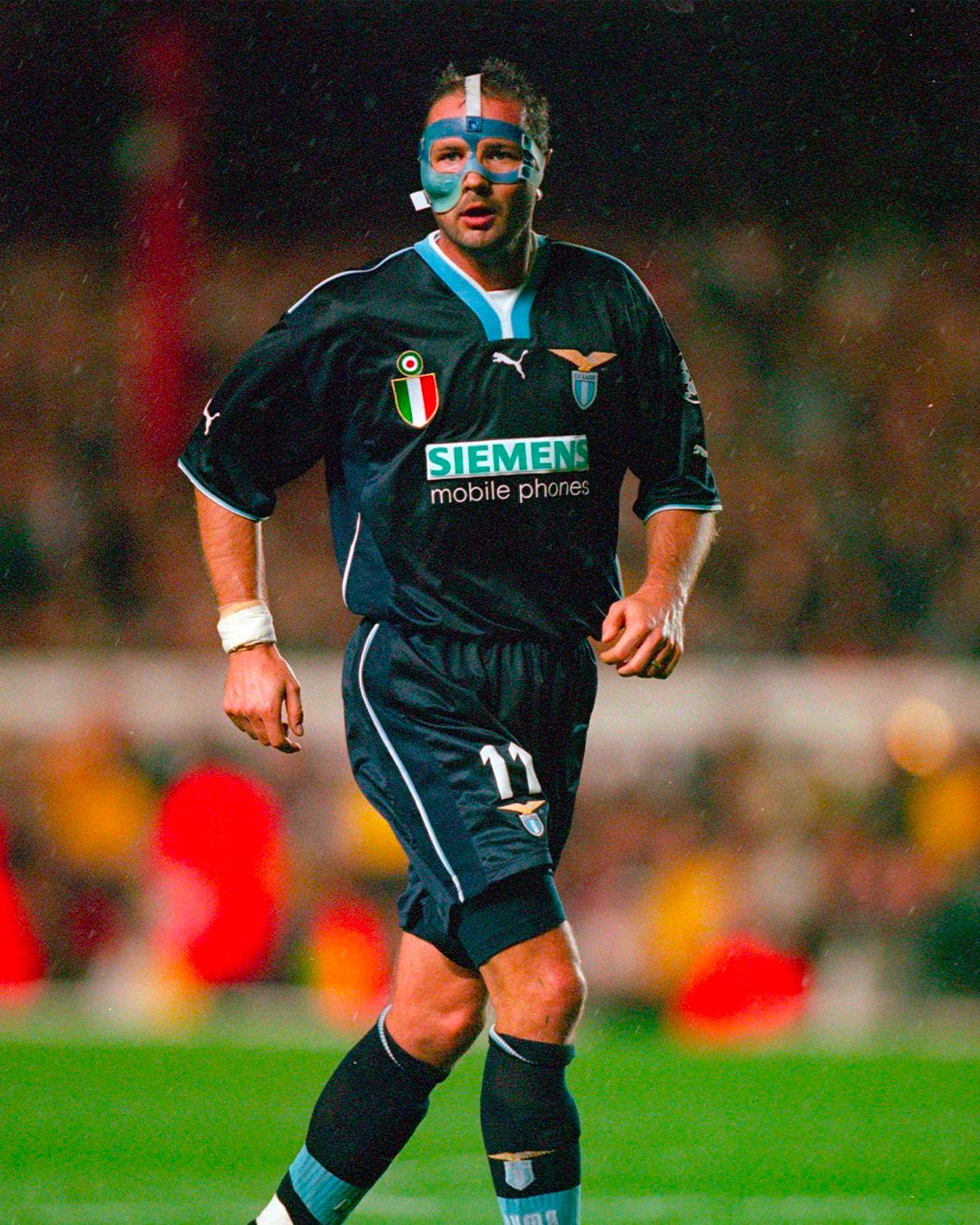
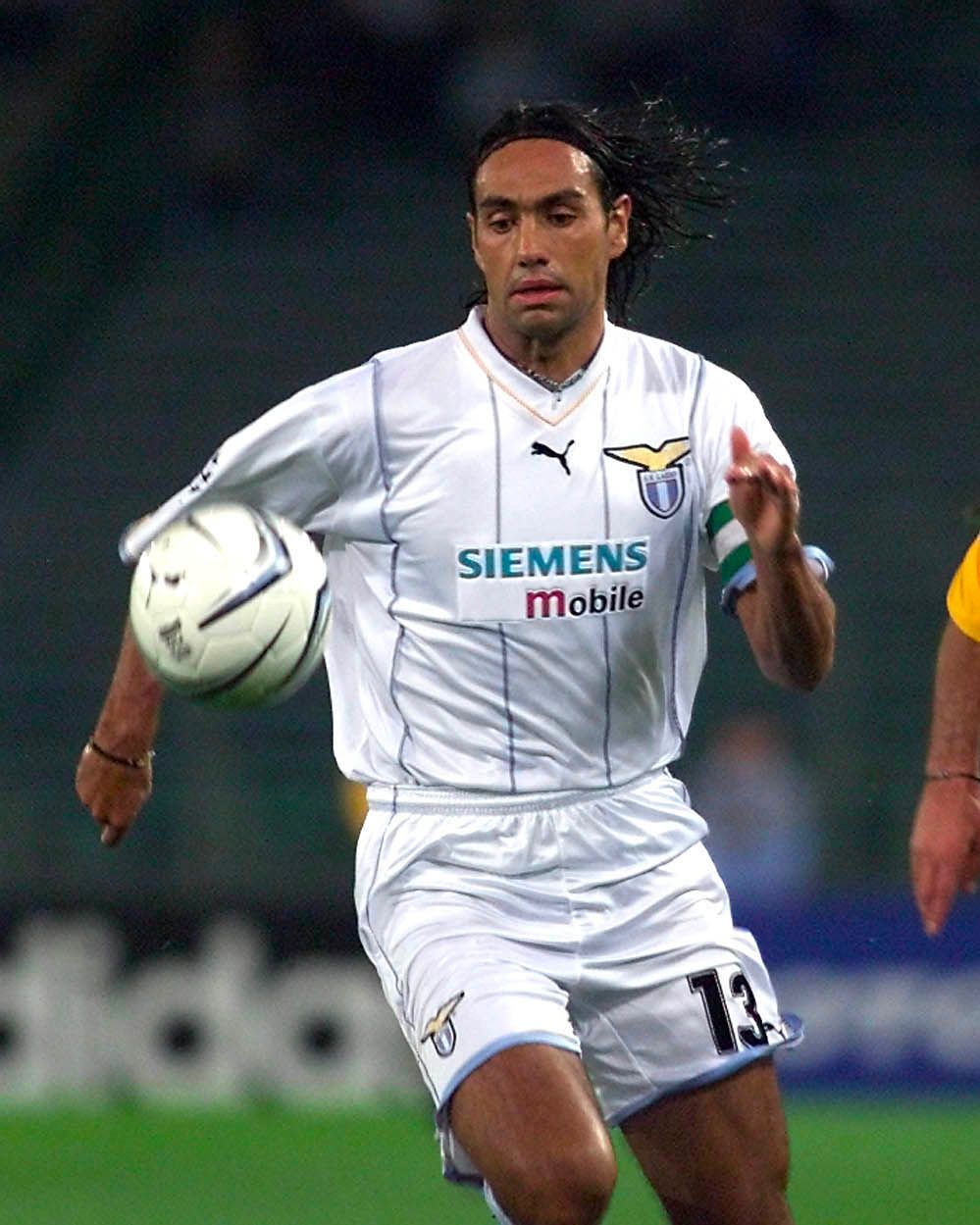
PUMA, on the other hand, for Lazio in the 1999/00 season, designed an Albiceleste jersey in the sense that it introduced white-and-sky-blue vertical stripes, which in the collective imagination immediately recall Argentina’s kit. This design was repeated the following season, while in the 2001/02 season it was revised with very thin sky-blue lines decorating a white jersey. PUMA didn’t stop at what we can consider the first jerseys, but for the 2000/01 and 2001/02 seasons also created black Away jerseys, reinterpreting the ones used in the league. It is also worth mentioning Inter, which in the 2004/05 and 2005/06 seasons reintroduced the horizontal-striped jersey, with Nike reinterpreting Umbro’s original design, a solution also revived during the 2020/21 season.
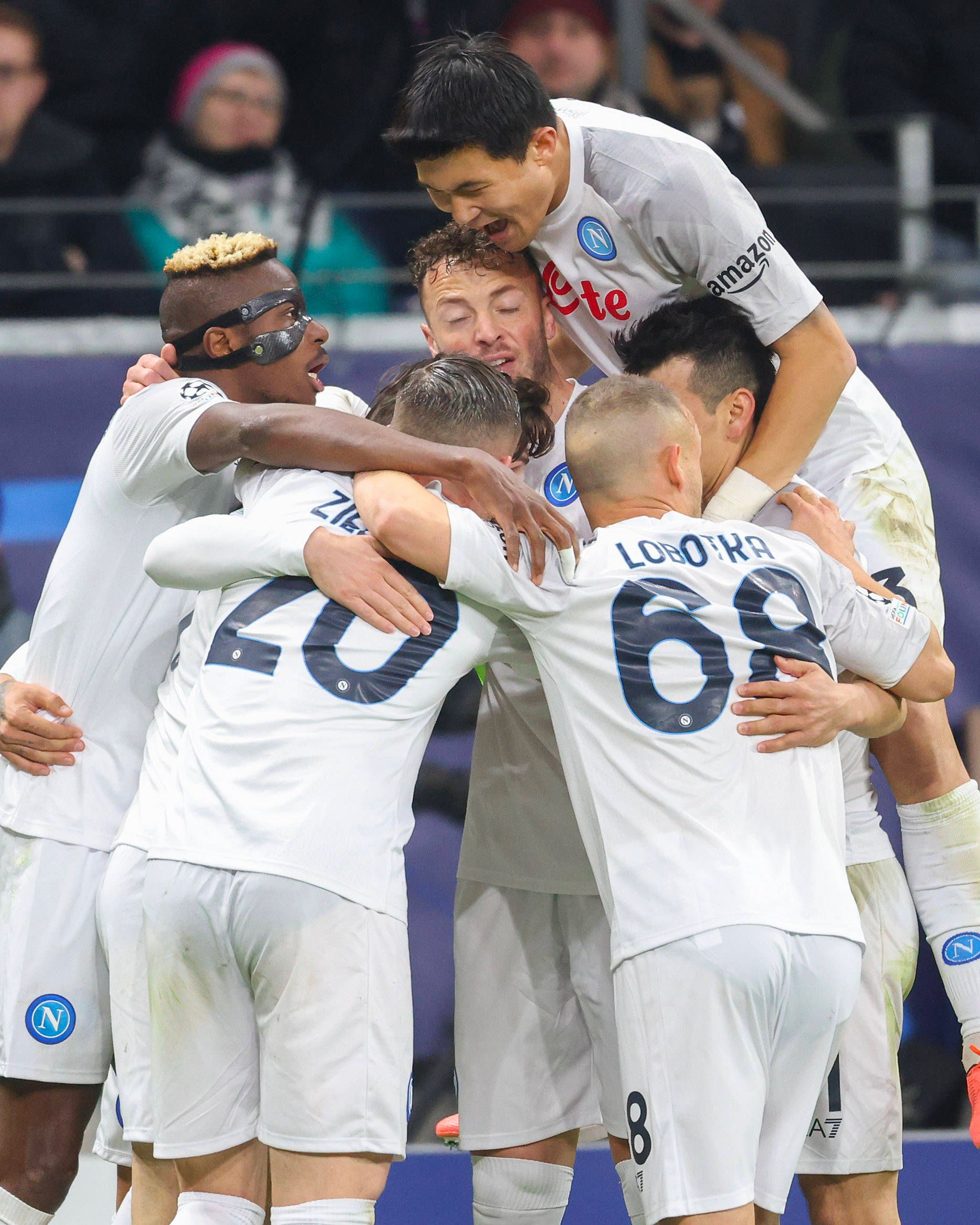
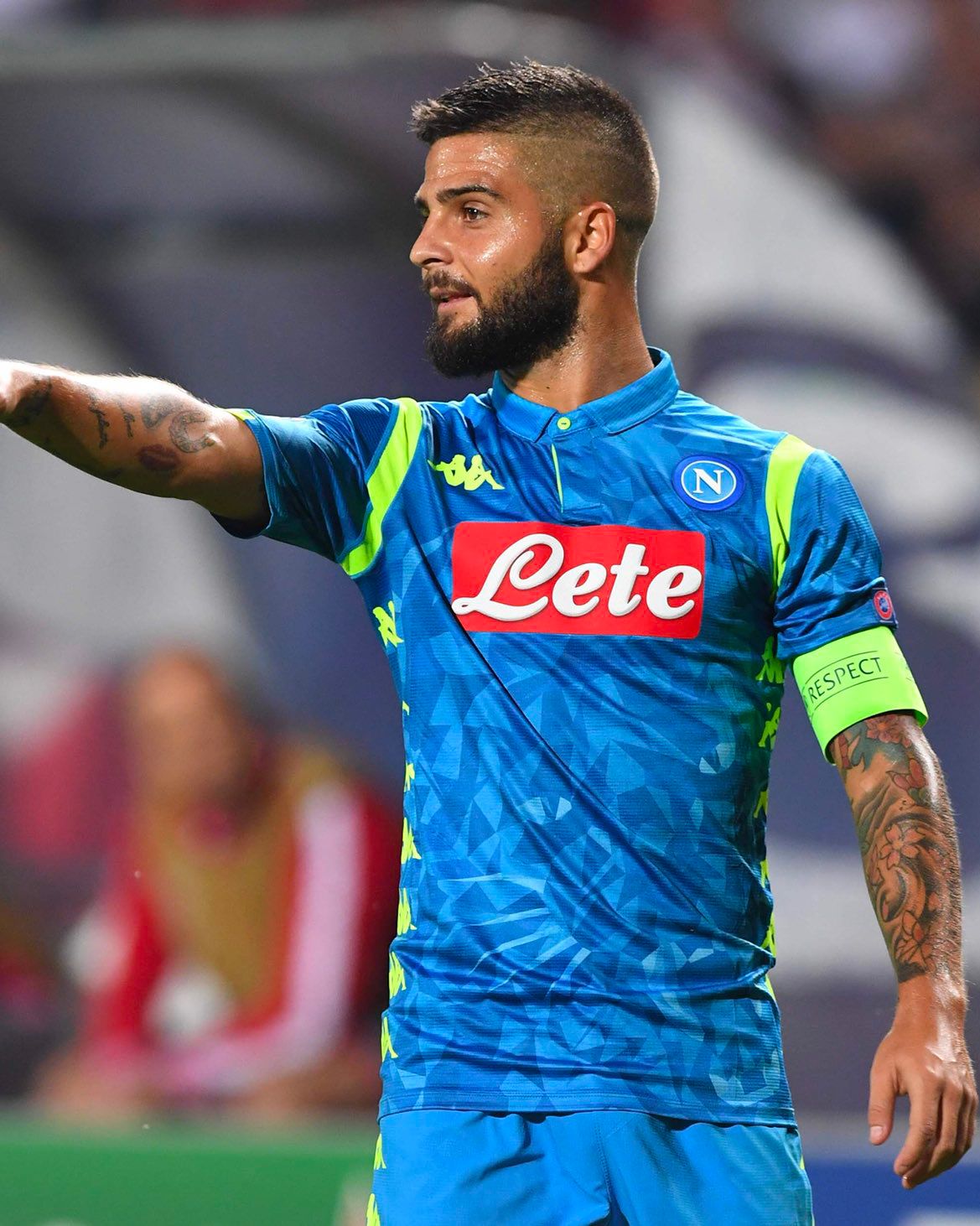
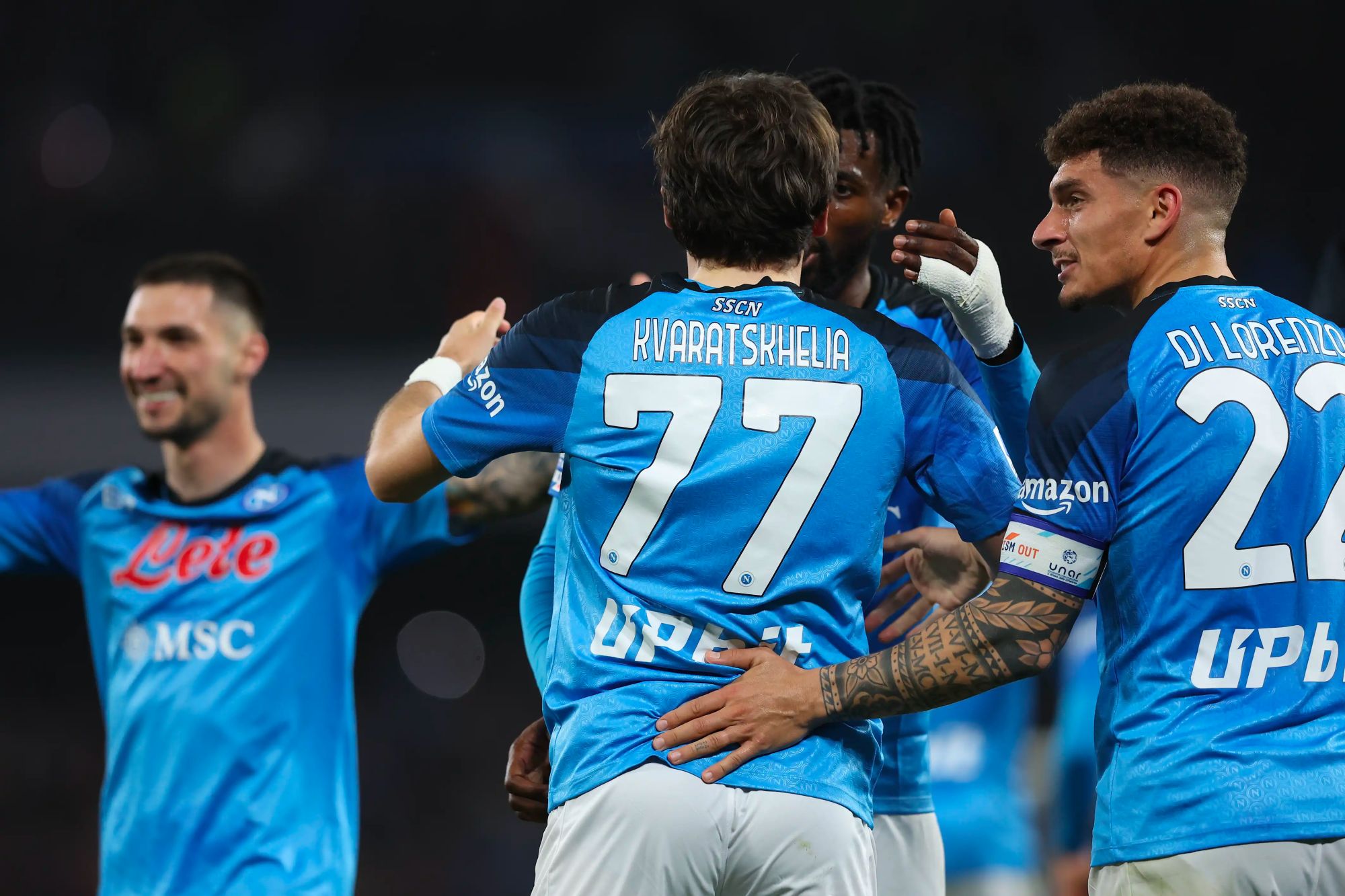
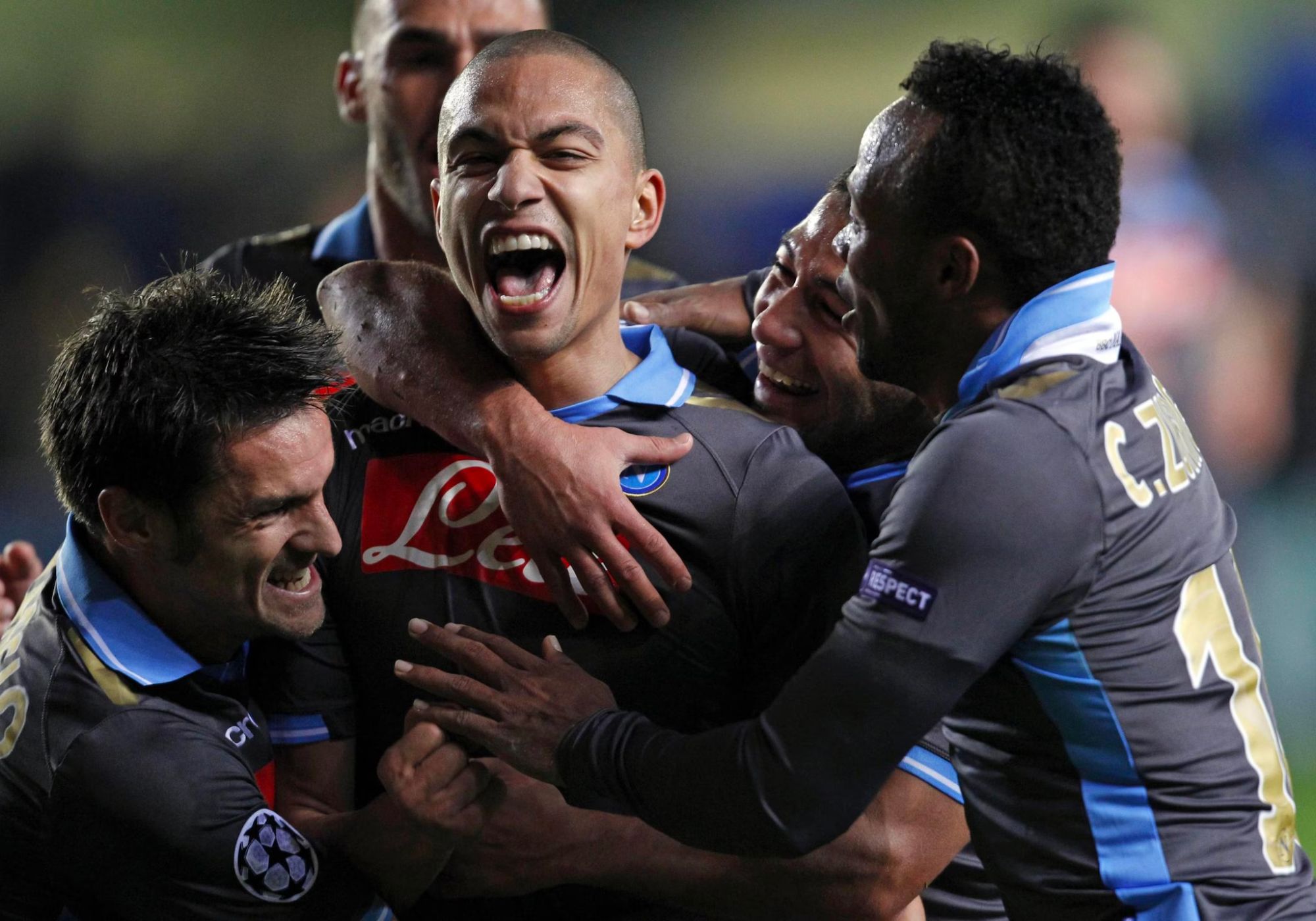
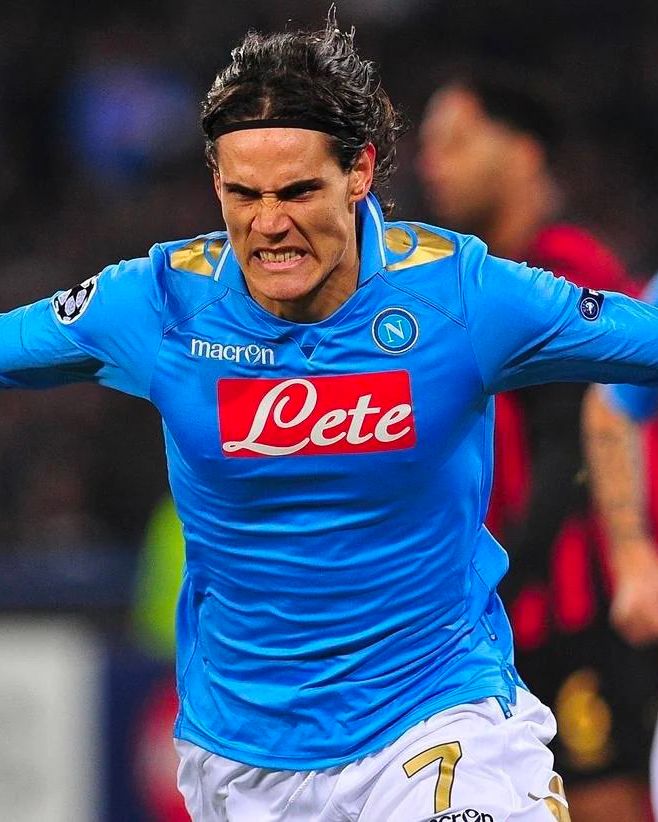
In this context, Napoli deserves a chapter of its own. Since returning to the top European competition in 2011, the club of Aurelio De Laurentiis has always reserved some surprises. At first, they were only adjustments related to regulations, such as the removal of a sponsor patch on the front, but later aesthetic innovations were adopted to enrich the jerseys used in the league. In the 2018/19 season, fluorescent yellow details appeared; in the 2018/19 season, the colored shoulder stripes changed from white to navy blue on the Home jersey, and from sky blue to grey on the Away jersey — the same solution later adopted again for the Away jersey in the 2022/23 season.
The complete list
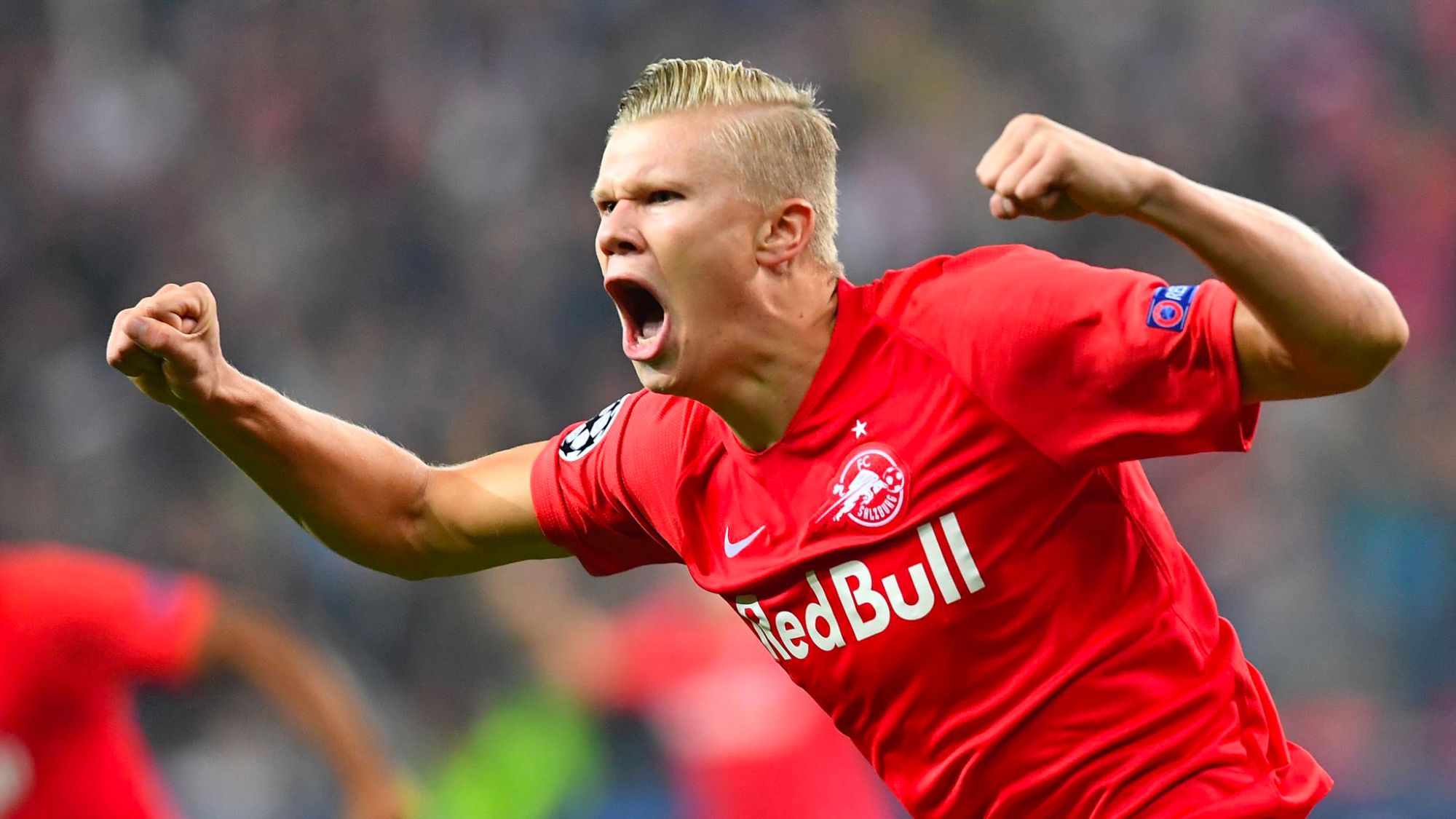
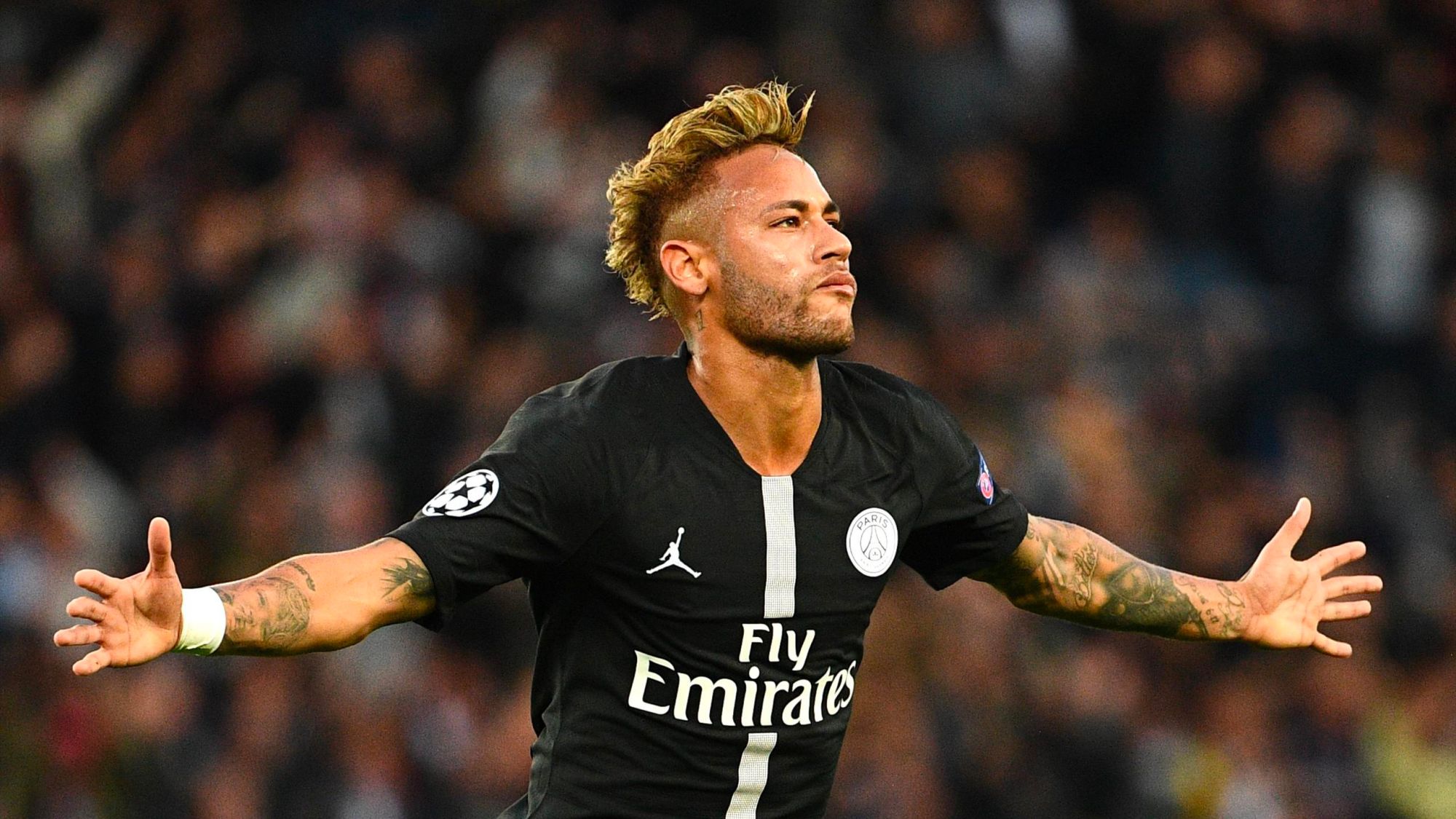
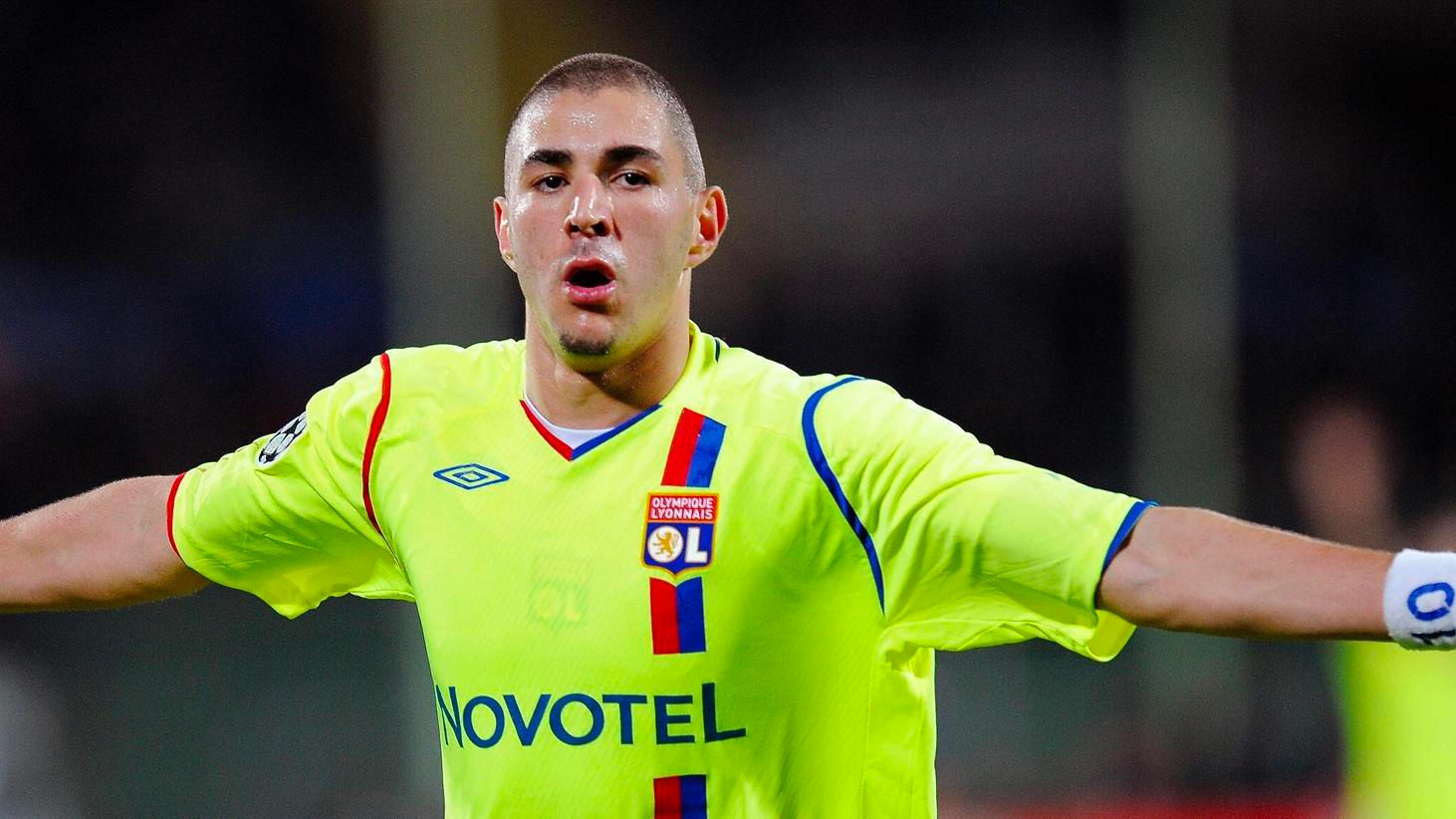
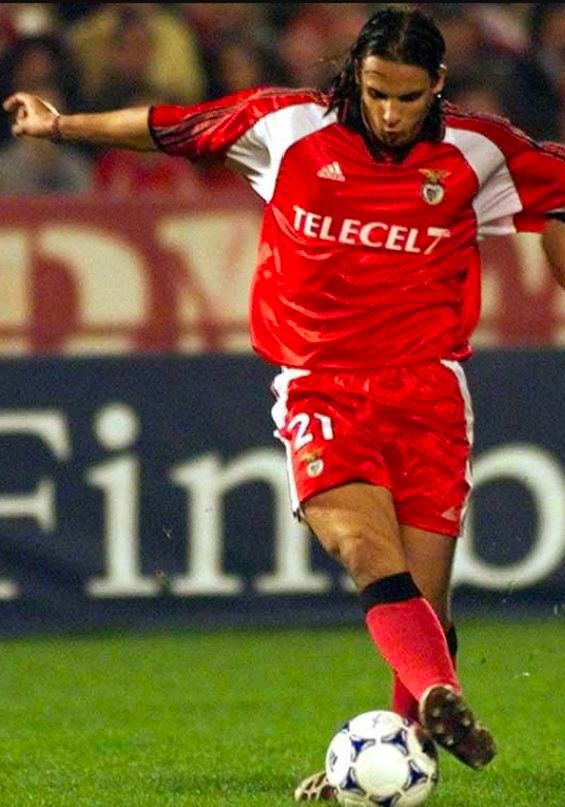
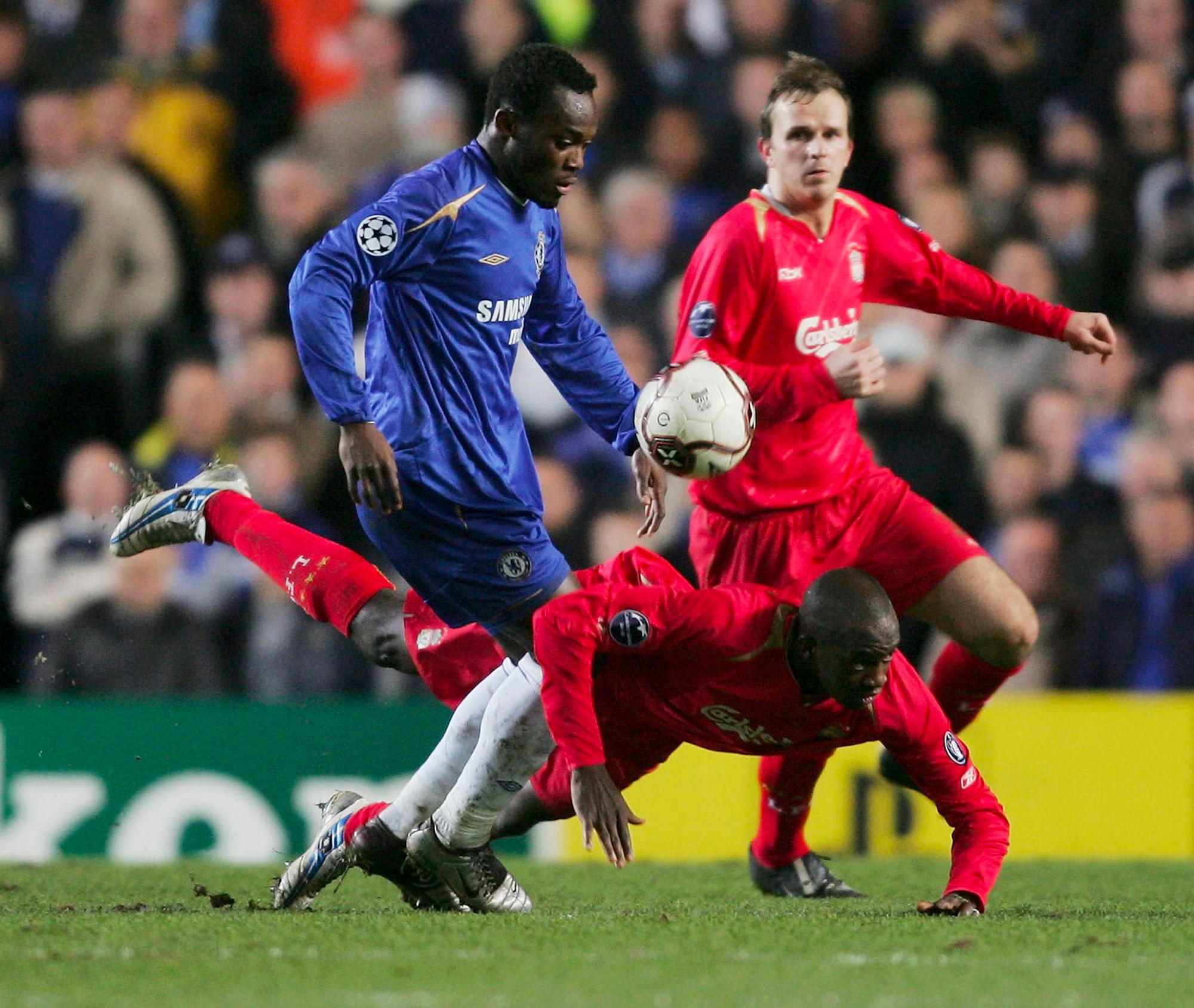
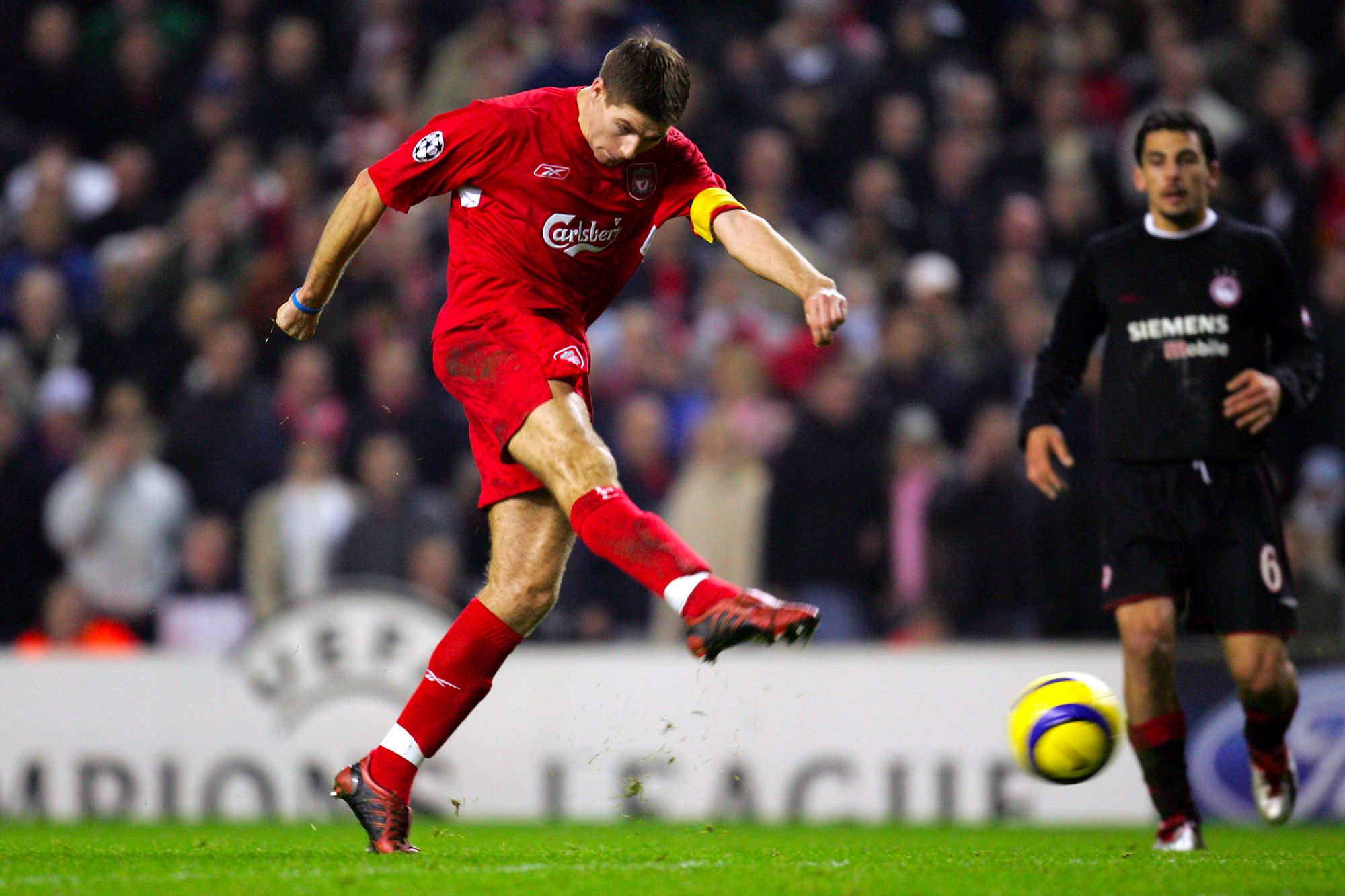
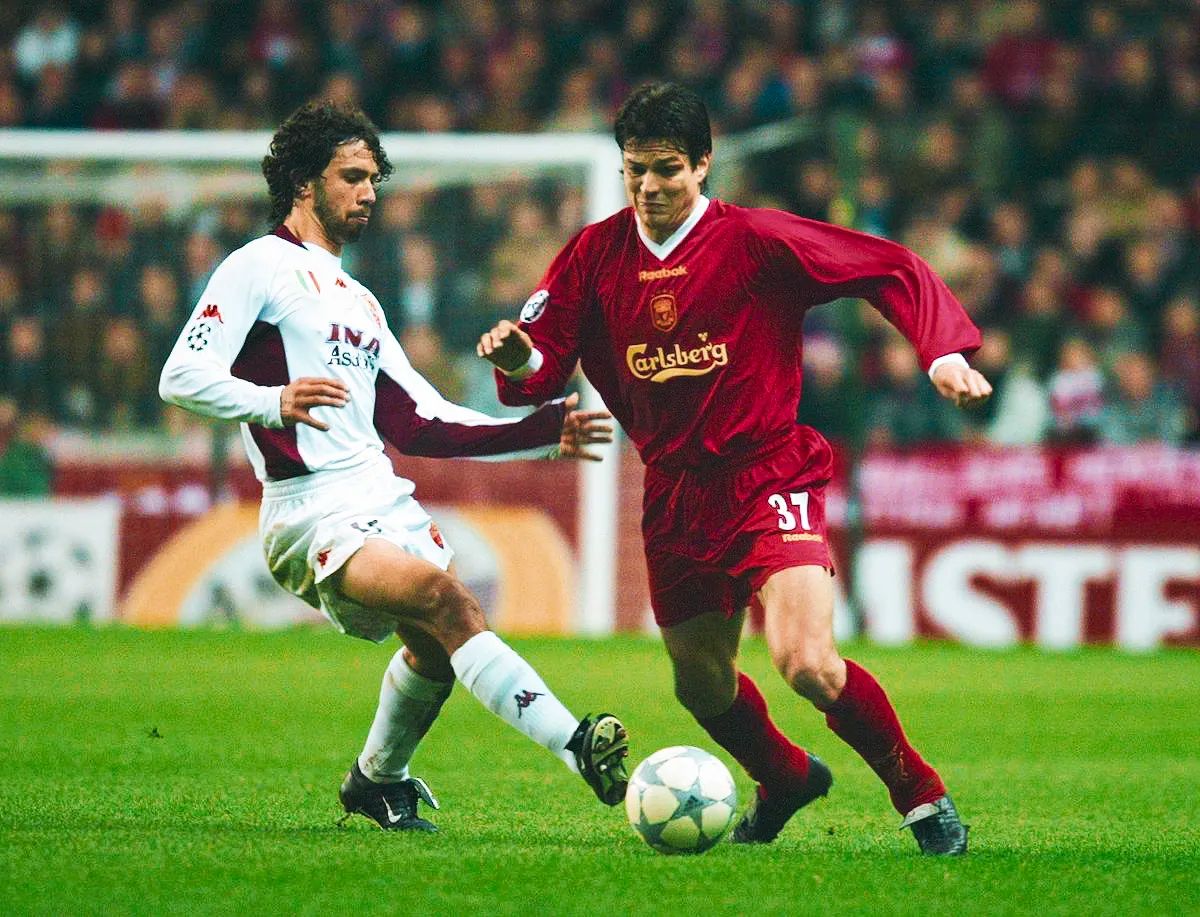
Once legitimized, special jerseys became a distinctive feature of the Champions League, with several clubs over the years creating specific kits for the competition. Benfica and Liverpool adopted slightly modified versions of their Home jerseys with gold or white details. In 2008, Lyon turned into a cult team not only thanks to the presence of Juninho Pernambucano and Karim Benzema on the pitch, but also because Umbro decided to develop a fluorescent yellow kit. The partnership between Air Jordan and PSG during the 2018/19 season led to the creation of two mirror kits. Also worth adding to this list is Red Bull Salzburg, which, since its first historic qualification for the group stage in the 2019/20 season, has always used a special kit.
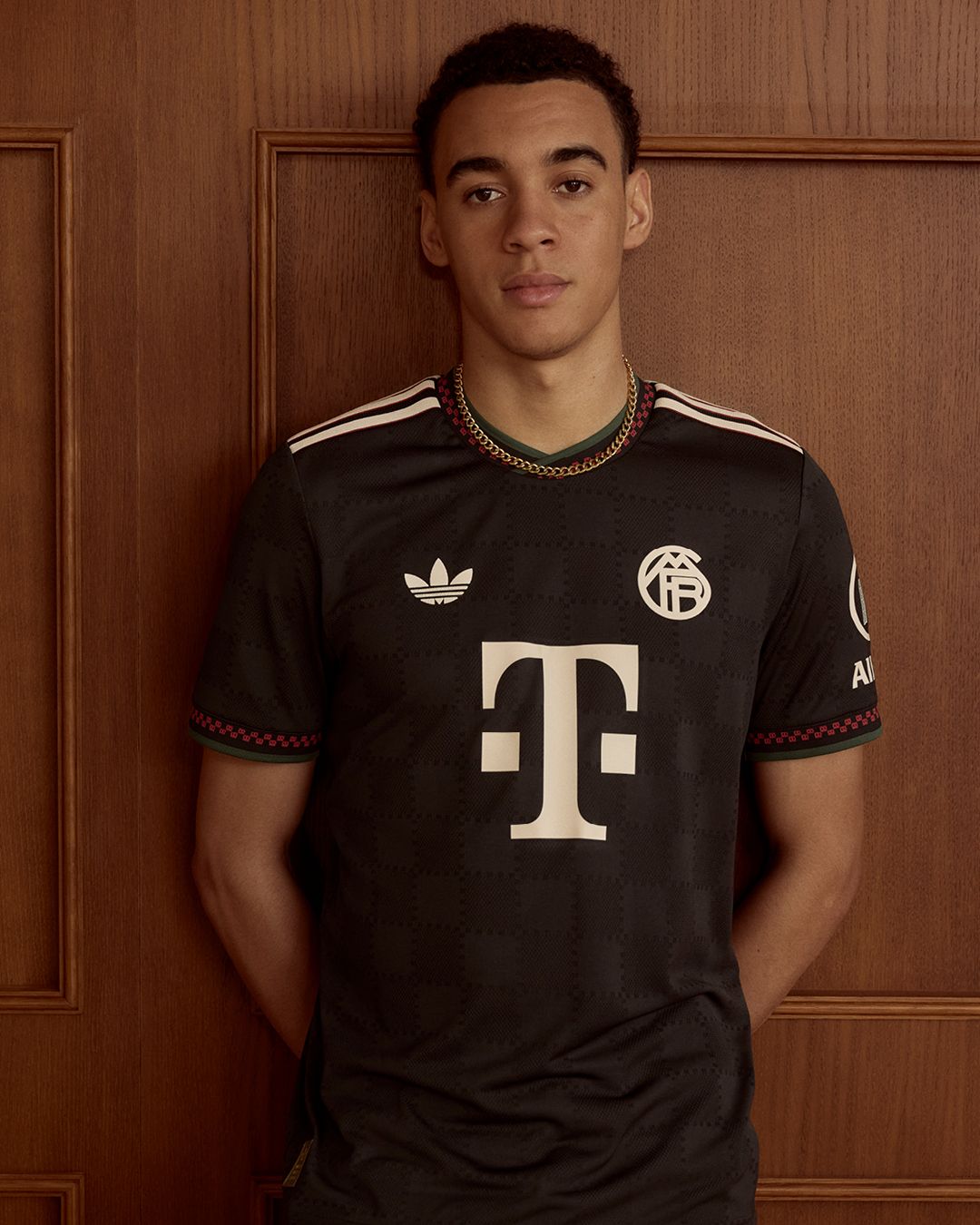
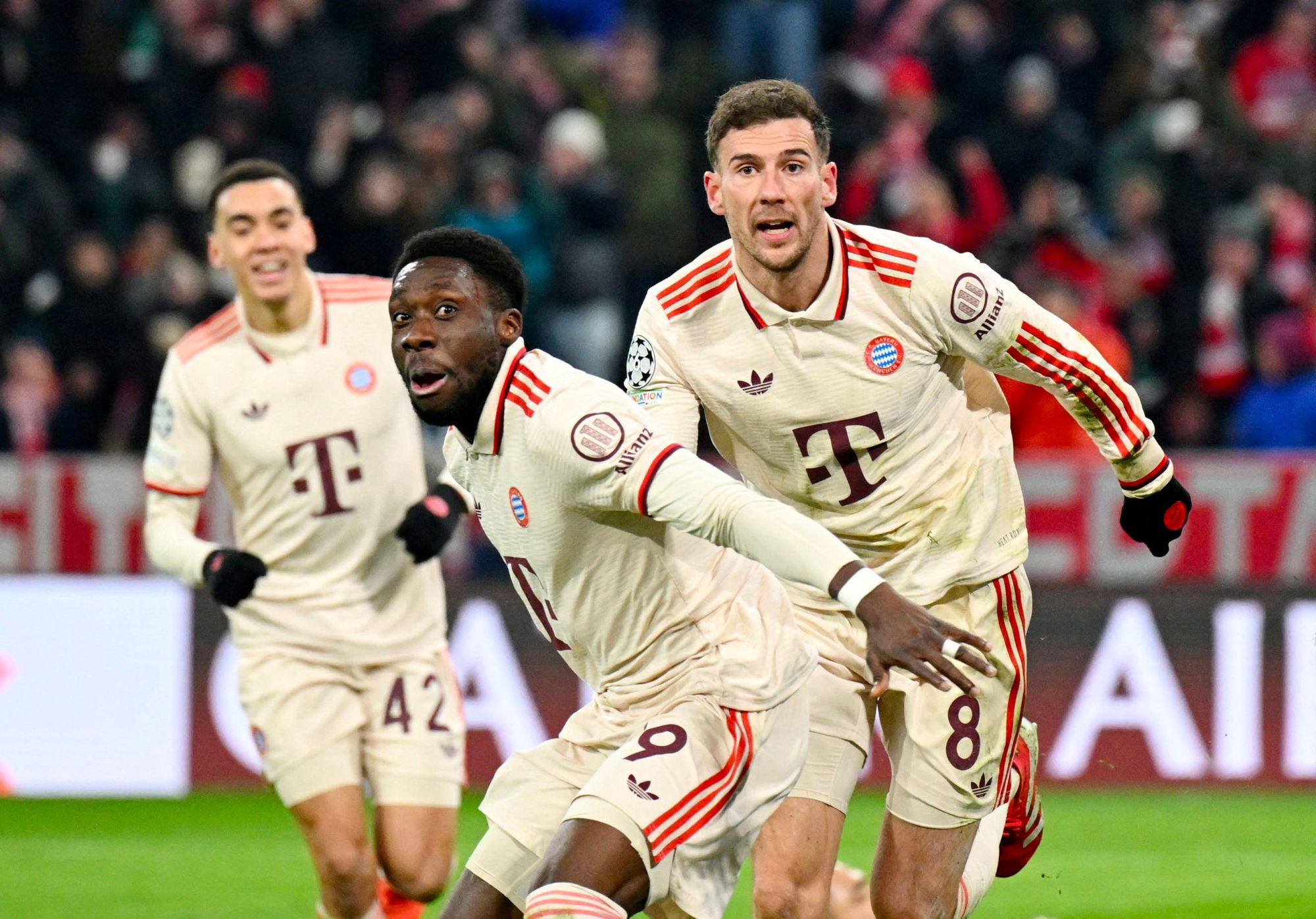
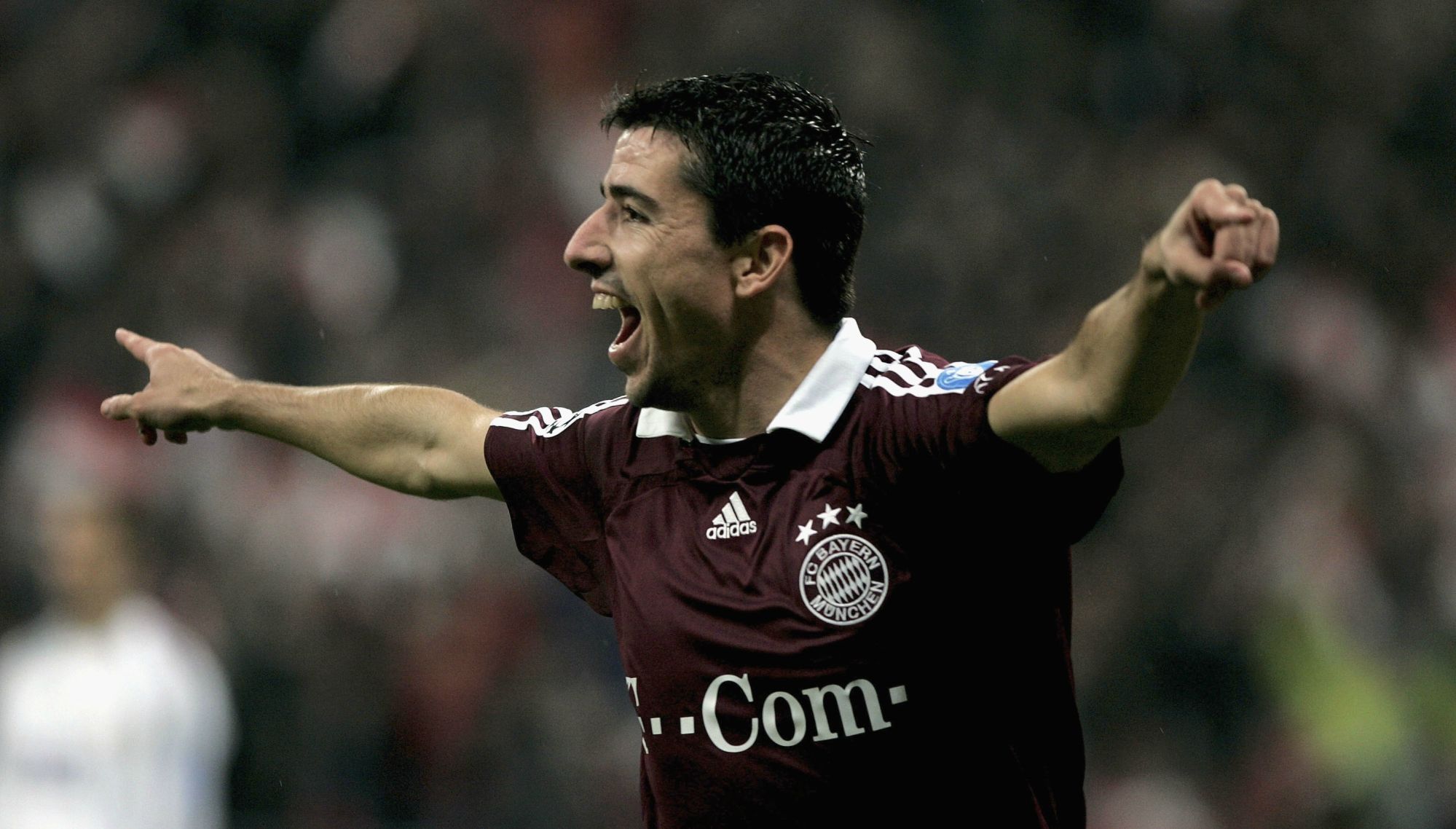
Then there are the recurring cases, and this is where Bayern Munich comes in. Since the aforementioned silver-maroon jersey, adidas has never stopped creating what in German are called Europapokaltrikot. The list is long: red jerseys with monochrome kits or with contrasting shorts and socks, total black kits with variations on the theme depending on the patterns, the iconic maroon kit made immortal by Roy Makaay, as the Dutchman wore it the night he scored the fastest goal in the history of the competition, and the white jersey with the Trefoil worn last season when the club could no longer wear the Home kit due to regulations.
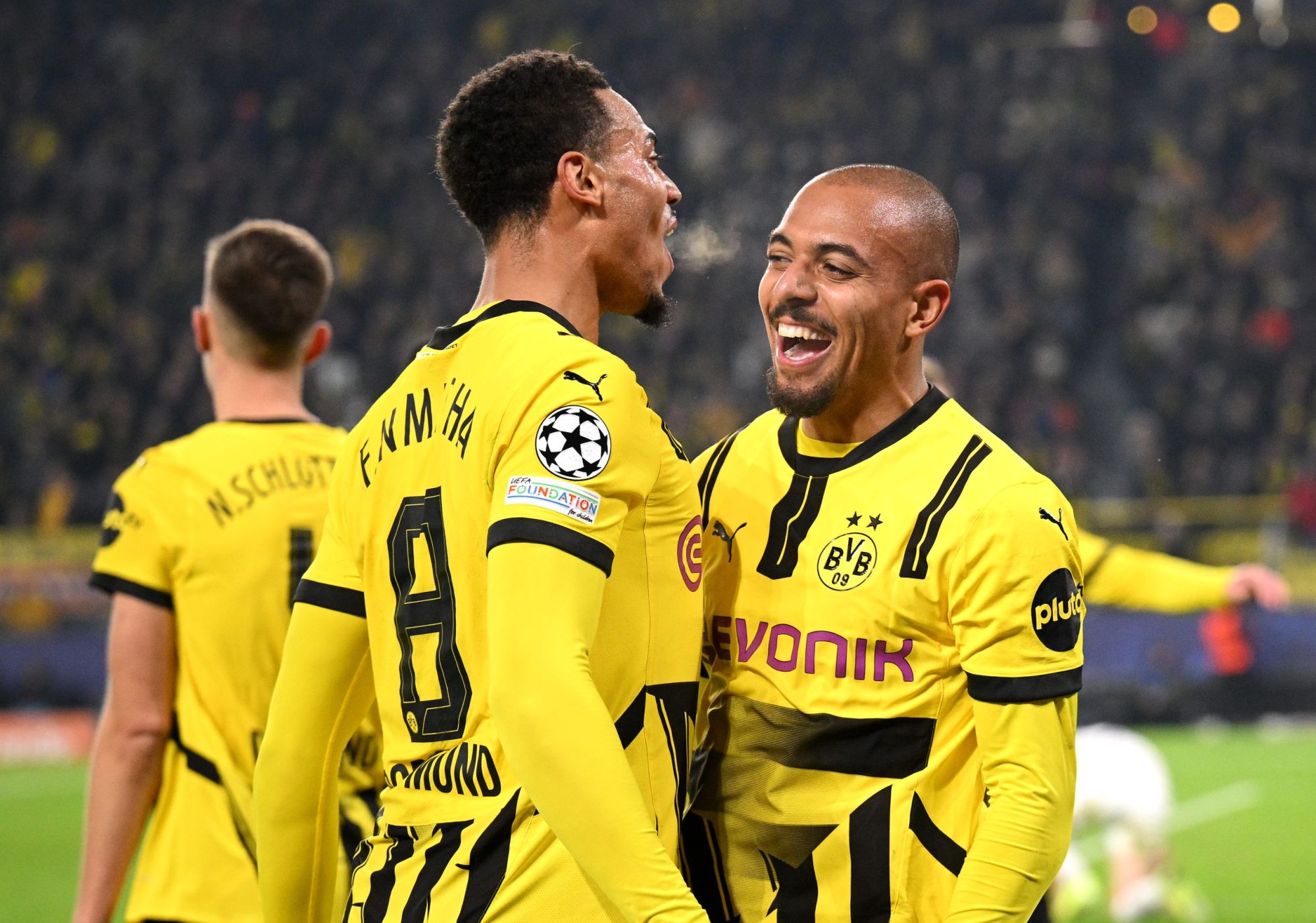
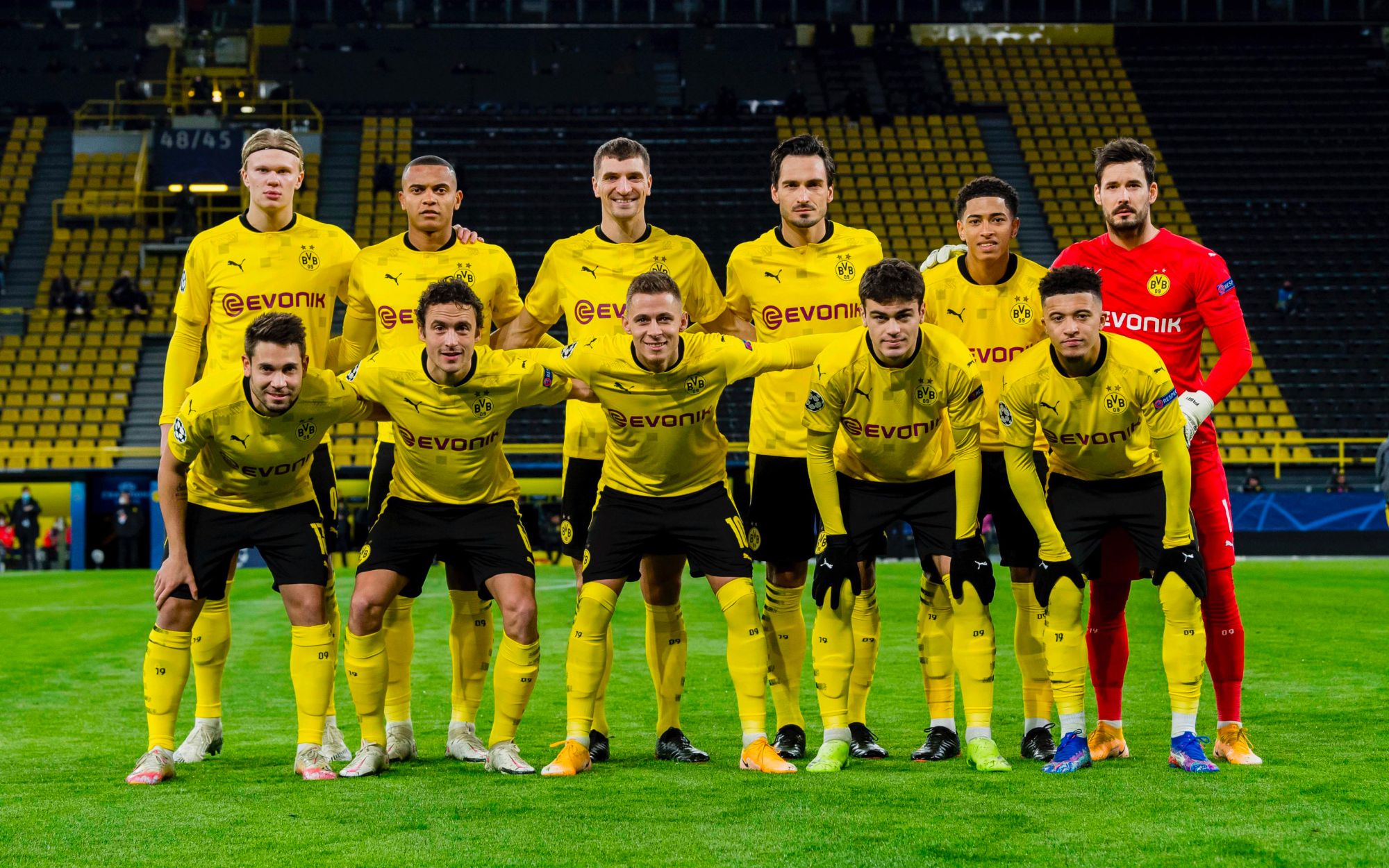
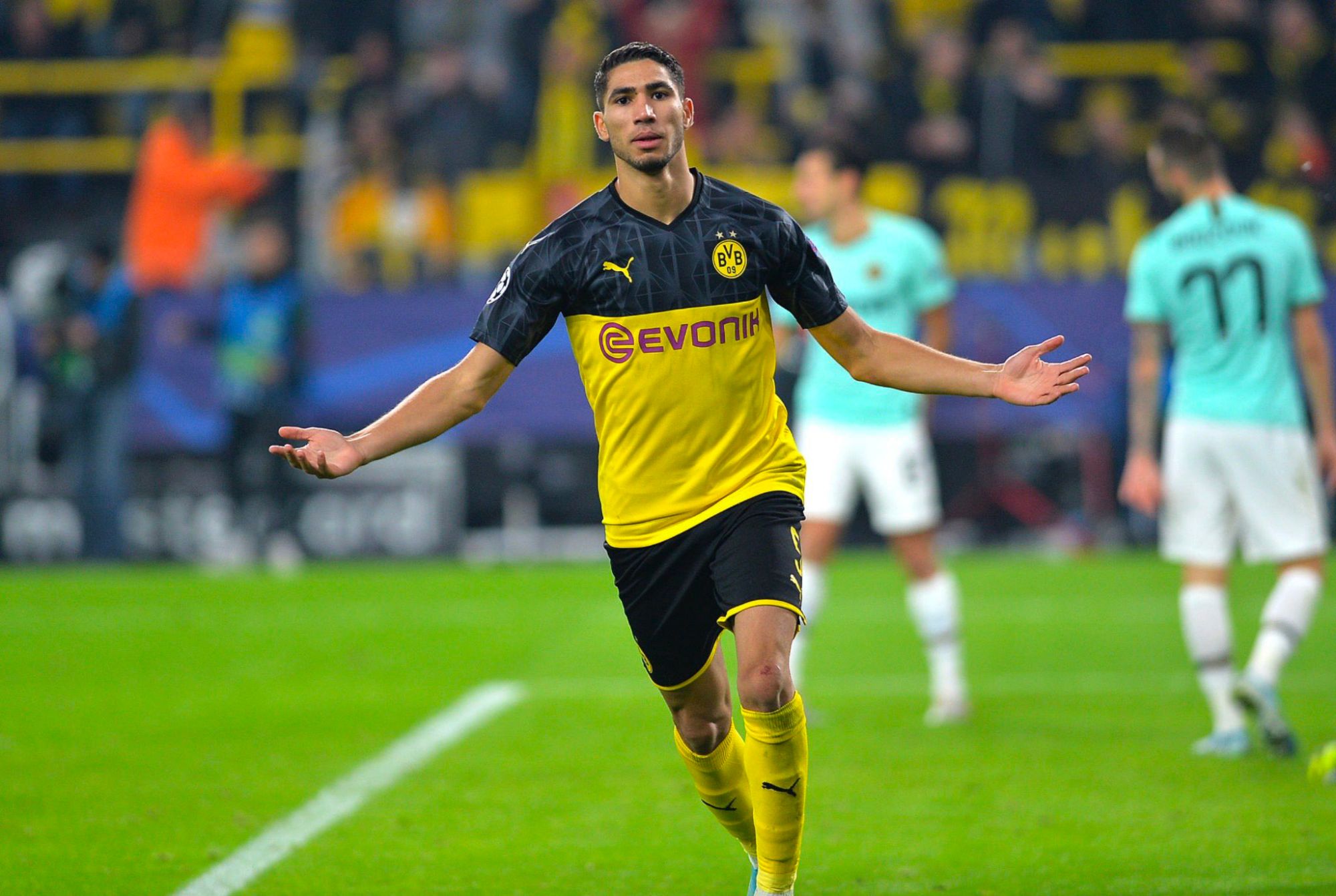
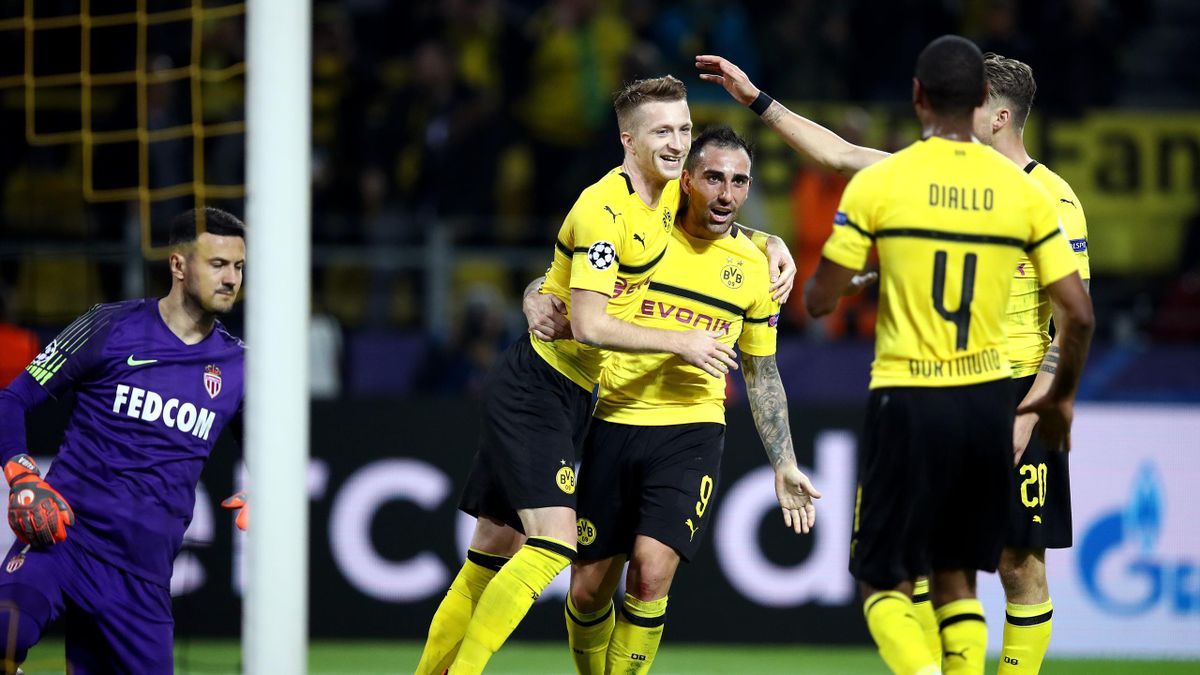
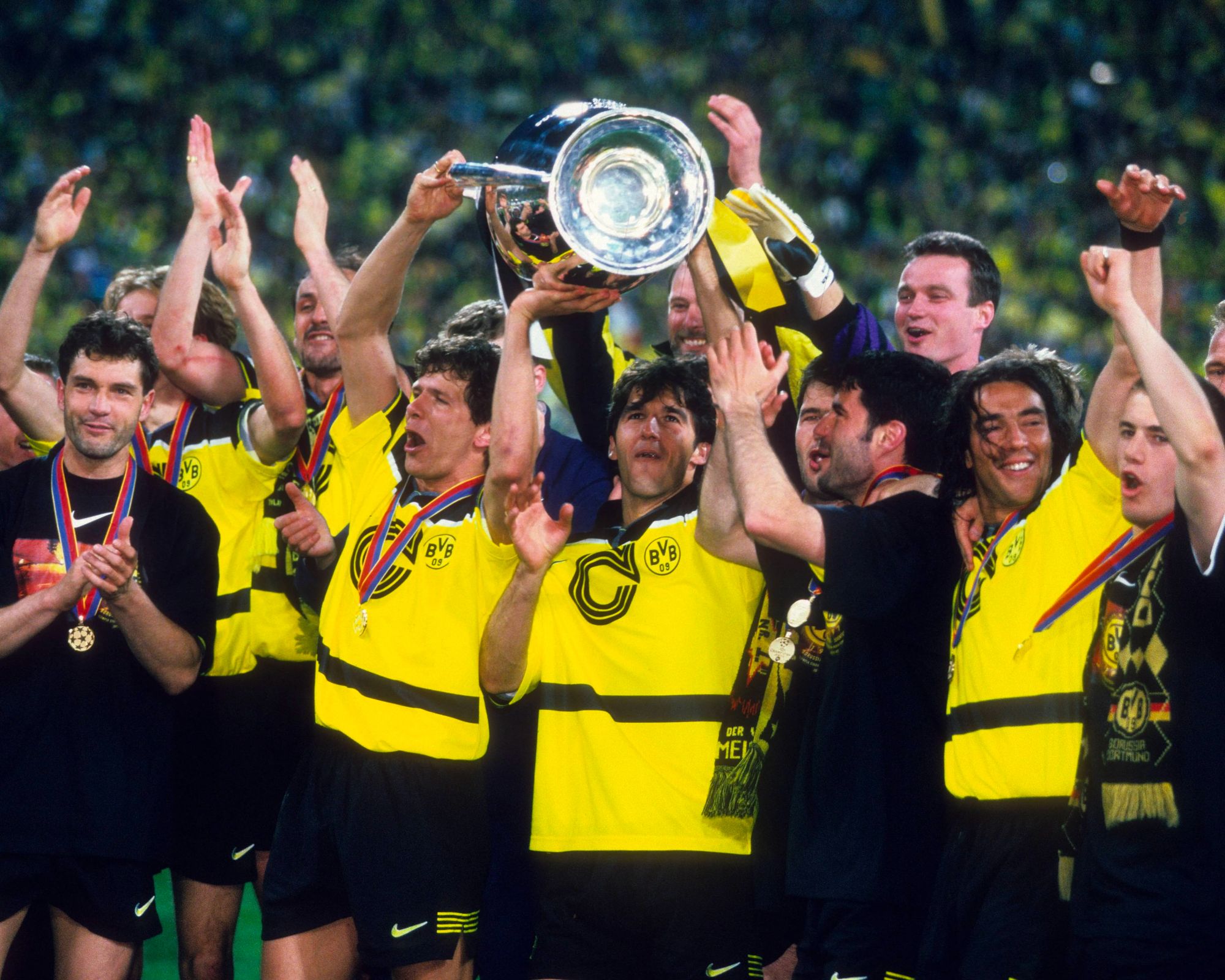
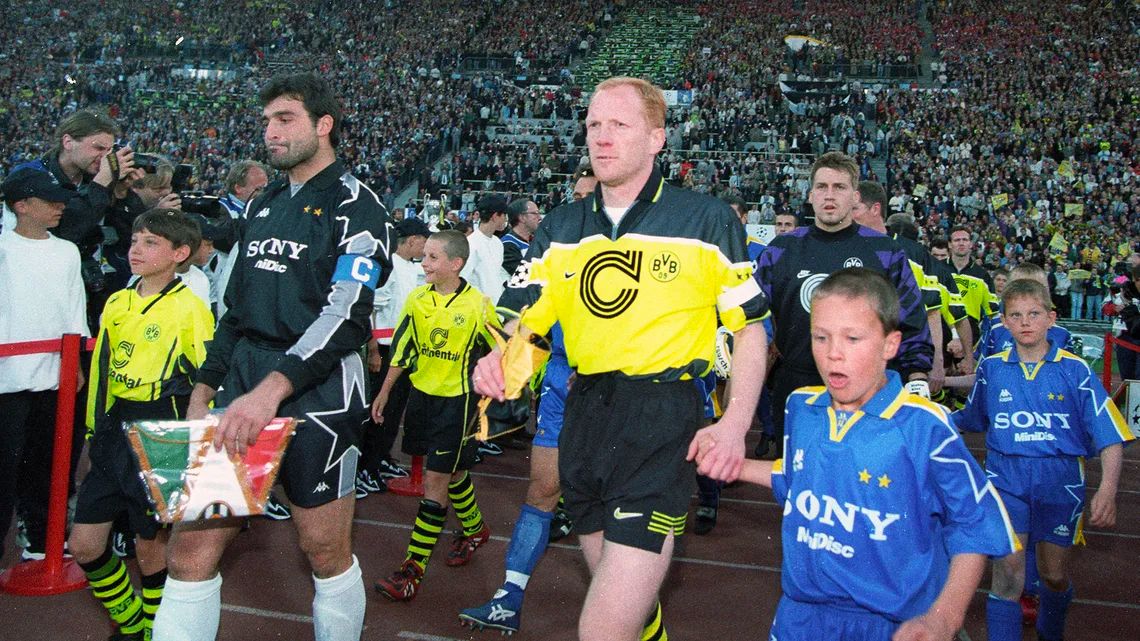
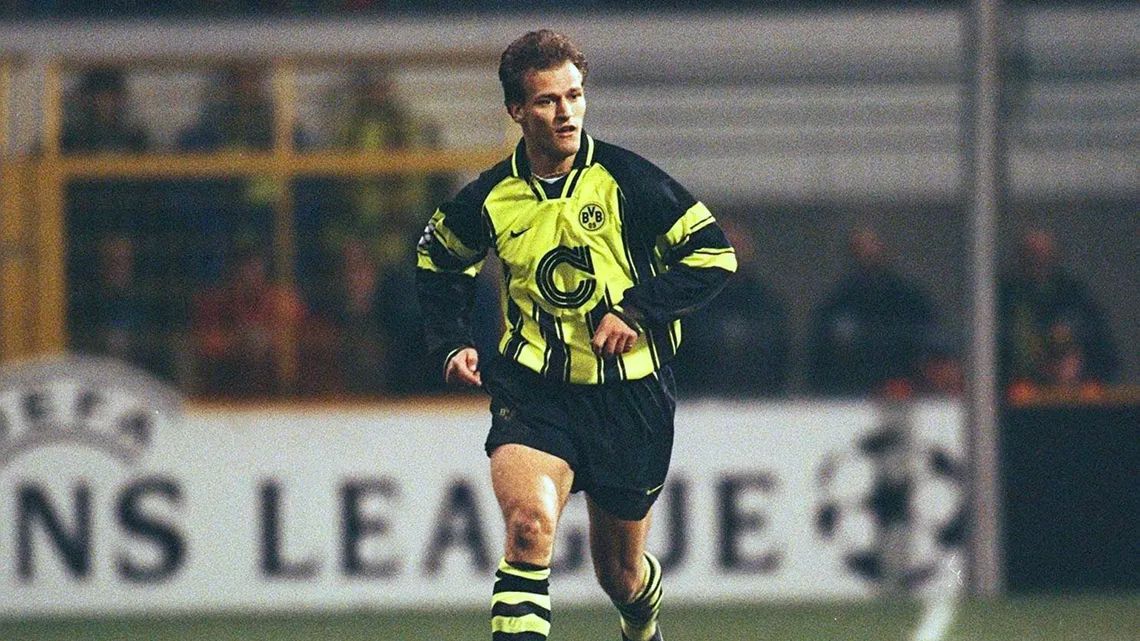
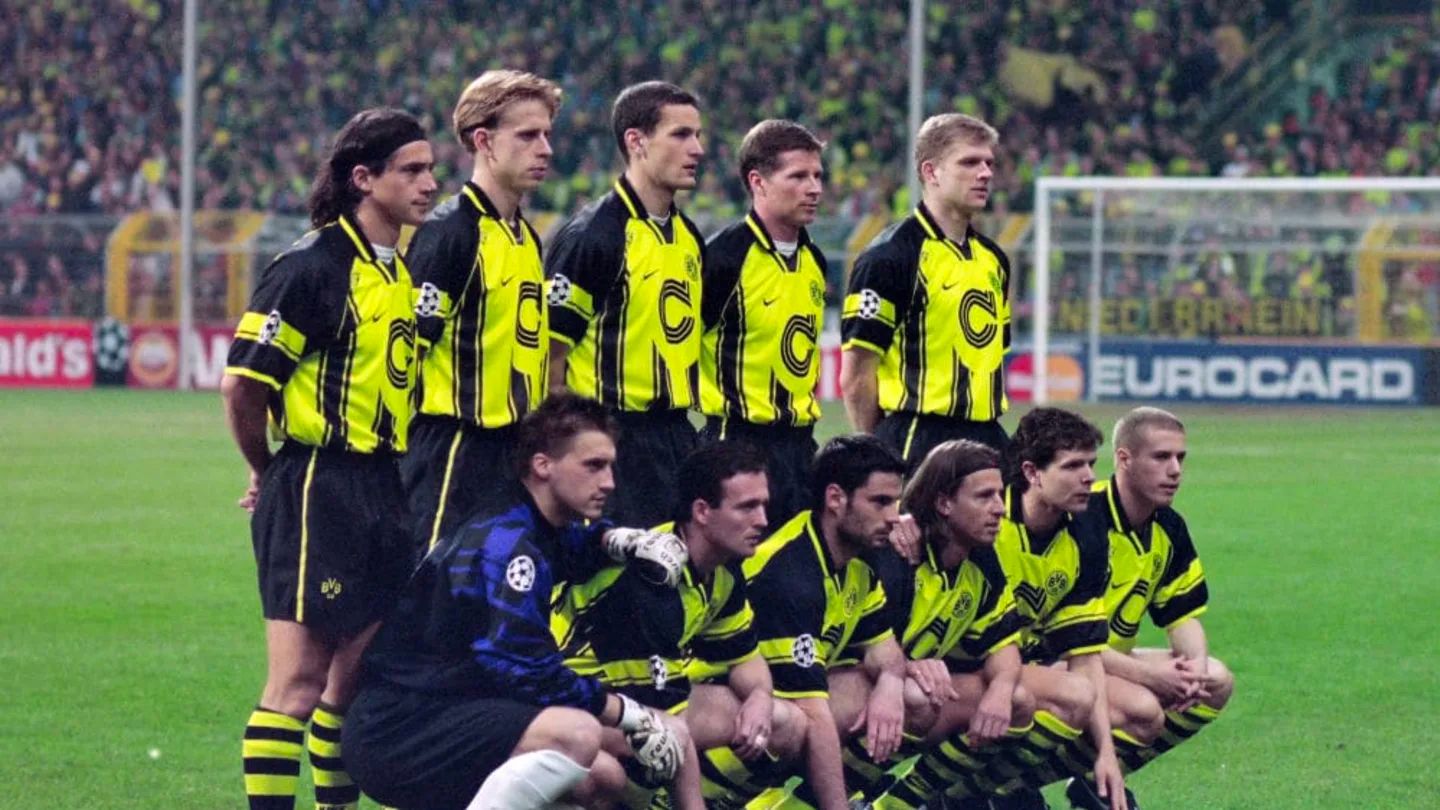
Or there is the case of Borussia Dortmund. The first special jersey was introduced during the 1997/98 season, obviously a yellow jersey with broken vertical stripes to make space for the central C, the logo of the main sponsor. An away white version with black bars was also created but never worn. That year Borussia Dortmund won the Champions League and for the final against Juventus wore a different jersey, introducing the kit for the following season. A curiosity within a curiosity: the jersey worn in the Munich final became a collector’s item because the main sponsor changed from one season to the next.
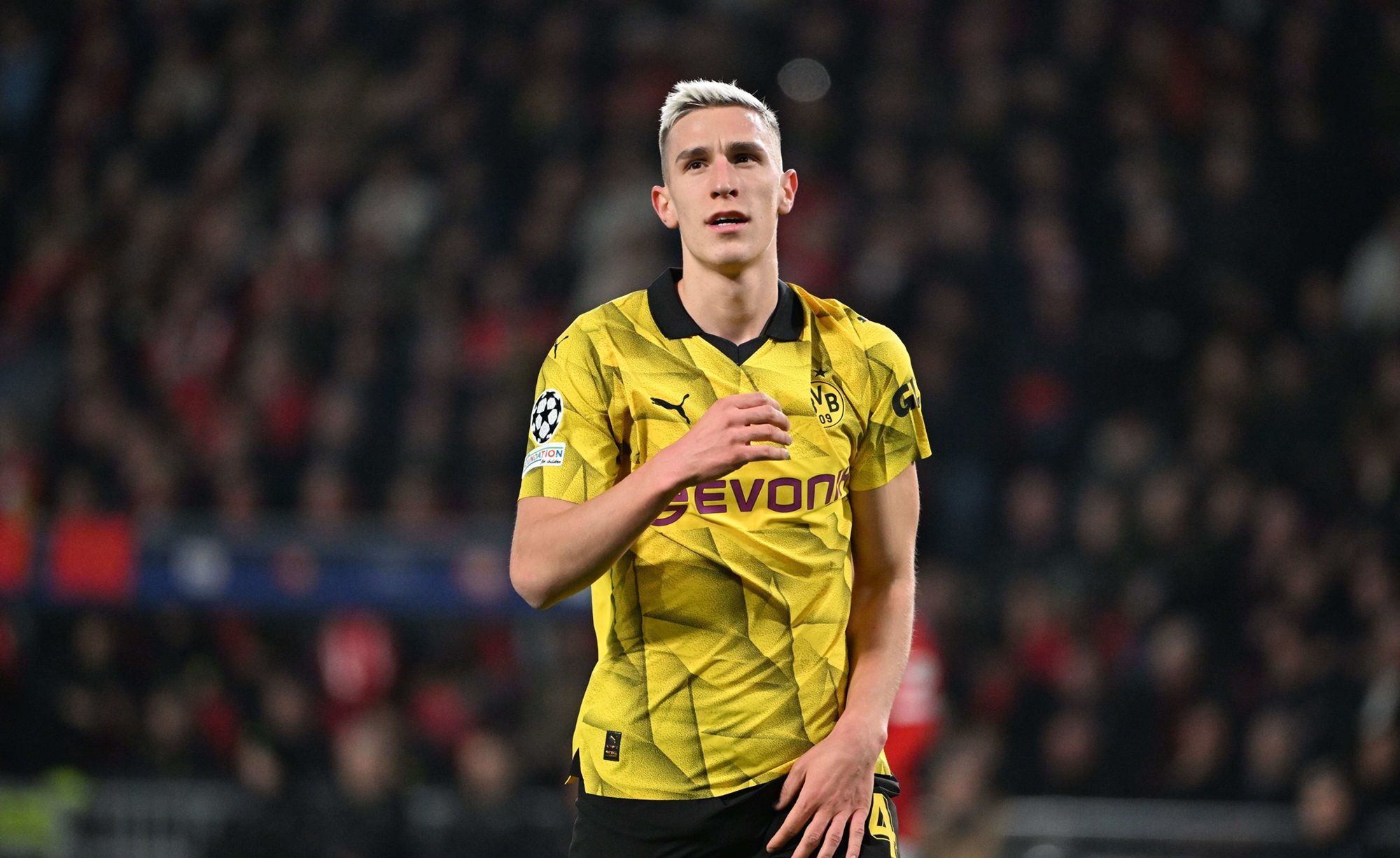
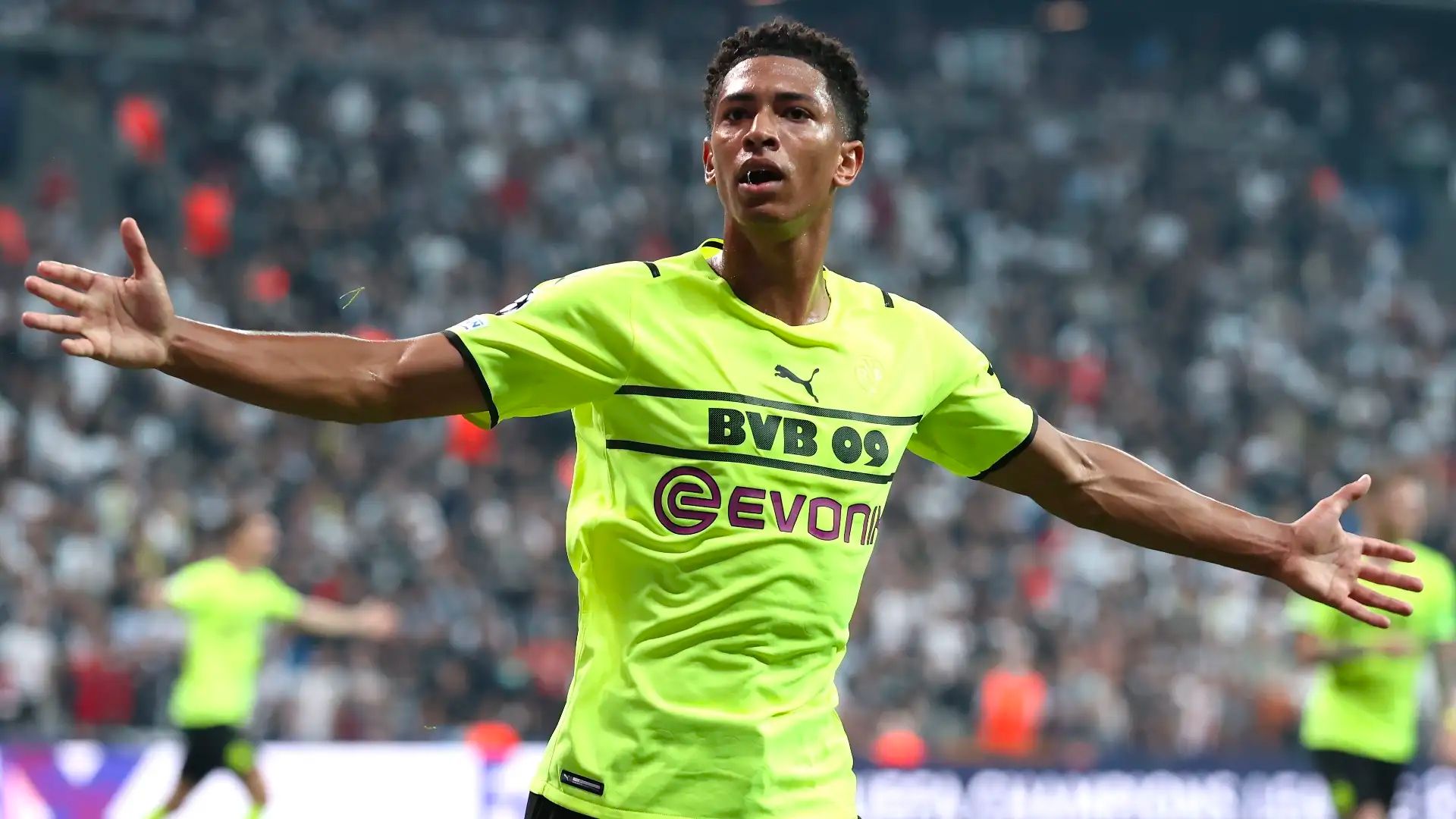
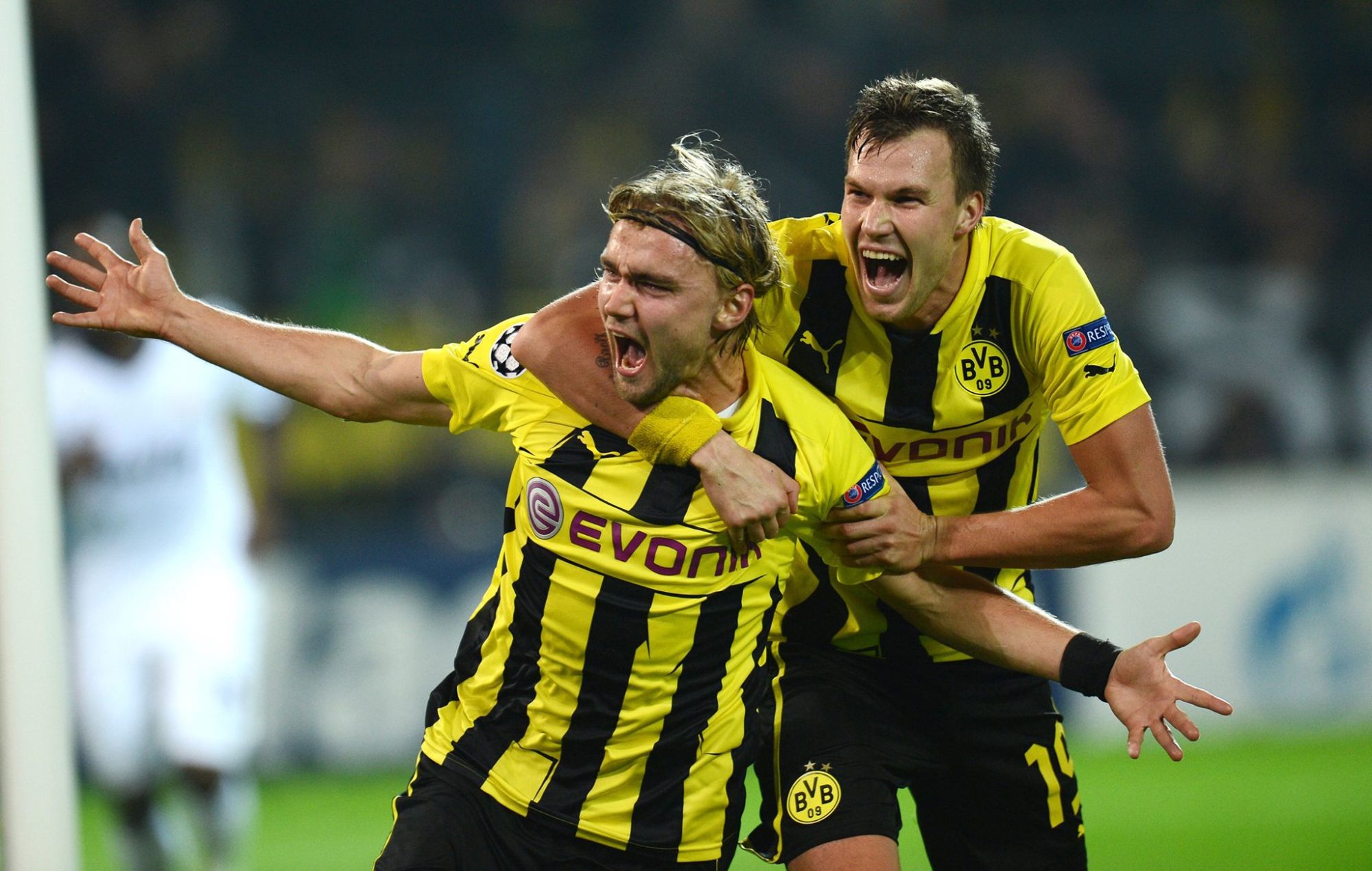
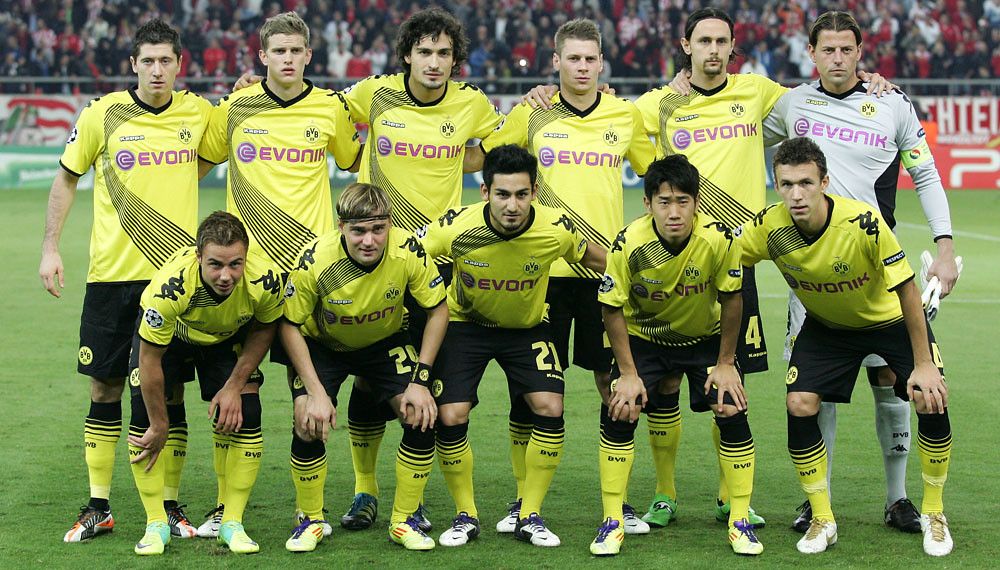
The track record of Borussia Dortmund’s special jerseys does not match Bayern Munich’s in volume, as the financial problems faced by the club in the early 2000s prevented BVB from regularly qualifying for the Champions League. Things changed starting in 2011, when Borussia became a consistent presence, and from then on—thanks also to the partnership with PUMA—the club never stopped releasing iconic kits: from the black-and-yellow vertical stripes of the 2012/13 season to the solid-colored version with a three-button collar closure in the 2014/15 season, from the fluorescent yellow jersey of the 2021/22 season paying tribute to the kits of the ‘90s to the jersey with a geometric pattern and black shades in the 2023/24 season. It is these details that make the Champions League unique.
What to read next
Como's fans unveil the new Third kit for the 2026/27 season
A black jersey with white details and a pixelated design
Napoli unveil their new Halloween 2026/27 kit
It's total black and inspired by the Munaciello
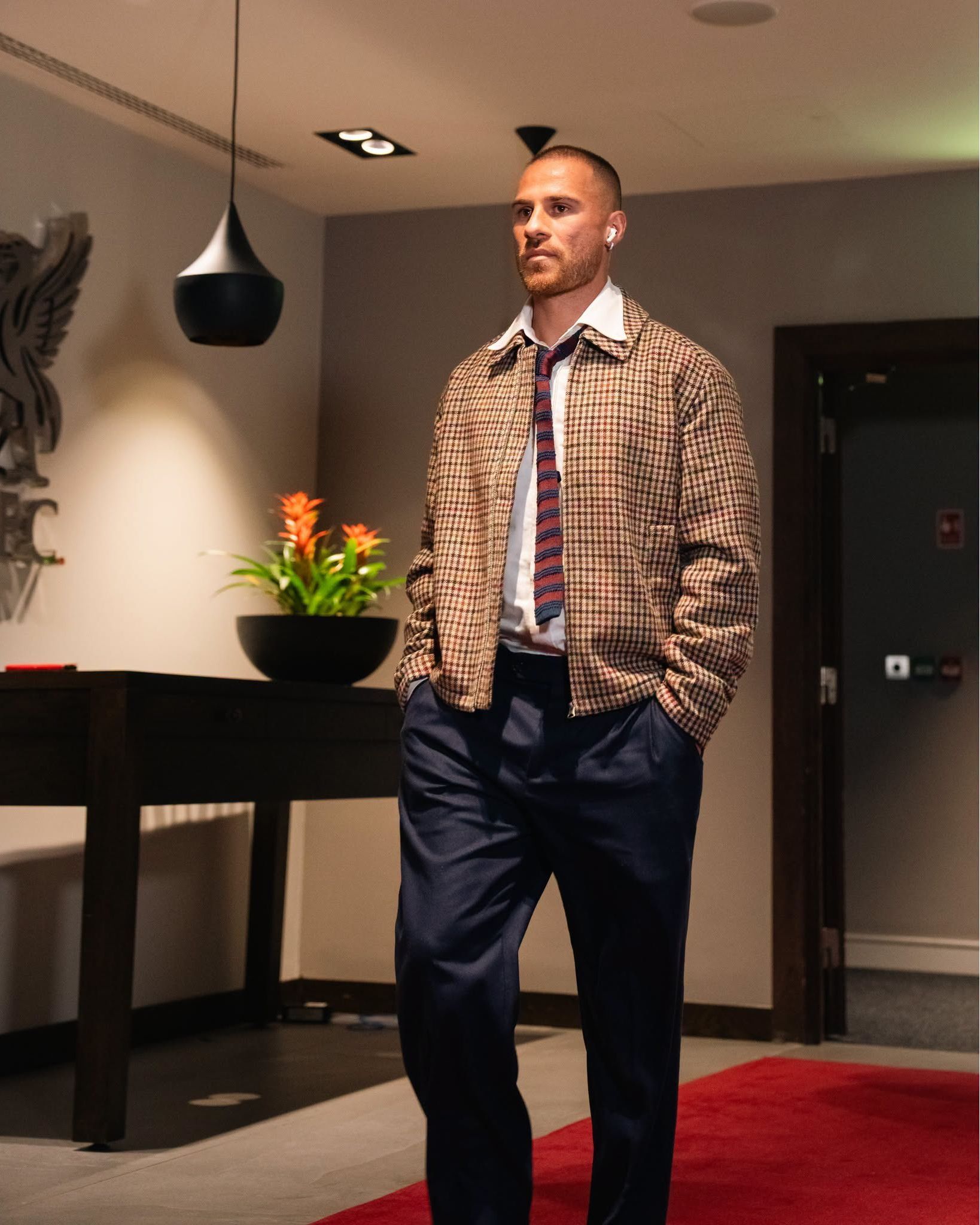
The Champions League was all about elegance last night
Liverpool and PSG debuted their Tommy Hilfiger and Dior looks