Germany is winning the 2026 World Cup social media game The DFB has transformed its social channels into a real-time documentary of the tournament
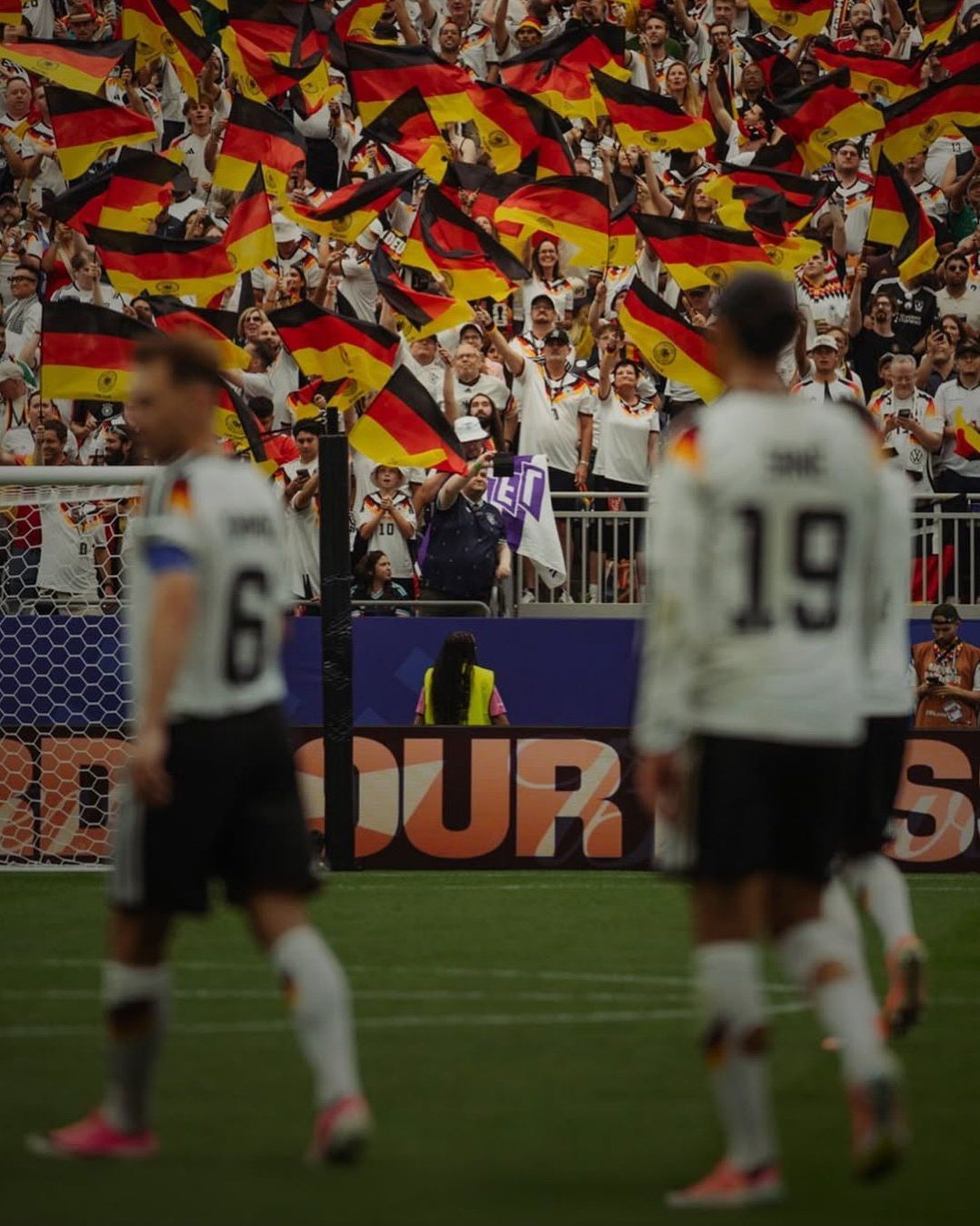
The Germany national football team has emerged as the undisputed social media powerhouse of the 2026 FIFA World Cup. The stereotypical German sense of discipline has given way to a bold and imaginative digital strategy across the federation’s official channels. A relentless stream of content, constantly refreshed feeds, and a distinctive visual identity have reshaped the public image of the Mannschaft—at least in the digital sphere. By embracing platform algorithms and breaking down barriers between players and supporters, engagement has soared to remarkable heights. Instagram leads the way with 7.5 million followers, followed by Facebook with 7.1 million, TikTok with 2 million, and YouTube with 653,000. Stretching the cultural comparison only slightly, the creative freedom behind Germany’s social media presence evokes the spirit of Sturm und Drang, the late-18th-century German movement that challenged rationalism in pursuit of something new. The same sense of reinvention can be found across the national team’s social platforms, particularly on Instagram.
A Distinct Visual Identity on Instagram
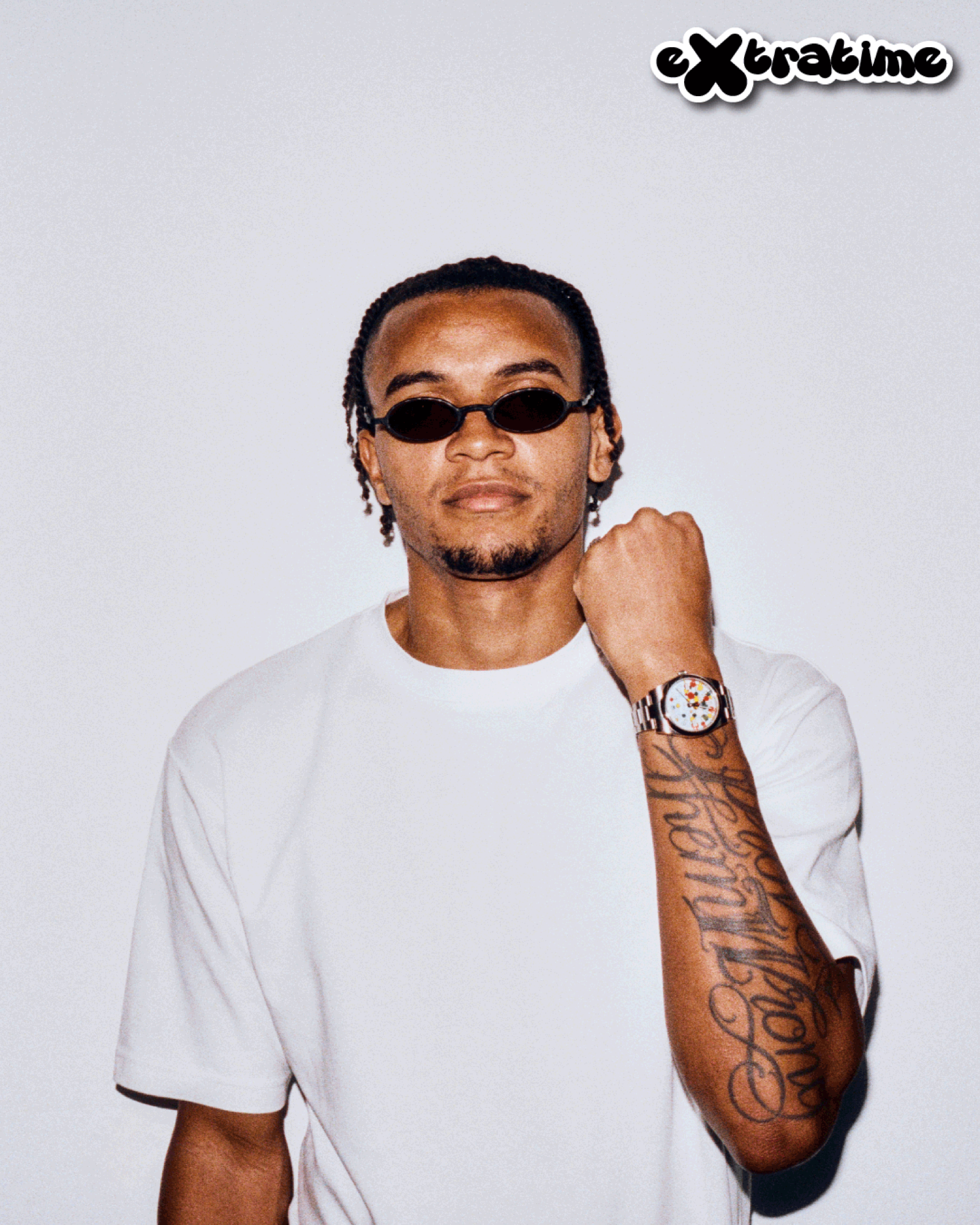
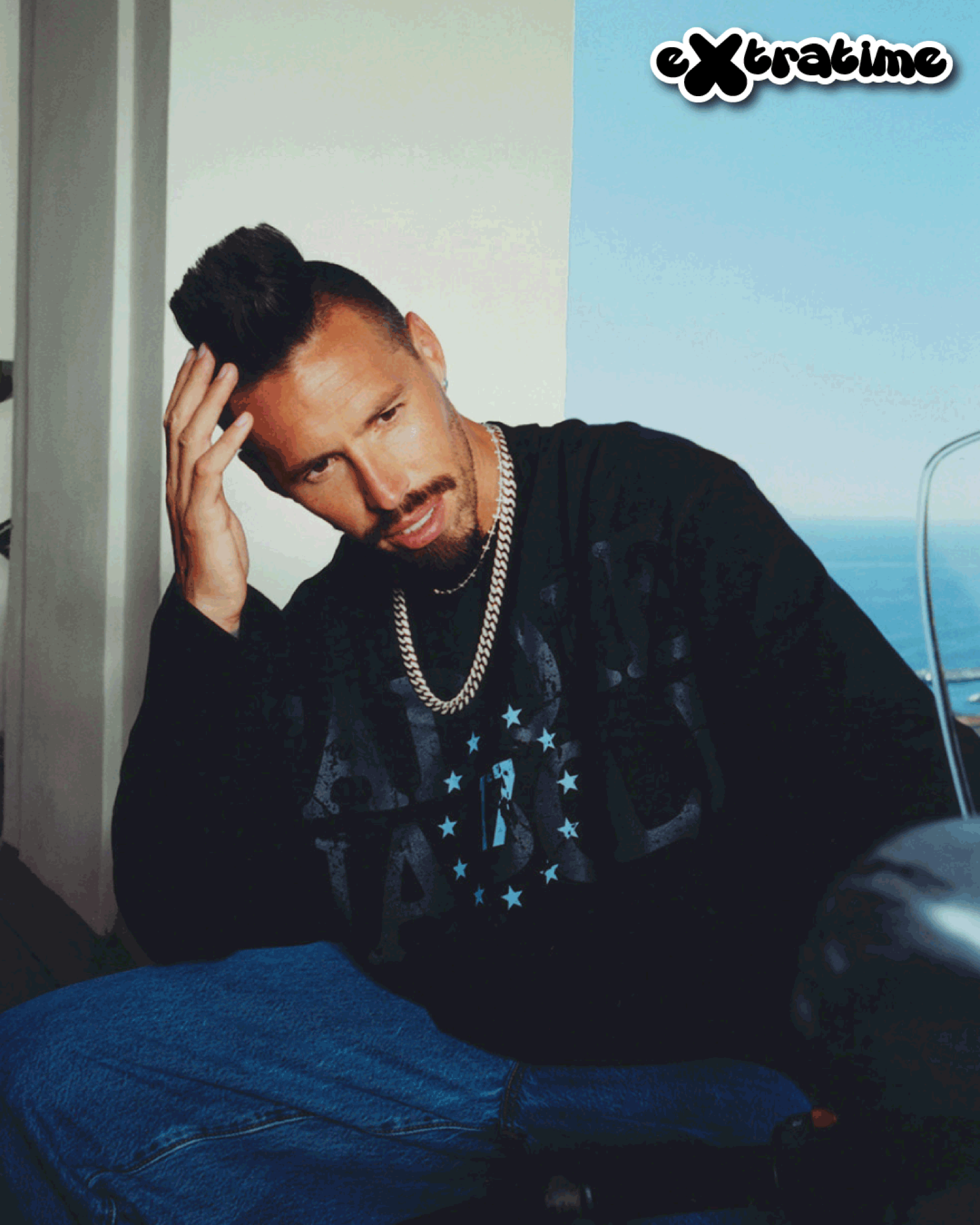
So how exactly does the visual identity of @dfb_team take shape during this World Cup? The best description might be organized creativity. The account adopts a documentary-style approach, supported by the outstanding work of photographer Max Galys, chronicling the team’s journey from the opening training camp through the tournament itself. Each day is captured through photo and video carousels that recap the latest chapter of the campaign, all tied together by consistent cover graphics featuring the word “TAG” (“day” in German) and the corresponding number.
Carefully crafted editing techniques elevate the account’s reels, including creative transitions that make training clips flow seamlessly from one scene to the next. The photography is exceptional, maintaining a sophisticated consistency in lighting, typography, and ultra-high image quality. Some footage is even shot on vintage cameras, adding another layer of aesthetic appeal. Necklaces, facial expressions, hairstyles, exercise bikes, goalkeeper gloves—every detail receives attention. Nothing feels overlooked.
The official matchday graphics are intentionally minimalist, complemented by alternative designs inspired by vintage postcards. These multi-slide visuals incorporate landmarks from the host city alongside close-up portraits of Germany players. The same attention to detail extends to Instagram Stories, where the team understands the importance of staying constantly active. The core graphic font has remained unchanged for years, but it is now accompanied by a richer visual language that enhances the overall presentation. Since 2022, Sabrina Dirks has overseen the federation’s official social channels as team leader. Steffen Kallweit manages digital content operations, Karl Evers coordinates the social media editorial team, and Phillip Reinhard serves as the national team’s official photographer.
Players at the Center of the Story
What truly brings supporters closer to the national team is the emphasis placed on the players themselves. Not only as footballers, but as people. That human dimension is the key ingredient in building genuine emotional connections. The squad announcement campaign offers a perfect example. Rather than a standard reveal, each call-up was introduced through a dedicated short film beginning with childhood photographs of the player, evoking the innocence and ambition of their earliest dreams. The videos then weave together footage from youth matches, accompanied by voiceovers from family members, friends, and people who witnessed their journey firsthand. The result is an intimate portrait tracing each player’s path to the World Cup. Cover images pair childhood photos with the nicknames by which teammates and supporters know them best. Schlotterbeck becomes “Schlotti,” Nathaniel Brown is “Nene,” Lennart Karl becomes “Lenny,” Florian Wirtz is simply “Flo,” and so on. The accompanying message is straightforward: “He’s coming with us to the 2026 World Cup.”
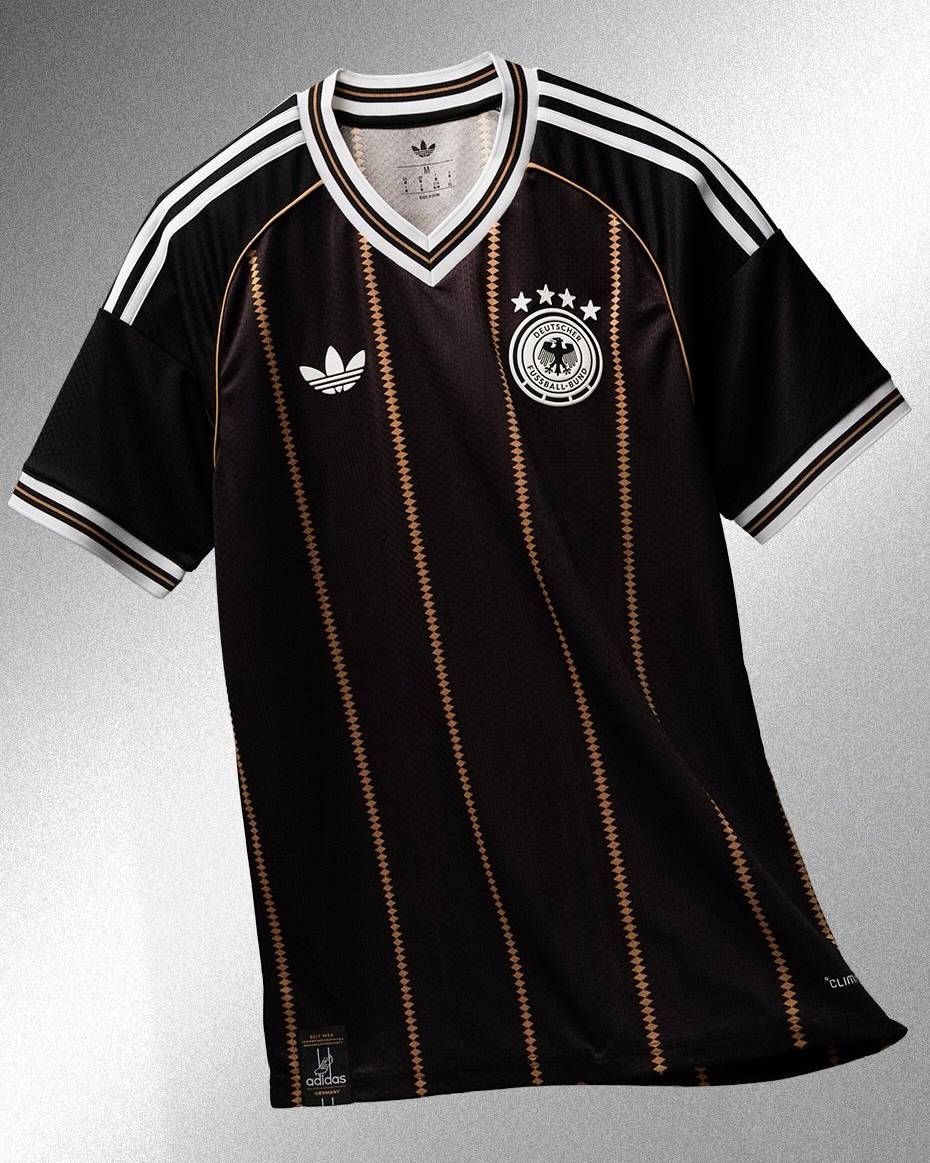
On the first day of camp, every player was photographed with a Polaroid camera. Several arrived wearing vintage Germany kits: Woltemade opted for the shirt from the emotionally charged 2006 World Cup on home soil, while Goretzka chose the jersey from USA 1994. Wirtz showcased a piece from the adidas x Willy Chavarria collaboration, while Malick Thiaw wore a 424 x Under Armour leather jacket featuring references to the German flag. During pre-tournament fixtures, the squad arrived in coordinated travel outfits inspired by the aesthetics of USA ’94 and another collection paying tribute to 1992.
The social media team also places players front and center through interactive formats, games, and personal questions. Fans learn how their favorite footballers customize a Döner Kebab or what their favorite ice cream flavor is. Players take part in a version of Guess Who? using Panini World Cup sticker packs. The content ranges from close-up training-ground skill sessions to moments playing basketball, Uno, darts, badminton, or even folding paper airplanes. There are pool dives, official photoshoots, and countless behind-the-scenes glimpses that reveal the personalities behind the shirts.
Beyond Instagram
As impressive as Instagram’s output may be, it would be a mistake to overlook the extensive work carried out across the rest of the DFB’s digital ecosystem. Longer-form content naturally finds its home on the official DFB YouTube channel, where viewers can watch player reaction videos, behind-the-scenes World Cup vlogs, training features, one-on-one conversations between squad members, and press conferences from head coach Julian Nagelsmann.
TikTok offers a different flavor altogether, placing players even more firmly in the spotlight through platform-native challenges and trends. Tier lists, rankings, quick-fire comparisons, and light-hearted challenges allow supporters to connect with players in a more relatable and entertaining way, showcasing their most extroverted side.
Facebook, meanwhile, follows a strategy tailored to its own audience. Compared to Instagram, the platform features significantly fewer reels and a greater emphasis on photo galleries, graphic collages, and redesigned matchday posters. There is also a notable focus on German supporters travelling to host cities, with practical information about fan zones and local events, including initiatives involving Thomas Müller. By contrast, the team’s X account has been inactive for more than five years. The storytelling approach developed by the DFB’s digital department has effectively transformed its social media channels into a live documentary: immersive, engaging, visually coherent, and never repetitive. And the deeper Germany advances in the tournament, the longer this compelling story will continue to unfold.