
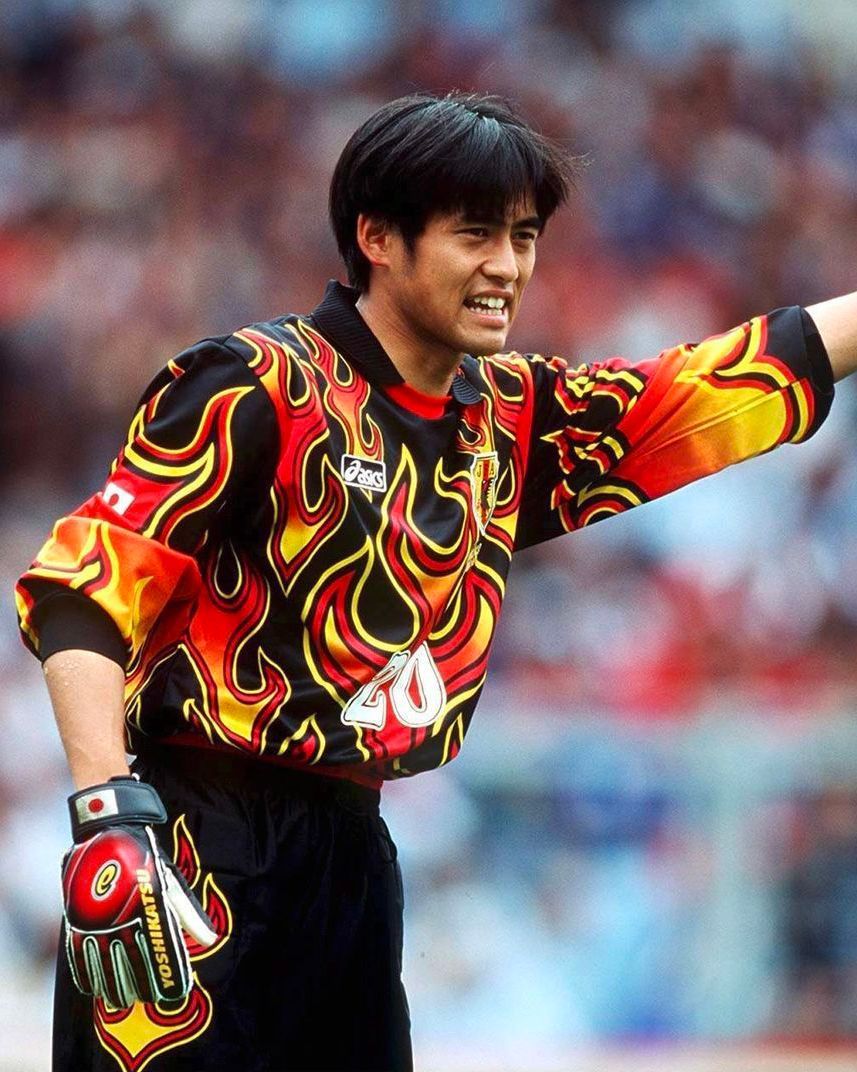
The story behind the most iconic goalkeeper jersey of all time In other words, the one worn by Japan at the 1998 World Cup
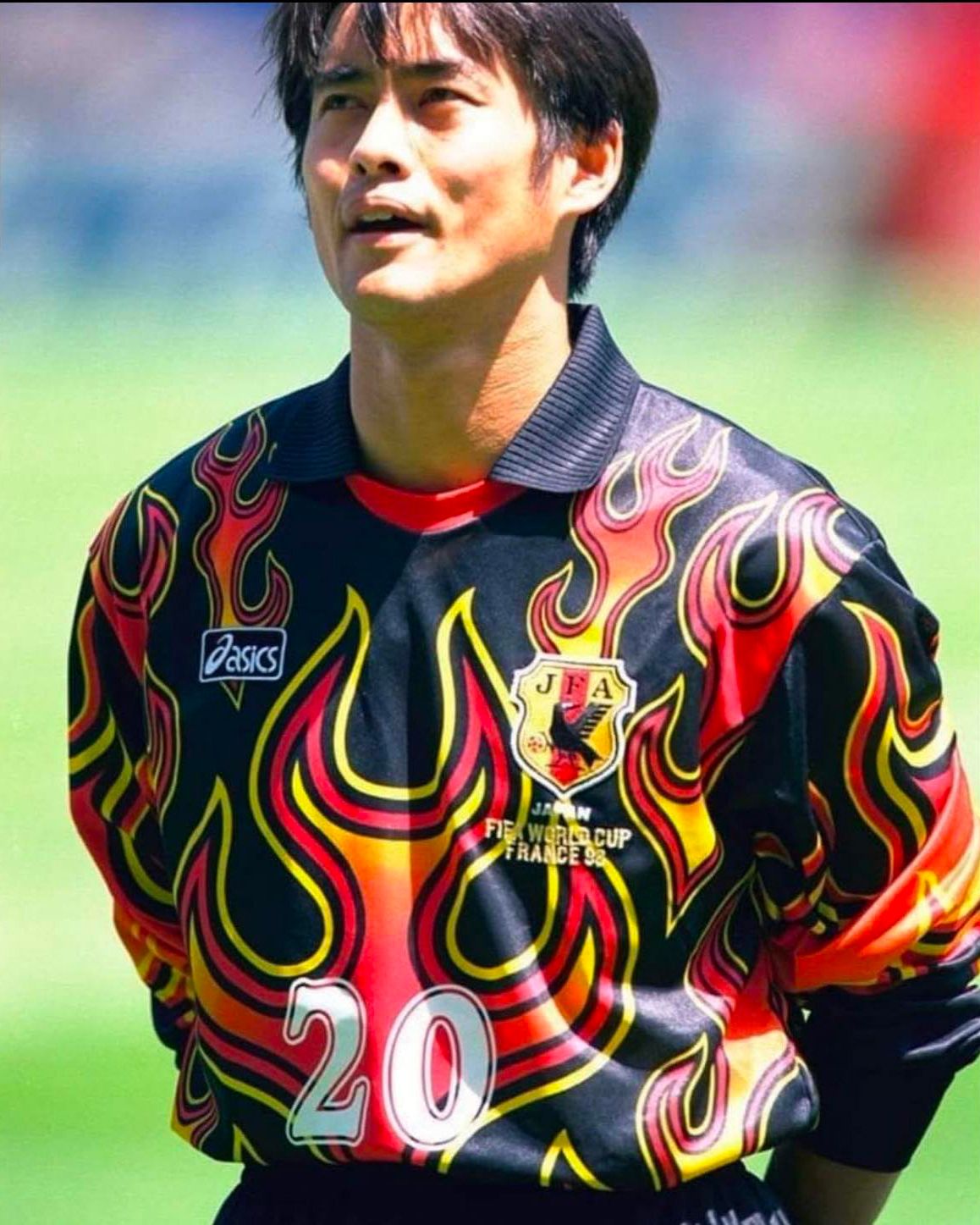
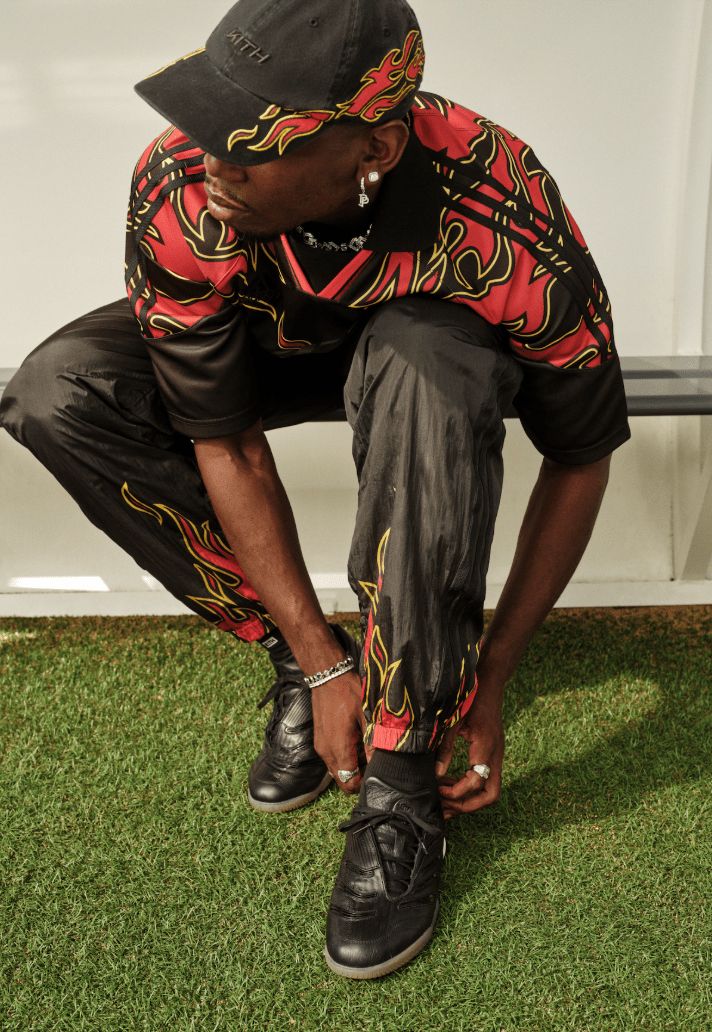
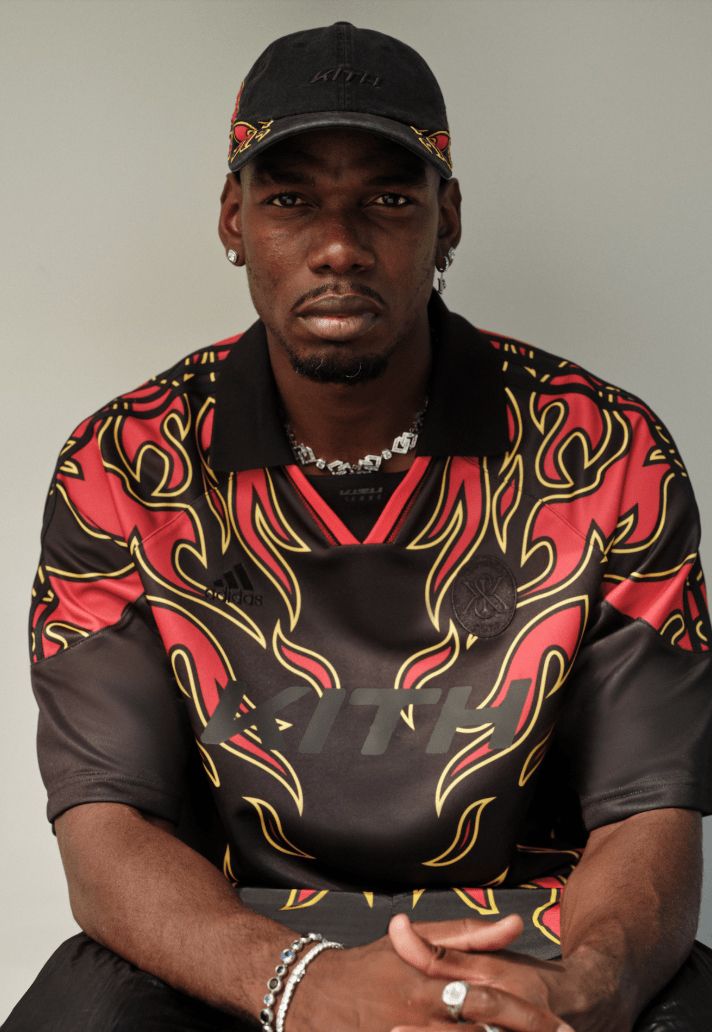
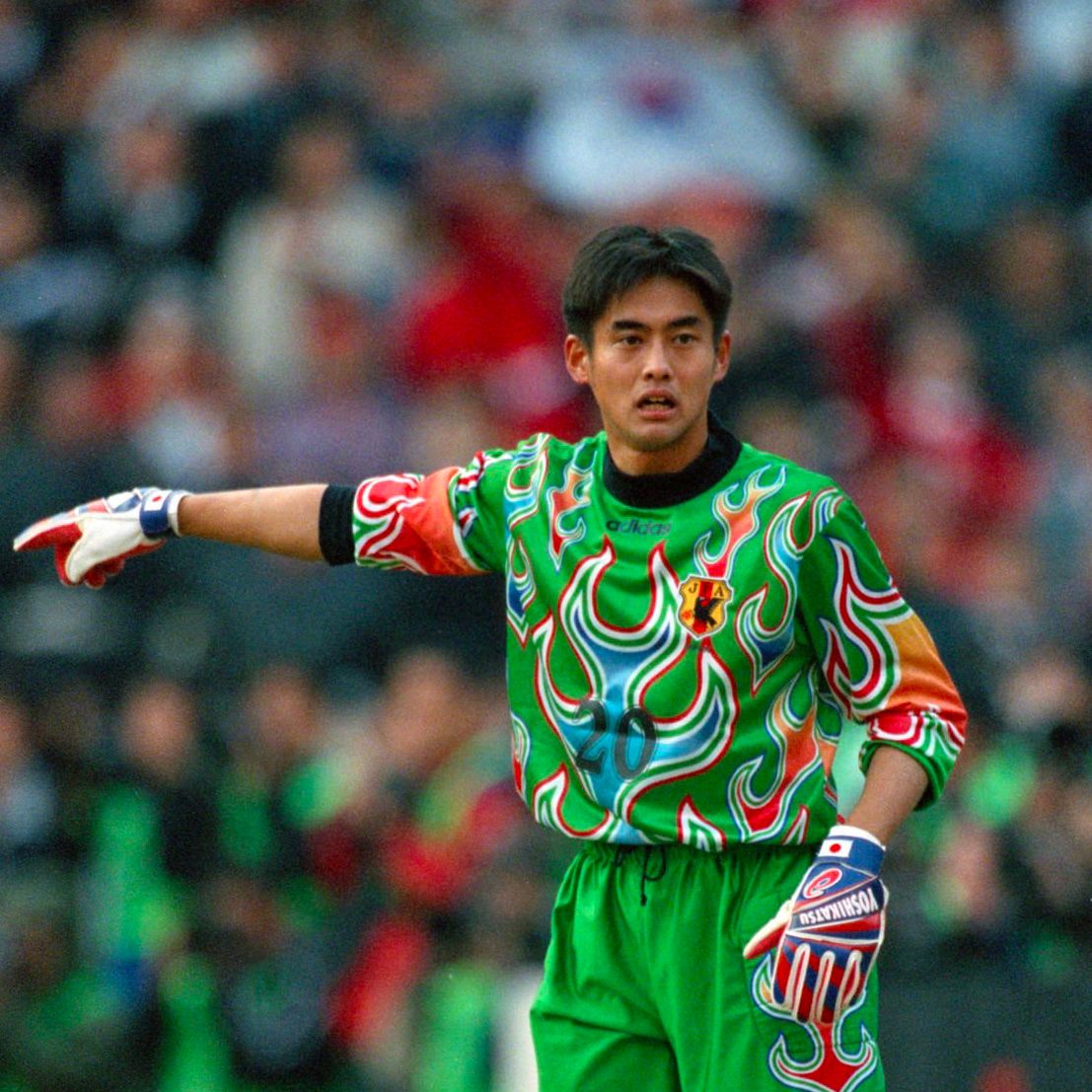
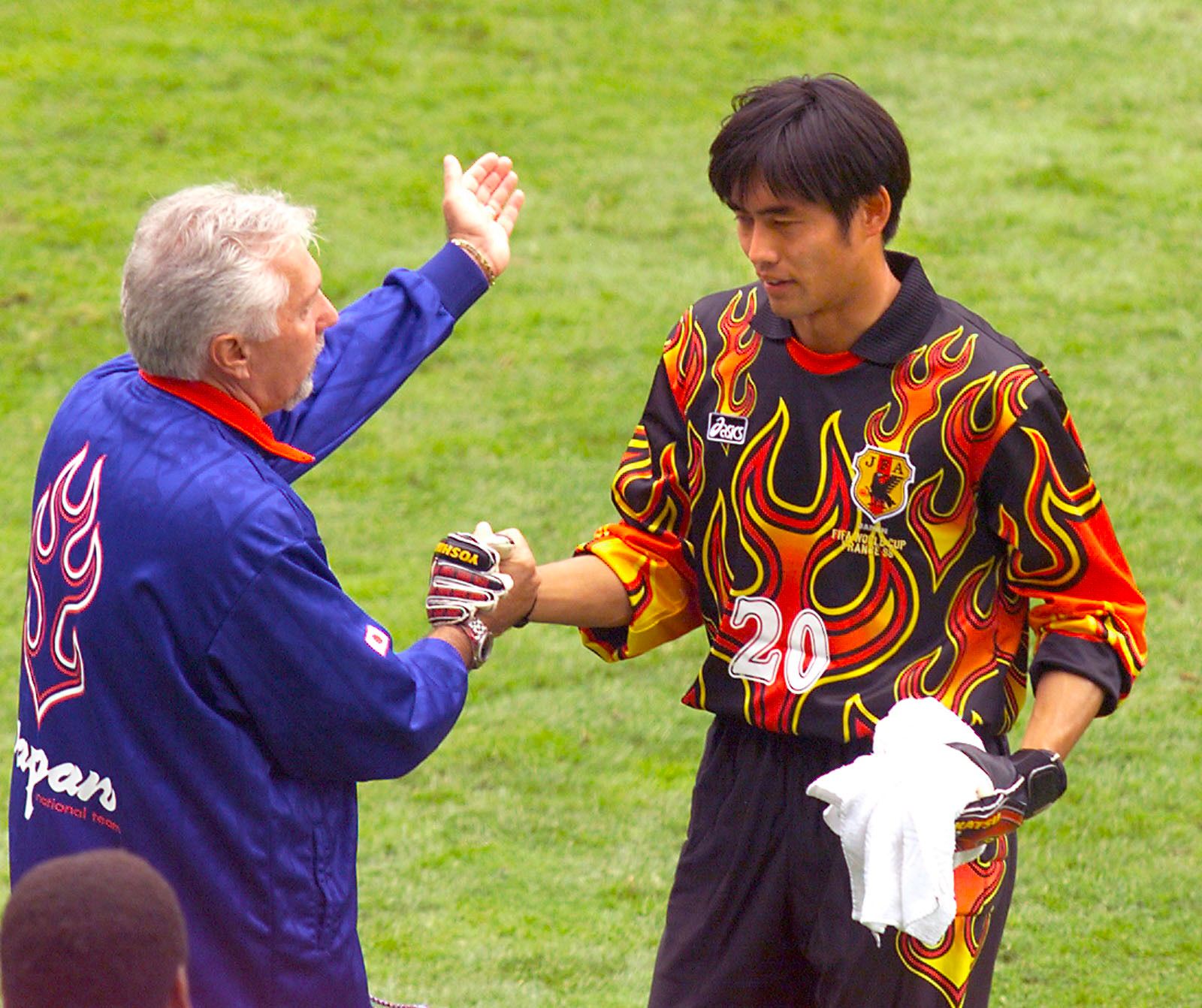
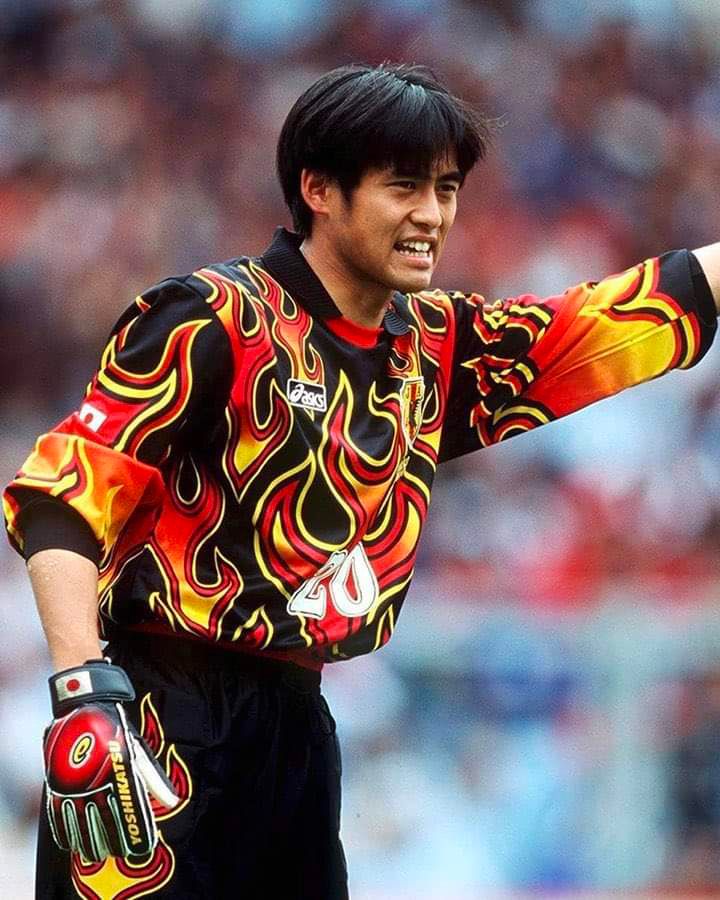

Paulo Dybala and Paul Pogba are the new faces of the second chapter of the adidas Football for Kith campaign. A collection that, as usual, abandons the classic aesthetic canons of football to embrace a refined stylistic language, always recognizable thanks to the iconic three stripes but placed in different contexts, such as a denim jacket. Elegance is the word that best describes this line, completed by a surprising piece that in this case does reference football: it is a black jersey featuring a pattern of red flames with yellow outlines. The reference is clear — namely the kit worn in 1998 by Yoshikatsu Kawaguchi, Japan’s goalkeeper, on the occasion of the country’s first historic participation in the World Cup. A shirt that has entered the collective imagination as an Asics piece, since it was was Japan’s technical sponsor at that tournament, but which actually hides a much more surprising story.
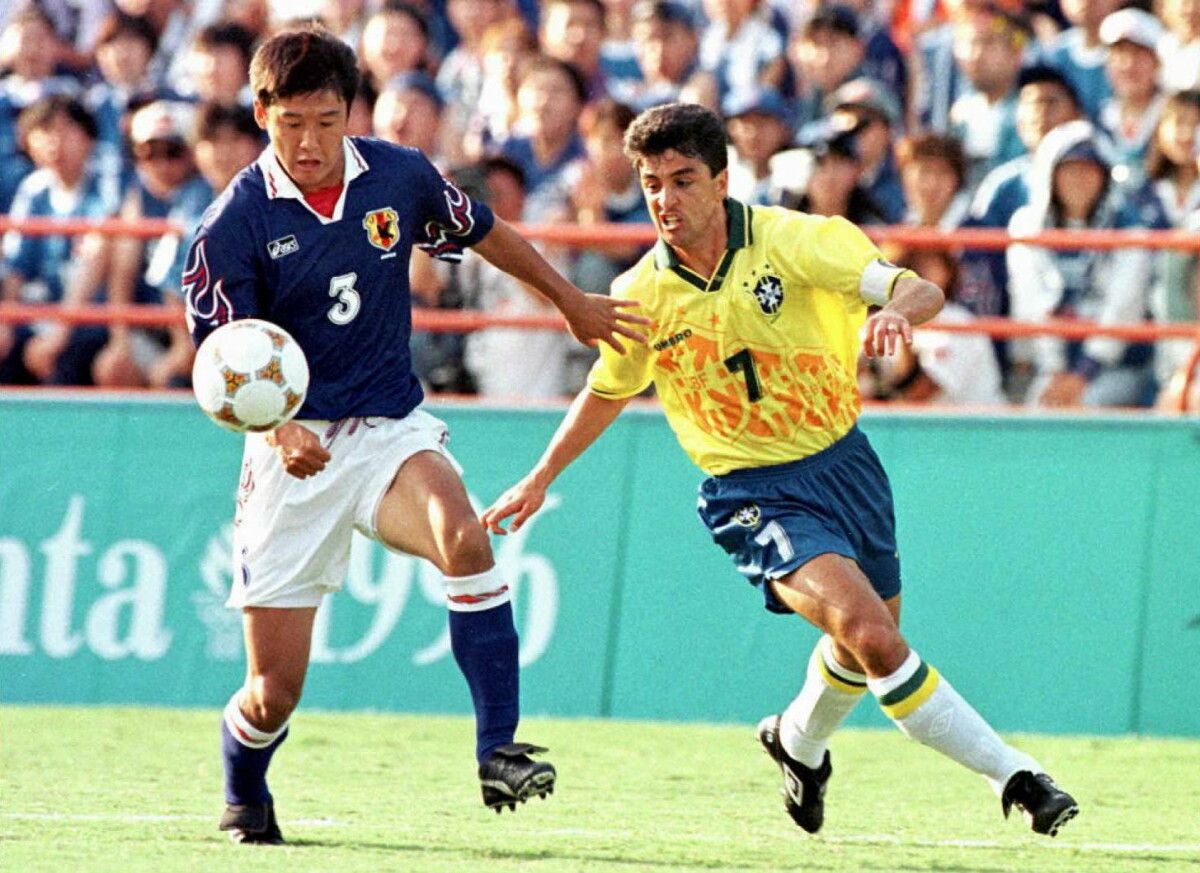
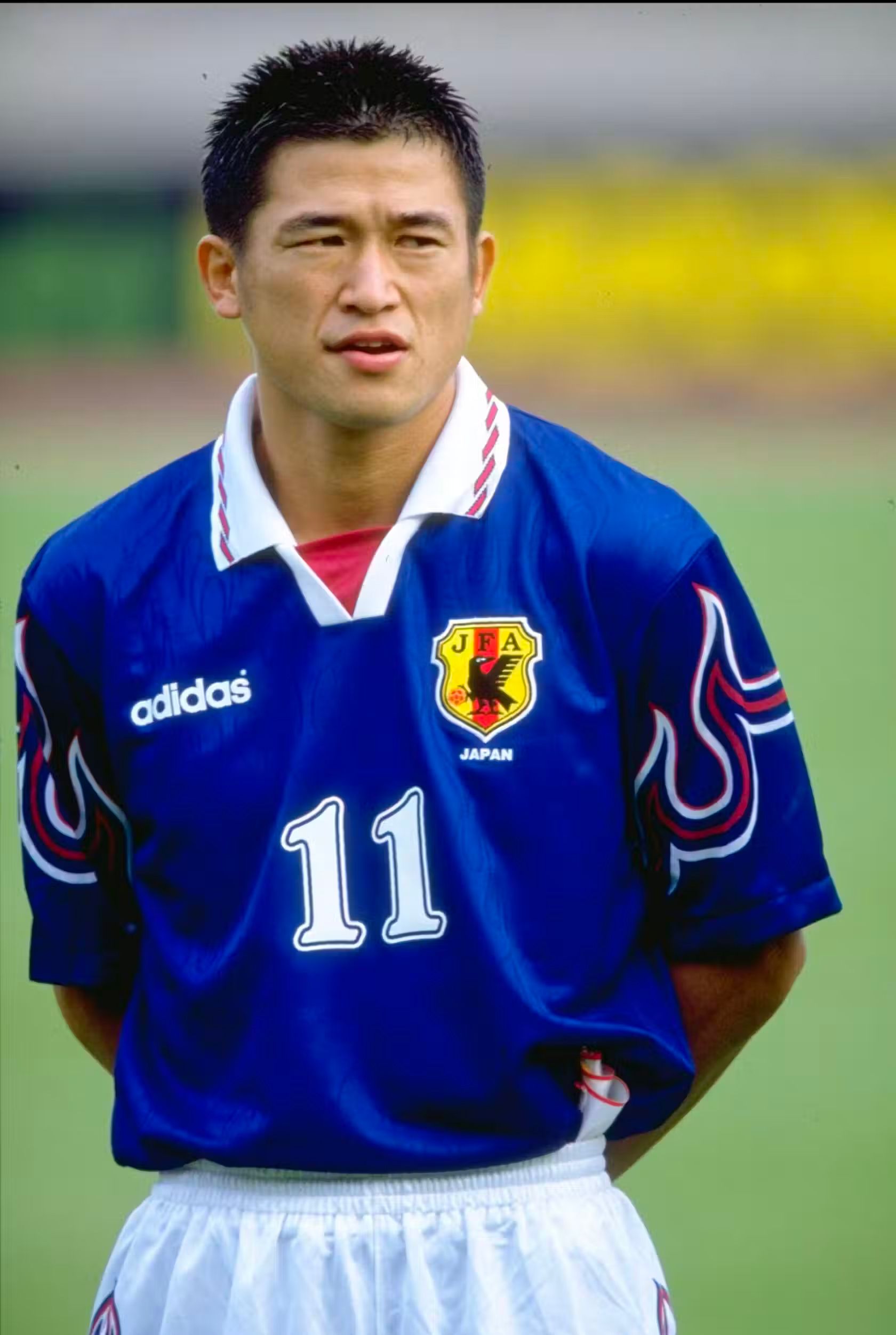
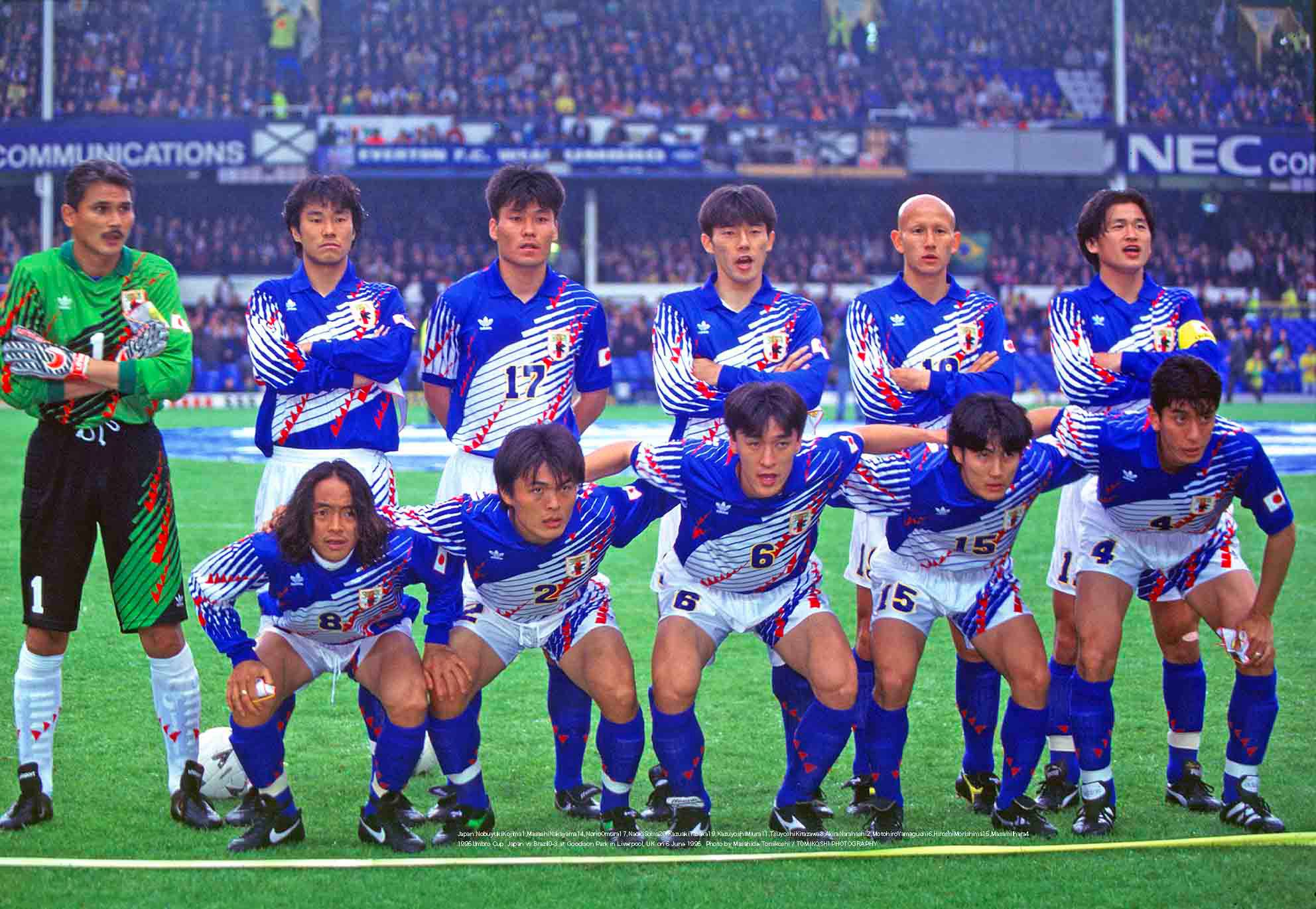
As recounted by Classic Football Shirts, in the early ’90s the Japan Football Association (JFA) decided to abandon the solid-color kits used up until then in order to move closer to the vibrant aesthetic standards of the newly-formed J-League, the Japanese top flight which in its first season was flooded with Mizuno productions featuring flashy colors, psychedelic patterns and geometric designs, setting a new standard. In this context the JFA decided to create its own design for the national team kits and later to lend it to adidas, PUMA and Asics — the three brands that alternated annually as Japan’s technical sponsor. In 1996 the definitive turn came with the abandonment of the first geometric design and the introduction of the flames, seen for the first time at the Atlanta Olympic Games under Asics’ signature, and later reproduced by PUMA and adidas on their respective kits before the rotation awarded Asics with the logo designed by Herb Lubalin in 1977 clearly visible on the shirts used at the World Cup.
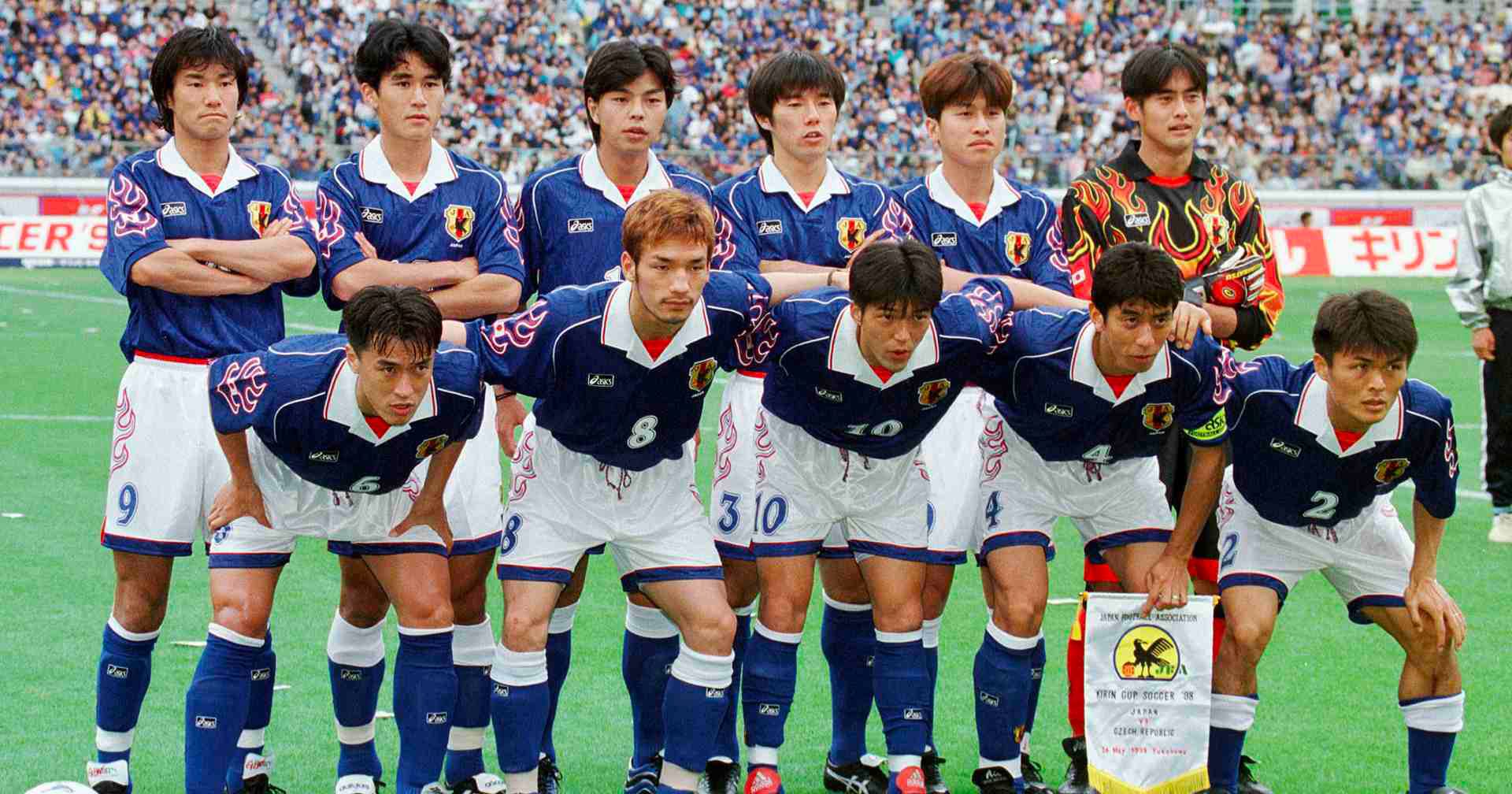
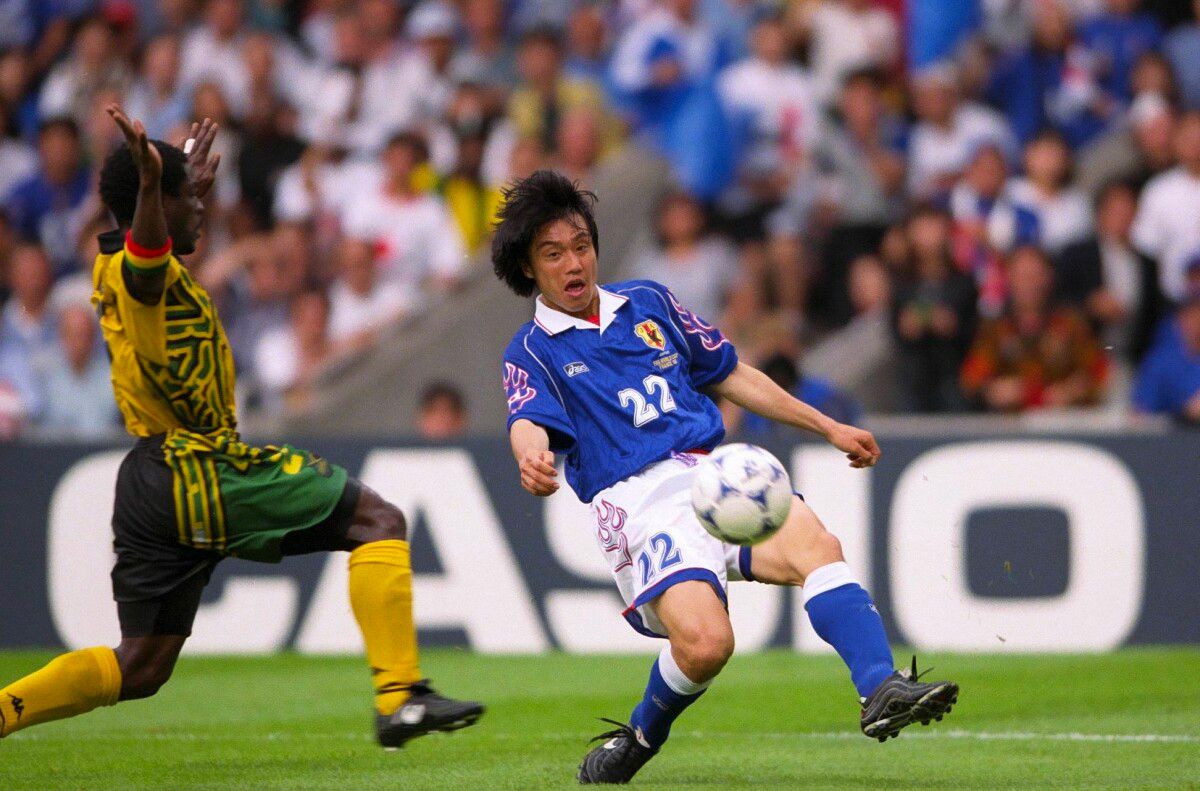
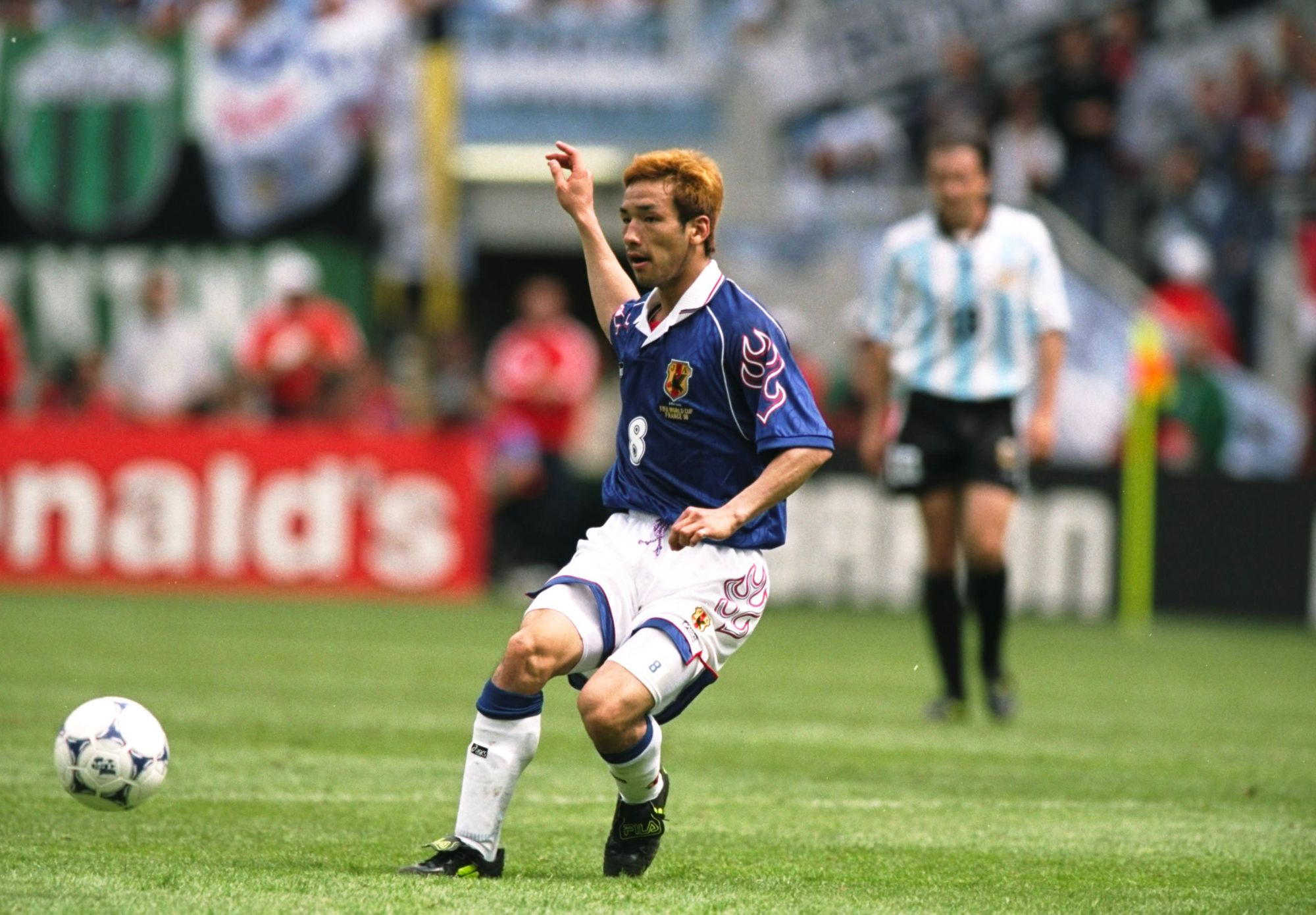
In France the flame design was consecrated as a cult. Specifically, the outfield kit, in solid blue, featured a red flame with light-blue details reproduced on both shoulders as well as on the shorts. Additionally, the flames were also reproduced in miniature across the front of the shirt using a tone-on-tone effect. The JFA nevertheless decided to go further with the goalkeeper kits by recreating the full flame pattern across the entire jersey, rendered in the usual red and yellow on the first solid black kit while on the second green kit the flames included light-blue elements. The most plausible reconstruction suggests that the inspiration for the flames came from Fudō Myōō, a Buddhist god whose iconography is marked by a purifying flame that develops behind him. Whether that is the truth or not, the fact remains that those kits became legendary, helped by the fact that they were never reproduced again: starting in 1999 adidas became the national team’s sponsor, offering its own iconic kits and never reissuing the flame shirt. Until today.