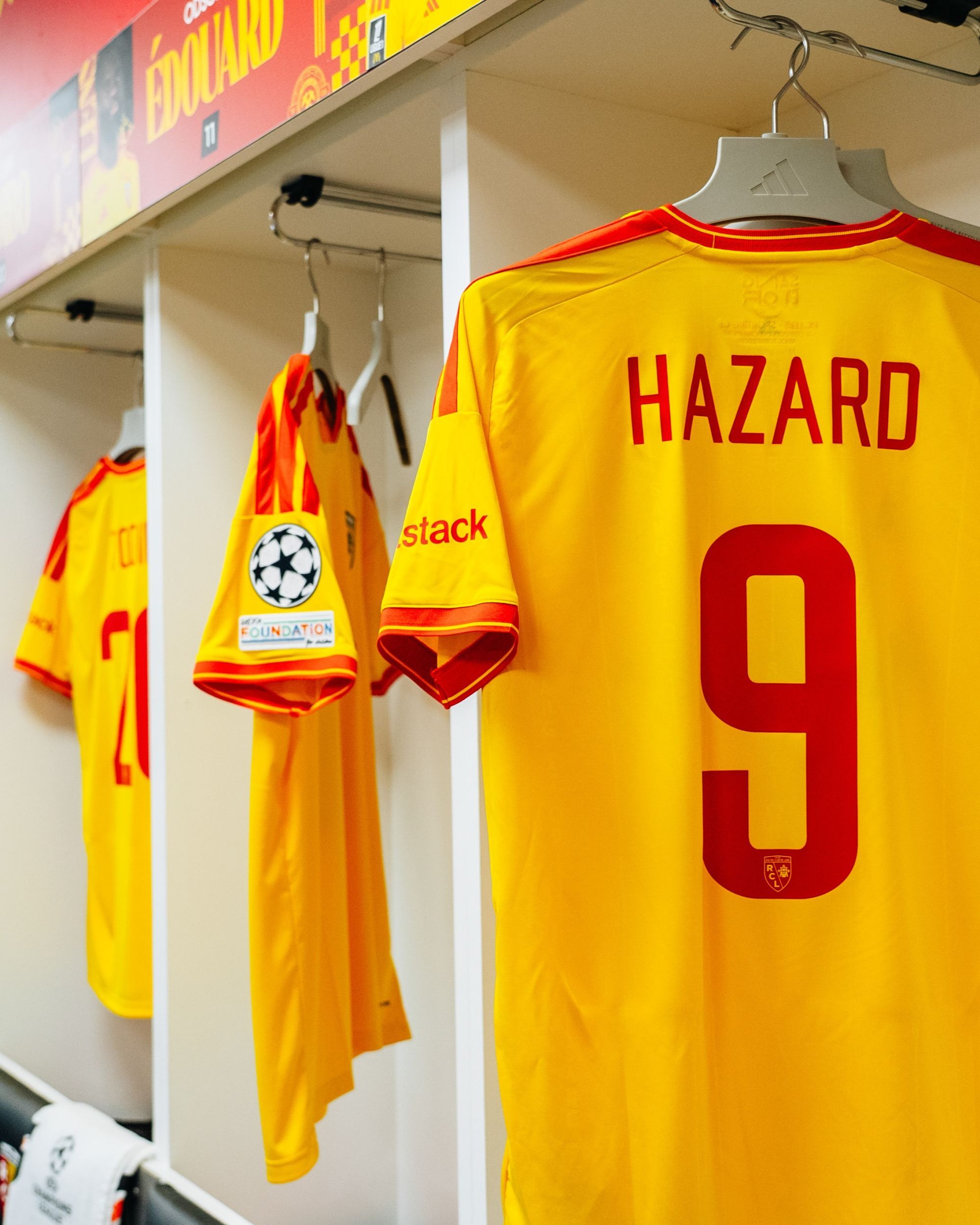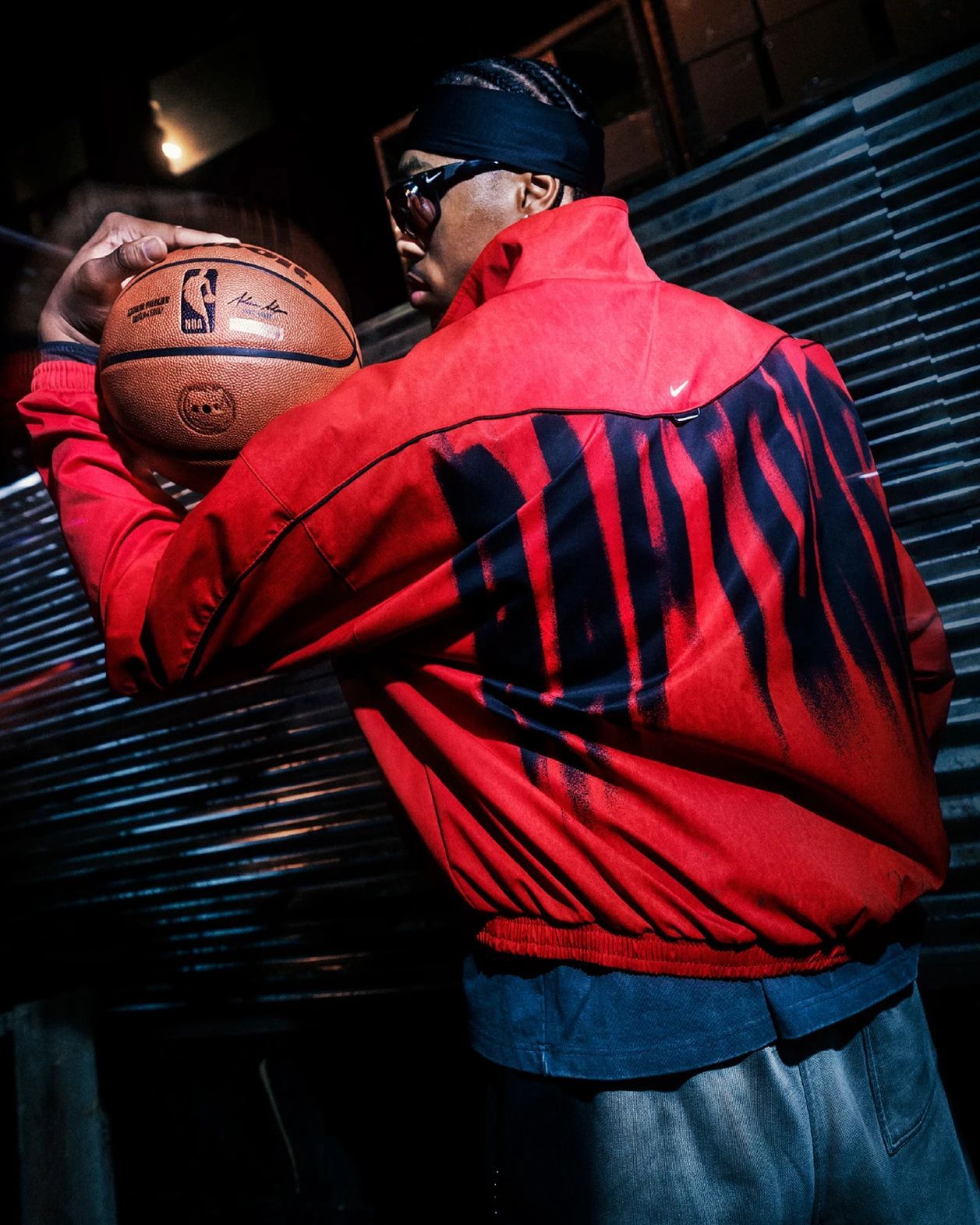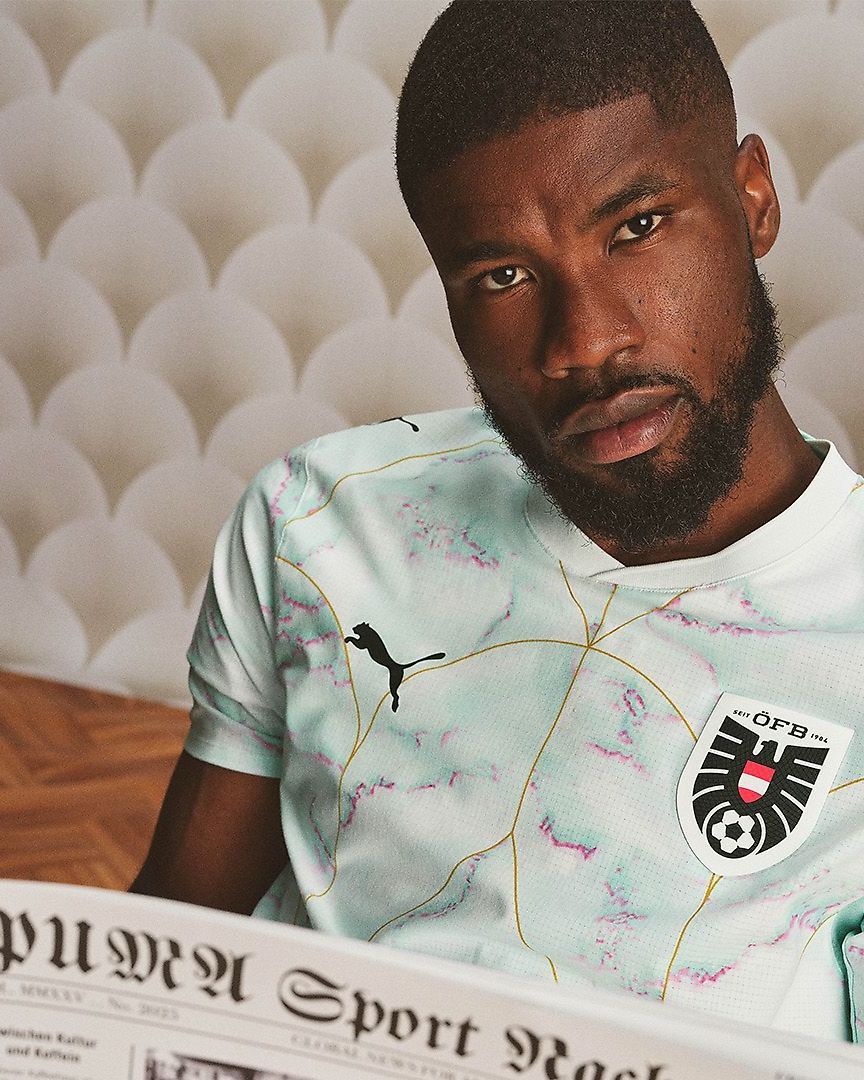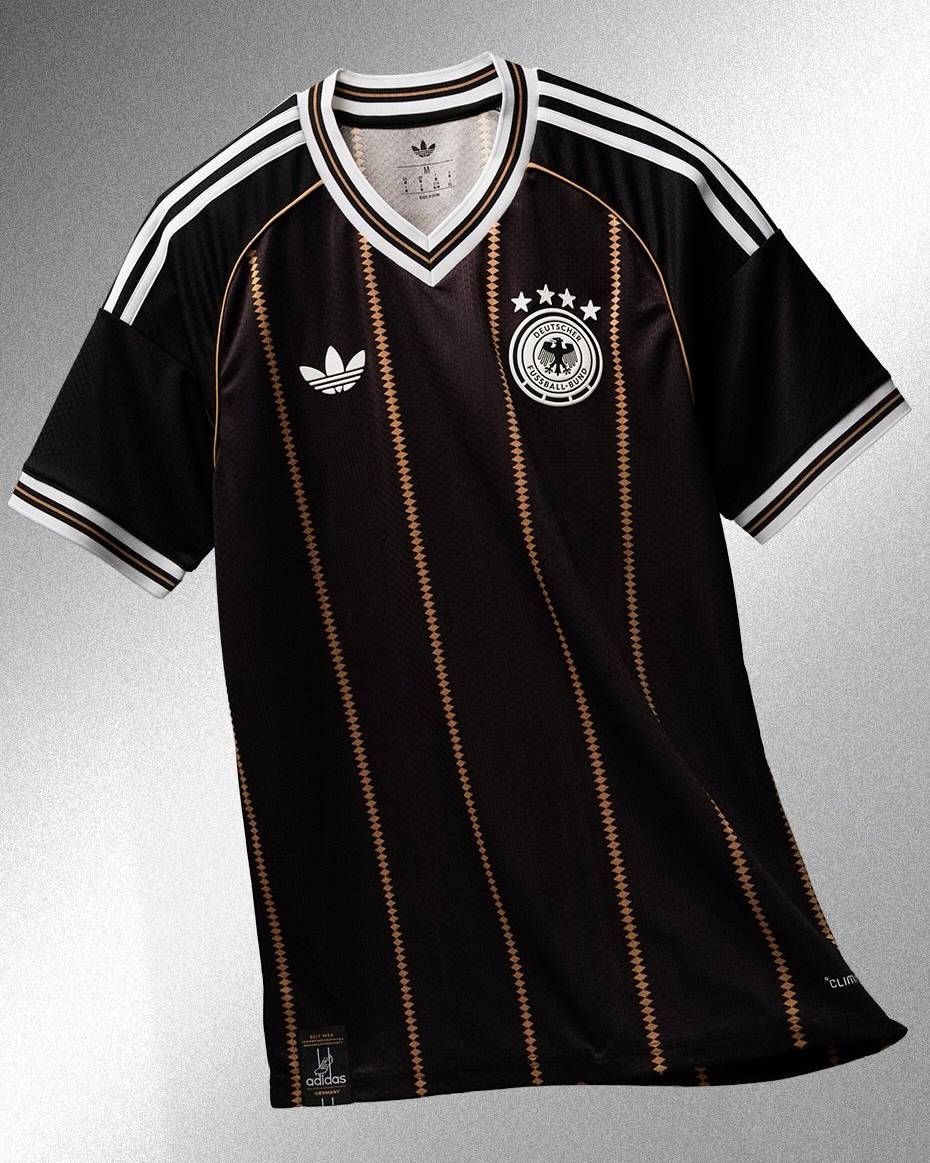
Will community football jerseys become the most wanted items among collectors? A new chapter in sports merchandising
During Paris Fashion Week, inside the Grand Palais, the exhibition Virgil Abloh: The Codes was held — a journey through the digital and physical archive of all creations signed by Virgil Abloh. The exhibition brought together projects from across his extraordinary creative career: from Off-White collections to collaborations with Nike, and even his early work with Pyrex. Visitors were able to access any item he designed, including the 2021 collection created in collaboration with Nike, Football, Mon Amour. It’s worth recalling something Virgil said at the launch of that drop: “The great thing about the vocabulary and history of football is that it has its own aesthetic,” he explained. “I really liked Chelsea’s long-sleeve jersey. Or United’s, of course. I was always intrigued by the logos in the middle of the chest — JVC, Carlsberg. Now, in hindsight, thinking about the placement of those graphics on the kits, there’s something unique about football kits. They’re part of a language. It’s definitely an intriguing aspect.”
Virgil Abloh’s example speaks volumes. First, it shows how even the most influential designers of this century have drawn inspiration from football. Second, it highlights how that collection helped spark the spread and popularity of the trend of football jerseys without professional team logos — let’s call them unofficial jerseys, which today can be compared to the countless jerseys made by communities for their own teams. Finally, it emphasizes how anything created, regardless of who makes it, can one day become a collector’s item — in this case, for football jersey enthusiasts and collectors.
We clearly remember the lightning-fast sell-out of the Football, Mon Amour collection, thanks in part to the presence of Kylian Mbappé — a close friend of Virgil Abloh. We like to think that those kits, featuring a logo with a lion facing left (likely a clear reference to Chelsea’s crest, a club Virgil greatly admired from an aesthetic perspective), have significantly influenced the designs of football communities when creating their jerseys for Saturday or Sunday morning games. Above all, they paved the way for football jersey collecting that goes beyond official club shirts.
What will happen to community jerseys?
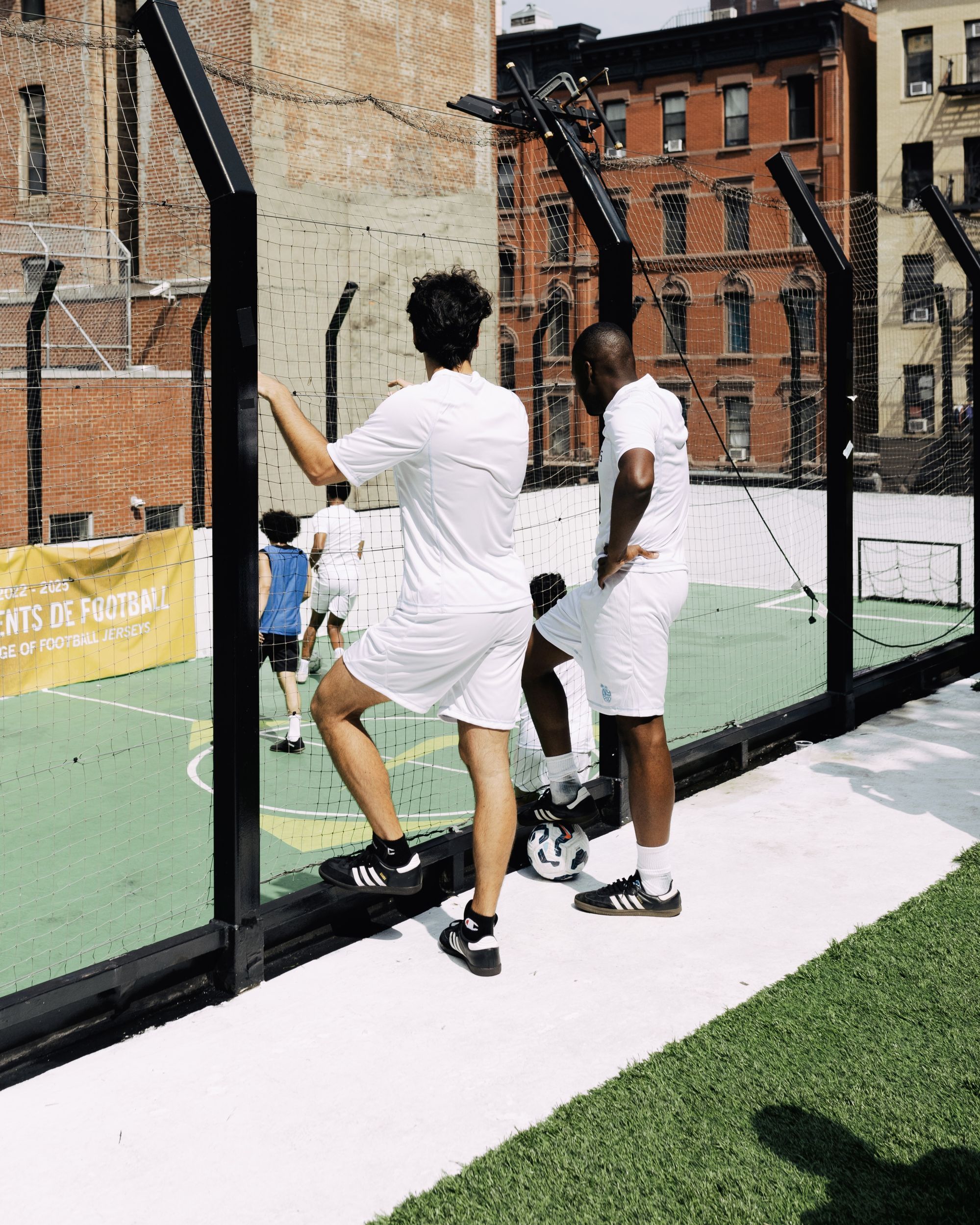
This question arises from the fact that the football community movement is constantly growing, closely tied to the increasingly widespread presence of street soccer — both as a leisure activity on days off and as a strategic asset for major sportswear players. Nike is the prime example, thanks to its Toma El Juego initiative, a series of street football tournaments held in various urban neighborhoods. But PUMA, with its event hosted on the rooftop of KidSuper’s store, and clubs like Borussia Dortmund, which collaborated with Street Soccer USA to organize a street soccer tournament in Times Square, represent similar cases. Finally, platforms like nss sports use street soccer as an ideal — and meaningful — way to bring together communities scattered across cities, countries, or even the world.
For each of these tournaments, dedicated jerseys are created, often featuring bootleg branding (as in the case of nss sports, which reinterpreted the PlayStation sponsor at its latest New York tournament). Many of these jerseys are sold in extremely limited editions; other times, they are made exclusively for the event, becoming unique (1 of 1) pieces that remain in the hands of the players — unless they decide to sell or gift them.
Beyond the communities (street soccer and beyond) dominating the London and European scene, football communities have also been rapidly multiplying in a city like New York: Wavy Footy, Chinatown Soccer Club, Bowery FC, and Street FC, the latest project by former MLS and USMNT player Kyle Martino. Thanks to the success of these communities, their jerseys could one day become collectible items, because community soccer is now a true alternative — or at least a parallel phenomenon — to professional football, just like the jerseys and all the identity elements tied to both worlds.
The idea of “local” football
Exactly one year ago, in this article, we compared the rise of the football jersey trend to the sneaker collecting boom between roughly 2016 and 2020. We drew parallels with the sudden sell-outs of some jerseys, the emergence of parallel marketplaces, the unusual and unexpected contexts in which these jerseys are worn, and their presence on fashion week runways — it’s almost paradoxical that during the latest Paris and Milan fashion weeks, football jerseys and references to football suddenly disappeared, a sign of a shift in this trend, which will continue to evolve but in different ways and other areas.
And this brings us back to community jerseys: they symbolize a kind of football which, while collaborating with major industry players, continues to resist total standardization, preserving its own local and identity-driven soul — an aspect that the ultimate sportswear giant (Nike) reminds us is strategically essential.
What to read next

Michael Olise is set to become Nike's next Cristiano Ronaldo?
The right man at the right time