How did a kit supplier help to redefine Cape Verde's aesthetic? Introducing Tempo Sport

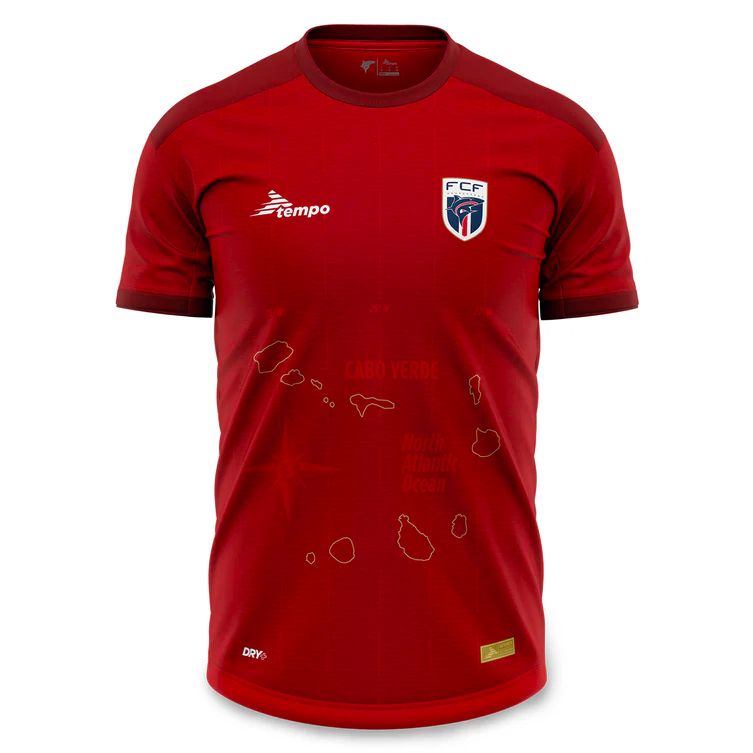
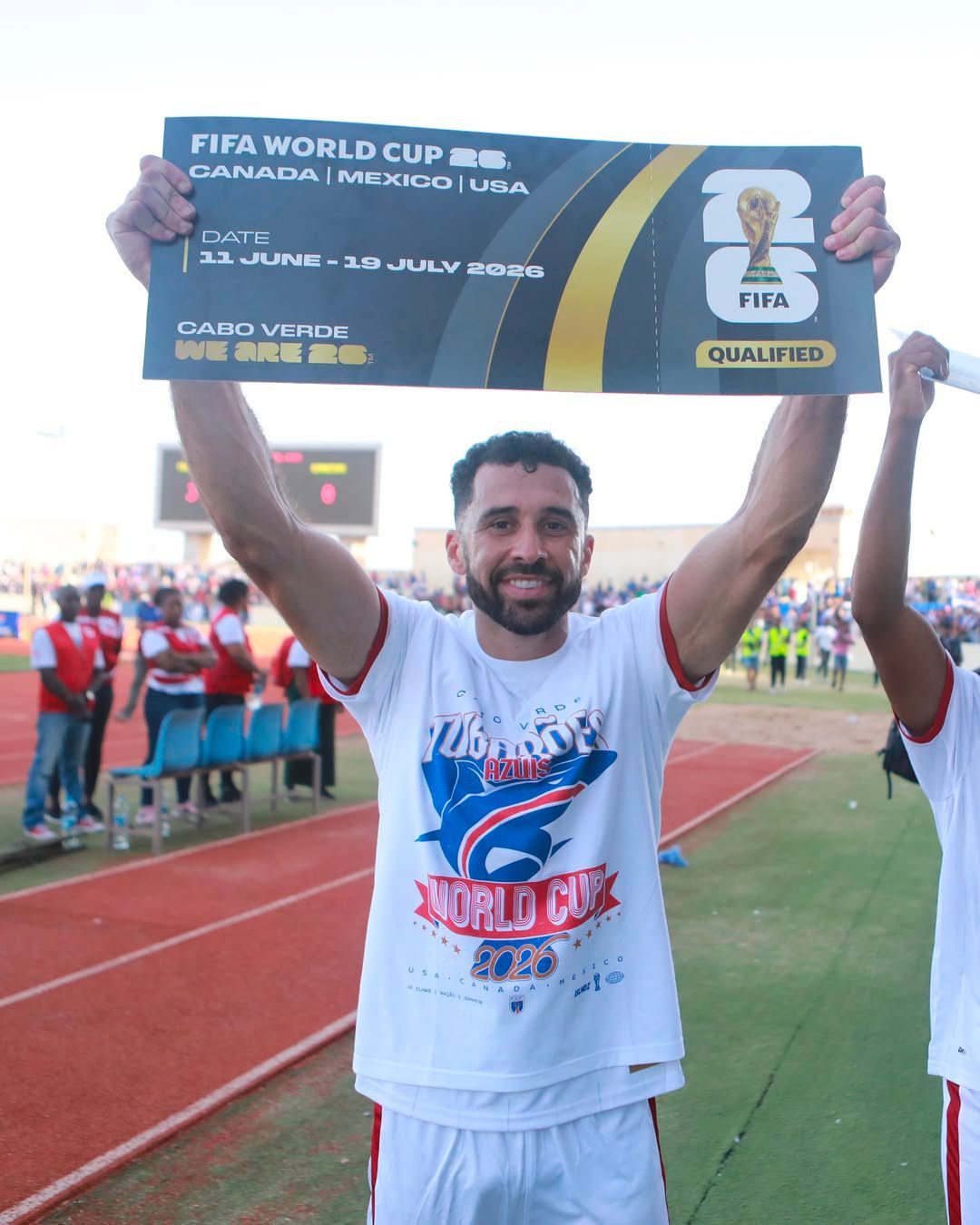
Cape Verde has made football history. Thanks to the 3-0 victory over eSwatini, the Blue Sharks have secured the first World Cup qualification in their history and will therefore take part in the 2026 FIFA World Cup to be held in Canada, the United States and Mexico. A colossal achievement that makes Cape Verde the smallest nation ever by area to participate in the World Cup and the second-smallest by population, behind Iceland. So, in the summer of 2026, in addition to discovering the fascinating story of Pico Lopes — now a defender for Shamrock Rovers who in 2019 worked in a bank and received his first national team call-up via LinkedIn — we will also get to know a new kit supplier.
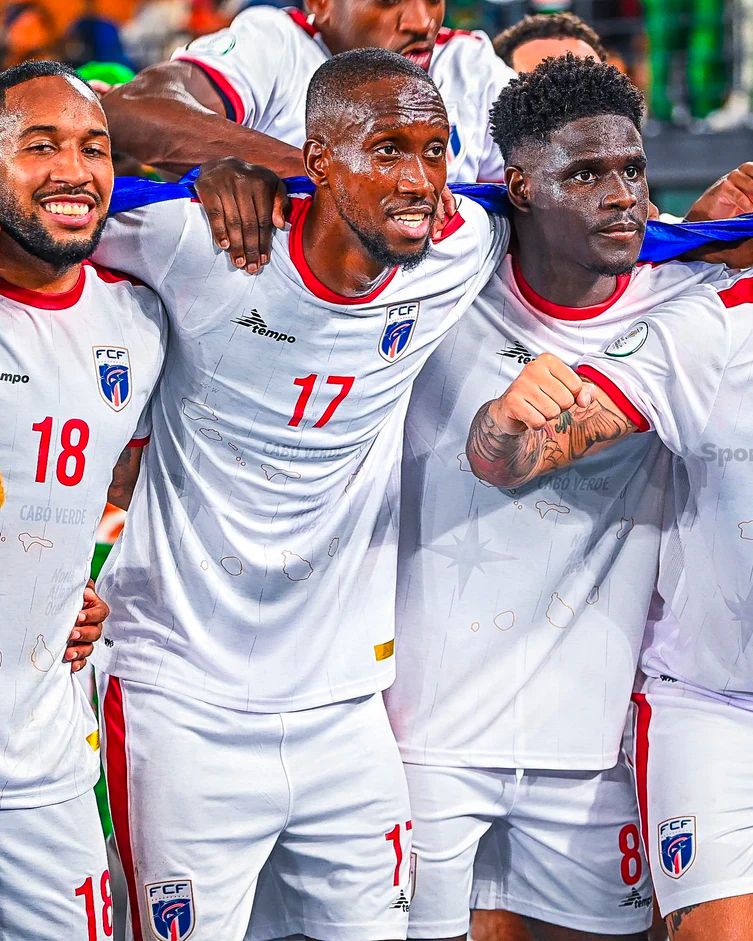
Since 2022 Cape Verde's kit supplier has been Tempo Sport, an Austrian clothing brand that helped define the aesthetic of a nation still marked by a colonial past with Portugal and by a heritage reflected in many aspects. Not only in common traits, such as the official language, but also in football. As Alex Cizmic recounted in his Africa and African football newsletter Kura Tawila, most Cape Verdean football clubs freely drew inspiration from Portugal’s most famous teams like Benfica. The only exception is Celtic Praia, whose name is nothing more than a version of the much more famous club from Glasgow, one of Europe's strongest teams in the 1970s when that club was founded. The Cape Verde national team has also been influenced by Portugal, wearing a green shirt until 1992 when the current flag was introduced: blue with ten yellow stars arranged in a circle, completed by a horizontal white stripe intersected by a vertical red stripe.
The ten stars on the flag represent the country's ten main islands, the same ones Tempo decided to reproduce across all three of Cape Verde’s shirts during the 2026 World Cup qualifying campaign. The home jersey takes the blue of the official flag with a red crew neck and armhole trim while white is used to depict the archipelago of islands that characterizes the nation. The same scheme is used for the away jersey, here with red silhouettes on a white background, and for the third kit, with white silhouettes on a red background. Simple, clean graphics — but not insignificant or bland. On the contrary. The idea of reproducing a nation's geography on the shirt, a nation trying in every way to build an identity beyond its imperial past, is admirable. Football is history, and sometimes we are fortunate enough to witness its fulfilment with our own eyes. Like in the case of Cape Verde.
What to read next
Erling Haaland gained almost 30 million Instagram followers during the 2026 World Cup
It's all about goals, viking row and memes
The ultimate 2026 World Cup Glossary
In ten years' time, we'll still be talking about the hydration break and the Viking row