





















Will tennis change the perception around OnlyFans? An increasing number of athletes are signing sponsorship deals with the platform
OnlyFans continues to exist in the collective imagination as the leading platform for paid erotic content. A label the company itself is now trying to move away from through what can be described as sportswashing. It may sound extreme, but that is exactly what is happening. An increasing number of athletes are signing sponsorship deals with OnlyFans to publish exclusive content on the platform — in this case not erotic in nature: training videos, behind-the-scenes footage from official competitions, and glimpses into their private lives.
OnlyFans and the logic of sportswashing
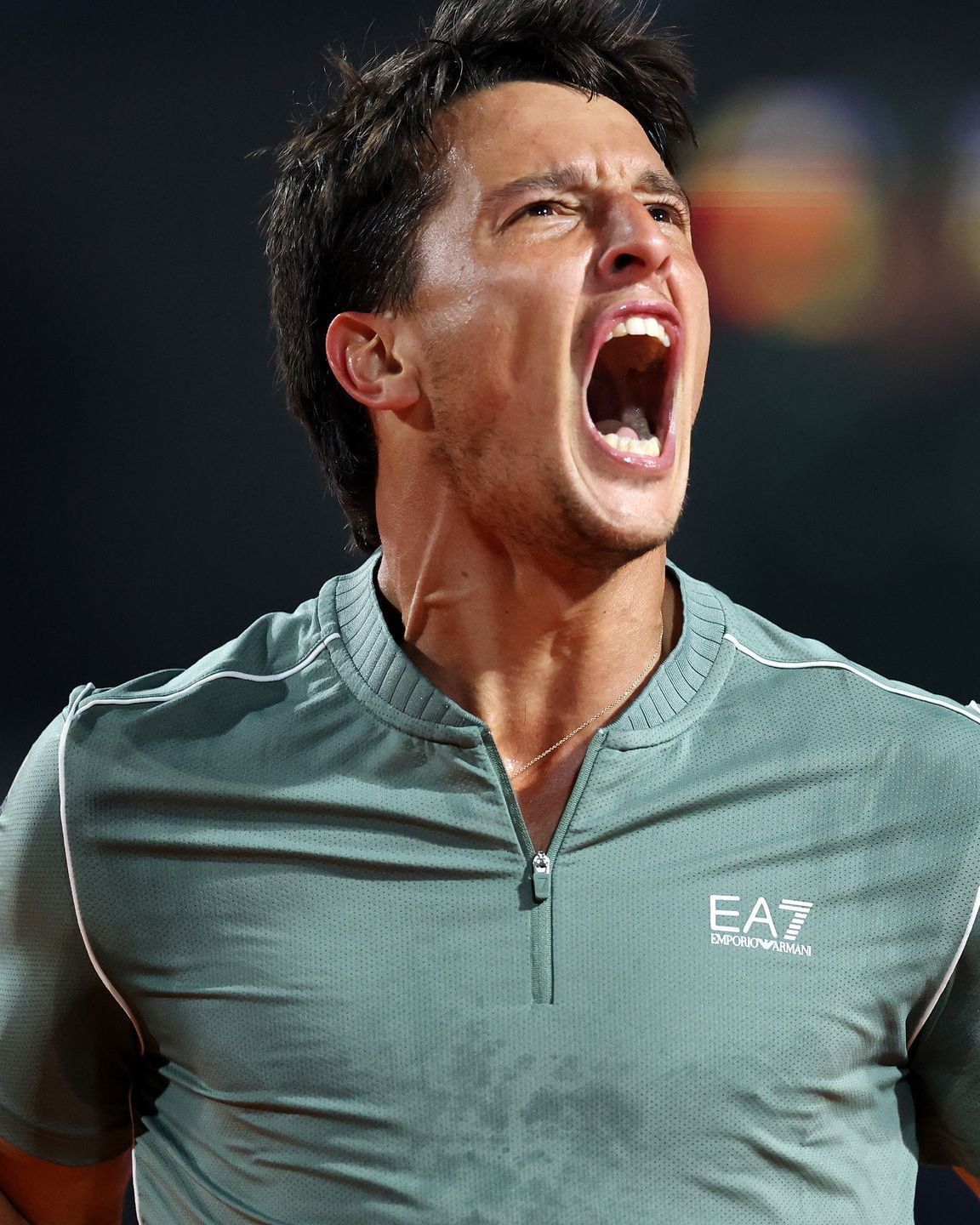
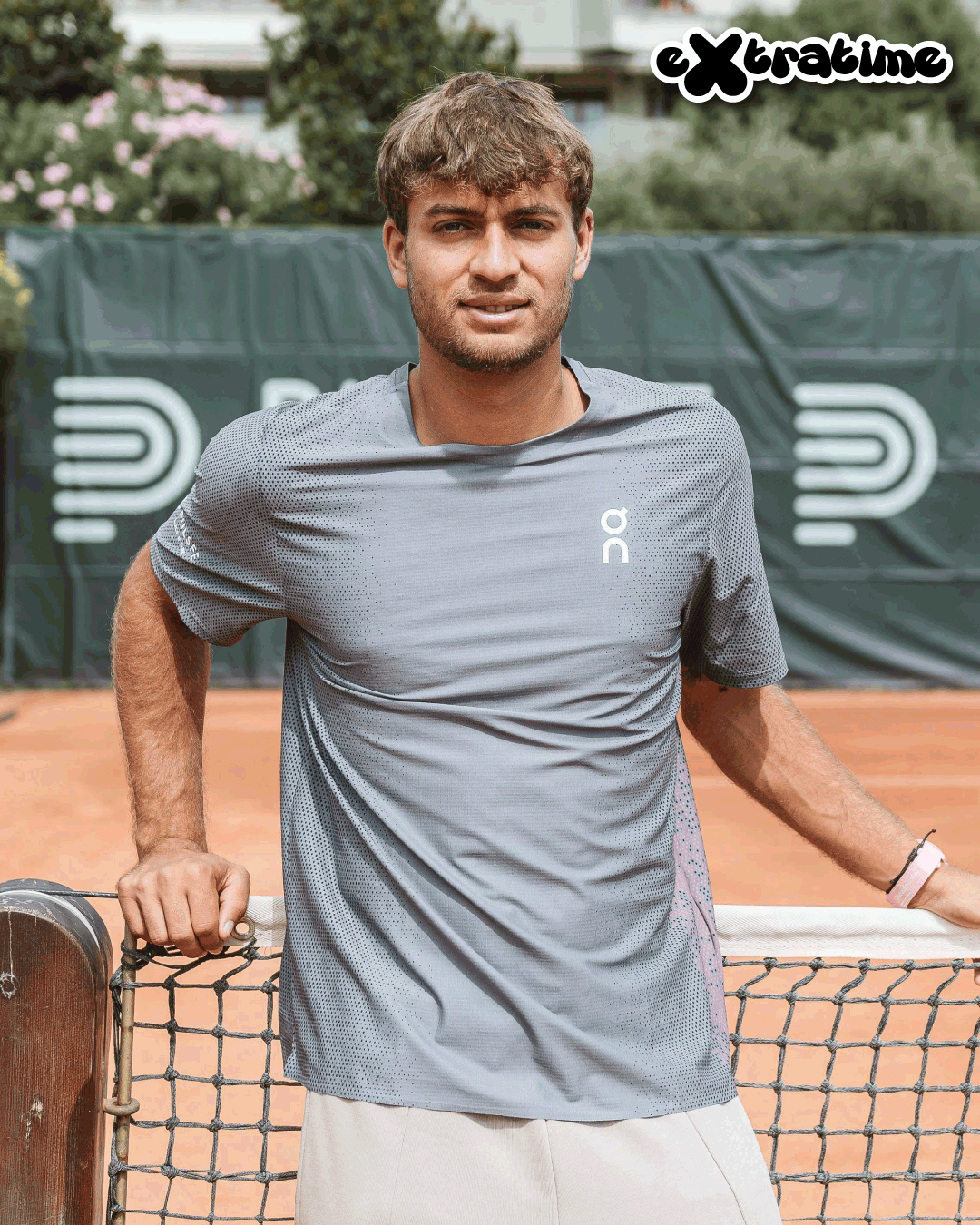
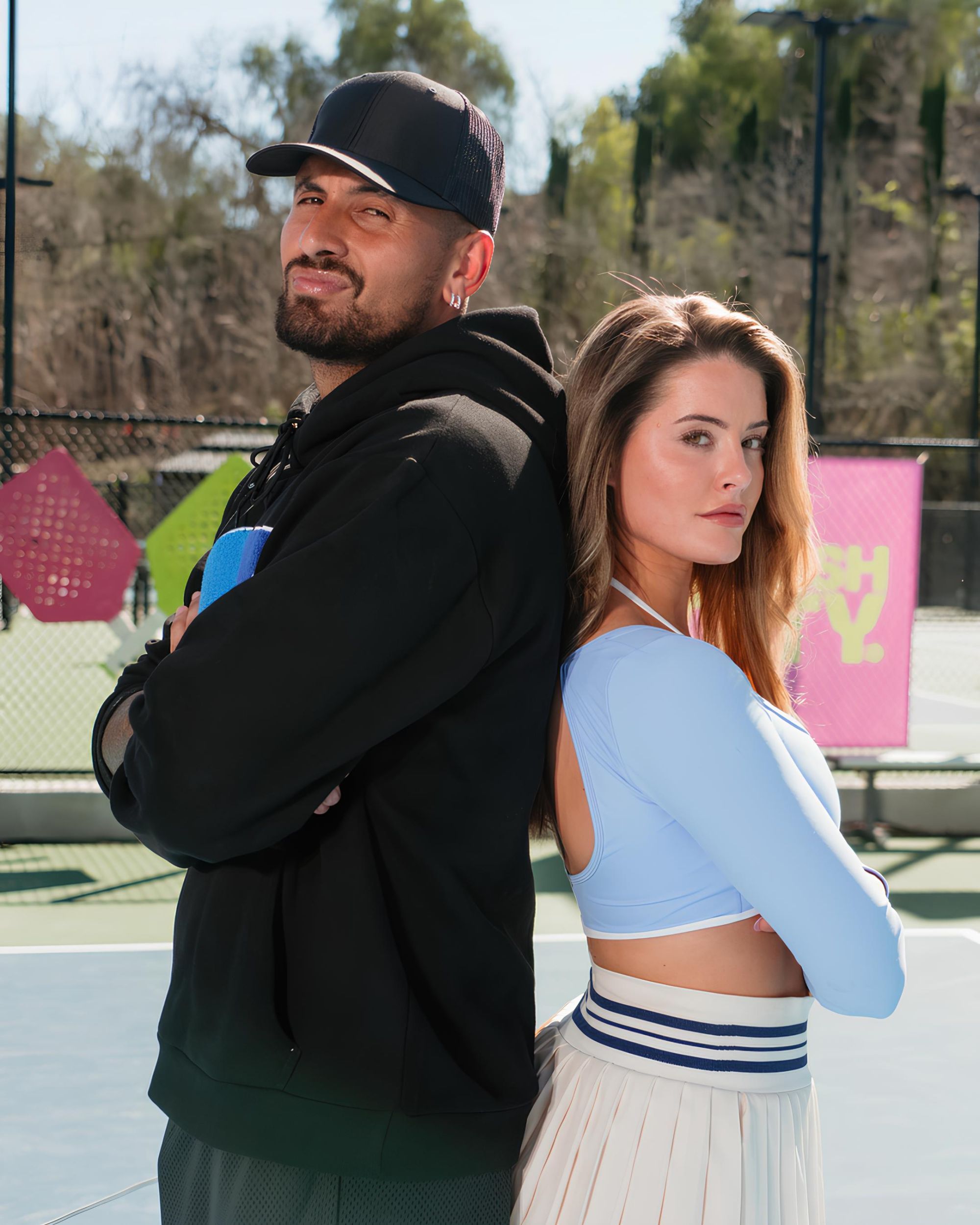
As reported by the French newspaper L'Équipe, the sport that has so far been most receptive to OnlyFans is tennis. The first to do so was Nick Kyrgios in 2023, followed in 2025 by players such as Jonathan Eysseric, Océane Dodin, Chloé Paquet and Alexandre Müller, all of whom signed sponsorship agreements and, where permitted, brought the OnlyFans logo onto the court. Despite the platform’s attempt to distance itself from erotic content, its logo — and therefore its sponsorship — is not welcome everywhere. In many tournaments an outright ban has been imposed, effectively placing OnlyFans in the same category as betting companies or cigarette brands, in an effort to preserve the aristocratic bubble that still allows tennis to attract most luxury brands.
Why tennis has embraced the platform
The reason why more and more tennis players are accepting these sponsorship deals is simple: money. Alexandre Müller, currently world No. 50 in the ATP rankings, has explained that OnlyFans’ financial support allows him to comfortably pay his coaches and to rely on a personal physiotherapist at more tournaments. The issue of earnings has long been central to discussions between players and federations, as tennis players must cover virtually all their expenses themselves — from travel and coaching to more everyday costs such as meals, hotels and general logistics. Japanese player Taro Daniel (#367 in the ATP Rankings) told the Financial Times in June that his annual operating costs exceed $400,000, expenses that must be covered through tournament prize money — figures that are always reported gross of local taxes — and sponsorship deals.
For the elite of men’s and women’s tennis, covering these costs is not an issue. But for those hovering around the 100 mark in the ATP and WTA rankings, or outside it altogether, these expenses are becoming unsustainable, forcing players to look for alternative solutions. OnlyFans has become one — if not the best — option available. American tennis player Sachia Vickery, for example, told CNN that she began posting content, some of it in lingerie, while injured and in need of additional income, earning six-figure sums in her first three months on the platform. Her success has encouraged other players to join OnlyFans, particularly in the absence of a revenue redistribution system that would allow players outside the top 100 to sustain their careers through tennis alone.
When content creation becomes a primary income
The spread of OnlyFans in sport goes well beyond tennis. Douglas Costa was the first footballer to open an account on the platform, while British diver Jack Laugher revealed on the eve of the Paris 2024 Olympic Games that his OnlyFans profile had "saved his life" by allowing him to supplement his income as an athlete. The same logic led Canadian pole vaulter Alysha Newman, bronze medallist in Paris 2024, to launch her own account. Garrett Reynolds, one of the world’s most famous BMX riders, also earns part of his income through OnlyFans. The same applies to Jeremy Malott, another BMX cyclist, and to cricketer Tymal Mills. The platform’s involvement extends beyond individual content creation by athletes, as demonstrated by the renewal of its contract with DAZN to produce content to be distributed exclusively on the platform following selected boxing matches.
Why the stigma still persists
Despite this growing list of examples — one that is set to expand in the coming months — OnlyFans’ sportswashing strategy has yet to deliver the results it was hoping for. And as things stand, it is reasonable to believe that it is unlikely to do so, at least in the short term. The platform remains stigmatized by major sporting institutions, which continue to ban its promotion, and its reputation has yet to meaningfully change. Any athlete who joins is immediately associated with the porn industry, with the assumption that the content they produce is explicit in nature. And the problem is that some of them post erotic content, exploiting the main feature of the platform.
For OnlyFans, there is still hope that perceptions may shift in the long run, as this trend cannot be ignored. More and more professional athletes are creating exclusive content about their life for their fans in order to secure a second stream of income — one that very quickly becomes the primary one. A path that could move the platform further away from erotic content. Even in this scenario, however, a profound shift in philosophy would be required from OnlyFans, which had already begun producing entertainment content prior to its foray into sport — much of it still explicitly referencing sex and pornography.