

When cigarettes dominated the aesthetics of Formula 1 and MotoGP The long-standing relationship between tobacco and motorsports
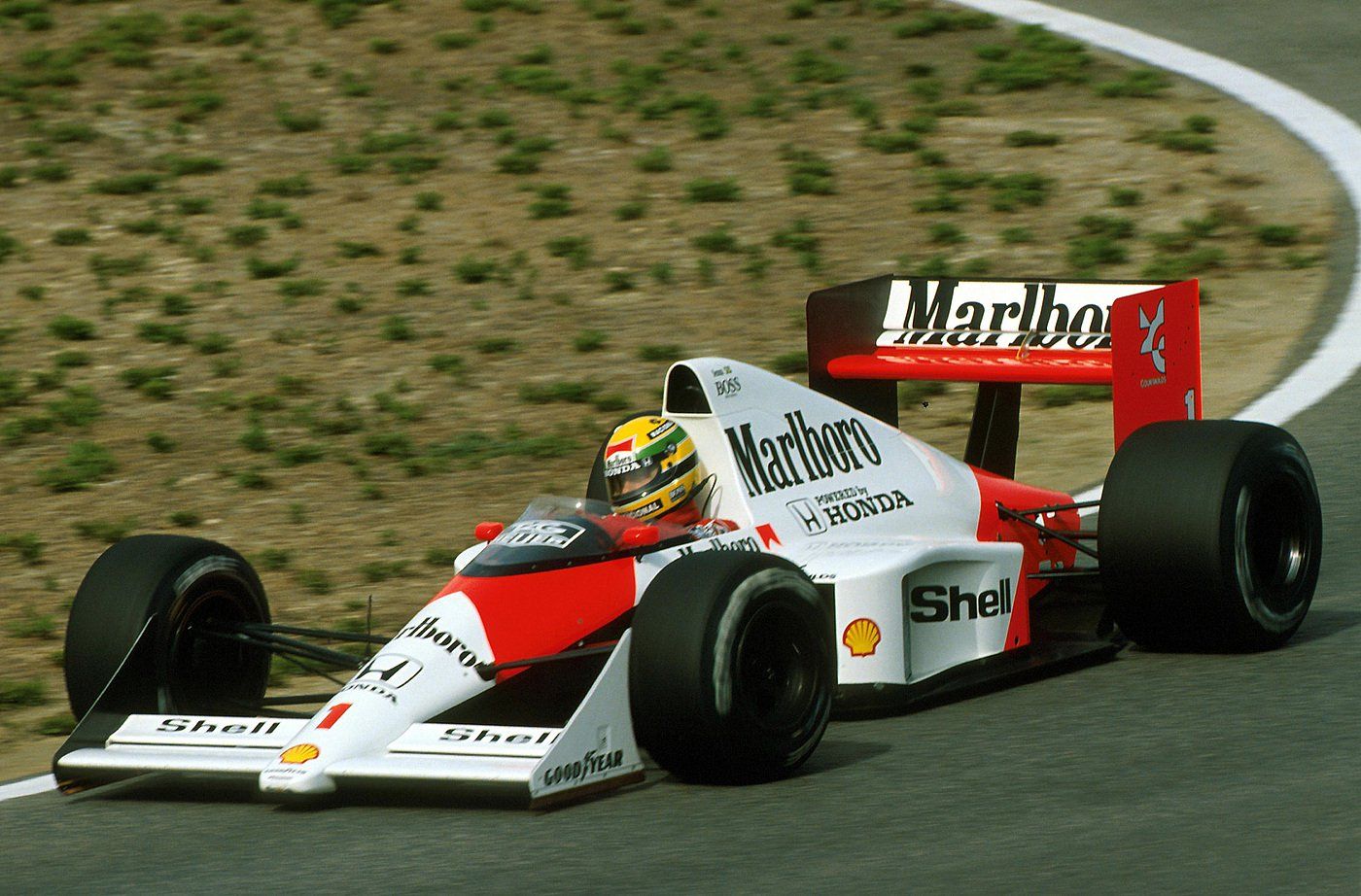
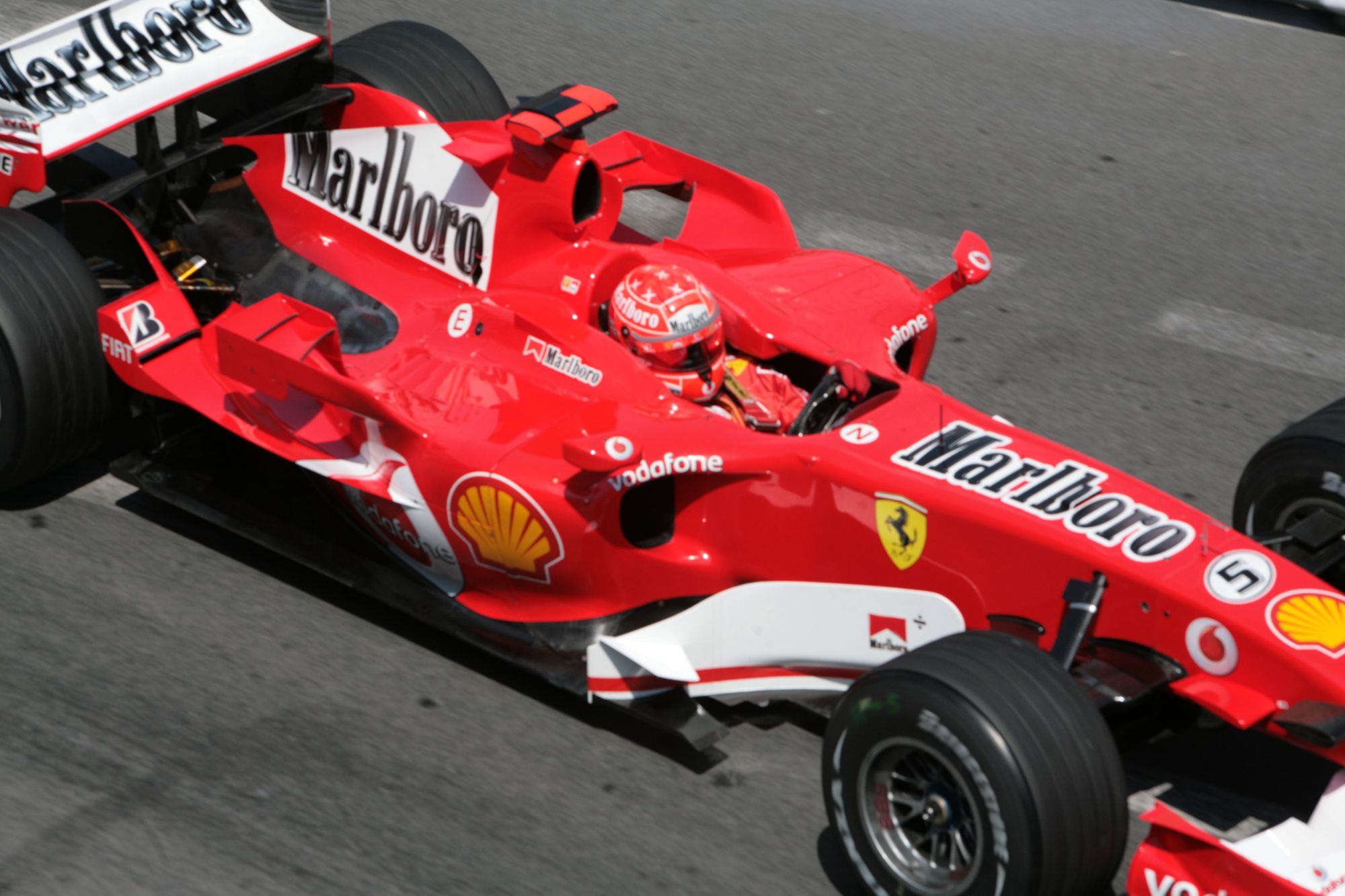
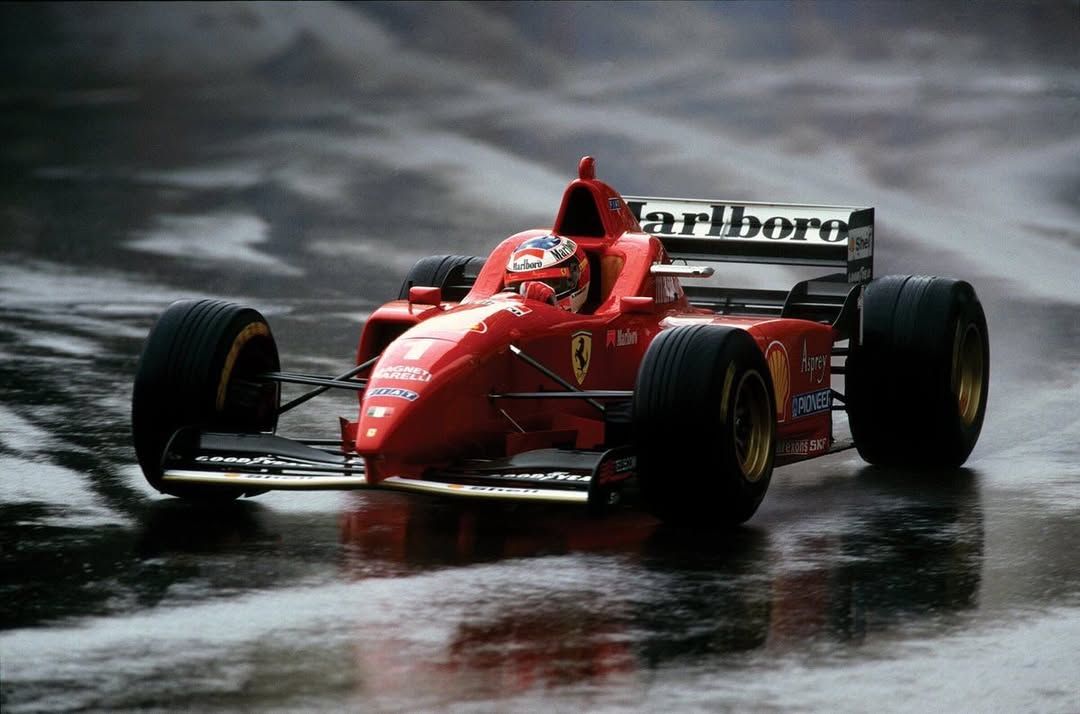
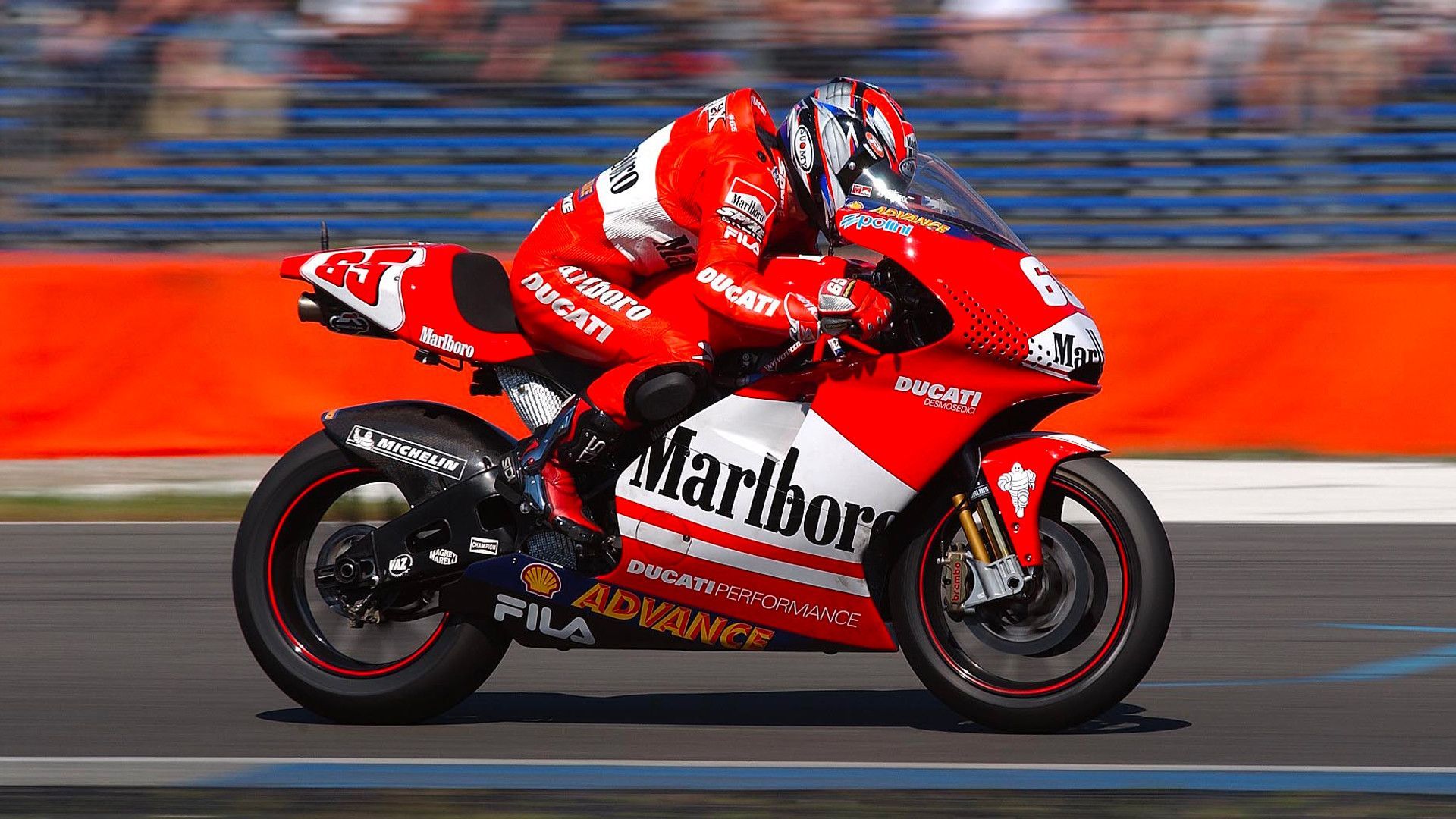
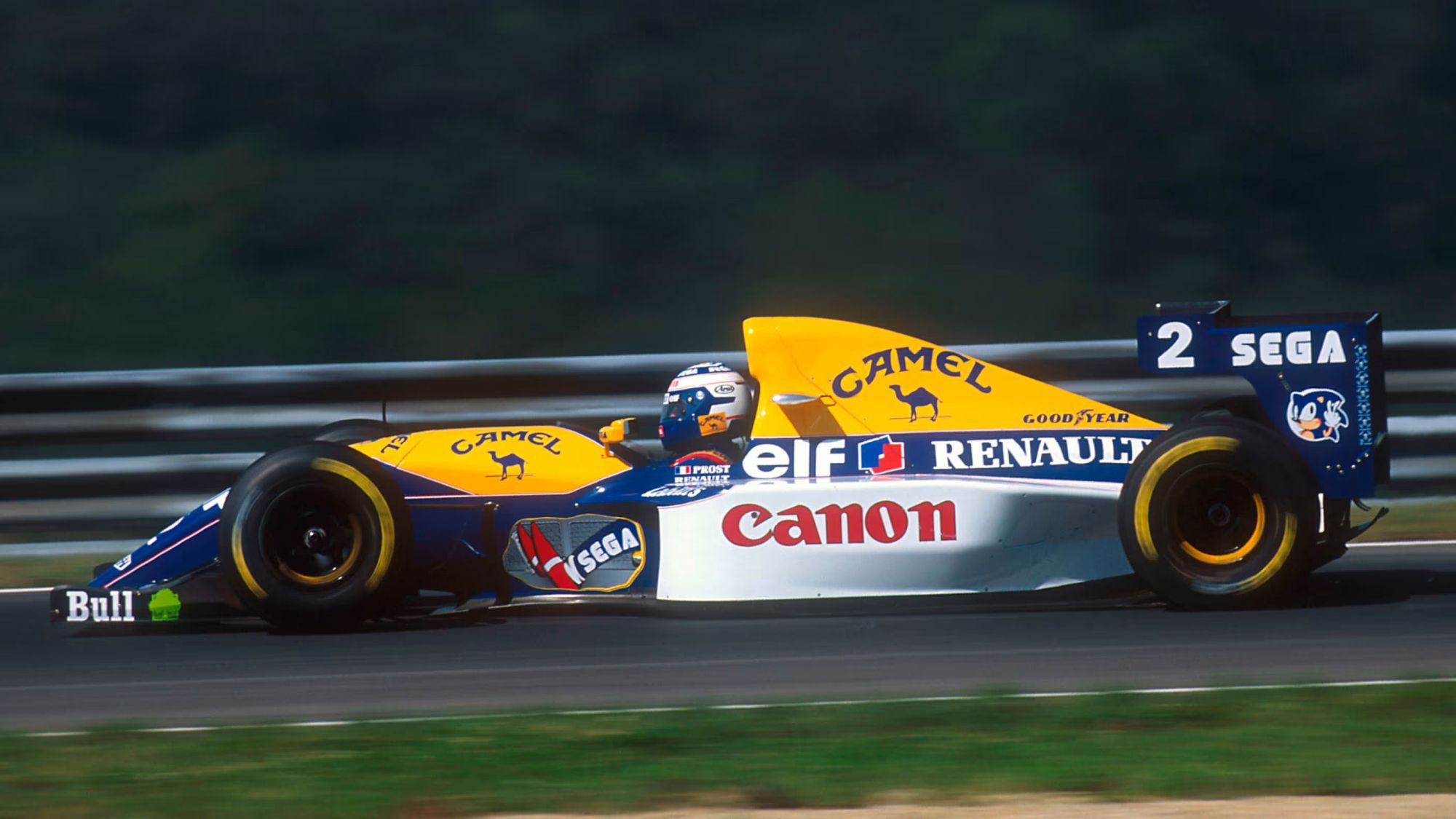
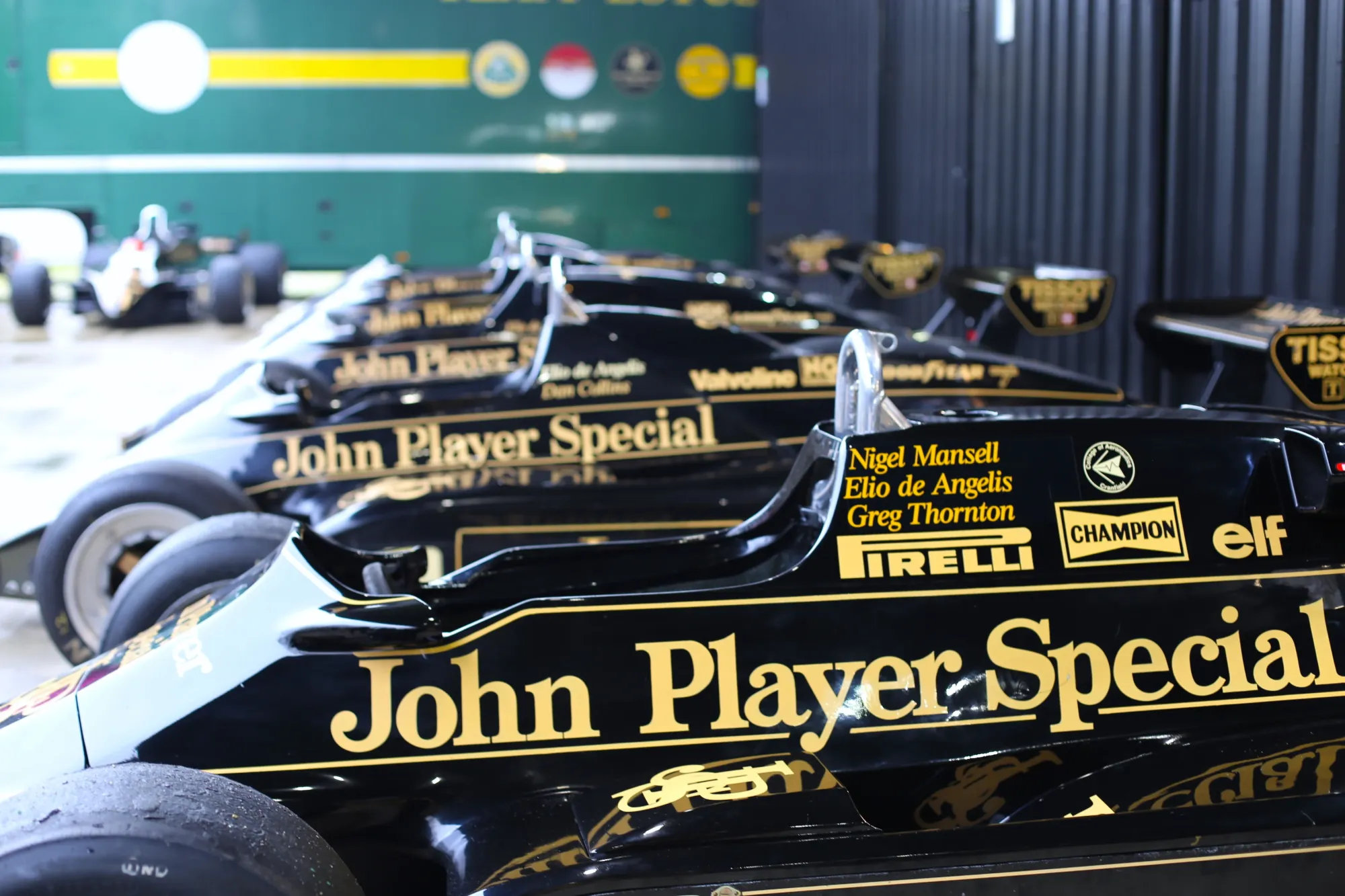
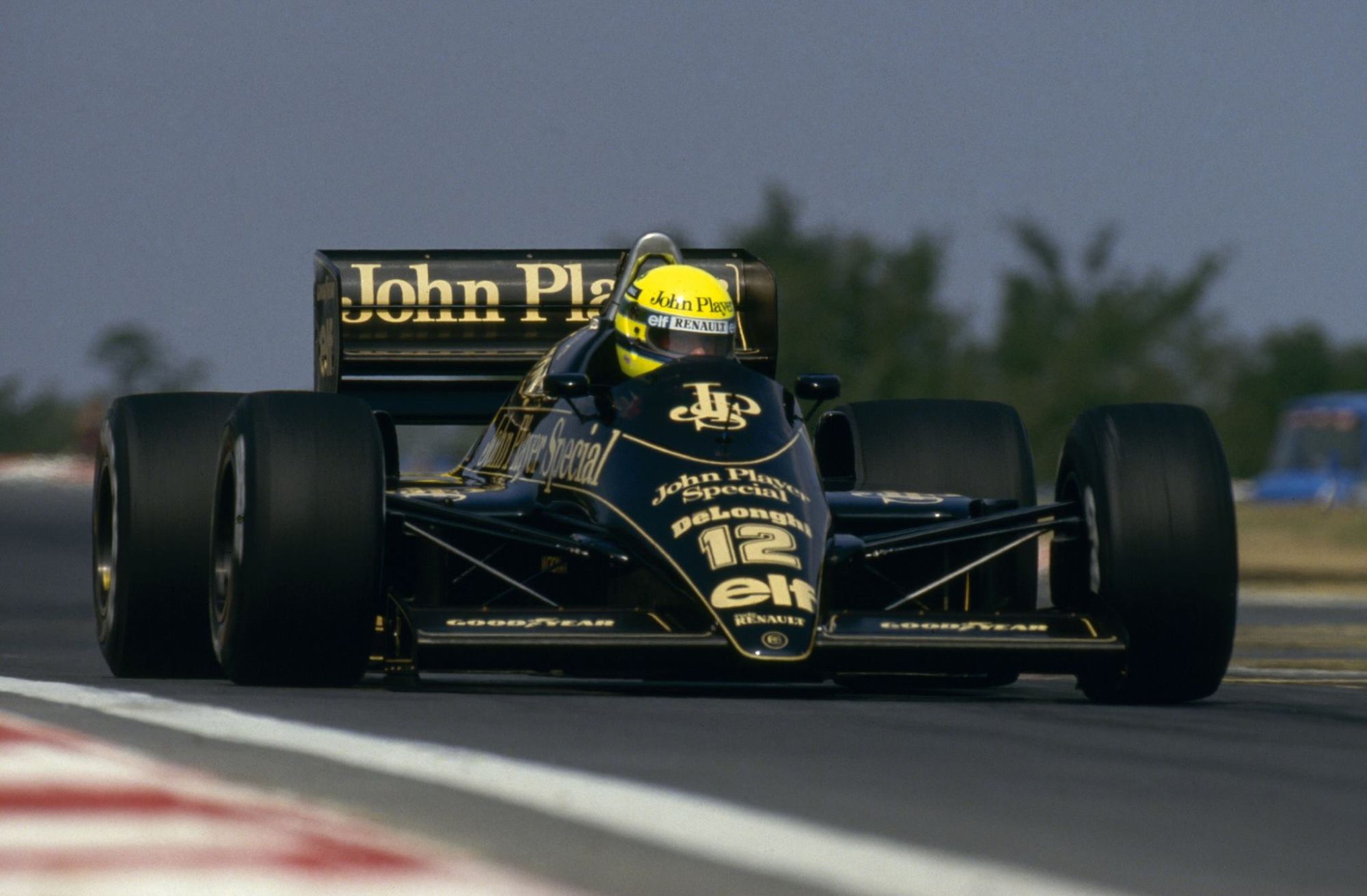
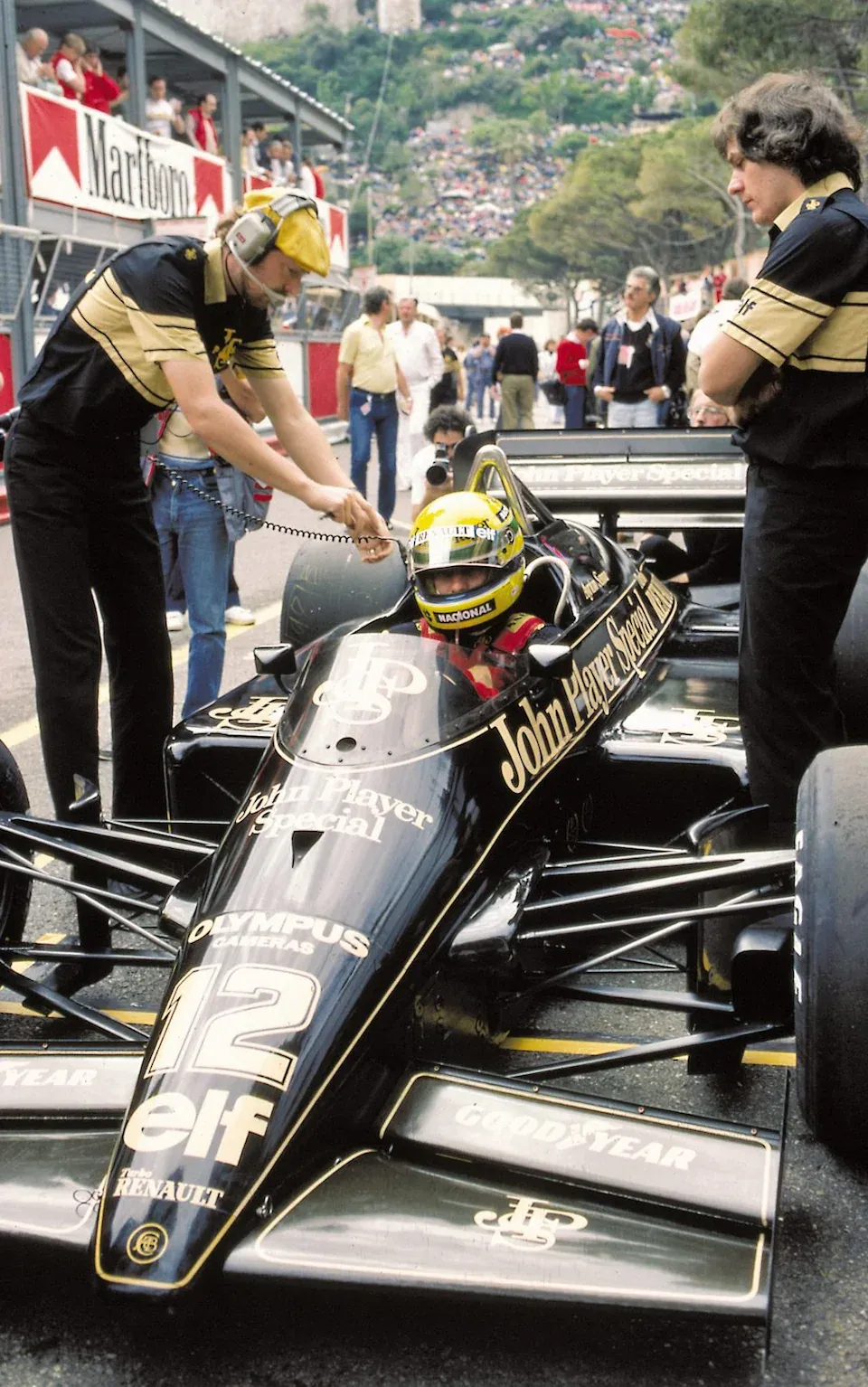
Looking at today's F1 liveries, a clear trend emerges: the strong presence of tech brands. From Google and HP to Oracle and Lenovo, the aesthetics of motorsport are dominated by tech companies. Their influence has become so widespread that now the cars are often painted according to the official brand colors of their sponsors. Nothing new, actually. The history of Formula 1, and MotoGP as well, offers dozens of examples of sponsors shaping the official colors of racing teams. And analyzing these examples, it becomes evident how tobacco multinationals dominated the scene for decades.
The history
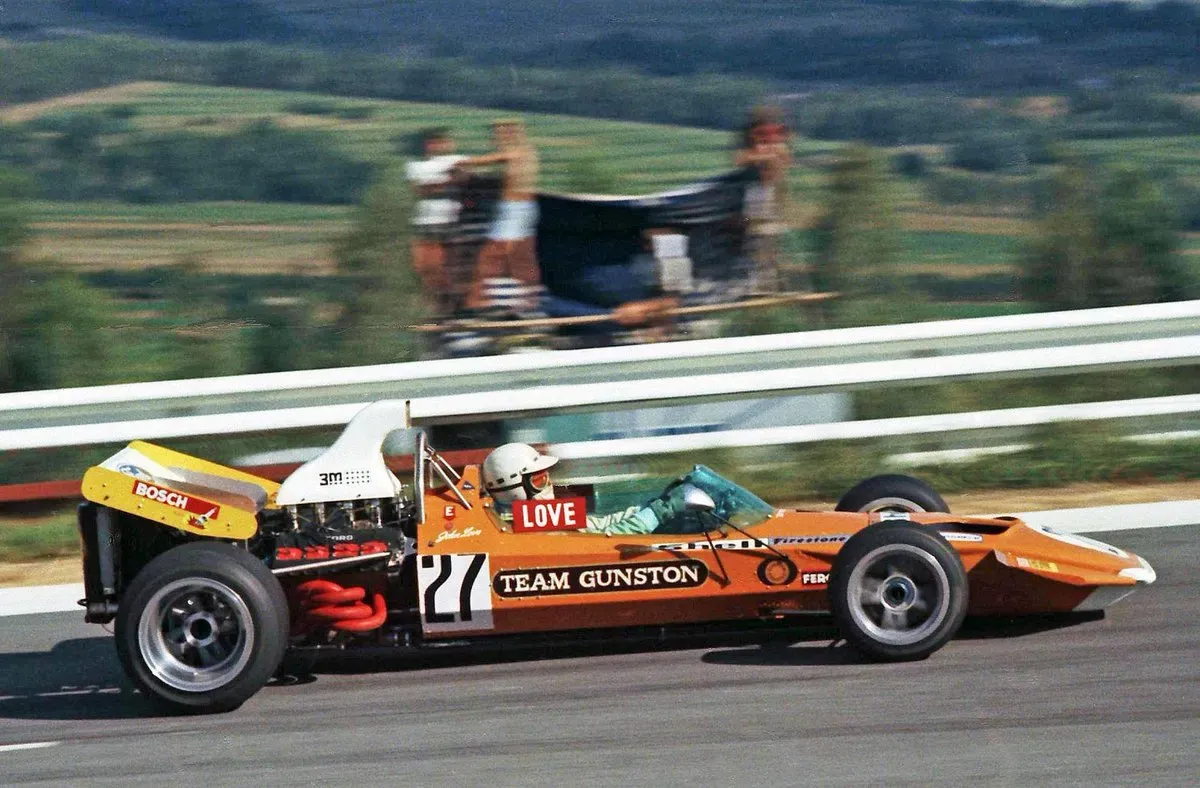
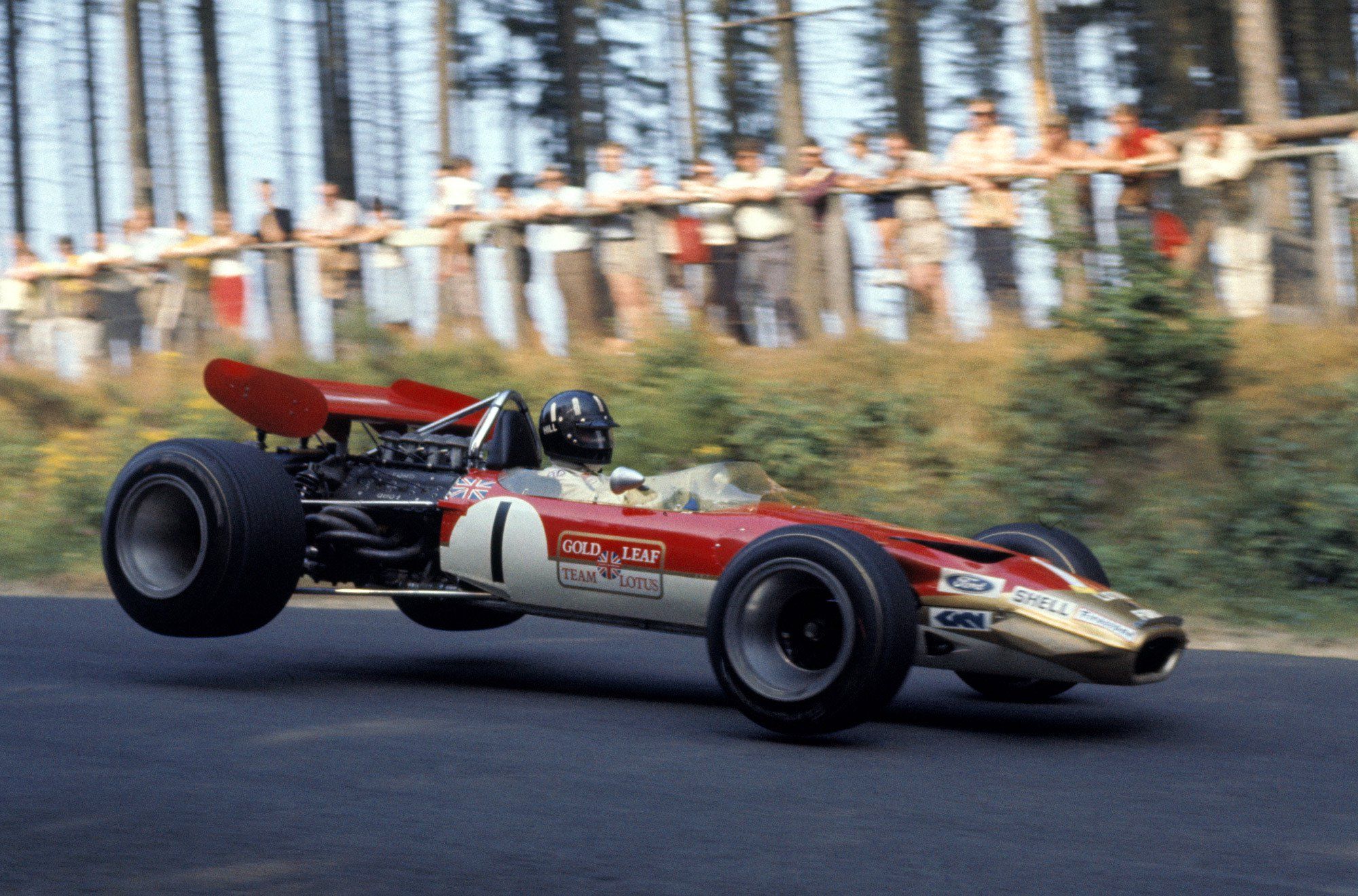
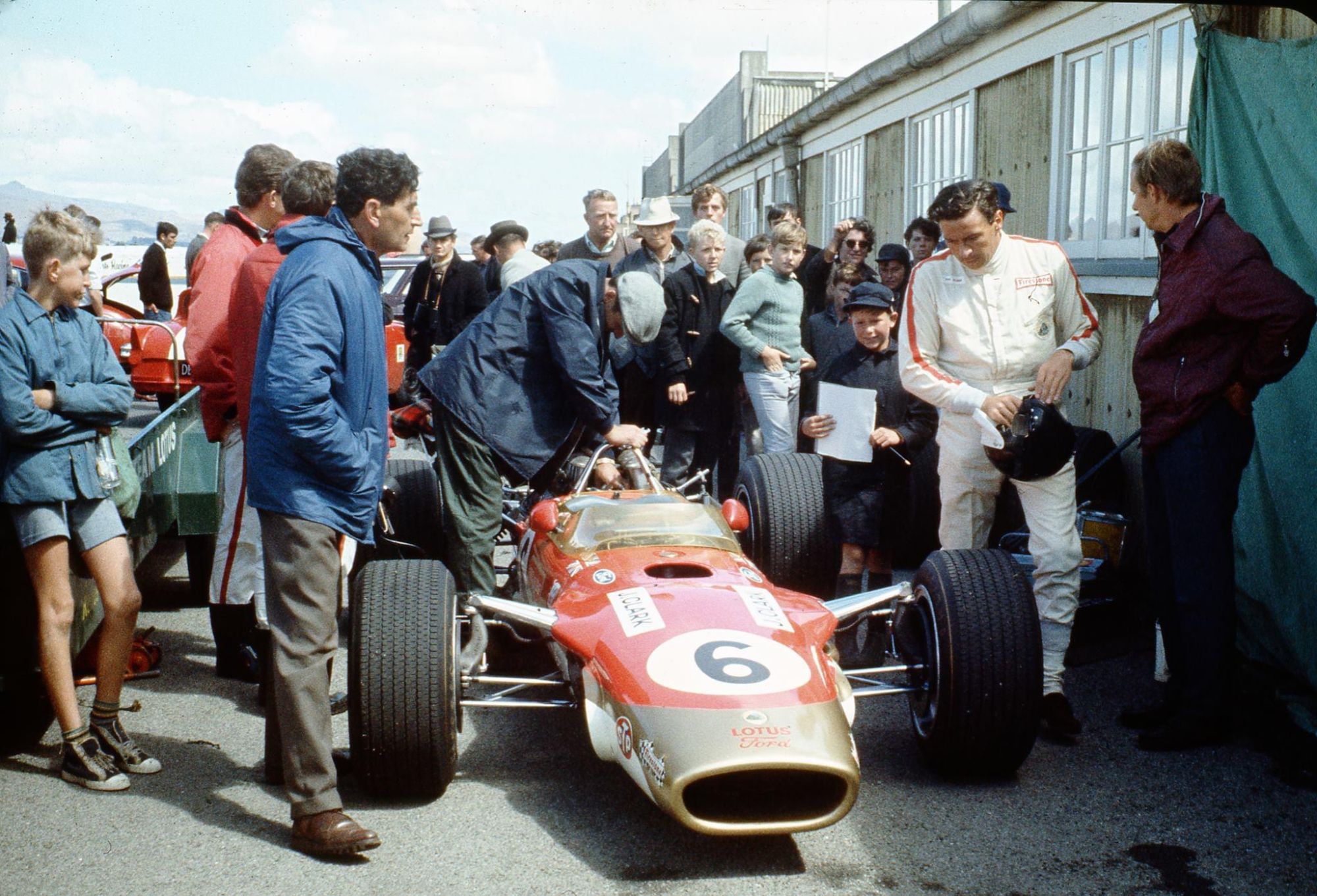
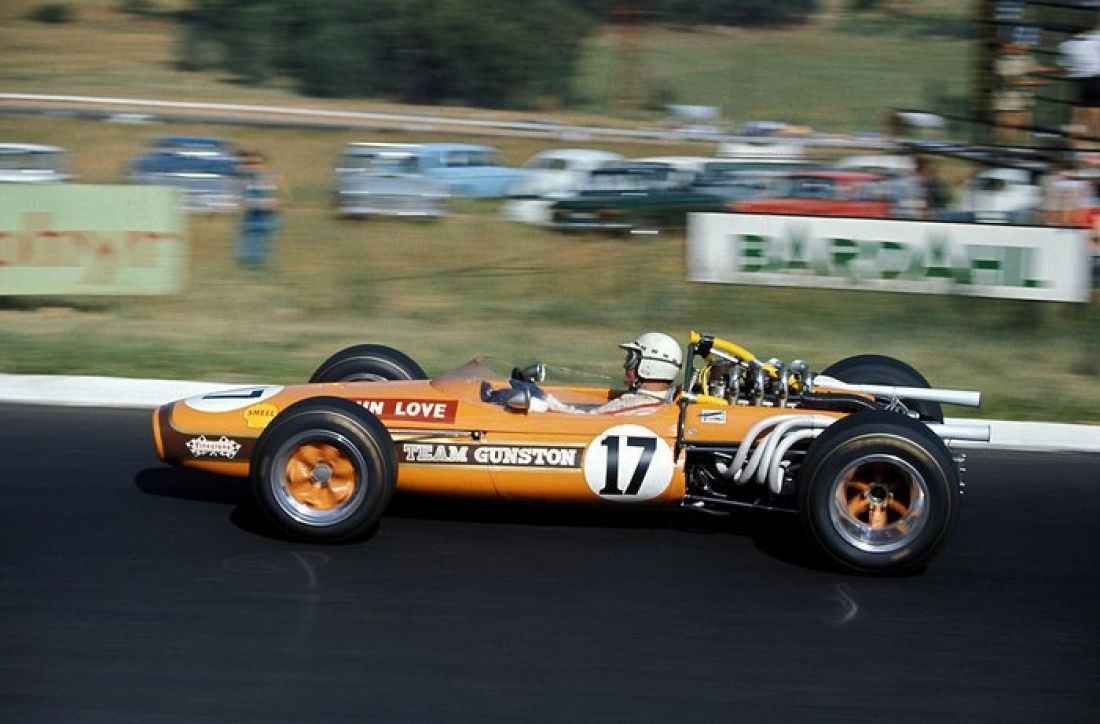
The pioneer of this story is John Love. In 1968, the Zimbabwean driver changed motorsport forever by racing with an orange single-seater bearing, on a brown background, the words "Team Gunston". Gunston was a local tobacco manufacturer, the first to appear on cars that had previously featured national colors: French cars were blue, German white, British green, and Italian red—the origin of Ferrari’s red. This tradition was broken by Lotus in 1968 when the livery of the Lotus 49 was not only modified to introduce the name of a tobacco brand but also its colors, in that case red and white. The “Gold Leaf” cars marked the beginning of the pairing between tobacco and motorsport, which until then had been mainly sponsored by fuels, lubricants, and tire manufacturers.
Recognizing the health risks linked to smoking, several countries gradually imposed restrictions on direct cigarette advertising on media such as radio and television. Italy was the first, introducing a ban as early as 1962, followed thirty years later by Germany, the UK, and France. However, Formula 1 and MotoGP enjoyed special exemptions from these restrictions. This allowed teams to receive huge funding from major tobacco brands, effectively circumventing legislation and gaining massive global visibility for their names and colors.
The ban reaches racing
In 2001 the FIA, the International Automobile Federation governing F1, declared that all tobacco advertising would be banned by the end of 2006. As a result, major companies decided to shift their investments to MotoGP, where commercial ties had already existed since the 1970s. The paddock immediately began searching for new sponsors to compensate for the loss of over three hundred million in revenue and, in the meantime, relocated several races to countries whose legislation still allowed tobacco advertising—until it was banned by an EU regulation in 2005.
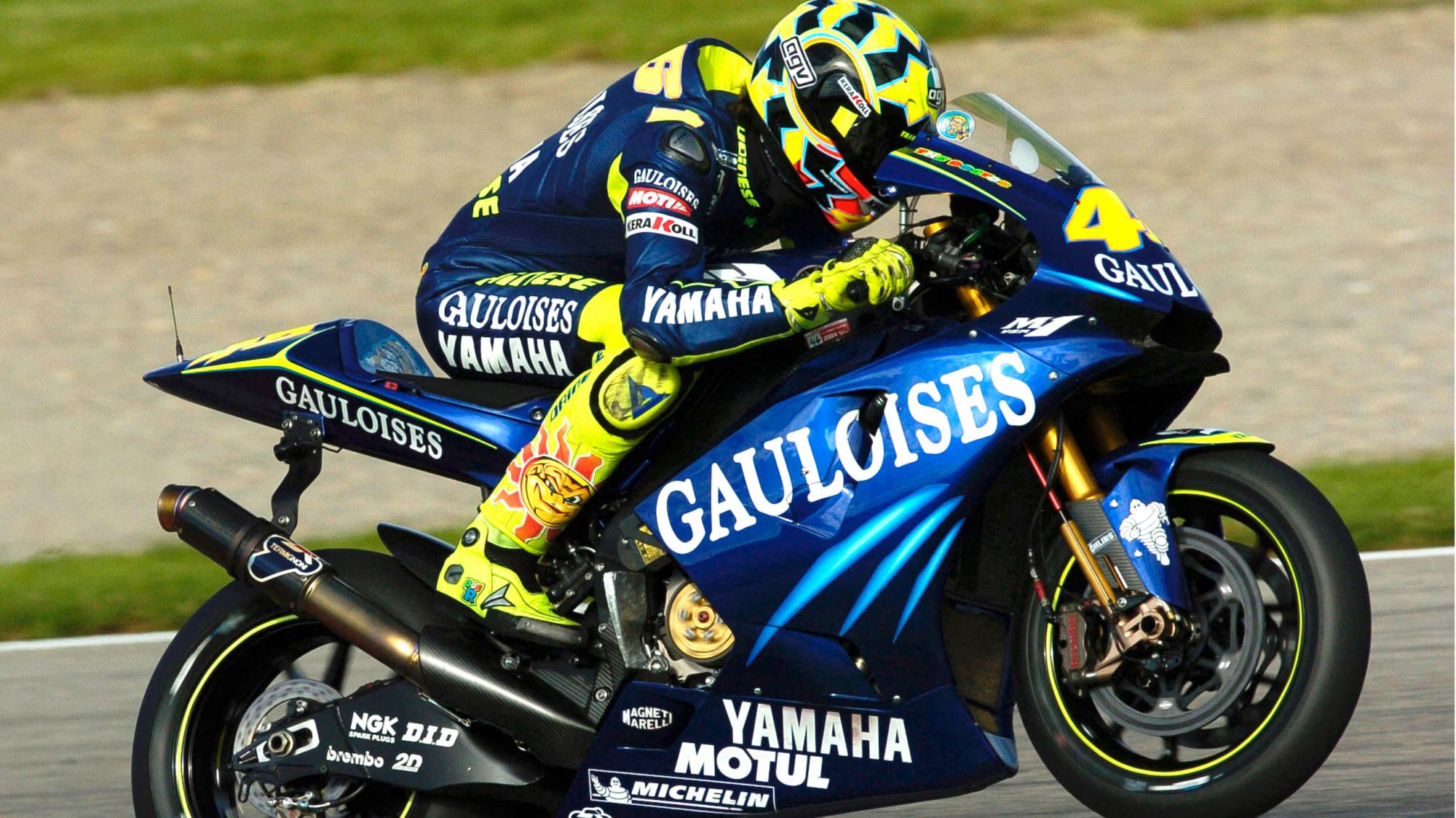
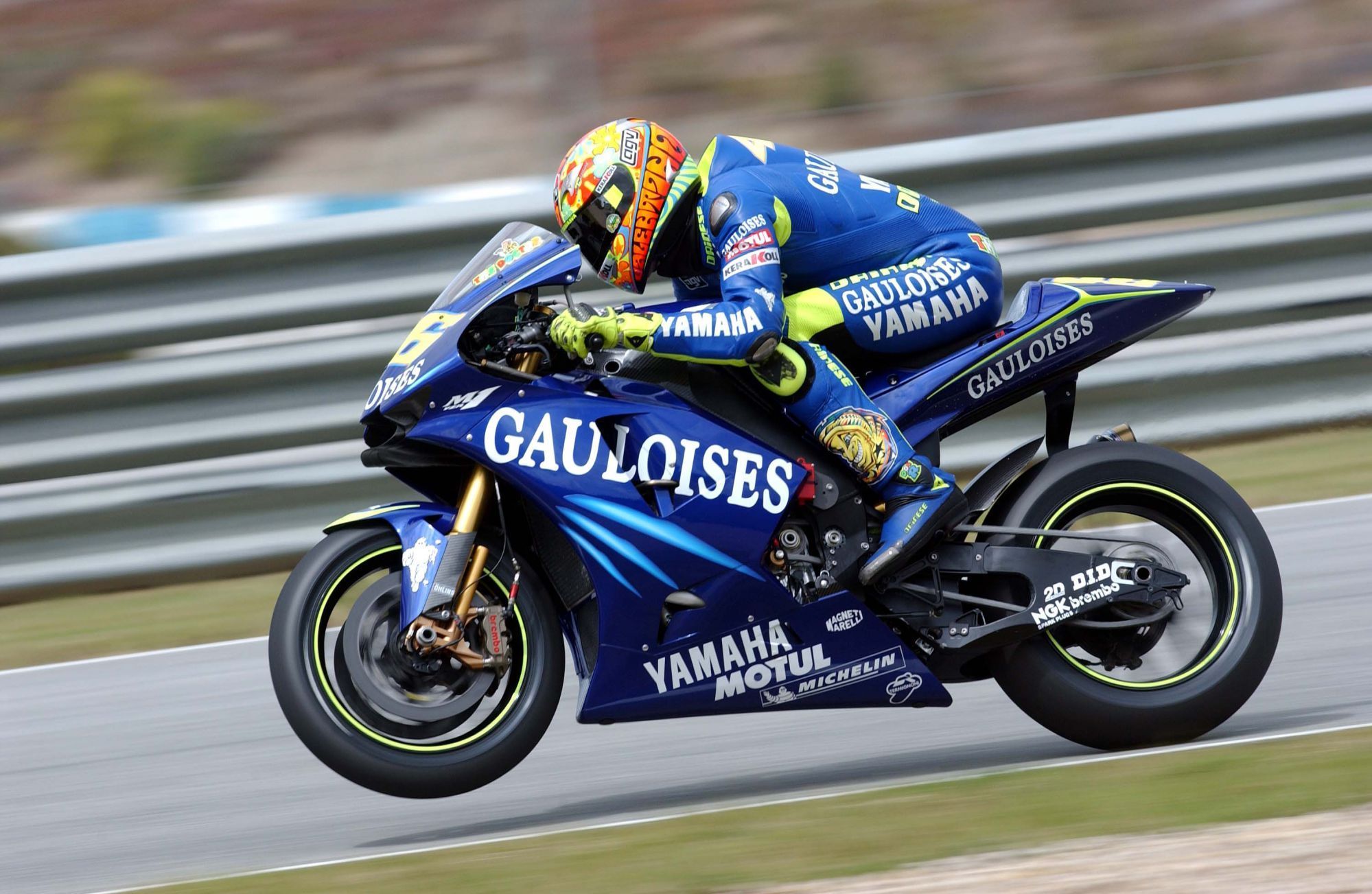
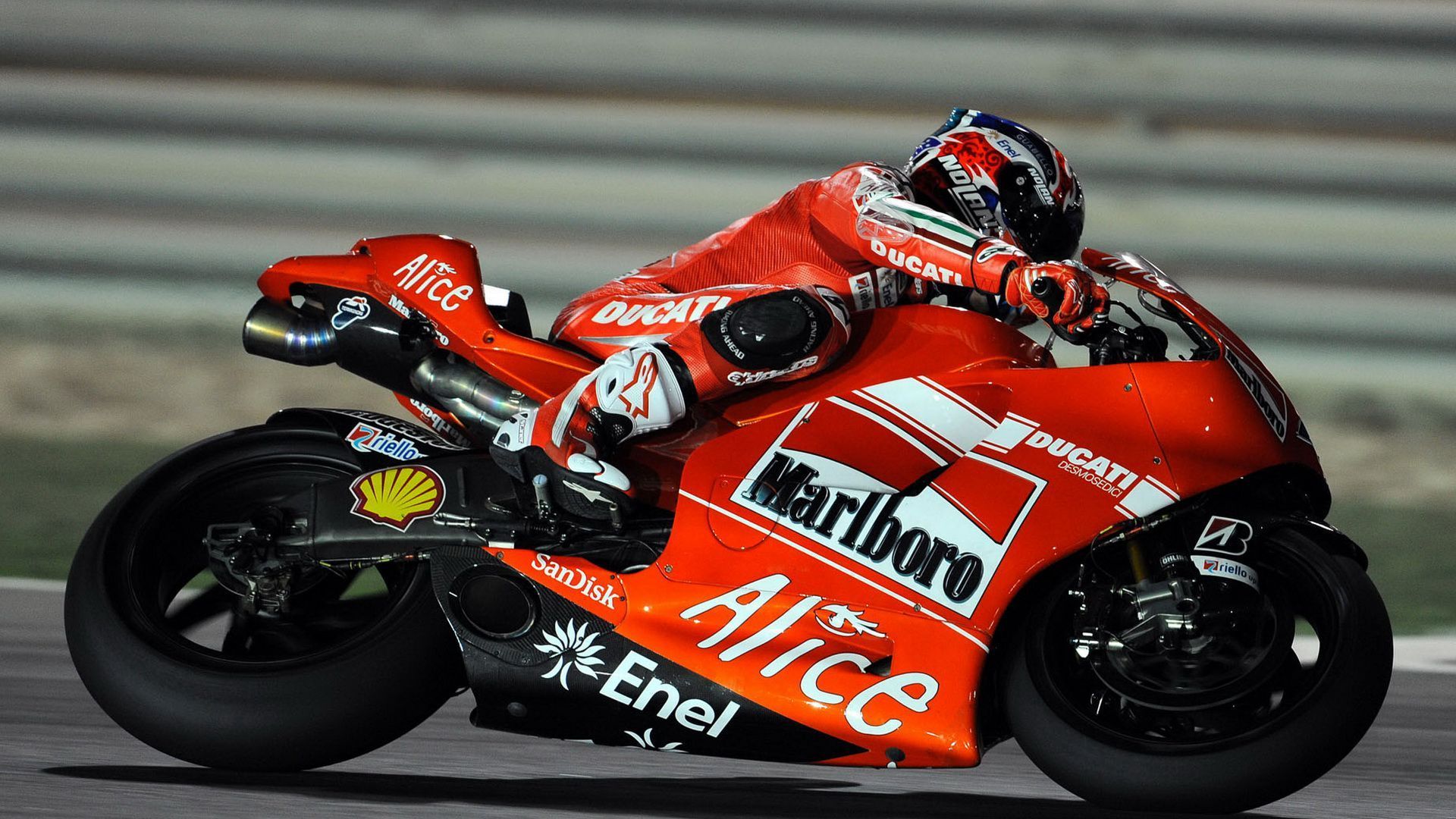
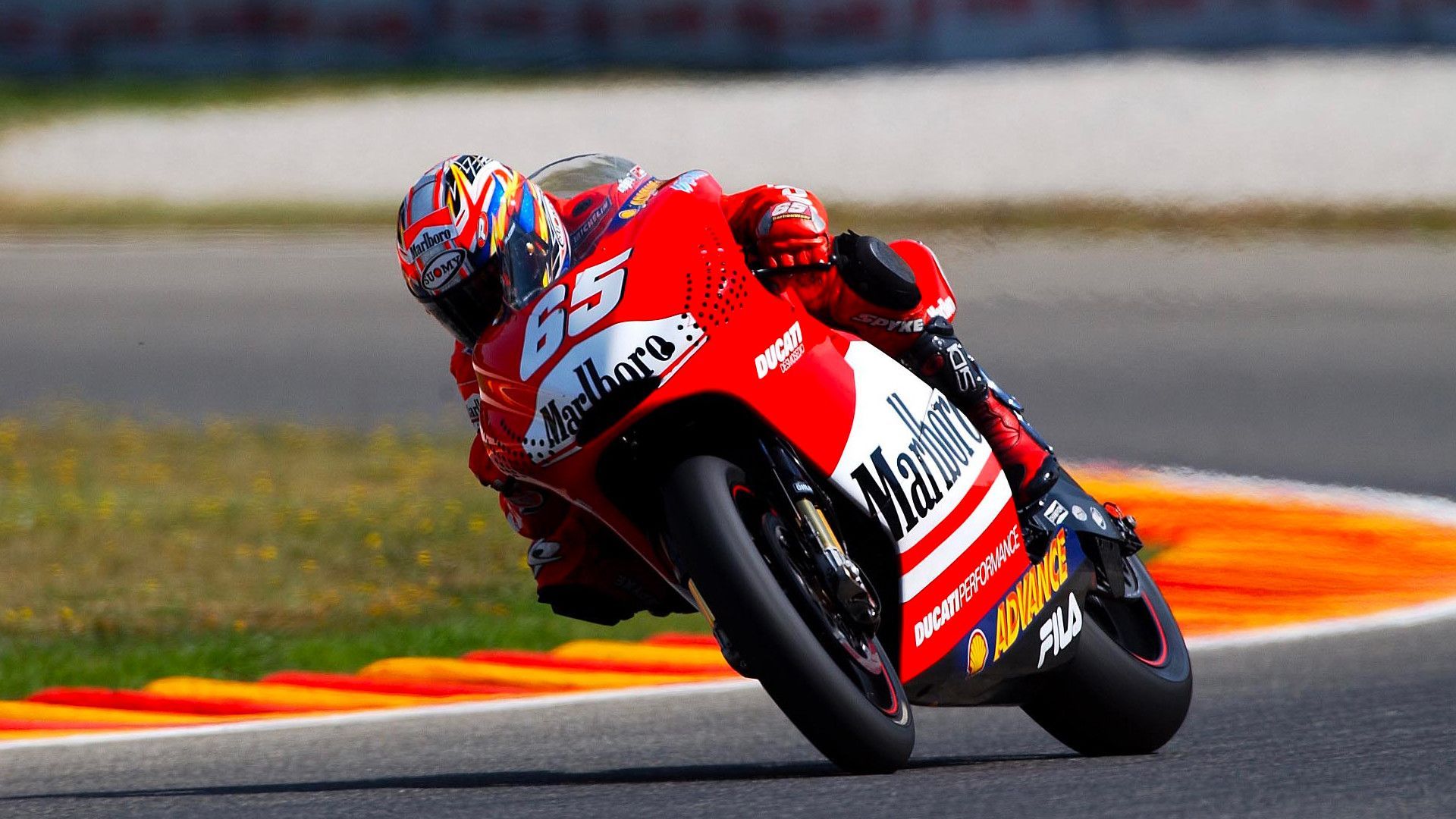
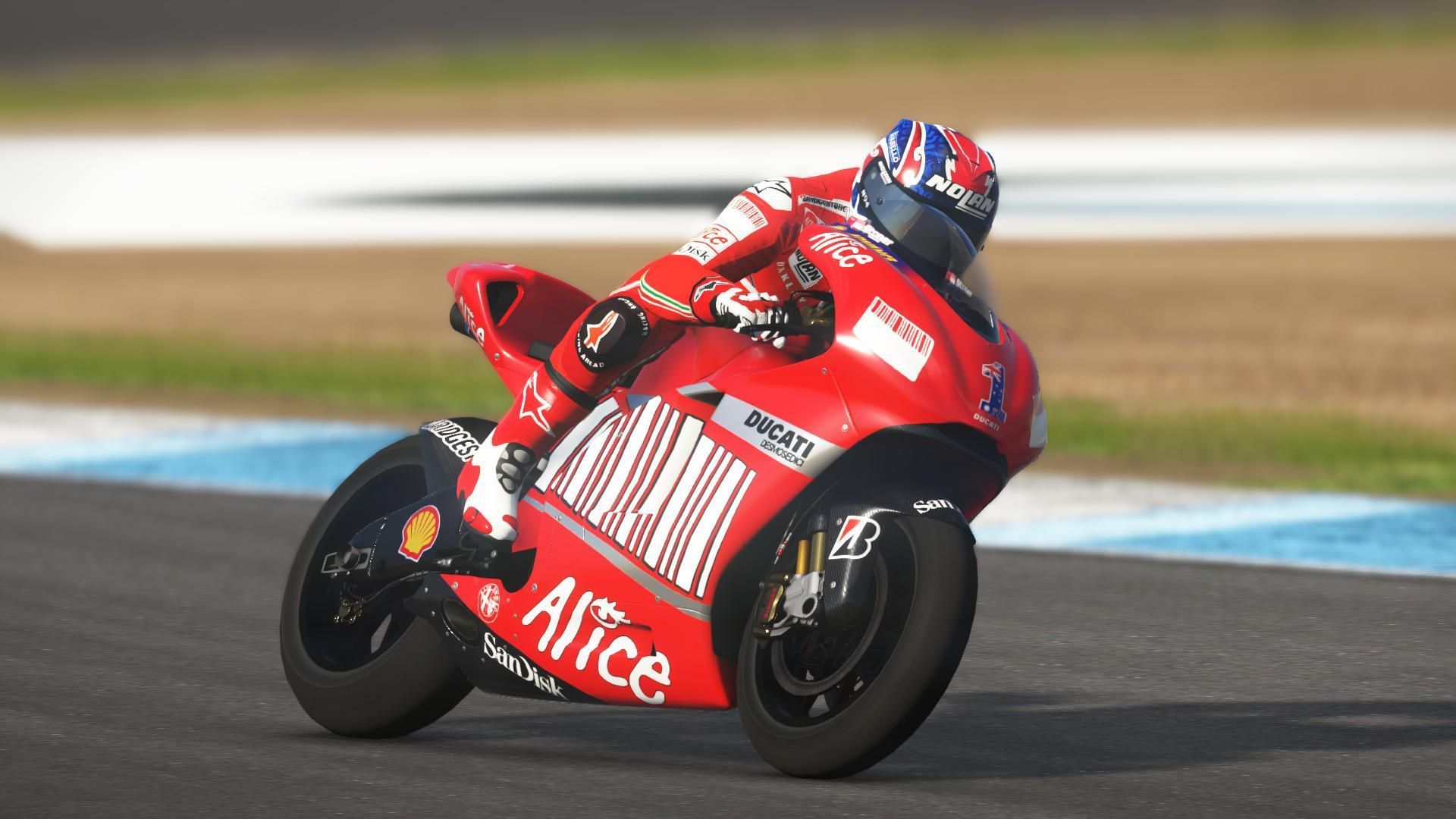
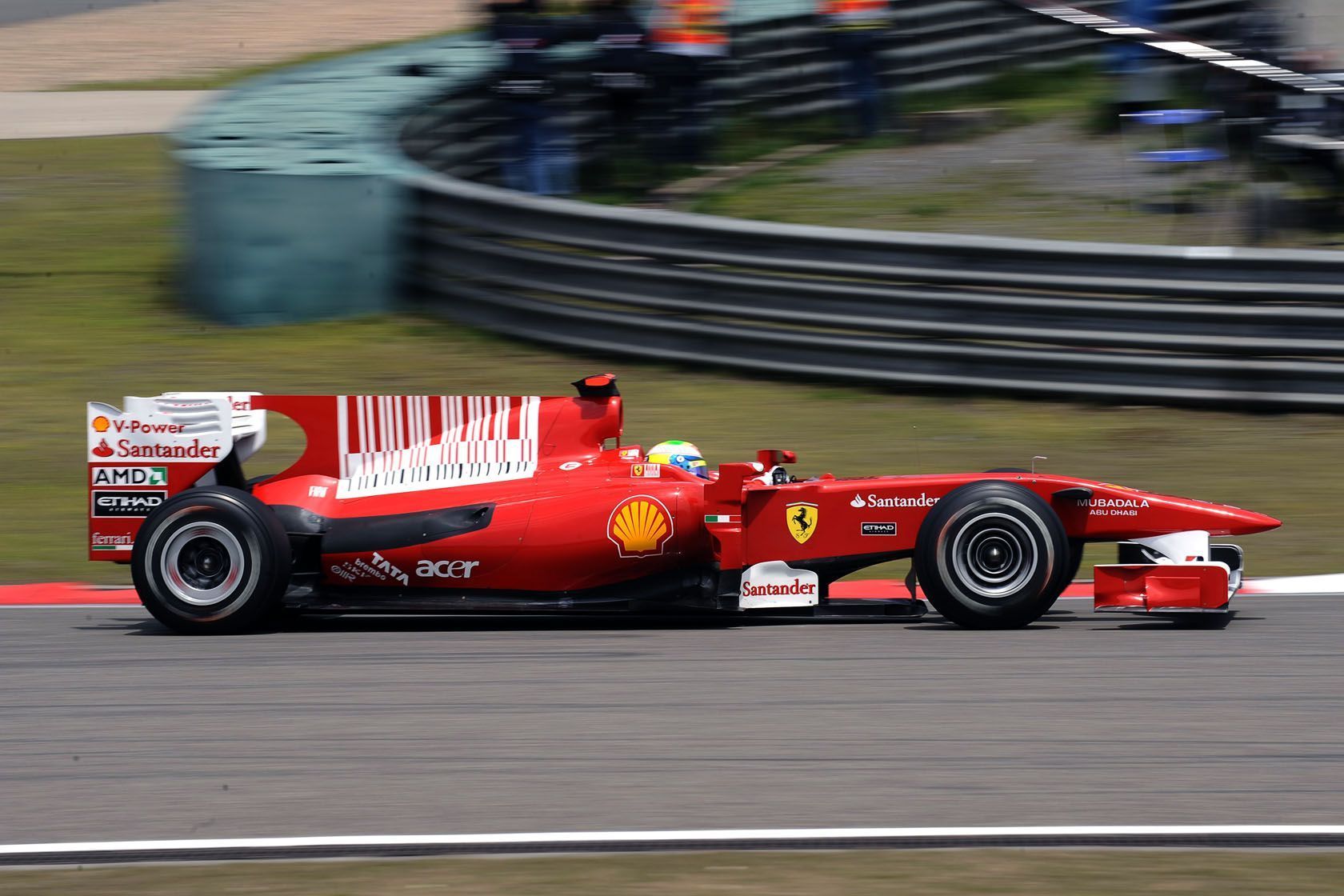
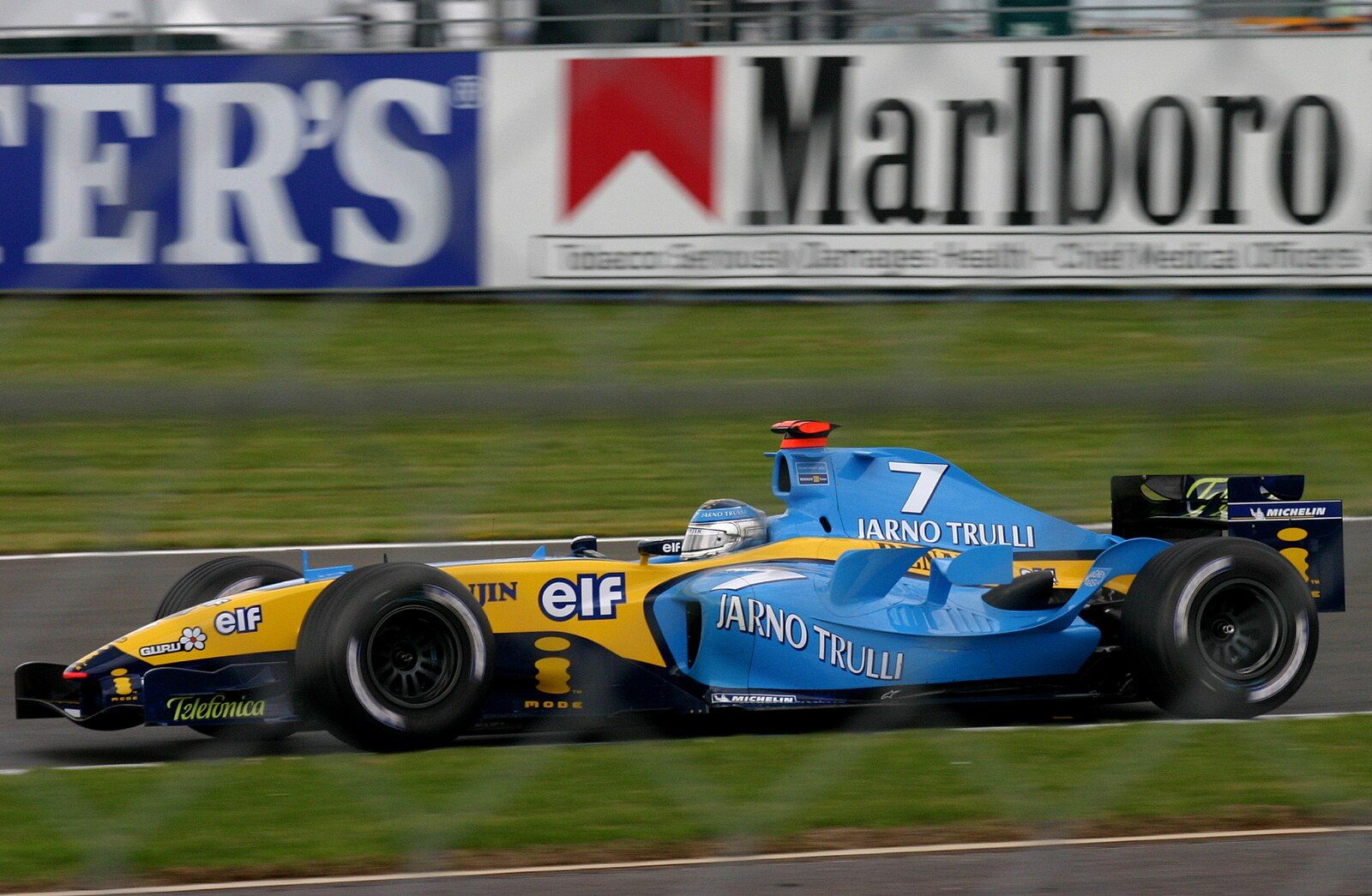
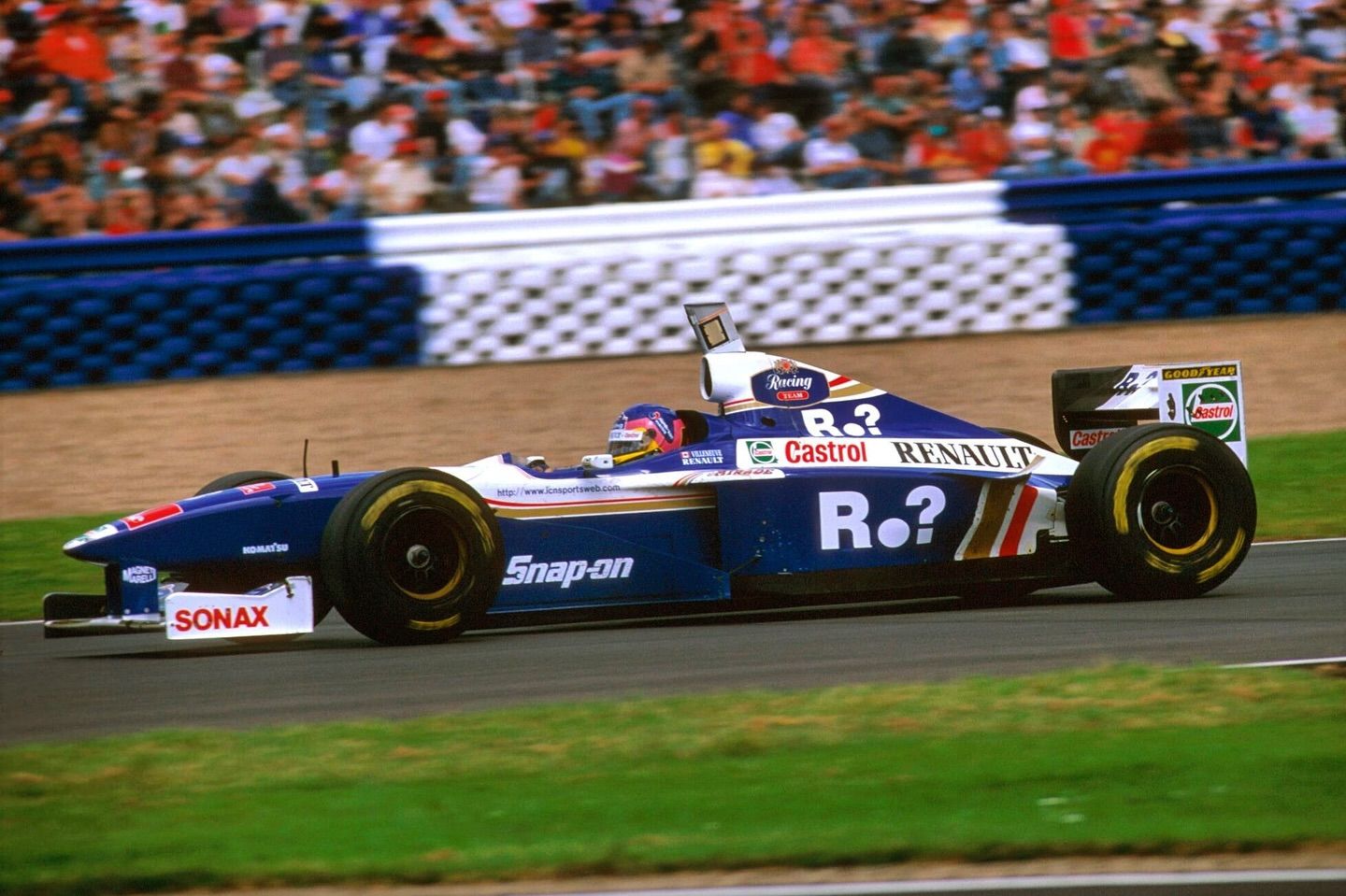
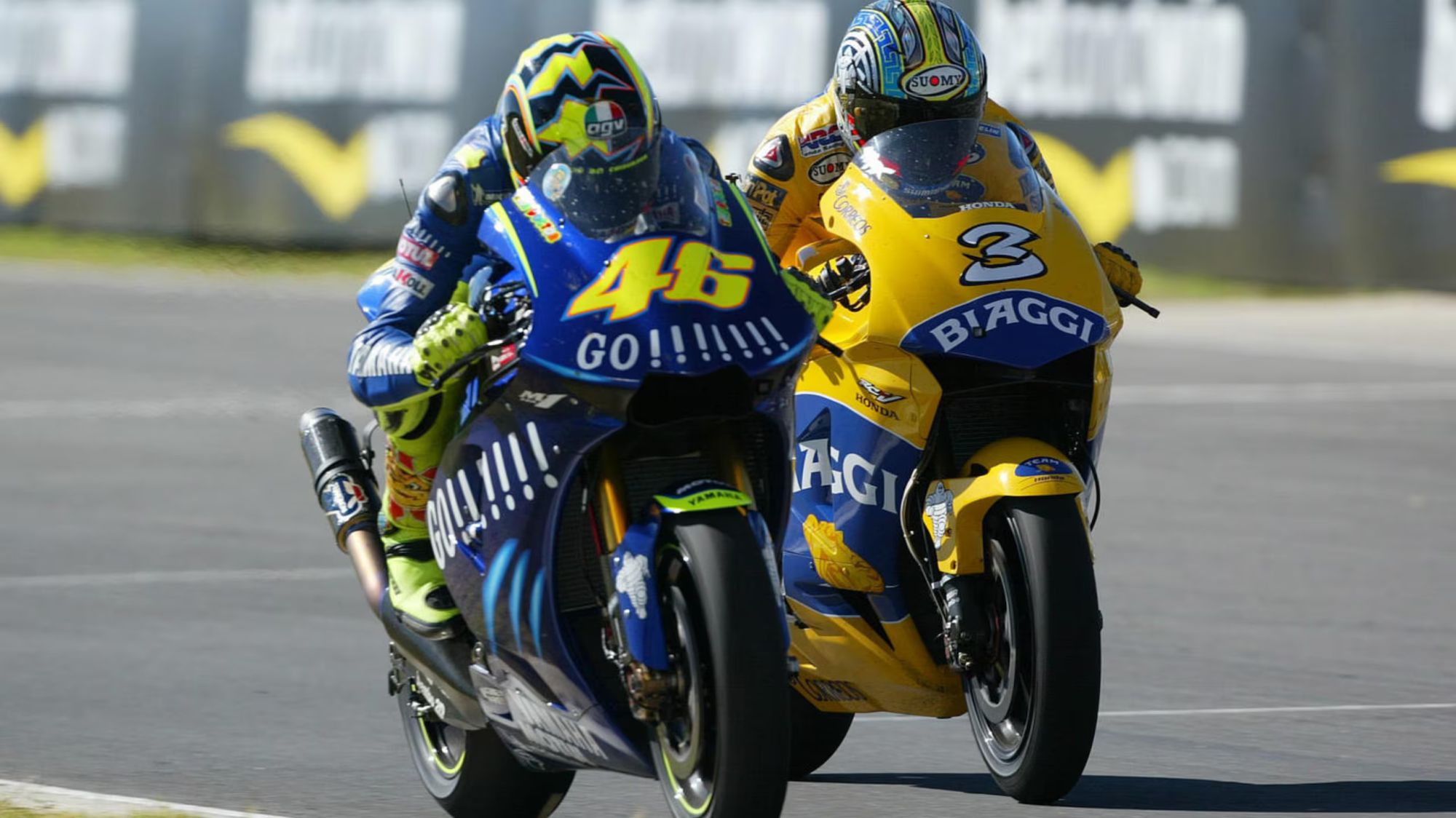
In some races, brand names were altered to comply with local laws without significantly changing the graphics, using various acronyms or the rider’s name: Gauloises became GO!!!!!!!! on Yamaha bikes, Alonso replaced Mild Seven with his own name, as did Biaggi with Camel, and Rothmans became an R with a question mark on the Williams. The last car to explicitly display a cigarette brand logo was Ferrari in 2007 with Marlboro, as well as Ducati in MotoGP. However, both manufacturers continued collaborating with Philip Morris: in subsequent years a barcode appeared on the liveries which, although indirect, unmistakably evoked the famous cigarette brand, sparking controversy.
The partnership actually continued until the end of 2021 thanks to Mission Winnow, a brand owned by the American multinational officially promoting an initiative supporting the development of new solutions to accelerate positive social change. The relationship between tobacco companies and motorsport remained strong. This initiative was widely perceived as indirect Marlboro sponsorship. British American Tobacco, which owned an F1 team from 1999 to 2005 before selling it to Honda, also appeared on McLaren liveries with the slogan “A Better Tomorrow” to support research and innovation. However, these examples did not change what had for years been, in the eyes of fans, the true visual legacy of tobacco advertising in motorsport: their unique color combinations.
Gitanes
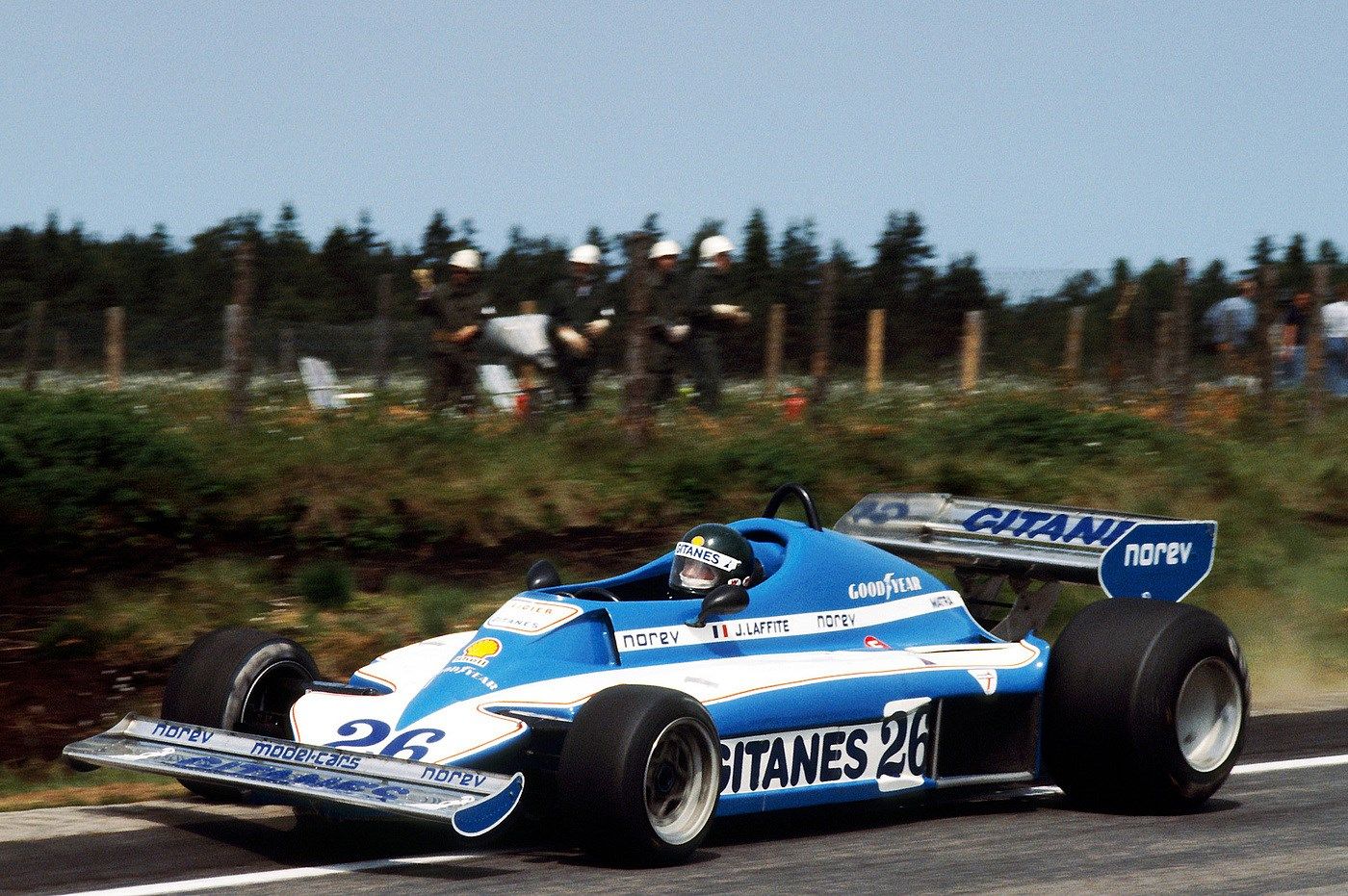
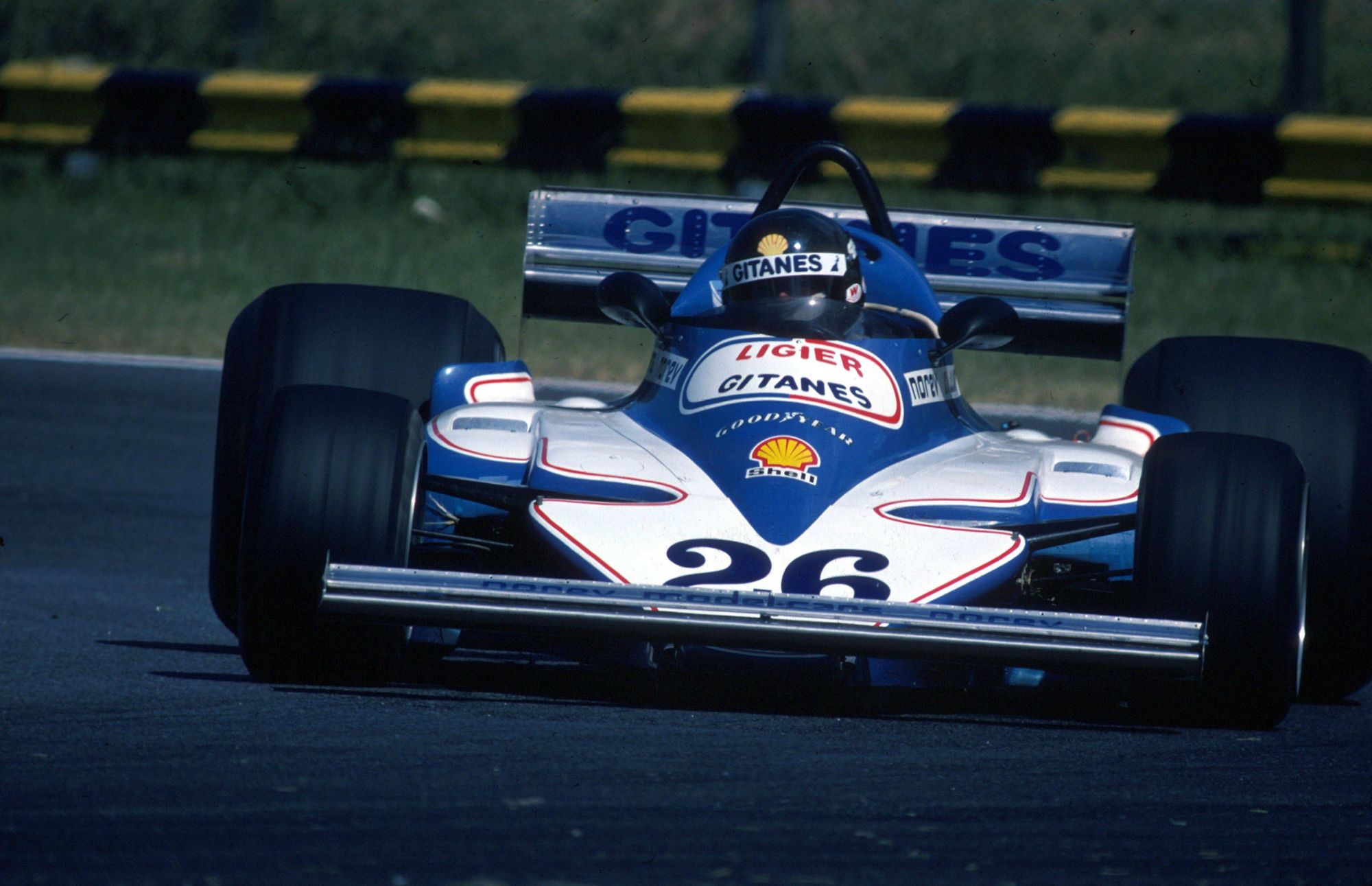
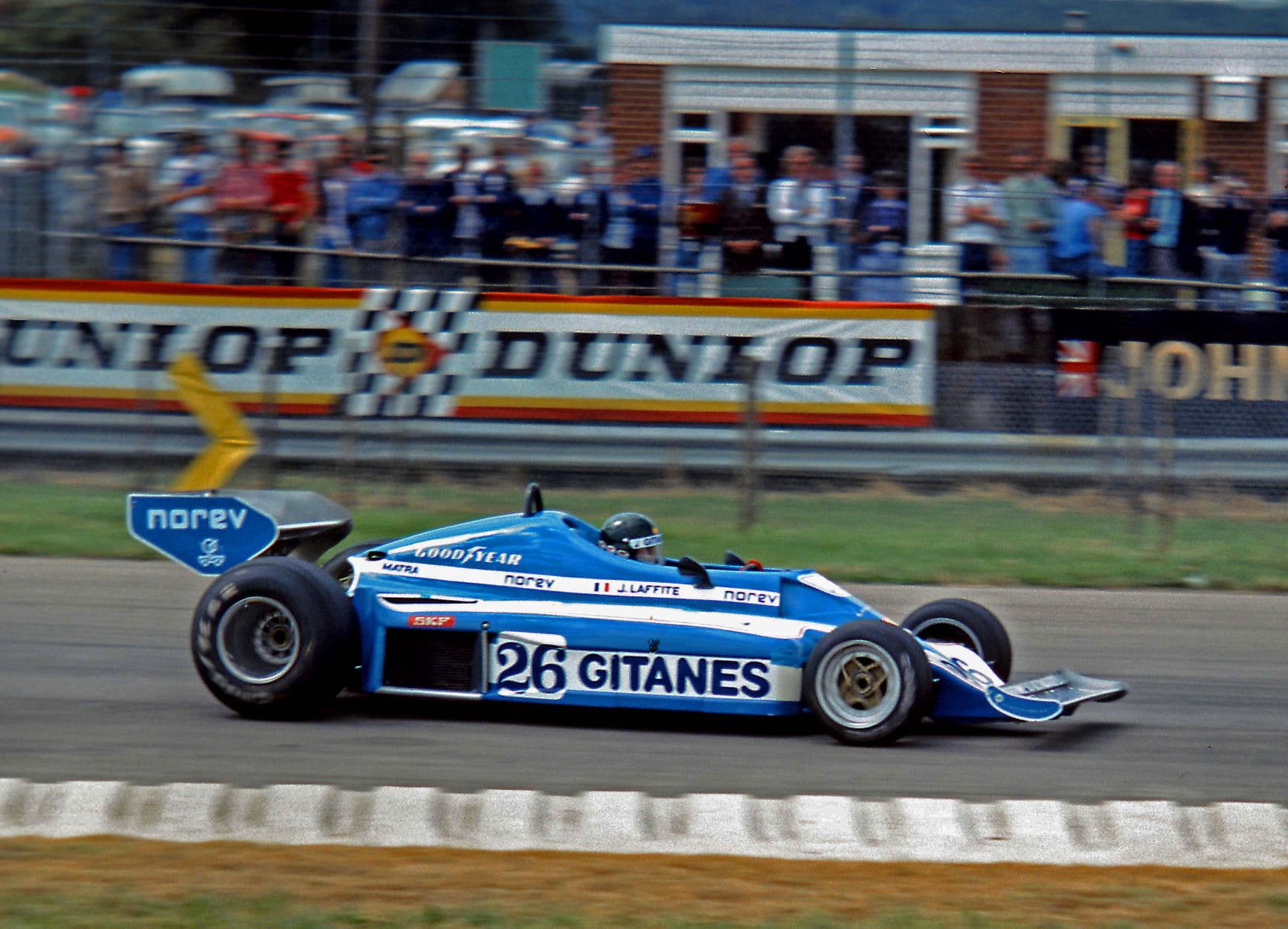
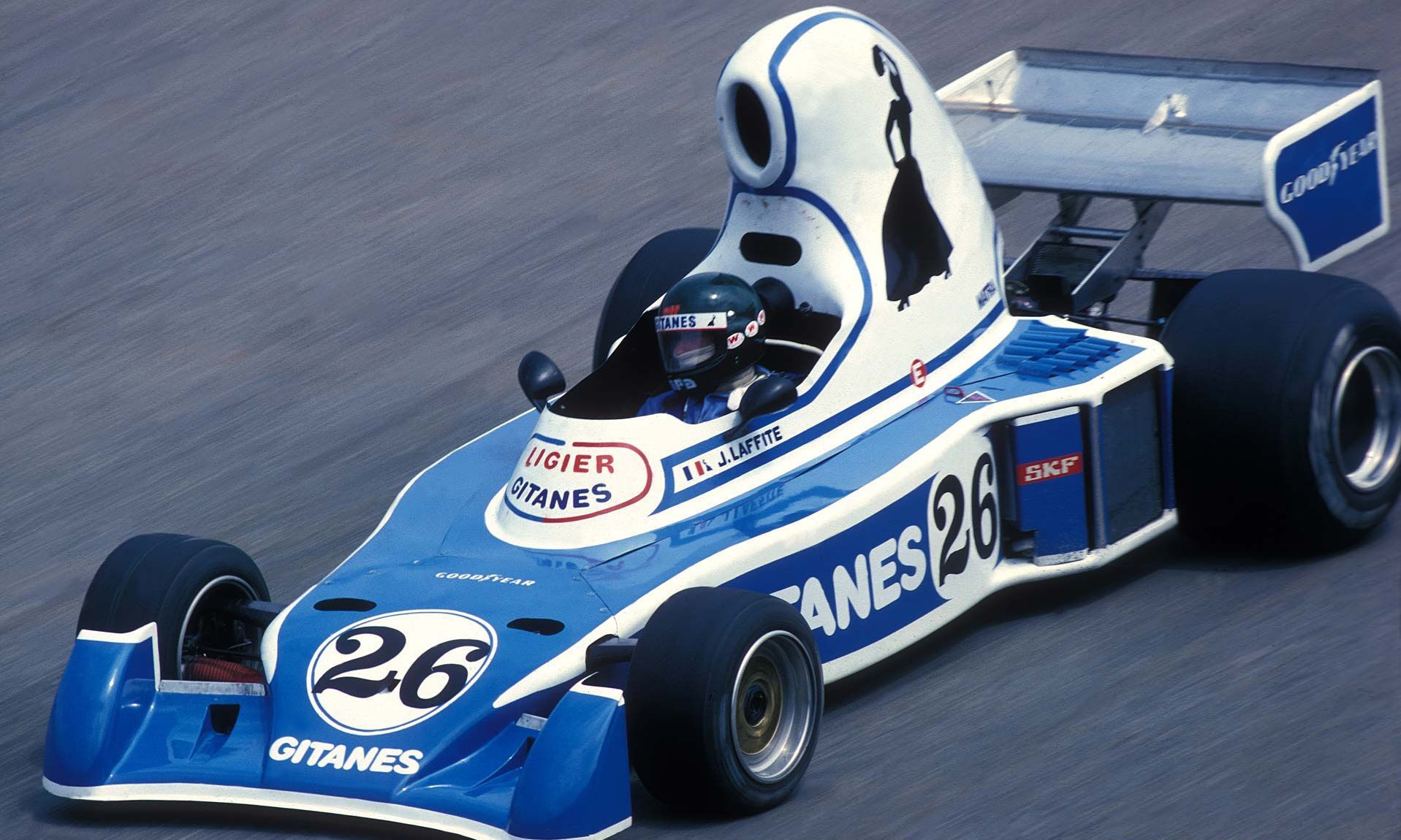
In 1977 the French brand brought Jacques Laffite and Ligier to their first victory: a true sporting fairytale. A French driver in a French car powered by a French engine: a dream for the French fans who aspired to dominate motorsport and, above all, challenge Italy’s Ferrari. Things turned out differently, but that car remains memorable: with its elegant blue and white livery, it carried the Gitanes cigarette logo on its sidepod, crowning a 100% French project.
Mild Seven
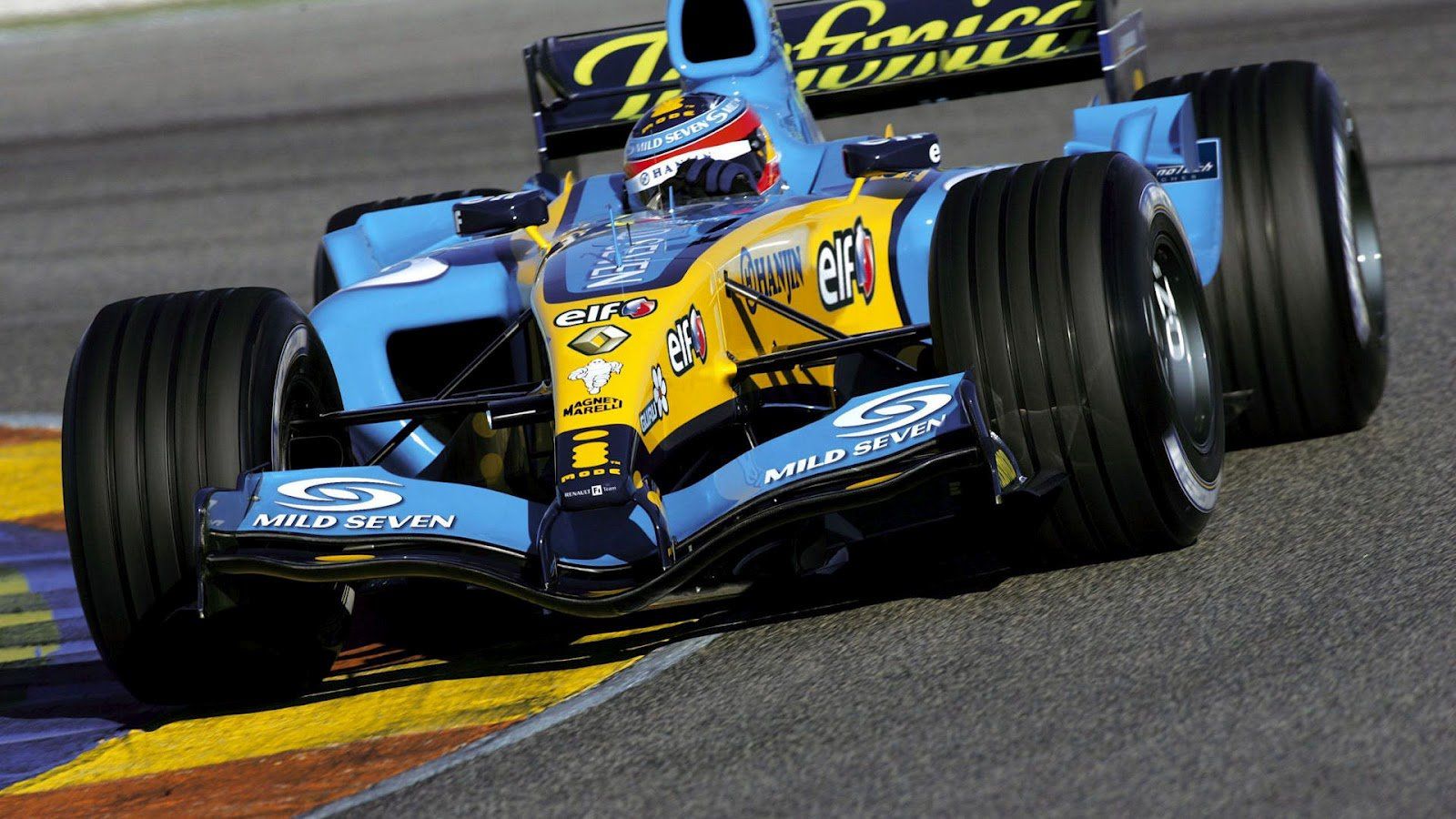
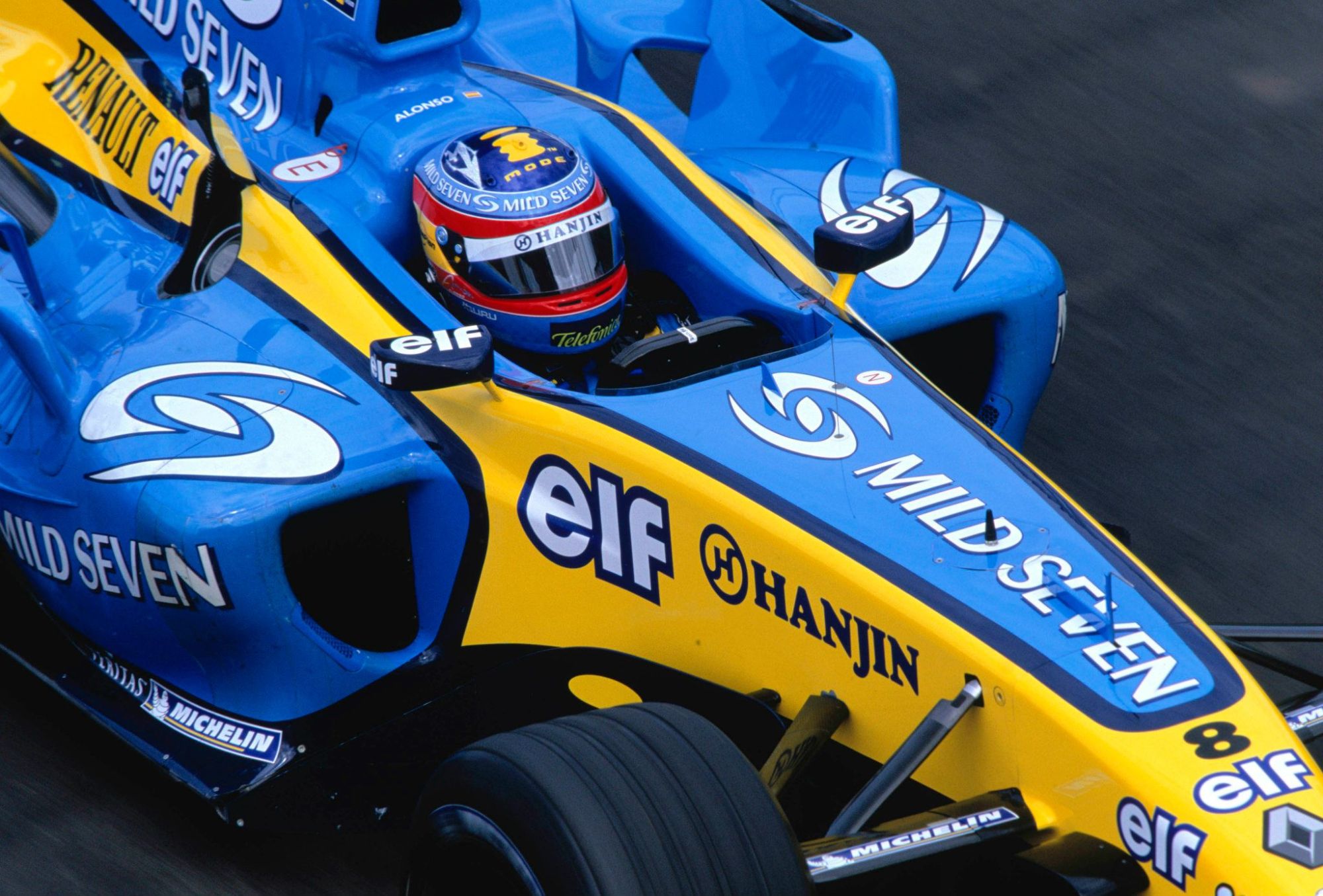
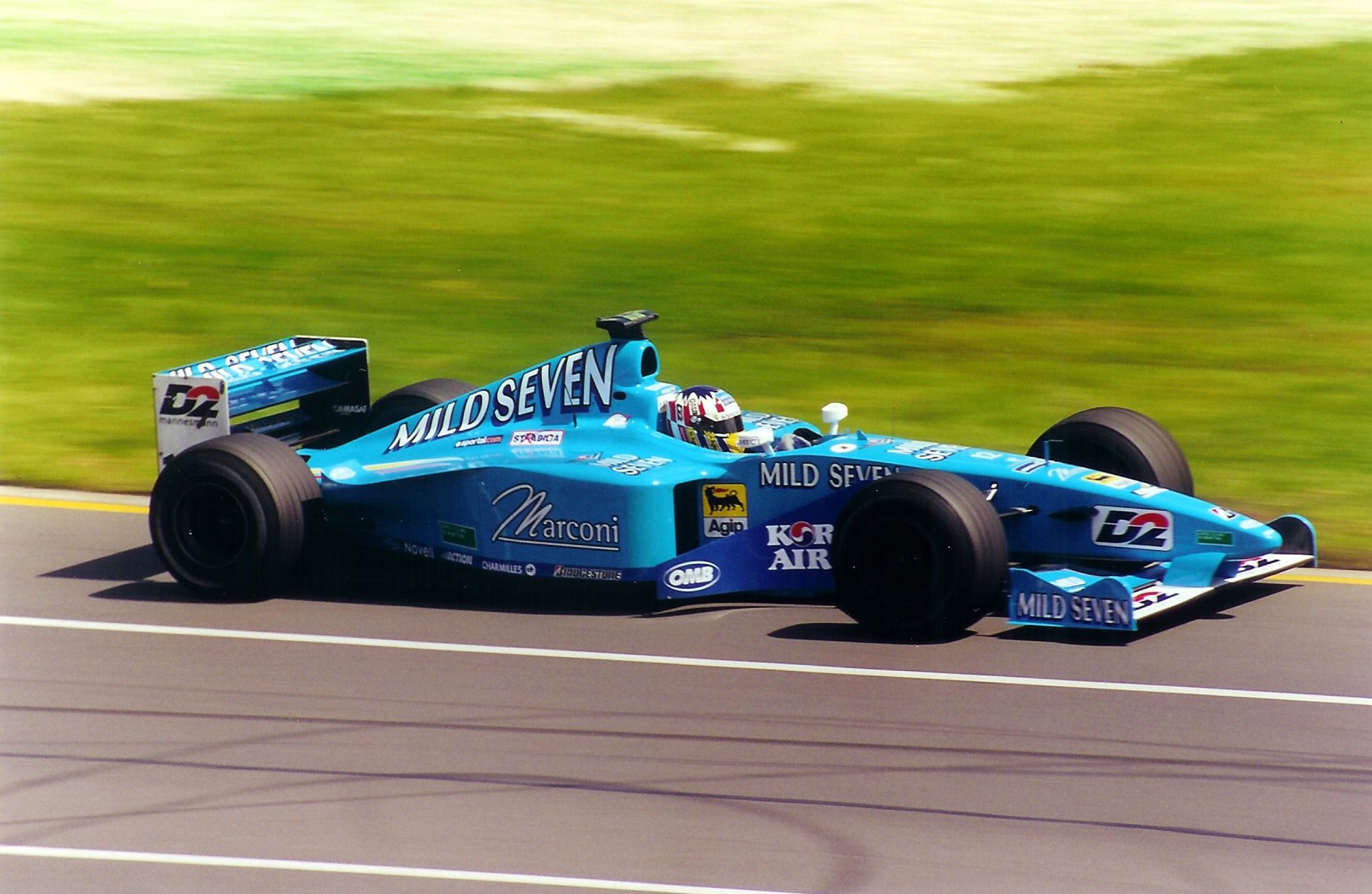
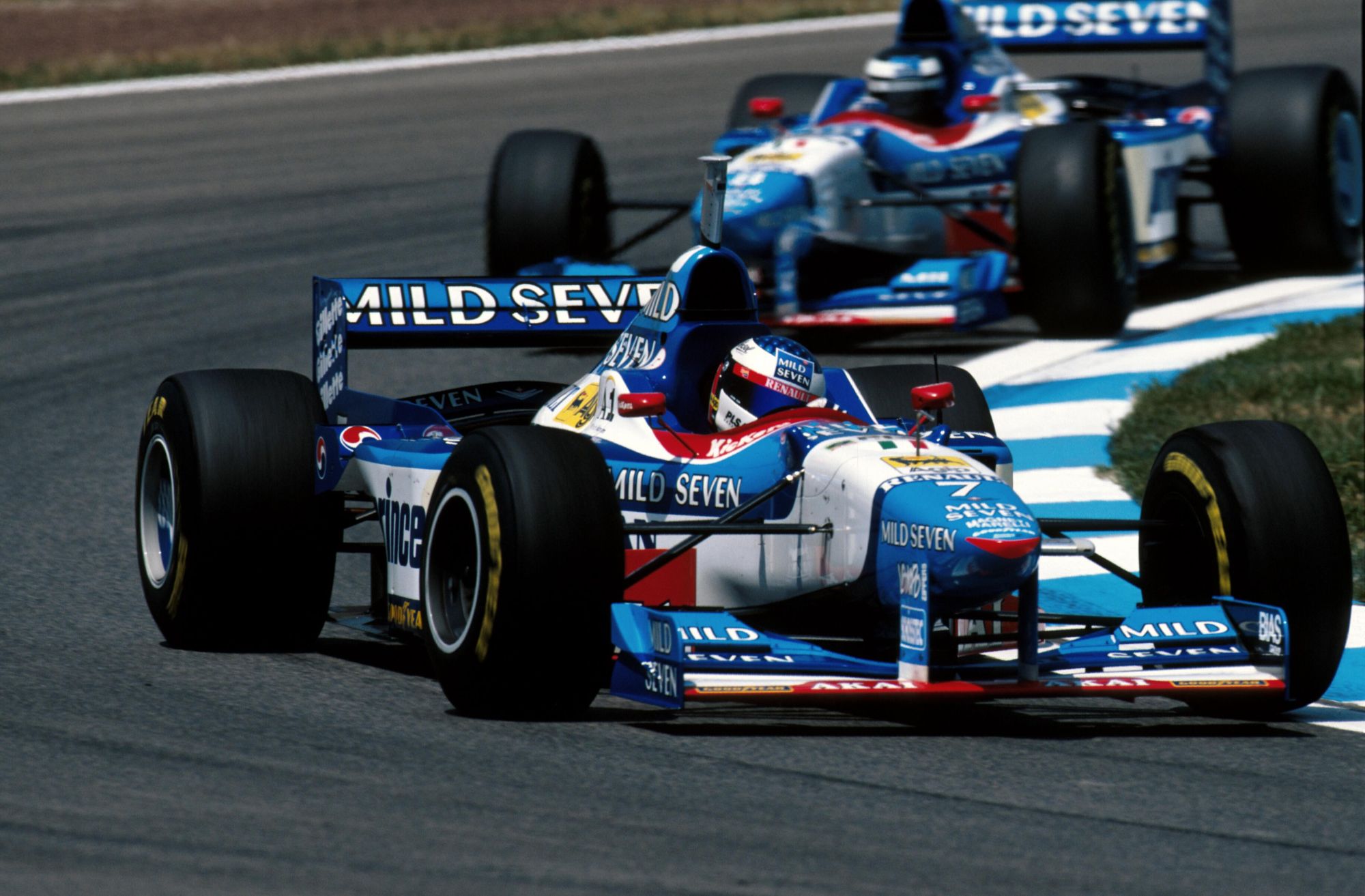
These cigarettes are no longer found in vending machines today, despite being among the world’s best-selling. They entered Formula 1 in 1994 as Benetton’s sponsor and remained until 2006, winning two Drivers’ and Constructors’ Championships with Fernando Alonso. The light blue color of the cars was inspired by the Japanese brand’s packaging, combined with yellow to evoke French manufacturer Renault.
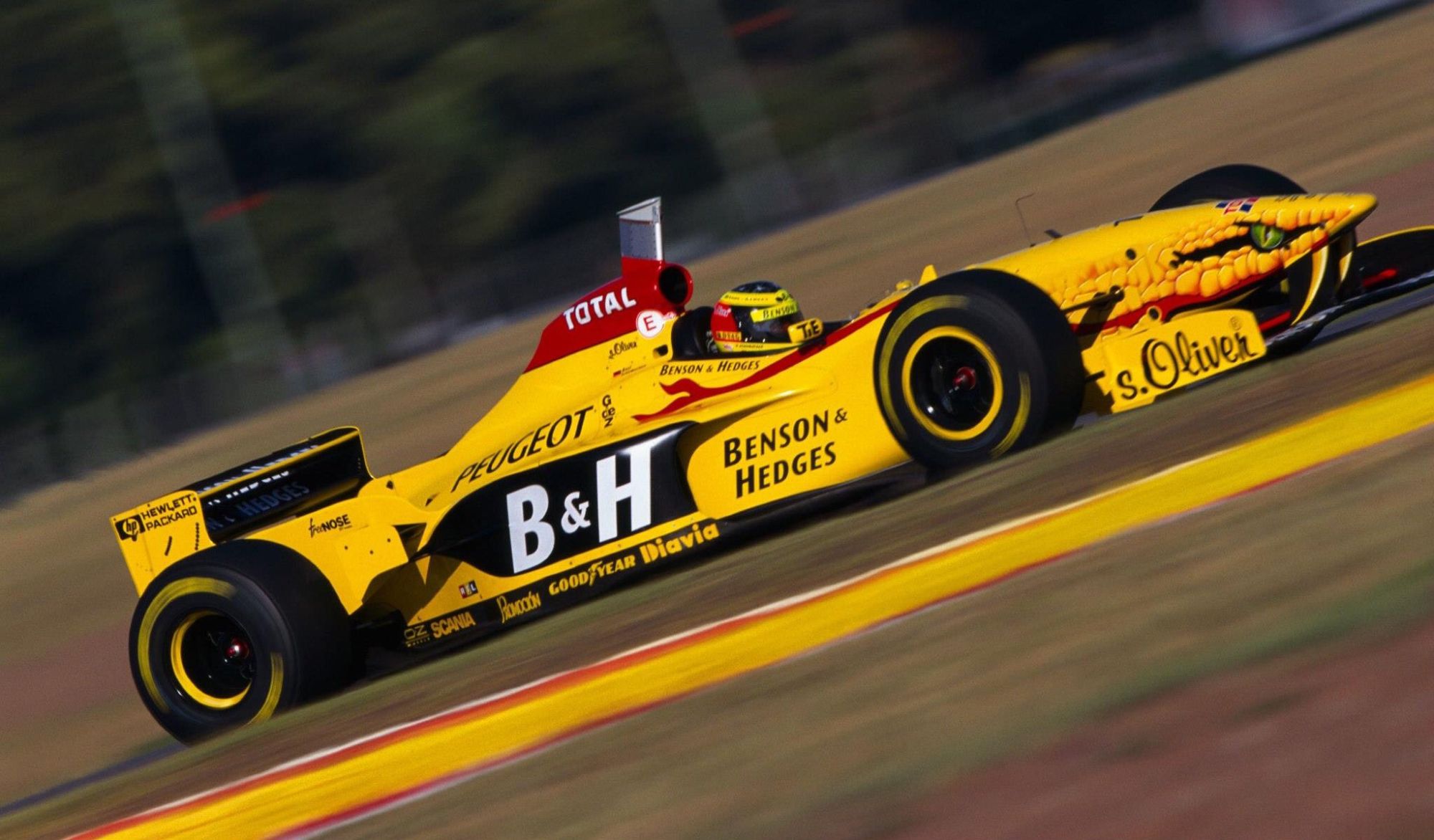
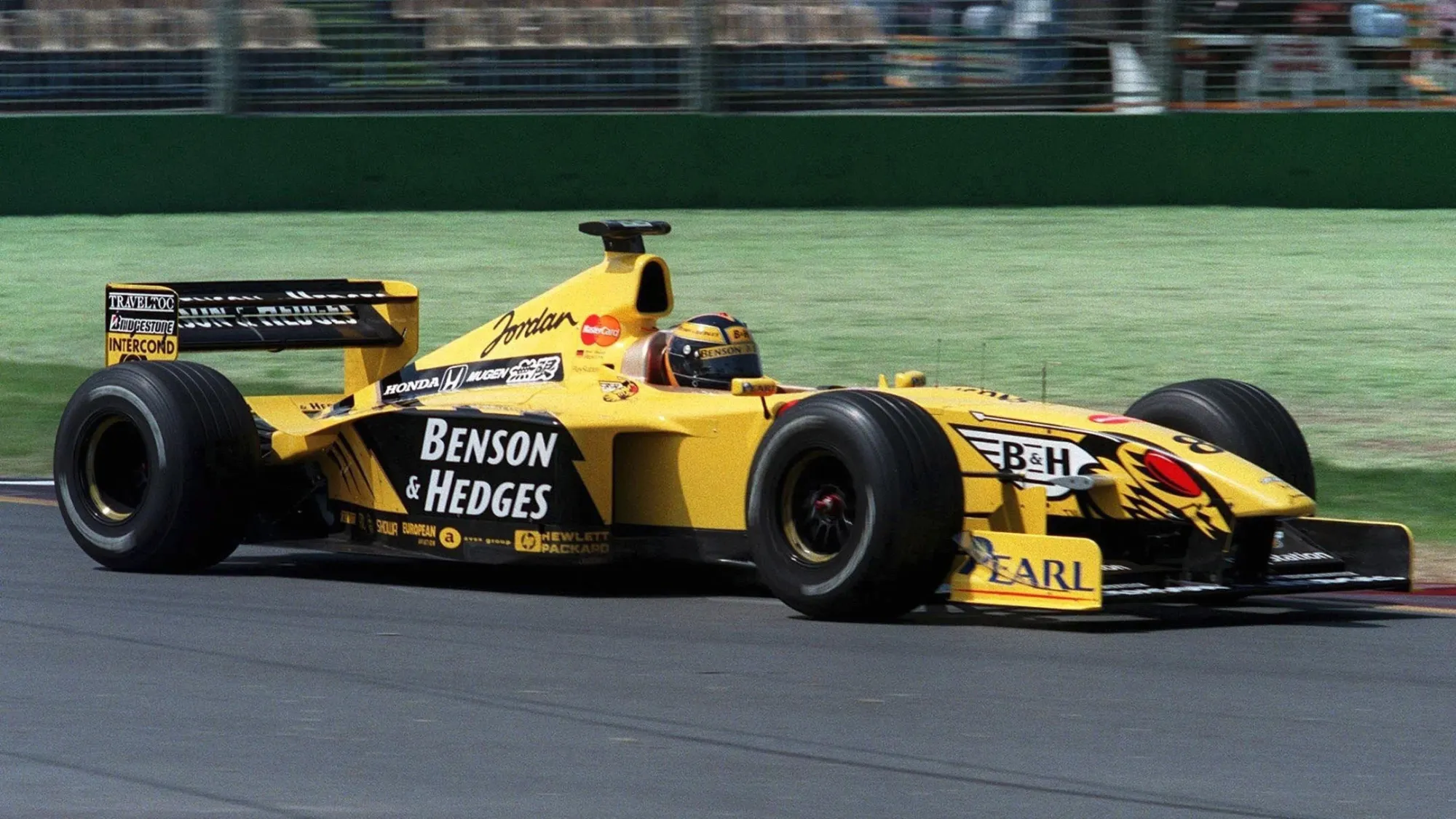
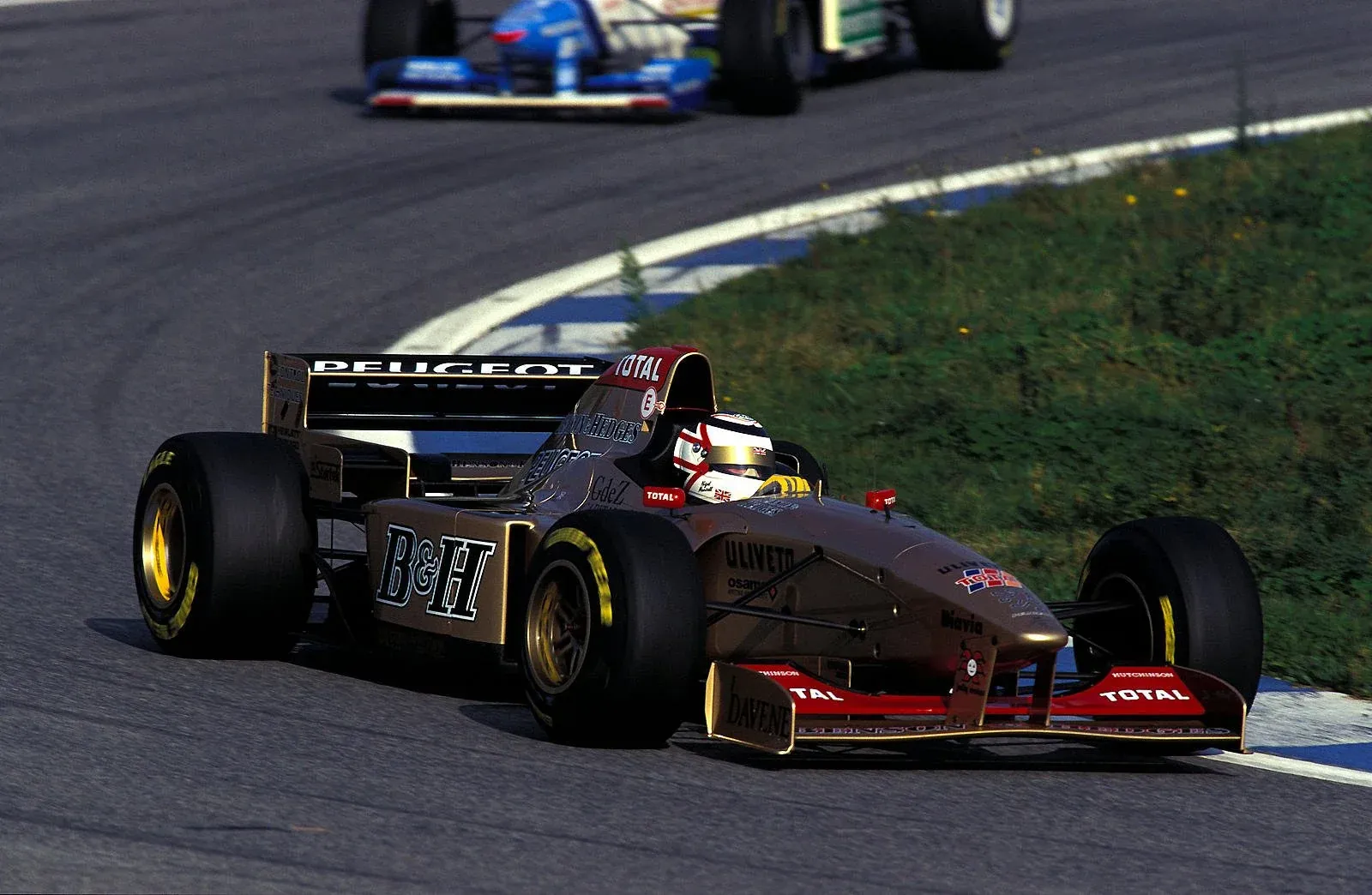
Benson & Hedges
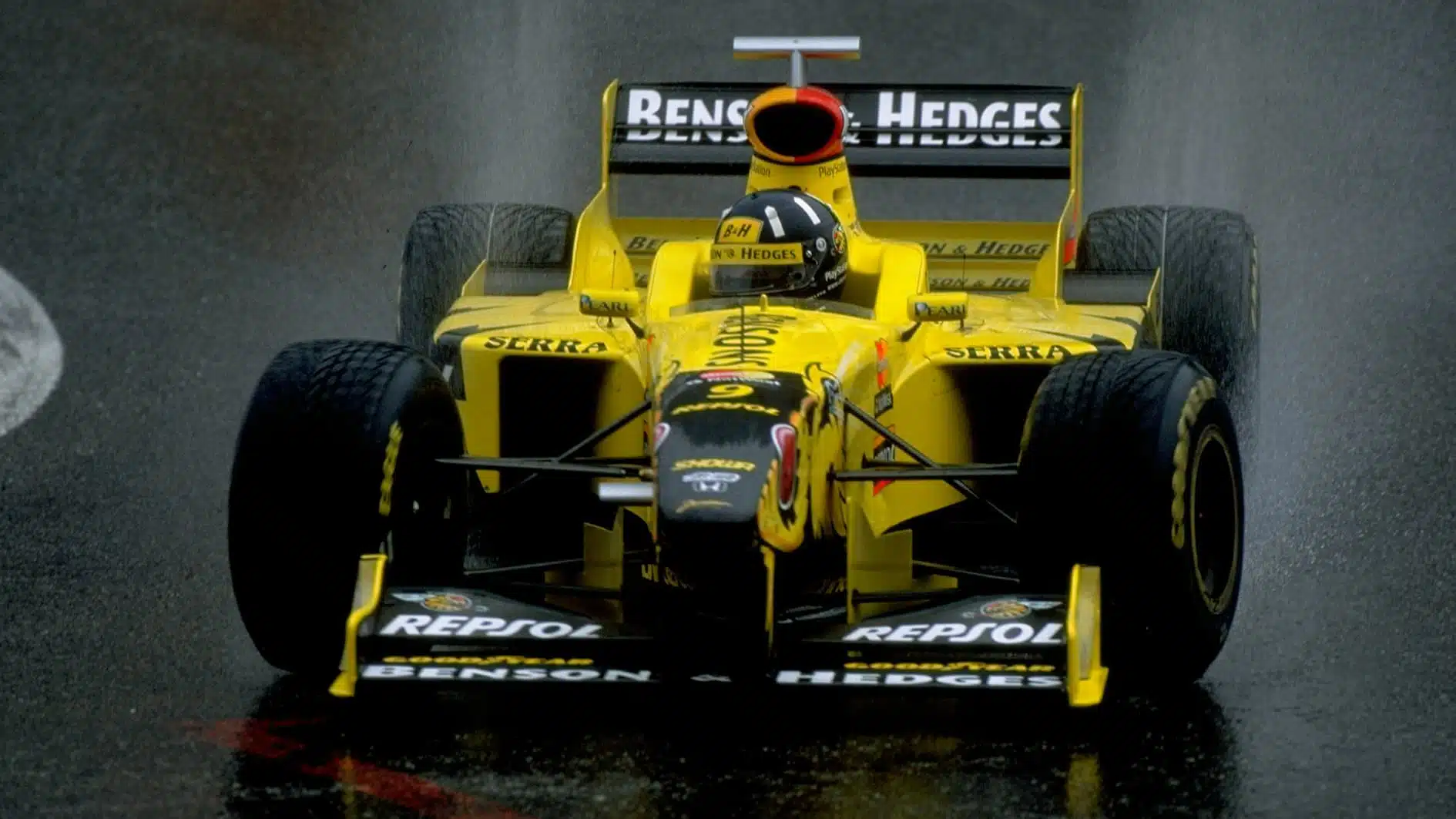
Jordan was the first team for which Michael Schumacher competed: it was 1991, and four years later the Irish team’s cars featured the Benson & Hedges cigarette brand, remaining until 2005. With the change from the brand’s original gold packaging, a bright yellow was used, making the cars easily recognizable—especially due to the famous crocodile graphic on the nose.
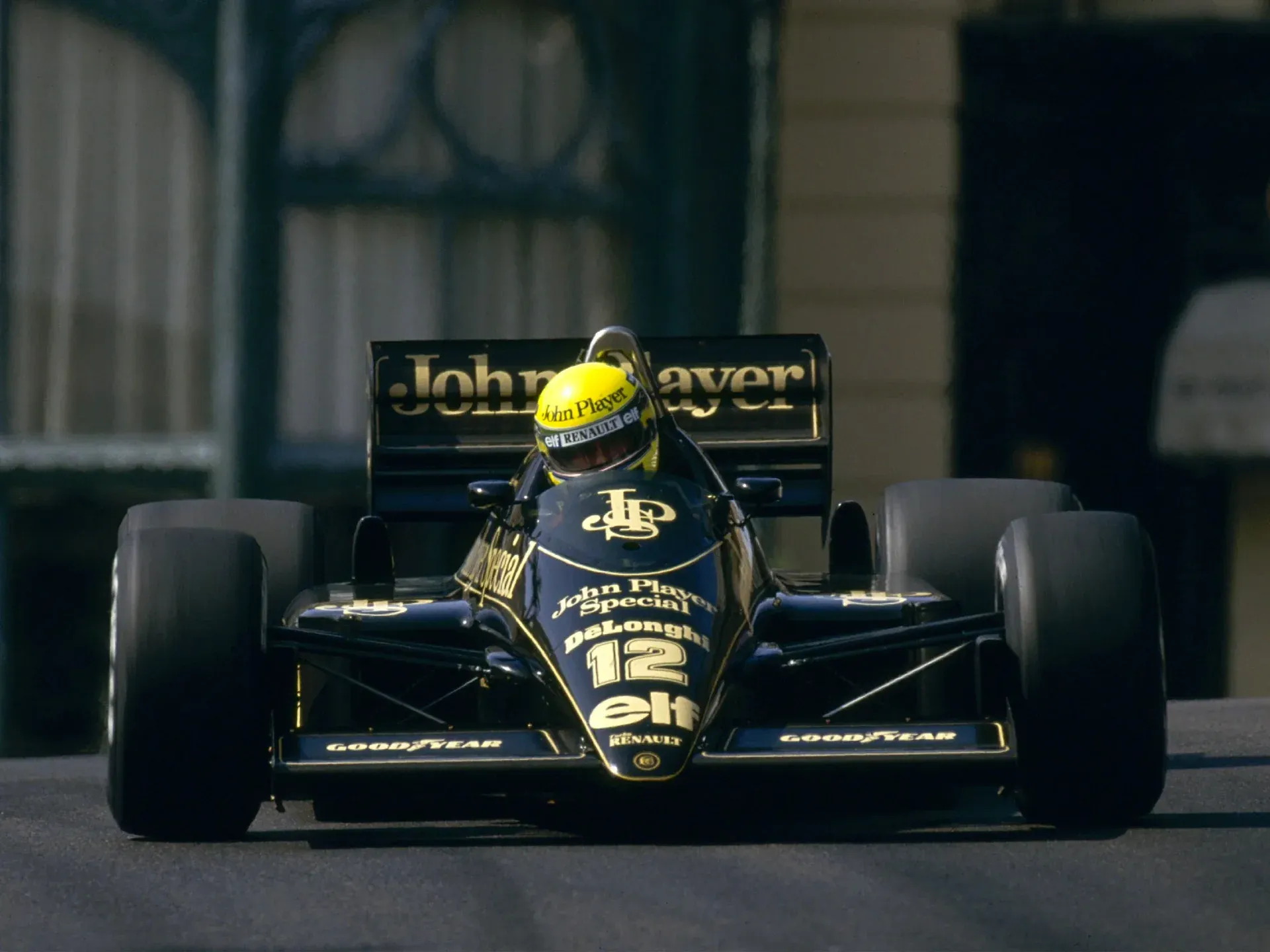
John Player
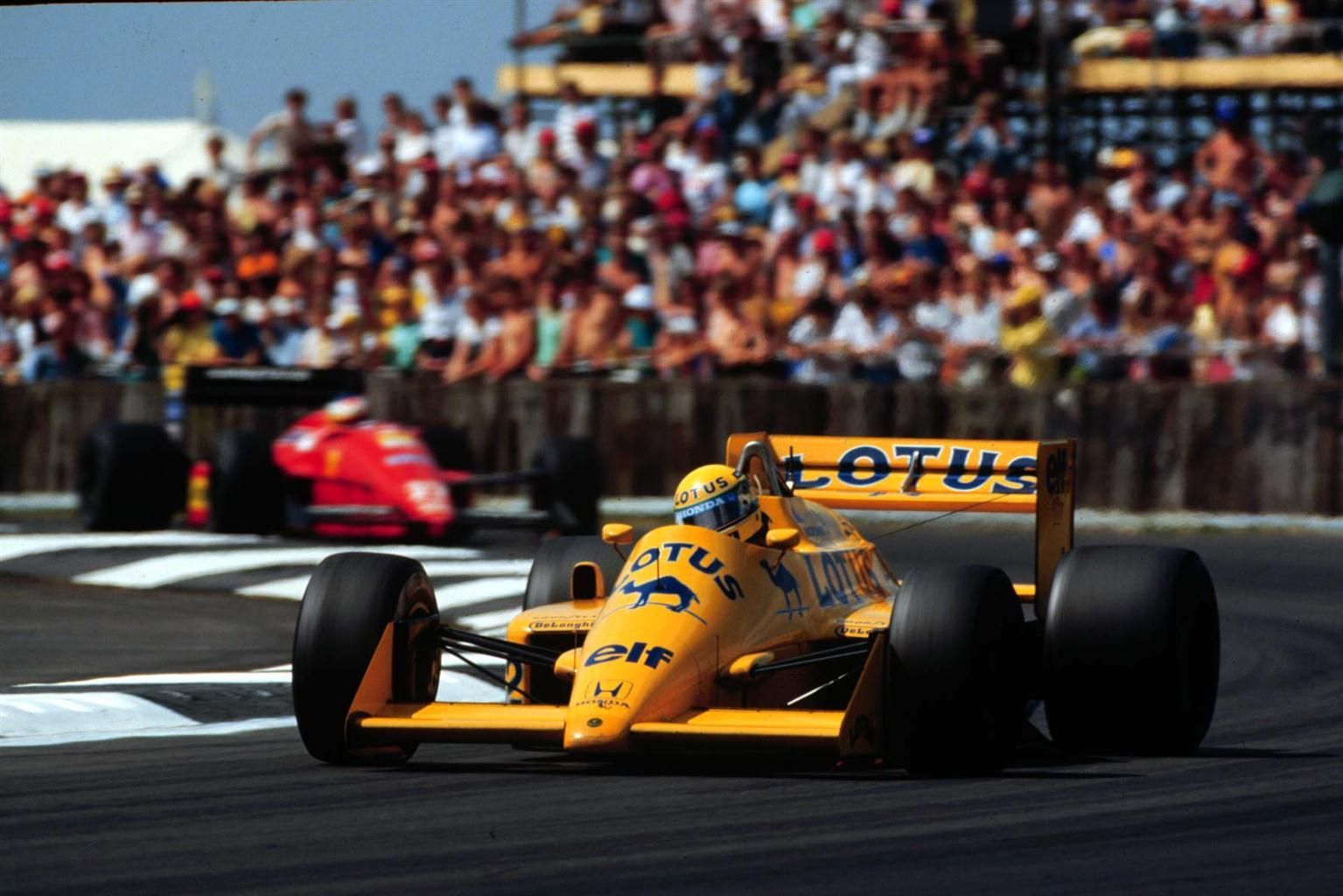
After introducing the first cigarette brand to Lotus in 1968, Colin Chapman also created the cars bearing the English brand John Player, which won three championships in the 1970s. Besides being fast on track, they are still regarded as some of the most beautiful F1 cars ever: black with gold accents, reflecting the branding of the English cigarette company John Player, which left the team in 1987, as did Renault.
Camel
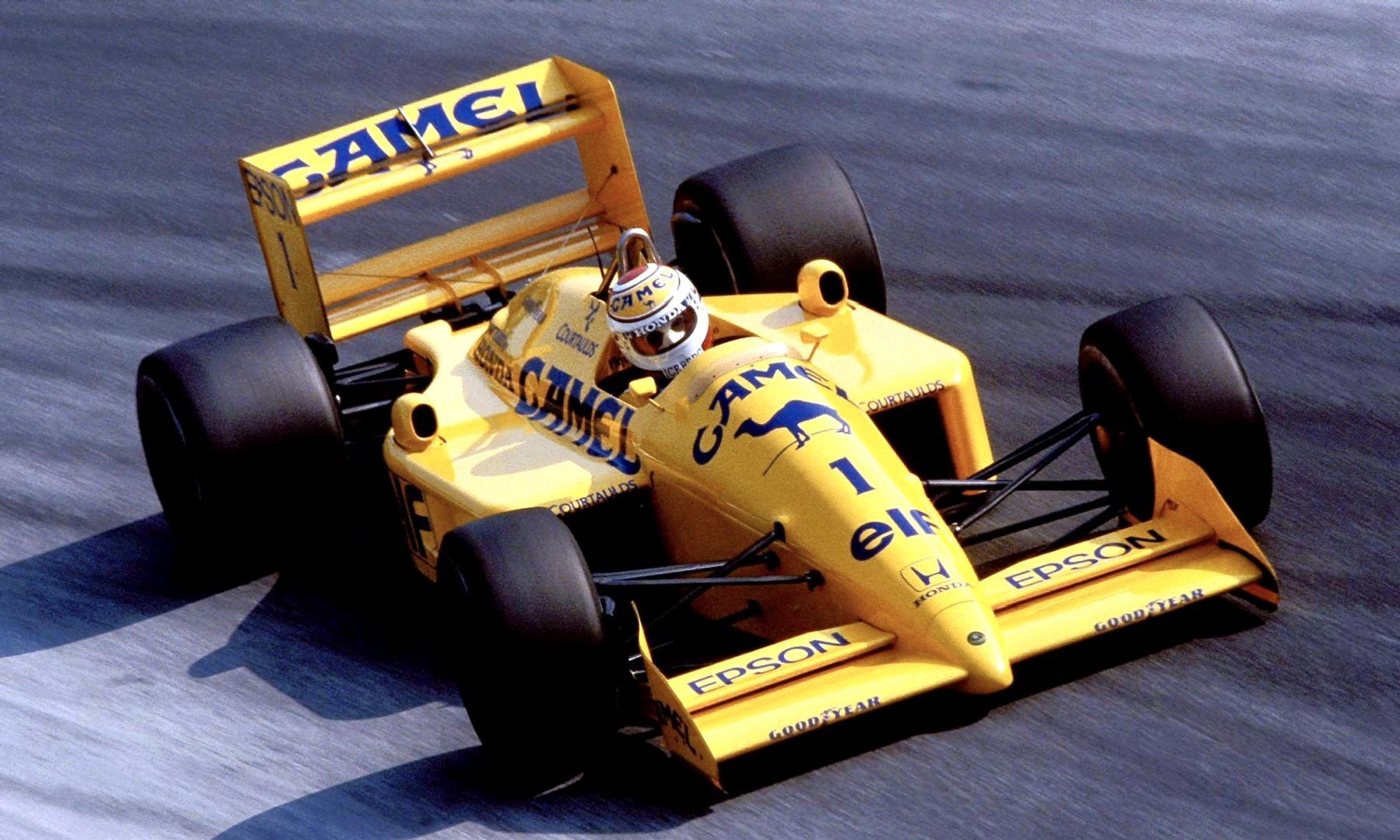
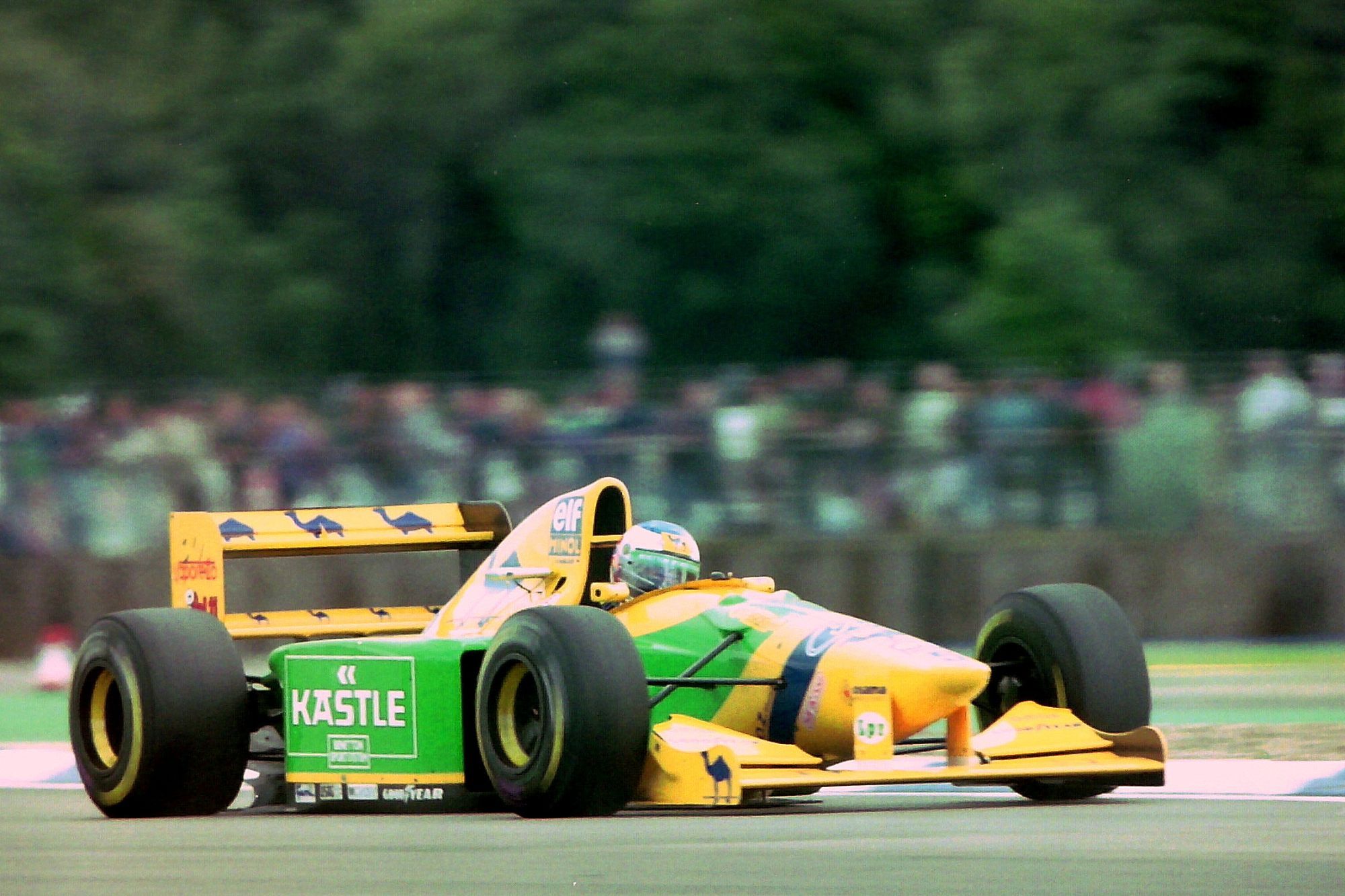
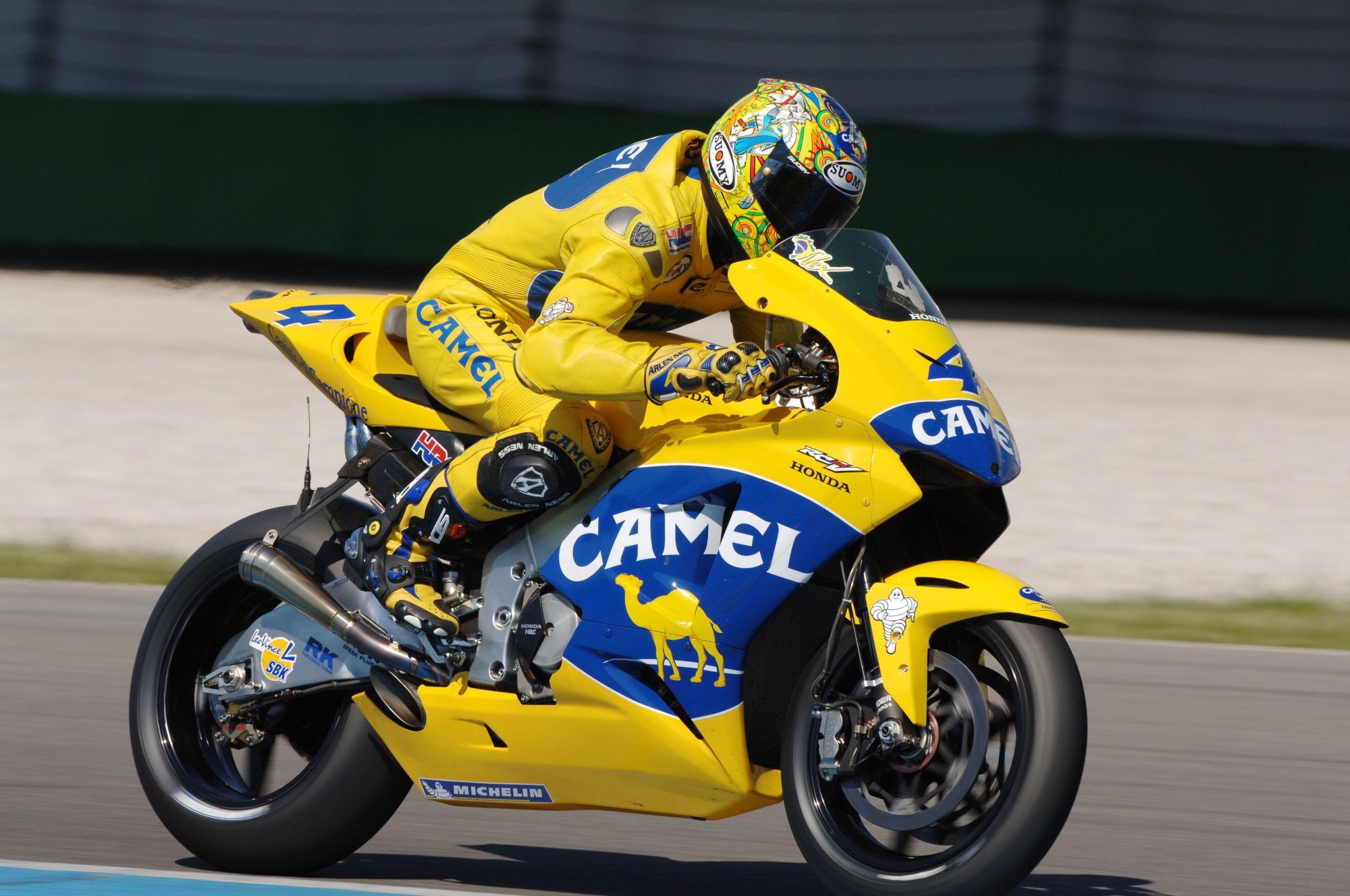
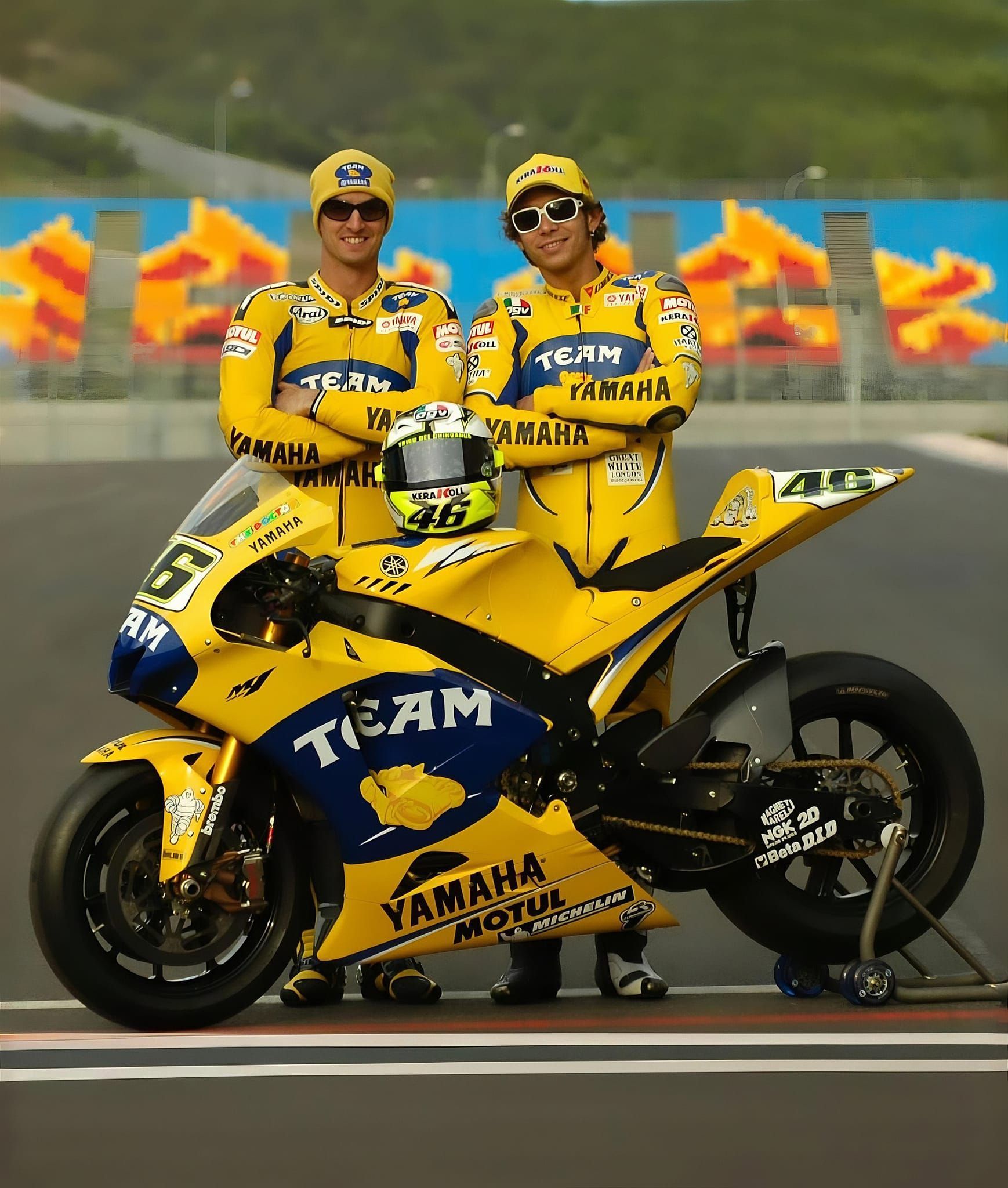
This is one of the most iconic brands to have sponsored Formula 1 and MotoGP teams. In F1 it replaced the black and gold Lotus livery, which was transformed after several seasons into a bold design covered in yellow and blue—a color scheme unheard of today but highly distinctive at the time. It also appeared more subtly on Benetton and Williams liveries. But it was in MotoGP that the best partnerships were created: after sponsoring Max Biaggi in 2005 on Honda, the American brand became the main sponsor of his great rival the following year, almost as if to create confusion during their on-track battles. Valentino Rossi raced a Yamaha with a fully yellow livery, identical to the one Honda had used the year before. The marriage between the brand’s trademark yellow and Rossi’s own iconic yellow number didn’t bring a world title, but it produced the best MotoGP livery of the new millennium.
Chesterfield
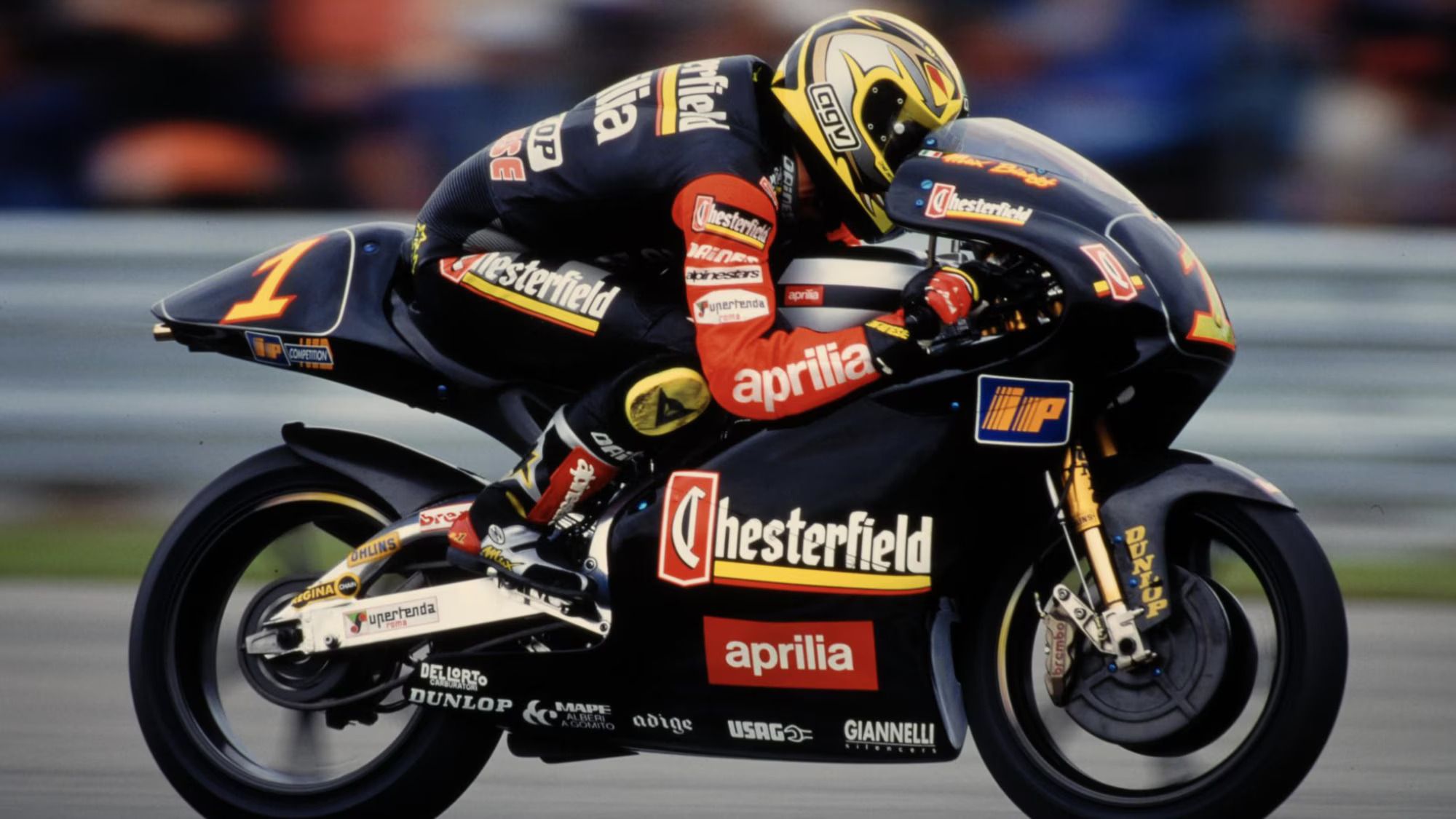
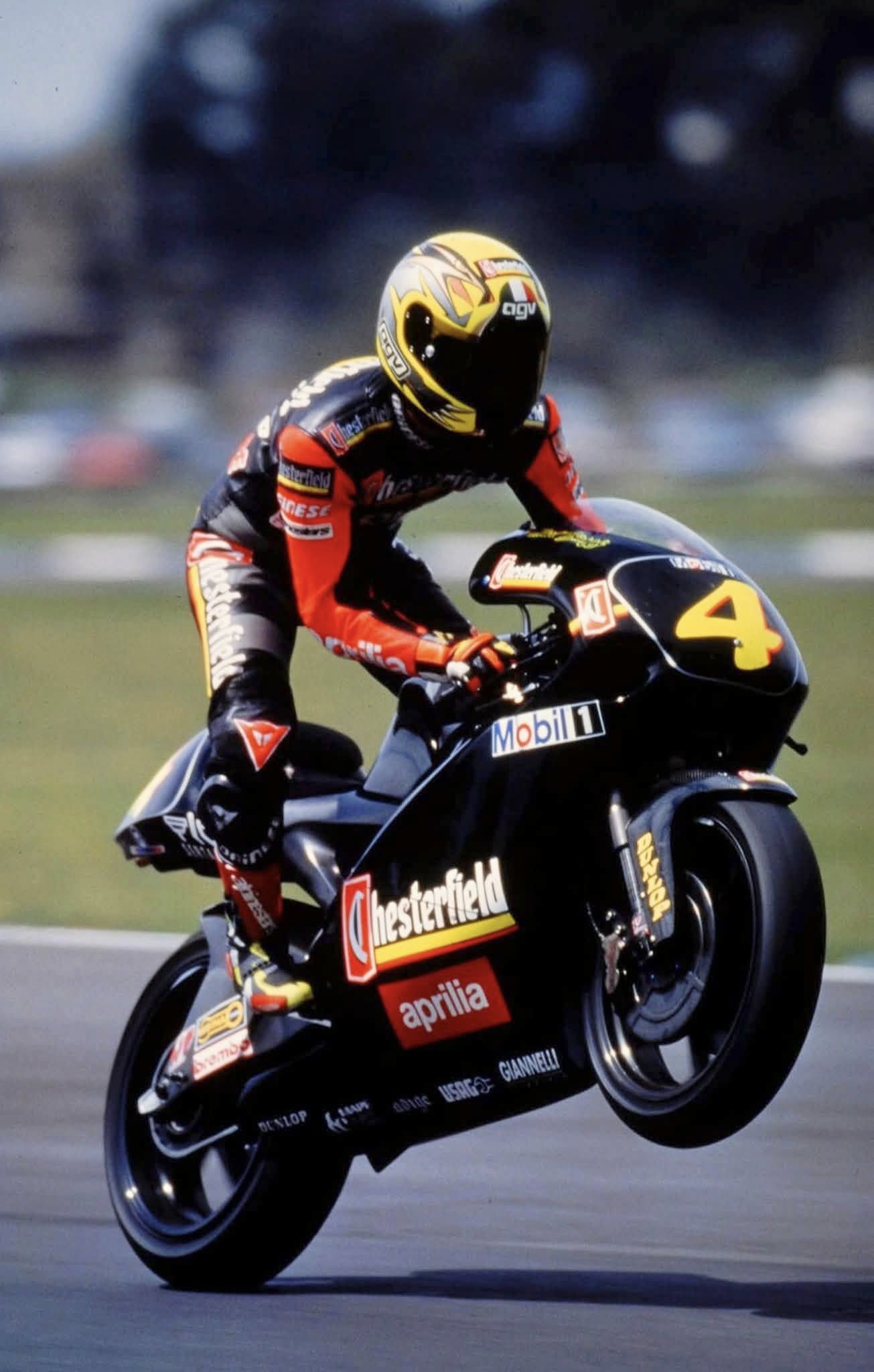
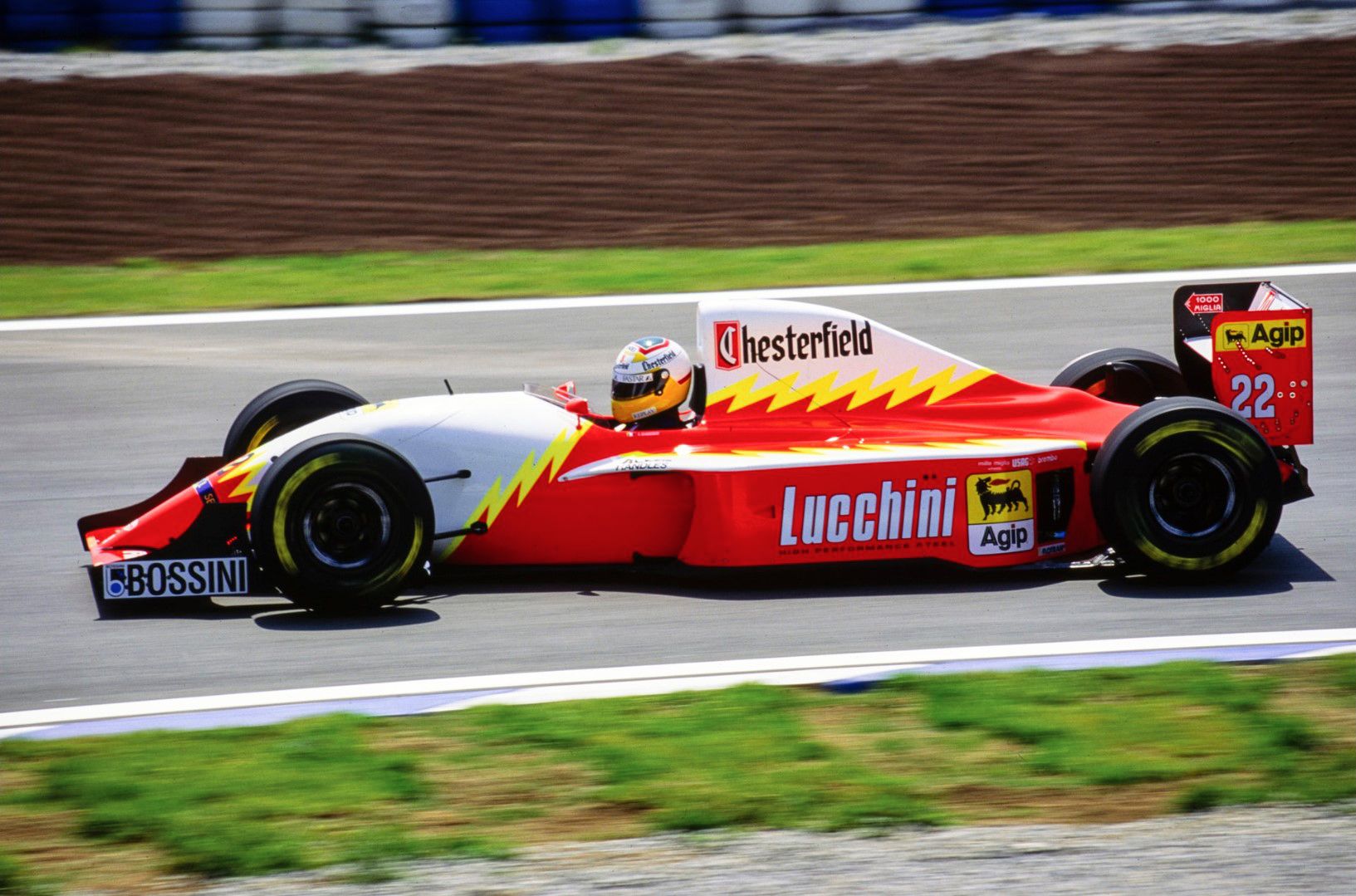
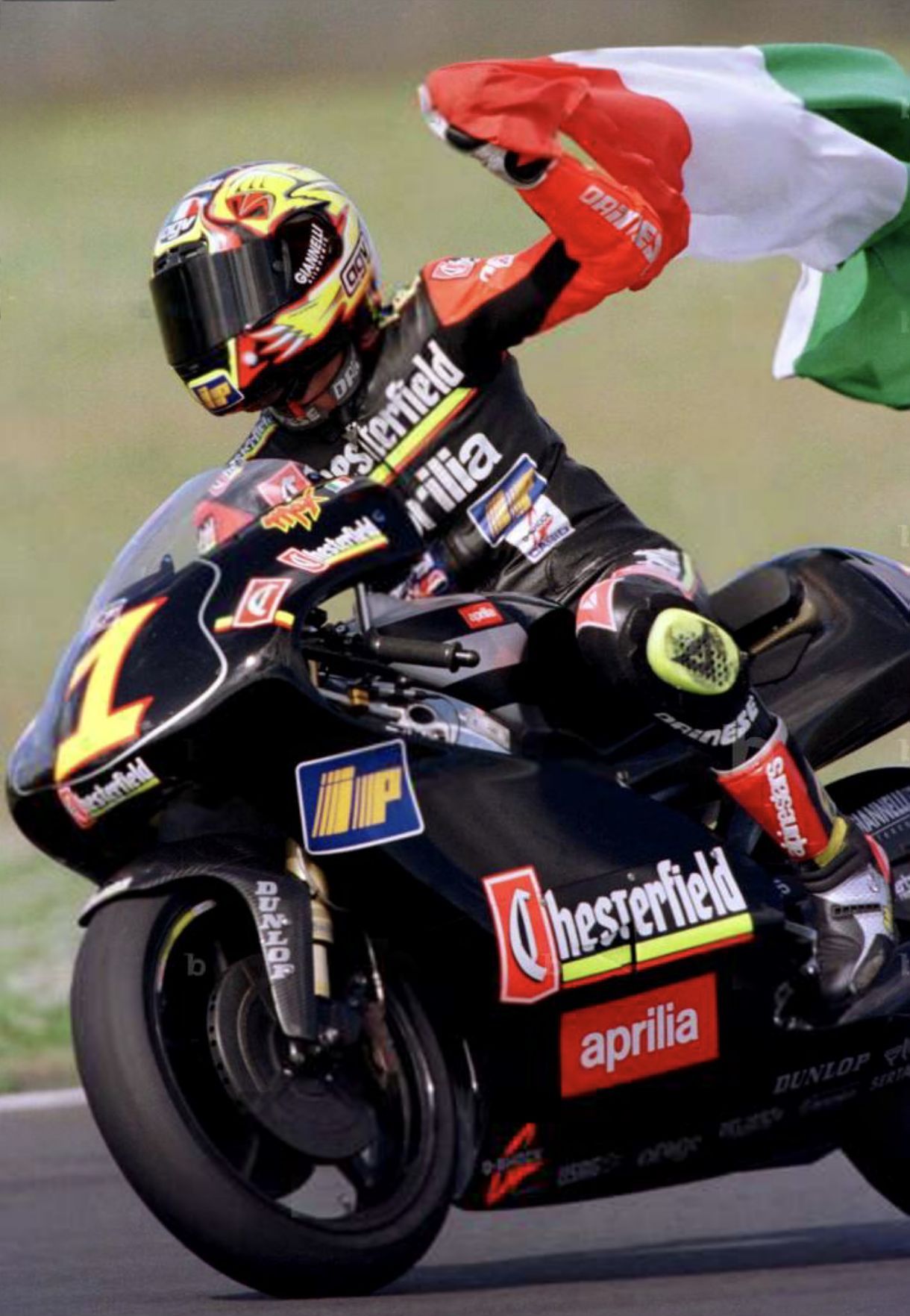
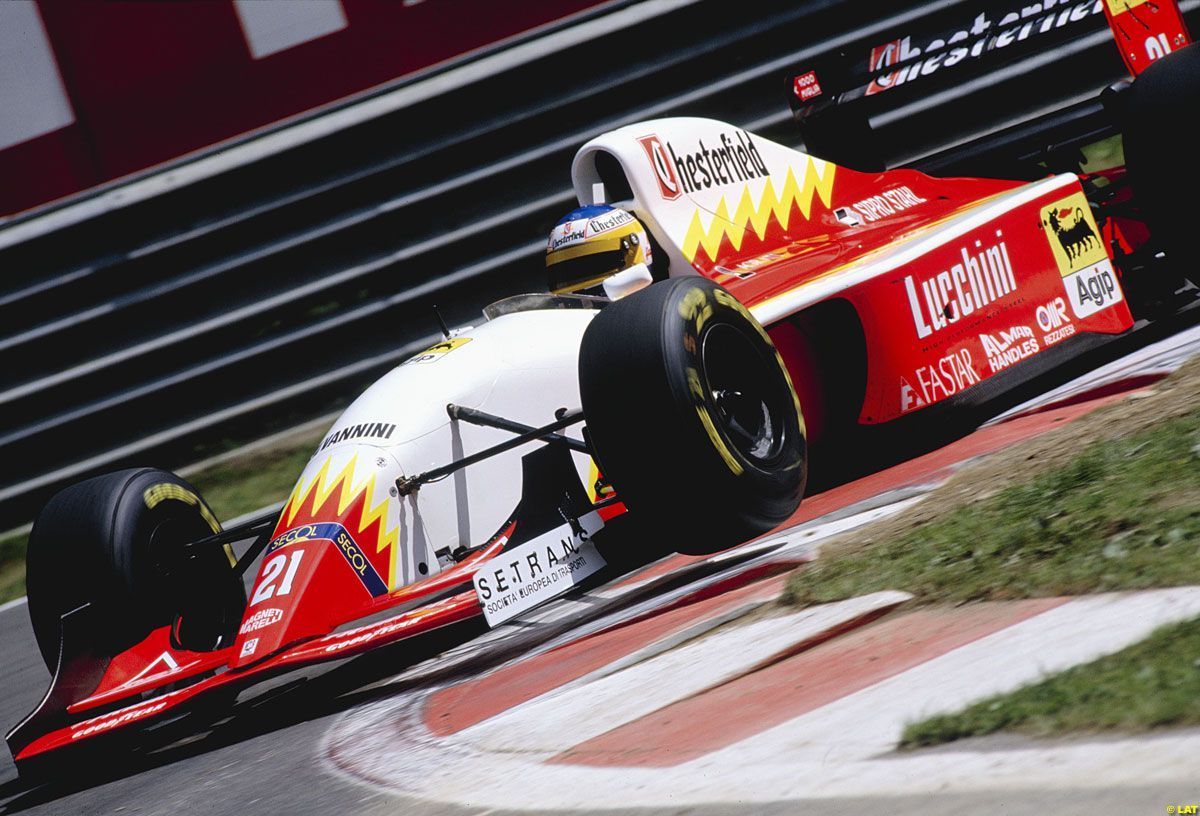
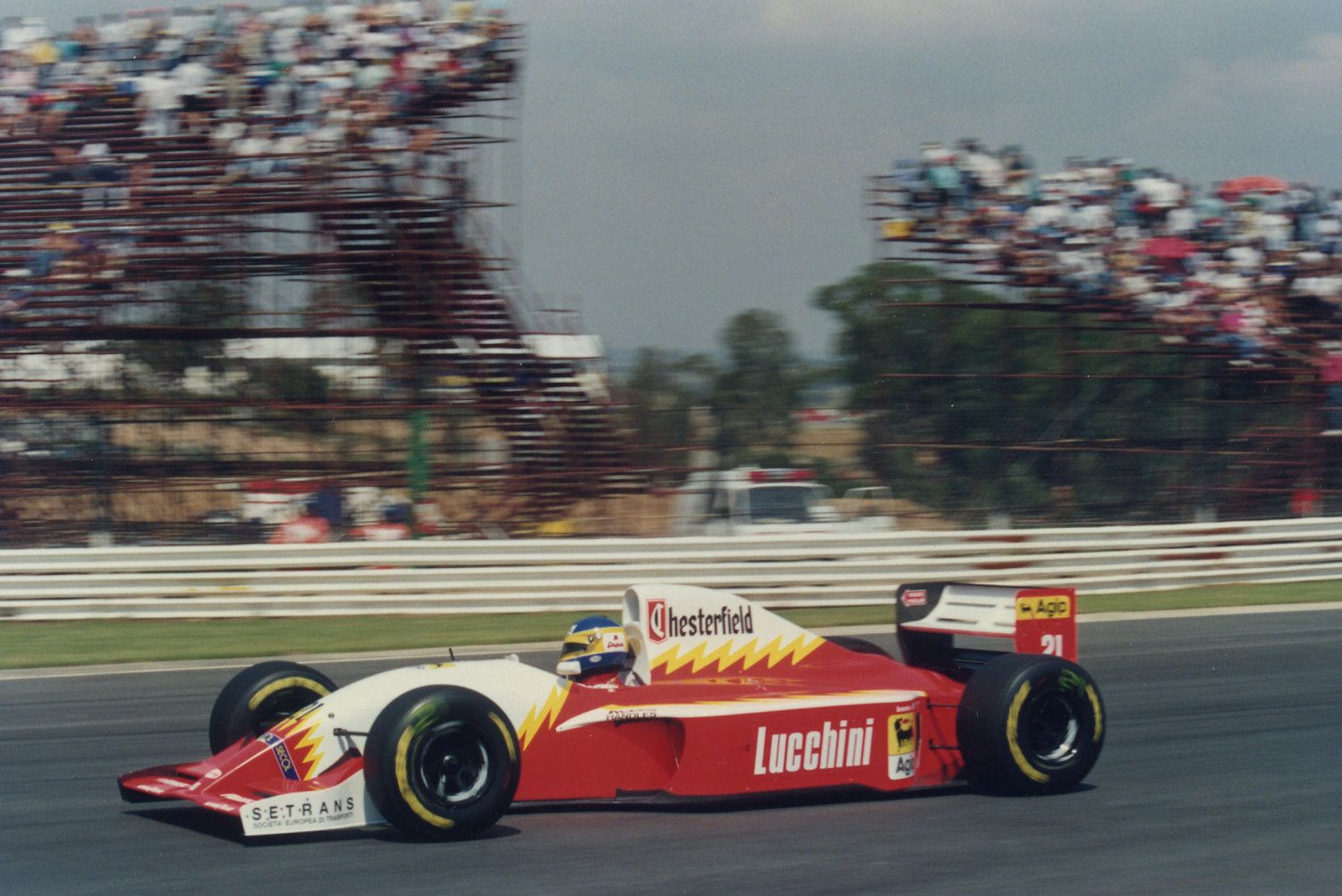
Philip Morris didn’t only promote Marlboro; the American multinational also showcased its Chesterfield brand in motorsport. In MotoGP, it sponsored Max Biaggi's black Aprilia, with which he won the 250cc class from 1994 to 1996 before moving to the premier category. The story was far less successful in Formula 1. The brand appeared on the Lola T93/30 livery, the first and only chassis designed for Scuderia Italia in 1993 by Lola Racing Cars. However, it fell far short of expectations. The team ran with a white, red and yellow livery and scored zero points, resulting in the project failing. However, the livery is still fondly remembered by fans..
Gauloises
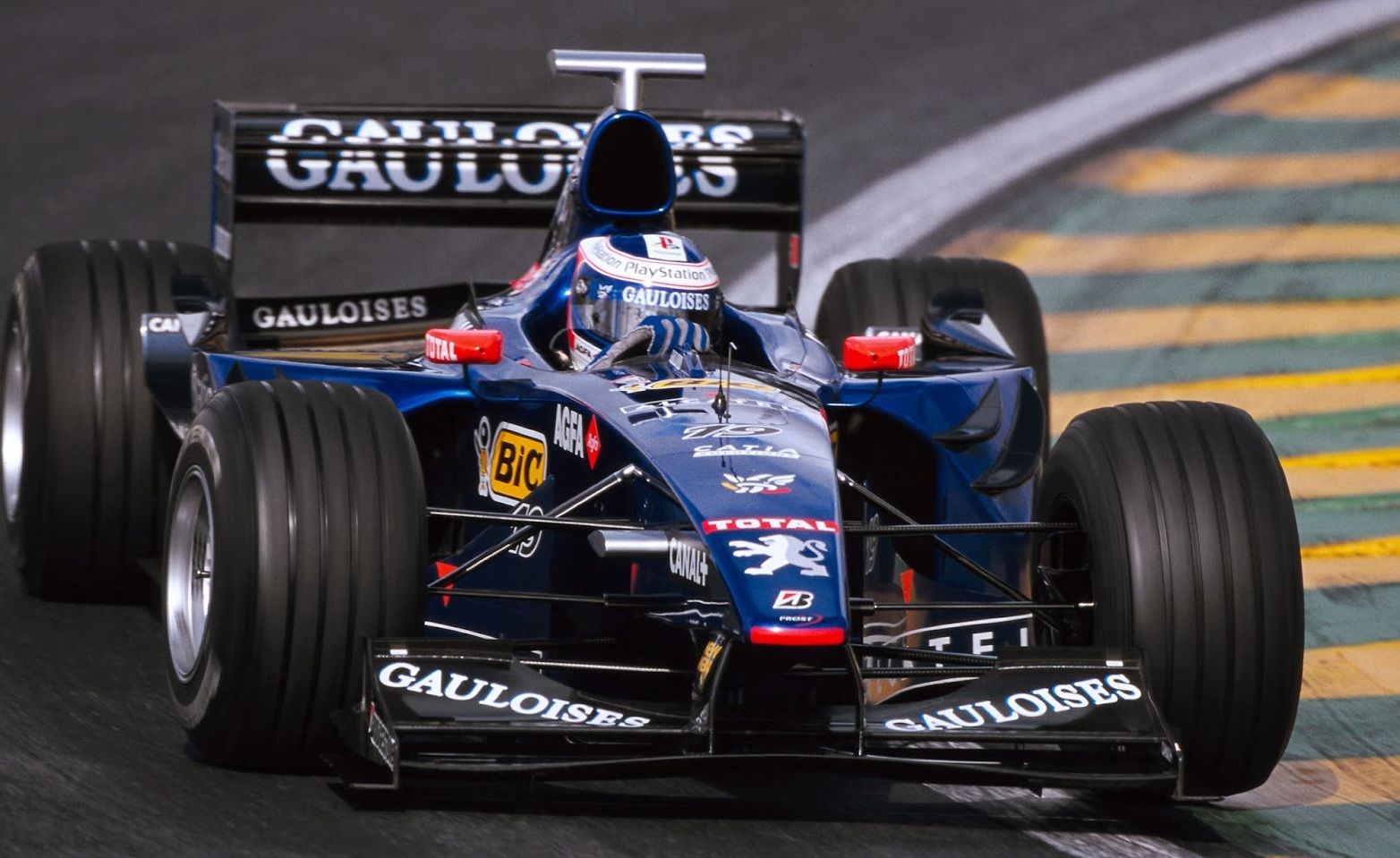
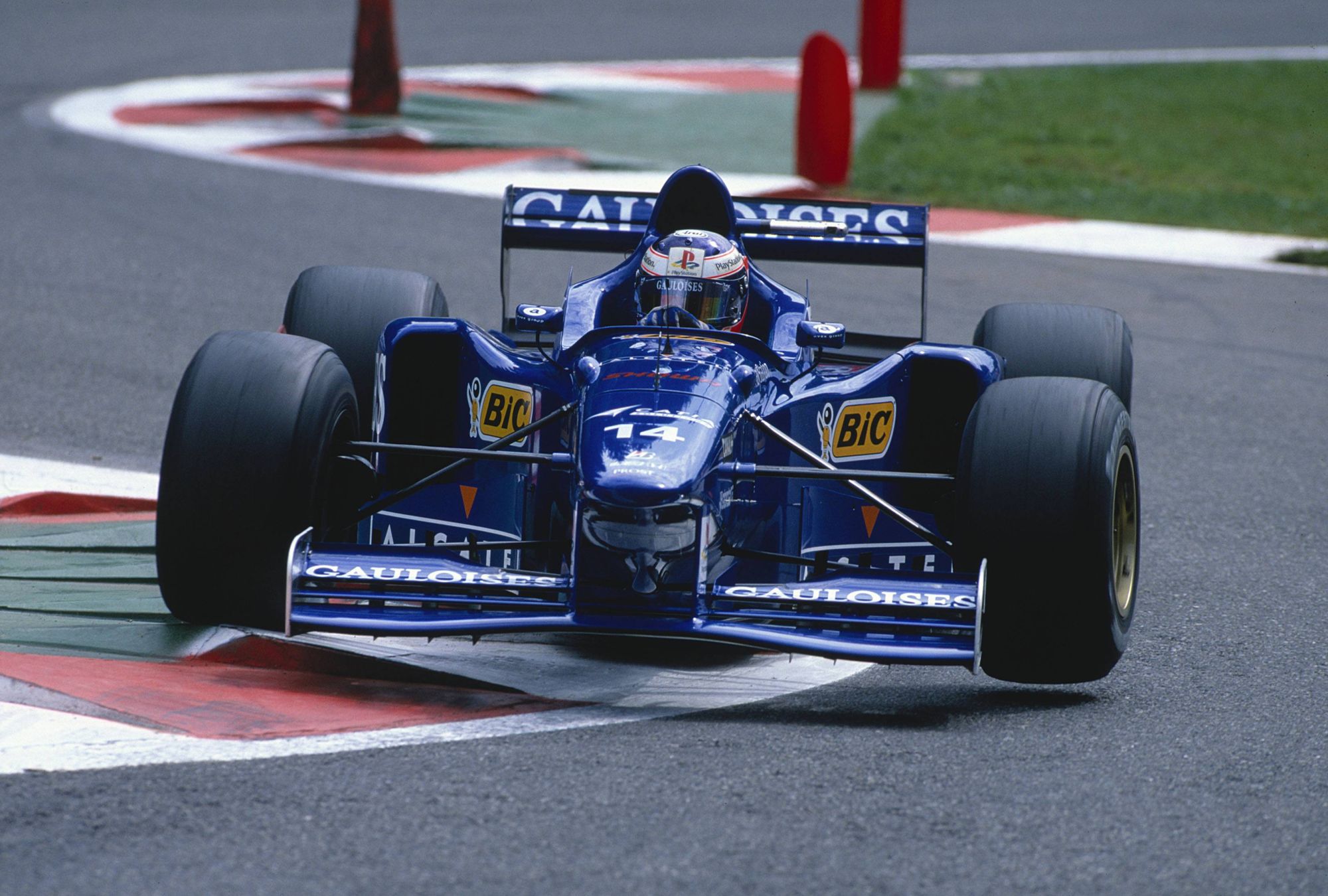
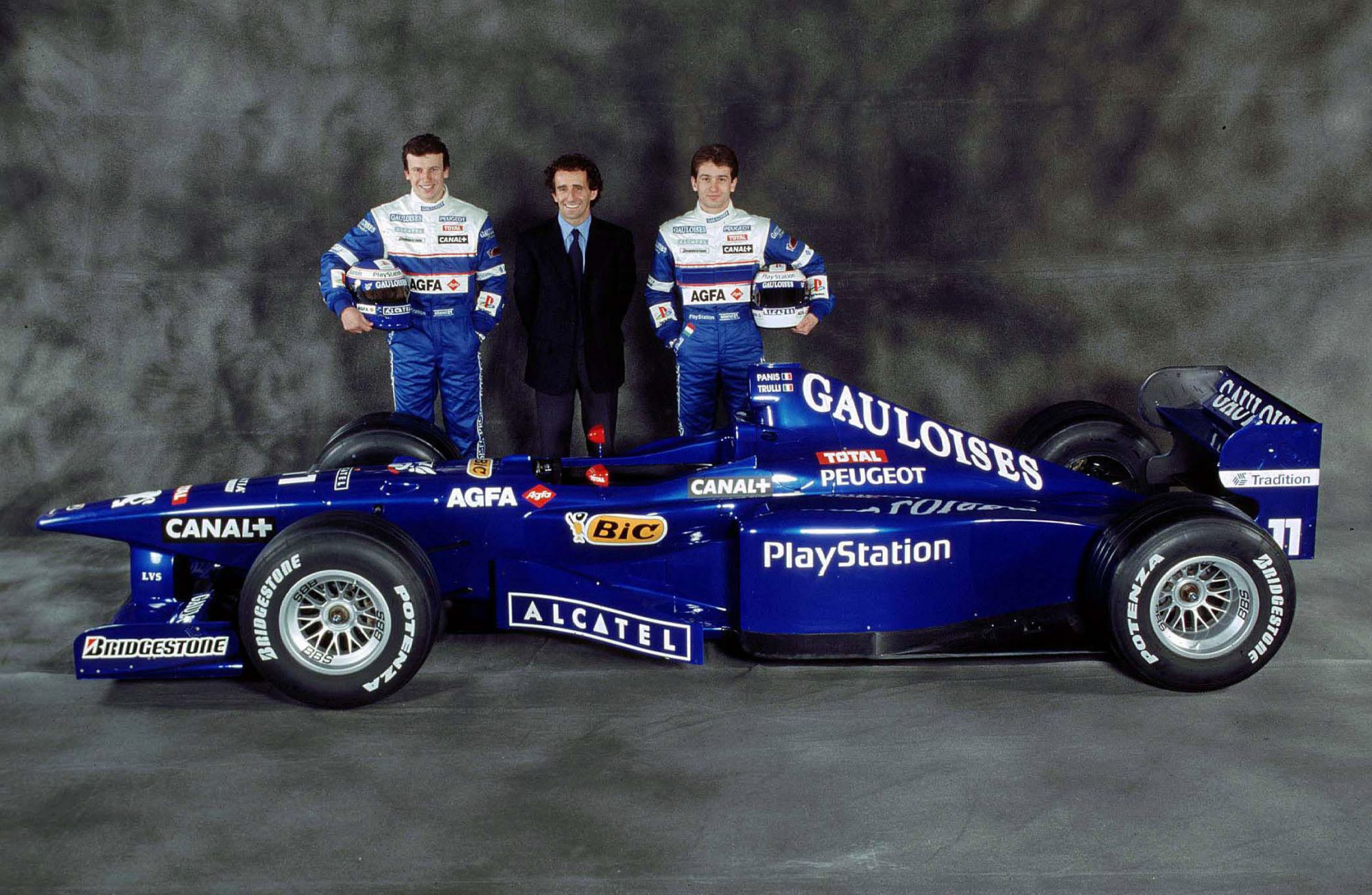
The French cigarette brand debuted in 1997 alongside Alain Prost in Formula 1, supporting the ambitious project of the former driver who had created his own team, though without notable success. In MotoGP the brand achieved greater visibility and impact: it sponsored Valentino Rossi for two seasons, covering most of his salary at Yamaha, with whom he won the 2004 and 2005 world championships. The blue fairing featured the logo and lettering in white and is especially remembered for the replacement with the wording GO!!!!!!! in anti-tobacco countries, which acted as a motivational message to the rider.
Lucky Strike
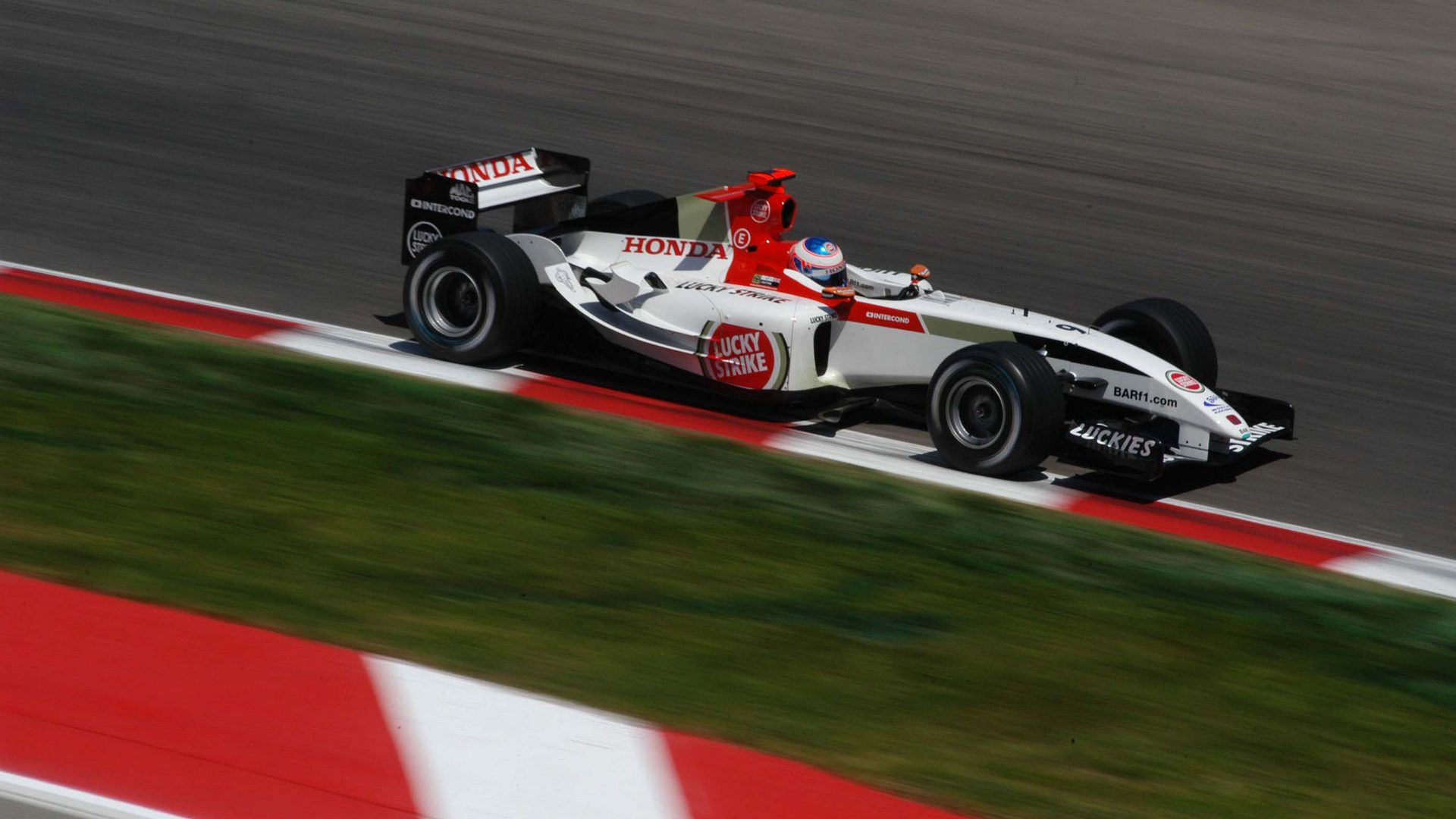
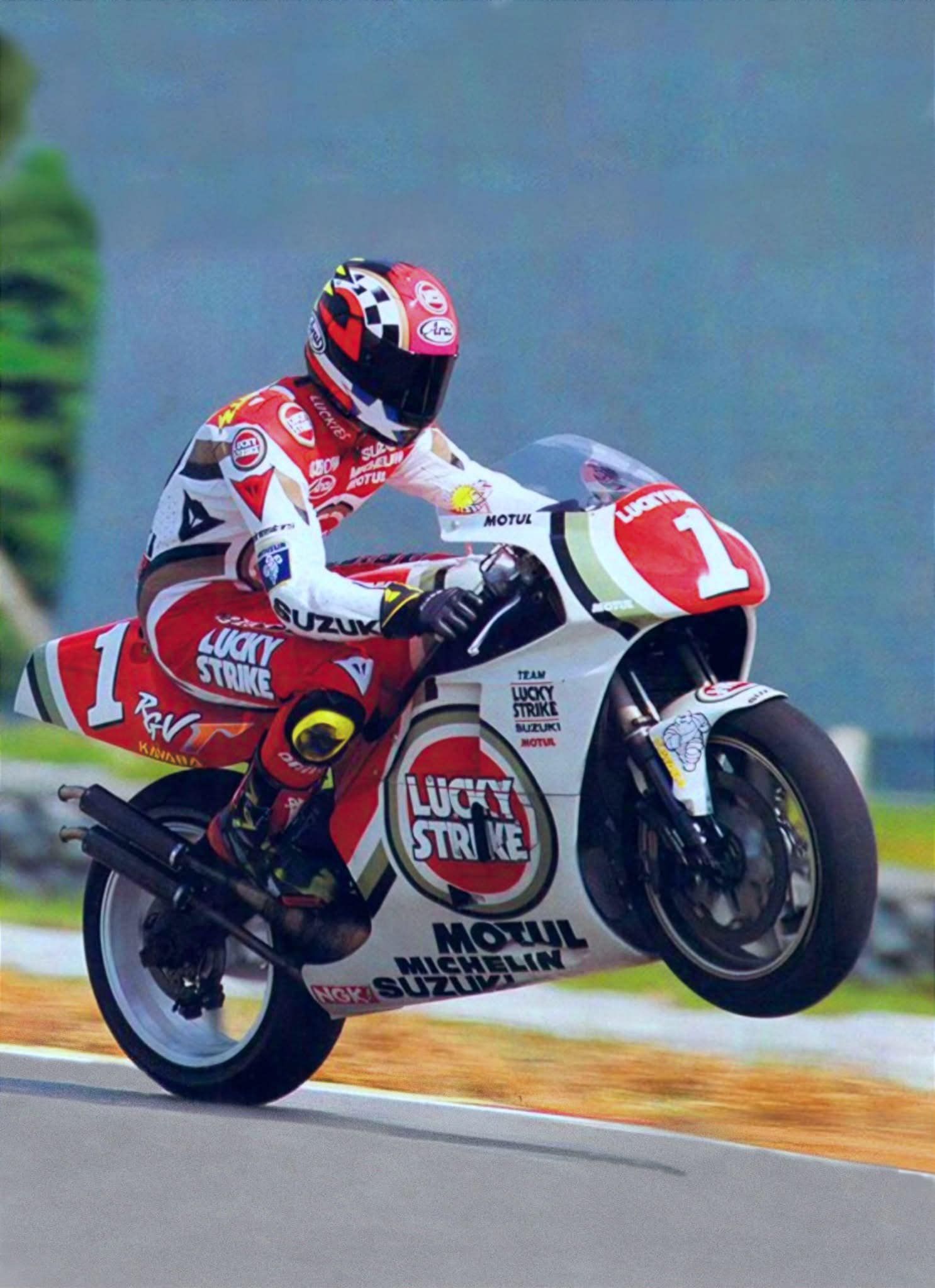
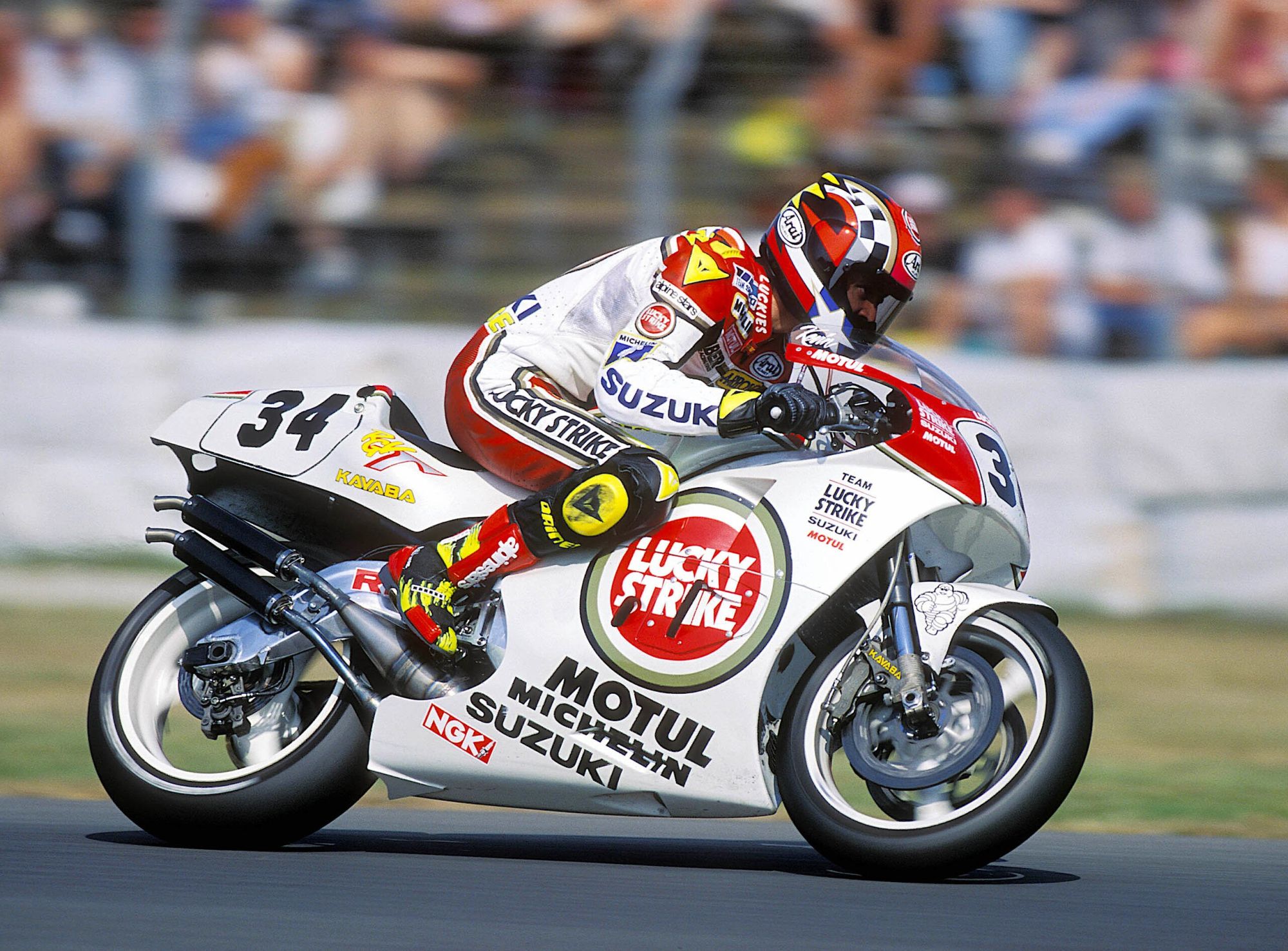
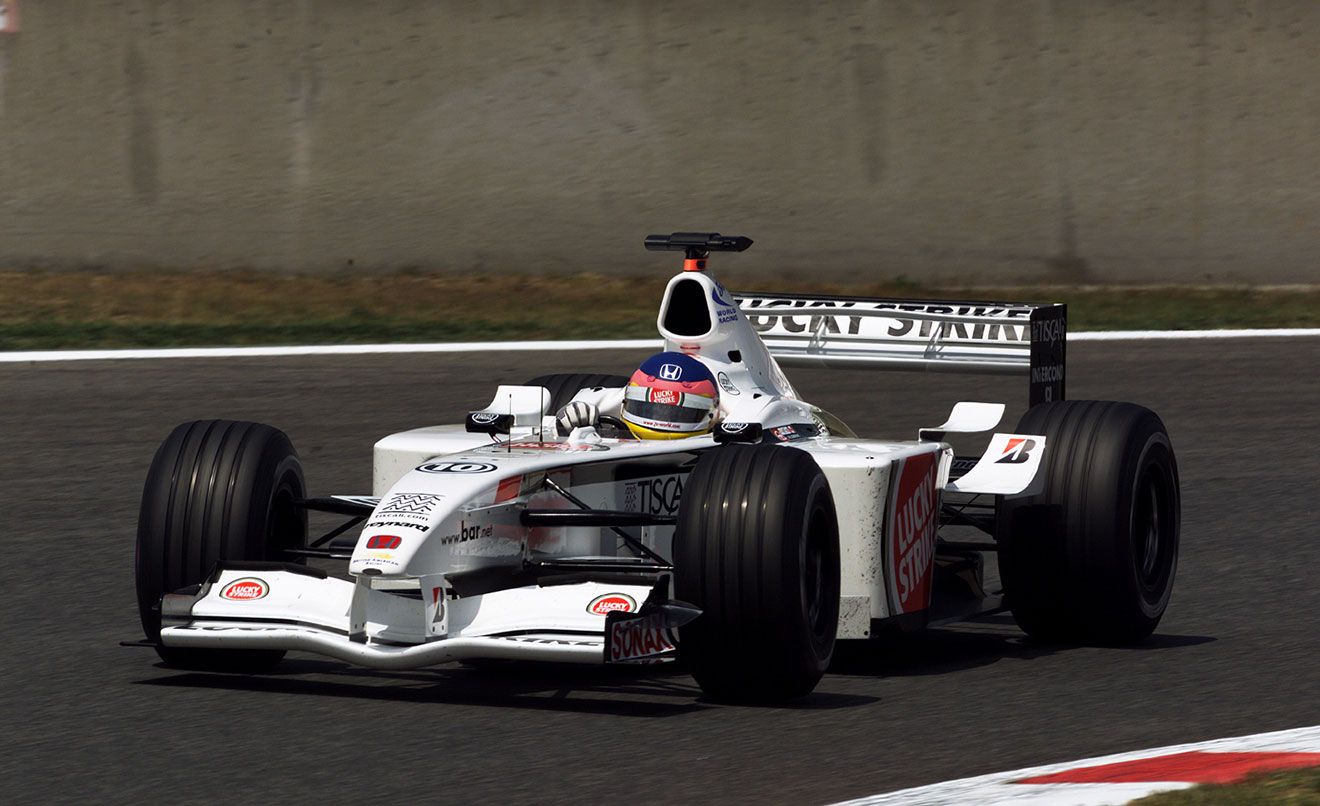
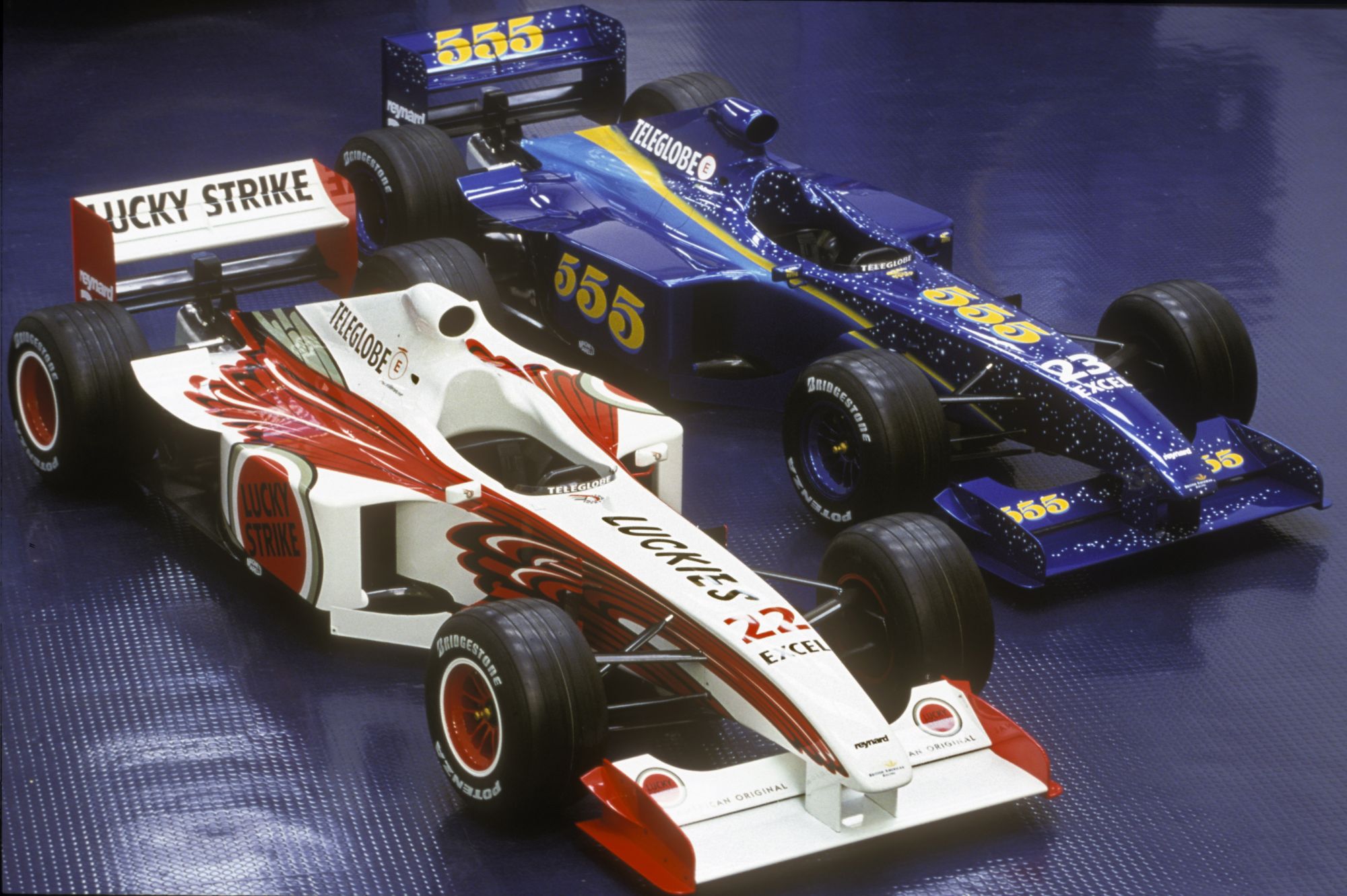
The famous American brand, featured in various films and songs, sponsored the Suzuki team from 1992 to 1997 in the 500cc class, with white liveries featuring the iconic red circle on the side: the biggest success was the 1993 world title won by American Kevin Schwantz. In Formula 1, BAR—the team created by British American Tobacco—used the Lucky Strike brand as its main sponsor for six seasons: the cars were white with red, gold, and black accents, reflecting the colors featured on the cigarette packs since the 1940s.
Rothmans
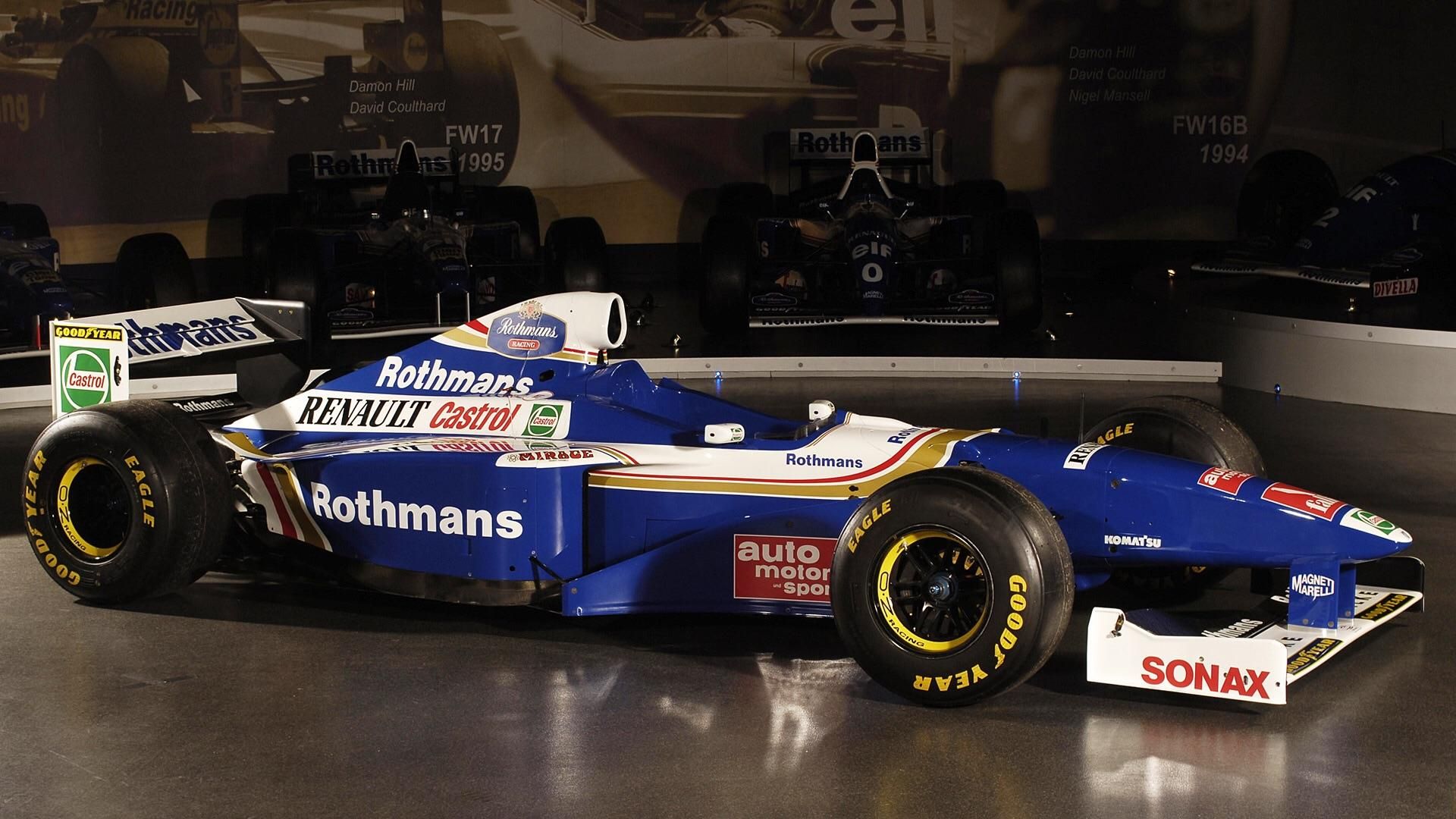
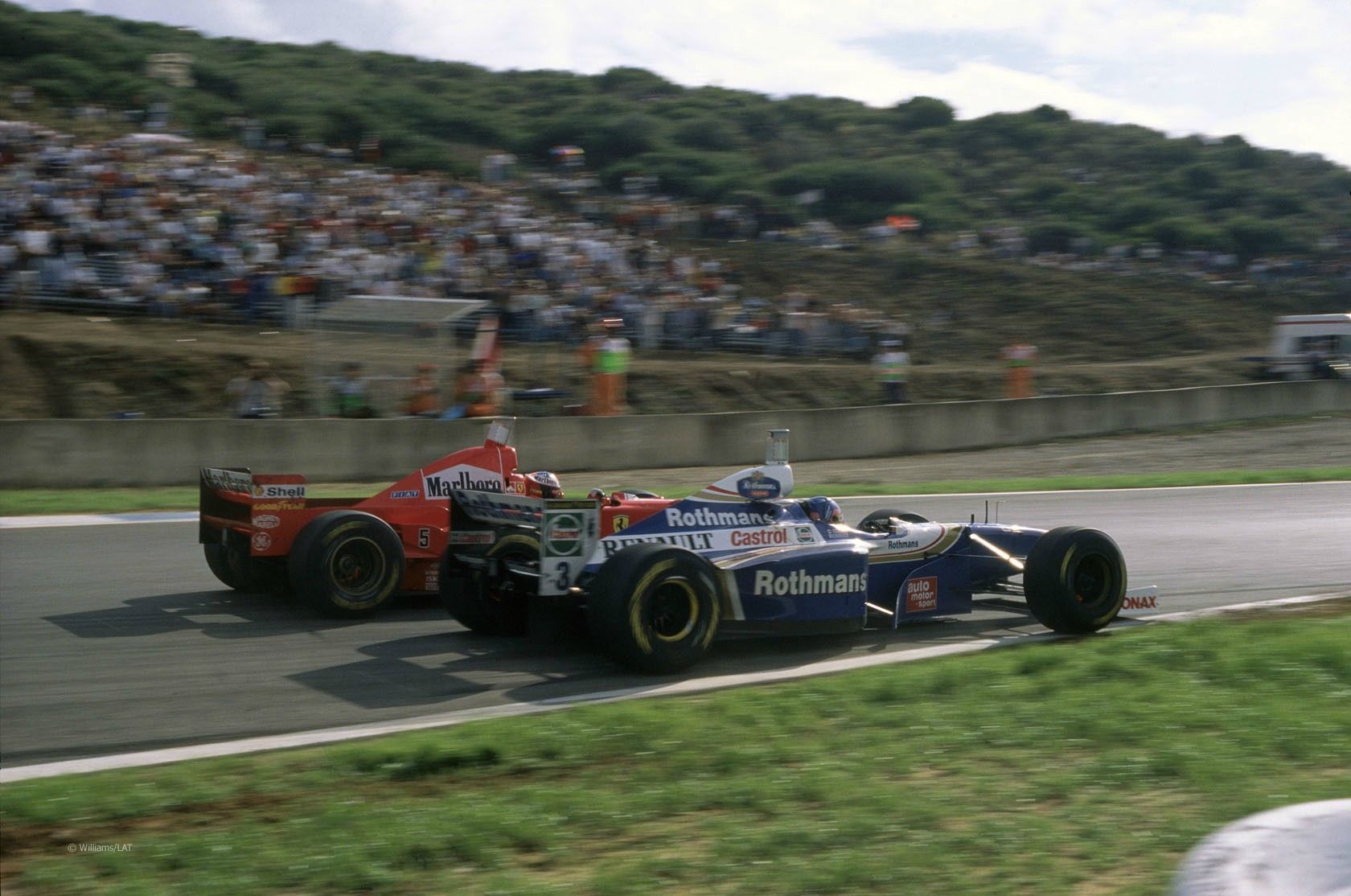
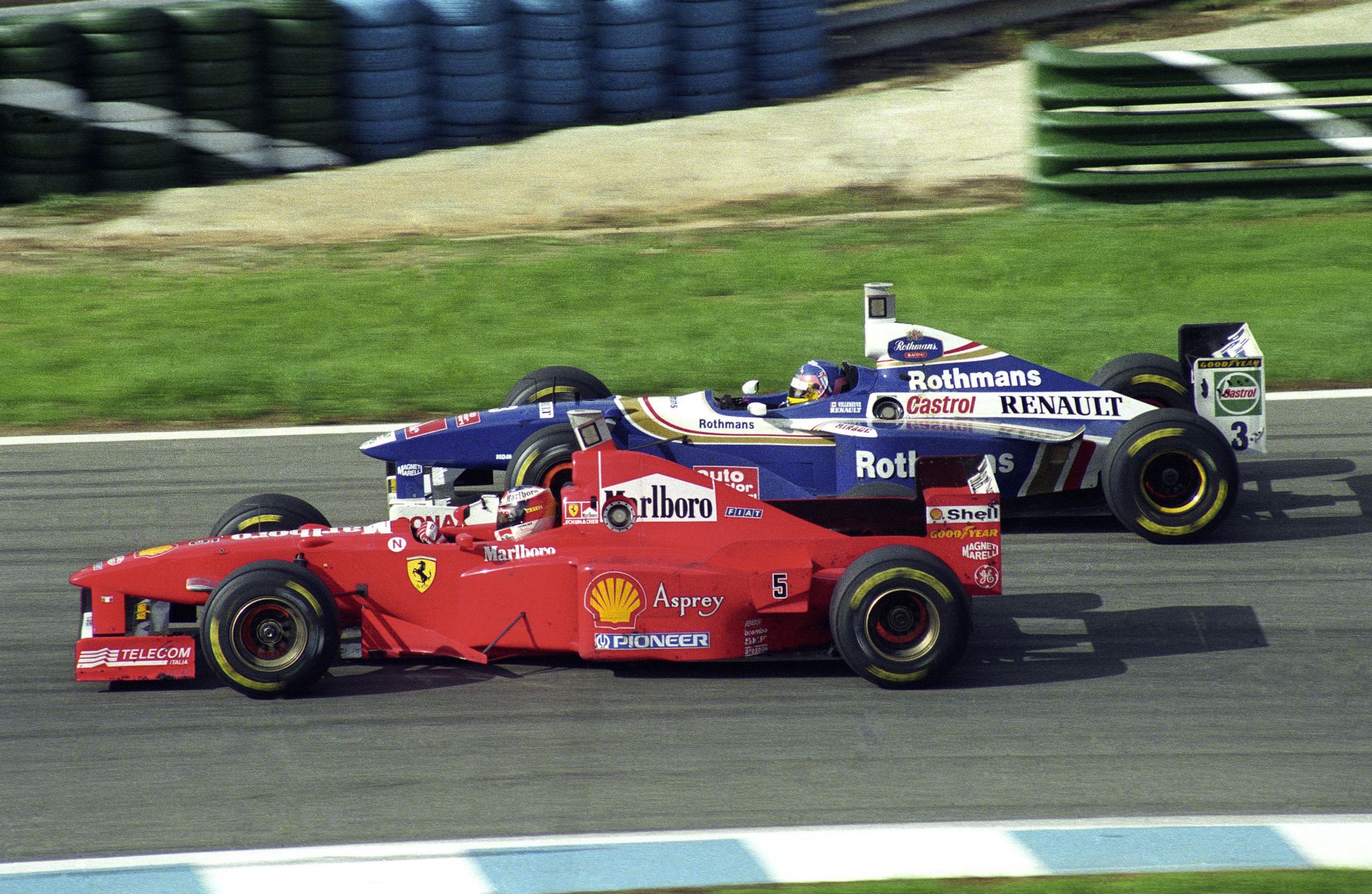
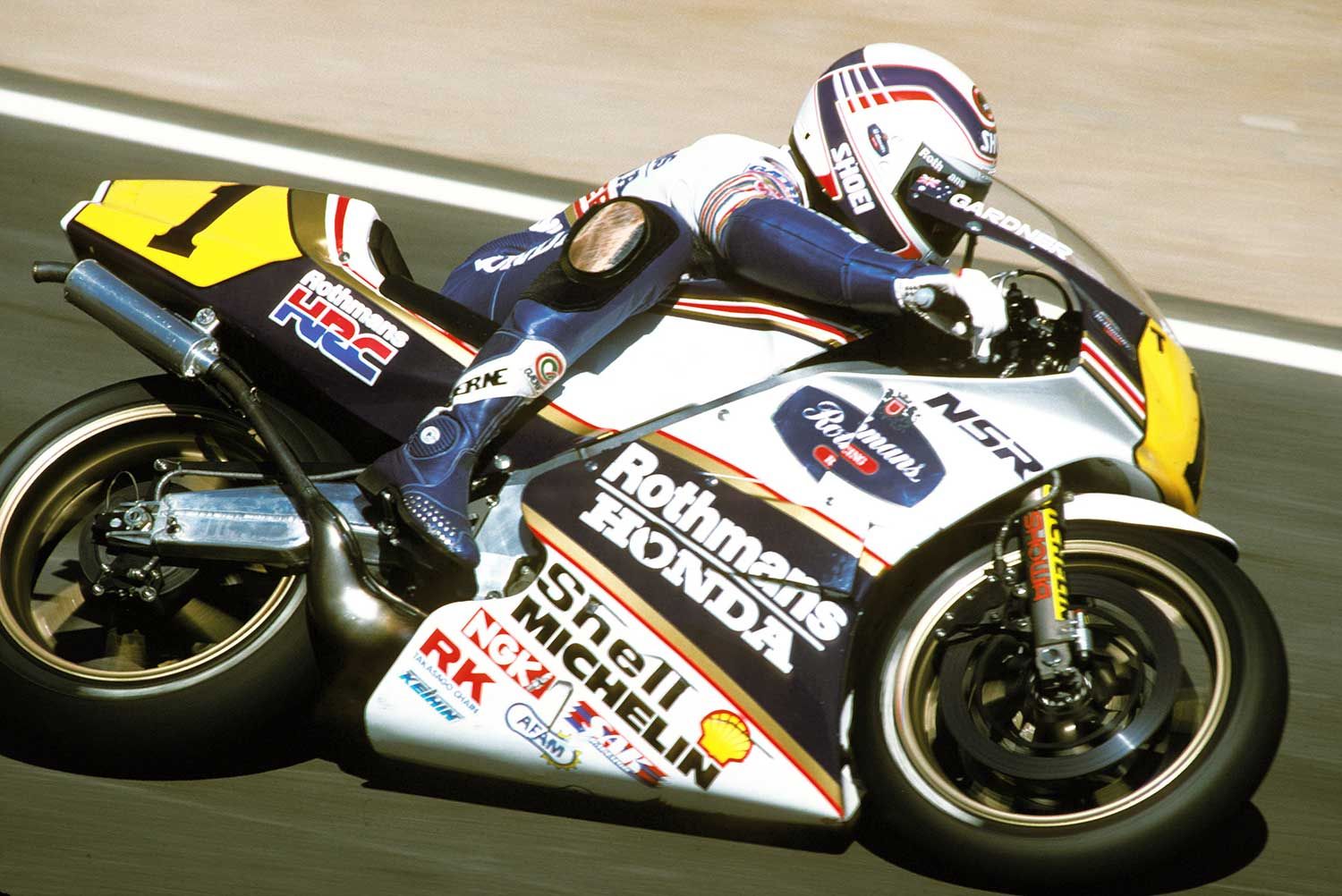
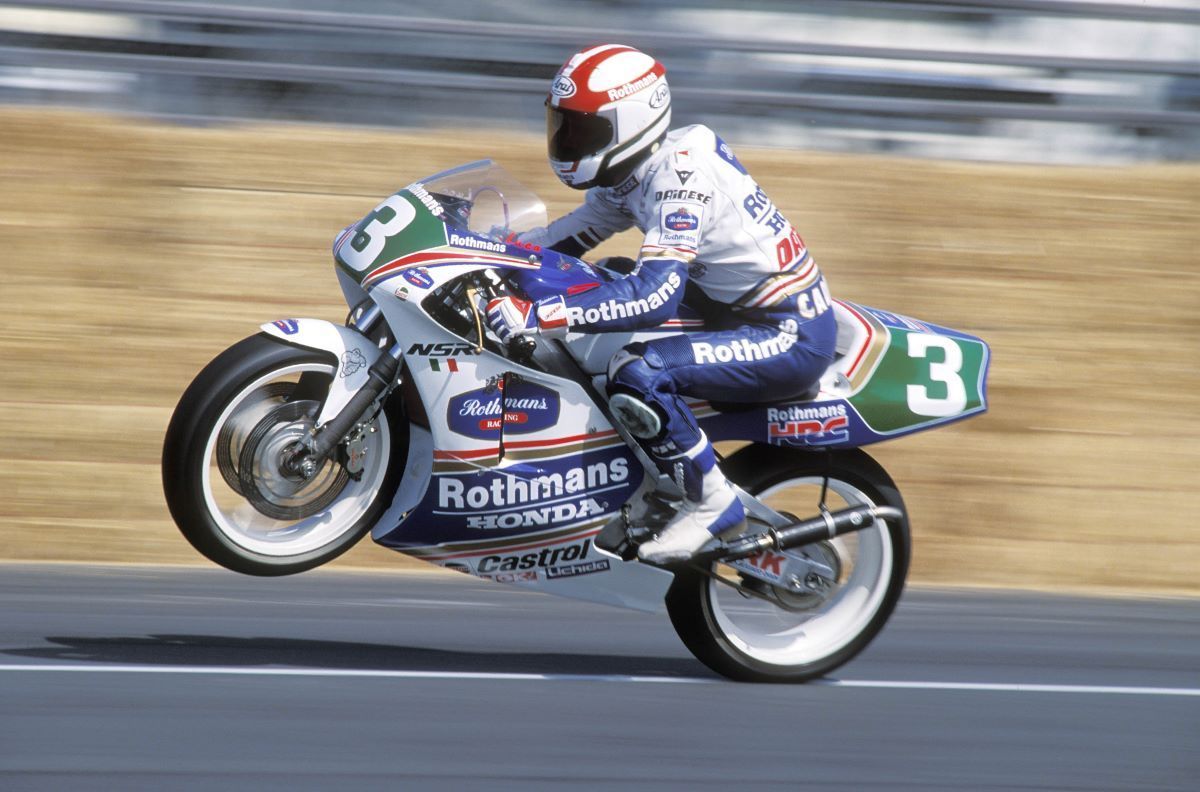
Rothmans entered F1 in 1994 as a Williams sponsor and immediately transformed the car’s livery into a sort of cigarette pack on four wheels: white inserts on a blue background with gold details. A color combination that entered history in a tragic way due to the fatal accident involving Ayrton Senna.
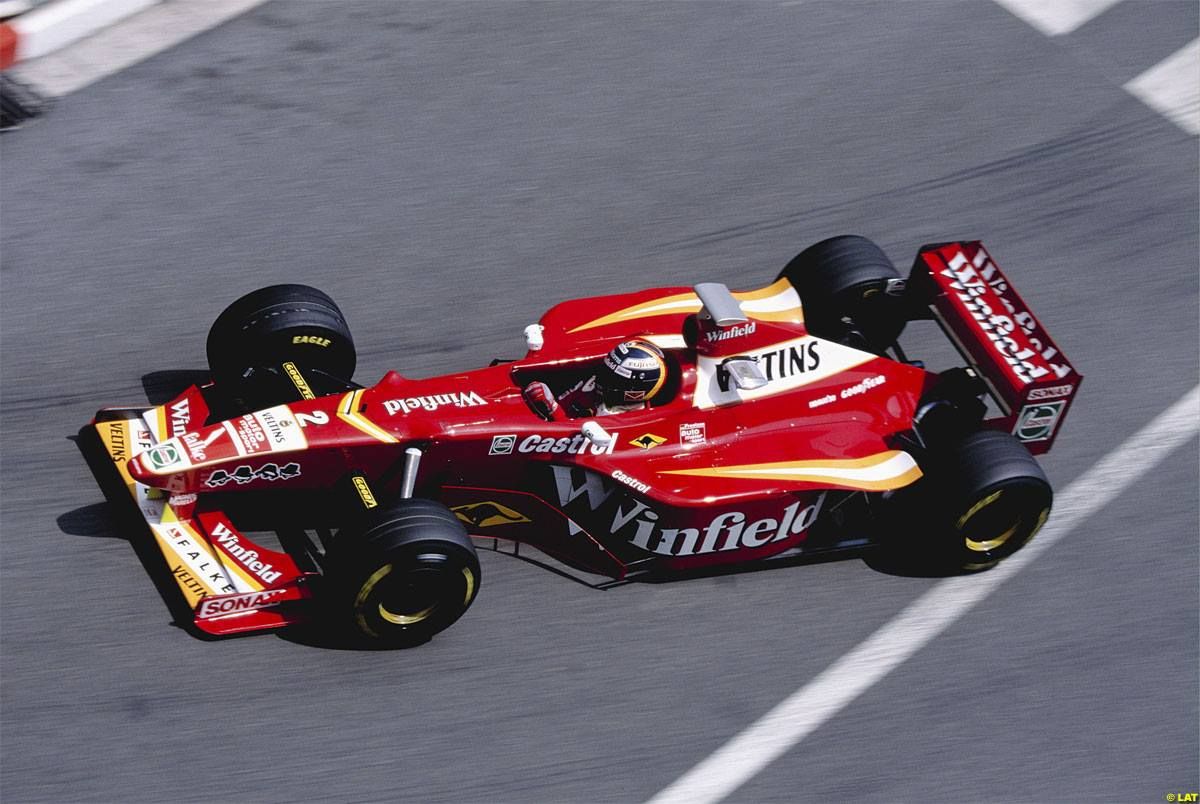
Winfield
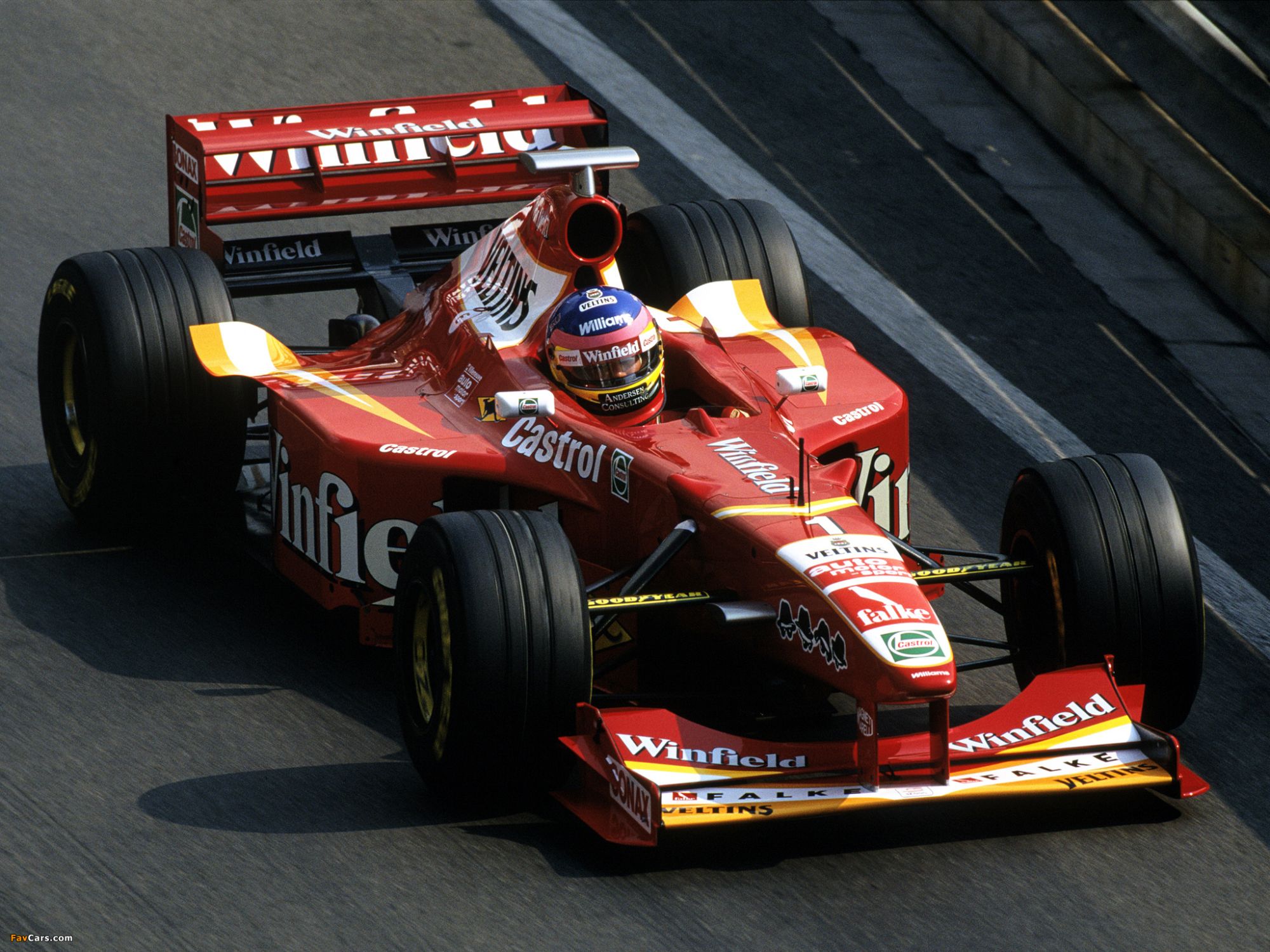
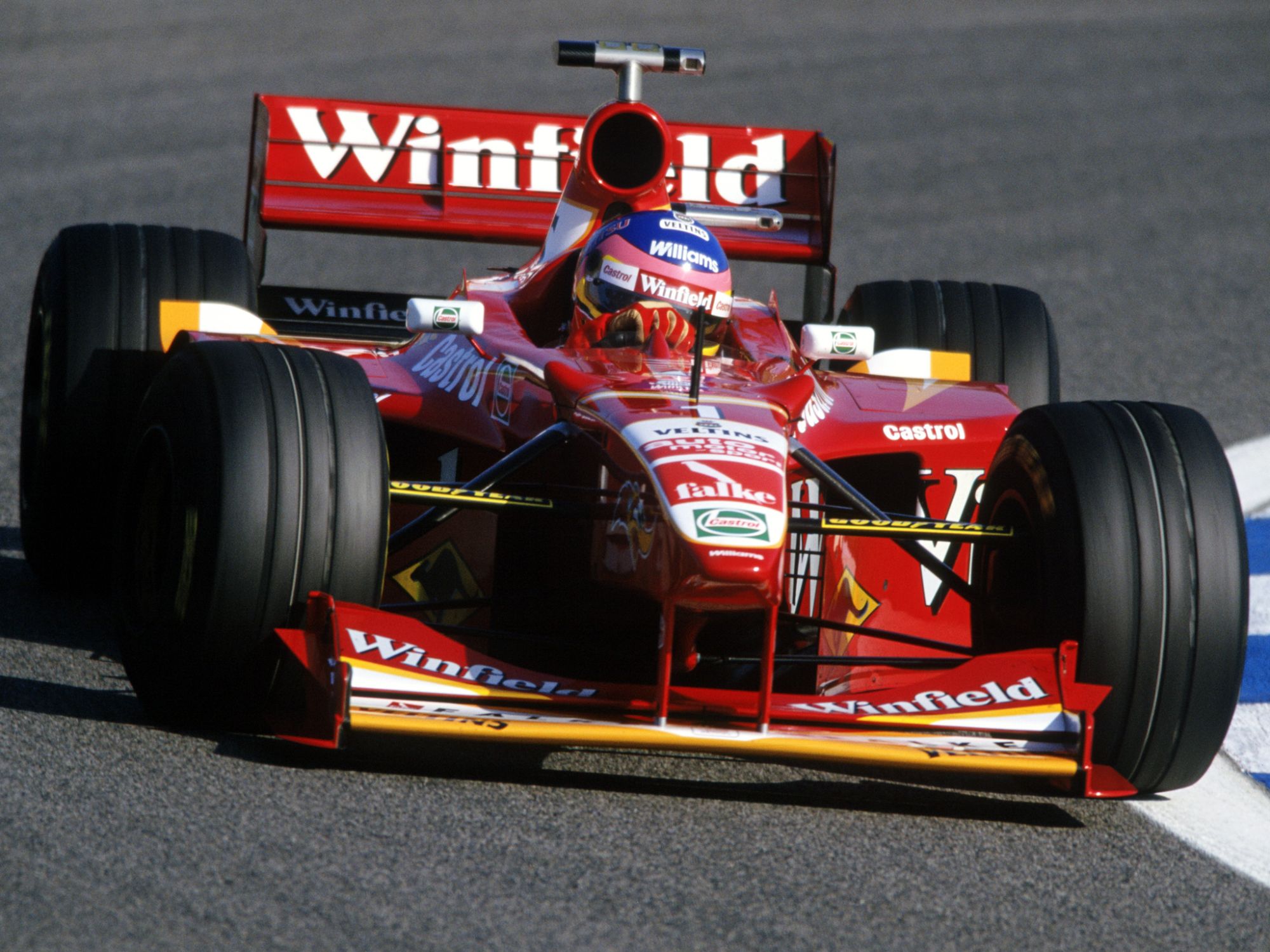
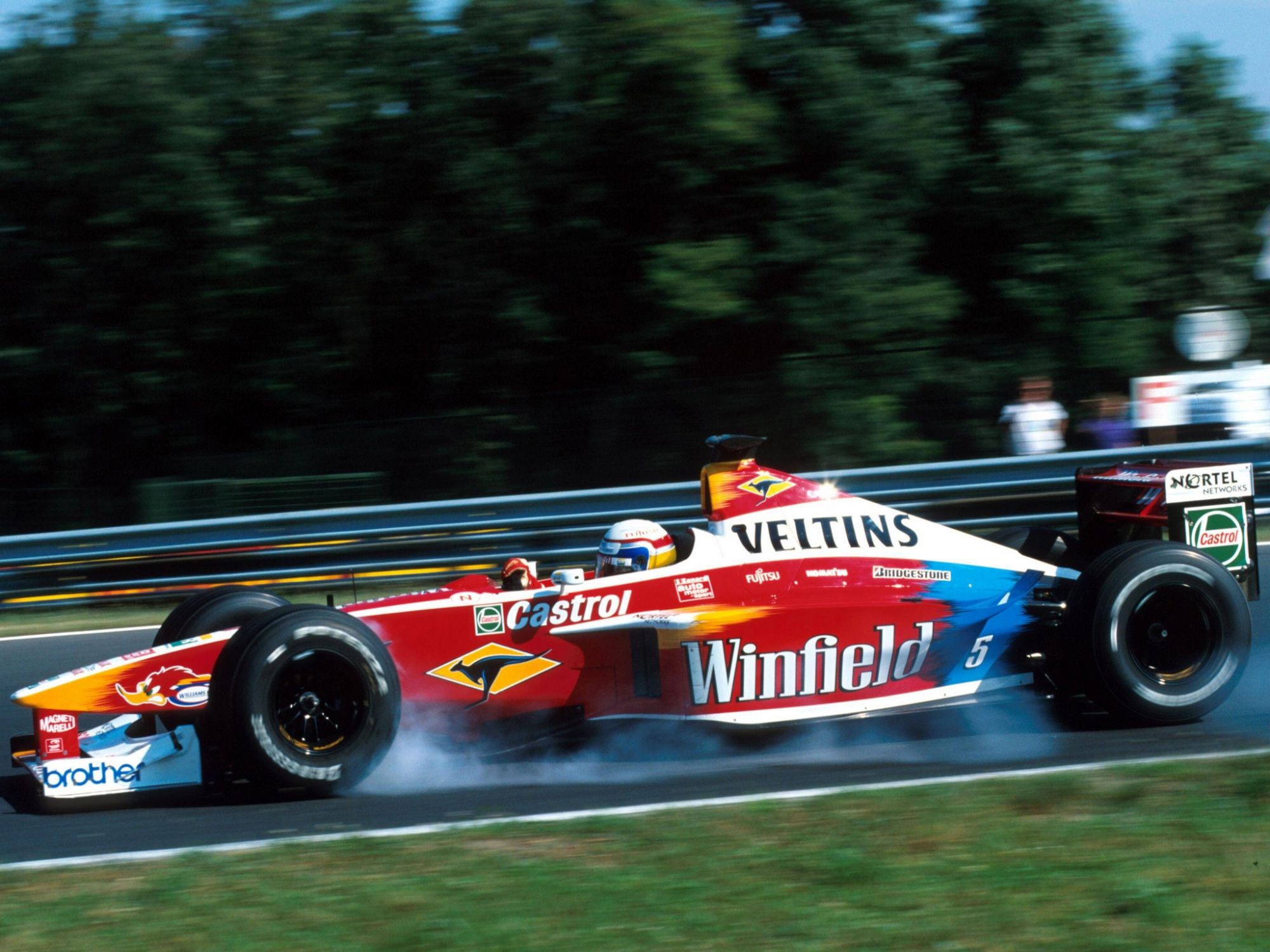
Williams is one of the F1 teams that has changed liveries the most depending on commercial agreements. The sponsorship with Rothmans, for example, was part of a broader deal with British American Tobacco, a multinational company that also owned the Winfield brand. The same name appeared on the Williams cars during the 1998 and 1999 seasons, bringing to the track a surprising solid red livery.
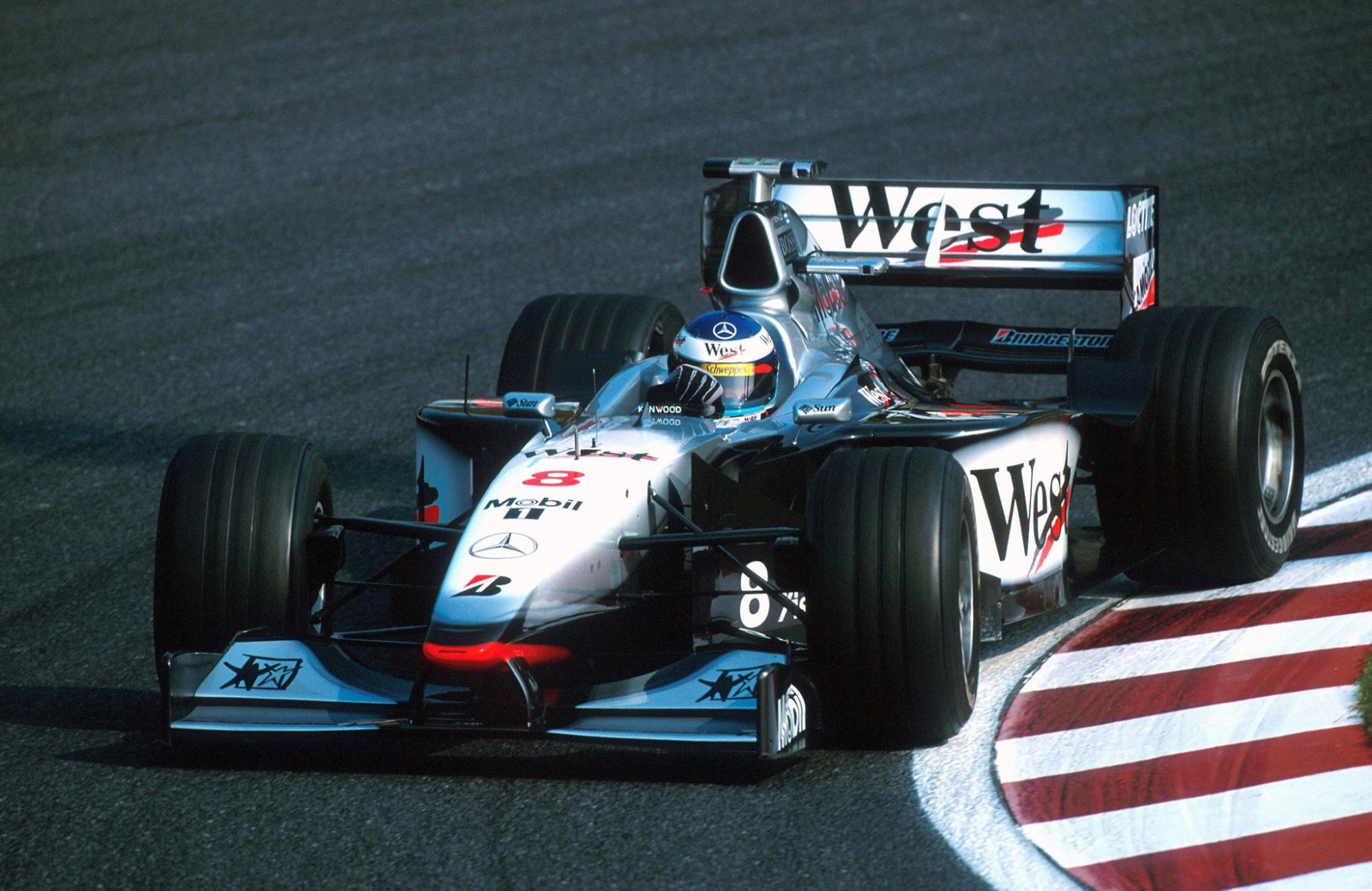
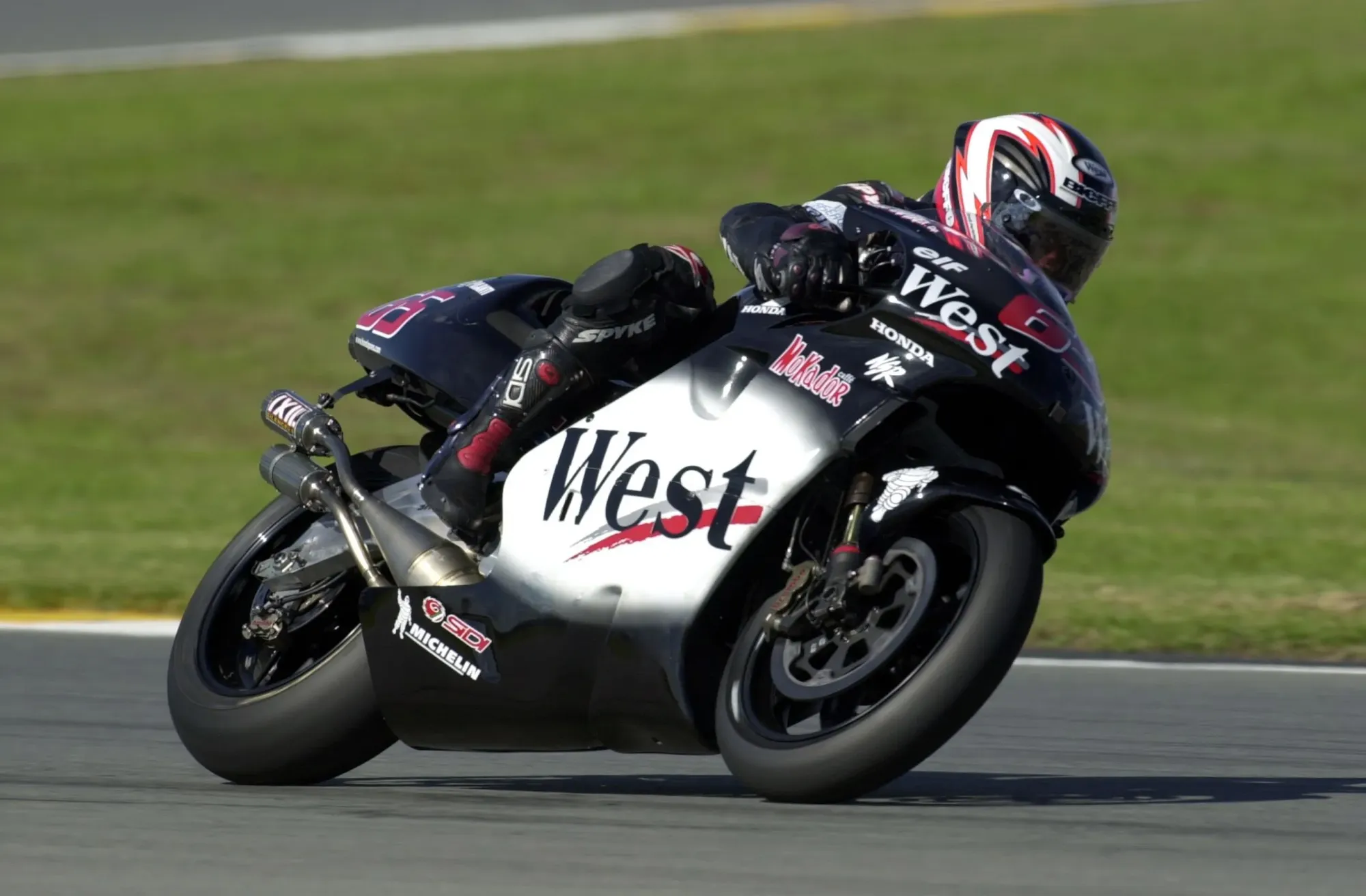
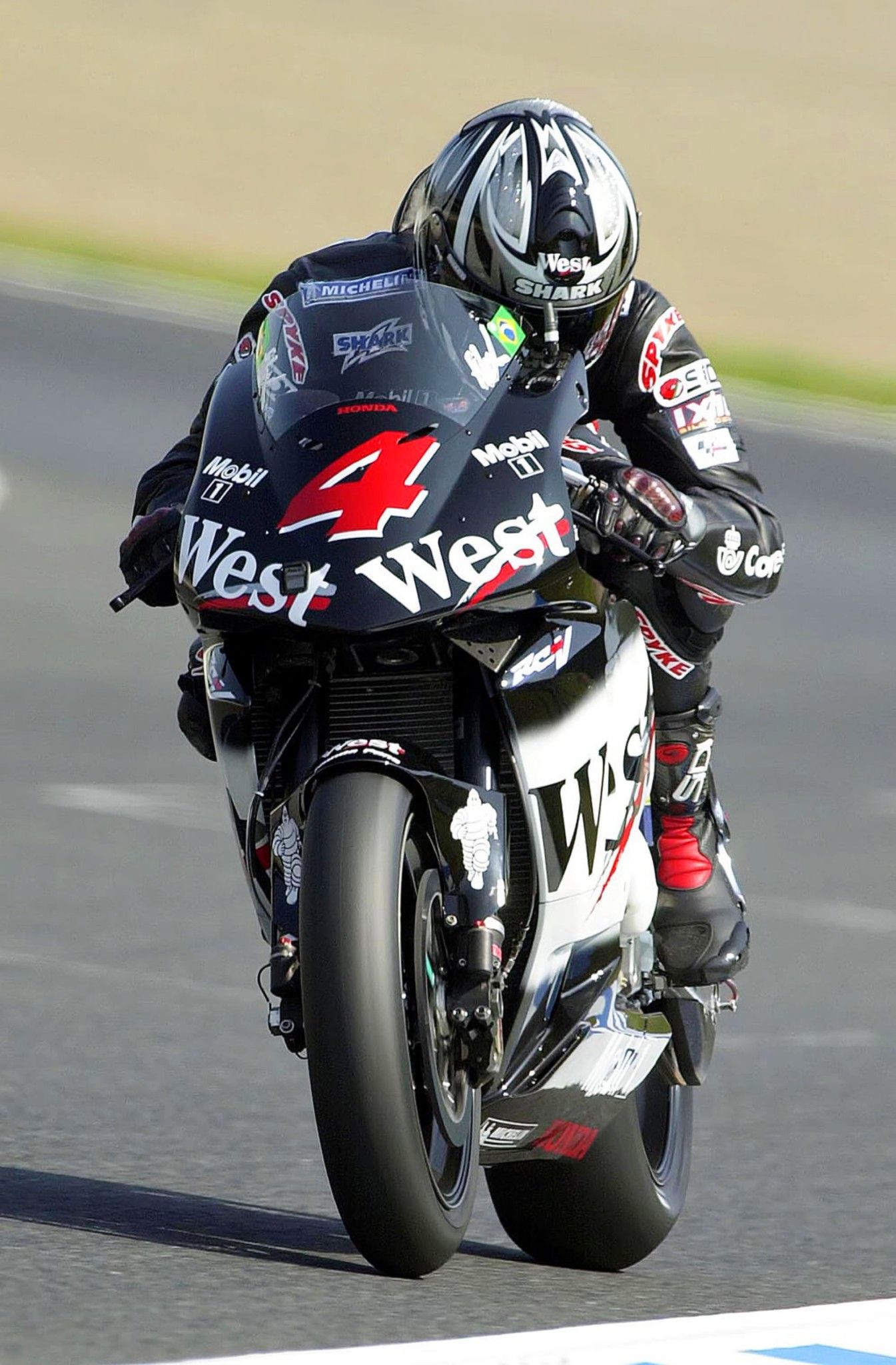
West
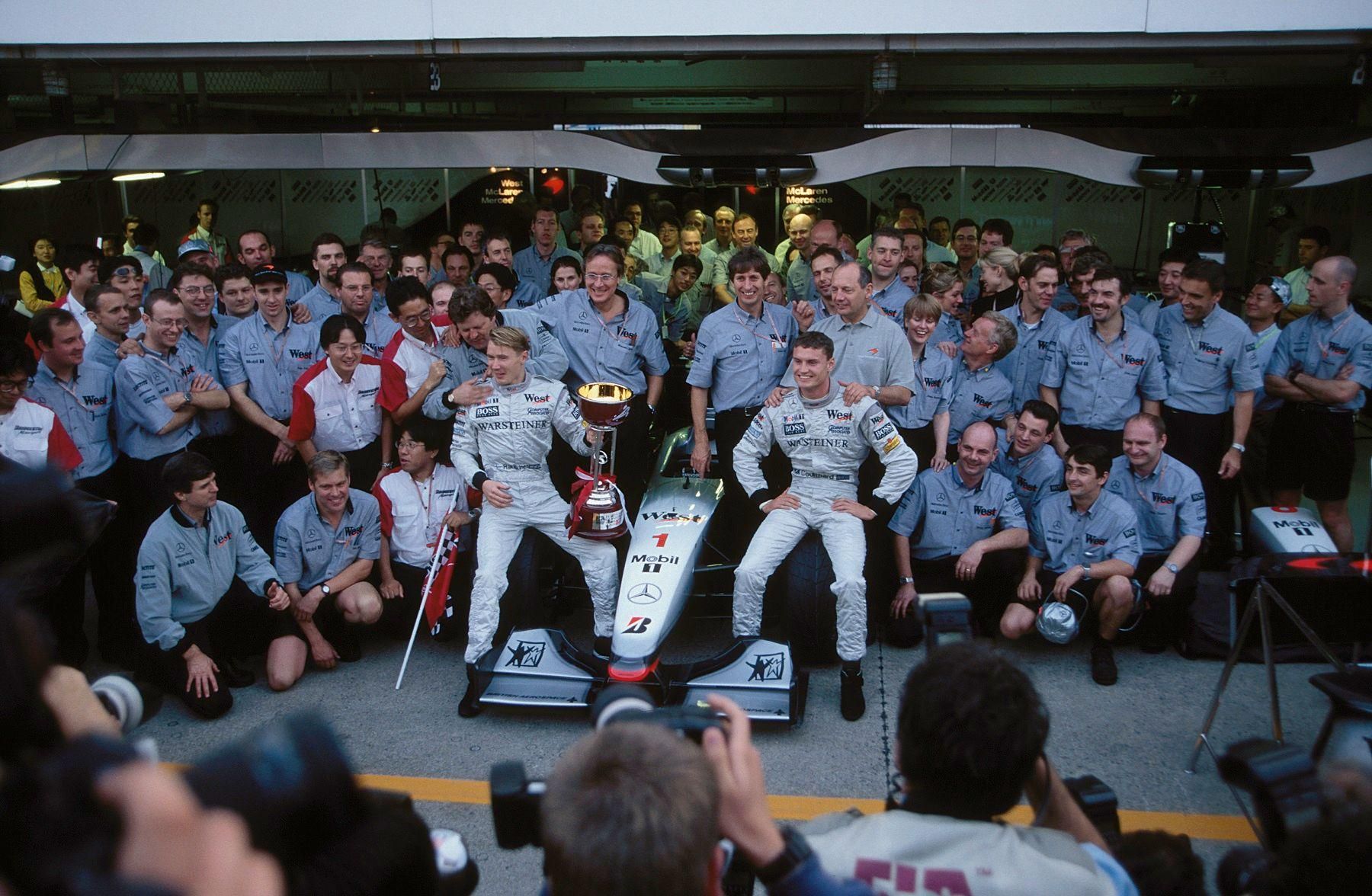
One of the most celebrated liveries in McLaren’s history is that of the Silver Arrows. A change in sponsorship led the team’s management to revolutionise the car’s colours after West’s arrival. The Pons Racing Team was the equivalent of the Silver Arrows in MotoGP during the 2001 and 2002 seasons.
Marlboro
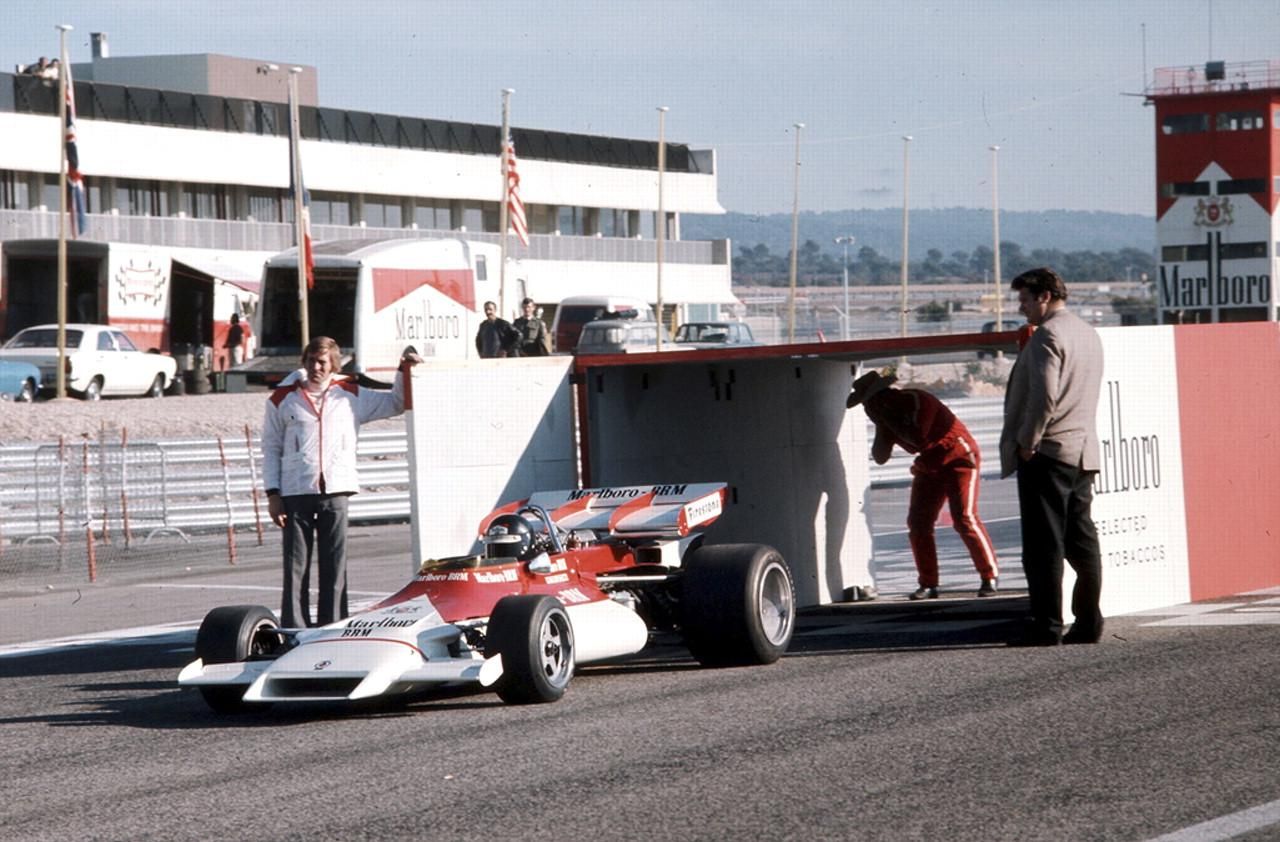
The brand’s iconic style, with its red and white colors, debuted in Formula 1 in 1972 on the cars of the British Racing Motors team. During the presentation, the car emerged from a giant cigarette pack, anticipating what is now common: the spectacularization of an event stealing the spotlight before the season begins. McLaren snatched the sponsor from BRM in 1974 and made it its title sponsor until 1996. With the white and red livery, they won the constructors’ and drivers’ championships on debut and repeated the feat in 1976 with the iconic James Hunt, who was favored in the final victory by Niki Lauda’s accident. Thanks to the significant financial contribution from the cigarette brand, McLaren began focusing its business on racing, gradually setting aside car production, which became secondary.
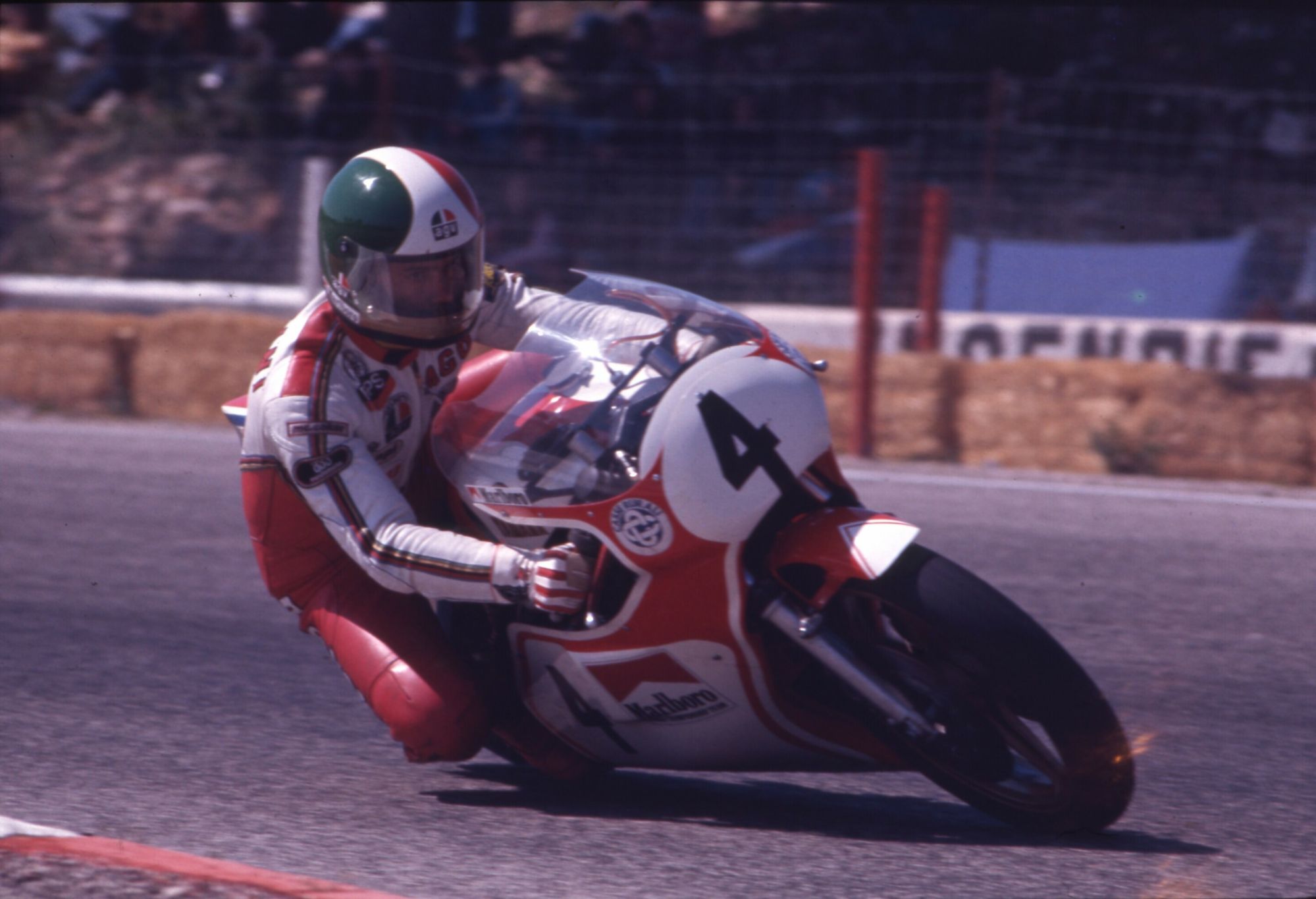
During those years, McLaren was not the only team carrying the brand on its cars: among the Marlboro-sponsored teams there was also Ferrari, which had it as a secondary sponsor from 1984. The Ferrari F310B was the first to carry Marlboro as its main sponsor, remaining with the Prancing Horse in 1997: the red of the packs blended perfectly with Ferrari red in a partnership that was both economic and chromatic. On two wheels, the legendary Giacomo Agostini carried the Marlboro branding in the 1970s on MV Agusta bikes, and from the 1980s until 2002 it was Yamaha’s main sponsor, racing on red bikes — an unusual color compared to today’s liveries. In MotoGP, the color match would come only in 2003: after leaving the Japanese manufacturer, the advertising moved to Ducati, which adopted the classic red color.