Saudi Arabia has also taken over tennis There will be a Master 1000 from 2028
Eventually Saudi Arabia made it. After football, F1, wrestling, boxing and having taken over golf by creating the LIV Golf League, it will now also have an ATP Masters 1000 tennis tournament. The news was confirmed by SURJ, the sports division of the Public Investment Fund, Saudi Arabia’s largest sovereign wealth fund. Specifically, it should be a 56-player event played over the course of a week. It will be the tenth ATP Masters 1000 alongside Indian Wells, Miami, Monte Carlo, Madrid, Rome, Toronto/Montreal, Cincinnati, Shanghai and Paris. According to the official ATP statement, the first edition is scheduled for 2028 but the statement does not indicate where it will fit into the calendar. The Athletic reported that it could take place in February, since at that point in the season, after the first Grand Slam of the year in Australia, tennis moves to the Middle East playing in Doha, Qatar and Dubai.
The forbidden dream
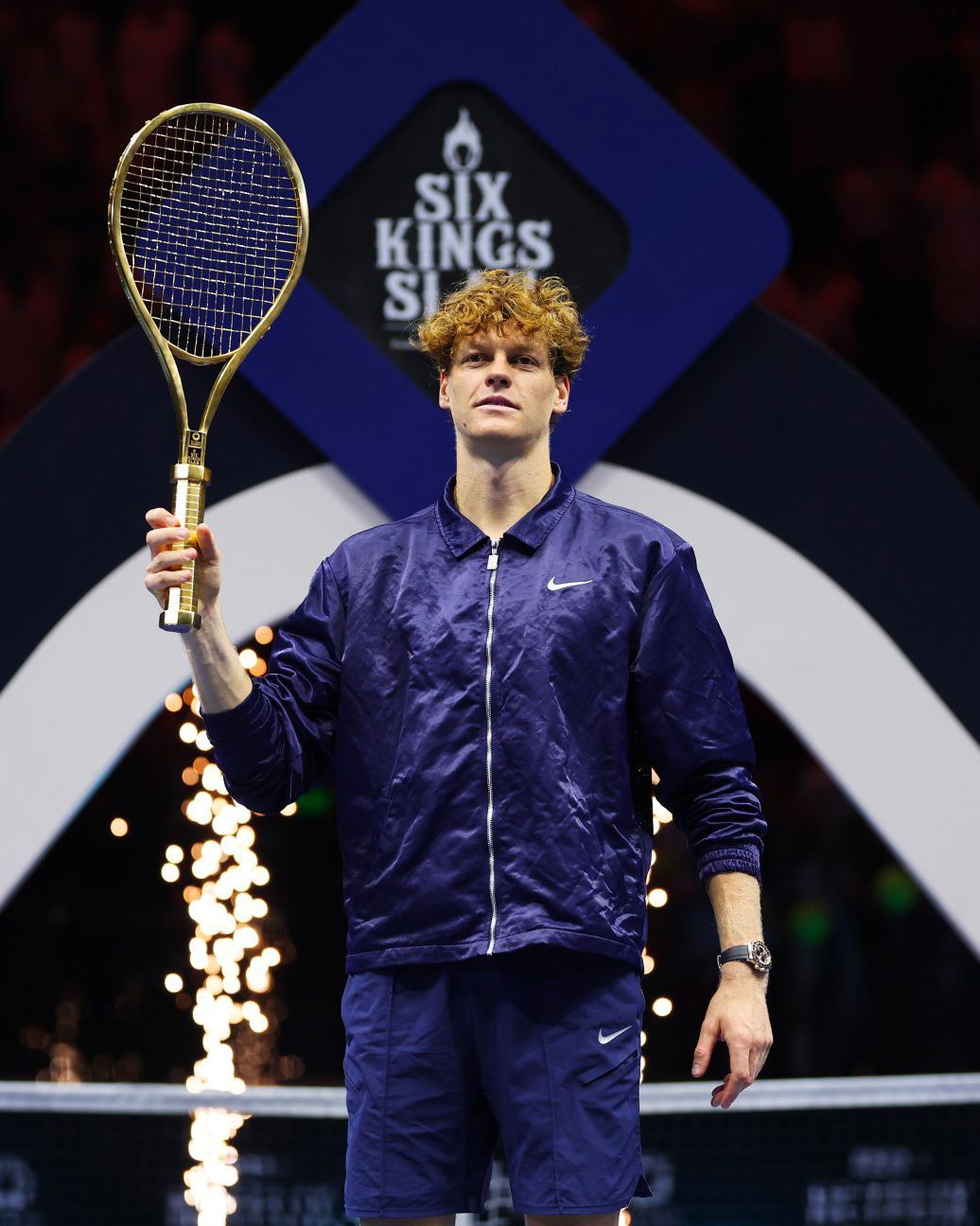
That men’s professional tennis was Saudi Arabia’s forbidden dream was well known, and the announcement of a Masters 1000 is just the latest act of a strategy implemented step by step. Competitively, Saudi Arabia had already achieved its first successes by obtaining the organization of the Next Gen ATP Finals, taking over the role from Milan, but above all the WTA Finals, the season-ending event of the women’s tour. However, the big names did not come here. To compensate for this lack, in 2024 the Six Kings Slam was born — an exhibition involving the six best players in the world that offers the highest prize money ever and which so far has always been won by Jannik Sinner. A series of events that share the common denominator of Saudi Vision 2030, the strategic program through which Saudi Arabia seeks to diversify its economy, and sportswashing, since attracting all these sporting events beloved in the Western world helps push discussions about human rights violations into the background.
Behind the scenes
There were also moves behind the scenes to complete a silent takeover. The Telegraph reported in 2024 that the PIF had offered $2 billion to facilitate a merger of the ATP and WTA into a single large tennis movement that would include men and women. That idea did not go through, but Saudi Arabia’s influence on tennis is easily measurable by the money invested in the ATP and WTA through a multi-year strategic partnership that made PIF the main sponsor of the two main tennis federations in the world. In the case of the WTA, this contract represented a lifeline given the lost revenues from the COVID-19 pandemic but above all from the decision not to hold tournaments in China in response to political issues and human rights violations.
The paradox stays the same
As always, when Saudi Arabia and its money are involved, questions arise about where to draw the line between business opportunity and morality. Tennis, and in particular the ATP, did not seem to ask the question because meanwhile the players had already decided to accept the sheikh treatment offered to them. The first two editions of the Six Kings Slam clearly highlighted the legitimate willingness of the world’s best players to skip some official tournaments where maximum effort is required in order to accept invitations to exhibitions that guarantee appearance fees higher than any prize money they could win at a tournament, moreover without having to exert themselves too much and in a warm climate that minimizes the risk of injury. Once again, however, a contradiction emerges: players publicly complain to the ATP about the too-packed calendar of commitments, yet they do not oppose the federation’s decision to add another Masters 1000 — with all the associated costs for staff and the physical and psychological pressures — simply because it guarantees extra money.
What to read next
The ATP's plan for the future of tennis
A letter from Andrea Gaudenzi has outlined several changes that could reshape the tour from 2028