





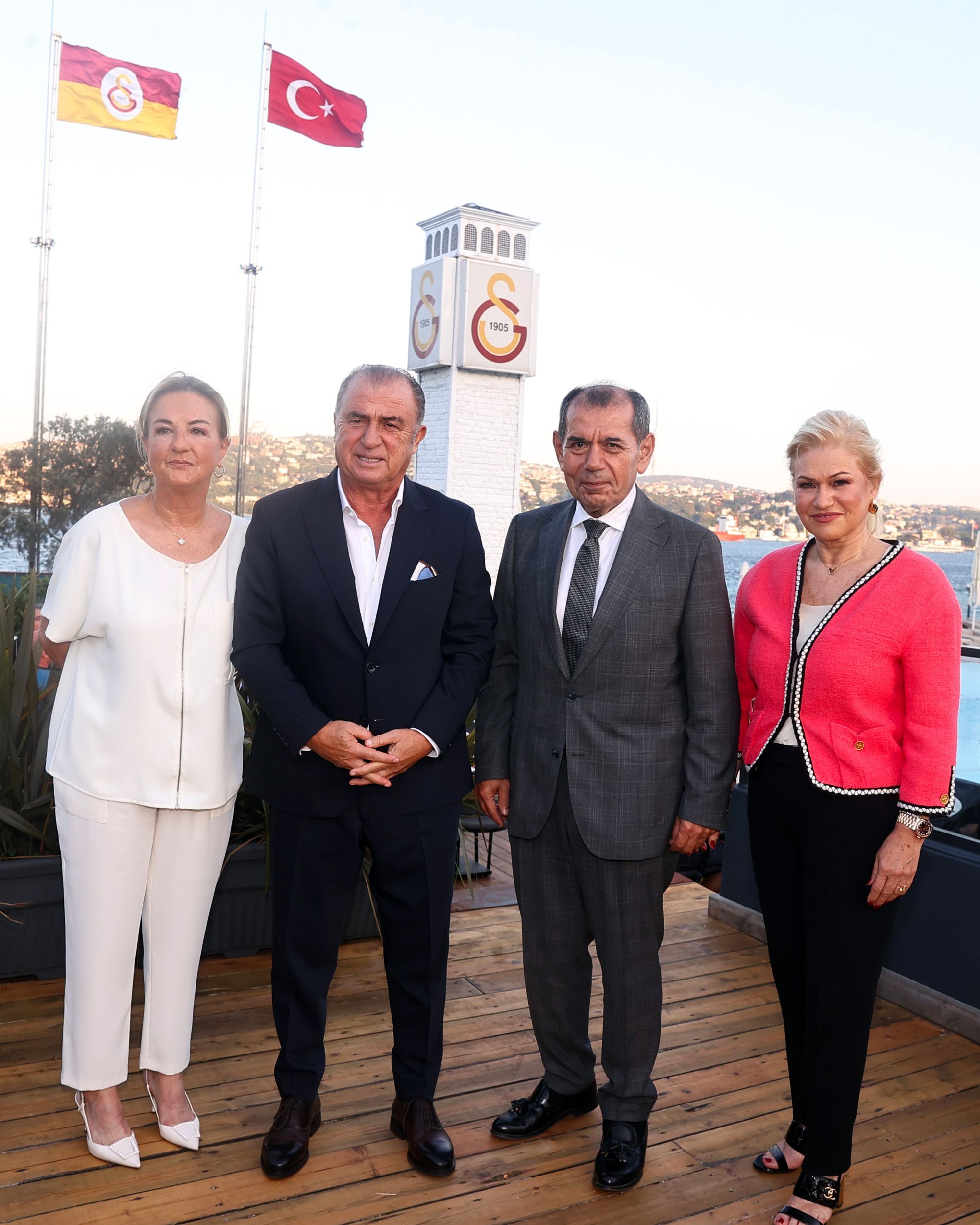
Inside Galatasaray’s private island in the Bosphorus A crazy story of debts, election and sport
Next opponent of Juventus in the Champions League playoffs, Galatasaray is Turkey’s most iconic club. Beyond being the team with the highest number of trophies—nearly 90—it also boasts the largest fanbase, exceeding 50 million supporters across Istanbul, the Anatolian peninsula, and the Turkish diaspora. Like many sports entities outside Italy, Gala is a multi-sport club encompassing 16 disciplines, with football, volleyball, and basketball standing out thanks to major investments and lavish salaries. Yet the true symbol of the club’s power and opulence is the Galatasaray Island, a one-of-a-kind facility in the sporting world. After years of demolition and reconstruction, the island—exclusively accessible to club members and athletes—has returned to its former glory, reminiscent of the dazzling 1970s and 1980s.
Where exactly is Galatasaray Island?
Galatasaray Adası is a small island in Istanbul partially owned by Galatasaray Spor Kulübü. Located north of the 15 July Martyrs Bridge, it lies about 165 meters off the coast of Kuruçeşme on the European side of the Bosphorus. The strait is split into two continents by this island, which is unique in that respect. A true divider of Istanbul’s dual souls. Its story begins in the 1870s, when the Ottoman Empire faced a deep crisis, witnessing the twilight of a glorious and long-standing reign. Sultan Abdul Aziz, having declared bankruptcy, could not repay the Empire’s many creditors, among them Sarkis Balyan, from a prestigious family of court architects.
Initially, Sultan Abdul-Hamid II, known as the Great Khan, manages the repayment until even his resources run dry. The Sultan then transfers a cluster of rocks in the Bosphorus to Balyan to settle the debt. After rejecting the first project—a factory—Sarkis Balyan decides to build a two-story villa with a servant’s annex, making it his personal residence. The so-called Island of Sarkis, spacious and meticulously designed, becomes a true gem on the Bosphorus, earning the nickname Corner of Paradise. It quickly establishes itself as a cultural hub, hosting writers, artists, and intellectuals who gather for events and discussions.
20th century transformations and decline
Following Sarkis’ death in 1902, the island is confiscated due to abandonment and debt. By the outbreak of World War I in 1914, the Treasury leases it to Şirket-i Hayriye, the first Turkish maritime company. This marks the darkest era for the island, used as a coal depot and refueling station for city ferries, a stark contrast to the Bosphorus’ picturesque setting. In the 1940s, the Balyan heirs reclaim the island and, though regaining ownership, leave it largely neglected. The story continues until 1957, when Galatasaray president Sadık Giz acquires it for 150,000 Turkish lira, renaming it after the club. At a time when the multi-sport club is expanding, the island becomes a home for aquatic sports, hosting an Olympic-sized pool for water polo competitions and a rowing school.
The island evolves into a year-round destination, a chic retreat and social hub for members and athletes to enjoy tea on the Bosphorus and bask in the sun. Yet maintaining this sporting paradise becomes a heavy financial burden, with the club as the sole supporter. By the late 1990s, the island’s allure diminishes, impacted by the busy Bosphorus traffic. Once a boat depot, later a gaming hall, the club begins considering renting it to private parties.
Island Lifestyle and Curiosities
A major transformation occurs between 2002 and 2007, with extensive construction of new facilities. On October 4, 2007, a devastating fire damages two restaurants and surrounding spaces. Around this time, the island is leased to businessman Mehmet Koçarslan, who renames it Suada, much to the club’s annoyance. Koçarslan’s nightlife empire suffers a blow in 2017, when the Reina club on New Year’s Eve is the site of an ISIS terrorist attack.
Following legal disputes over unauthorized construction, Galatasaray ends all leases the same year, beginning near-total demolition. Even the island’s mascot, a yellow-and-red parrot named Cimbom, is removed. After a period of closure, the island re-enters the spotlight in 2022 during club elections. Presidential candidate Dursun Özbek pledges, among other initiatives, to reopen Galatasaray Adası. On July 27, the island reopens with a completely renewed look in record time.
Today, nearly four years after reopening, the island is divided into three sections, one of which is fully owned by Galatasaray, while the other two are state-owned but leased to the club for 30 years. Within its perimeter fence, it boasts two event spaces seating 1,500 and 1,200 guests, a nightclub, three restaurants, a bar, an Olympic pool, and an official store. The island has reclaimed its role as a social venue, active year-round for a variety of events.
It hosts board meetings, special member banquets, and ceremonies like the traditional Sultan’s Ball. Fatih Terim, a legendary figure at Galatasaray, celebrated his 50th anniversary with the club here, marking his start in 1975. Myriam Sylla, Italian national volleyball champion who joined at the start of the season, attended a team dinner in September. Uniform unveilings and player welcomes also take place here, making it a truly unique and fascinating destination that no Istanbul sports and travel itinerary should miss.