Why is Villarreal's stadium entirely yellow? The Estadio de la Cerámica is something different
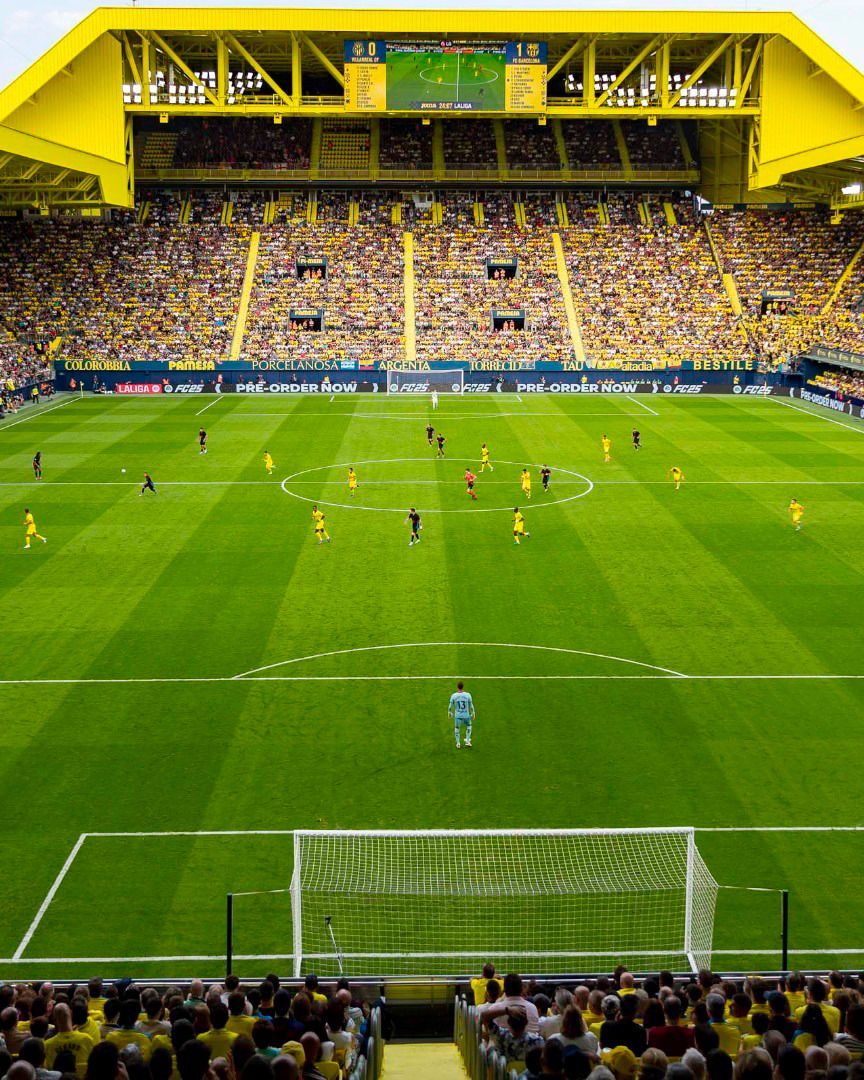
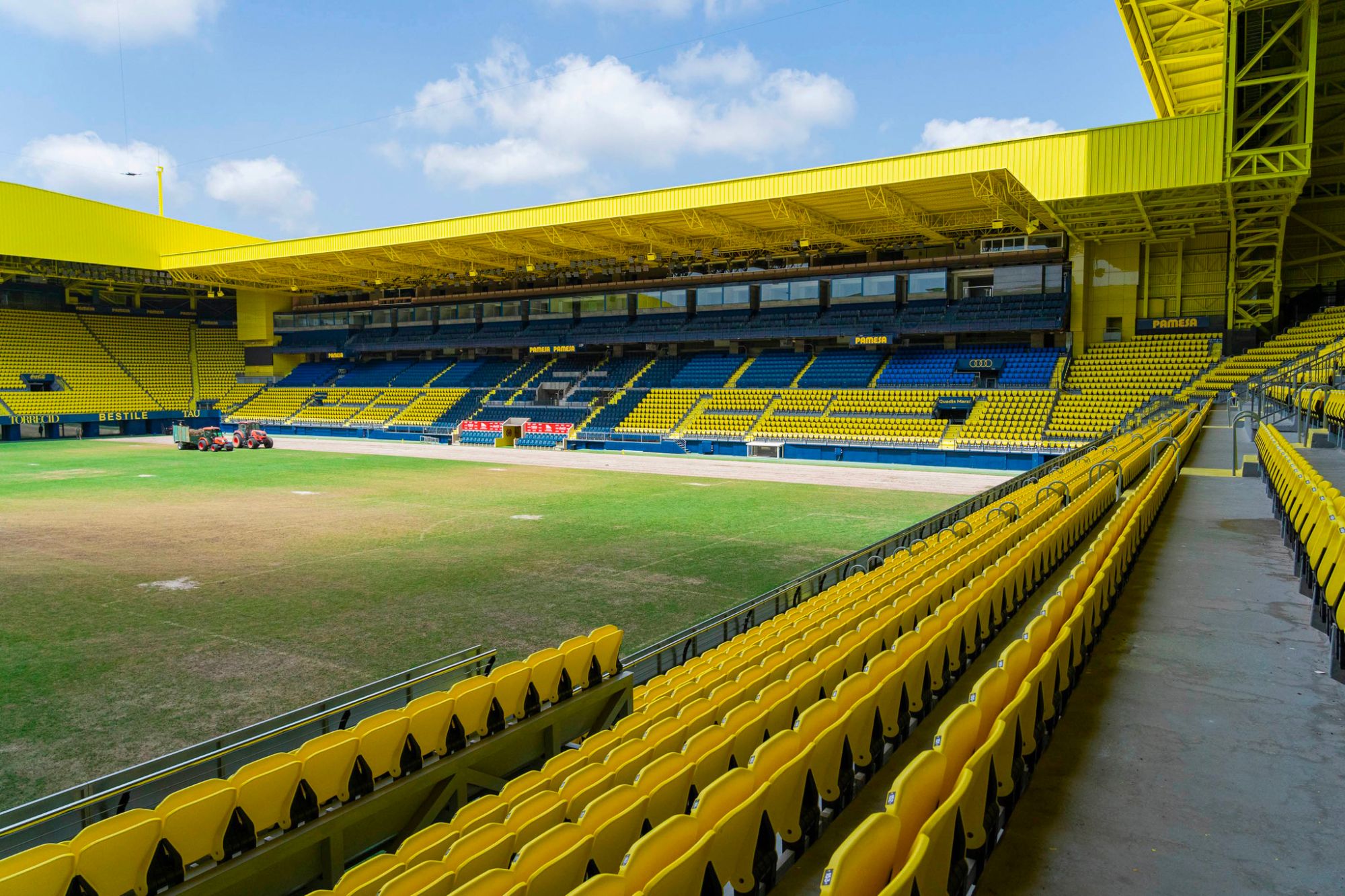
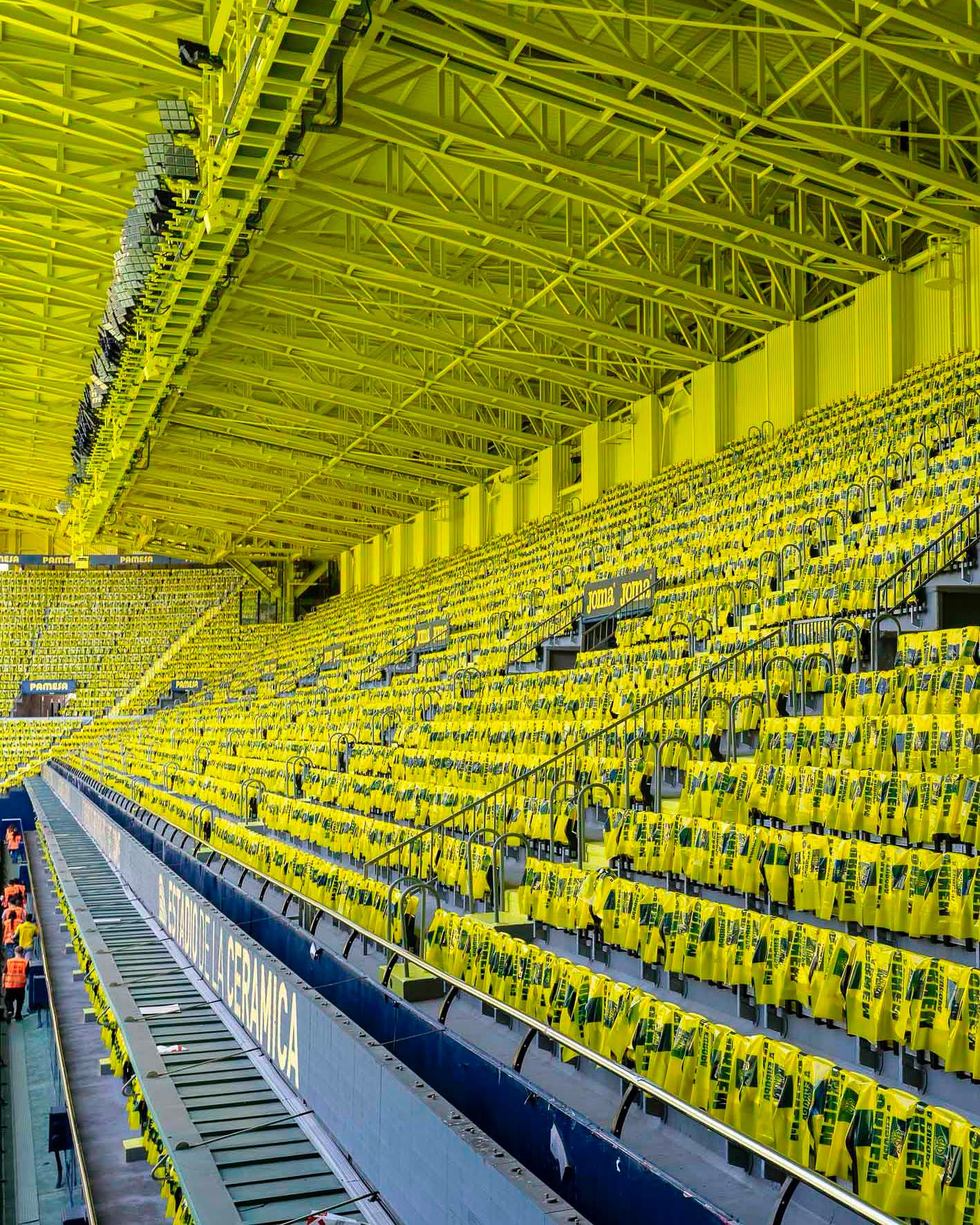
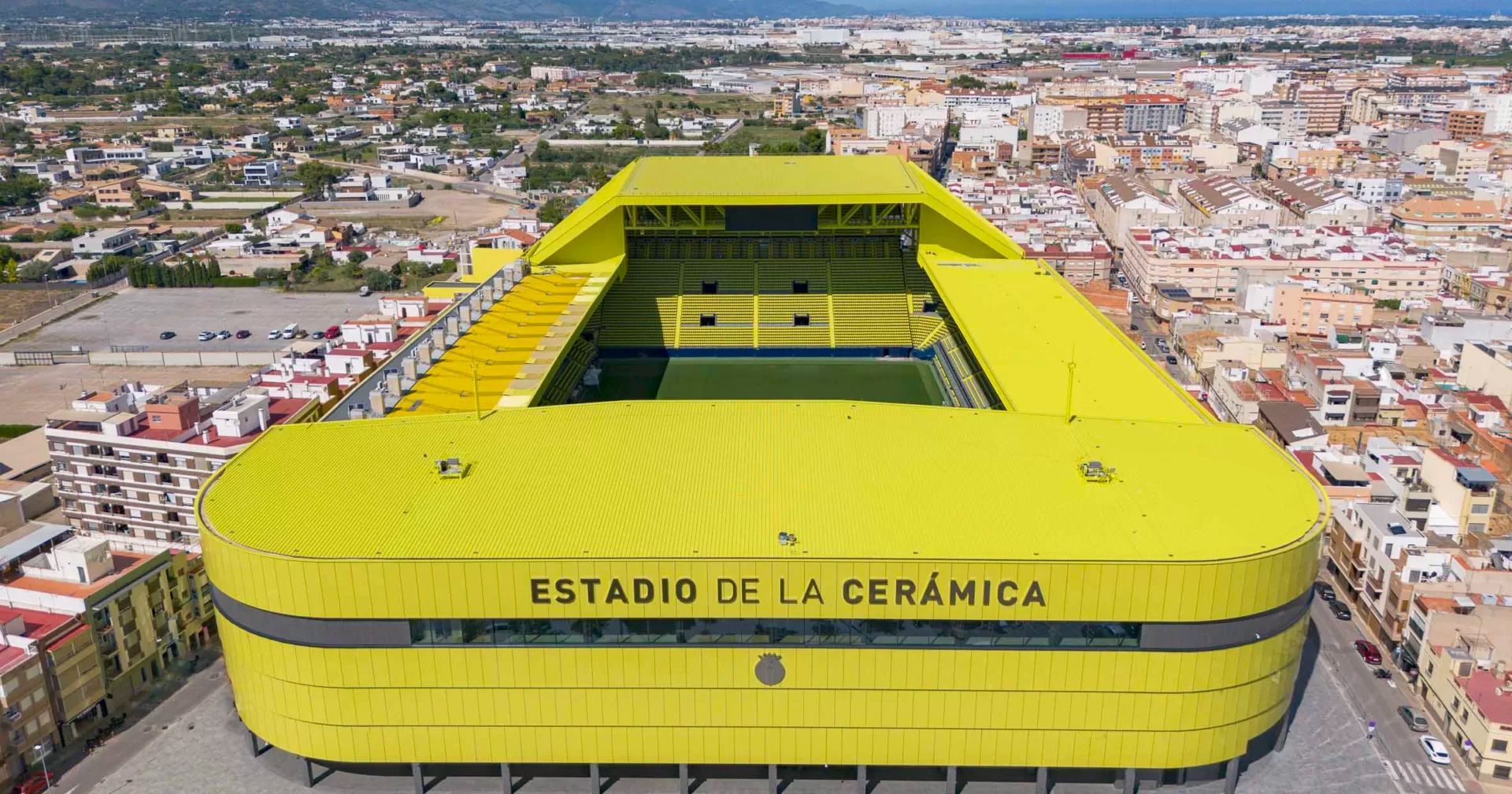
The first away game of Juventus in the 2025/26 Champions League season will take place in a city of just over 50,000 inhabitants in the province of Valencia. Vila-real, this is where Villarreal CF is based, a true pride of the municipality with which it shares an inseparable bond. Its home, the Estadio de la Cerámica, has recently undergone a makeover, becoming a yellow jewel box that is both fascinating and unique in its features.
The stadium of Villarreal is one of the oldest facilities in Spanish football, and one of the few to maintain the same orientation since its inauguration. The latter dates back to 1923, under the generic name of Campo de Villarreal, which was kept for two years, before becoming El Madrigal, a name taken from the plots of land on which it was built. From the 1950s onwards, the structure essentially underwent a restyling every decade, needing to adapt to the sensational sporting results that saw the club climb the ranks of Spanish football, from minor regional leagues to the Primera División and to semifinals in European competitions. In 2017, president Fernando Roig, the man who changed the history of the club, announced a new change of name for the ground, which became Estadio de la Cerámica, a natural tribute to the ceramics tradition of the city and of the whole Castellón province, home to numerous industries in the sector.
A gift for the centenary
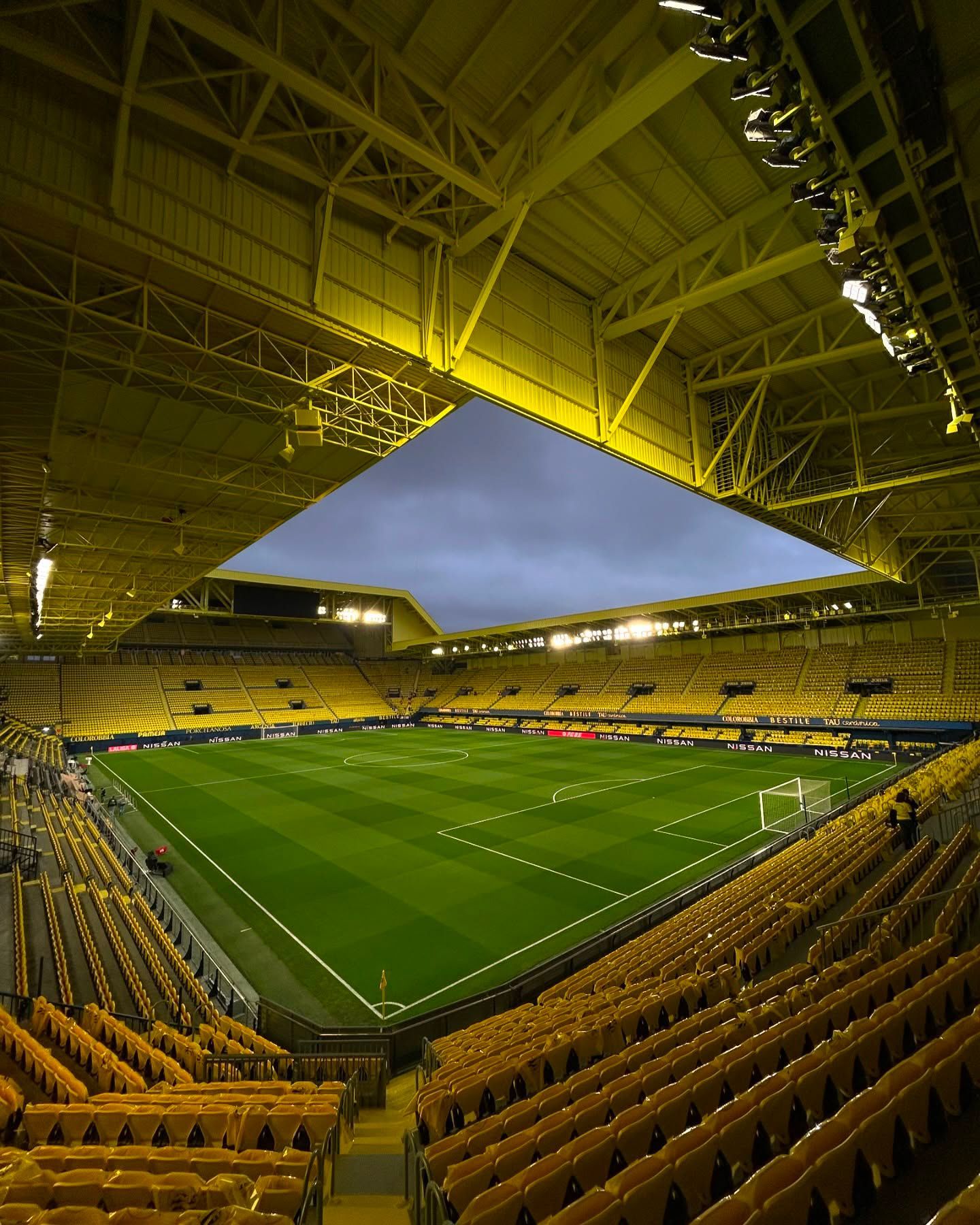
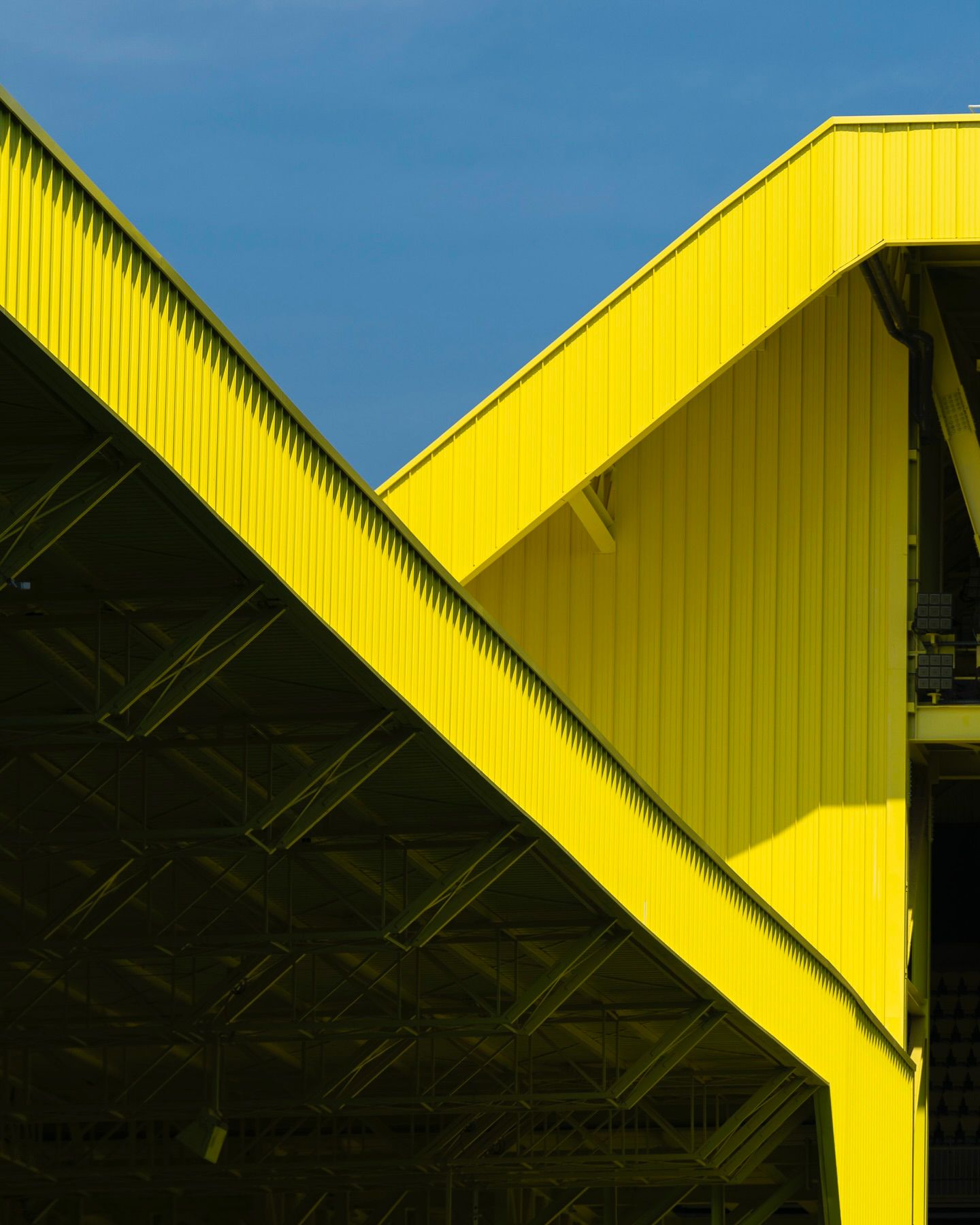
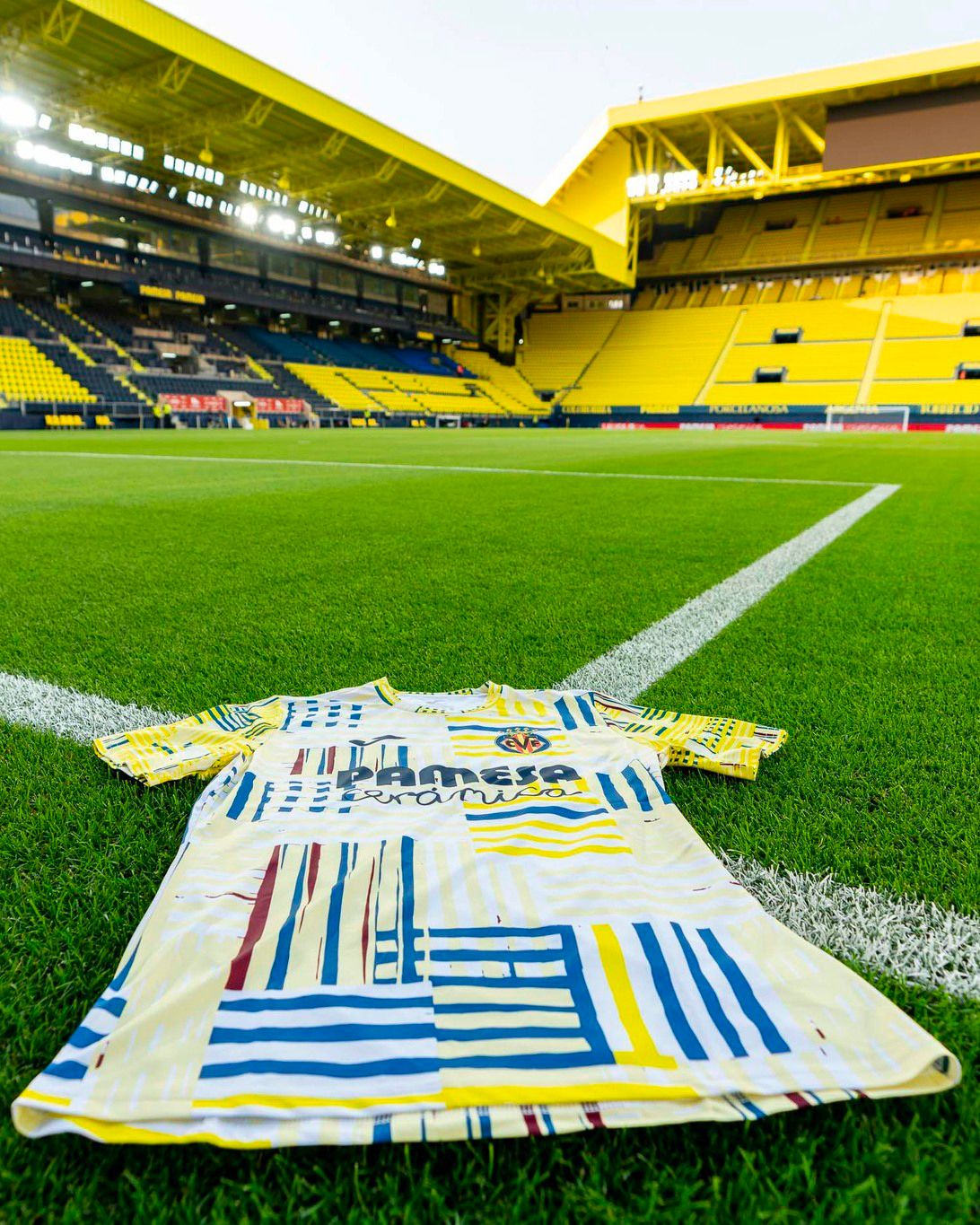
2022 is, however, the year in which the stadium most dramatically changed its appearance, a gift that Roig wanted to give for the club’s centenary the following year. With a renovation carried out in record time – less than 8 months from the press conference presentation – also made easier by the long winter break for the Qatari World Cup, the work cost around 50 million euros. What stands out most is the total use of the color yellow, the team’s social color, covering every single element of this urban stadium, standing out remarkably in the city context.
The 23,500-seat jewel was designed by the IDOM group, formed by specialists who had already participated in the construction of the New San Mamés in Bilbao, the restyling of River Plate’s Monumental, and the current reconstruction of the Spotify Camp Nou. Starting with the idea of respecting the historic nature of the so-called Yellow Submarine’s stadium, they managed to update it in an intelligent and recognizable way. The stadium is now completely wrapped by a yellow roof and ventilated façade, made up of ceramic slabs 120x60 cm anchored to the existing structure thanks to a complex metal system.
A true blanket that honors the nickname of the ground, known as the feudo groguet, meaning yellow in Valencian. A new stand was added in a previously empty section to provide unity to the rectangular structure, characterized by beams and pillars reinforced with Carboplate carbon fiber plates. Added to this are two maxi screens of 300 m², renewed LED sports and architectural lighting – which illuminates on the outer façade the names of various local ceramic companies – as well as a sky-cam.
The north stand
The icing on the cake is the north stand, the only one with a double tier, supported by a large metal truss and on whose roof 1,060 photovoltaic panels arranged in 10 rows are installed, useful for self-powering the stadium. The second tier of this striking stand, for the construction of which the largest crane in Spain was used, is dedicated to away fans who enjoy a view from the second highest vantage point in Villarreal. The first place still belongs to the Basilica of San Pascual Baylón, patron saint of the city, whose image hangs in the home locker room. In the away locker room, however, 13 showers are installed as a sign of bad luck for rivals, a tradition born as a joke but superstitiously kept during all the renovations and the four relocations of the locker rooms throughout history.
Tunnel is the new weekly newsletter from nss sports. Click here to subscribe.
But the curiosities don’t end there. For example, this is the only stadium in La Liga where the presidents of the two teams do not watch the match sitting next to each other. Another aspect that makes it unique compared to the entire Spanish football landscape is that the two benches are not located at pitchside but are embedded in the stands, as in English stadiums. Finally, it comes as no surprise that the chosen color for the seats is yellow. A color that entered the club’s history by chance, since according to legend, also reported by Villarreal, in 1947 the president’s son went to Valencia to buy new white kits – the club’s official color at the time – but the shop owner only had yellow shirts available. An inconvenience that allowed Villarreal to build its own aesthetic identity, giving birth to the myth of the Submarino Amarillo.
What to read next

The Champions League was all about elegance last night
Liverpool and PSG debuted their Tommy Hilfiger and Dior looks

Why are Shakhtar Donetsk playing their Champions League games at Stamford Bridge?
They have been forced into footballing exile by Russia’s invasion of Ukraine

Why Barcelona will wear its 2025/26 Third kit against PSG?
It's due to UEFA's kit clash rules