











Nike brings ventilated design to the US Open From running to tennis



The heat and humidity at the Cincinnati Masters 1000 has claimed victims, one after another, as they do every year. At last year’s edition, Jannik Sinner was forced to retire after just twenty-three minutes of the final due to pre-existing health issues, aggravated by the 31-degree heat and 57% humidity on the day of the decisive match against Carlos Alcaraz. This year, however, it took just his opening match to take down Novak Djokovic, who not only lost to Thiago Agustín Tirante but also suffered a bout of illness at the start of the second set due to the weather conditions. With the US Open on the horizon, the outlook does not appear to be much different.
While classic home remedies such as Ljudmila Samsonova’s wet towels, the umbrella carried by a visibly exhausted Coco Gauff - who came through a long match against the Russian - or the ice bags pressed against Djokovic’s temples continue to prevail, there are some more technical and technologically advanced solutions capable of cooling athletes down, and above all, of cooling their skin directly during play. It is a solution that concerns the kits, and one that Nike is pioneering by importing it from the world of trail running.
The holey kit takeover in tennis
Jannik Sinner’s holey jacket took centre stage during the trophy ceremony for his second consecutive Wimbledon title. Serena Williams, making her historic return to the court, opted not only for a jacket but also for an entirely perforated two-piece outfit – an eyelet mesh covering both the top and the skirt. Now, on the eve of the US Open, Nike has confirmed the trend by unveiling the kits its leading athletes will wear.
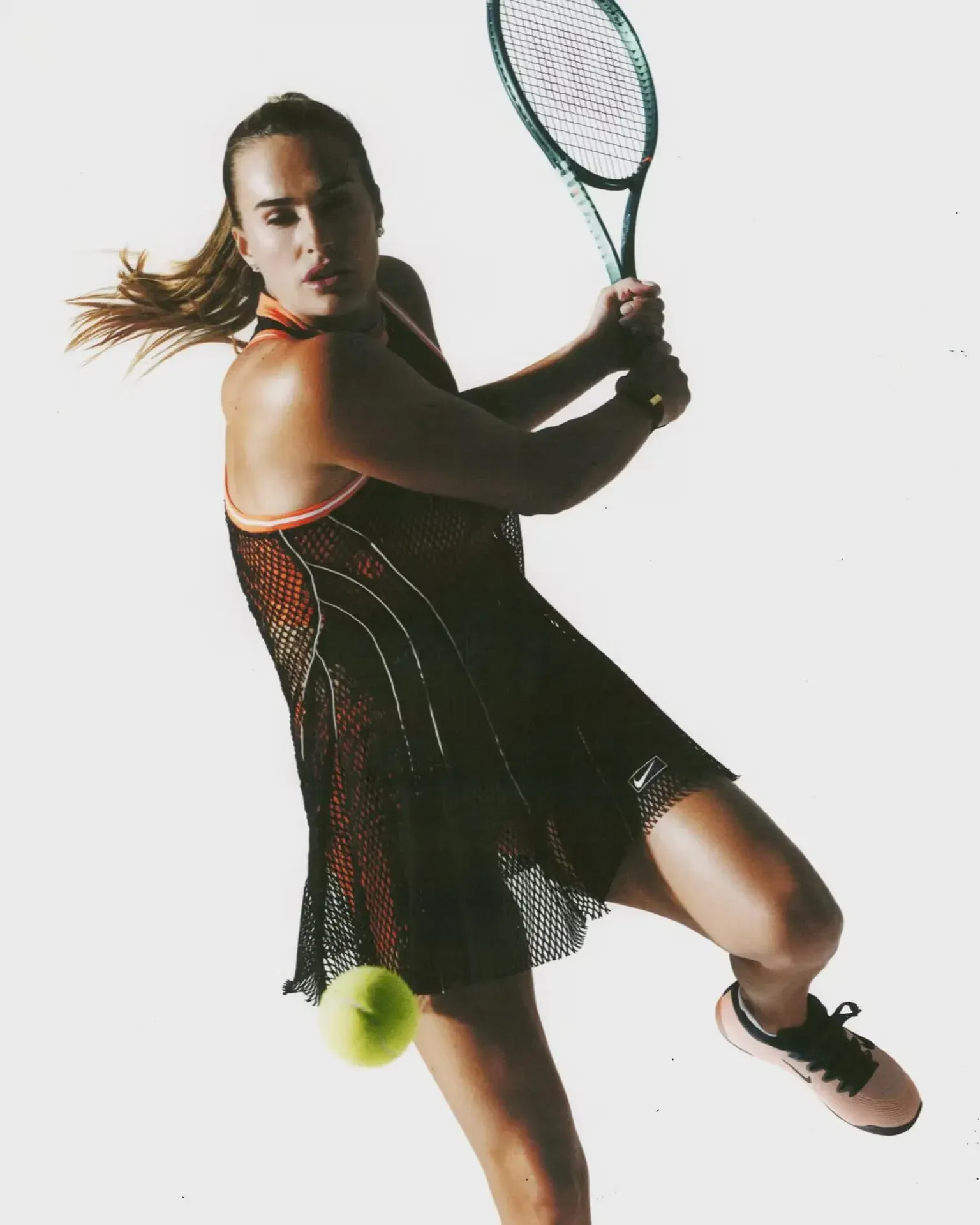
Aryna Sabalenka, for example, will revisit the concept from the last Roland Garros, where she appeared in a completely red bodysuit covered by a thin layer of black lace, creating a contrast built around a see-through effect. At Flushing Meadows, the transparent veil will become breathable, replaced by an all-black mesh with white veining that will act as an overlay for a two-piece outfit in brighter shades, ranging from reddish to orange tones. The design recalls the colours of a basketball wrapped in a net, a theme chosen by Nike for its Slam City collection dedicated to the US Open following the recent NBA title won by the New York Knicks, a historic triumph that ended a title drought stretching back to 1973.
Basketball once again takes centre stage in Carlos Alcaraz’s kit, featuring a genuine perforated jersey and a jacket in full Knickerbockers style. In this case, alongside its unmistakable basketball aesthetic, the pieces also recall the colours of the local NBA team, albeit in slightly different shades chosen by Nike for a reason: the Dark Concord of the jersey, a deep purple replacing the NBA blue, became famous through the Jordan line and dominates the kit, enhanced at the edges by white and reddish stitching also featured on the shorts.
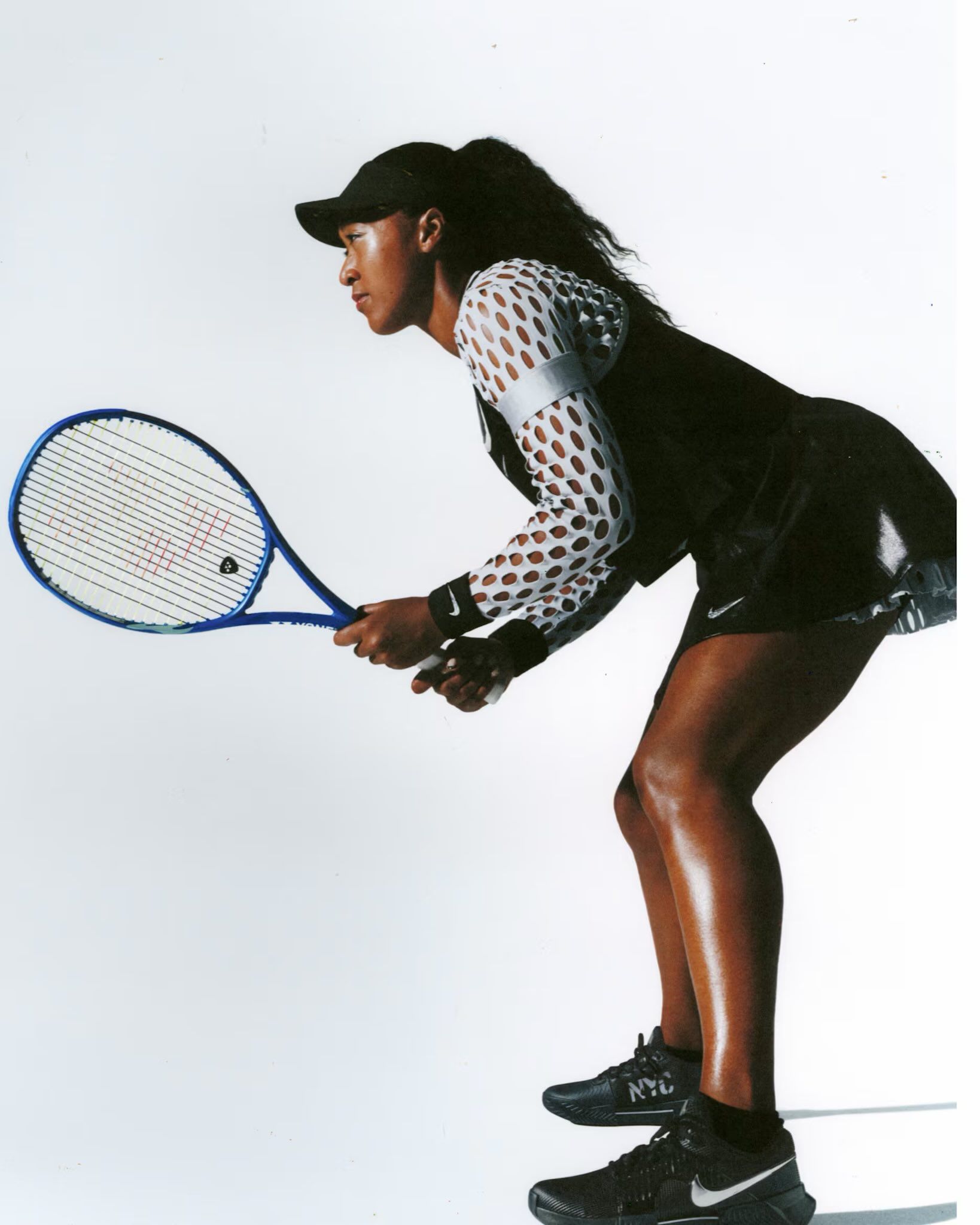
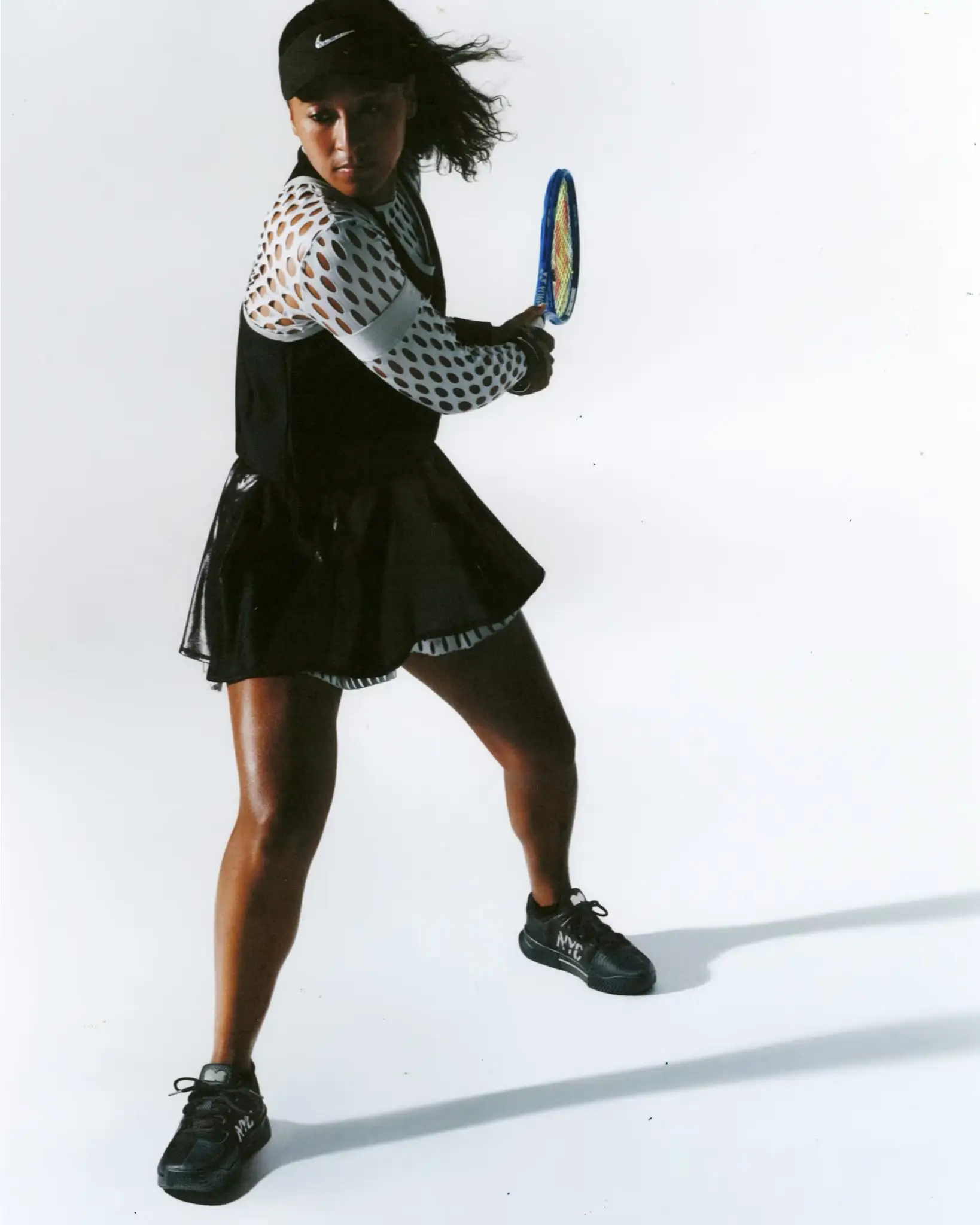
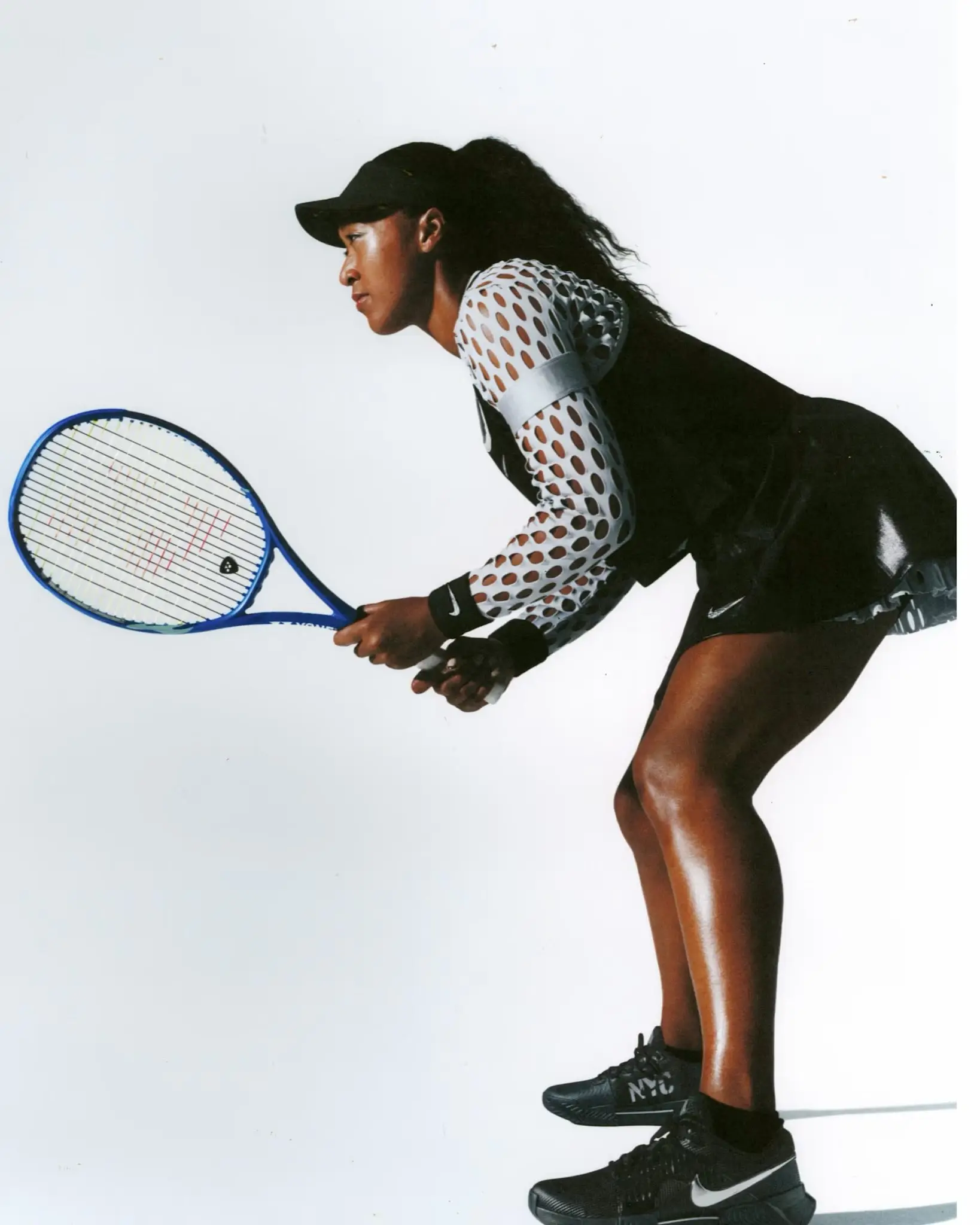
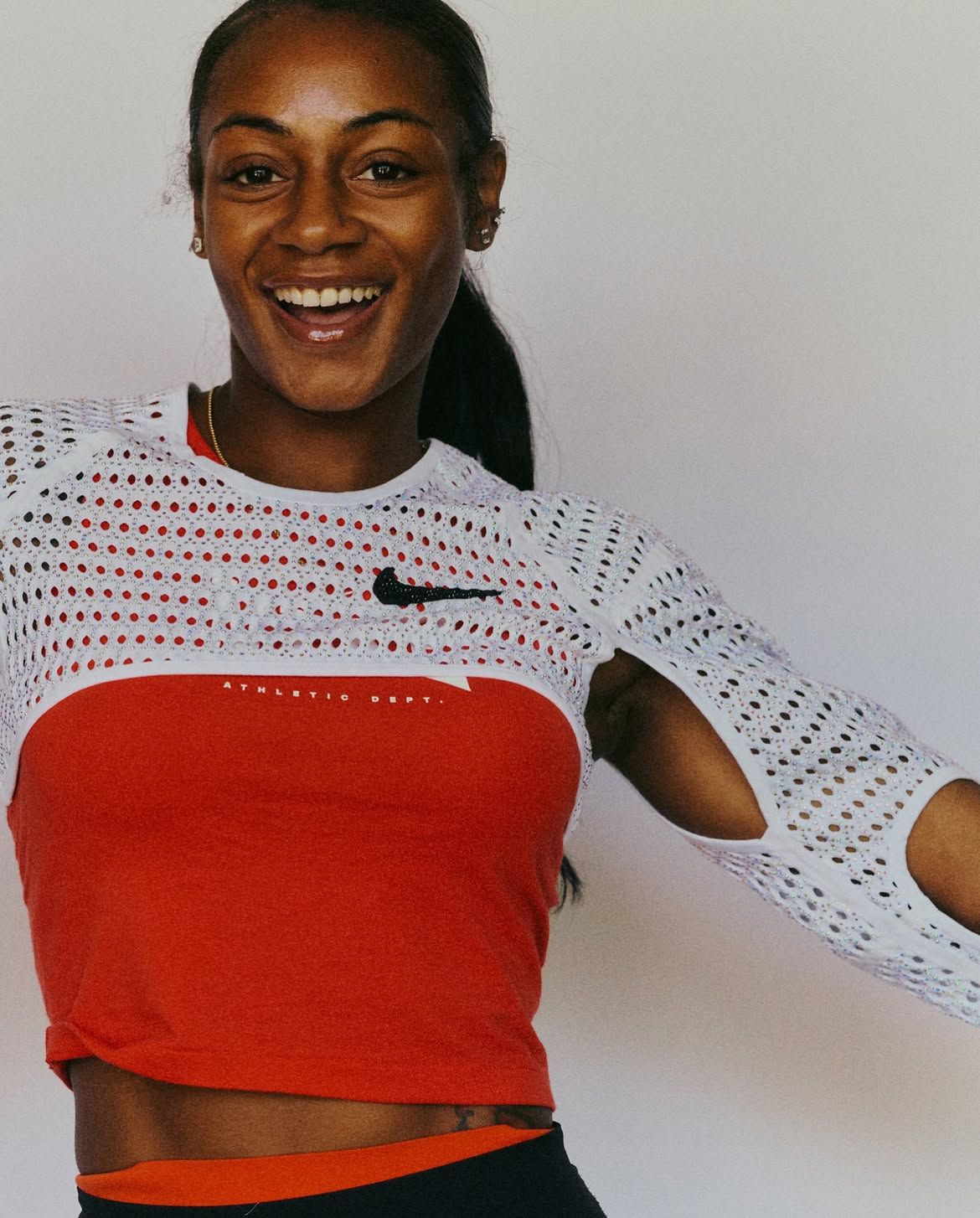
The jersey is paired with a black skirt in this case, a combination also chosen for two-time US Open champion Naomi Osaka, who, however, embodies Nike’s true inspiration. Beneath the all-black overlay, in fact, sits an entirely white outfit that essentially revives the design of the Radical AirFlow pieces, featuring the same long-sleeved cut – a cornerstone of the ventilated design that has always been part of the running world.
It All Starts with Running
The history of holey t-shirts has its deep roots in runners’ attempts to cool themselves down during the scorching heat of major outdoor competitions. In particular, the Western States Endurance Run 100, held across the Sierra Nevada, has become a testing ground for experimenting in extremely harsh conditions, due to temperatures exceeding forty degrees during the event and its enormous elevation changes – almost five and a half kilometres uphill and seven kilometres downhill. The experiments by Salomon and Mental Athletic, together with those by Nike, are the most recent examples, while Satisfy’s MothTech technology, one of the cornerstones of the sport, dates back as far as a decade ago. In general, however, the practice of runners creating holes around the chest area is timeless.
The Swoosh itself, although this was an older model that was later superseded by Radical AirFlow, had already tested a very similar technology at the Olympic Games in Sydney in 2000 through the Stand-Off singlet worn by marathon runners from Kenya, Australia and Portugal. This was also a top designed in the late 1990s by Edward Harber from Nike’s Apparel Innovation division, using 75% recycled plastic. It was also made entirely from mesh and stitched using ultrasonic technology.
It can be considered a true ancestor of AirFlow, Dri-FIT technology and, above all, another important example of Nike’s ventilated design: Sphere fabric, introduced in 2002. The latter is a textured material featuring three-dimensional protrusions designed to prevent direct contact with the most sensitive areas of the skin and encourage airflow, helping to better regulate sweat and internal temperature.
Nike’s New Technologies
The same concept lies at the heart of Radical AirFlow, a technology made iconic by the perforated longsleeve that has been taking off across multiple fields after its huge success in running. It is an ACG piece, although its development officially took place through experiments by the All Conditions Racing Department, a division whose roster includes some of the world’s best runners and ultramarathon athletes. Unlike the hydrophobic properties of Dri-FIT, Swoosh engineers focused on a hydrophilic material, creating numerous small funnel-shaped cones across its surface to exploit the Venturi effect, a consequence of Bernoulli’s theorem which explains how constrictions increase the speed at which fluids flow while simultaneously reducing the internal pressure they exert.
In simple terms, dry air rapidly enters from the outside, pushing the humid air upwards, where it exits at a higher speed through the constrictions, also creating a vacuum due to the drop in pressure. This feat of engineering, developed from the research behind Sphere, was complemented by large strategic openings along the arms and around key joints, areas that are crucial for athletes, providing additional airflow and greater freedom of movement.
The first tests at the Sport Research Lab at Nike’s headquarters in Oregon revealed that the prototypes were capable of absorbing 50% less sweat than Dri-FIT models, figures confirmed by the athletes’ performances in the field shortly afterwards. Drew Holmen, a trail runner who took part in the tests, won the most recent Lavaredo Ultra Trail 80 wearing the prototype, while Caleb Olson secured victory at the Western States Endurance Run 100, recording the second-fastest time ever. His description of running in Nike’s brand-new top led to comparisons with stepping inside a refrigerator.
Although this is a very recent and highly successful innovation, Nike’s research into body temperature regulation and airflow has become increasingly intensive in recent years. As early as 2023, the release of the Aerogami jacket by Nike Run Division introduced an advanced garment equipped with vents on the chest and back that activate as internal humidity increases. As sweat levels rise, a film opens the vents, allowing air to enter, while closing again as humidity decreases. The concept is similar to that of the Therma-FIT Air Milano Jacket worn by Team USA at the Milano Cortina Olympic Games during the ceremonies, which features valves that allow the airflow inside the air chambers to be manually adjusted – consequently controlling their “weight” and, ultimately, the internal temperature. The same technology also underpins the ACG models custom-made for Jannik Sinner.
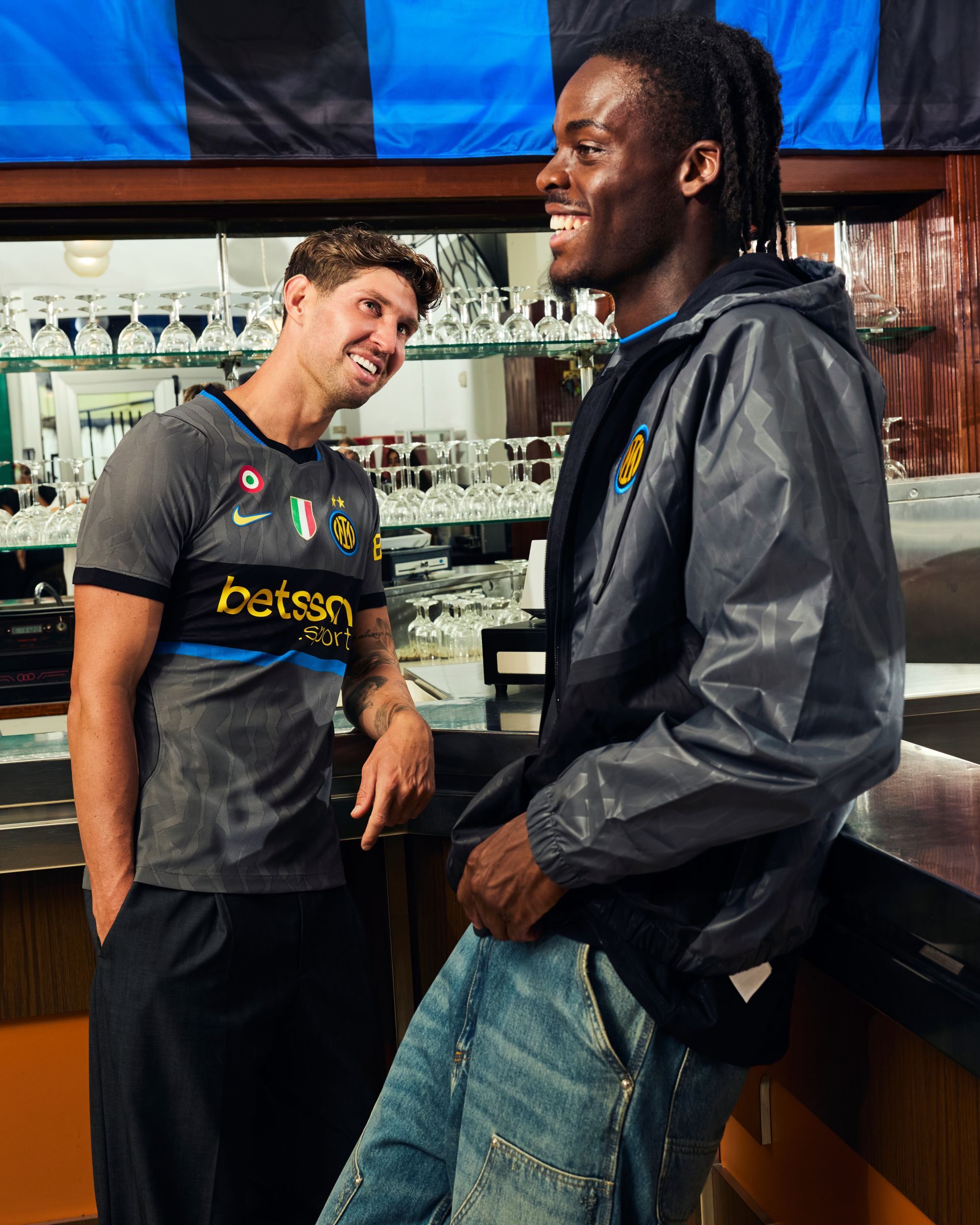
A real breakthrough finally came with Aero-FIT technology, also used in the new Nike football kits for the World Cup, an innovation over Dri-FIT that once again draws directly from the breathability requirements of running apparel. It is the Swoosh’s first performance line made entirely from manufacturing waste, but above all, it represents a significant technological upgrade designed to reduce the cling of jerseys in extreme temperatures – and under extreme sweating conditions. The fabric features elliptical openings that, while less visible, are similar to those found on the Radical AirFlow top, while a specially engineered knit gives the material a rippled texture, preventing direct contact with the skin and encouraging airflow – a true revolution compared with Dri-FIT, which instead focuses on evaporation.
The All-Around Spread of Ventilated Design
The success in trail running and its recent adoption in tennis represent only the tip of the iceberg for Nike, which is setting a trend, particularly with Radical AirFlow. Eliud Kipchoge, already a Swoosh favourite as the first recipient of innovations in Super Shoes, ran the New York City Marathon last November at the age of forty-one for the first time in his career, completing all the major marathon courses and crossing the finish line in tears. He did so wearing Nike’s perforated longsleeve.
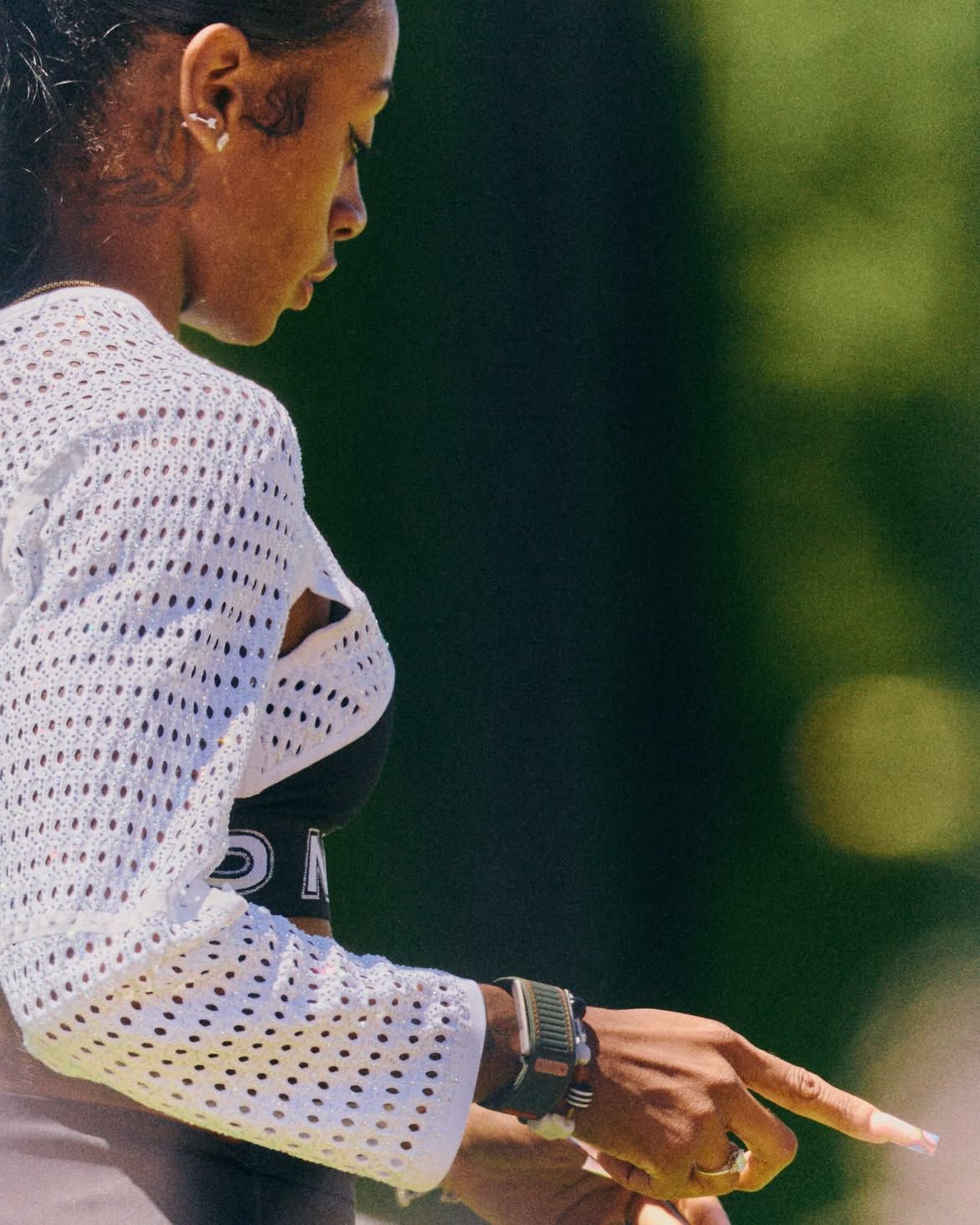
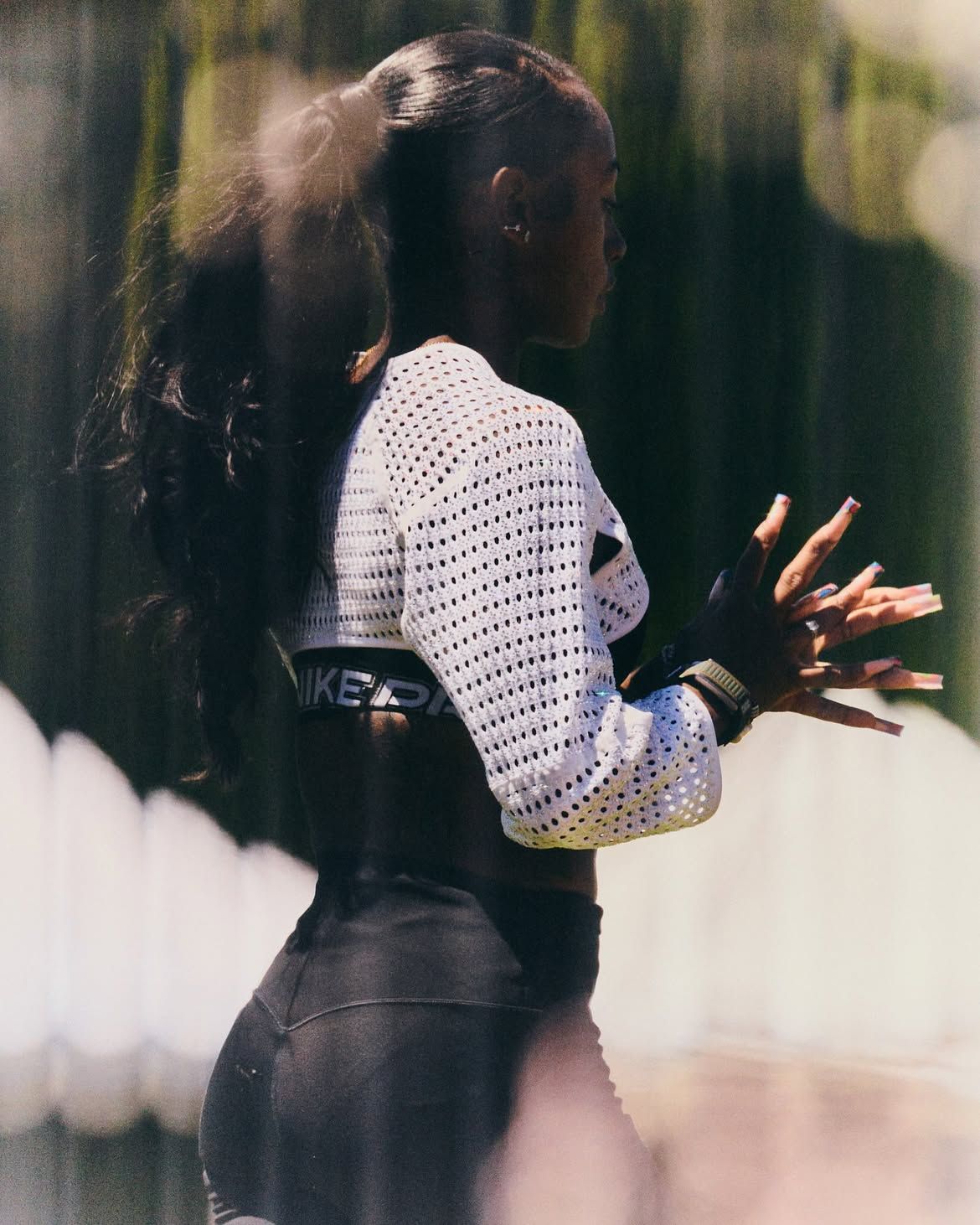
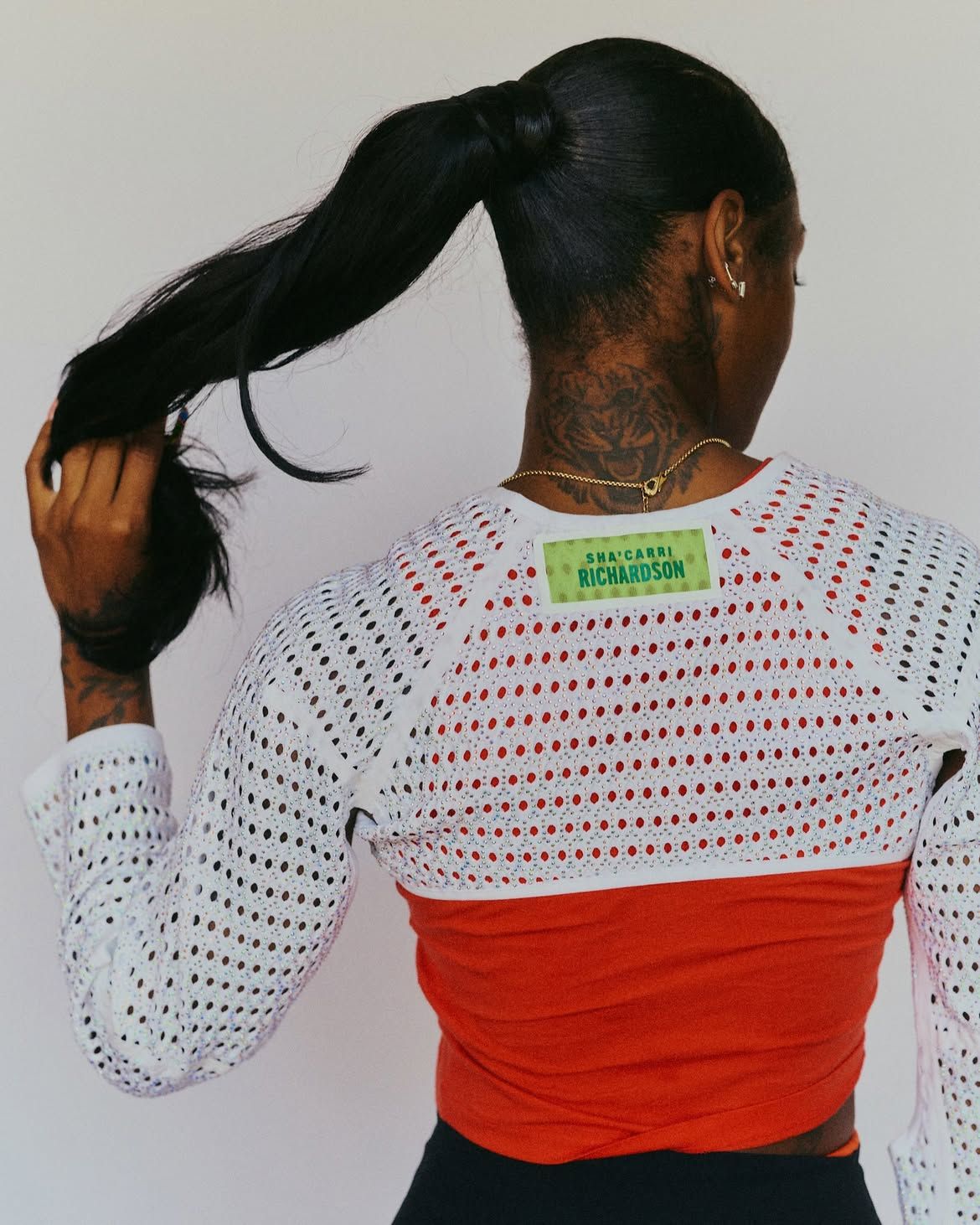
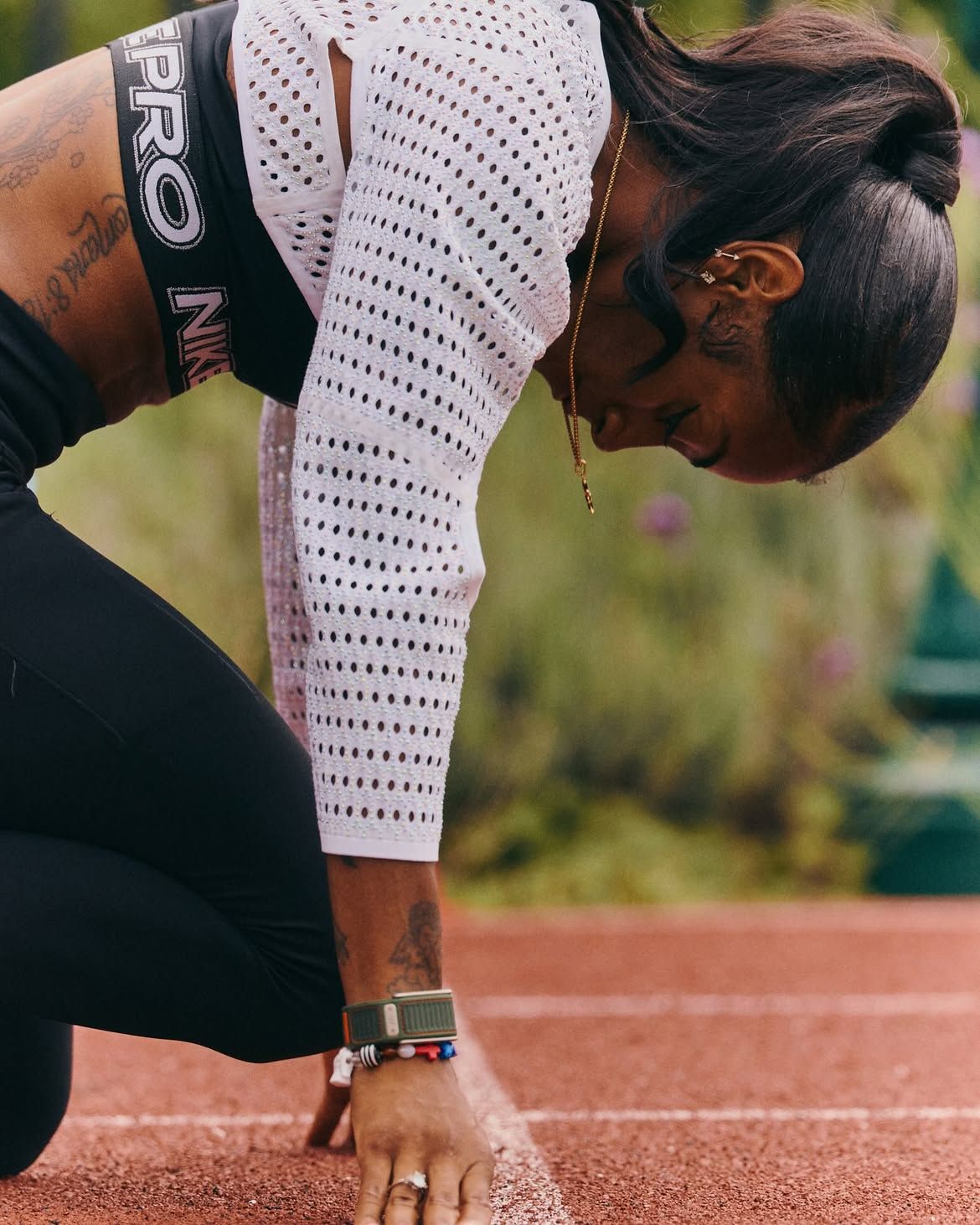
At the recently concluded Prefontaine Classic, the prestigious international athletics meeting held every year at the University of Oregon’s Hayward Field and one of the stops on the Diamond League circuit, Masai Russell warmed up wearing the Radical AirFlow top before taking first place in the 100-metre hurdles final. Alongside her, eleven other athletes wore custom-made models featuring the new technology during the event, including Tara Davis-Woodhall and Melissa Jefferson-Wooden, winners of the long jump and 100 metres respectively at the Prefontaine. And, of course, Sha’Carri Richardson, the sprint superstar coming off an individual Olympic silver medal in Paris 2024 after winning the 2023 World Championship title.
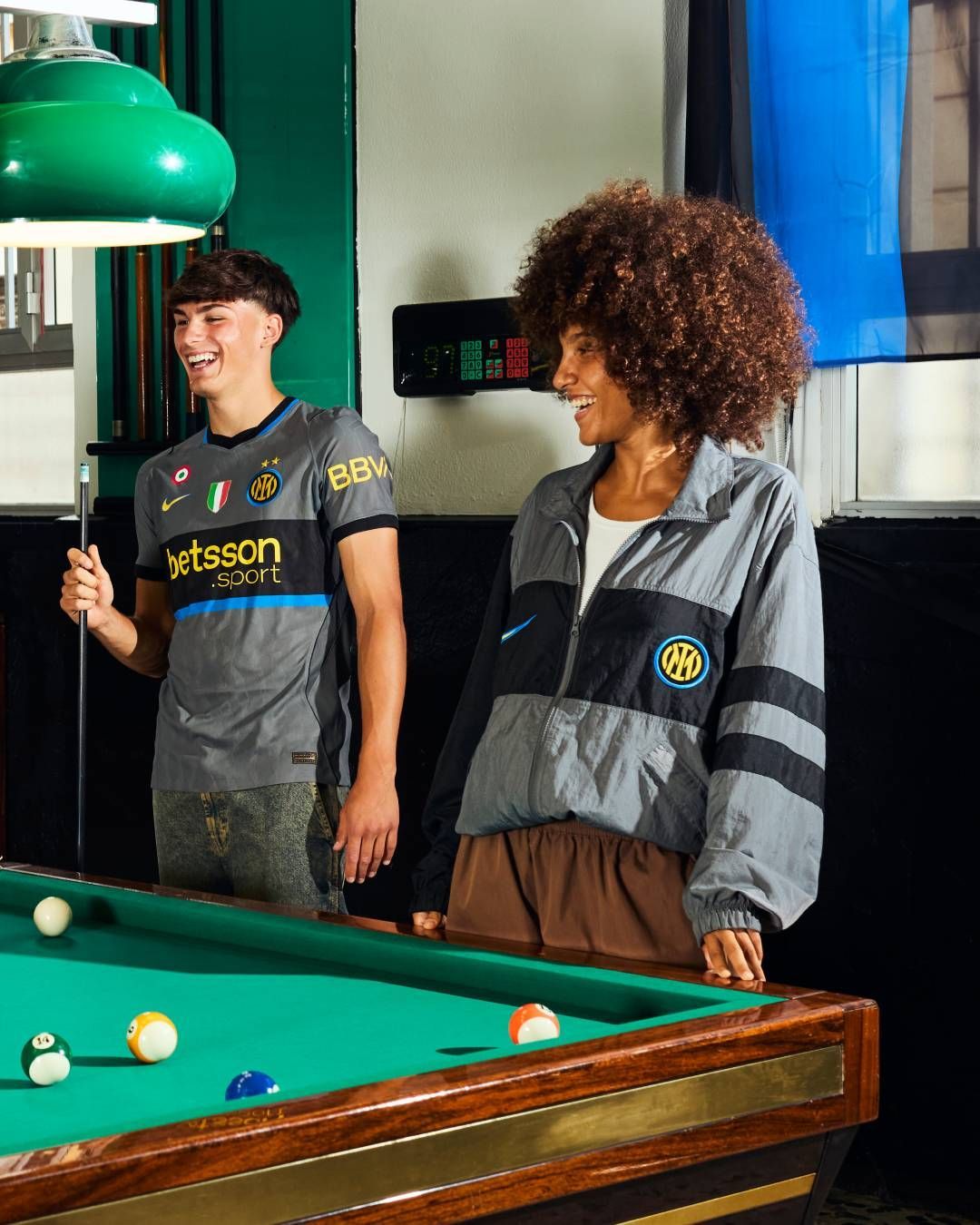
As for the use of Aero-FIT, its World Cup debut will be followed by its adoption in domestic and European competitions by several Nike-sponsored clubs, most notably Barcelona, Chelsea, Tottenham, Atlético Madrid, Paris Saint-Germain and, last but not least, Inter. All of this demonstrates how ACG and Nike’s investments in running technology are becoming a cutting-edge movement with the potential for global, all-around adoption.