
The 5 longest-running kit partnerships in national team football The ranking following Germany and Croatia’s recent changes
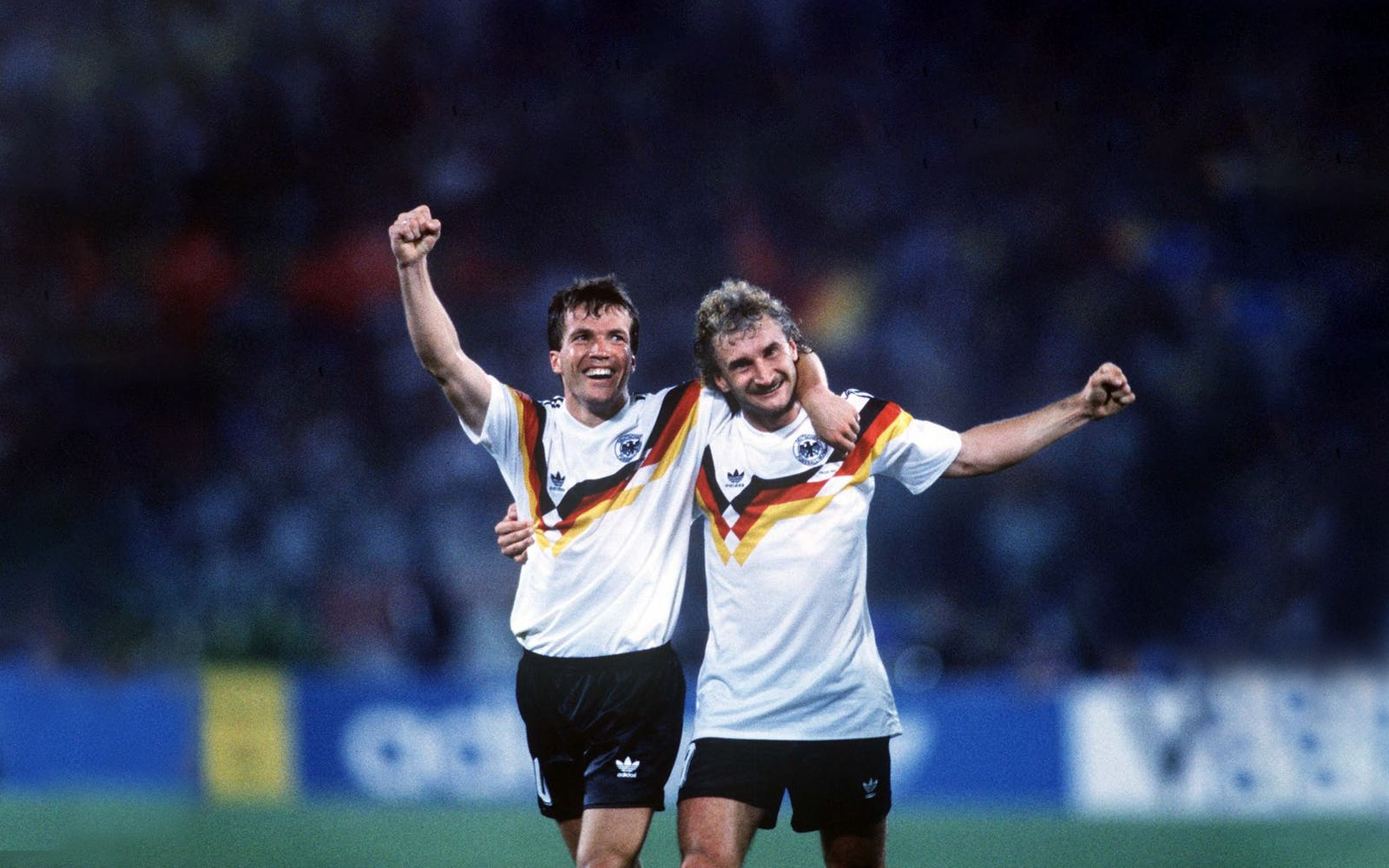
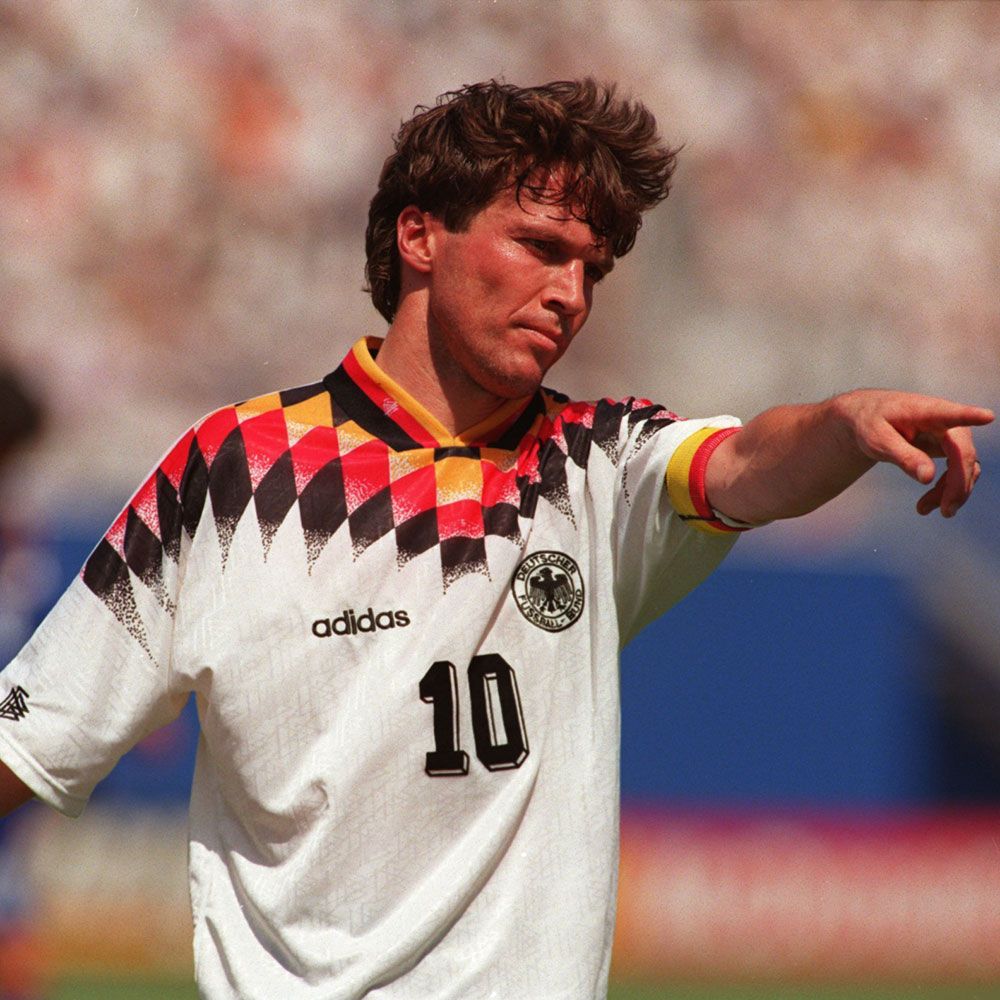


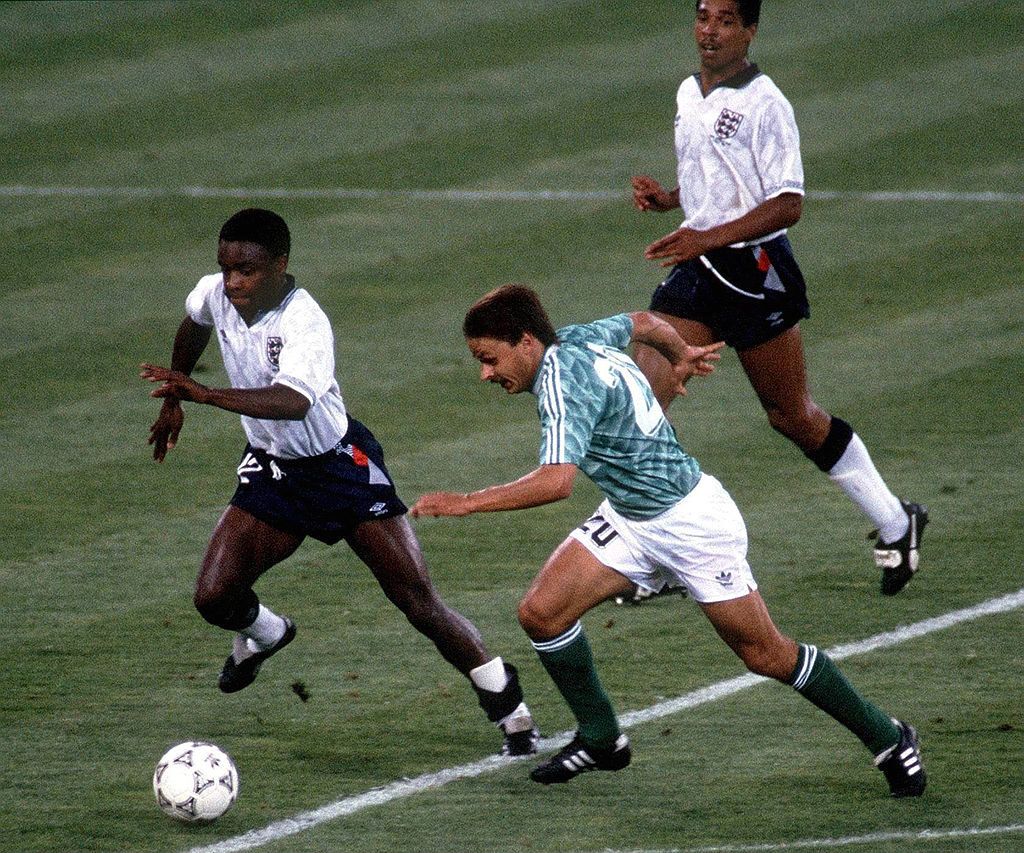
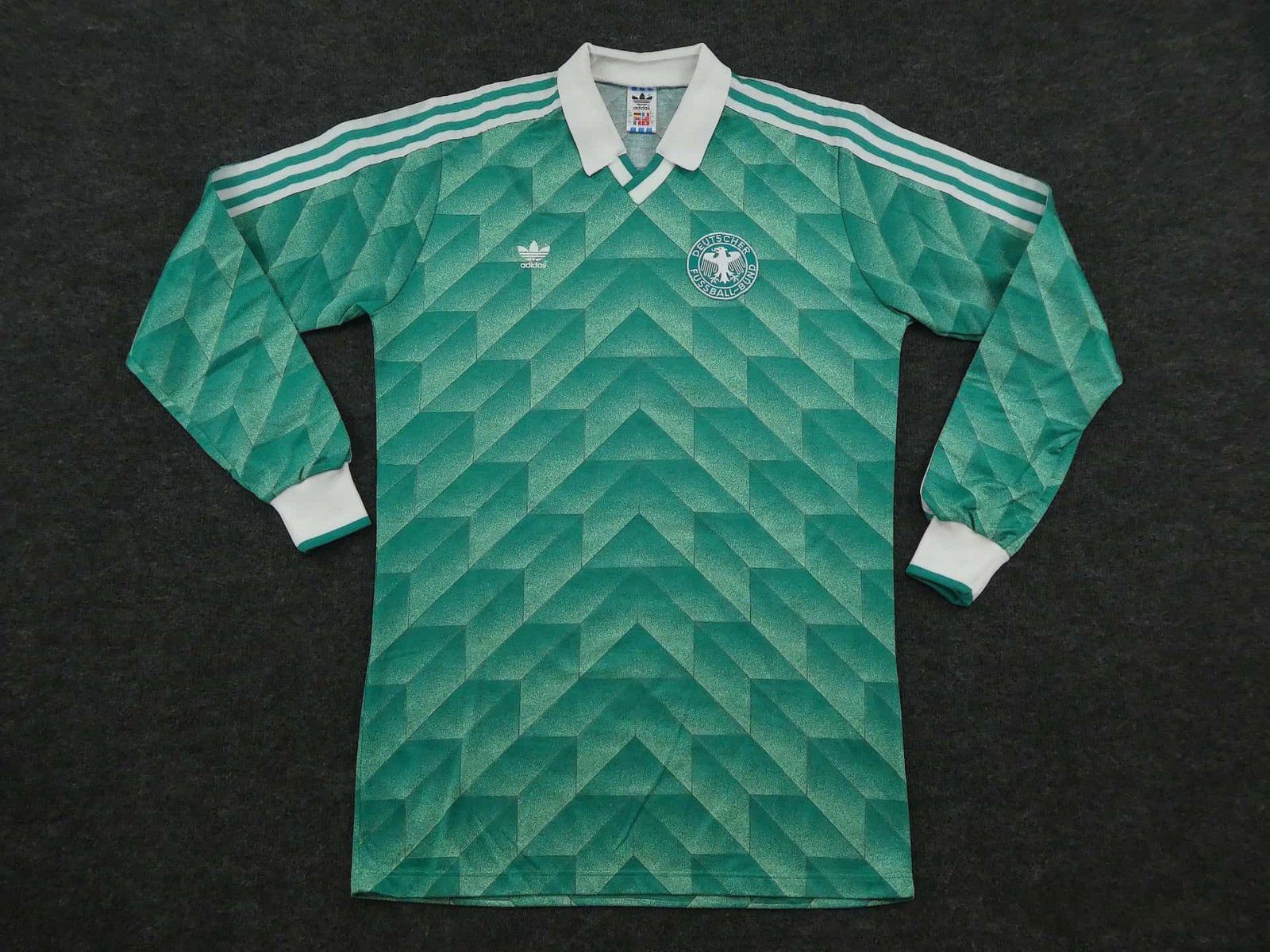
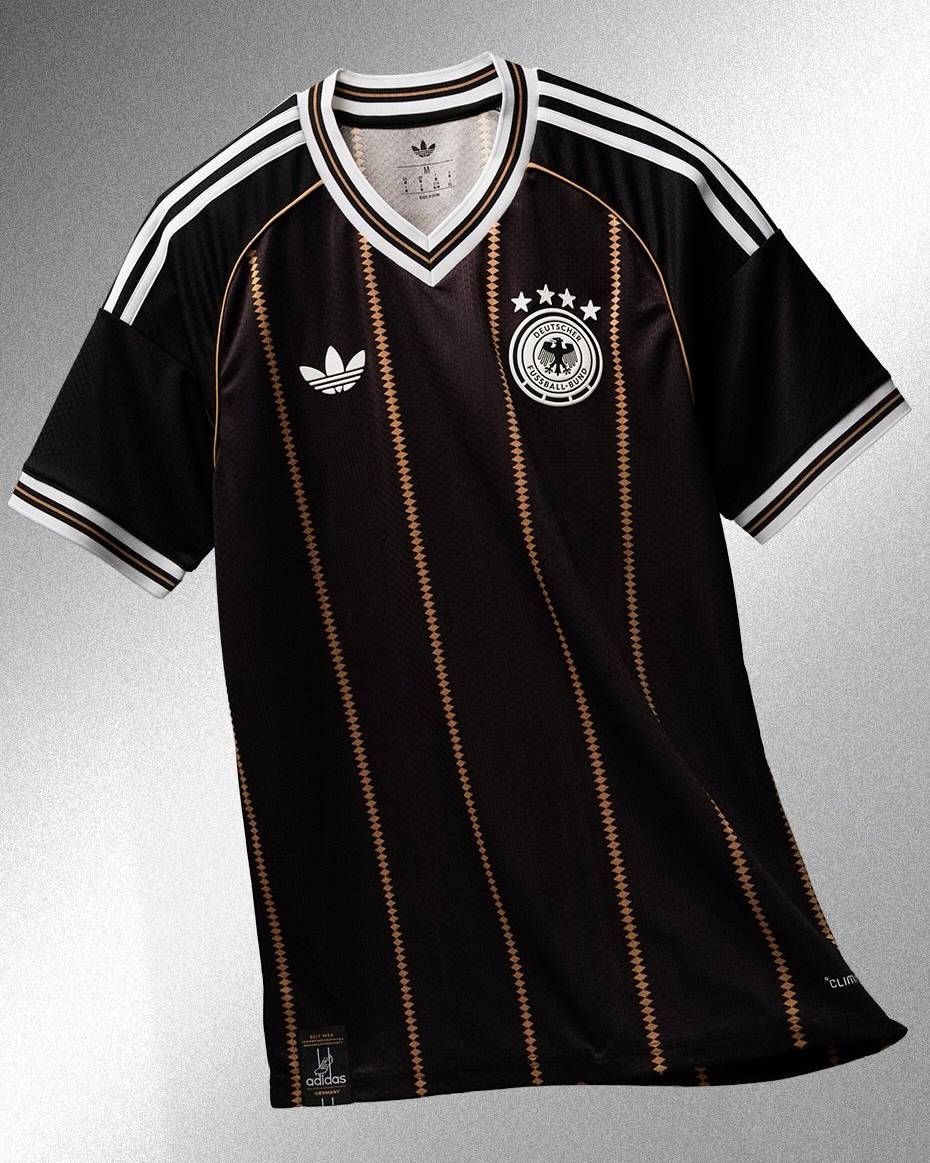
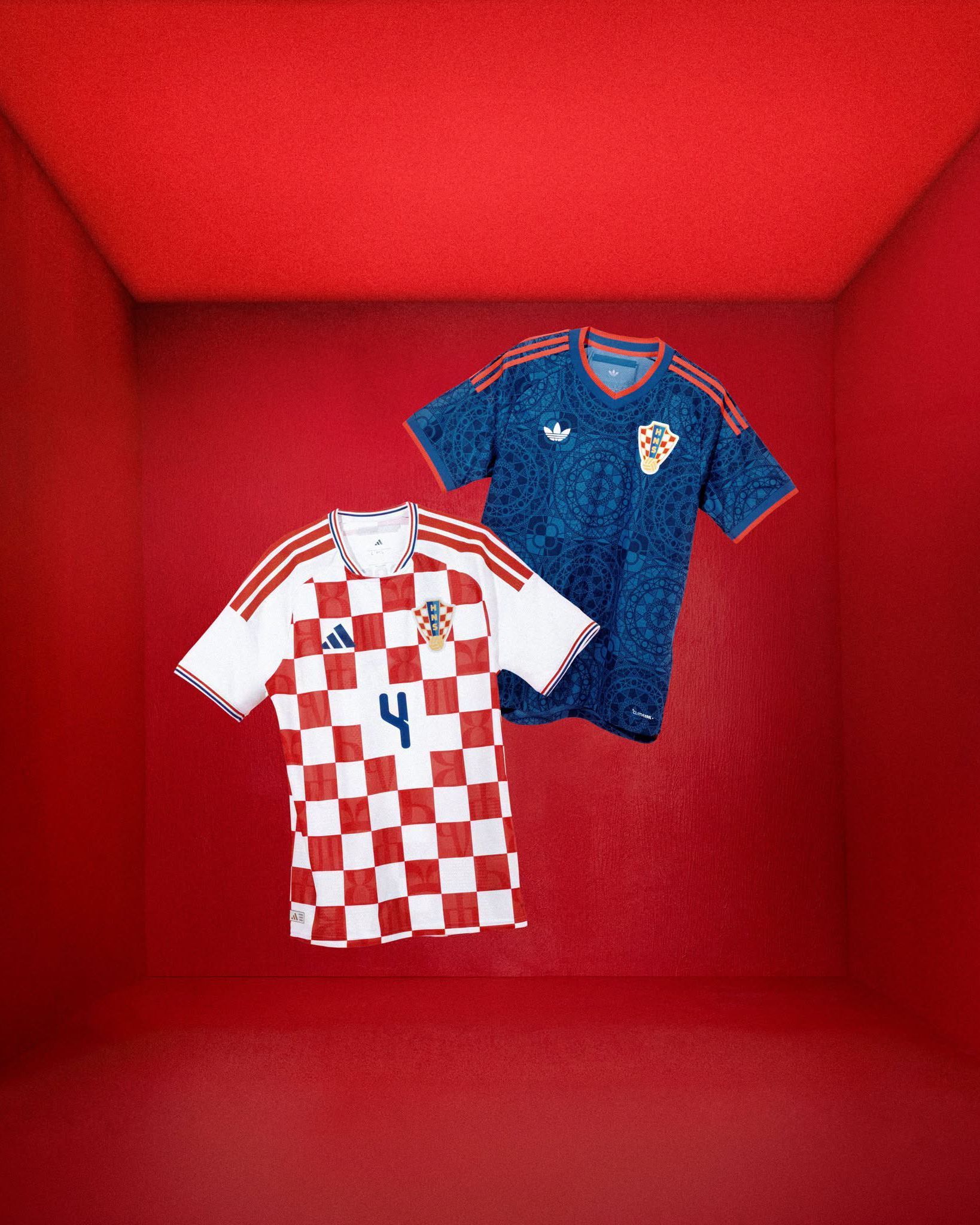
Over the past few months, we have seen two partnerships that shaped the aesthetics of international football reach their final chapter. Germany recently unveiled the final jersey produced by adidas, before the contract expires on December 31 and Nike takes over, ending an iconic relationship that began in 1954. Croatia, meanwhile, has already turned the page after 26 years with Nike and a long succession of red-and-white chequered designs that defined the Balkan national team’s visual identity, now entrusted to adidas.
Following these two farewells, the ranking of the longest-running kit partnerships in international football has changed. Just outside the top five are Honduras-Joma and Switzerland-PUMA, both of which began in 1998 and are tied for tenth place. The Nike deals with Brazil and the Netherlands, both dating back to 1997, share eighth place, followed by Ecuador-Marathon Sports, which began the previous year. Here, then, is the new top five.
5. United States - Nike
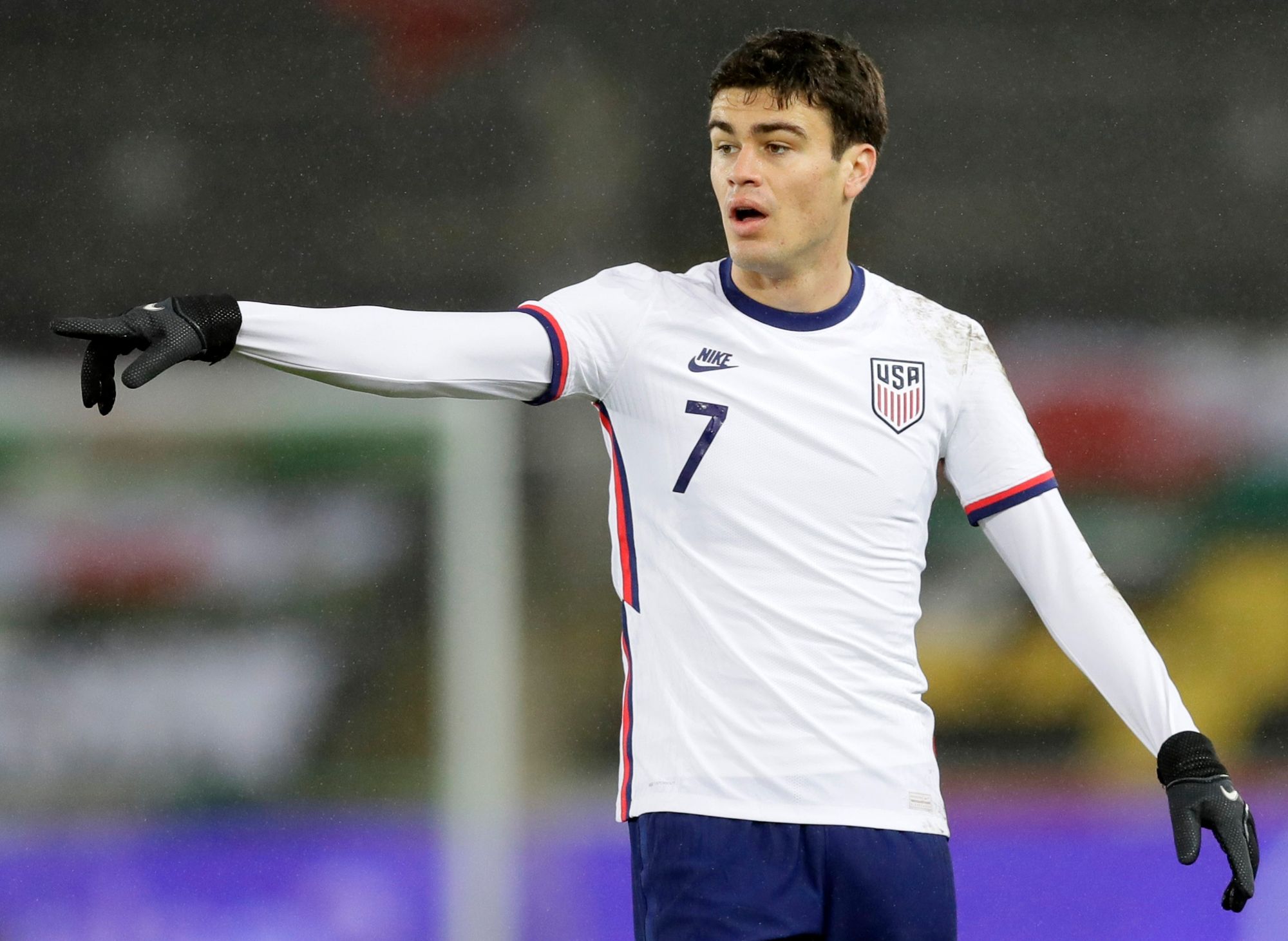
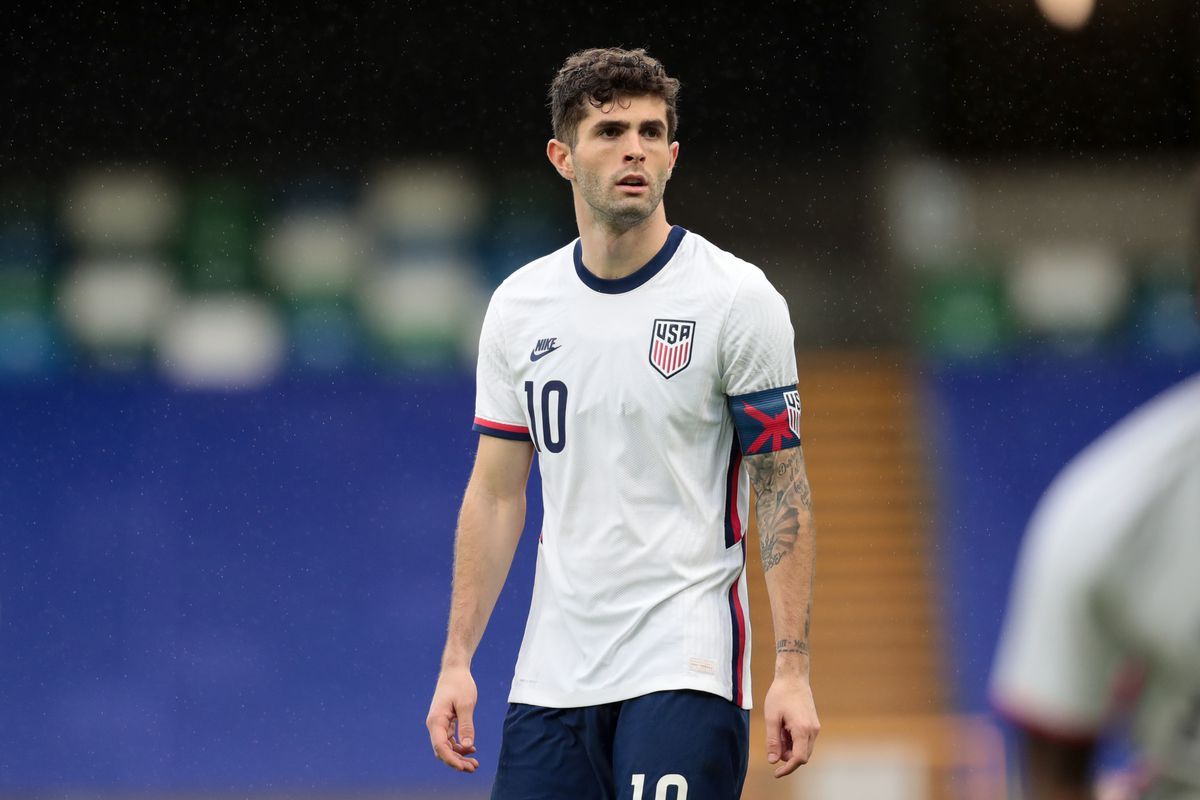
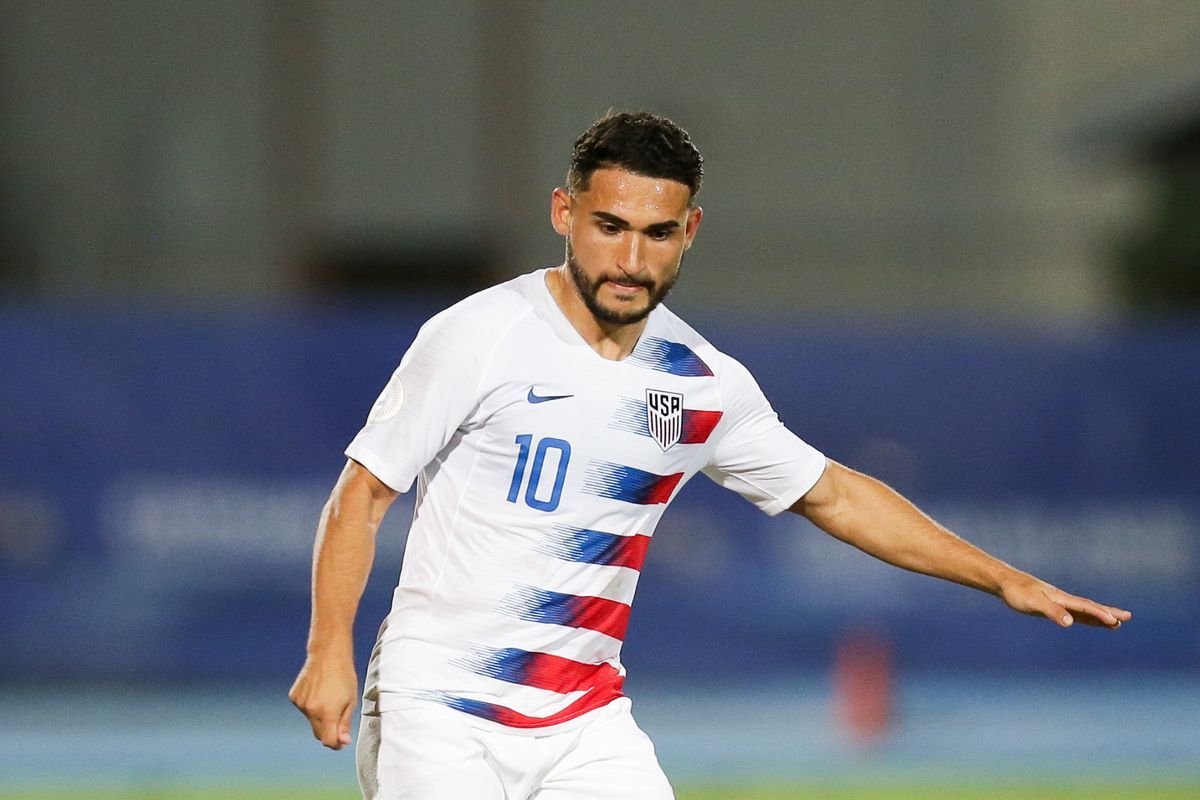
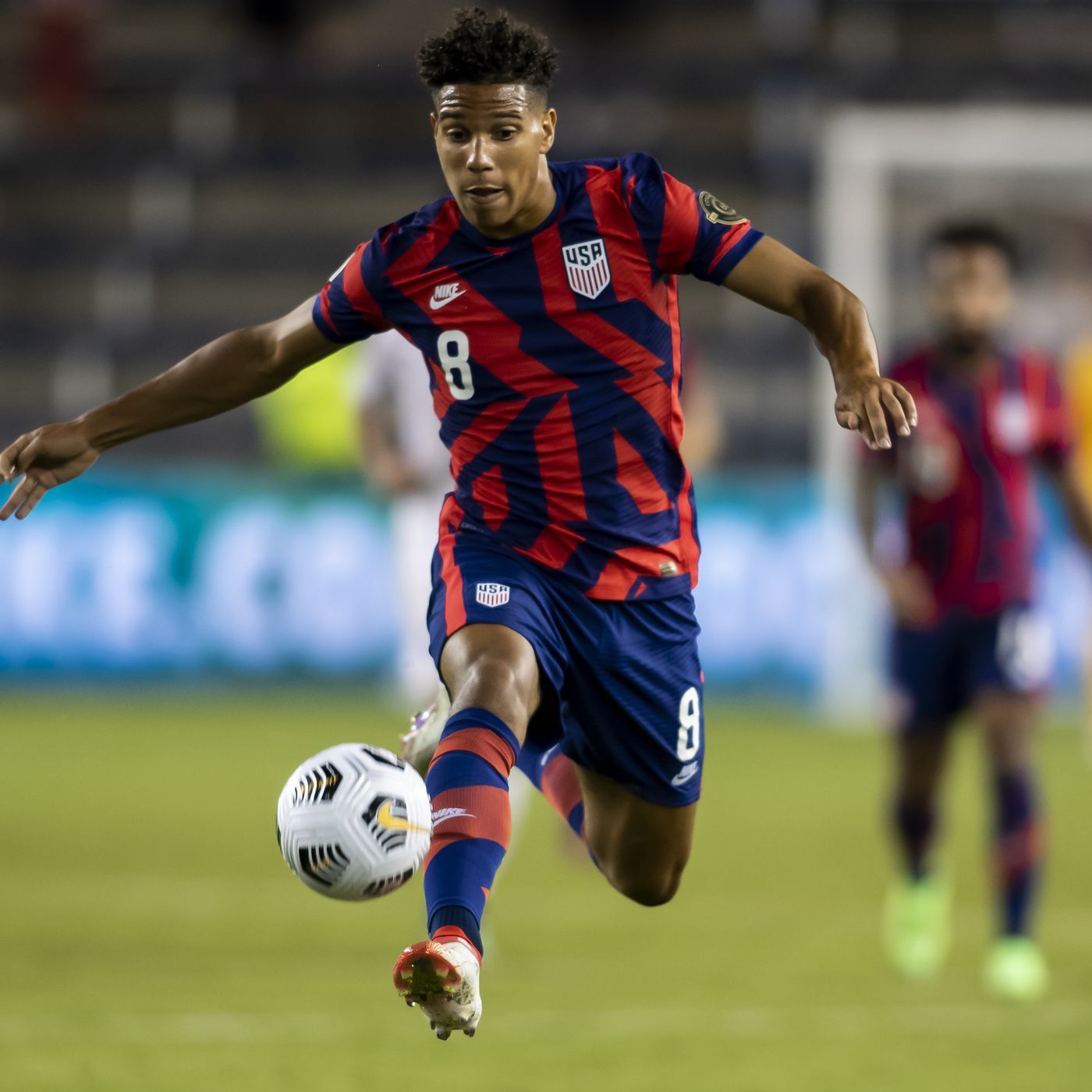
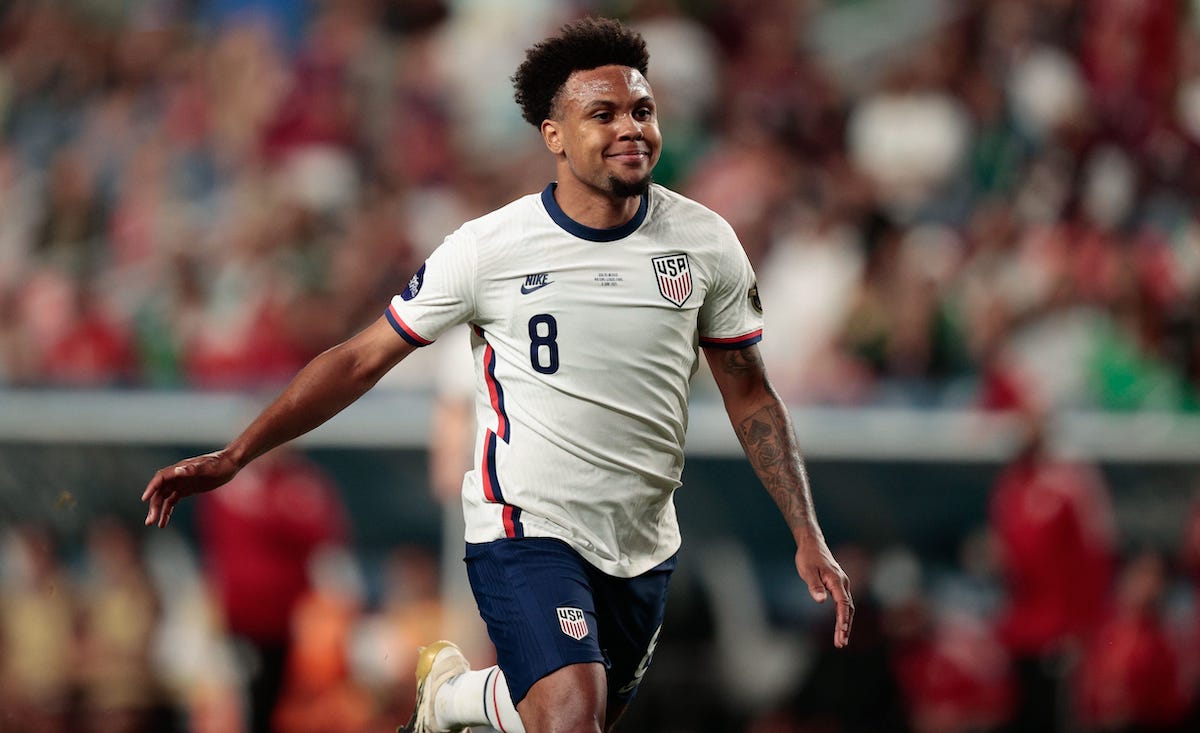
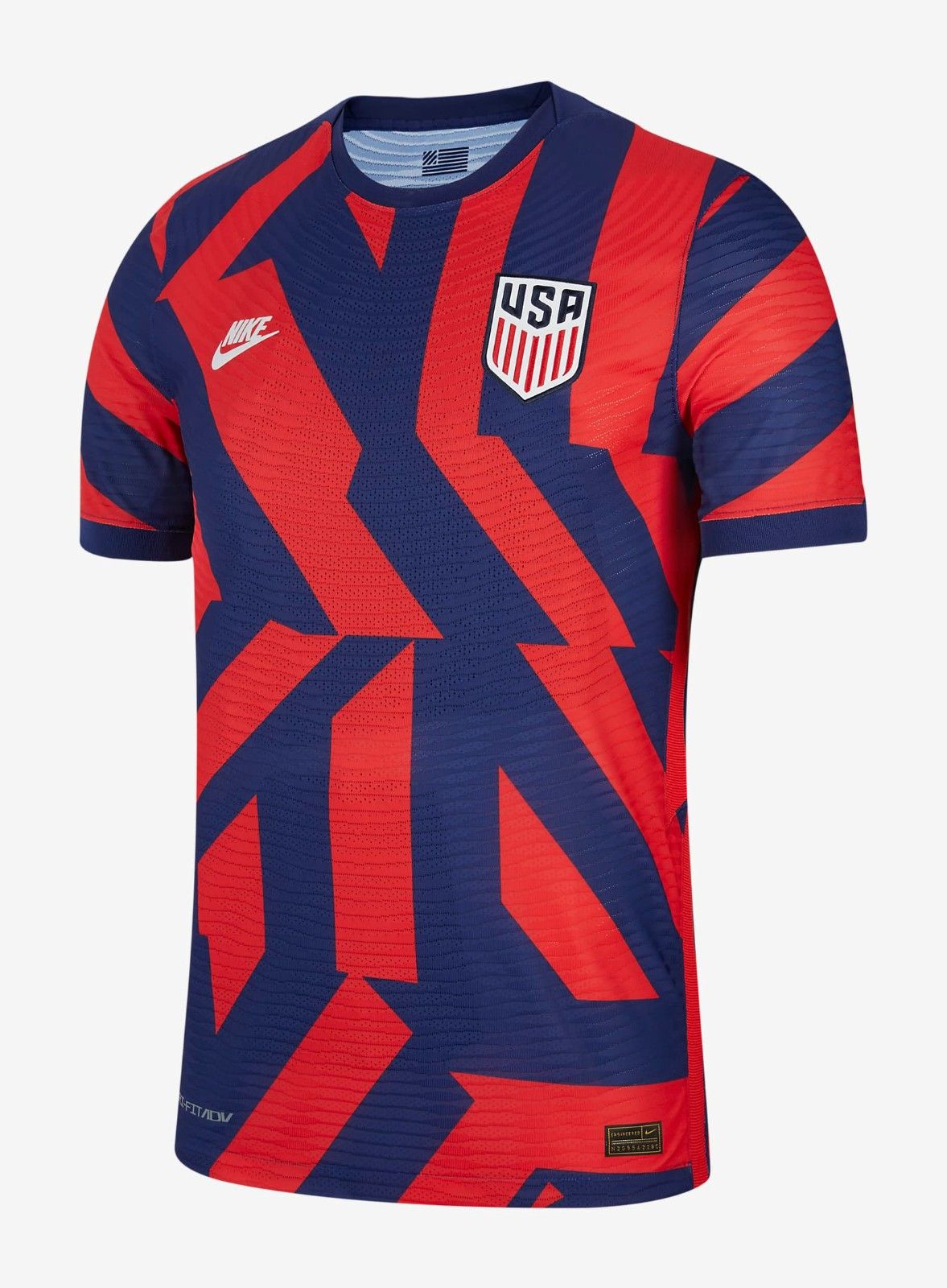
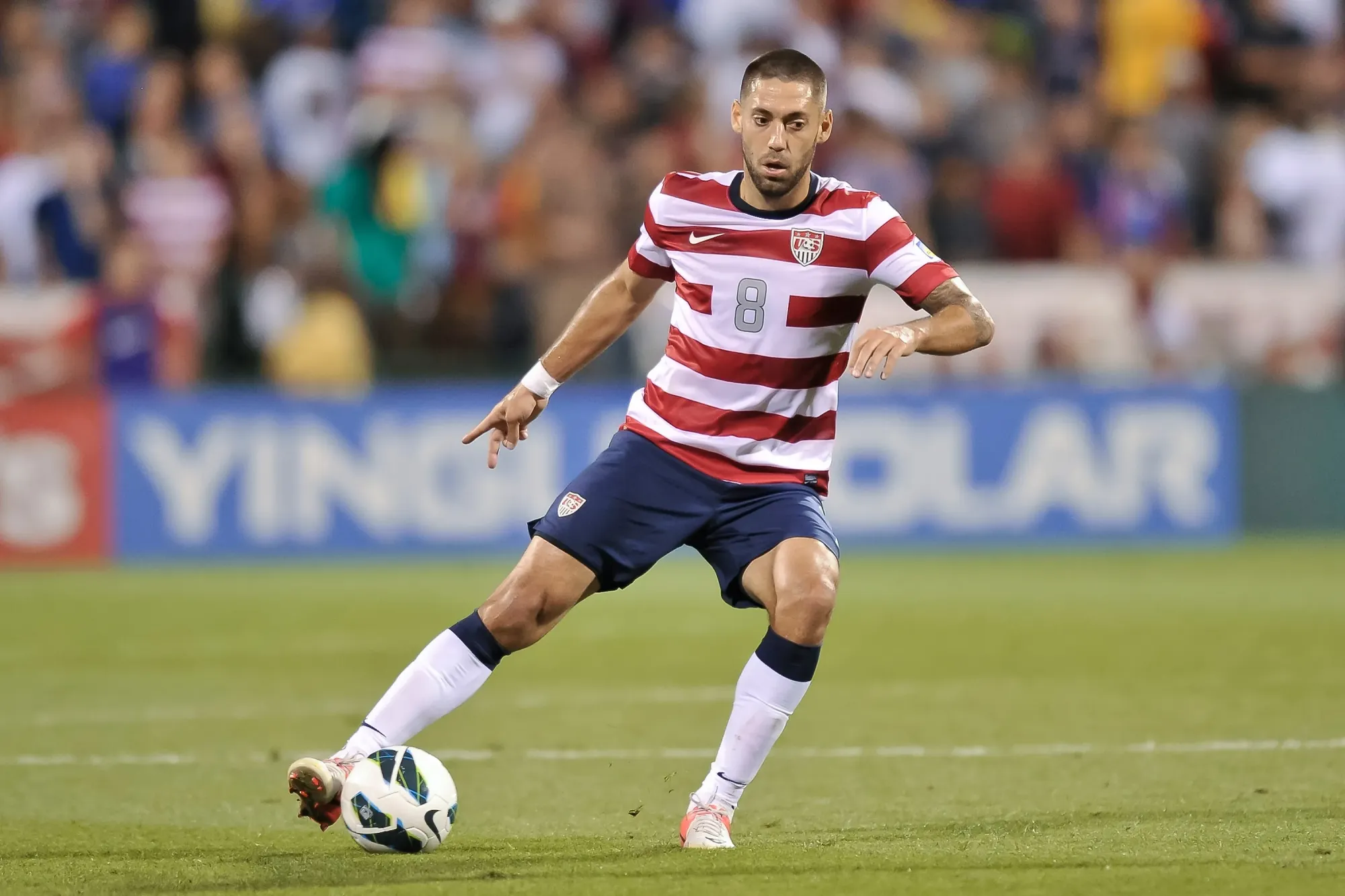
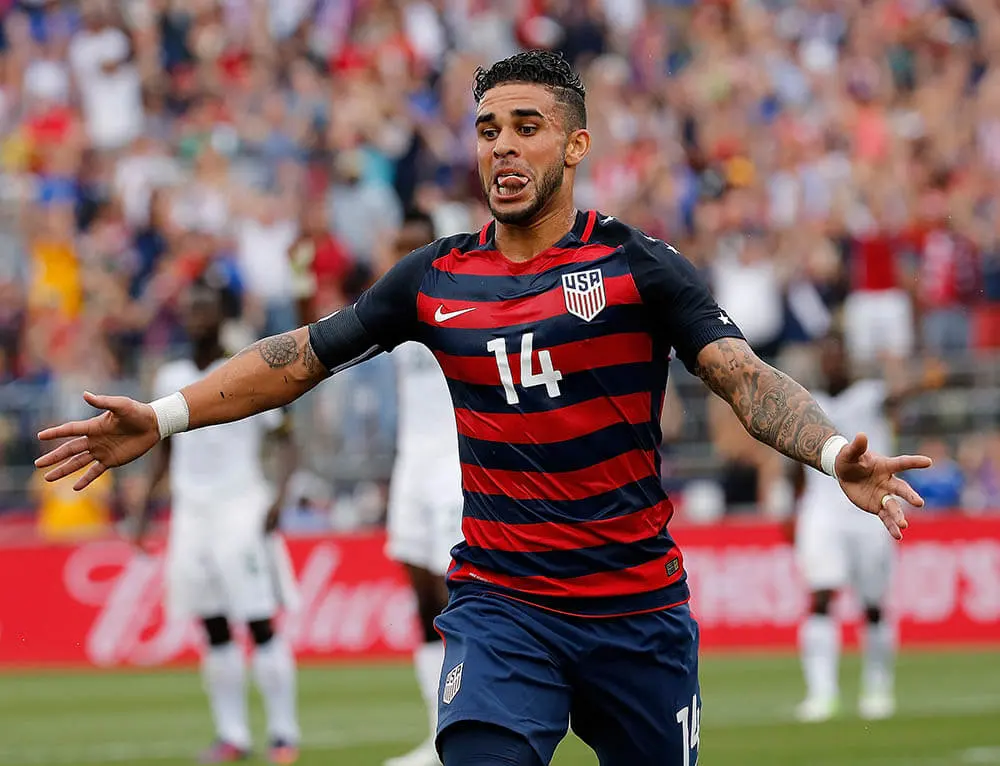
The relationship between the United States and Nike began in 1996, at a particularly significant moment for American football. Two years earlier, the country had hosted its first World Cup; the women’s national team won the first Olympic football tournament in its history on home soil in Atlanta; and the MLS, today’s leading North American league, was being launched. Nike, itself undergoing a period of major expansion in football, took over from adidas.
Among the jerseys that have remained in the public’s memory — as confirmed by BracKITology, a federation-run poll held in 2020 — are the 2012 Waldo jersey, featuring horizontal red and white stripes inspired by the national flag, and the kit created for the 2012 Gold Cup, which adopted a similar design in black and red.
4. South Korea - Nike
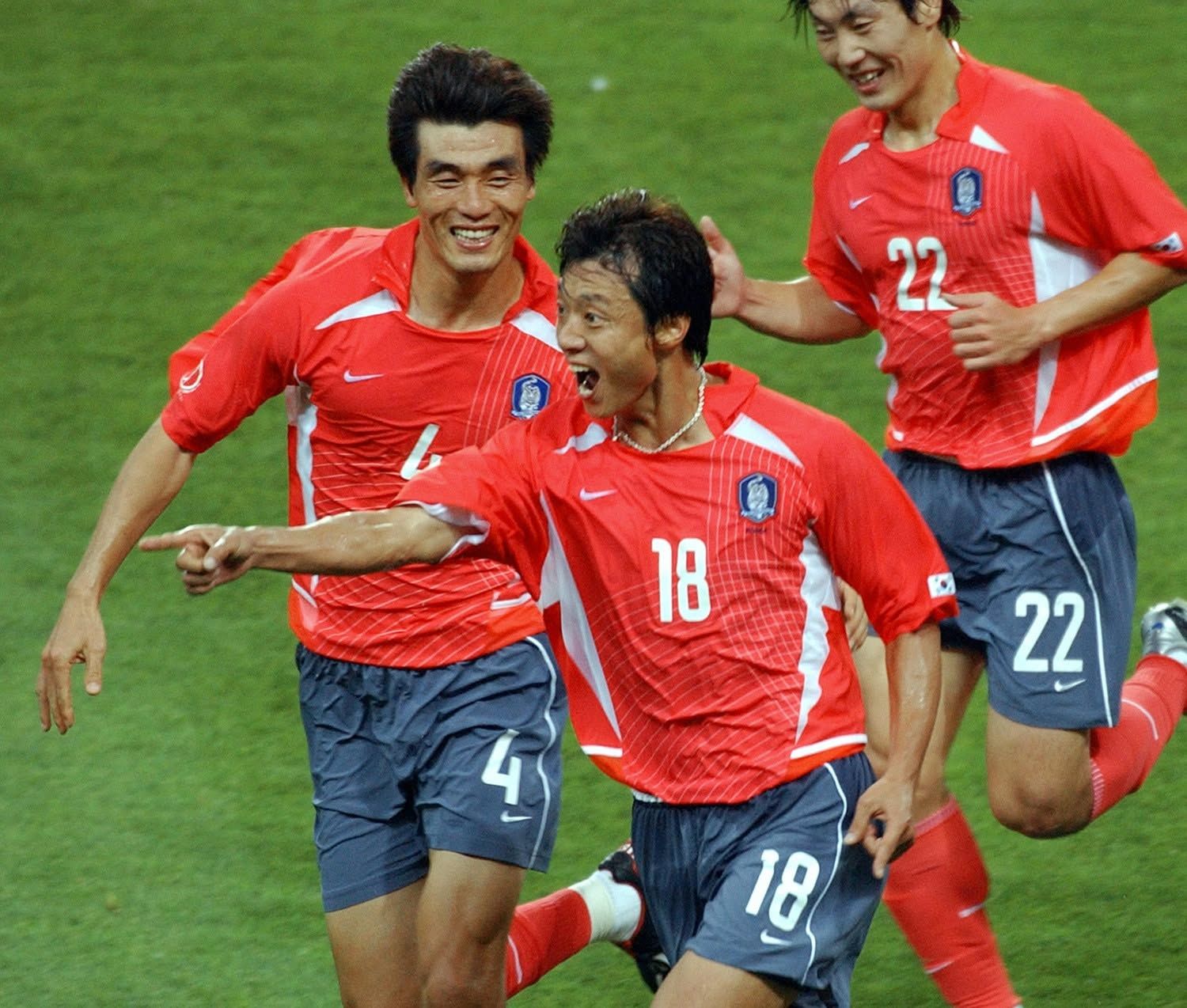
The Oregon brand also occupies fourth place, thanks to its partnership with South Korea, which began in 1995 and has therefore lasted 31 years. Naturally, this includes the jerseys worn during the most important moment in the country’s football history: the 2002 World Cup, co-hosted with Japan. That year, Guus Hiddink’s team surprisingly reached the semi-finals after eliminating Italy and Spain, achieving the best-ever result by an Asian national team.
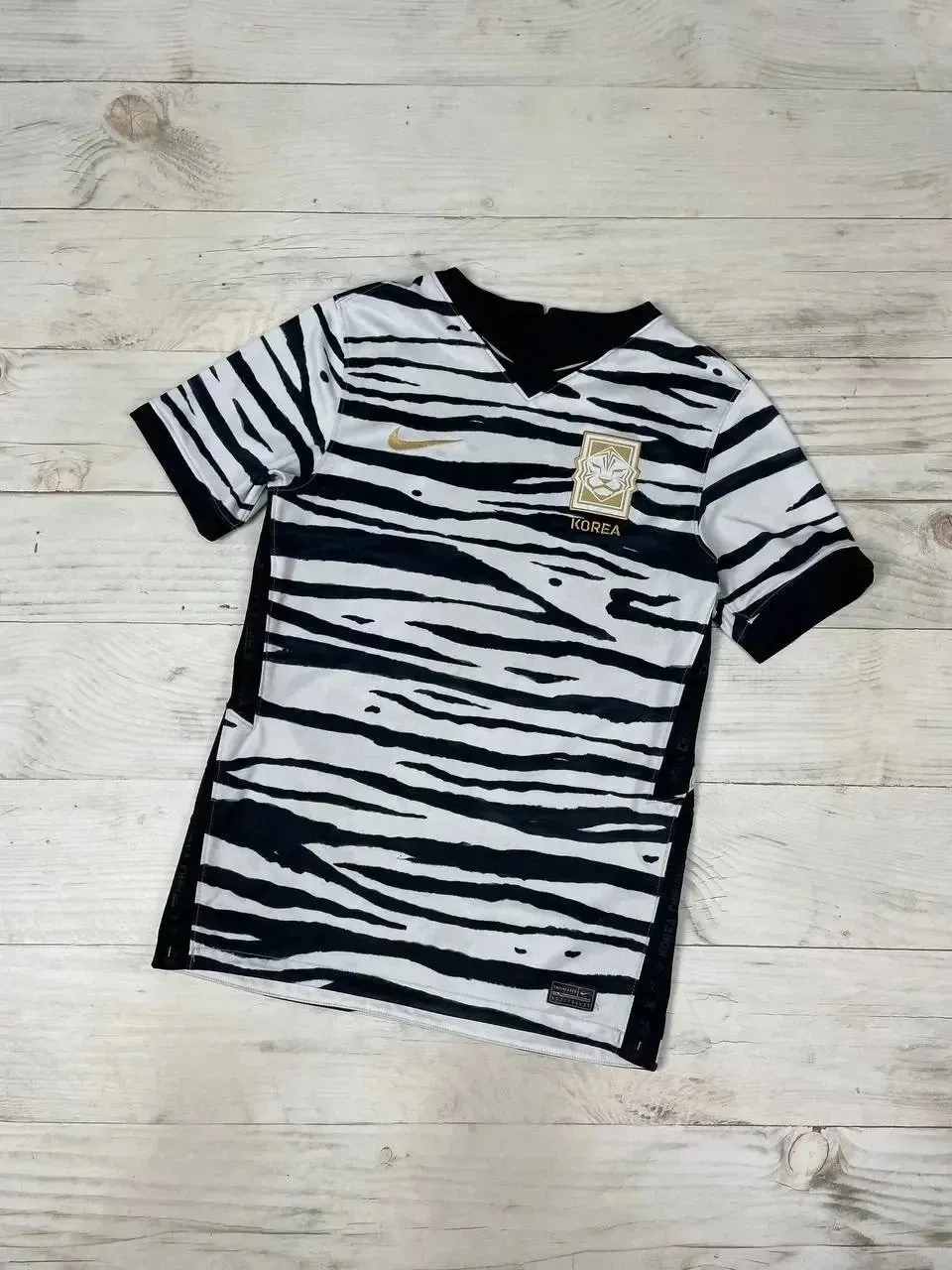
The red of those kits marked a historic chapter for the country and was reproduced in more or less similar versions for over a decade, before giving way to more recent experiments. One example is the 2020 Away jersey, featuring black and white stripes, gold details and a zebra-like look that was actually inspired by the white tiger, a guardian animal in Korean mythology. Then came the 2022, 2024 and 2026 Away jerseys, for which Nike introduced bright colours and bold designs referencing other elements of local culture.
3. Hungary - adidas
Opening the podium are Hungary and adidas, a partnership that began in 1978, was suspended for two years — from 1990 to 1992, when Umbro took over — and was then revived in 1994. For much of the partnership, the Three Stripes accompanied a period of decline for football in Budapest, following the golden age of the post-war era. Euro 2016, however, marked a turning point: it was Hungary’s first appearance at a major tournament since the 1986 World Cup and their first European Championship since 1972. The team went on to become one of the tournament’s surprises, winning its group ahead of Portugal, Austria and Iceland. A campaign remembered aesthetically above all for goalkeeper Gabor Kiraly’s grey tracksuit bottoms.
In recent years, adidas has incorporated references closely connected to the country into Hungary’s kits. On the Euro 2020 jersey, for example, the graphics evoked the Danube, while the 2026 Away kit draws inspiration from the 1990s, bringing back the Trefoil alongside the colours of the national flag on the collar and sleeves and a special crest celebrating the federation’s 125th anniversary.
2. Spain - adidas
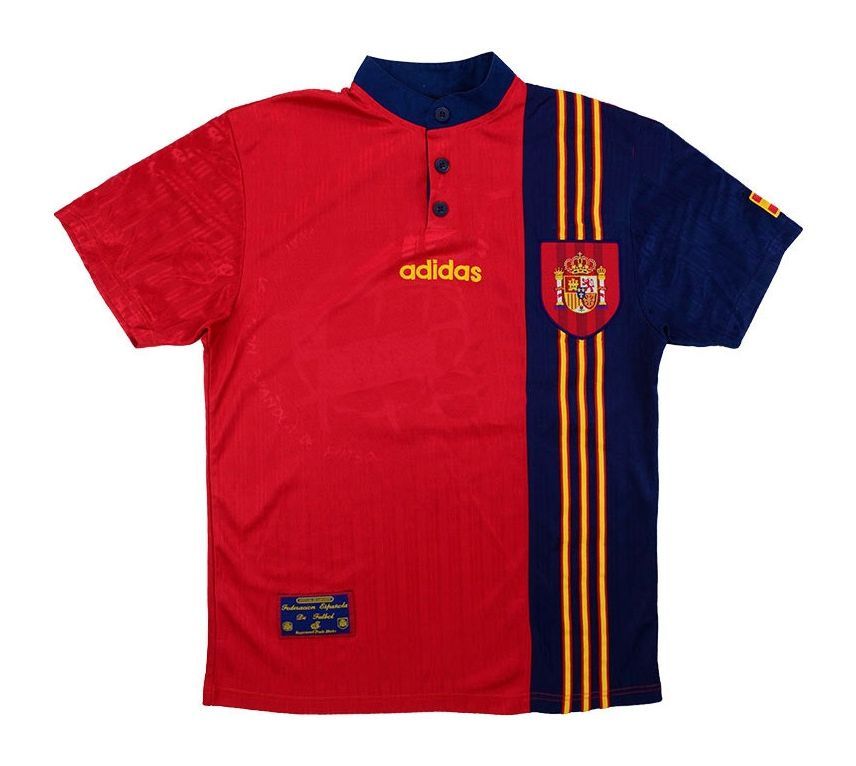
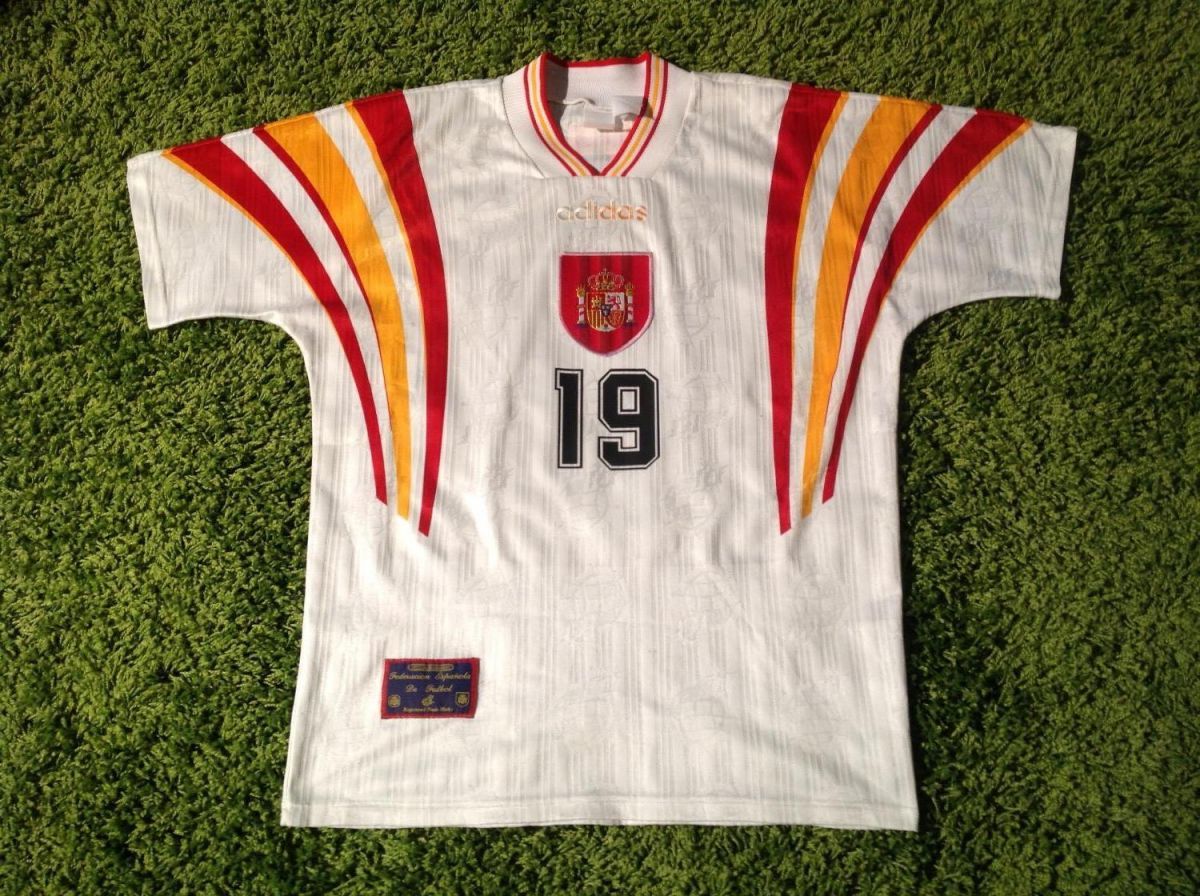
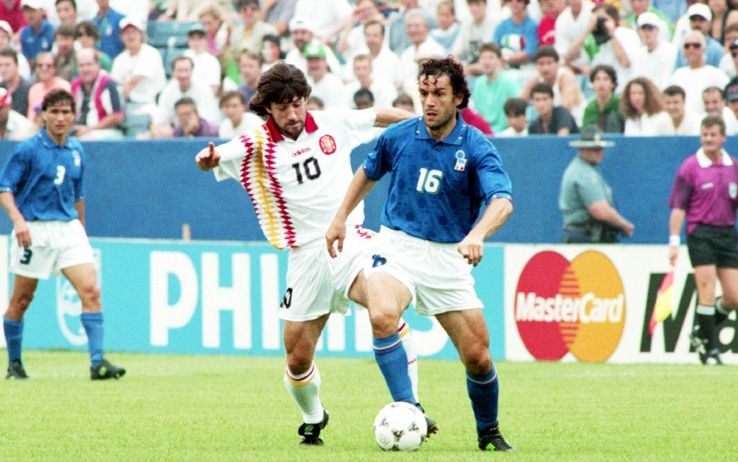
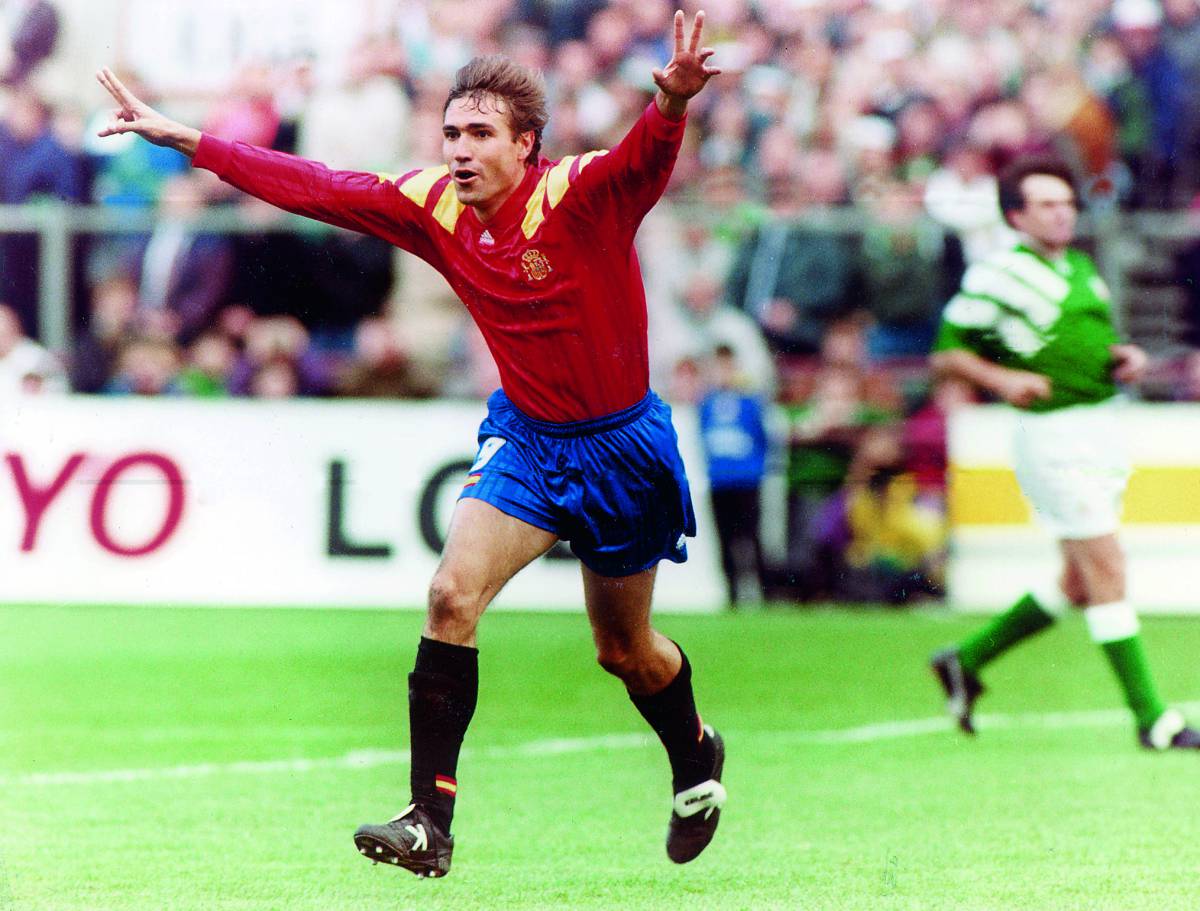
Yes, there are still rankings in which Spain can be found behind other national teams. The reigning world and European champions began their journey with adidas 35 years ago, in 1991, following a previous spell with Le Coq Sportif. This partnership also represented a reunion, as the Bavarian brand had already supplied Spain in the early 1980s. Over the past two decades, however, it has accompanied the country’s golden age, as Spain went from a national team that often fell short to one capable of winning three European Championships and two World Cups since 2008.
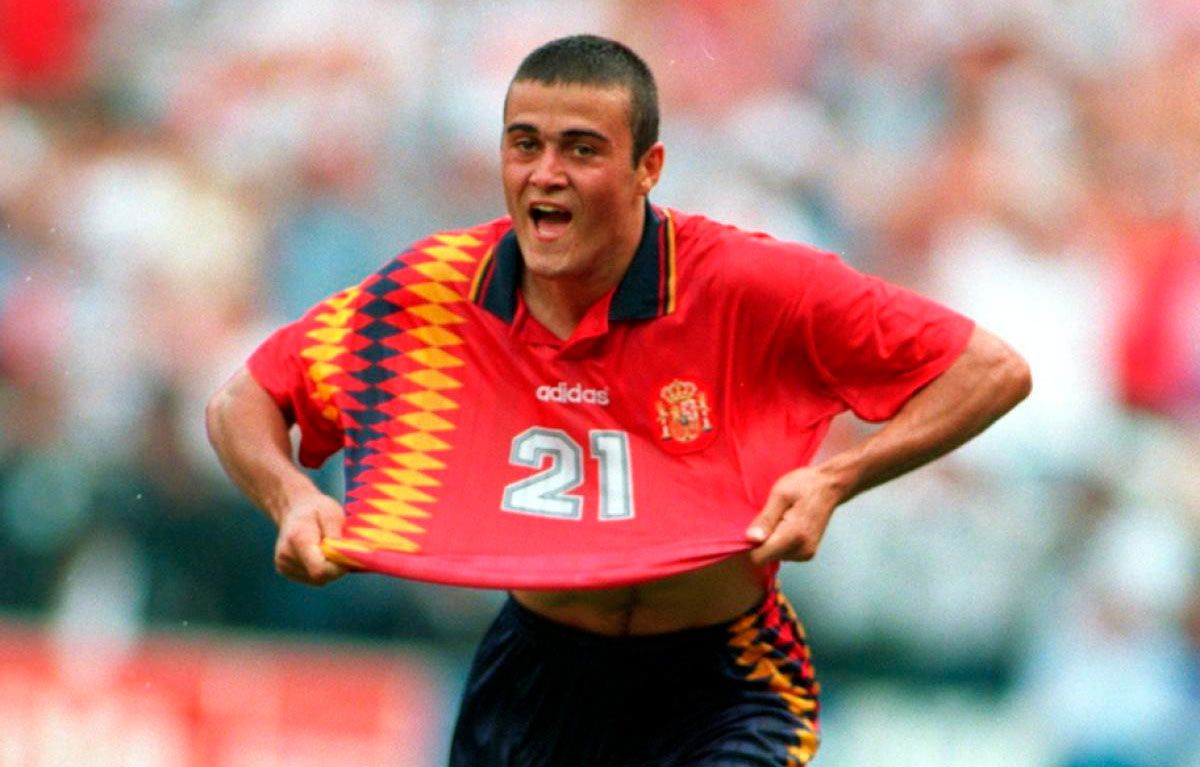
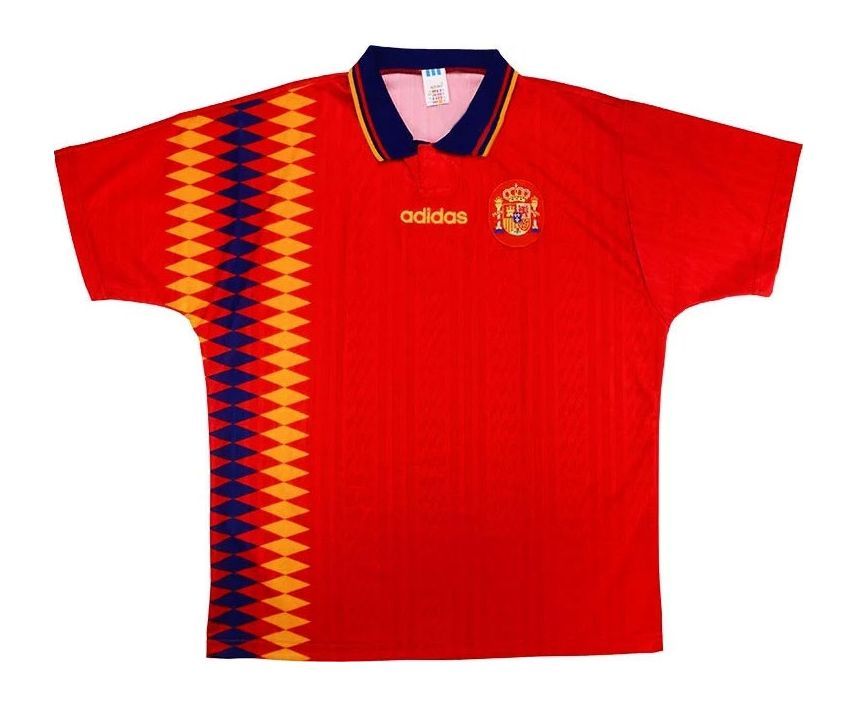
Trophies are not necessary, however, to understand how recognisable this partnership has become. The two USA ’94 kits, featuring diamond patterns along the sides, became adidas catalogue classics and were later reissued in retro versions. The motif also returned on the 2018 World Cup Home jersey, sparking a political debate because of its apparent reference to the Second Spanish Republic. The dark blue 2010 Away jersey, worn in the South African final decided by Andrés Iniesta, and the Home kit for the following World Cup in Brazil, featuring gold details and red shorts to celebrate Spain’s first world title, have also become indelible parts of the collective imagination.
1. Austria - PUMA
With the adidas-Germany era now coming to an end, first place belongs to Austria. Its relationship with PUMA dates back to 1977, almost half a century ago. The partnership has spanned very different eras of Austrian football and even saw the country host its first European Championship. In 2008, Austria co-hosted the tournament with Switzerland and made its first appearance in the final stage of the competition.
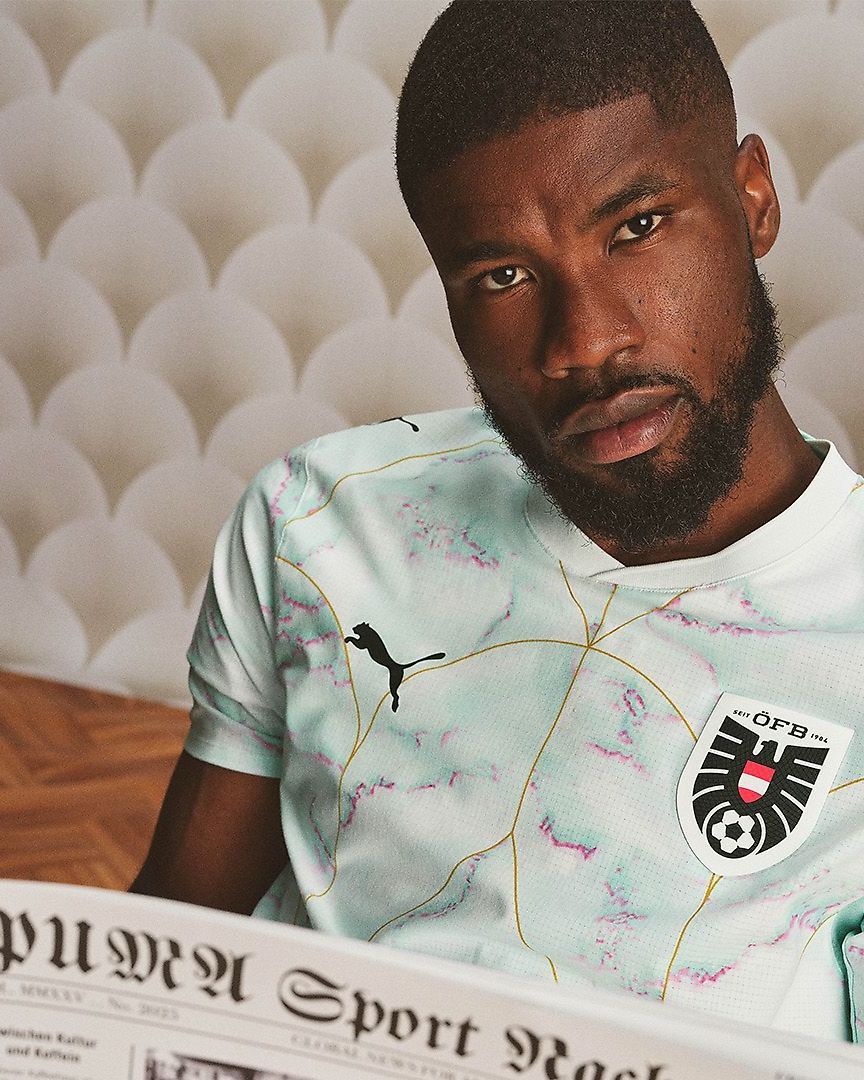
Over these five decades, PUMA has also accompanied the change in the colour with which the national team is now identified. For decades, Austria played predominantly in black and white, while red was reserved for the Away kit — worn, for example, during the “Miracle of Córdoba”, the famous 3-2 victory over West Germany in 1978. From the early 2000s onwards, red became the primary colour, establishing itself as the reference point for the Home jerseys. The Away kits, meanwhile, have allowed greater room for experimentation, such as the black and turquoise design unveiled in 2019, inspired by Jugendstil, the local interpretation of Art Nouveau.