
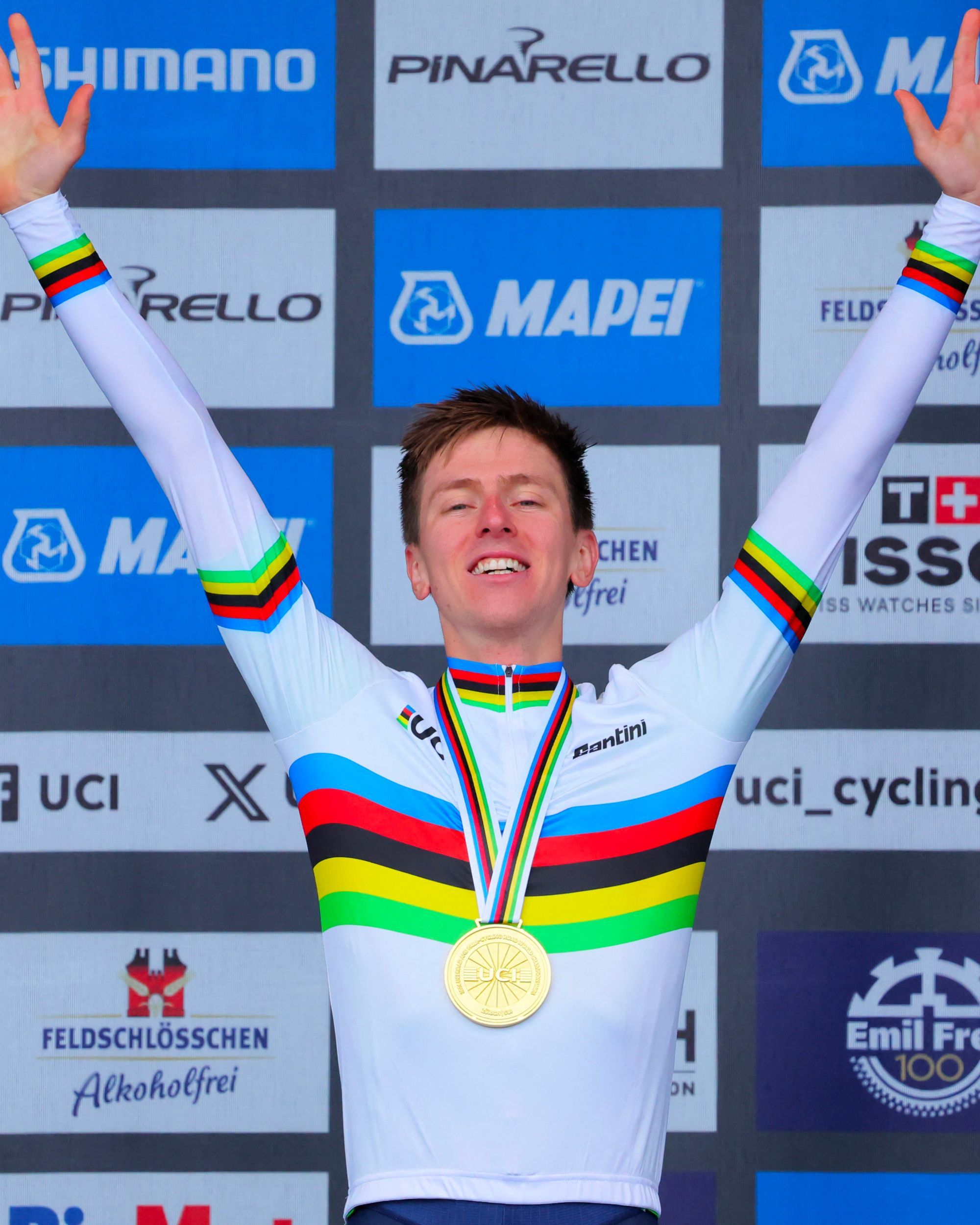
Who designs the rainbow jersey for the World Cycling Championships? And what rules must be followed?
The cycling world is about to experience a historic moment: the 98th edition of the UCI Road World Championships will be held in Rwanda. This is the first World Championship ever on the African continent. The two elite time trials will open the program on Sunday, September 21 while the elite men's road race will conclude the World Championships on September 28. A week of races that will award one of cycling's most sought-after and iconic jerseys: the rainbow jersey. The rainbow jersey is a symbol steeped in history, with those five colored bands on a white background passed down from generation to generation without losing any of their magic. This is because to make that jersey you must follow very precise rules established by the Union Cycliste Internationale (UCI). They know this well in Bergamo because the rainbow jersey bears the signature of Santini, the Italian company that since 1988 has been UCI's official partner.
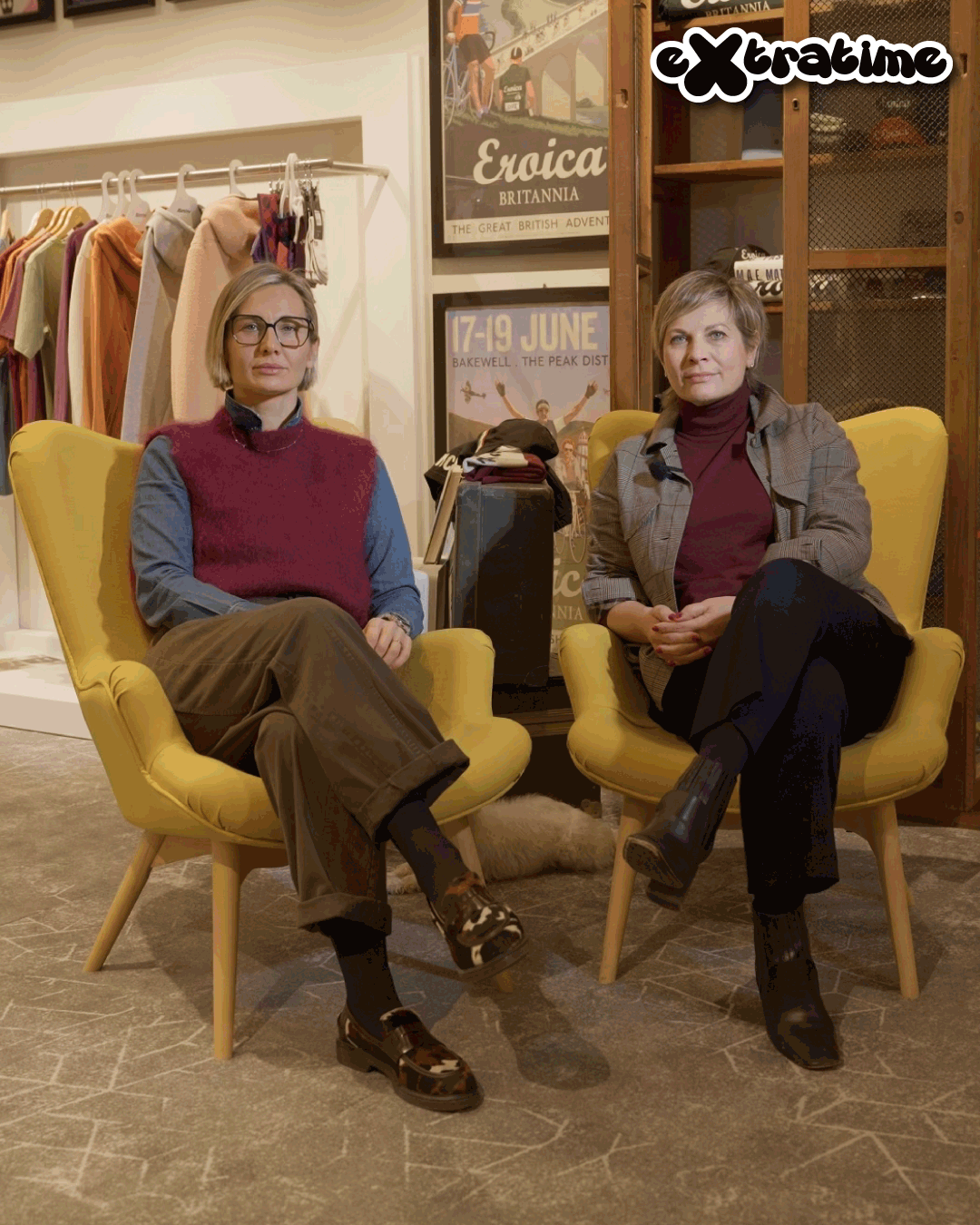
“Those stripes come with a number of constraints - points out Monica Santini, CEO of the company - . I believe we know better than anyone how the rainbow can be used. Sometimes we try to push the UCI a little further, and I must say that sometimes they have supported our proposals, other times they have told us they want to be very traditional and classic.” The first constraint is unquestionably the order of the colors, which cannot be changed: blue, red, black, yellow and green. Secondly, the shades of those colors cannot be altered because the UCI has registered the respective Pantones of the five colors. No exception is allowed for the placement of logos and the maximum area that can be used. For example, the UCI logo must always appear in the top left using the pre-approved format, so a rectangle in which black letters are applied on a white background with a small rainbow closing the left side for a maximum area of 35 square centimeters.
An aesthetic freedom that the UCI allows is the size of the bands, horizontal or vertical depending on where they are applied, the chest or the collar. "But they must all have the same dimensions - explains Fergus Niland, Creative Director of Santini - There are aspects we can control, such as the materials. For example, years ago we worked on recycled materials because there was a desire to go in that direction. Then of course if we want to change the material, we must ensure that the colors, once applied, meet the standards. In the end the UCI is a political entity, an institution with which you must collaborate carefully for the creation of commercial products".
"Another aspect we must always take into account is that when we present a collection to the UCI, we must always present both a line dedicated to men's cycling and a line dedicated to women's cycling", adds Paola Santini, Marketing Manager of the company. Santini is one of the pioneers of cycling apparel and for this reason was one of the first brands to work with the UCI, a collaboration started as supplier and then became official in 1988 when the Santini logo began to appear on the rainbow jersey. In almost 40 years of partnership, a mutual trust has developed between the parties that today allows Santini to also be the UCI's official merchandiser and therefore to be able to replicate the rainbow in some of its lines such as the Nations Line, the cycling jersey collection that celebrates the nations that have hosted some of the most iconic editions of the UCI World Championships.
Holding the commercial rights also allows Santini to be the only brand that can sell the official jersey. "Our product is only what is seen on the World Championship podium - Monica Santini explains further -. From the day after, if the winning rider wants to wear the rainbow jersey, his team will produce it. That team can do everything necessary to dress the world champion for the following year, without however holding the commercial rights. If Pogacar were to win, Pissei (sponsor of UAE Team Emirates, Pogacar's team, ed.) could produce the jersey and all the material needed to dress him as world champion but could not sell those products unless they pay royalties to the UCI. However, if rider for a team sponsored by Santini wins, as Mads Pedersen of Lidl-Trek did in 2019, we could sell that team's rainbow jersey too".
The World Championships in Africa, notwithstanding some logistical issues that forced the company to face more bureaucracy than expected, represent a new chapter in this long partnership between Santini and the UCI. "As a partner - concludes Monica Santini - we wanted to be on board and support the UCI which, its president above all, strongly wanted the first World Championship in Africa. We are curious. Who knows how it will be, maybe it will be the first of many".