










The aesthetic legacy of Nagano 1998 is overlooked Snowboarding, curling and the NHL players' first appearance at Winter Games

In the history of major sporting events, certain editions stand apart. They redefine aesthetics. Culture. Competition. They draw a sharp line between what came before and what follows, offering a clear sense of direction for the future. For the Olympic Games, that watershed moment is Barcelona 1992—the edition that turned the Olympics from a purely athletic spectacle into a mainstream cultural platform, capable of leaving behind a lasting aesthetic and creative legacy. When it comes to the Winter Olympics, the equivalent turning point is Nagano 1998.
NHL players at the Olympics: hockey goes global
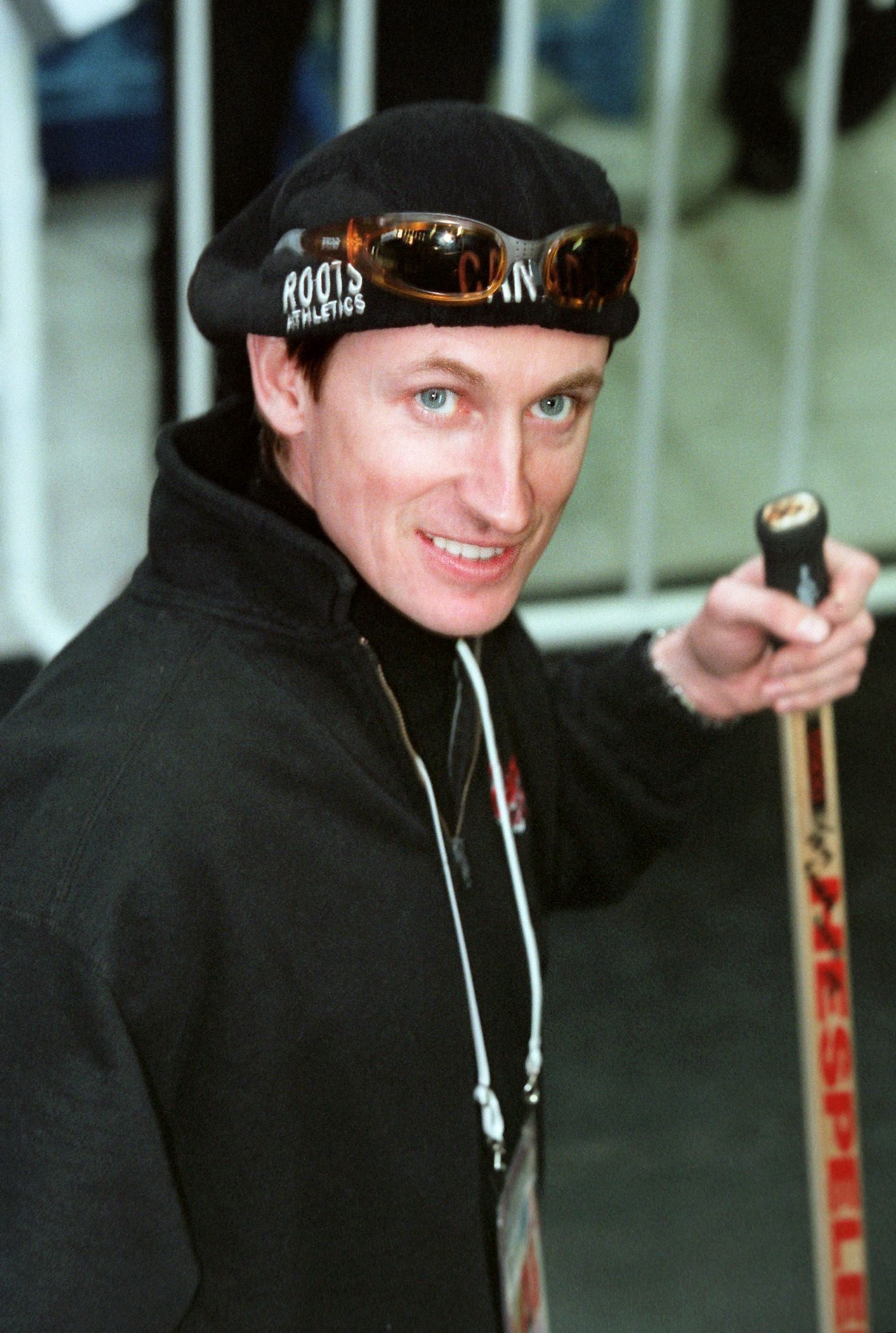
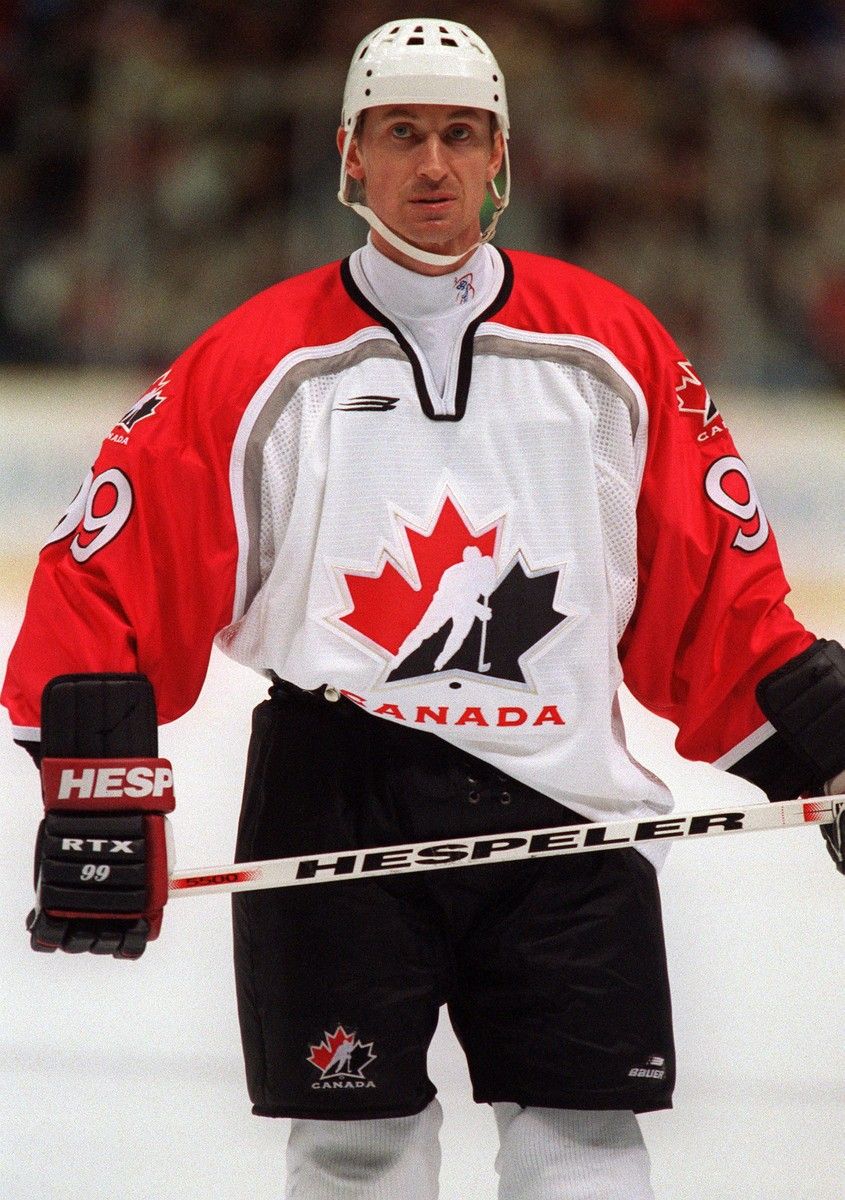
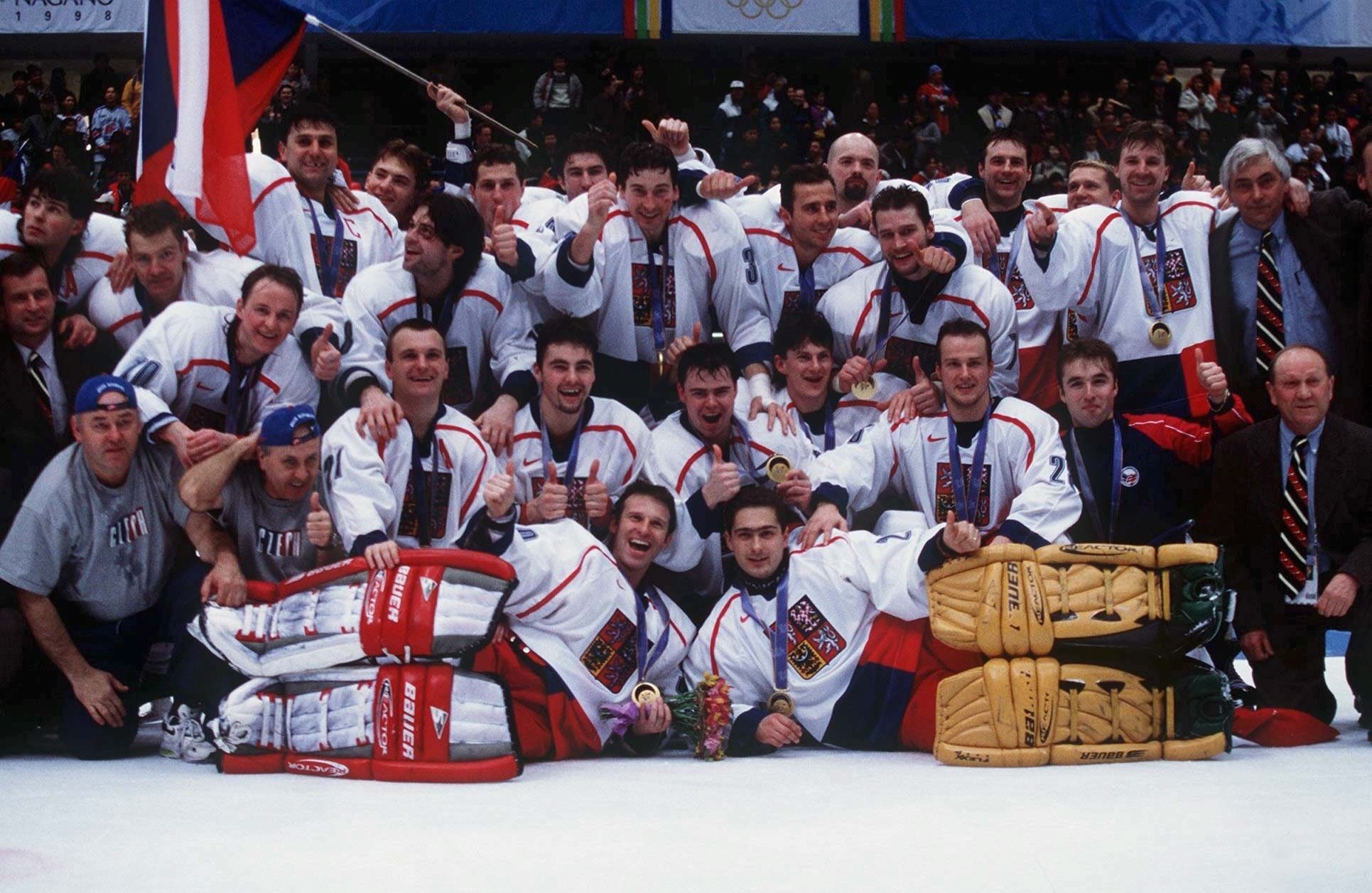
If Barcelona 1992 is forever associated with the debut of the Dream Team—the first U.S. basketball squad to feature NBA players—Nagano 1998 marks the arrival of NHL players on the Olympic stage. A seismic shift for ice hockey. For the first time, the sport’s elite, drawn from the world’s most competitive professional league, were allowed to compete for Olympic gold. The moment became instantly iconic when Wayne Gretzky boarded the plane carrying Team Canada to Japan. The hockey equivalent of Michael Jordan, Gretzky was already the greatest player in NHL history and its all-time leading scorer—yet he had never appeared at an Olympic Games before Nagano. Unlike the Dream Team, who won gold in Barcelona without facing any strong competition, Gretzky's Canada will return from Japan empty-handed. They lost to Finland in the bronze medal match, having previously lost to the Czech Republic in the semi-finals. The Czech Republic went on to win gold.
The inclusion of NHL players elevated the status of the Winter Olympics as we understand them today. It also reinforced the IOC’s decision to position the men’s ice hockey gold medal game as the final event of the Winter Games—a tradition carried over from previous editions. A closing statement designed to command global attention, offering the highest possible level of team competition. The same will be true at Milano Cortina 2026, where NHL players will return after missing the last two editions: PyeongChang 2018, due to a breakdown in negotiations between the league and the international federation, and Beijing 2022, amid Covid-19 concerns.
Snowboarding and street culture enter the Games
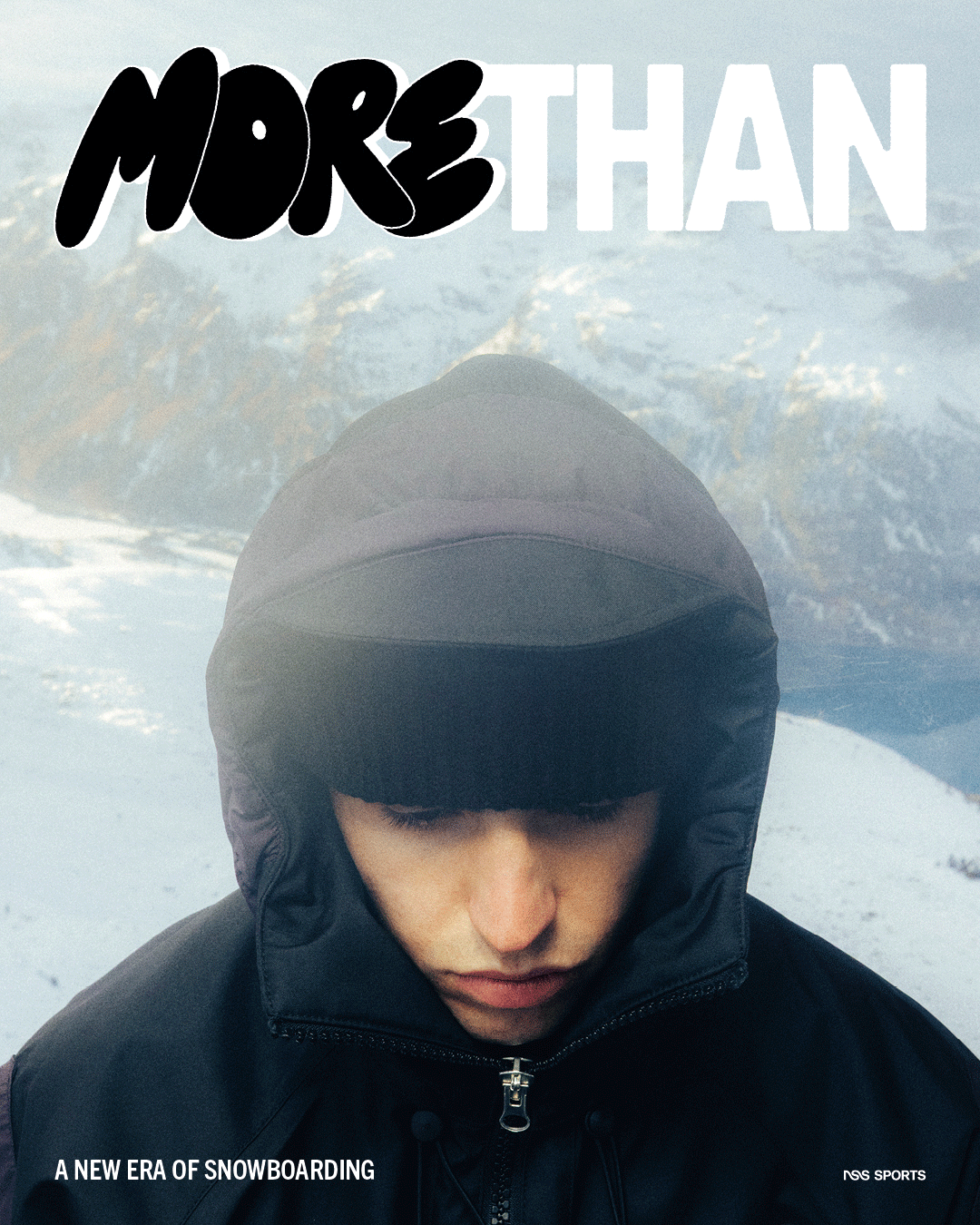
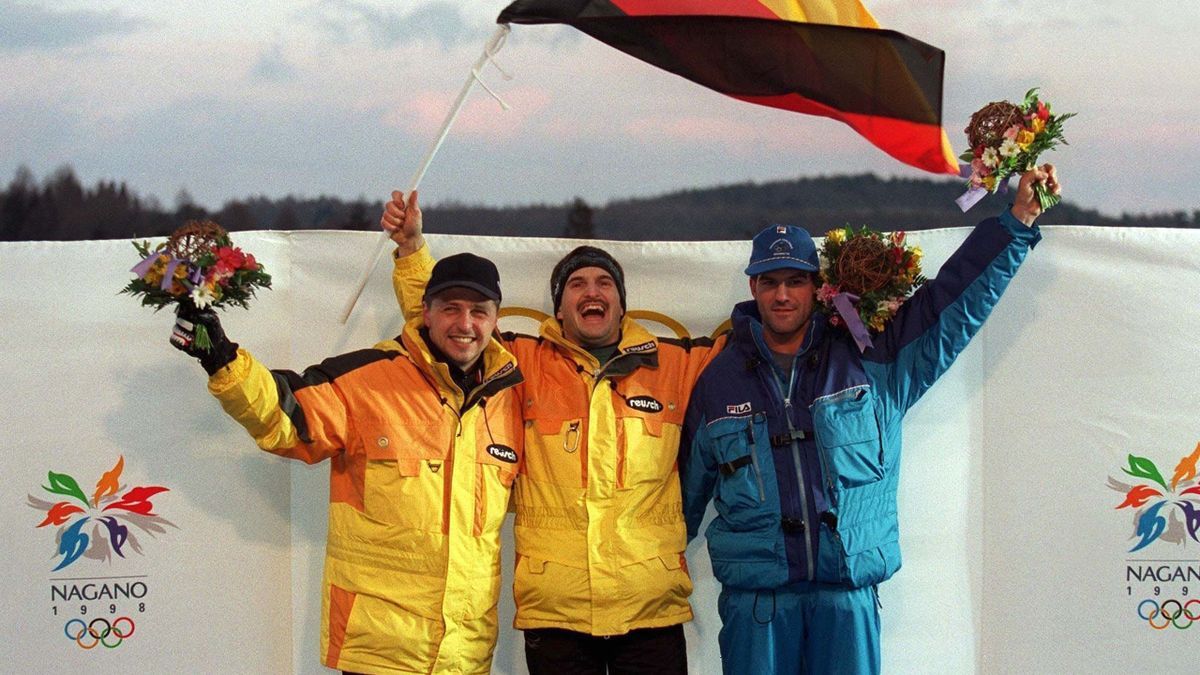
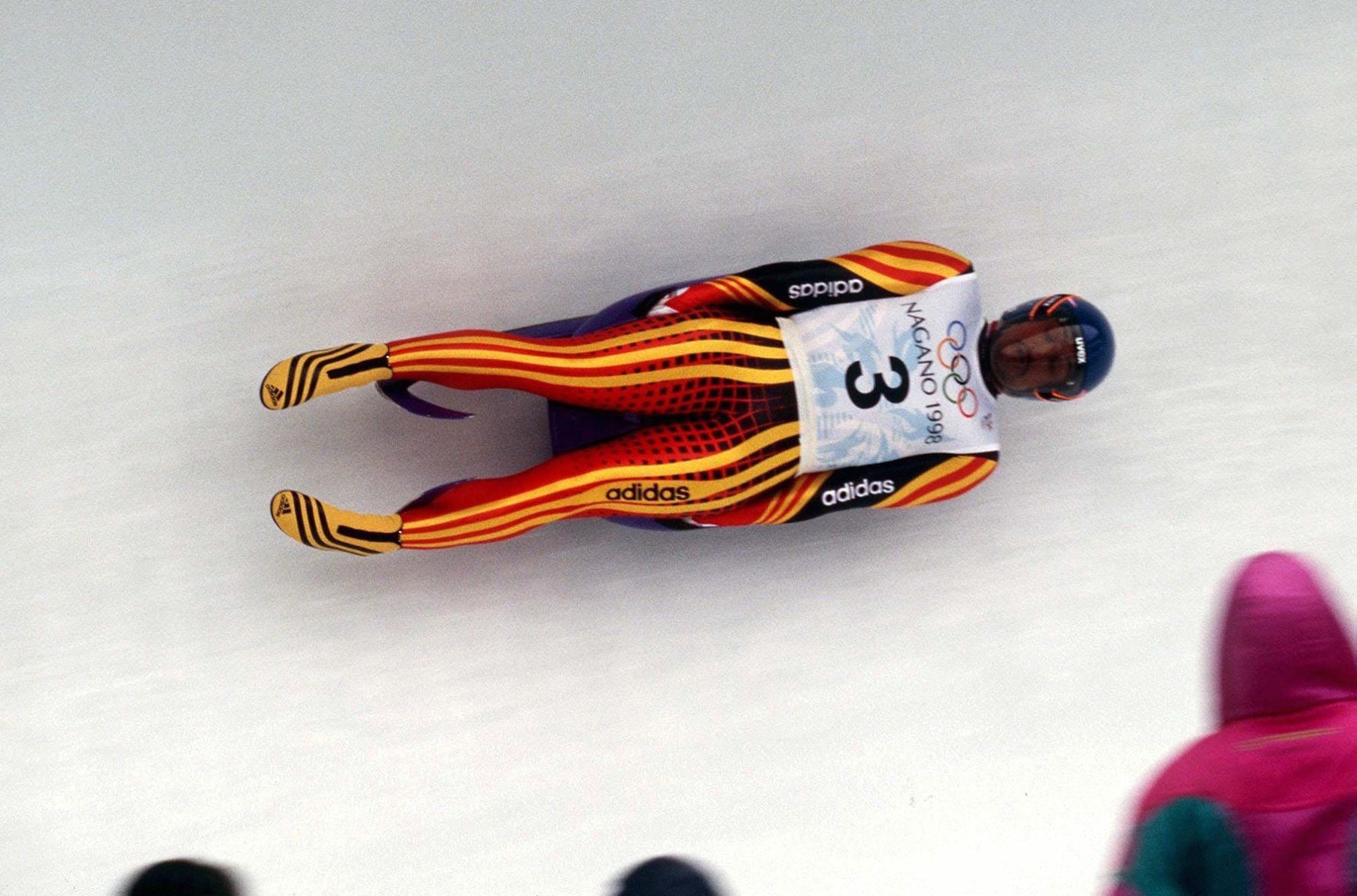
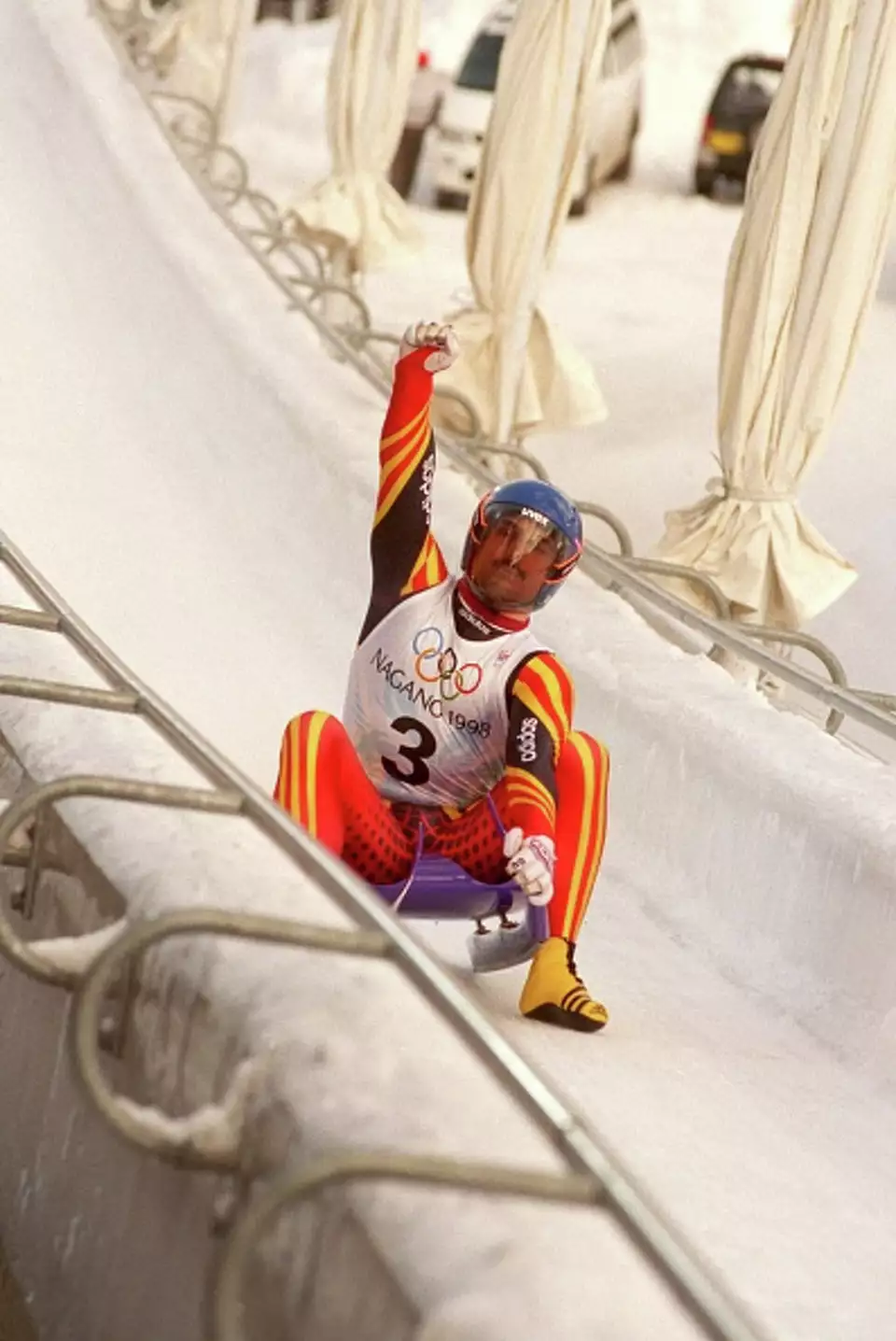
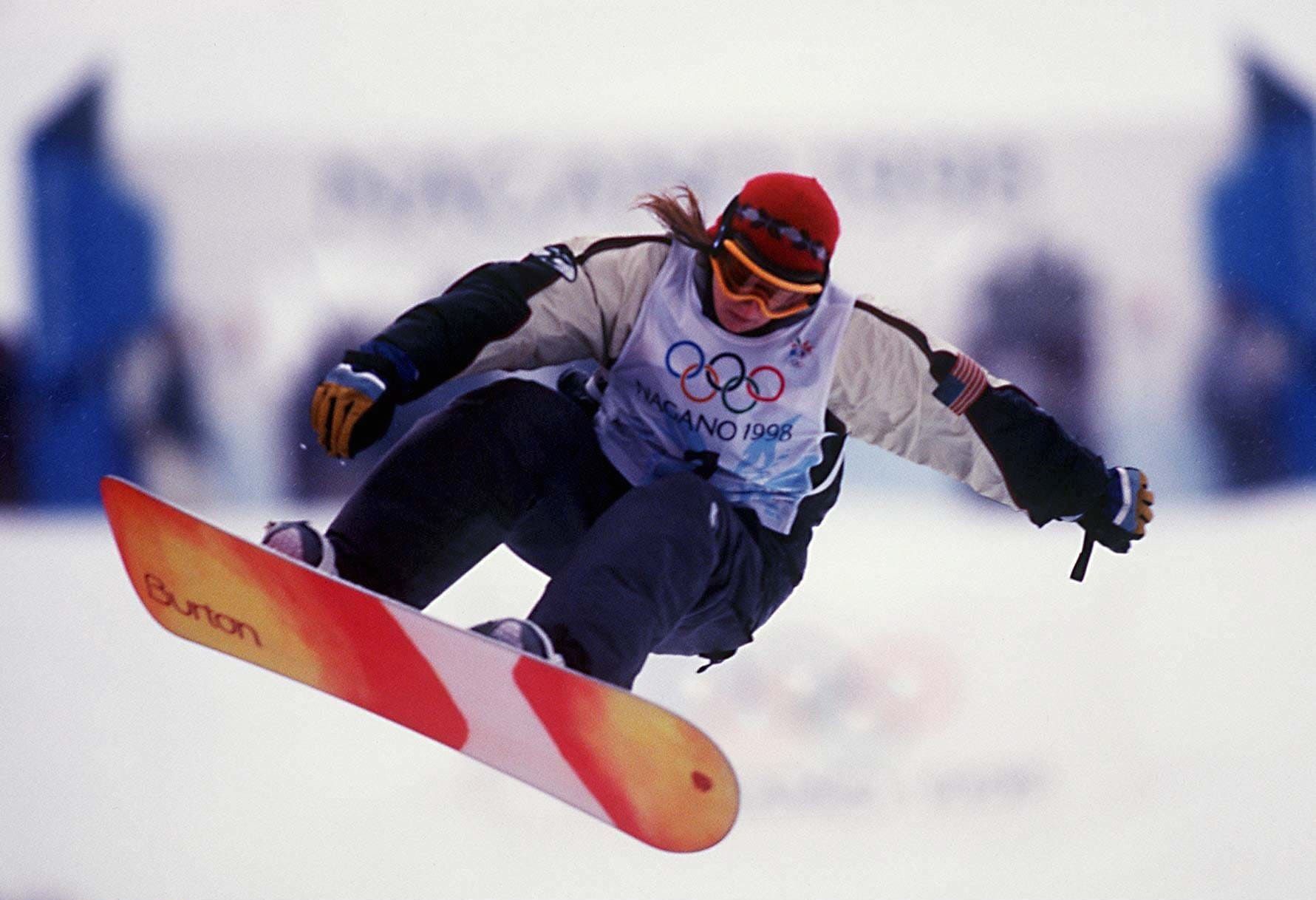
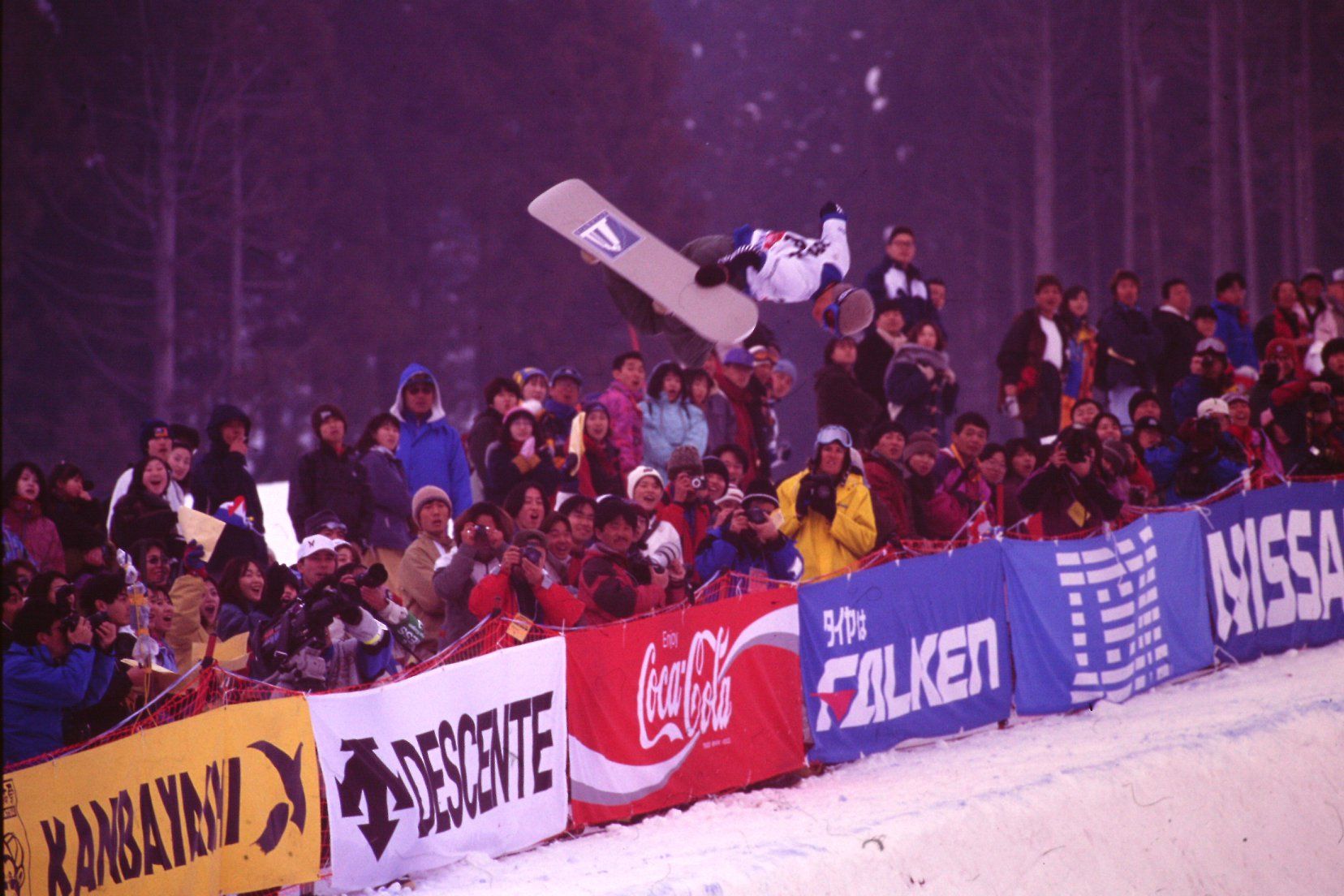
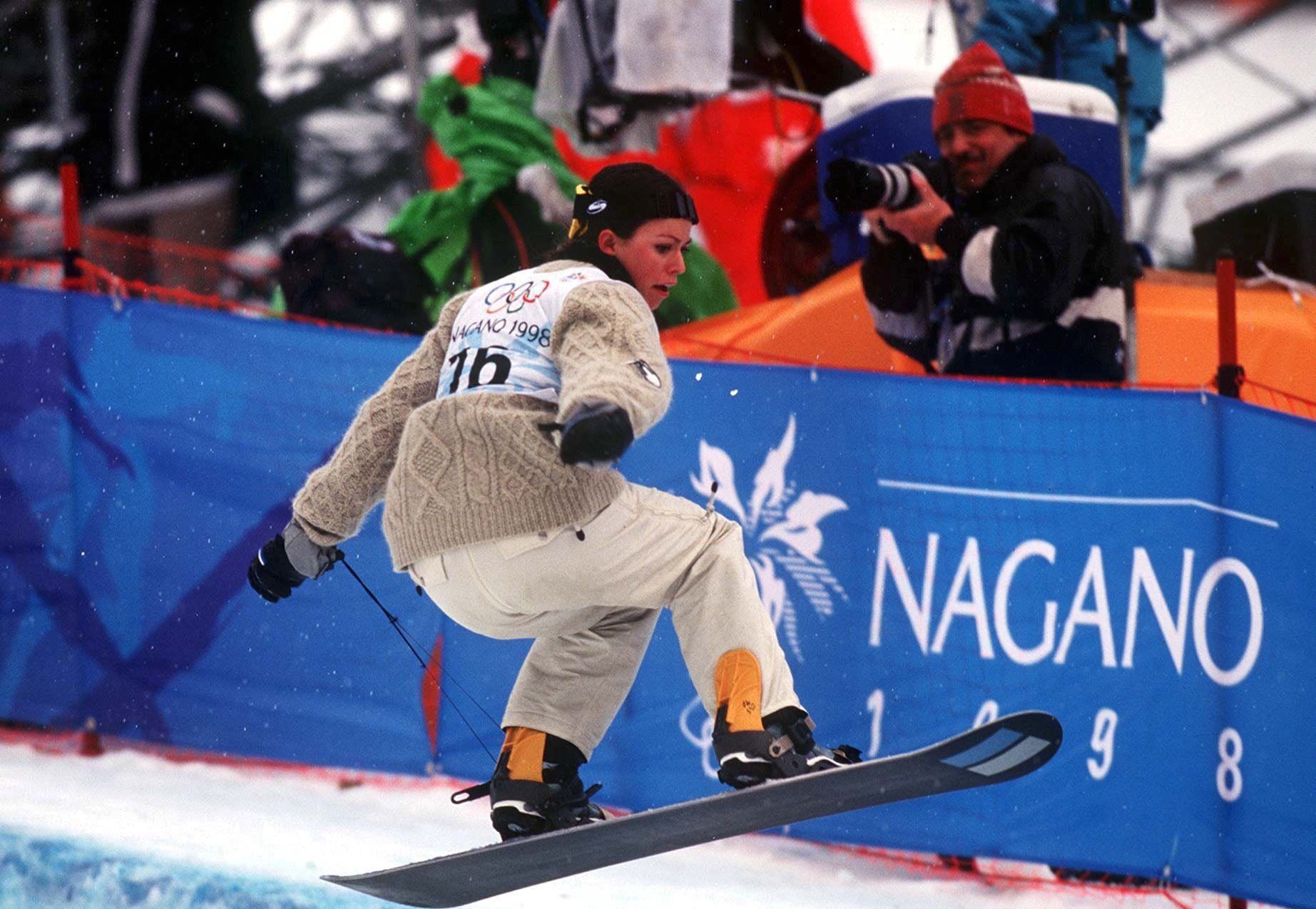
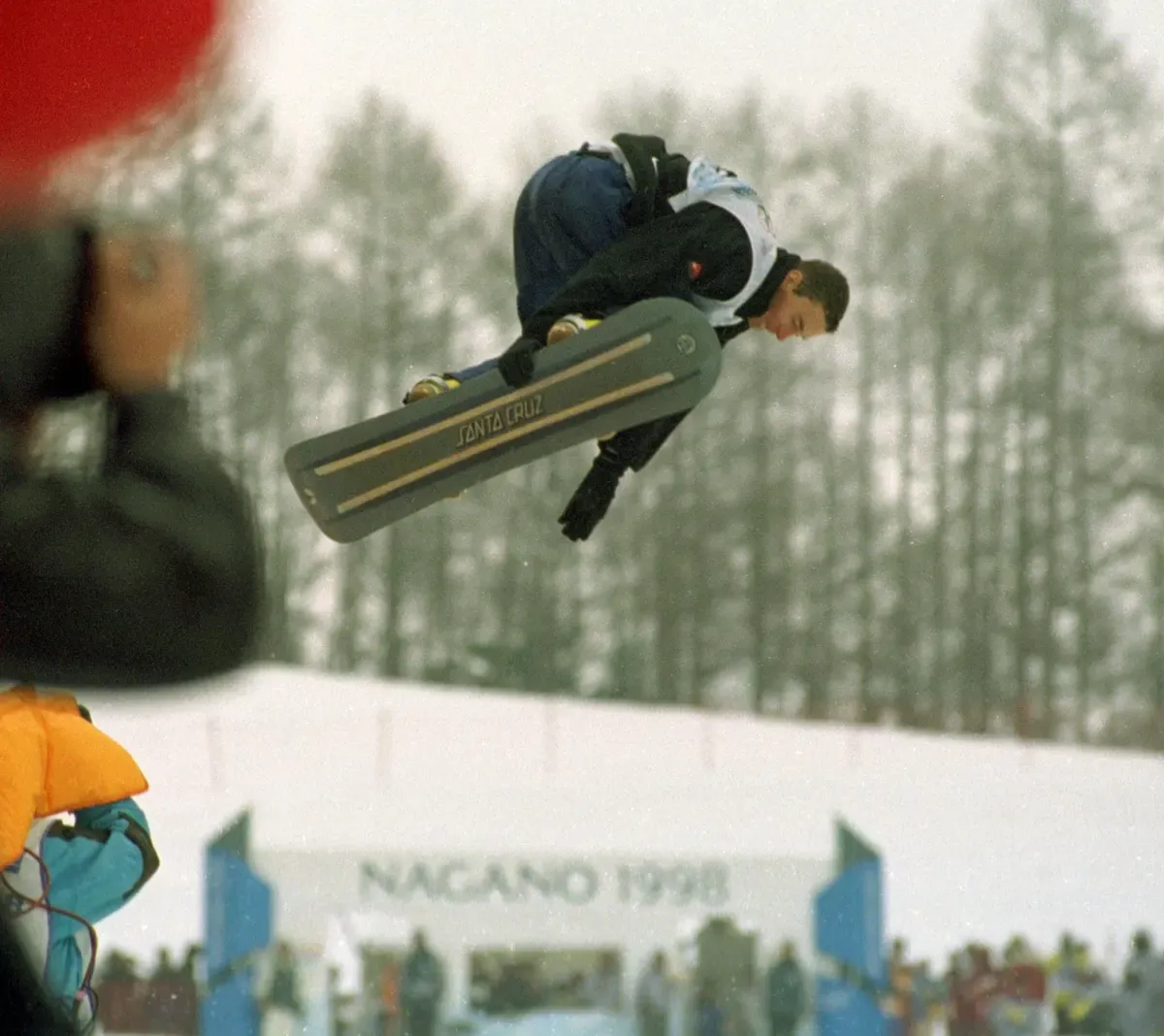
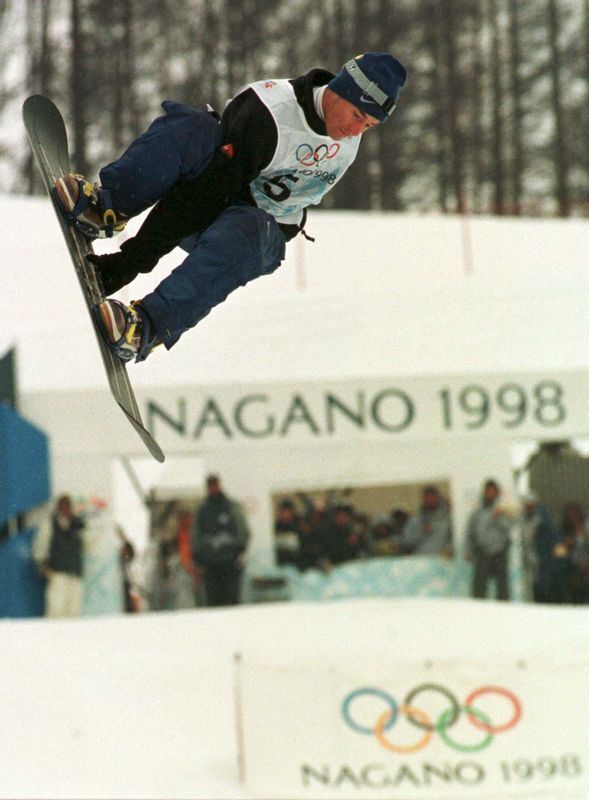
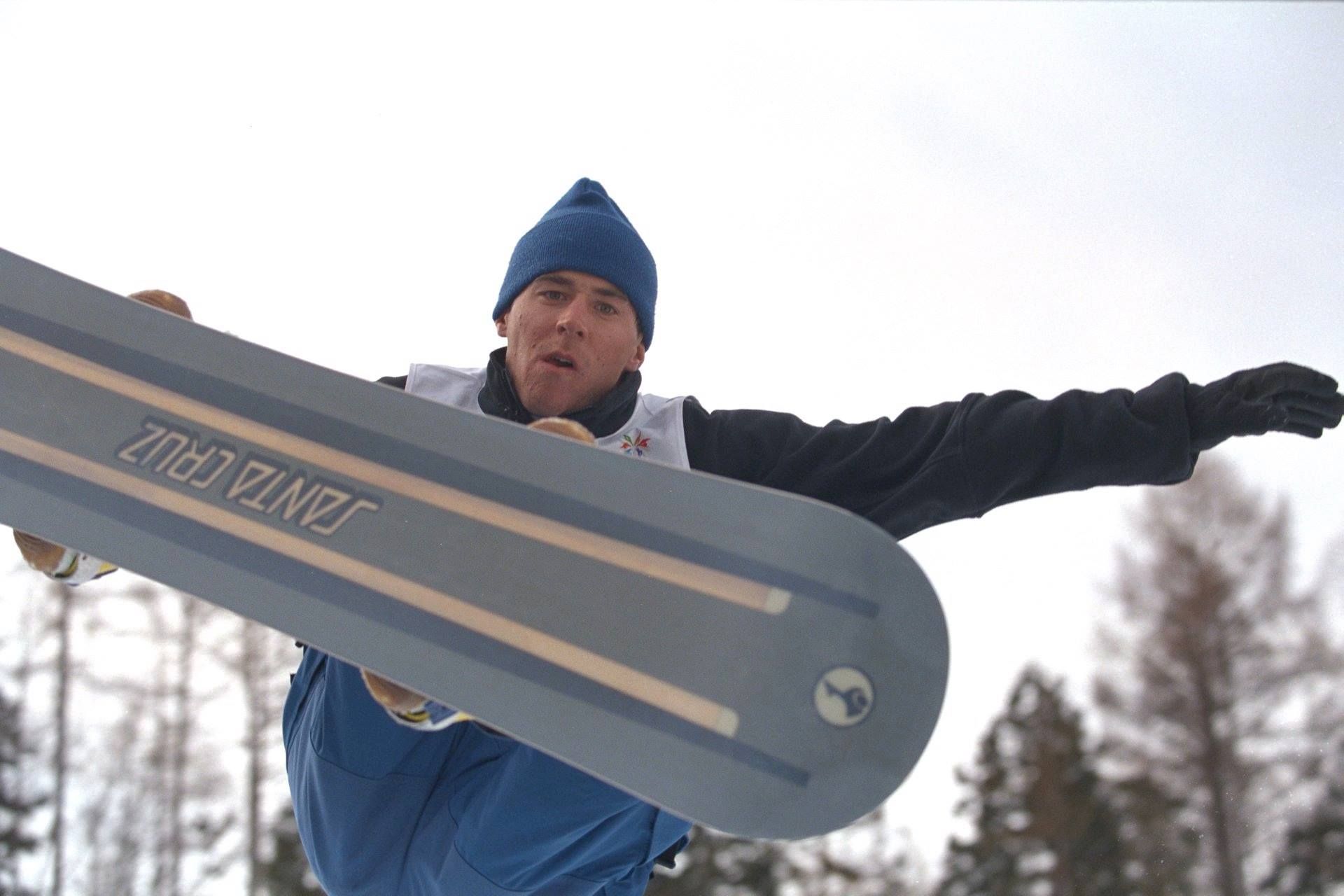
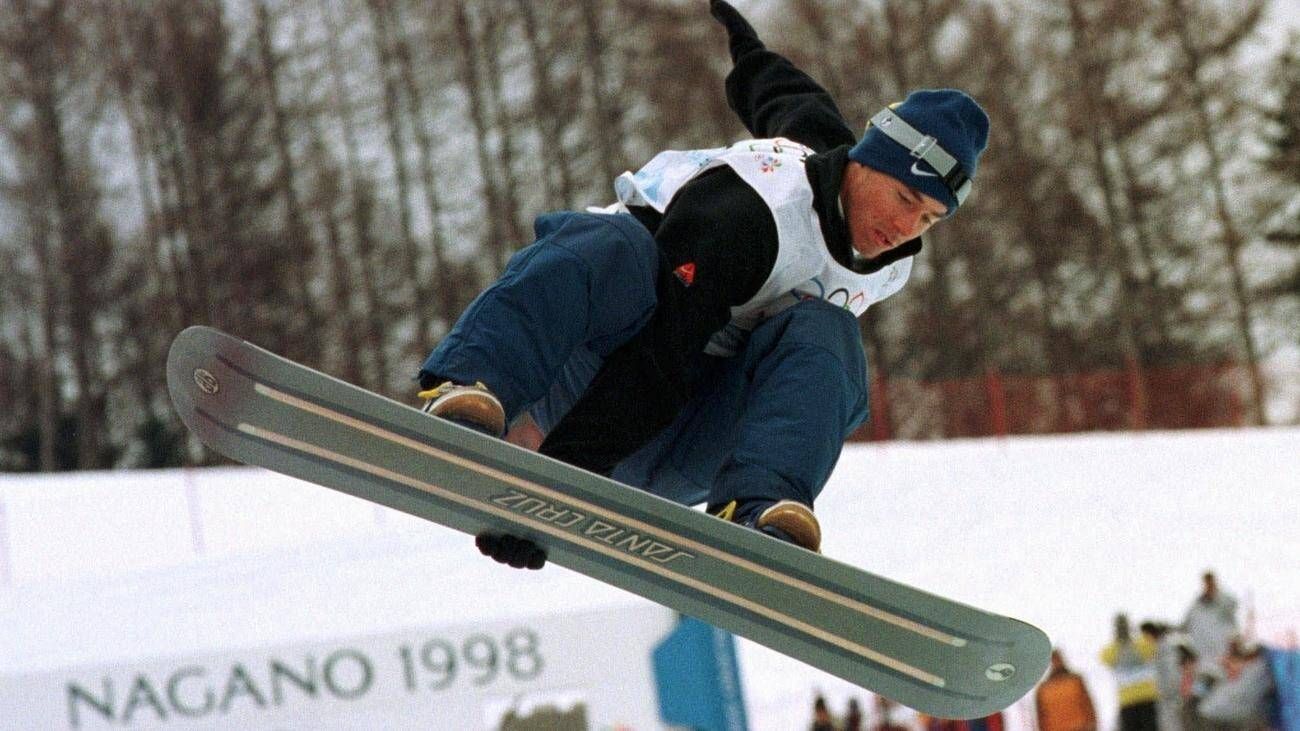
Hockey wasn’t the only game-changer. Nagano 1998 also marked the Olympic debut of snowboarding, a moment that completely disrupted the visual codes of the Winter Games. For the first time, Olympic athletes weren’t dressed in hyper-engineered performance gear—like the custom adidas boots that helped German luger Georg Hackl secure gold—but in cargo pants, oversized jackets, and knitwear. As riders dropped into the halfpipe on Santa Cruz or Burton boards, the soundtrack featured Oasis’ “Supersonic,” The Doors’ “Riders on the Storm,” and Naughty by Nature’s “O.P.P.”. Olympic protocol was rewritten in real time. Street culture had officially entered the Winter Games—and it has been expanding its influence ever since.
The recent collaboration between Our Legacy and Goldwin pays tribute to that pivotal moment with an outdoor capsule of Gore-Tex pants and jackets. Built for extreme conditions without compromising on style, the collection reflects a core value of global snowboard culture. Appropriately, the campaign was shot in Nozawaonsen, a ski resort located in Nagano Prefecture itself.
Curling’s comeback and its unexpected popularity
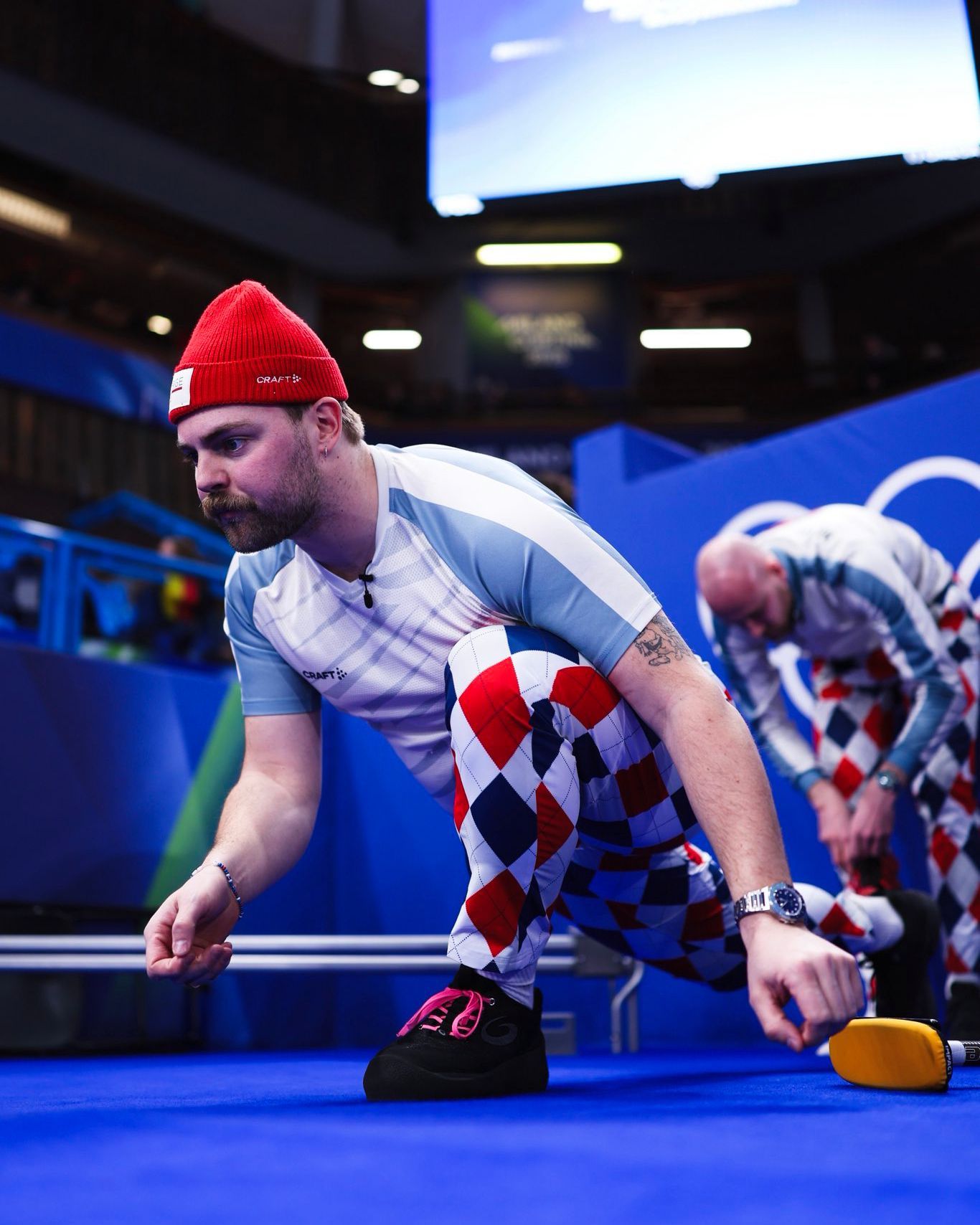
Nagano 1998 also marked the long-awaited return of curling as a full Olympic sport. The only previous time curling had awarded Olympic medals was at the inaugural Winter Games in 1924 in Chamonix-Mont-Blanc. After decades in obscurity, it re-emerged as a demonstration sport at Calgary 1988 and Albertville 1992. The overwhelmingly positive response pushed the IOC to reinstate curling officially in 1998. That decision introduced a wider audience to a sport that has since evolved from being dismissed or misunderstood into one of the most quietly compelling events on the Olympic schedule. Like fencing or water polo, curling enjoys a surge of global popularity every four years—and that phenomenon can be traced directly back to Nagano. Today, a Winter Olympics without curling feels almost unthinkable.
Fashion, uniforms and brands at Nagano 1998
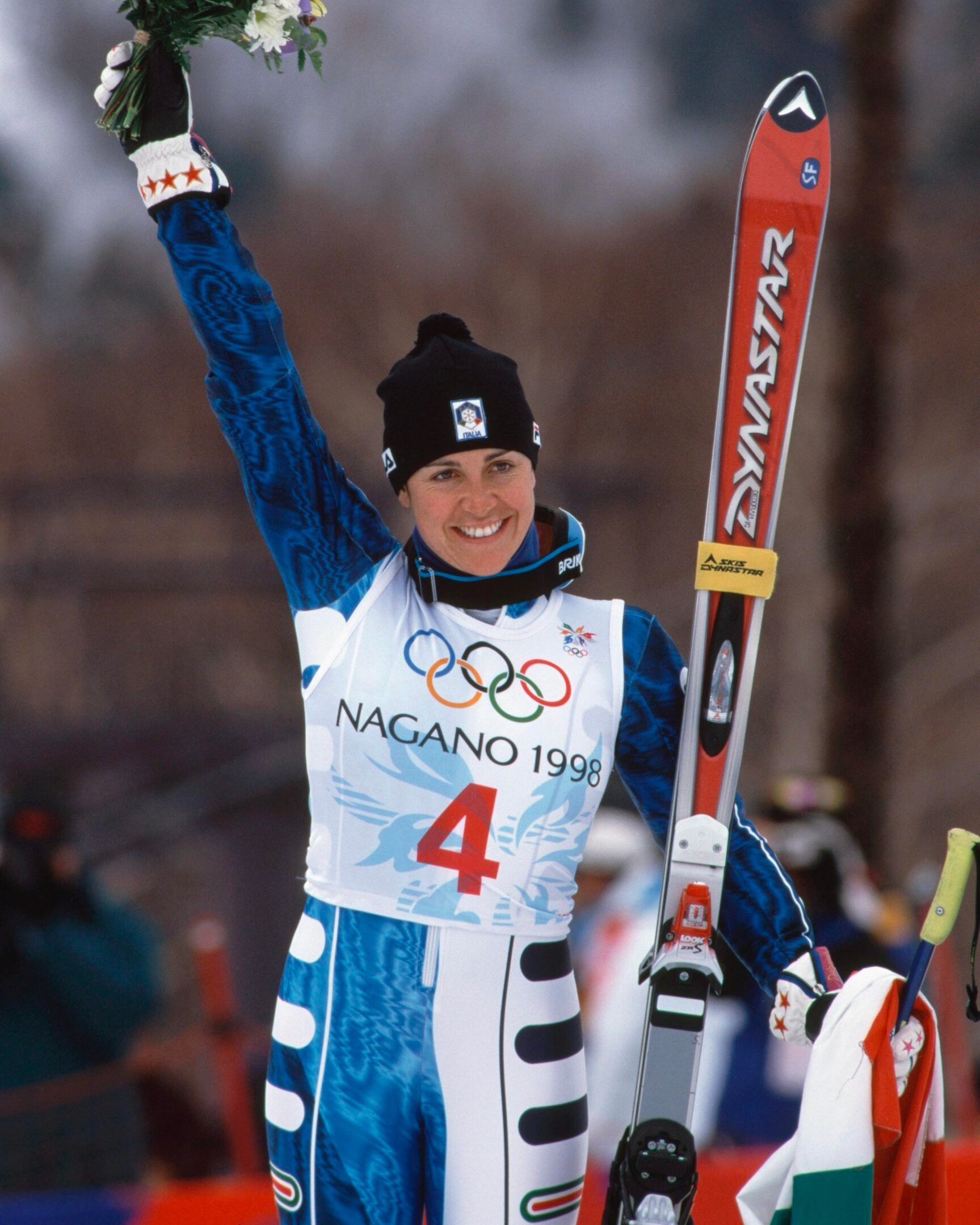
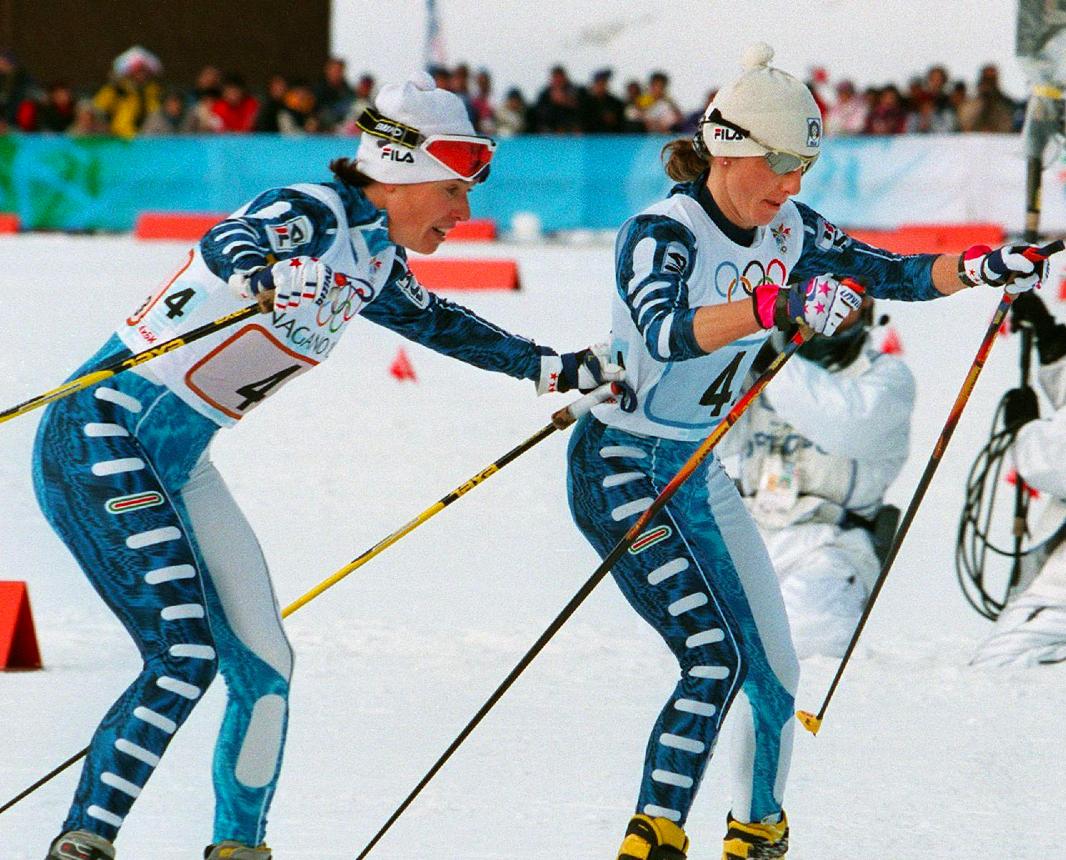
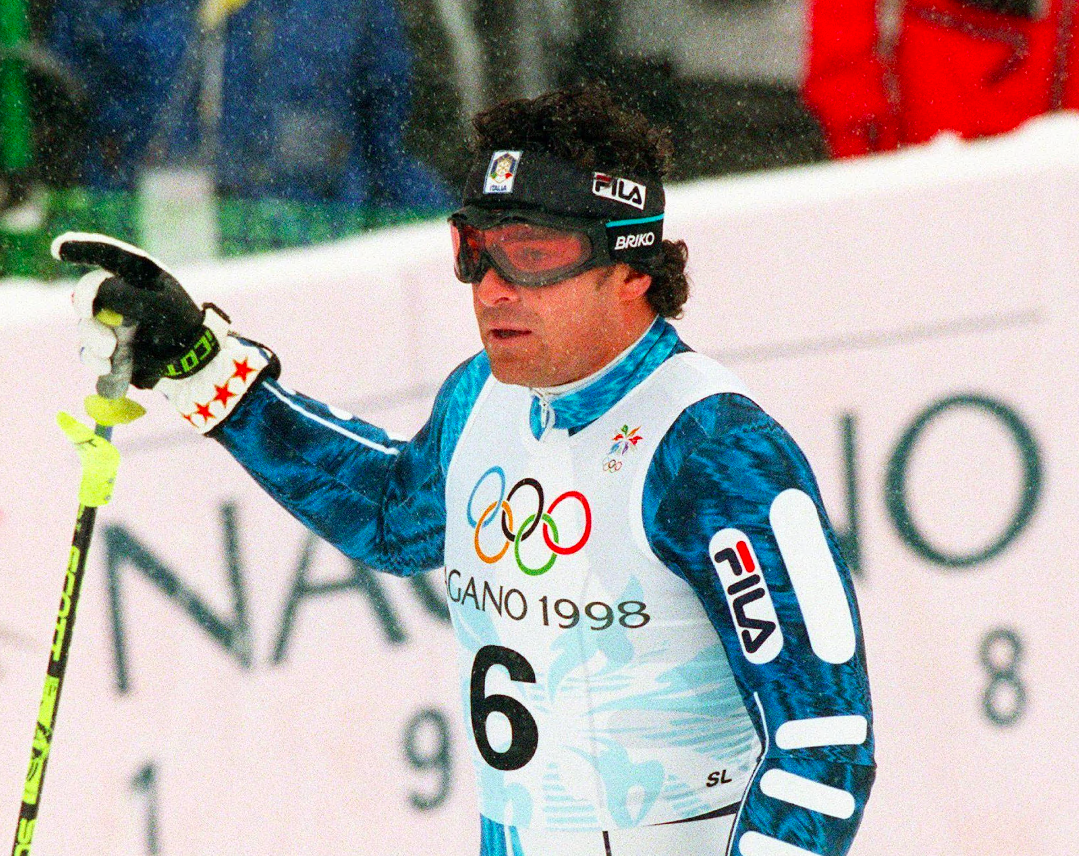
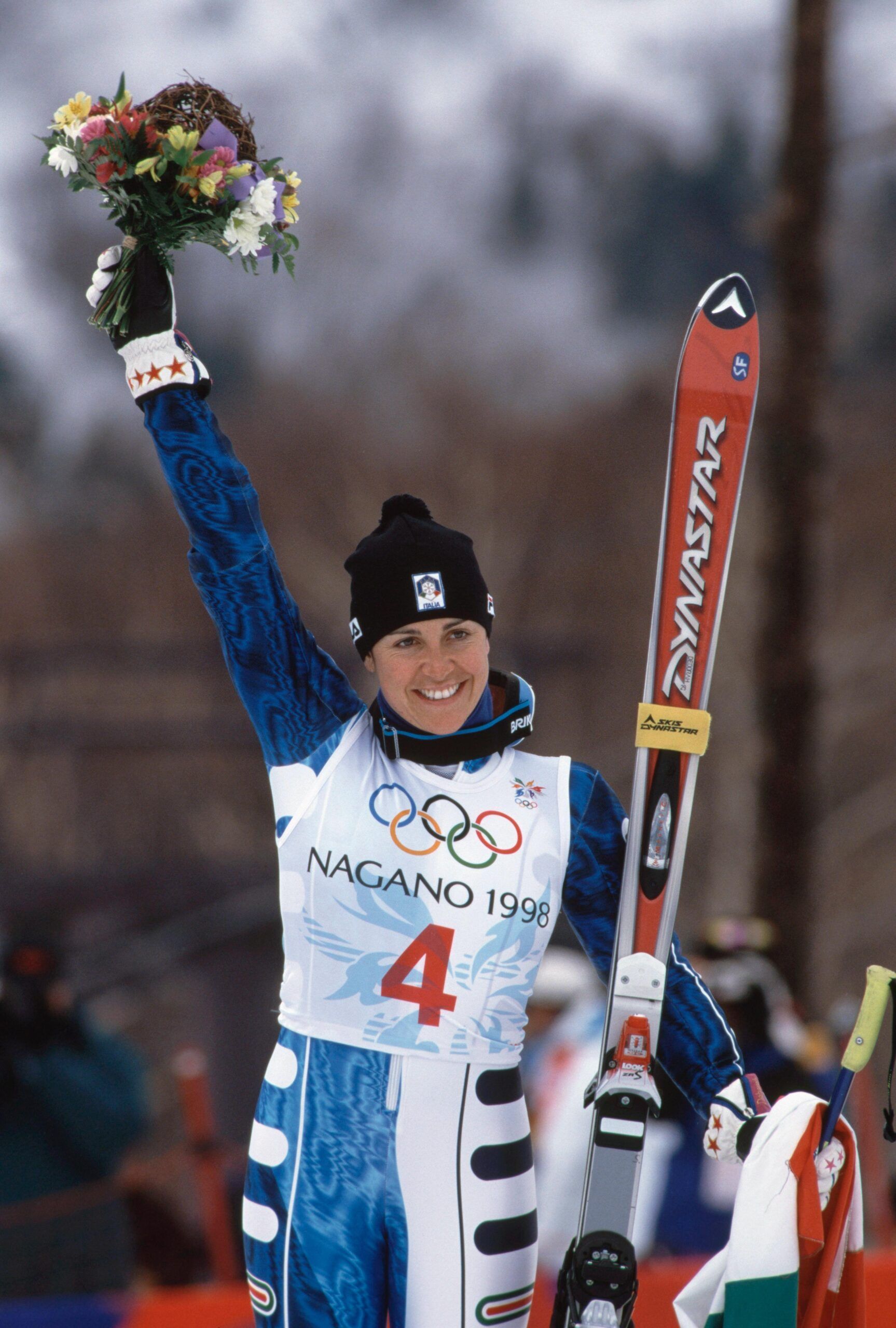
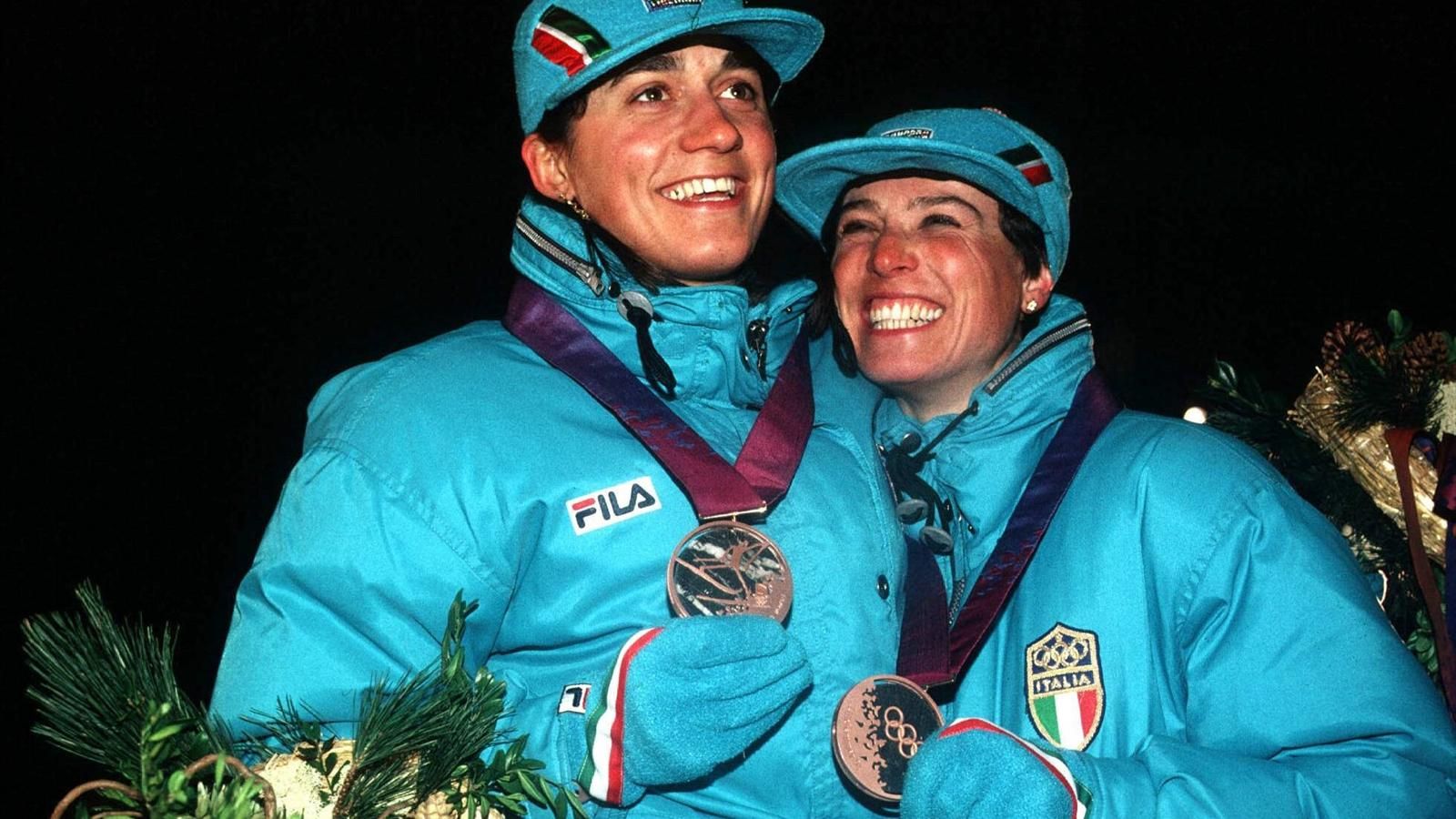
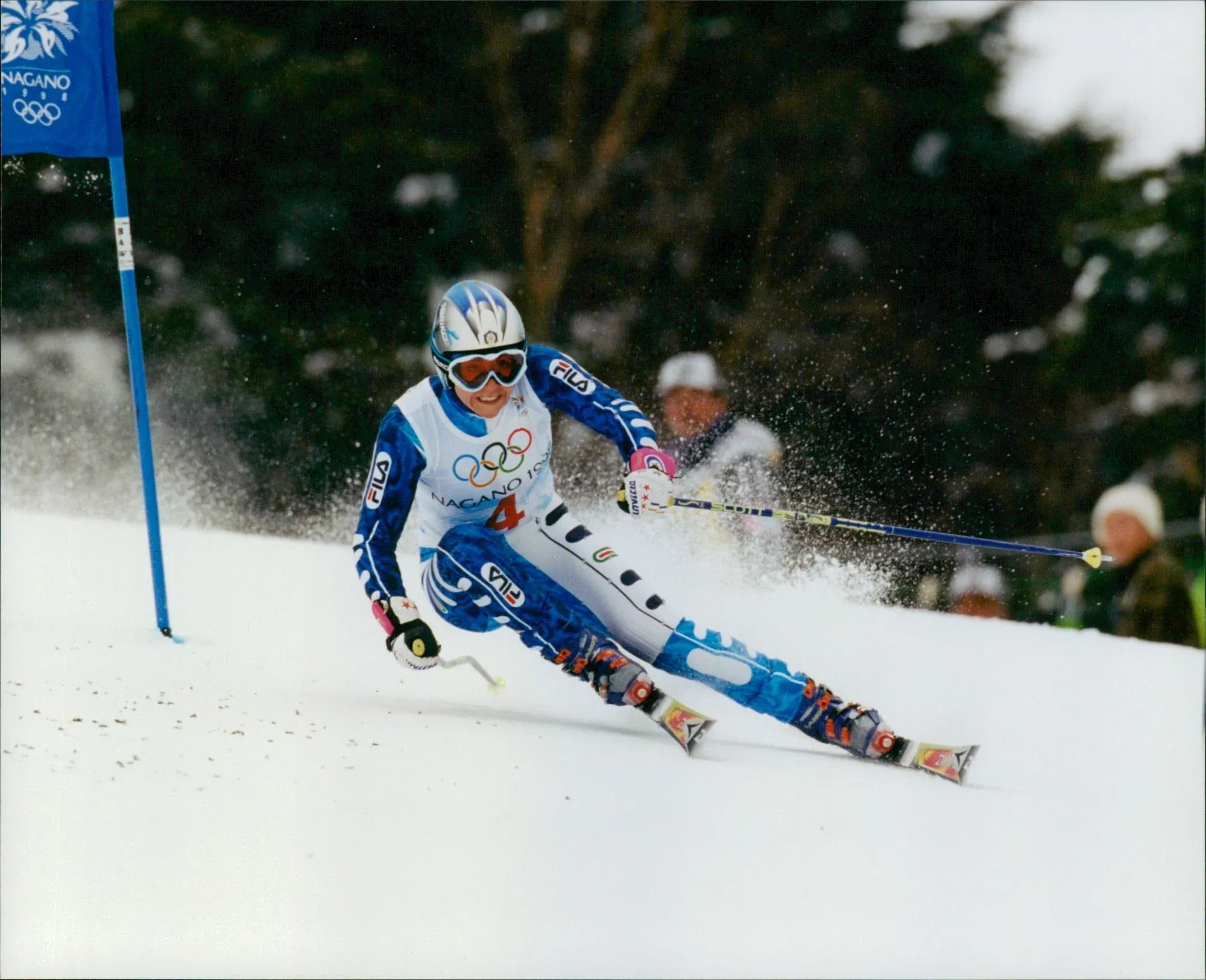
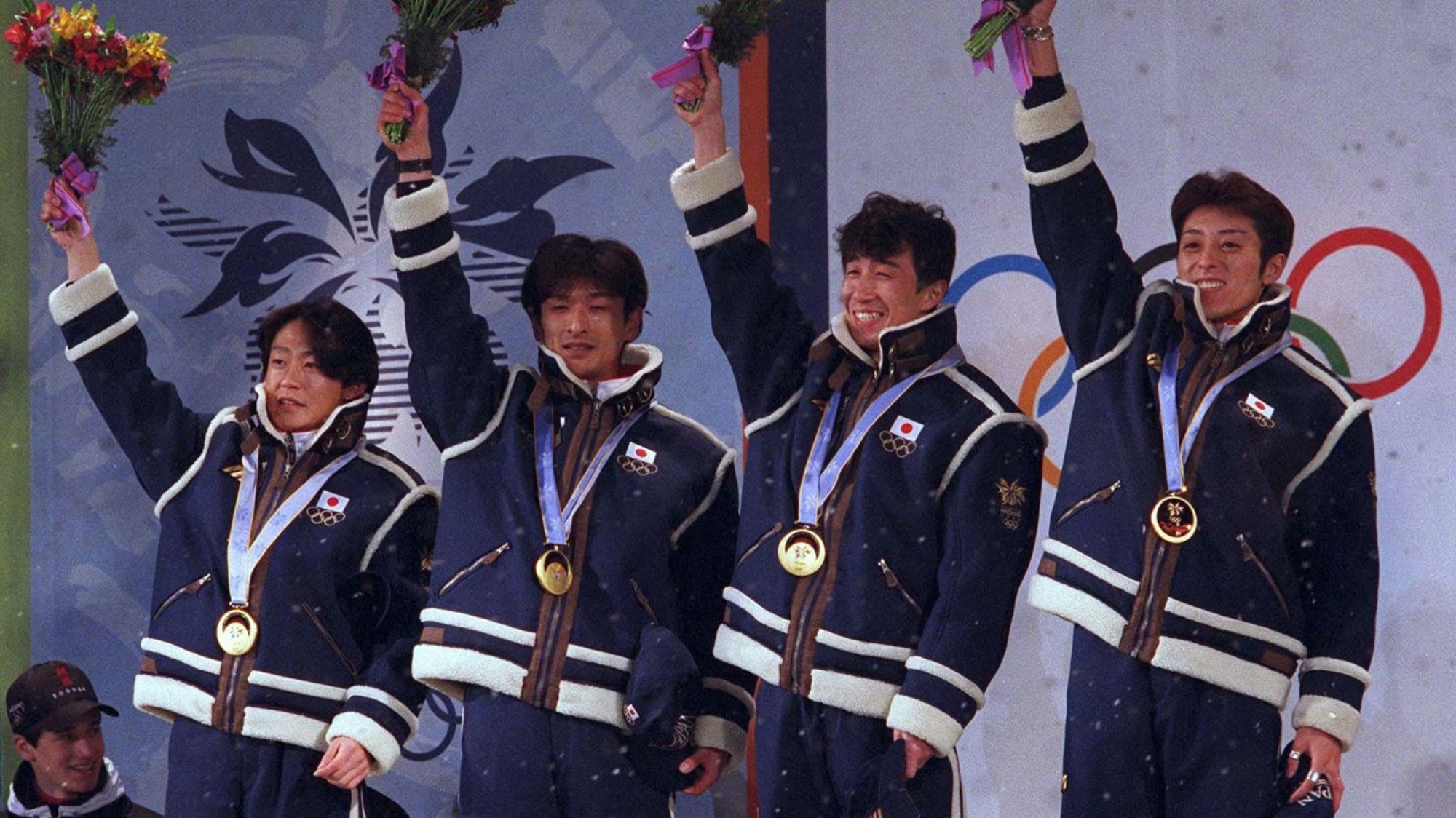
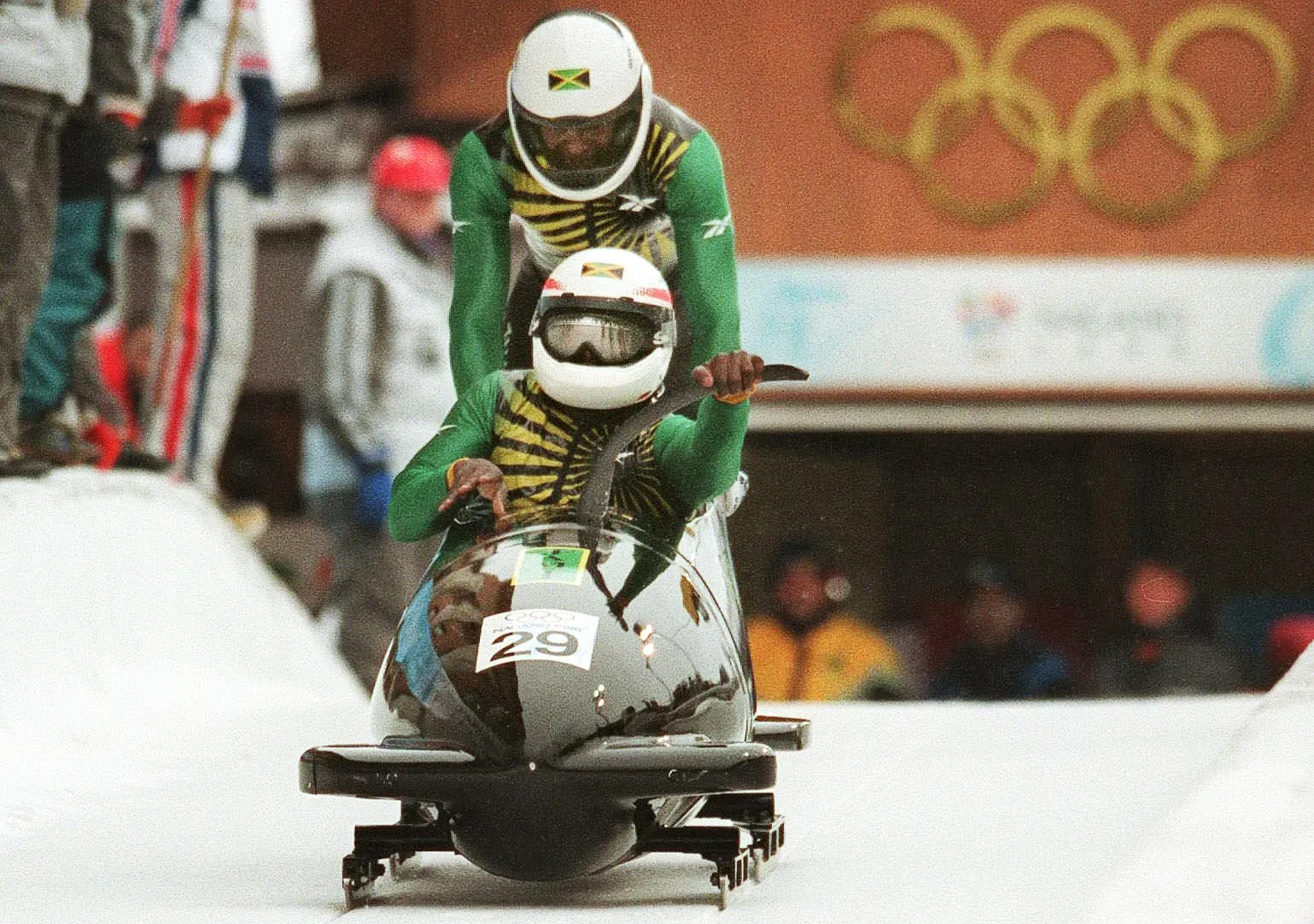
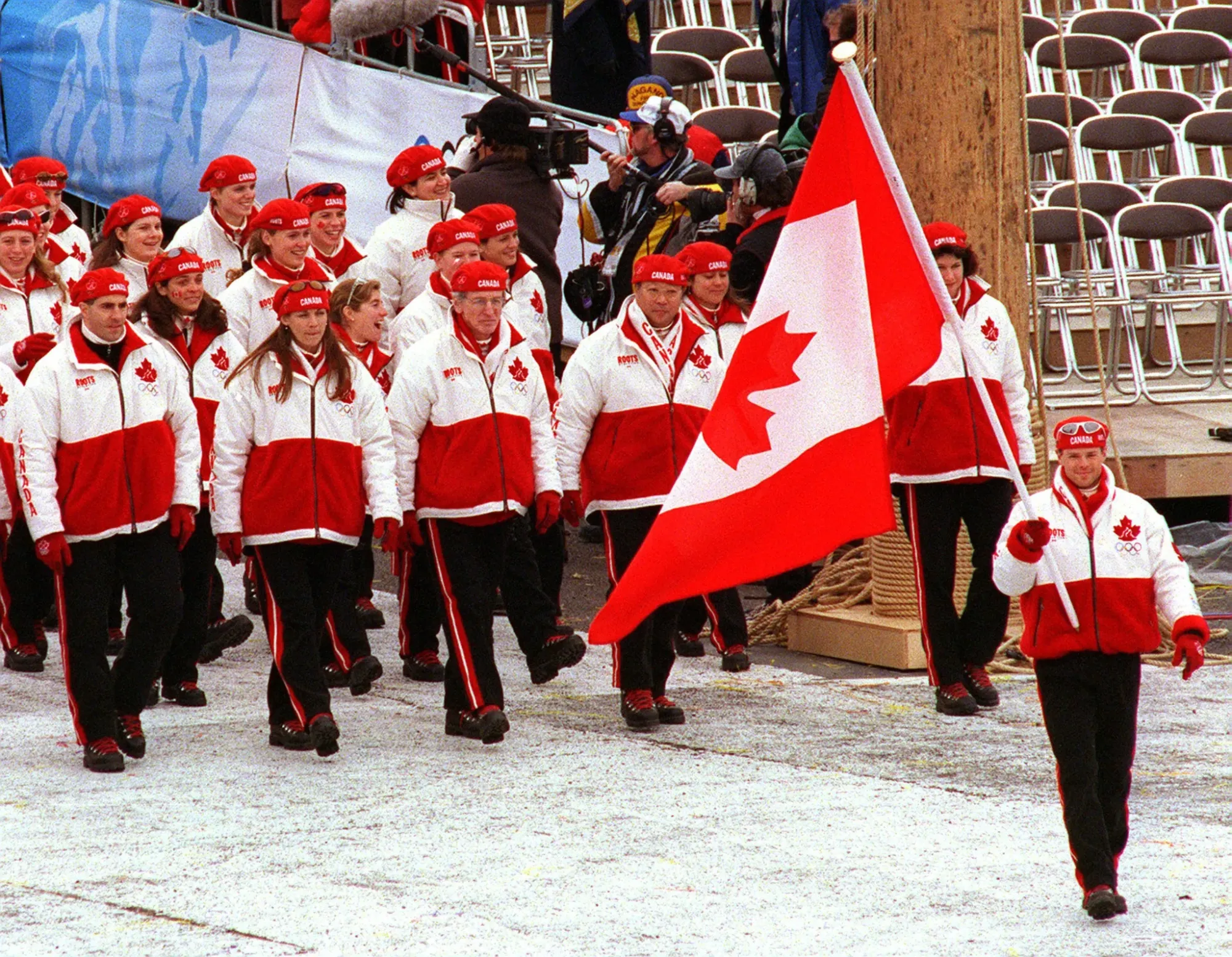
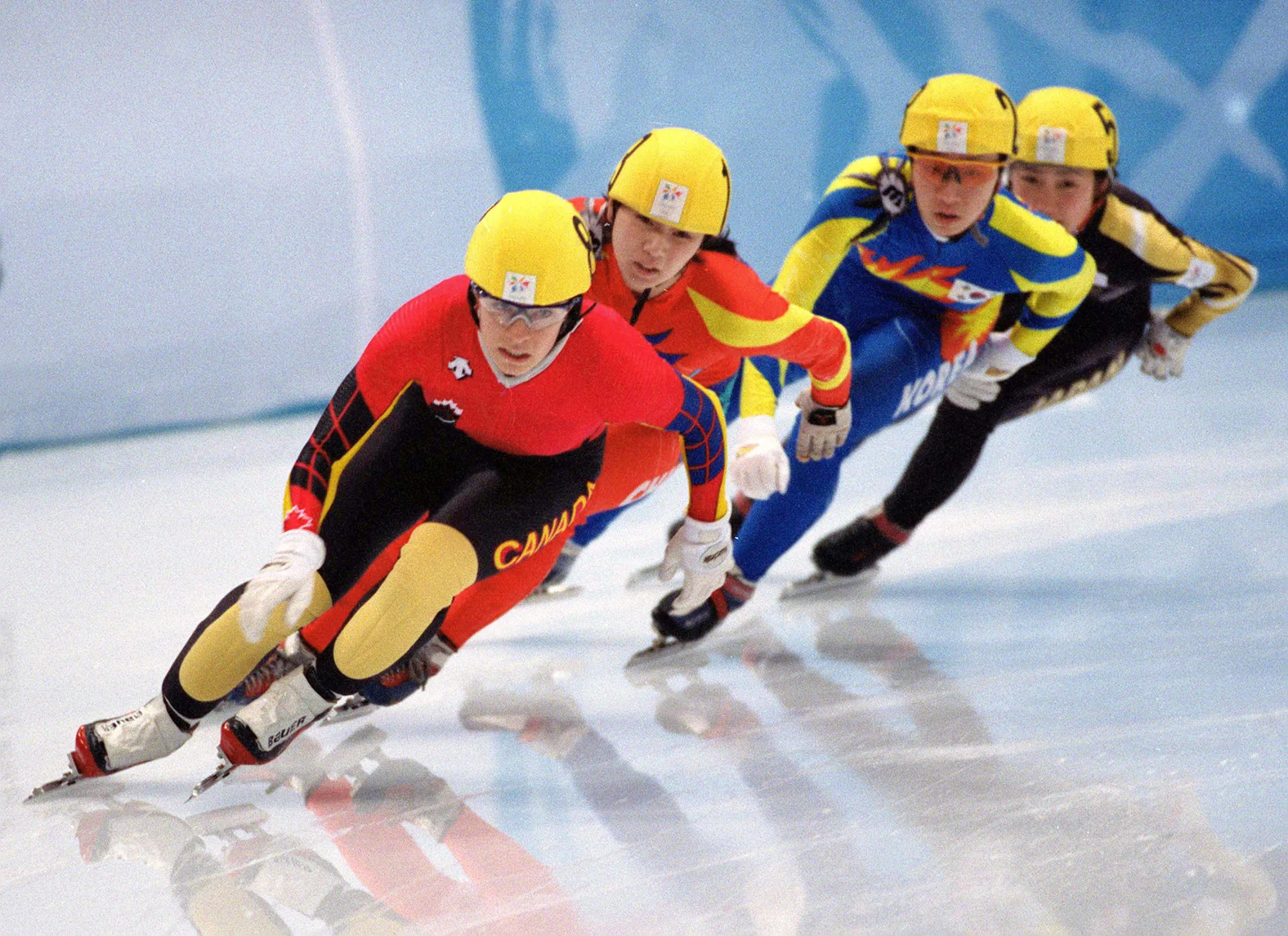
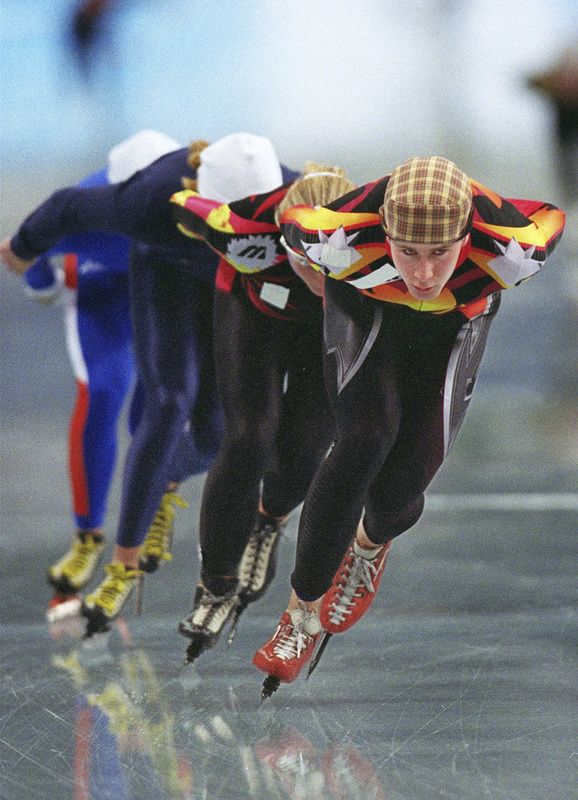
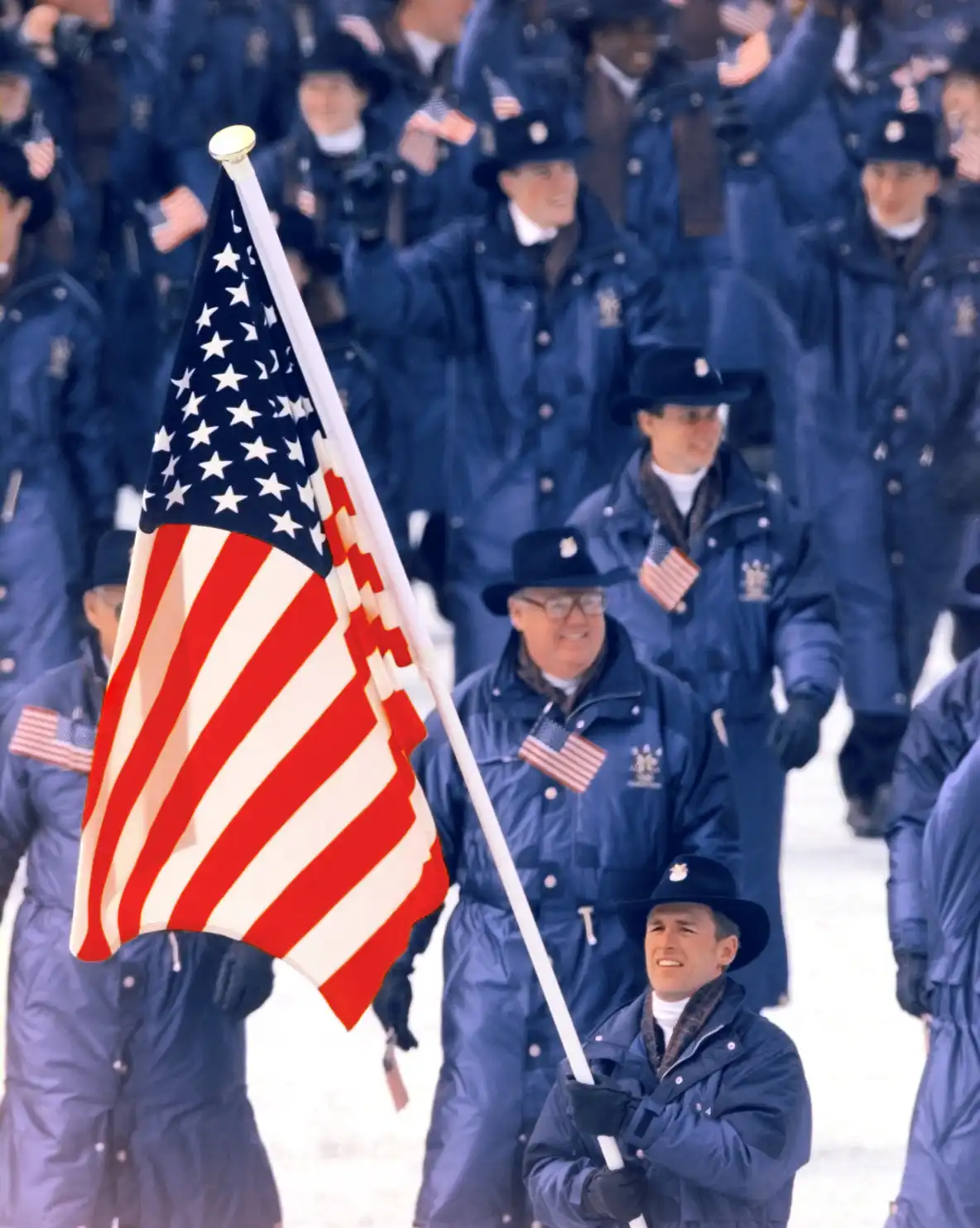
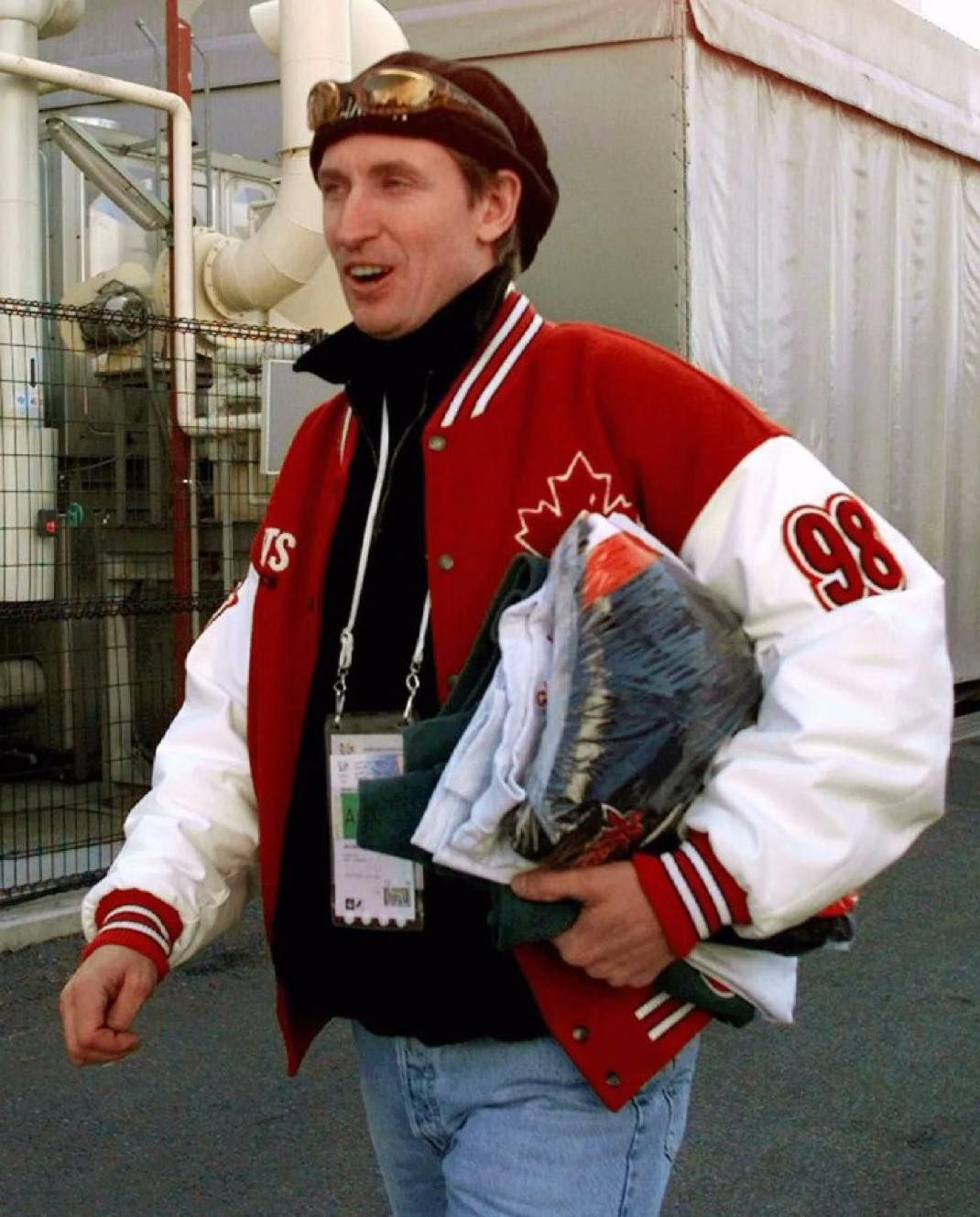
Then there were the looks. Nagano 1998 left a lasting imprint through the outfits worn by athletes, both during their races or official events. From the backward flat caps with a varsity jacket worn by the Canadian delegation, to long overcoats paired with western-inspired hats by Team USA, to the official uniforms designed by Mizuno, who went on to inspire Ralph Lauren's jacket for Milano Cortina 2026. FILA, outfitting the Italian team, brought its signature elliptical pattern—already seen that season on ACF Fiorentina kits—to the snow. Reebok designed the Jamaican bobsleigh suits with bold yellow geometric graphics radiating from the Vector logo, evoking sunbeams. Meanwhile, speed skating and short track competitions were defined by unapologetically vibrant color palettes.
From sport to gaming: Nagano’s digital legacy
The legacy of Nagano 1998 extends beyond sport, influencing even the evolution of video games. The official title, Nagano Winter Olympics ’98, developed by Konami, was a technical trailblazer. It was among the first sports games to use advanced polygonal models to create a truly immersive 3D experience. Players could engage with events from a first-person perspective, supported by realistic, ambient sound design. Another milestone that reinforces the importance of Nagano 1998—an edition often overlooked in collective memory, yet fundamental in shaping the modern identity of the Winter Olympic Games.