












Match worn shirts are changing the world of football collecting Where can they be found, and how can they be recognised?
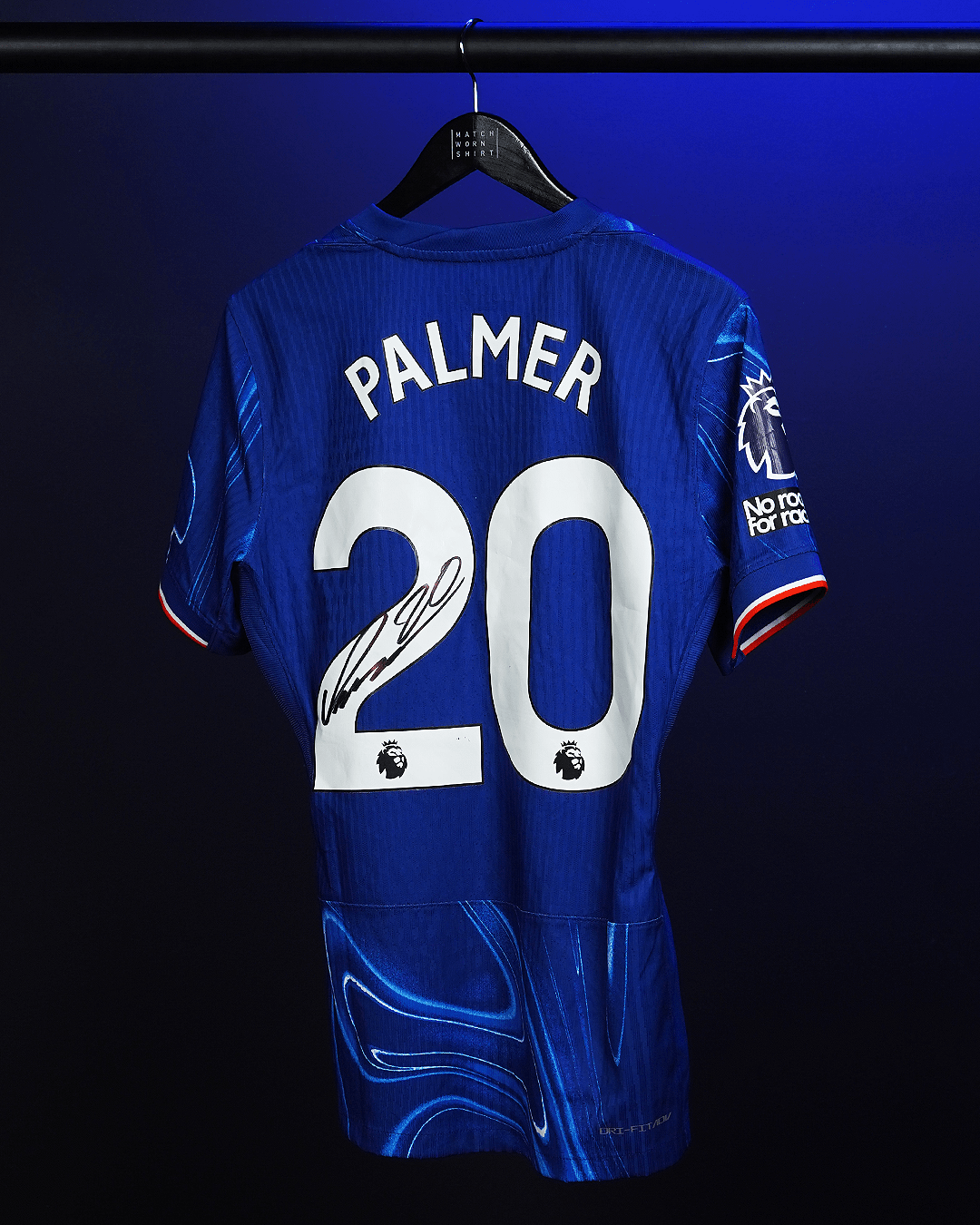
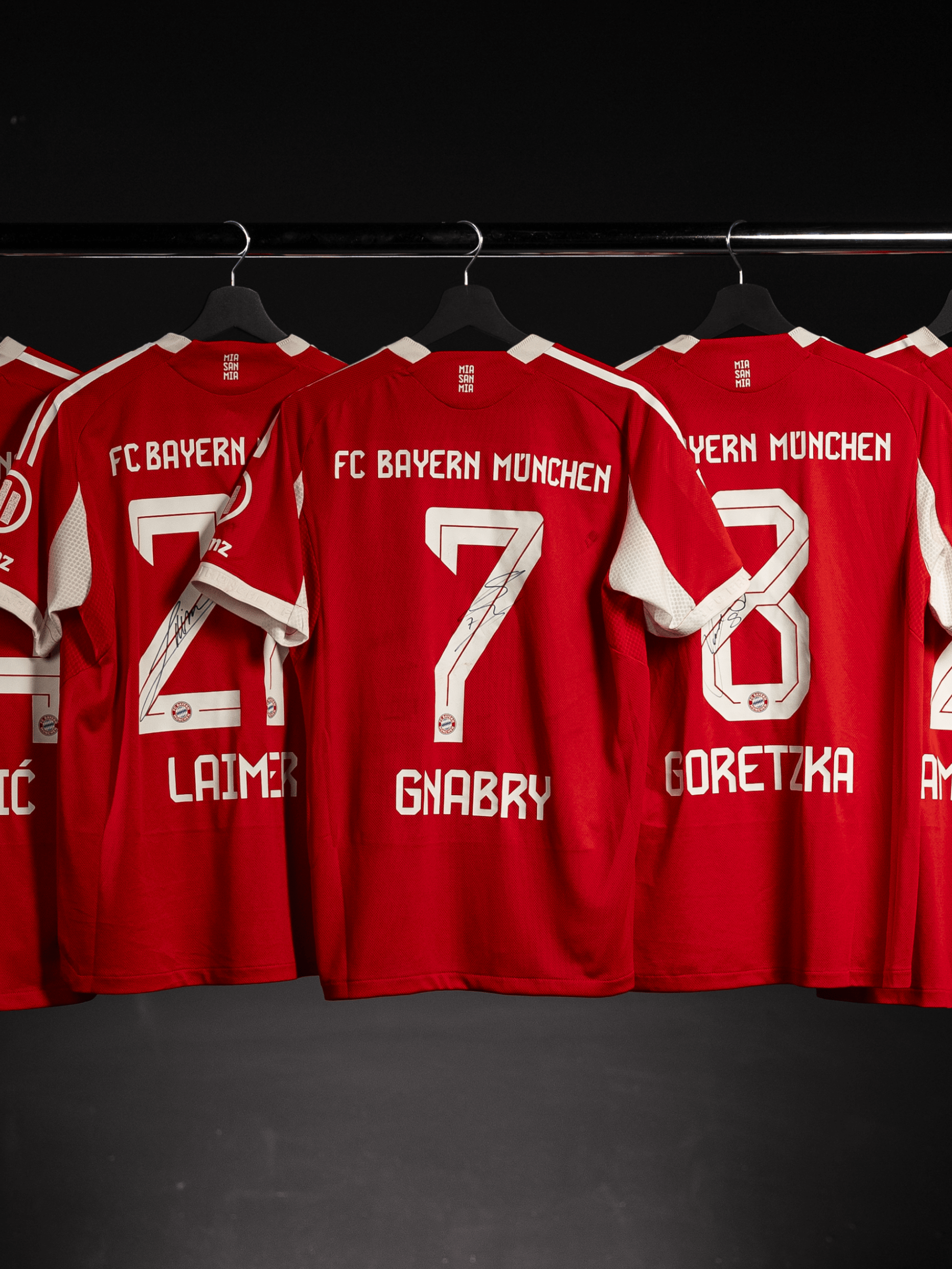
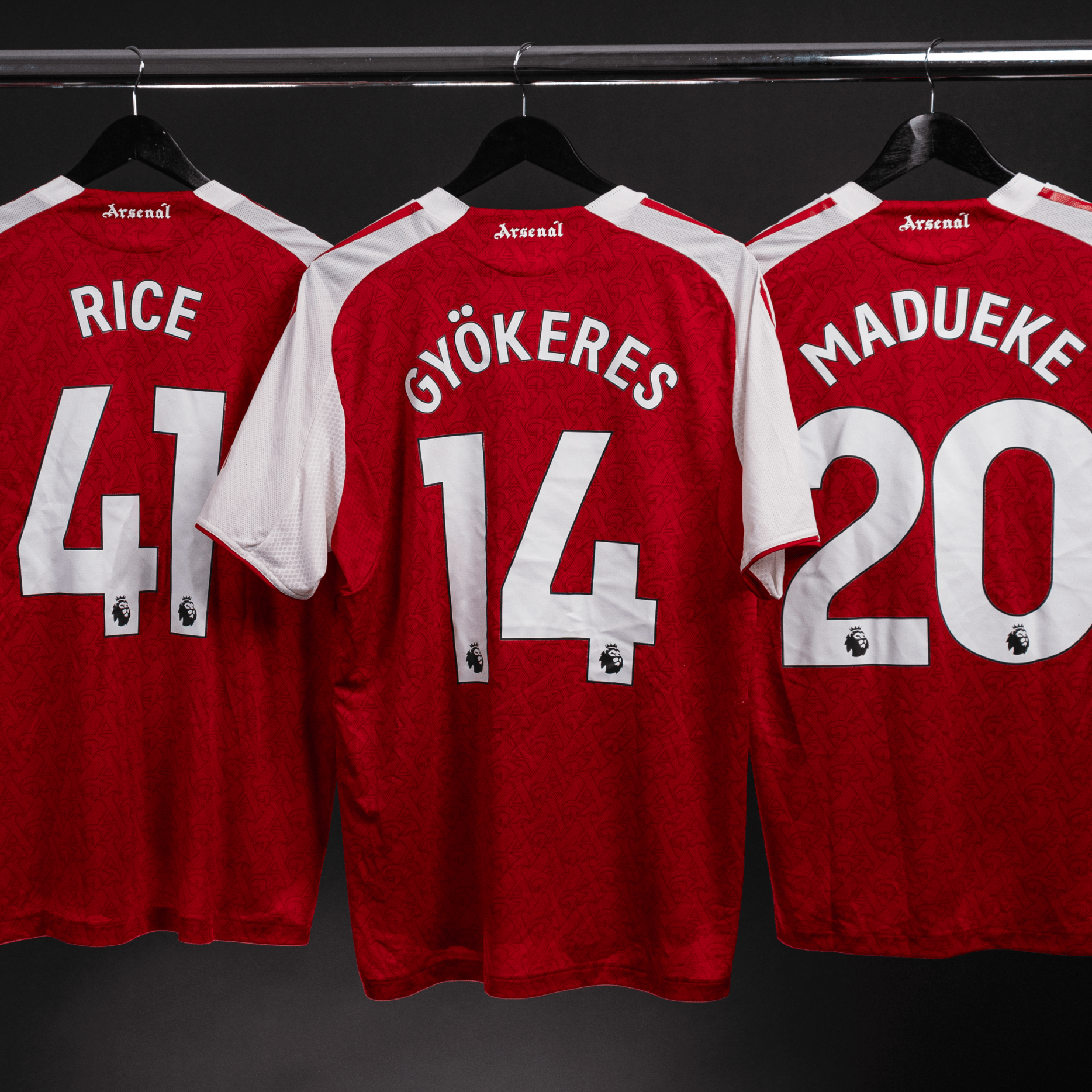
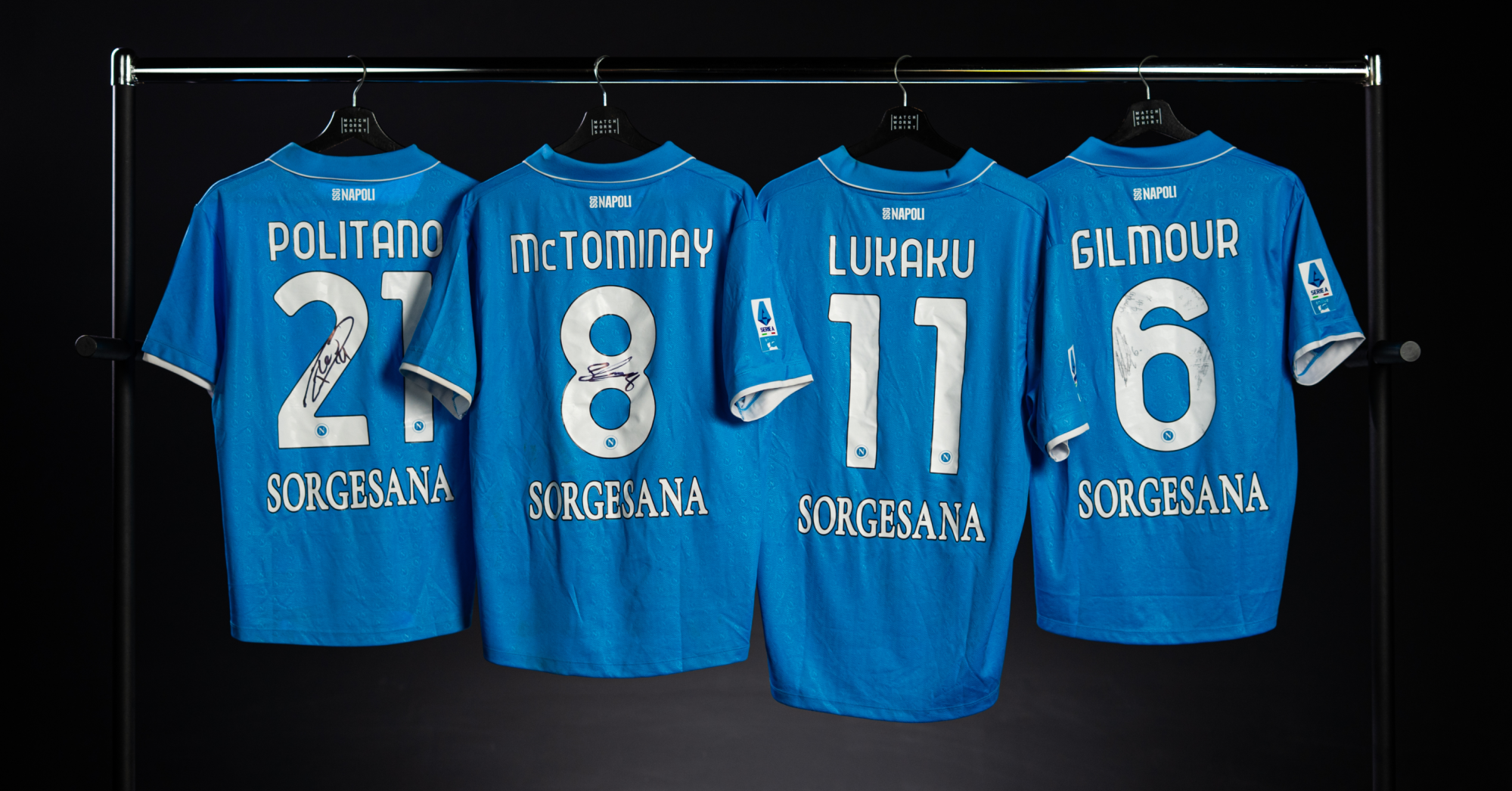
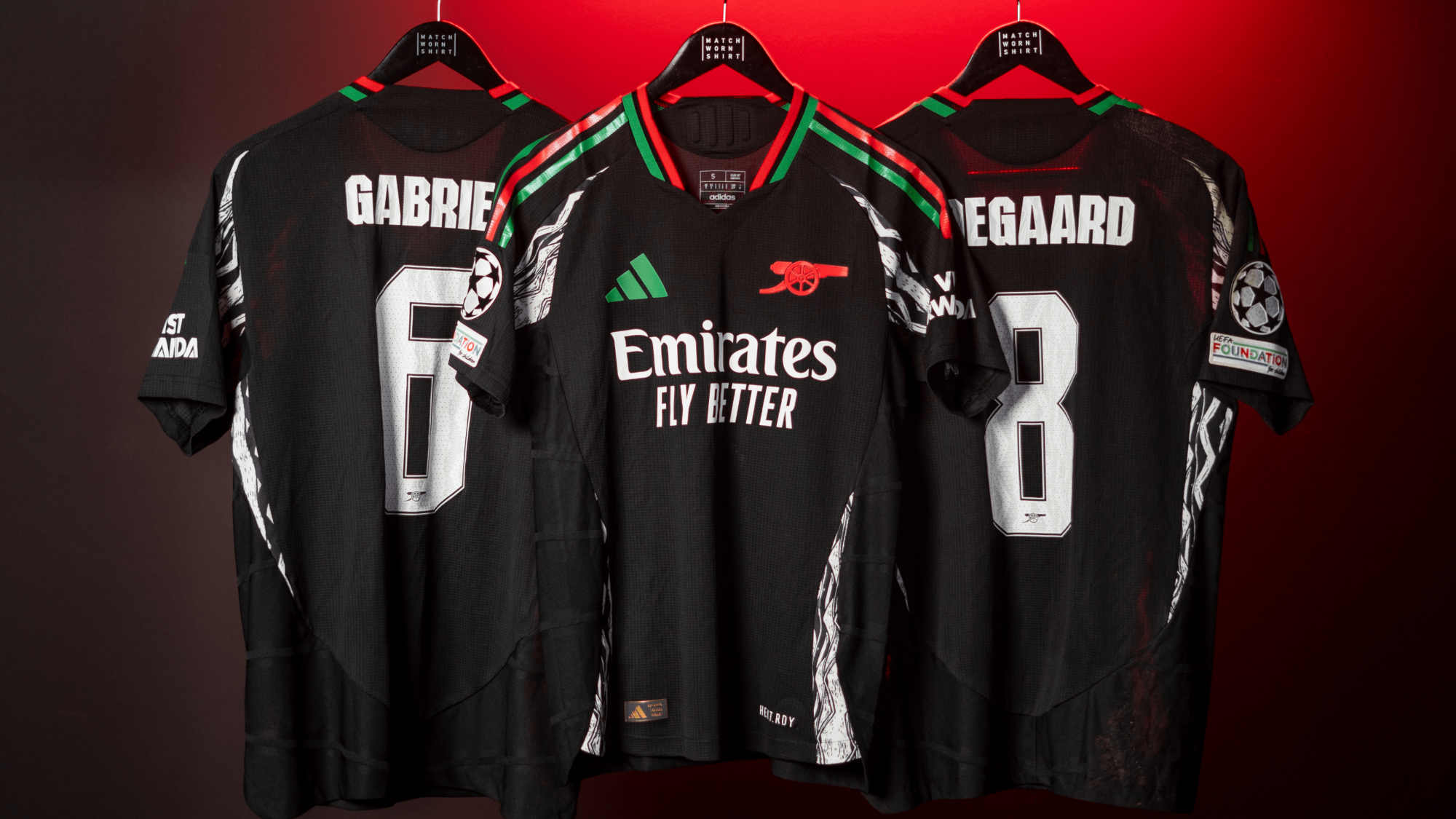
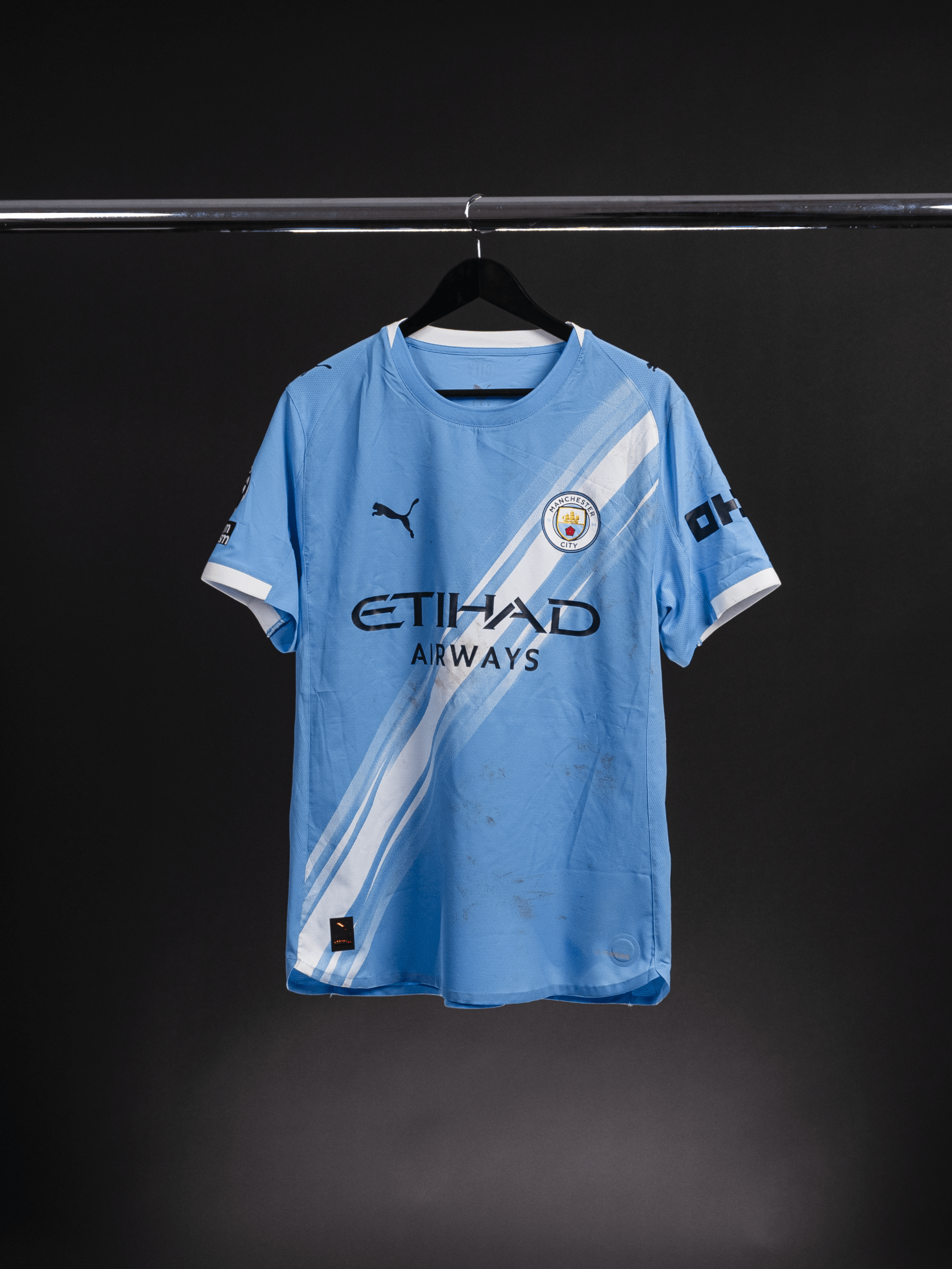
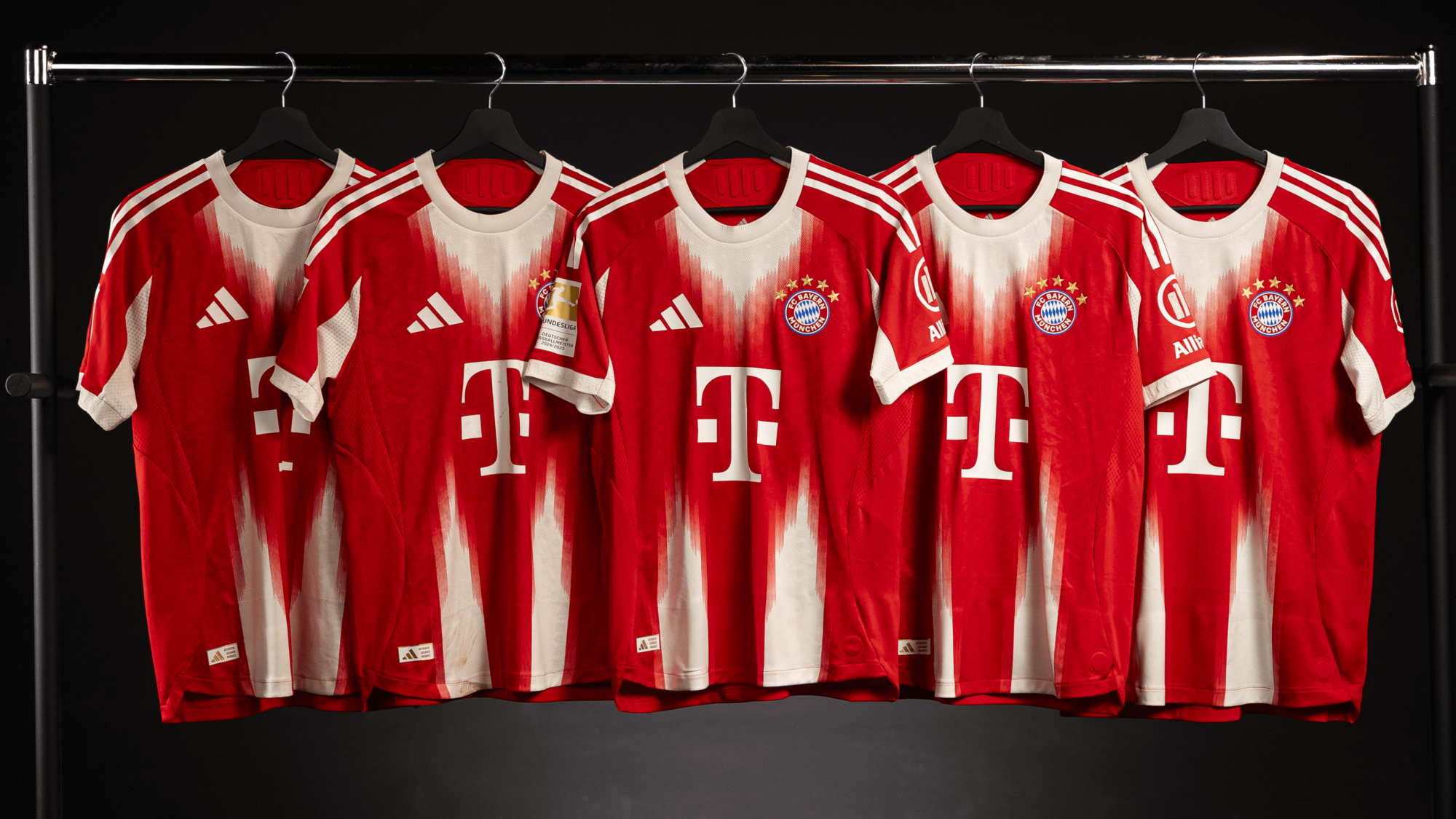
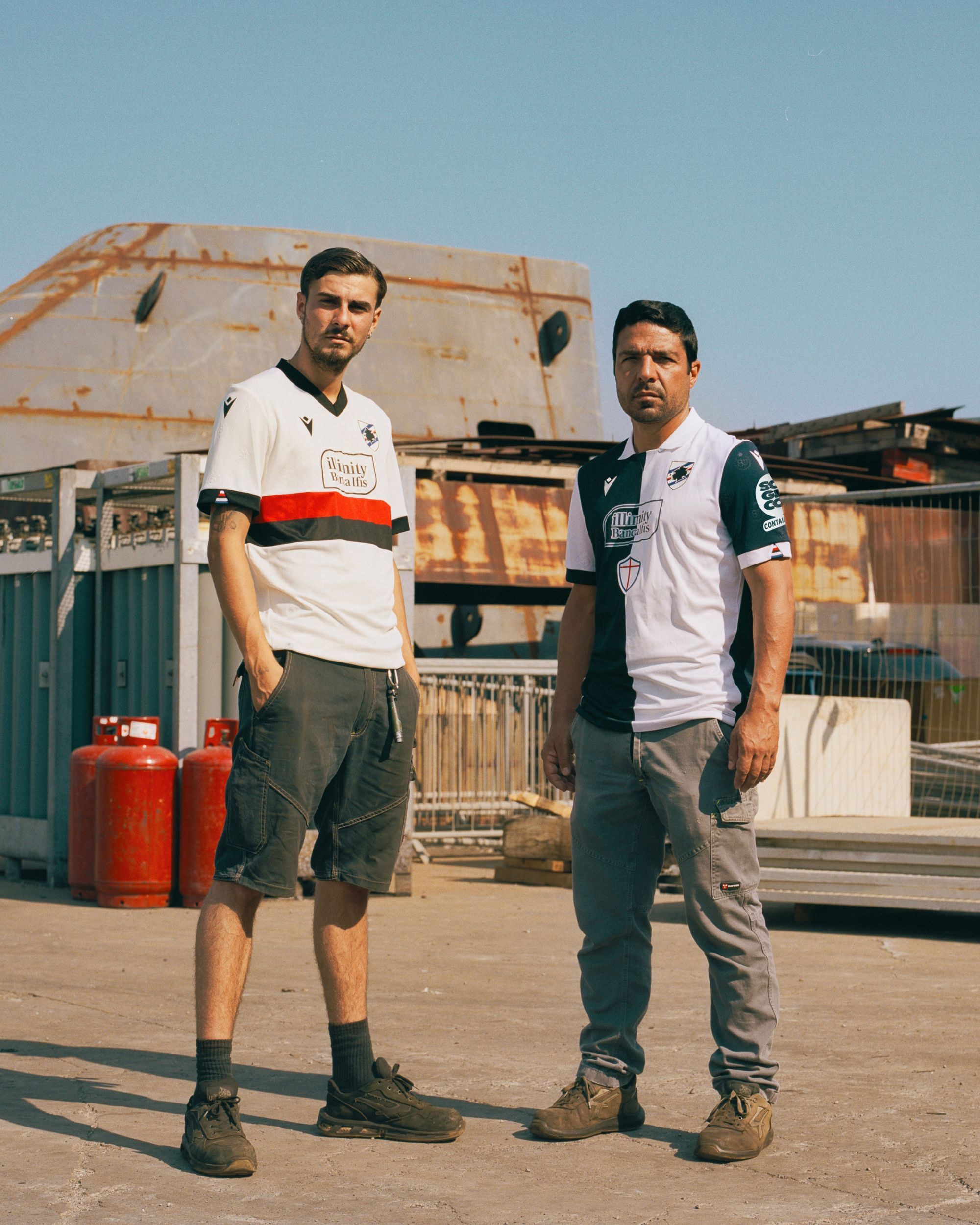
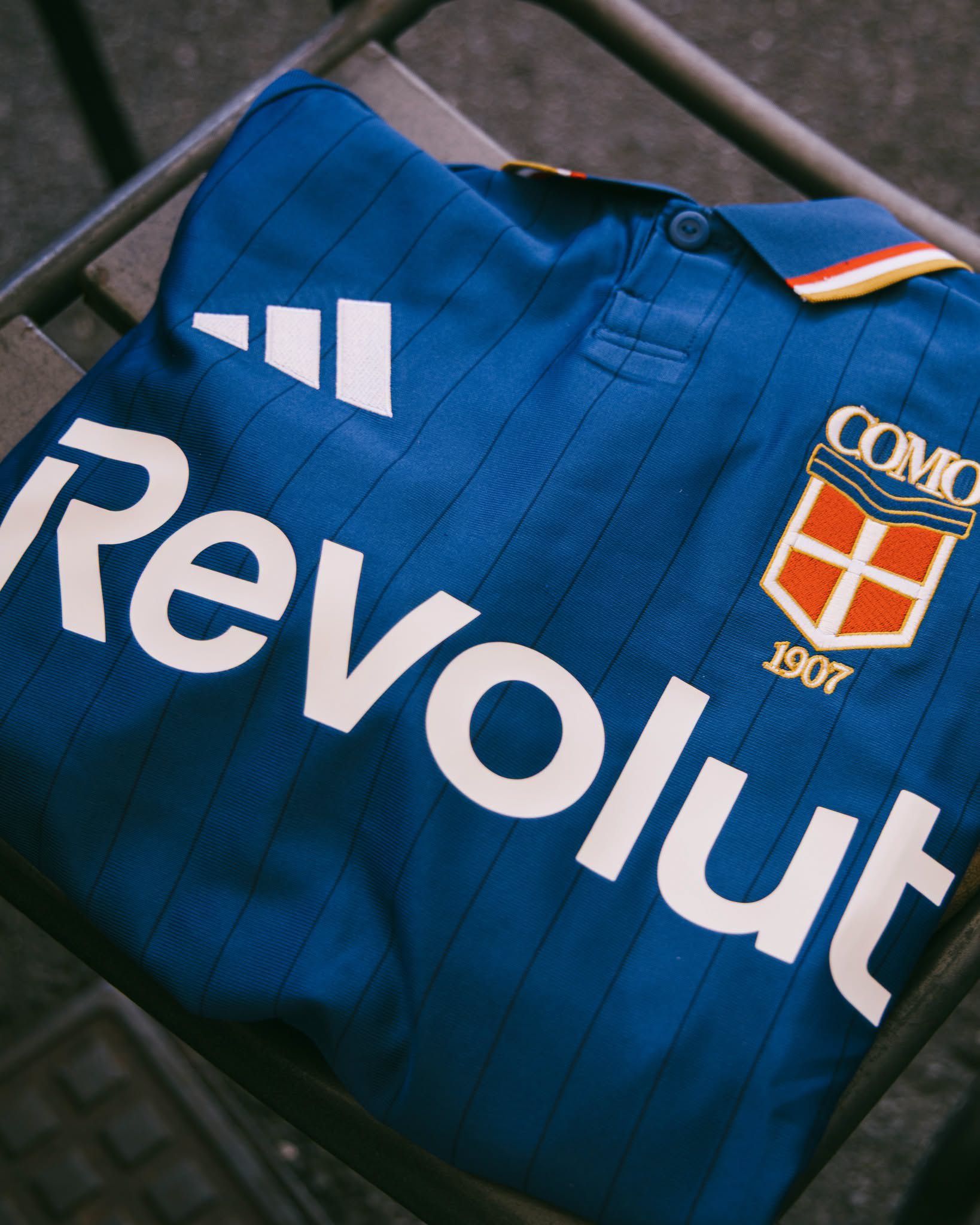
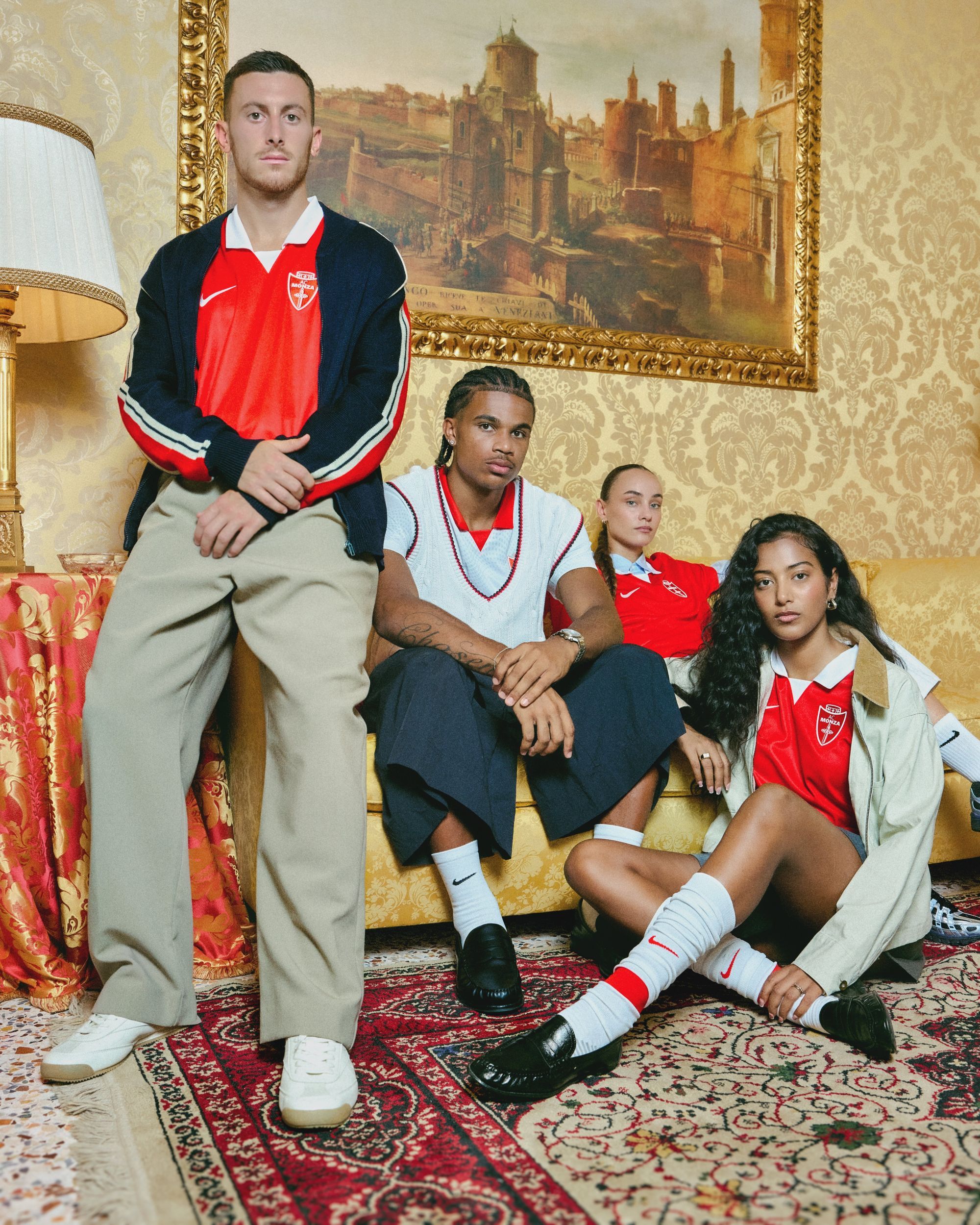
The role of football shirts is constantly evolving. The first dimension was obviously that of the pitch, with the direct consequence of becoming a symbol of belonging. Buying the jersey of a particular team was a commercial extension of supporting that team, a sort of renewal of an eternal vow of love for those colours. The evolution, in some ways a natural one, was the shift from simple purchasing to collecting. Support, fuelled also by nostalgia, gave way to the desire to own as many football shirt as possible for their aesthetic appeal. But to be part of this movement, it was in some way necessary to possess a high degree of passion for the sport. The final step, the one we are experiencing today, is the blockcore dimension, in which even the requirement of passion has fallen in favour of style. Today, a football shirt can be worn in any context, not only at the stadium or at a bar or at home while watching a match. Another effect of blockcore has been the change in the parameters of collecting.
How Football Shirts Collecting Is Changing
With football shirts no longer being an item exclusively for supporters, new trends have emerged within the collector community. Today, one of the most sought-after items on the market are match worn shirts — items actually worn by players. "I started collecting many years ago with store-bought shirts,” explains Filippo Delprete, known as Italian Jersey Collector, “but over time I reached a point, around seven or eight years ago, when I began selling off my store items. I still keep a few, mostly for sentimental reasons. I wanted to take a more serious step as a collector and focus exclusively on match-worn or match-prepared shirts. Naturally, they’re harder to come by. You can join auctions, or look on specialised sites. And now there are even companies that resell them with certificates of authenticity. It’s essential to have something that proves the value of what you’re holding. Without that, it doesn’t mean much."
For collectors, the harder an item is to track down, the more compelling the challenge of securing it becomes. At the same time, being a collector also means belonging to a community that encourages interaction and acts as a support network for those looking to buy their first match worn shirt. "You can find shirts everywhere,” Filippo continues. “They’re on Vinted, on eBay, on Subito. There are Facebook groups with dedicated channels for collectors. I use them to ask questions, because no one knows everything. There’s always something new to learn. I believe I am quite well-informed regarding Inter shirts, given that they constitute the majority of my collection. But you can exchange insights with someone who only collects Roma shirts. You can’t expect to know it all. Comparison is essential."
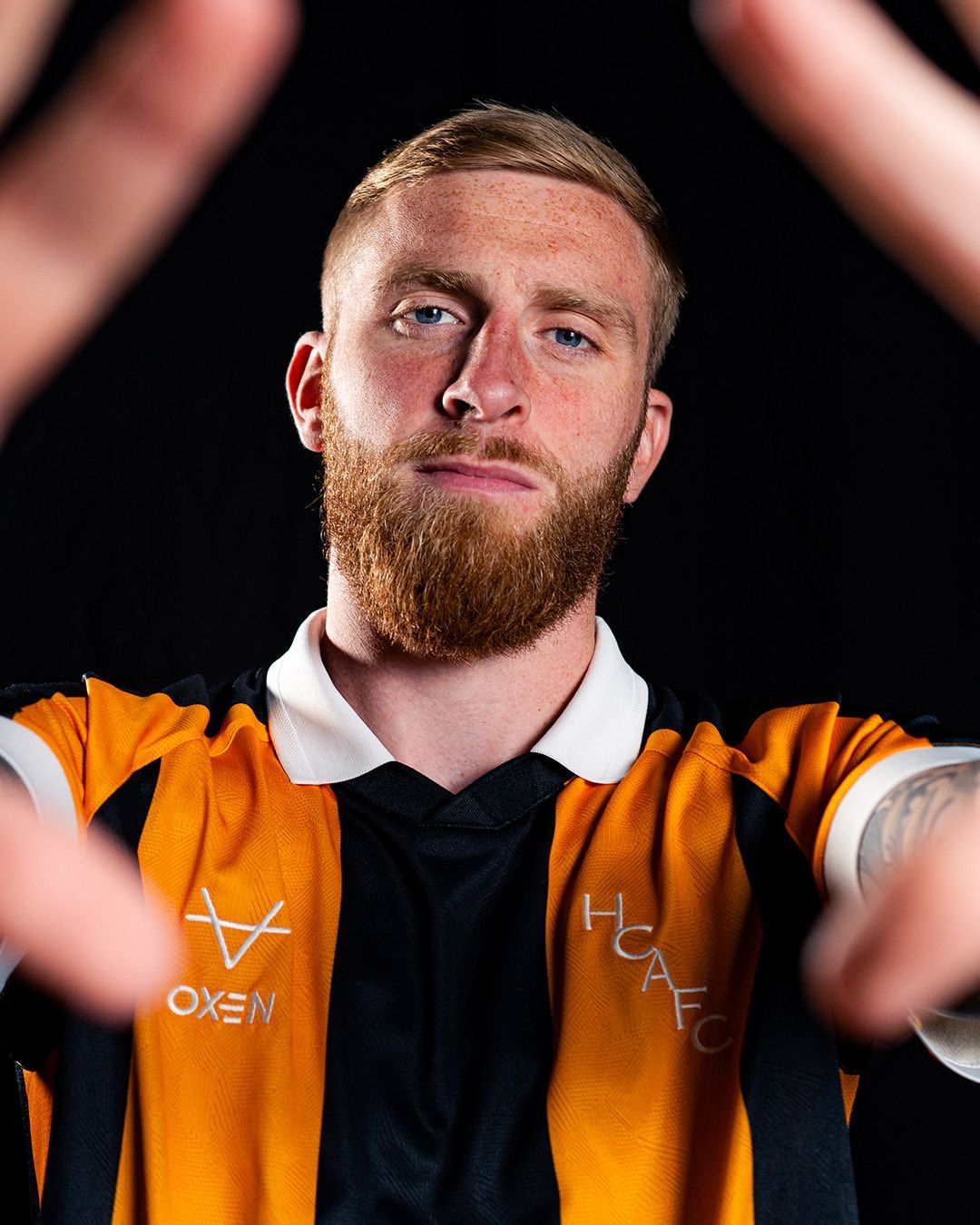
Joining a community and exchanging knowledge with more experienced collectors is also the first piece of advice that Oliver Huddlestone — a Middlesbrough fan, collector, and content creator — offers to anyone approaching the world of match worn shirts. "Being part of a football jersey community on Twitter or on Instagram it’s really helpful. Some of them are specialized in match worn shirts. Being part of a community is great. I’m a massive Juninho Paulista fan. If I want a Juninho match worn shirt from 2000, I think I’ll be able to get one by knowing people. You can also find random bits on eBay, Vinted and all that type of things. You get a lot of people trying to sell them as match worn. A lot of the time, they came with the piece of paper or the license or the document that confirms that it is a match worn shirt."
Introducing: MatchWornShirt
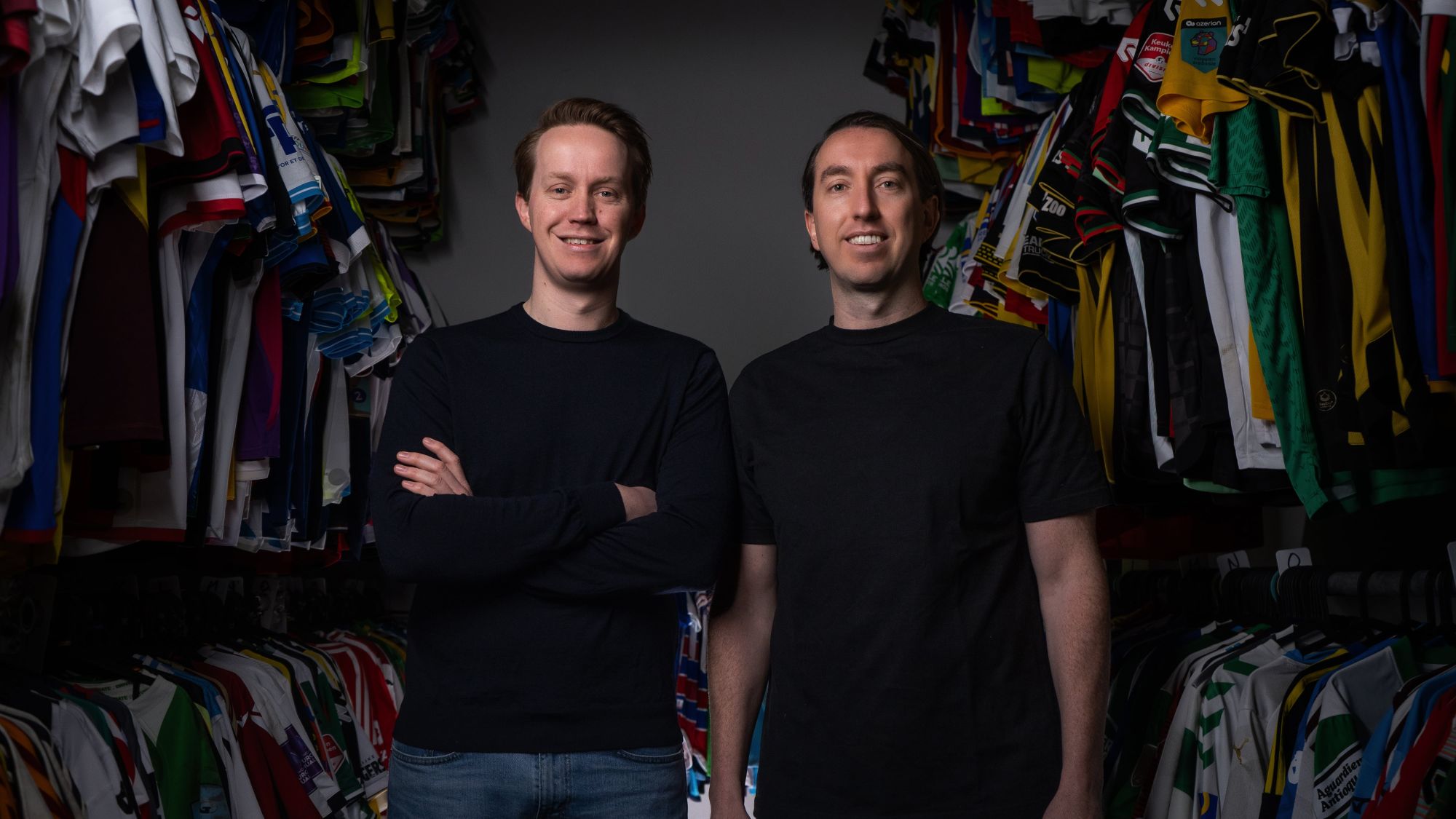
Buying a match worn shirt can sometimes be the perfect gift. This was exactly the thought that struck Bob and Tijmen Zonderwijk when they tried to get their hands on a match worn Ajax shirt of Davy Klaassen to gift their father. "We tried to find it and we noticed after a lot of digging that it was available at Ajax but only for corporate sponsors in silent auctions - explains Bob Zonderwijk, founder of MatchWornShirt alongside his brother Tijmen - So we thought, 'Why not make it accessible to everyone?' Point A: it would make people happier. Point B: clubs would receive the true value of the shirt."
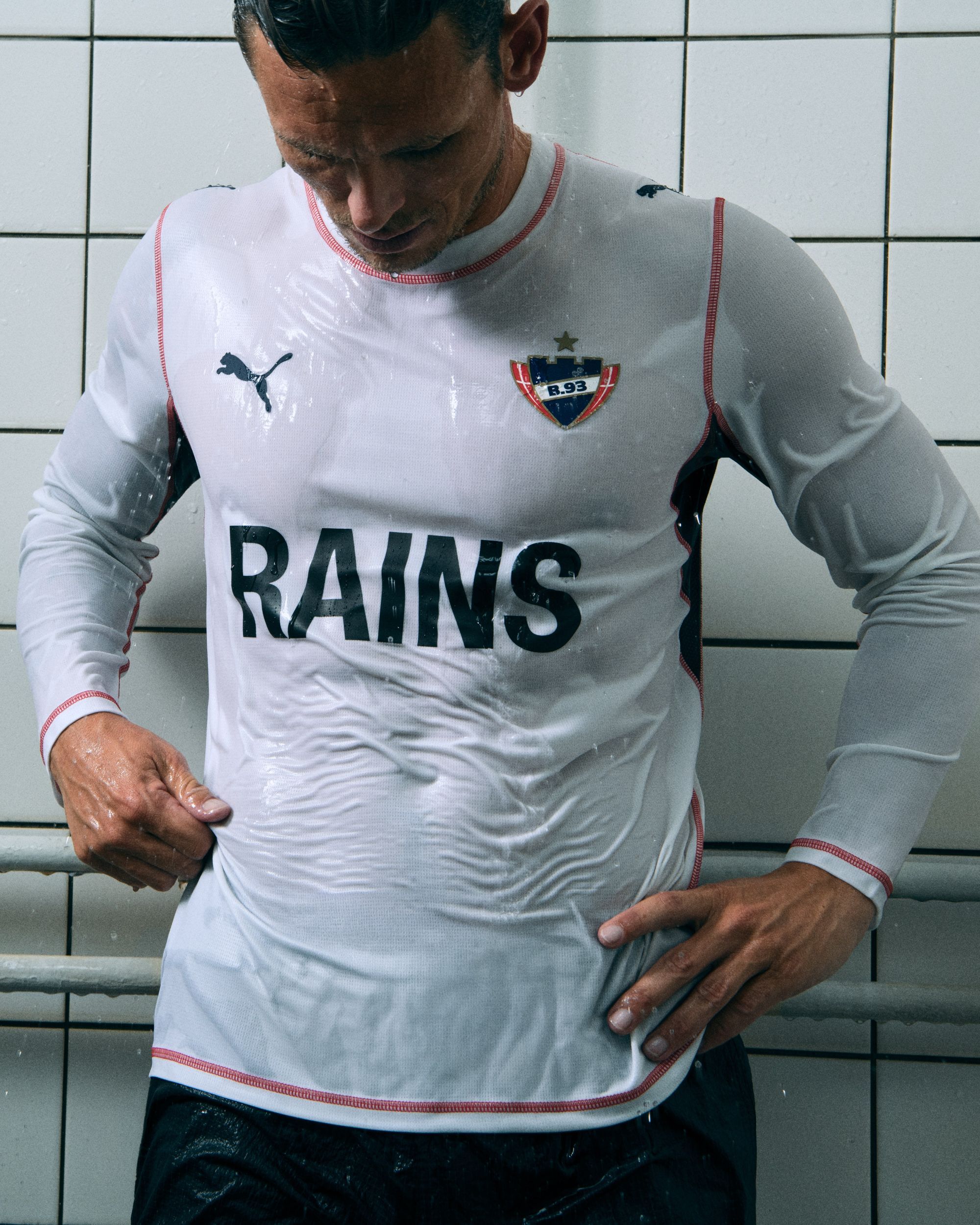
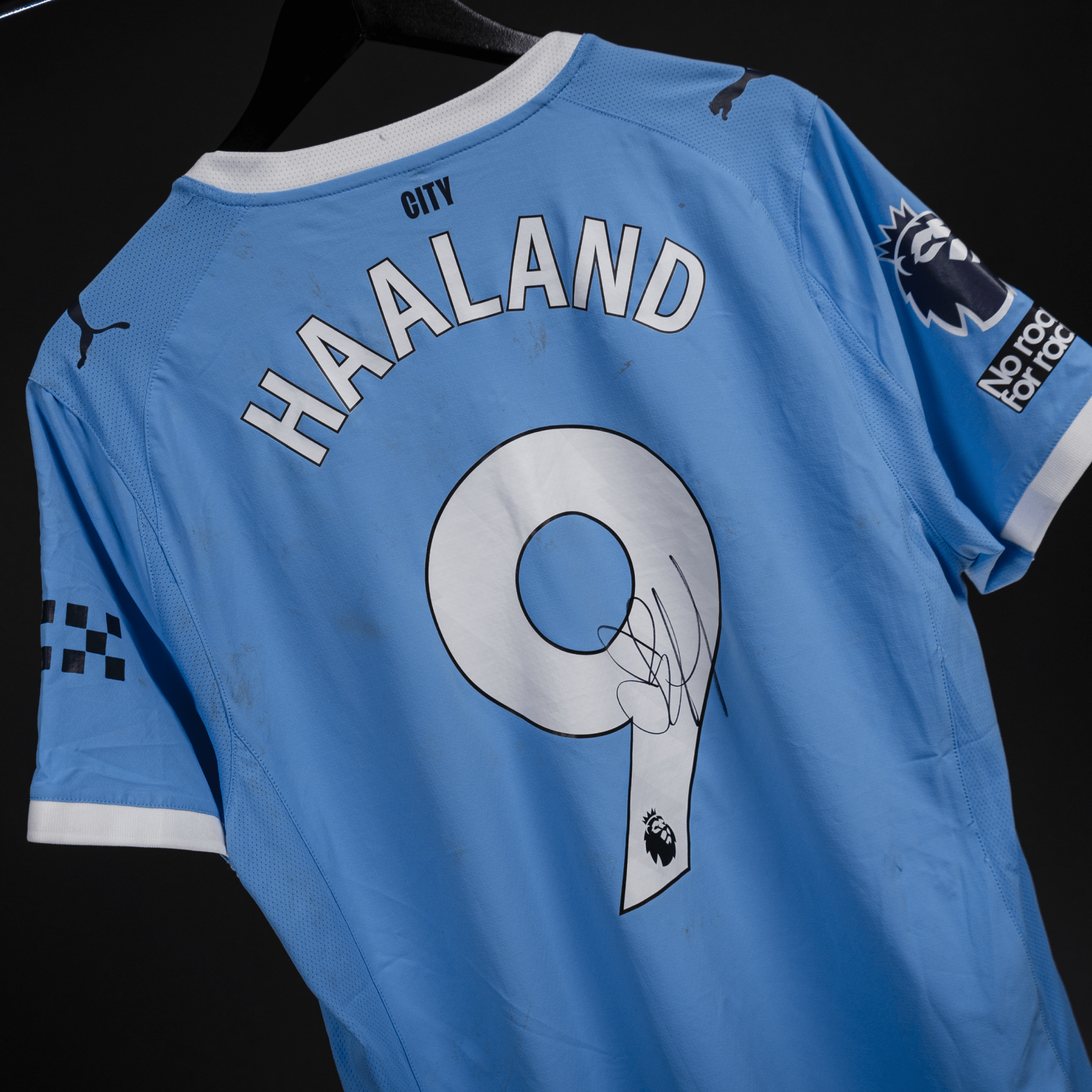
That moment sparked the idea for the brothers to create a company dedicated solely to auctioning match worn shirts. It was 2015, and ten years on, MatchWornShirt has become the undisputed leader in the match worn market. The platform now connects fans, collectors, and enthusiasts worldwide, offering thousands of match worn jerseys at auction. "There are different reasons for collecting," Bob continues. "Individual players' performances obviously help. Then very visible stains. We had a Haaland jersey that was completely ripped and that tells a story even better. At the end of the day people buy a story or buy an emotion. They don’t buy a shirt. Some people are into match wornness others just want an Haaland jersey and maybe they want it from a game he did not perform so that they can get a cheaper price. For us, the more damaged the shirt is, the more it sells the better. Even though handling is not the best or for example we get an away white jersey covered in mud because it rained, this is what makes it cool. At the end of the day this is what passion is all about".
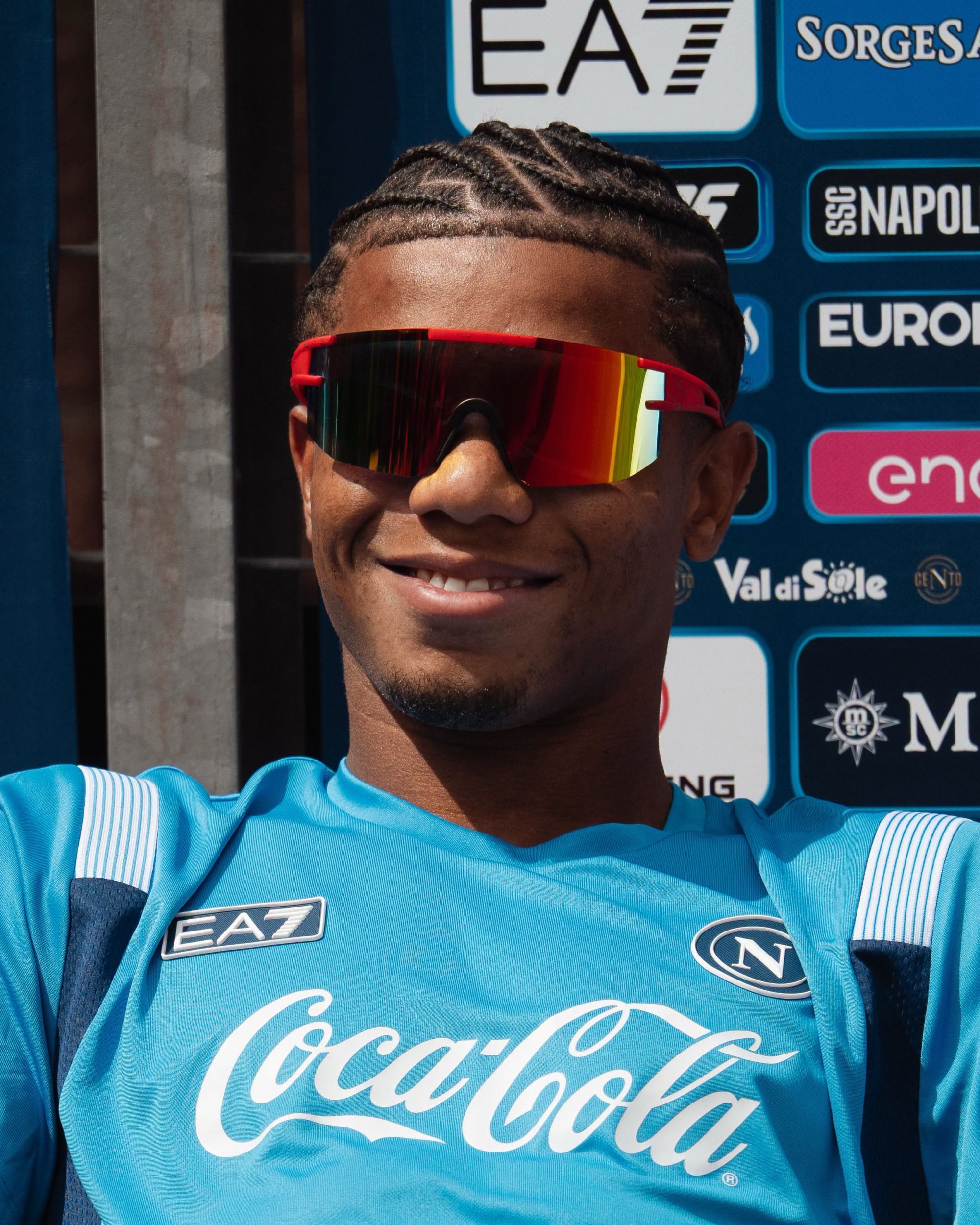
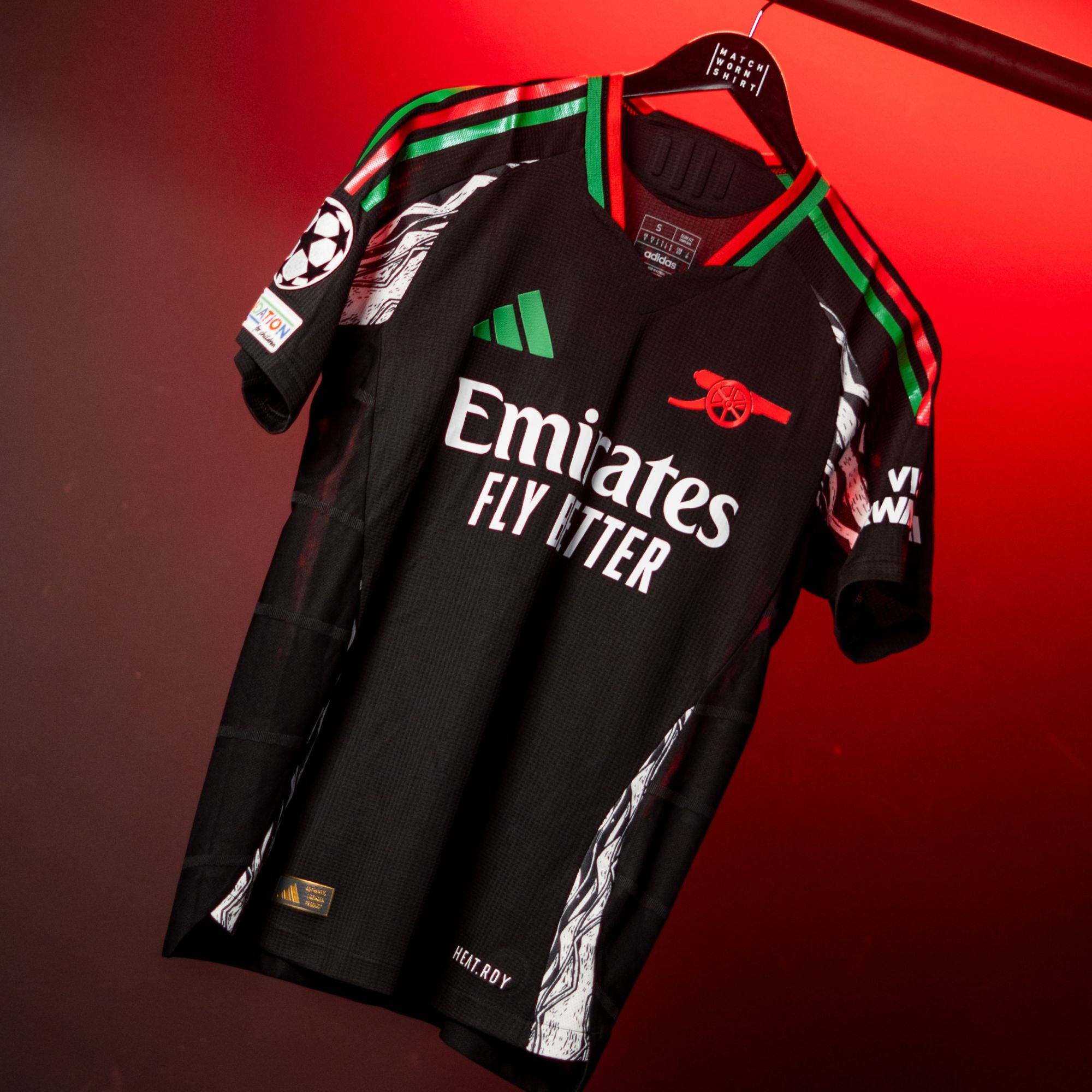
In 2017, Twente became the first club to embrace the Zonderwijk brothers’ vision. Since then, MatchWornShirt has grown impressively. In Italy, it collaborates with top clubs such as Napoli and AC Milan, while in the Premier League, partnerships include Arsenal and Manchester City. "They’re not competitors" Bob adds. "We have this conversation with every club that we engage with. Manchester City may have millions of fans on Instagram but not all of them are interested in what we have to offer. We have half-a-million people interested in this product only and don’t have time to visit football clubs’ websites".
How MatchWornShirt Auctions Work
So, how does MatchWornShirt actually get a match worn jersey and put it up for auction? The first step, Bob explains, is largely legal and commercial: "Not every club works the same way, there are protocols and projects. We have a standard way of working but we also need to be flexible to accommodate. It begins with a contract with the club and based on the size of the club we determine the suitable number of games for us to do. For example, with AC Milan we can do every single game and every player in that game. But maybe for ADO den Haag we will do just big matches or special jerseys."
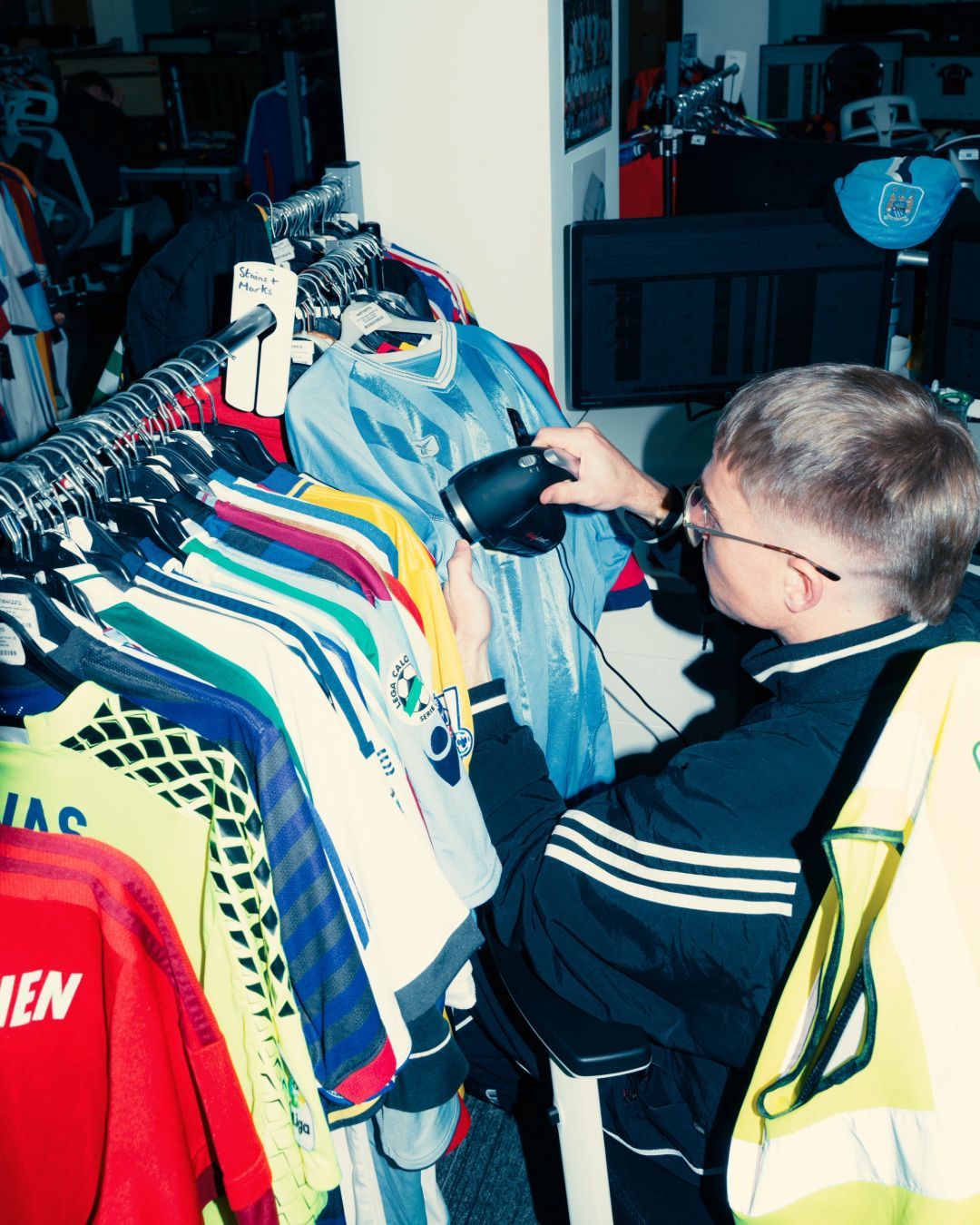
The second step is all about operations: "Our auction starts at kick off so we received information about kits in advance. Then what most clubs do is to swap shirts at halftime and we usually collect the first half worn shirts. For the subs we take a match issue shirt. Usually the day after the match at the training ground the players sign the shirt, then we send the courier to collect the shirts. Then we take them to our facilities. We dry them, we clean them without washing them with water, making sure they are hygienic but without losing the match worn element, we take photos of it and we authenticate every single shirt with a chip that is your digital certificate of authenticity."
Finally, the auction itself: "The auction runs as short as possible but we do need to take in account logistic form the shirts getting to us. Usually between four or seven days we ran the auction. Highest bid wins. They can choose to have it framed or not. Most collectors do not want it framed, they love to have it hanging there. We ship shirts globally usually within 24 hours, in remote areas in 48 hours because excitement is very important. You buy it because you have a certain emotion with the game".
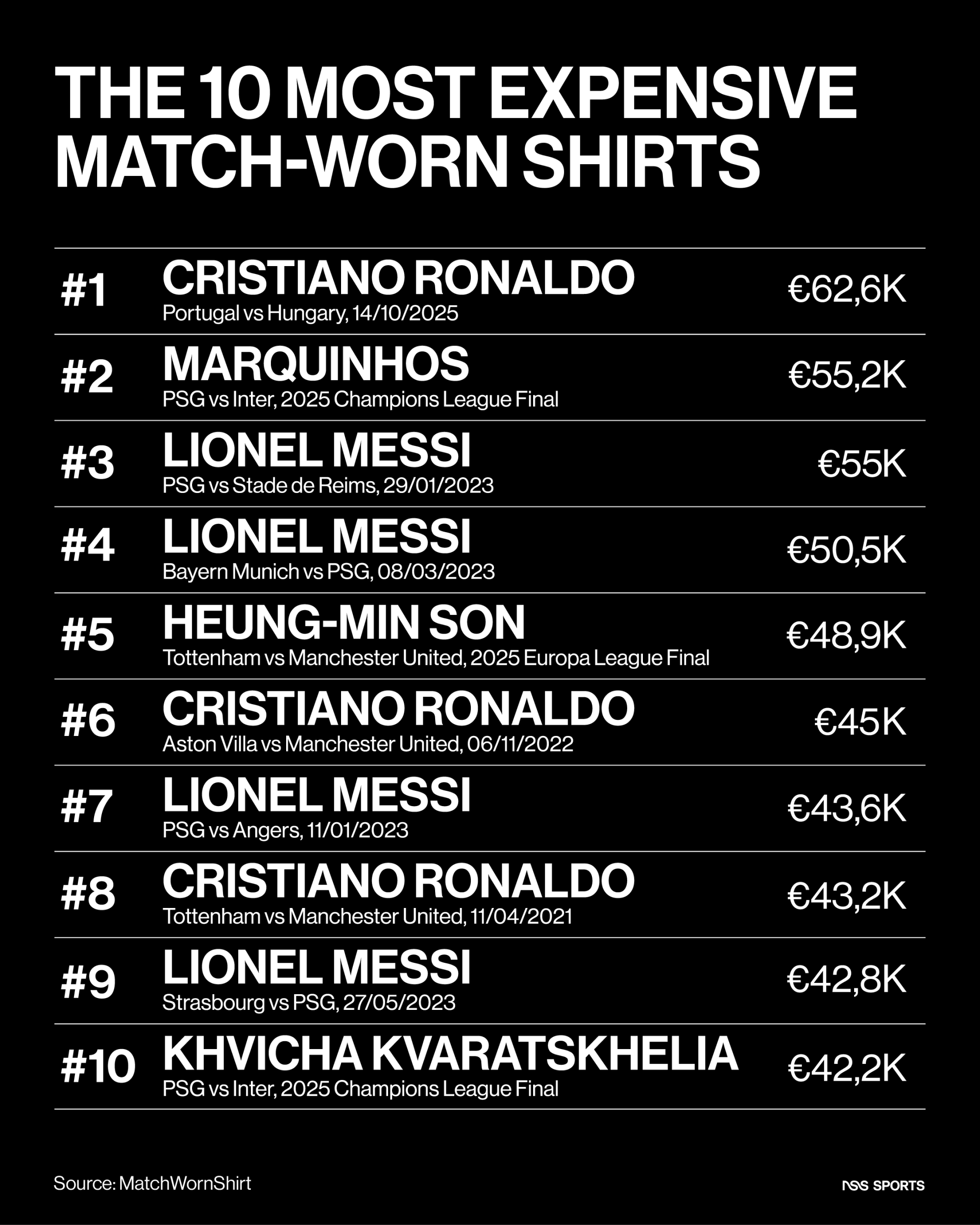
The 10 most expensive football shirts ever auctioned on MatchWornShirt
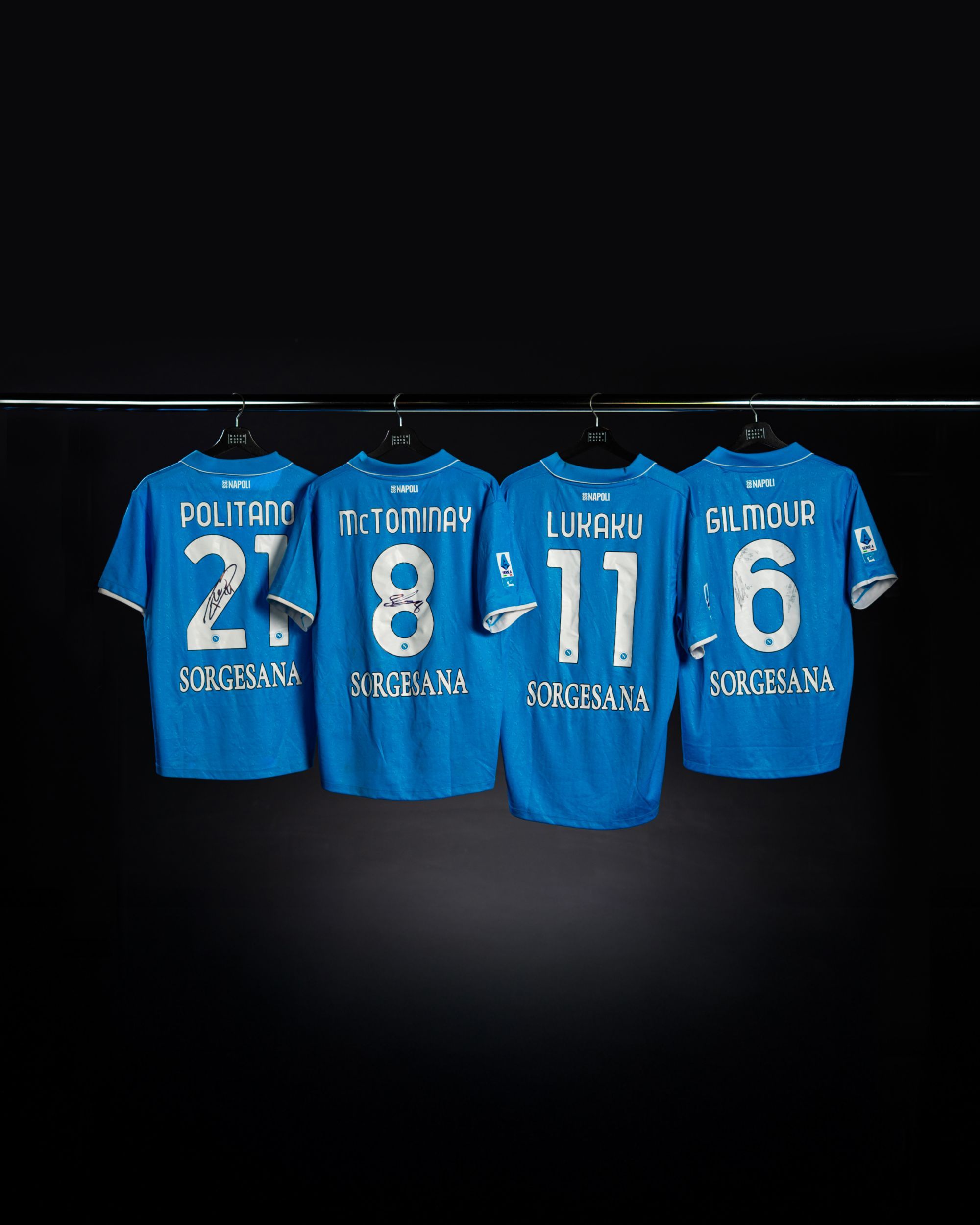
MatchWornShirt connects the world’s largest community of football fans, all eager to own a match worn shirt. Between 2023 and 2025 alone, for Serie A matches, there were over 45,000 bids from 102 different countries. The record-breaking shirt was worn by Scott McTominay in May 2025 against Cagliari — he scored one of the two goals that secured Antonio Conte’s team the Scudetto. Final sale price: €24,006.
Even that eye-watering figure barely scratches the surface of the Top 10 most expensive shirts ever auctioned by MatchWornShirt:
Each shirts’ authenticity is guaranteed through Fabricks, a cutting-edge chip embedded directly into the shirt. "The current market practice - explains Bob - is that you get a nice paper in which it’s said that a shirt has been worn by a specific player. We feel that this is not future proof. First of all because it’s 2025 and it feels very old-fashioned. And there is a conflict of interests because it’s in my interest to say that a shirt is worn and also in the club’s interest as they want the money. So we decided to get completely rid of it and have a chip in the shirt that players do not feel when they are wearing it. Through that chip we can control all the shirts that we have authenticated. Also for the future.
Maybe you’ll find the new Maradona and you want to buy a worn shirt now valued 200 euros. If it’s really the new Maradona you can sell it in the future for 50k and it will be my regiment. But can you prove it, 10-15 years down the line, that is actually legit? What we do is to put all these shirts that we have authenticated in the blockchain and if you want to resell the shirt in the future, then we can facilitate that process for you and the buyer that the shirt is a legit shirt".
How to Recognize an Authentic Match Worn Shirt
As mentioned, auctions are not the only way to buy a match worn shirt. You can also navigate independently through websites and communities, but there’s a risk of scams. The real challenge in buying on your own is verifying authenticity. How can you do it? "My advice" says Oliver Huddlestone, "would be to buy from a reputable seller that has a reputation for selling jerseys. If it doesn’t come with a label or documentation, I think you have to dig it deeper with the person you’re buying the shirt from. Where did he got the jersey from? The specifics of the match he got it from. It is difficult because sometimes it is a bit of a risk. If you are an incline that is not match worn, maybe go with your incline. Unfortunately there is no real way to prove it."
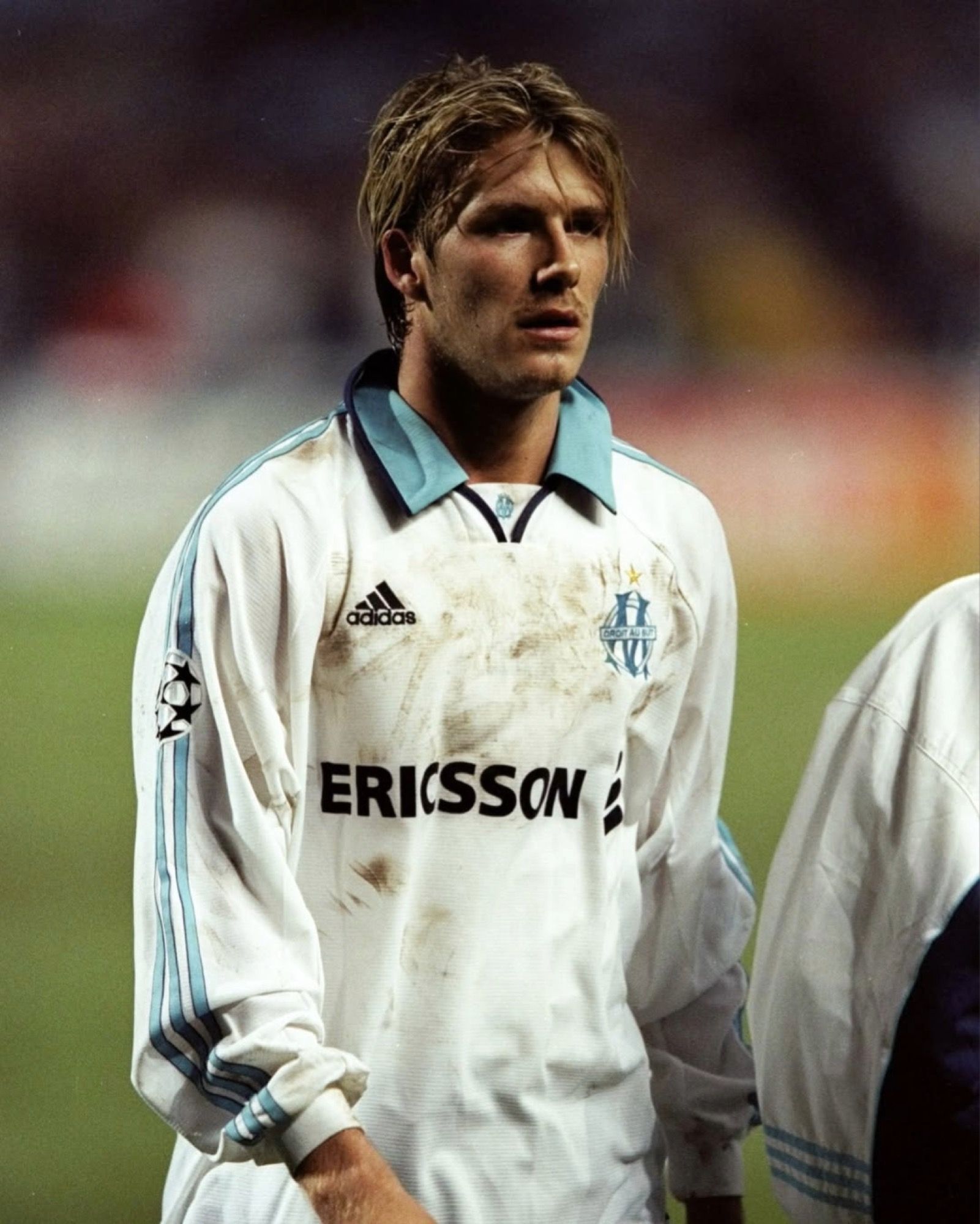
"Let’s make an example," Oliver continues, "Dean Gordon from Middlesbrough from 1998. Someone says he has his shirt. And it got a big mud patch there. A lot of it it’s going and check manually on Getty Images looking at Middlesbrough vs Southampton from 1998 and check if he has the mud patch. Or for example, back in the 90’s a lot of the printing was not as good as they are nowadays. So, the 7 might be a little bit to the left or the letter might be closer to the next one. It’s a lethargic process, it can be annoying. This is a road that people I know go down. Another part is that people selling match-worn shirts are given the shirts by reliable source, like an ex-player, a kit man or an official from the club. Back in the 90’s there was nothing like that. Players used to wear them for more then one game. Players were given a handful of shirts per season and at the end of the season they might given them away. One shirt potentially could have been worn for 10 games".
Tunnel is nss sports’ weekly newsletter that brings together the best of sportainment. Click here to subscribe.
The scenario Oliver describes is very different from today. Filippo offers some additional insight: "Usually, players have three shirts at their disposal: a spare, one for the first half, and one for the second half. They take off the first half shirt and put on the one they’ll wear in the second half. First half shirts now must be left to the club due to partnerships with companies. This doesn’t apply to every match or every team. Second half shirts are usually theirs to keep. They can take them home, gift them to a friend, or throw them to the fans. The third shirt might stay at the club, reused by the kit manager, or sometimes made available to fans. That one isn’t technically match worn but is prepared and differs slightly from a store shirt. There are also shirts where the locker-room version is identical to the store version. Some clubs make no distinction. These locker-room shirts are called match issue."
"Auctions tend to drive prices very high, and sometimes the value of the shirt isn’t truly what it seems," Filippo adds, offering a different perspective. "There are communities ready to help. Facebook groups can be very useful. It’s always better to ask, to double-check. For example, if on Vinted a seller has many successful sales with great reviews, you can trust them. If it’s the seller’s first shirt and you have doubts, it’s better to walk away or ask more questions. The collectors’ market has exploded, but true collectors are fewer and fewer. Most are just opportunists trying to get a shirt to resell immediately. That’s not collecting. They’re like scalpers in sports cards, Pokemon cards, or One Piece cards. If you collect with the mindset of just owning a trophy to sell later, you’re not a collector. We collectors are almost hoarders, but we care about what we have."