

When Boca Juniors influenced Maradona's aesthetic An iconic look that started out as an act of protest
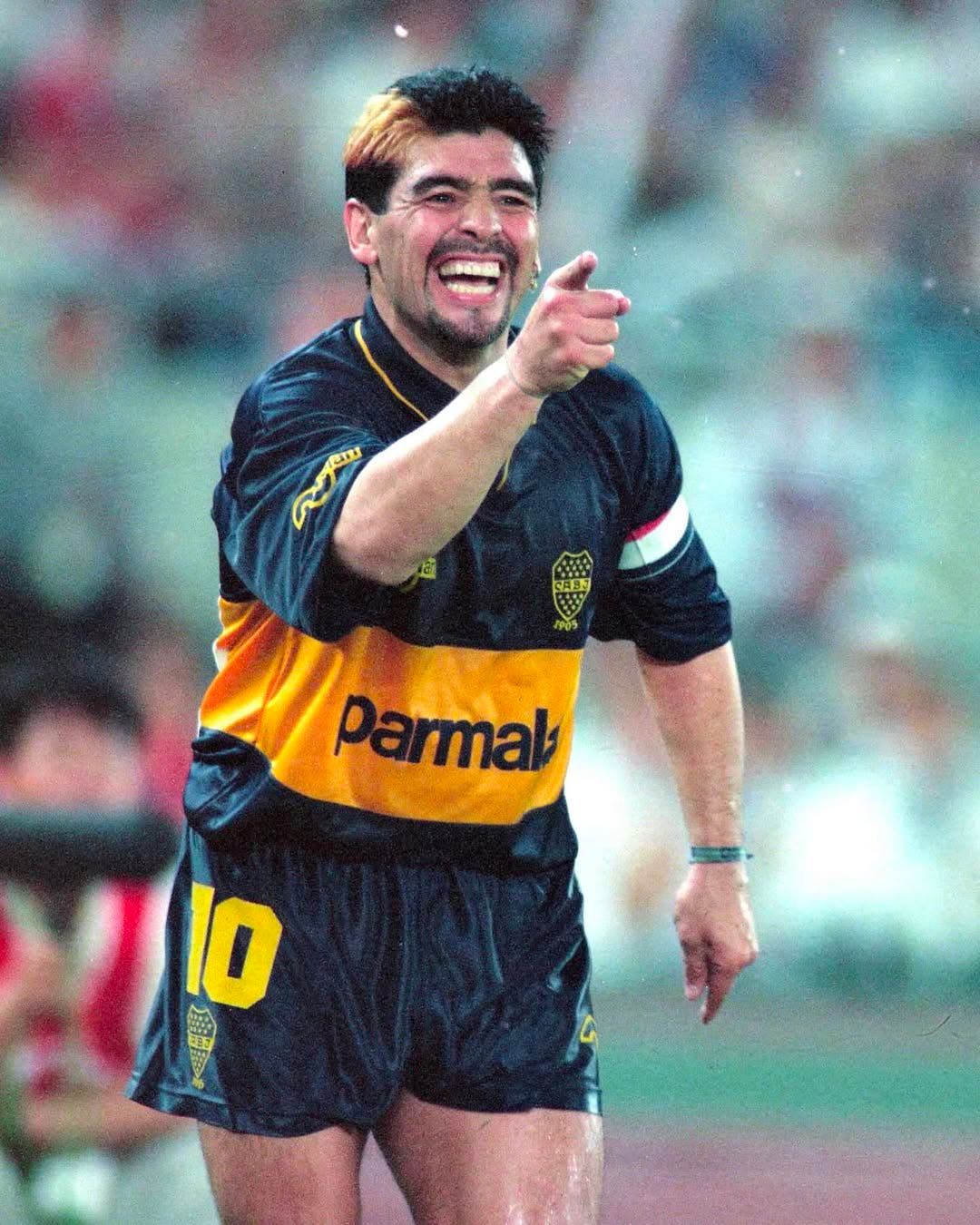
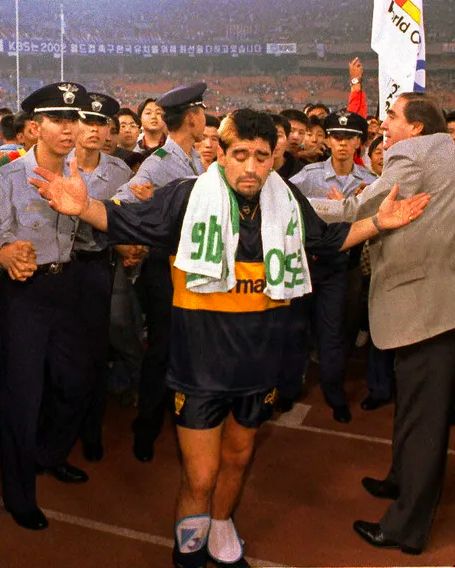
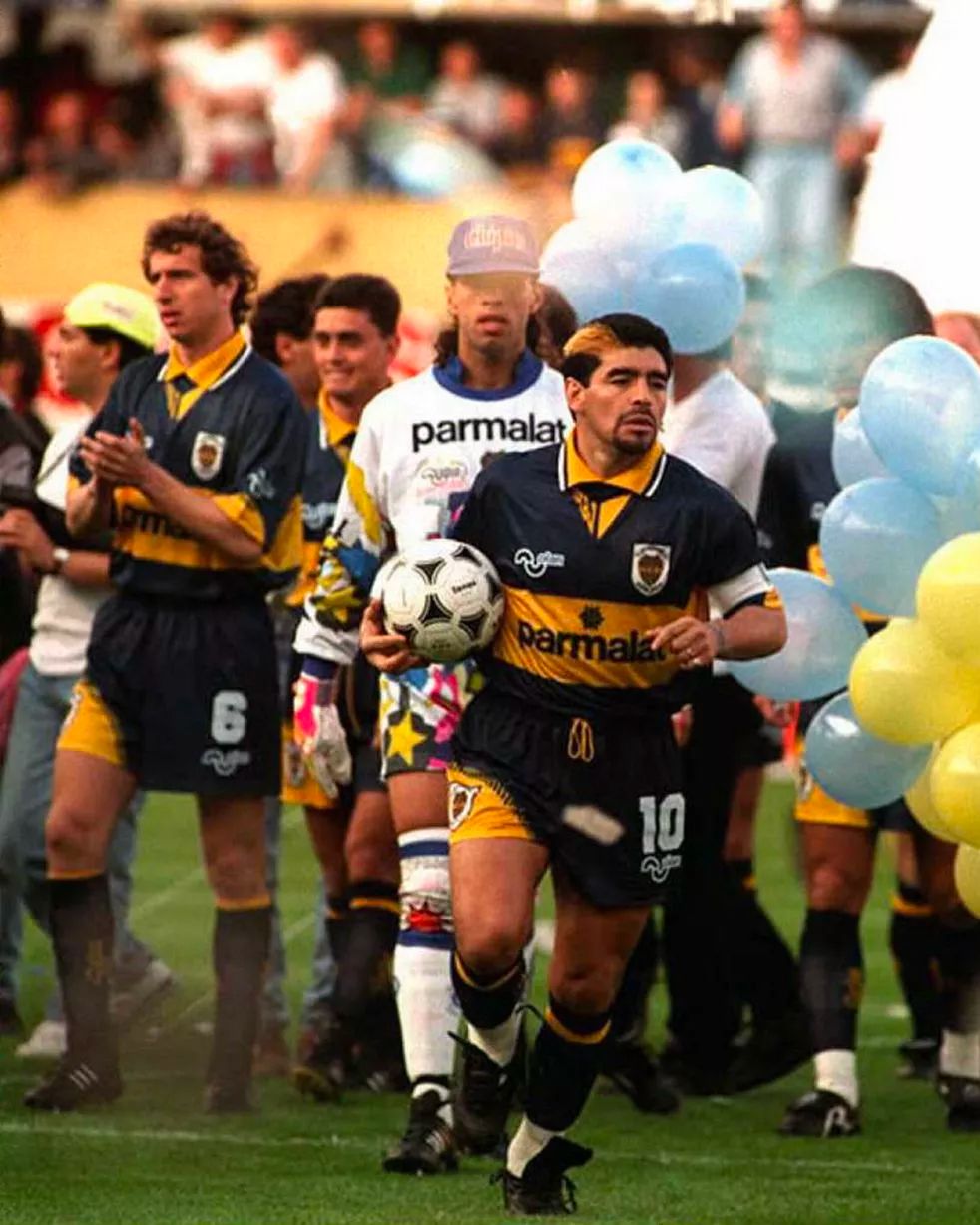
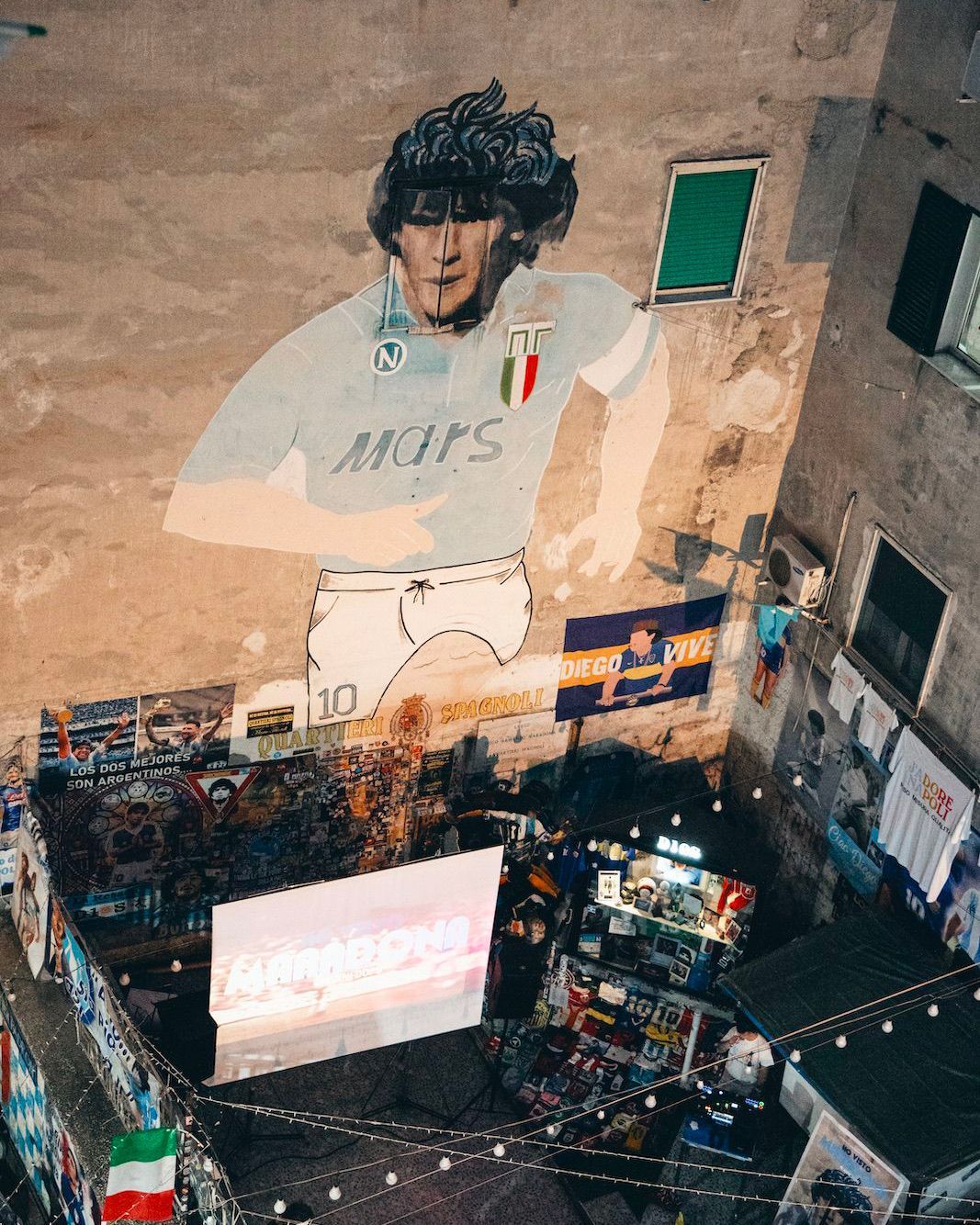
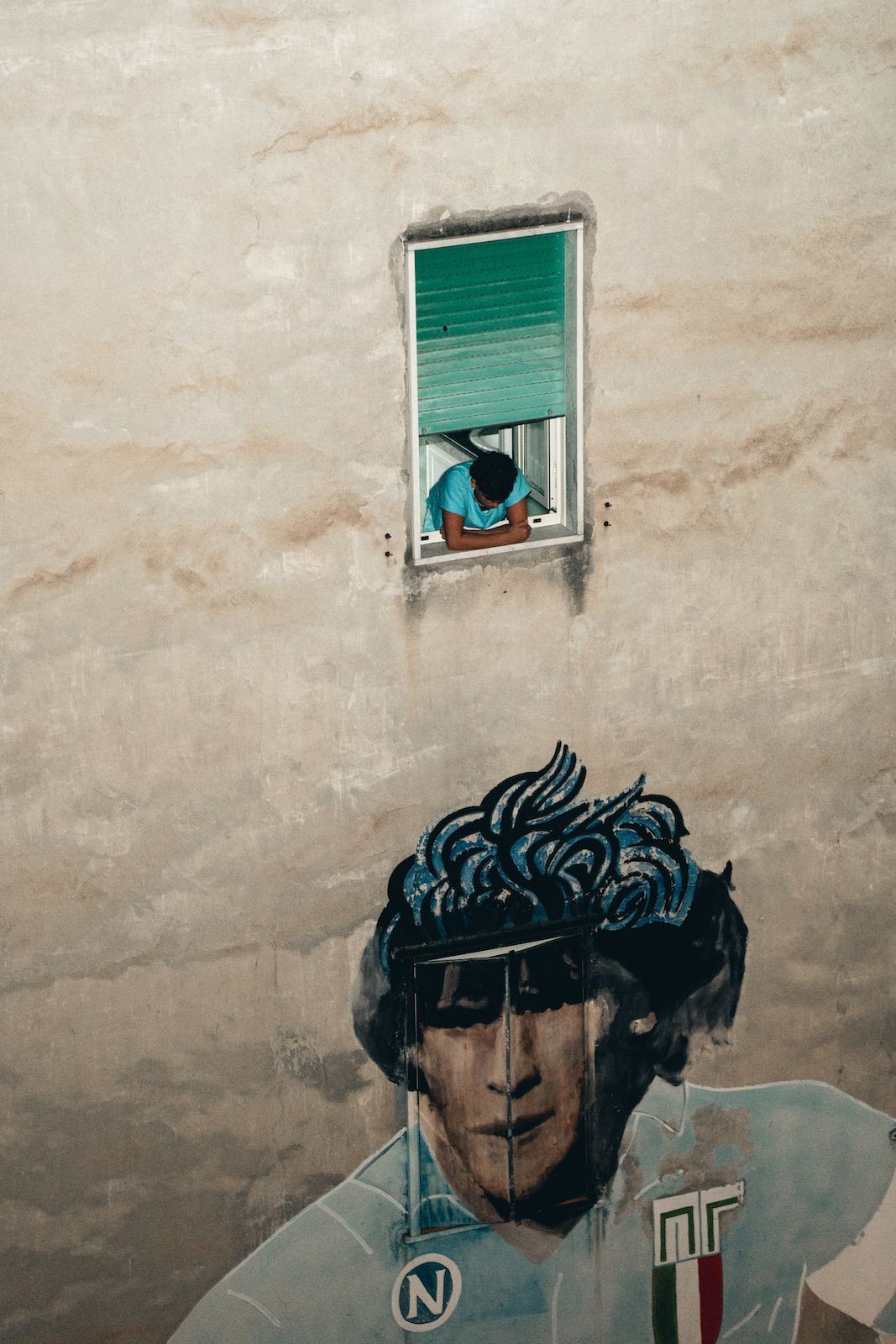
When we think of Diego Armando Maradona, the first image that comes to mind is his time at Napoli: a thick mane of curly black hair. A look that accompanied him through most of his career, especially during the most important moments such as winning the World Cup with Argentina in 1986 and the two Serie A titles won with Napoli in 1987 and 1990. Today, that image has also become a work of art, since the inspiration for the mural depicting him in Naples on the façade of a building at Via Emanuele de Deo number 60 comes precisely from that aesthetic. A second aesthetic trend linked to Maradona is the one that accompanied him in the latter part of his career, with short marine-style hair, perfect for his last appearance at a World Cup during USA 1994. And then there is a third, shorter trend, in which Maradona was involuntarily influenced by Boca Juniors.
We need to go back to 1995. The last image of Maradona as a footballer dates back to the summer of 1994 during the World Cup, the scream of rage that transforms his face after scoring against Greece, followed by the snapshot of the nurse taking him by the hand to accompany him to the doping test. That test turned out positive for ephedrine, a substance Maradona took during his physical preparation for the event, which helped him lose weight, a total of 15 kilograms. Legend has it that FIFA had assured Maradona he would not be tested, but after the criticisms of the Pibe de Oro to the federation, that agreement fell through and Maradona was forced to undergo the doping test. The positive result cost him 15 months of suspension. He officially returned to the field on October 7, 1995, wearing the Boca Juniors jersey, the team his father supported and for which he played in the 1981/82 season before moving to Barcelona.
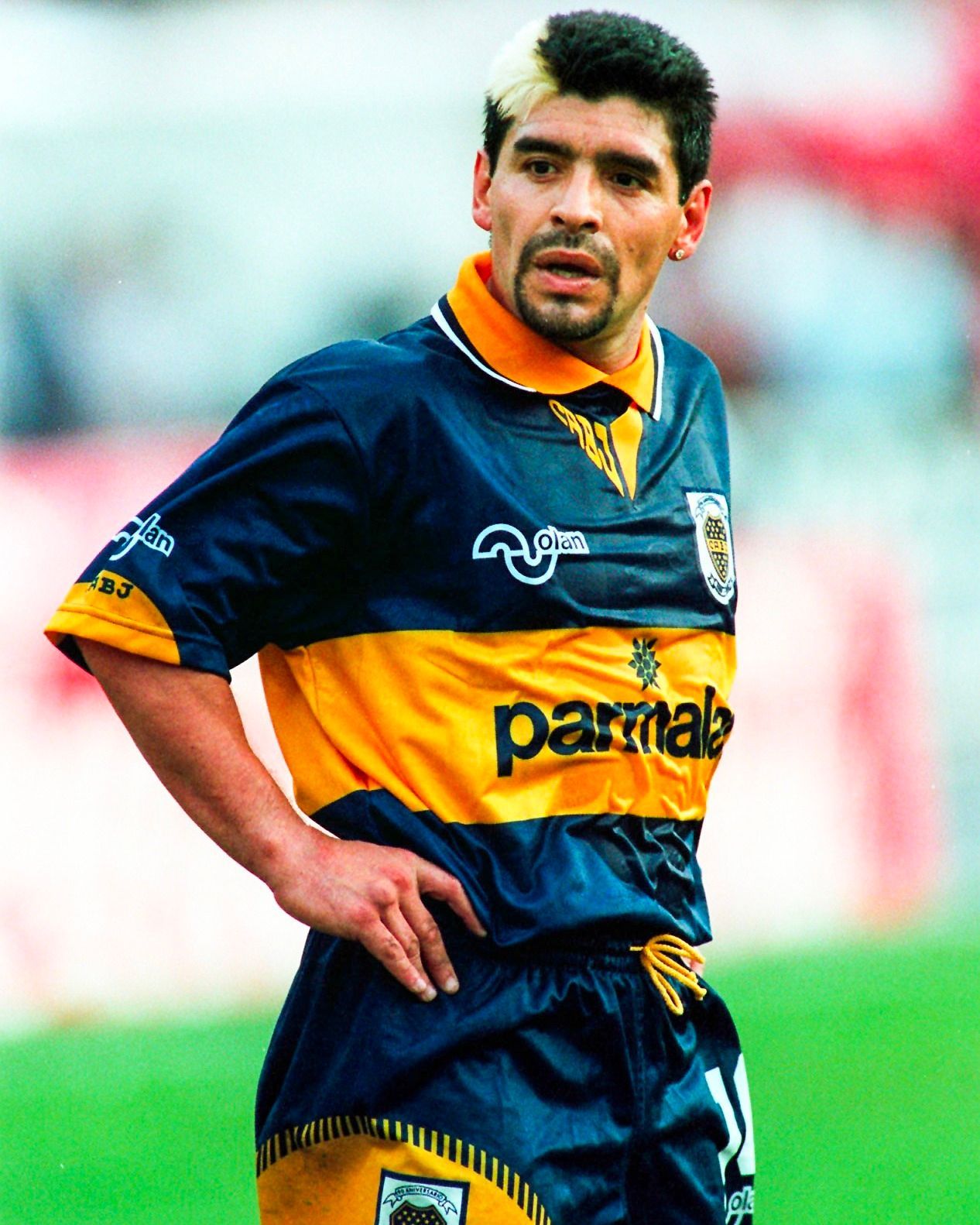
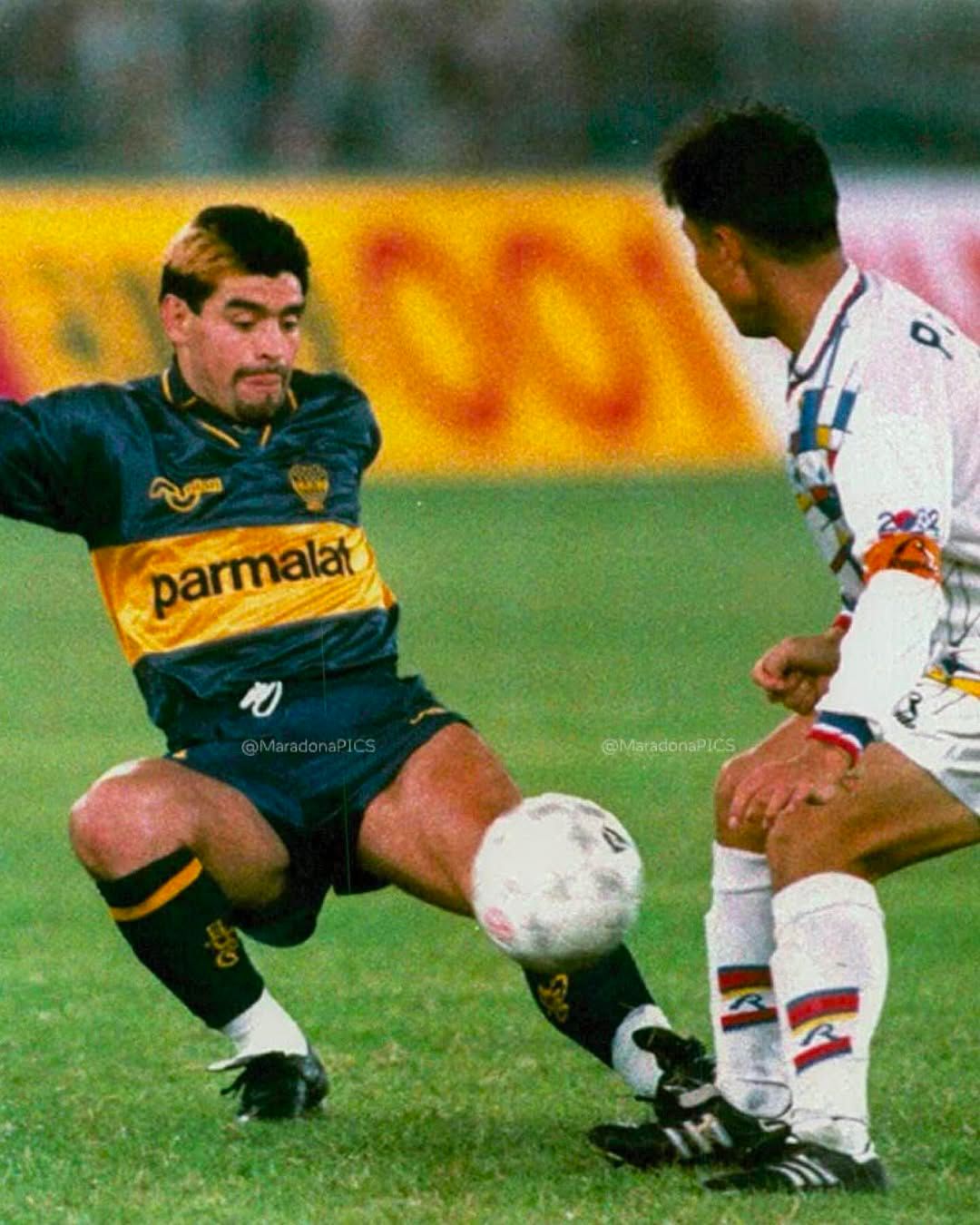
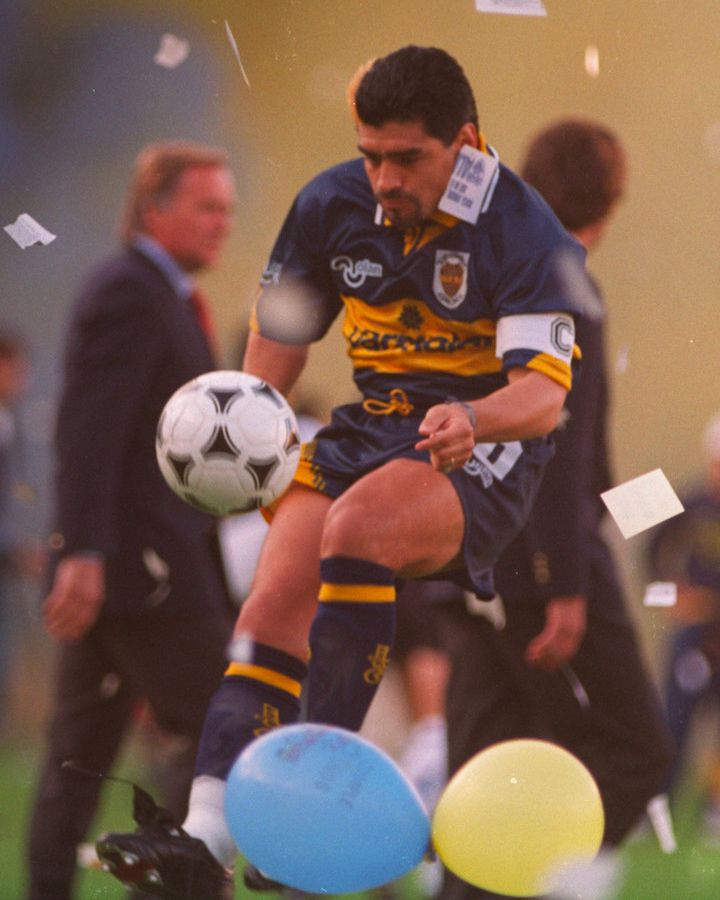
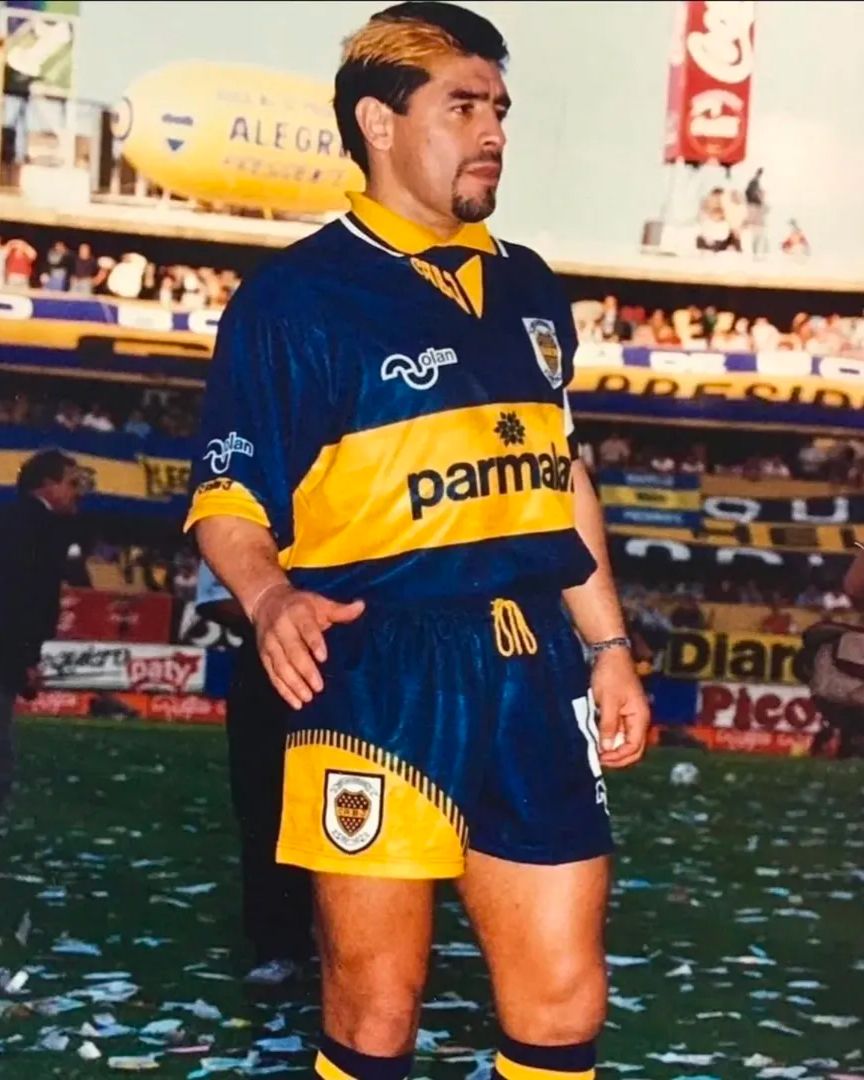
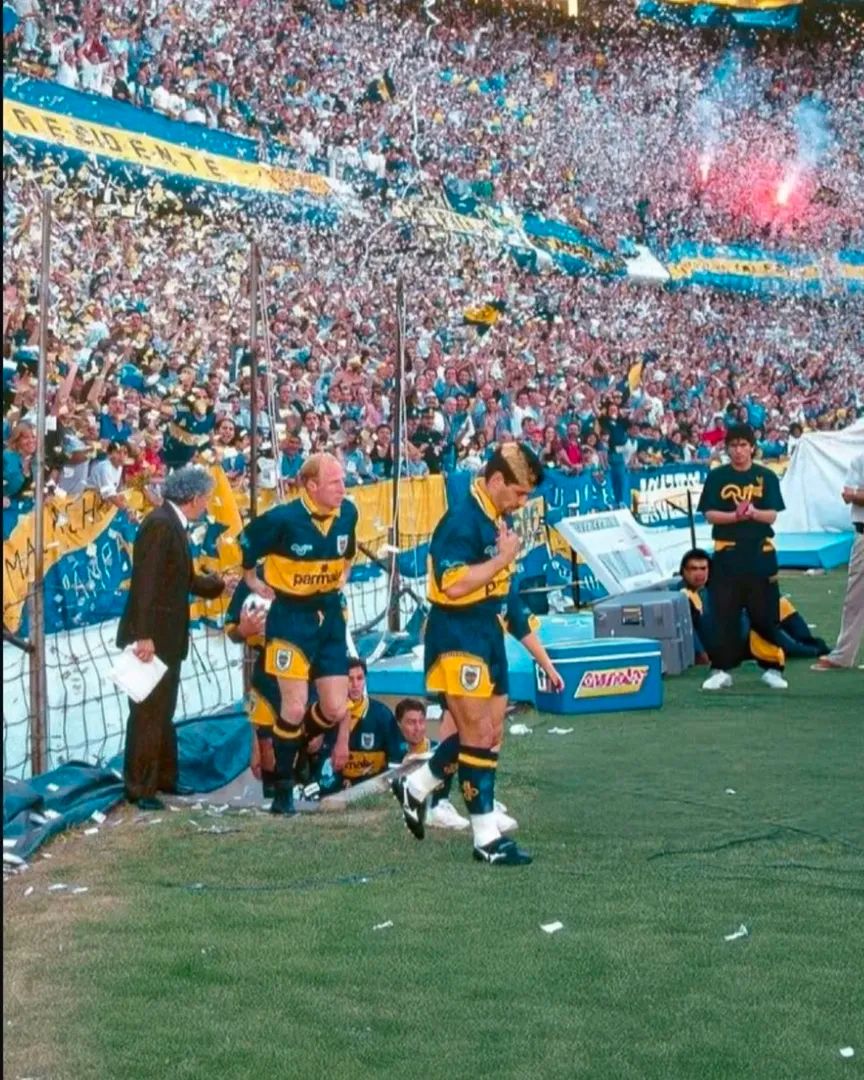
To celebrate what was effectively a homecoming, Maradona decided to pay tribute to the club colors of Boca Juniors and the way they are applied on the home jersey. On the occasion of the match against Colon, the day he returned to wear number 10 for Boca Juniors at the Bombonera, Maradona took the field with a surprising blonde streak coloring a strip of hair on the right side. According to the most credited version, it was an act of protest as Daniel Passarella, then coach of Argentina, had imposed military-style haircuts on all national team players, along with a strict ban on earrings and surprise drug tests. To show his support for the national team players, Maradona dyed his hair, creating an iconic look.
A second version reports that Maradona decided to dye part of his hair blonde while he was on a farm in Punta del Este where he was training before his return to the field. Chronologically, it was early July, 45 days before a friendly played by Boca Juniors in South Korea. This appearance in that friendly, already with his new look, created an unprecedented emulation effect, so much so that when Maradona played the aforementioned match against Colon, thousands of people in the stands of the Bombonera replicated his look. "I painted a yellow streak on my hair, a streak like Boca's jersey, but with a message: all as a sign of protest", is the quote attributed to Maradona confirming the rebel sentiment behind this aesthetic.
@bocaesmultitud_ Hermoso video de la vuelta de Maradona a Boca #boca #bocajuniors #maradona #diegomaradona #xeneize #labombonera suono originale - DomenicoGiglio97
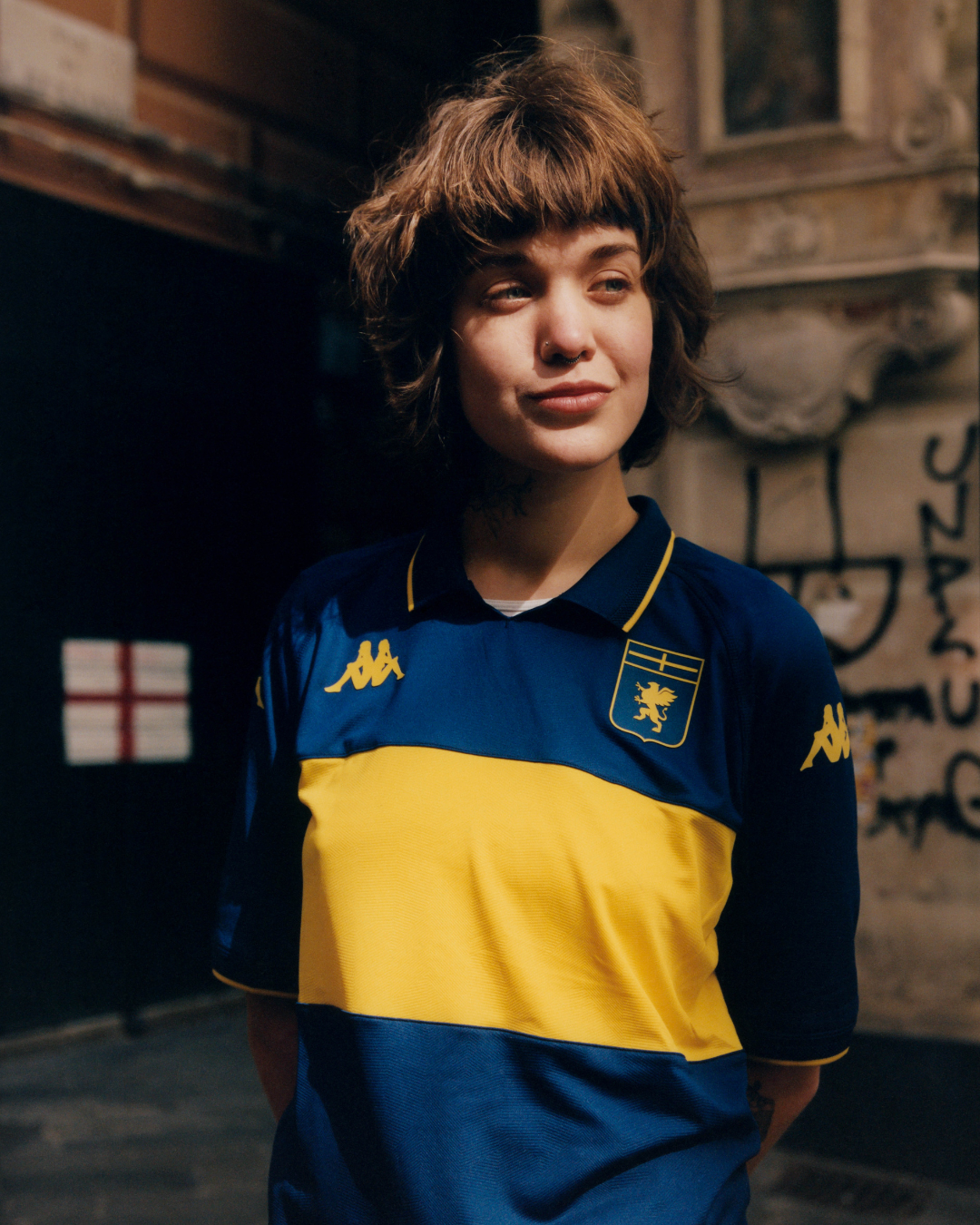
That blonde streak perfectly matched the horizontal yellow band on a blue background that has always been synonymous with Boca Juniors, a template born by chance. Forced to abandon the white vertically striped jersey due to a lost match against Nottingham de Almagro, the Boca Juniors members in 1906 drew inspiration from the flag of Sweden that was flying on the Drottning Sophia, one of the boats docked at the port of La Boca, the Buenos Aires neighborhood where the club was founded by a group of Italian immigrants from Genoa. Thus was born the legend of Azul y oro of Boca Juniors, one of the most famous and significant color compositions in the football world. So strong and impactful that it even influenced the aesthetics of the greatest footballer of all time.