The ultimate guide to FIFA World Cup documentaries Forgotten stories, political controversies, underdog triumphs and legendary matches
As the 2026 FIFA World Cup approaches, there’s no better way to relive the stories and emotions of football’s greatest tournament than through the right documentaries. One could easily recommend at least one title for every edition of the World Cup, each offering a different perspective. The catalog is vast and waiting to be explored, uncovering unique stories that go far beyond the familiar, comforting narrative of the football pitch. In recent weeks, international streaming platforms have been releasing a growing number of football-related documentaries, enriching the road to the next World Cup with fresh and compelling stories.
Below is our selection, while we await "American Wedding: 50 Years of Soccer in the U.S.", the documentary project conceived, written, and independently produced by nss in collaboration with Soccertes. The film offers an original and in-depth portrait of soccer’s evolution across the United States and will be available exclusively on DAZN in June 2026.
The Game of Their Lives (2002)
Who would ever think of producing a documentary in North Korea about the national football team? Very few people—perhaps no one except Daniel Gordon and Nicholas Bonner. The British duo embarked on a long-gestating project featuring interviews with the seven surviving members of the North Korean squad that competed at the 1966 FIFA World Cup in England. That tournament is remembered, among other things, for North Korea’s remarkable run, which included defeating Italy and reaching the quarter-finals against all expectations. Initial doubts surrounded the feasibility of the project, largely due to the widespread belief that the players had been executed upon returning home after their defeat to Portugal. The discovery of the surviving players and the unprecedented permission granted by the North Korean government to Western film crews ultimately resulted in a documentary unlike any other.
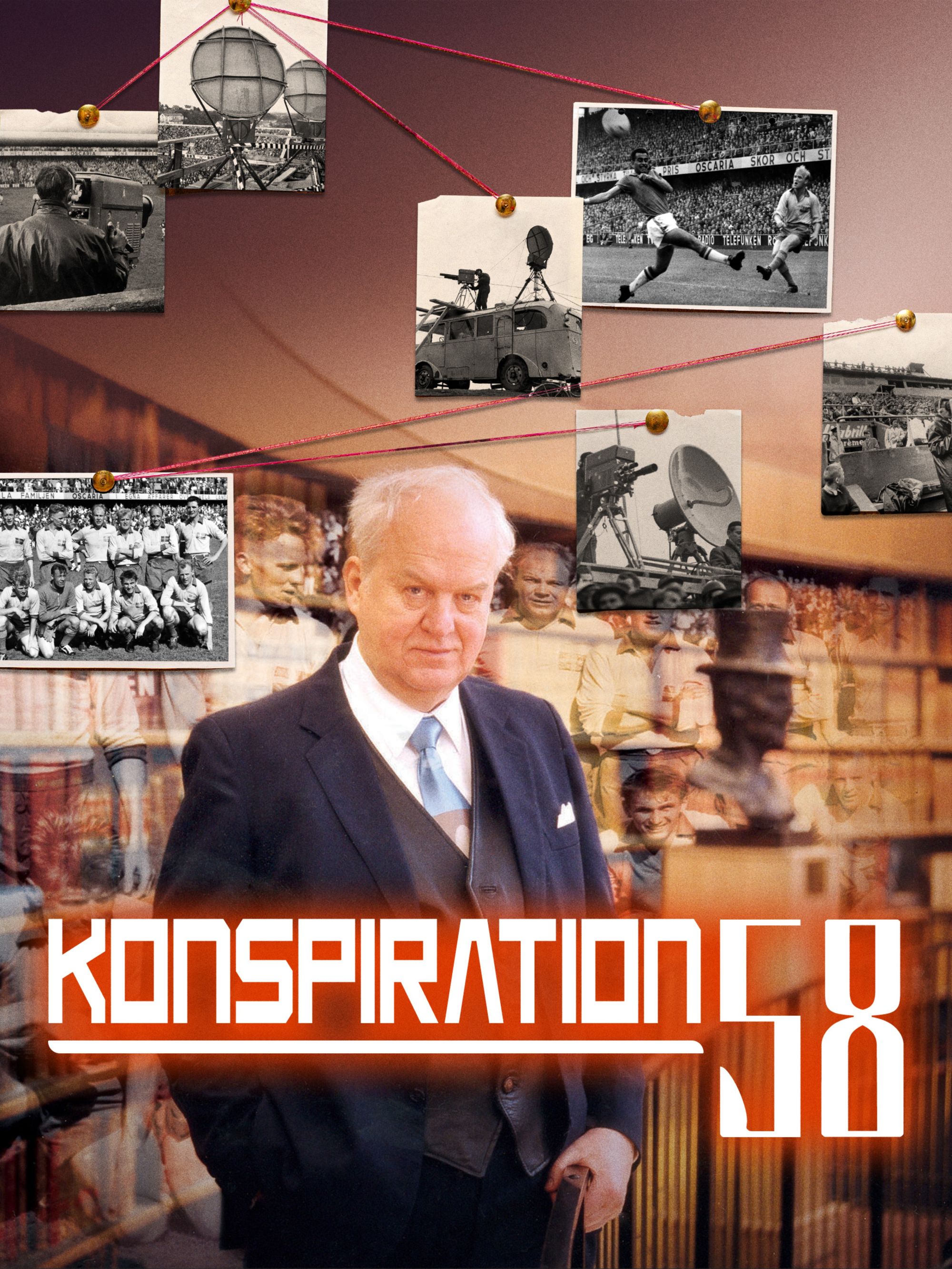
Konspiration 58 (2002)
A mockumentary produced by Swedish Television in 2002, exploring the bizarre conspiracy theory that the 1958 World Cup in Sweden never actually took place. According to the fictional KSP58 Movement, the tournament was merely a radio and television fabrication designed as Cold War propaganda. The organization argued that Sweden was economically too weak to host an event of such magnitude and therefore could never have staged a successful World Cup. The filmmakers cleverly withheld the fact that the film was fictional from its initial audience, presenting it as a genuine documentary.
The Other Final (2003)
What if we told you that Brazil versus Germany was not the only World Cup final played on June 30, 2002? In fact, another match—dubbed "The Other Final"—was held between the two lowest-ranked national teams in the FIFA rankings: Bhutan and Montserrat. The idea came from Johan Kramer, a Dutch filmmaker disappointed by the Netherlands' failure to qualify for the World Cup in Japan and South Korea. His solution was to organize and document this extraordinary event, which attracted around 25,000 spectators and captured worldwide attention. At the end of the match, a trophy split in two was awarded to both teams, who enjoyed a rare moment in the global spotlight.
Mundial 78: Verdad o Mentira (2007)
In 2007, Christian Rémoli released a documentary tackling one of football's most controversial subjects, so sensitive that it was censored by some sports broadcasters in Argentina. The film focuses on the 1978 FIFA World Cup, held under the military dictatorship of Jorge Rafael Videla. At its center is the infamous Argentina–Peru match, whose outcome has long been suspected of political manipulation. Videla's visit to the Peruvian dressing room before kickoff and substantial grain donations made to Peru's government are among the factors fueling conspiracy theories. The documentary balances these claims with opposing viewpoints that defend the legitimacy of both the match and the tournament as a whole.
The Referee (2010)
Mattias Löw's 29-minute documentary offers a perspective rarely seen in football storytelling. Its protagonist is Swedish referee Martin Hansson, who, after an impressive qualification campaign, appears destined to fulfill a lifelong dream: officiating at the 2010 FIFA World Cup in South Africa. However, one decisive match between France and the Republic of Ireland dramatically alters his fate before the tournament even begins.
The Forgotten World Cup (2011)
This Italian-Argentine mockumentary, directed by Lorenzo Garzella and Filippo Macelloni, tells the story of a fictional World Cup allegedly held in Patagonia in 1942. Unrecognized by FIFA and contested exclusively by amateur players working in the region, the tournament was supposedly organized by Count Otz, minister of the imaginary Kingdom of Patagonia, in an attempt to stop World War II. Featuring referees who shoot overly argumentative players and the remarkable journey of the Mapuche national team, the event is documented by an amateur filmmaker hired by the Count. His footage resurfaces decades later when a skeleton carrying a camera is discovered among Patagonian fossil remains, bringing this legendary tournament back into the spotlight.
Maracaná (2014)
A football match that became the stuff of tragedy is masterfully retold by Sebastián Bednarik and Andrés Varela. As the title suggests, Maracaná recounts the story of the 1950 World Cup in Brazil and the decisive match played at the legendary stadium, where Uruguay stunned the hosts. The defeat remains an open wound in Brazilian collective memory. Amid immense political and social pressure, the shock of the so-called Maracanazo reportedly caused heart attacks and suicides among spectators, creating such a surreal atmosphere that even the victorious Uruguayan players found themselves overwhelmed by the sorrow surrounding them.
Next Goal Wins (2014)
Mike Brett and Steve Jamison's documentary chronicles the American Samoa national team as they attempt to move beyond the record that made them infamous: a 31–0 defeat to Australia in 2001, still the largest margin of victory in an international football match. Determined to shed this unwanted distinction, the team dreams of qualifying for the 2014 World Cup in Brazil under the guidance of coach Thomas Rongen. Widely praised by critics, the documentary has become a modern classic in football filmmaking.
98, Secrets d’une victoire (2018)
Twenty years after France’s first World Cup triumph, Nicolas Glimois and Grégoire Marmotton revisit the story behind the victory through the memories of the players themselves. Combining a steadily building emotional intensity with immersive storytelling, the documentary offers a deeply engaging viewing experience. It serves as a worthy companion piece to "France 98, nous nous sommes tant aimés", another significant film that explores late-1990s France and the transformation of its society.
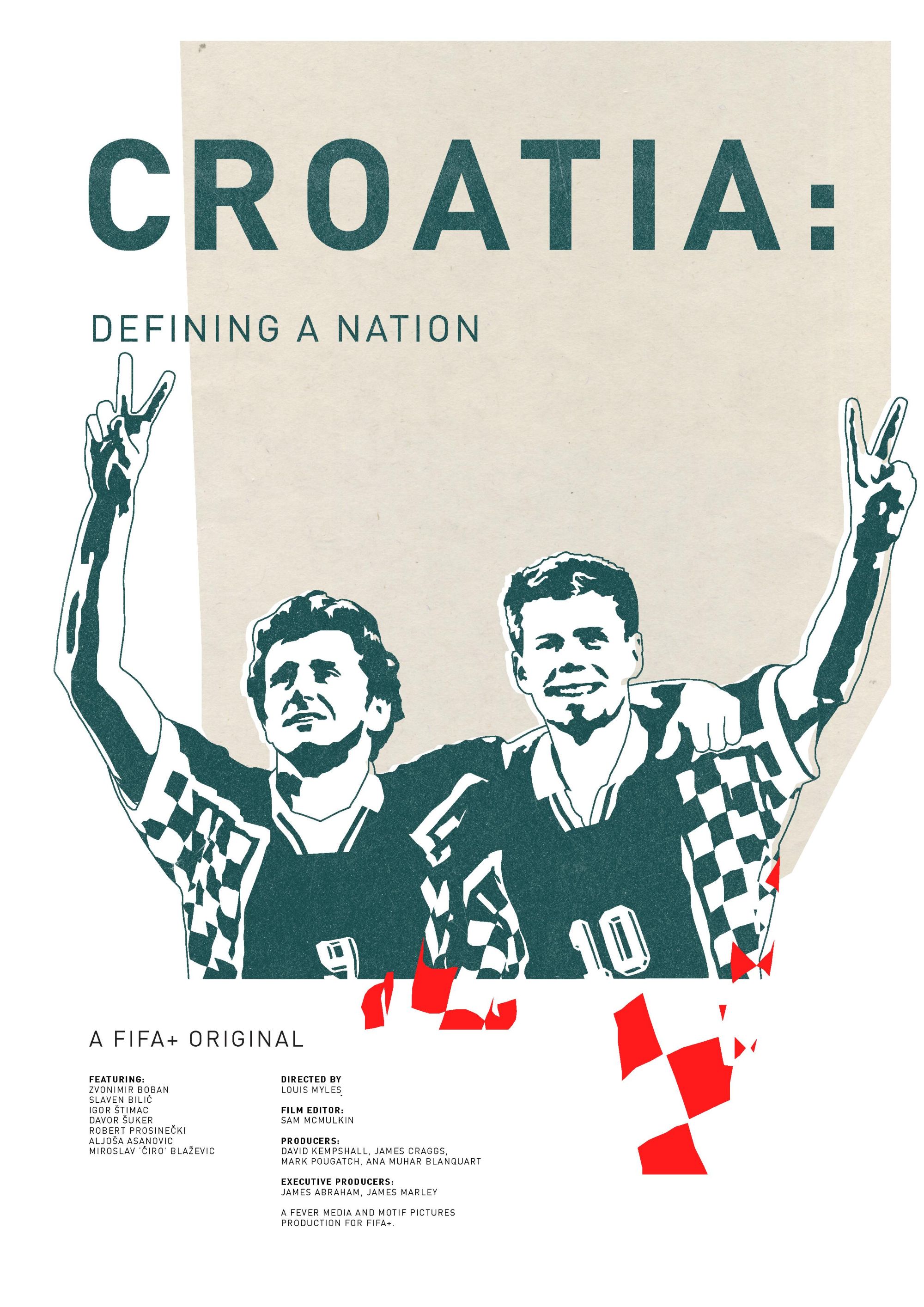
Croatia: Defining a Nation (2022)
In this emotionally charged documentary, Louis Myles tells the story of the Croatian national team. Part sporting chronicle, part historical portrait, the film follows a nation emerging from the devastation of the Balkan Wars, whose scars were still fresh in the minds of the players when they reached a remarkable third-place finish at the 1998 FIFA World Cup. A band of "brothers" whose achievements on the pitch helped bring global attention to one of the most brutal conflicts of modern history, while simultaneously transforming them into national heroes and sources of inspiration for generations of Croatian children.
Green Lions (2022)
Billy Dosanjh's documentary captures the extraordinary journey of Cameroon at Italia ’90. Led by a Soviet coach and inspired by the legendary Roger Milla—persuaded by the federation to return to the national team—the Green Lions became the "Indomitable Lions" of the tournament. After defeating Maradona's Argentina in the opening match and advancing all the way to the quarter-finals, these players, many of whom had grown up in poverty as the children of subsistence farmers, wrote an unforgettable chapter in the history of both their nation and the African continent. Never before had an African team achieved such a result on football’s biggest stage.
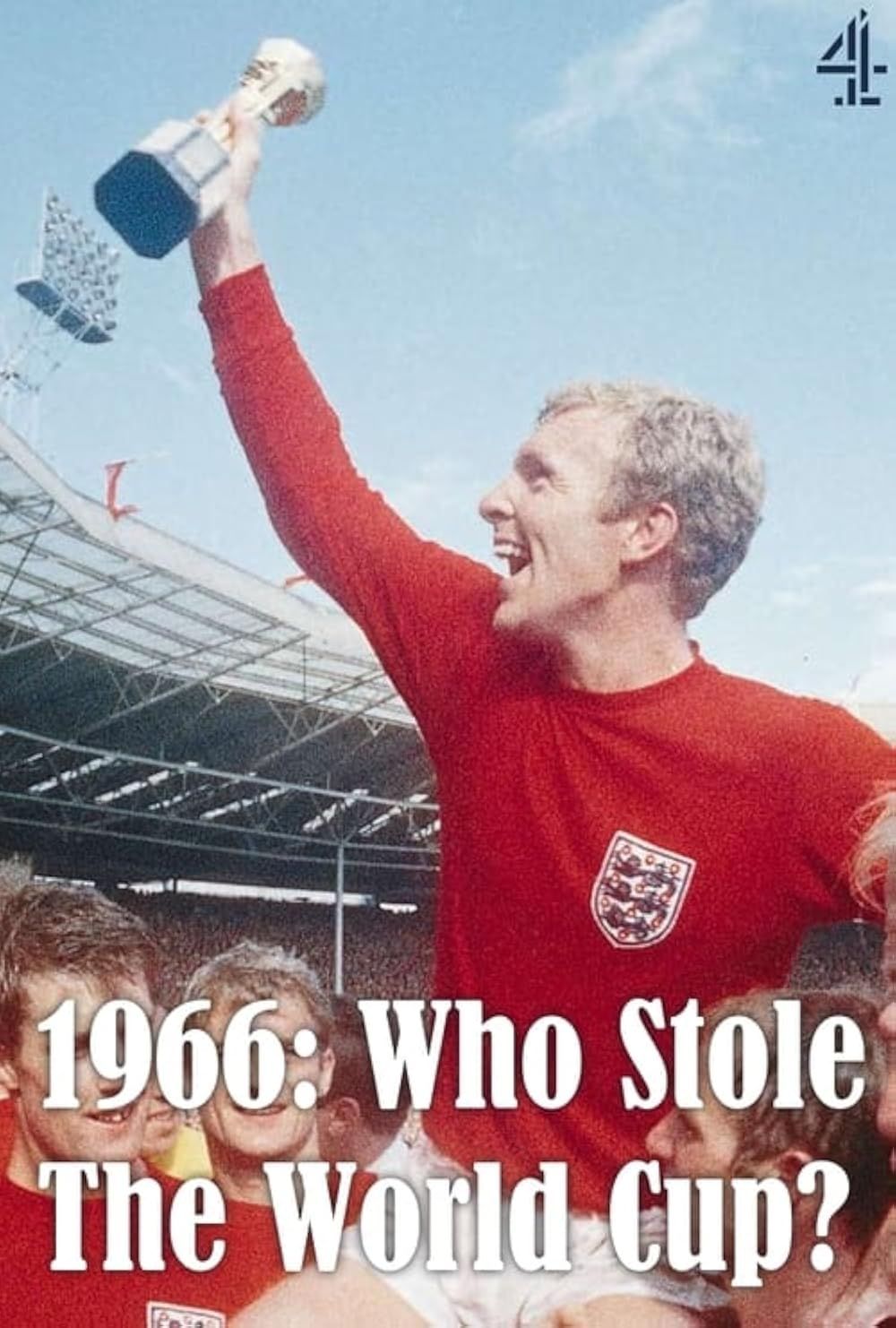
1966: Who Stole the World Cup? (2022)
A remarkable mystery finally explored in depth by Richard Milway and Marcus Liversedge’s 2022 documentary: the strange disappearance of the Jules Rimet Trophy just before the 1966 FIFA World Cup. Like a classic British detective story, the film investigates the case and ultimately reveals the identity of the thieves responsible for stealing the trophy, which was famously recovered by a dog named Pickles roughly a week later. The incident added yet another layer of intrigue to a tournament that ended with host nation England lifting the World Cup for the first—and so far only—time in its history.
FIFA Uncovered (2022)
Directed by Daniel Gordon, this documentary series delves into the inner workings of FIFA, the most powerful governing body in world football. It is a journey through power struggles, corruption scandals, manipulated presidential elections, and the complex politics behind hosting the World Cup. Comprehensive and unflinching, the series exposes an organization founded on noble ideals but one that has, at times, evolved in directions far removed from the game itself.
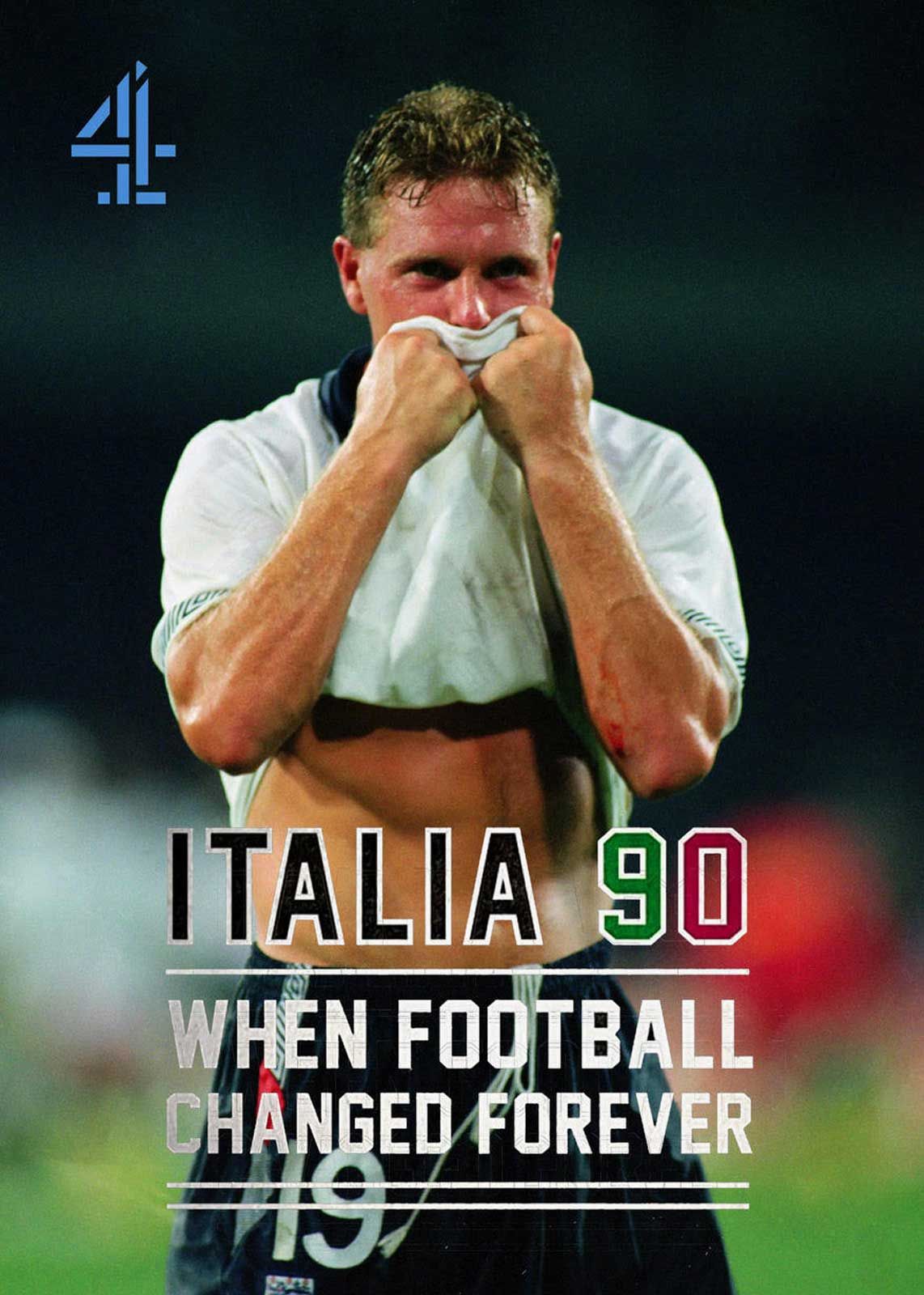
Italia 90: When Football Changed Forever (2022)
The last World Cup hosted by Italy remains an emotionally charged moment for many nations and their supporters. Among those most deeply affected by a tournament that possessed a unique magic was the country that gave football to the world. Managed by Bobby Robson, England reached the semi-finals, achieving their best-ever World Cup result outside home soil. It was a whirlwind of emotions, where tears of joy blended with heartbreak, epitomized by the unforgettable image of Paul Gascoigne, a generational icon. For English football, both on and off the pitch, Italia ’90 became a defining turning point whose impact is still felt today.
History of the World Cup (2025)
No list would be complete without mentioning the series of monographic episodes dedicated to different World Cup editions produced by Cronache di Spogliatoio. Hosted by Giuseppe Pastore, the series delivers meticulous historical analysis enriched by fascinating anecdotes and little-known stories. Structured around a clear and engaging narrative thread, each episode manages to provide an impressively comprehensive overview in just around thirty minutes.
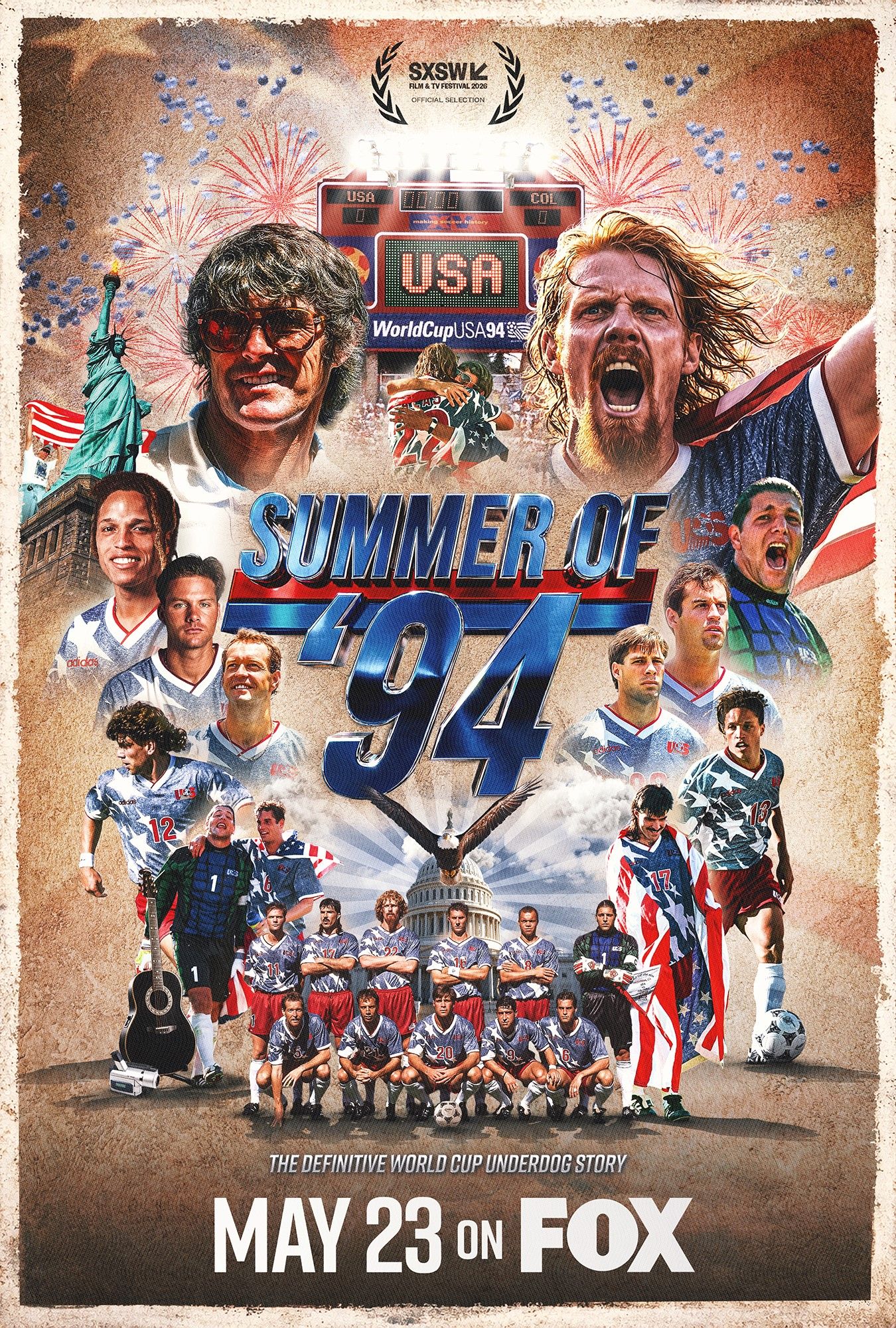
Summer of 94 (2026)
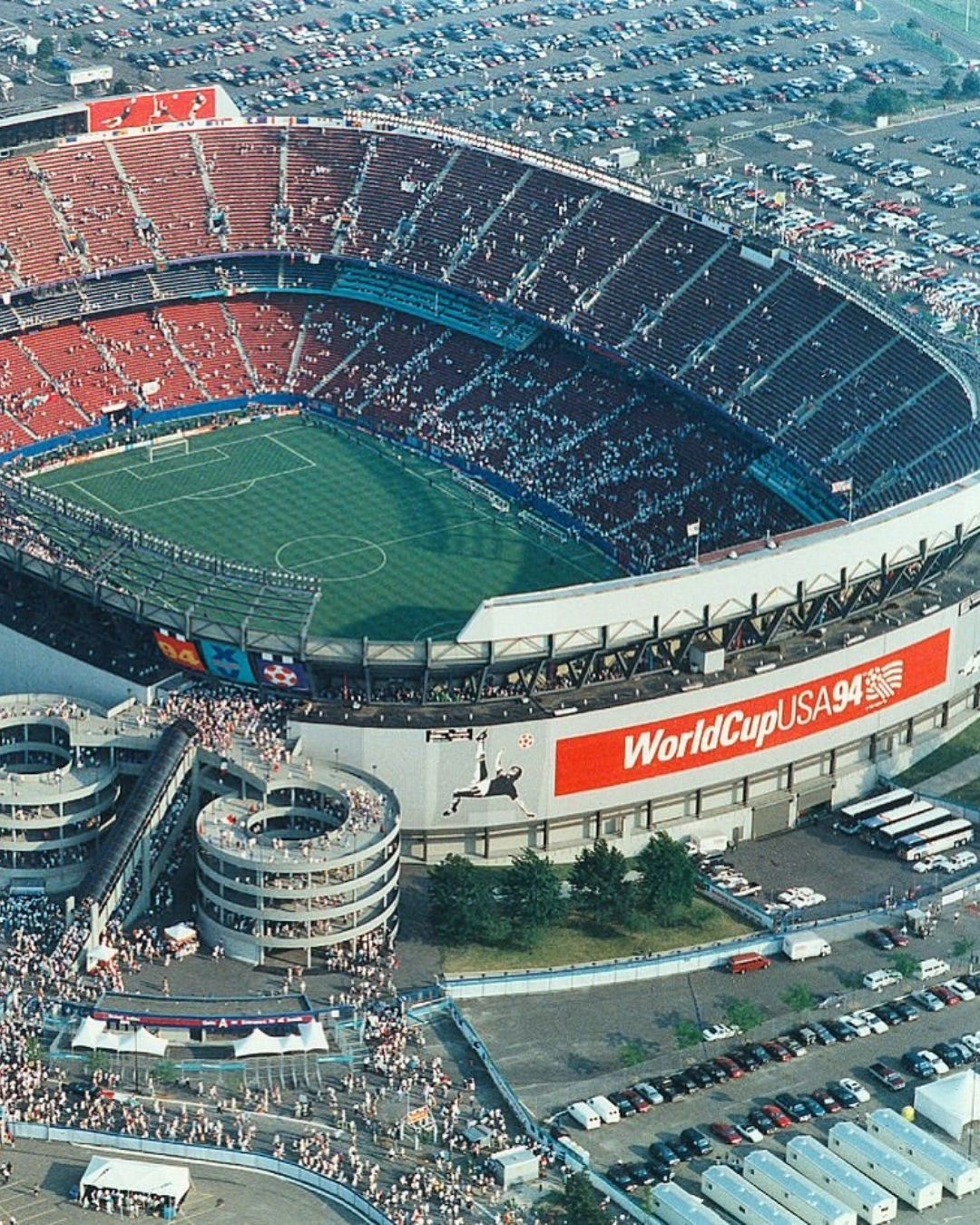
The 1994 FIFA World Cup in the United States represented a groundbreaking moment in football history. For the first time, the tournament was hosted by a country without a fully established professional domestic league. Unsurprisingly, questions surrounded the U.S. national team, particularly in a nation where the word football refers to an entirely different sport. In their new documentary, Dave LaMattina and Chad N. Walker retrace the exhausting two-year preparation process undertaken by the U.S. Men’s National Soccer Team, using footage captured on the early camcorders operated by the players themselves. The journey culminated in a place in the Round of 16, but throughout those years the mission remained simple: avoid embarrassing the nation on football’s biggest stage.
What to read next

Erling Haaland gained almost 30 million Instagram followers during the 2026 World Cup
It's all about goals, viking row and memes
The ultimate 2026 World Cup Glossary
In ten years' time, we'll still be talking about the hydration break and the Viking row