



























Why does the Nations League keep changing? What yet another shake-up of the format will bring
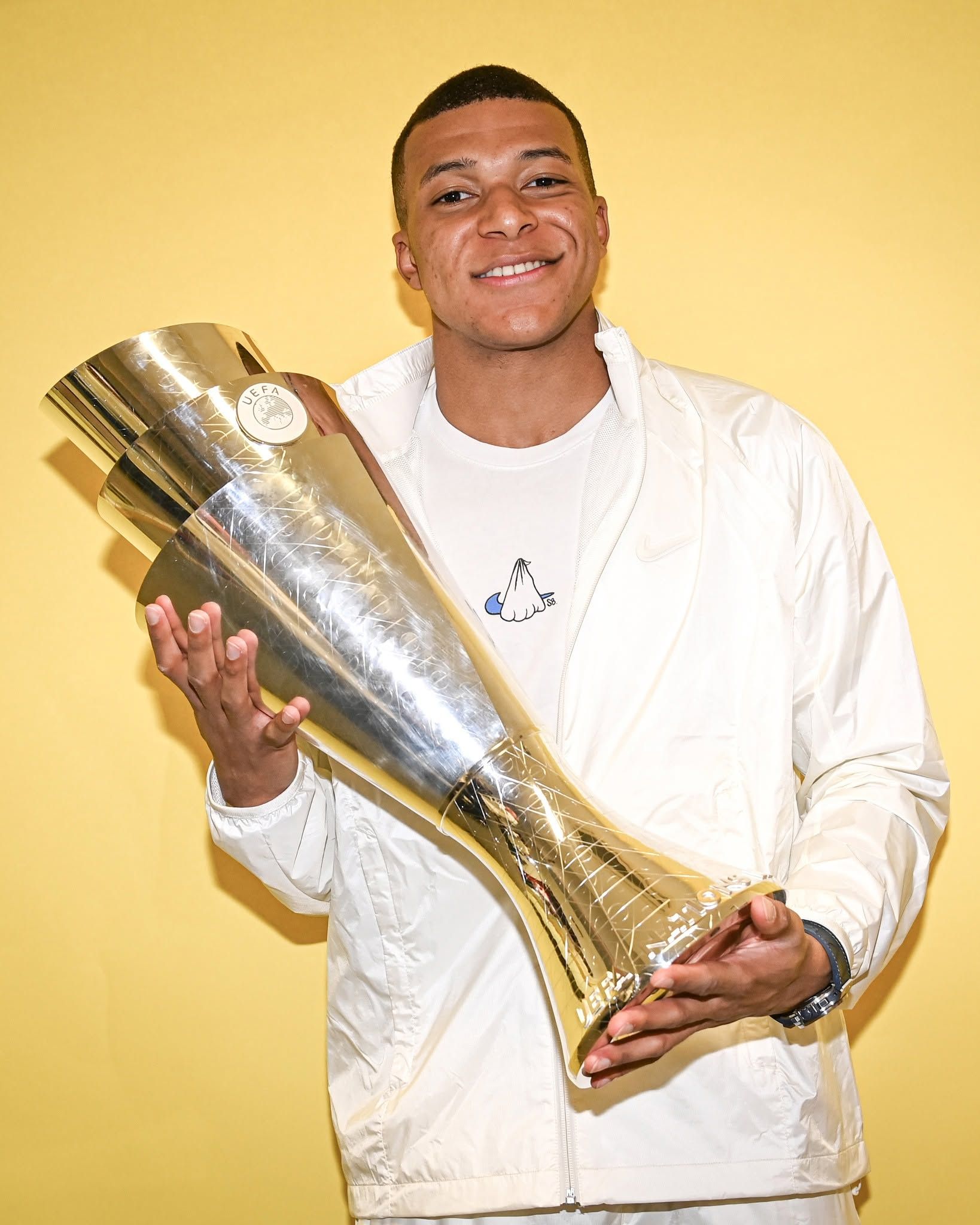
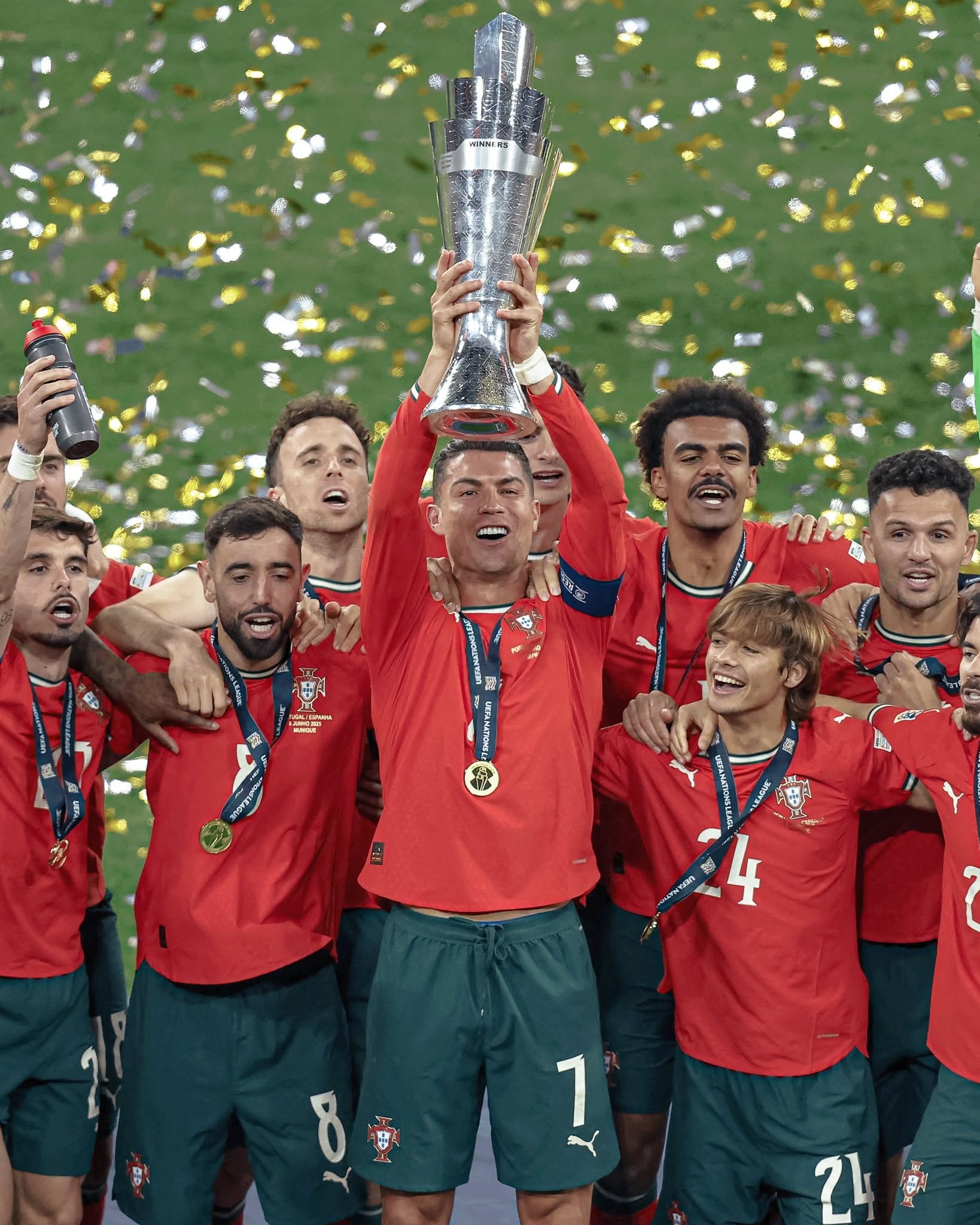
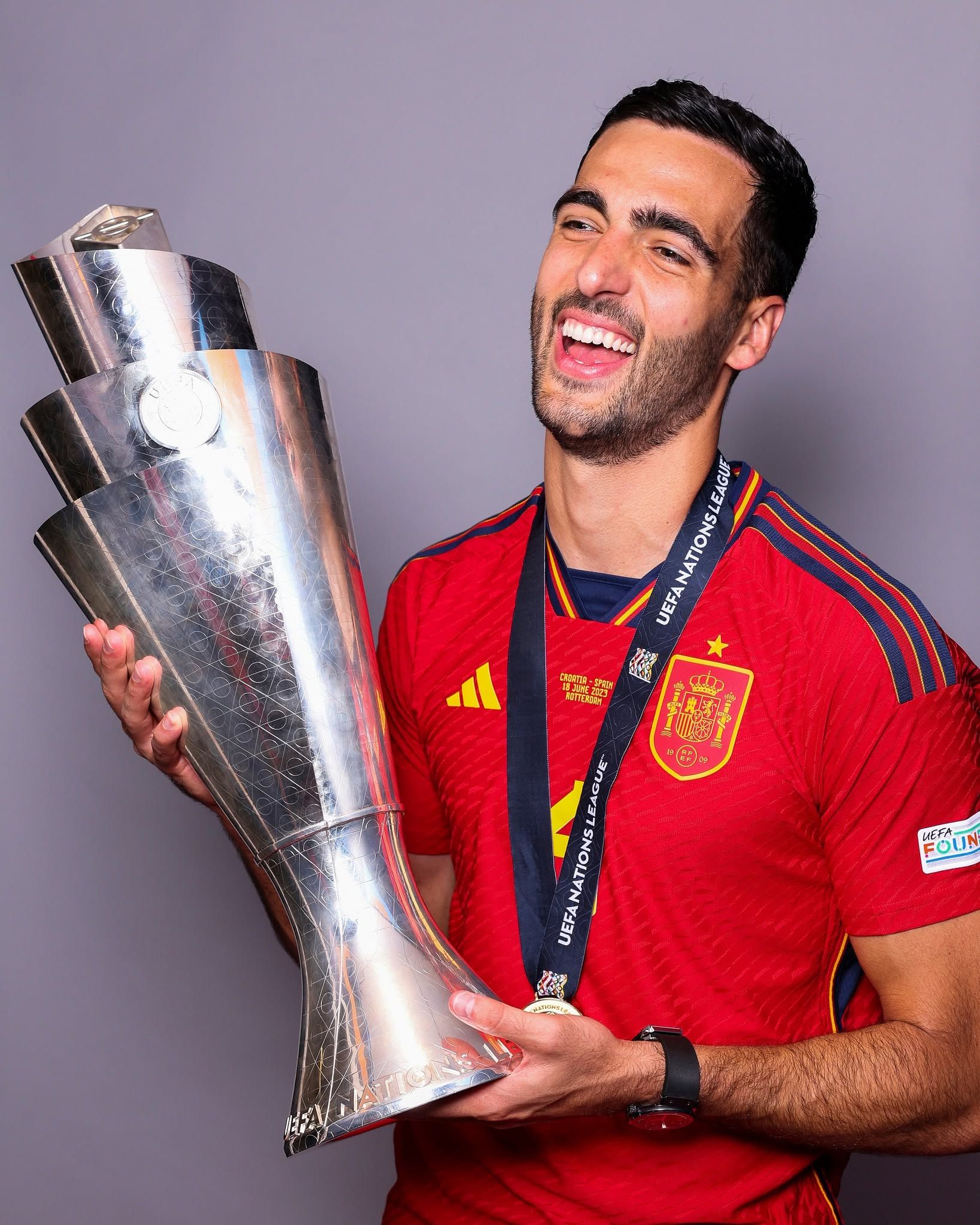
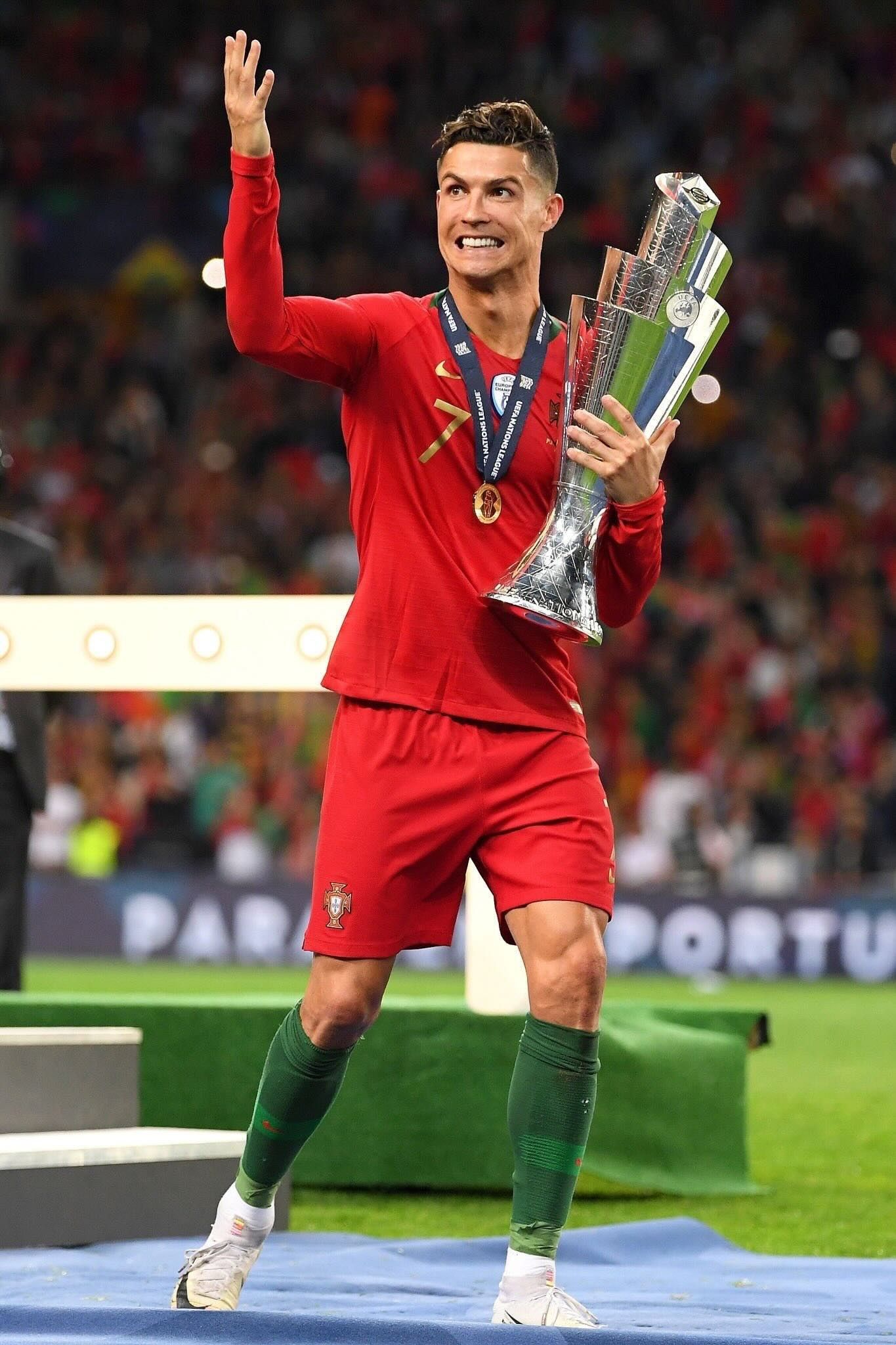
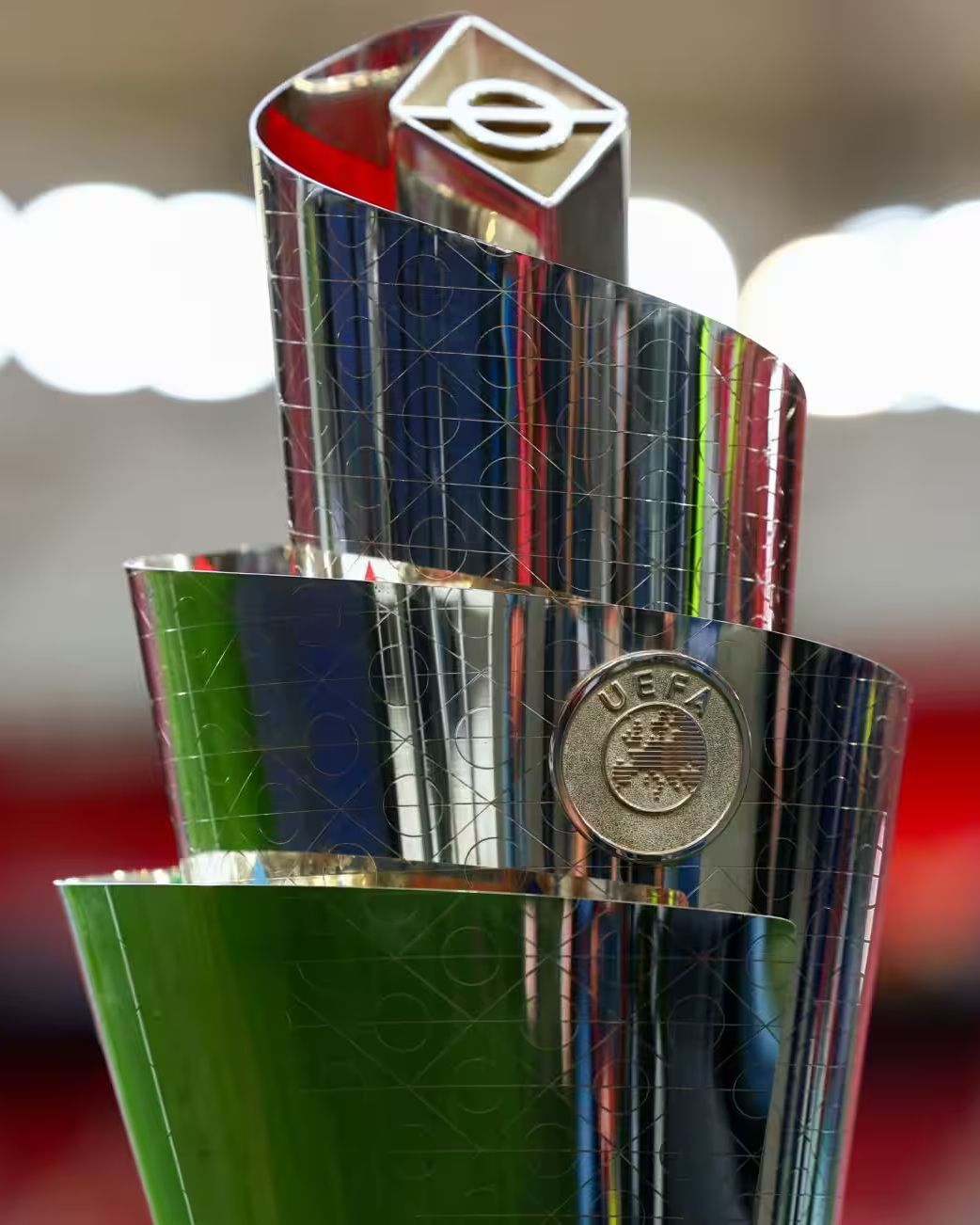
The UEFA Nations League was only introduced in 2018, but it has already undergone almost as many changes as there have been editions. To paraphrase the words of President Aleksander Čeferin at its launch, the competition was created to replace the pointless international friendlies played between qualifying rounds for the two major tournaments, while also giving smaller national teams the opportunity to face sides of a similar level through a promotion and relegation system. Over time, the Nations League has gradually evolved into an influential factor in European Championship and World Cup qualifying, and for precisely this reason it has been swept up in the winds of change that have reshaped European football as a whole.
The old Nations League format
Back in the (not so) old days, the structure was fairly simple, with fifty-five teams ranked according to the UEFA coefficient following the 2018 World Cup and divided into four Leagues: twelve teams in both League A and League B, fifteen in League C and sixteen in League D. Each League was then split into four groups of three or four teams, with everyone playing each other home and away to determine promotion, relegation and the teams advancing to the League A Final Four – where they would face off in semi-finals, a third-place play-off and the final for the trophy.
For a while, this remained the standard, with only minor adjustments to the number of teams in each League. The first three became more symmetrical, with sixteen teams each, divided into groups of four in Leagues A, B and C, while League D was organised differently, with seven teams split into one group of four and one of three. The principle behind the competition remained the same: to increase the number of competitive fixtures, particularly among Europe’s top thirty-two teams.
The first major change came in the 2024/25 edition, when the competition dropped to fifty-four teams following Russia’s exclusion. This resulted in a League D made up of just six teams, divided into two groups of three, while the top tier remained unchanged. Alongside this major structural adjustment, however, UEFA also decided to add more spice to the crucial stages by introducing quarter-finals featuring the runners-up from each League A group, with the winners then advancing to the Final Four. Cross-League matchups were also expanded, adding a series of play-offs between runners-up in the lower Leagues and third-placed teams in the higher ones to the traditional promotion of group winners and relegation of the bottom sides – creating ties between Leagues A and B, B and C, and C and D.
The impact on the 2026 World Cup
Another increase in competitive fixtures rather than friendlies, then, but this time with a direct impact on the 2026 World Cup as well. The preliminary World Cup qualifying stage selected the twelve group winners who would qualify directly and the twelve runners-up who would enter the play-offs, joined by the four best-ranked teams from the 2024/25 Nations League groups, provided they had not finished first or second in their qualifying groups. Romania, North Macedonia, Northern Ireland and, above all, Sweden benefited from this system. Sweden became the first team in history to qualify for a World Cup through the Nations League route, having finished top of League C Group 1 – despite finishing bottom of their World Cup qualifying group and despite not being the best group winner in League C, with Romania collecting more points.
The three-team Nations League
Saying that more format changes have been planned than there have been actual editions is an exaggeration, but only to a certain extent, especially because we already know that the Nations League will undergo another major overhaul from 2028. The current edition is already acting as a bridge, modifying some of the promotion and relegation mechanisms while keeping the overall structure introduced in 2024/25 unchanged. The two best third-placed teams in League A, for example, are left untouched and remain in the top tier, while the two worst third-placed teams and the two best fourth-placed teams in League A will enter the play-offs against the runners-up from League B. The two worst fourth-placed teams, meanwhile, will be relegated.
The biggest change, however, concerns League D, which is set to disappear permanently and be merged into a single League C. This will reshape the format created in 2018, leading to a competition with three Leagues of eighteen teams each – while we wait to see how long the ban on Russia will remain in place. Each of these Leagues will then be divided into three groups of six, with every national team playing six matches against five opponents: a single game against each team, plus a second meeting with one designated opponent. Once again, the mechanism is designed to concentrate fixtures among the top-ranked teams, while maintaining a League structure that is, at least on paper, balanced according to the quality of the participating national teams. Above all, however, it represents an adjustment to a mechanism that has by now become well established.
The dominance of the Swiss system
While the UEFA Nations League was created with the aim of replacing international friendlies, it does not carry the same appeal for Europe’s biggest powers as a European Championship or a World Cup. This is why the new format will become truly relevant above all because of its influence on qualifying for continental and intercontinental tournaments after EURO 2028, the last European Championship for which teams will be able to qualify through the traditional group-stage system.
From that point onwards, European Championship and World Cup qualifying will follow the new Swiss system, with the new Nations League set to have a major impact on the organisation of EURO 2032 qualifying. There will be a League 1, made up of the thirty-six teams from Nations League Leagues A and B, divided into three groups of twelve, and a League 2 featuring the remaining eighteen League C national teams and following the same structure. Each team will play six matches against opponents from similar seeding pots, three at home and three away, determining the final standings – and, with them, direct qualification for the European Championship, a place in the play-offs or elimination.
This creates a double connection. The first concerns the direct intersection between the UEFA Nations League and qualifying for the two major continental and intercontinental tournaments, a way of giving greater relevance to a previously competitive dead period, elevating the Nations League into a route towards better conditions and greater chances of success ahead of the most coveted tournaments. The second connection is with the Swiss system already adopted by UEFA for the Champions League, Europa League and Conference League, which since 2024/25 have been organised into single 36-team league phases – just like the EURO 2028 League 1 – where each club plays a set number of home and away matches, with direct access to the next stage available alongside a play-off route.
Why all these changes?
While this need to fill every available window might look like a sort of horror vacui on UEFA’s part, the driving force is obviously profitability. Already in its 2024 financial report, UEFA recorded a record revenue of almost seven billion euros, largely driven by EURO 2024, which contributed two and a half billion euros to the overall figure, demonstrating the enormous potential of international competitions. On top of that, the financial results published by UEFA for the 2024/25 season – the first with the new format for club competitions – show that total revenue exceeded five billion euros for the first time ever in a year without a men’s European Championship. Excluding EURO 2024 revenue, this represents an overall increase of €737 million compared to the previous season, driven in this case by revenue from men’s club competitions, which rose by €690 million compared to 2023/24, reaching almost €4.5 billion.
Bringing the two together therefore appears to be the most logical solution for making the most of the less closely watched windows involving national teams, thereby giving a certain degree of authority to the previously less relevant Nations League as well. It now also enjoys a rather prominent media presence, partly as a result of the FIFA Council and the new structure approved from the end of the 2026 World Cup onwards. The current September international break will in fact last sixteen days instead of nine, packing four Nations League matches per team into this period for more than one hundred fixtures, thereby taking up a significant portion of the UEFA calendar. The November and next March international breaks, meanwhile, will follow a more conventional schedule. The interdependence between international competitions and the adoption of a system such as the Swiss model, which has already proved hugely successful among clubs, therefore represents UEFA’s route towards a broader breakthrough, balancing the quantitative and qualitative expansion of the spectacle at every level.