






















The Six Kings Slam is full of contradictions Tennis faces up to the need to evolve
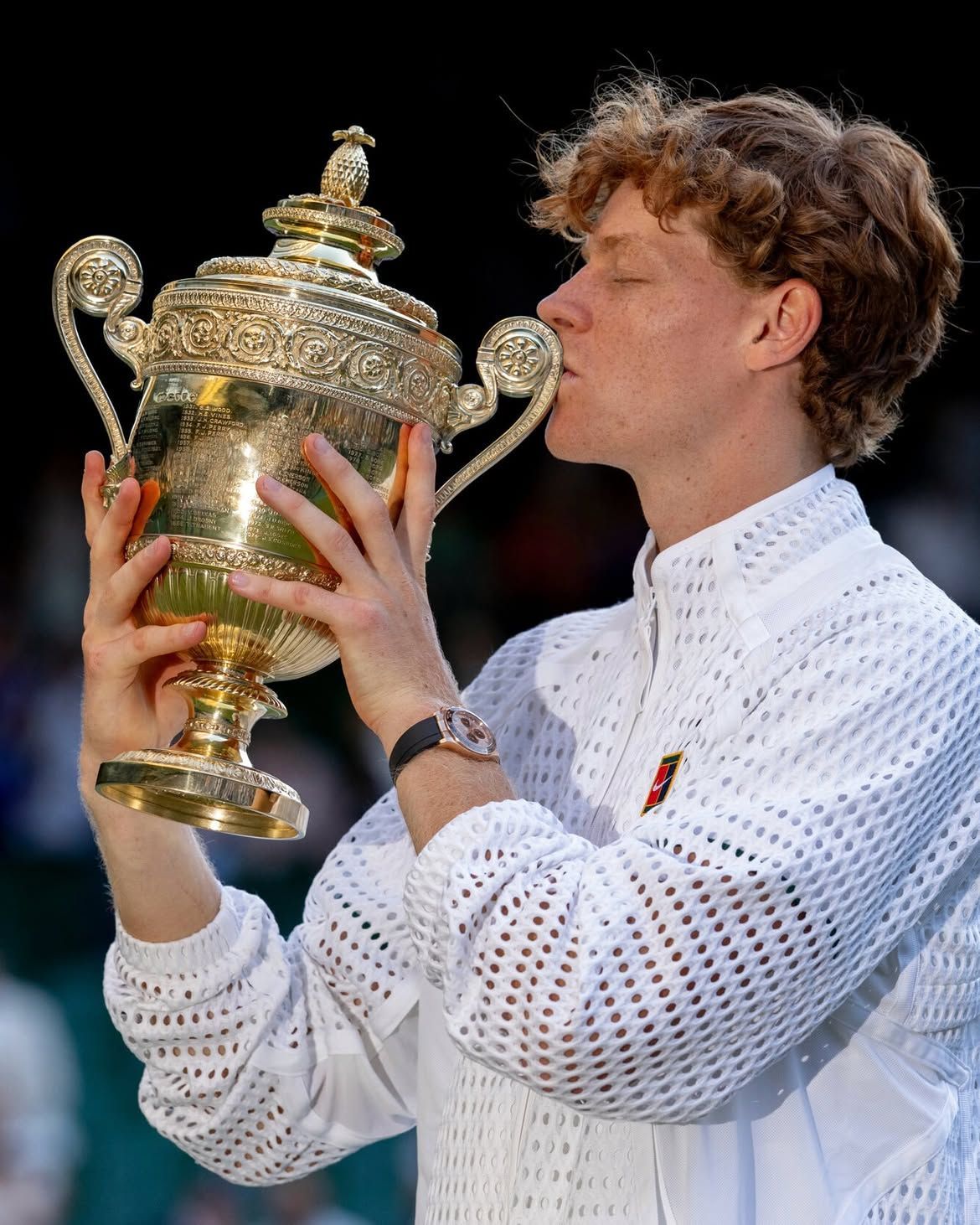
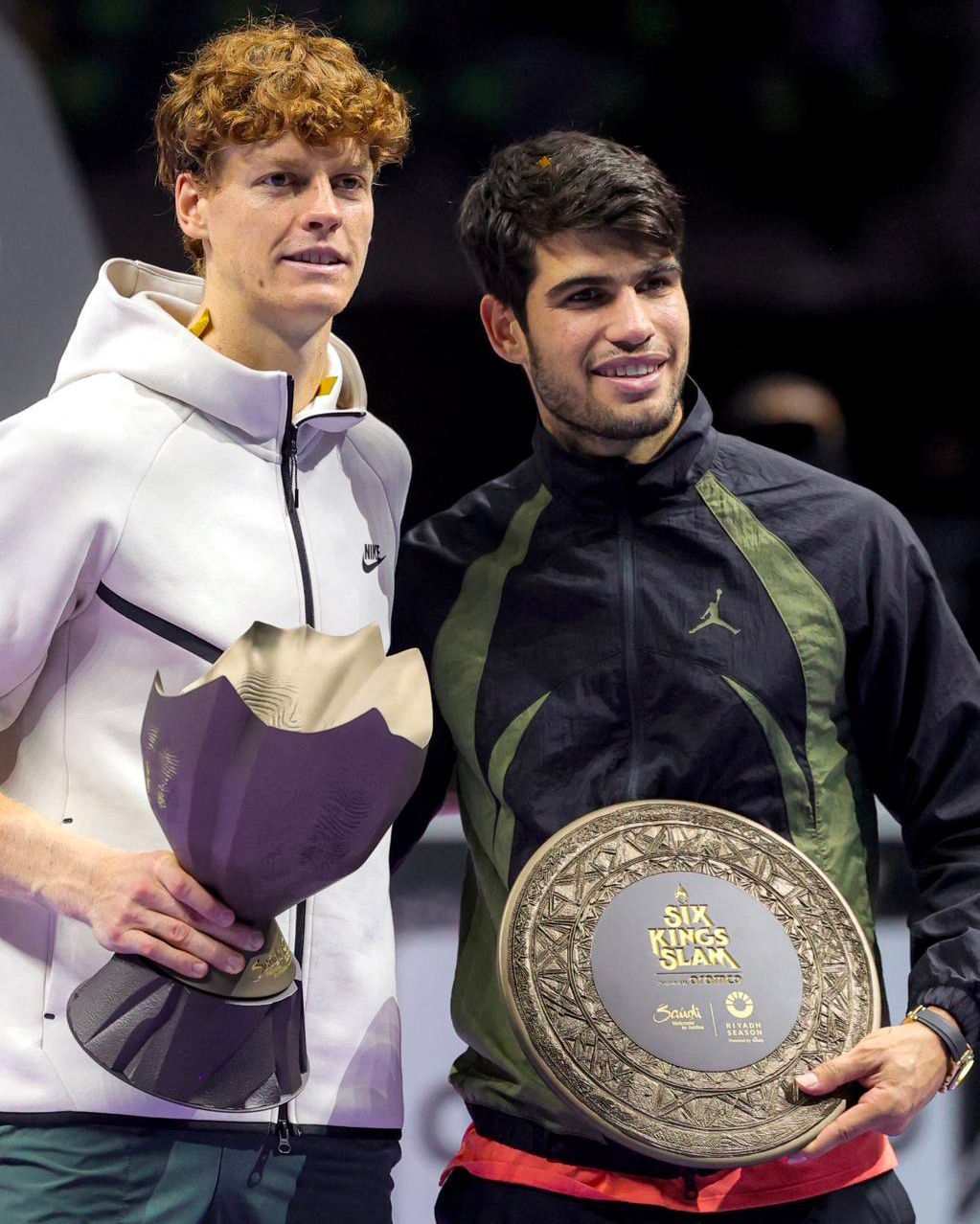
Tennis returns to Saudi Arabia for the second edition of the Six Kings Slam, the exhibition tournament with the highest cash prize ever. Jannik Sinner is among the six players who will take part in the event alongside Carlos Alcaraz, Novak Djokovic, Alexander Zverev, Taylor Fritz and Stefanos Tsitsipas, the latter invited to replace the injured Jack Draper. Each of them, according to unofficial estimates circulated on the eve of the event, is guaranteed an appearance fee of $1.5 million and in case of winning the tournament the prize money rises to $6 million. The event is scheduled for October 15-18, 2025, and includes a rest day on Thursday the 17th, since ATP regulations forbid exhibition tournaments from lasting more than three consecutive days.
The evolution of exhibitions
Exhibition tournaments are not an absolute novelty in tennis but while they were initially conceived as charity events, they are now transforming into activities that fill the pockets of players and organizers. The Six Kings Slam is part of Riyadh Season, the huge sportwashing initiative that drives Saudi Vision 2030, bringing any notable sporting event to Saudi Arabia. And if there isn't an already packaged product ready for export — like the Italian Super Cup or a Formula 1 Grand Prix — the sovereign wealth fund PIF steps in with its seemingly unlimited funds to create a tailor-made event. The formula here is simple: easy money and a limited commitment to convince the world's top tennis players.
Tennis, like every other sport, has for years faced the need to move away from rigid traditional schemes to try something new. In 2020 Patrick Mouratoglou founded the Ultimate Tennis Showdown, a circuit for professional players in which, to simplify, matches are played in four periods of 8–10 minutes and the score is not counted with the classic 15-30-40 but through a numerical progression starting from 1. The revolution is also being attempted from within since the ATP for the Next Gen Finals opted for best-of-five matches with four-game sets and the introduction of the killer point at 40-40 — that is, the practice where the player who wins the first point takes the game instead of following the deuce rule where a player must win two consecutive points to secure the game.
How the Slams are changing
The problem for tennis fans is that now even the Slams have decided to bend to the logic of exhibition tournaments by proposing odd formats that ensure greater attention, and therefore greater revenues. The 2025 edition of the US Open saw the introduction of a new mixed doubles tournament, in which top male and female players were invited to form pairs that, in a tennis reimagining of the Hunger Games, competed for a final prize of $1 million. The Australian Open for the 2026 edition went further by introducing the Million Dollar 1 Point Slam: a tournament in which each match is decided by a single point. 32 participants, 22 professional players and 10 amateurs who, alternating between serve and return, will play one point to win the chance to take home $1 million.
Sport and the need to change
As mentioned, tennis is not the only sport trying to evolve by introducing new formats. Football has the Kings League. F1 has introduced the Sprint Races. Athlos is trying to revolutionize athletics by, for example, bringing the long jump to Times Square. The NBA changes the All-Star Game rules every year. Tennis could not stay behind and it is legitimate that new formats are proposed — some in poor taste and others that, all things considered, make tournaments that would otherwise go unnoticed by the general public more interesting.
In the meantime, with the Six Kings Slam we are witnessing the paradoxical situation in which the world's best tennis players complain about overly tight schedules, inhuman playing conditions and a lack of time to rest, yet take the first available plane to go to Saudi Arabia and play a series of matches that bring no benefit other than financial. The same argument can be easily applied to football, where we are beginning to see a similar situation. Clubs that never miss an opportunity to point out that playing every three days prevents proper rest to avoid injuries, yet organize midweek friendlies during international breaks in exotic locations like Libya and, indeed, Saudi Arabia with the declared aim of earning extra money.
Tunnel is nss sports' weekly newsletter that collects the best of sportainment. Click here to subscribe.