





















History and aesthetics of the New York Knicks Name, logo and colors explained
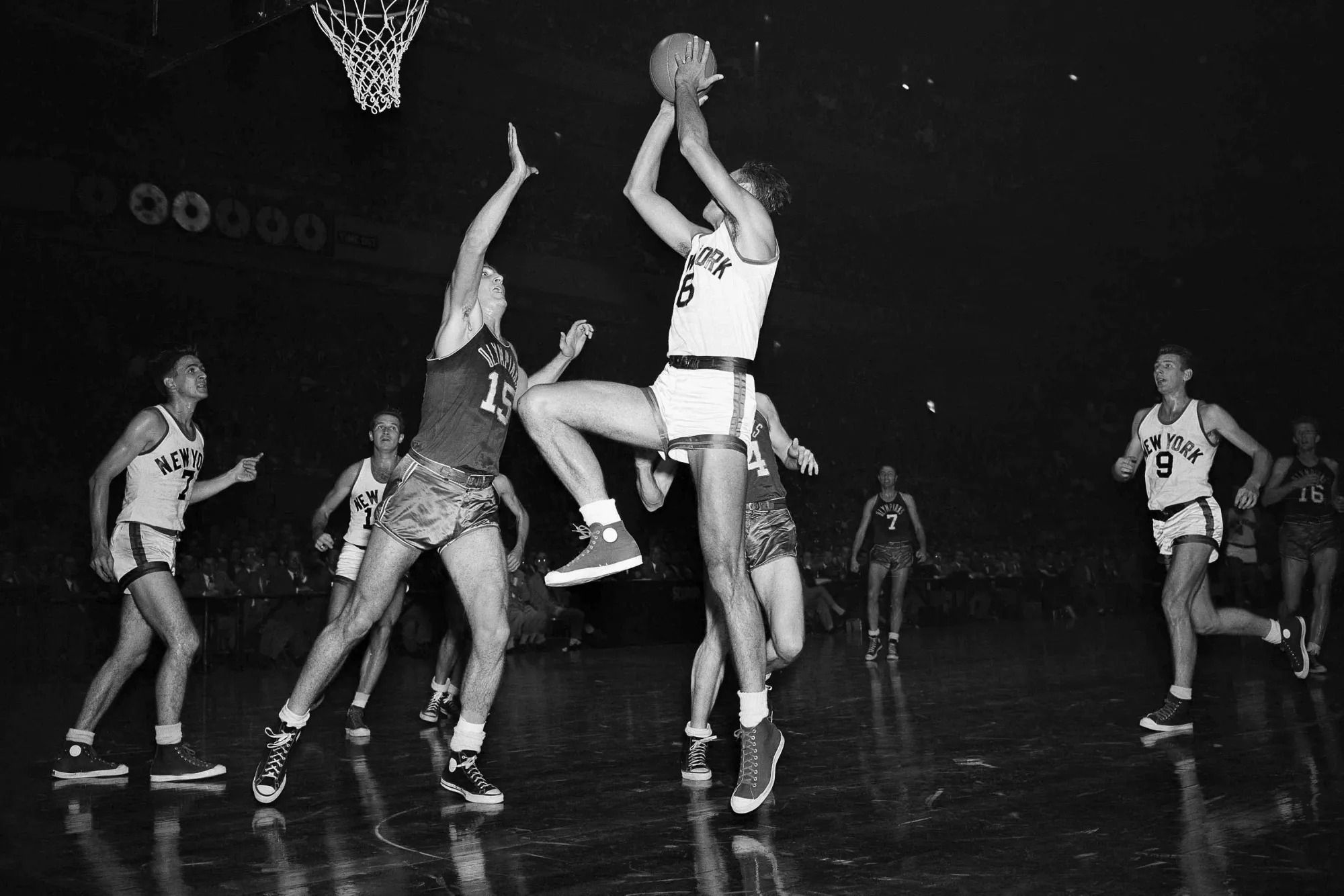
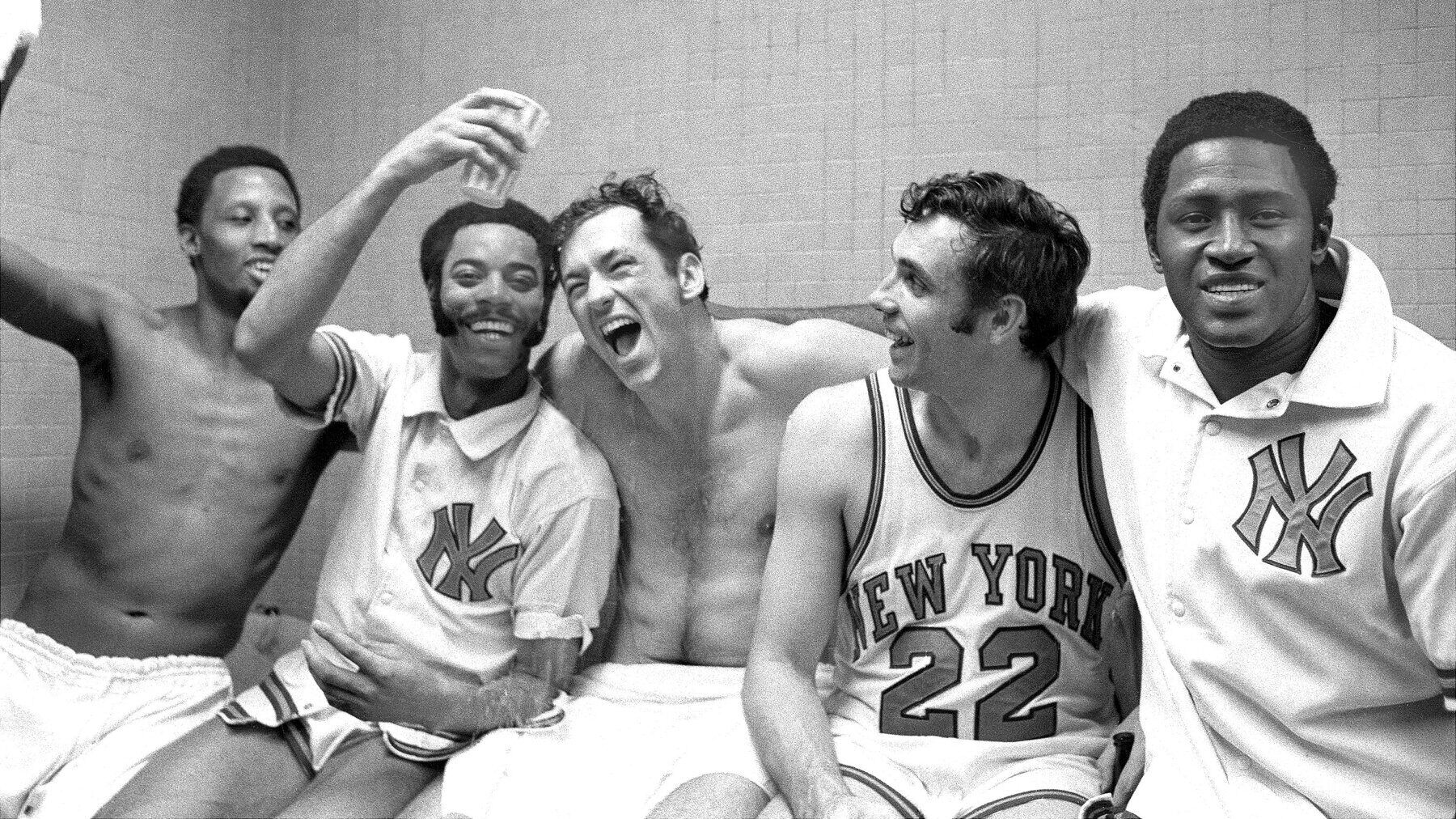
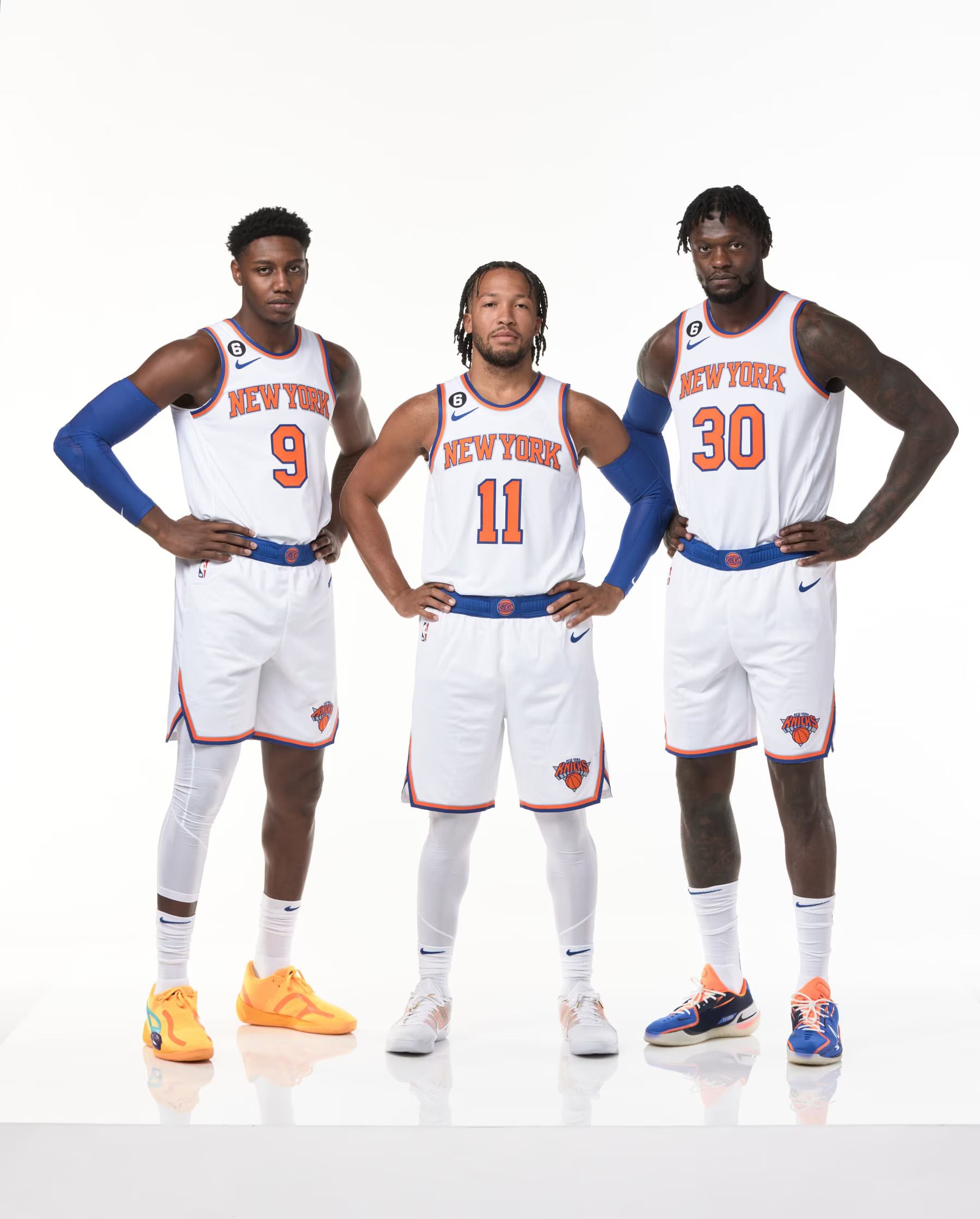
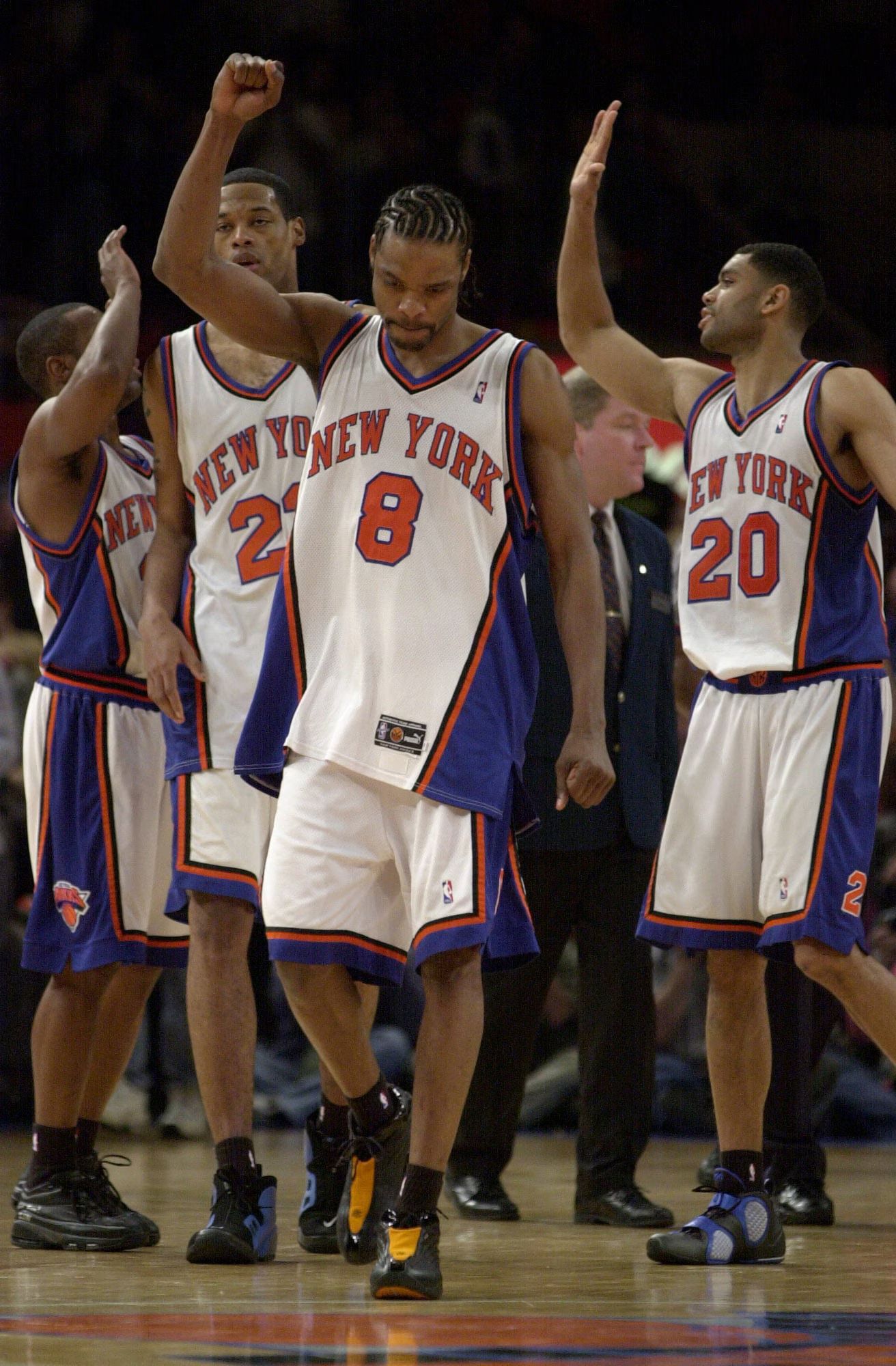
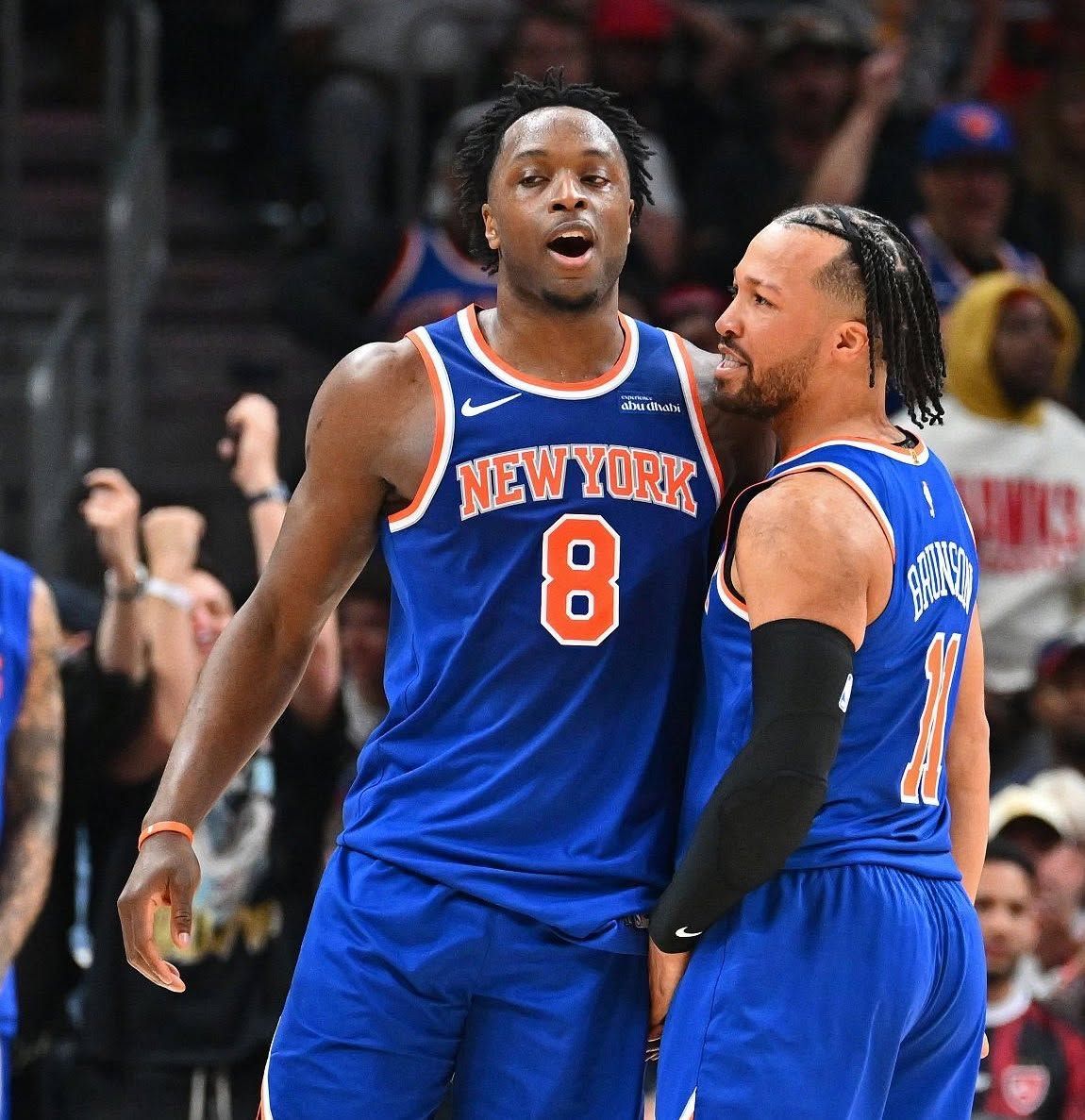
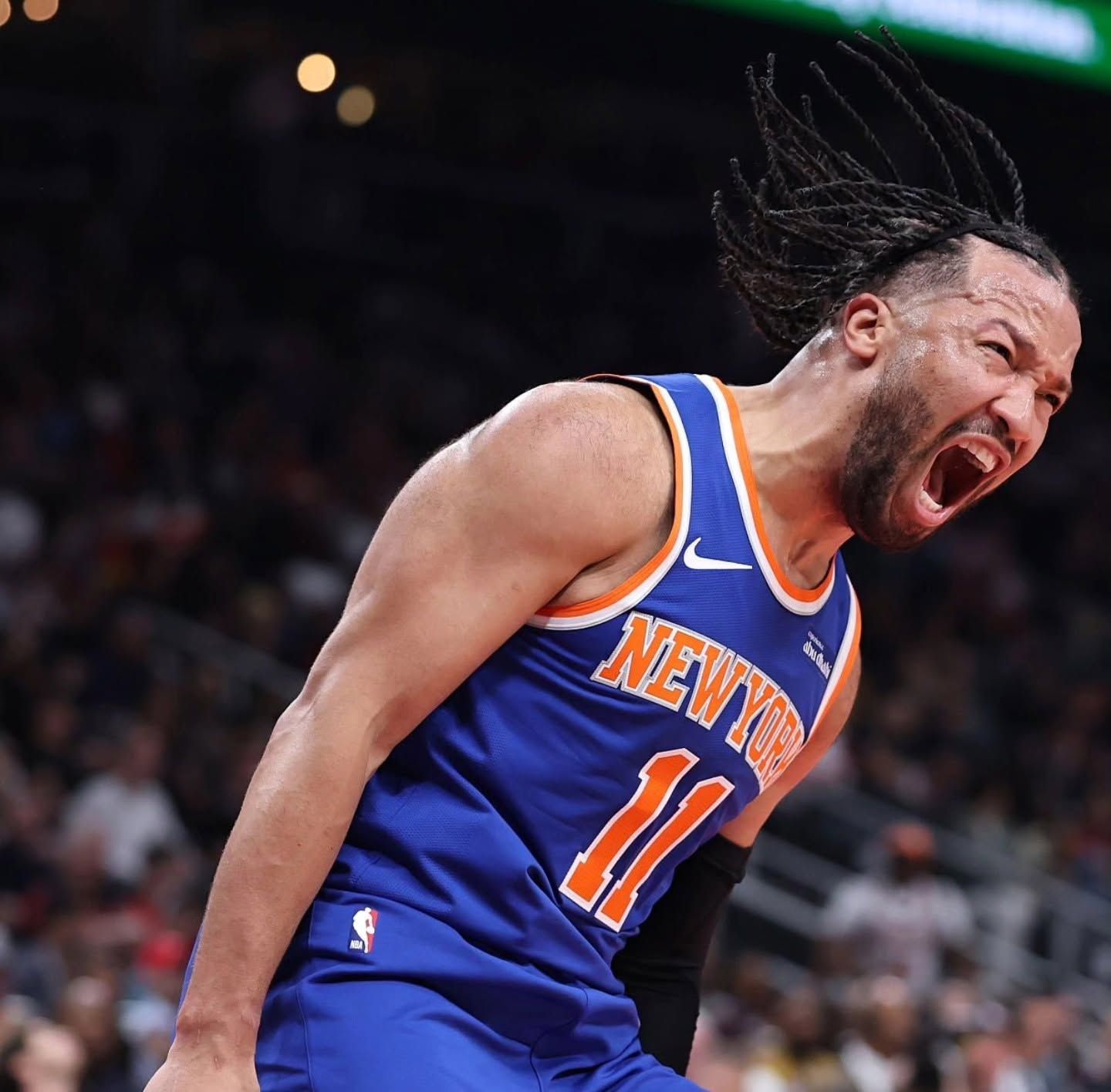
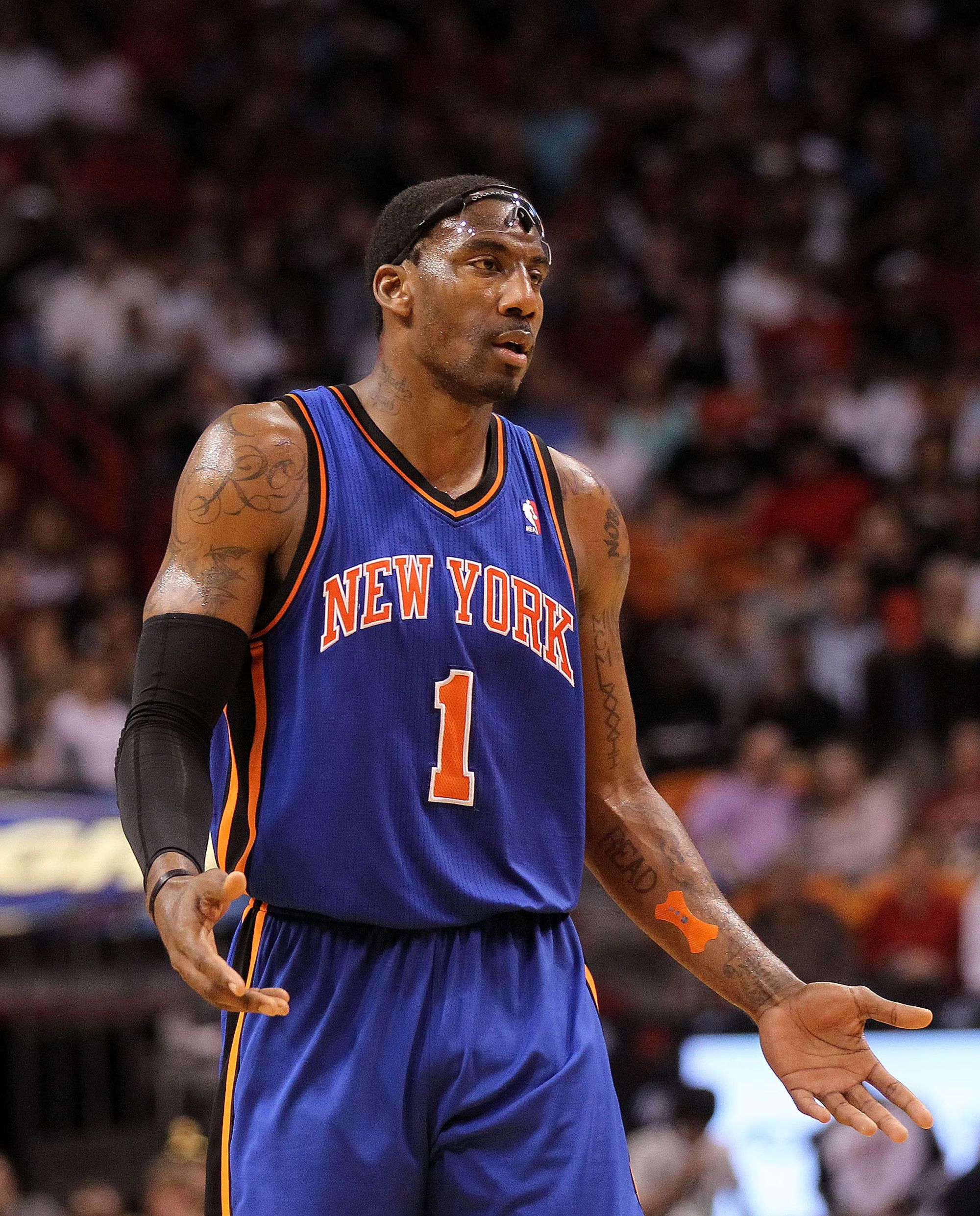
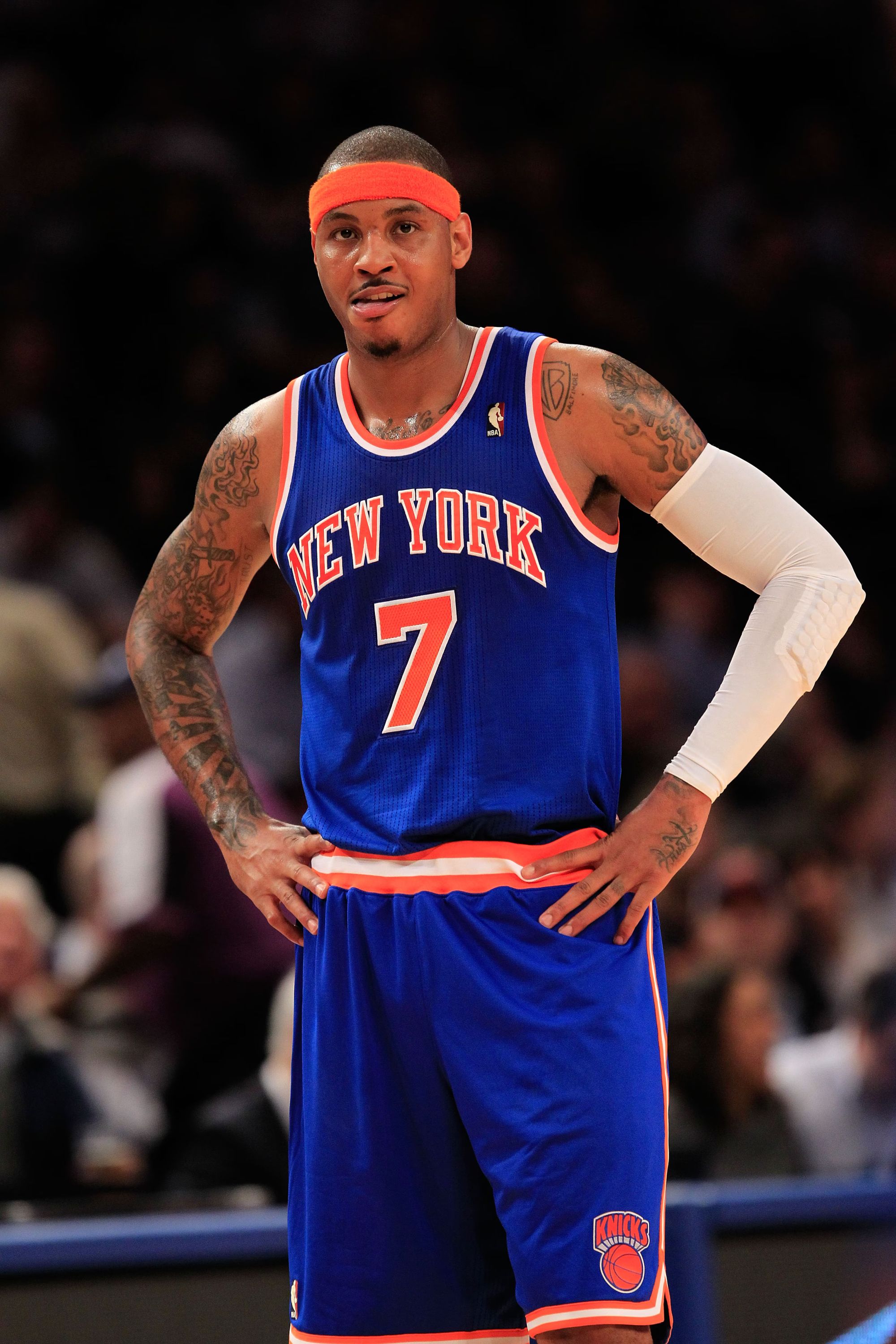
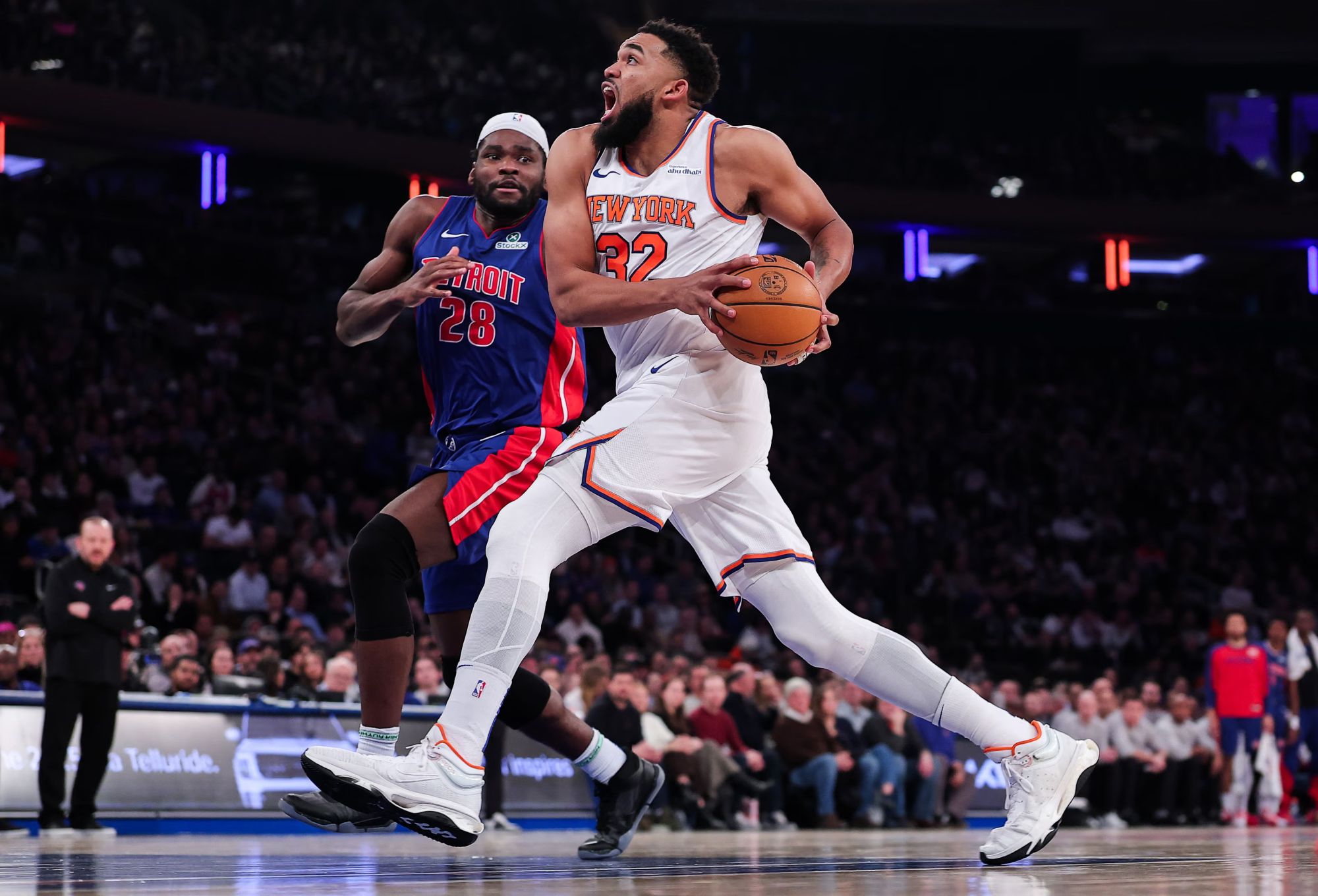
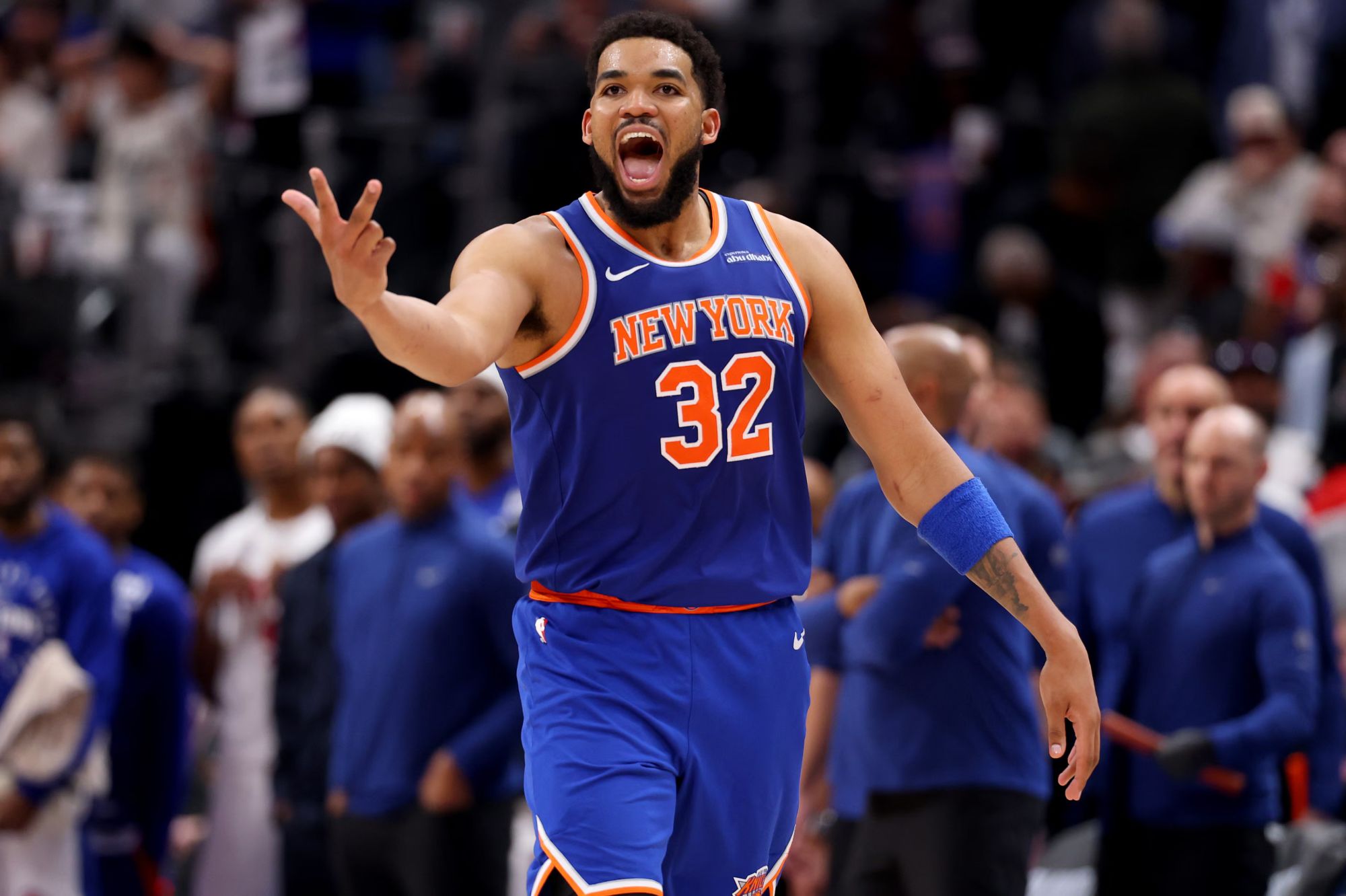
The New York Knicks are now just one win away from bringing an NBA championship back to the Big Apple for the first time since 1973. After their Game 4 victory over the San Antonio Spurs, capped by an incredible second-half comeback, the team now holds a 3-1 lead in the 2026 NBA Finals, and the excitement has once again swept across the city. In the minutes following OG Anunoby’s game winner on Wednesday night, the streets of Manhattan filled with celebrating fans, while the Empire State Building and other landmarks were illuminated in blue and orange. And that is only a small preview of what could happen if the Knicks manage to take the final step.
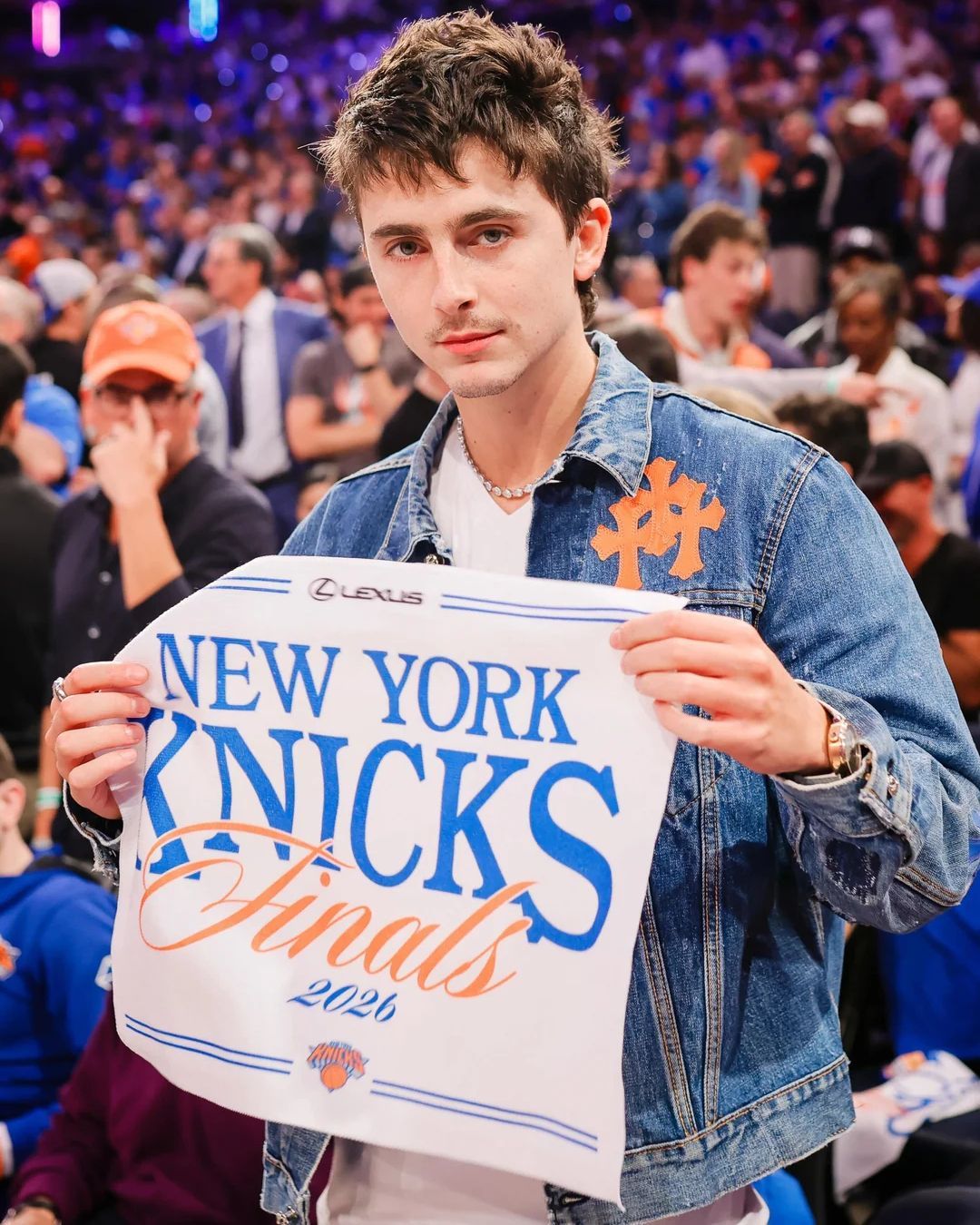
Throughout this playoff run, Madison Square Garden has become even more than usual a gathering place for celebrities, politicians, and entertainment figures. Game 3 even featured President Donald Trump in attendance, while Spike Lee has continued to occupy his familiar courtside seat after decades of unwavering support, joined in recent games by names such as Jay-Z, Adam Sandler, Ben Stiller, Timothée Chalamet, and Taylor Swift, as well as New York basketball legends Patrick Ewing and John Starks. It is a courtside lineup that reflects how a night at the Garden has become not only one of the most exclusive and expensive sporting events in the country, but also a cultural phenomenon amplified even further by the spotlight of the NBA Finals.
It is, in every sense, an electric moment for basketball in New York. Yet the way the city lives and identifies with its team did not emerge overnight. The Knicks have always occupied a unique place in the American sporting imagination: they play in arguably the world's most iconic arena, Madison Square Garden; they boast one of the NBA’s most passionate fan bases, with all the glory and pressure that entails—especially after more than half a century without a championship; and they belong to the exclusive group of the world's most valuable sports franchises, with Forbes estimating their worth at $9.75 billion, trailing only the Warriors and the Lakers within the NBA. Beyond all of that, however, what truly makes the franchise unique is its deep-rooted connection to the city it represents. The name “Knicks,” the logo, and even the team colors are all embedded in New York’s history—reaching back well before the birth of the NBA, and even before the United States itself.
From Knickerbockers to Knicks: The Story Behind the Name
To understand the cultural heritage and identity of the Knicks, it is necessary to travel back several centuries. Before becoming the modern metropolis we know today, New York was a Dutch colony known as New Amsterdam, founded in the early 17th century at the southern tip of Manhattan. Traces of that past remain visible to this day, from the names of neighborhoods such as Harlem, the Bronx, and Brooklyn—derived from places in the Netherlands—to many of the city's enduring symbols. It is from that same heritage that both the team's name and its colors originate.
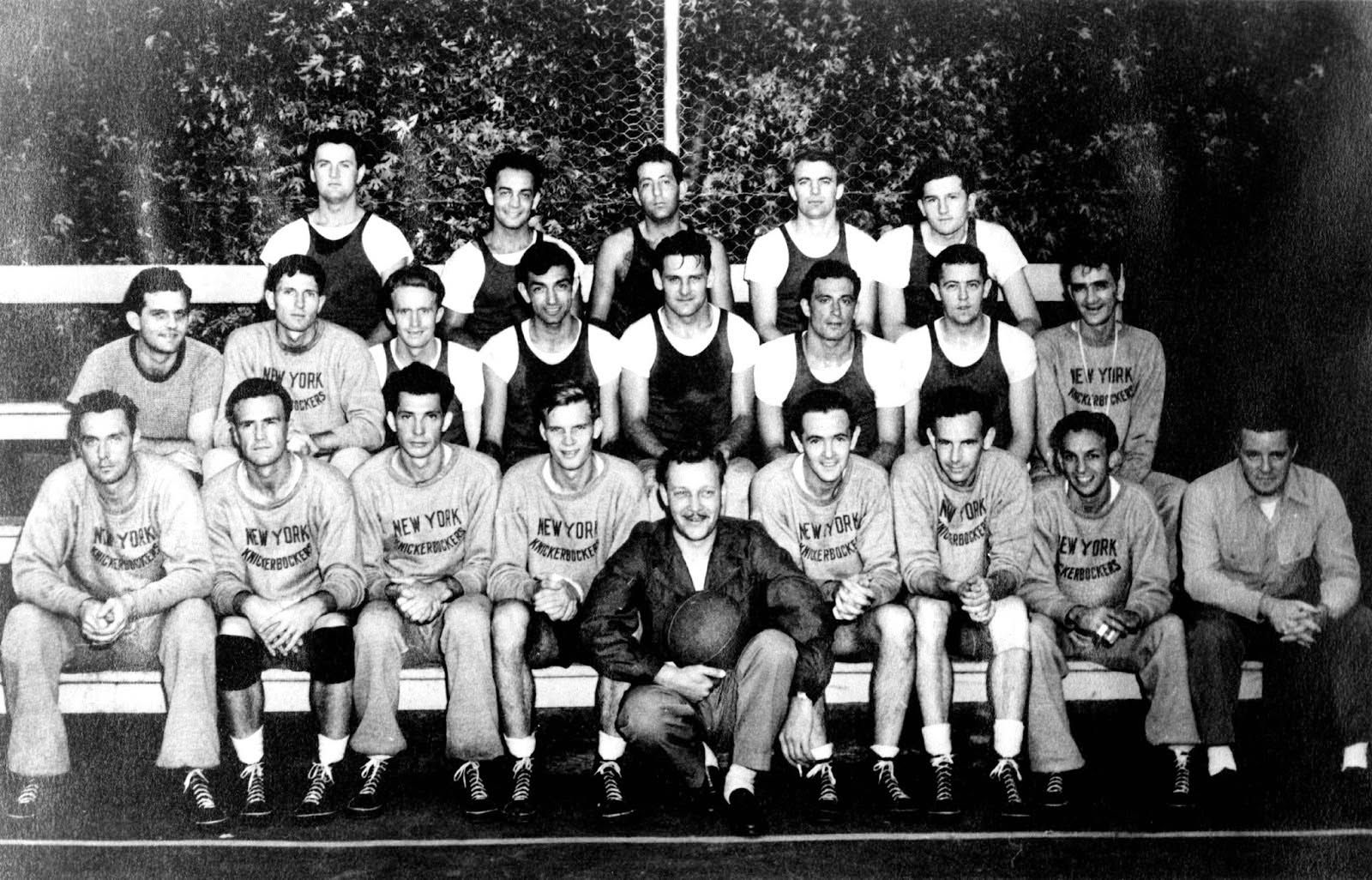
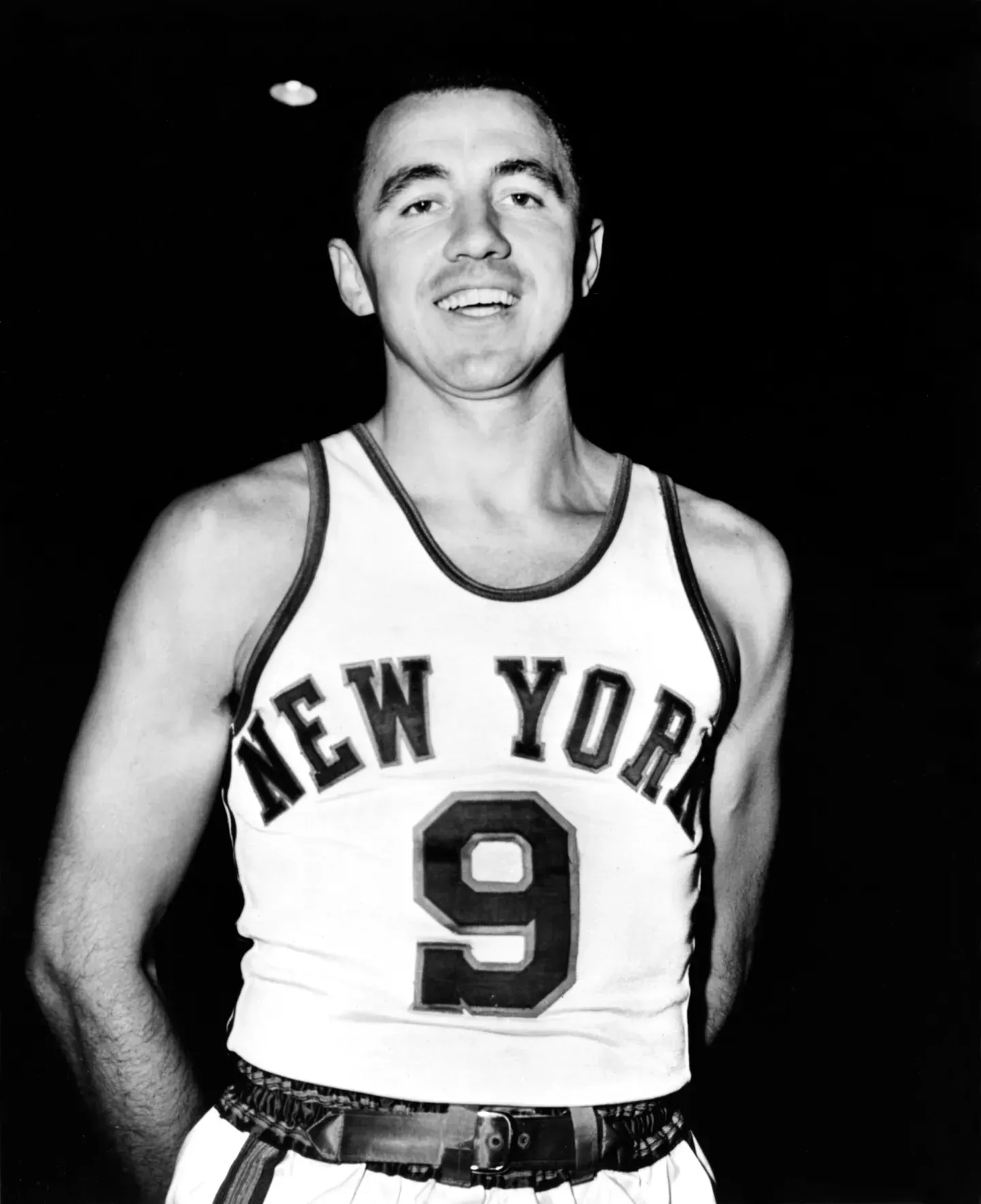
The word Knicks is a shortened version of Knickerbockers, the official name under which the franchise was established in 1946, the year of its founding. The term had already become deeply rooted in New York culture during the early 19th century, when writer Washington Irving used it in A History of New York to describe a fictional family of Dutch settlers. Over time, Knickerbocker evolved into a nickname for New Yorkers themselves, particularly those belonging to the city's oldest families. So when founding president Ned Irish and the franchise's executives were tasked with choosing a nickname, they selected Knickerbockers—a name that newspapers and fans would soon naturally shorten to the simpler and more familiar Knicks.
Why the Knicks Wear Blue and Orange
The team's colors follow the very same historical narrative. The blue and orange that today dominate Madison Square Garden and the streets of New York are the same colors featured on the city's official flag, and once again their origins trace back to the Dutch past. Orange represented the Dutch royal House of Orange, while blue appeared on the flags and heraldry used during the era of New Amsterdam. It is no coincidence that other New York franchises, including the Mets in MLB, share the very same color combination.
The Evolution of the New York Knicks Logo
While the Knicks' name and colors have remained largely unchanged throughout the decades, the franchise's logo has undergone several transformations. During its early years, the team adopted graphics inspired by Father Knickerbocker, the symbolic figure representing New York's original Dutch settlers and a recurring character in period illustrations. Those early designs were closely—perhaps even too closely—tied to the city's historical roots and would eventually disappear as sports branding evolved across America.
The turning point came in 1964, when the Knicks permanently abandoned the character in favor of a more modern visual identity centered around the team name and a basketball. That redesign established the core structure which, through a series of updates and refinements, remains in place today. The basketball changed color and proportions, the KNICKS lettering became sharper and more geometric, and three-dimensional elements and metallic backgrounds were introduced, reflecting the design trends of their era. Since then, the logo has been updated multiple times without ever undergoing a complete overhaul or abandoning the defining elements that still make it instantly recognizable: the KNICKS wordmark, the basketball and its seams, and, naturally, the iconic blue-and-orange palette.
The most significant evolution arrived in the early 1990s, when designer Tom O'Grady created the version that would become the franchise's modern symbol. With the introduction of the silver triangular backdrop, the logo embraced—and in many ways embodied—the sports design aesthetic of its time, the same visual language that dominated merchandising, magazine covers, video games, and NBA advertising campaigns throughout the decade. Although never among the most elaborate designs in professional sports, it became one of the most recognizable, thanks to its simplicity and the cultural legacy it represents.
The current logo is a direct descendant of that 1990s redesign, an era that many fans still consider one of the defining chapters in franchise history. They were the years of Ewing, Starks, Oakley, and the unforgettable battles against Michael Jordan and the Chicago Bulls, but also the period in which Madison Square Garden cemented its status as one of New York's cultural epicenters. Knicks games became a crossroads where basketball, music, cinema, and fashion intersected—a role the arena continues to play to this day.
If the Knicks of the 1990s helped build the mythology, the 2026 team now has the opportunity to achieve something even greater in a city that has always measured itself through success. While much of the world looks ahead to the arrival of the FIFA World Cup in the Big Apple, New York itself revolves around Madison Square Garden. Ready to be painted in blue and orange—and ready, perhaps, to celebrate after waiting more than half a century for this moment.