






How brands are turning FIFA's restrictions into free publicity From Levi's to Beats by Dre
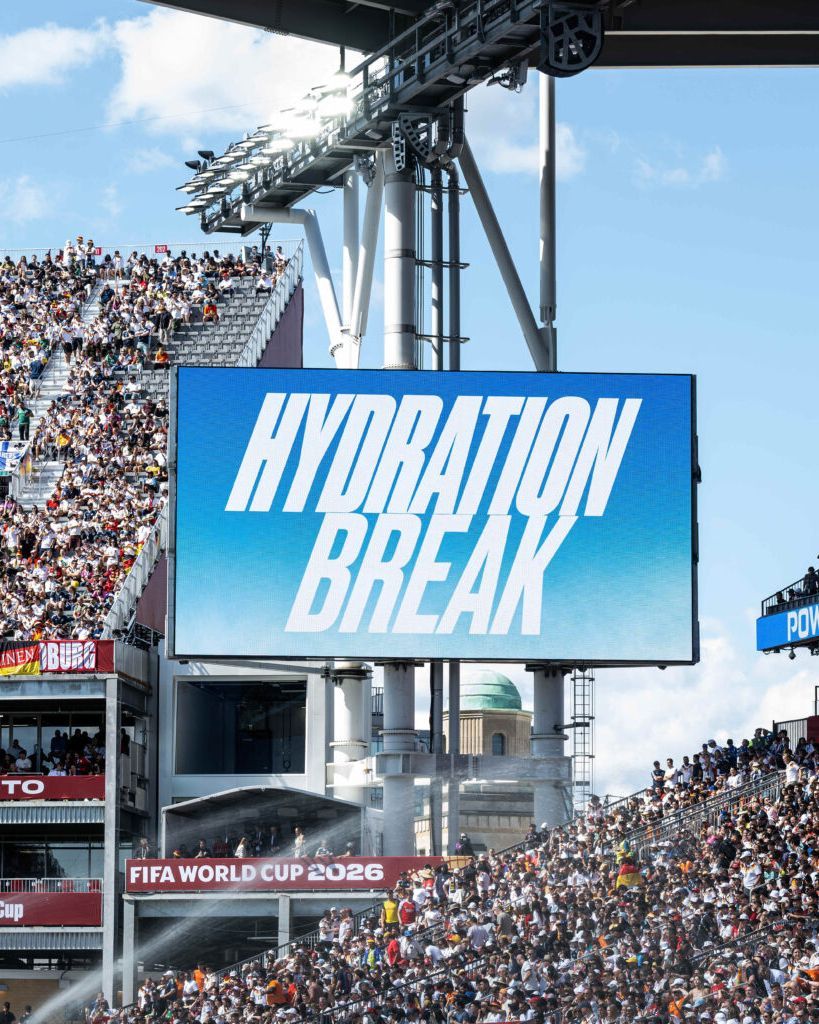
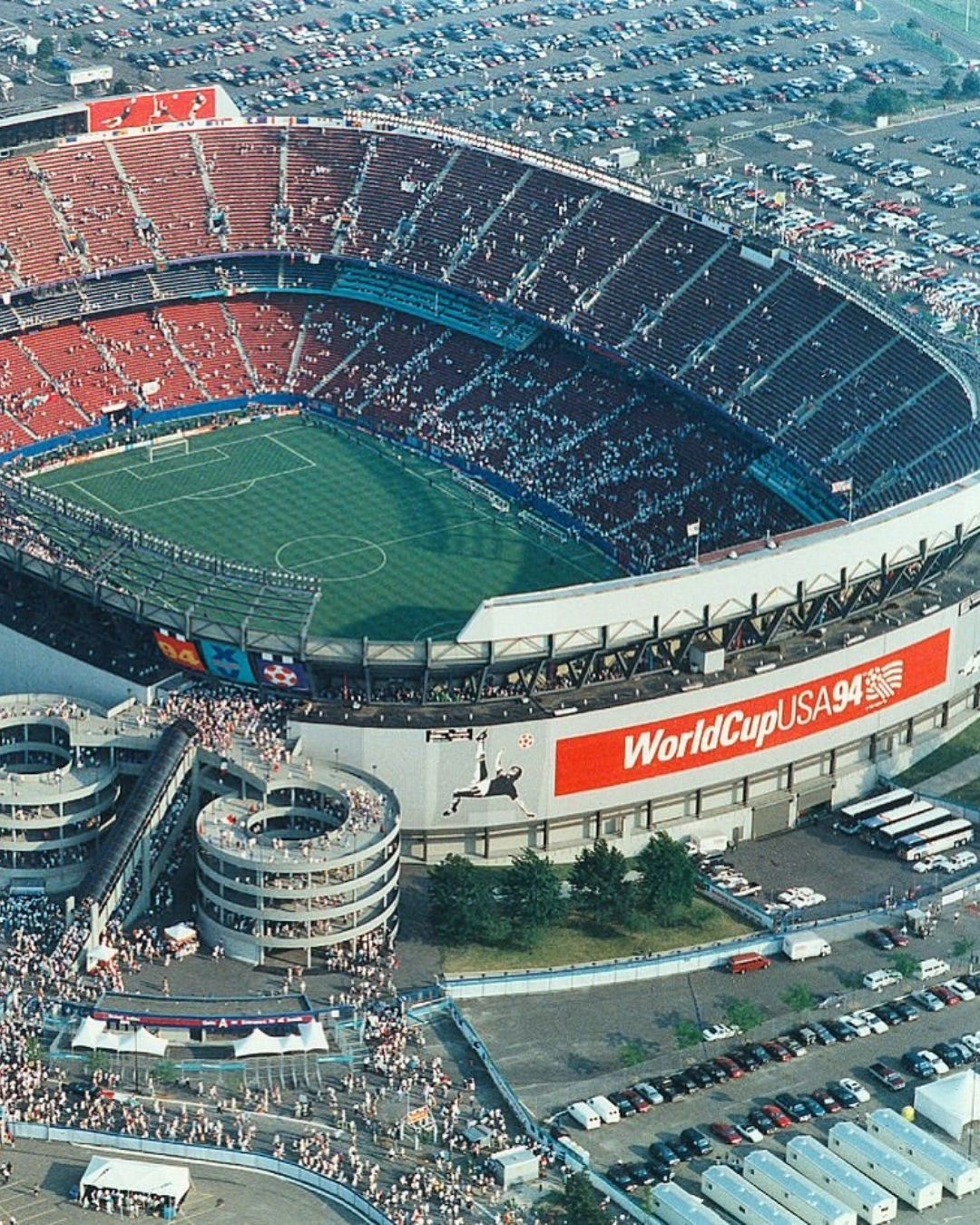
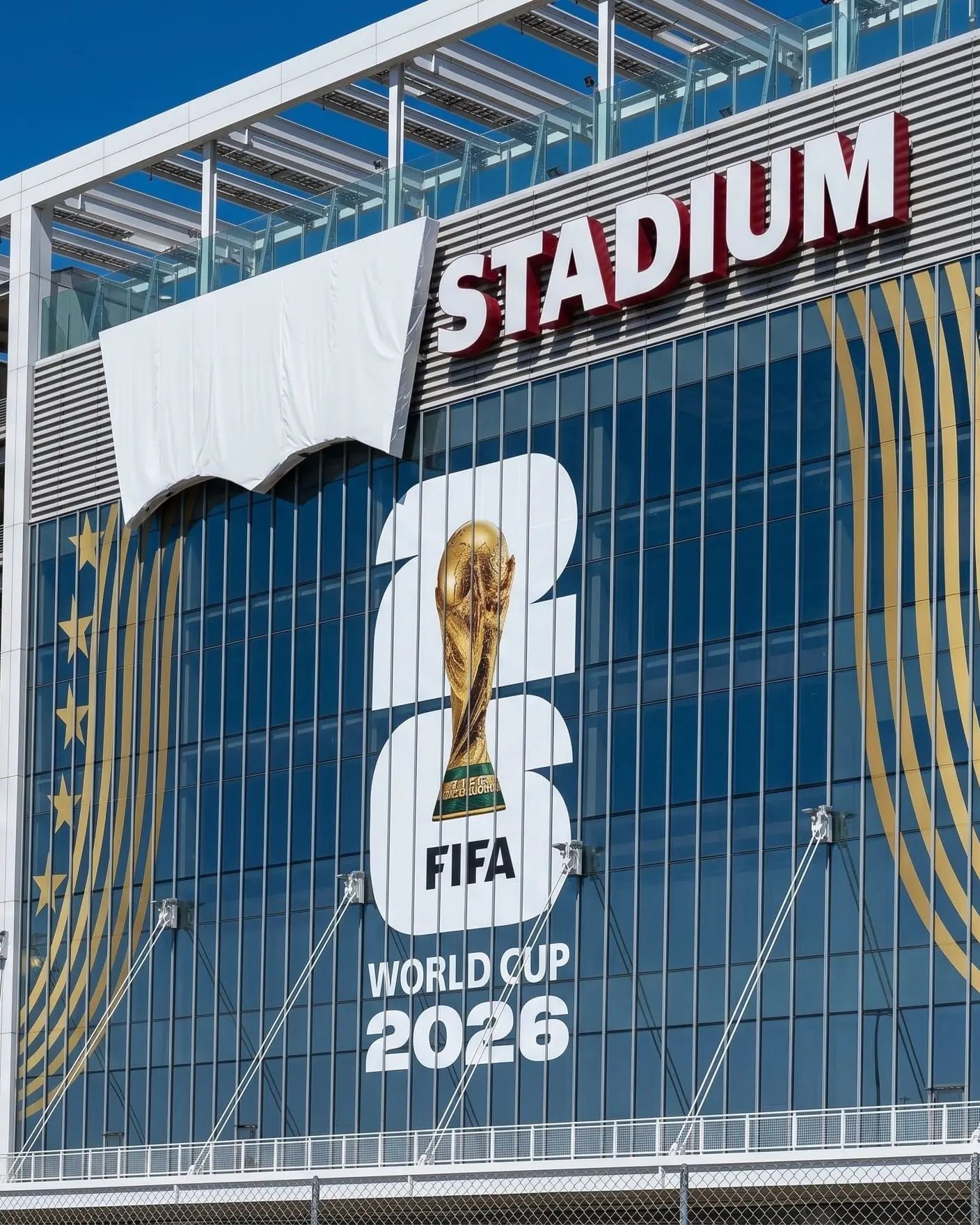
For a few weeks, Levi’s Stadium in Santa Clara had to change its name. FIFA rebranded it as San Francisco Bay Area Stadium, covering the iconic logo that has identified one of the NFL’s most recognizable venues for more than a decade. Thousands of miles away, at Gillette Stadium in Foxborough, crews had to apply nearly 65,000 strips of tape to conceal the brand printed on every single seat. These two cases, extreme but far from isolated, are just part of the massive clean-up operation that accompanies every FIFA World Cup. Yet in the United States, ahead of the 2026 World Cup, the process has reached unprecedented proportions.
At its core lies a simple principle: companies that pay hundreds of millions of dollars to become official FIFA partners are granted commercial exclusivity throughout the tournament. To protect that exclusivity, the governing body intervenes across stadiums, public spaces, players’ apparel and accessories, removing any unauthorized brand associations. The result is a World Cup in which some of the most visible brands in American sports suddenly disappear or are replaced. In some cases, however, the effort designed to hide a logo has ended up drawing even more attention to it.
What FIFA’s Rules Say
Starting with the basics, every FIFA World Cup is preceded and accompanied by an extensive commercial protection system that the organization refers to as Brand Protection. Its purpose is to safeguard the value of rights purchased at great expense by official partners, preventing unauthorized companies from associating themselves with the tournament or benefiting from its visibility. Once exclusivity has been sold, in short, it must be protected.
To achieve this, FIFA establishes so-called Clean Zones around stadiums and other official sites. These areas are subject to regulations that restrict promotional activities, the distribution of advertising materials and various forms of unauthorized commercial engagement.
FIFA’s guidelines for the 2026 World Cup meticulously identify activities that could link external brands to the tournament or its trademarks, both on-site and online. The key distinction is between ordinary business activity and ambush marketing. The former includes, for example, businesses operating normally within affected areas under what FIFA describes as the business as usual principle. The latter encompasses attempts by non-partners to capitalize on the World Cup’s visibility beyond the strict boundaries established by FIFA.
The resulting visual clean-up is remarkably thorough. It extends far beyond the major sponsors displayed on stadium façades or embedded in venue names, reaching much smaller details: stickers, packaging, vending machines, hospitality products and any branding that could appear in official tournament imagery. In some cases, even product labels in media centres or hospitality areas are scrutinized. Such measures have been seen at major international events before, both in football and beyond, but in the United States they have reached a new level.
The guidelines are not limited to marketing matters. In the days leading up to the tournament, for example, the Haiti Football Federation and Saeta were required to modify certain elements of the national team’s kit for political reasons. It was another reminder that FIFA’s control extends more broadly to the overall image of the event.
Logos That Disappeared (Sort Of)
The most widely discussed case is the one already mentioned: Levi’s Stadium in Santa Clara, one of the tournament’s flagship venues and home of the San Francisco 49ers, officially became San Francisco Bay Area Stadium for the duration of the competition. FIFA regulations prohibit the use of naming-rights agreements connected to non-partner brands.
As a result, Levi’s famous red logo was indeed covered. Yet its unmistakable batwing silhouette remained instantly recognizable. Rather than resisting the restriction, the brand chose to embrace it, openly poking fun at the situation through social media and retail activations worldwide. The censorship became an opportunity to demonstrate just how strongly the silhouette alone is associated with Levi’s.
Levi’s was not the only example. At Foxborough, home of Gillette Stadium and professional football in the Boston area, the process became particularly labor-intensive. Beyond the logo being concealed with shaving foam—another image that quickly circulated around the world—workers attached strips of tape to every stadium seat to cover small Gillette logos. Nearly 65,000 seats. A figure that illustrates both the scale of the operation and how, in some cases, it borders on the absurd.
Seattle saw an equally extensive transformation. Lumen Field became Seattle Stadium, and branding from the technology company was removed from virtually every surface: the roof, screens, internal signage, seats and even trash bins. Ryan Asdourian, Lumen’s Chief Strategy & Marketing Officer, confirmed that the removal of branding—which is present throughout the venue—was part of the agreements governing the World Cup. At the same time, he chose to approach the situation with a sense of humour, publishing a video documenting the logo-covering process and effectively turning FIFA’s restrictions into a marketing opportunity.
Similar scenes unfolded elsewhere. MetLife Stadium became New York New Jersey Stadium. AT&T Stadium in Arlington became Dallas Stadium. Hard Rock Stadium in Miami became Miami Stadium. In each case, signage, rooftop branding and highly visible commercial markings were covered or removed.
There was one notable exception: Mercedes-Benz Stadium in Atlanta. Although the commercial name was replaced by Atlanta Stadium, the large Mercedes-Benz logo on the roof remained clearly visible. Unlike other branding elements on the venue’s exterior, local reports suggested that the logo’s structural integration with the retractable roof made temporary removal both technically difficult and potentially risky.
Beyond the Stadiums
The commercial clean-up extends far beyond stadiums and surrounding areas. In some cases, it reaches the pitch itself, affecting players’ accessories and marketing campaigns created by major brands.
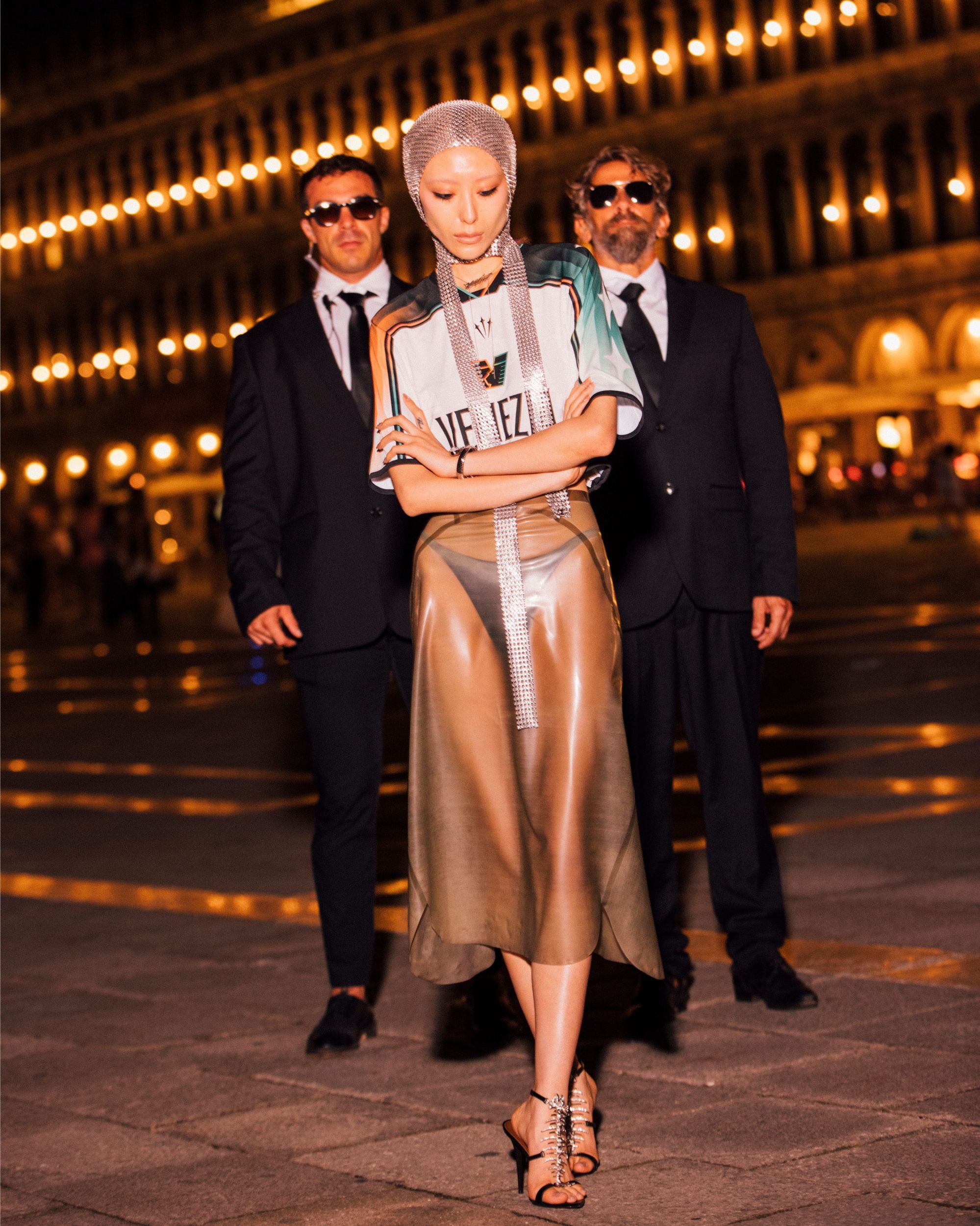
The clearest example involves Nike and its X2 Collection, a series of collaborations launched ahead of the World Cup with national federations, creatives, brands and social organizations. The project brought together Palace for England, Patta for the Netherlands, NOCTA for Canada, Jacquemus for France, Slawn for Nigeria, PEACEMINUSONE by G-Dragon for South Korea and the Virgil Abloh Archive for the United States.
In the weeks leading up to the tournament, these national teams wore special Nike pre-match kits prominently featuring their collaborators. Once the competition began, however, many of those references disappeared. In the process, the collection lost much of its visual identity and cultural meaning.
As noted by SoccerBible, the result is a sanitization of one of the most creative projects developed around the tournament. FIFA’s rules, however, apply only within official World Cup environments and activities. Consequently, uncensored versions of the kits continue to appear away from the pitch—during stadium arrivals, side events and on athletes’ social channels. Another example of a restriction that only partially achieved its intended effect.
The most explicit example, however, involved Jamal Musiala. Ahead of Germany’s match against Curaçao, the midfielder was filmed covering the logo on his Beats by Dre headphones with tape, as the brand is not permitted to appear in imagery captured inside stadiums.
The clip quickly went viral, helped in no small part by Beats by Dre itself. Following the examples set by Levi’s and Lumen, the company openly mocked FIFA’s restrictions in its own communications, fueling debate and, unsurprisingly, generating even more attention for the product. Not without causing a degree of embarrassment elsewhere.