
Italian Volleyball is bigger than a medal Democracy of Volleyball: four cities, four identities
The result we were hoping for didn’t come. But if there is one thing these past few weeks have shown, it is that Italian volleyball is much bigger than a medal. It is made up of packed arenas, generations passing down a shared passion, and cities that have built part of their identity around the sport. It belongs to those who play and those who watch, those who coach and those who photograph, those who live volleyball every day and those who rediscover it whenever it returns to the centre of the conversation.
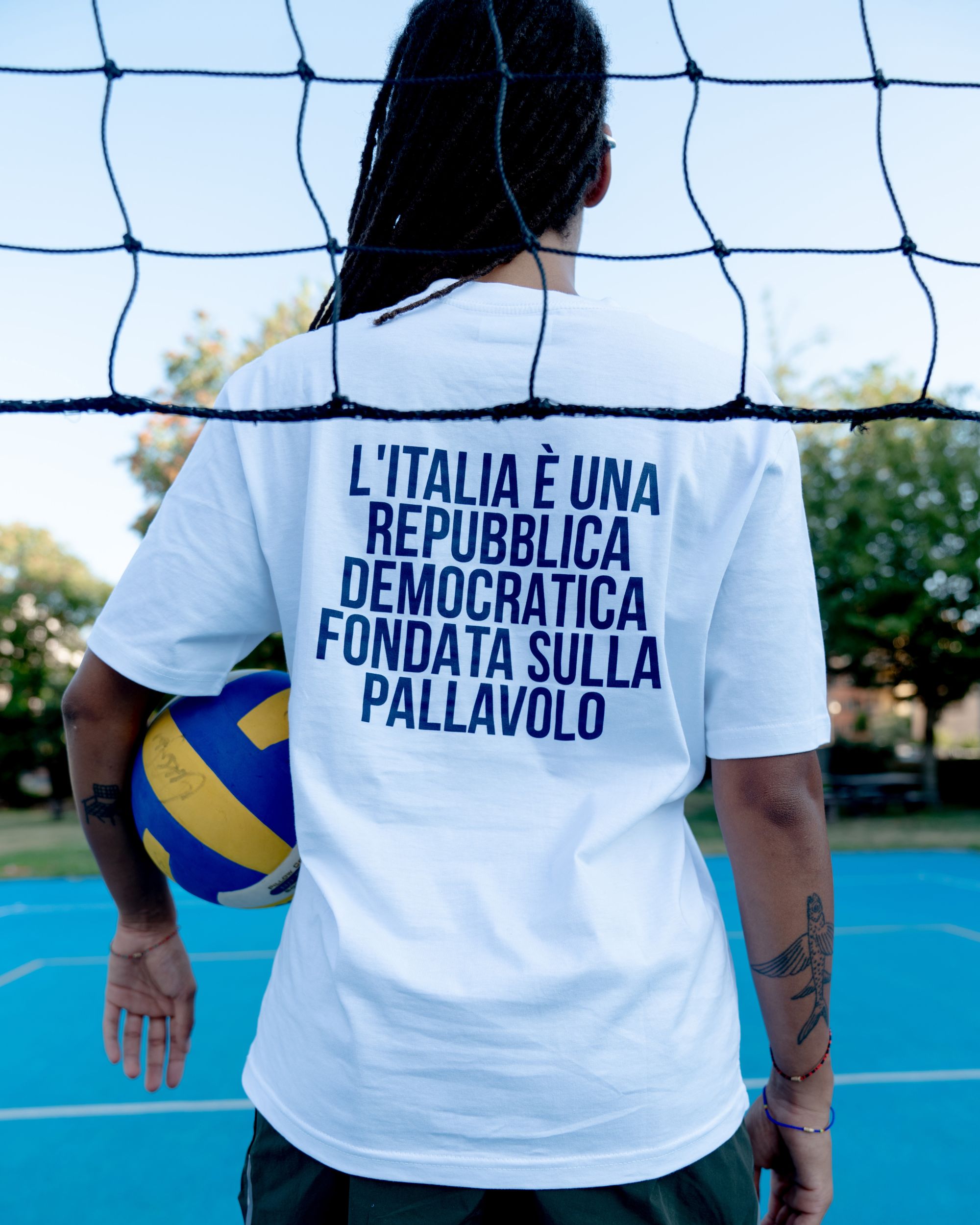
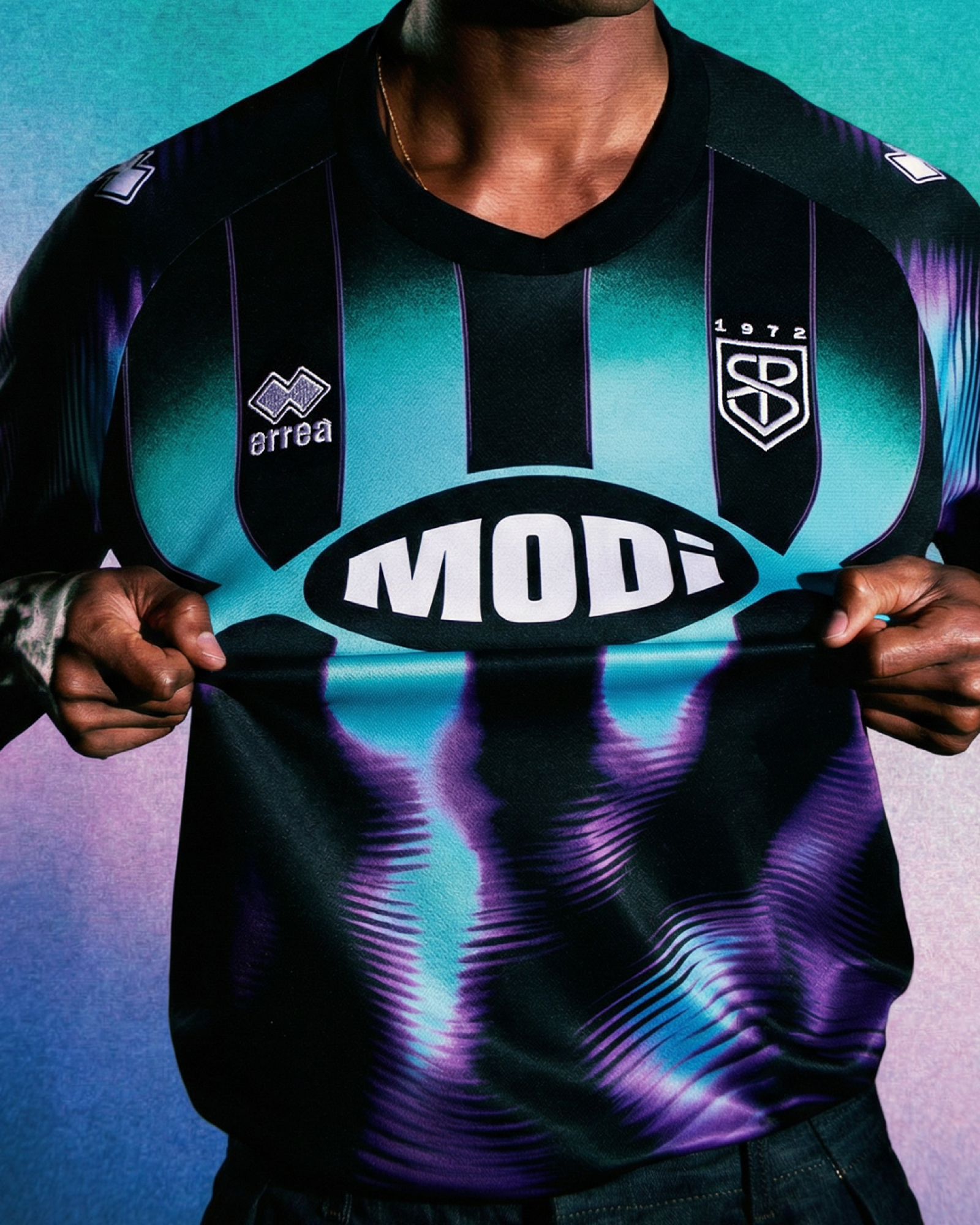
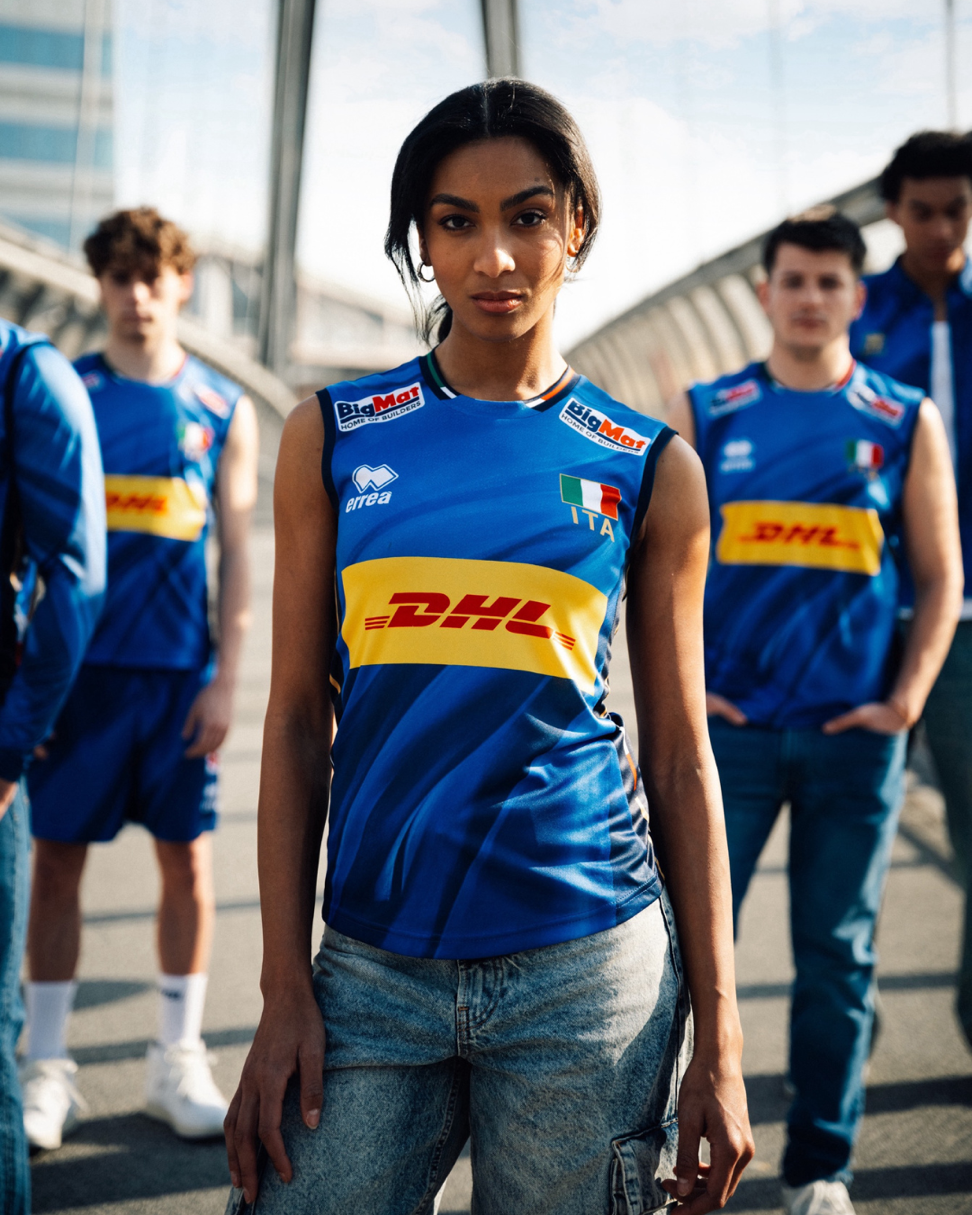
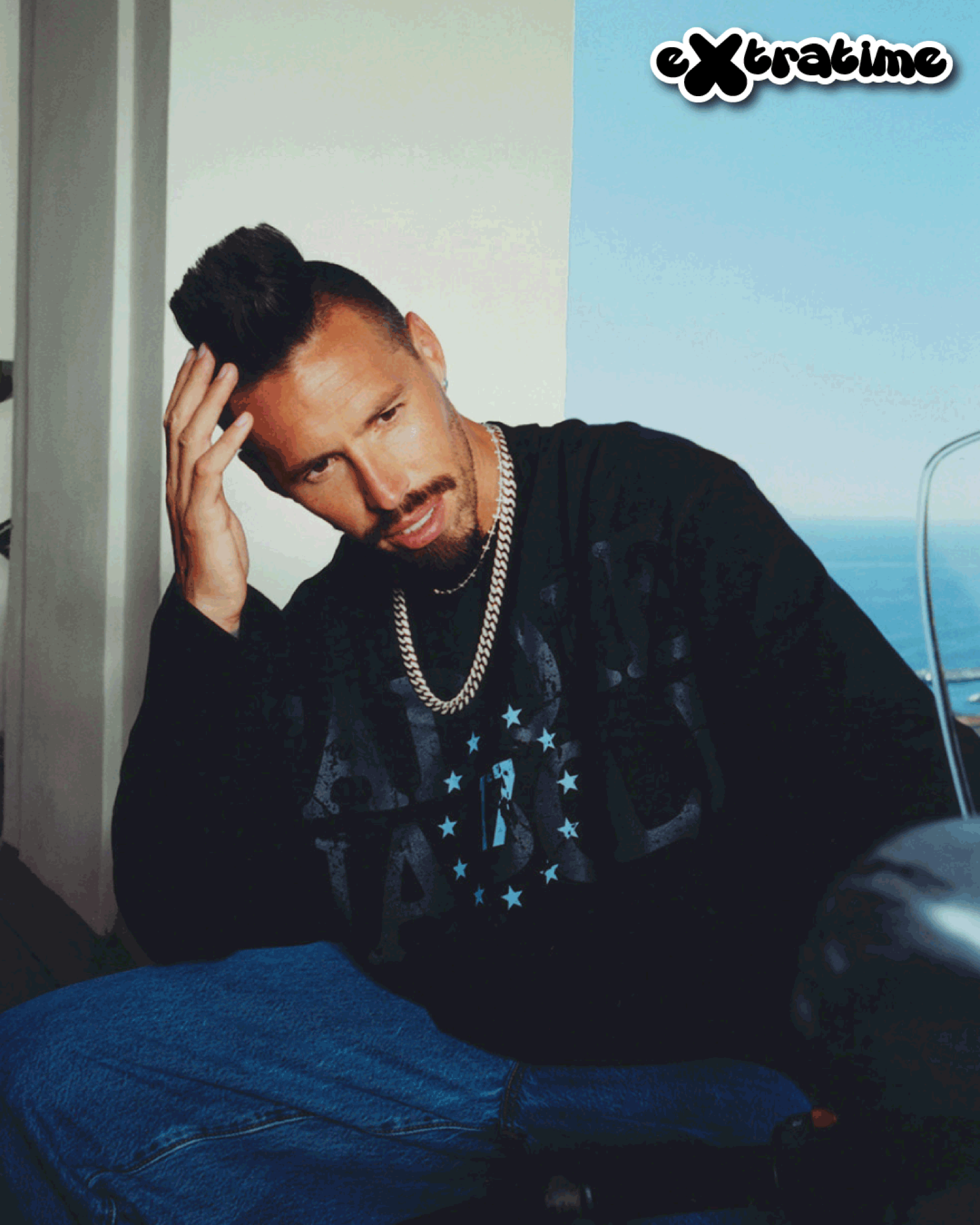
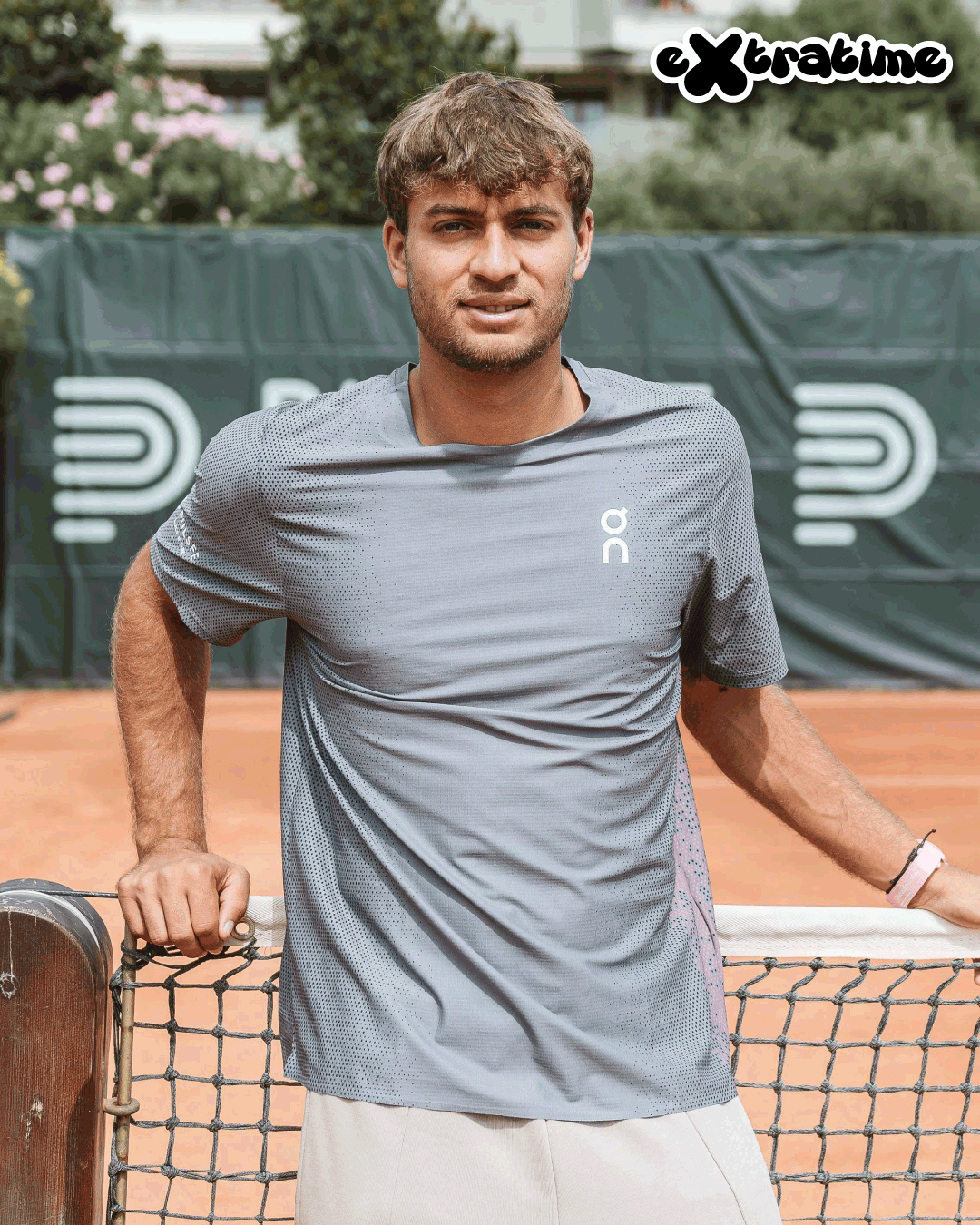
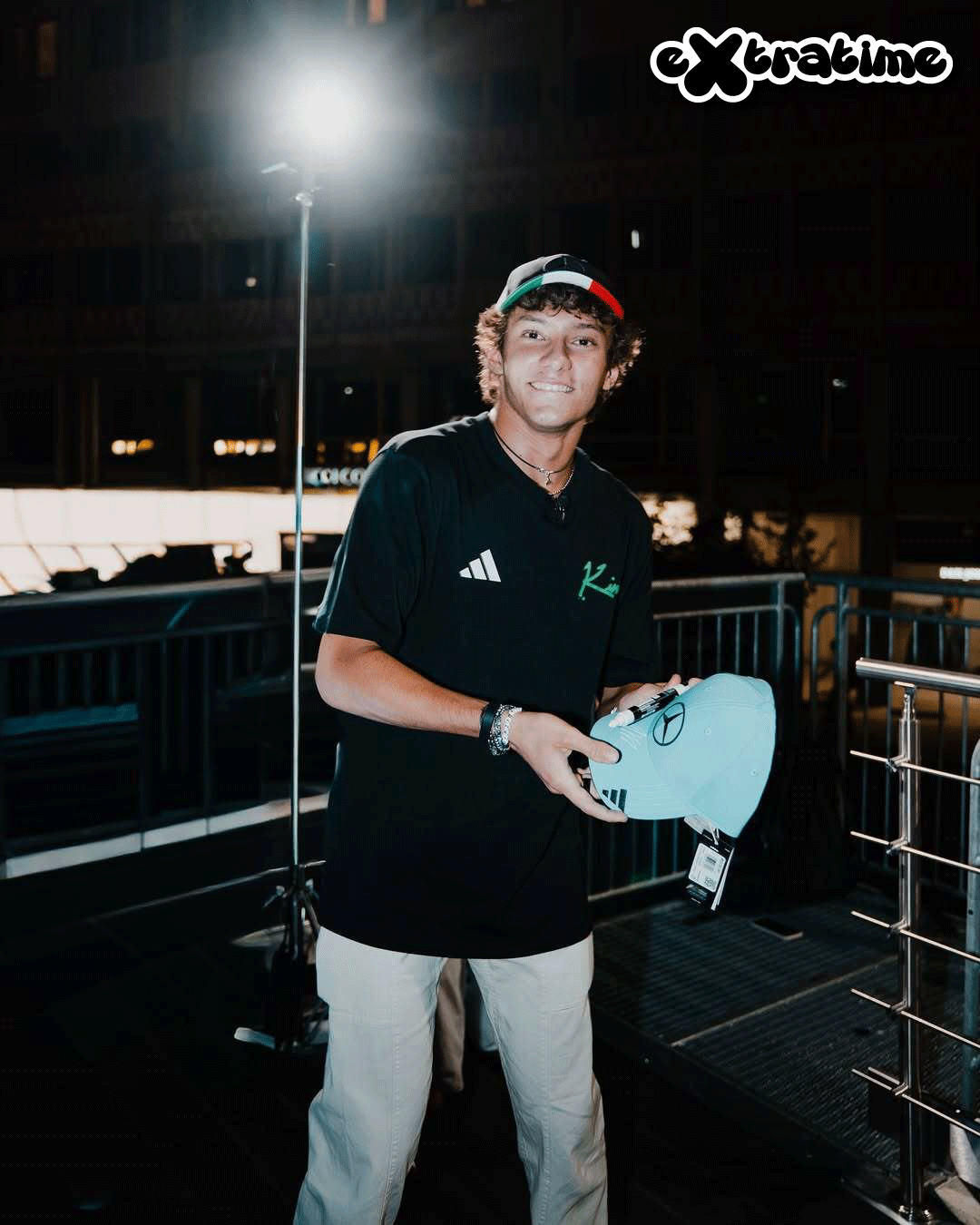
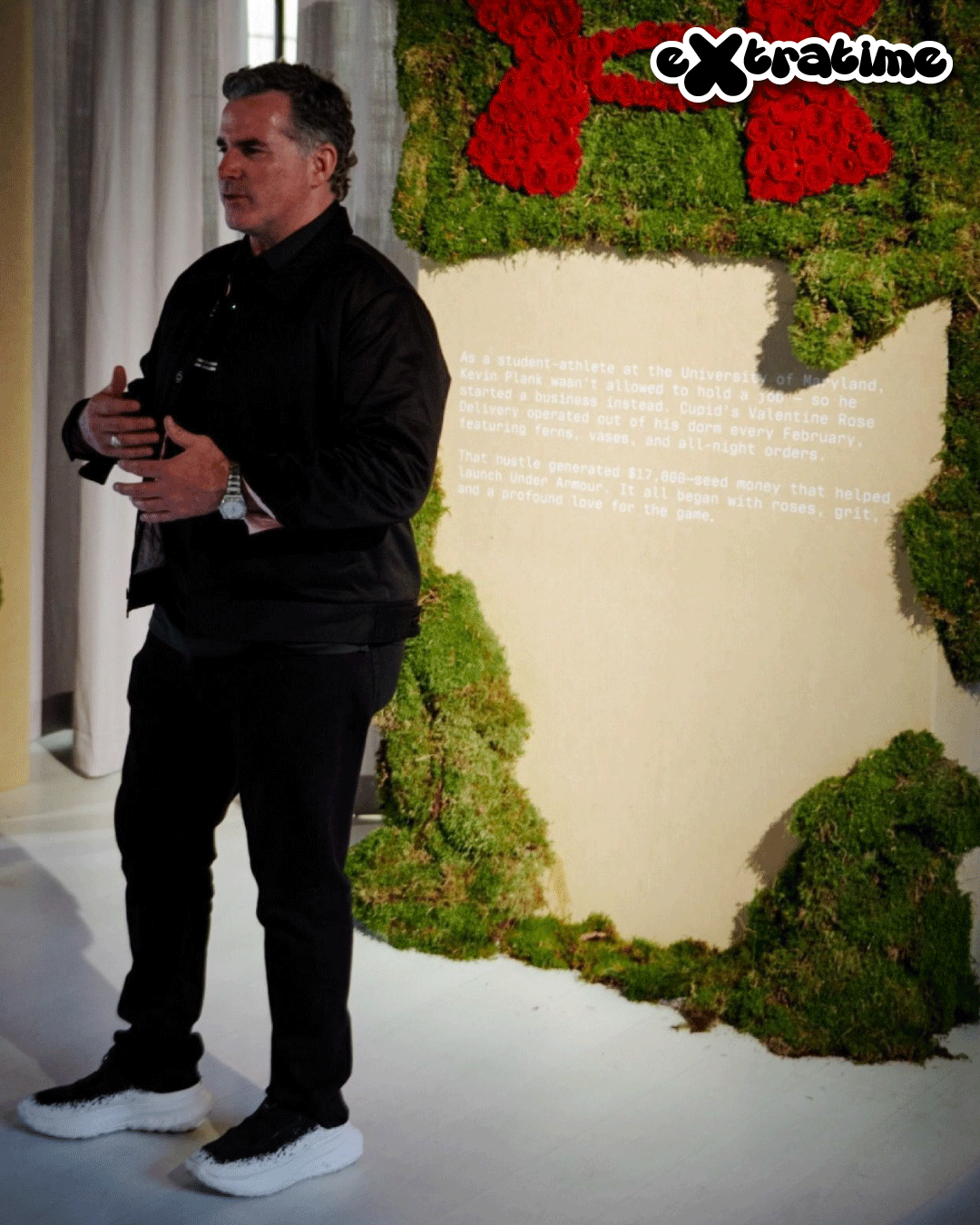
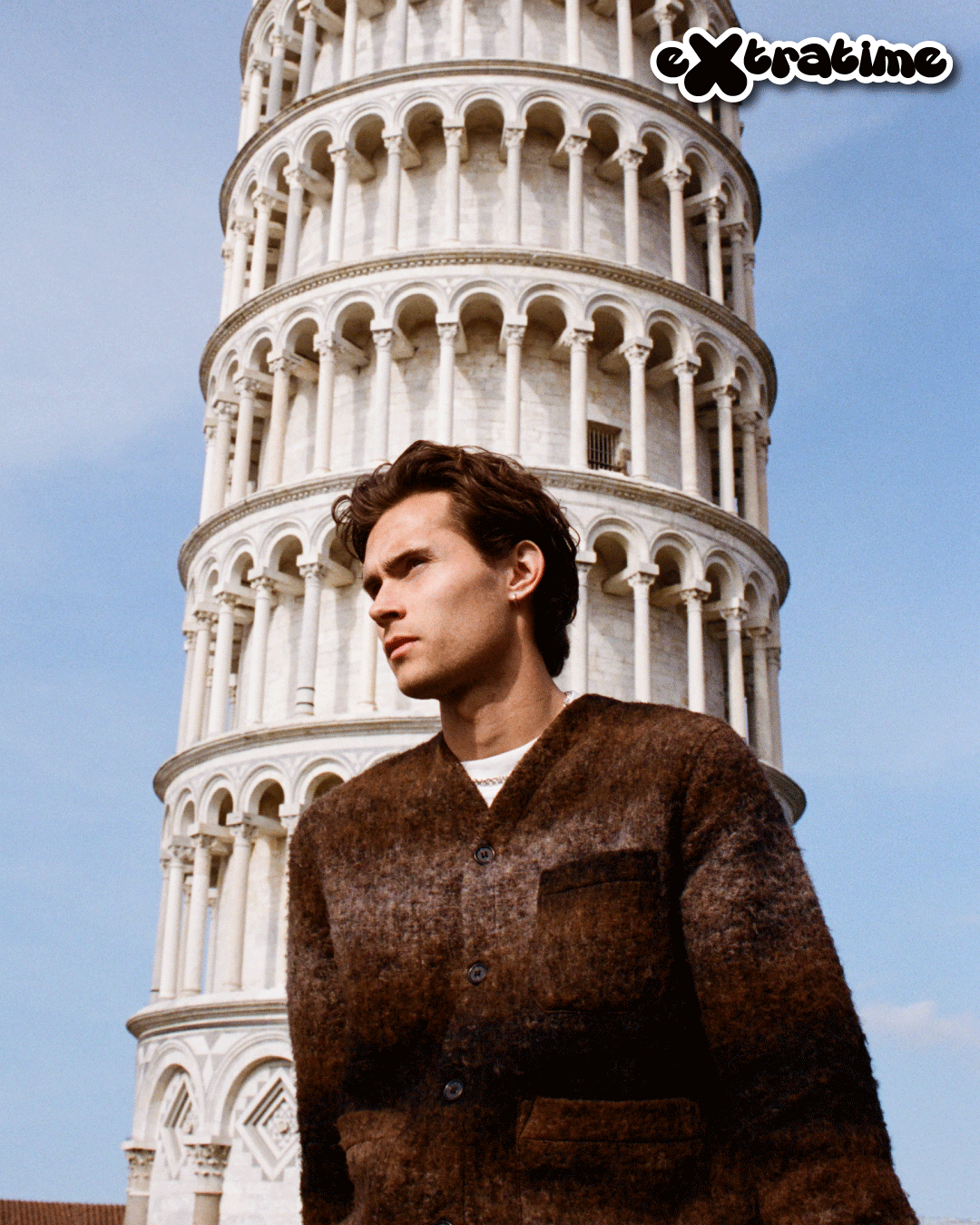
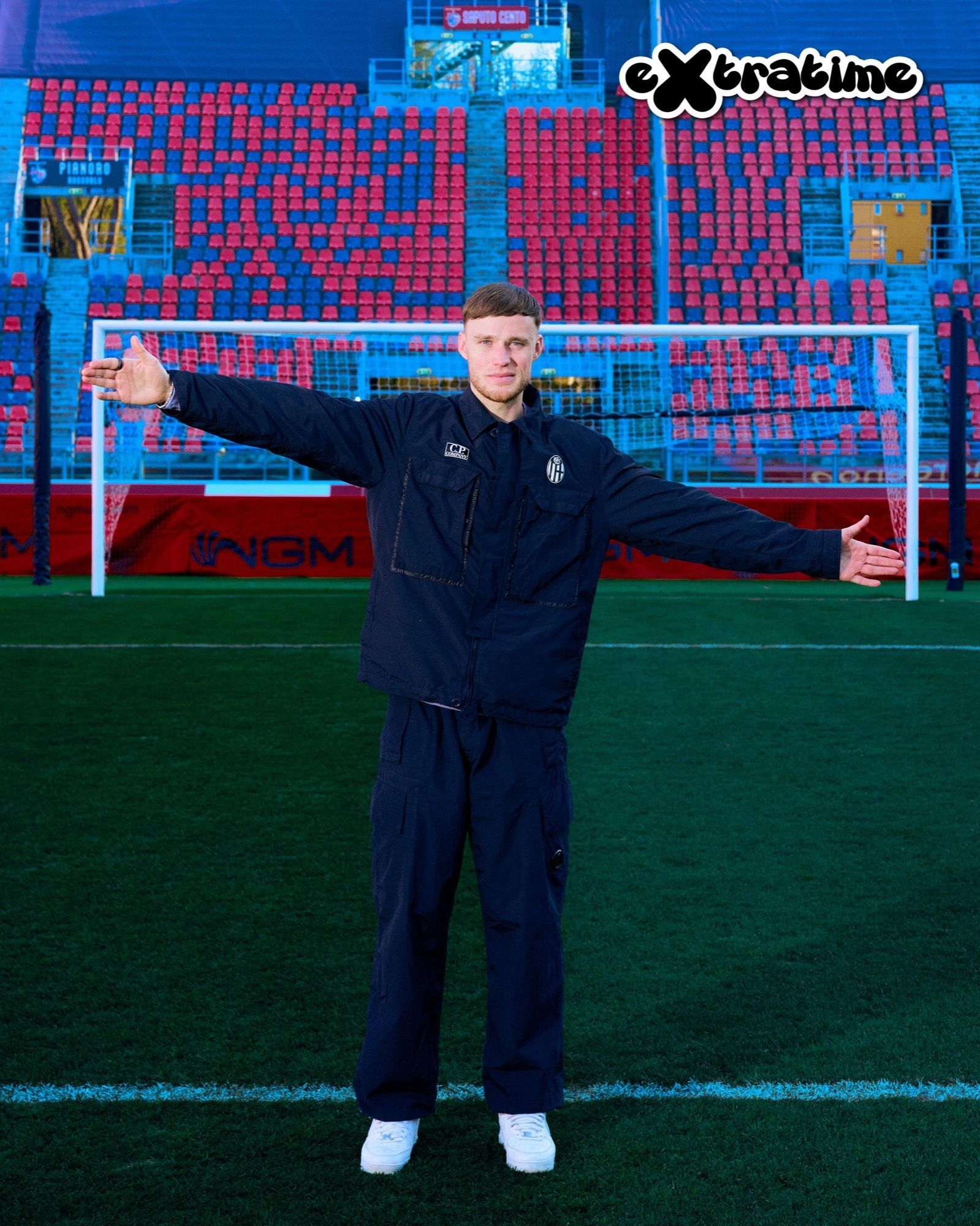
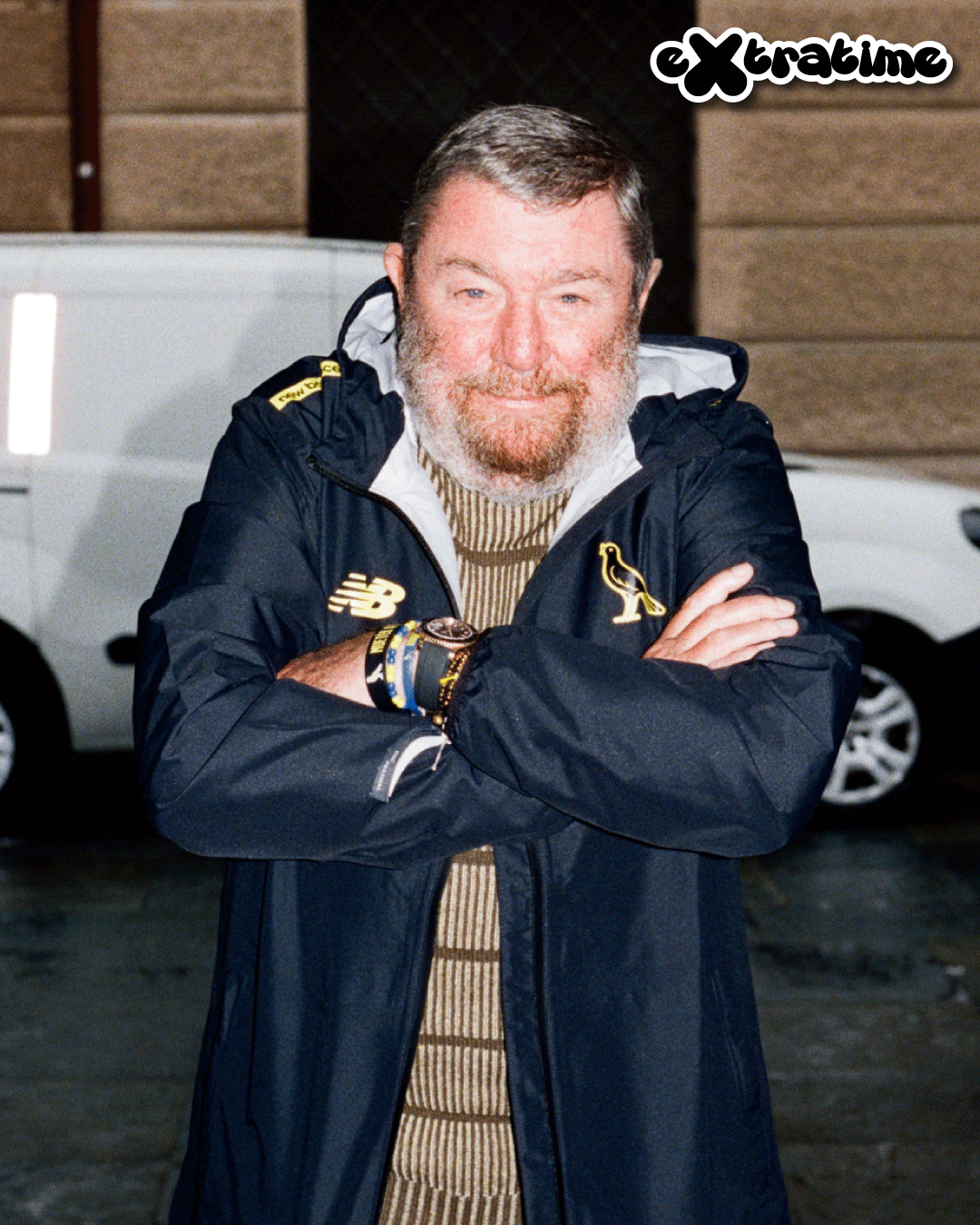
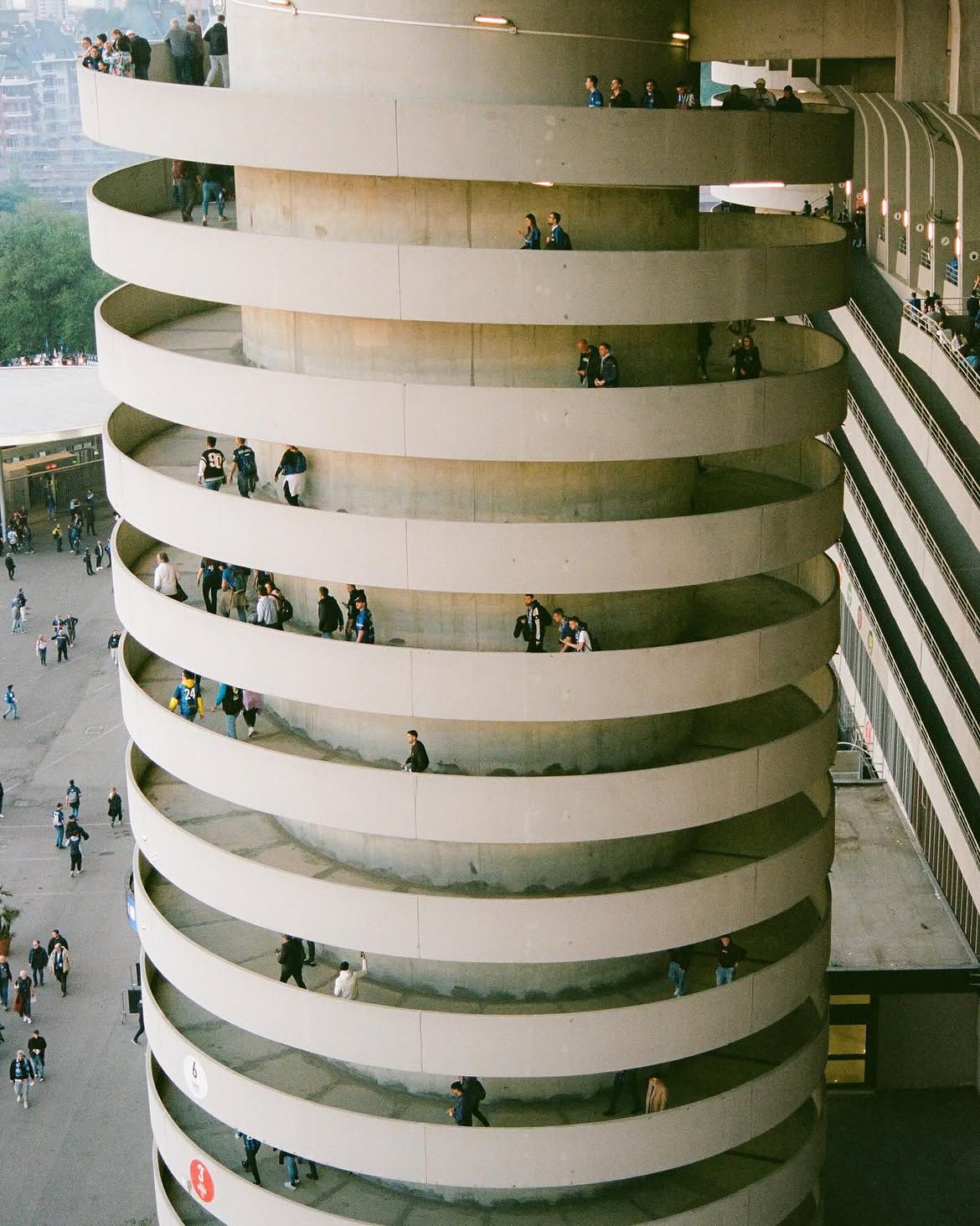
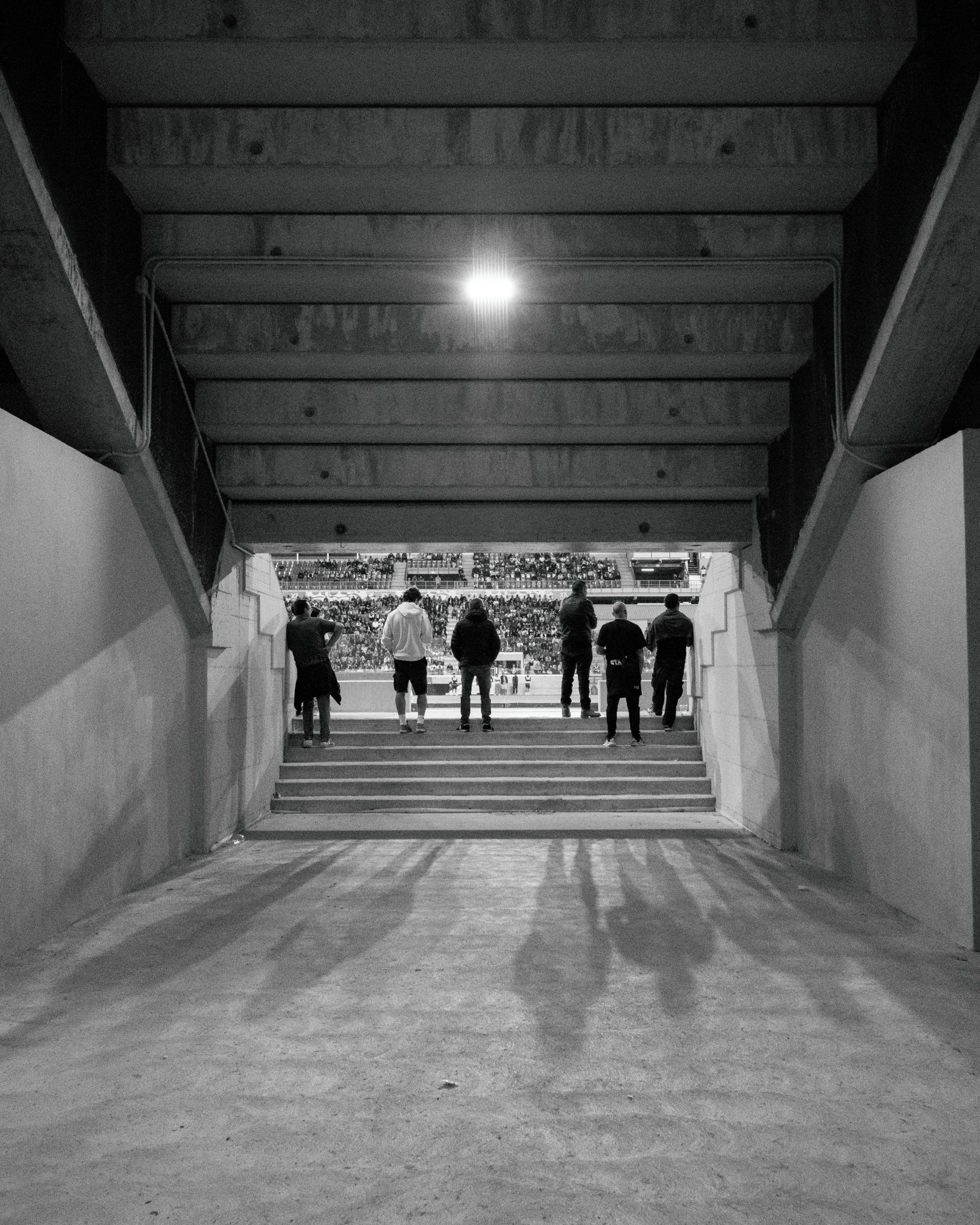
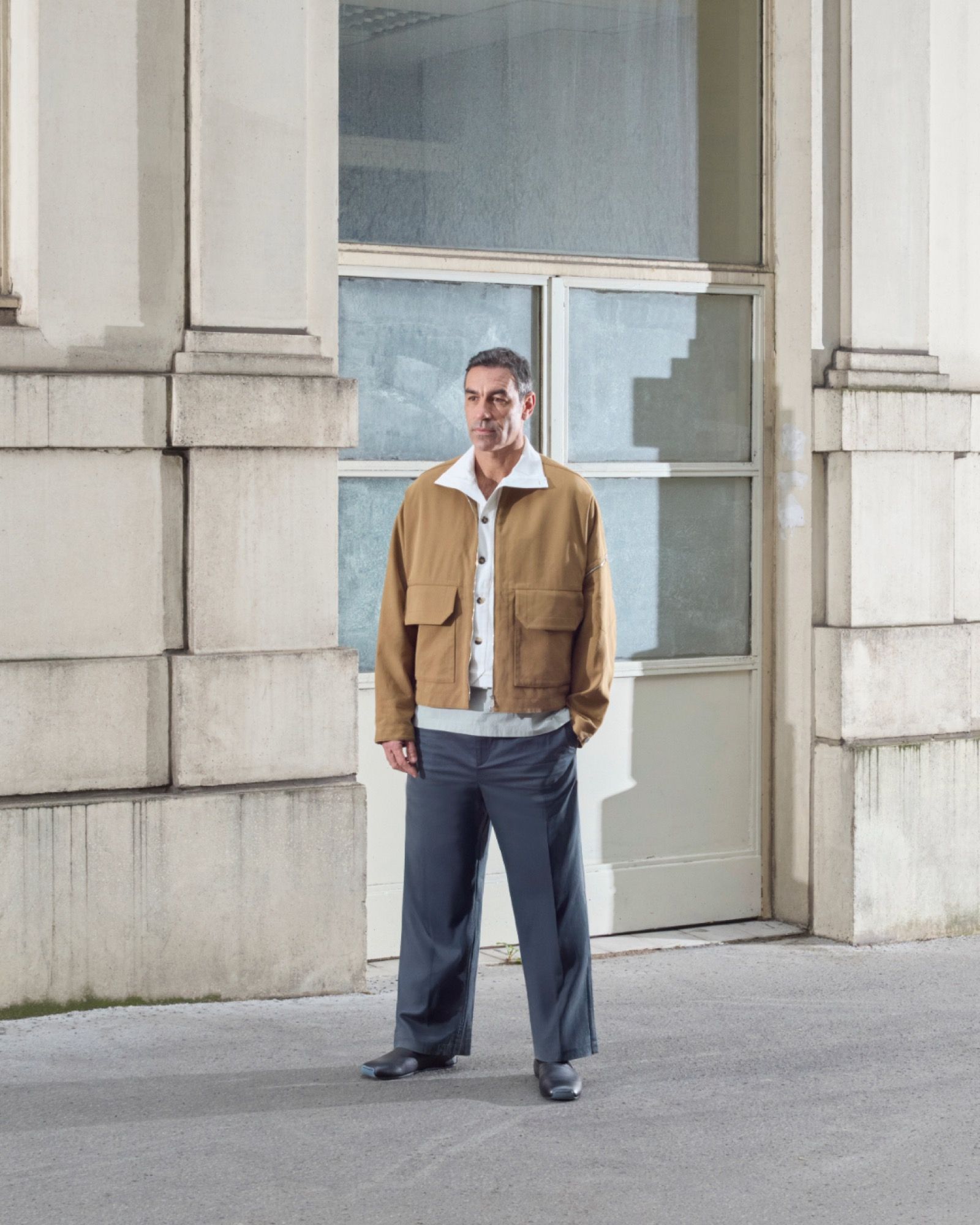
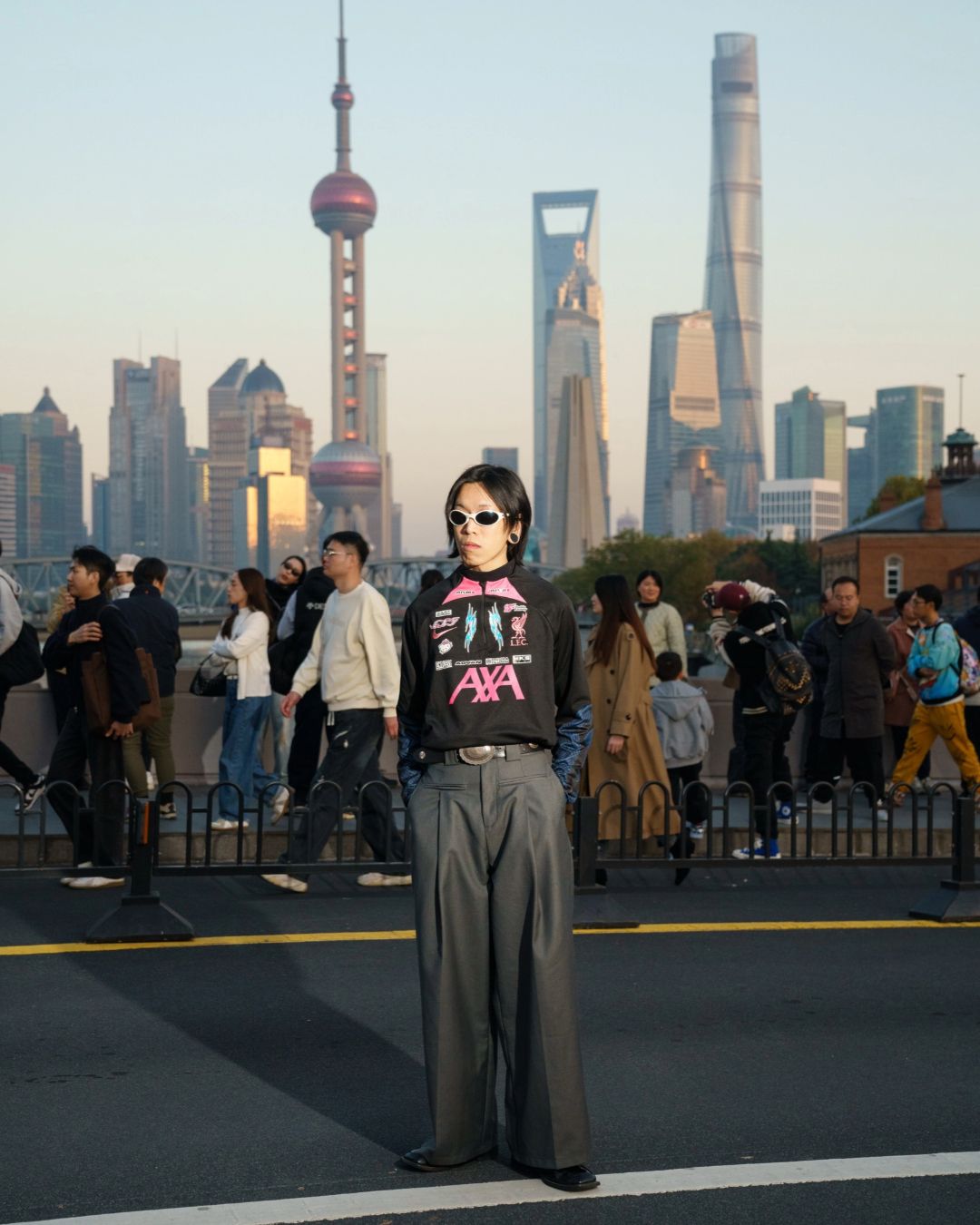
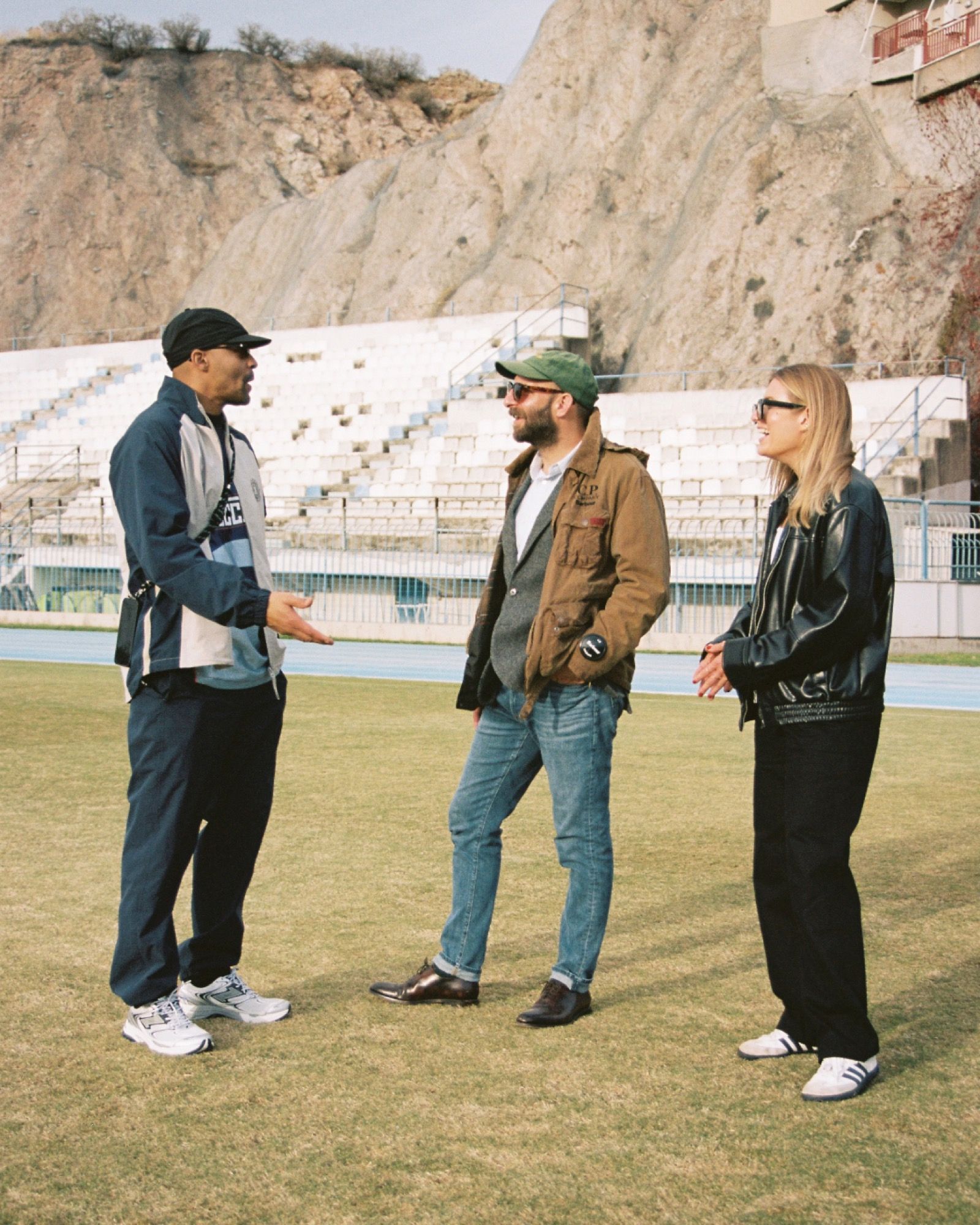
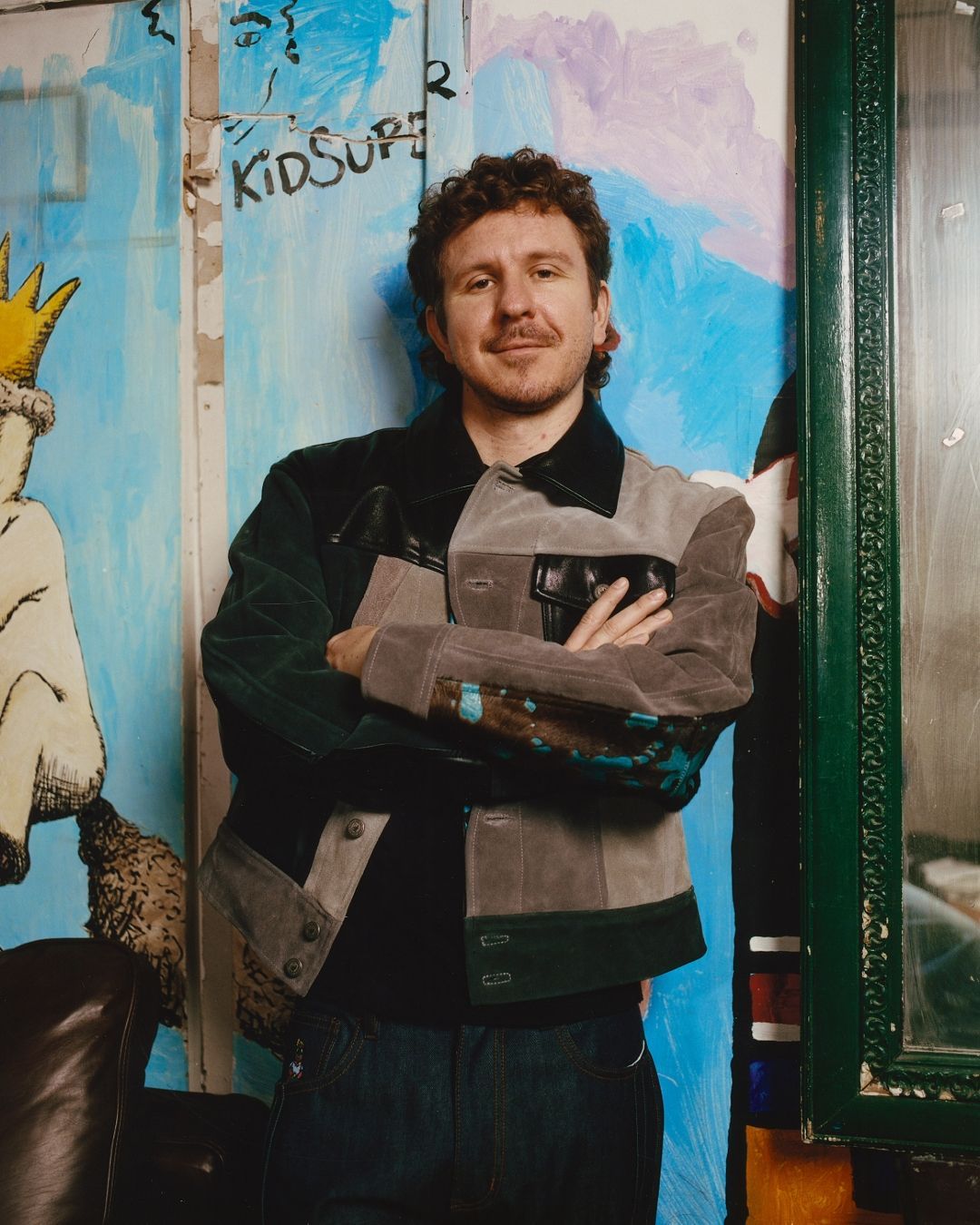
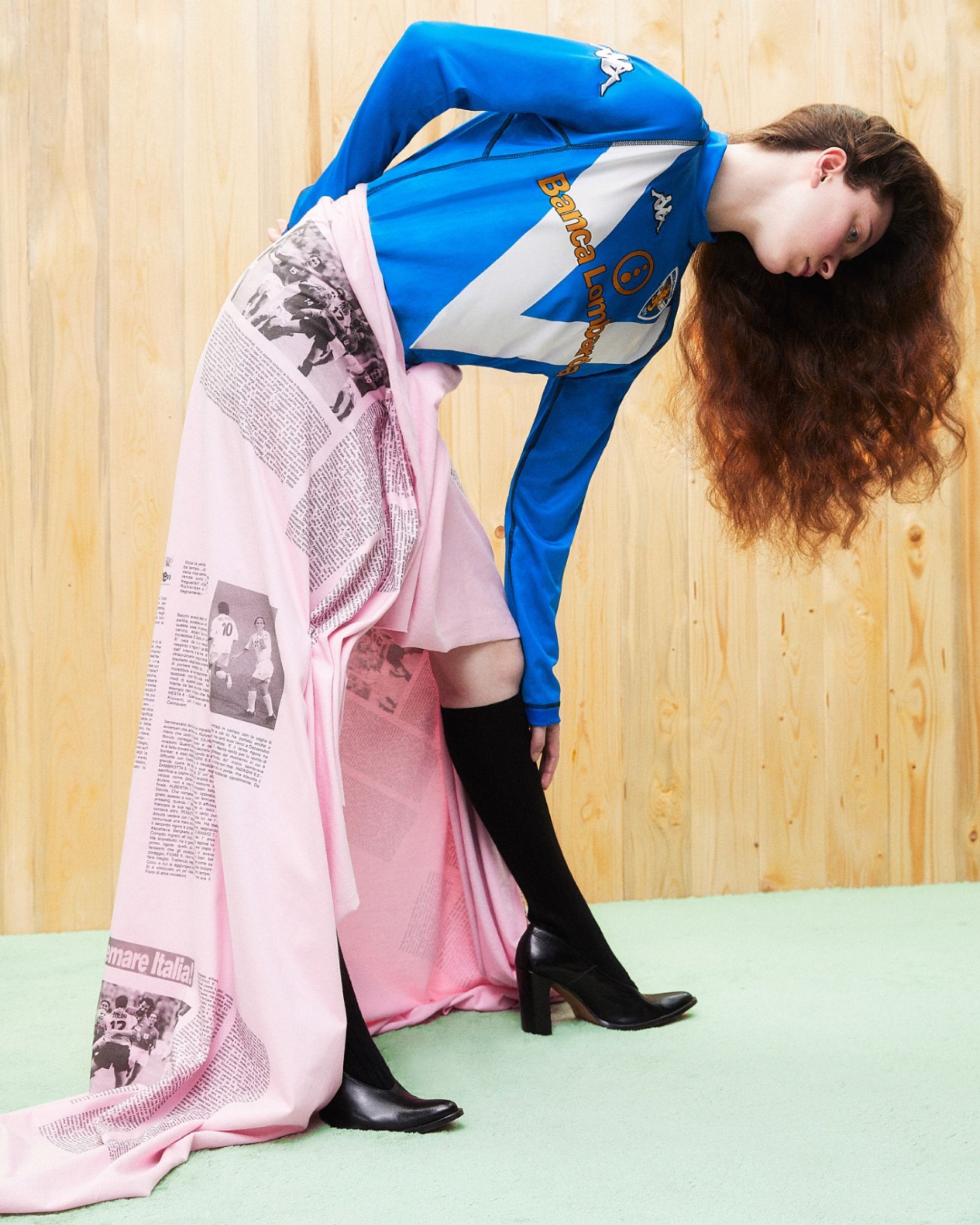
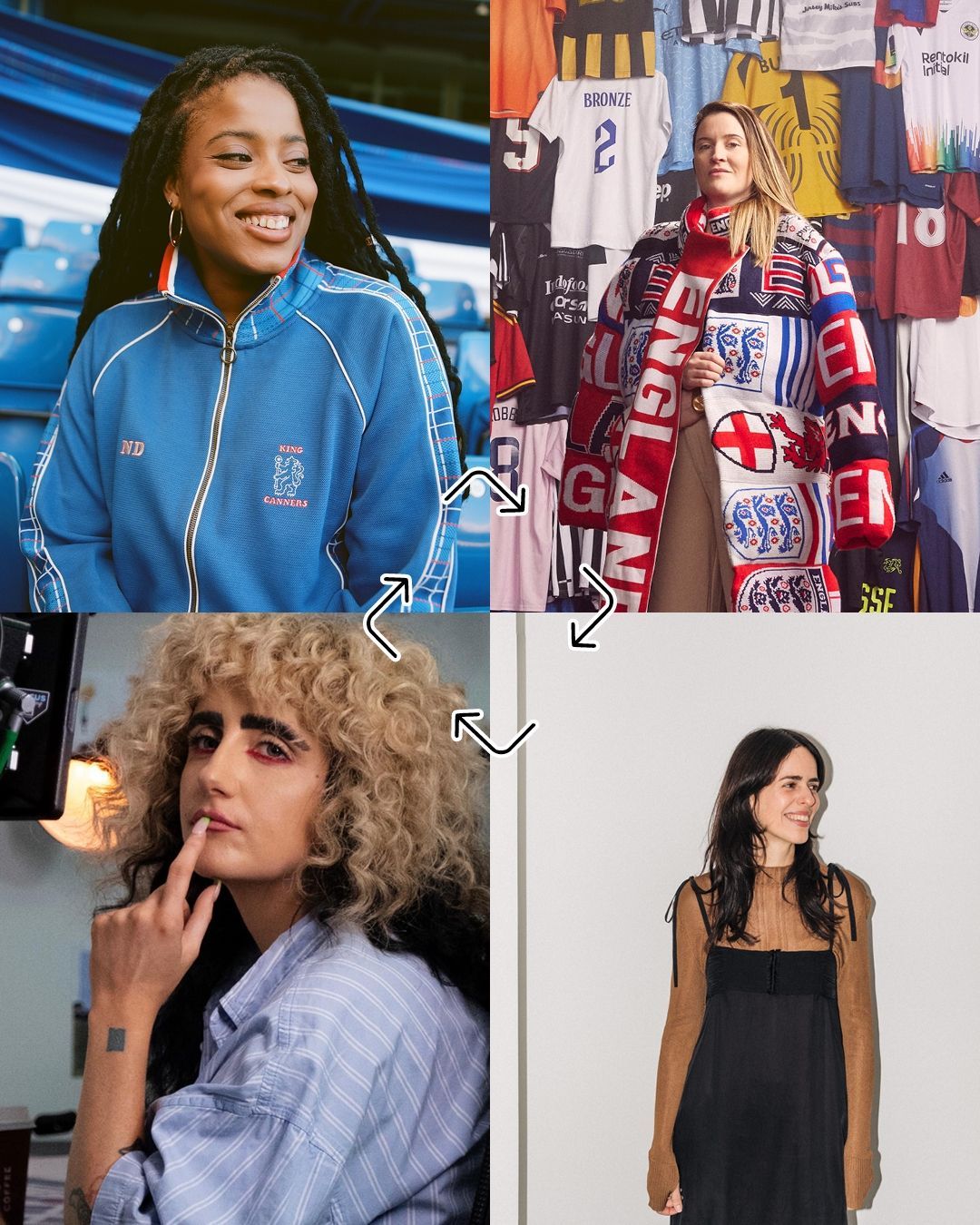
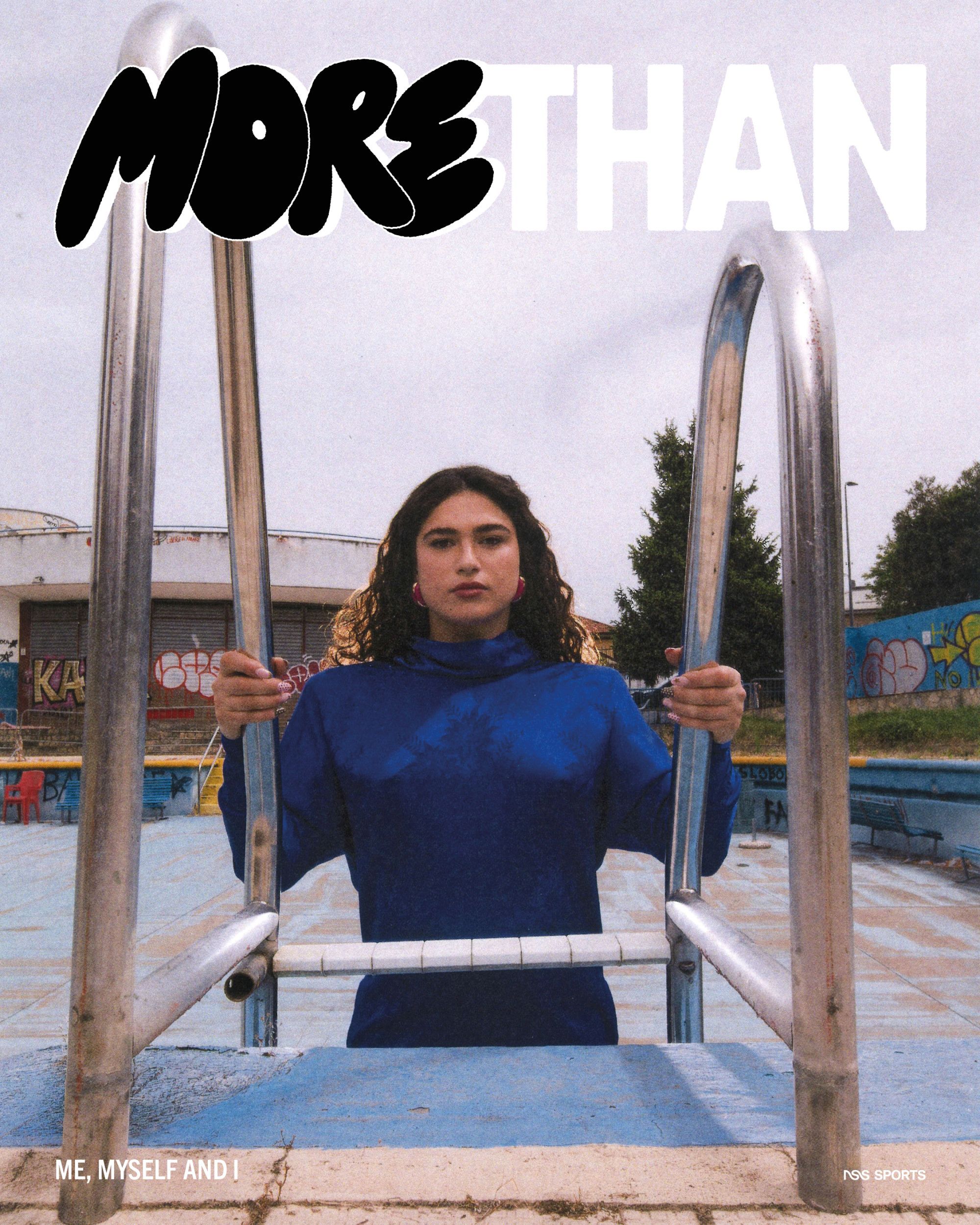
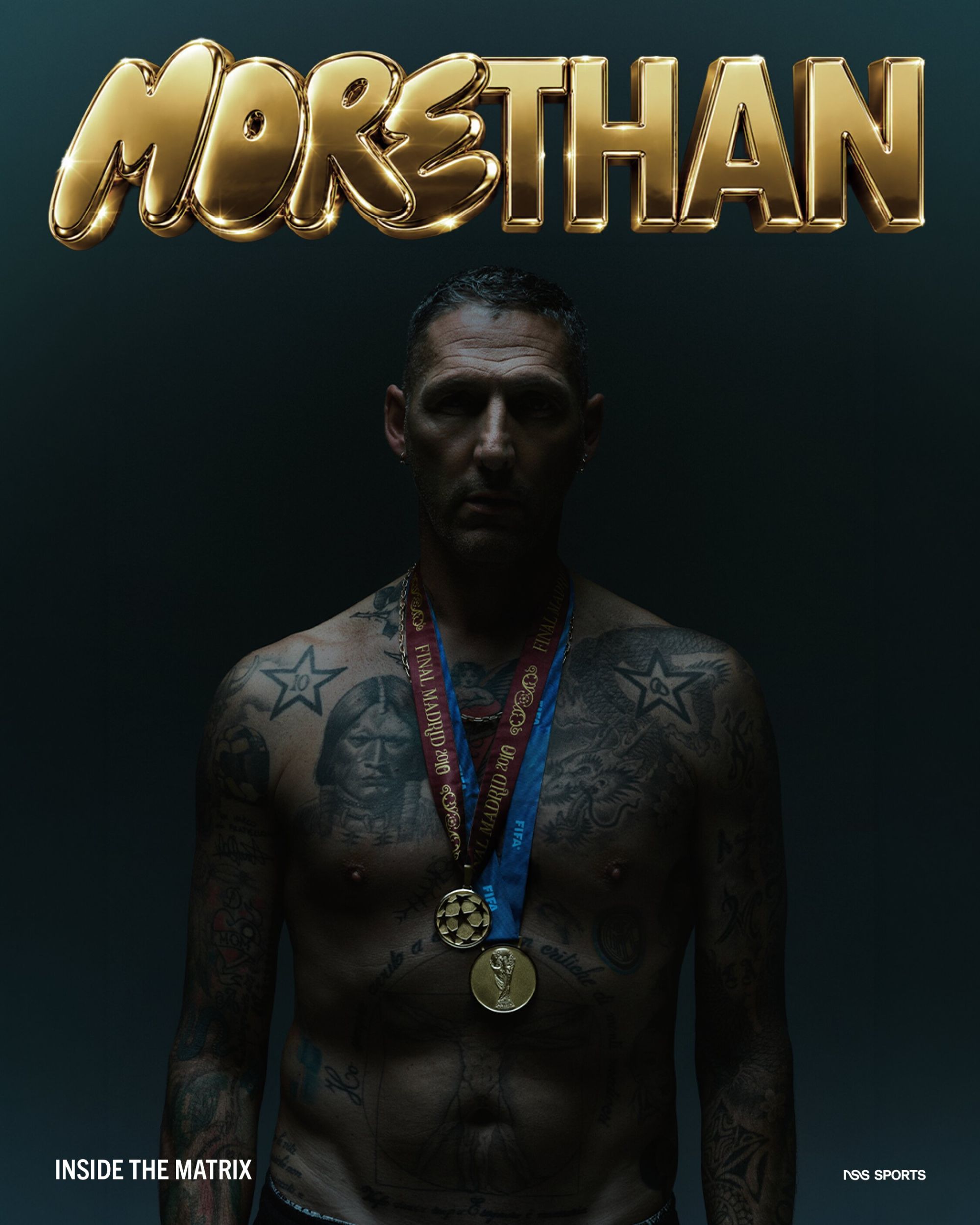
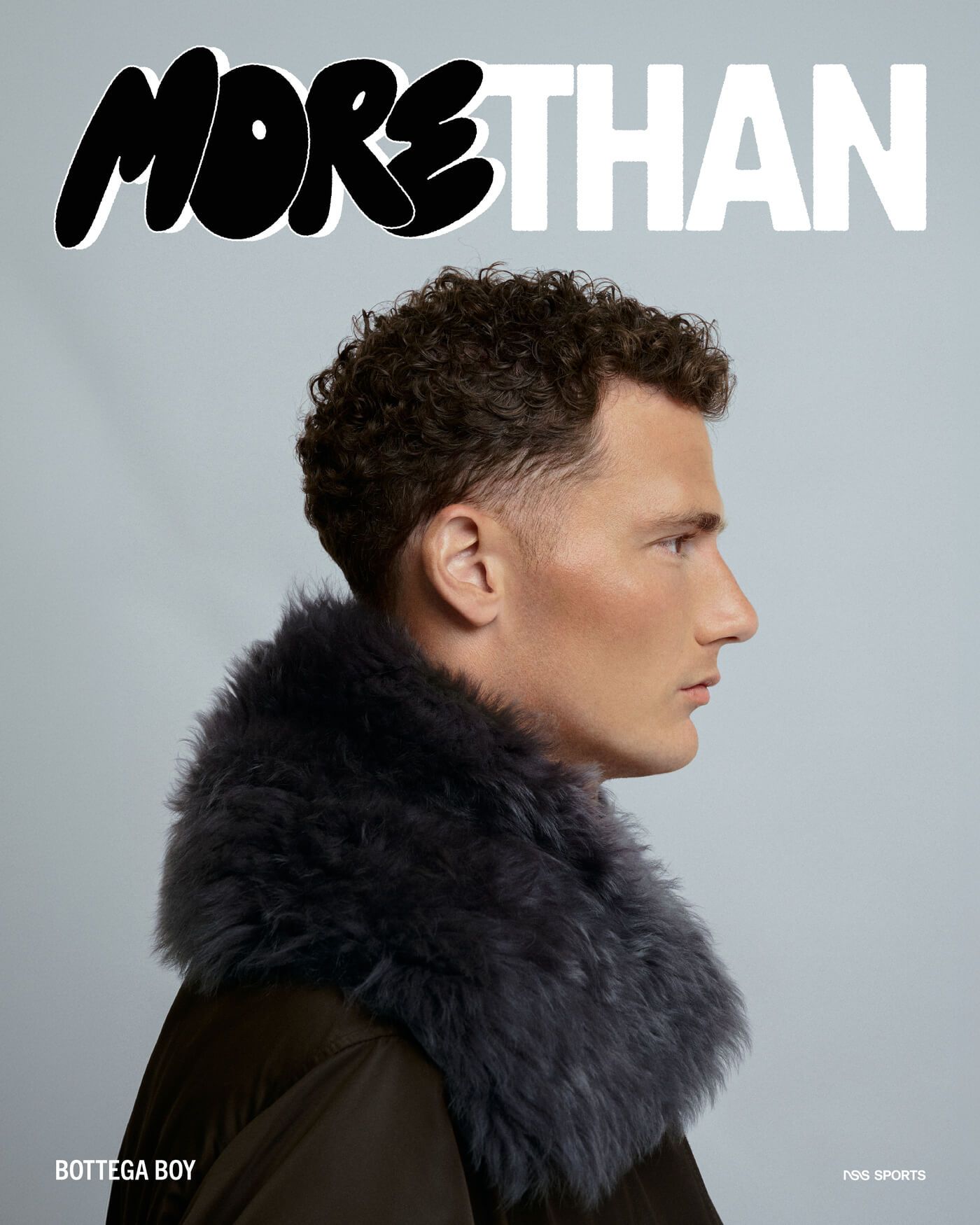
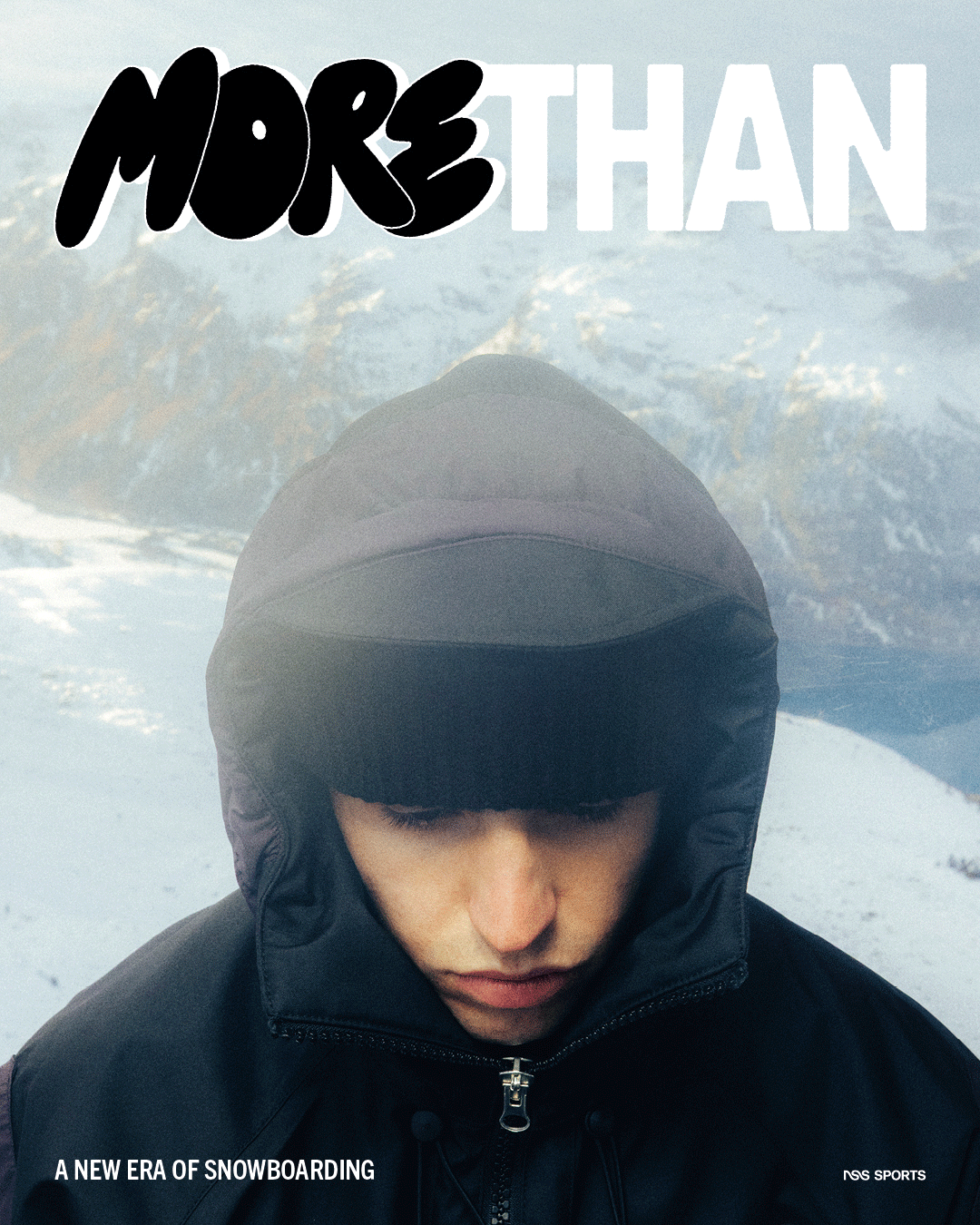
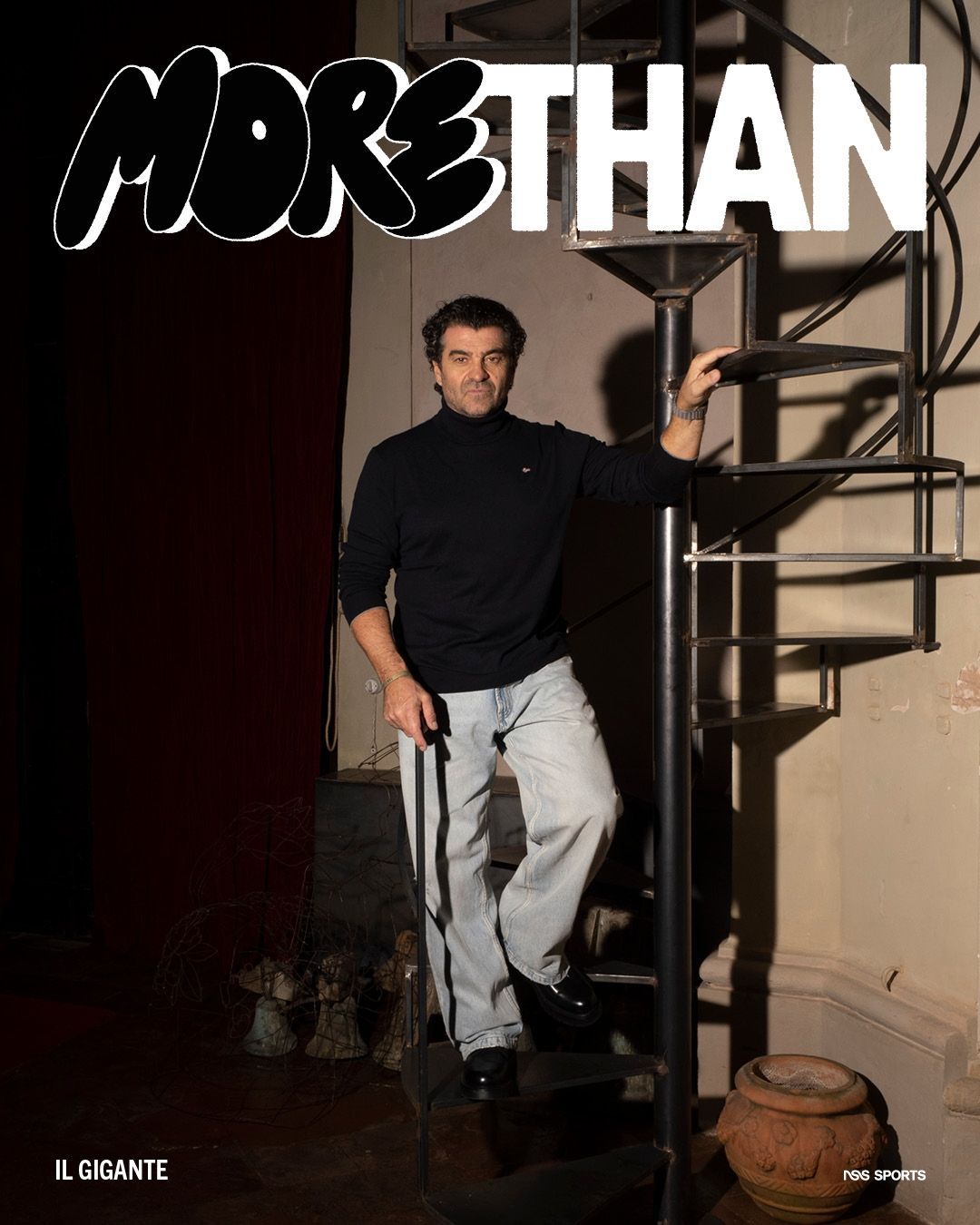
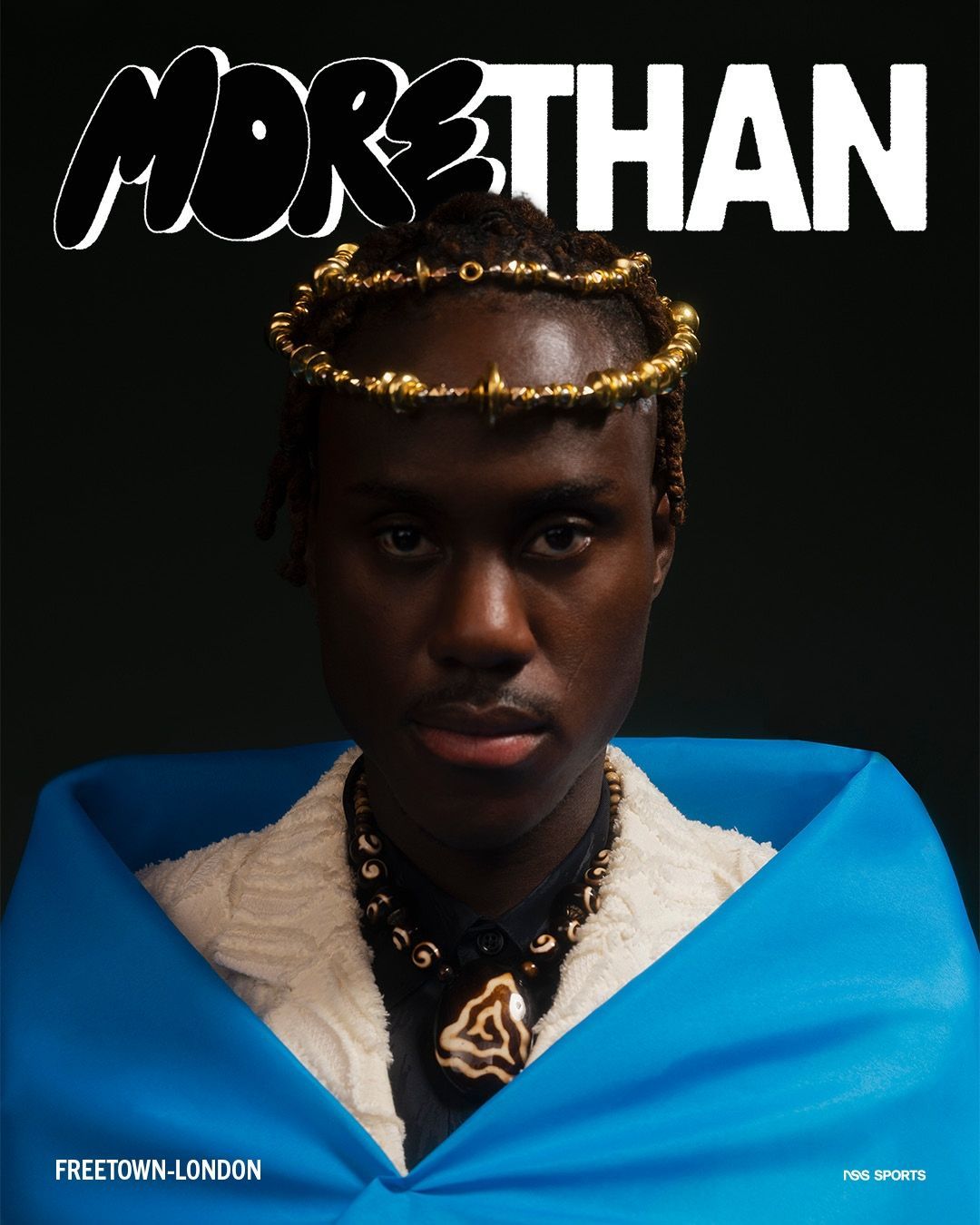
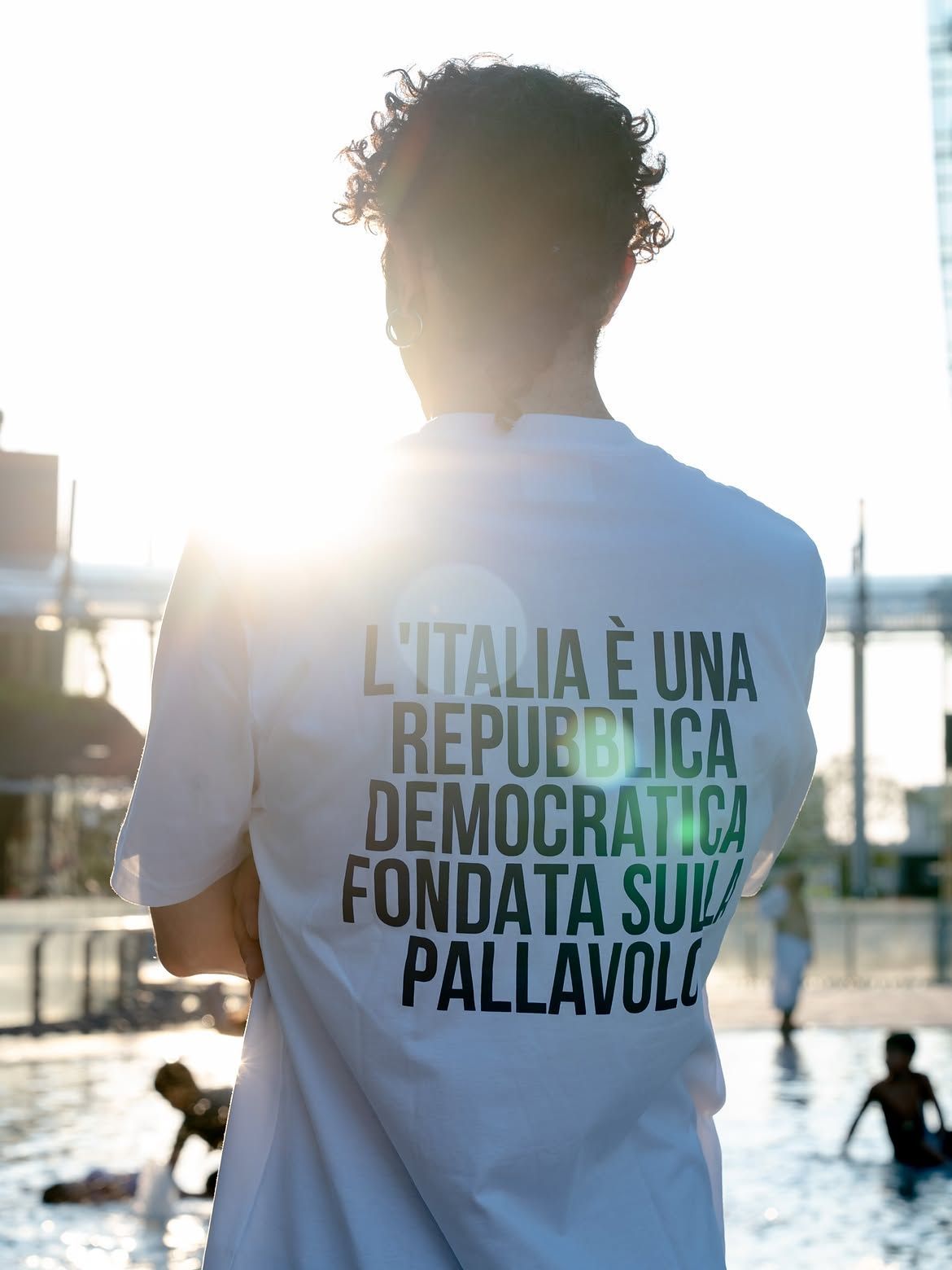
That is where Democracy of Volleyball began, the fanzine created by nss sports together with Erreà. Not with the result of a game, but with everything that exists before and after the court. A photographic project that travelled through Naples, Modena, Turin and Milan to explore four different ways of experiencing the same sport, through the eyes of Fabio Monaco, Mattia Bianco, Fabiana Amato and Aria Ruffini.
Four cities, four identities and four perspectives that show there is no single way to define Italian volleyball. This is the democracy at the heart of the project: the idea that volleyball belongs to everyone, and that every place can find its own way of interpreting it. A concept that extends beyond the court and speaks to the way a sport can become culture, belonging and identity.
That is why the value of these past few weeks cannot be measured by the final result alone. Volleyball has had the chance to become a collective story again, filling conversations and arenas, generating images, encounters and new ways of telling its story. Democracy of Volleyball was created to capture this moment and look at it from a different perspective. Not to document a single game, but to photograph what remains when the game is over. The fanzine is still available at nss edicola in Naples and Milan. A way to keep telling the story of volleyball beyond the result, through the people, cities and images that make up its culture. Because a game ends. A sporting culture, however, lives on.