
When tourism becomes sportswashing From Visit Rwanda to Amazing Thailand
The ban imposed by the Premier League on using the names of companies directly linked to gambling as front-of-shirt sponsors has opened the market up to a range of alternative investments, while also putting some clubs in a difficult position. Sunderland, for example, remain the only team in the English top flight still without an official shirt partnership, despite having supposedly agreed two deals in quick succession: the first with W88, a sports betting and online casino operator, which fell through due to the new regulations; and the second, shortly afterwards, with Visit Ghana, the official brand of the Ghana Tourism Authority, the government agency responsible for developing tourism in the country.
The latter partnership is currently stuck in an unclear limbo after months of successful negotiations — so much so that Sunderland had effectively announced it as a done deal — due to the Ghanaian government's failure to formally approve it. Nevertheless, it is part of an increasingly widespread trend both in the Premier League and globally. One of the most recent examples is Calcio Padova, who this summer announced Amazing Thailand, the brand of the Tourism Authority of Thailand (TAT), as their new official sleeve partner.
How the Padova deal with Amazing Thailand works
Padova Calcio’s work over the past few years has been extremely positive, and not only because of their promotion to Serie B in 2025. The club’s sporting director, Massimiliano Mirabelli, has held the role since the team was in Serie C in 2022. Many will remember him from his time at AC Milan between 2017 and 2018, where he followed a strategy focused on generating significant capital gains, amounting to tens of millions of euros. The latest example was Delli Carri’s transfer to Monza in 2025, which also included a bonus linked to the Lombardy club’s subsequent promotion to Serie A. Alongside a forward-looking transfer strategy aimed at improving the club’s financial sustainability, ownership was also transferred at the beginning of this year to local entrepreneur Alessandro Banzato, following six years under Joseph Oughourlian, owner of the Amber Capital fund.
These are all common features among small and medium-sized Italian club ownerships, something that has already been seen with clubs in Southern Italy, with adidas returning to Lecce and Puma to Palermo. These partnerships are driven by the potential created not so much by sporting success, but by the connection a club can establish with its supporters and its local territory. Unable to compete with the biggest powers on a television and commercial level, the strategy instead becomes one of local investment and rootedness, reducing the club’s overall media impact to some extent while elevating it into a genuine socio-cultural institution.
It is therefore unsurprising that Amazing Thailand has shown an interest, since the same strategies pursued by Padova run in parallel with the destination marketing strategies employed by public tourism bodies. First of all, the presence of the brand on the official shirt of a club with strong historical and local relevance legitimises its position in the market, lending the brand greater authority — a fundamental element when it comes to creating a positive perception of a tourist destination. Secondly, and as a direct consequence of this first benefit, investing in small and medium-sized organisations with particularly active and loyal audiences creates an extremely positive risk-reward relationship for the sponsor. The brand can generate benefits that significantly outweigh the costs and, as a result, allocate the remaining budget to other markets as well.
In the specific case of Amazing Thailand, the English market is particularly interesting, with West Ham recently discussed as a potential partner. Relegation to the Championship has temporarily allowed the London club to circumvent the Premier League ban and retain its agreement with Irish gambling company BOYLE Sports, but a potential promotion could pave the way for a deal first announced last March, involving the Thai logo being displayed on the front of the shirts, on the LED boards and across advertising spaces at London Stadium. This would not be Amazing Thailand’s first involvement in English football. The brand’s logo remained on Oxford United’s men’s first-team away kit until 2025, with the partnership also offering potential benefits to supporters through the club’s digital channels. Before that, the Tourism Authority of Thailand had worked with Leicester City — owned by Bangkok-based King Power Group — to promote post-pandemic tourism, with the Thailand Smiles With You campaign featured on the front of the shirts.
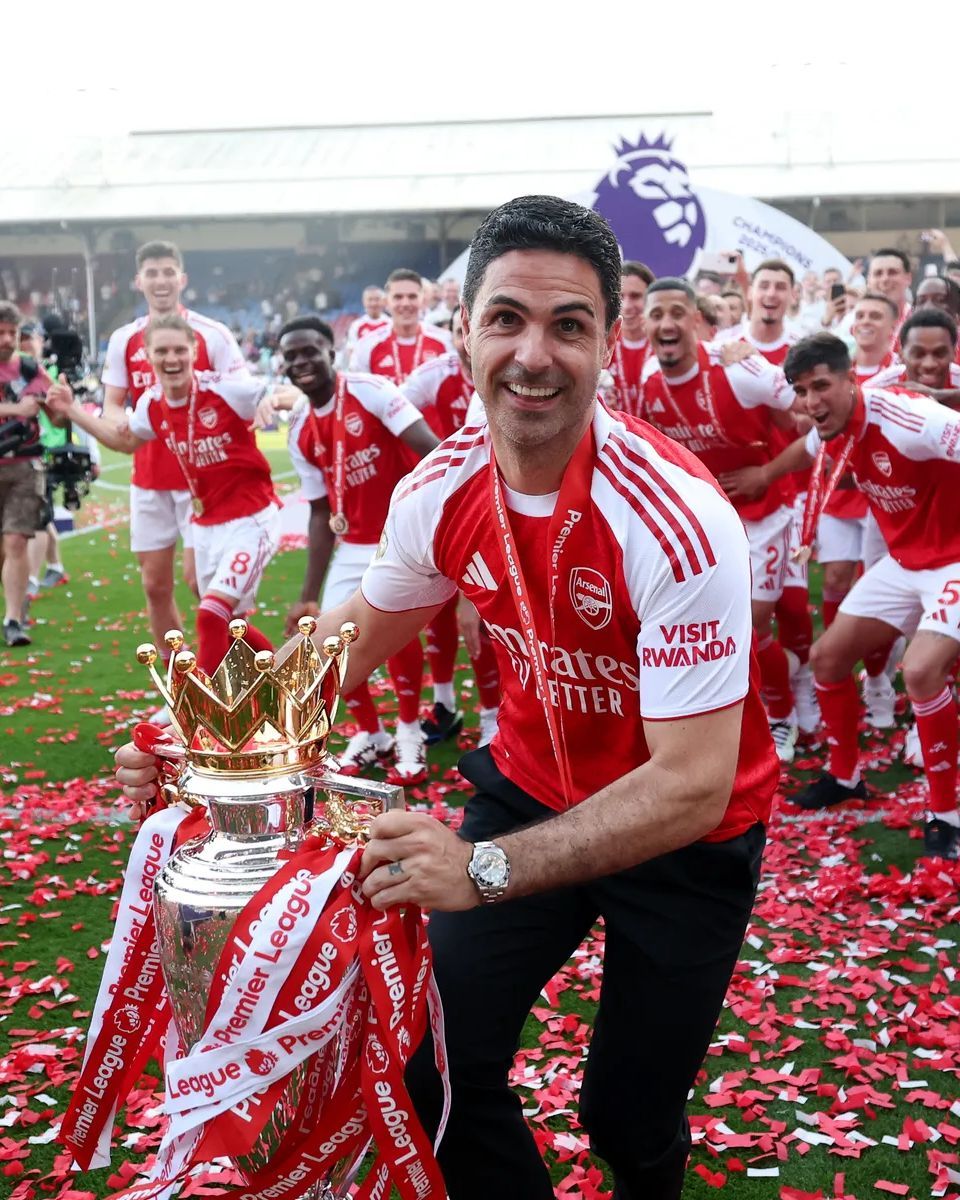
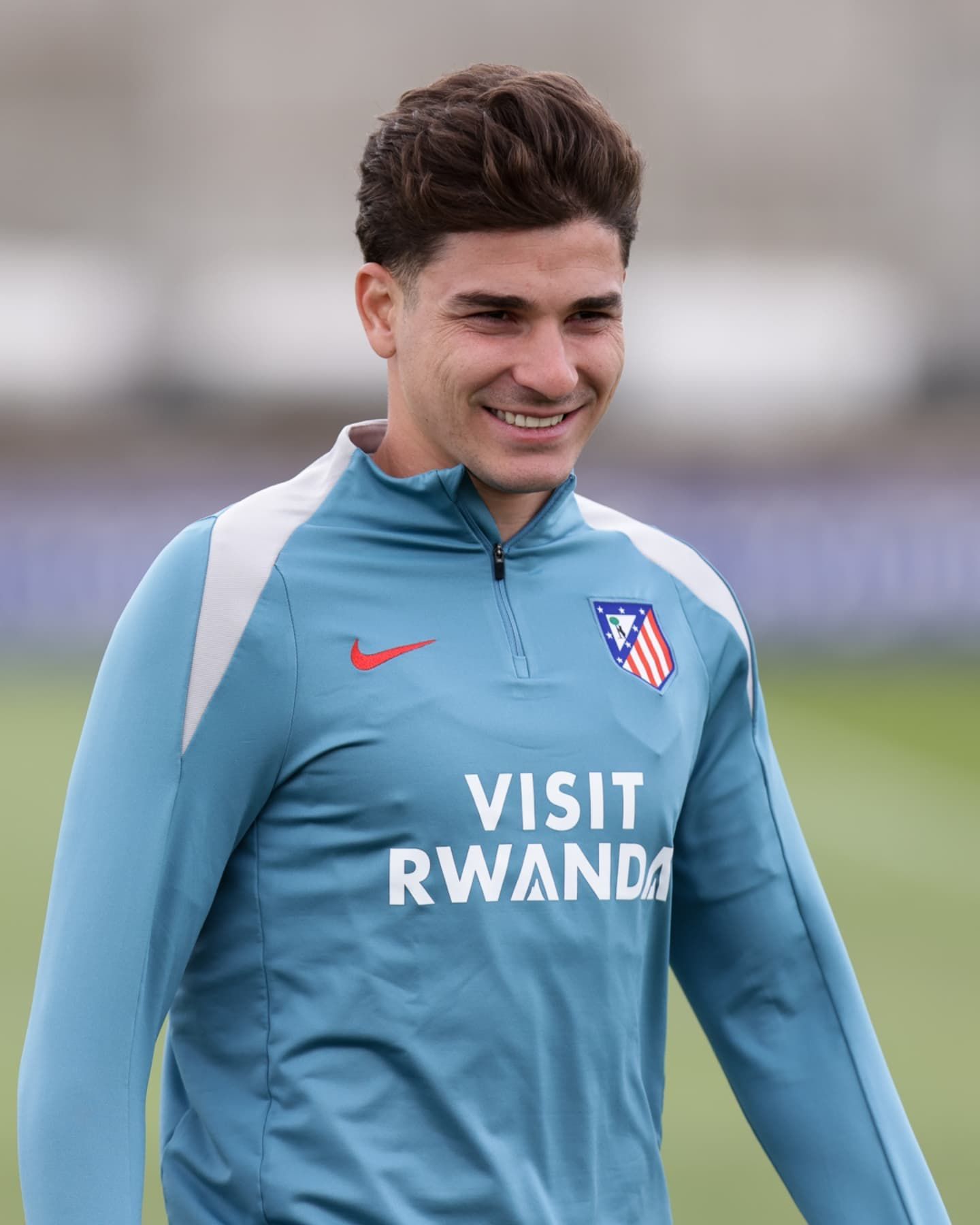
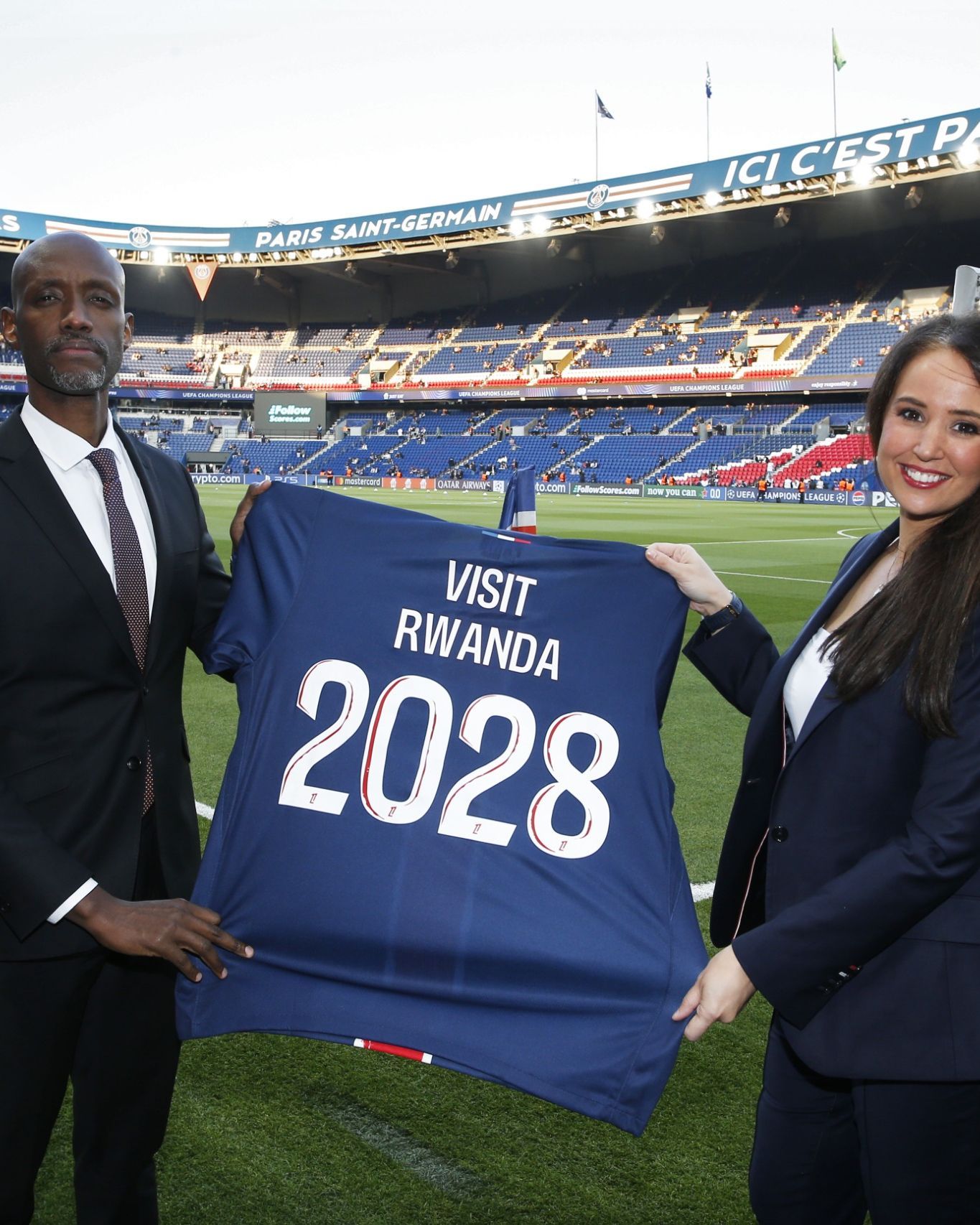
Rwanda has managed to establish itself as a luxury destination thanks to significant investments by the country’s Development Board, both domestically — particularly in the highly innovative capital Kigali — and internationally. The first club to ever become a partner of the Rwandan government agency was Arsenal in 2018, when the Gunners agreed to feature Visit Rwanda as a sleeve sponsor across their men’s, women’s and academy teams. From there, a chain reaction began. A deal was subsequently struck with Paris Saint-Germain, with the brand’s logo displayed at the Parc des Princes — where Rwandan coffee and tea are also promoted — as well as on the men’s training and warm-up kits and on the women’s sleeves. Then, in 2023, Visit Rwanda entered into a five-year agreement as Platinum Partner with Bayern Munich, which established its own Academy in the African country and initially displayed the Visit Rwanda logo on the LED boards at the Allianz Arena. The most recent sponsorships involve Atlético Madrid, with the logo appearing on the back of the men’s official shirt for a limited number of La Liga matches and on the training kits of all teams, and finally Aston Villa, as a front-of-shirt sponsor from this season onwards.
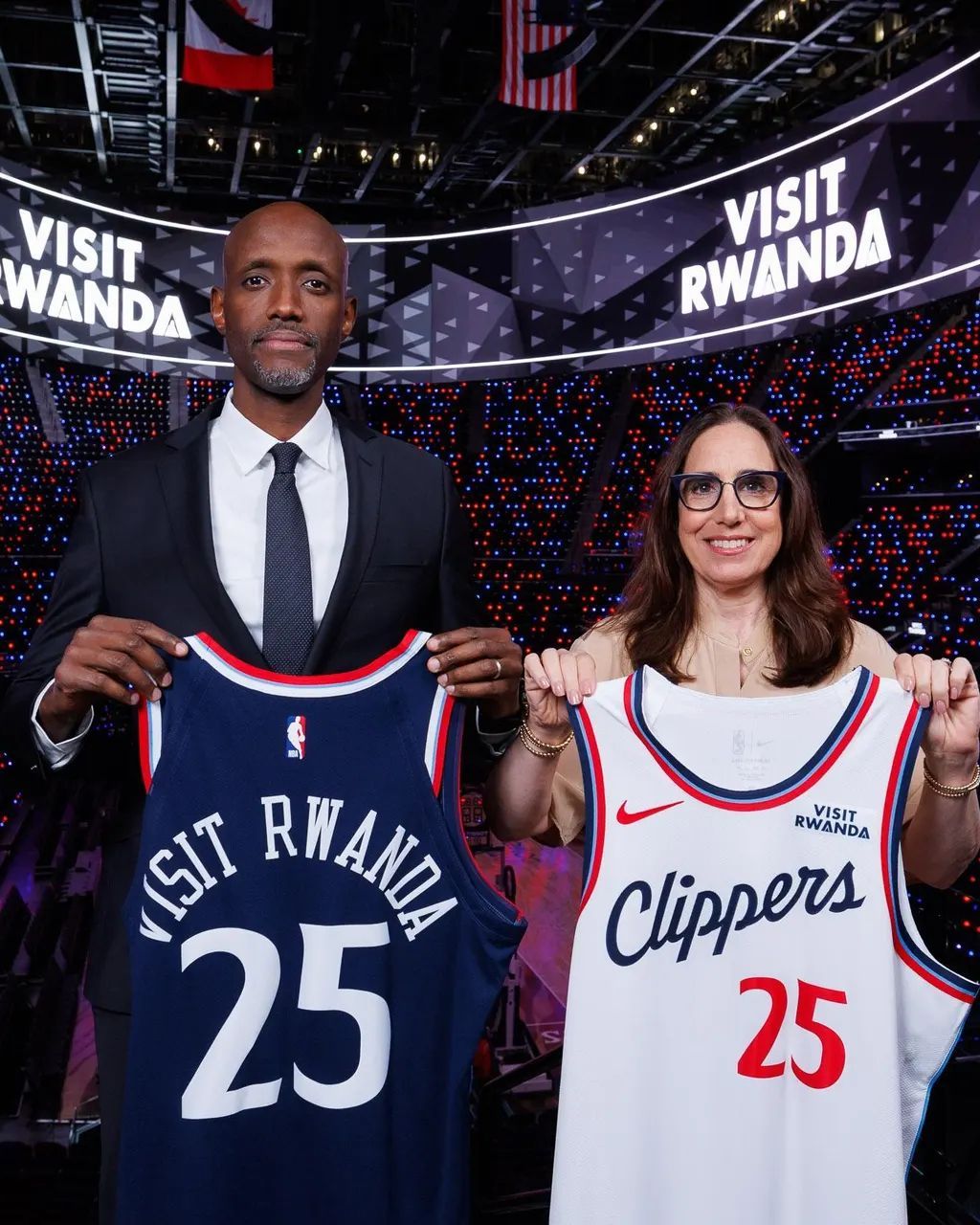
The latter is the most striking example, as the Birmingham club is currently the only Premier League side to feature the logo of a tourism authority on the front of its shirt, while the situation surrounding Sunderland remains to be seen. Looking at another African country that is poor but rich in natural resources, such as Ghana, it becomes clear how Visit Rwanda has established itself as a model to follow and a trailblazer for this type of partnership. In England, alongside the Oxford and Leicester deals with Amazing Thailand, Manchester United has struck a deal with Visit Malta to promote the brand managed by the Maltese Tourism Authority during home matches and across digital channels. Beyond football, Visit Rwanda is also a commercial partner of the Los Angeles Clippers in the NBA and the Los Angeles Rams in the NFL, while the partnership between Gresini Racing and Indonesia’s Ministry of Tourism and Creative Economy has continued since 2023, with the first year seeing the Wonderful Indonesia logo displayed on the winglets of the Ducati Desmosedici bikes.
These kinds of agreements with government entities are also versatile enough to sometimes involve entire leagues. Abu Dhabi’s Department of Culture and Tourism has been collaborating with the NBA since 2022 and last July signed a nine-year extension reportedly worth more than $300 million. Under the agreement, the US basketball league will continue to stage pre-season games in the political capital of the United Arab Emirates while also developing an Academy in the country. A similar strategy has been adopted by EuroLeague, which welcomed Dubai Basketball into the competition and selected Etihad Arena as the venue for the 2025 Final Four. This was part of a broader agreement with Etihad Airways and Experience Abu Dhabi aimed at turning the Persian Gulf into a new global hub for economic initiatives built around sport and tourism. Visit Rwanda has also pursued more comprehensive partnerships along the same lines, including with the Basketball Africa League (BAL), coordinated by the NBA, and the Confederation of African Football (CAF), as a founding partner of the African Football League (AFL). It has even gone as far as hosting the 2025 UCI Road World Championships in Kigali and the IRONMAN 70.3 triathlon in Rubavu District, which has been a regular stop on the calendar since 2022.
The risks: Rwanda’s sportswashing
Even simply looking at the state of these countries, however, raises several questions. Rwanda, for example, is currently experiencing strong GDP growth, with a rate of 7.2% forecast for 2026, yet it remains the world’s twenty-ninth poorest country in terms of purchasing power parity (PPP), having even slipped down the ranking compared with 2025. The population is concentrated in rural areas, where extreme poverty remains widespread, while cities are home to less than nineteen per cent of the total population, with a population density of 604 inhabitants per square kilometre, the second-highest in Africa. And yet Kigali alone accounts for more than 41% of the national GDP and is one of the most advanced technology hubs in the world. This points to an enormous concentration of wealth in the hands of a few people and in a limited number of areas, particularly around Kigali and Paul Kagame, who has been in power for more than thirty years and has been (forcibly) left without meaningful competition for the leadership of the country.
These issues — censorship, repression of dissent, arrests and abuses — are anything but new. They were already highlighted during the UCI Road World Championships, but they form part of a much broader political context that is already devastating from a humanitarian perspective. The Kivu region, on the border between the Democratic Republic of the Congo and Rwanda, has long been the scene of clashes between the M23 rebel group, which is predominantly Tutsi, and the Congolese army. The fighting reportedly resulted in around 7,000 deaths in the first months of 2025, while more recent reports from Kinshasa in early 2026 attributed the deaths of another 1,500 civilians to M23 operations. An investigation by Human Rights Watch found testimony of rape and evidence of the summary execution of 53 civilians, including six children, during the M23 occupation of the city of Uvira in eastern DRC. Despite repeated denials from the central government, numerous investigations have found that the rebel group is financed by Kigali.
These events have not gone unnoticed in Europe. The Gunners For Peace group took action in April 2025, unveiling a billboard calling on Arsenal to terminate its partnership with Visit Rwanda at any cost, even jokingly promoting a trip to Tottenham. The campaign, together with official surveys showing that only 3% of supporters were in favour of keeping the agreement with Visit Rwanda, had such an impact that the sponsorship was not renewed. Meanwhile, Bayern Munich was forced to publicly reject accusations of sportswashing after fans protested by displaying banners during matches, while Thérèse Kayikwamba Wagner, the Congolese foreign minister, sent a letter accusing major European clubs of having "blood-stained deals" with Rwanda. The Bavarian club subsequently scaled back its collaboration with the African tourism authority, removing its name from LED boards and advertising after the first two years, while retaining it as a title partner. PSG, meanwhile, took an entirely different approach, renewing its agreement with Visit Rwanda until 2028 despite a petition signed by 75,000 people calling for the opposite.
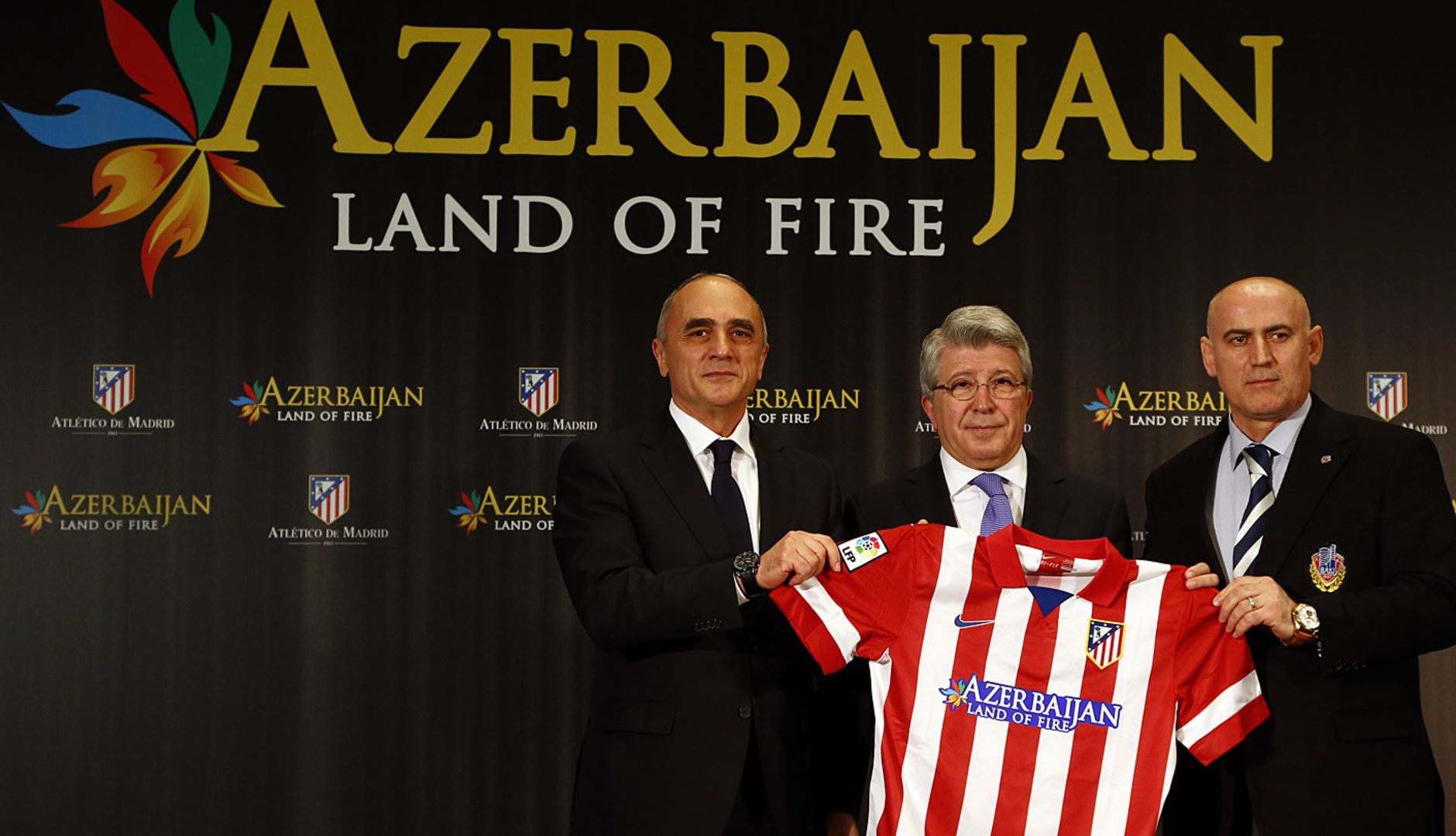
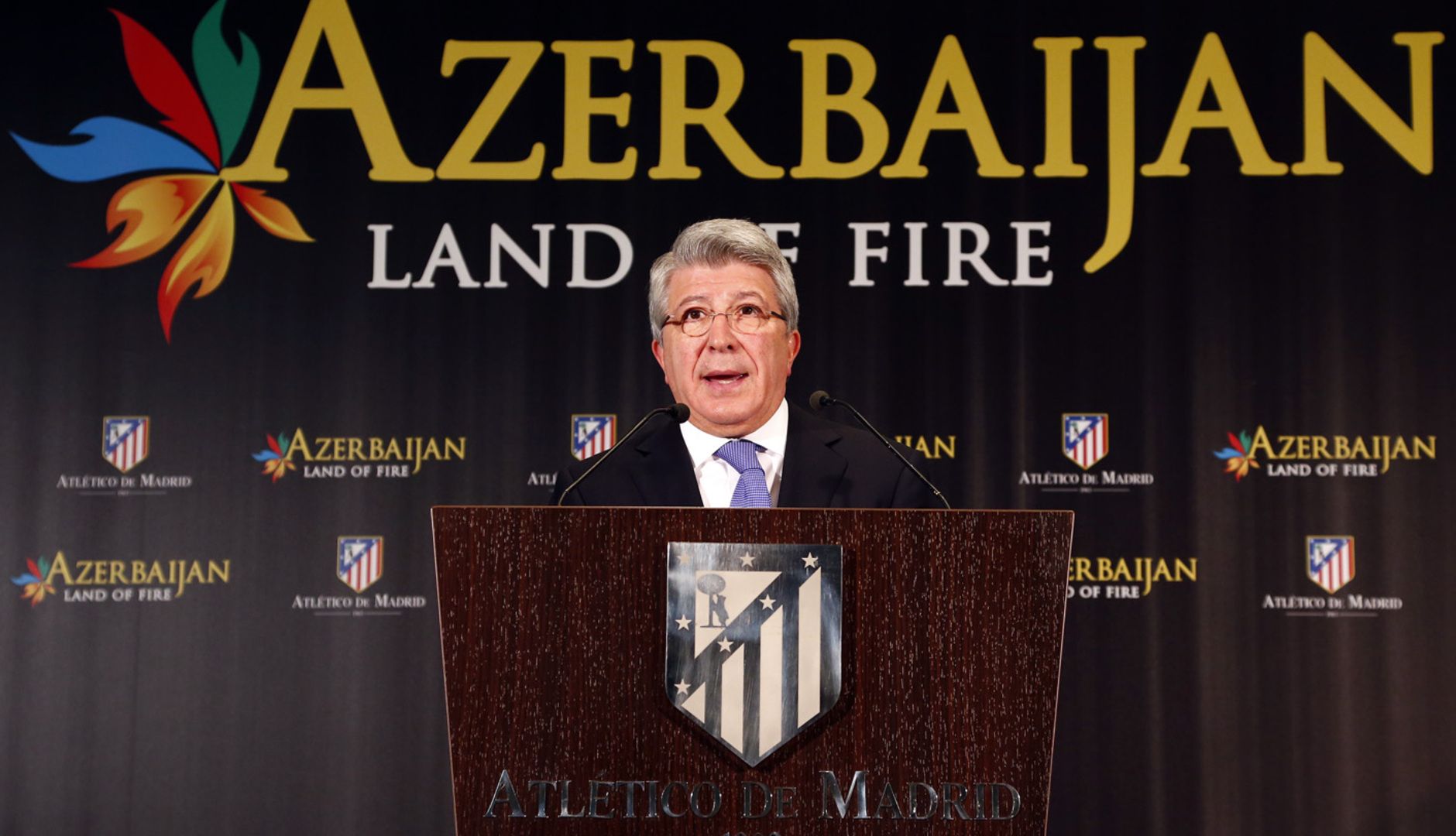
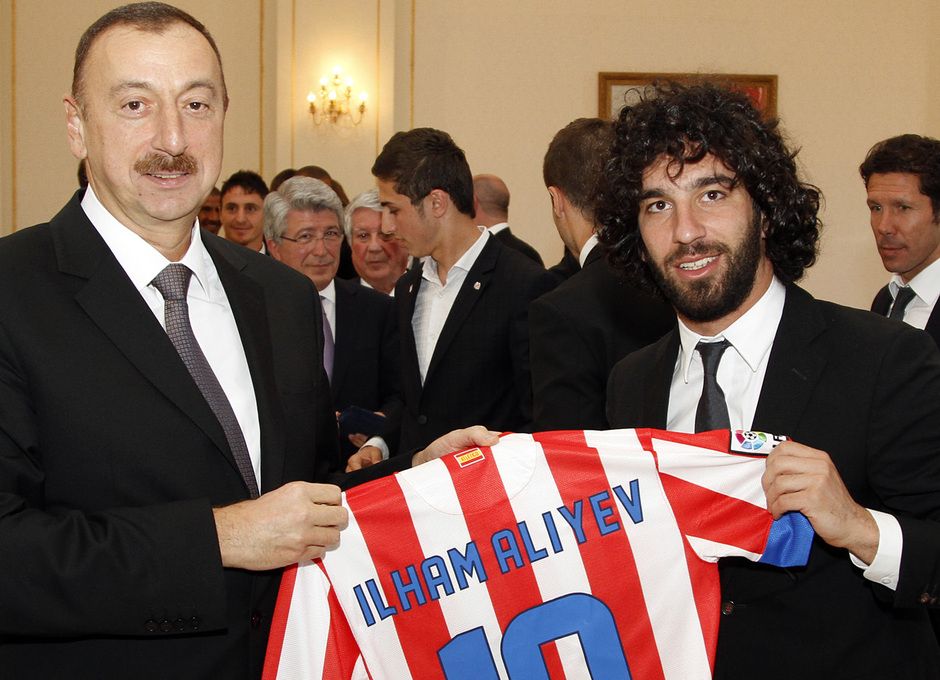
This is a similar controversy, albeit one that received greater attention, to what happened around a decade ago with Atlético Madrid and Land of Fire, the Azerbaijani government’s tourism sponsorship campaign. The brand representing the South Caucasus country invested in the Madrid club during its most successful period, when it won La Liga and reached the first Champions League final of the Simeone era, in an 18-month partnership that ran from 2013 to 2015. Precisely because of the club’s success, scrutiny of Atlético Madrid and its Azerbaijani sponsor increased, prompting the NGO Reporters Without Borders to publicly condemn the agreement with Land of Fire — which shortly afterwards became Baku 2015 to promote the first matches of the European Championship hosted by Azerbaijan — as a means of promoting the interests of a country ranked among the world’s worst in terms of press freedom and respect for human rights.
From Qatar to Saudi Arabia, FIFA has learned nothing
If Atlético Madrid does not seem to have learned how much backlash a partnership of this kind can generate, having recently signed a deal with Visit Rwanda, FIFA is no different. Negotiations in 2023 to make Visit Saudi the main sponsor of the Women’s World Cup in Australia and New Zealand triggered huge protests from players and the host federations, eventually leading FIFA President Gianni Infantino to withdraw the proposal. As if that were not enough, the announcement of a partnership with Saudi Aramco, the Saudi state-owned oil company, running until 2027 — and therefore also covering the Women’s World Cup in Brazil — prompted 106 players to sign a letter addressed to FIFA, calling on the organisation to reconsider its agreement with a state that does not align with the principles of inclusion promoted by football. In this case, however, there was no U-turn.
The issue had already become further politicised during that period by tensions along the border between Saudi Arabia and Yemen, which led to investigations into the alleged summary execution of hundreds of migrants and crimes against asylum seekers at the hands of Saudi authorities. Focusing solely on abuses against women, Human Rights Watch has documented cases of rape involving 13-year-old girls, who were subsequently sent back across the border without clothes, as well as cases in which young male migrants were coerced into sexually assaulting 15-year-old girls, facing execution if they refused. These humanitarian disasters are compounded by the repression of dissent, most notably the killing of former teacher Mohammad bin Nasser al-Ghamdi over criticism of the Saudi government on his social media channels, as well as the execution of 196 prisoners in 2022, the highest number in 30 years according to Amnesty International. There is also the introduction of the Personal Status Law, which further entrenches the subordinate role of women in relation to men, reinforcing a patriarchal system of governance.
Against this backdrop, which has since evolved and deteriorated further amid the disastrous geopolitical situation currently affecting the entire Middle East, Saudi Arabia has been designated as the host country for the 2034 FIFA World Cup. This is problematic for three reasons. The first is political and geopolitical — a concern reiterated by Amnesty International and twenty other organisations that signed a joint statement opposing the decision. The second concerns the selection process itself. The 2030 World Cup effectively ruled out Europe, Africa and South America, since the tournament will be hosted by Spain, Portugal and Morocco, while the opening matches will also be played in Argentina, Uruguay and Paraguay to mark the competition’s centenary. The principle of continental rotation therefore left Asia and Oceania as the only options for the following edition. FIFA then excluded the latter by providing an extremely narrow window in which to submit a bid, one that Australia and neighbouring countries were unable to meet, unlike Saudi Arabia, which was immediately ready. Such a compressed timeline, culminating in an extraordinary online Congress, raised questions about the process, but not nearly as many as the third problematic factor: the disturbing legal and humanitarian parallels with what happened in Qatar.
First and foremost, FIFA once again failed to provide transparency in the awarding process, a particularly sensitive issue after the Qatar-gate scandal. This is the informal name given to the major investigation into corruption surrounding the buying and selling of votes for the 2022 World Cup. After years of investigations, senior figures including Sepp Blatter and Michel Platini were ultimately acquitted, but the affair left behind numerous repercussions. Among them was Qatari whistleblower Phaedra Al Majid entering the FBI witness protection programme, as well as the now-famous 2010 meeting between Platini, French President Nicolas Sarkozy and the Emir of Qatar to discuss their respective interests. What followed included the acquisition of Paris Saint-Germain by sovereign wealth fund Qatar Sports Investments and the transfer of hotel management for the new Qatari facilities built for the 2022 World Cup to French group Accor, which had close ties to Sarkozy. The direct relationship with FIFA was also formalised through Qatar Airways becoming the federation’s Official Airline Partner and, above all, serving as a bridge to the Qatar National Tourism Council to create all-inclusive travel packages for the World Cup.
Beyond the risk of corruption, the most significant issue is the Saudi Arabian government’s record on basic human rights, particularly when viewed against Qatar’s troubling precedent. Qatar relied on an enormous migrant workforce to build its infrastructure, with official statistics reporting the deaths of more than 15,000 non-Qatari citizens between 2010 and 2019. According to projections, Saudi Arabia’s ambitious plan to build fourteen stadiums would require roughly six times the workforce employed for the 2022 tournament, while the International Labour Organization (ILO) is already documenting violations of fundamental rights across a vast workforce of more than 13 million migrant workers.
A repeat of the abuses experienced during the Qatar World Cup therefore appears increasingly plausible. There, workers were not only housed in overcrowded accommodation and subjected to shifts lasting more than 15 hours, but also found themselves in a state of political invisibility. Migrant workers were tied to contracts with their employers rather than with the state, meaning their right to remain in the country was dependent on the duration of the agreement and the employer’s discretion — all strictly temporary, with no guarantee of residency. ILO investigations into working conditions during the construction of Qatar 2022 found criteria consistent with the definition of forced labour and modern slavery, as well as violations of numerous principles set out in the Universal Declaration of Human Rights adopted by the United Nations General Assembly. The conditions for a repetition of this scenario in Saudi Arabia in 2034 not only exist, but appear to be amplified.