
How Italian football circumvents the betting advertising ban Brazenly, by simply relabelling things
“There is no sense that a ban on betting advertising even exists.” These were the words of Umberto Calcagno, president of the AIC (Italian Footballers’ Association), during a Senate hearing last week. His statement gave voice to something that anyone who follows Italian football knows all too well: betting-related messages continue to reach supporters and viewers before, during and after matches, despite the ban introduced by the Dignity Decree. The previous day, appearing before the same committee, Ezio Simonelli, president of Lega Serie A, had expressed the opposite view, calling for the ban to be lifted because he believes it is damaging both clubs and Italian football as a whole.
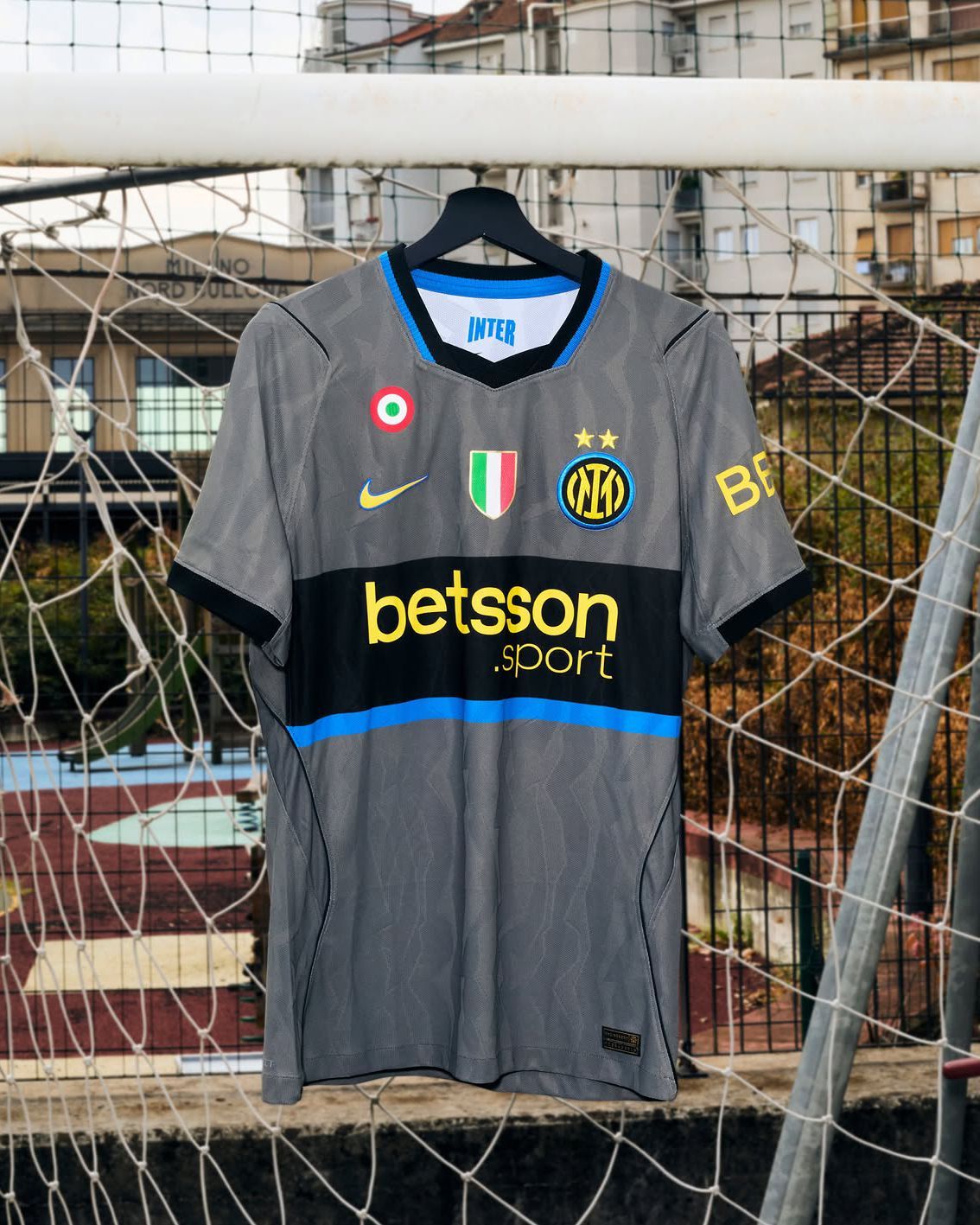
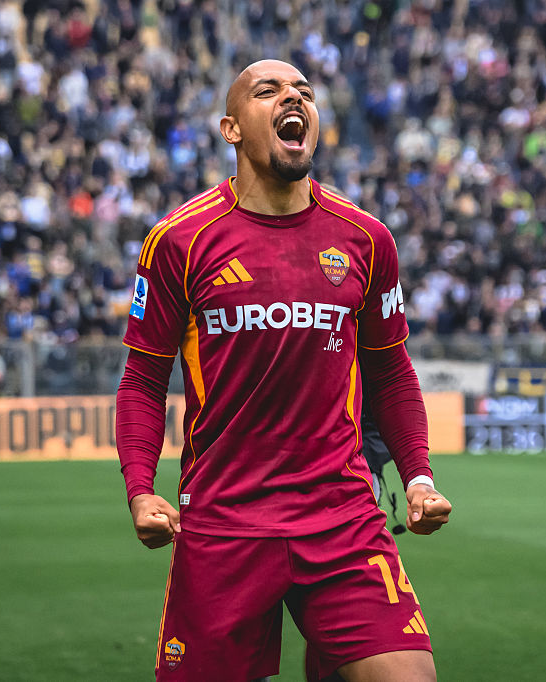
The issue has been debated for some time but has become particularly relevant again in recent months. During the summer, while Andrea Pirlo was being linked with the Italy job, his role as an ambassador for Russian bookmaker Fonbet became a media and political controversy. In July, Italy’s Customs and Monopolies Agency (ADM) also added several Fonbet domains to its list of gambling websites not authorised to operate in the country. The unveiling of the clubs’ new kits for the 2026/27 season then brought one of those moments of the year when sponsorships become impossible to ignore. In the current Serie A season, Inter have Betsson.sport across their chest, Roma feature Eurobet.live and Monza display DAZN Bet Club, while the shirts of Lazio, Parma, Torino, Atalanta and Lecce carry Kaiyunsports.news, AdmiralBet.news, bet365 Scores, SNAIFUN and BetItalyPay respectively. Not all these brands provide the same service—BetItalyPay, for example, specialises in digital payments—but they all maintain a recognisable connection to the world of betting.
At the beginning of September, the debate also involved Lega Serie A. Its True Data campaign, created to promote the use of official match data, ended with the line: “If the data isn’t official, your bet is less secure.” The ADM challenged the message, describing it as an indirect form of gambling promotion and demanding that the campaign be withdrawn. Beyond the advertisement itself, what stands out is the premise behind it: to promote and protect its data, the league addresses its entire audience as potential bettors.
Crossing a national border is enough for the rules to change. During their away match against Real Madrid at the beginning of September, Inter played without Betsson.sport on their shirt in compliance with Spanish restrictions. In England, meanwhile, Premier League clubs have removed betting brands from the front of their match shirts beginning with the 2026/27 season. In Brazil, the issue has become part of the current electoral battle: just days before the vote, President Lula signed a sweeping crackdown on gambling and related sponsorships, while opposition figure Flávio Bolsonaro has called for a distinction between online casinos and sports betting. For Brazilian football - where betting brands appear on the shirts of almost every major club, inside stadiums and even in the names of competitions - a genuine financial earthquake now looms.
Returning to Italy, Article 9 of the Dignity Decree prohibits “any form of advertising, including indirect advertising, relating to games or betting with cash prizes”. Since 2019, the ban has also applied - at least in theory - to sponsorships. A recently enacted law has changed the tax treatment of certain gambling-related sponsorships without altering the ban itself. How, then, can brands connected to betting continue to appear on Serie A shirts? And, more generally, how can the betting industry remain so present and so explicit throughout football?
The answer lies primarily in what each sponsor officially claims to provide. Betsson.sport presents itself as a sports content platform, Eurobet.live is described by Roma as a live scores and statistics service, while SNAIFUN is an app offering news, quizzes and predictions. The brands appearing on the shirts are therefore not the websites where users can place bets directly, but their “infotainment” offshoots: hybrids combining information and entertainment. In Lazio’s case, the previous and controversial agreement with Polymarket, which ended in August, was followed by a deal with Kaiyunsports.news that operates according to the same logic as the other examples. As a result, the names of companies operating in the betting industry continue to circulate and promote themselves in front of the public.
The distinction between these activities is crucial in allowing the agreements to be officially presented as sponsorships of sports information, but the connection to betting promotion remains all too obvious to anyone watching. Italy’s Sports Minister Andrea Abodi acknowledged as much in 2023, arguing that the ban needed to be reconsidered and referring to the “parallel communication carried out by the same websites”, which still encourage users to place bets.
According to a 2025 report published by the FIGC, the amount wagered annually on football matches in Italy exceeded €16 billion. This is the country’s overall gambling turnover rather than revenue generated by clubs, but the figure - to which bets placed on other markets, online casinos, slot machines and other forms of gambling could be added - helps illustrate the scale of the market behind these investments. Betting was already an important source of sponsorship revenue before the Dignity Decree: according to Lega Serie A, twelve of the league’s twenty clubs had agreements with companies in the industry during the 2017/18 season. The ban changed the form of those partnerships, but not their financial value. According to estimates reported by La Gazzetta dello Sport, Betsson.sport currently pays Inter around €30 million per year, while the agreement between Roma and Eurobet.live is worth approximately €13 million.
As mentioned, the phenomenon extends far beyond Italy. According to an investigation by Investigate Europe, 67% of clubs competing in the top divisions of the European Union and the United Kingdom during the 2024/25 season (296 out of 442) had at least one gambling-related sponsor. During the same period, betting brands invested around €125 million to appear on English clubs’ shirts. These are resources that are difficult to replace, both in Italy and abroad. The fact that major clubs such as Inter and Roma are willing to associate themselves with such a controversial industry says a great deal about the role these sponsorships now play within football’s economy.
Another form of promotion takes place away from the pitch, through sports programmes and news websites, once again in a largely explicit form. Agcom’s guidelines distinguish betting promotion from services that “compare the odds offered by different operators”: a distinction that has opened another route - this time within the media - for circumventing the restrictions. These comparisons must be informative in nature, respecting principles of “moderation, transparency and an absence of promotional emphasis”. This is how odds, predictions and the names of bookmakers enter the everyday coverage of matches, attracting audiences and encouraging them to view betting as a natural extension of the game. After all, if even the league organiser - Lega Serie A, through the aforementioned True Data campaign - treats gambling as part of the experience of following Serie A, it is hardly surprising that the organisations surrounding it do the same.
Once the Decree was passed, in other words, a way around it was found - without too much difficulty or resistance. And it was done brazenly, openly exposing both the ineffectiveness of the regulations and the hypocrisy with which Italian football claims to be sensitive to gambling addiction while reminding people to gamble responsibly. Political responses have meanwhile moved in different directions, between those calling for the removal of a ban that produces no tangible results and those advocating a further crackdown targeting the alternative forms adopted by bookmakers, such as odds comparison and sports infotainment.
In the meantime, as mentioned, a tax amendment has just become law. Law 166, published on September 25, 2026, makes sponsorship expenses incurred by entities connected to operators providing gambling information or odds-comparison services non-deductible. For those covered by the new rules, sponsoring a club will therefore become less financially attractive, as the expense can no longer be deducted from taxable income.
The measure could discourage some agreements, but on its own it will neither remove these brands from football shirts nor resolve the underlying contradiction. If the goal is to prevent betting advertising from reaching the audience of Italian football, the forms in which it currently appears must also be addressed. If, on the other hand, these sponsorships are considered acceptable, their limits need to be established openly. The current situation is the most difficult to defend: the ban remains written into law, while the names it is supposed to keep away continue to dominate shirts and match coverage.