The creation of the hundredth of a second And how TAG Heuer has changed Formula 1 forever
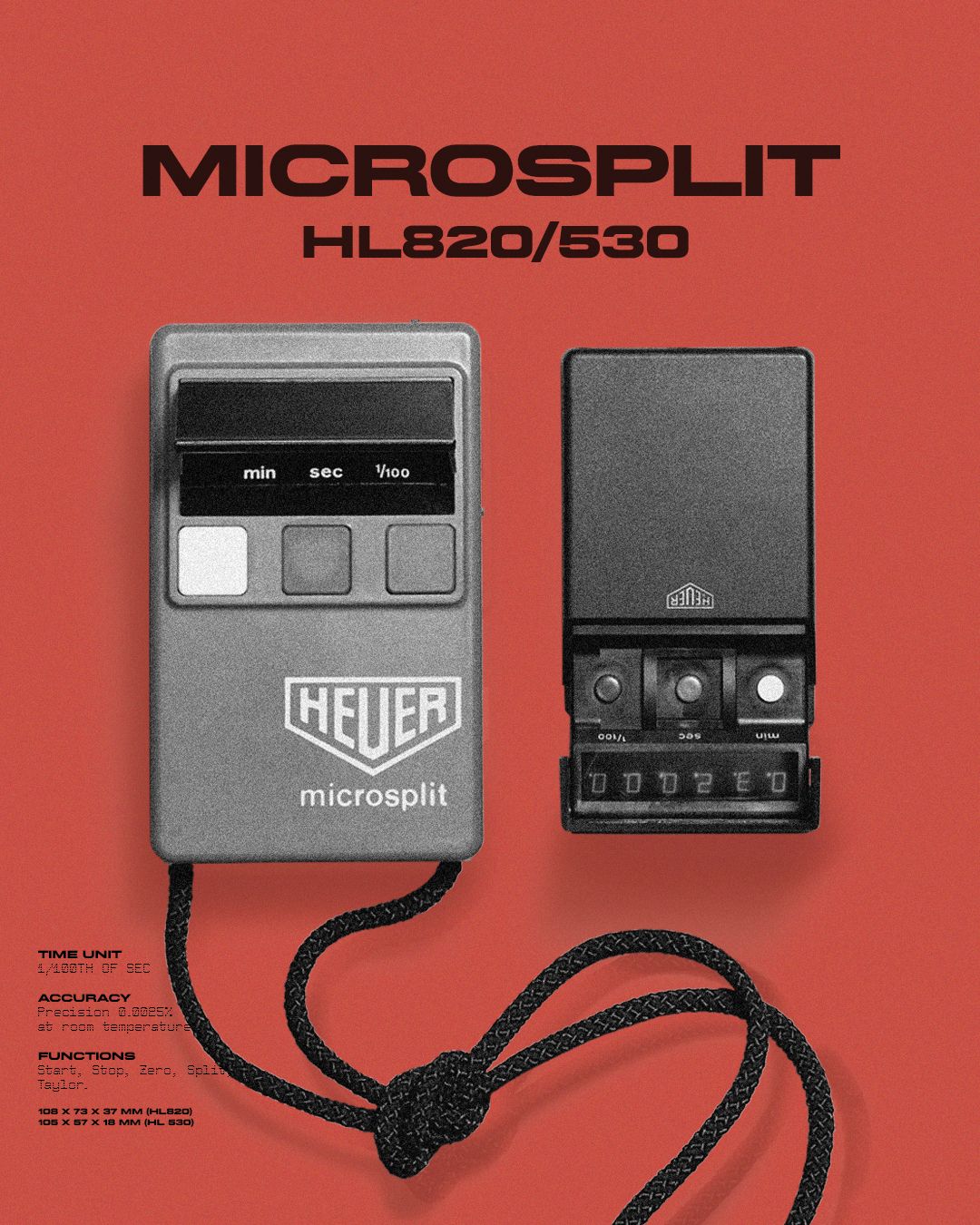
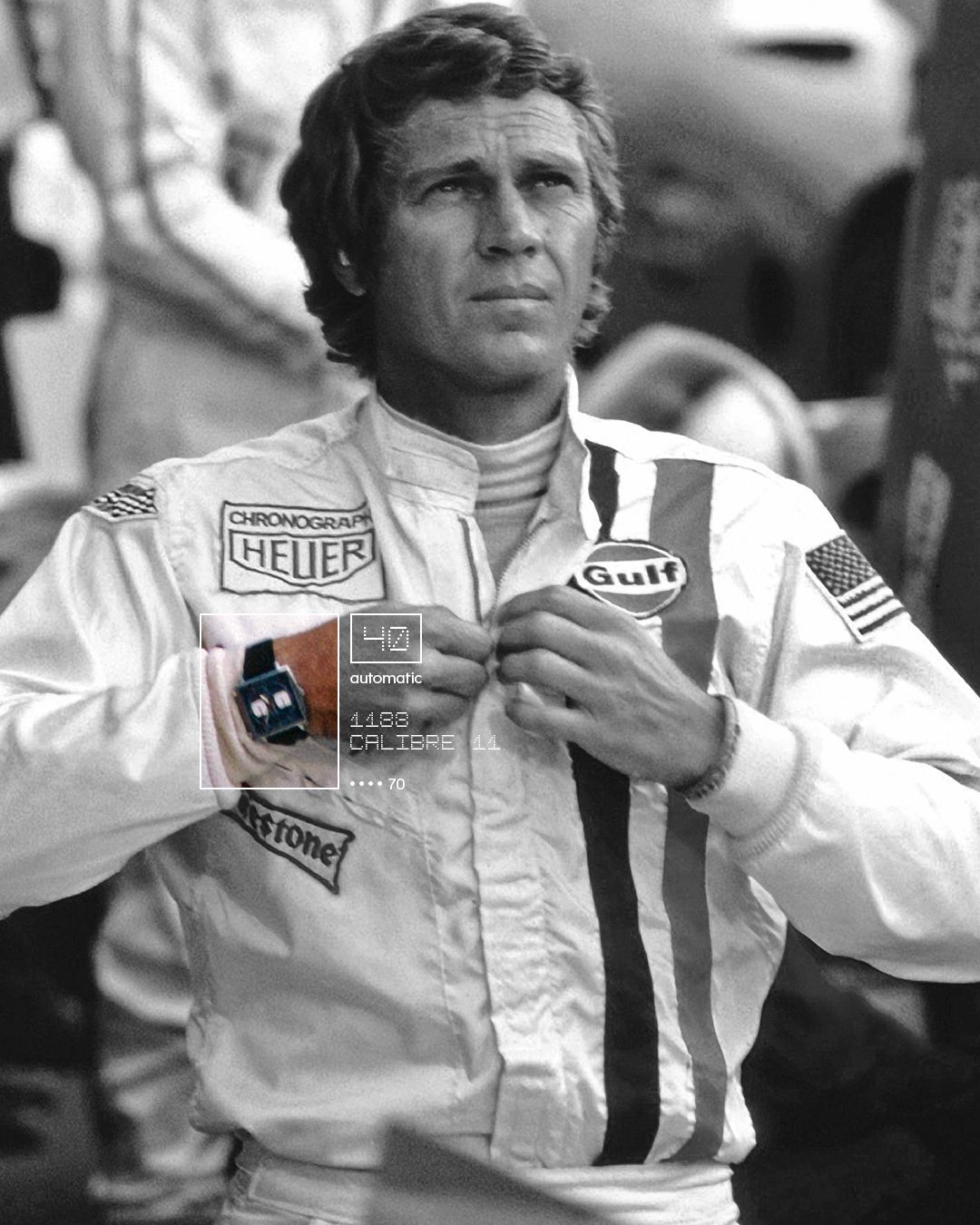
Sport is increasingly a precise science—perhaps an extreme way of looking at it—but watching races, swims, and jumps, the connection between athletic perfection and final judgment becomes clear. Today, there are replays of replays, bionic hawk eyes, and every photo finish measured down to the millimeter and hundredth of a second. When did the idea of measuring time so precisely first arise? In the early days, sport had no instruments capable of such accuracy—until the watch brand TAG Heuer raised the bar, extending the stopwatch’s precision.
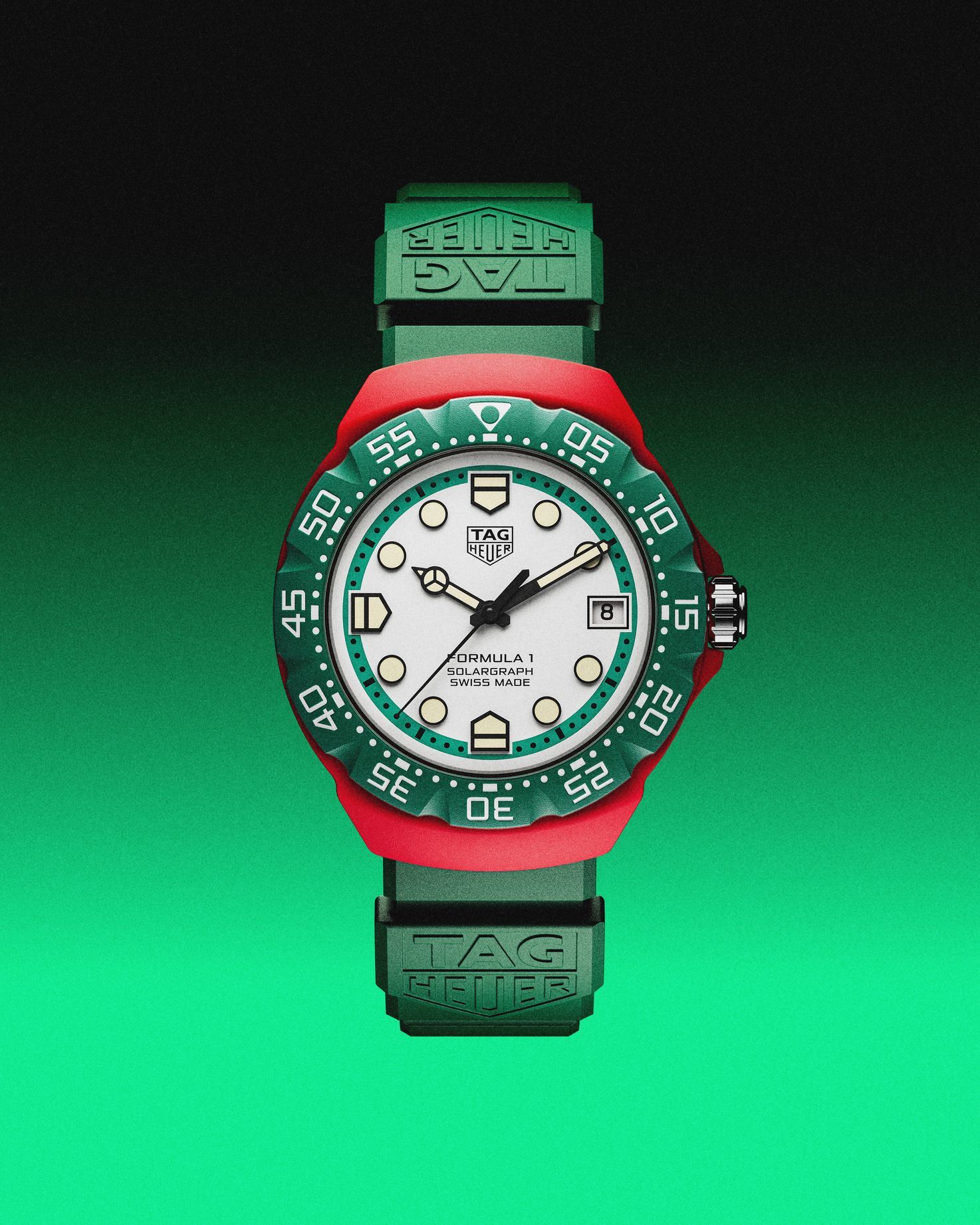
Founded in 1860 by Edouard Heuer, the Swiss brand made innovation and precision its manifesto, leaving an indelible mark on sports timekeeping. In 2025, TAG Heuer celebrates a new chapter as the Official Timekeeper of Formula 1, coinciding with the championship’s 75th anniversary.
00:00:00:01
In the early 20th century, TAG Heuer (then Heuer) became a pioneer with the launch of the Mikrograph in 1916—the first stopwatch able to measure time to the hundredth of a second. This breakthrough not only revolutionized watchmaking technology but also changed how sport was perceived. For the first time, it was possible to declare a winner in the tightest of races, where milliseconds determined glory, and where precision became the ultimate challenge. This obsession with exact timing naturally positioned the brand alongside the fastest and most spectacular sports, starting with motor racing.
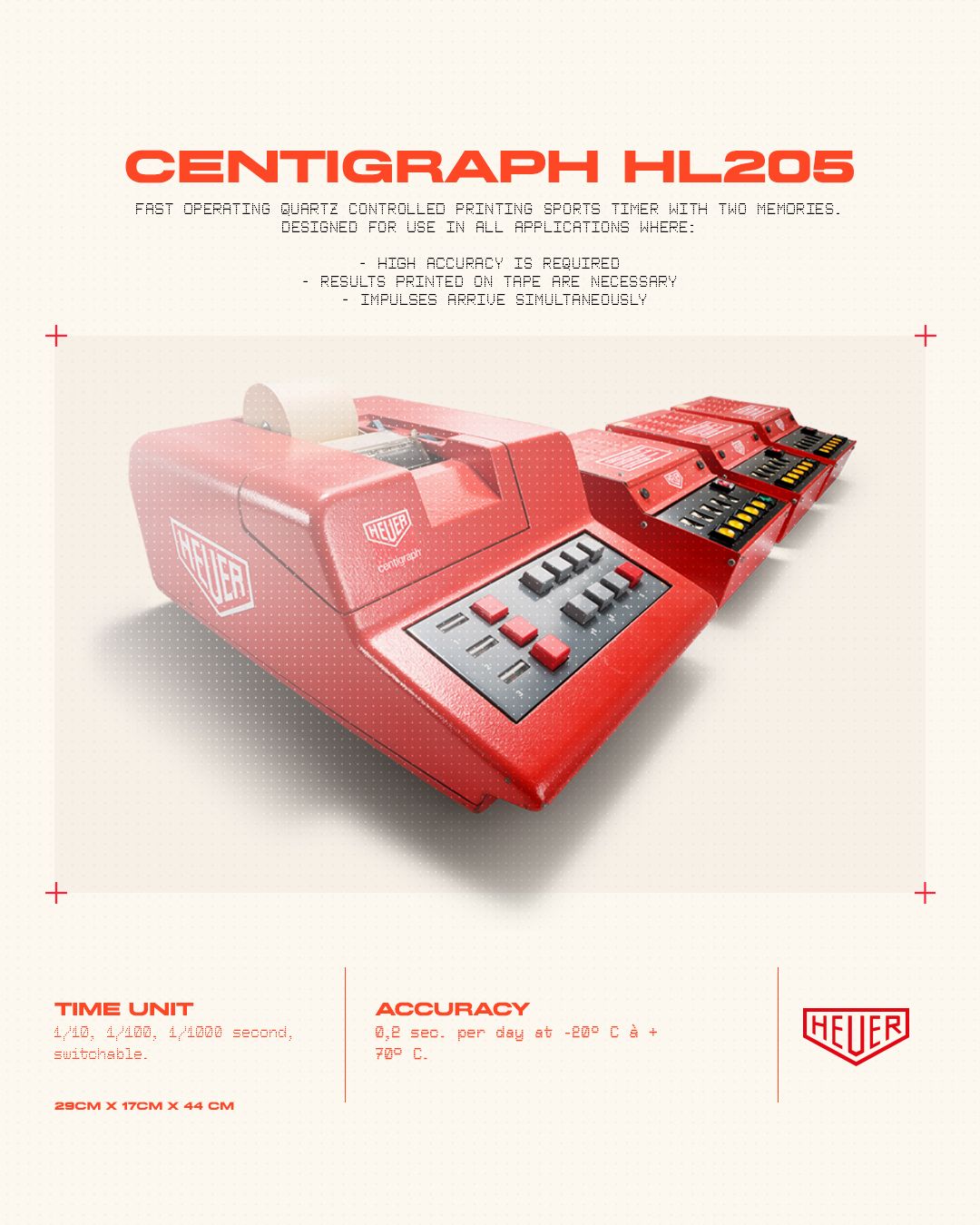
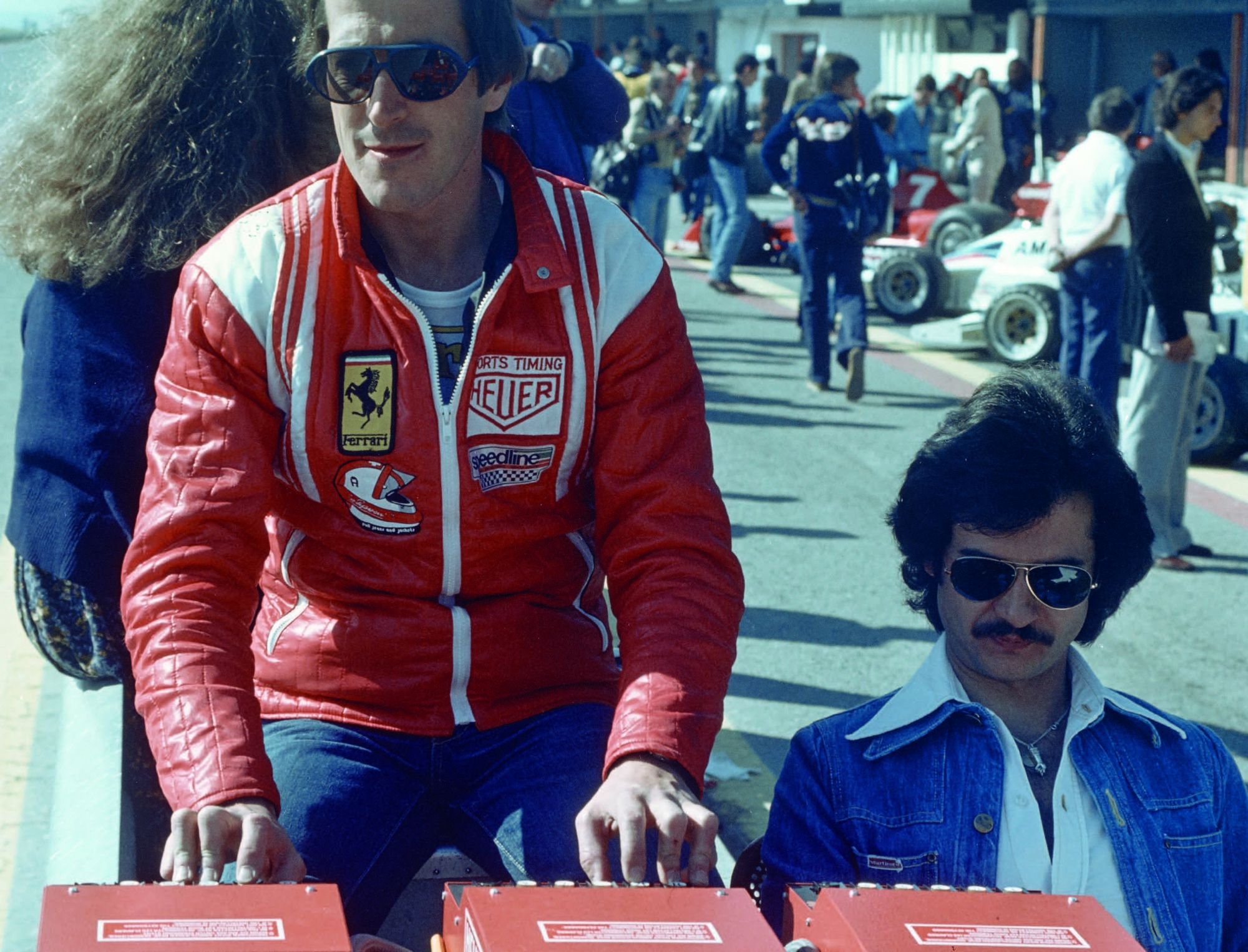
During the 60's and 70's, as Formula 1 grew in popularity, Heuer built strong relationships with legendary drivers like Jochen Rindt and Jo Siffert. With Siffert, Jack Heuer—then CEO—made history by placing the Heuer logo for the first time on an F1 car: the Lotus 49B in 1969. This marked the start of a new era where precision watchmaking and racing adrenaline became inseparable. Collaborations with Ferrari in the 1970s strengthened this bond, with the Le Mans Centigraph playing a key role in the team’s victories alongside Niki Lauda.
At the heart of racing culture
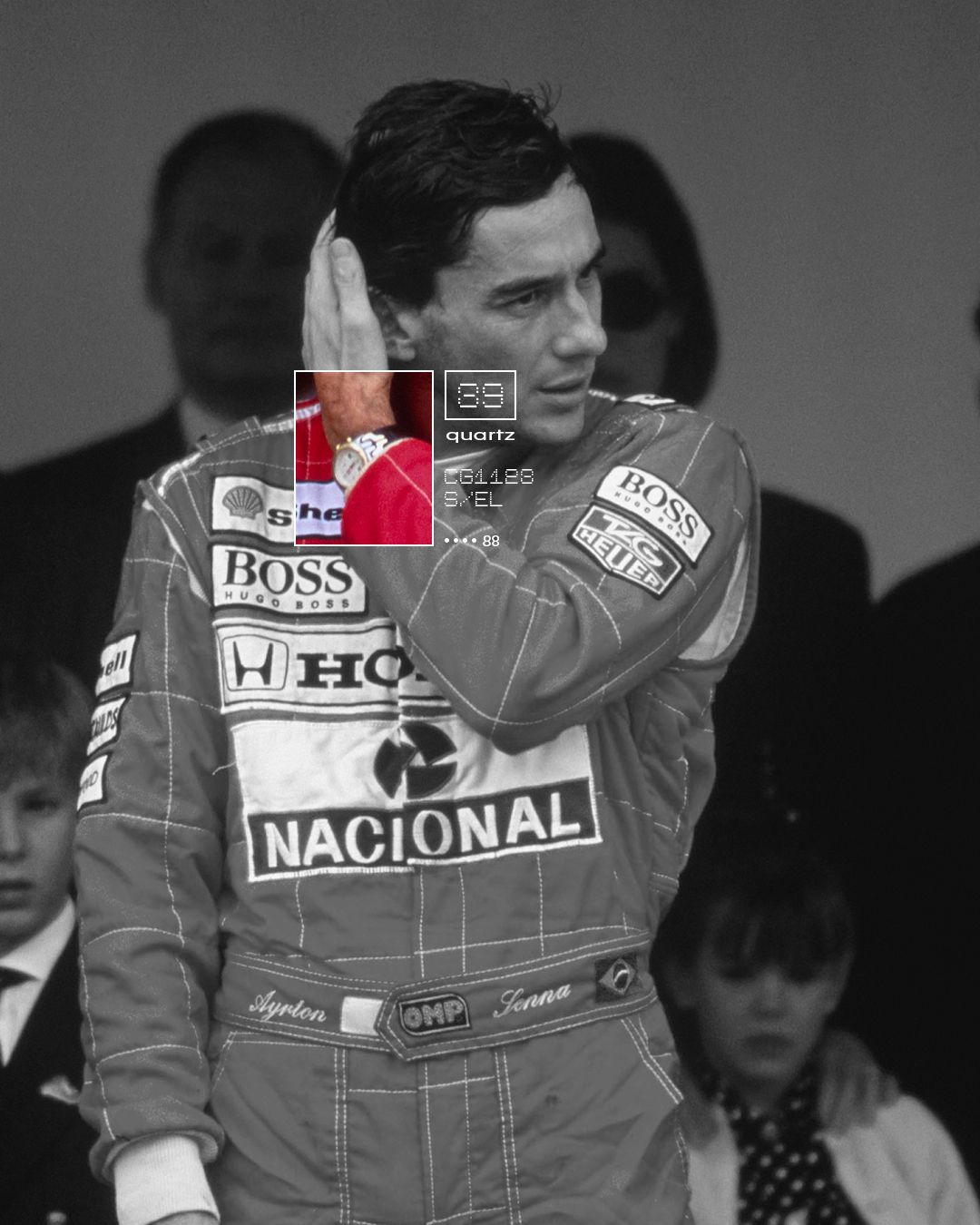
Since 1985, TAG Heuer’s presence has become synonymous with Formula 1. Its partnership with McLaren is one of the most enduring and successful in sports history, producing champions like Alain Prost, Ayrton Senna, and Mika Häkkinen. The bond with Senna, in particular, remains iconic and continues today through the Senna Foundation. Currently, TAG Heuer partners with Red Bull Racing, timing the hundredths of a second that decide victories for champions like Max Verstappen, a modern testament to the brand’s commitment to innovation and legacy.
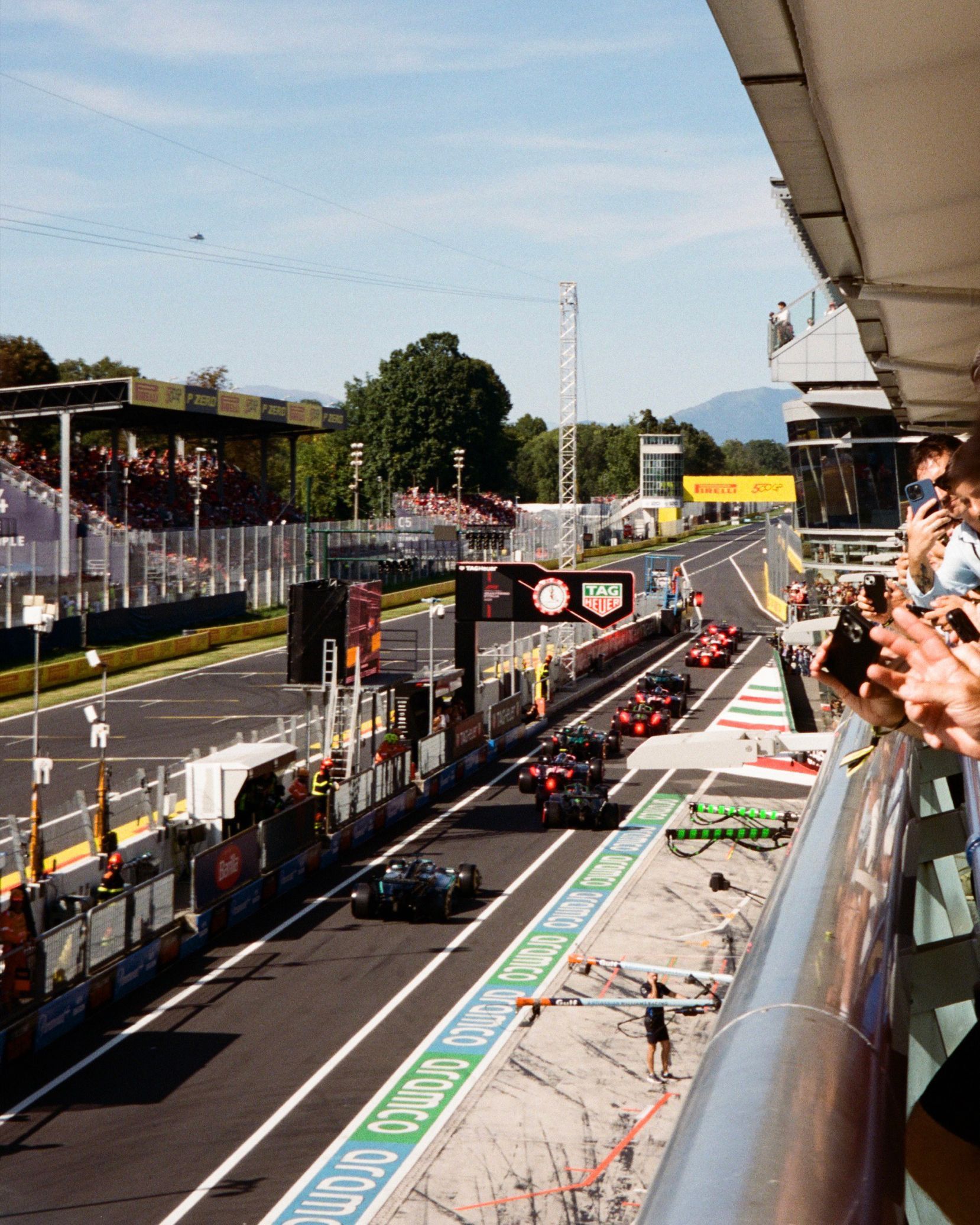
Being the official timekeeper of Formula 1 is not just a technical role—it’s a cultural statement. Through its presence on circuits, billboards, and global TV screens since the 1990s, TAG Heuer has helped define the visual and symbolic identity of motorsport. Initiatives like the “Timing Italy – The TAG Heuer Way” exhibition in Milan, organized for the 2025 Monza GP, showcase the brand as not just a technology leader but also a guardian of sporting history, preserving the feats of drivers, teams, and iconic moments.
A new challenge
TAG Heuer embodies the idea of “time as the ultimate judge,” a principle highlighted in Formula 1. Every corner, pit stop, and overtake is a matter of time, and being the Official Timekeeper means deciding who wins and who loses. This responsibility, demanding absolute reliability, belongs to those who, over a century ago, showed the world that time can be measured to the hundredth of a second.
TAG Heuer is not just a watch brand—it’s a game changer, a time changer, redefining sport and turning precise timing into a spectacle. From the Mikrograph to partnerships with Ferrari, McLaren, and Red Bull Racing, and its return in 2025 as Formula 1’s official timekeeper, the brand’s story is a testament to how innovation and passion merge to create a timeless legacy—measured to the hundredth of a second.
What to read next
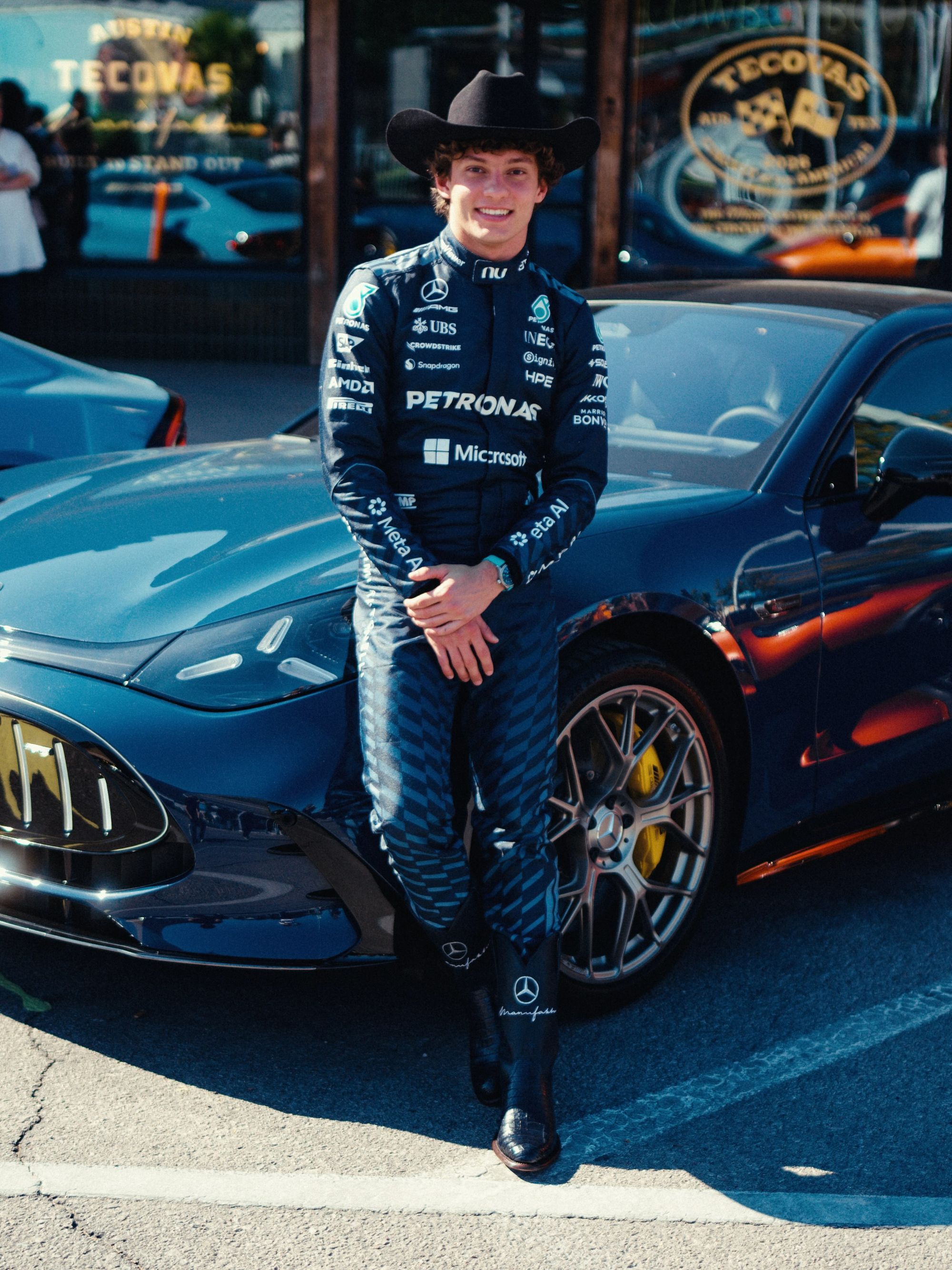
Everything new in Formula 1 for the United States Grand Prix
Liveries, racing suits, helmets and collections: everything happening around the race in Austin
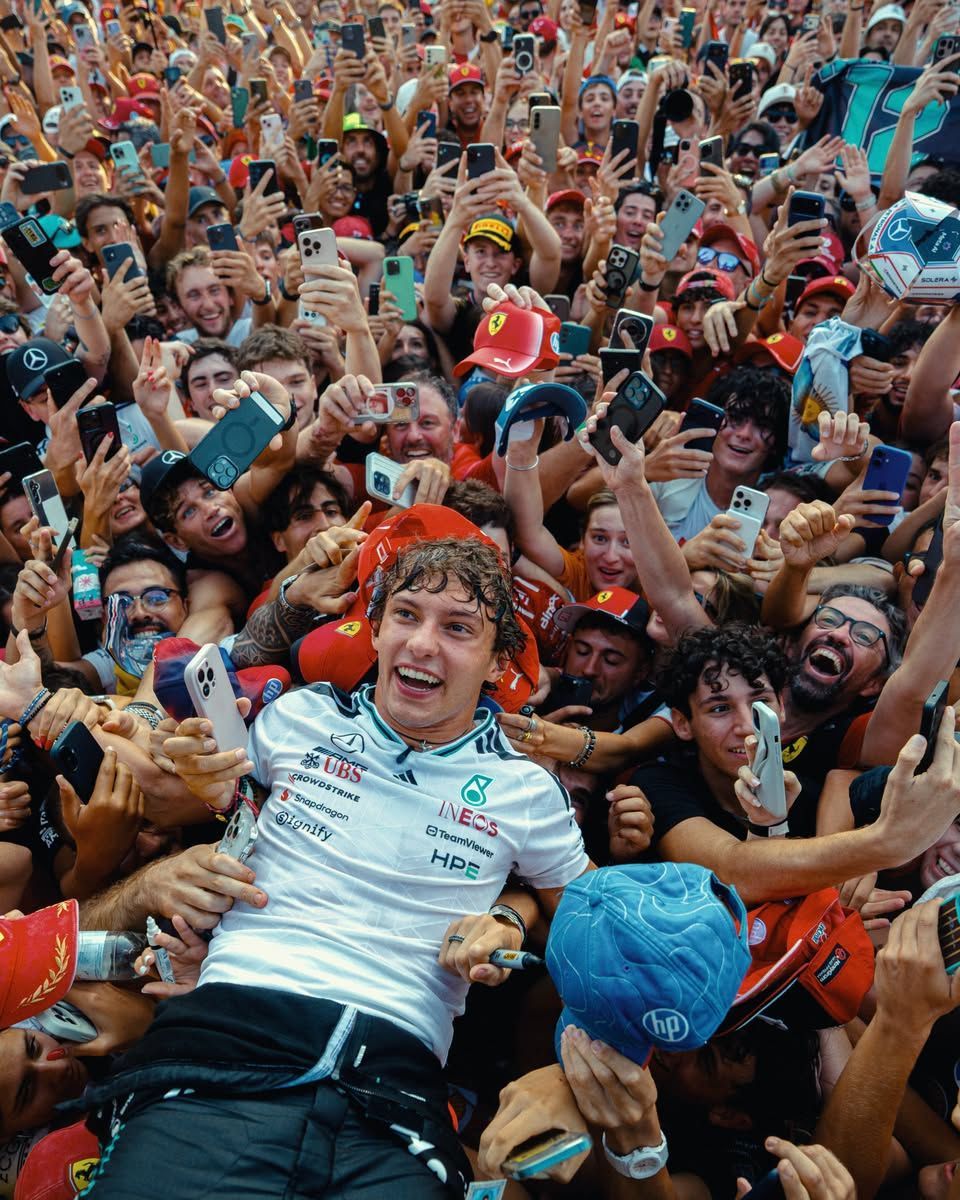
You can root for Kimi Antonelli and still love Ferrari
How the Mercedes driver is challenging the Prancing Horse's grip on Italian F1 fans